105 myths · Page 1 of 4
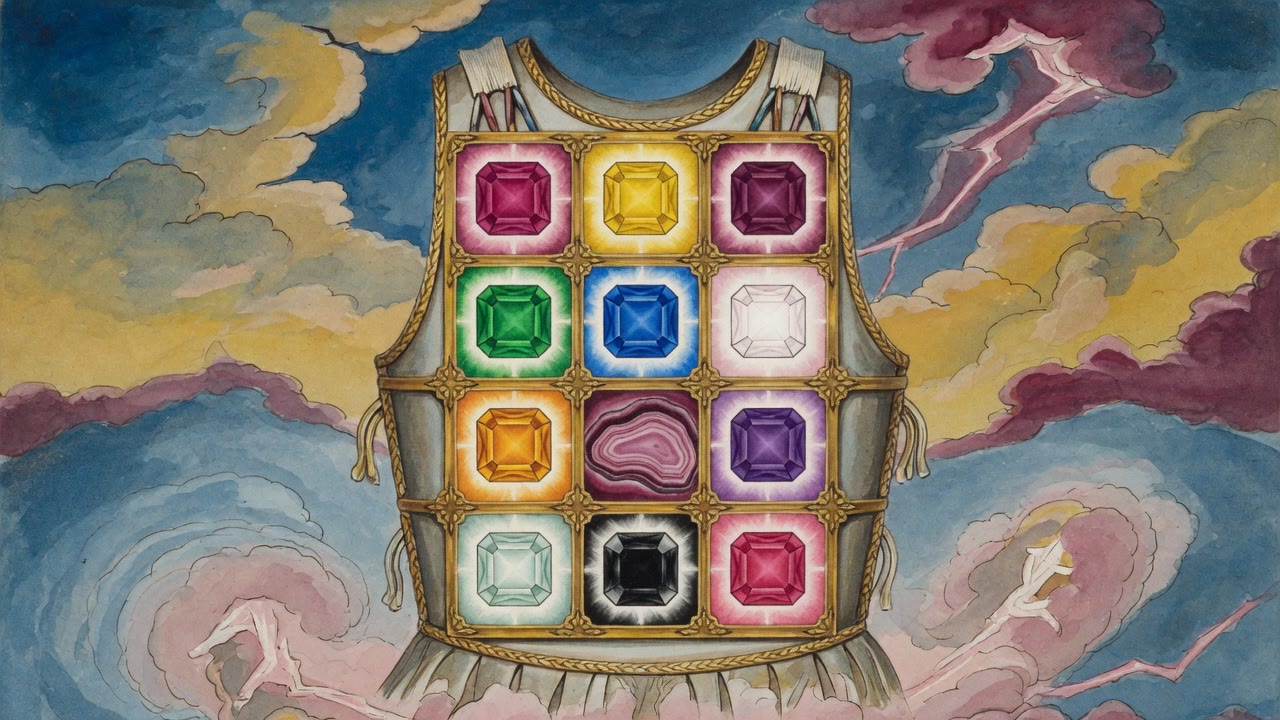
David asked if Saul would keep hunting him. The high priest looked down. Three letters on the stones caught fire and spelled the chase.
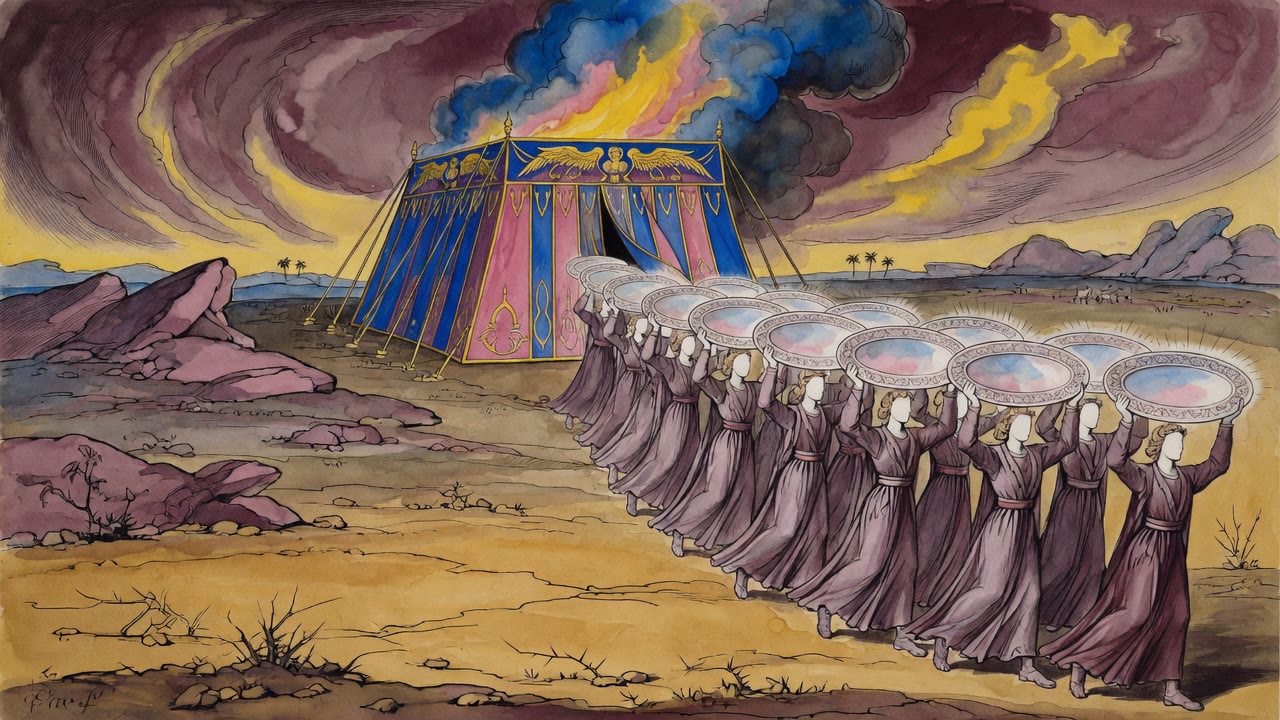
Twelve tribal princes walked toward the Tabernacle, each carrying a silver plate, a silver bowl, a gold spoon. None weighed a feather more than another.
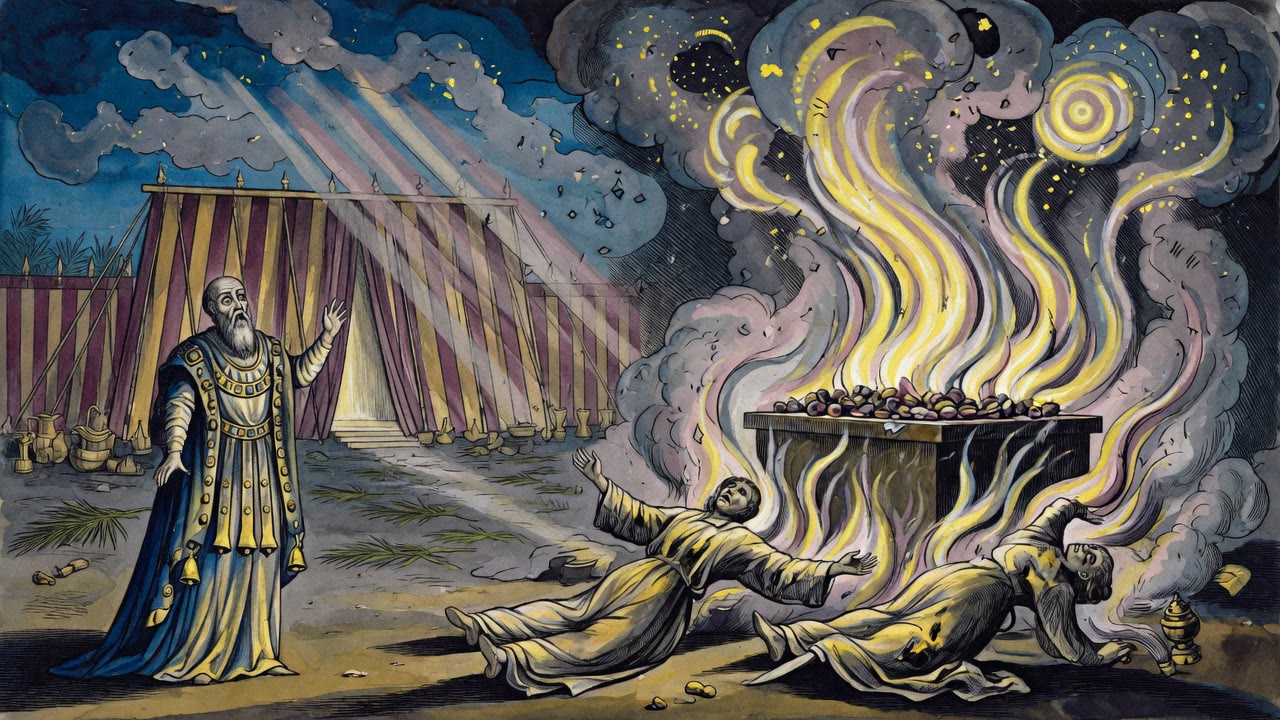
This was the best day of Elisheba's life. Her husband was high priest, her sons served beside him. Two were dead before the morning's service was over.
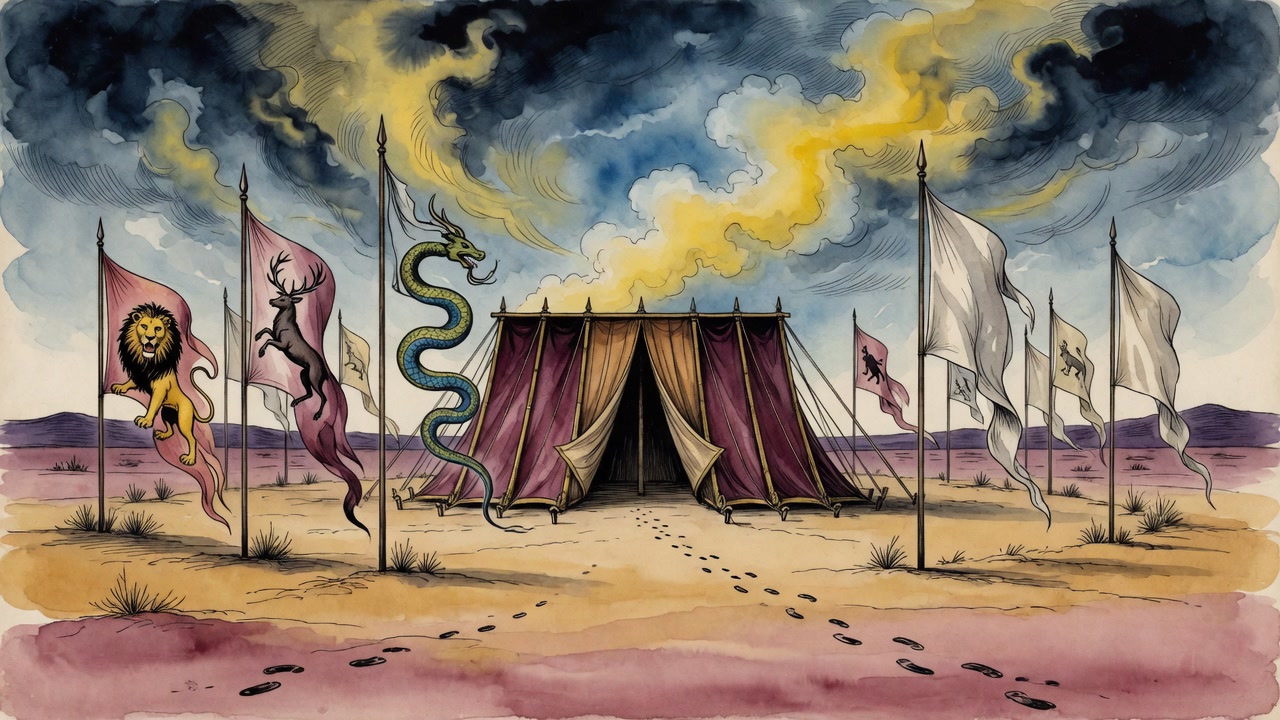
A lion on blue silk, a stag where an ox should stand, and a serpent to the north. Israel raised twelve banners and turned the wilderness into a map of heaven.
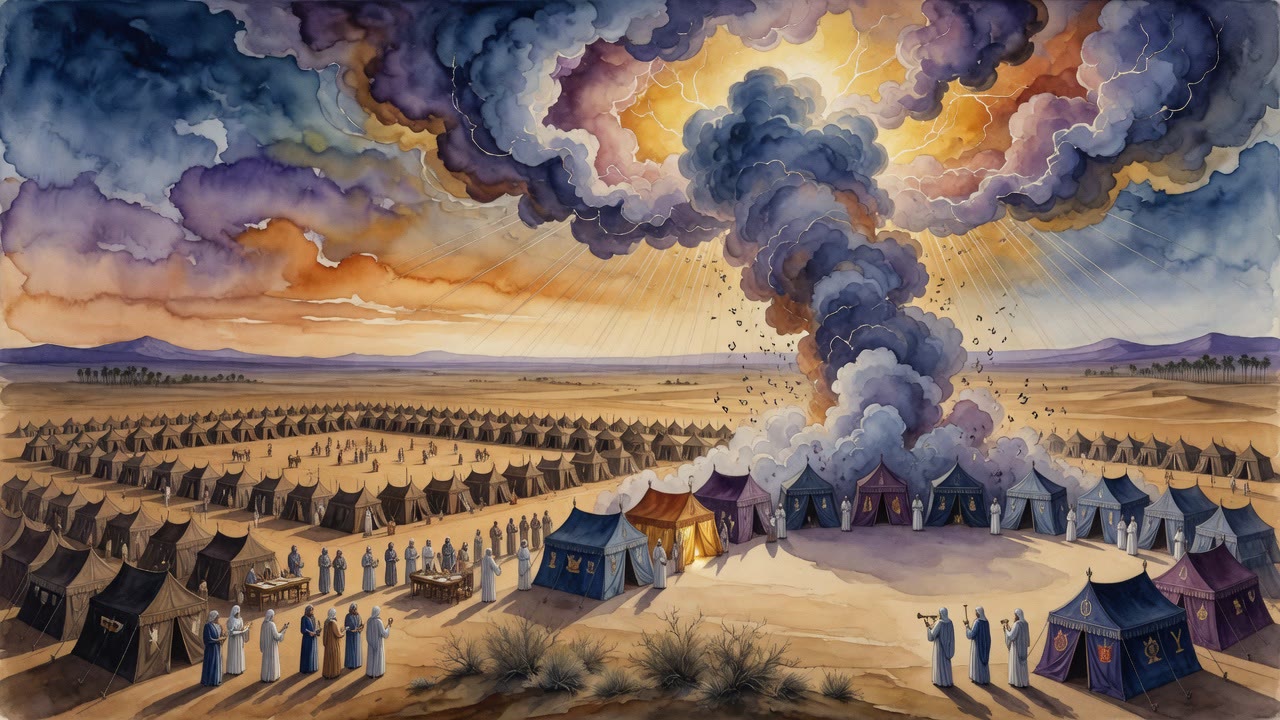
No prince of Levi came forward. Moses stood at his brothers' tents until the voice told him the war list was already a list of graves.
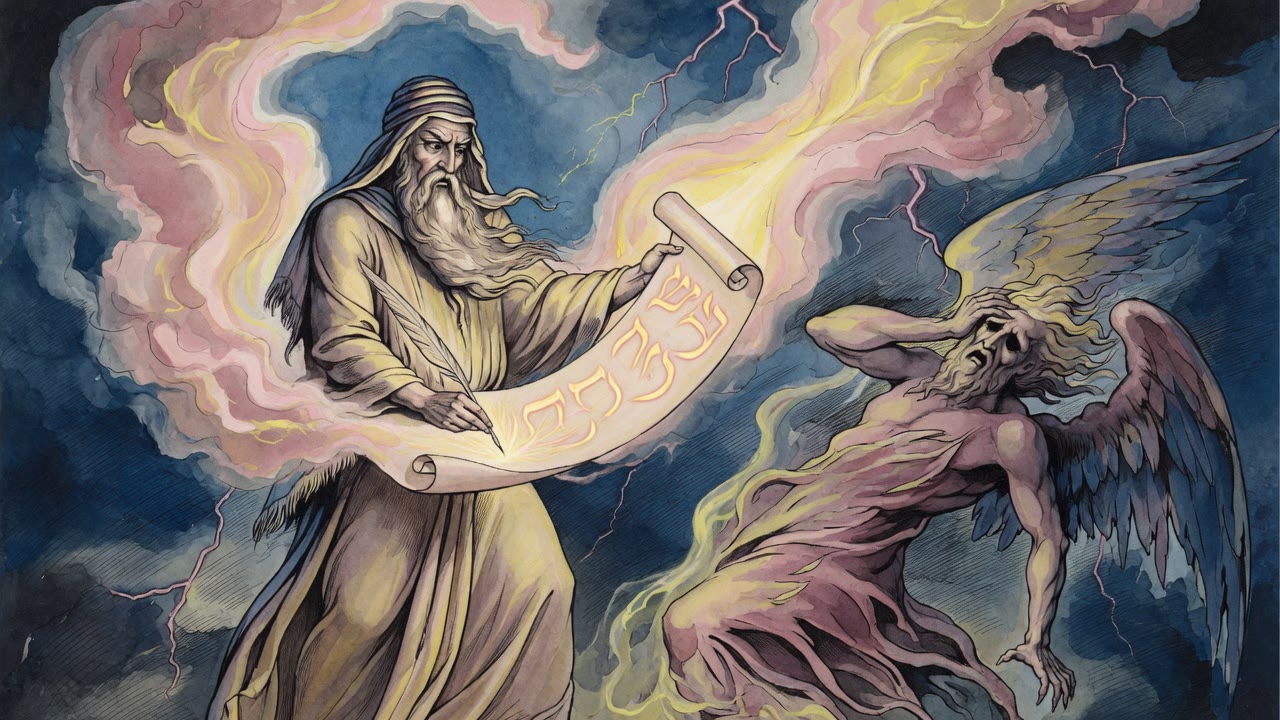
Joshua cast lots to divide Canaan among the twelve tribes. The rabbis said the lots already knew the answer. Jacob had written it four centuries earlier.
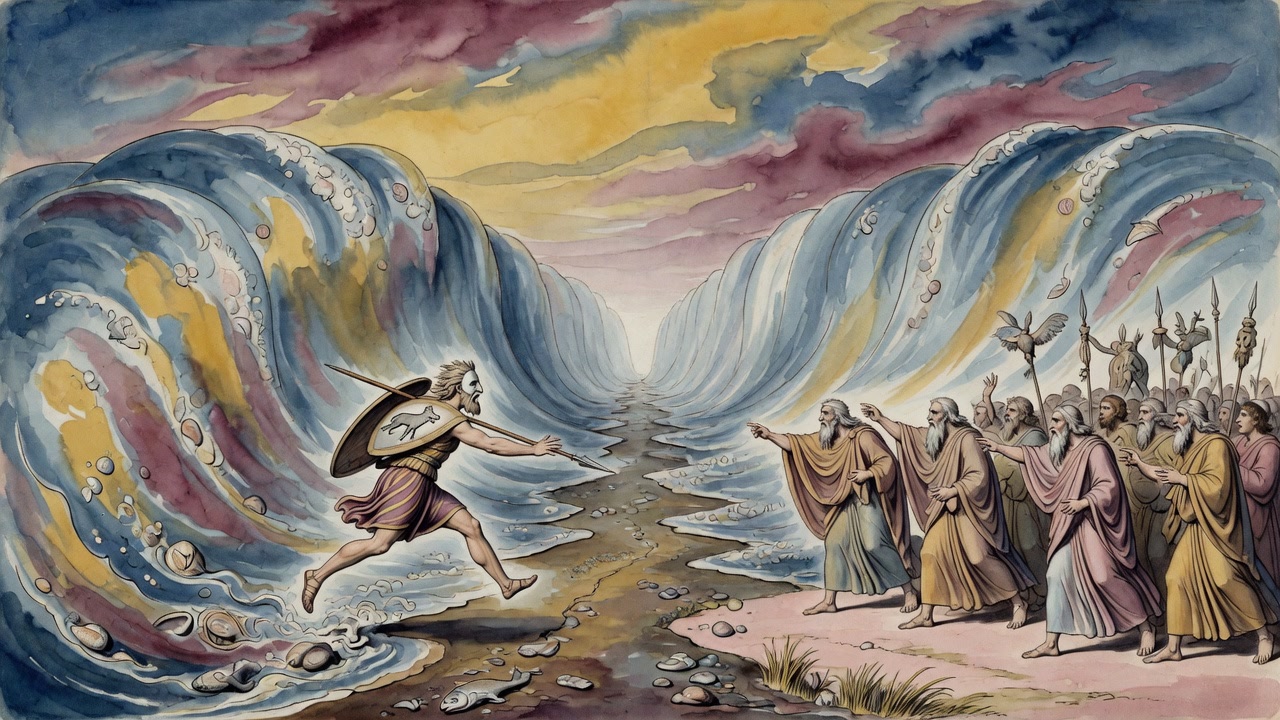
The tribes argued at the water's edge over who would lead Israel into the divided sea. Benjamin acted while they were still talking. Judah threw stones.
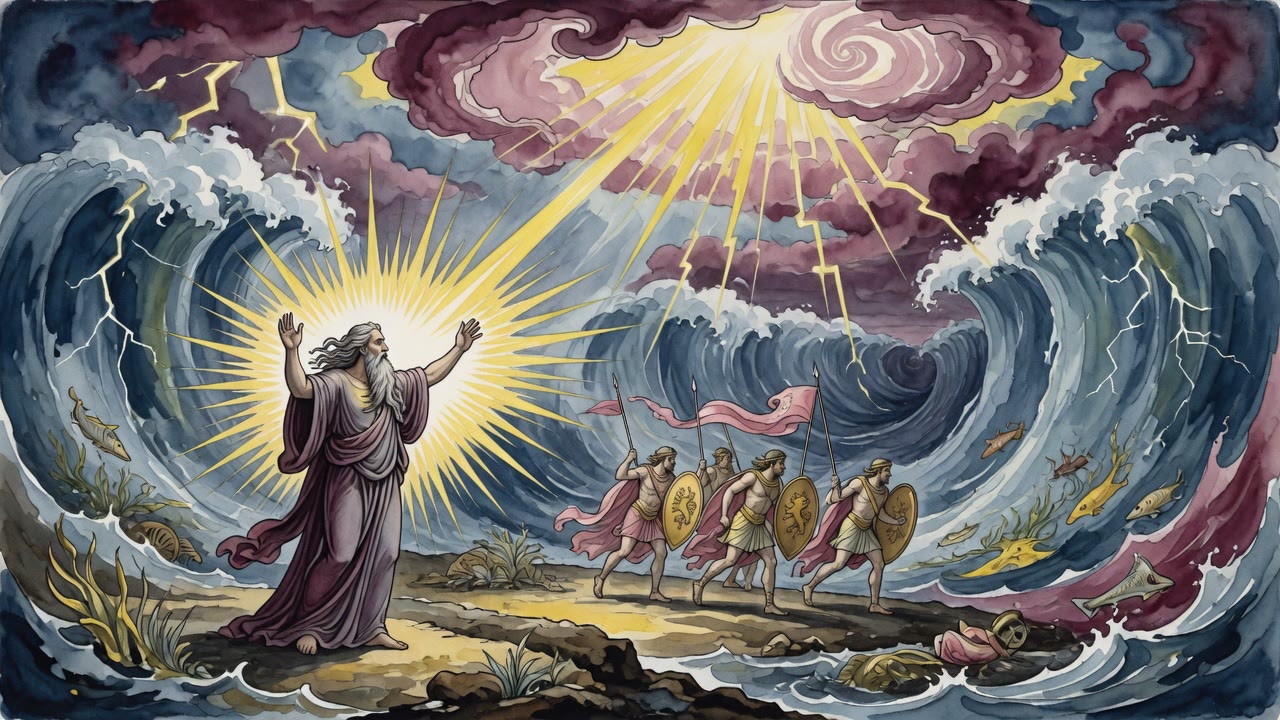
Moses's blessing for Judah seemed addressed to a future danger. The rabbis traced it to one terrifying moment at the Red Sea when Judah jumped in first.
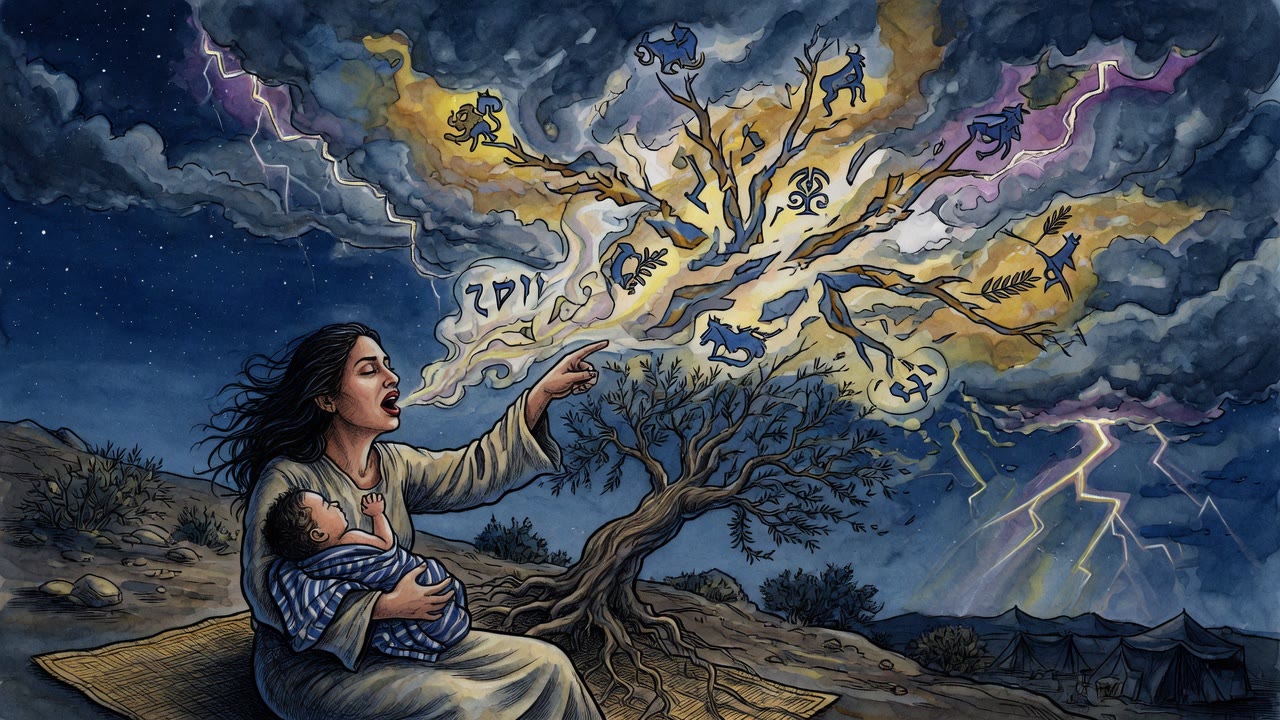
Joseph was still wet from birth when Rachel named him. She asked God for one more son. The name already looked past her death.
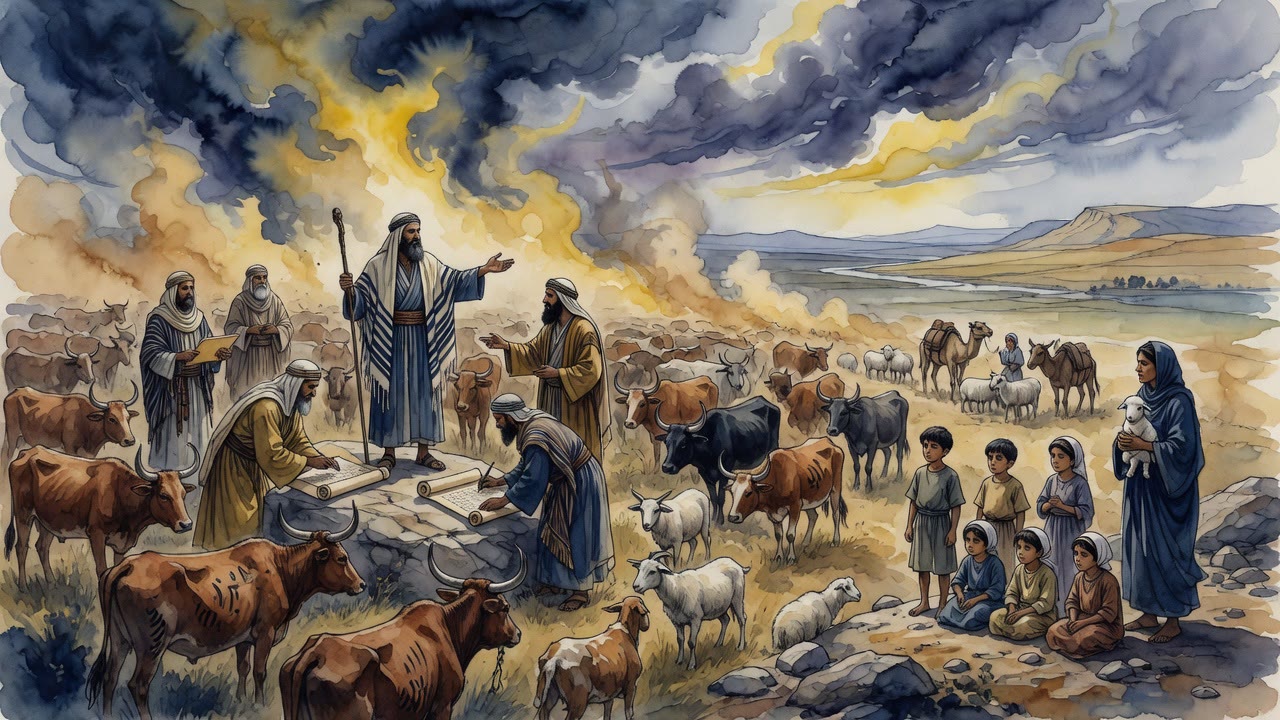
Two tribes asked Moses for land east of the Jordan and listed sheepfolds before their children. Moses corrected the order without raising his voice.
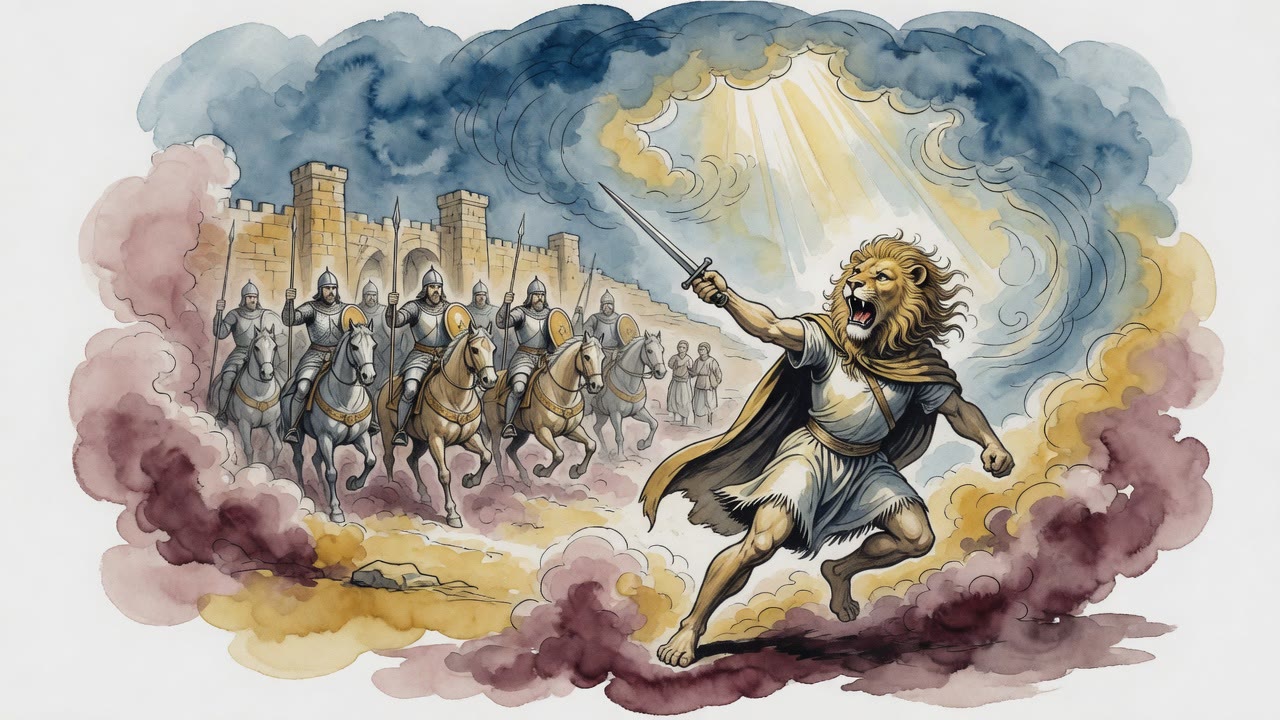
A storm drove Elchanan's spice ship onto a sandbank at the far end of the world. The men who came down to the beach were speaking Hebrew.
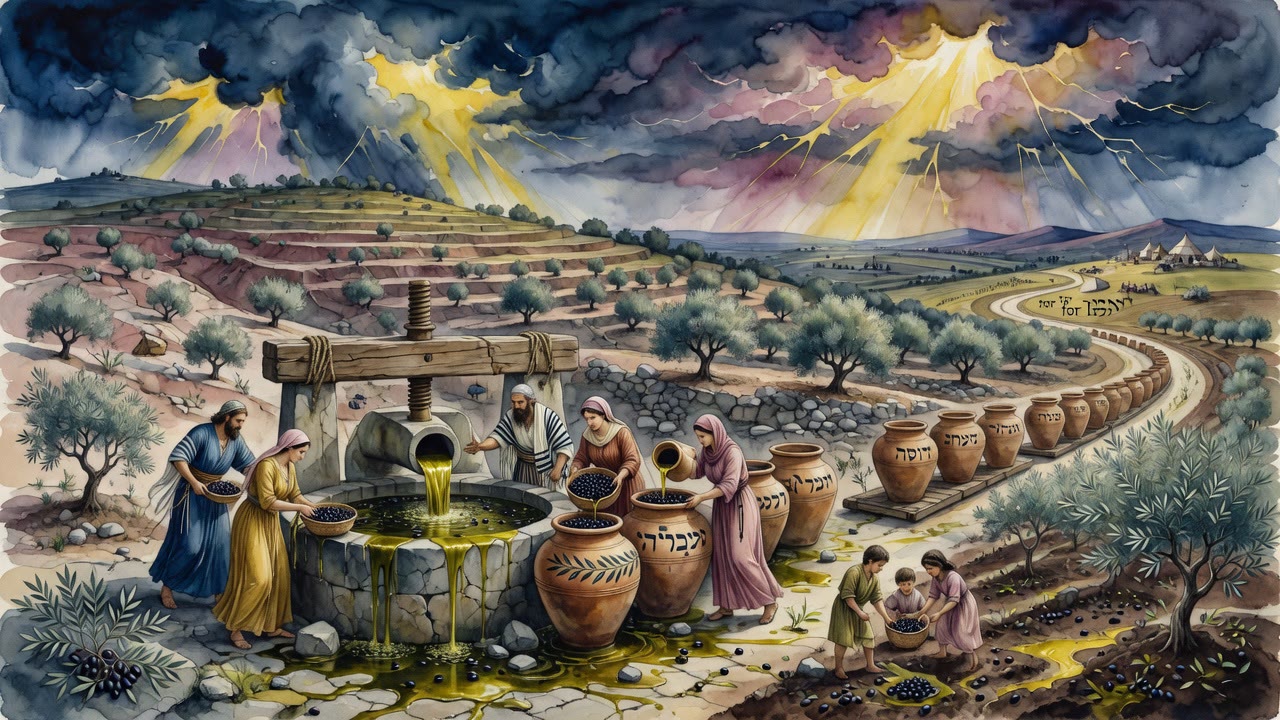
The fields lay fallow and the storehouses thinned, but in Asher's hills the oil still ran in streams, and a nation came to eat.
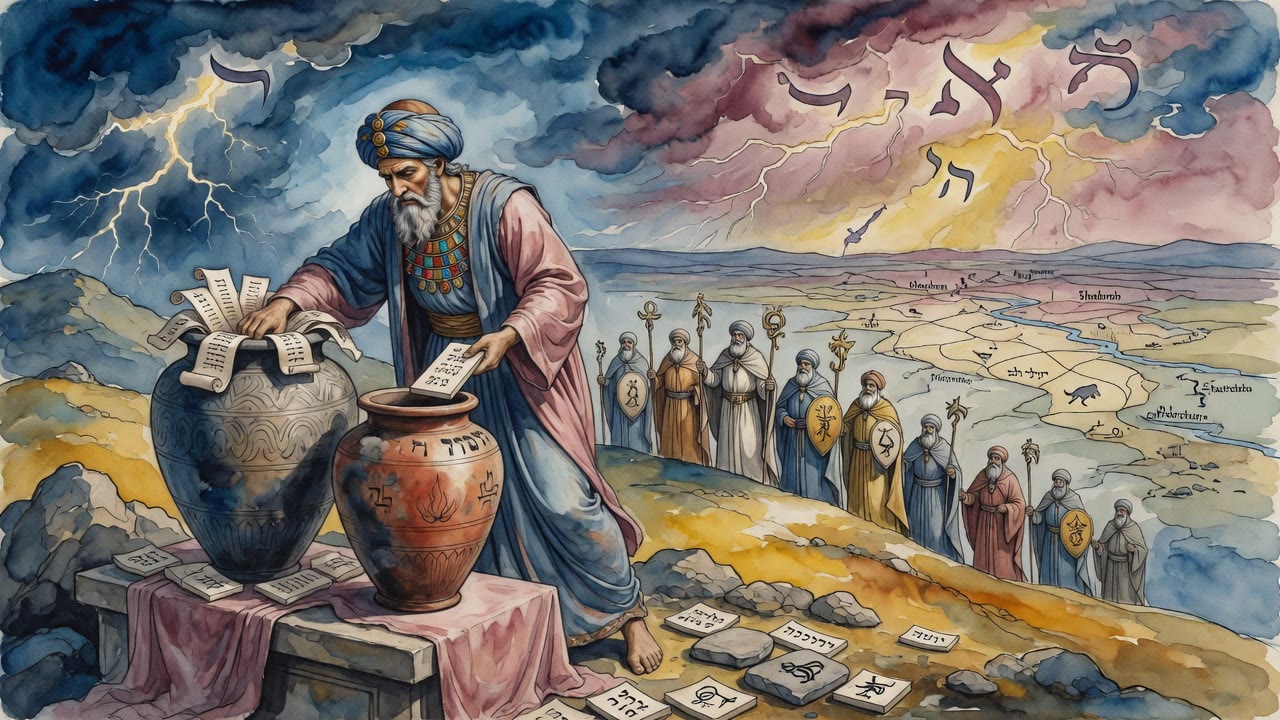
Eleazar named Judah and the south while the camp held still. Then his hand came up from both urns with those same names.
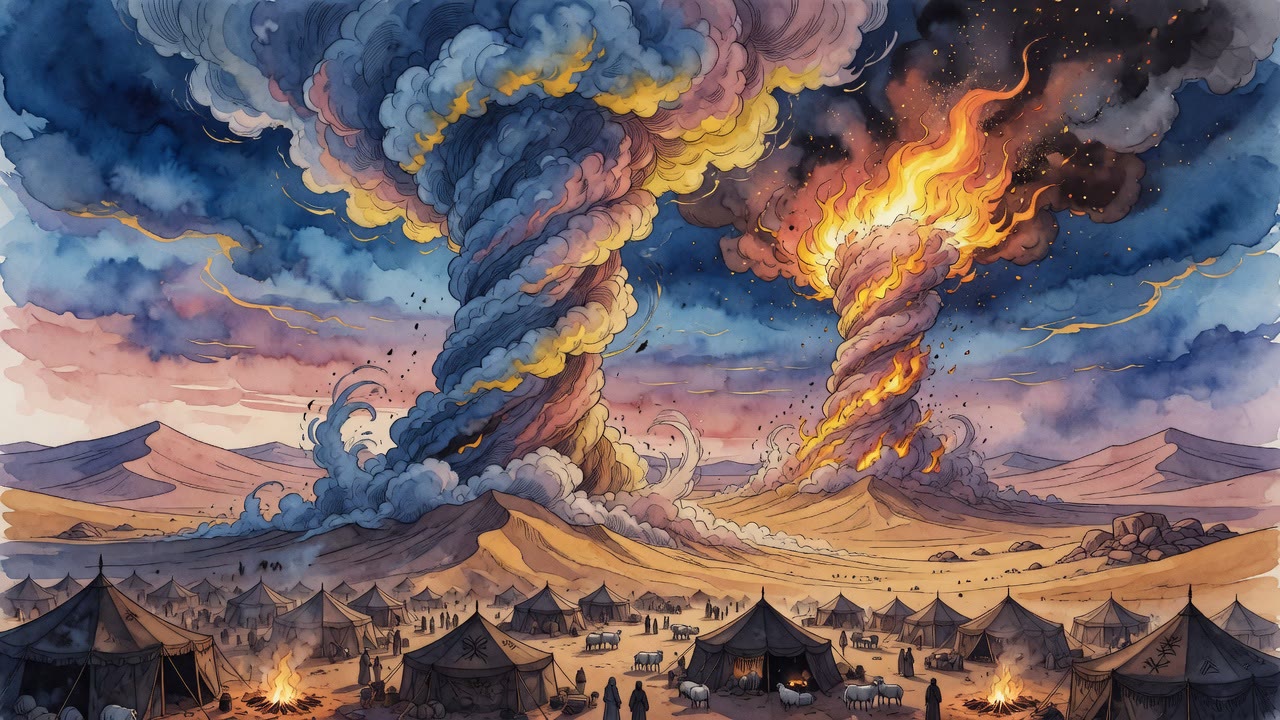
Moses blessed Dan as a lion leaping from the Bashan. The Sifrei Devarim reveals this was a prophecy: the tribe would divide and claim two separate territories.
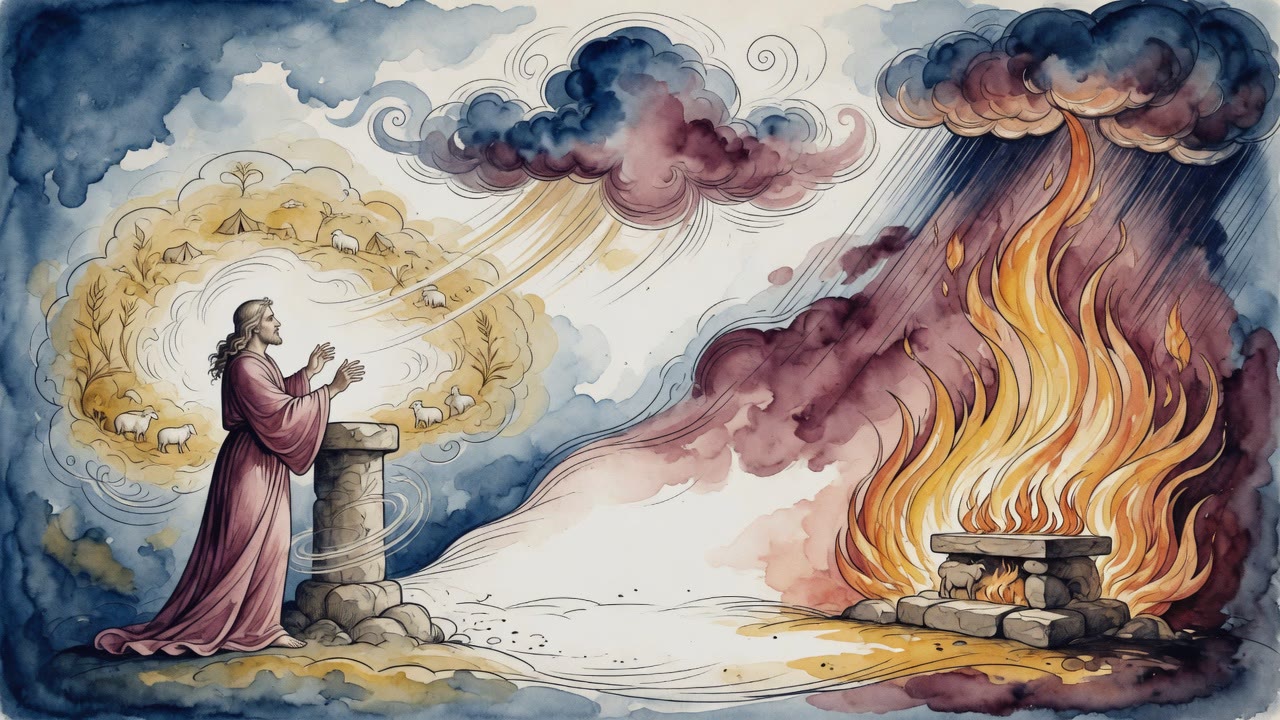
Benjamin was still unborn when God named a nation in Jacob. Centuries later Elijah stacked twelve stones on Carmel, and the fire found them.
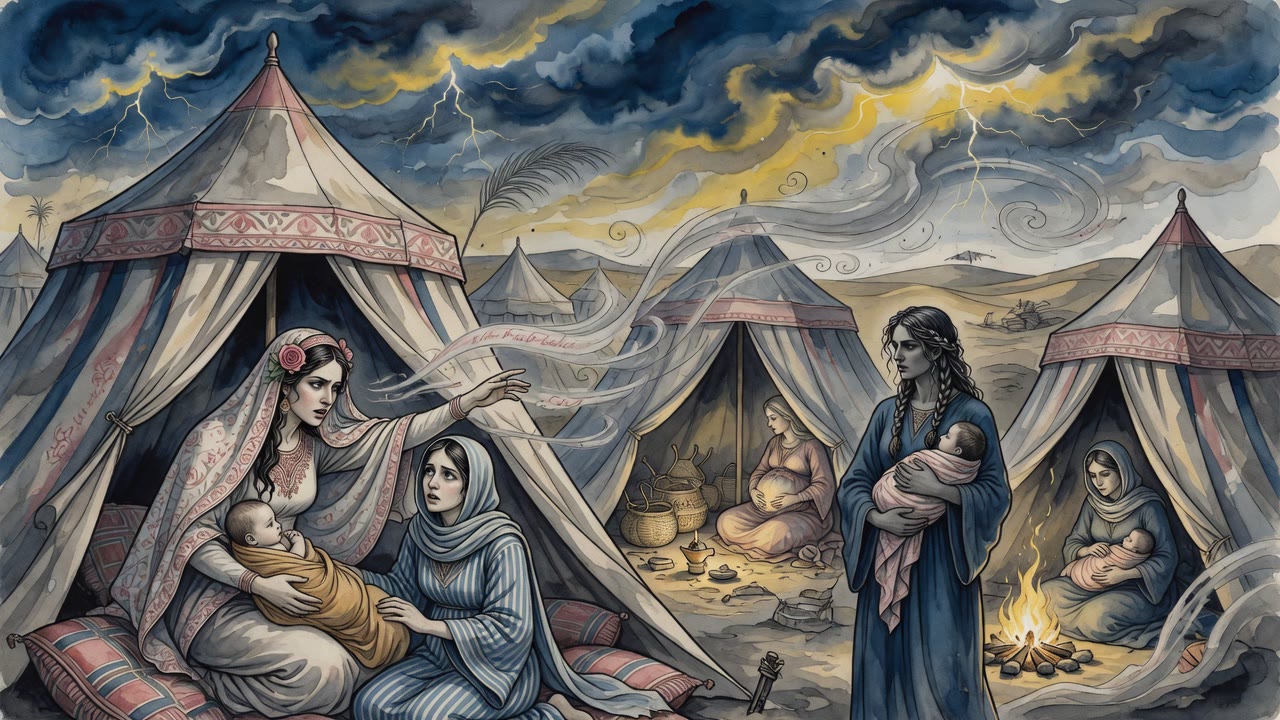
Six sons from Leah, two from each handmaid, and twelve tribes in all. She was carrying the eleventh, and she already knew what one more boy would do to Rachel.
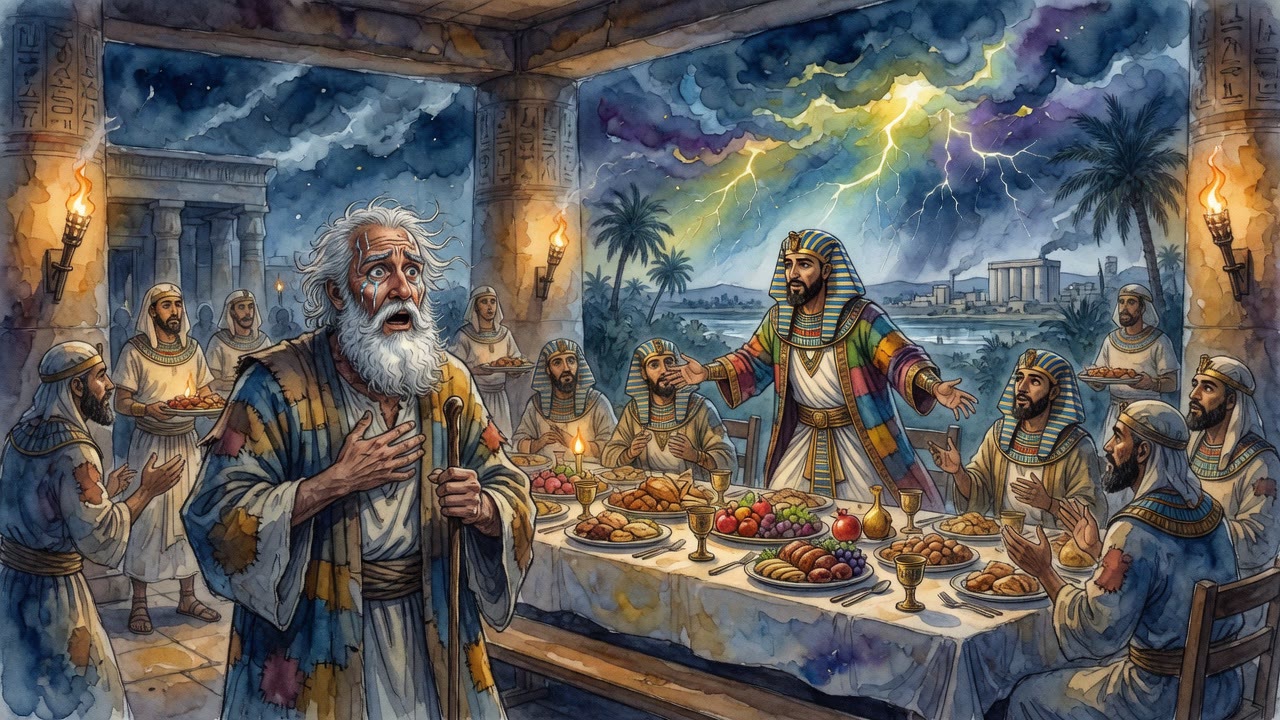
The coat had been enough to close the grave. In Goshen, Jacob sat at the table and watched Joseph eat bread like any living man.
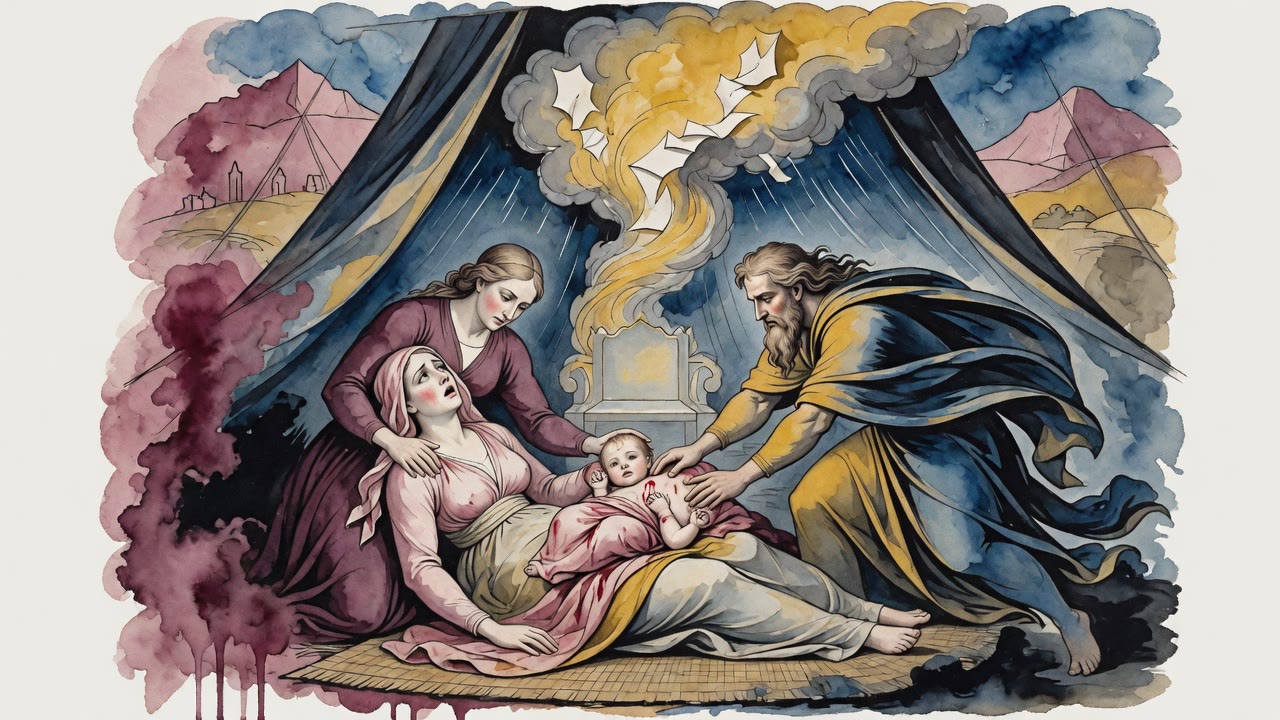
Rachel's last act was to name her son for her own grief. Jacob renamed him immediately. The Torah kept both names and refused to choose between them.
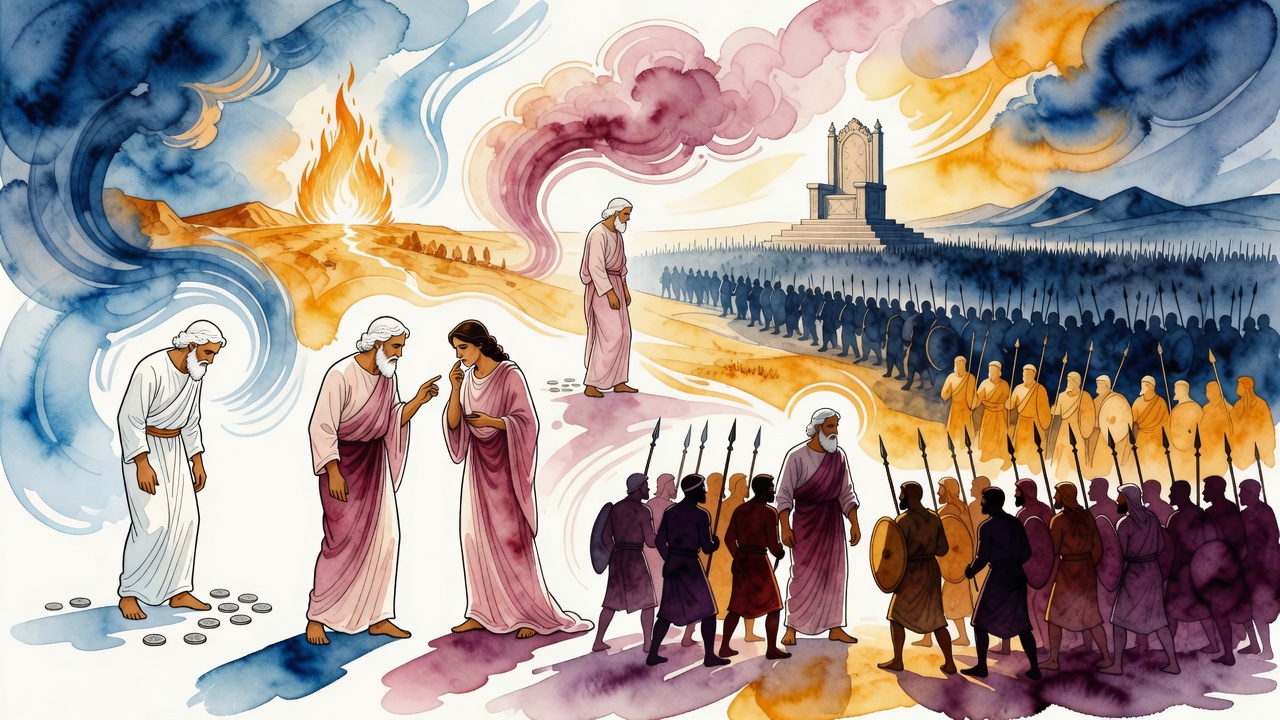
The Egyptian lord held Benjamin. Judah stepped forward and offered his own neck. Years earlier he had sold a brother for silver.
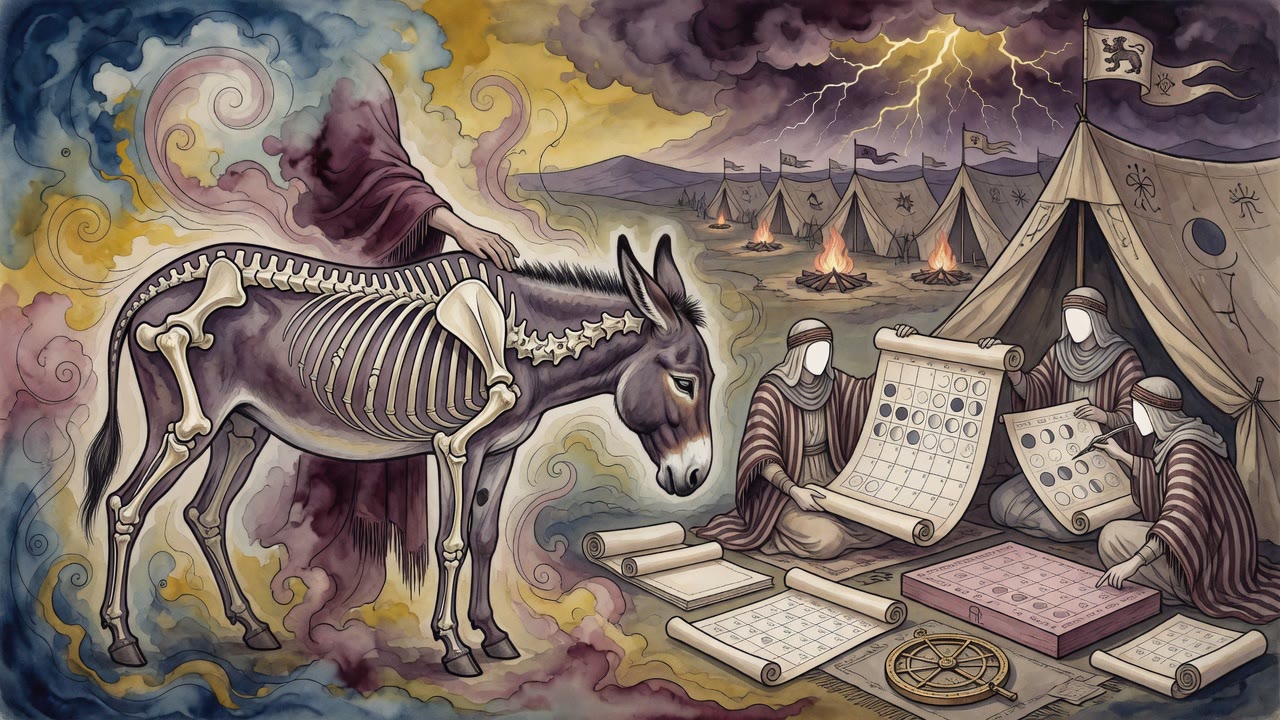
Reuben claimed the second day's offering by birth. Moses held the order, and Netanel of Issachar still brought the dish close.
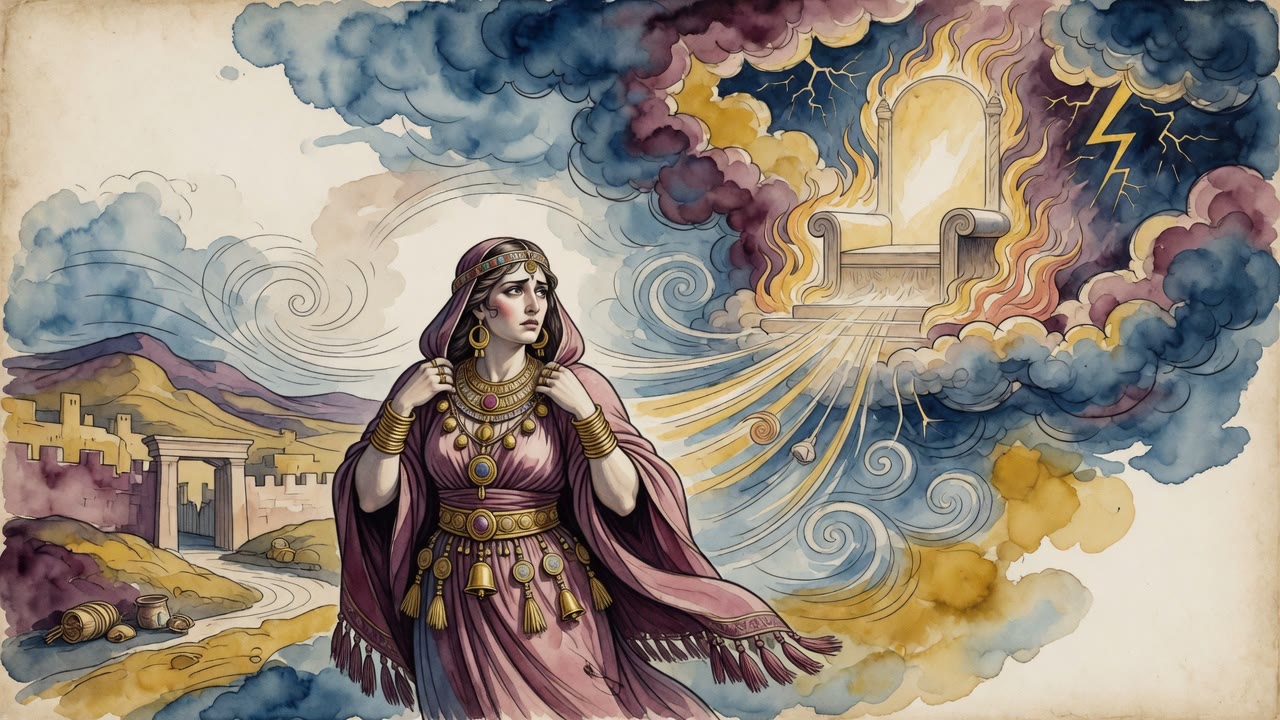
Reuben was Jacob's firstborn and should have led the tribes. The Book of Jubilees records the night that ended that possibility and what it cost him forever.
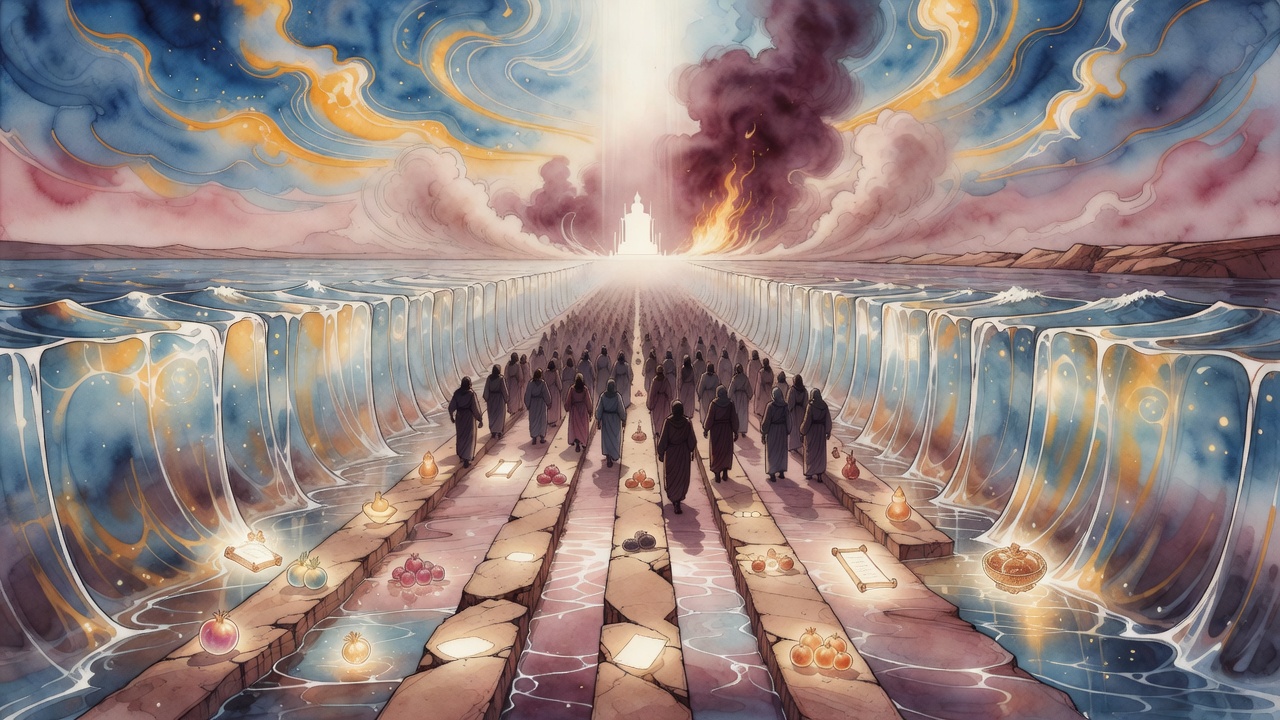
Two tribes were already in the waves. God turned on Moses, who was still praying, and told him to lift the rod over the water.
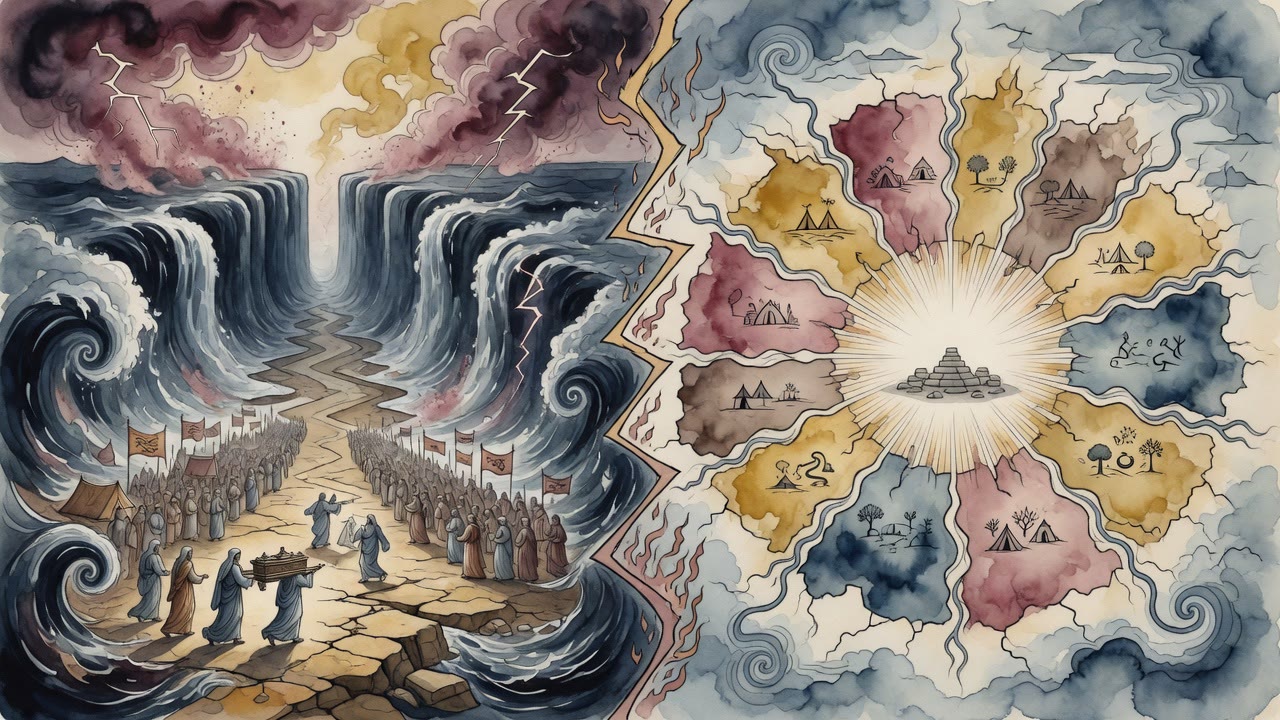
Fifty thousand men crossed the Jordan to fight for land they would never live on. When they went home and built an altar, Israel armed against them.
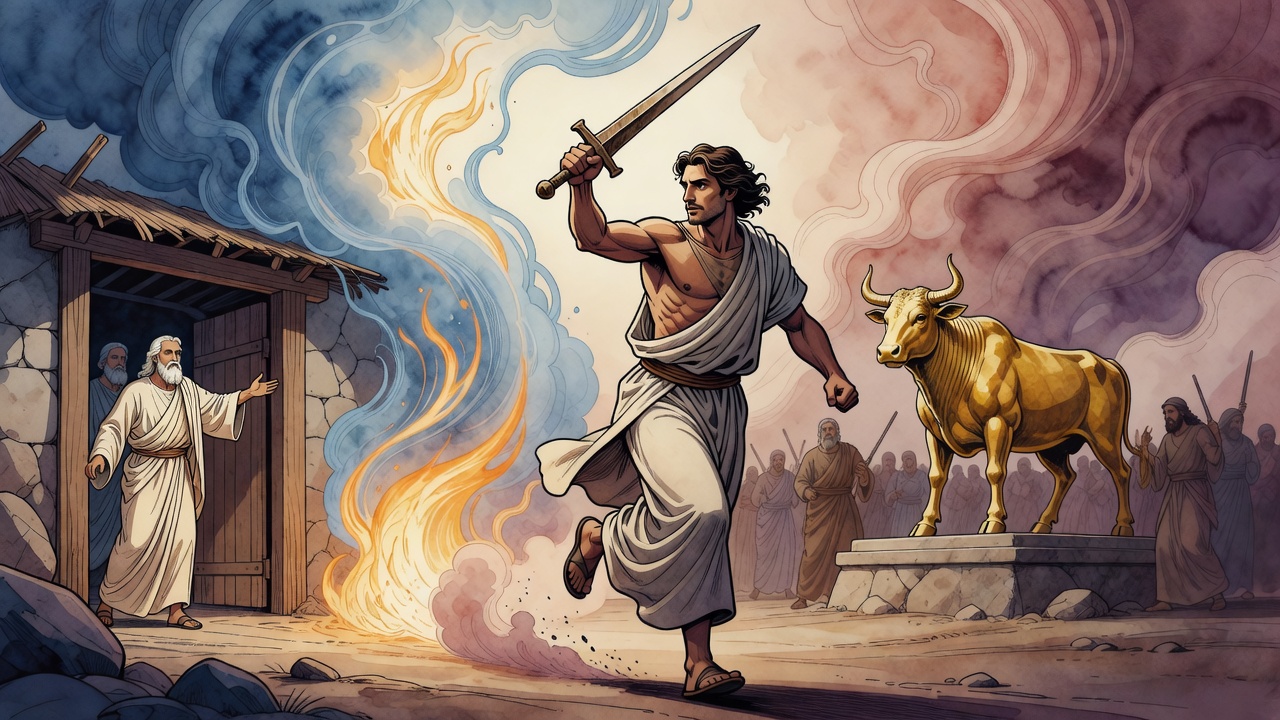
Gold dust still clung to beards when Moses reached the camp gate. Only one tribe crossed the open ground, and they had not given a ring to the calf.
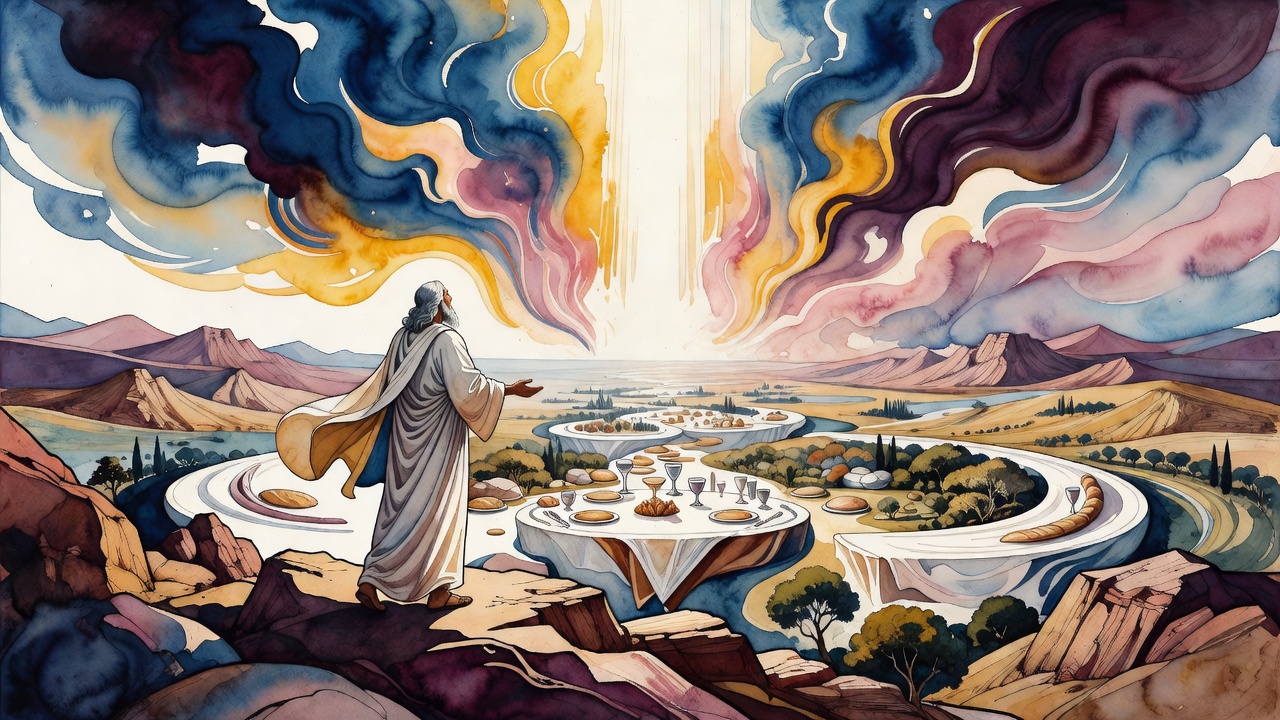
From Mount Nebo, God showed Moses every corner of the promised land like a set table. Moses's first question was who would lead after him.
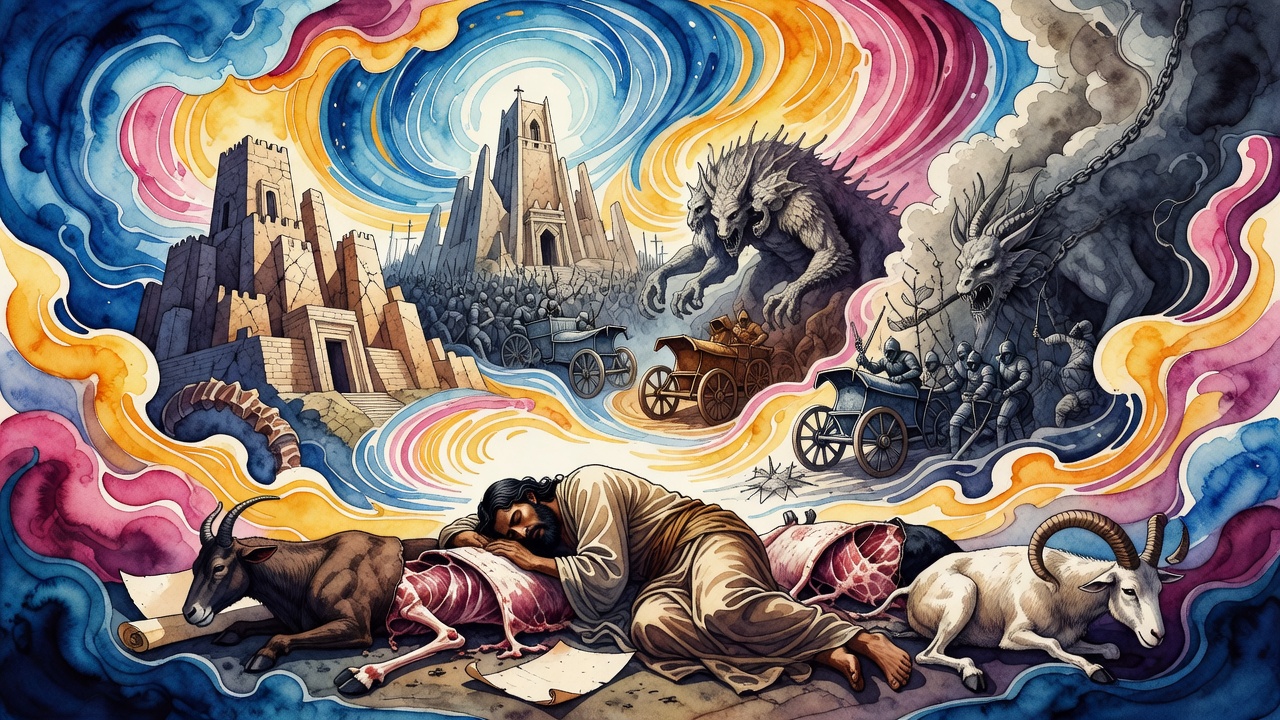
The furnace smoked. The torch burned. God asked Abram to choose Gehinnom or the stranger's rule for every child after him.
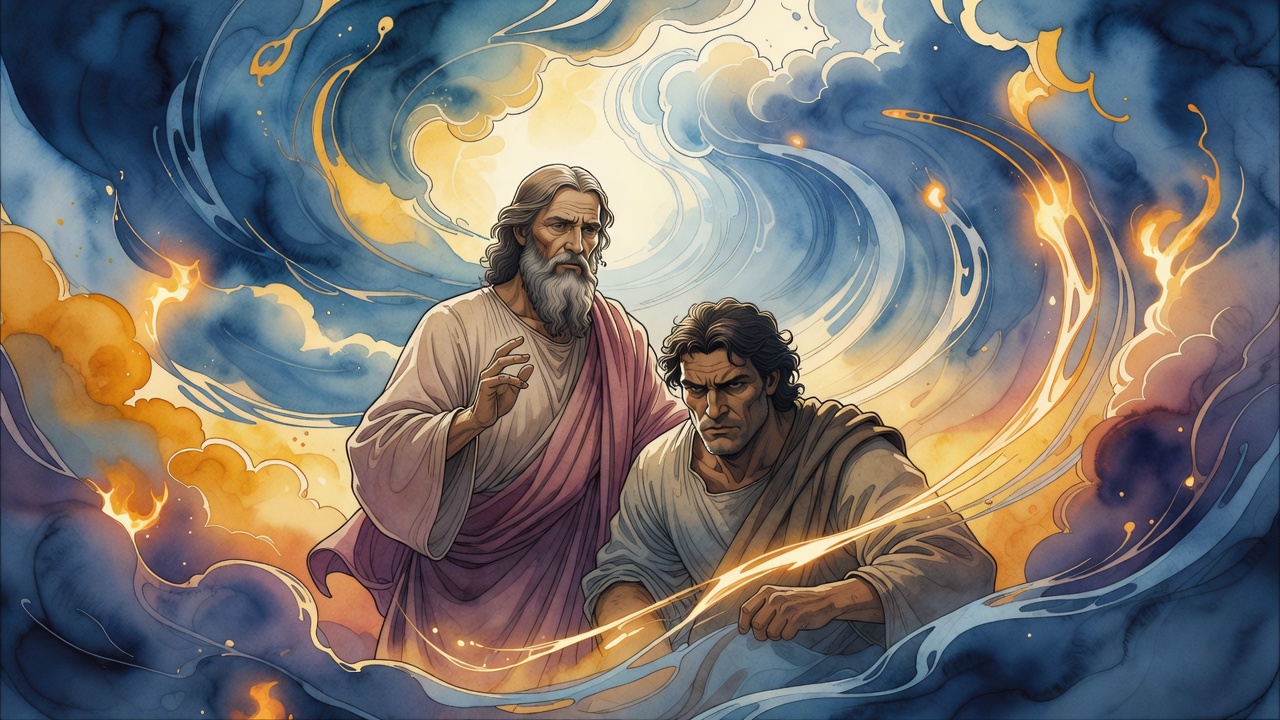
Judah told the men to burn Tamar. She sent him the seal he had left on the road. He said she was more righteous than he was.
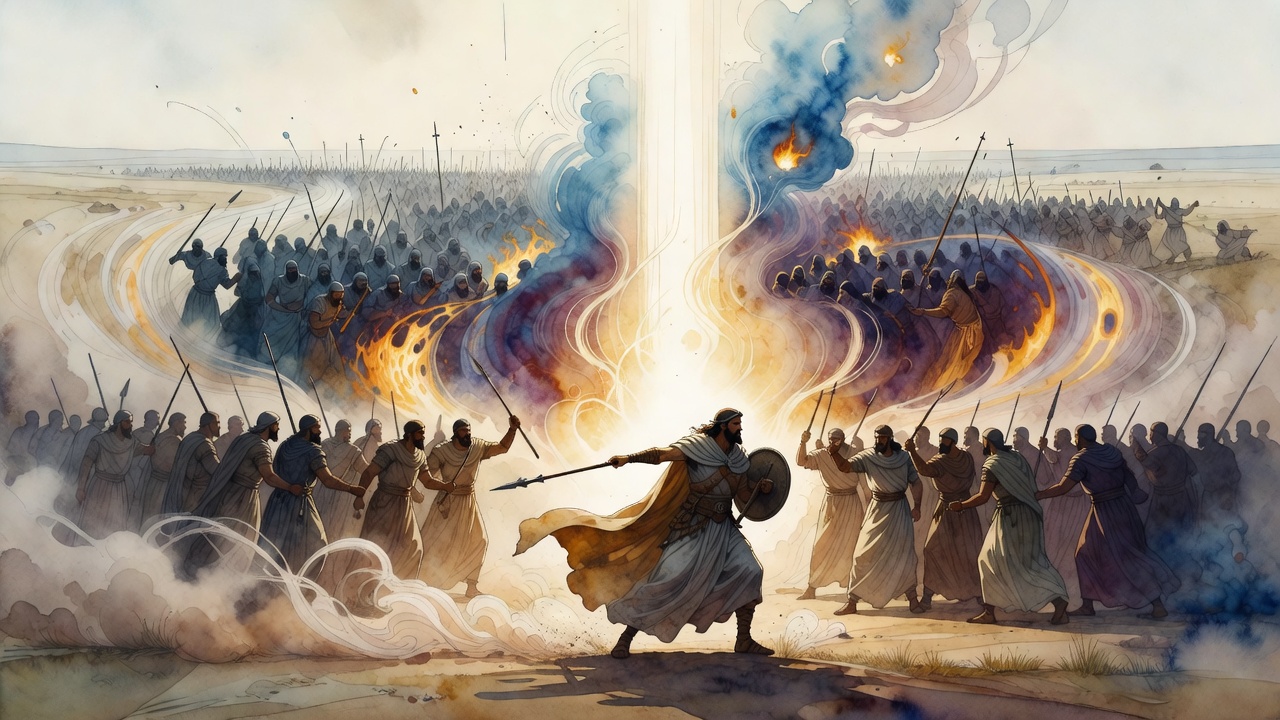
Esau came with four thousand men. Judah went out in front with fifty servants. The south side of the tower went quiet.
Jubilees counts every soul who descended with Jacob into Egypt. Seventy names, twelve tribes, one family mirroring the whole human world.
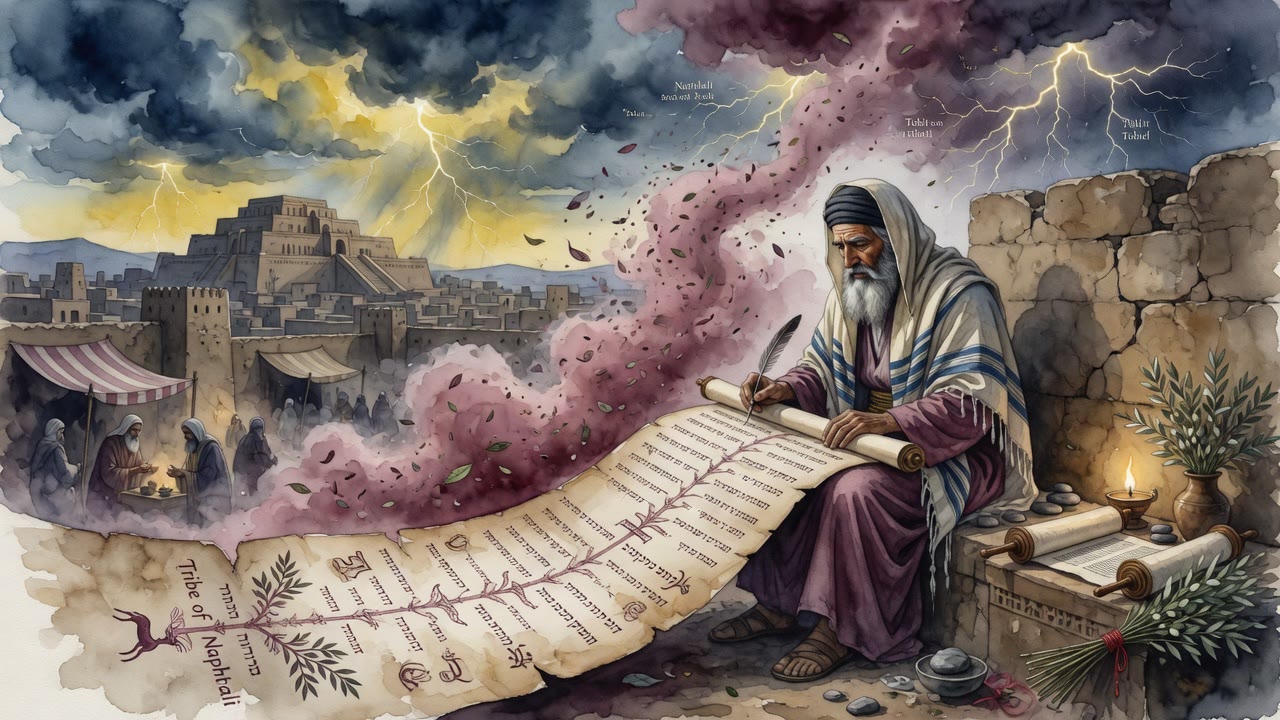
His whole tribe worshipped Jeroboam's golden calves and his family mocked him for going to Jerusalem. In Nineveh he buried the bodies left in the streets.
