11 myths
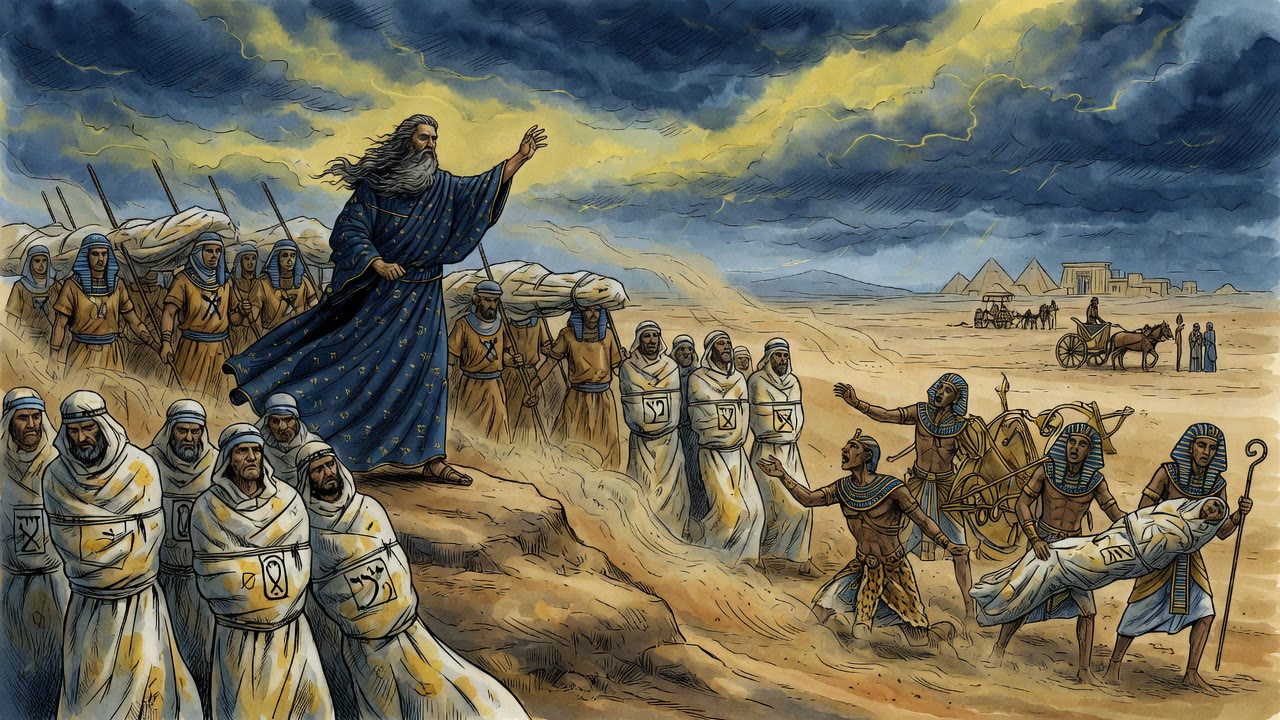
The men reached Jerusalem with their tools still rolled. Solomon did not set them to work. He handed each one a folded sheet of burial linen.
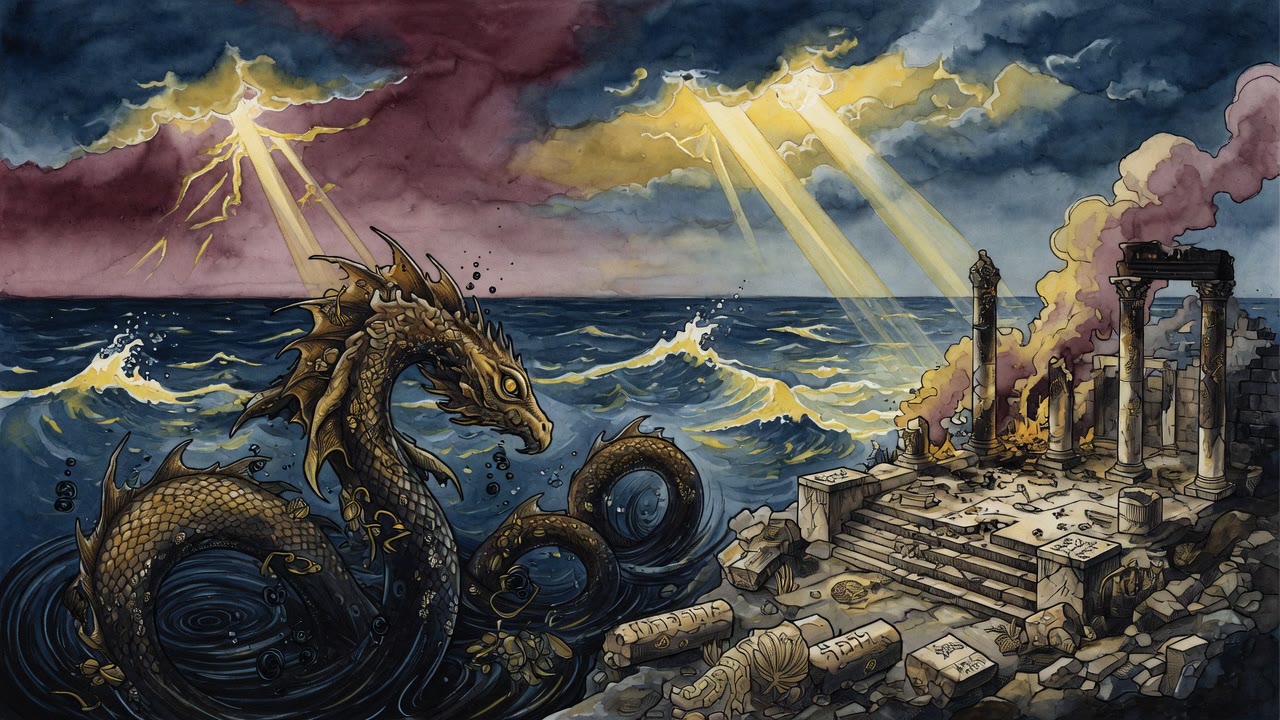
The sages gave God a daily schedule, but after the Temple burned, the last hours no longer belonged to play with Leviathan.
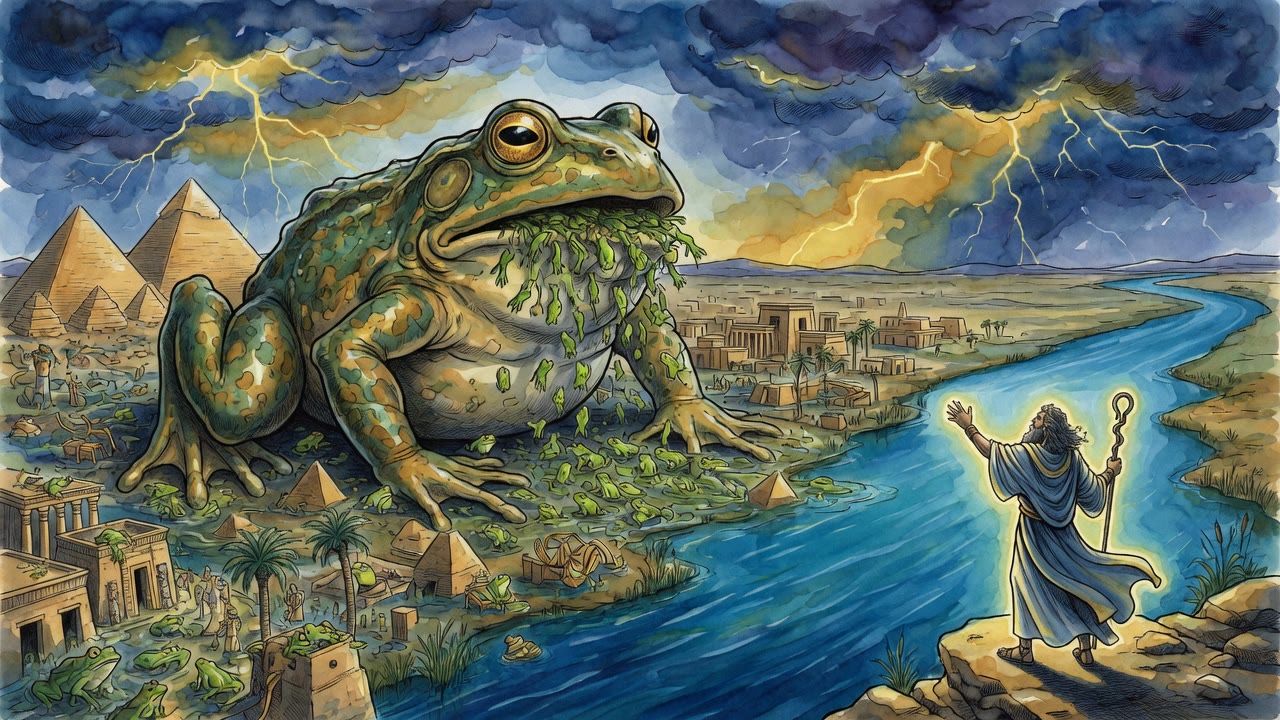
Rabbi Akiva imagined one frog multiplying through Egypt, while Moses stood back because the Nile had once saved his life.
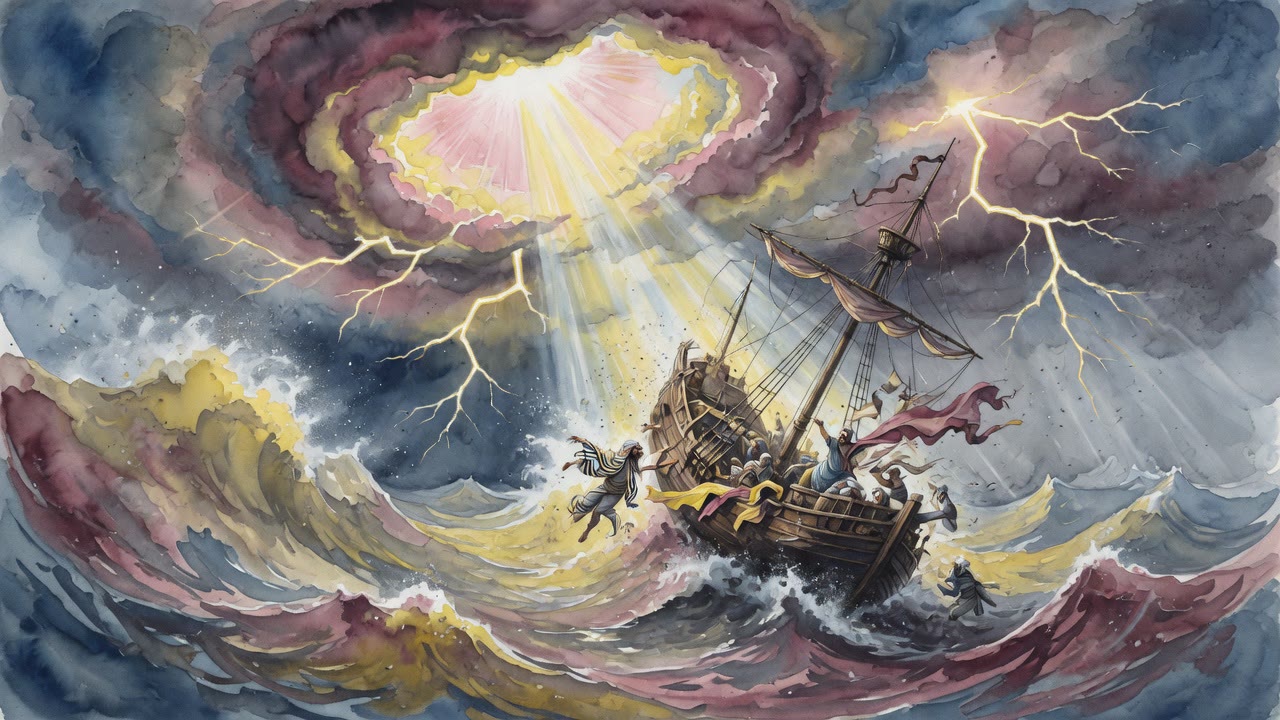
They had already stacked the wood. Tamar sent Judah his ring, his cord, and his staff, and did not speak his name.
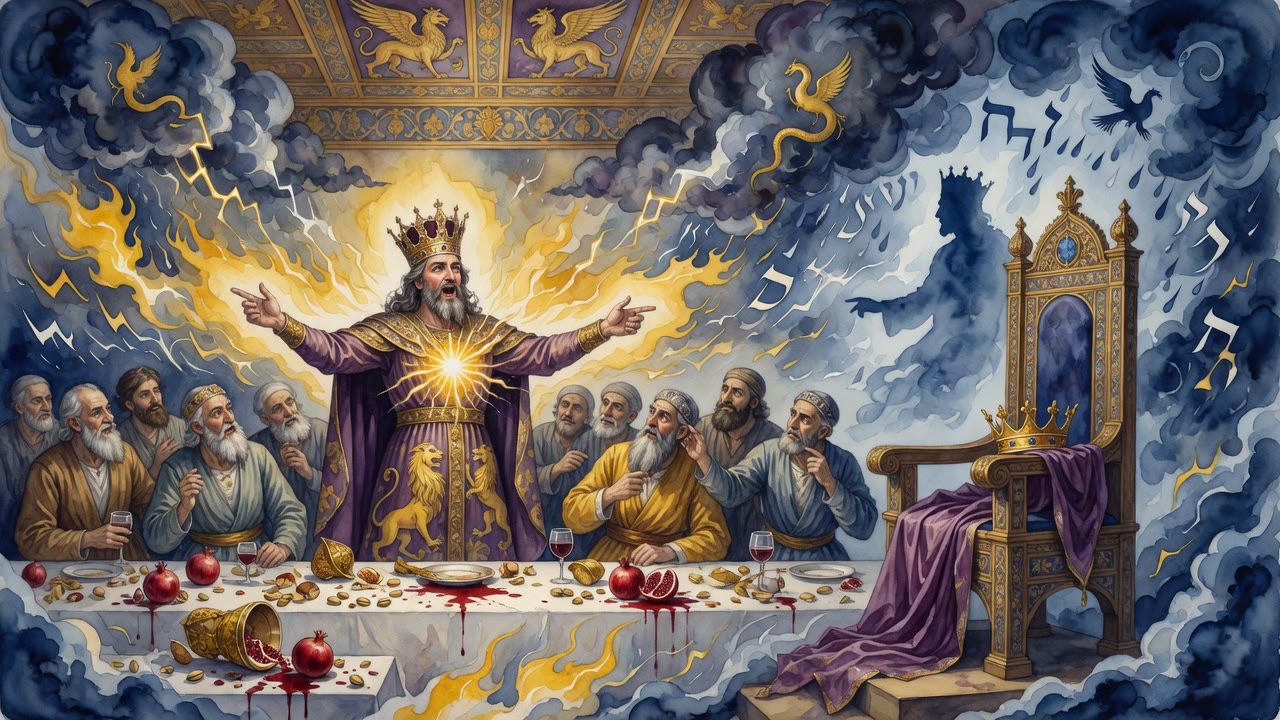
Ahasuerus did not lose Vashti because he hated her. He lost her because the men were comparing women and he wanted the room to admire him.
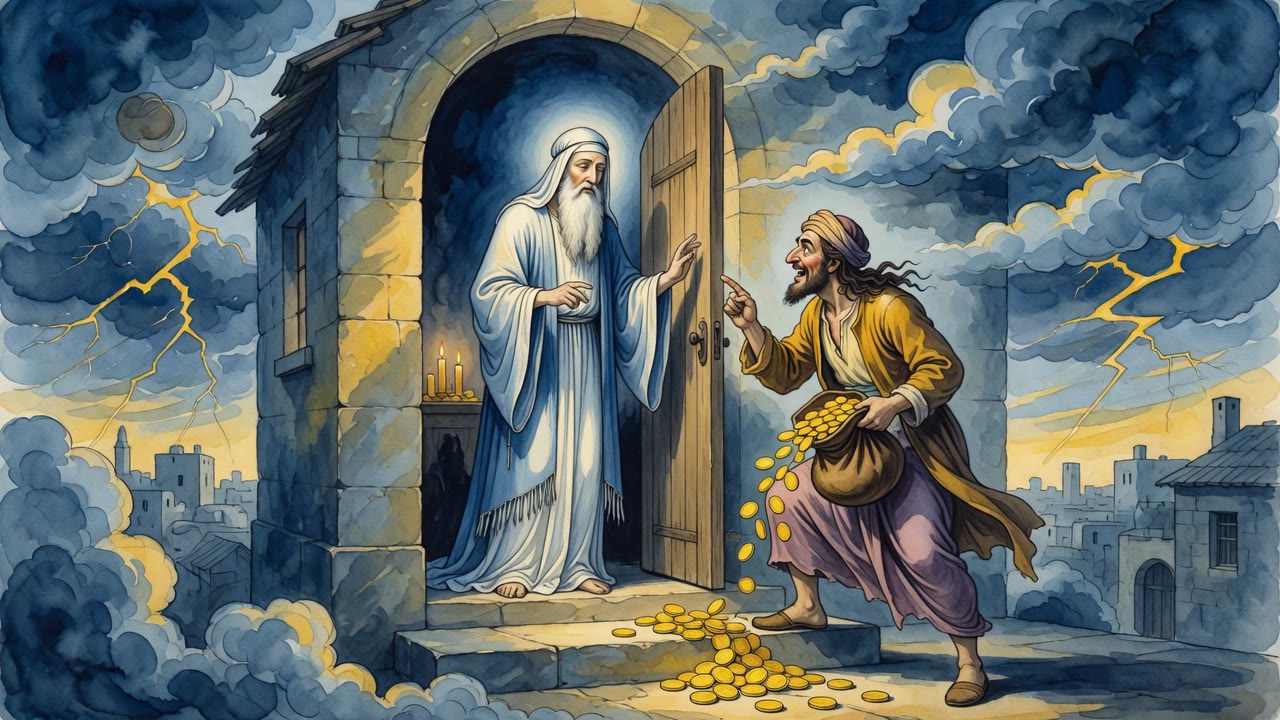
A man wagered four hundred gold coins he could provoke the great sage Hillel into anger, asking absurd questions on a Friday afternoon.
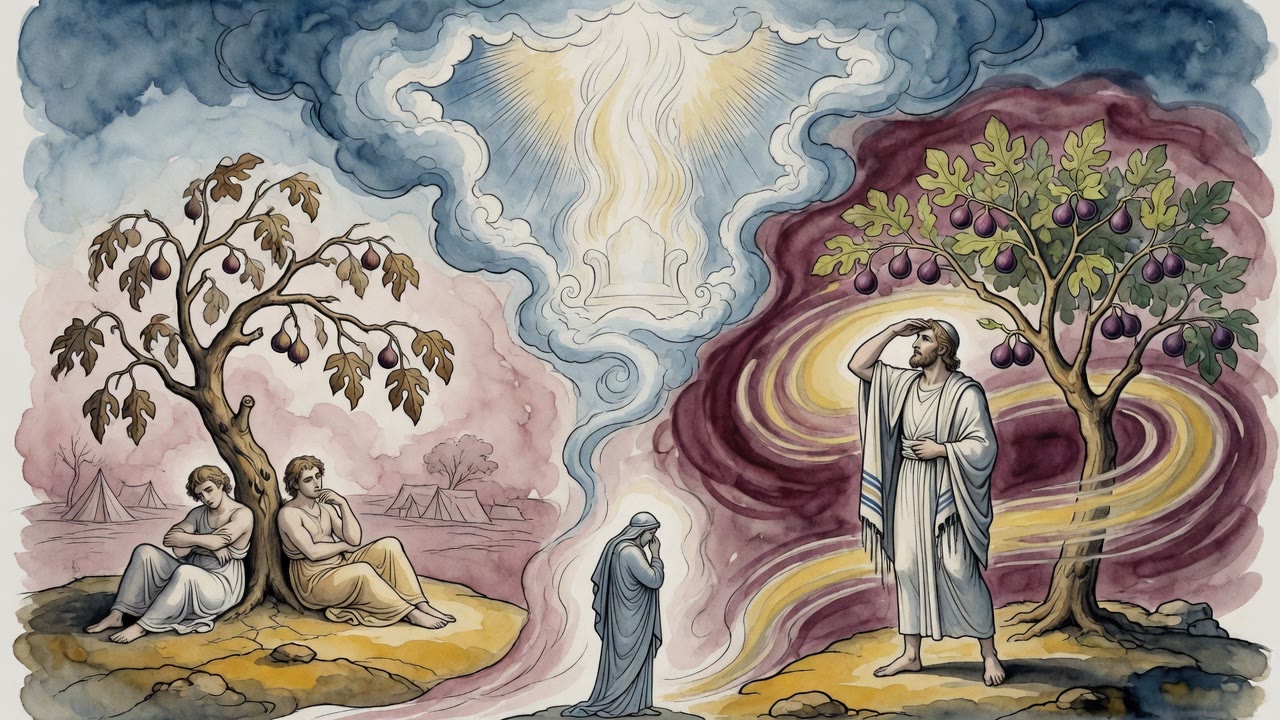
A skeptic demanded the whole Torah on one foot. Hillel gave him a single sentence, then added three words that turned the summary into an obligation.
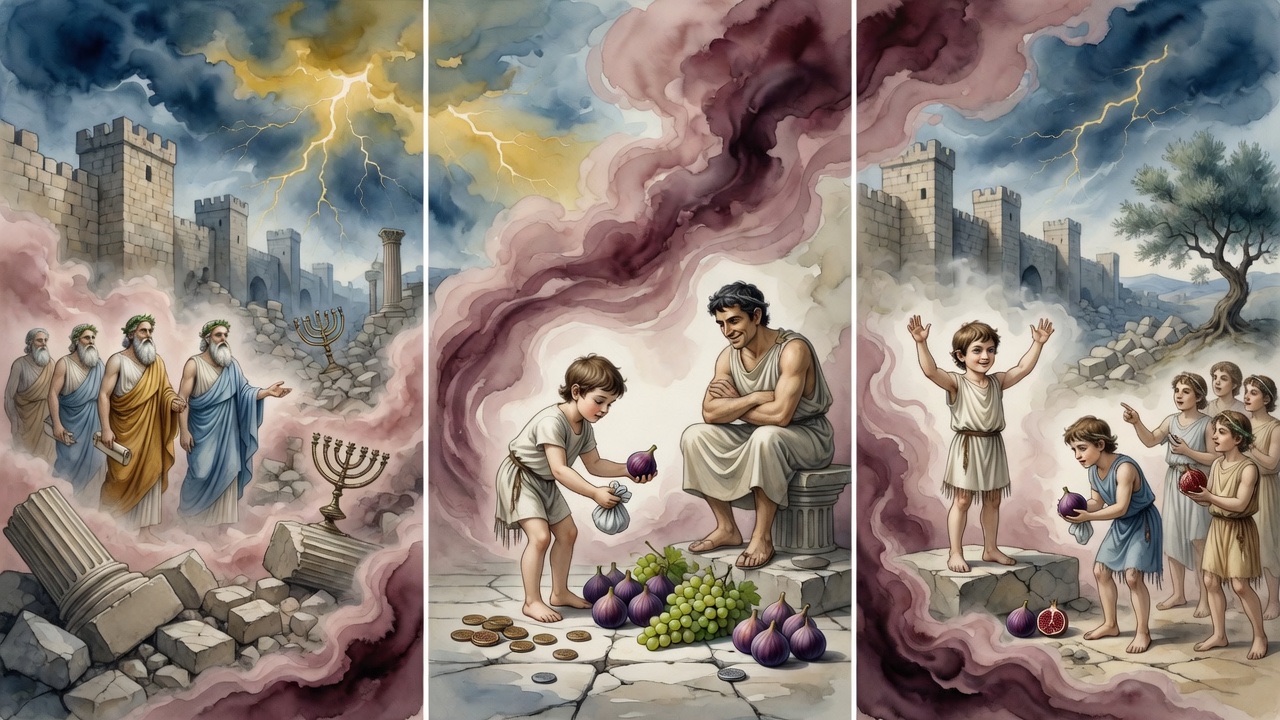
An Athenian sent a boy to buy food he could eat, fill up on, and still carry away. The boy came back with salt, and he was right.
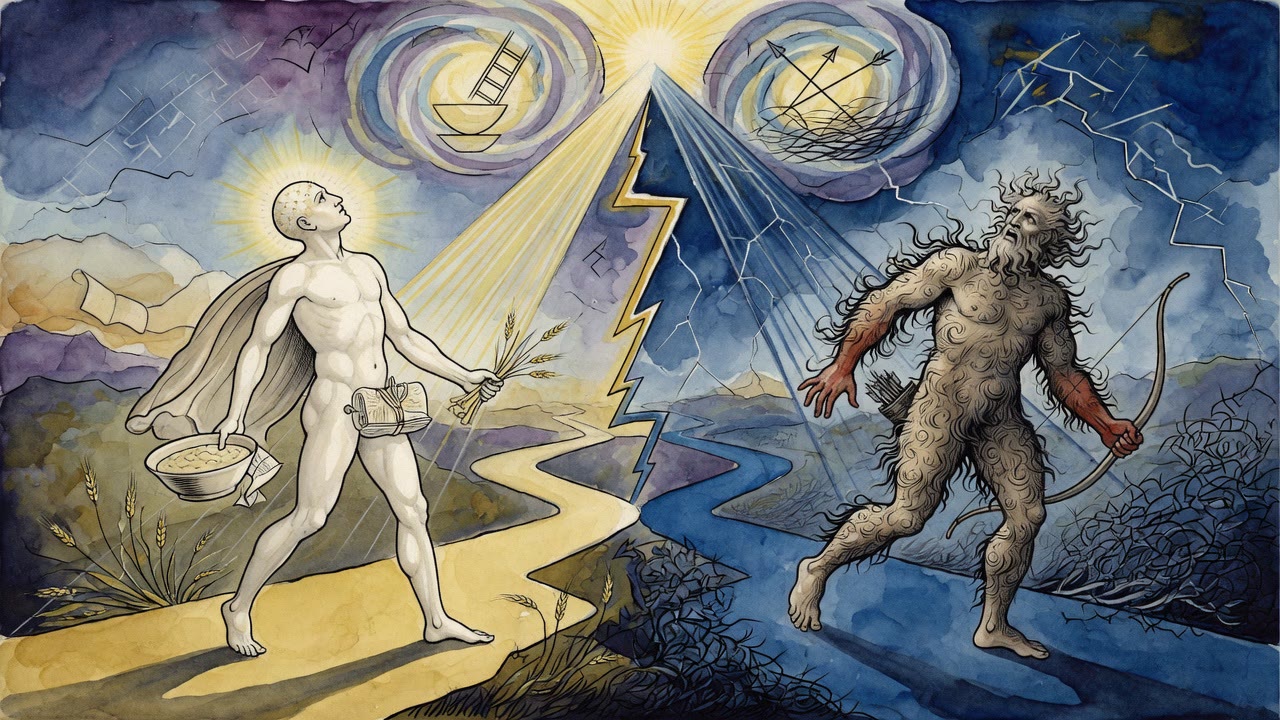
Jacob's skin and Esau's arms were more than a disguise. Two words sorted two brothers into two eternities before either one knew it.

Sarah was ninety when a visitor promised her a son. She was not only old. She had been born with no chamber inside her for a child to lie in.
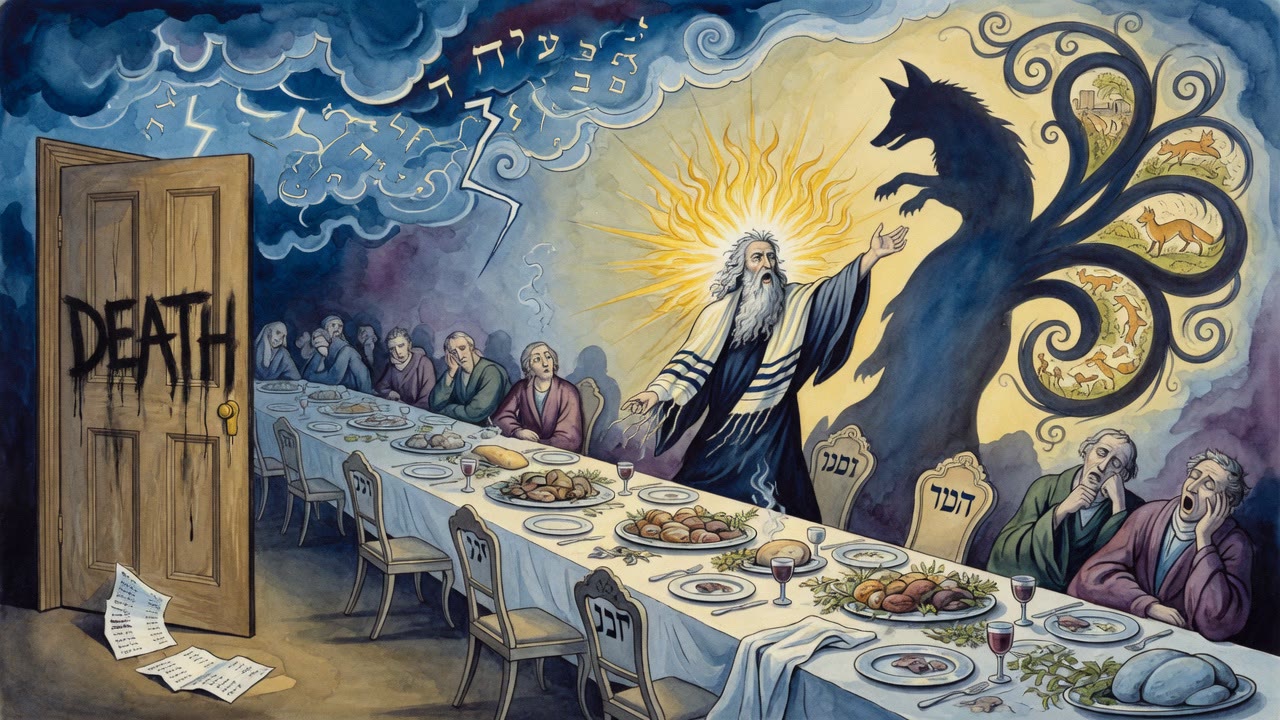
Left off the list, he wrote death on the doorpost. When they seated him at last, he talked until the gravy set and the meat went stiff.
