God Built Sarah a Womb the Way a Smith Mends the Bowl He Made
Sarah was ninety when a visitor promised her a son. She was not only old. She had been born with no chamber inside her for a child to lie in.
Table of Contents
 Click for full size
The Laugh That Started Below Her Ribs
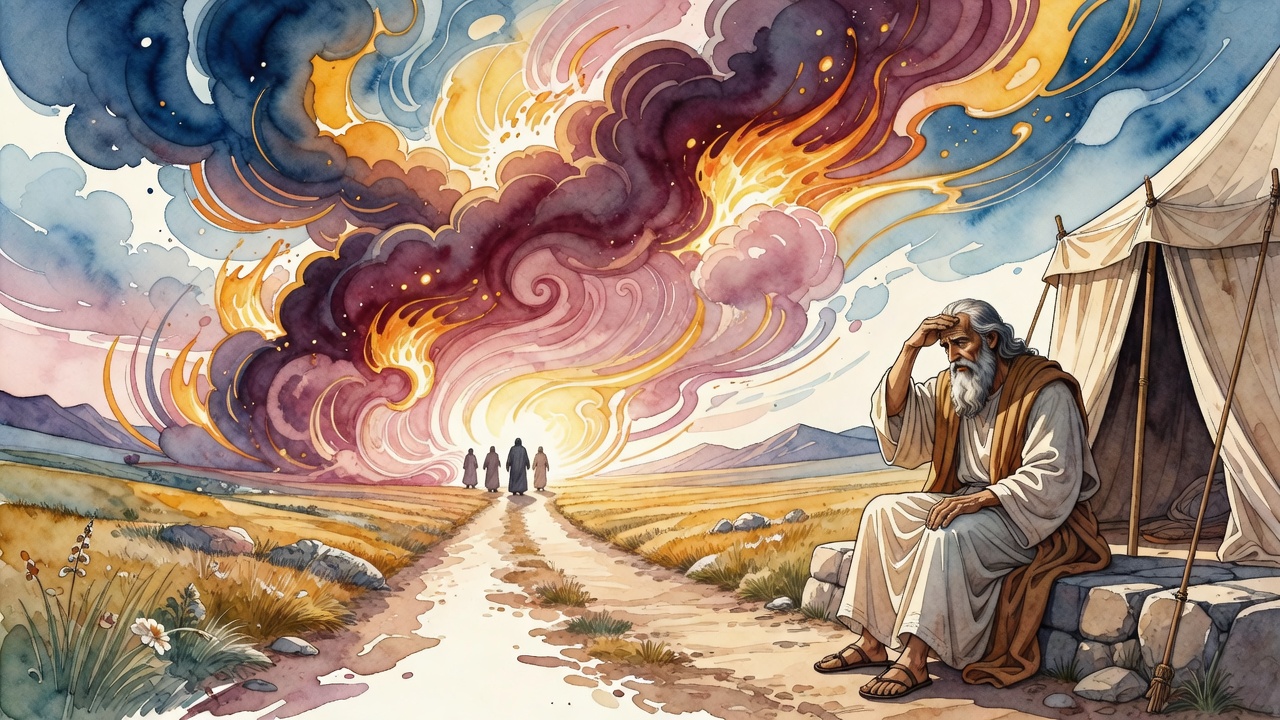
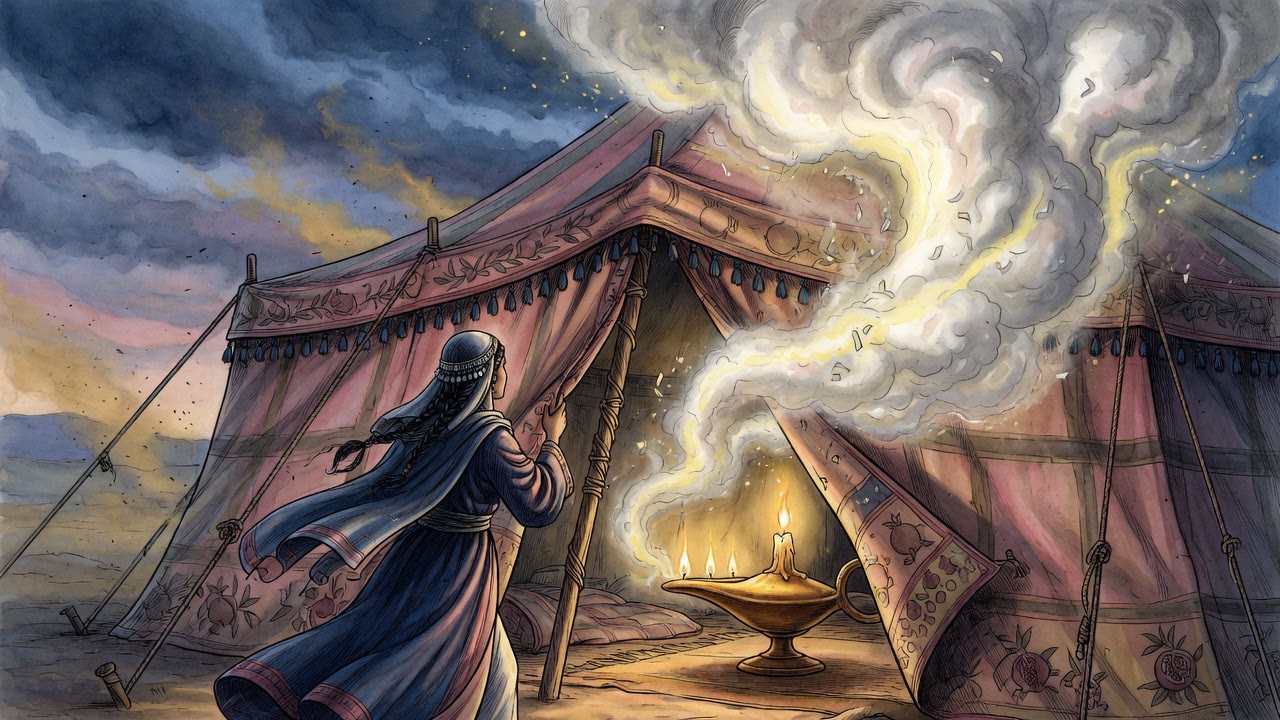
The visitor said she would have a son by spring, and Sarah laughed where nobody could hear it. The laugh never reached her throat. It moved low, in her belly, in the part of her that had been the standing joke of her life.
She was ninety. That was not the reason.
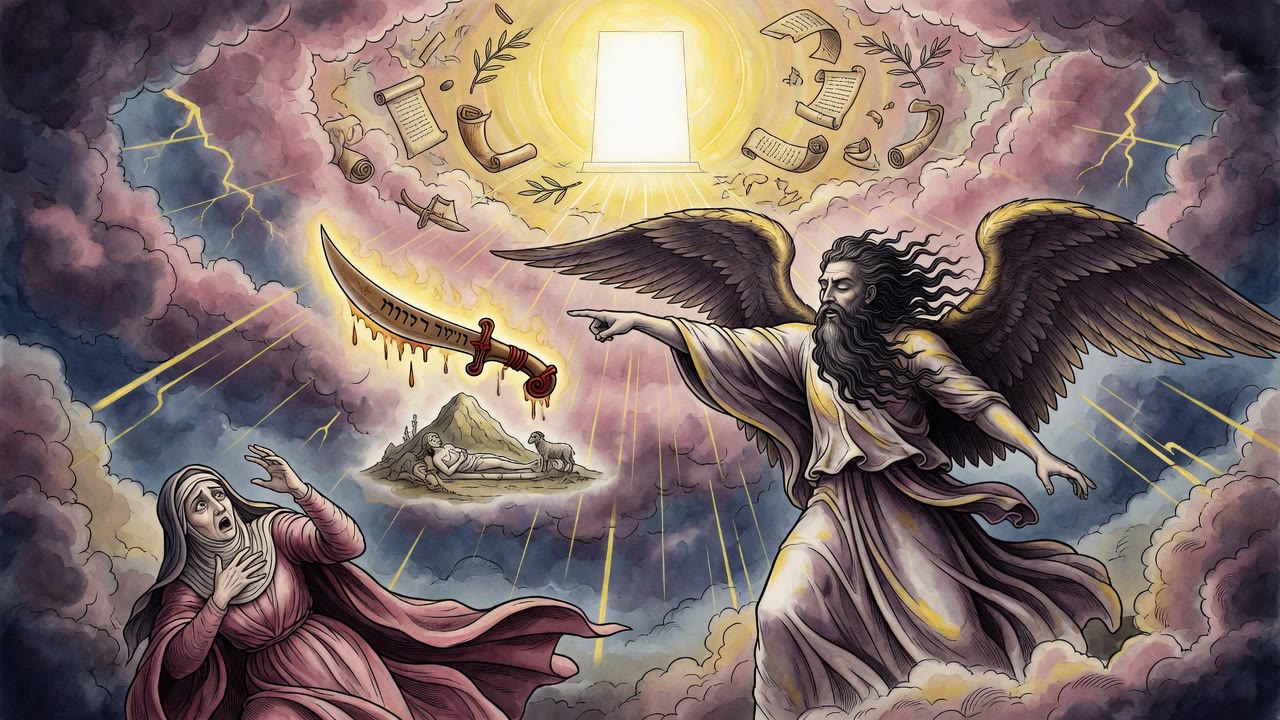
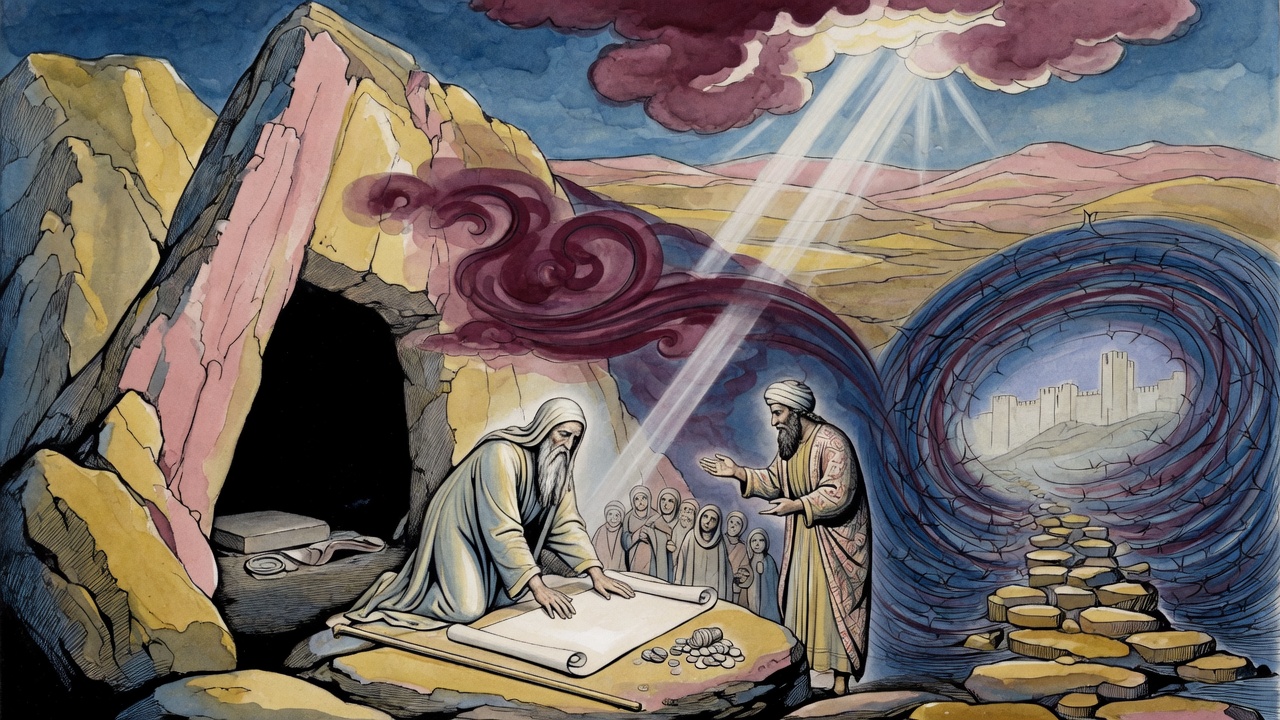
Sarah had been born without a womb. Not a womb that closed with age, not a womb that failed her month after month for seventy years of marriage. There was no room in her for a child to lie in. Rabbah bar Avuha said it without softening it: she had no chamber of childbearing at all. Rabbi Ami pointed at the prophet's line about her and Abraham. Look to the rock you were cut from. Look to the quarry you were dug out of. Nobody carves a nation out of soft clay. A people gets cut out of something sealed.
So the laugh came from the sealed place, because it was the only honest answer her body had.
She Believed It for Herself and Not for Abraham
Something had already changed in her that season, and she knew it before the visitor arrived. Her skin had gone soft again. The lines at her mouth and across the backs of her hands smoothed out, and flesh that had been dry for decades turned tender to the touch. Her own words carry the report: after I was worn out, I have had renewal. She was not talking about hope but describing a thing that had happened to her body while she was living in it.
Then she looked across the tent at Abraham, and there she stopped.
He was ninety-nine. She could believe that her own flesh had been handed back to her, but she could not believe the same about his. That is the exact shape of what she said next, my lord is old, and it gives her away. She had made herself out to be fit to bear a child and made her husband out to be past fathering one. She trusted the miracle on her side of the tent and doubted it on his.
The Smith and the Cracked Bowl
Is anything too hard for the LORD?
That was the whole answer. On its own it sounds like a rebuke. It did not come on its own.
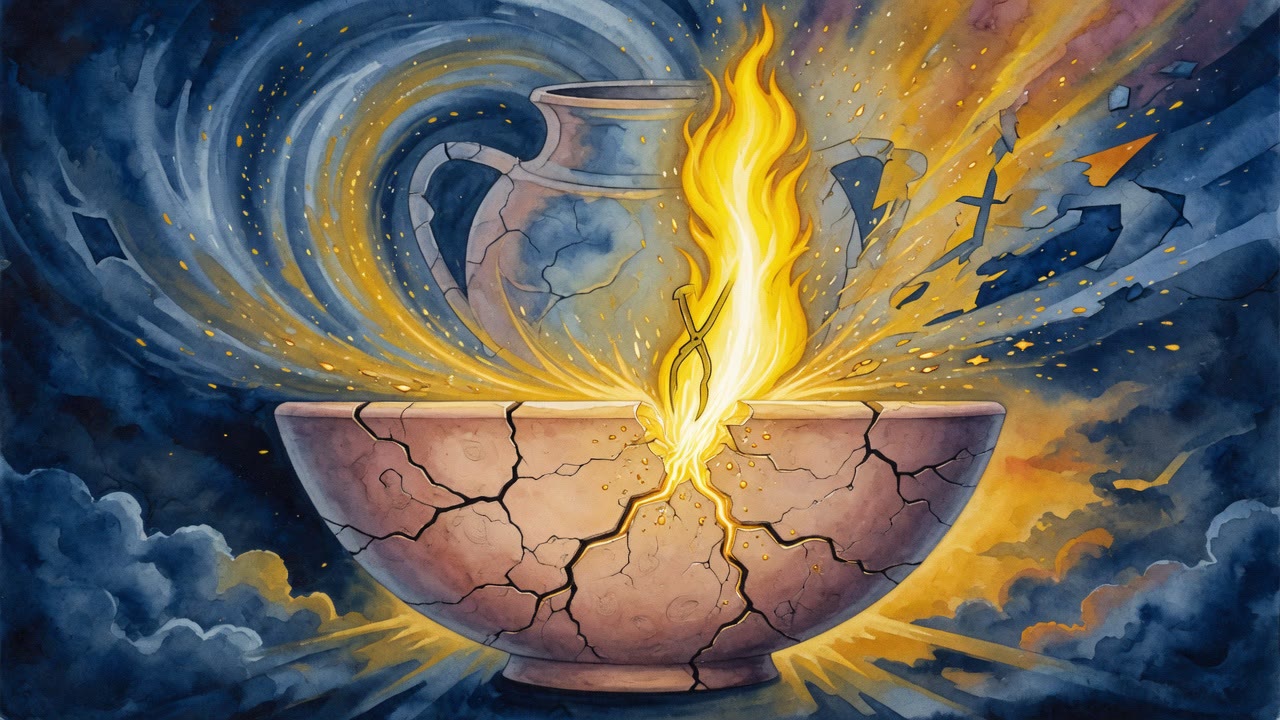
A man carried a cracked bowl to the smith. "Can you mend this?" he asked. The smith turned the bowl once in his hands and found the split without hunting for it. He had drawn that metal himself. He had hammered that seam. He knew where the wall ran thin, because his own hand had thinned it. He had made the flaw before he ever made the bowl, so repairing it was the smaller job of the two.
That is the answer Sarah got. The one proposing to build a womb into her was the one who had built her without it.
A Year With a Month Added to It
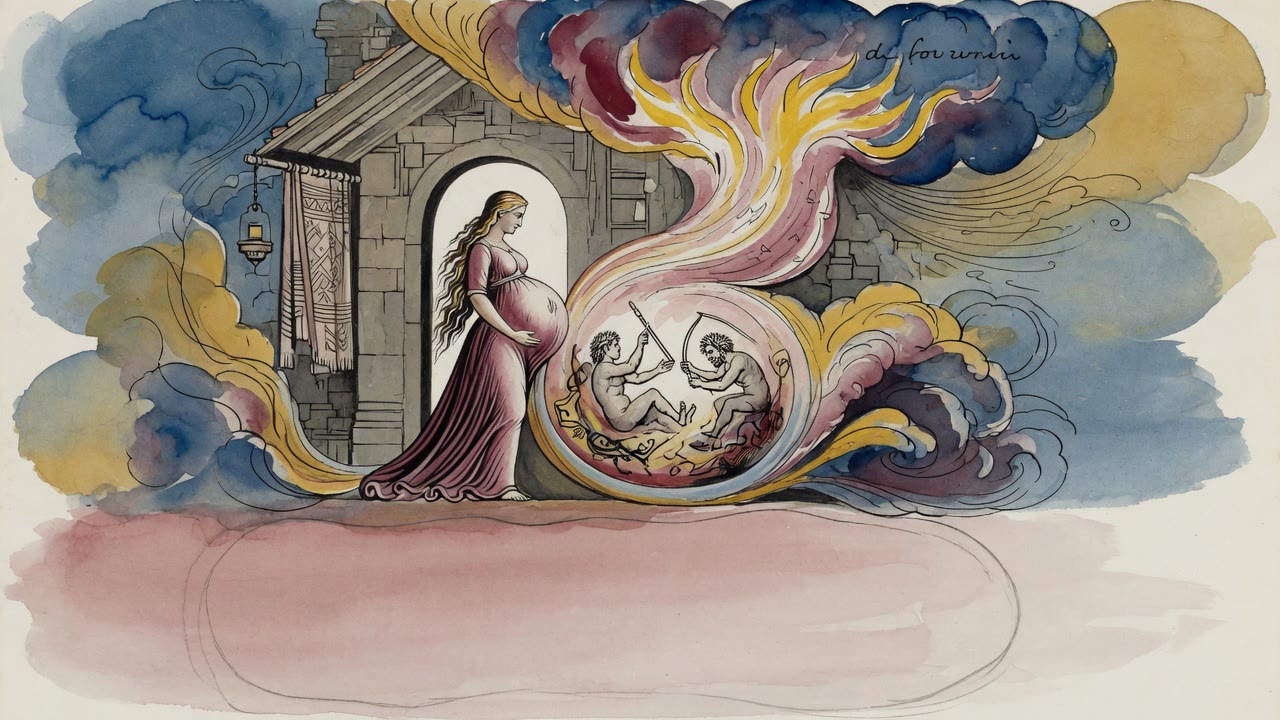
On Rosh Hashanah heaven remembered her, and the missing chamber was made.
That year ran long. A month had been added to it, and the Hebrew word for such a year is the word for pregnant, so the calendar itself carried a child that season. From the remembering to the birth was seven months, not nine. Isaac came at Passover, on the day the promise had named.
They called him Yitzchak, he laughs. Sarah had laughed in her belly where no one could hear, and the answer walked out of her under the same name, loud, at the appointed time, in the wrong season of her life.
The Face That Ended the Whispering
Then the town did the arithmetic out loud.
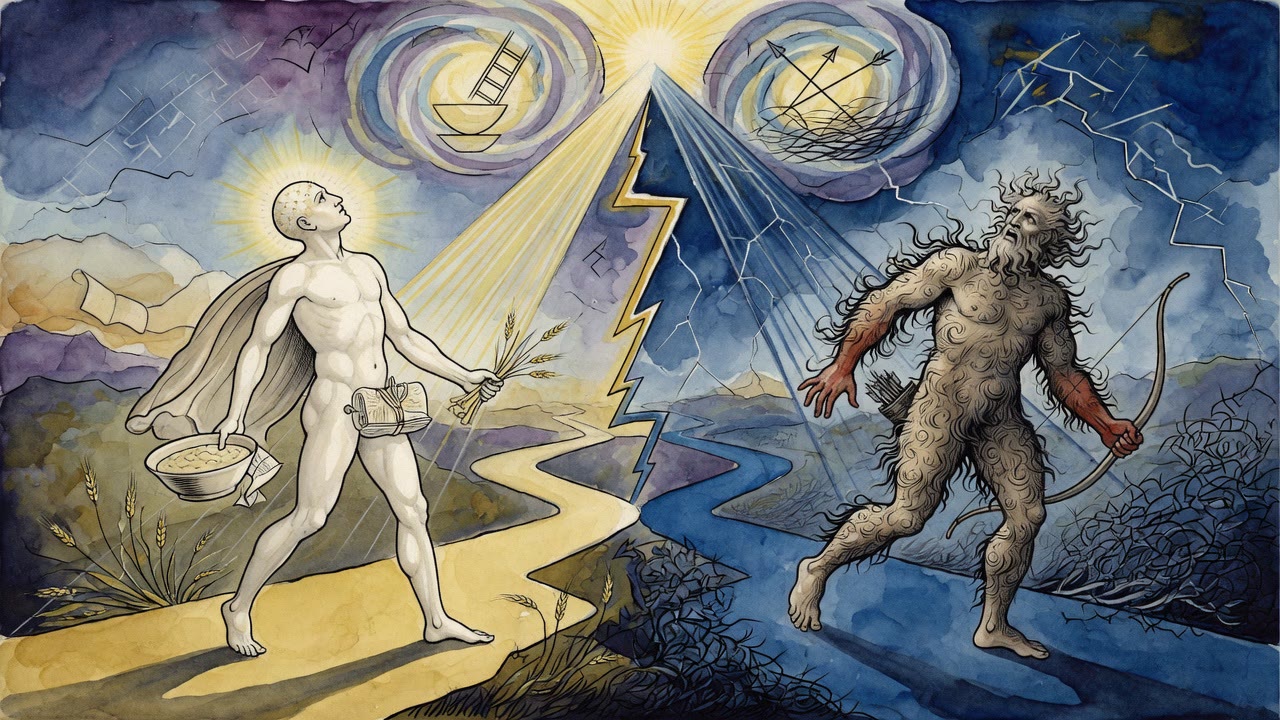
A woman of ninety who had never carried a child. A husband of a hundred. And not long before any of it, a season in the house of Avimelech, king of Gerar, who had taken Sarah into his household and then given her back untouched. People counted the months on their fingers and reached the conclusion they preferred. The boy was Avimelech's.
So God settled it in the flesh. He shaped the child's face into his father's face. Not a resemblance. Not the family nose and the family jaw. The same face, so that a stranger who had once passed Abraham at a well could look at the boy and stop in the middle of his sentence.
After that the talk had nowhere to go. A man who wanted to argue about Isaac's father had to argue it standing between the two of them, looking from one face to the other. Everyone who saw the boy said the same thing. Abraham fathered Isaac.
← All myths