32 myths · Page 1 of 2
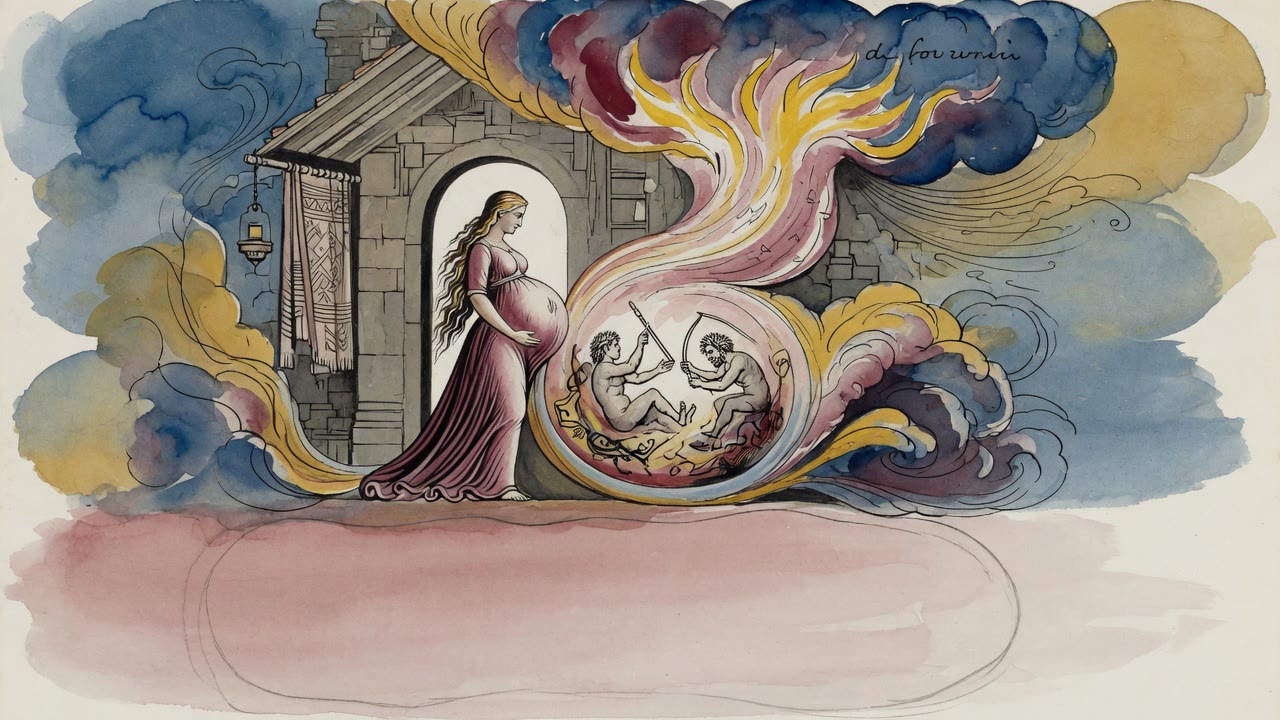
Rebecca's pregnancy became a battlefield before Jacob and Esau were born, forcing her to seek God's answer in the house of Shem.
The Torah introduces Abraham as a grown man. The older traditions say his father had already saved his life once by swapping him for a slave child.
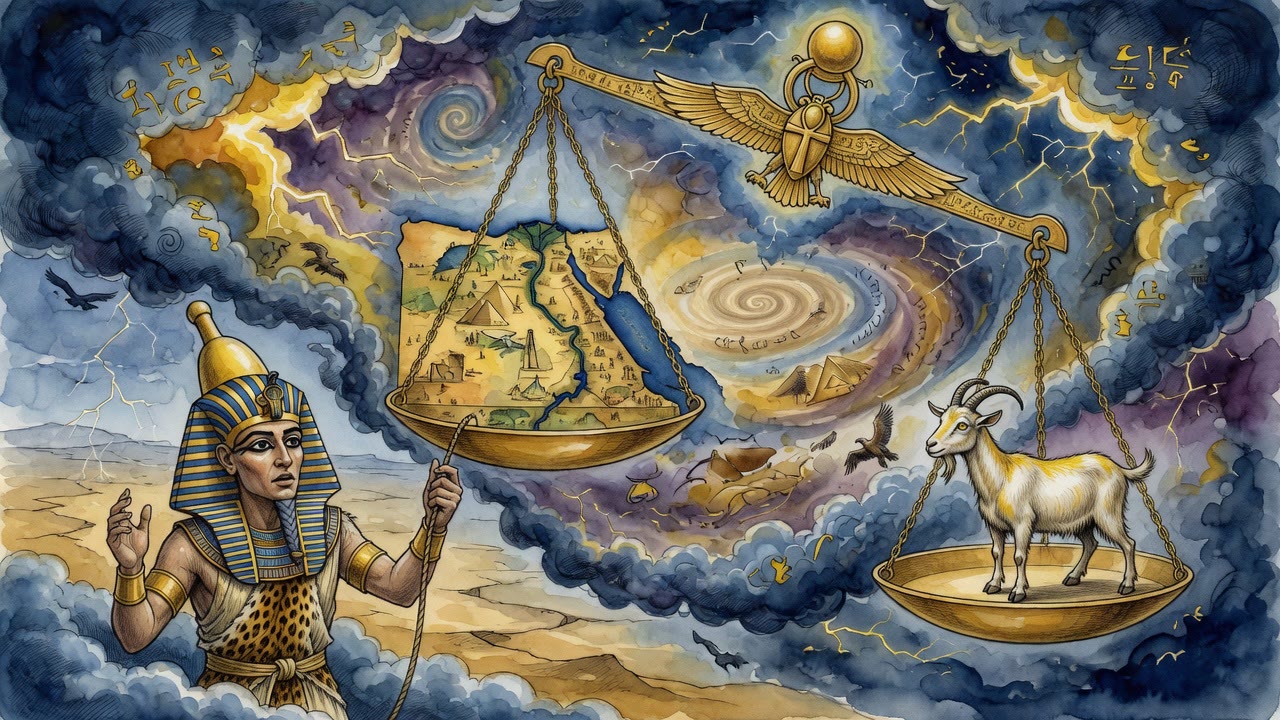
Pharaoh saw all Egypt weighed against a tender kid, and the kid sank the scale. Balaam turned the dream into a decree against Israel.
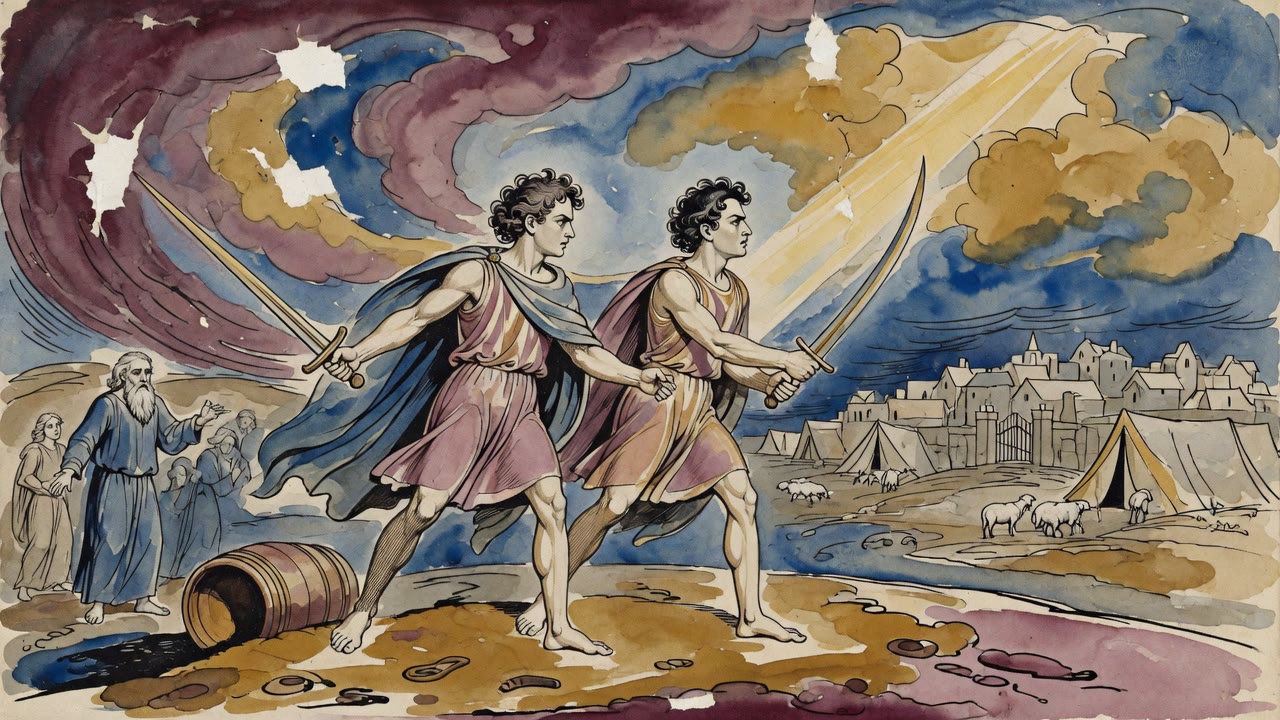
Egyptians brought a crying baby into the house. Jochebed held her mouth shut. The light in the room could not be allowed to answer.
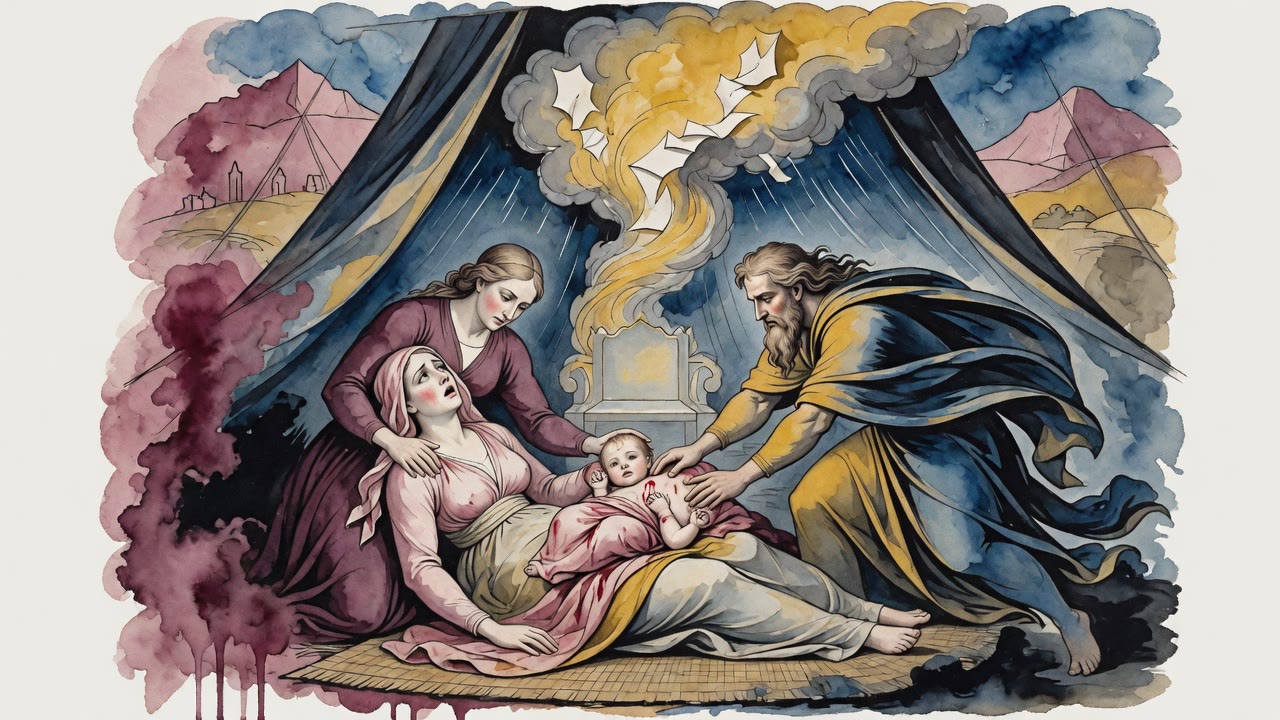
Rachel's last act was to name her son for her own grief. Jacob renamed him immediately. The Torah kept both names and refused to choose between them.
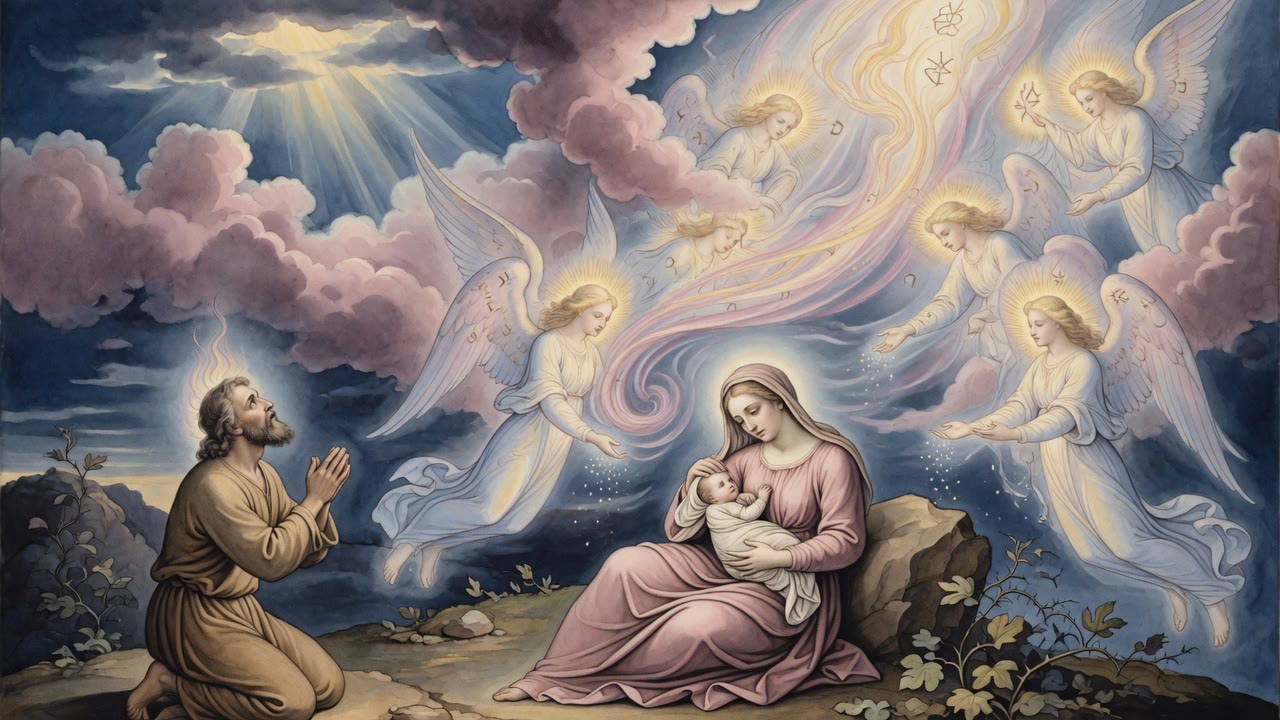
When Eve went into labor with the first child ever born, no one had ever survived it before. Adam prayed and God sent angels down to help.
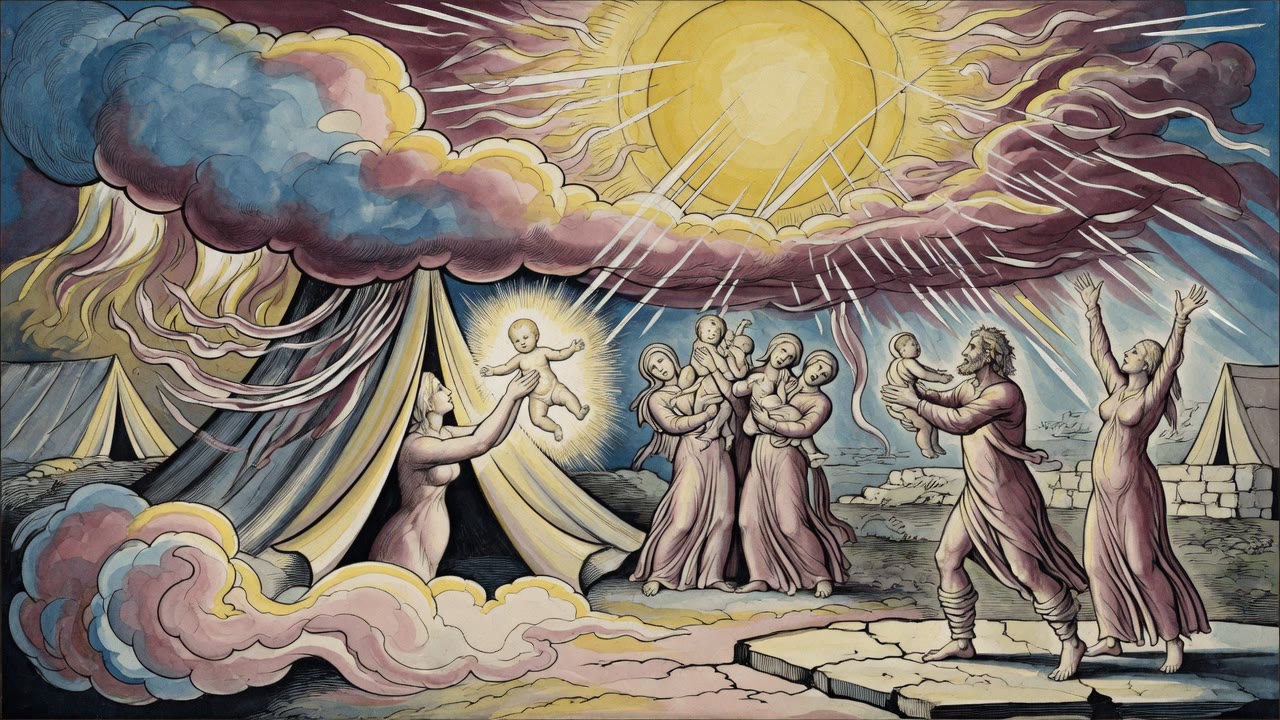
Isaac entered the world and barren women held children, broken bodies rose whole, and the old light of Eden flashed across the sun.
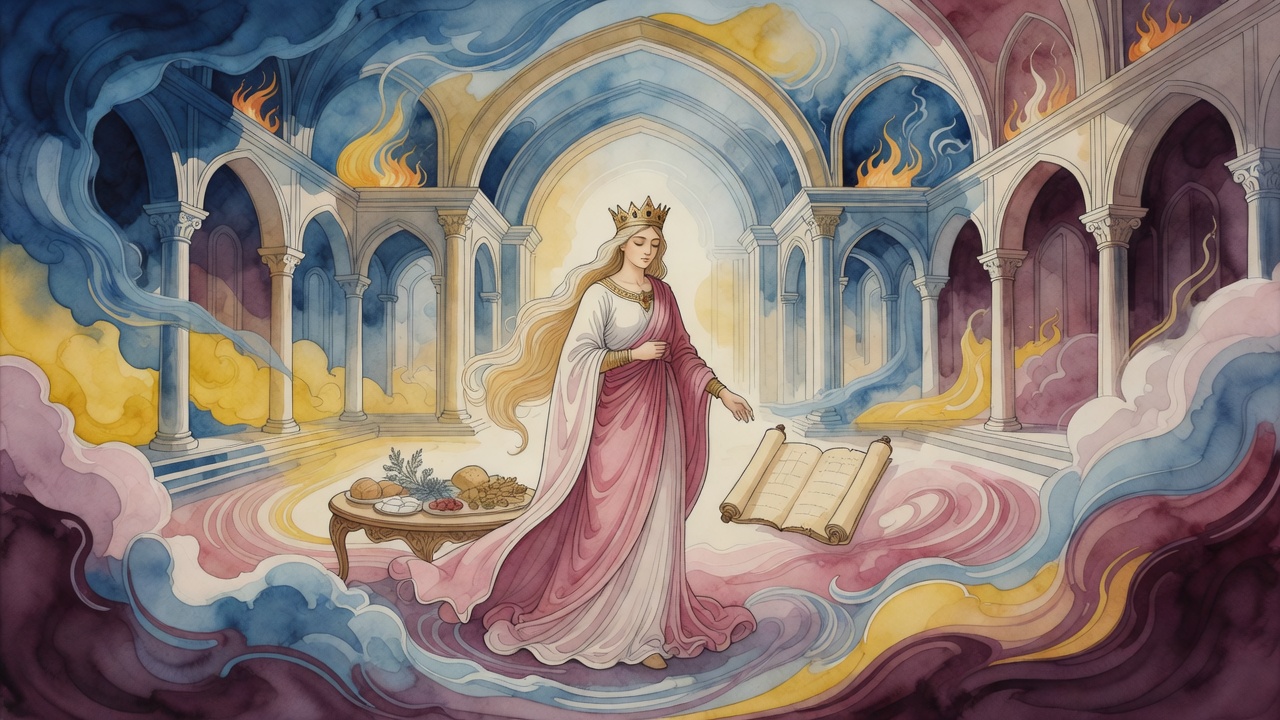
Mordecai hid Esther for four years. The king made it a killing offense to hide a woman, so Mordecai brought her out and the palace took her.
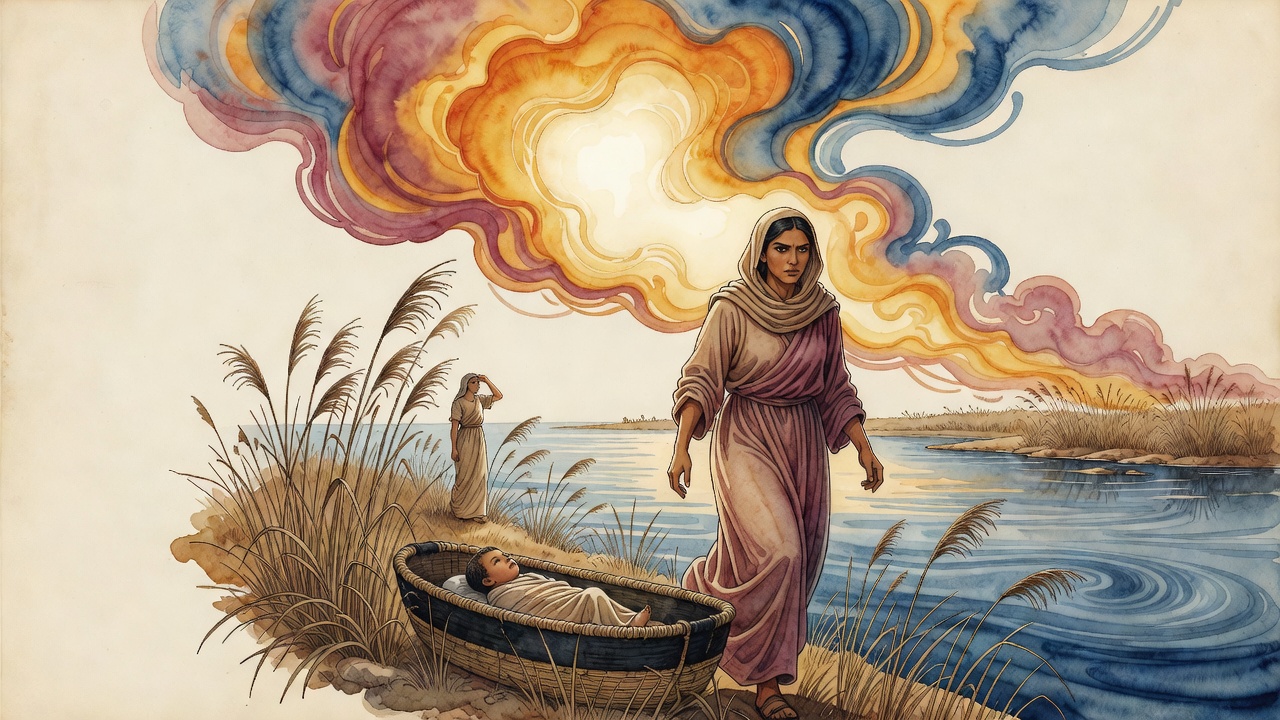
Jochebed pitched the outside only so her son would not breathe the smell of pitch. Then she set him in the Nile and walked away.
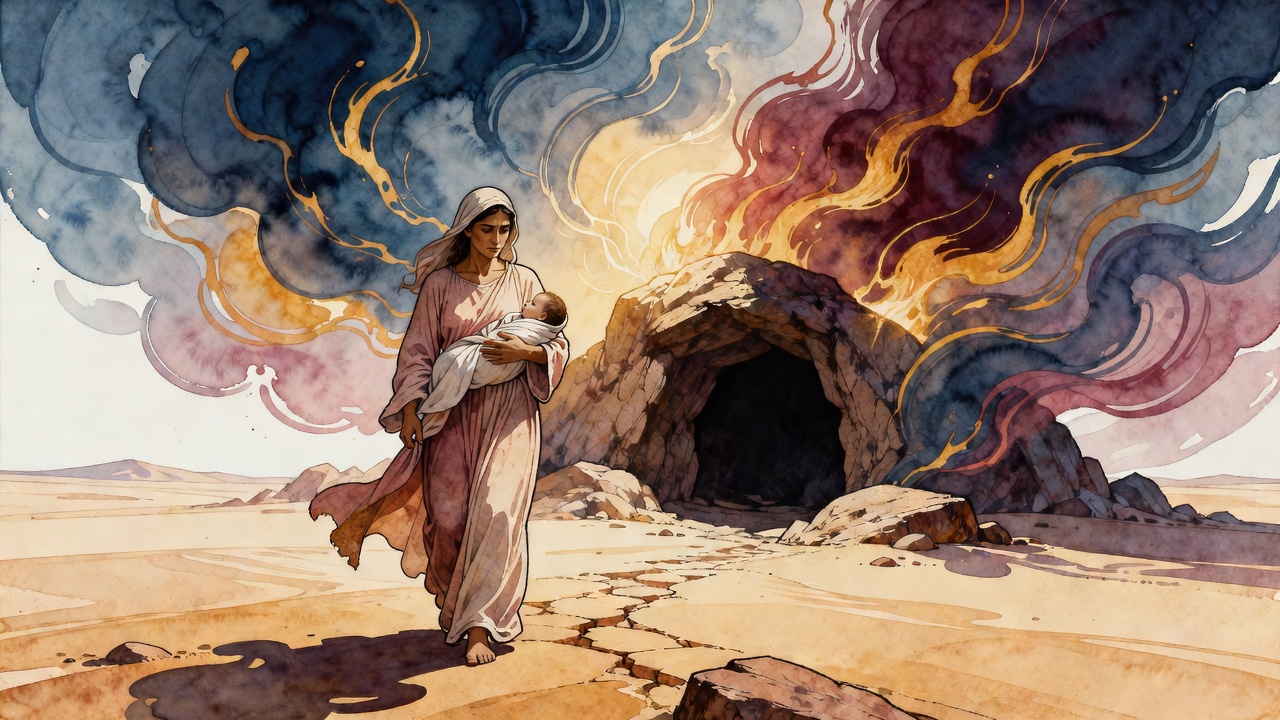
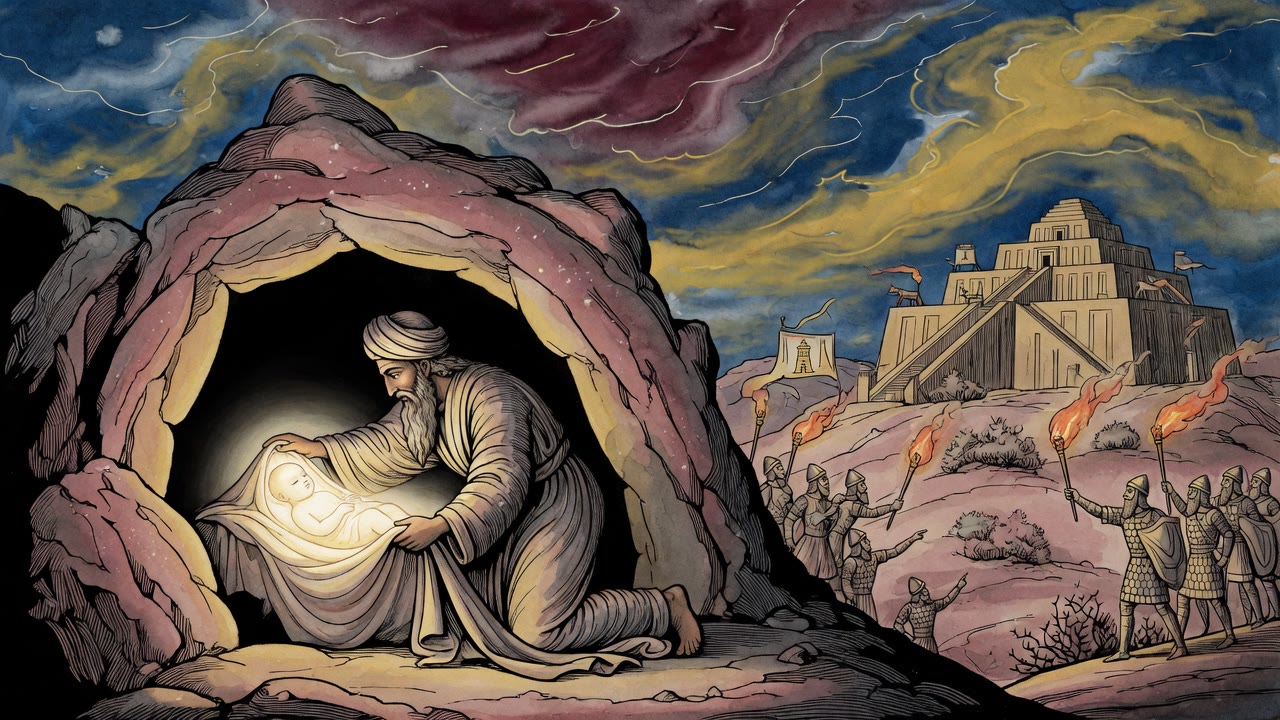
Seventy thousand newborn boys were dead by Nimrod's order. Emtelai bore her son alone in a cave. She kissed him and walked back to the city without him.
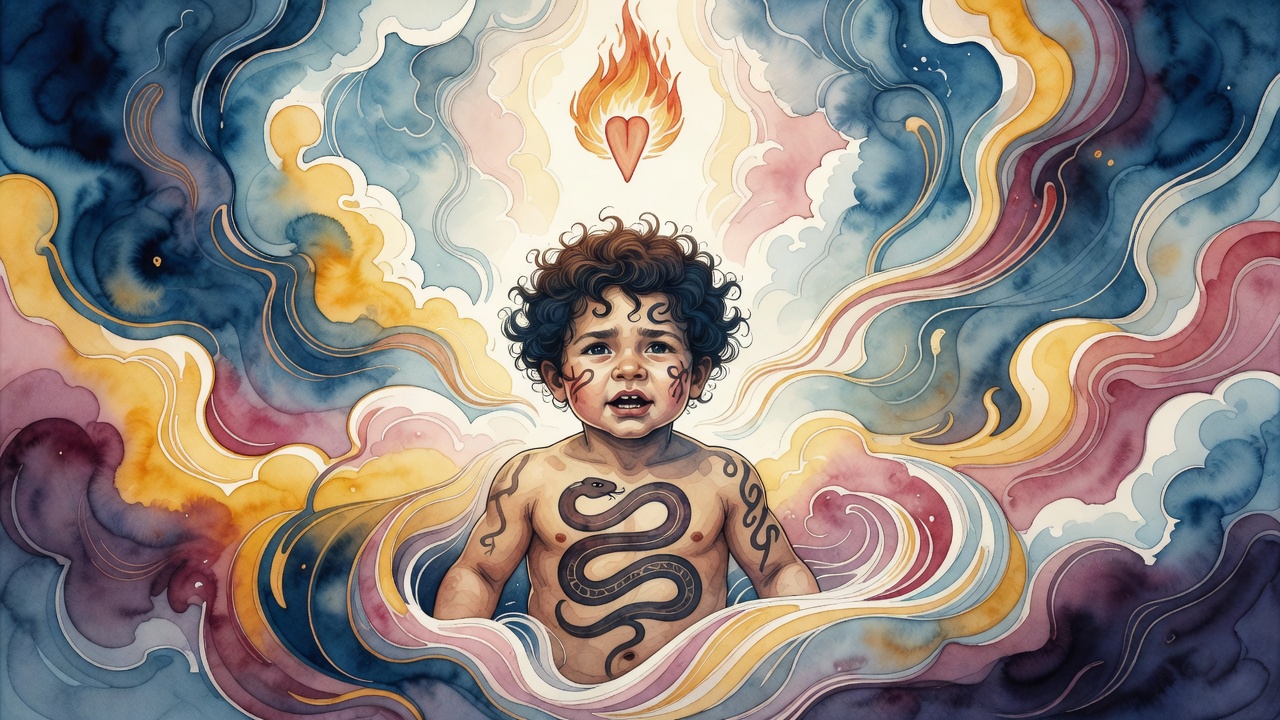
Esau was born with hair, teeth, and a serpent mark on his body. The signs on his skin read like a verdict before he had made a single choice.
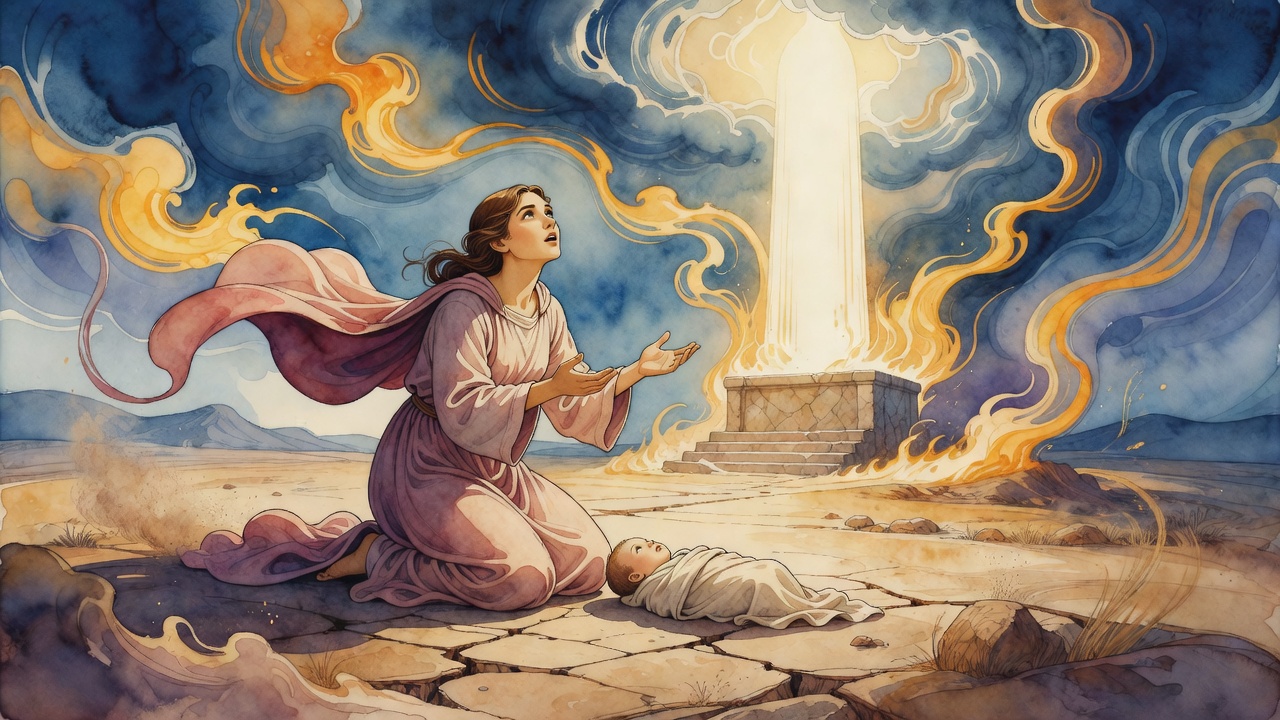
Jacob would have four wives and twelve sons. Three apiece was Leah's portion and she already had hers. Then a fourth boy came, and she counted.
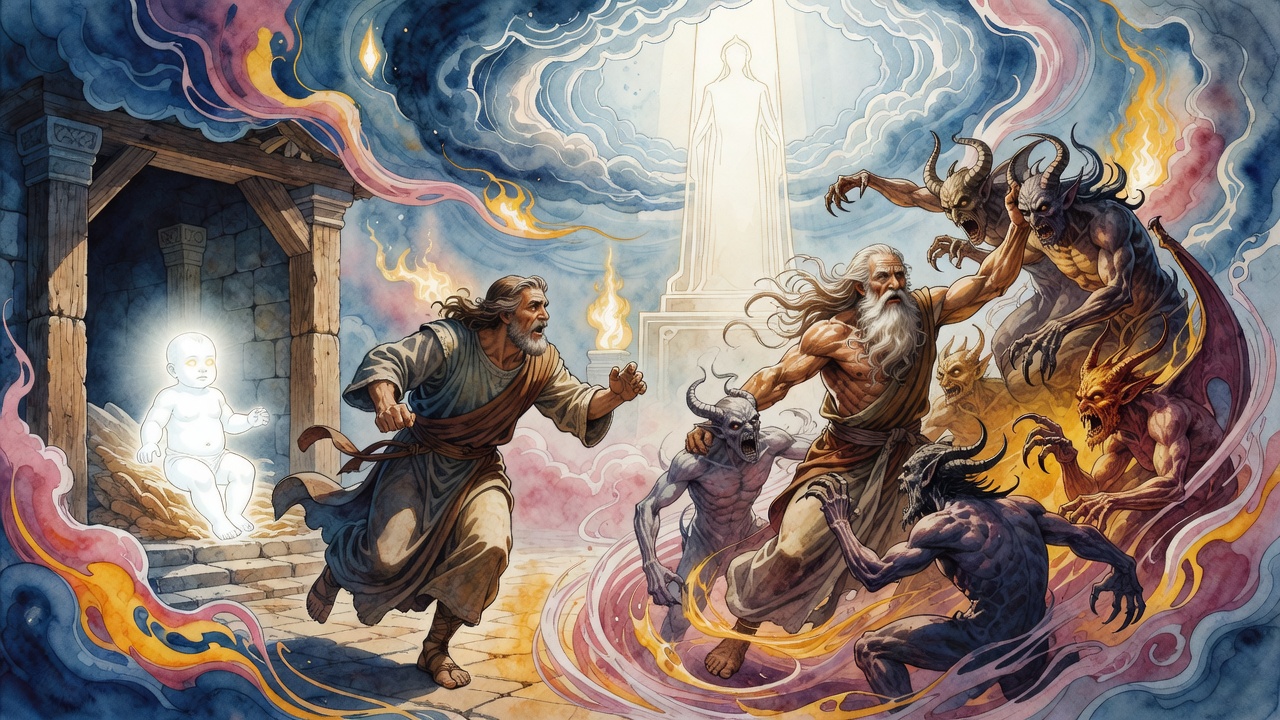
Noah's skin shone white as snow at birth and his eyes lit up the room. His father Lamech ran to Methuselah convinced the child was not human.
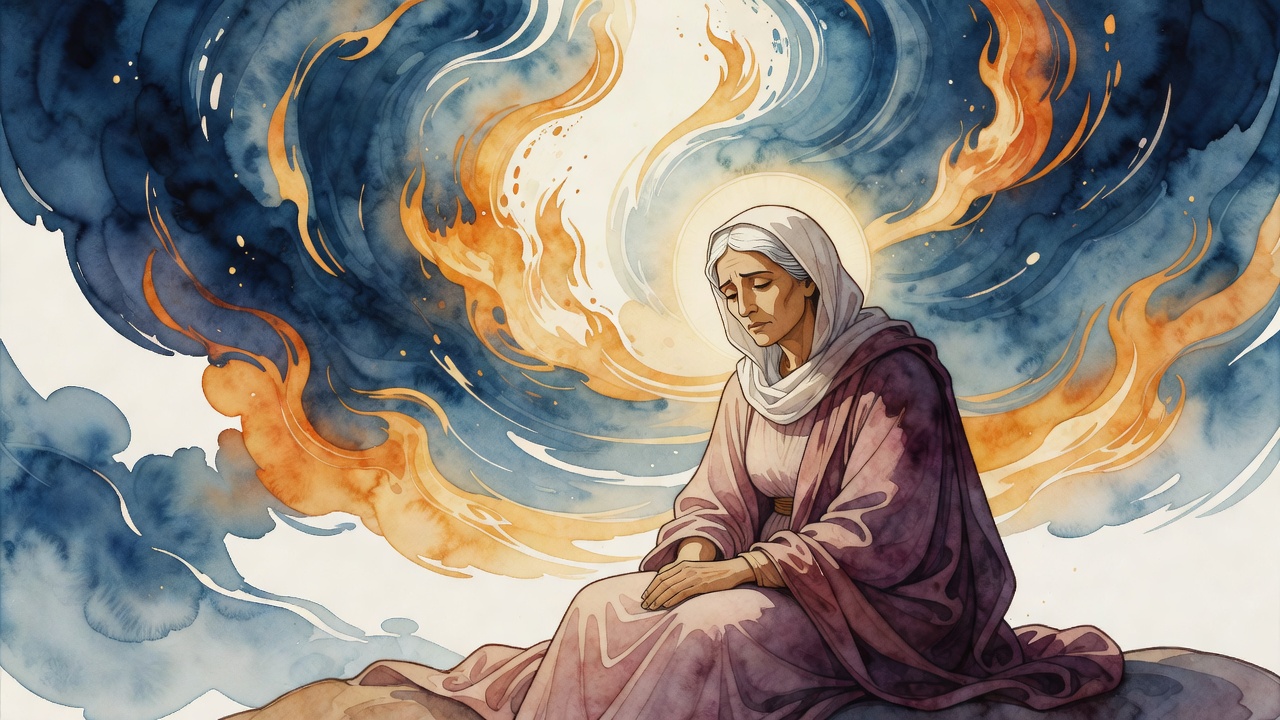
Sarah's barrenness was not a pause before the covenant. In Philo's reading and Bereshit Rabbah, the closed womb made Isaac impossible to explain without God.
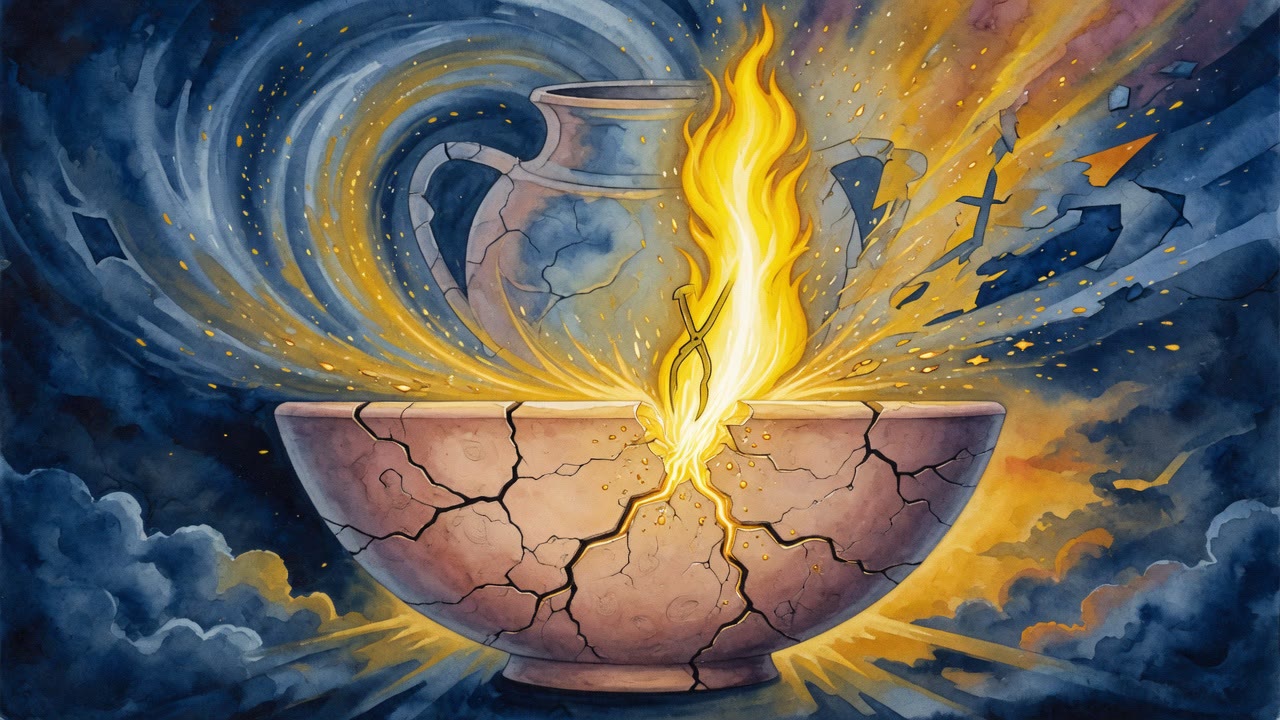
Sarah was ninety when a visitor promised her a son. She was not only old. She had been born with no chamber inside her for a child to lie in.
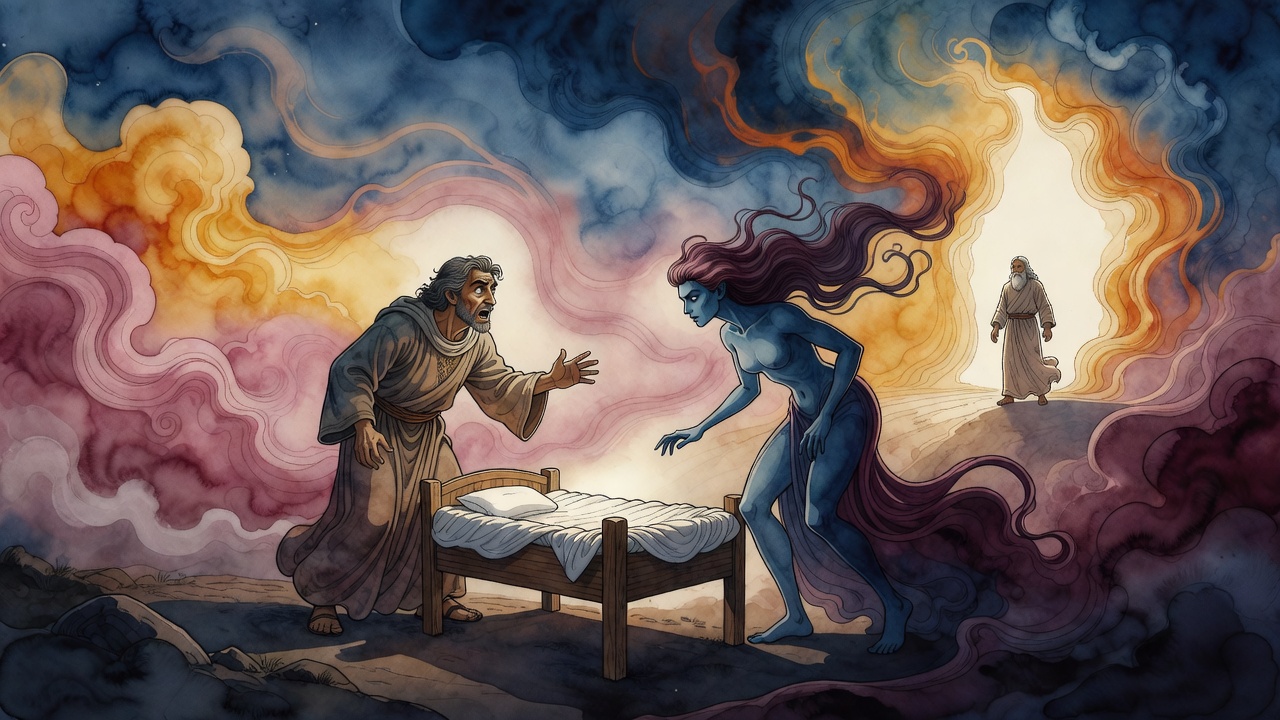
Three angels caught her at the sea and she would not go back to Adam. She swore to spare any child who wore their names. The rest she kept.
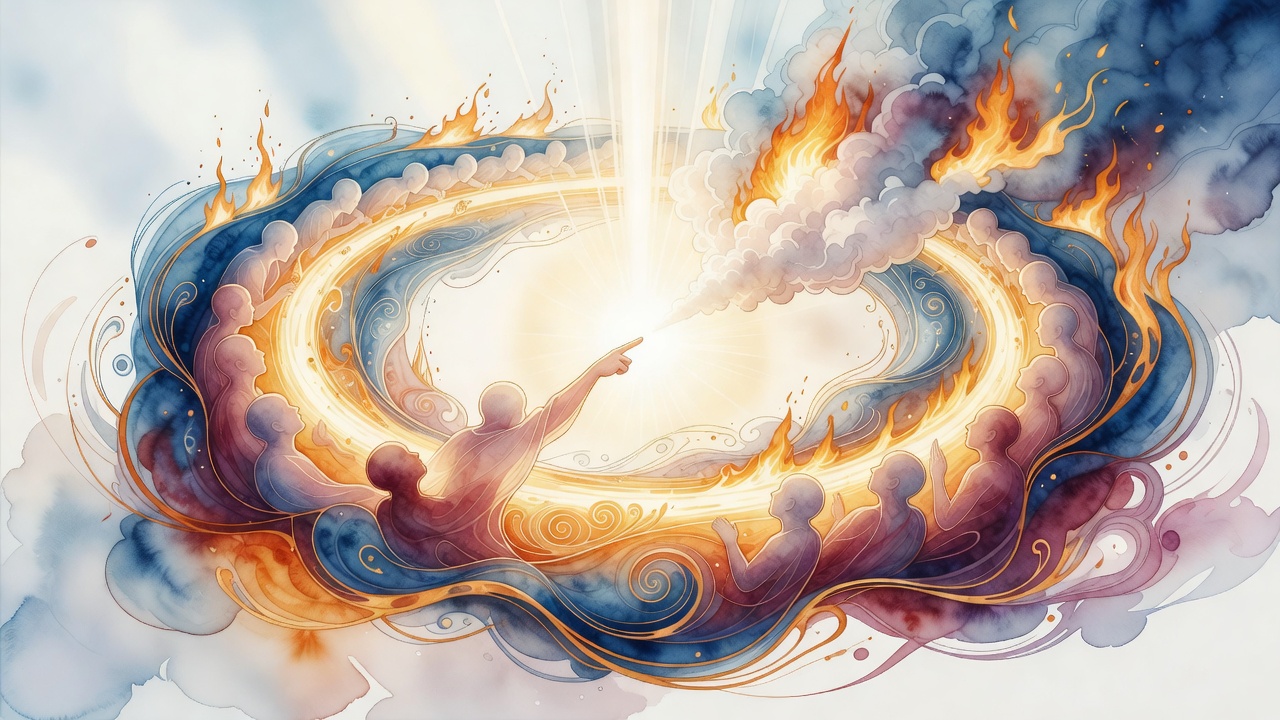
The soul had seen the garden and the fire. When God named her for a drop, she said she was already holy. He sent her down anyway.
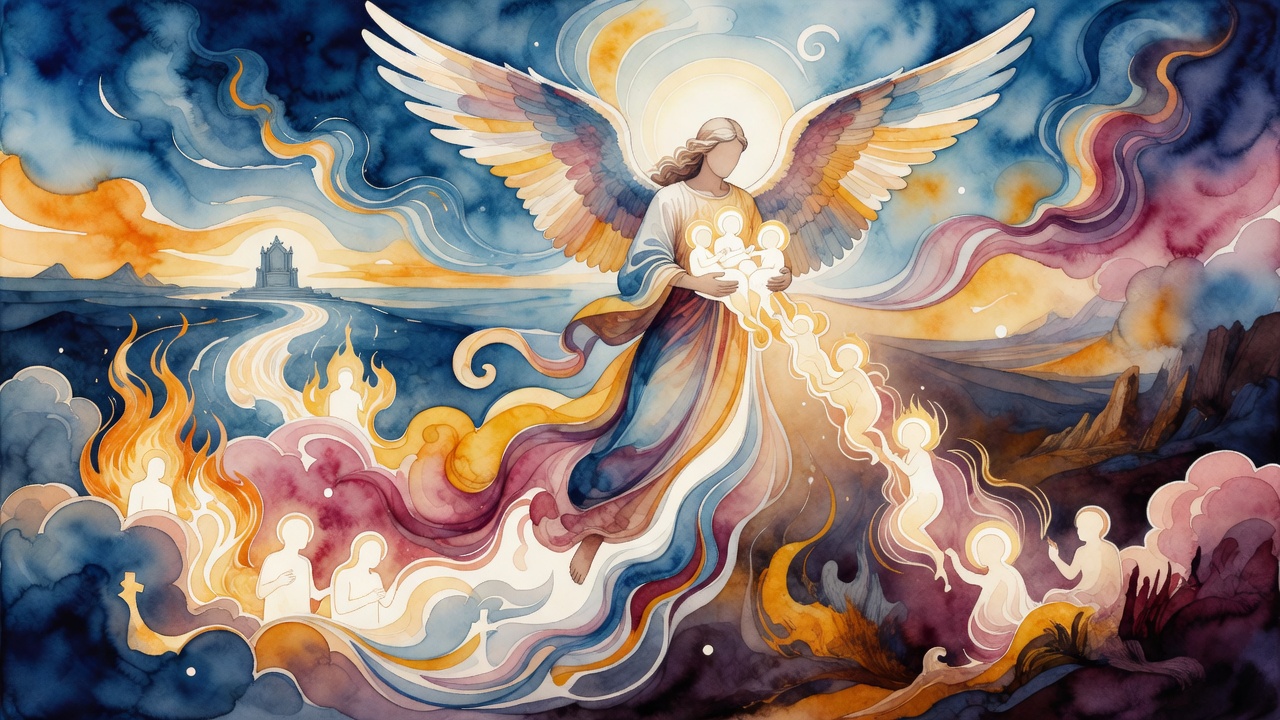
An angel carries each unborn soul through heaven by day, then lets it go down into labor, into affliction, into the long accounting.
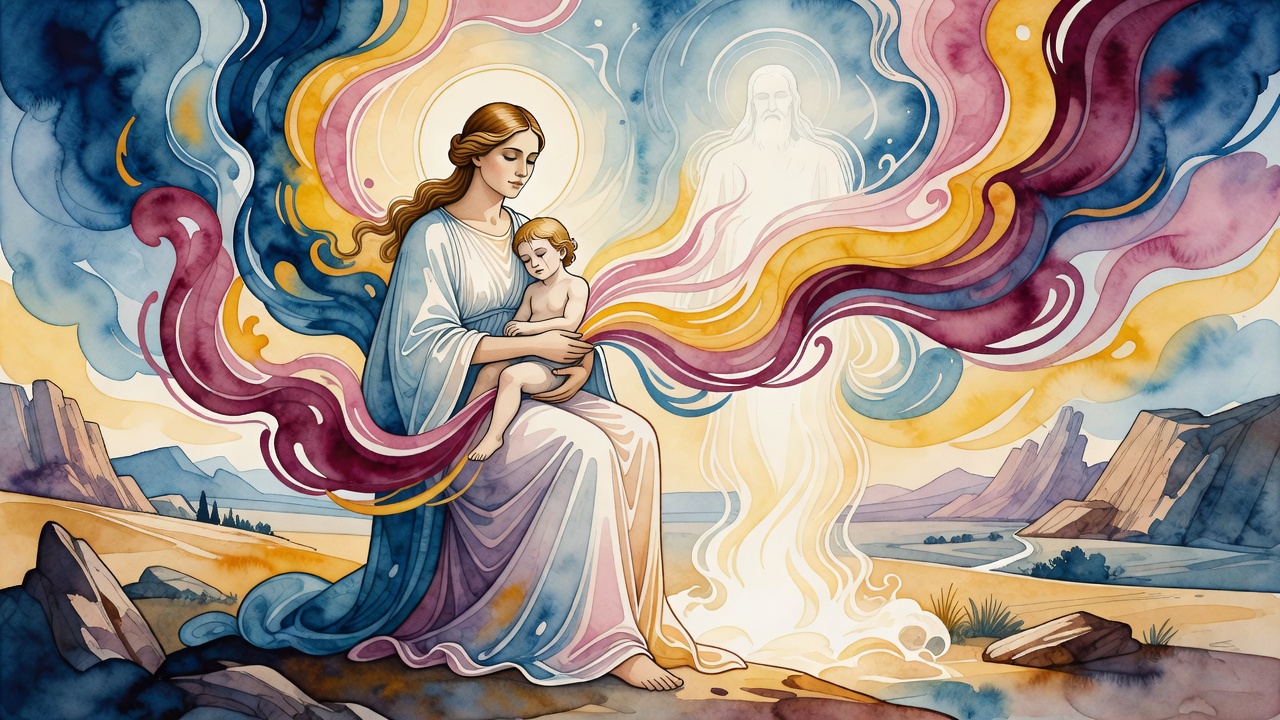
She looked at the first baby ever born and said it took three to make him. She and Adam gave the body. God gave the soul. The boy grew up to kill.
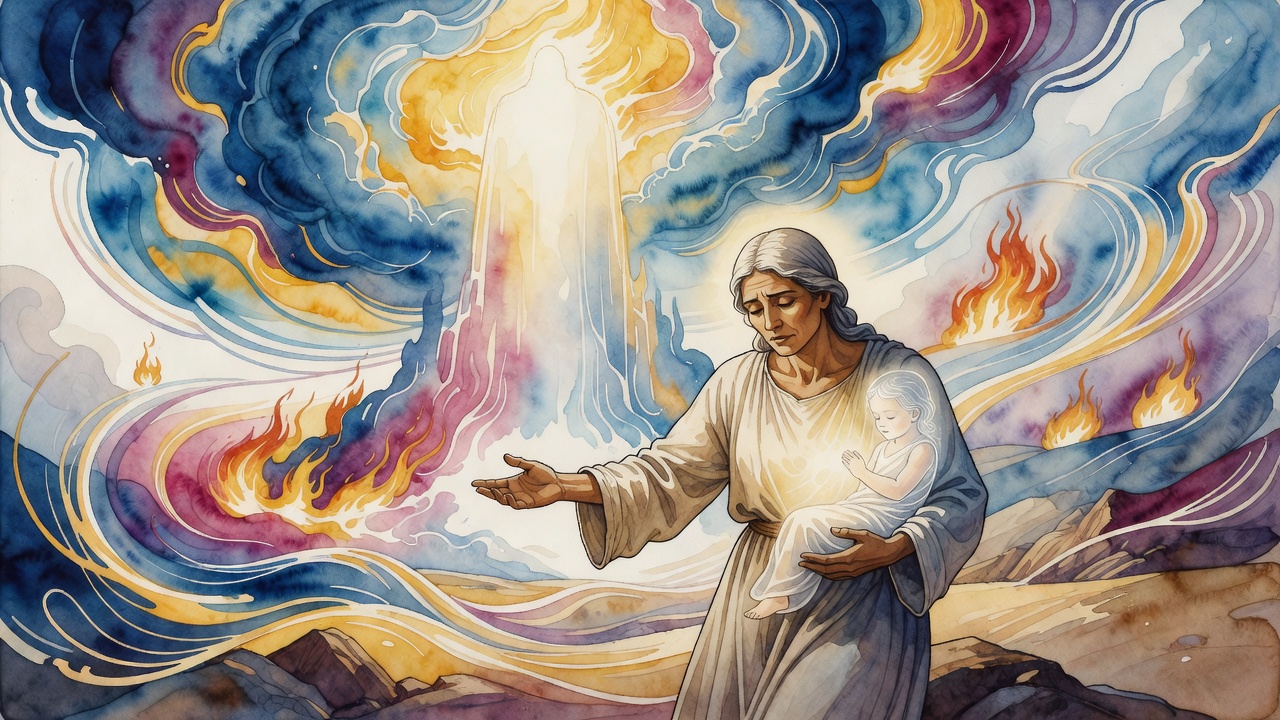
Sarah's body had finished hoping when the old sentence landed in her arms as a child. God finished words first spoken when inheritance still seemed lost.
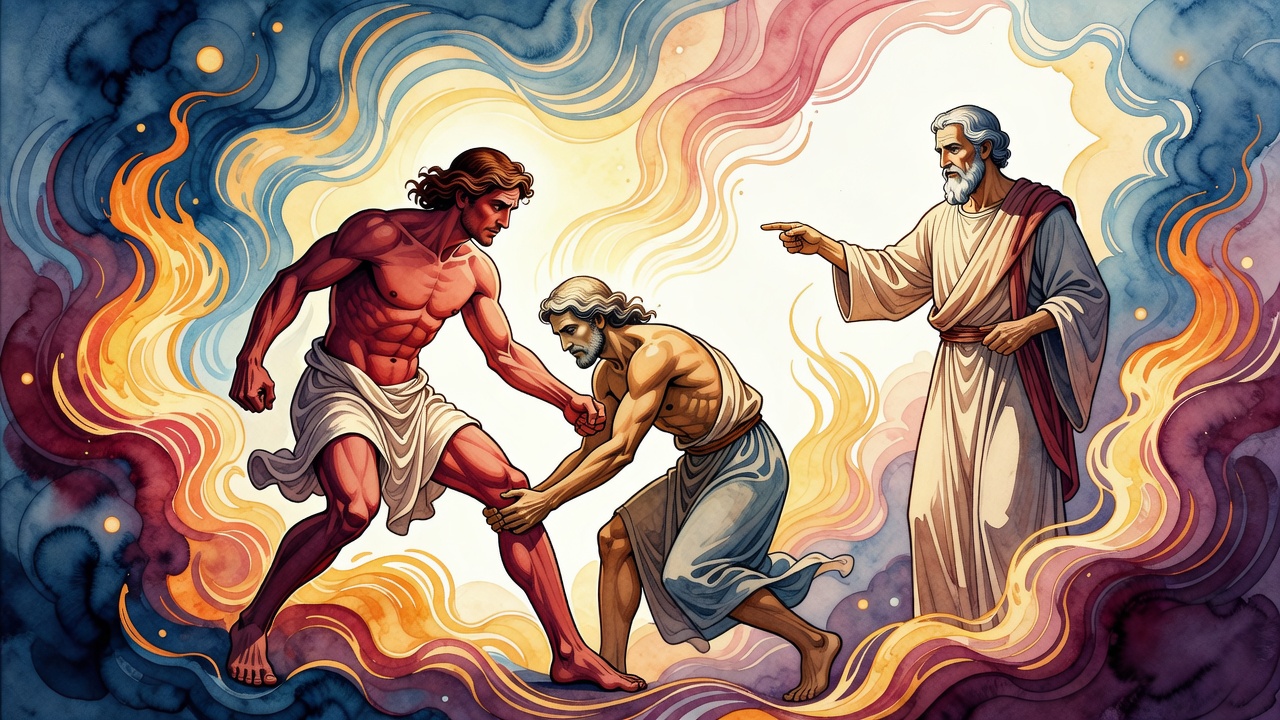
Esau arrived already marked by blood-hunger. Jacob's hand locked on his heel, and centuries later Rabban Gamliel showed Rome that verse as its fate.
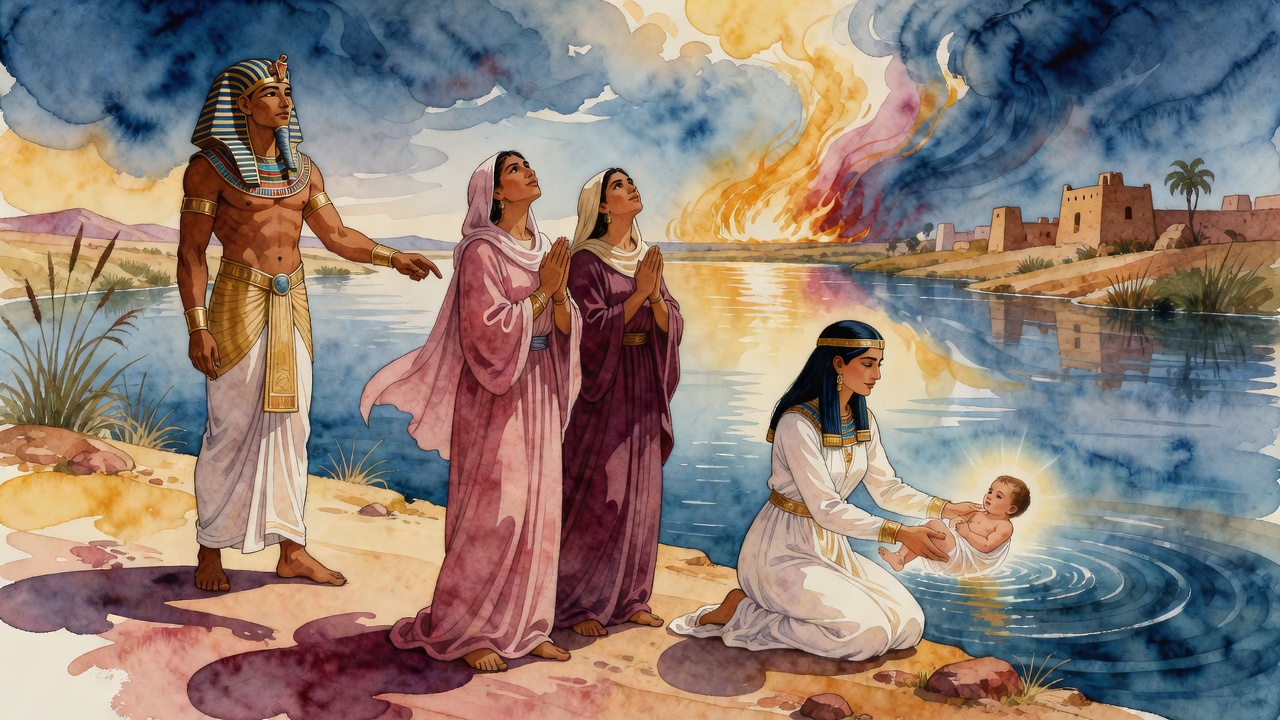
Pharaoh demands dead boys. Jokheved and Miriam answer with prayer, not biology. A princess draws a living child from the river and names him for the rescue.
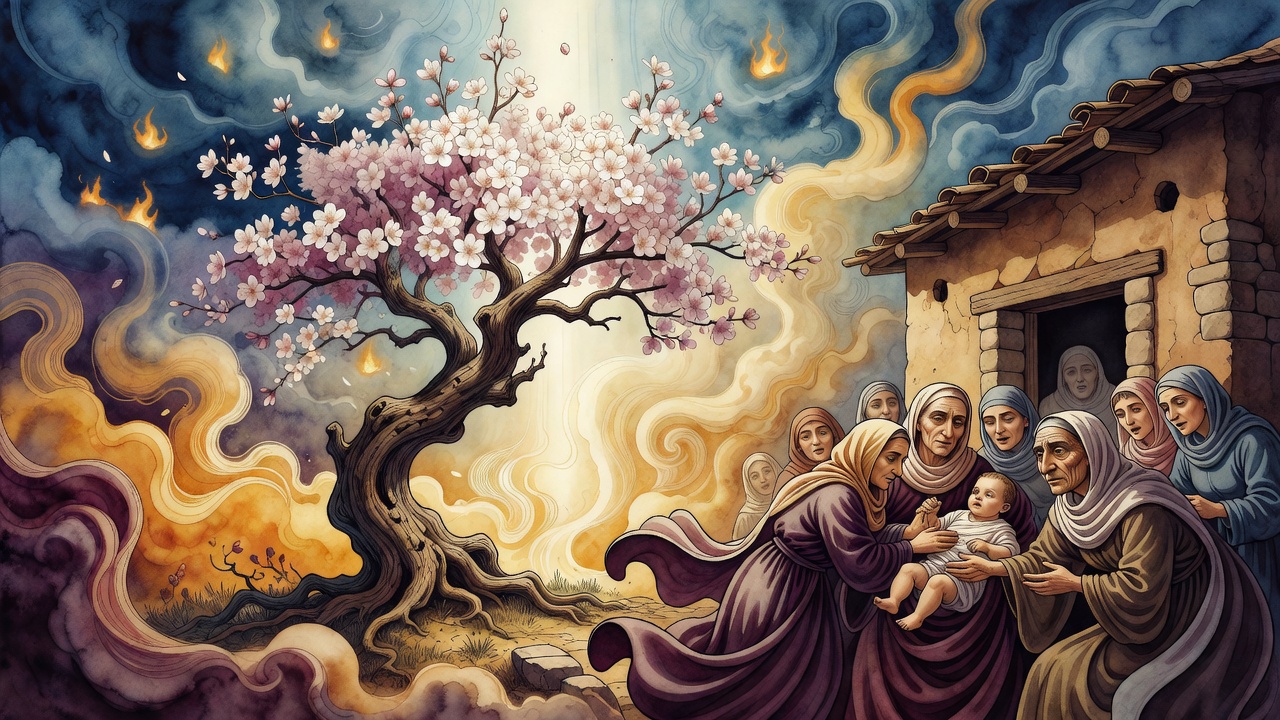
Sarah had been inside two foreign palaces, so the camp was ready to count months. Then Abraham lifted the boy up and everyone saw whose face he had.
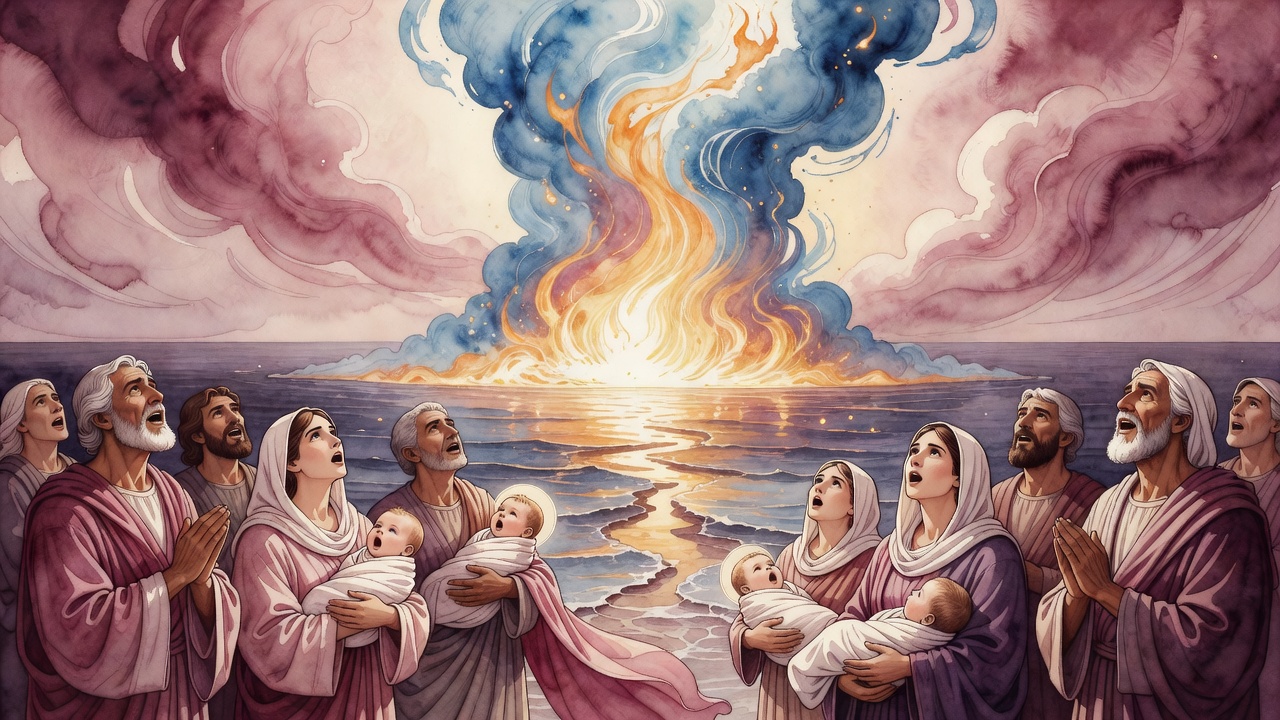
At the Song of the Sea even infants in the womb and nursing babies opened their mouths, while God's morning watch answered the patriarchs' dawn obedience.
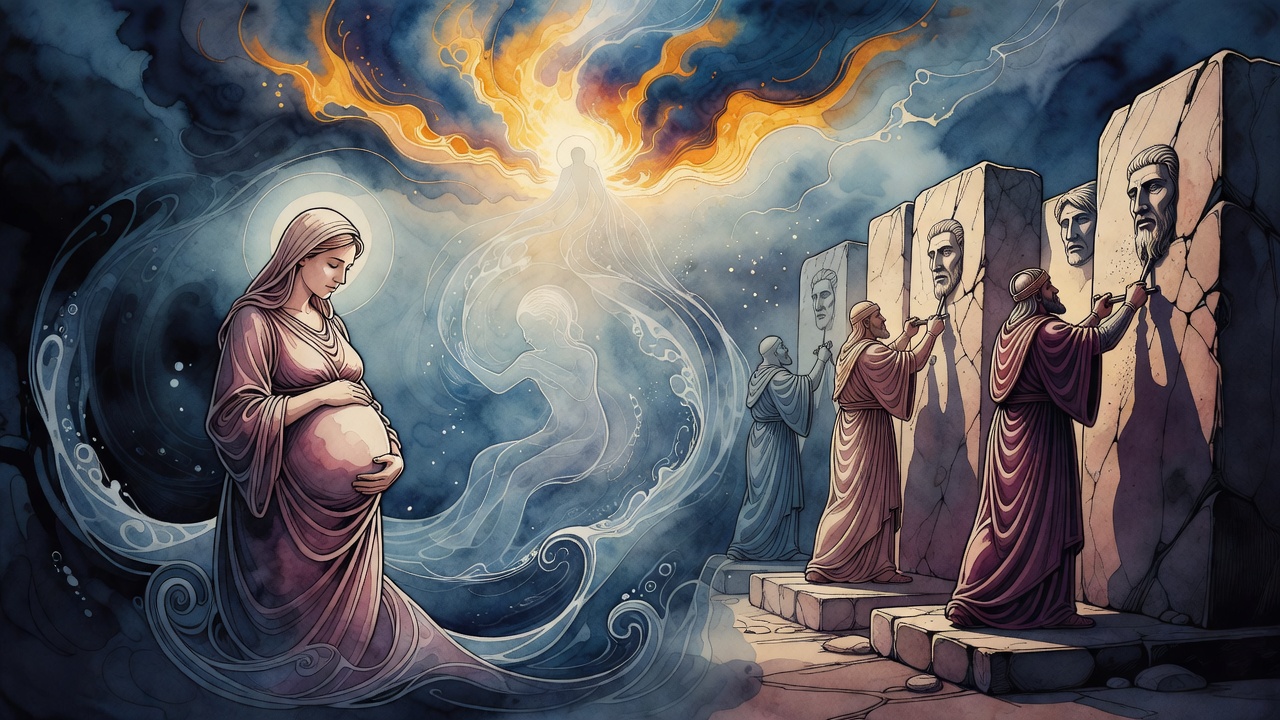
She was four days into the clean count when she saw blood. She looked again. The fifteen days she had been carrying were gone.
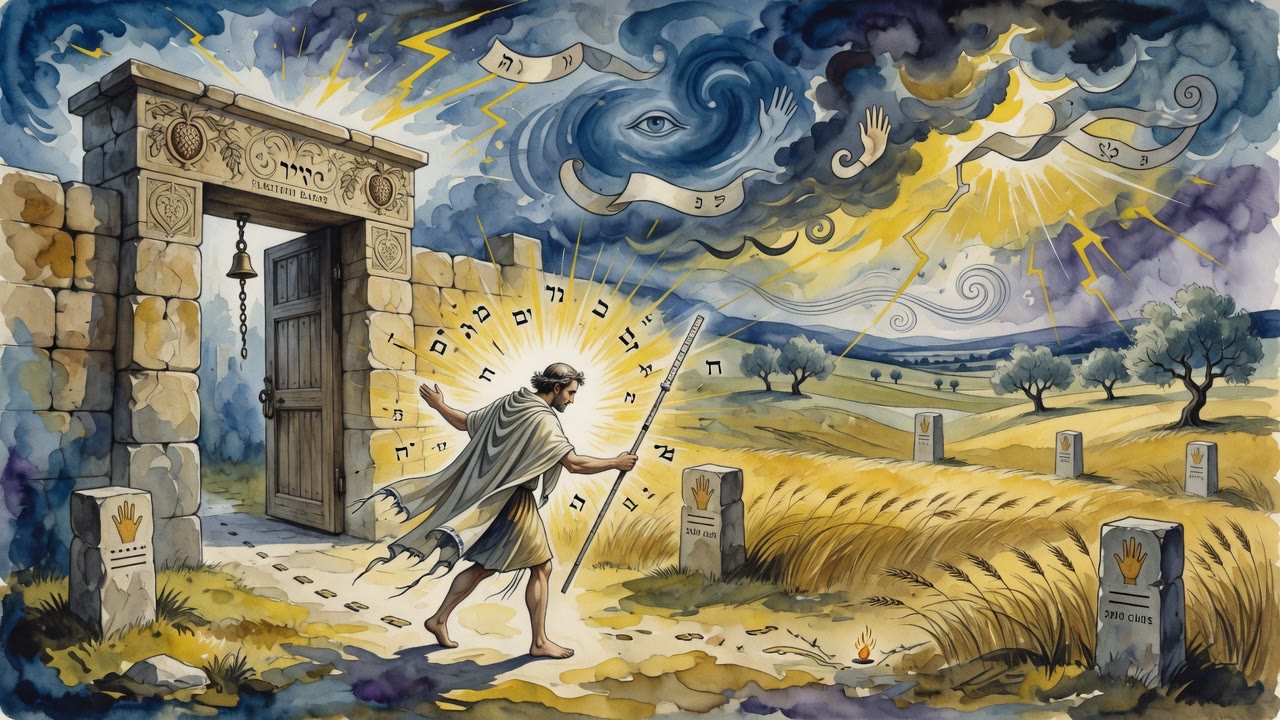
A woman carried a male soul and could not conceive until a feminine soul entered as a temporary guest. At birth the guest left her and stayed with the child.
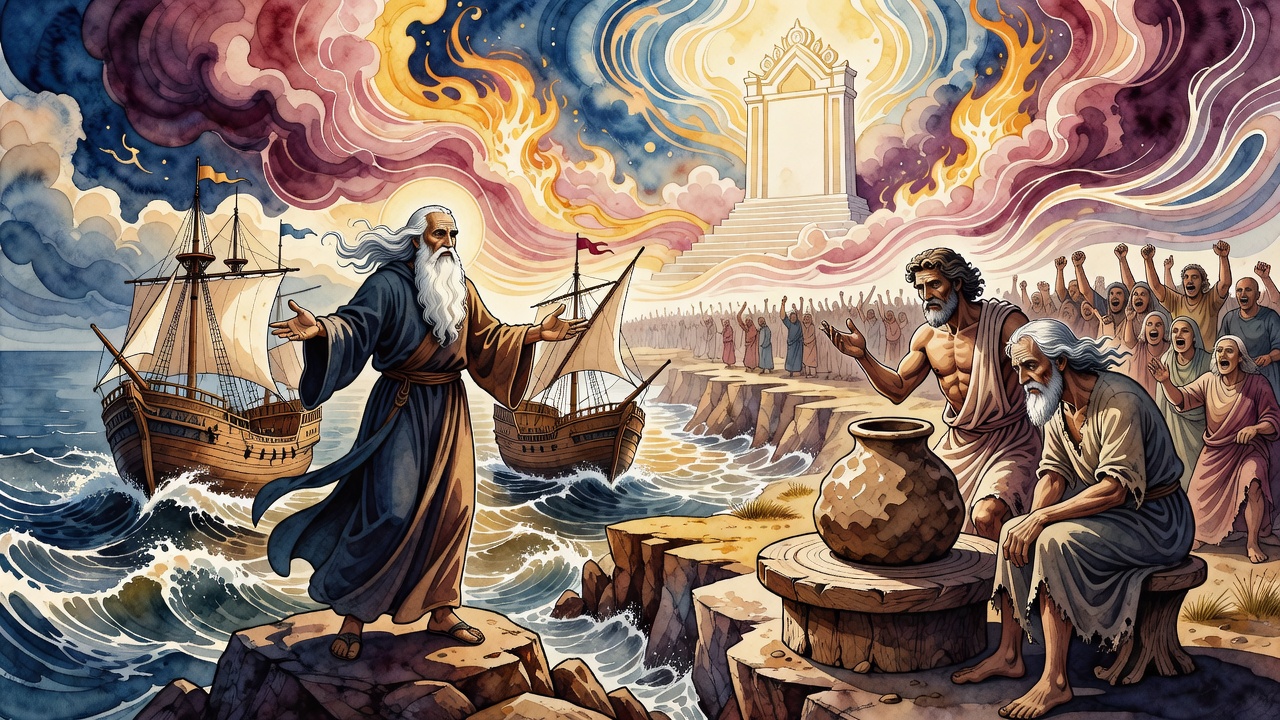
Rabbi Levi sets two cargo ships on the sea, and David answers Job that a human life is clay waiting for the potter's fill.
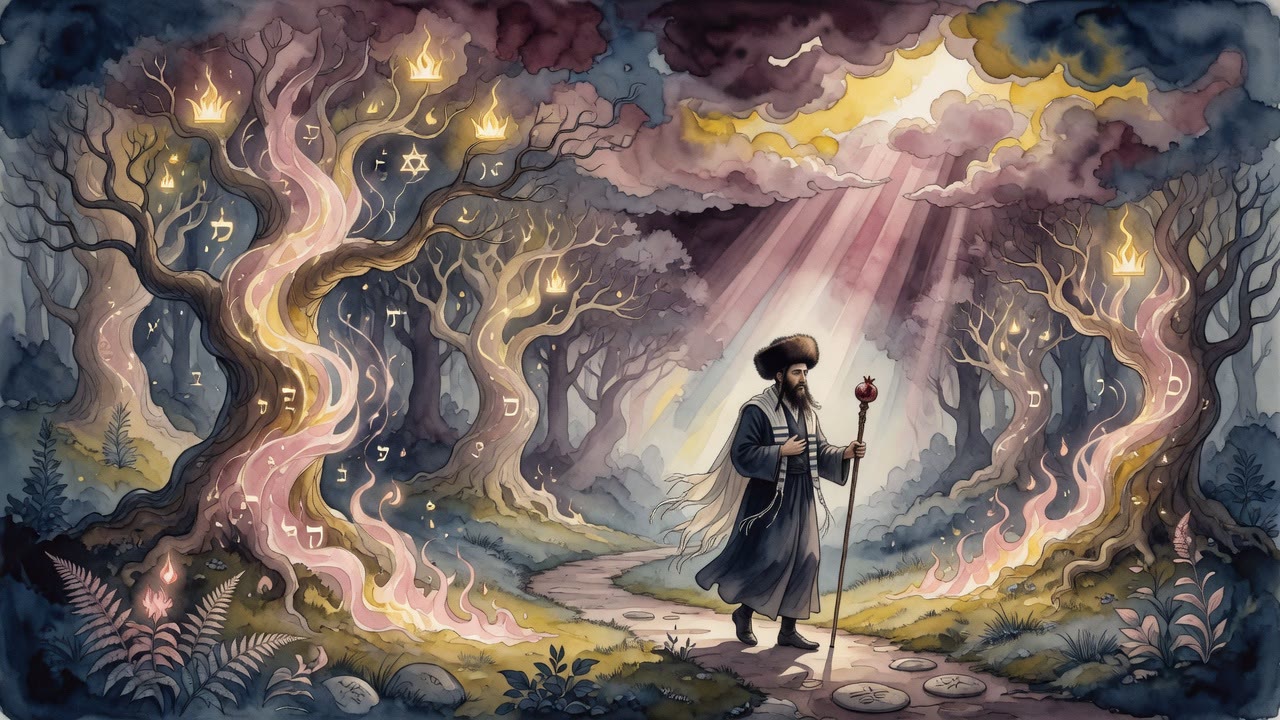
The midwife tied scarlet thread to a wrist that came out first. The wrist vanished. The boy who shoved past was named Breach.
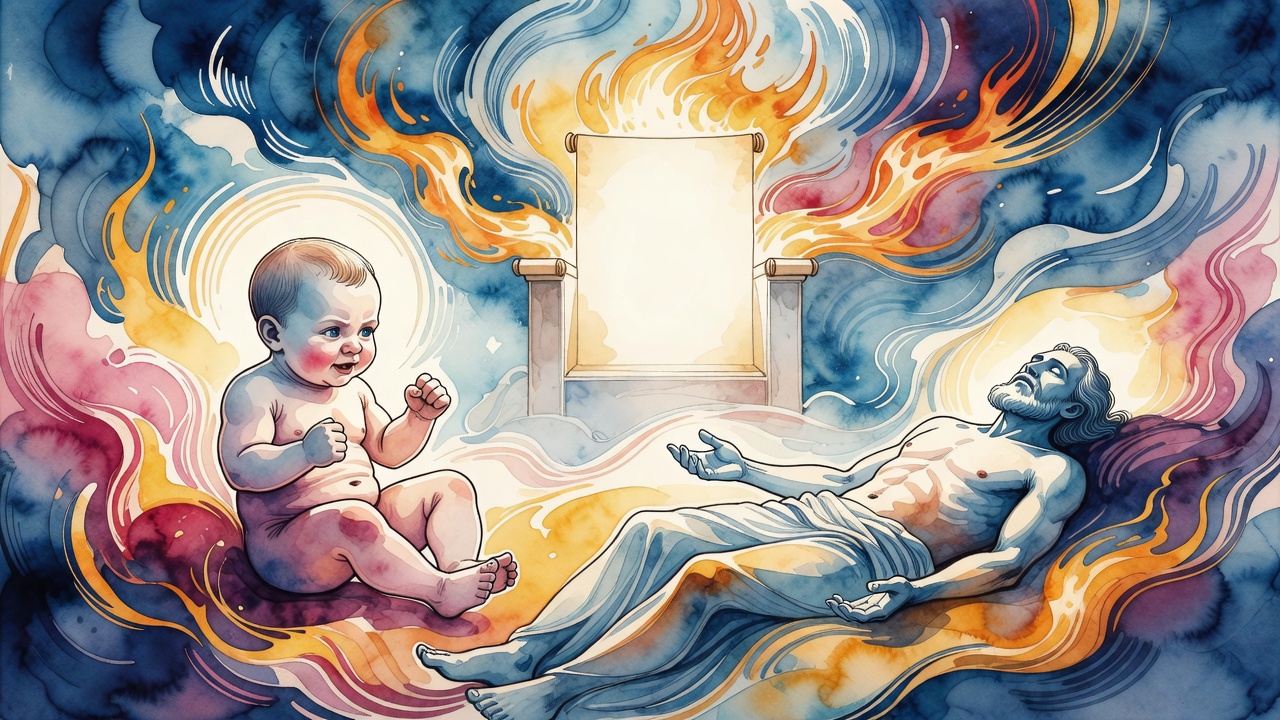
The infant's fingers would not uncurl. Years later the same woman washed those hands on a board. Nothing sat in the palms but air.
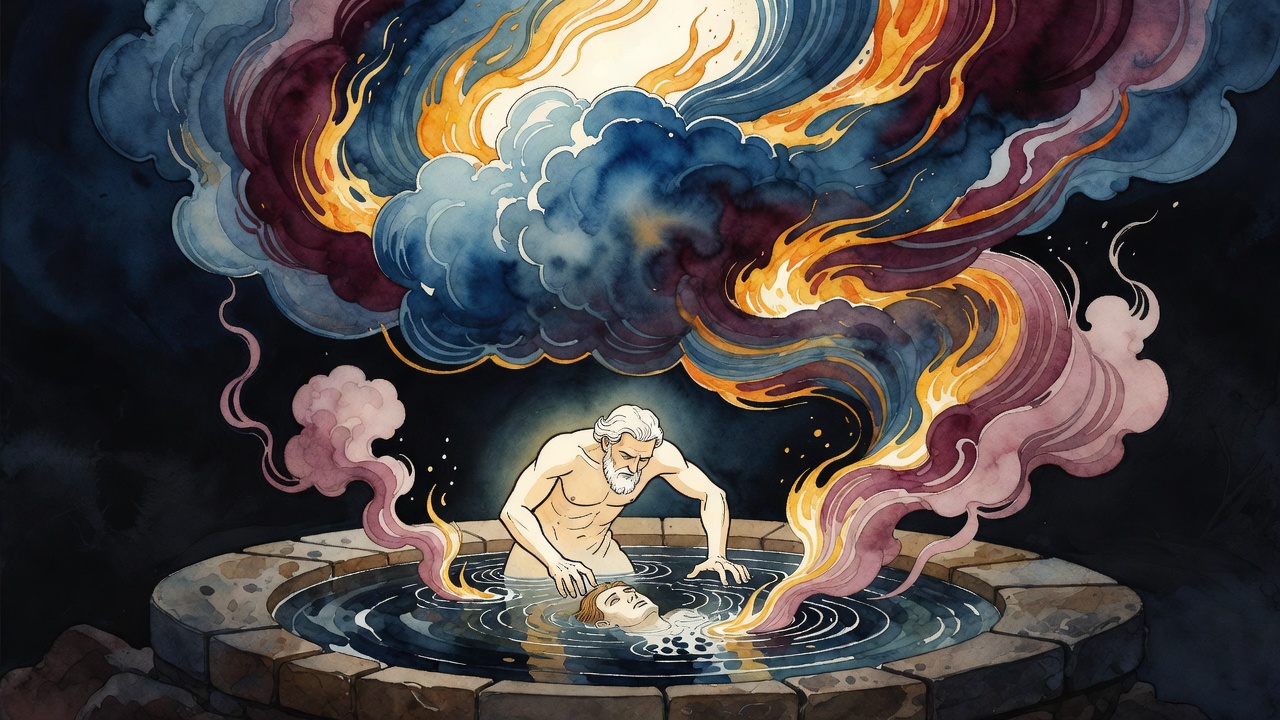
Hannah sang that no fashioner equals God, so a painter tried to draw a living face inside water, in the dark, and all at once, and failed.
