Rachel Named Her Son Sorrow and Her Husband Named Him Strength
Rachel's last act was to name her son for her own grief. Jacob renamed him immediately. The Torah kept both names and refused to choose between them.
Table of Contents
 Click for full size
The Name She Chose with Her Last Breath
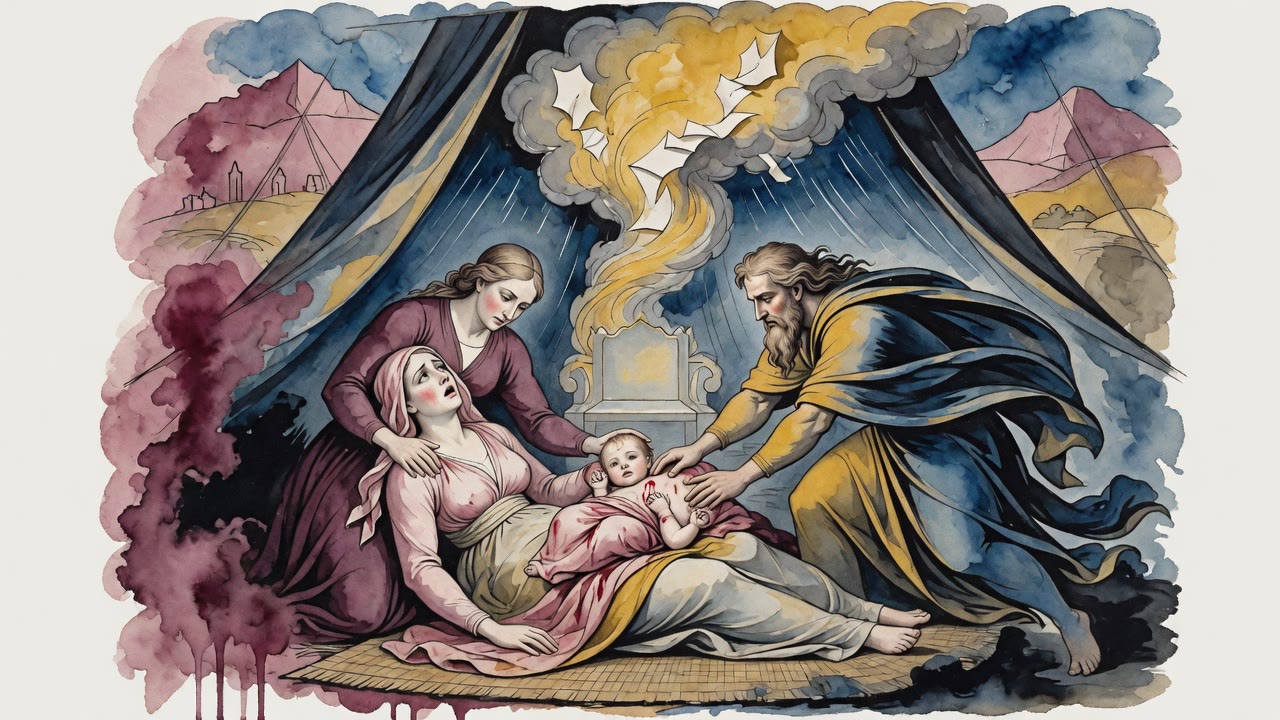
She was dying, and she knew it, and she spent her last breath on a name.
Rachel, the most beloved of the matriarchs, had wanted children so badly that she once told Jacob, give me children or I die. The rabbis argued afterward whether that desperation counted as a sin. But now, in the dust beside the road to Ephrath, the desperation was over, and the child she had wanted for so long was coming into the world at the cost of her life. She chose the name Ben Oni. Son of my sorrow. Her grief folded into his name. Her death became part of his identity before he took his first breath.
Jacob immediately changed it. He called the boy Benjamin, Son of the Right Hand, son of strength. The renaming has always seemed cold, even cruel. Did he not want a monument to what Rachel had suffered? Did he want to bury her grief along with her body?
Bereshit Rabbah, the fifth-century Palestinian midrash on Genesis, refuses to let that tension go. The rabbis noticed that the Torah records both names. Rachel's name stands in the text and is not erased. The Torah does not say Jacob called him Benjamin and leave it at that. It tells you what Rachel called him first. The text itself insists you hold both in your mind at once.
Why Rachel Died Young
The same collection addresses the more painful question: why did Rachel die so young? Rabbi Yudan offers a startling answer. She died because she spoke before her sister. When Jacob finally reached Canaan after his years with Laban, Rachel announced herself to her father-in-law before Leah could. A small breach of social order between sisters. And for that, the midrash suggests, she paid with her life.
It sounds harsh until you understand what the rabbis were doing. They were not accusing Rachel of a crime. They were trying to make sense of the unbearable, insisting that the universe has an order, that even the beloved are not exempt from consequences, that the hierarchy between elder and younger matters even when the younger is the more cherished. Whether you find that comforting or devastating says something about your own relationship with fairness.
The Vow Jacob Did Not Know He Had Made
There was also the matter of the vow. When Laban came after Jacob accusing him of stealing the household idols, Jacob said: whoever has your gods shall not live. He did not know that Rachel had taken them. He did not know he had just cursed his own wife. The Midrash does not let this pass. Some of the rabbis of Bereshit Rabbah drew a direct line between Jacob's thoughtless vow and Rachel's death on the road to Ephrath. Words have weight. A curse pronounced even in ignorance lands somewhere.
Woven Into Creation Before She Was Born
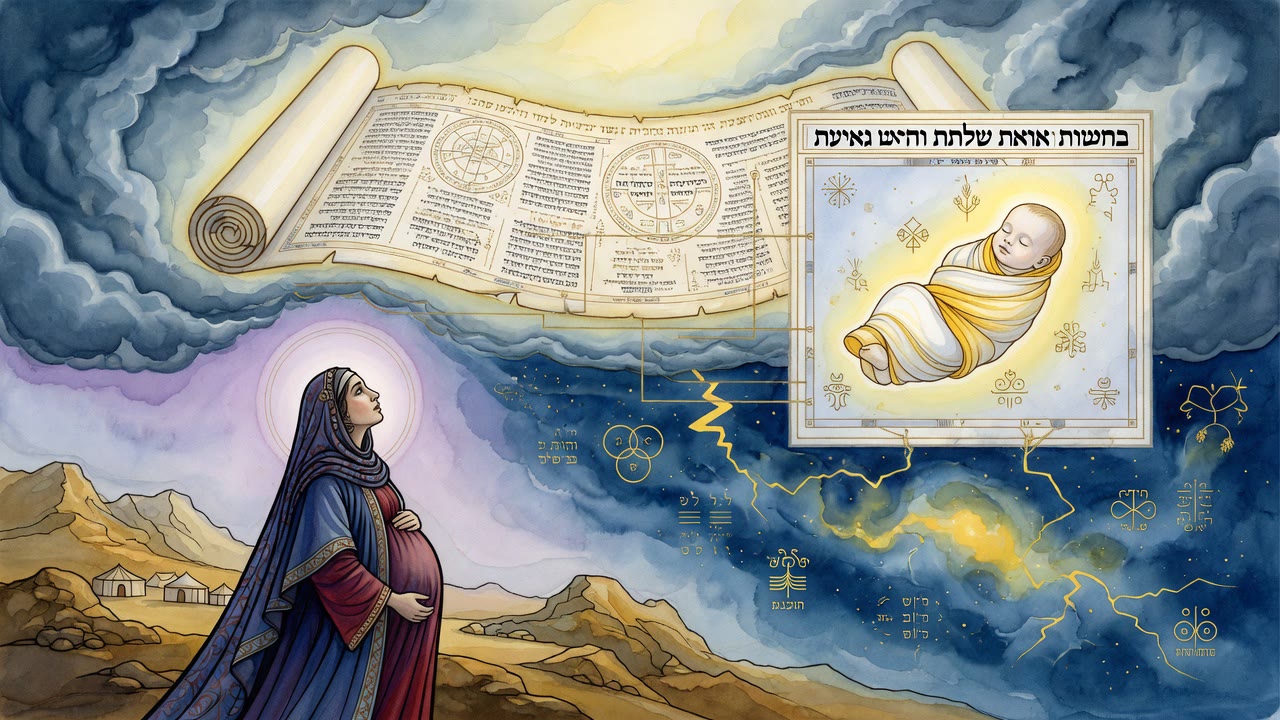
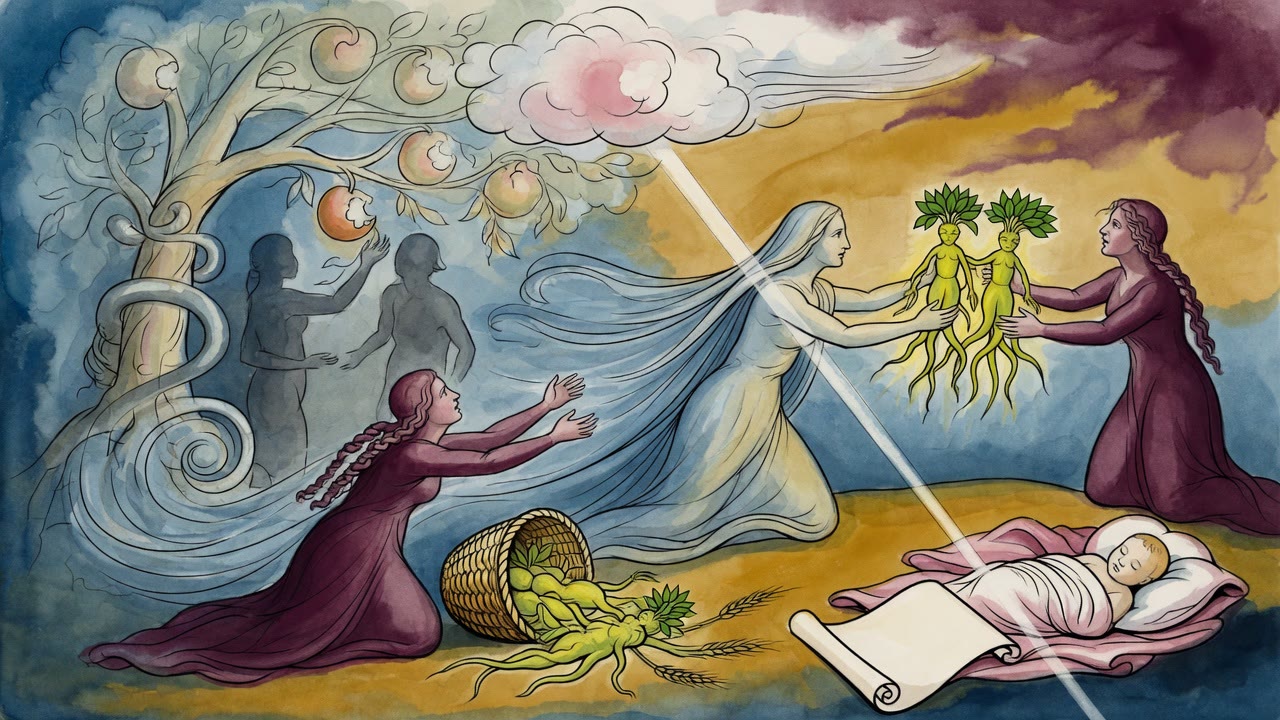
A strange and beautiful passage in Bereshit Rabbah 74 reaches back before the birth of any of the patriarchs, to the very beginning of time, and finds Rachel there. At the dawn of creation, before the world had shape, Rachel's fate was already woven in. The rabbis were insisting on something that resists easy logic: that Rachel's suffering was not a random accident but part of a pattern older than she was. What they could not quite reconcile was the mercy of it. God remembered Rachel, that is the phrase the Torah uses for the moment her barrenness ended. Not God answered her prayer. Not God responded to her tears. God remembered. As if she had been held in mind all along, through the years of watching Leah bear son after son, through the bargaining and the mandrakes and the despair.
The Voice That Still Weeps for the Exiles
She is buried beside the road, not in the family tomb at Makhpelah where Abraham, Isaac, and the others rest. Jacob explains in Genesis that he buried her there deliberately, so that she could comfort the exiles passing by centuries later. The rabbis took this literally. In the book of Jeremiah, it is Rachel weeping for her children. Not Abraham. Not Moses. Her voice rises from the grave and reaches heaven. God hears her and promises that the exile will end.
She named her son Sorrow. Her husband named him Strength. The Torah kept both names. That is the whole story compressed into a single verse: loss and love, grief and hope, a mother's last word and a father's first refusal to accept it. The Torah did not choose between them because neither of them was wrong.
← All myths