66 myths · Page 1 of 3
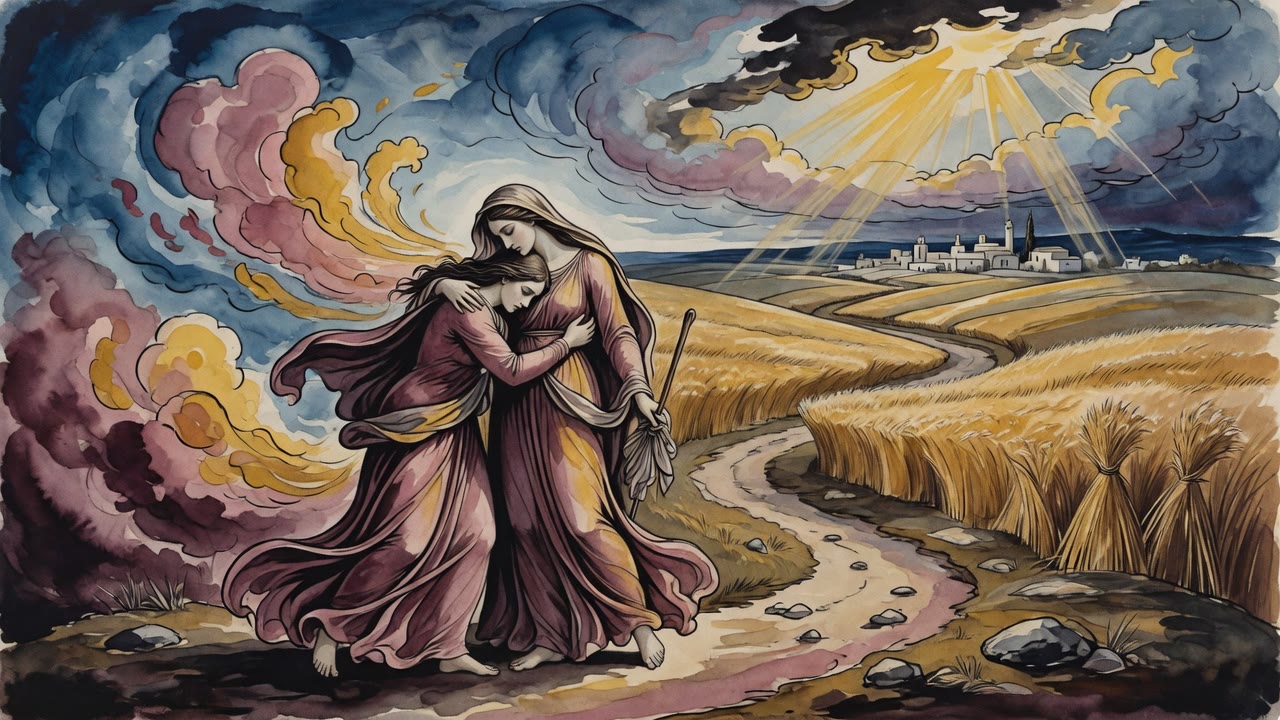
Orpah kissed her and took the road back to Moab. Ruth's hands stayed on the older woman's sleeve. Neither of them was carrying bread.
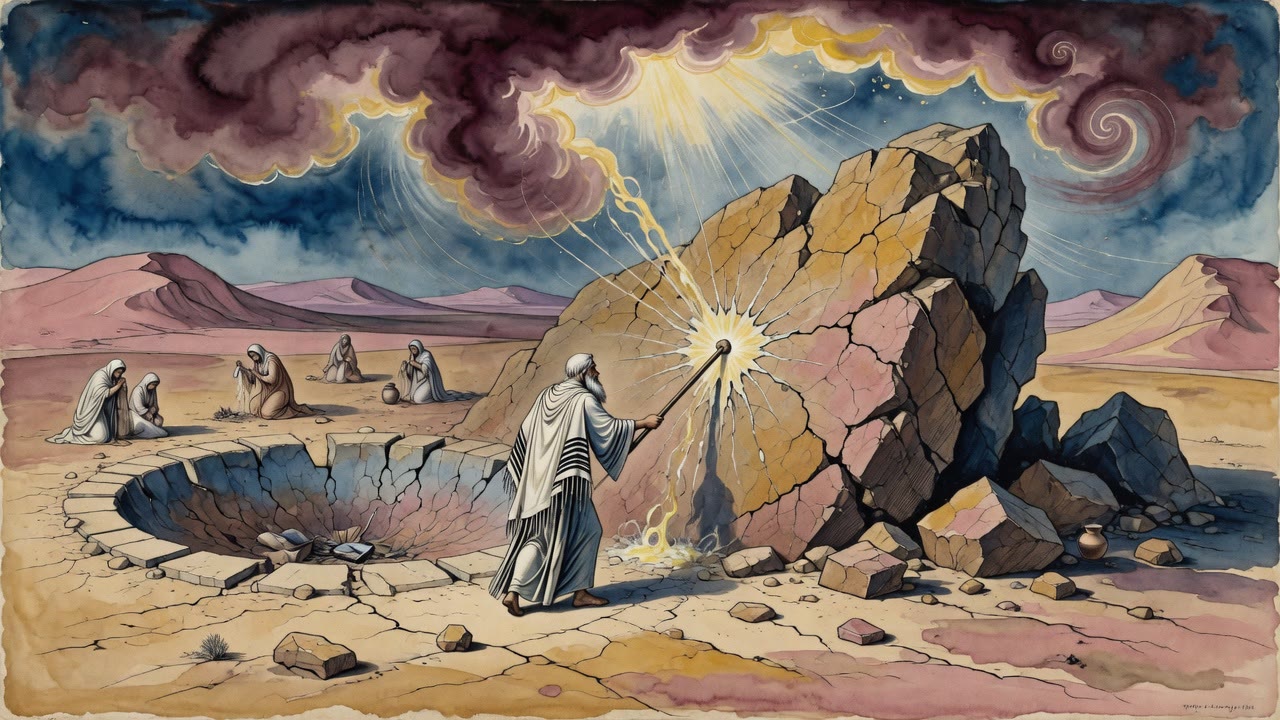
The animals went to drink and found stone. Moses was away from the camp, mourning his sister. He wept six hours before the thirsty crowd came for him.
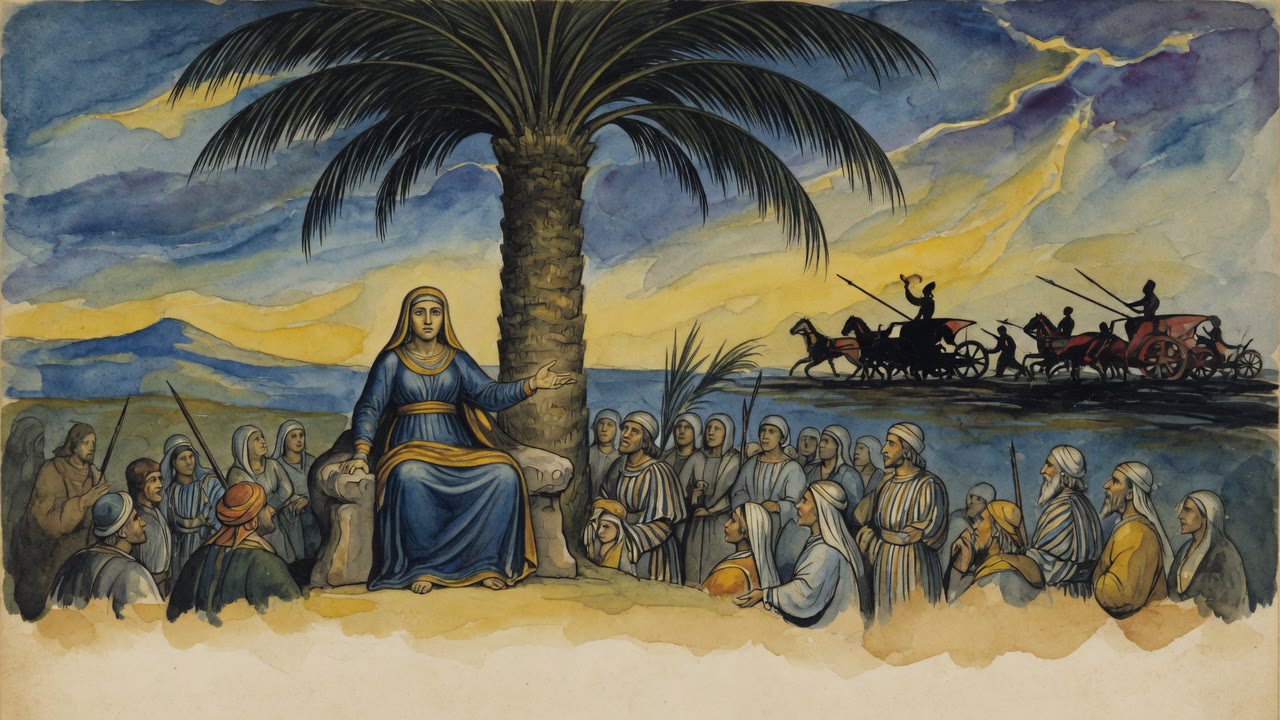
Barak would not face nine hundred iron chariots unless Deborah came with him. She came, and a hailstorm sank the chariots in the Kishon mud.
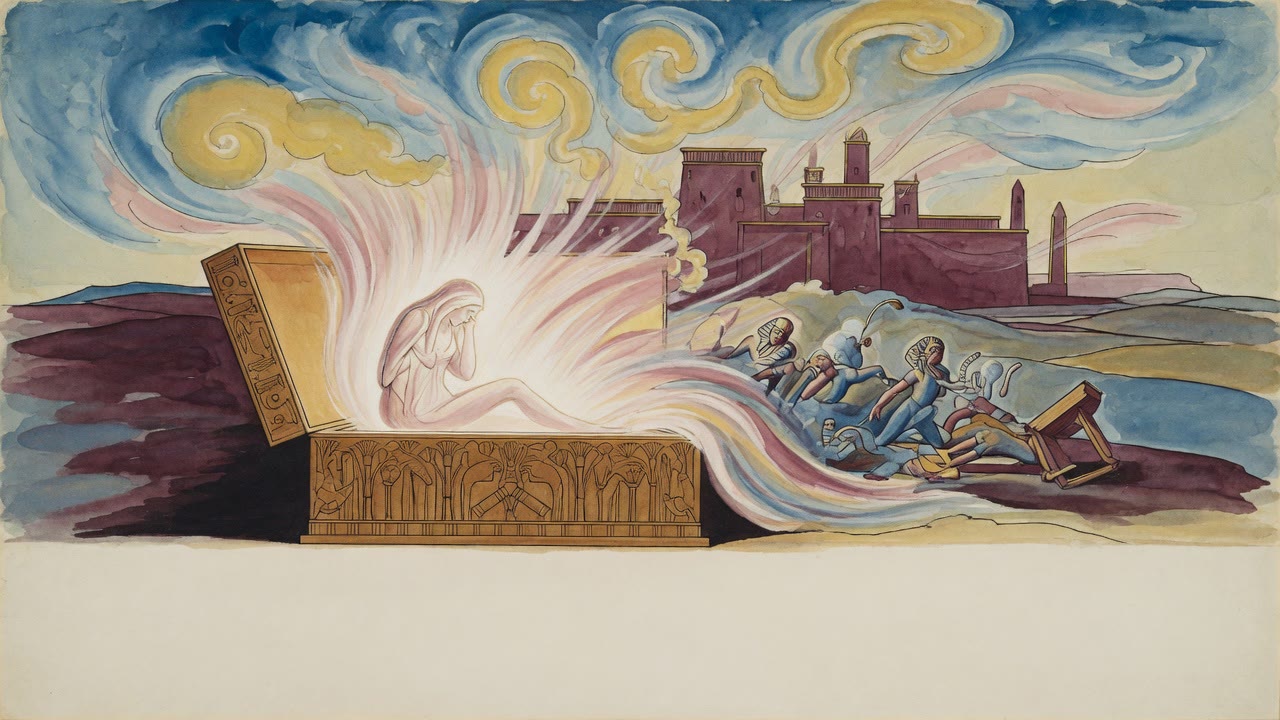
At the border he paid every tax they named. When they forced the lid, the officers forgot the ledgers in their hands.
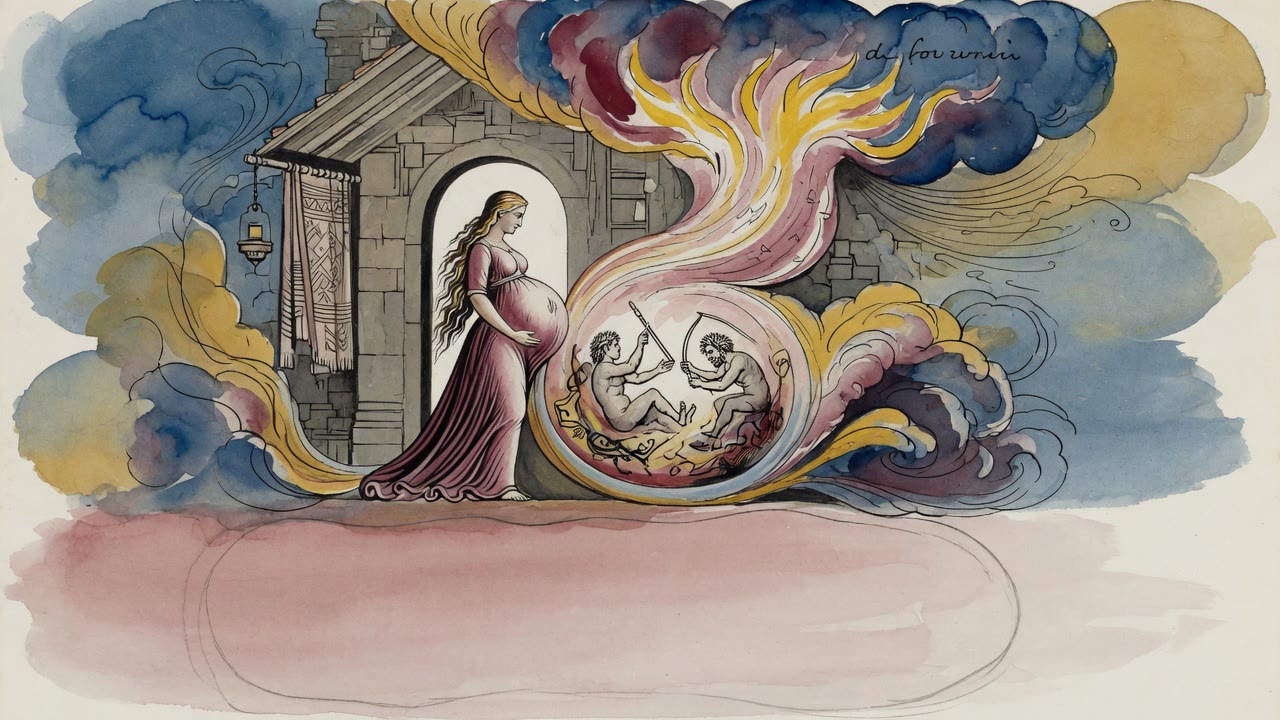
Rebecca's pregnancy became a battlefield before Jacob and Esau were born, forcing her to seek God's answer in the house of Shem.
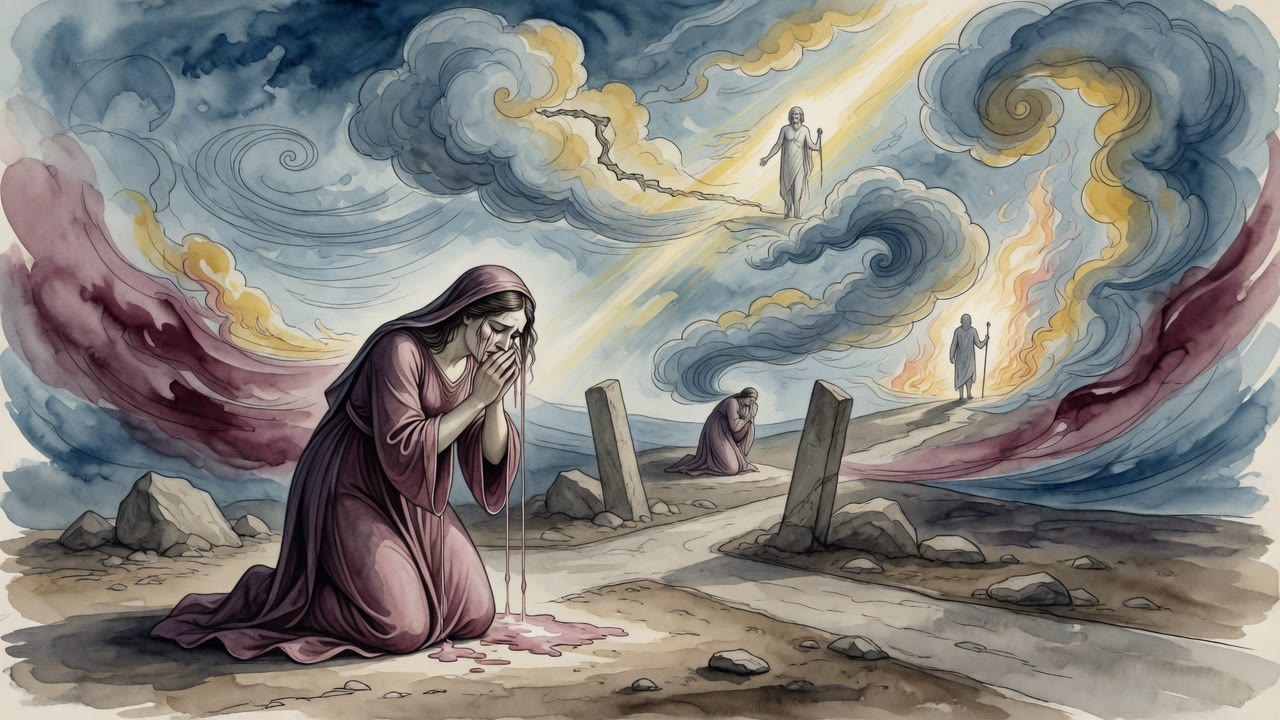
Leah walked to the crossroads and asked what kind of man Esau was. A hunter, they said, and a robber. She carried that news home.
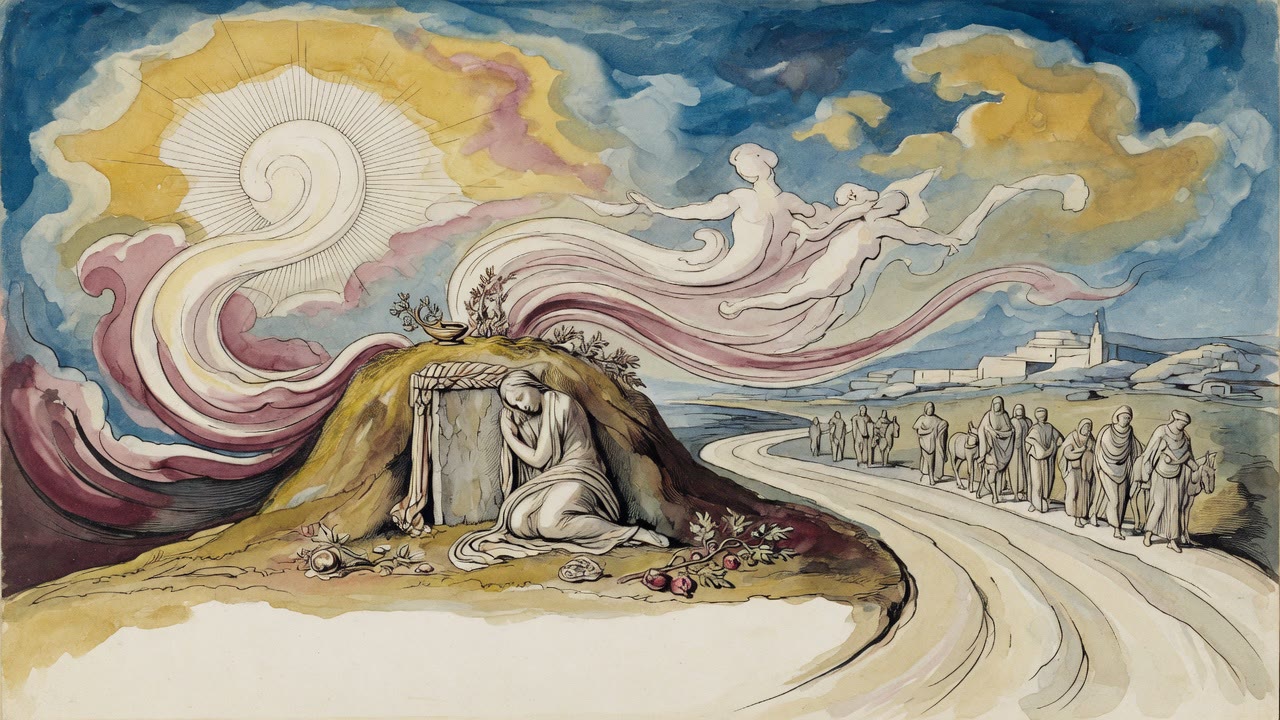
She named the boy Ben-oni and died beside the road. Jacob would not carry her to the cave. He had already seen the exiles marching that same dust.
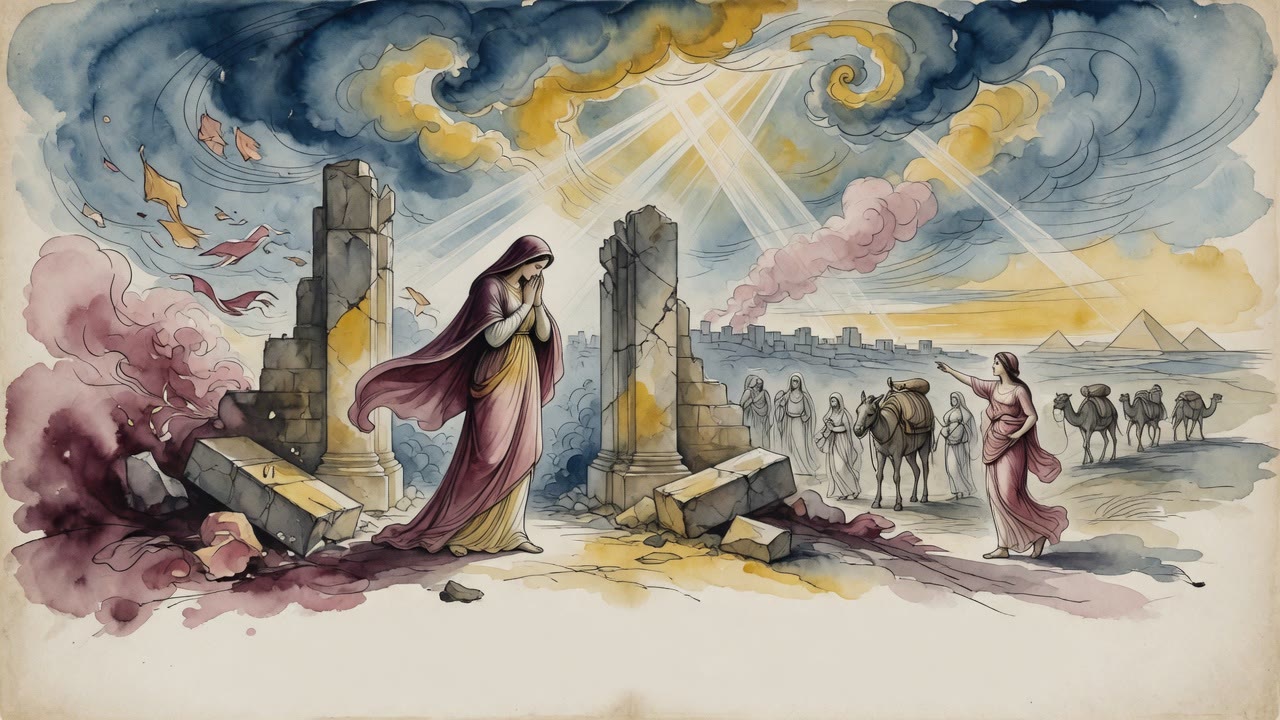
The Torah never mentions Dinah again after her brothers' revenge. The rabbis followed her into Egypt and found her daughter there.
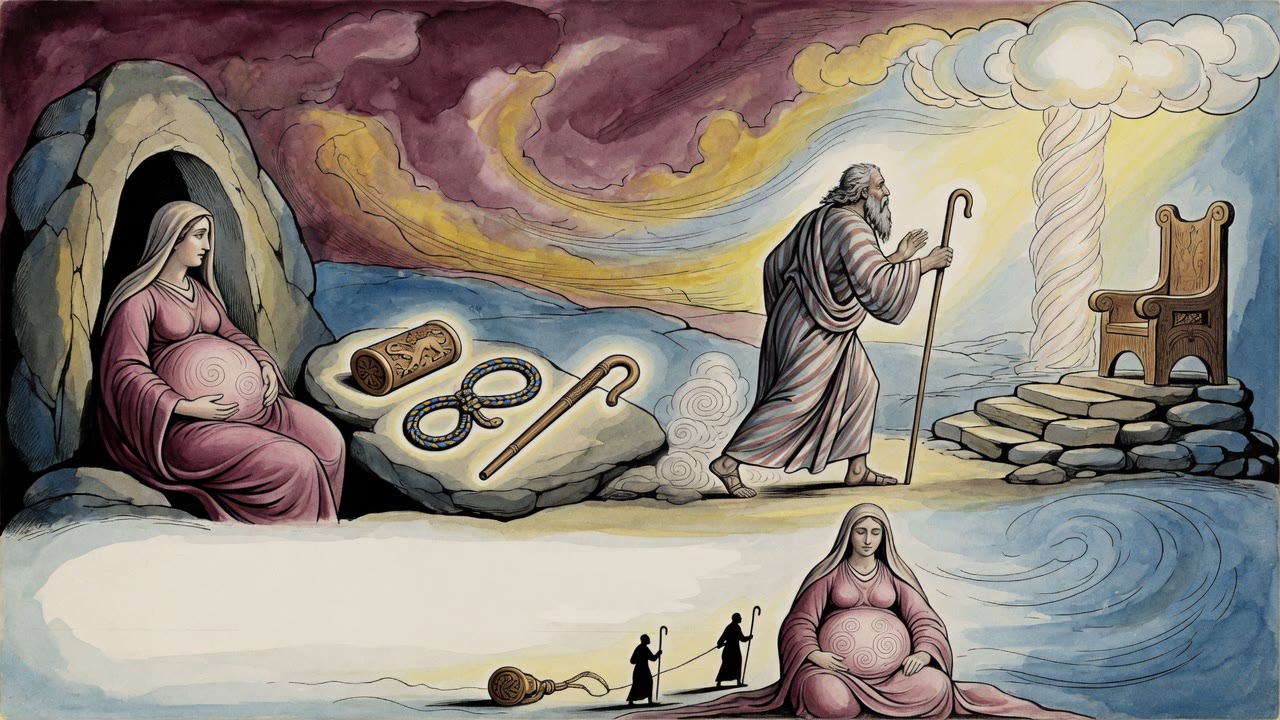
Judah once sent Jacob a bloodied coat and said recognize, please. Years later those same words came back from a woman walking toward the fire.
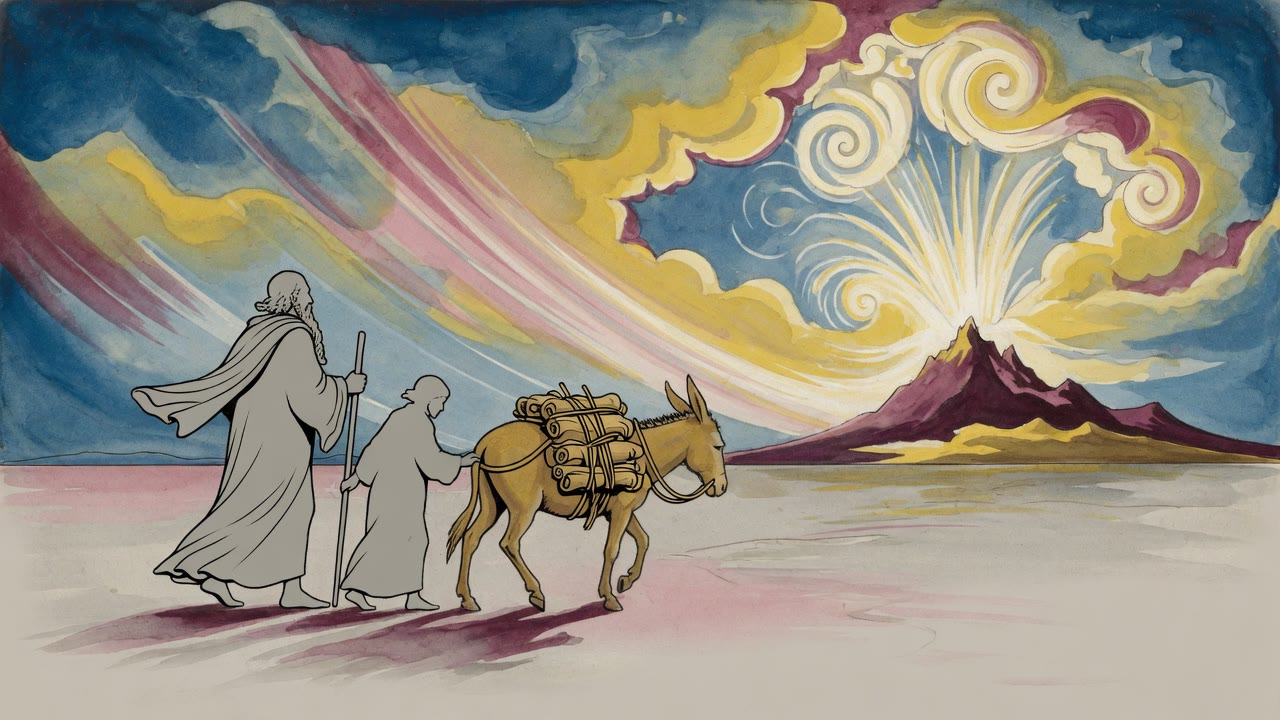
God tells Abraham to take his son to the mountain. Abraham rises early, saddles his donkey himself, and says nothing for three days.
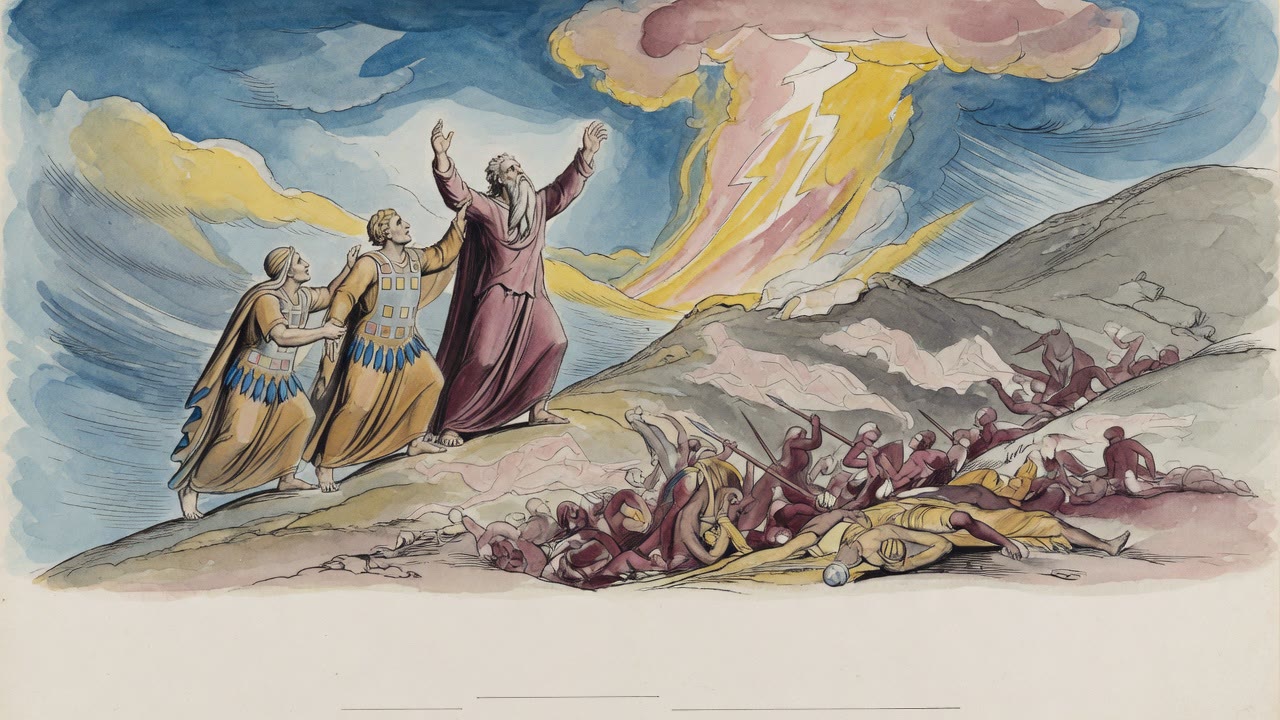
Moses, Aaron, and Hur climb a hill above the battle with Amalek, and the names they carry up are not the living but the dead.
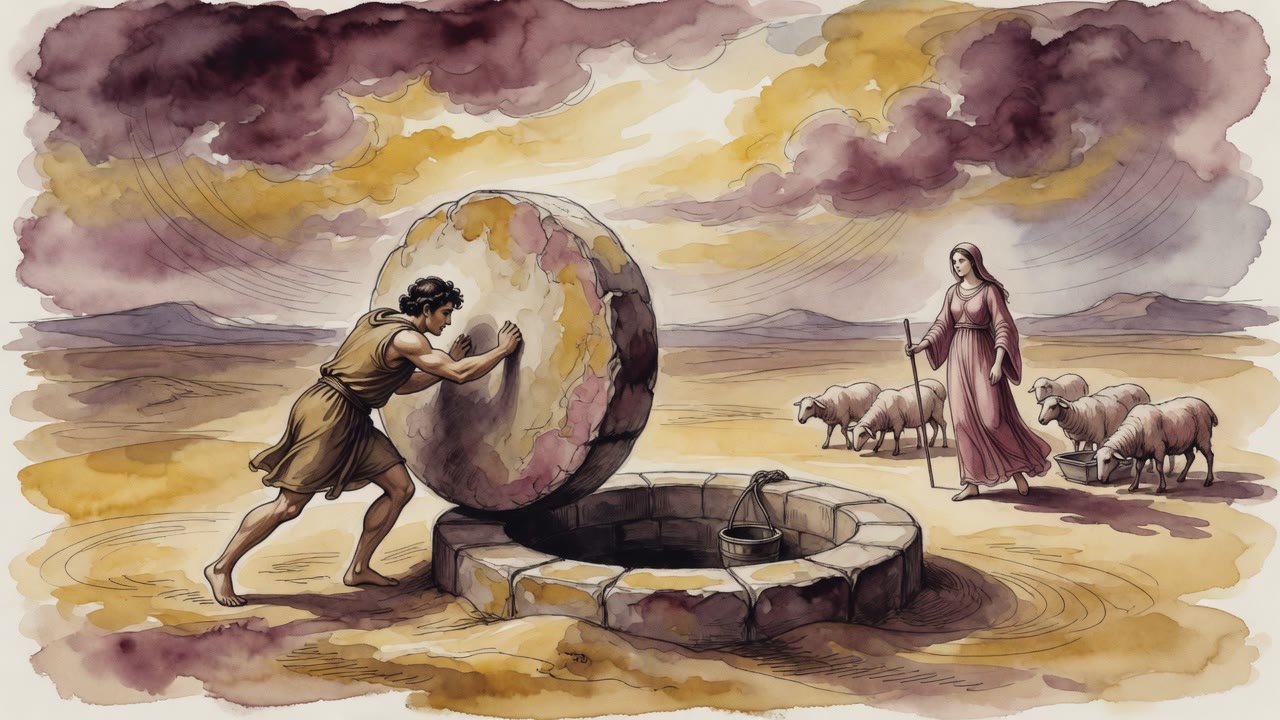
A stone that took a dozen shepherds to move. A seventeen-year-old fugitive. A girl leading her flock. Jacob rolled it off by himself.
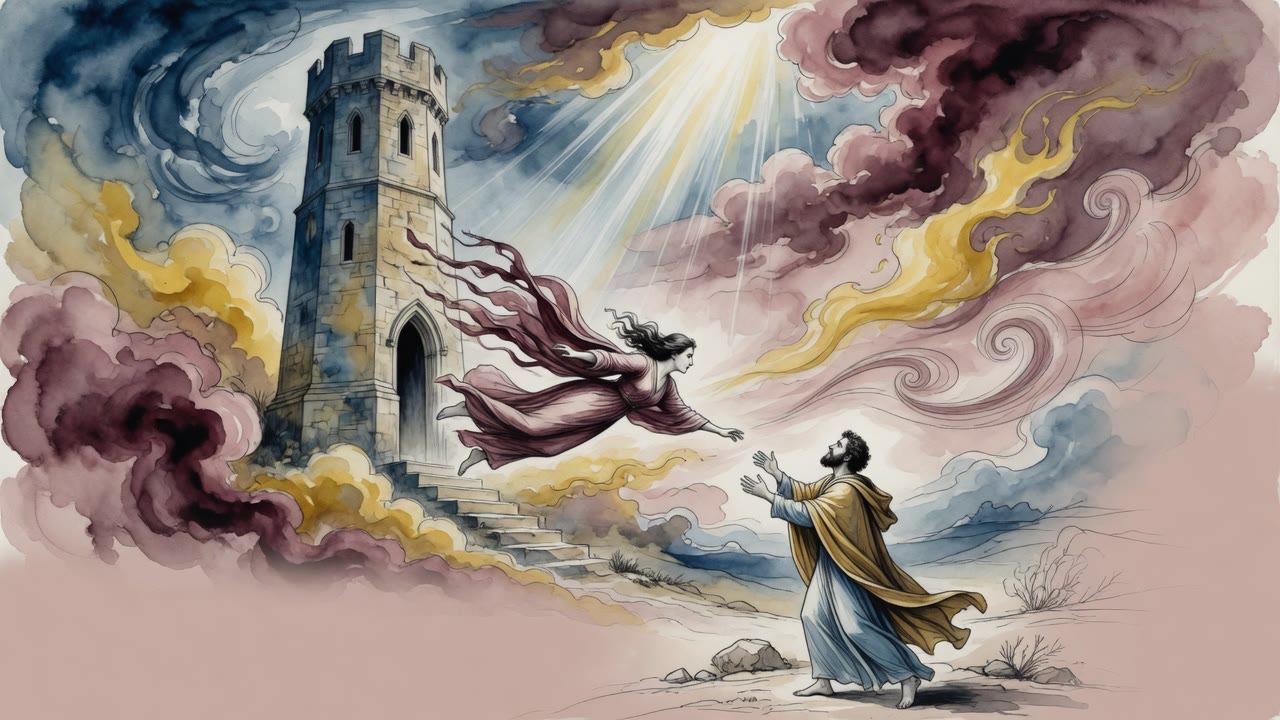
Twenty years after she sent him to Haran, Rebecca was still in the tower. A runner shouted that Jacob was on the road.
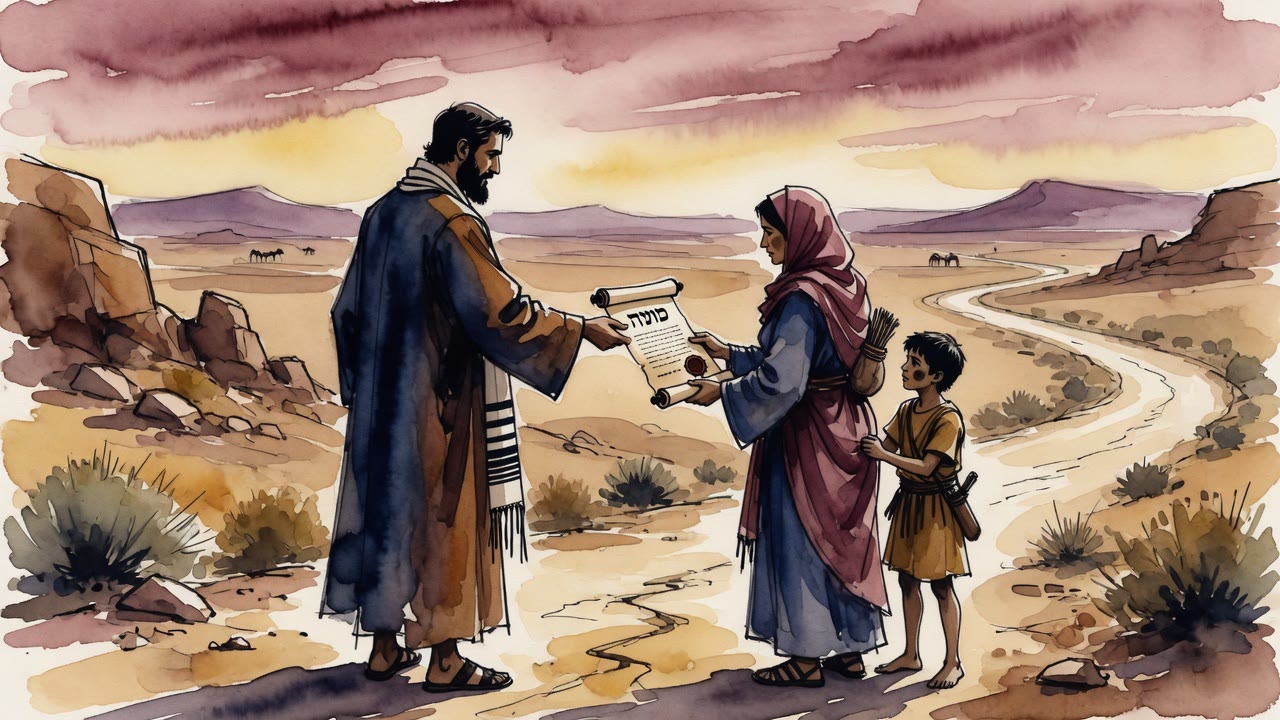
Sarah wanted the slave and her son out of the house. Abraham did not argue with his wife. He argued with God, and God told him to do what she said.
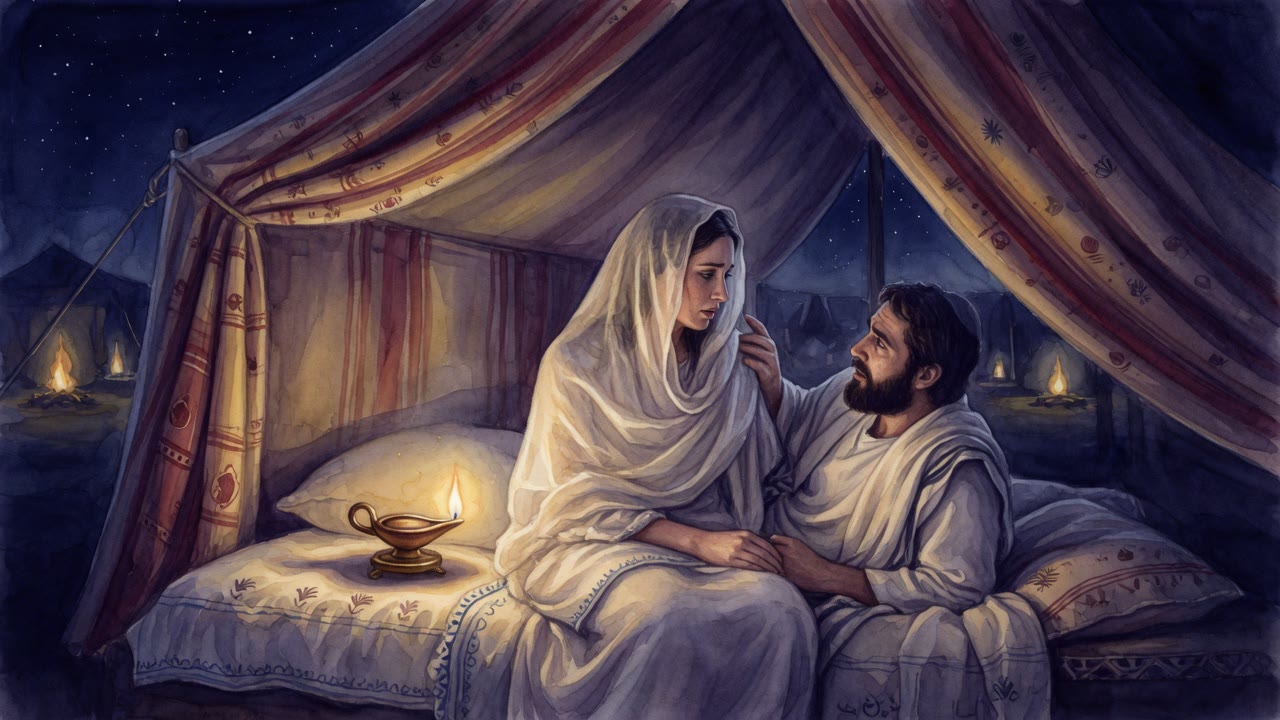
Laban spent the town's pledges on wine and meat. All day the guests sang two words into Jacob's face. He smiled and never heard them.
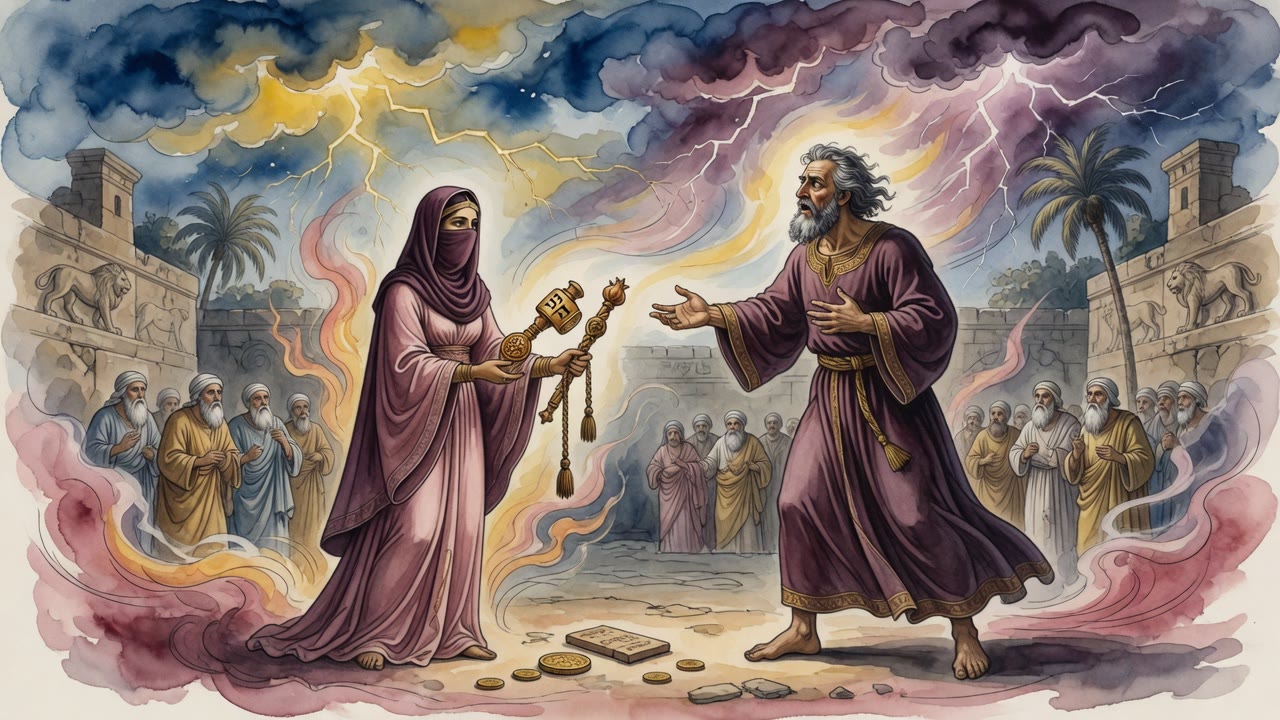
When Tamar revealed the signet ring and staff, Judah faced a choice, deny everything or admit that he had wronged her. He chose to speak.
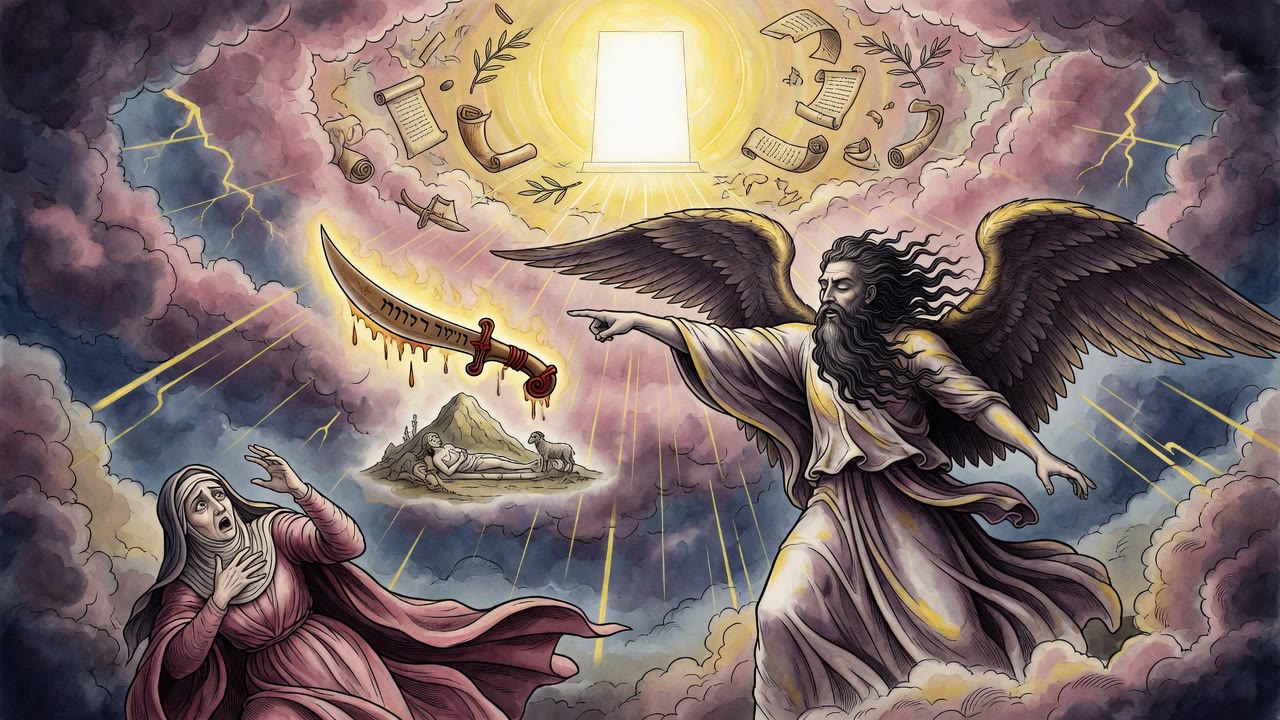
Abraham took Isaac up the mountain, and a stranger came to Sarah's tent with a vision of the raised knife. She screamed once, and her soul left.
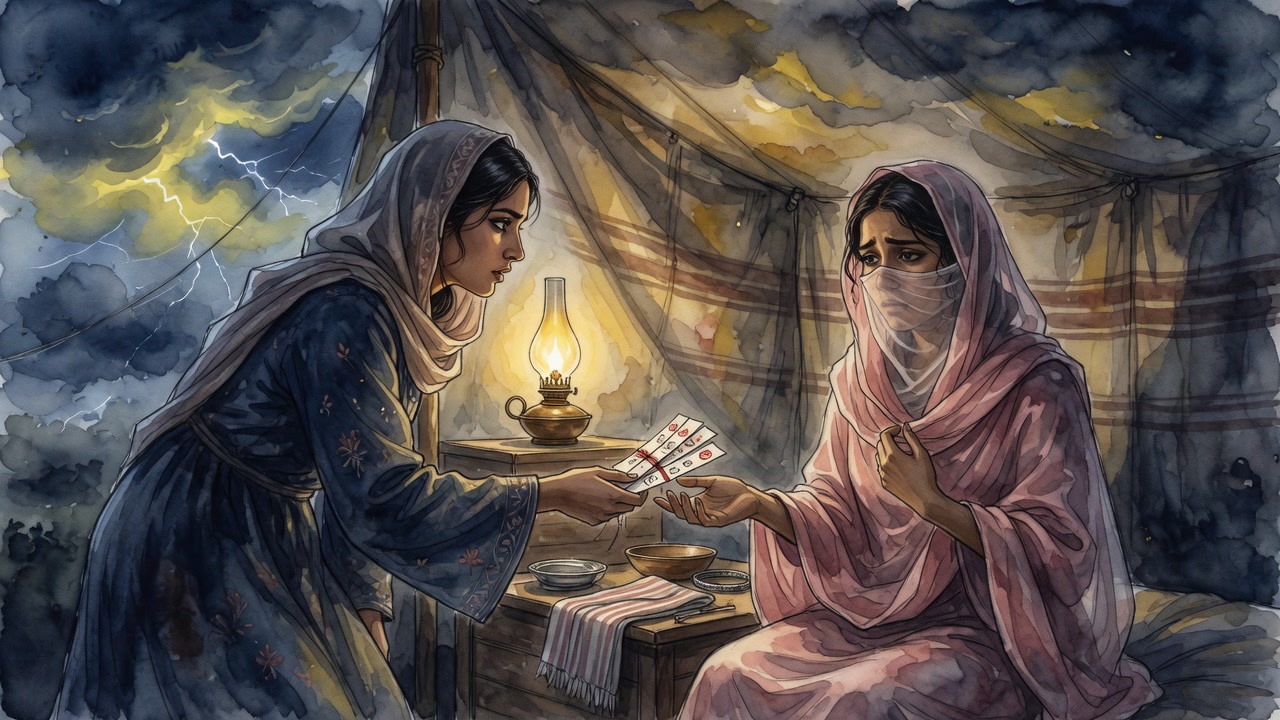
Jacob gave Rachel secret signs so no veil could fool him. Then Laban bought a town's silence, and Rachel handed the signs to Leah.
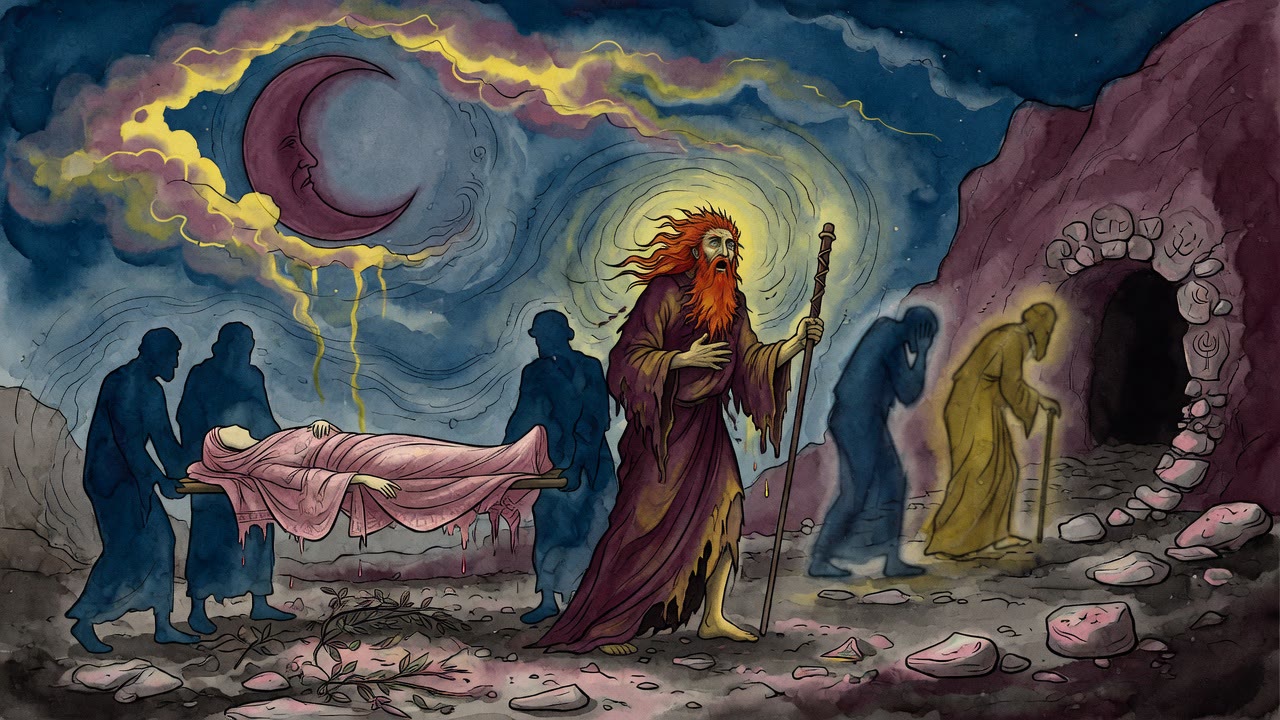
Rebekah died with only the disgraced Esau free to walk at the head of her burial, so the family carried her body out at night.
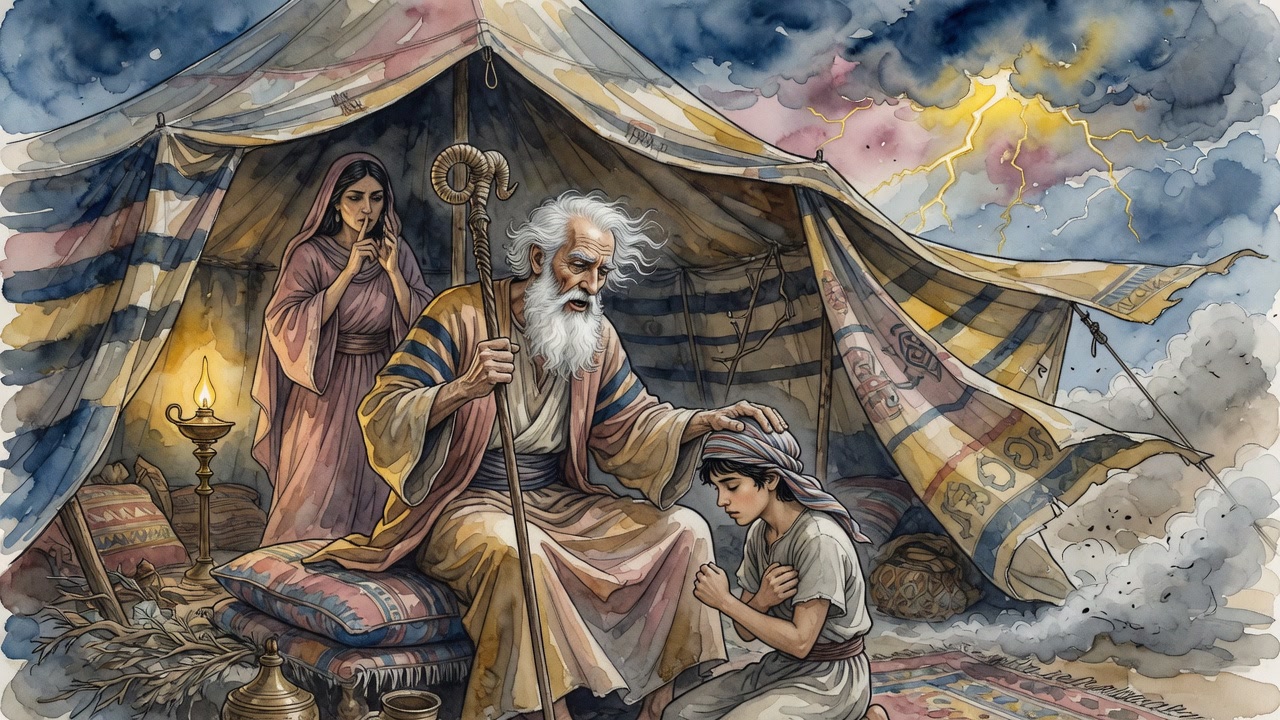
Old Abraham passes the tent flap and calls not Isaac but young Jacob to Rebecca's side, to hand him a blessing reaching back to Adam.
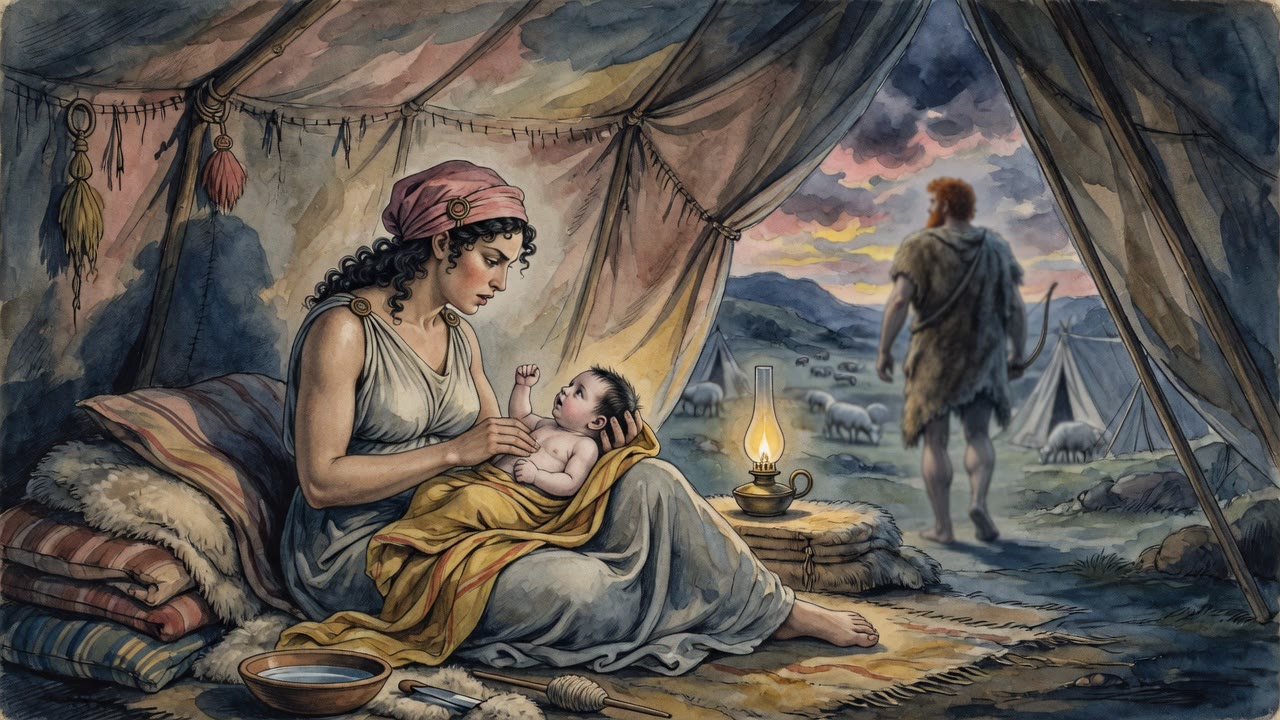
Leah lays her firstborn son against her chest and names him Reuben, behold a son, with a quiet shot fired straight at Esau.
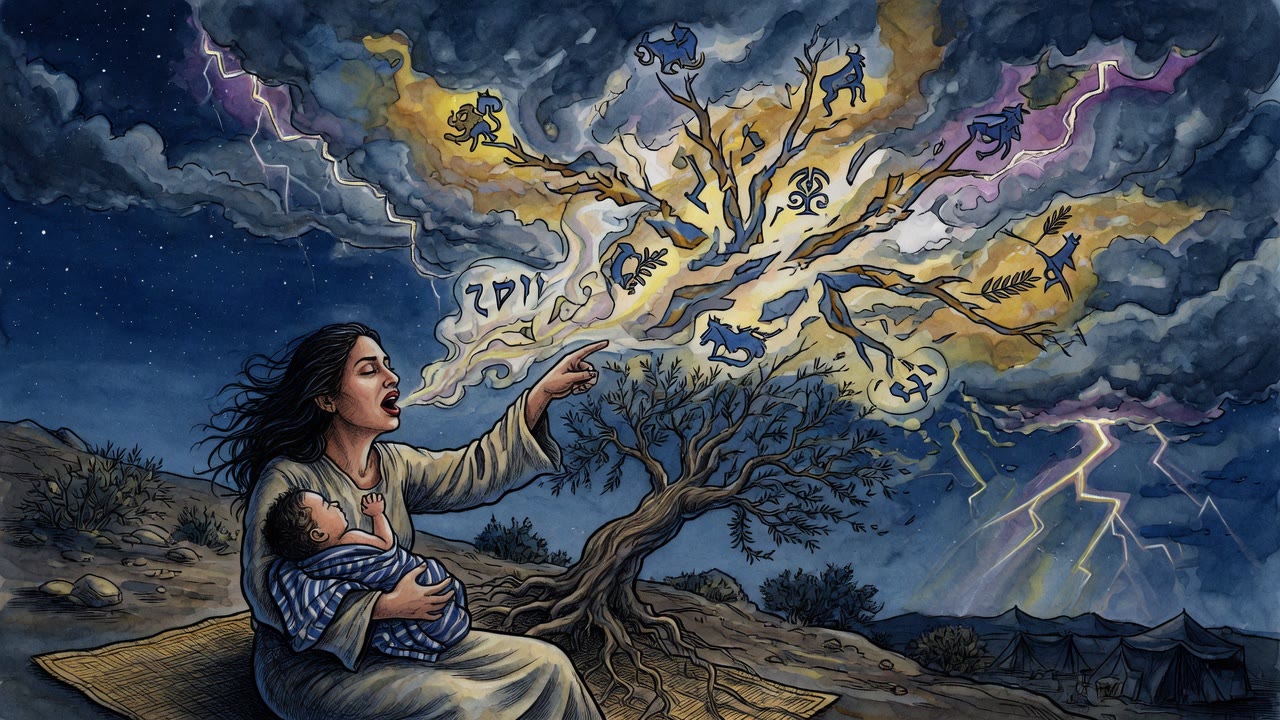
Joseph was still wet from birth when Rachel named him. She asked God for one more son. The name already looked past her death.
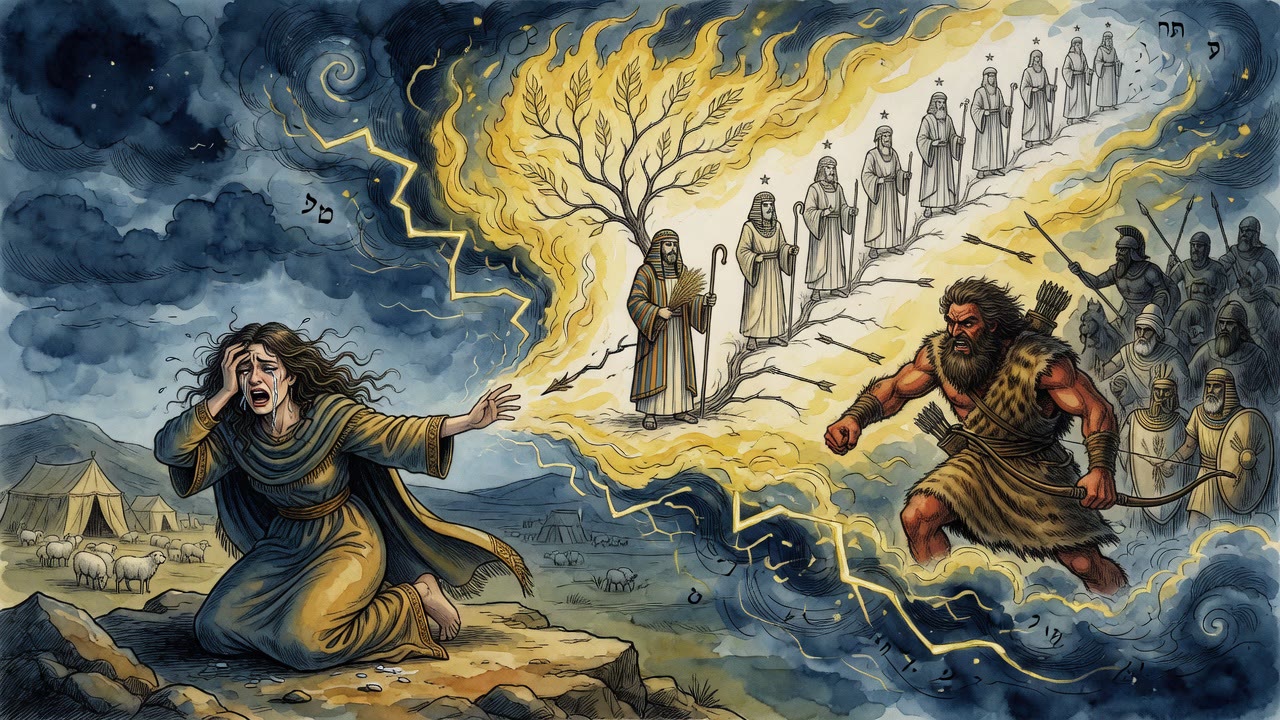
Amalek hit the back of the column first, where the old and the footsore walked. Moses passed over every fighting man and called one young man from Ephraim.
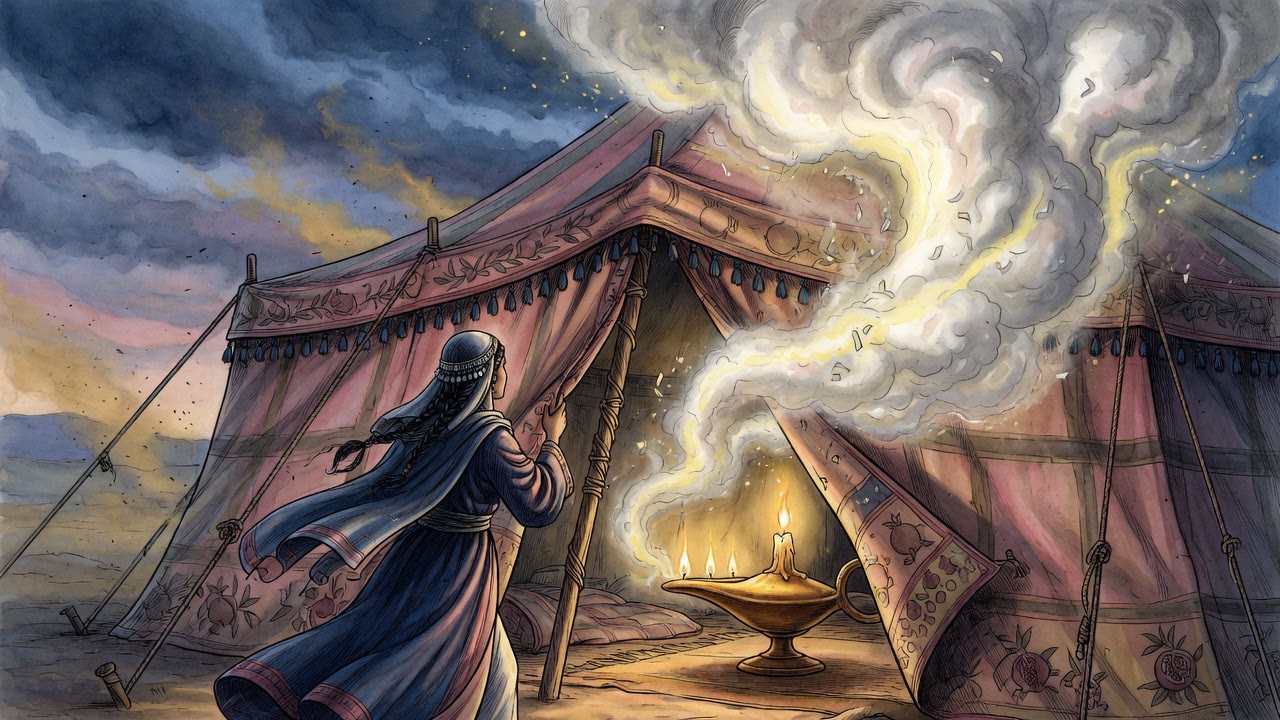
Sarah's tent had gone dark and empty. Then Isaac led Rebekah inside, and the cloud returned, the candle relit, the bread rose.
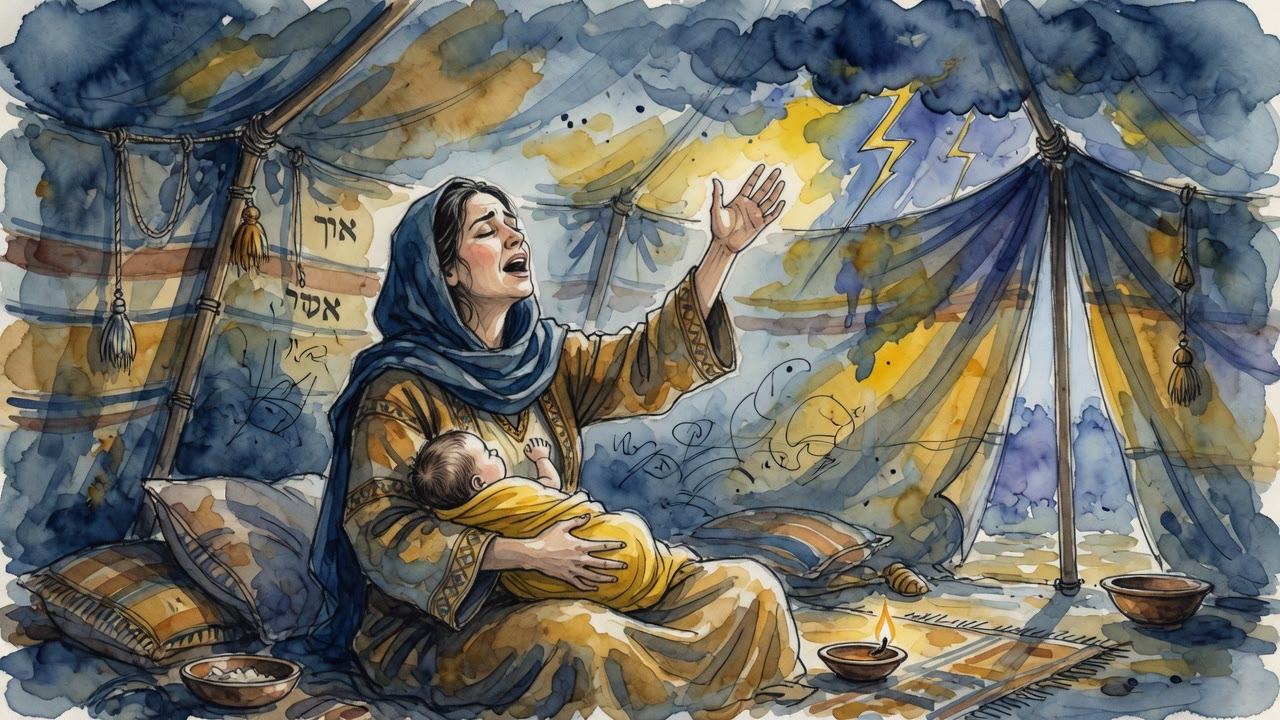
Leah holds Zilpah's newborn son, names him Asher, praise, and says aloud that every mouth will praise her. Why does she dare?
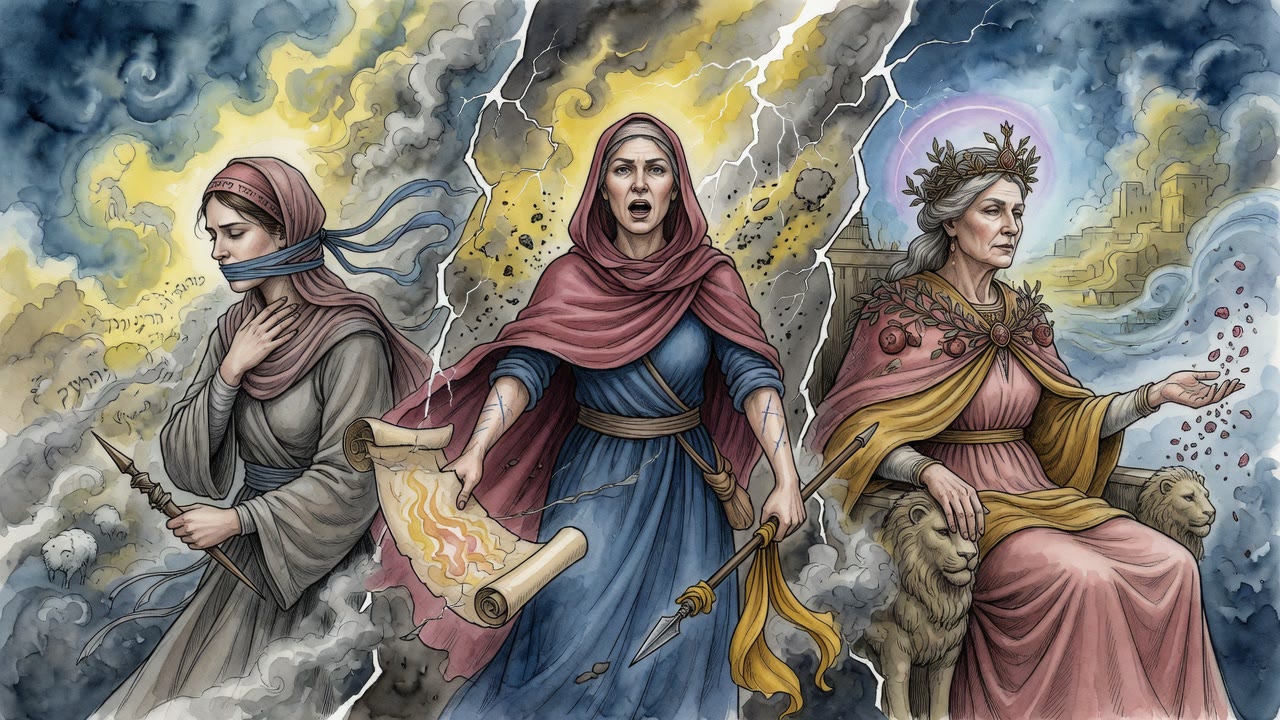
Rachel said nothing on her wedding night, Saul said nothing to his uncle, and a thousand years later Esther found the silence she needed.
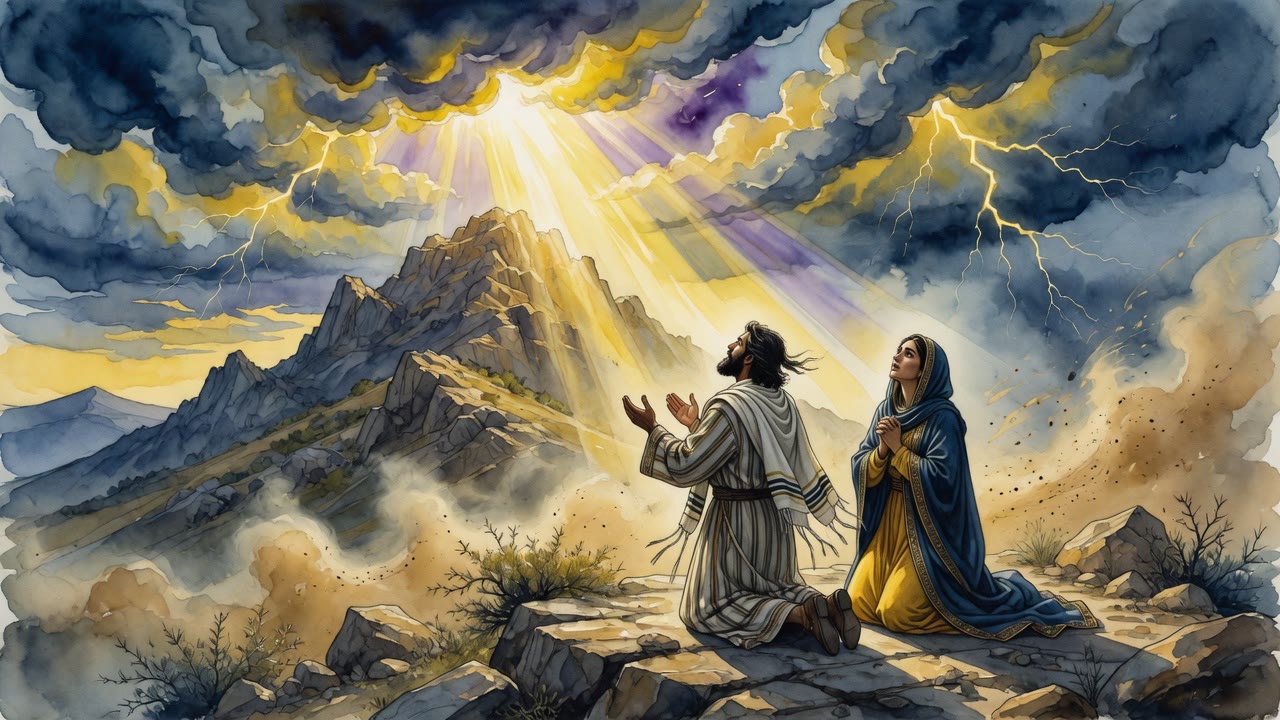
Twenty-two years of barrenness. Isaac took Rebecca to the mountain where he had once been bound and laid on the altar. He knew what the place could do.
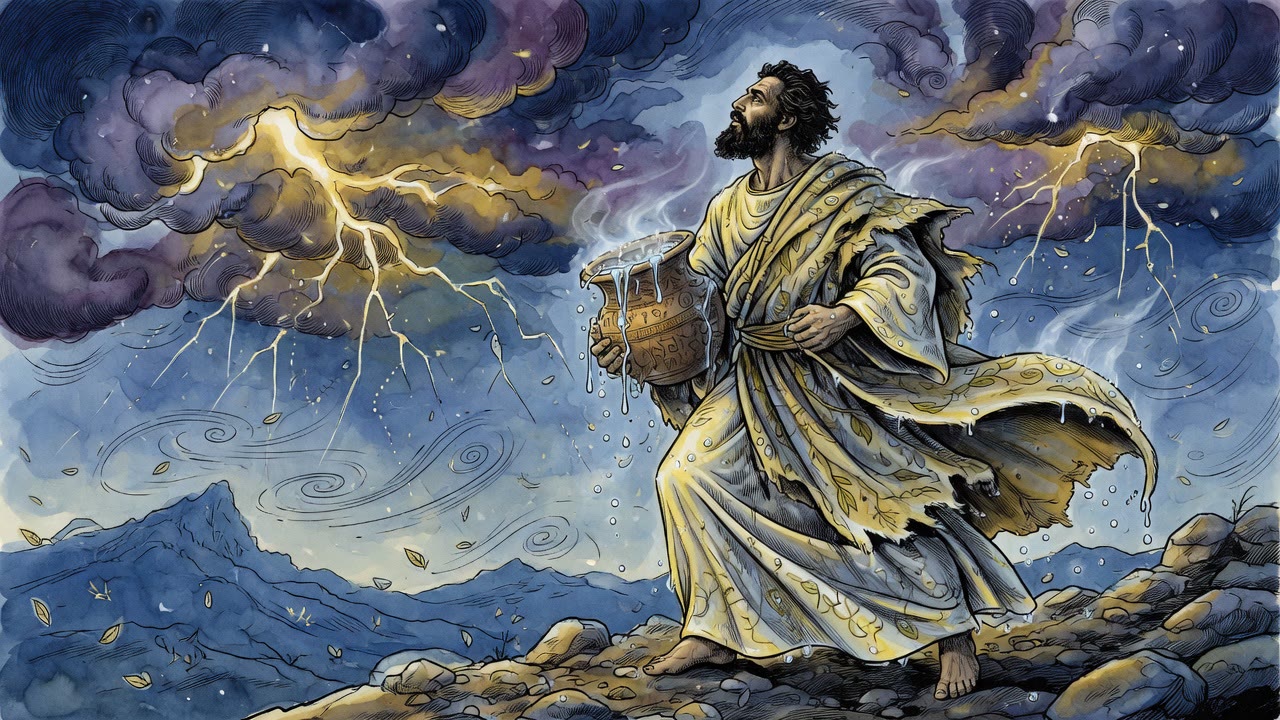
Isaac's hands found goat hair. His ears caught Jacob's voice. His nose found a field after rain, older than either son.
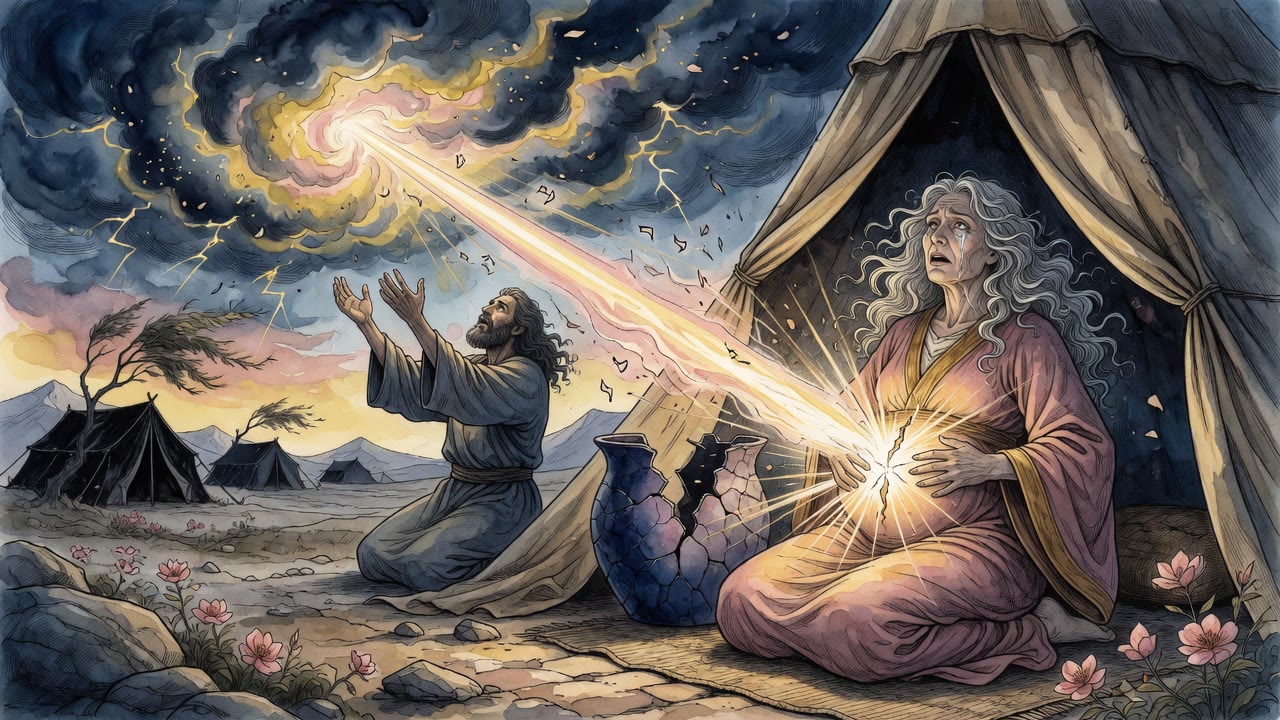
Sarah stood in a palace where every womb had shut, even the hens. Abraham prayed for that king, and the next name heaven spoke was hers.
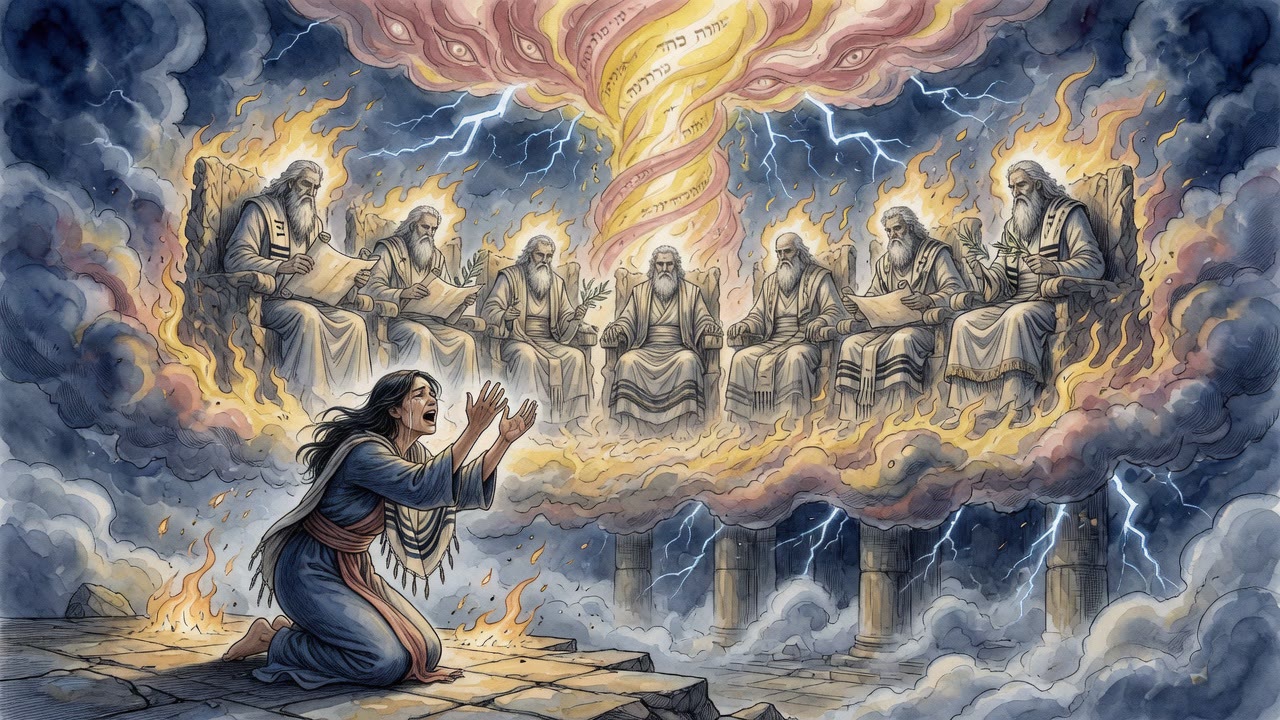
Peninnah's children filled the house, and Hannah had none. At Shiloh her lips moved without sound, and the priest watching decided she was drunk.
