Joseph Ascended to Heaven While the Matriarchs Watched
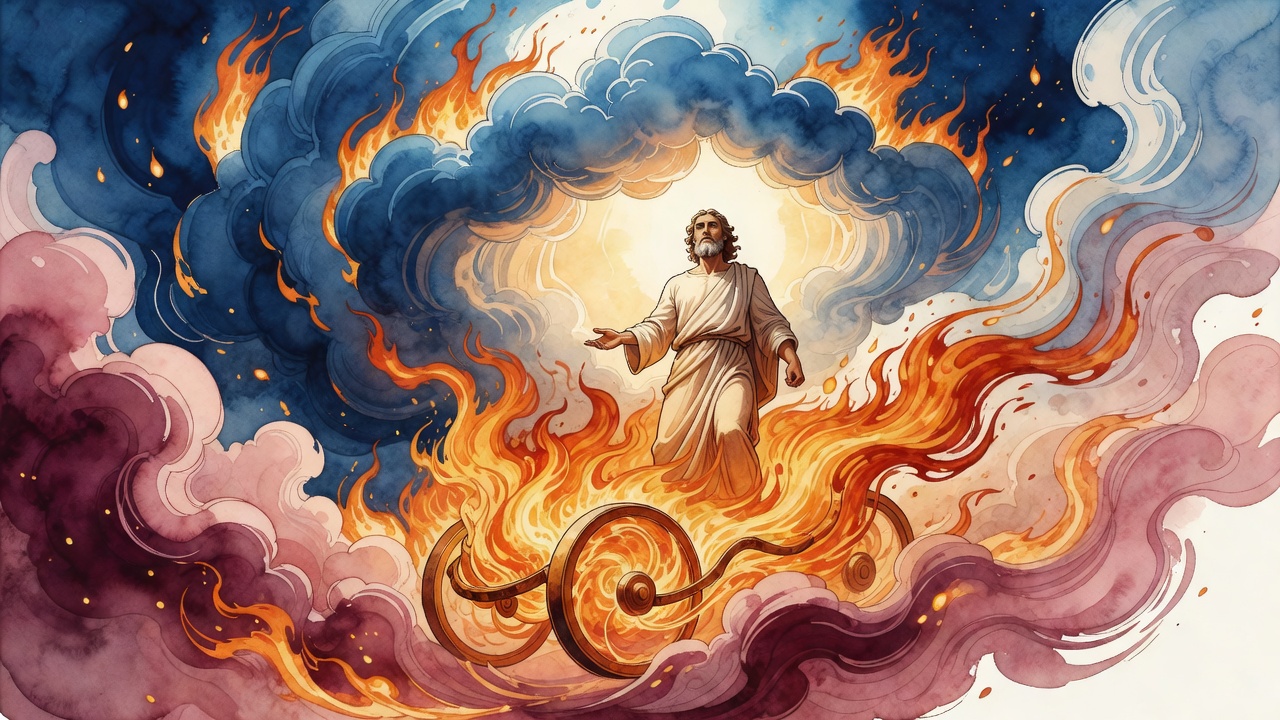
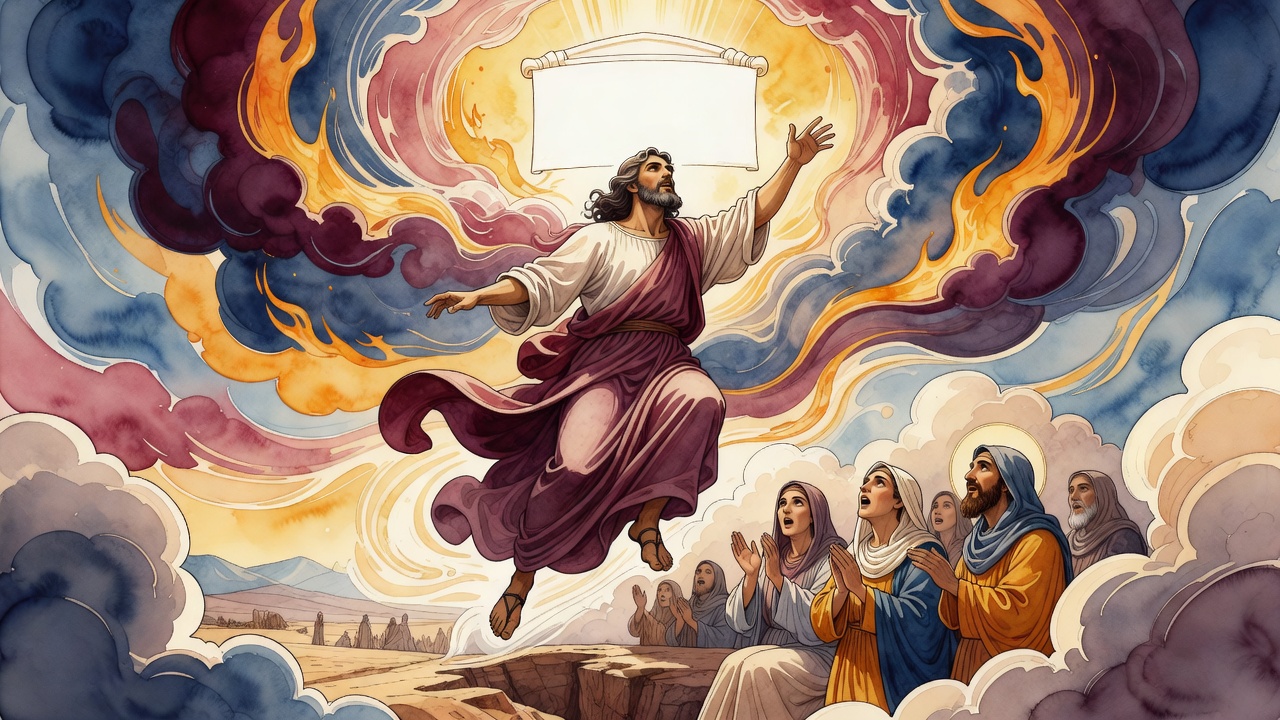
When Joseph revealed himself to his brothers in Egypt, the rabbis say the matriarchs were watching from above. His rise from the pit had a celestial audience.
Table of Contents
 Click for full size
What No One in the Field Could See
Joseph should have died in that pit. His brothers had stripped him of his coat, thrown him into a dry cistern, and sat down to eat bread while he called out below them. By every measure available to the men standing in that field near Dothan, the story was ending there. What none of them could see was the audience already assembled above, watching from the heavenly realms as the betrayal took its shape.
Bamidbar Rabbah, the midrashic collection on Numbers compiled in its present form around the eleventh century CE, makes the connection that the Torah leaves implicit. When Joseph was sold, the price was twenty pieces of silver, five shekels per brother. That number becomes the exact price, centuries later, that each Israelite father pays to redeem his firstborn son. The sale of Rachel's firstborn son set the redemption price for every firstborn who would come after him. The crime and its payment were woven together from the beginning.
What the Matriarchs Saw
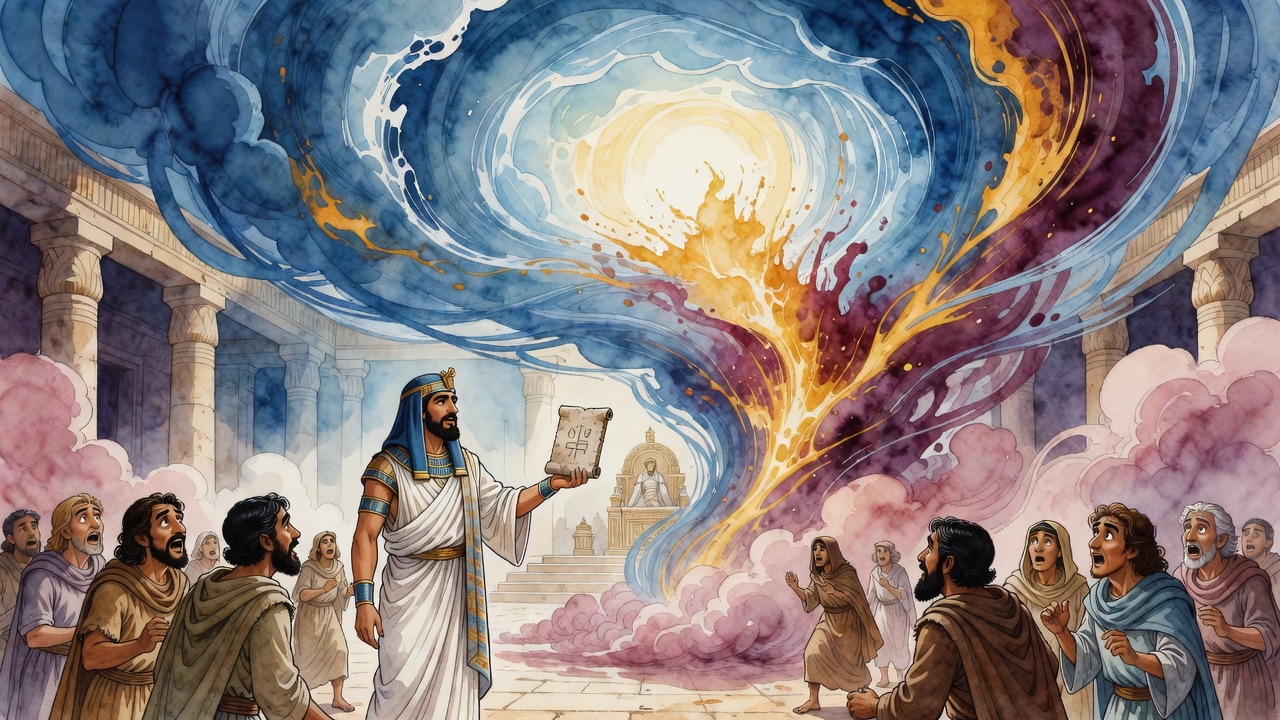
When Joseph finally reveals himself to his brothers in Egypt, he weeps so loudly the sound carries through Pharaoh's palace. Bereshit Rabbah, compiled in the Land of Israel approximately in the fifth century CE, asks what that weeping is for. The answer is triple: Joseph wept, Judah had pleaded, and the matriarchs were watching the entire arc of betrayal and reconciliation from the world above.
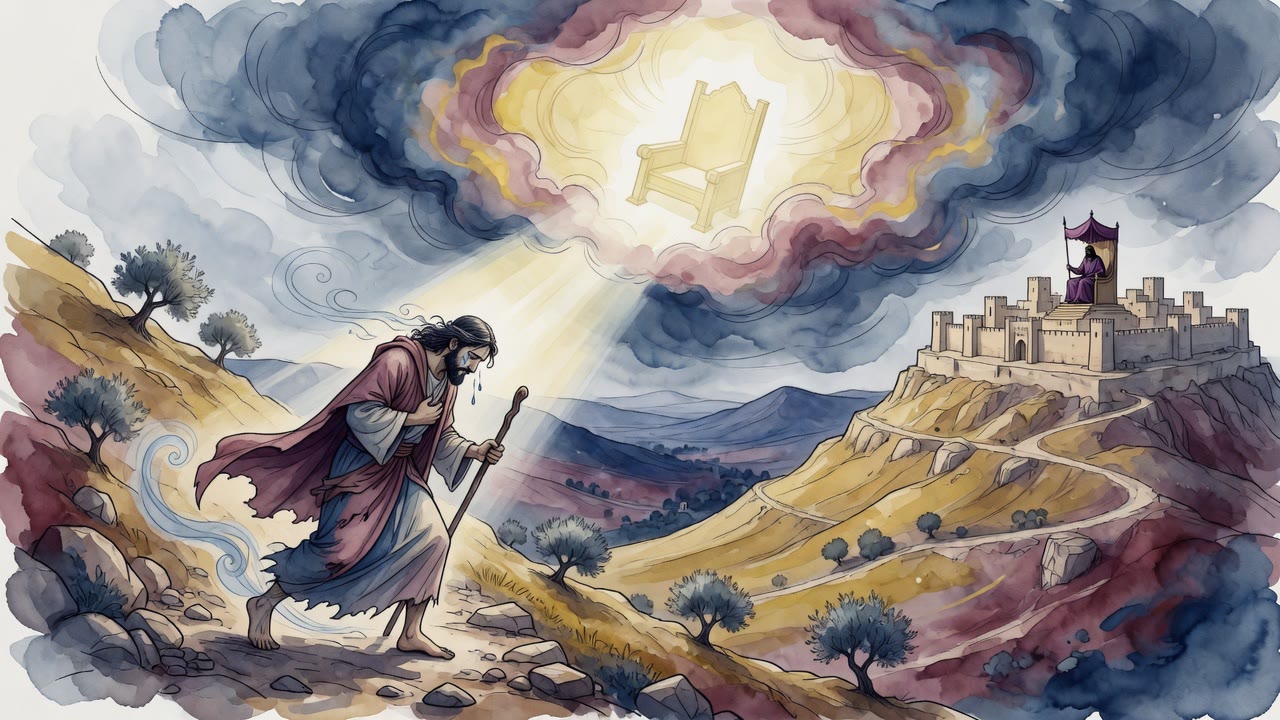
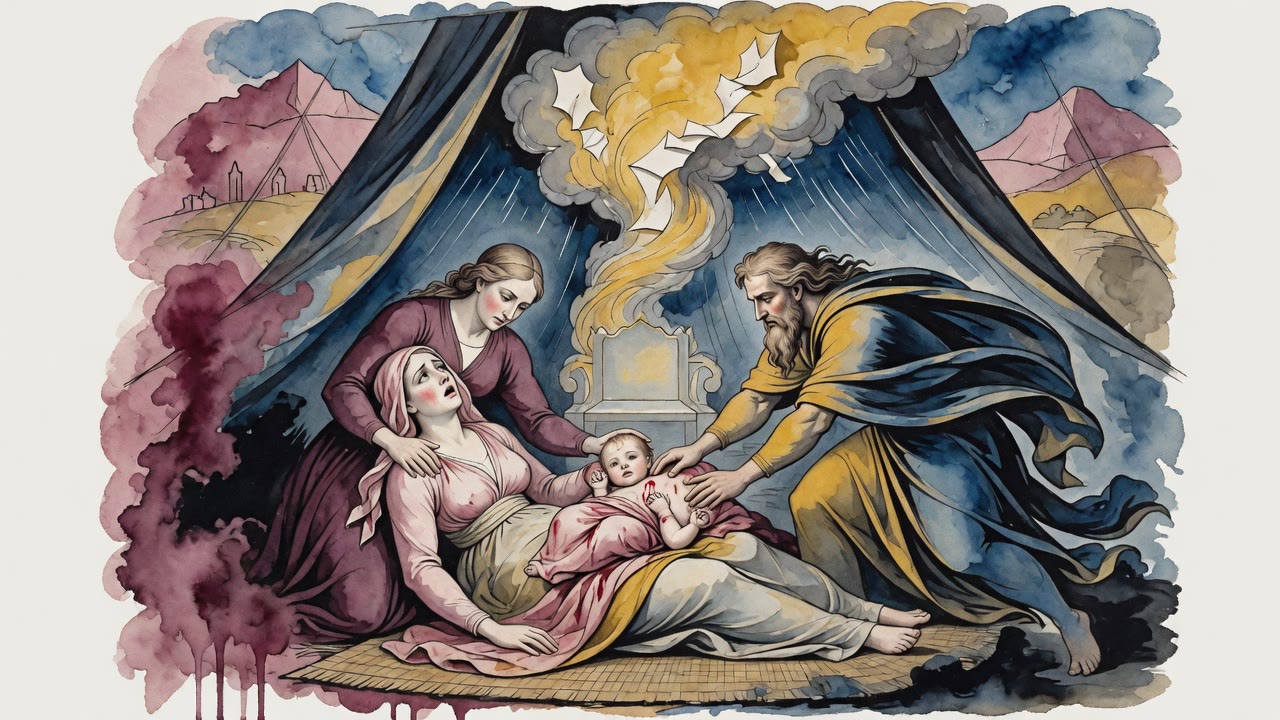
Rachel had named Joseph at his birth with a prayer: may God add to me another son (Genesis 30:24). She had seen in him the first sign that her own history of barrenness was ending. When Joseph was torn from Jacob and vanished into Egypt, the tradition teaches that Rachel wept in the world above as she had wept in life. Her tomb on the road to Bethlehem had been placed there deliberately, the rabbis said, so that when the exiles passed it on their way to Babylon, she would be positioned to intercede for them. The woman who had prayed for one more son spent centuries praying for all her sons.
Why the Brothers Could Not Believe Him
The reunion scene in Egypt presented a theological problem. Joseph tells his brothers who he is. They are stunned into silence. They cannot accept that the bearded viceroy of Egypt is the smooth-faced youth they sold to a caravan. Legends of the Jews records that Joseph understood their disbelief and met it directly: he spoke to them in Hebrew, the language of home. He showed them the sign of the circumcision. He told them things only a brother would know.
Still they hesitated. The Joseph of their memory was a child. The Joseph standing before them was a ruler. The gap between what they had done and what now stood before them was too large for immediate comprehension. This is the weight that Joseph's weeping carried. It was not only grief for the years lost. It was the tears of someone who had survived his brothers' verdict and arrived at a place they could not have imagined when they handed him to the merchants.
Angels Attended to the Prison and the Palace
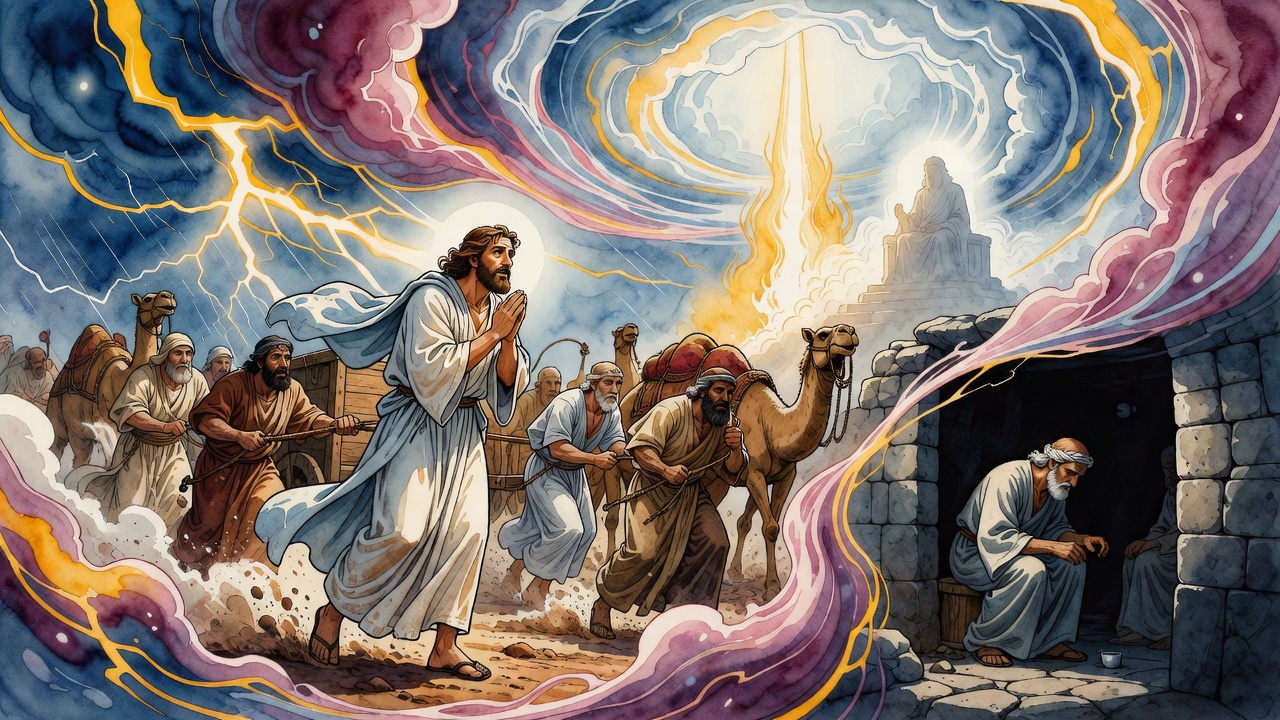
Between the pit and the palace lay years in Potiphar's house and years in an Egyptian prison. Legends of the Jews notes that Joseph's extended imprisonment was not accidental. He had asked the royal butler to mention his name to Pharaoh, and the butler forgot. Two additional years in prison followed that lapse. The tradition reads those two years as a consequence: a righteous man who places his trust in human memory rather than in divine timing must wait while the divine timing reasserts itself. The extra years were not punishment for Joseph but correction of his reliance on the wrong intermediary.
And then the dream came to Pharaoh, and no one in Egypt could interpret it, and the butler remembered a young Hebrew in prison who had once explained a dream with startling accuracy. The angels who had attended Joseph in the pit, the Midrash suggests, had been present all along, not to spare him suffering but to ensure that the suffering would lead somewhere.
← All myths