340 myths · Page 1 of 12
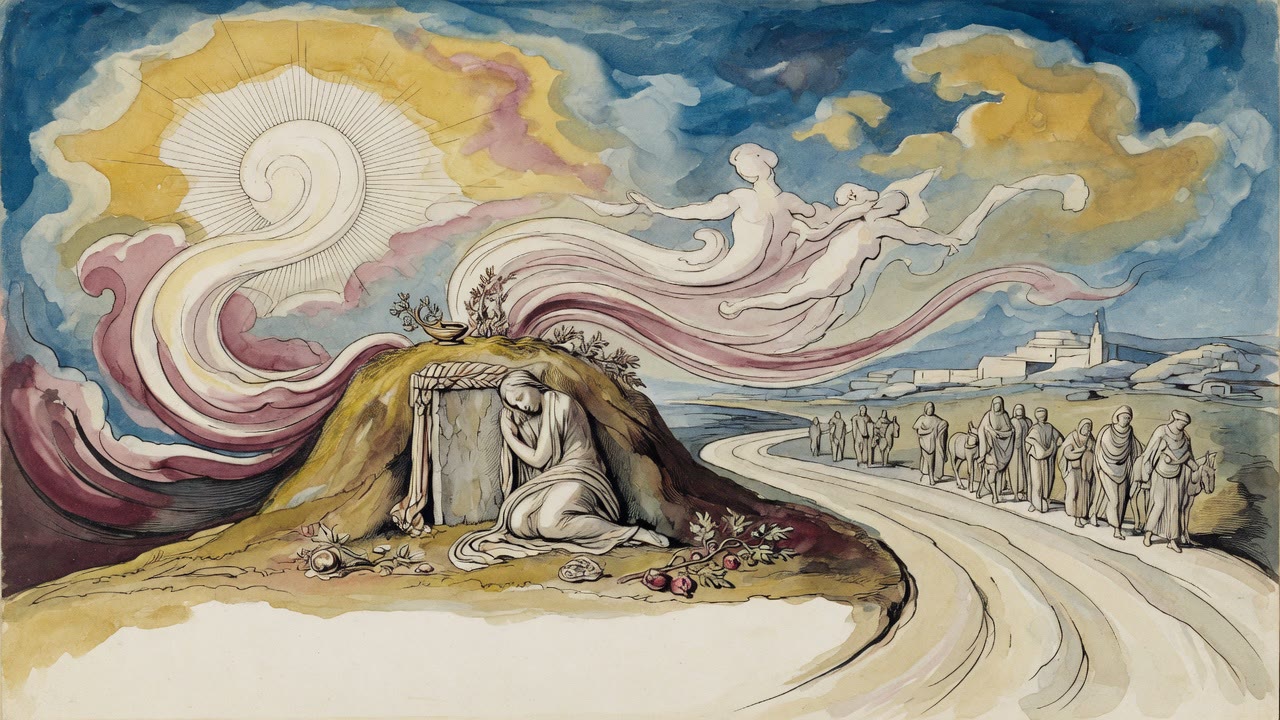
She named the boy Ben-oni and died beside the road. Jacob would not carry her to the cave. He had already seen the exiles marching that same dust.
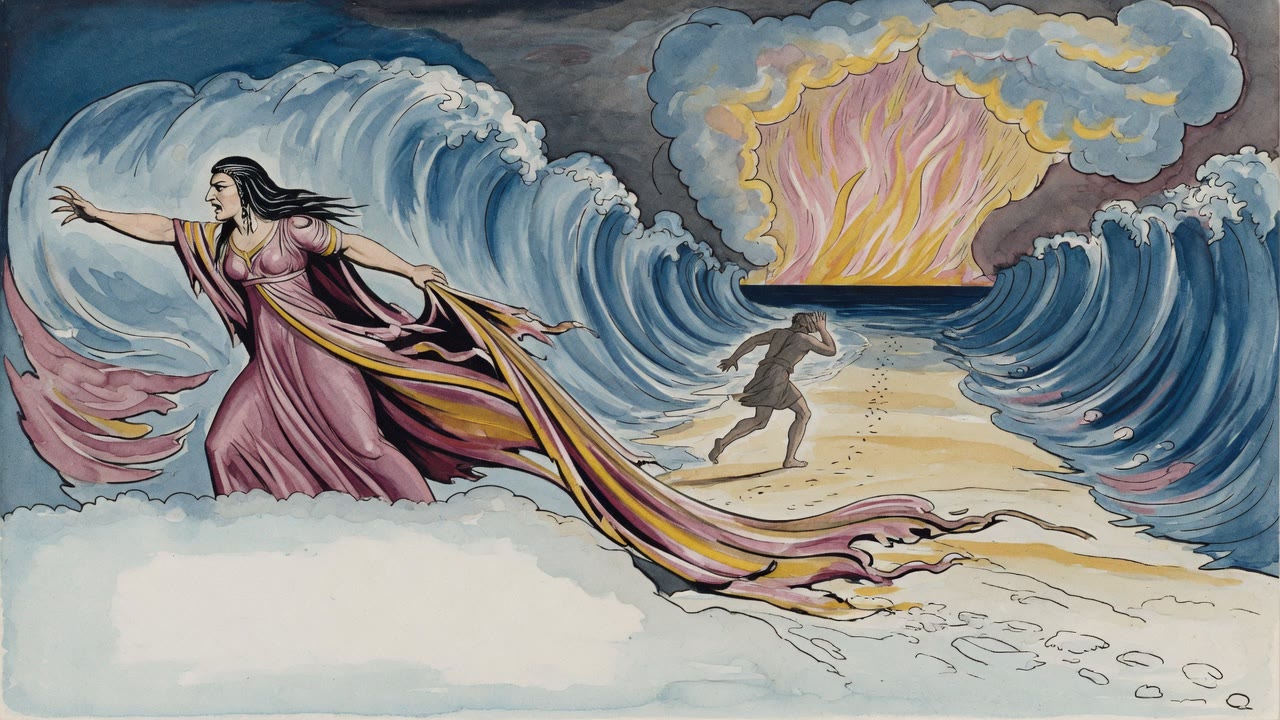
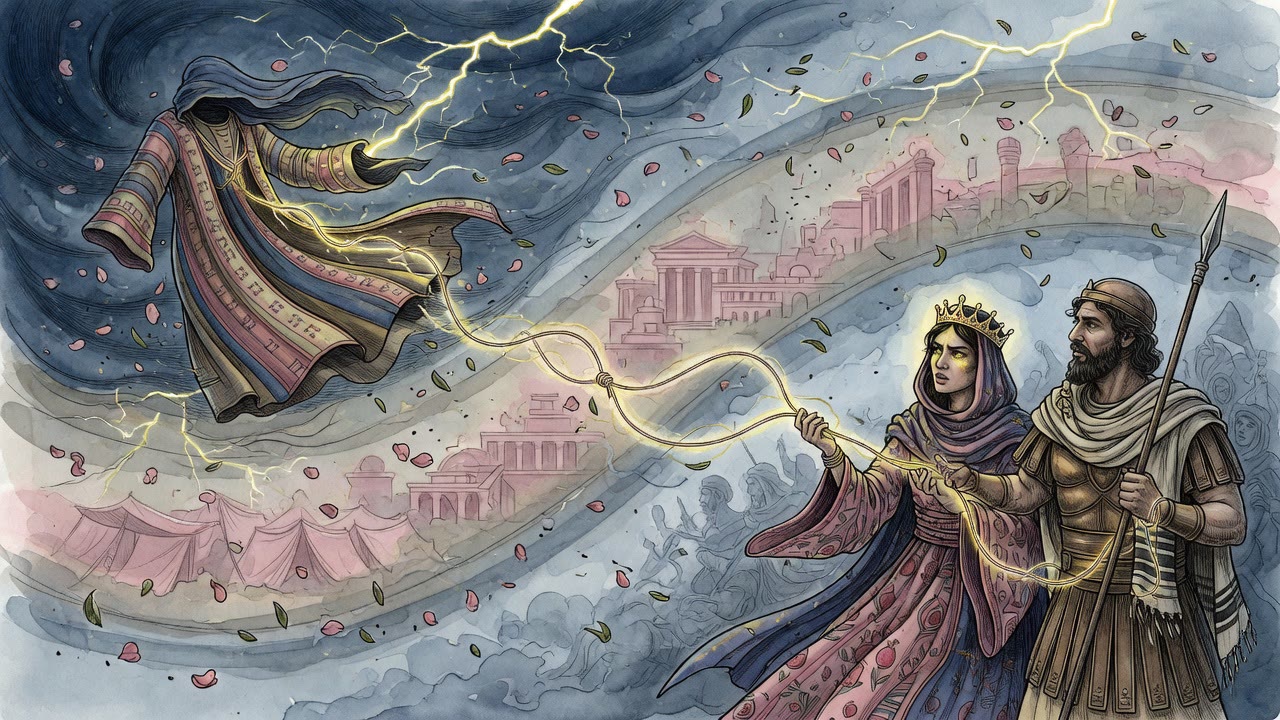
Joseph fled Zuleika's grasp and left his cloak behind. Her lie sent him to prison, but his flight later opened the sea for Israel.
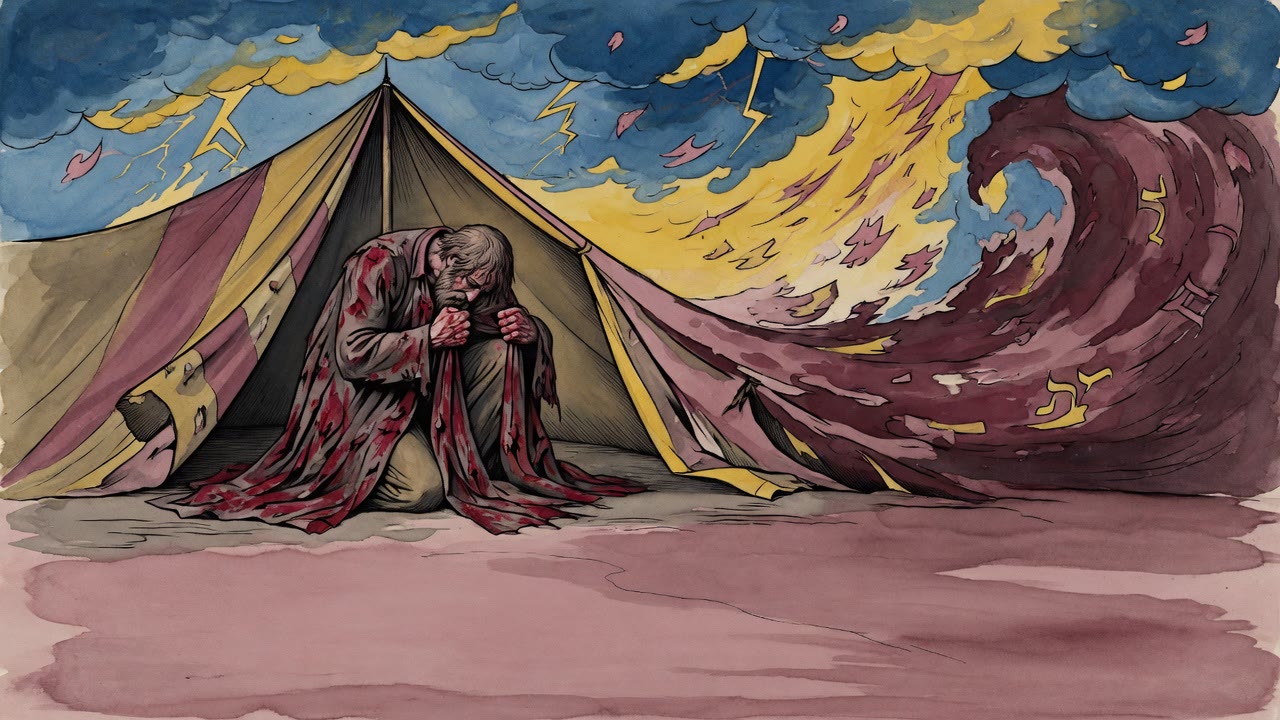
The brothers held out a coat stiff with goat blood. Jacob named it his son's. Twenty-two years later the sackcloth was still on him.
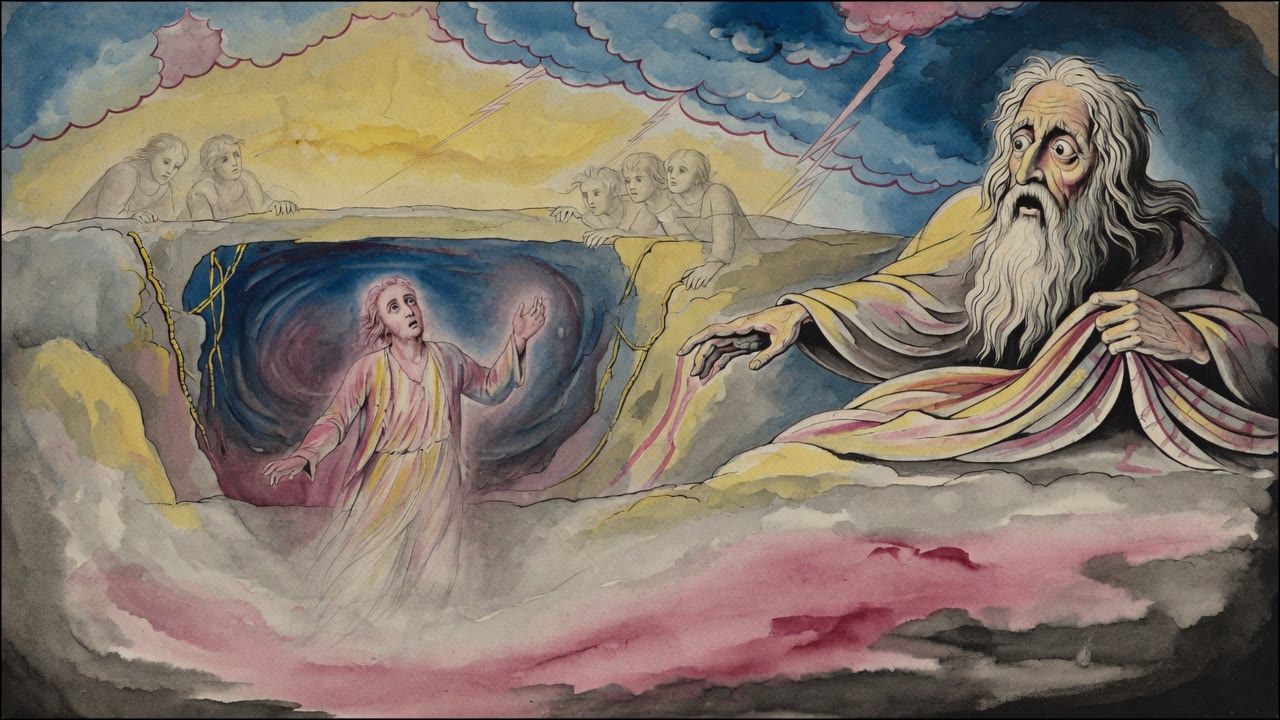
Joseph was already dead. Simeon sat up in Egypt, kissed each son on the mouth, and named the liver that had never pitied his brother.
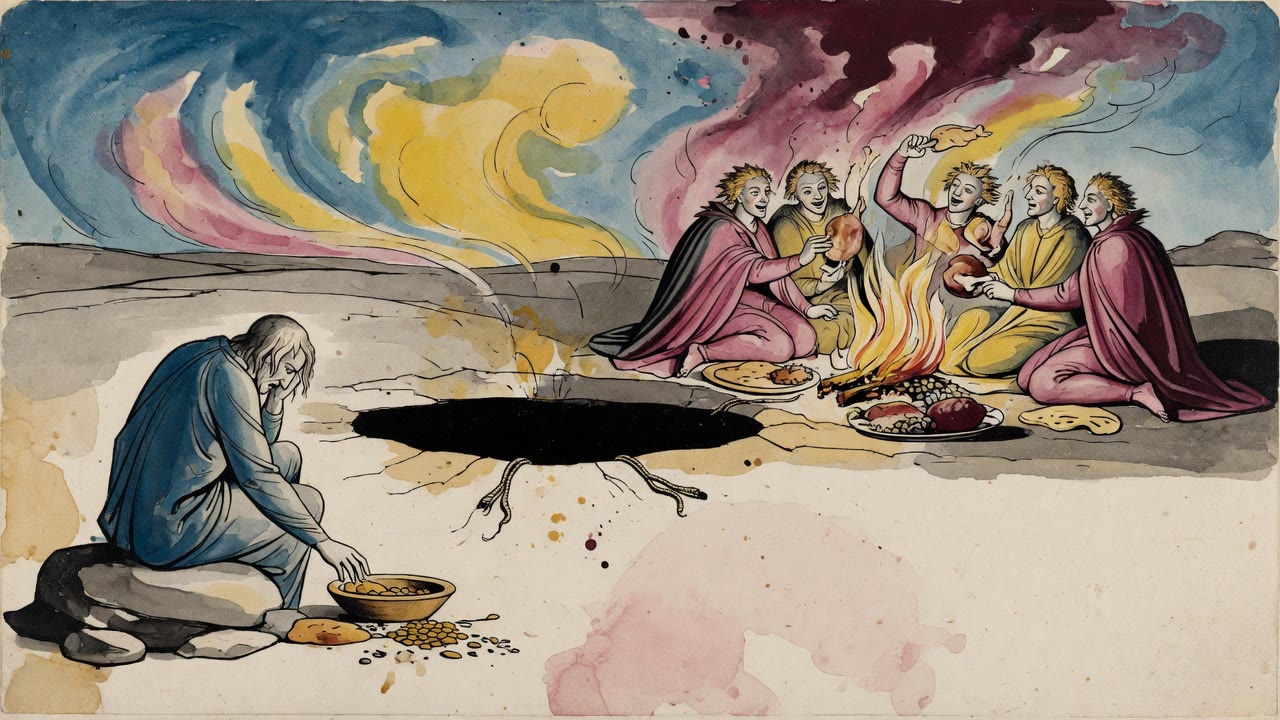
The brothers spread a meal beside the pit. One of them could not swallow anything, so they made him the guard and he watched the sale.
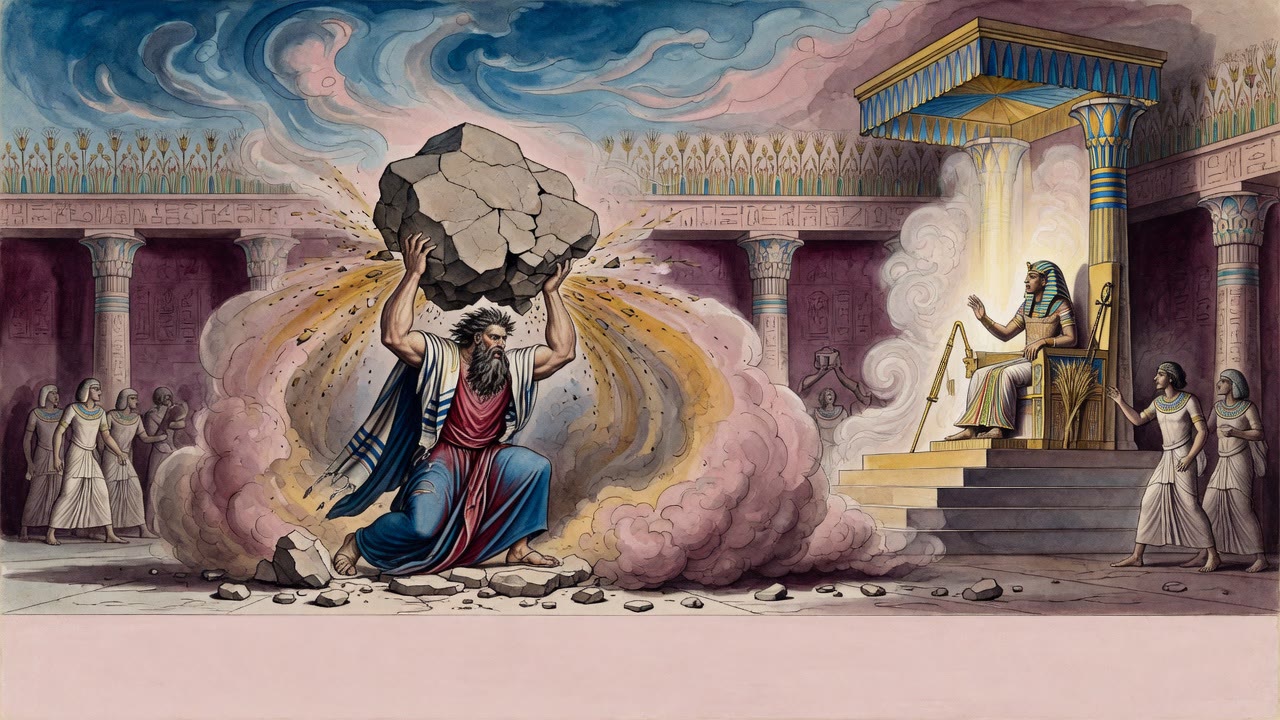
The other brothers stood back and let the two of them go at it. Angels came down out of heaven to watch, and called it a bull against a lion.
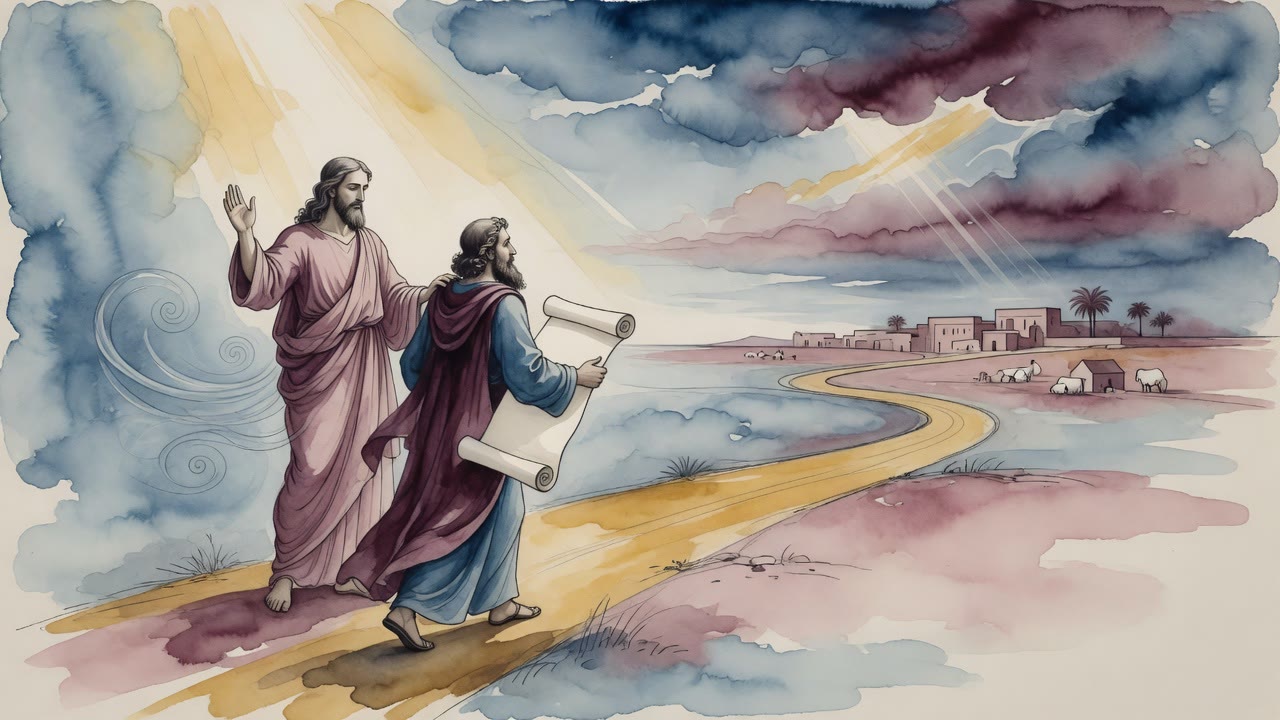
For twenty-two years Jacob secretly blamed Judah for selling Joseph. Then on the road down to Egypt, he handed Judah the keys to the family's future.
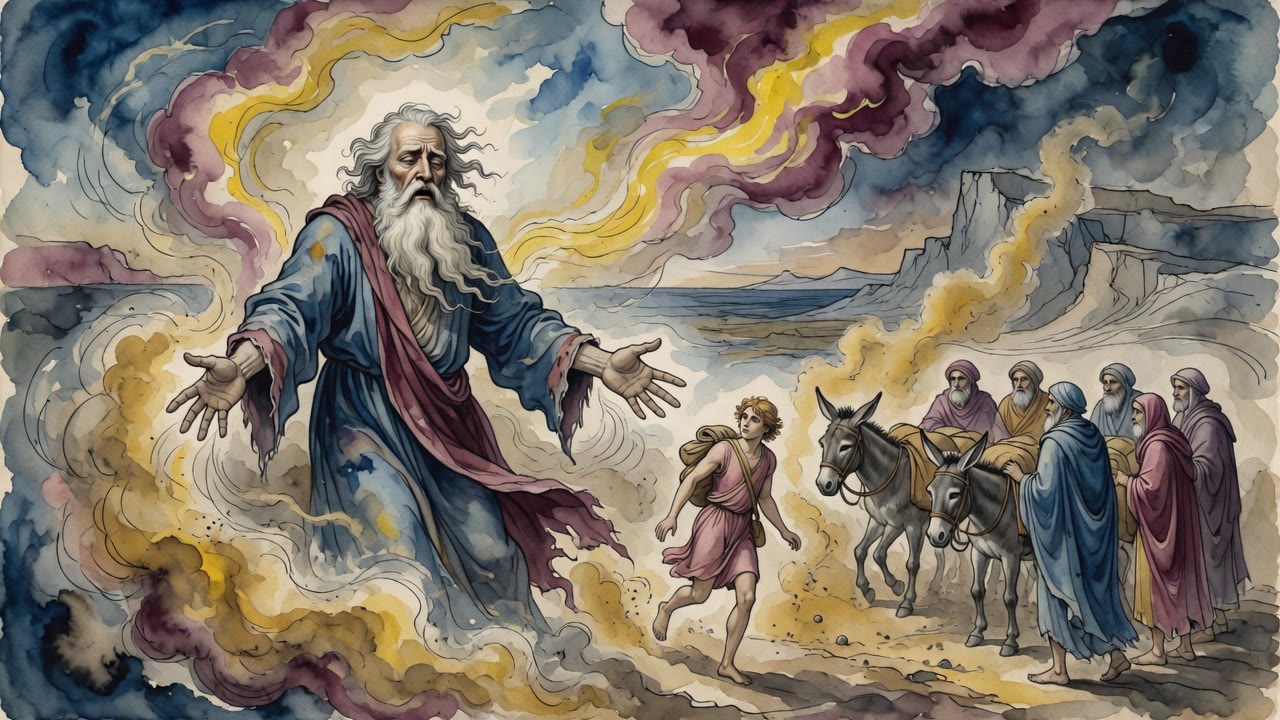
Benjamin was the last son Jacob could bear to lose. When famine pressed hard enough, even a father twenty-two years into grief had to open his hands.
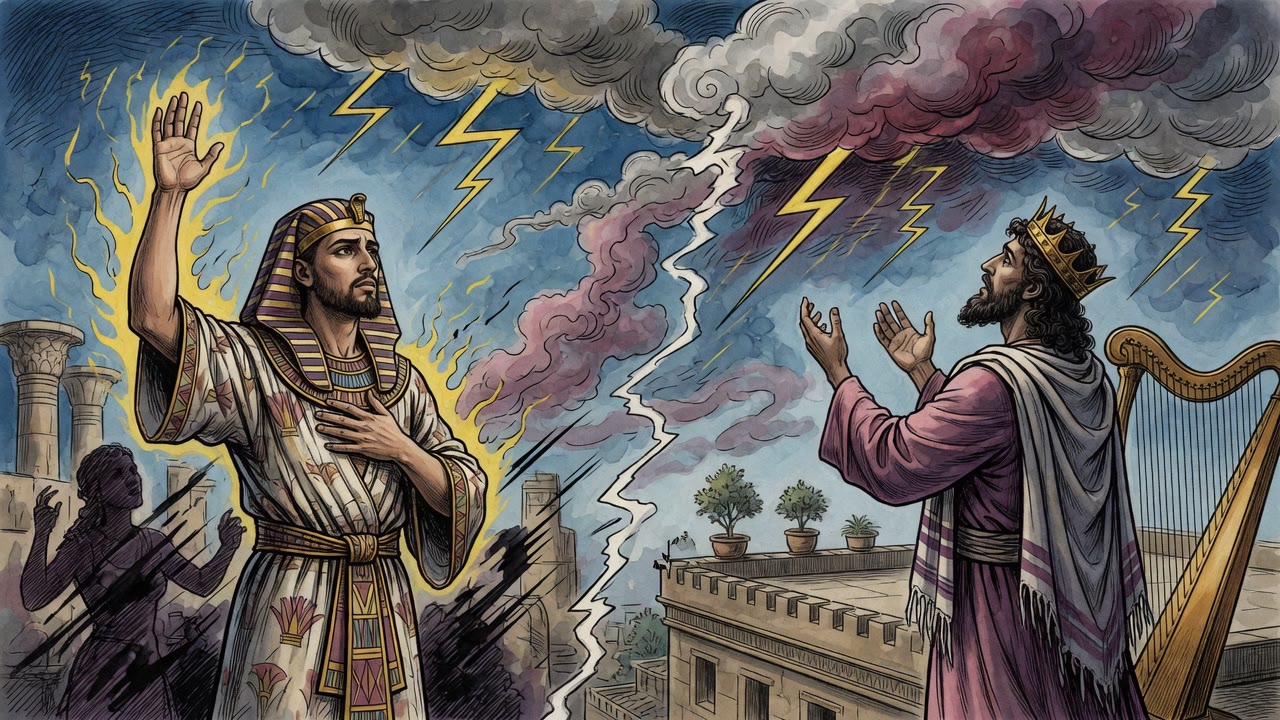
The rabbis paired Joseph and David across a thousand years. Both faced desire so strong they had to swear formal oaths against themselves to survive it.
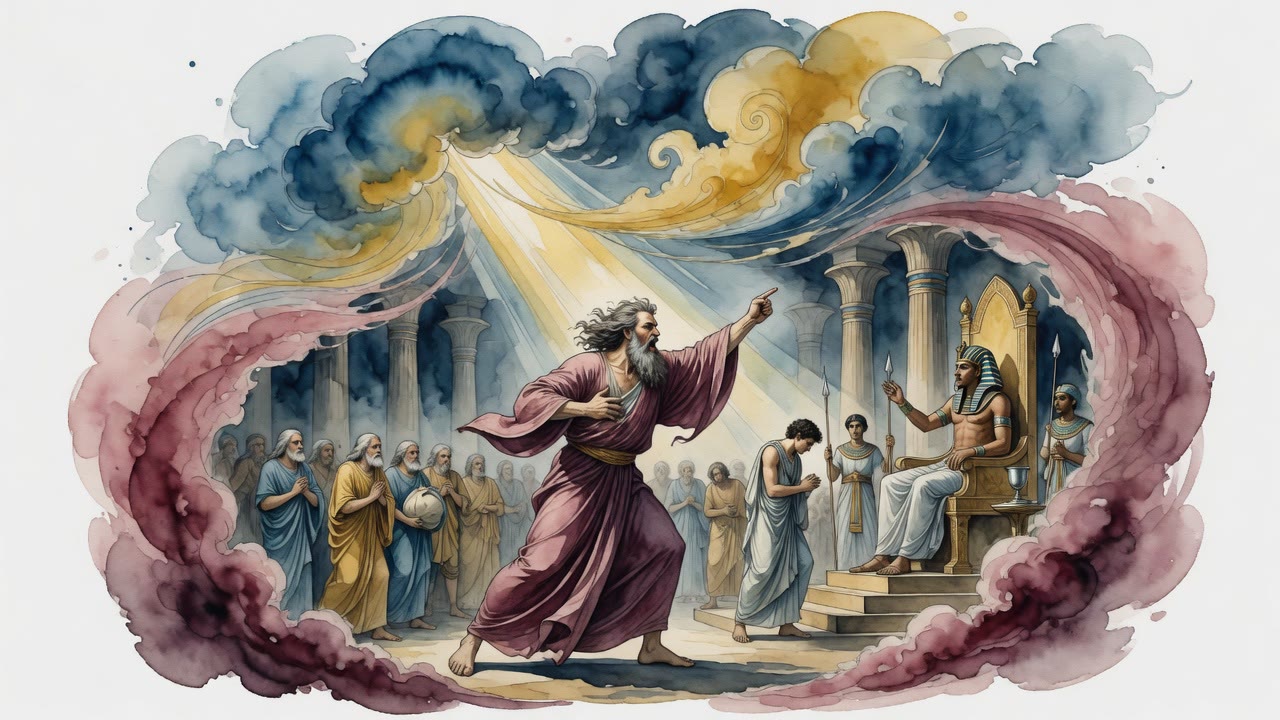
When Joseph was thrown into the pit naked, God sent Gabriel to clothe him. That angel never left, guiding him to his brothers, shielding him in Egypt.
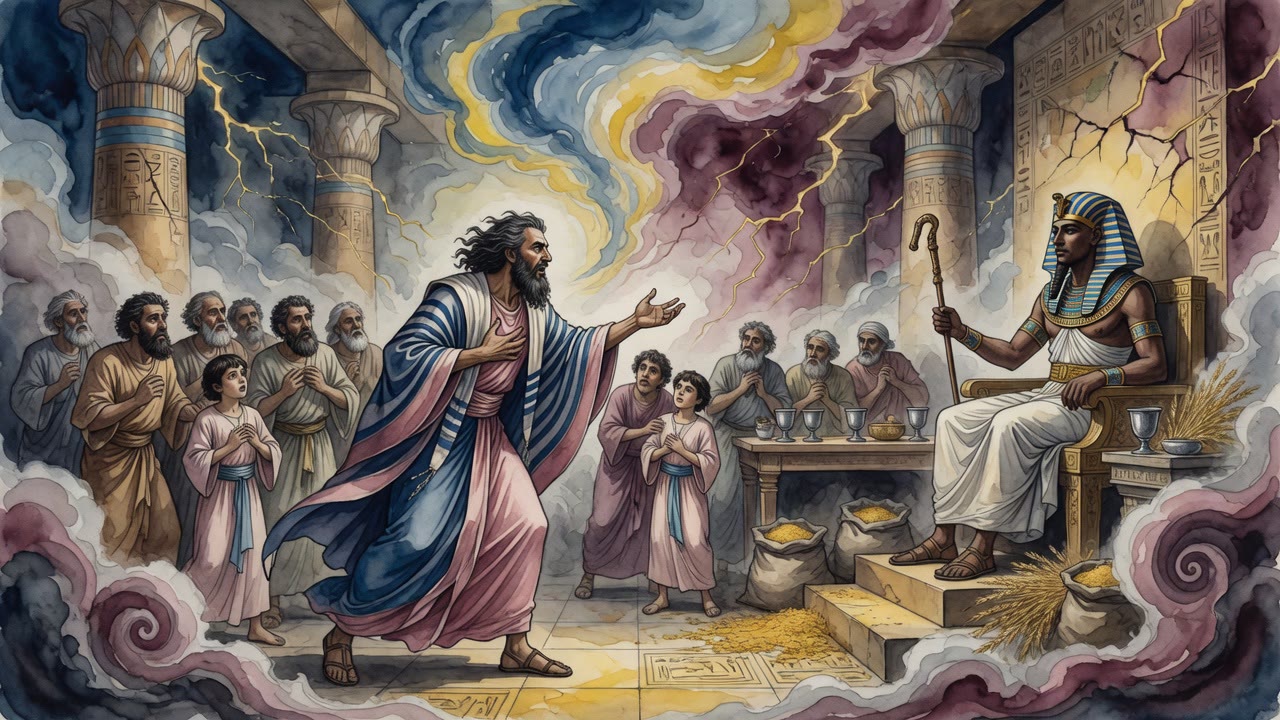
Nine brothers agreed to leave the boy in Egypt. Judah put bars of brass between his teeth, bit down, and spat the metal out as powder.
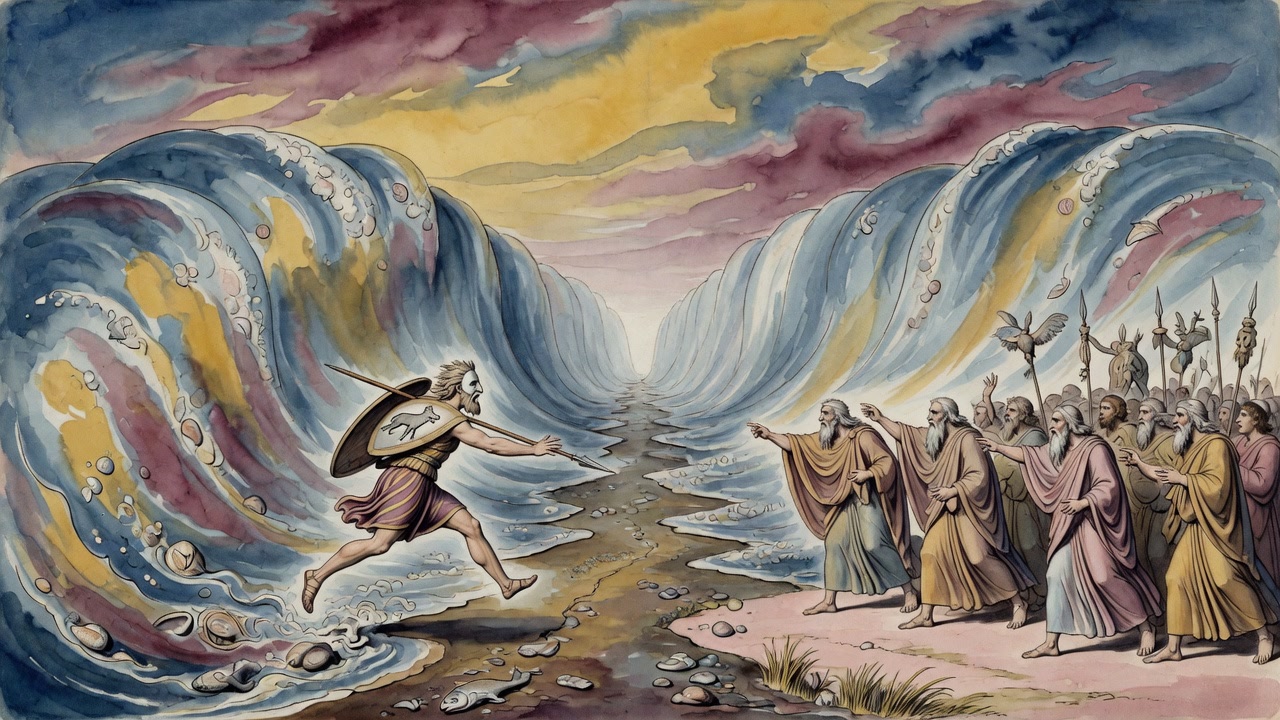
The tribes argued at the water's edge over who would lead Israel into the divided sea. Benjamin acted while they were still talking. Judah threw stones.
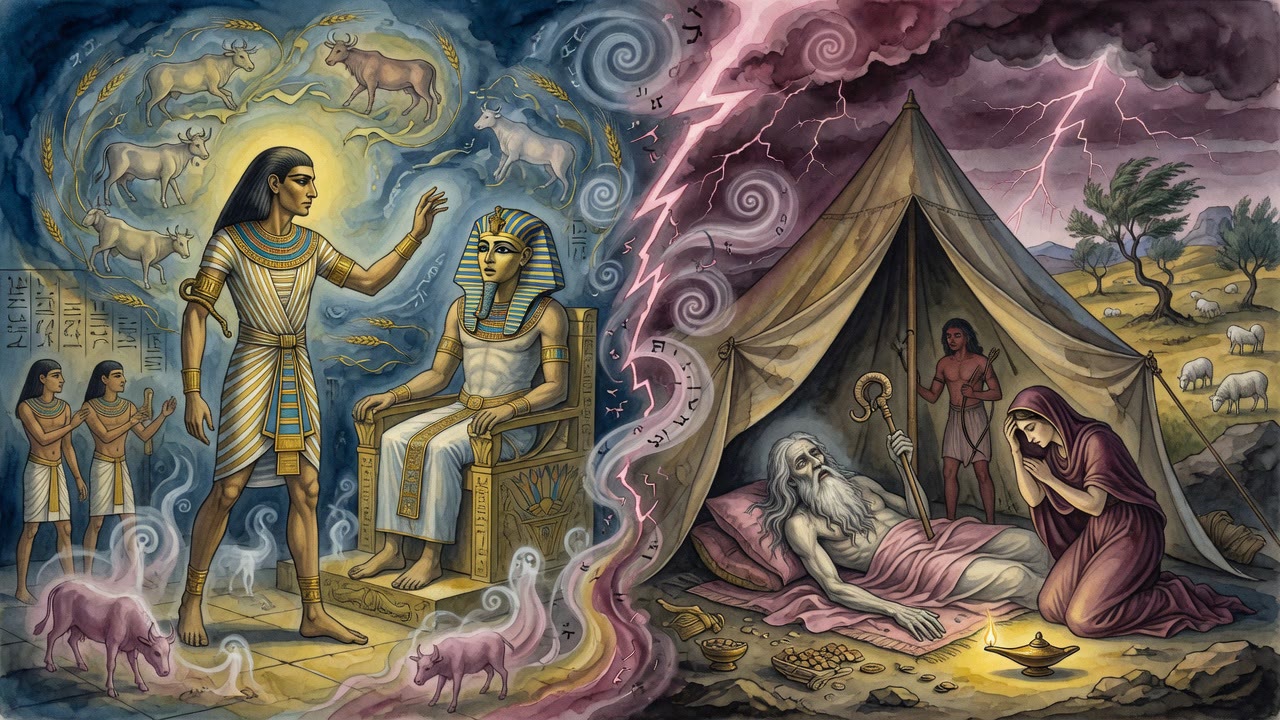
Joseph left the cell in borrowed clothes to stand before Pharaoh. In Hebron that same day, Isaac's eyes closed. The grandfather never saw the throne.
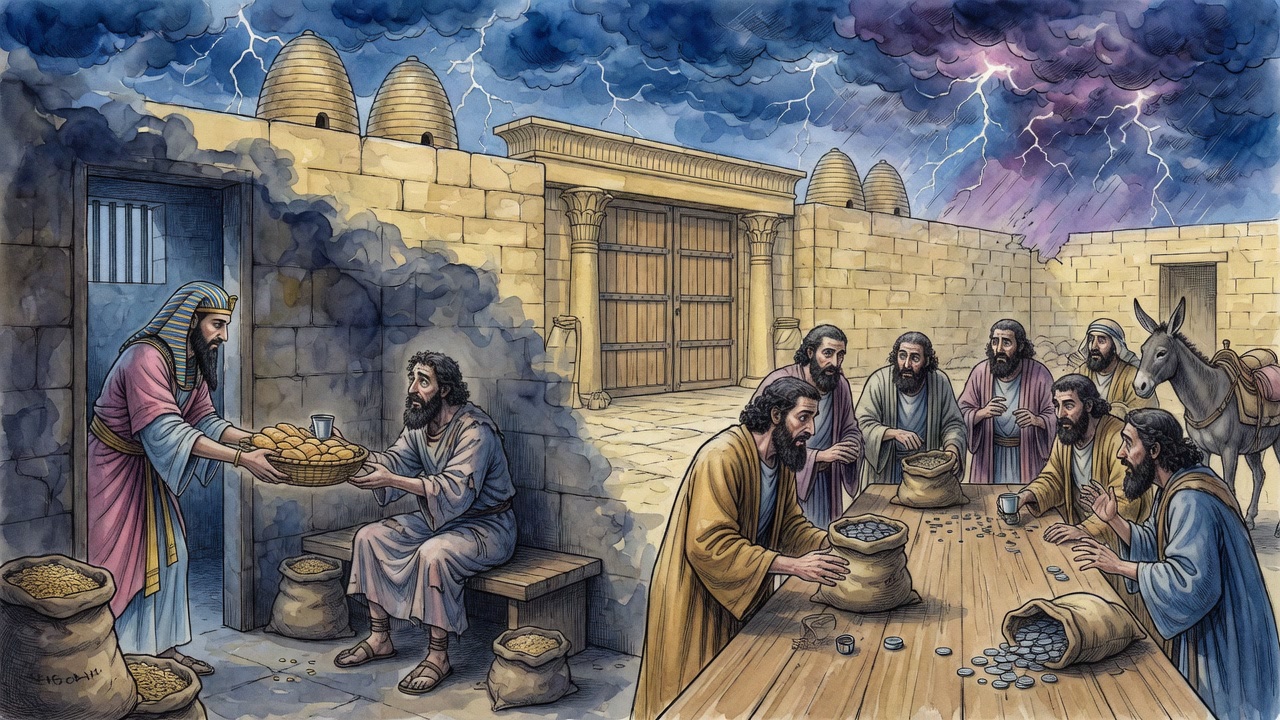
Joseph chained Simeon in front of his brothers, then ordered good food sent to the cell as soon as they left. The cruelty and the care were the same plan.
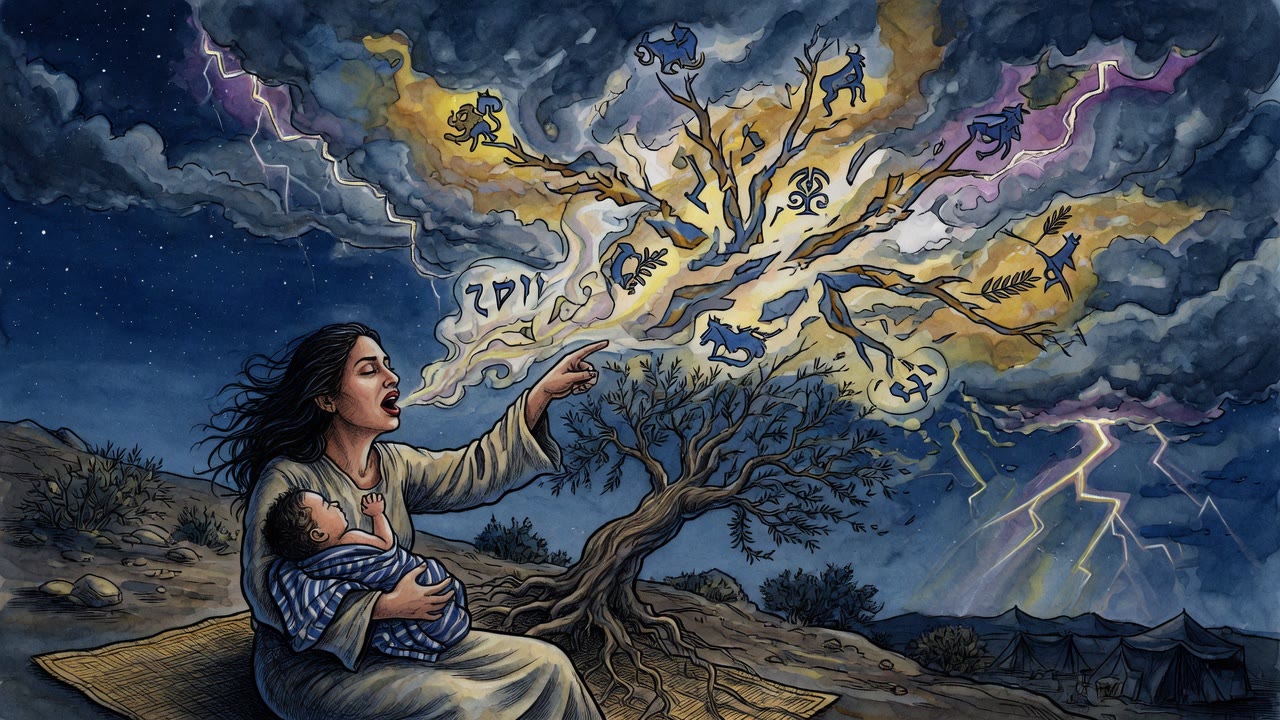
Joseph was still wet from birth when Rachel named him. She asked God for one more son. The name already looked past her death.
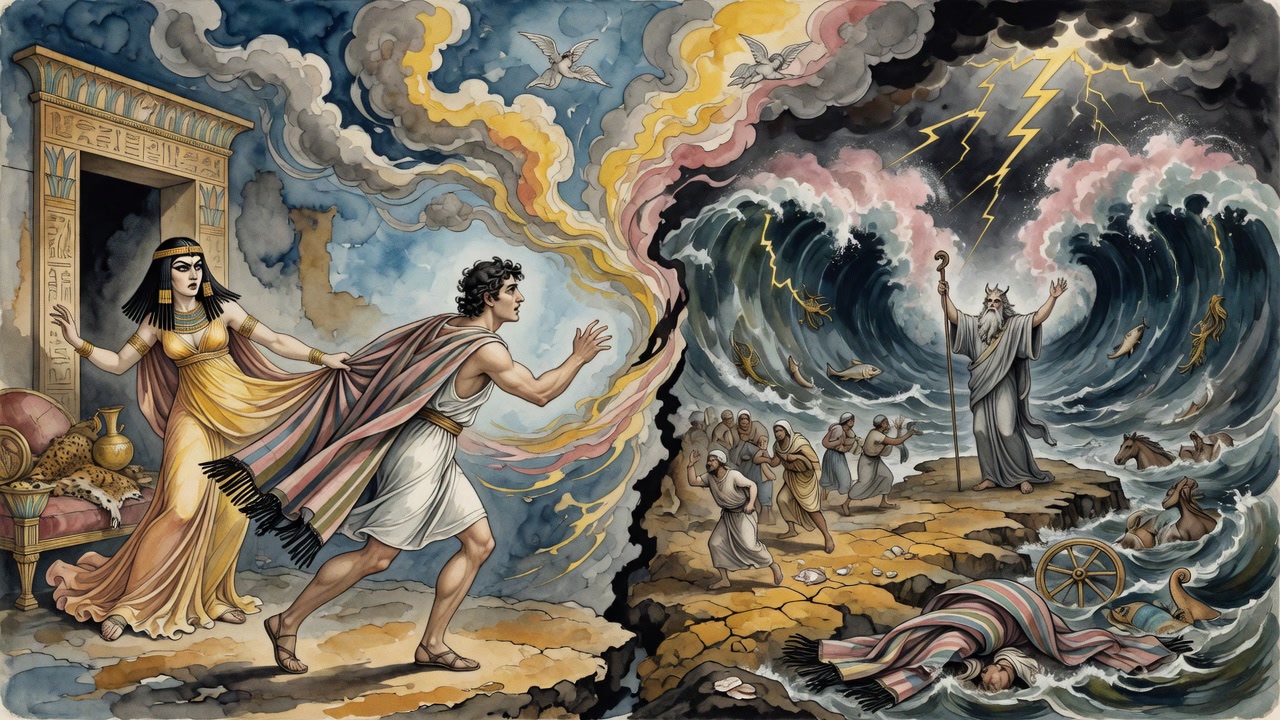
The Red Sea did not split because Moses raised his staff. One rabbi traced it to a single act of moral courage Joseph made in a private room centuries before.
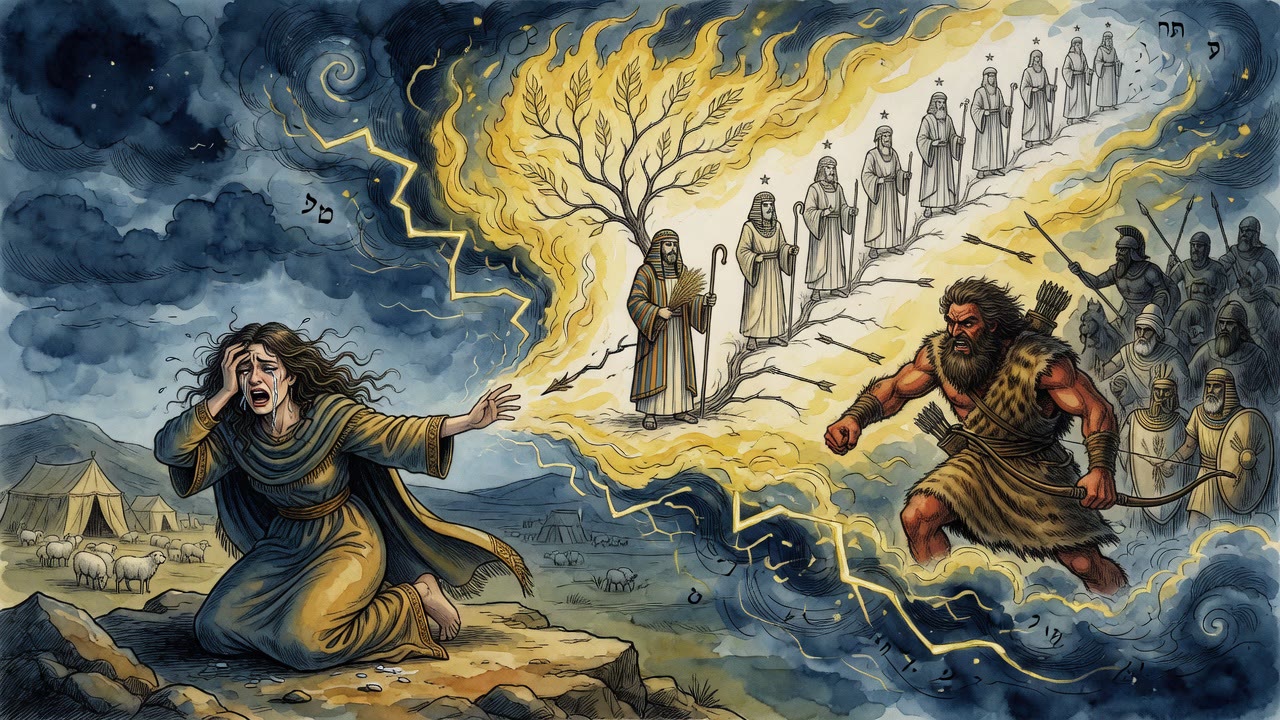
Amalek hit the back of the column first, where the old and the footsore walked. Moses passed over every fighting man and called one young man from Ephraim.
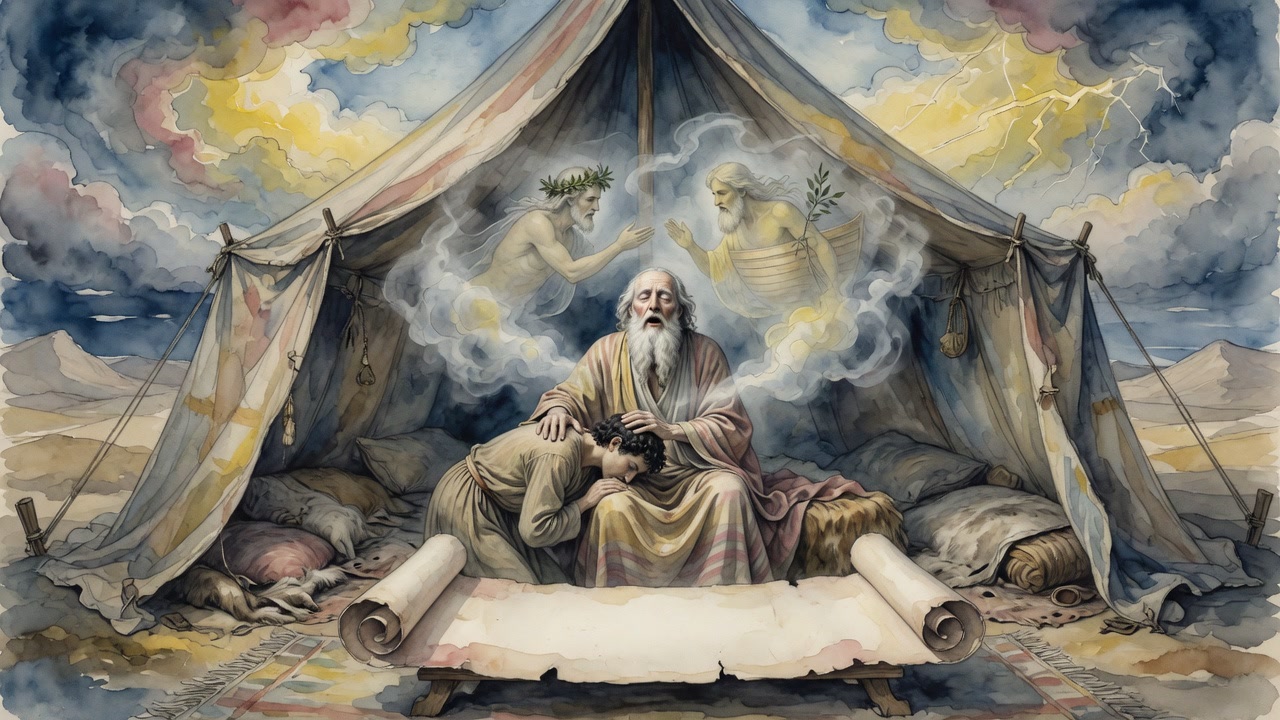
The blessing Isaac spoke over Jacob at Beersheba was not new. The same words had been spoken twice before, first to Adam, then to Noah, now to Jacob.
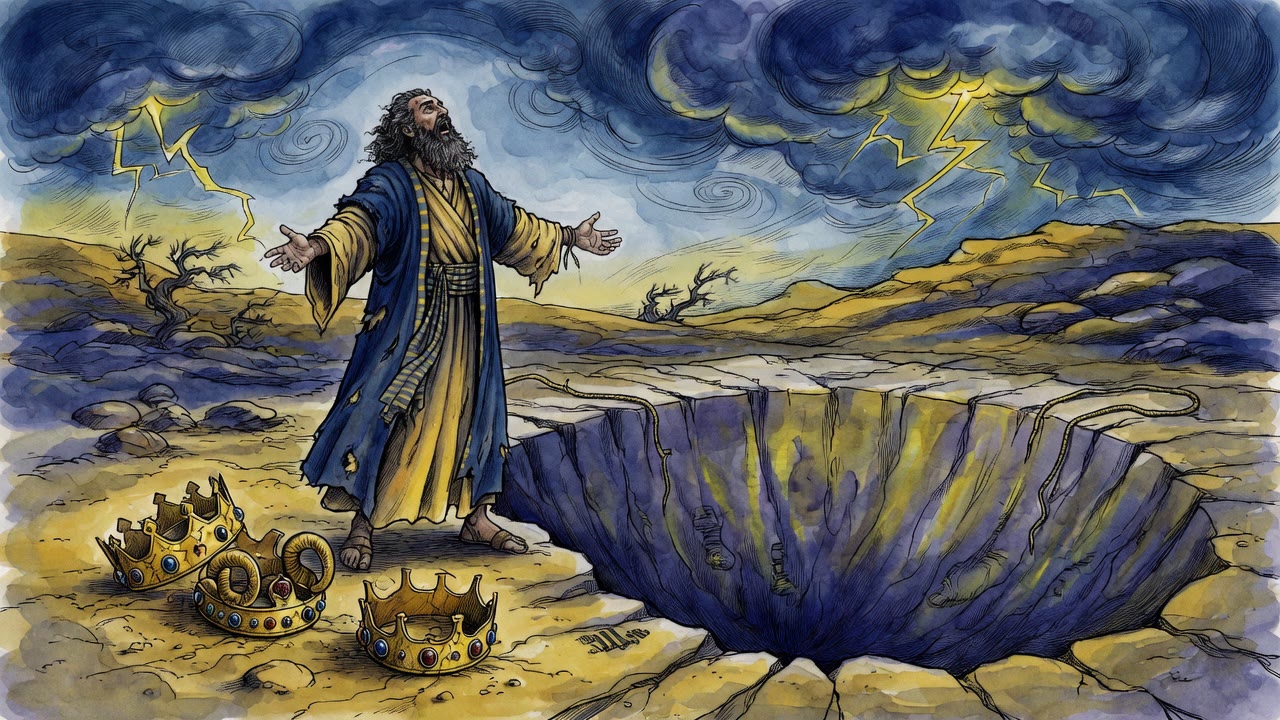
The pit was empty when Reuben got back. He tore his clothes. The three crowns had already left his head for other brothers.
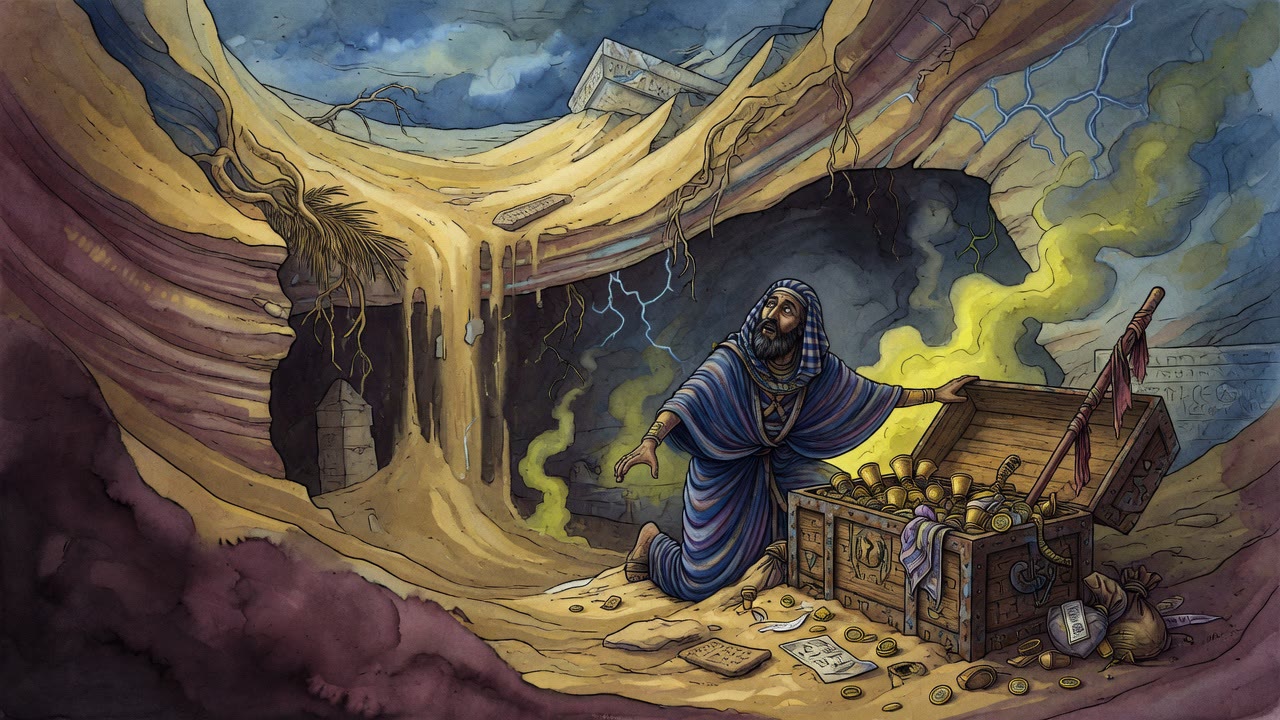
Three hundred white mules carried only the keys. Korah had opened one of Joseph's buried rooms, and the earth was already waiting.
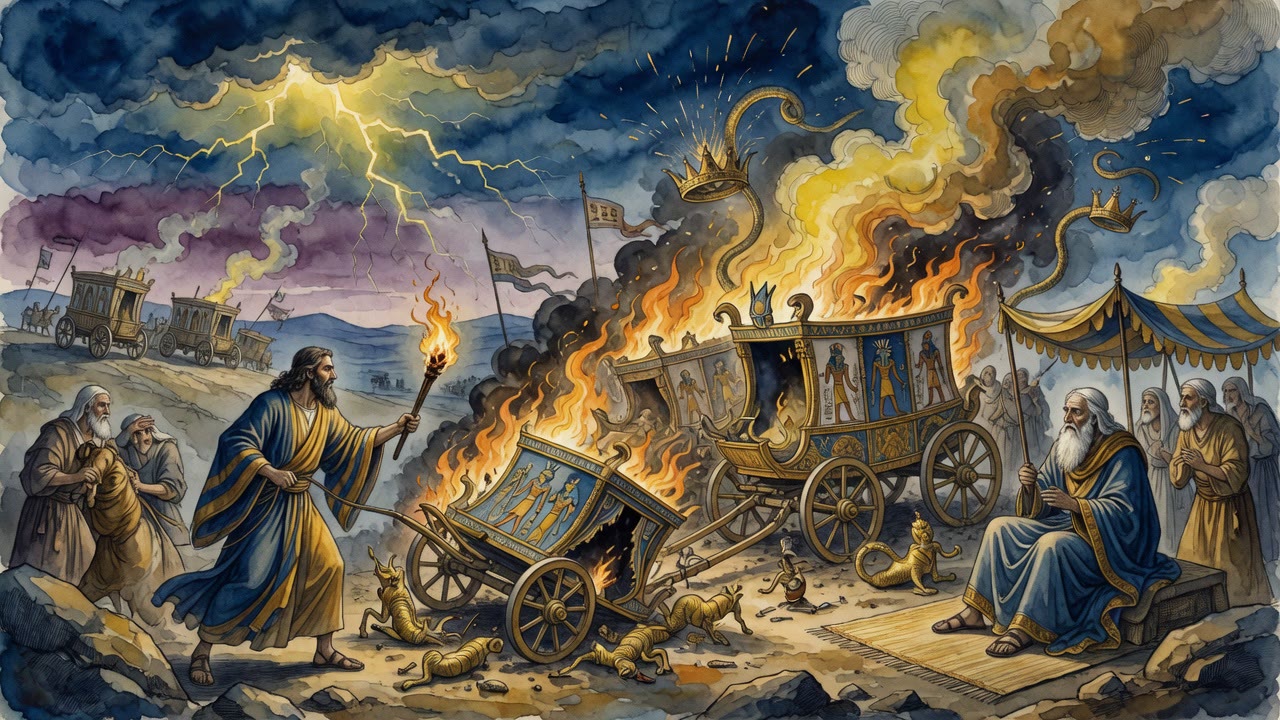
Pharaoh sent wagons painted with idols to carry old Jacob into Egypt. Judah saw the images first, and reached for fire.
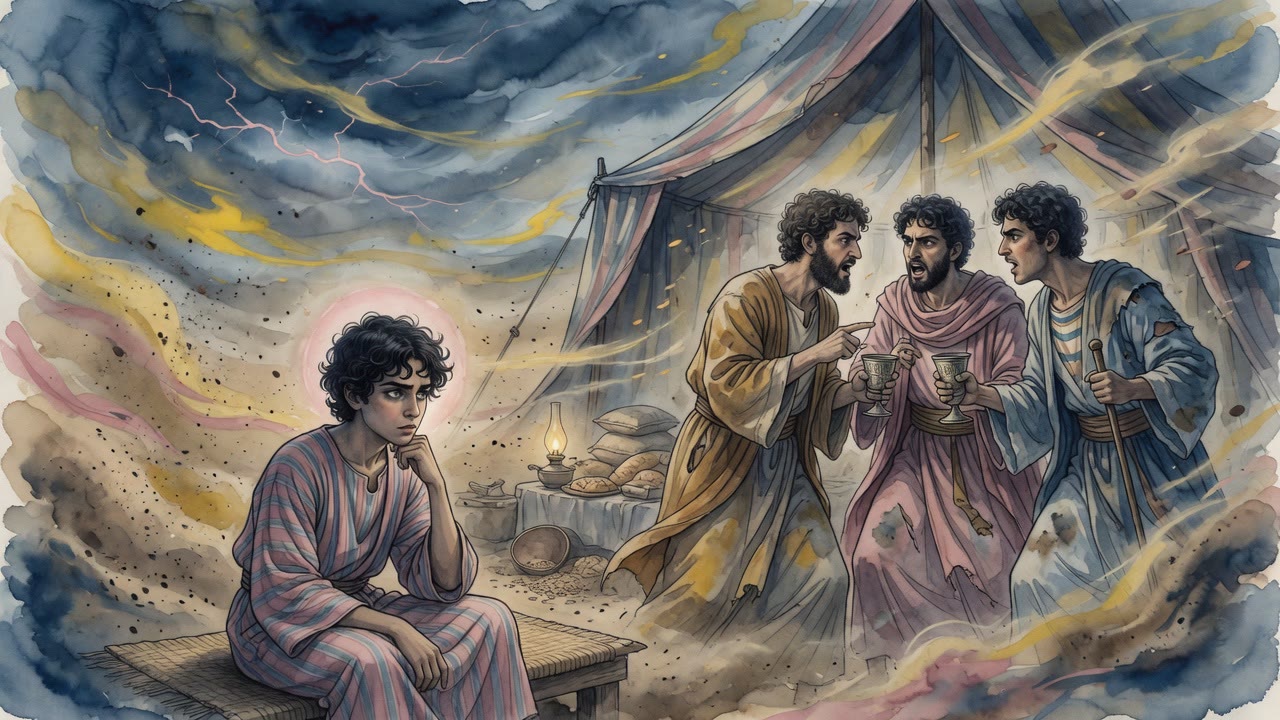
When Benjamin went to Egypt, Joseph pulled him aside and asked what their brothers had told Jacob. The answer revealed a mercy his brothers never knew about.
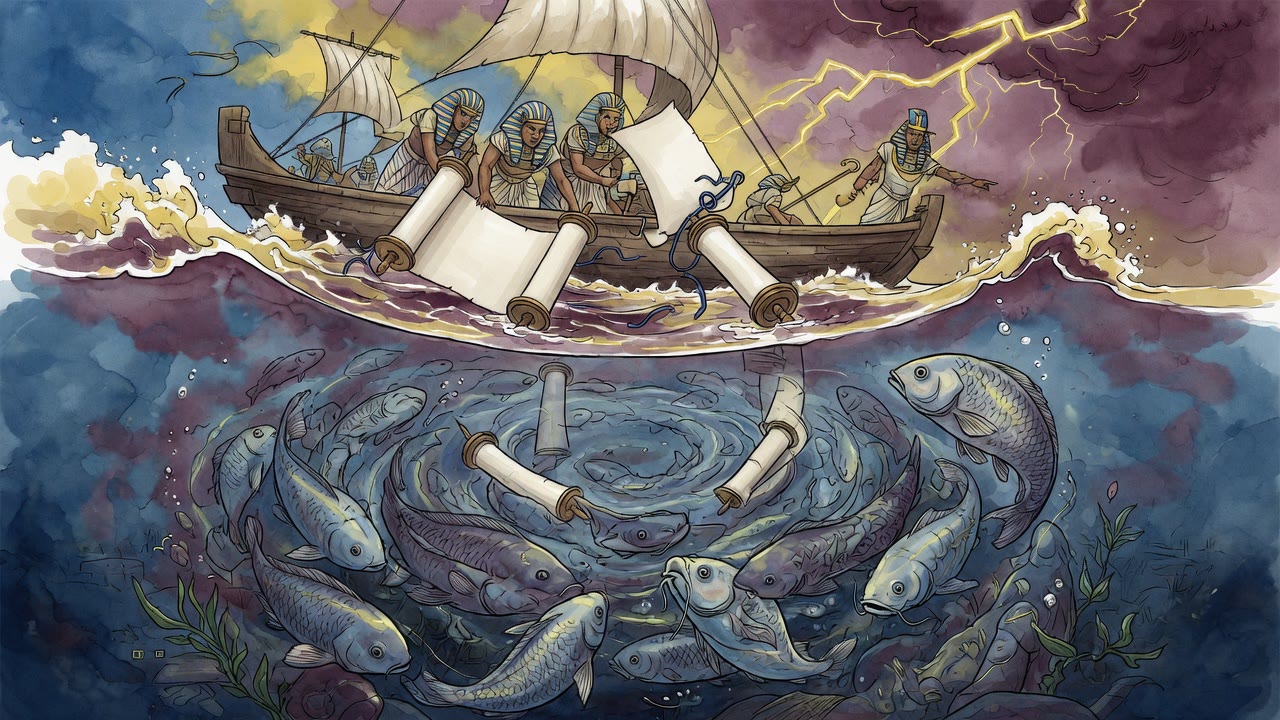
Pharaoh ordered every Hebrew boy thrown into the Nile. The Tikkunei Zohar connects that decree to the fish that swallowed Jonah. Both were the same act.
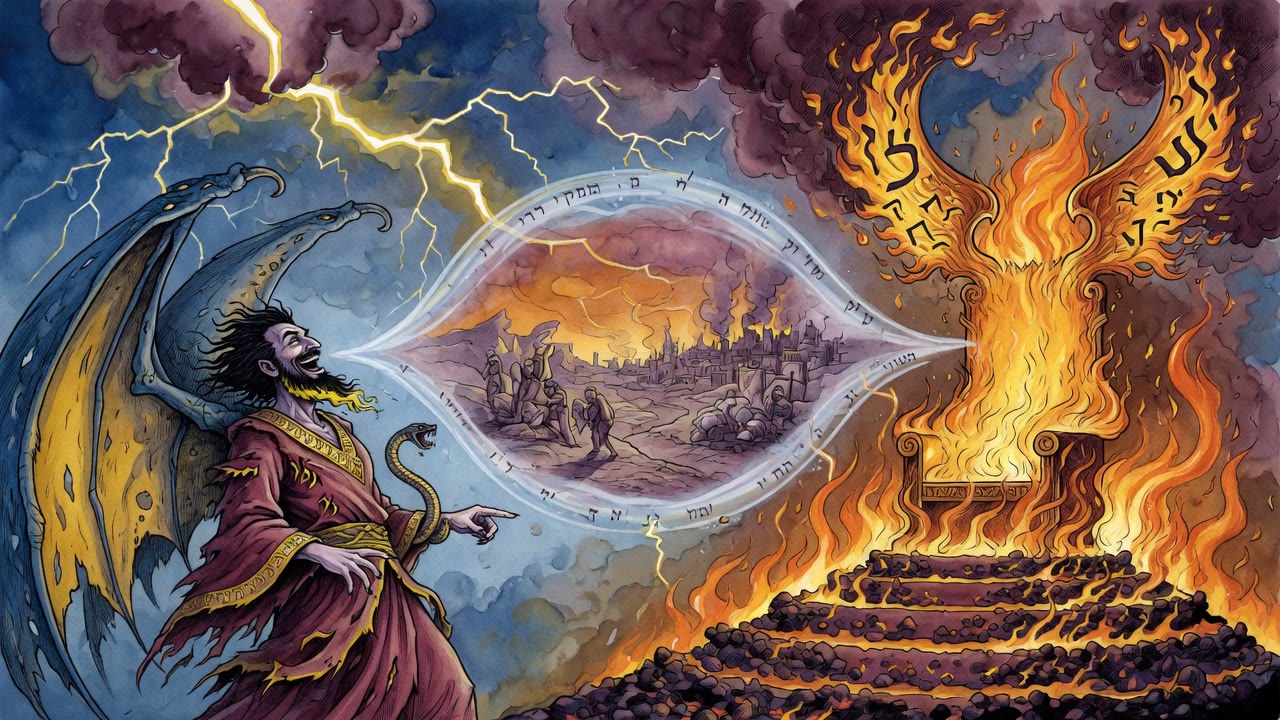
Before the exile, God revealed to Samael exactly what would happen and offered a reward for treating Israel with dignity. Samael chose mockery instead.
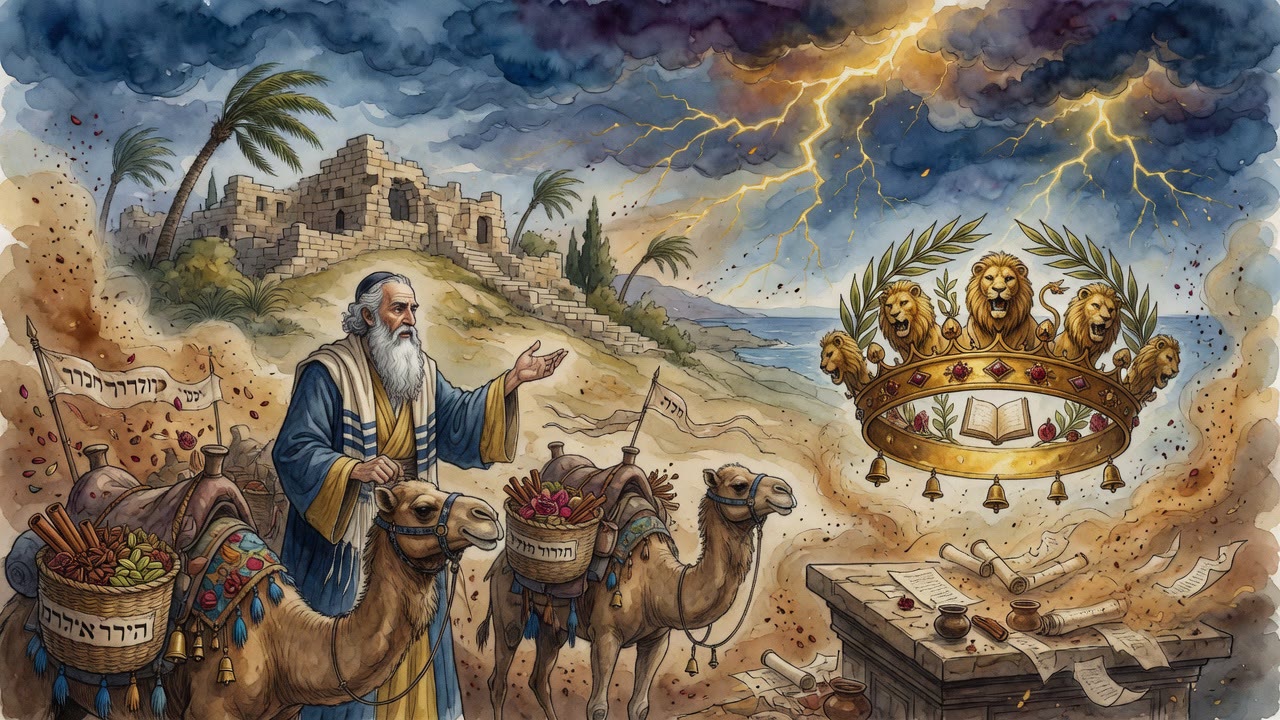
Ordinary caravans smelled of pitch and camel dung. Joseph rode toward Egypt on myrrh, and in the grove Tarfon refused to call it luck.
Twenty pieces of silver split ten ways is two pieces a man. The brothers spent theirs on shoes and sat down to eat while Joseph was still in earshot.
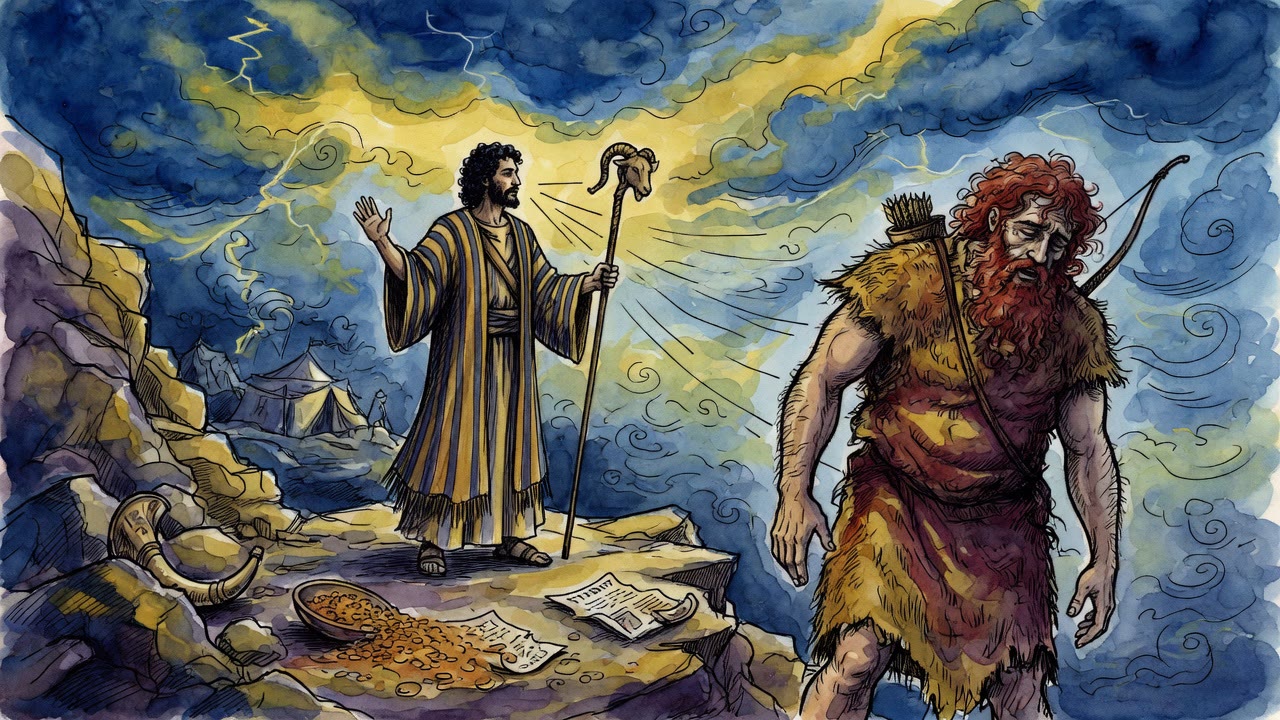
Jacob's sons named Esau's hunt and the four hundred men. Esau named the pit at Dothan. Joseph came in still feeding the men who sold him.
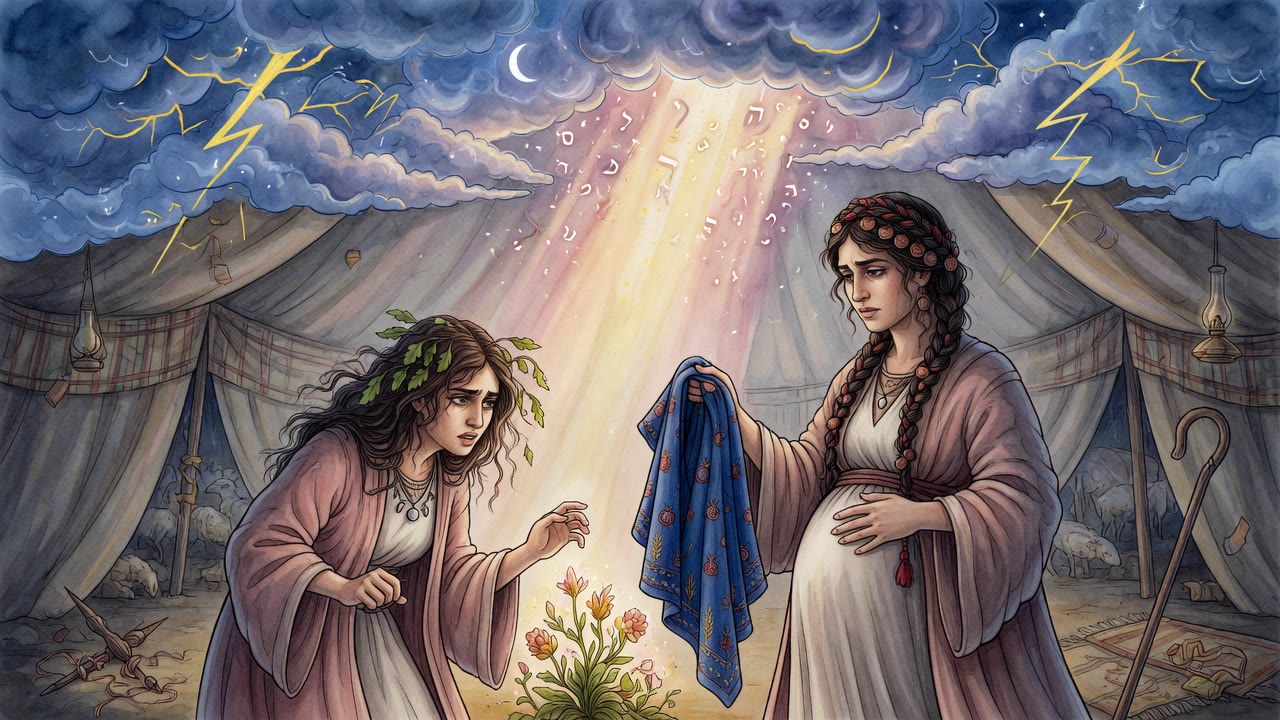
Jacob had given her signs for the dark. She pressed them into Leah's hand so her sister would not be caught. Years later the womb was still closed.
Benjamin was trapped, Joseph was hidden, and Judah stepped forward. The brothers had to answer for the sale they buried.
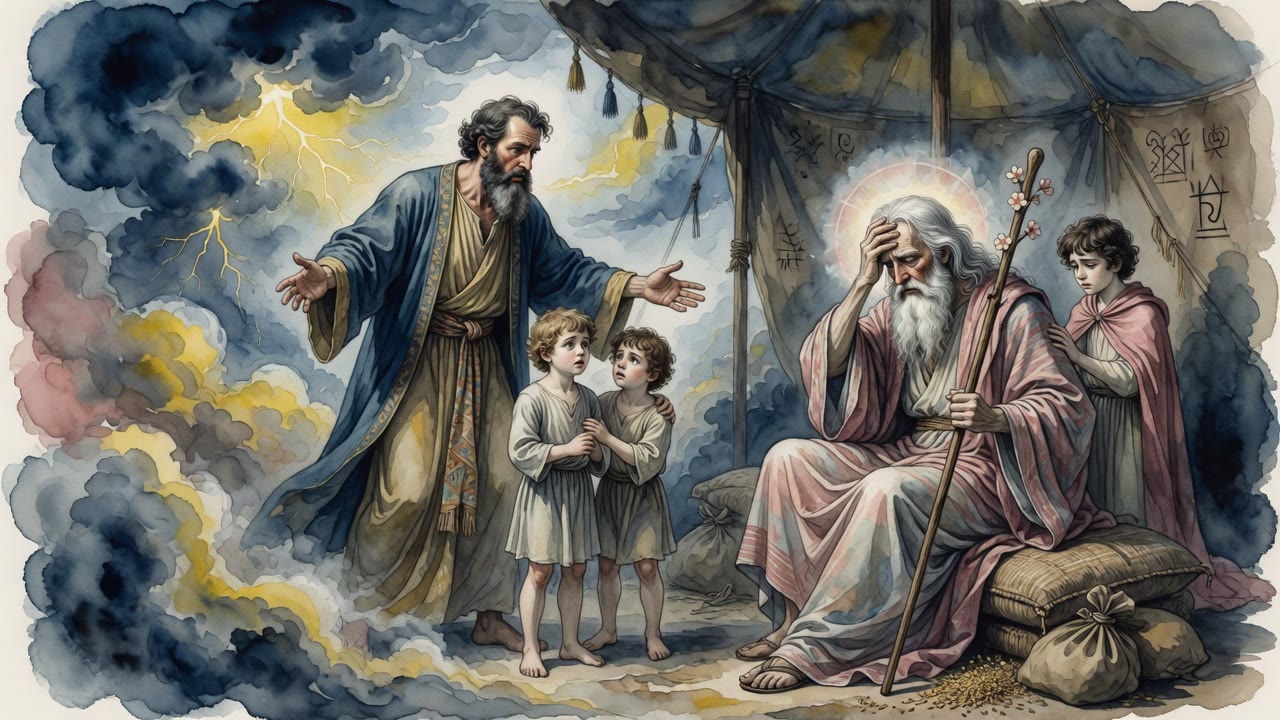
Joseph is gone, Jacob said, and you would take Benjamin. Reuben put his two sons forward as if they could fill that hole.
