Lot Chose a False Garden and Joseph Became Paradise's Face
Lot looked at a valley that wore Eden's face and walked in. Years later a king in a cave asked God not to destroy him, because that walk had been paid.
Table of Contents
 Click for full size
Lot Raised His Eyes
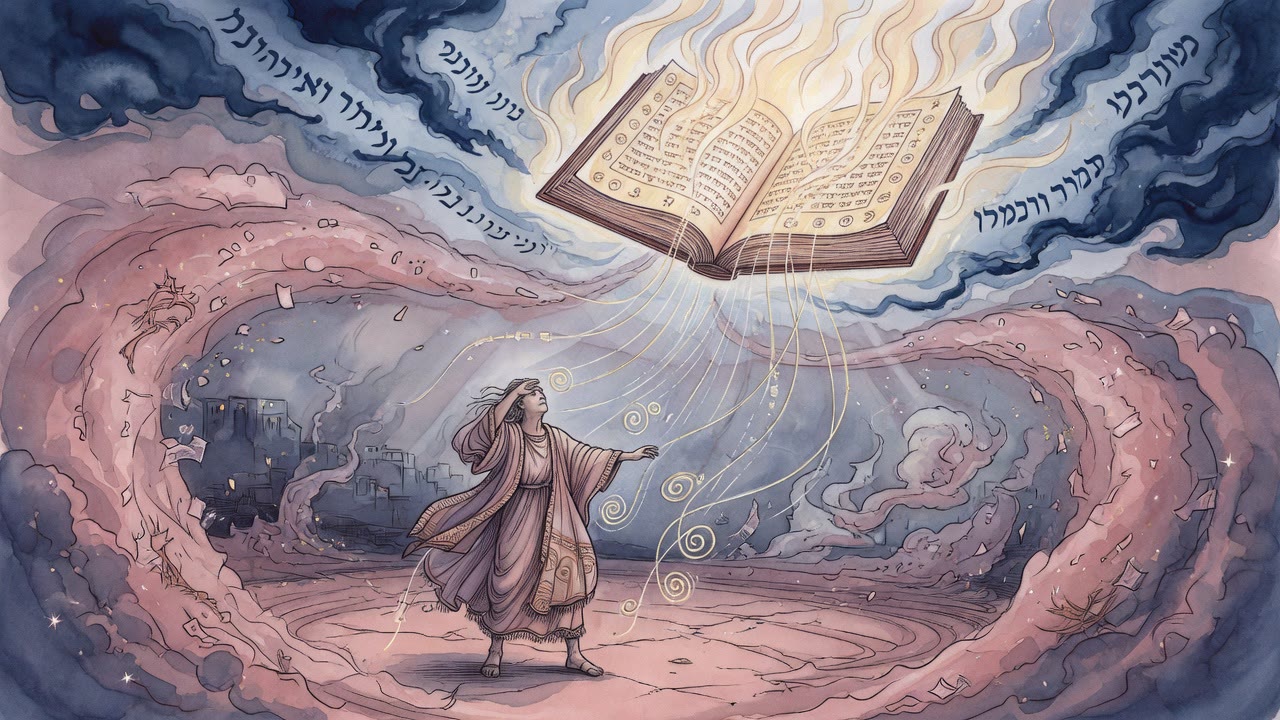
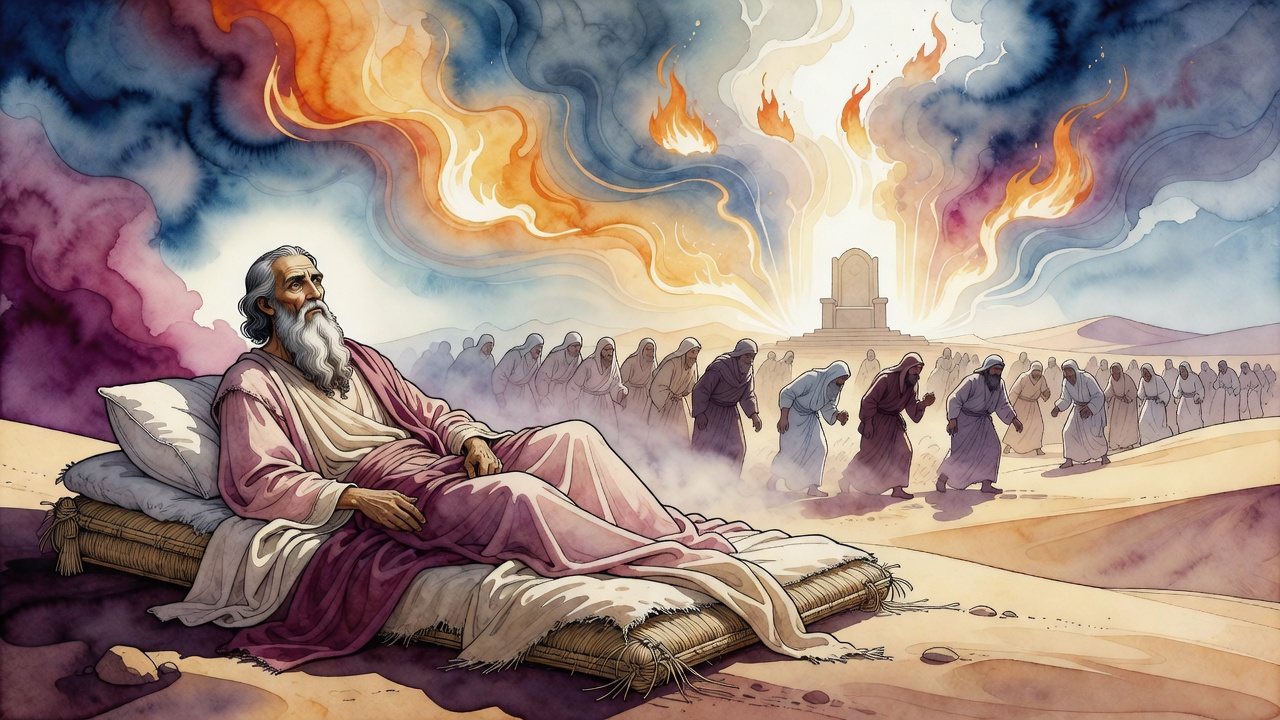
Lot raised his eyes and the Jordan plain filled them. Watered, green, running toward Tzoar. The Torah says it looked like the garden of the Lord, like the land of Egypt (Genesis 13:10).
He thought he was looking at Eden. He chose it the way a son chooses his mother's marriage contract, as if the valley had been waiting for him. He journeyed from the east. He moved himself away from the One who preceded the world. He said it in the walking, if not in those words: I desire neither Abram nor his God.
He pitched toward Sodom. The men there were wicked toward one another, sinful in their beds, idolaters toward God, and extreme in bloodshed. He still pitched there.
Fire, Then a Cave
Each step down looked reasonable. The lush valley. The gate. Sitting as if he belonged. Then the night the city turned to fire, and a cave in the hills, and two daughters, and nothing left of the garden face he had bought.
Rabbi Nachman bar Chanin named what the appetite had earned. A man who hungers that way is fed, in the end, from his own flesh and blood. The daughters made him drink. The cave made a people. Moab came out of that dark, and from Moab, in a later book, a woman named Ruth would walk into Bethlehem, and from her a king.
Lot never saw that king. He got fire, then incest, then a mountain. The hidden promise sat further on, in a mouth that had not been born yet.
The King Who Asked Not to Be Destroyed
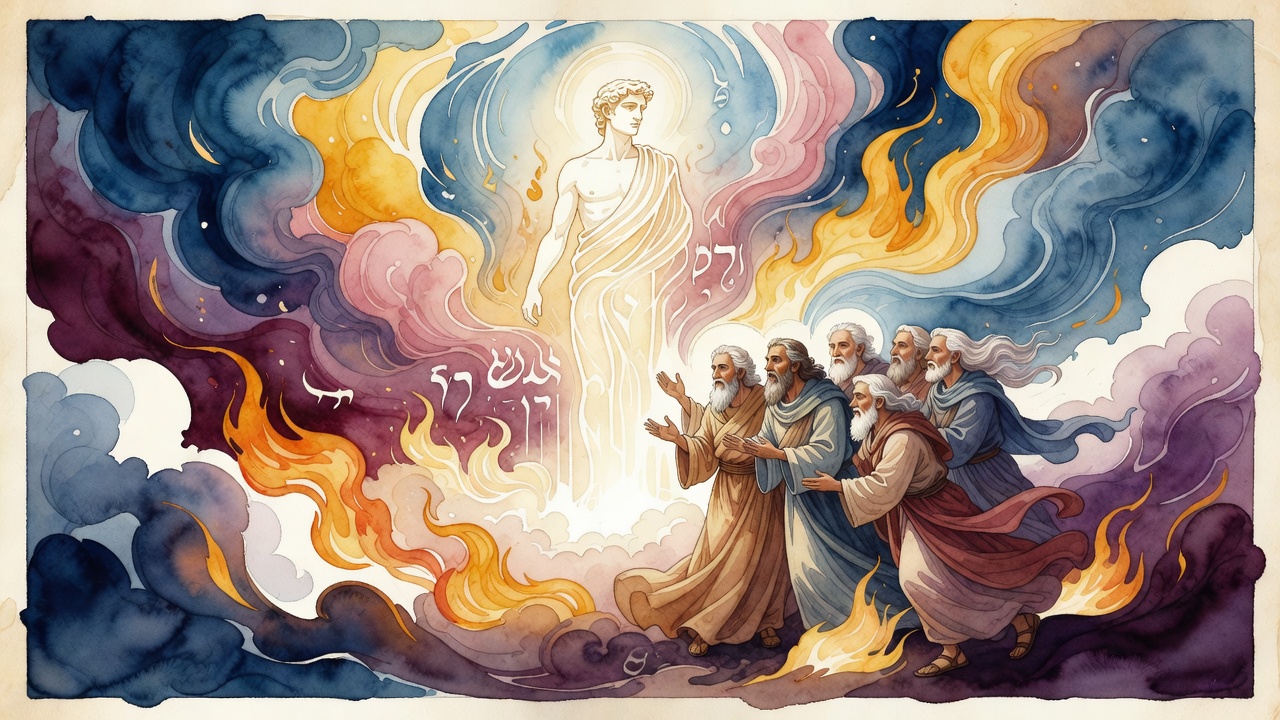
David sat in a cave years after that night, fleeing Saul. He prayed, "Al tashchet," do not destroy. He said before God: before I entered this cave, You performed kindnesses for others on my behalf. You spared Lot, because my forbear Moab was born from him and his elder daughter. Now that I am in the cave, do not destroy.
The exile Lot chose was not wasted. It was the only road that particular blood could take. A false garden produced a cave. The cave produced a people. The people produced a king who, in another cave, asked to live because a man who had walked away from Abram had not been finished off.
Lot had wanted neither Abram nor his God. The God he walked away from still used the walk.
Joseph's Face at the Carbuncle Gates
Joseph went down without choosing. Brothers. A coat. A pit. Egypt. A dungeon. He did not pick a valley that looked like Eden. He was thrown.
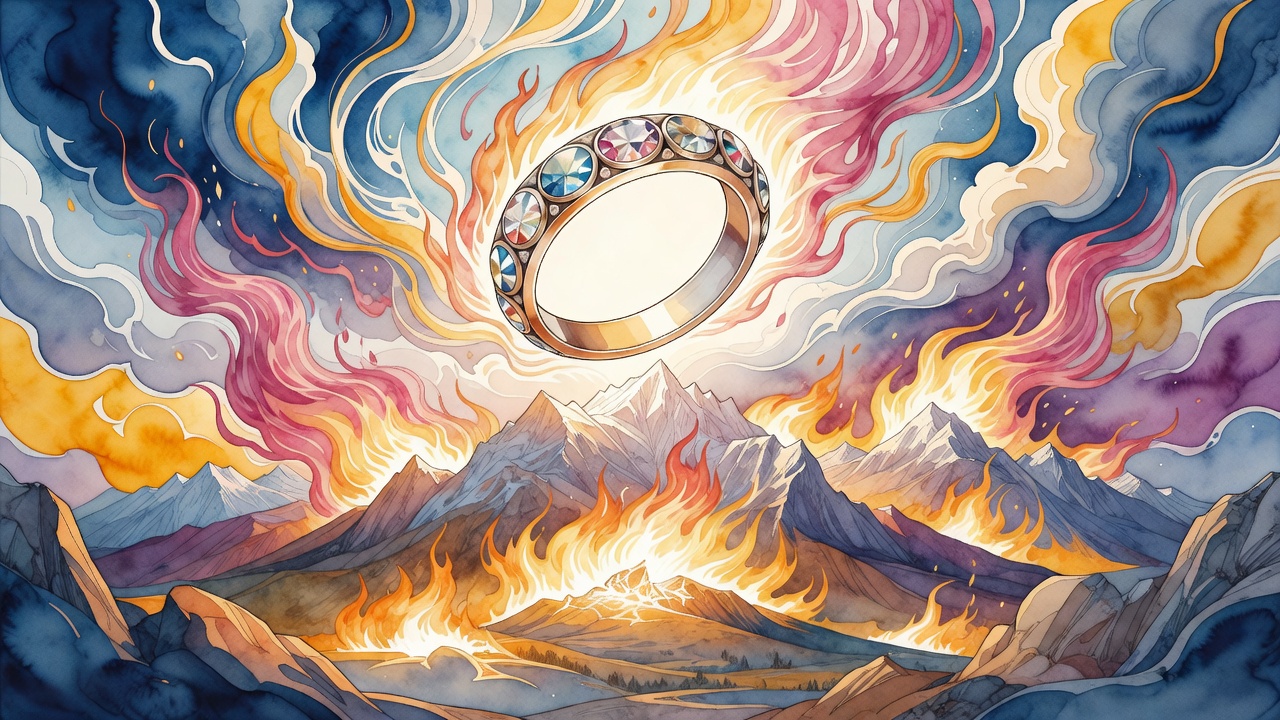
On the third day of creation, when Paradise was made, two gates of carbuncle were set as its entrance, and sixty myriads of ministering angels kept watch. Each of those angels shines with the lustre of the heavens. When a just man arrives, they take off the clothes he was buried in and array him in seven garments of clouds of glory. They set two crowns on his head, one of precious stones and pearls, the other of gold of Parvaim. They put eight myrtles in his hand. They lead him to a place full of rivers, surrounded by eight hundred kinds of roses and myrtles.
Under each canopy four rivers run: milk, balsam, wine, honey. A vine of gold hangs over him with thirty pearls on it. Sixty angels stand at his head and tell him to eat the honey and drink the wine kept in the grape since the six days of creation, because he busied himself with the Torah.
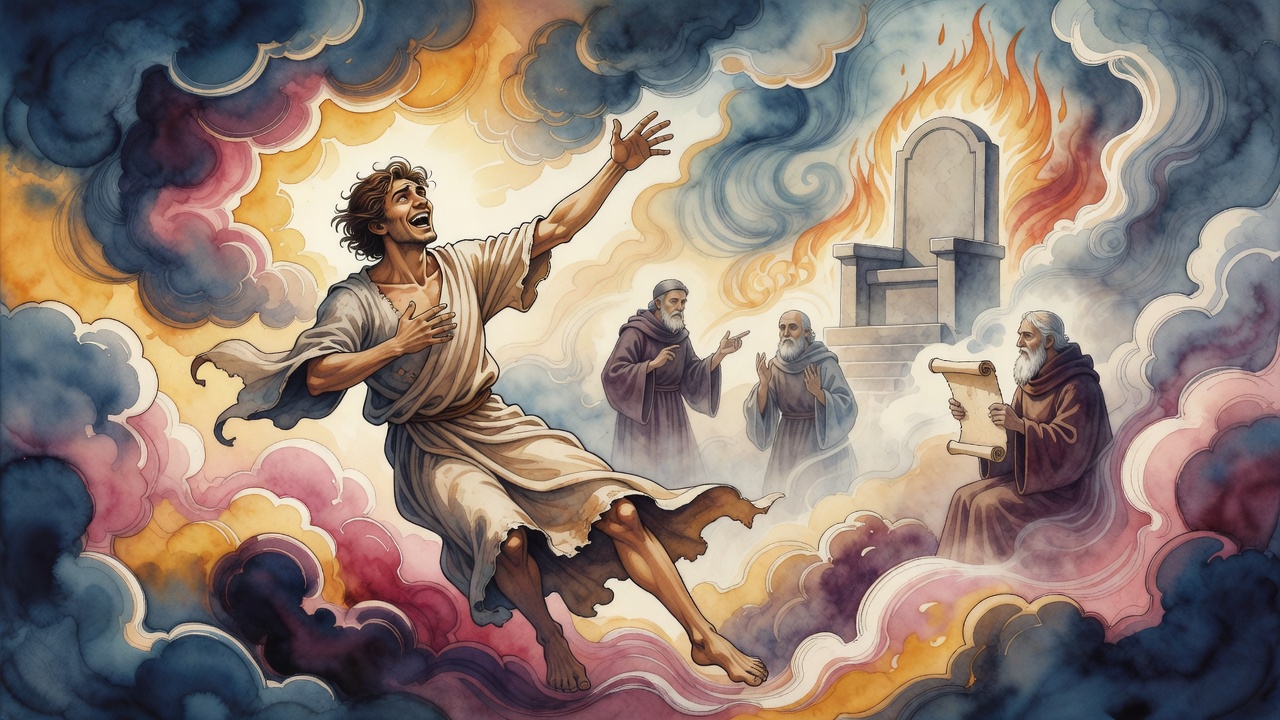
The least fair of the just is beautiful as Joseph, and as Rabbi Johanan, and as the grains of a silver pomegranate with sun on them. Joseph's descent was the making of that face. The man who was sold, imprisoned, and raised over Egypt became the measure by which Paradise would later dress its poor.
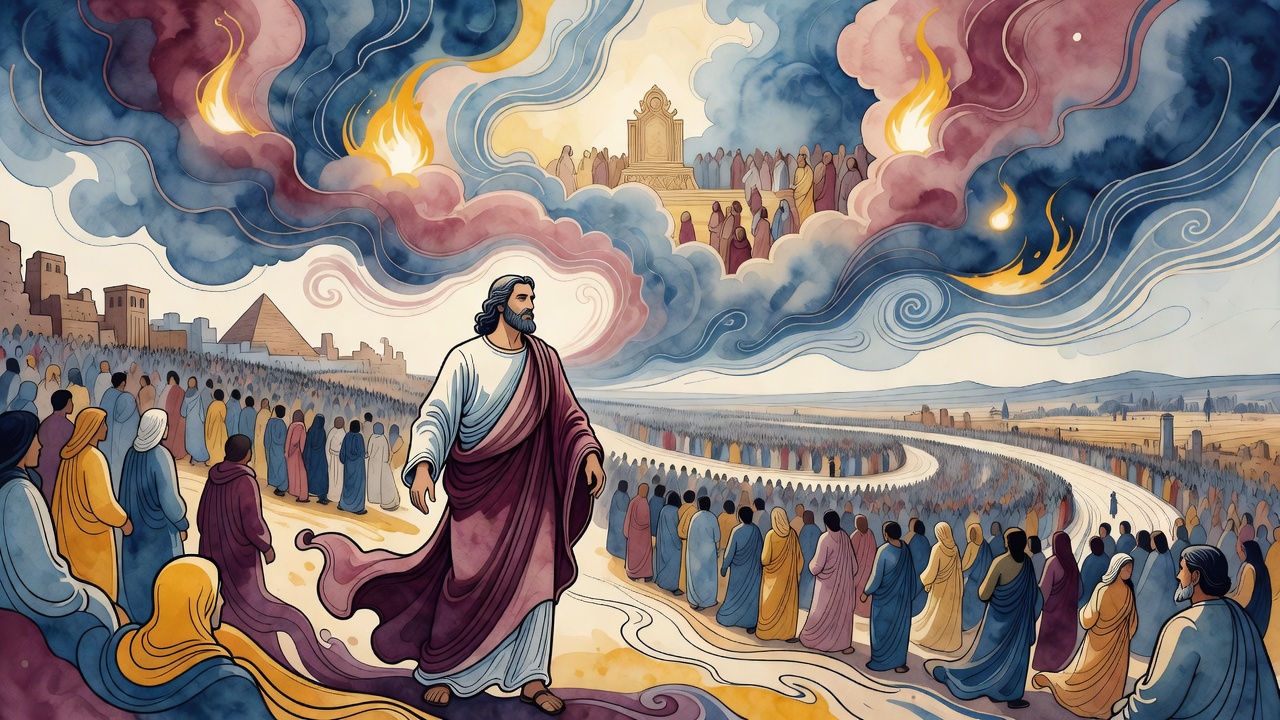
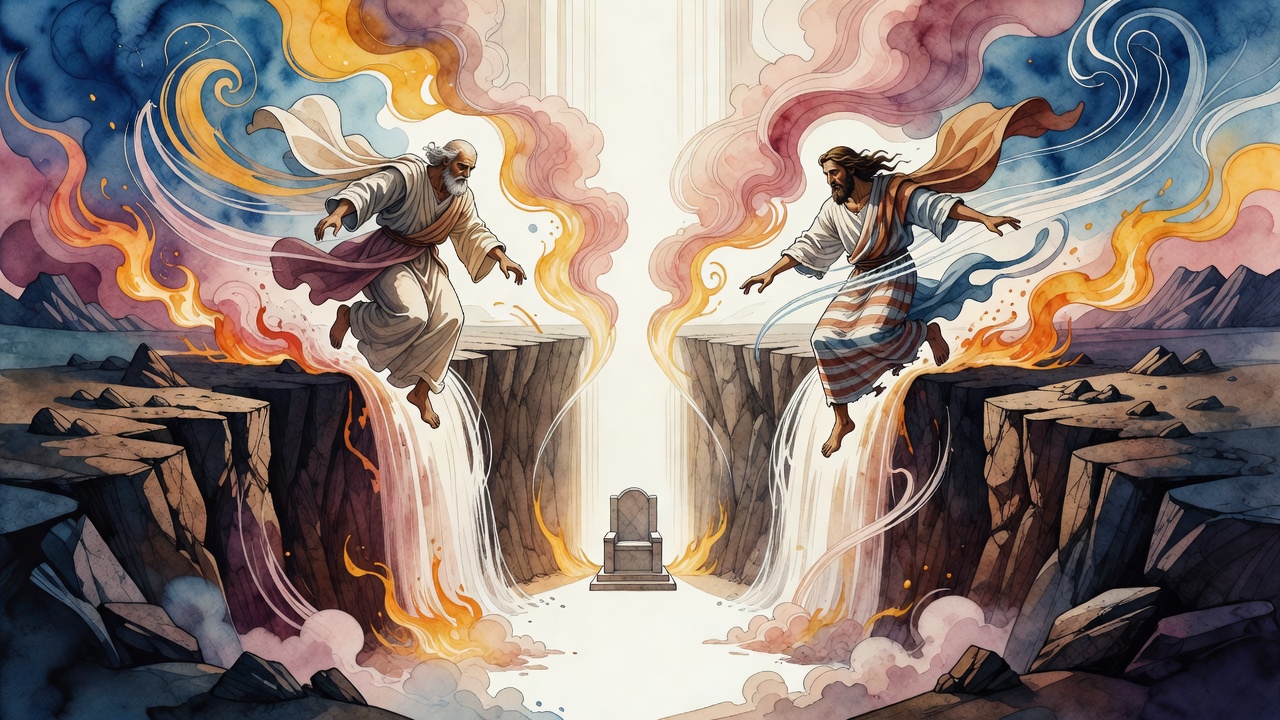
Two exiles. Lot chose a false garden and fathered a king from a cave. Joseph was pushed down and became the look of the true one. One hidden promise at the bottom of each: a throne in Israel, and a gate of carbuncle that opens for the just.
← All myths