61 myths · Page 1 of 2
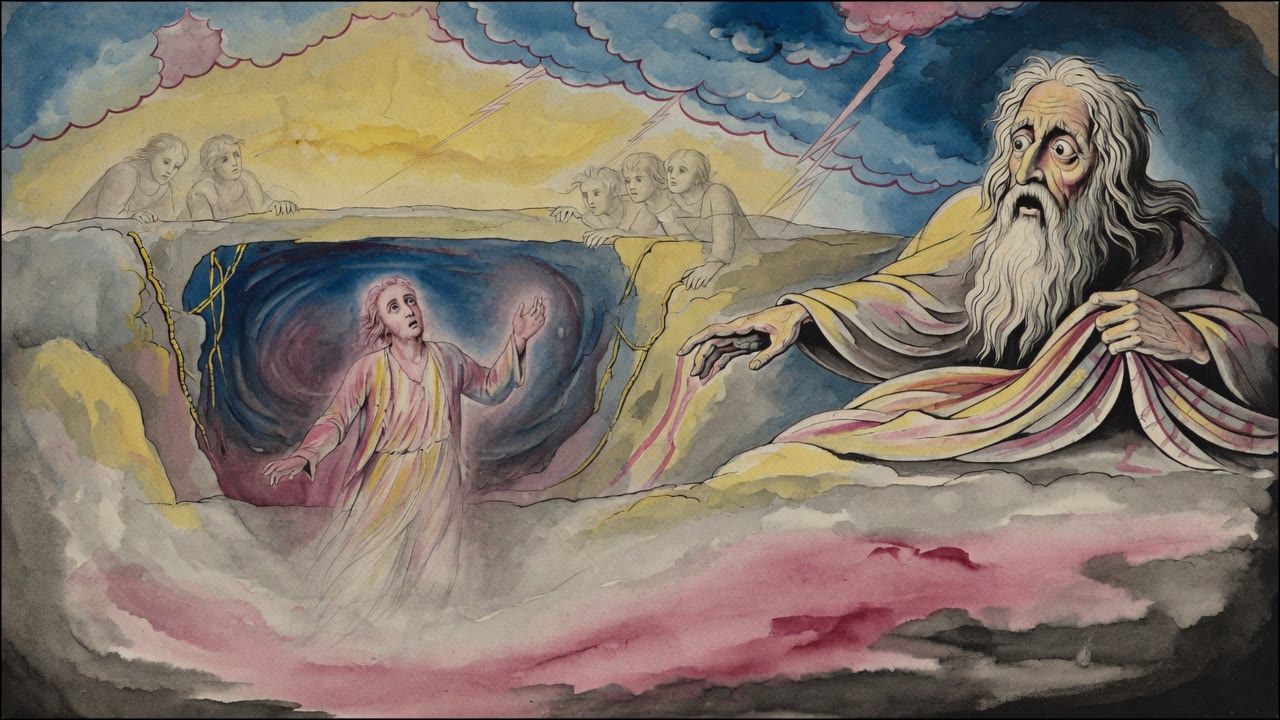
Joseph was already dead. Simeon sat up in Egypt, kissed each son on the mouth, and named the liver that had never pitied his brother.
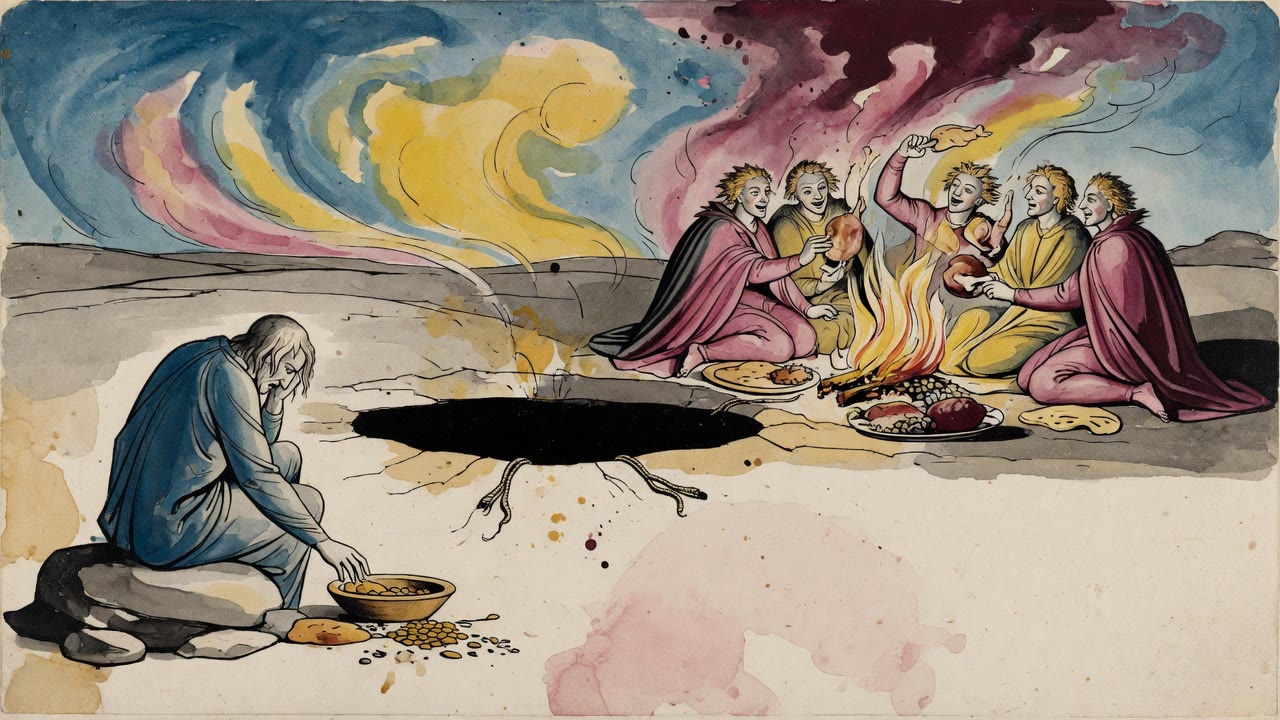
The brothers spread a meal beside the pit. One of them could not swallow anything, so they made him the guard and he watched the sale.
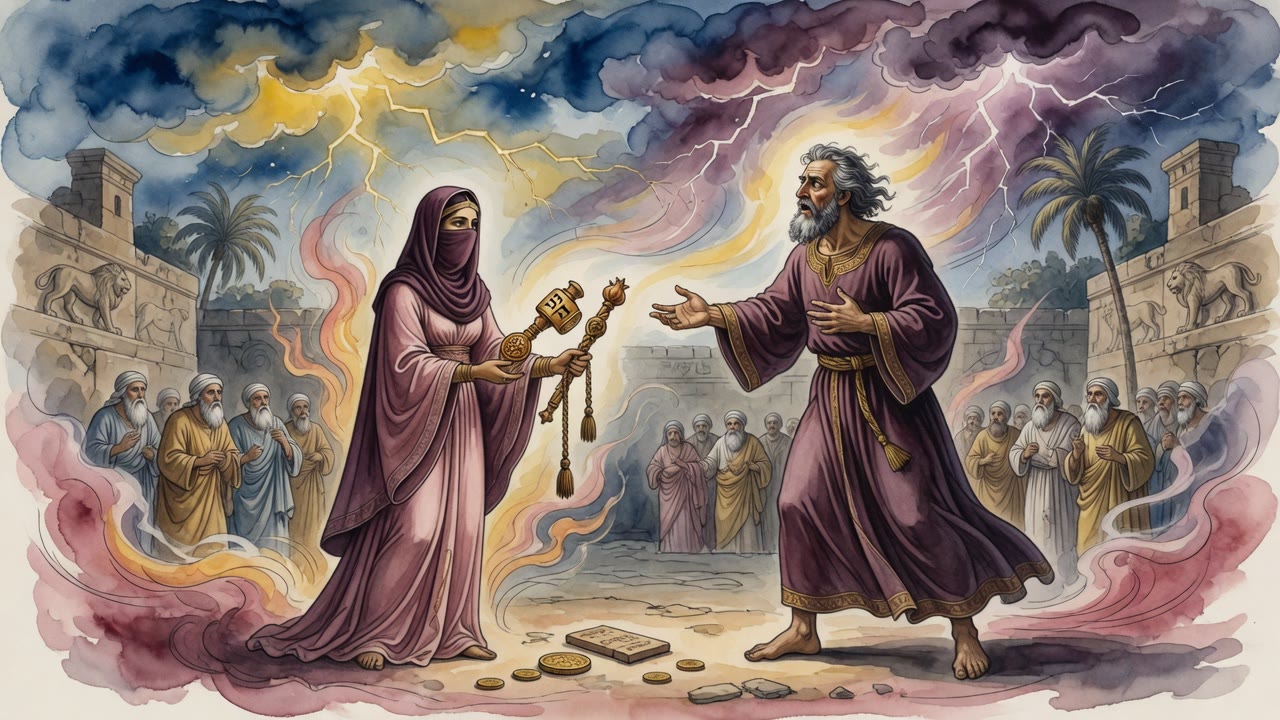
When Tamar revealed the signet ring and staff, Judah faced a choice, deny everything or admit that he had wronged her. He chose to speak.
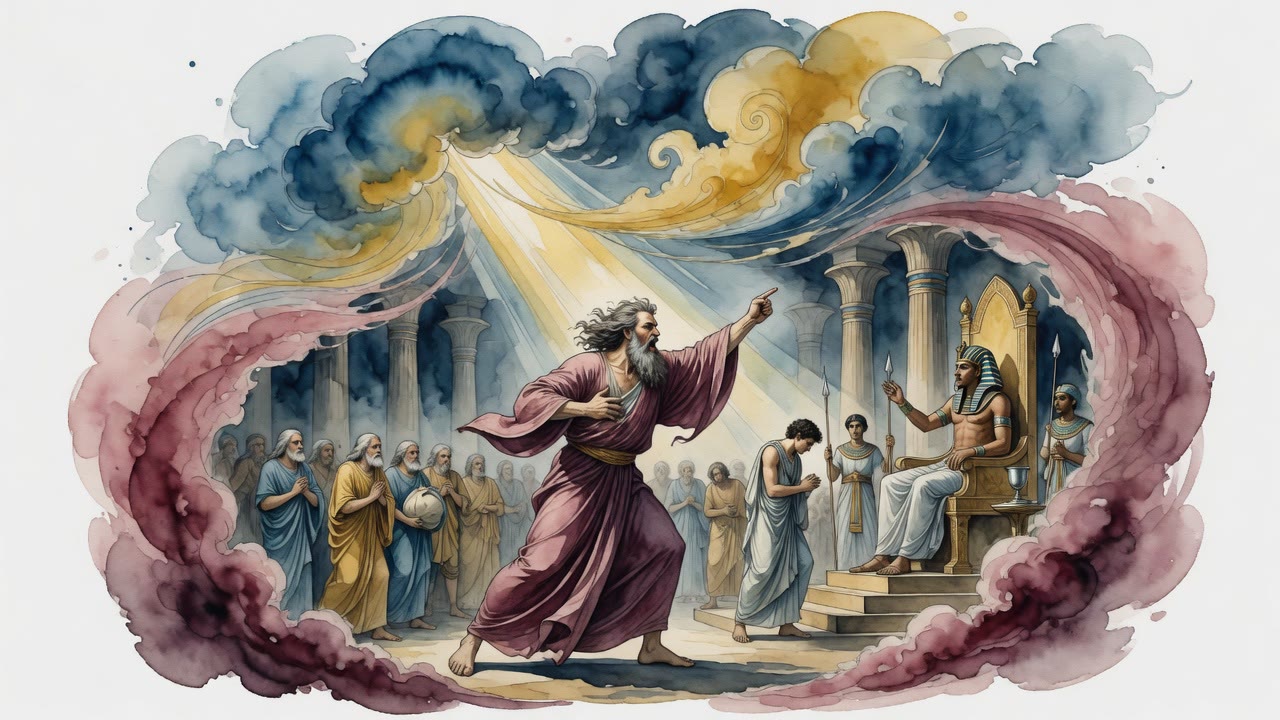
When Joseph was thrown into the pit naked, God sent Gabriel to clothe him. That angel never left, guiding him to his brothers, shielding him in Egypt.
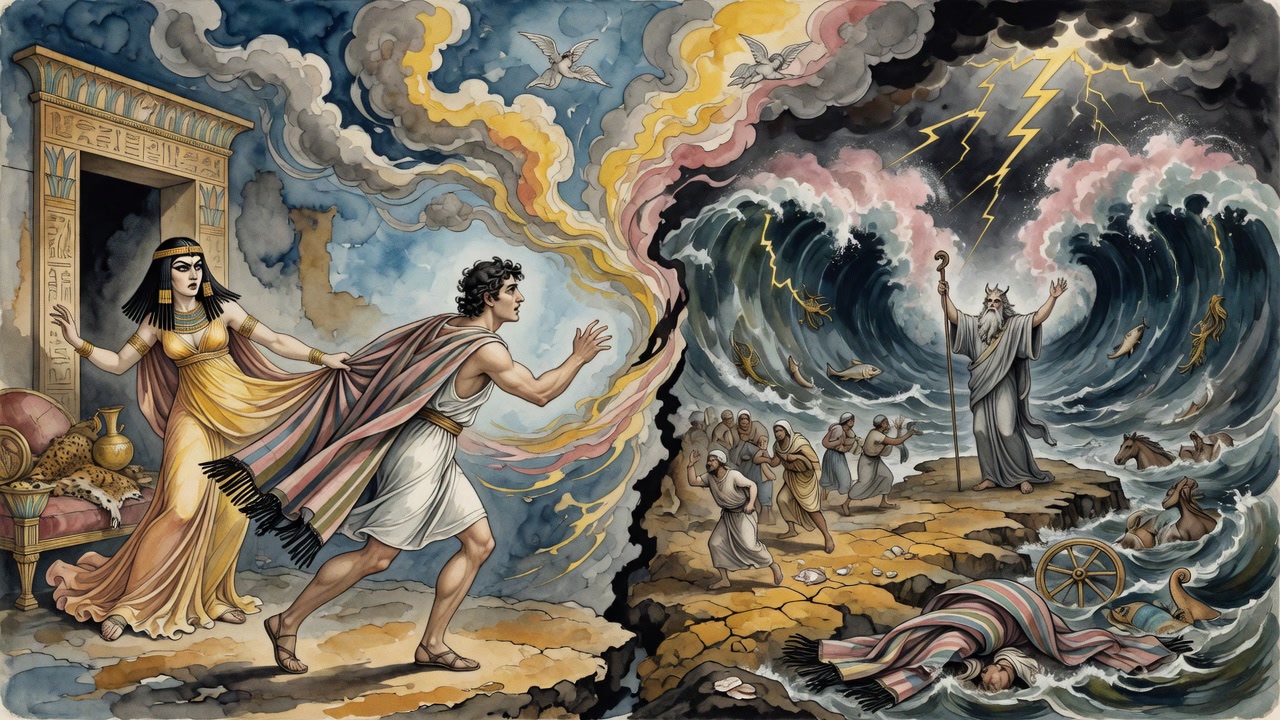
The Red Sea did not split because Moses raised his staff. One rabbi traced it to a single act of moral courage Joseph made in a private room centuries before.
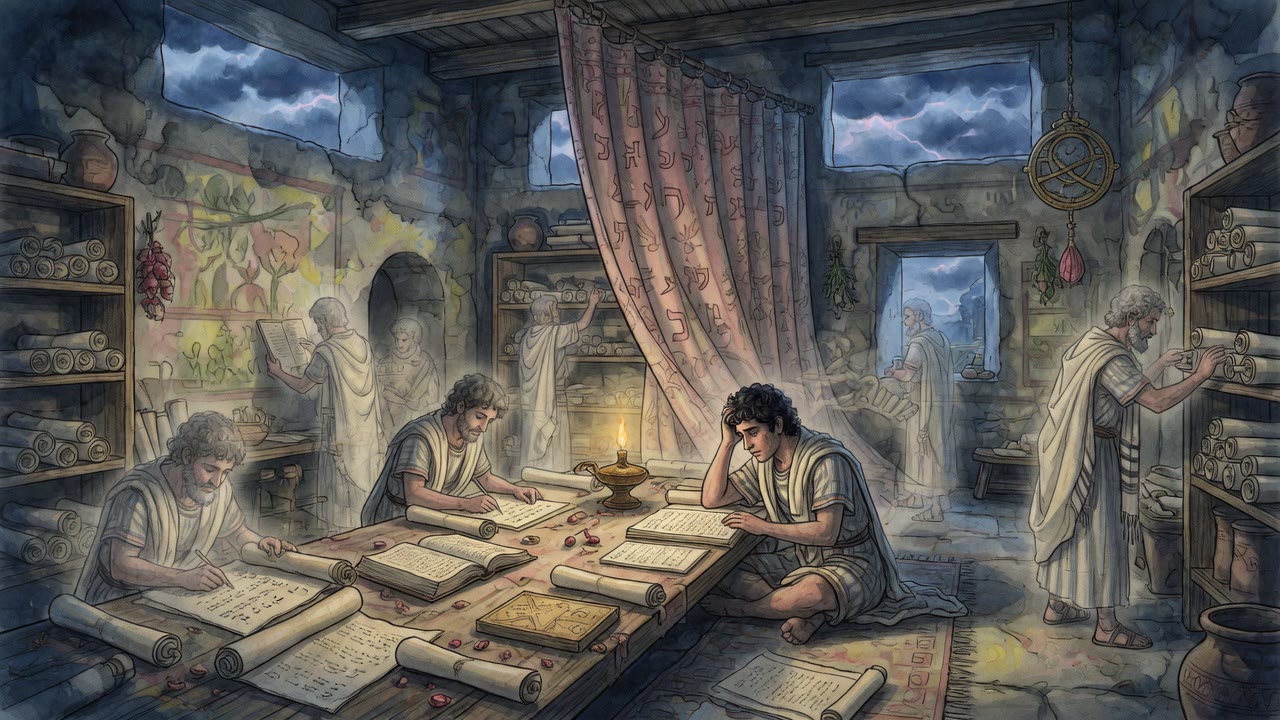
Jacob fled Esau's blade and vanished into the house of Eber for fourteen years, hidden among men who remembered the world before the Flood.
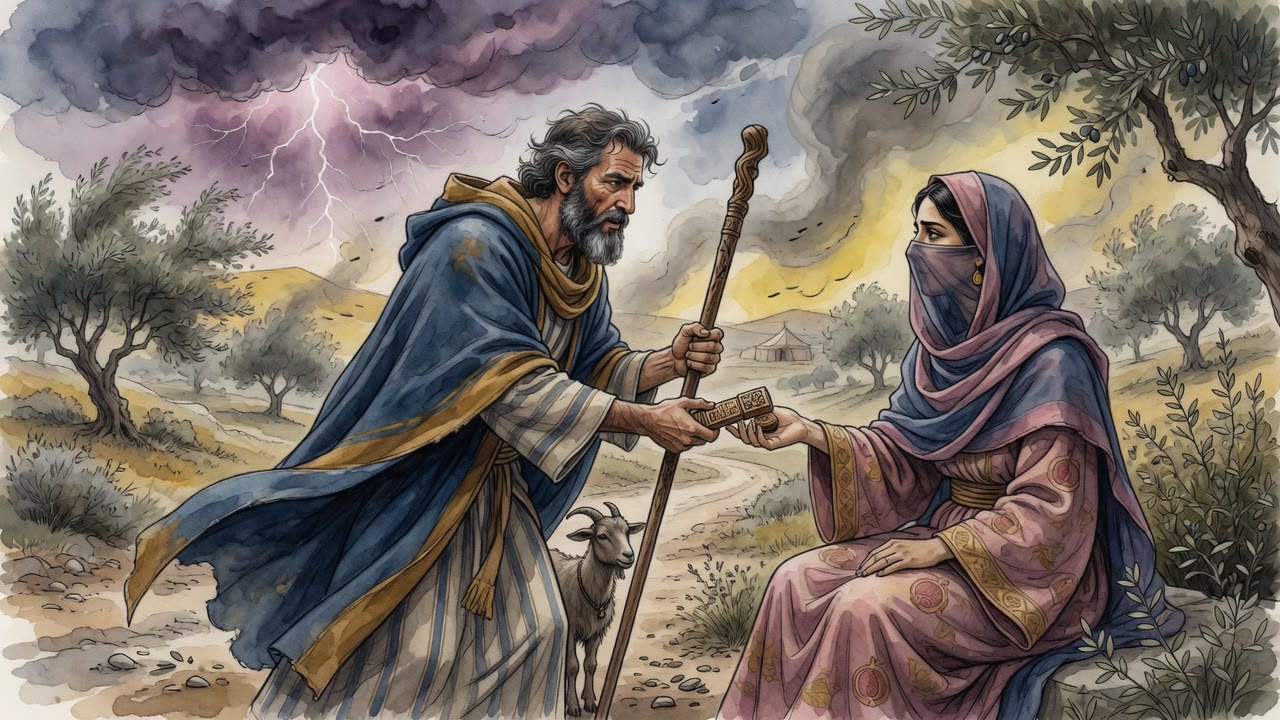
He had killed a lion bare-handed and dragged a king off his horse. At a town gate, drunk, he handed a veiled stranger the three signs of his rank.
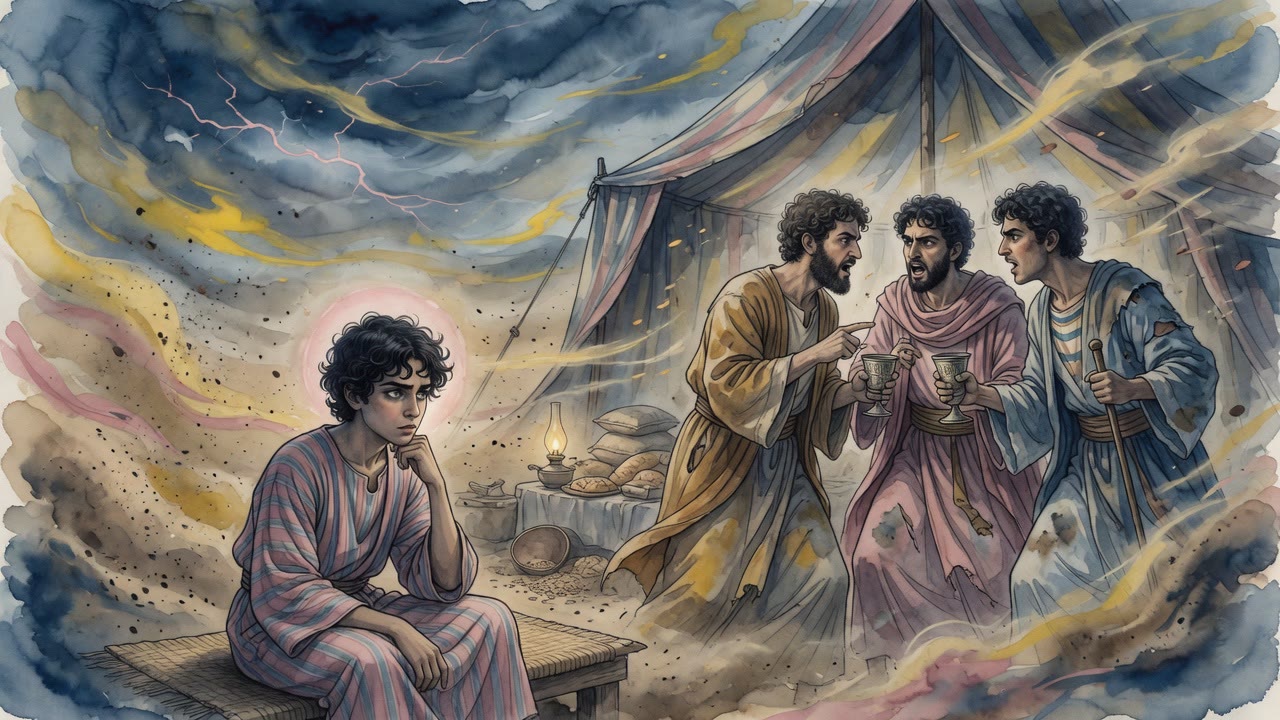
When Benjamin went to Egypt, Joseph pulled him aside and asked what their brothers had told Jacob. The answer revealed a mercy his brothers never knew about.
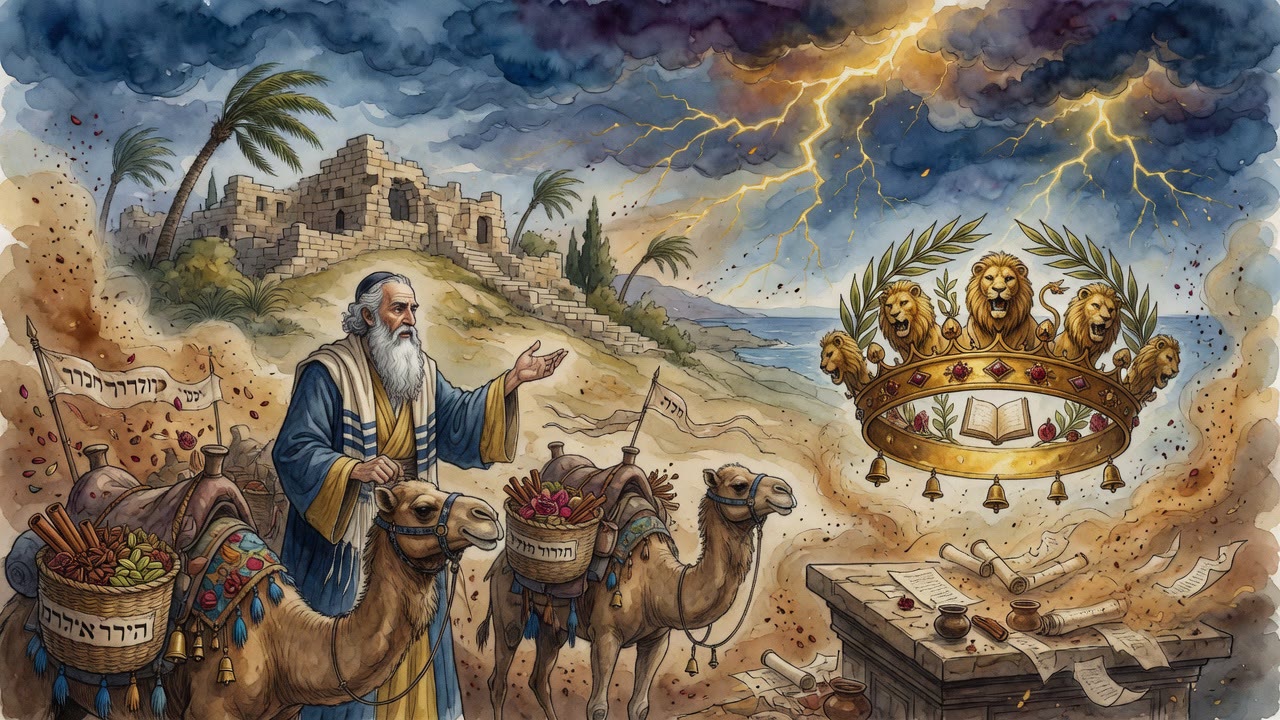
Ordinary caravans smelled of pitch and camel dung. Joseph rode toward Egypt on myrrh, and in the grove Tarfon refused to call it luck.
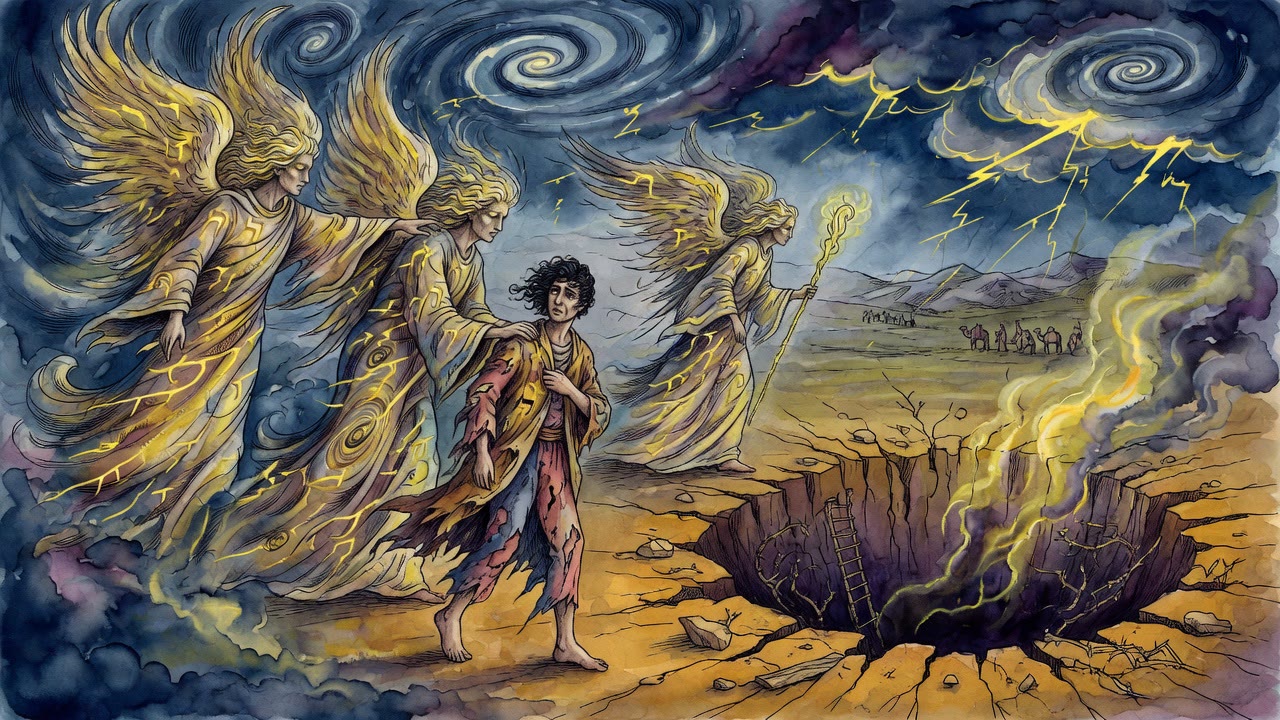
Joseph asked a stranger in an empty field where his brothers had gone. The man pointed him toward Dotan. The pit there was already waiting.
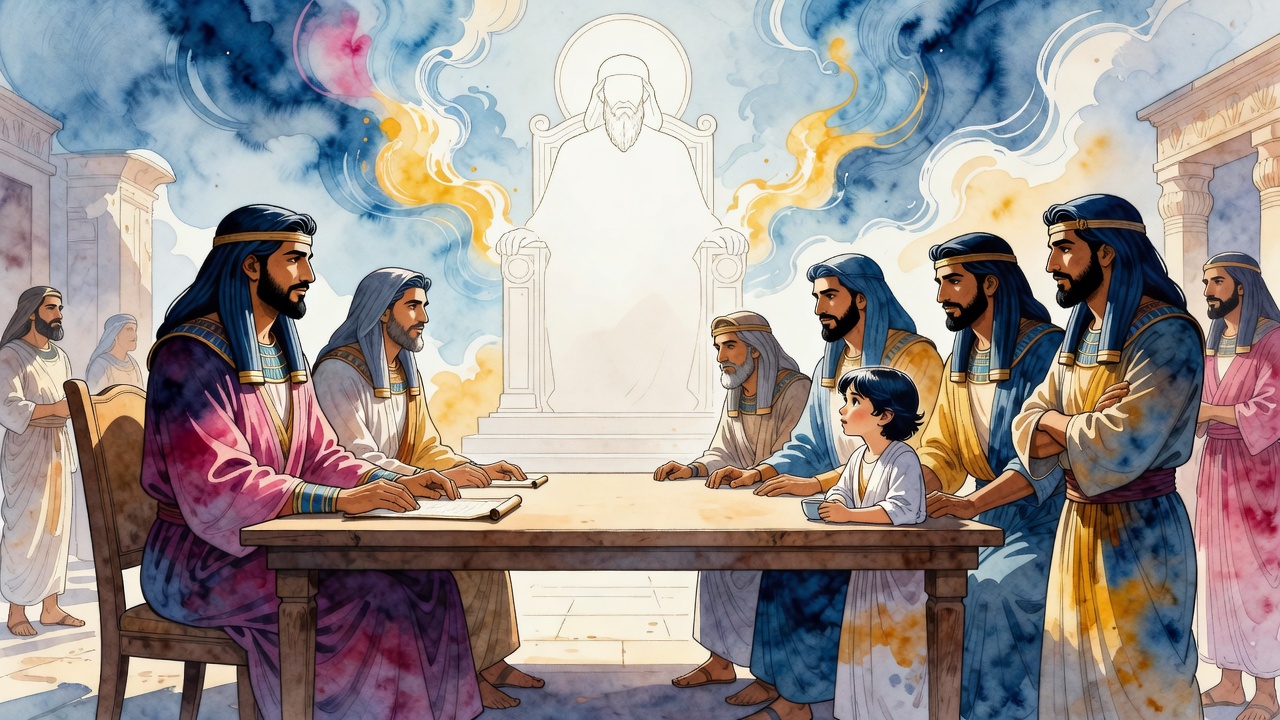
Joseph seated Egypt, himself, and his brothers apart, then listened for the truth. Benjamin would reveal whether the old cruelty had died.
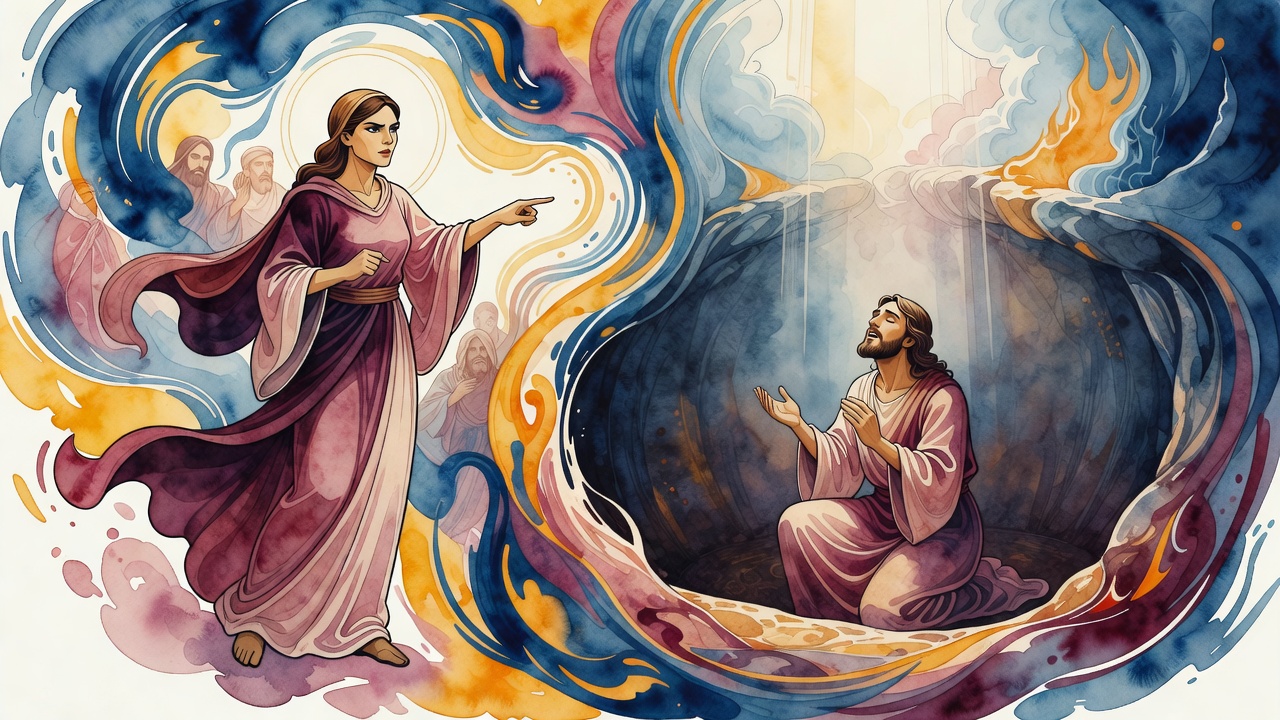
Potiphar's wife swore to make every man in Egypt hate Joseph. She had him flogged and imprisoned. Joseph prayed from the pit, and the answer took a decade.
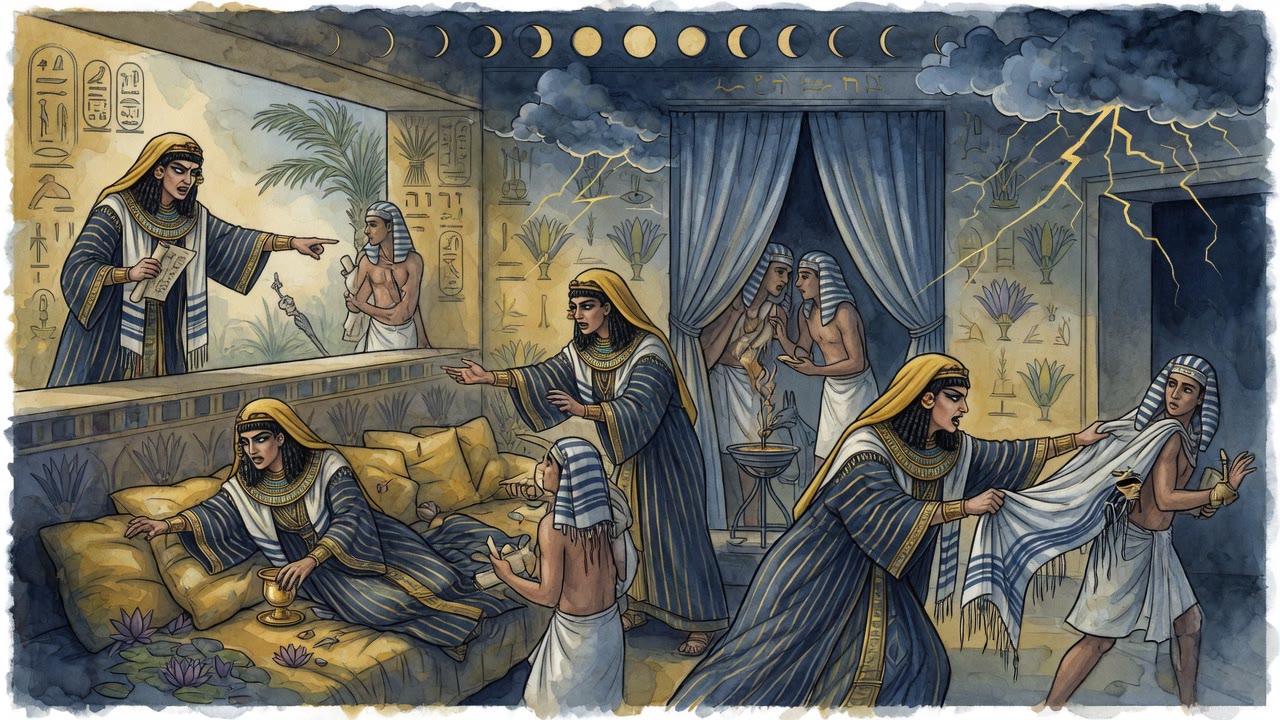
The second eunuch paid eighty gold pieces and lied that it had been a hundred. Joseph saw the cheat and kept his mouth shut.
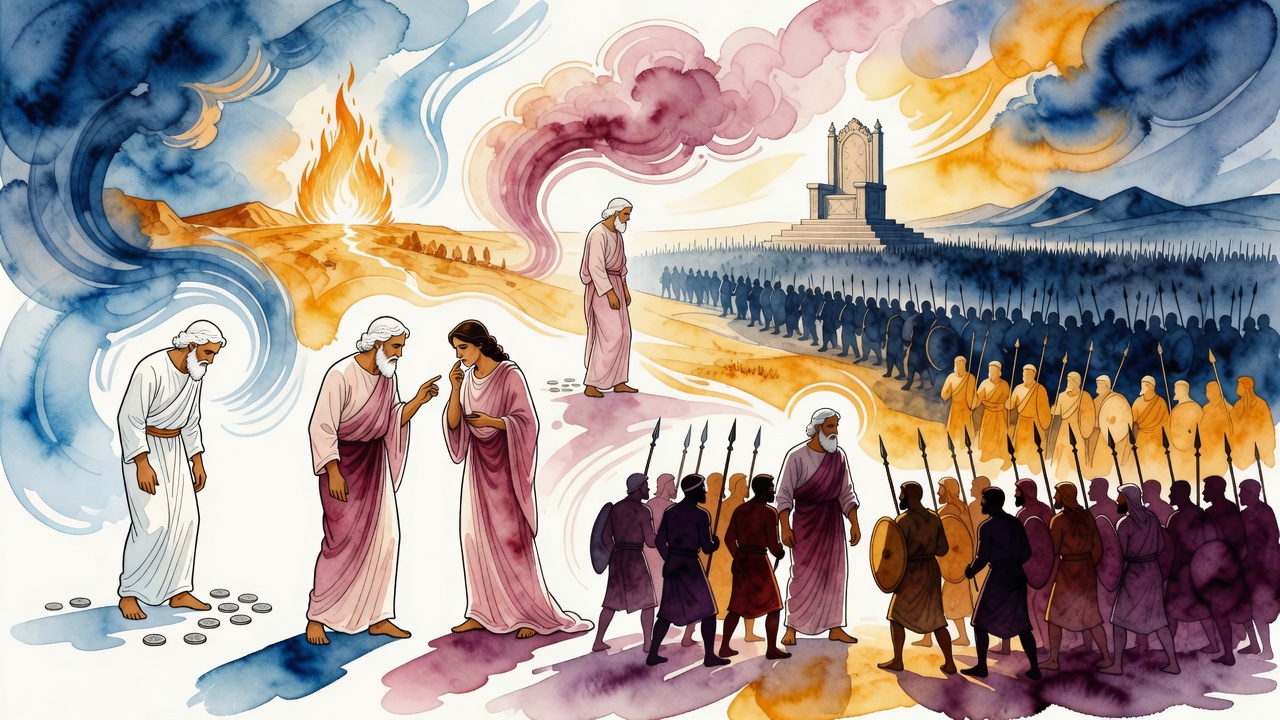
The Egyptian lord held Benjamin. Judah stepped forward and offered his own neck. Years earlier he had sold a brother for silver.
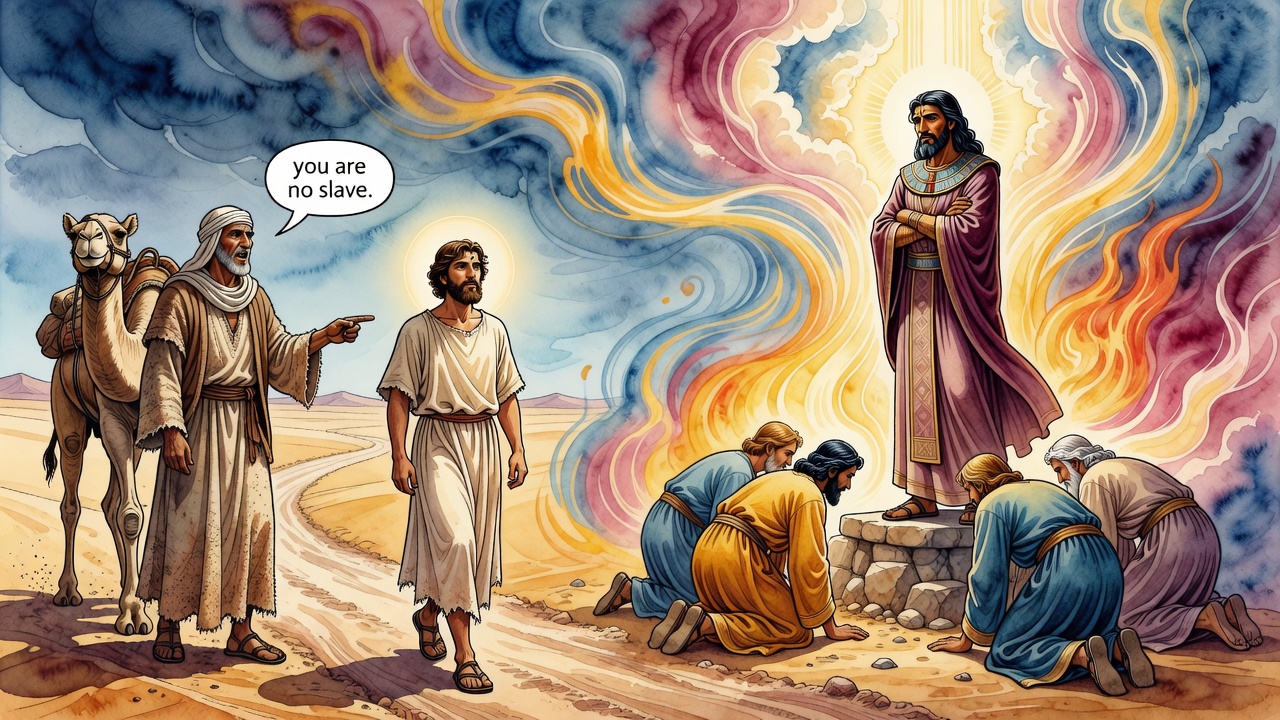
A Midianite trader spotted Joseph on the road and said: you are no slave. Years later, standing over his bowing brothers, he proved it.
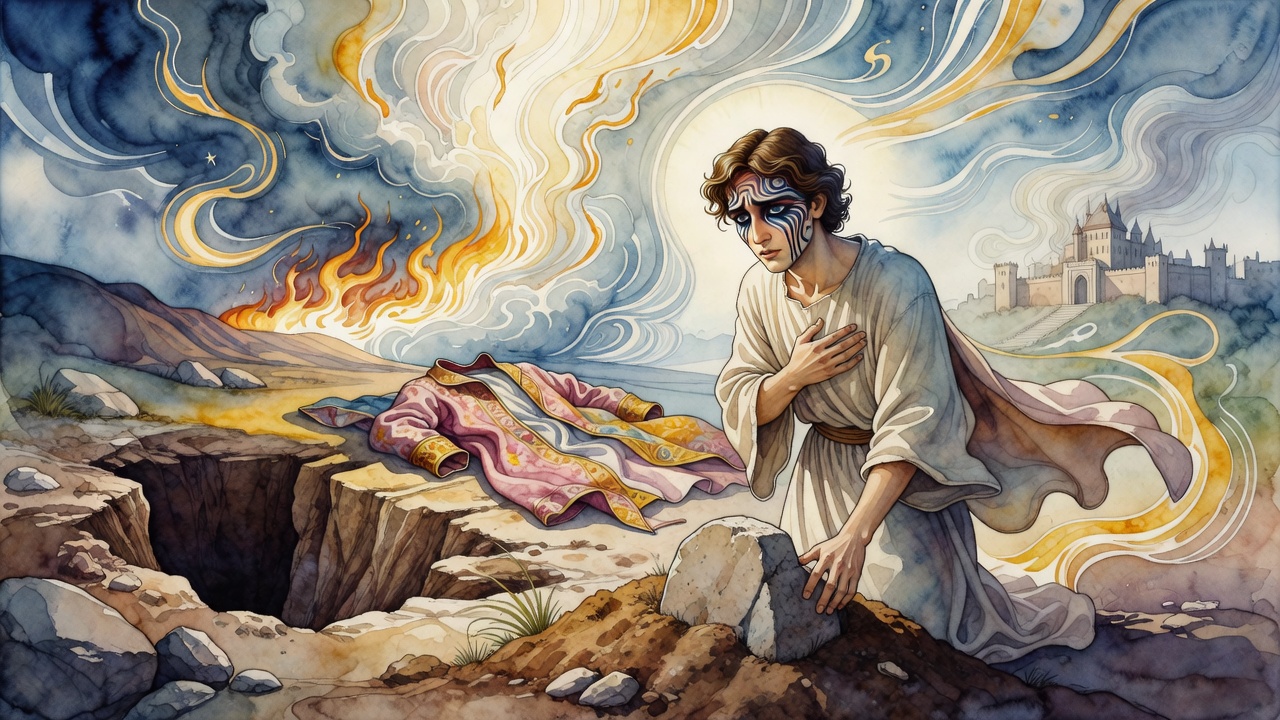
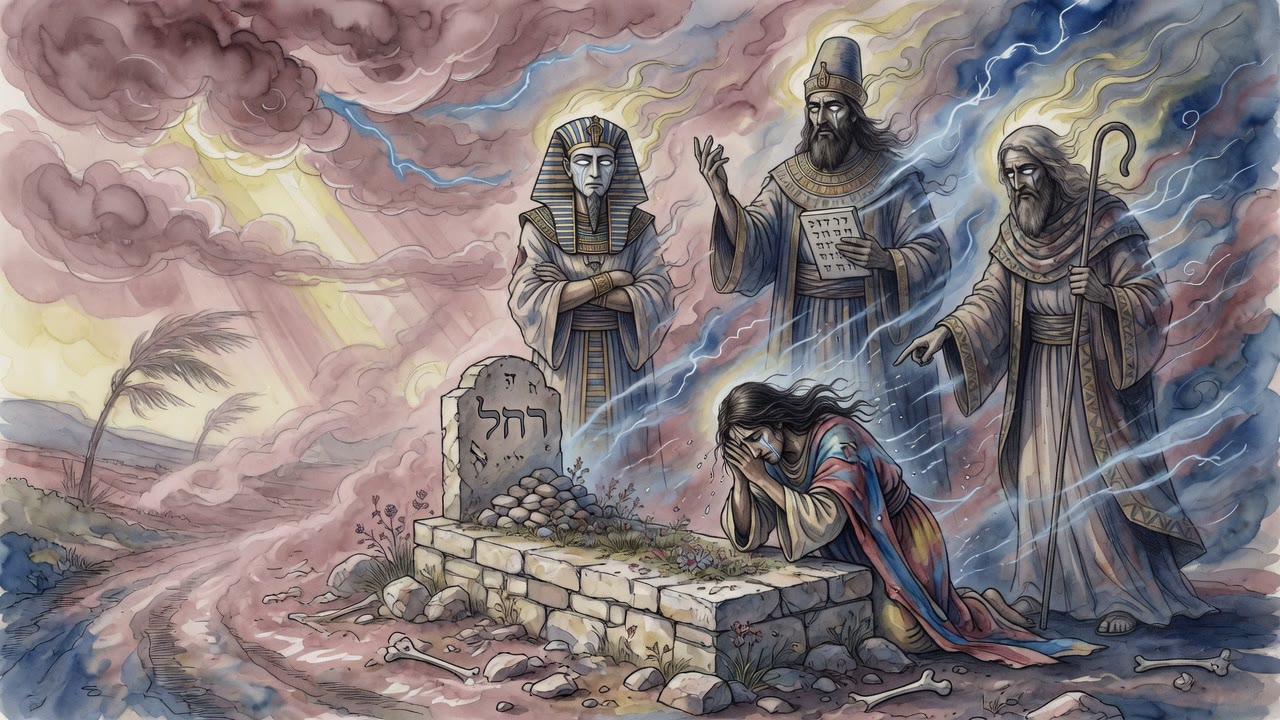
The traders waited in the road at Ephrath while Joseph threw himself on Rachel's stone and begged his dead mother to rise.
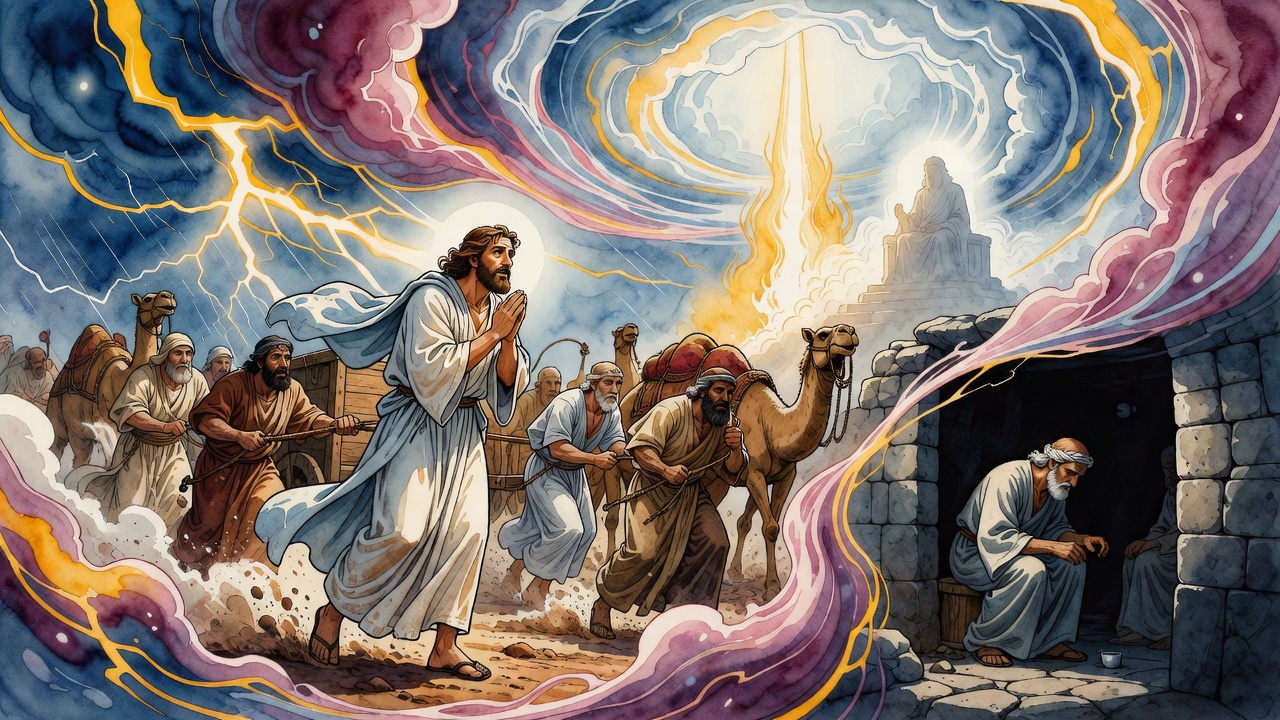
The butler tied a knot in his sash so he would remember the prisoner. An angel came and undid it, and two more years went by.
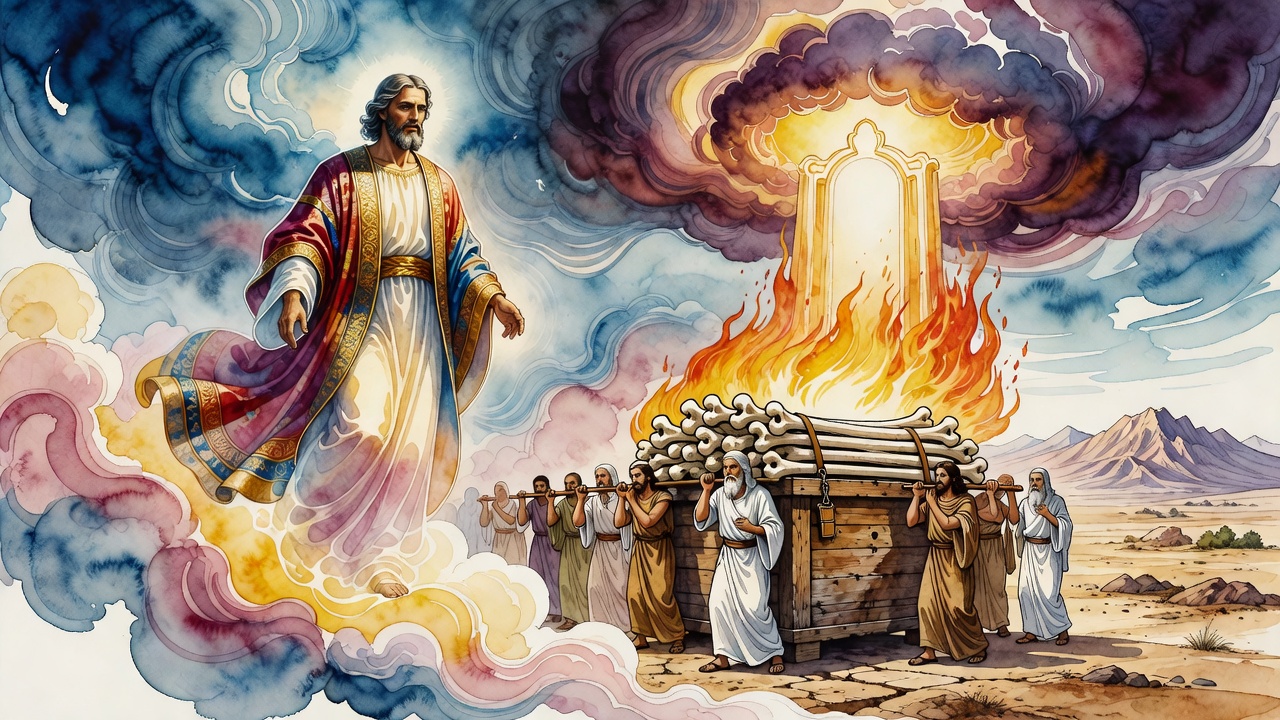
The brothers who sold him stood over the bed. He asked them for bones, not a tomb, because Egypt would trap his sons with honor.
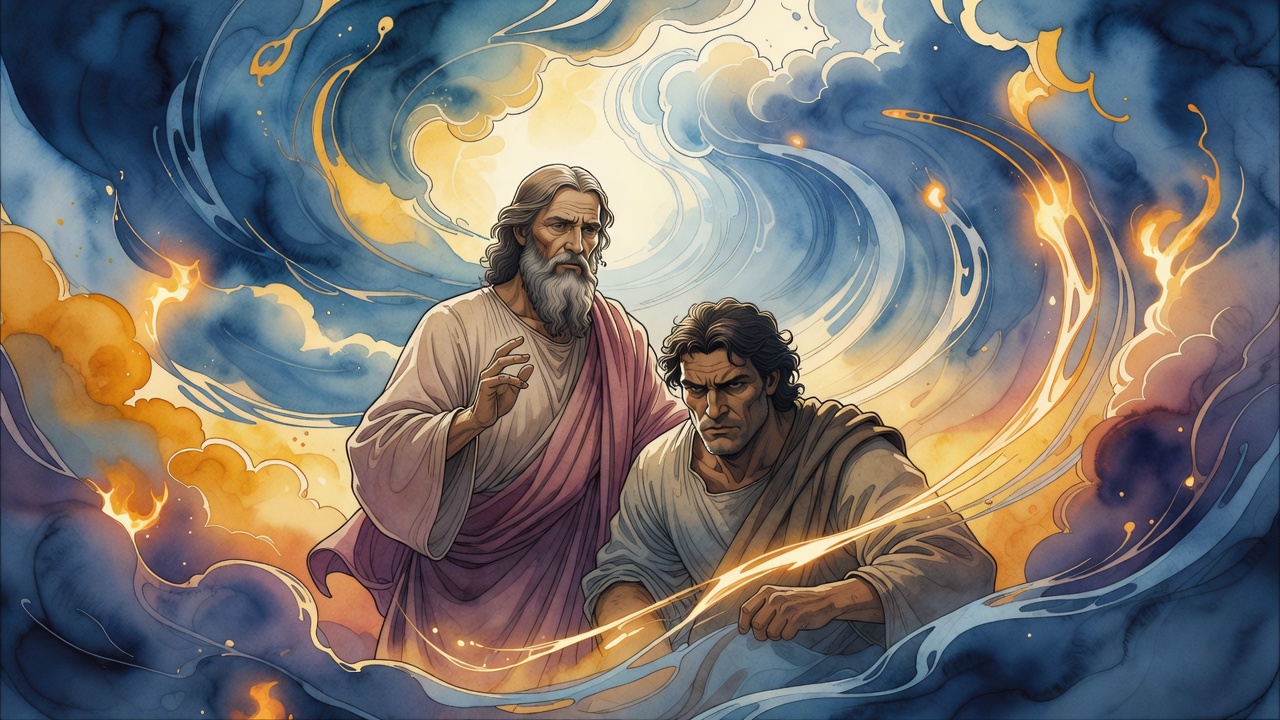
Judah told the men to burn Tamar. She sent him the seal he had left on the road. He said she was more righteous than he was.
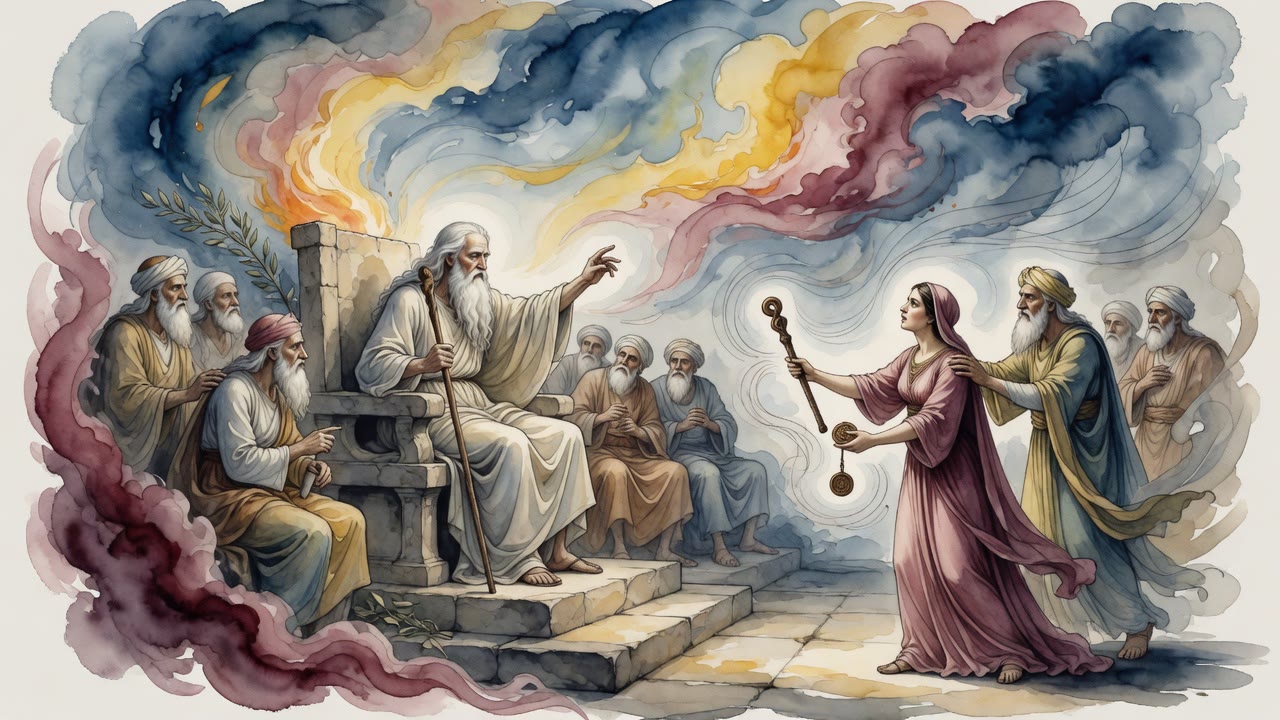
Judah walked past her on the road to Timnah. She asked heaven not to send her away empty. An angel of passion turned him back.
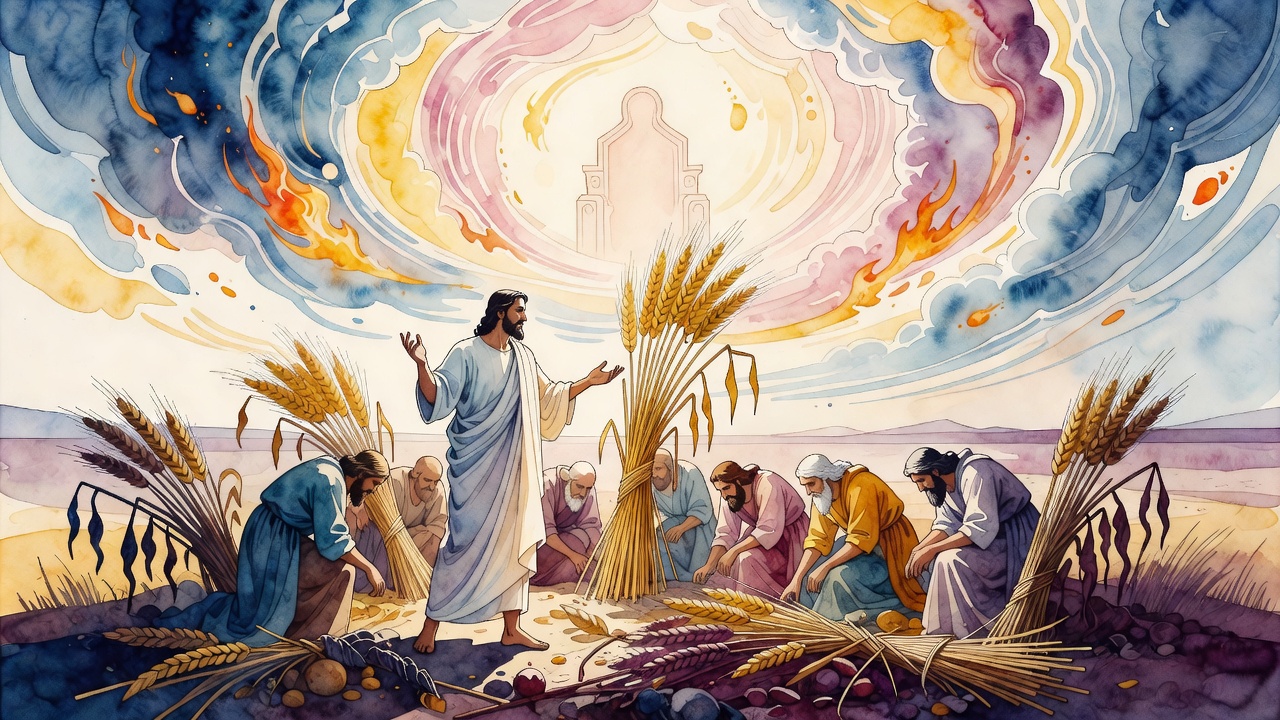
He warned them, before any of it happened, that they would keep the truth about him from his father. Then they sold him and soaked the coat in goat blood.
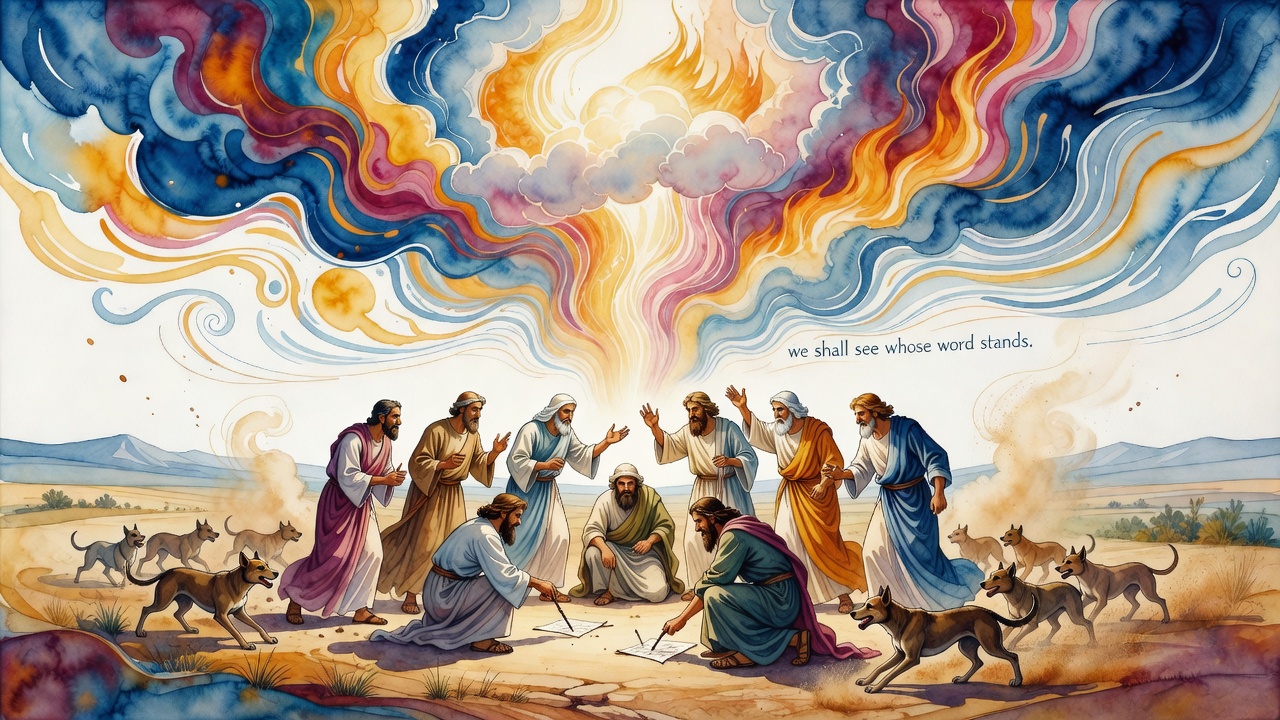
Before Joseph reached Dothan the brothers cycled through plans, including dogs. God heard every word and answered: we shall see whose word stands.
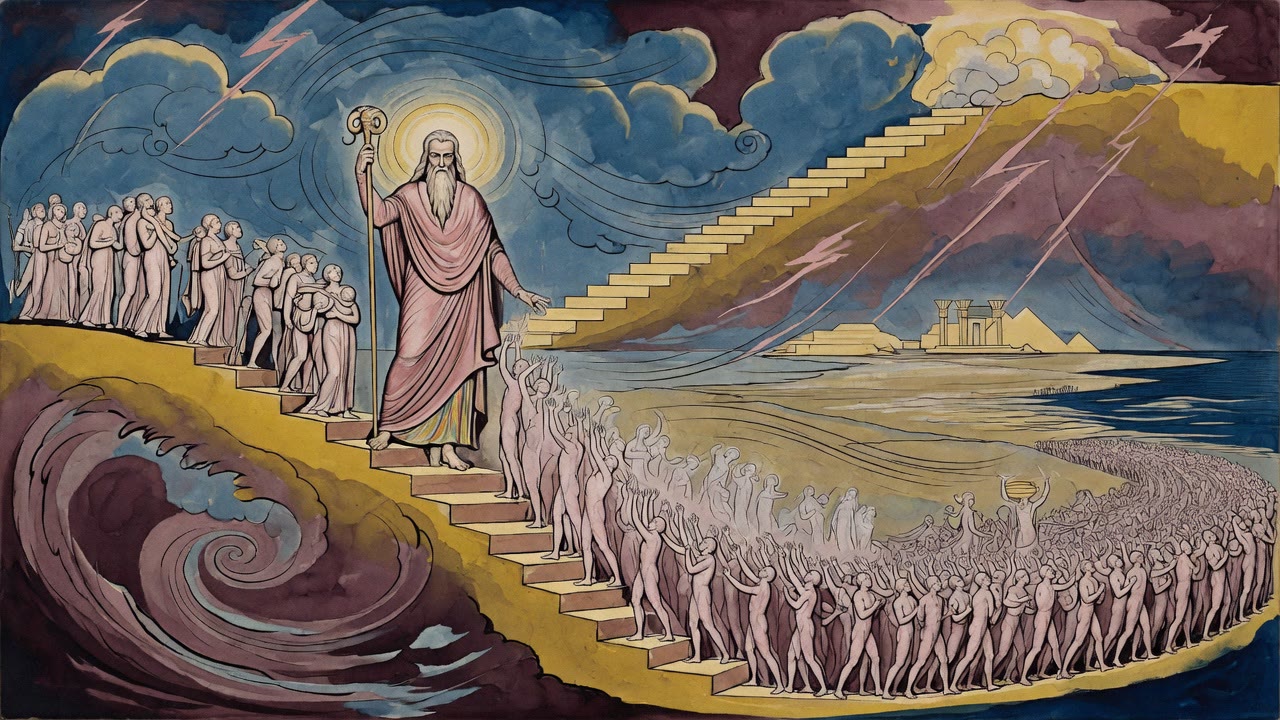
His brothers dropped him in a pit when he was seventeen. Seventy of Jacob's family followed him into Egypt, and the rabbis counted from there.
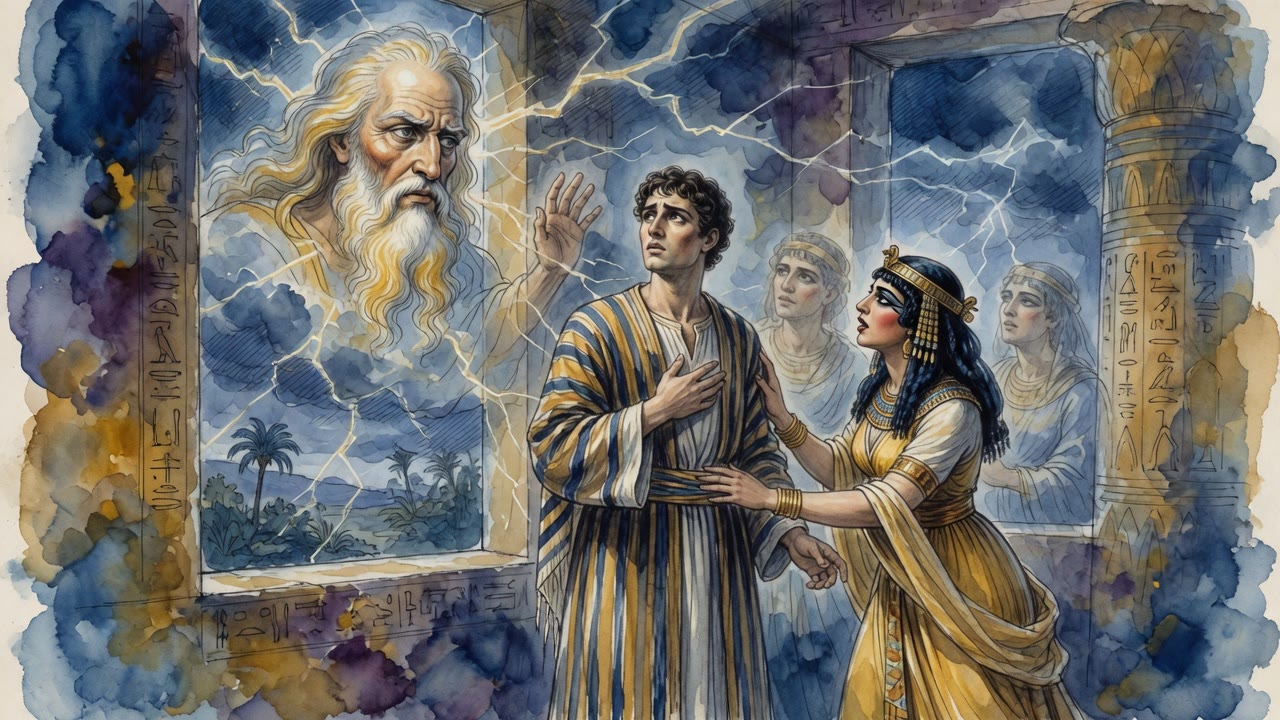
Joseph faces Potiphar's wife daily for a year, and tradition says his father's face appeared at the window to stop him.
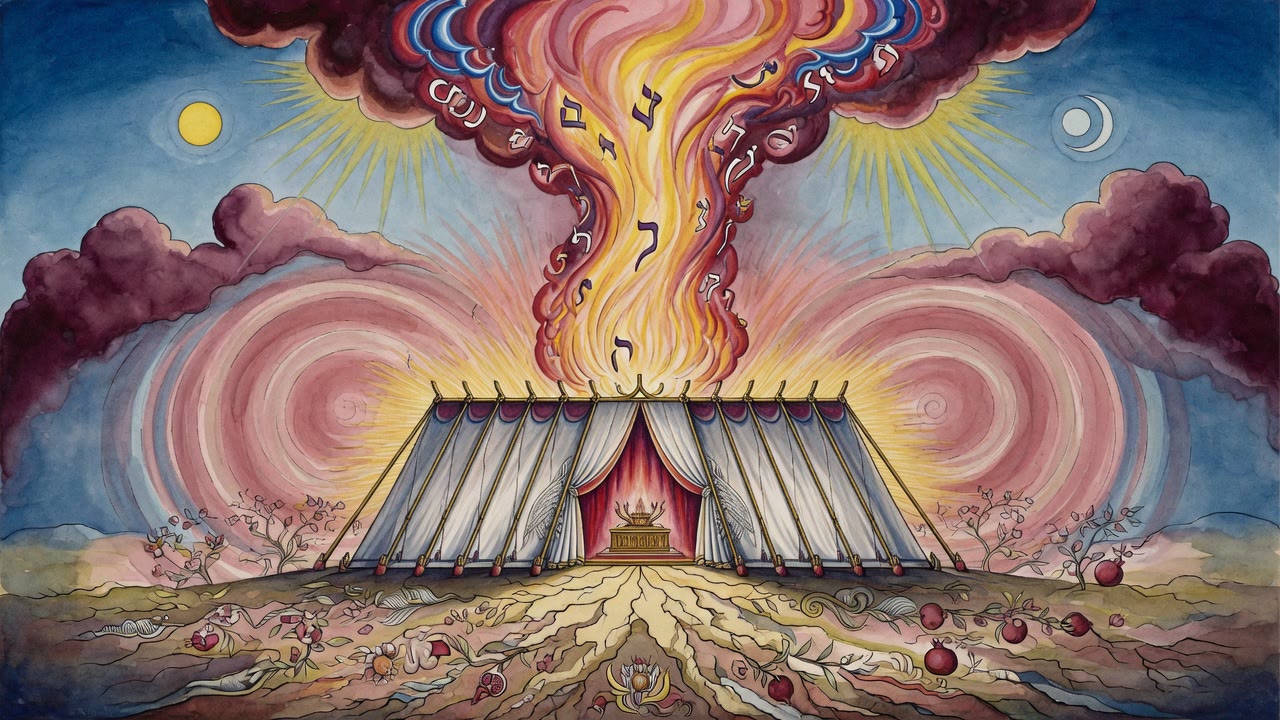
Joseph walked the empty field near Shechem calling for his brothers. A stranger pointed him to Dothan. The coat came off that day.
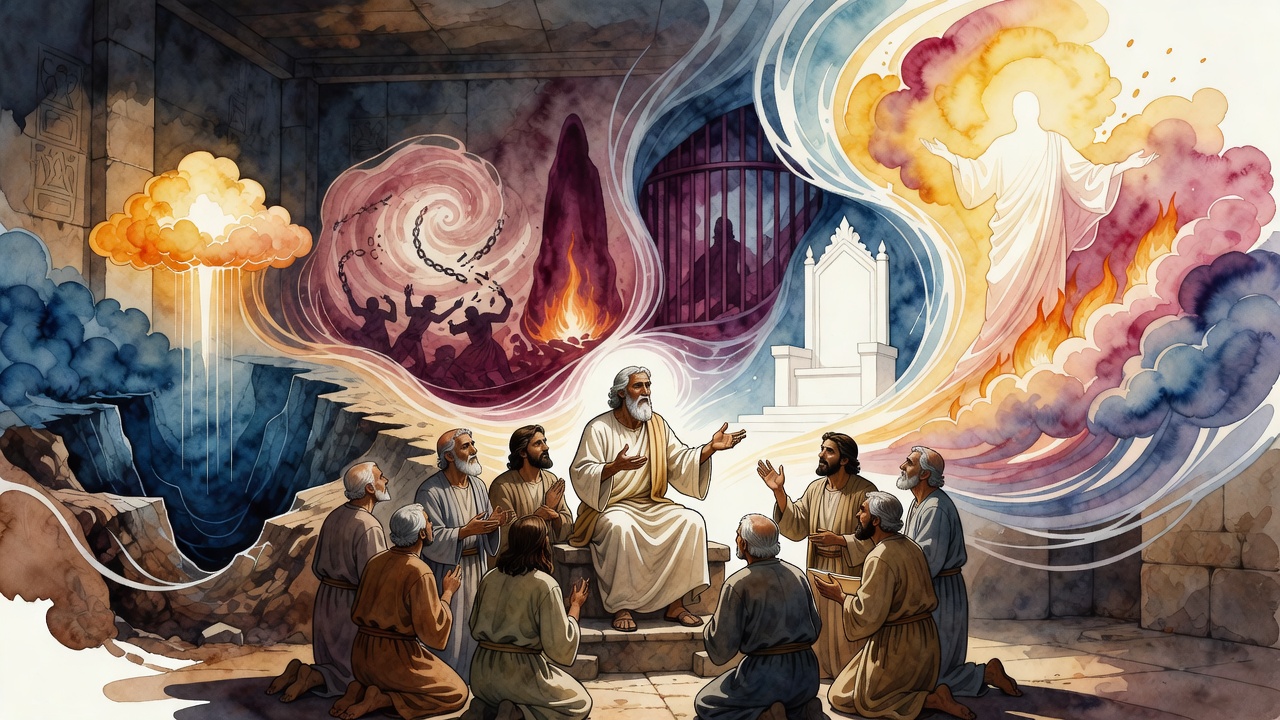
The woman of Memphis sent Joseph a dish laced with spells. He looked up and saw a figure standing behind the servant, holding out a sword.
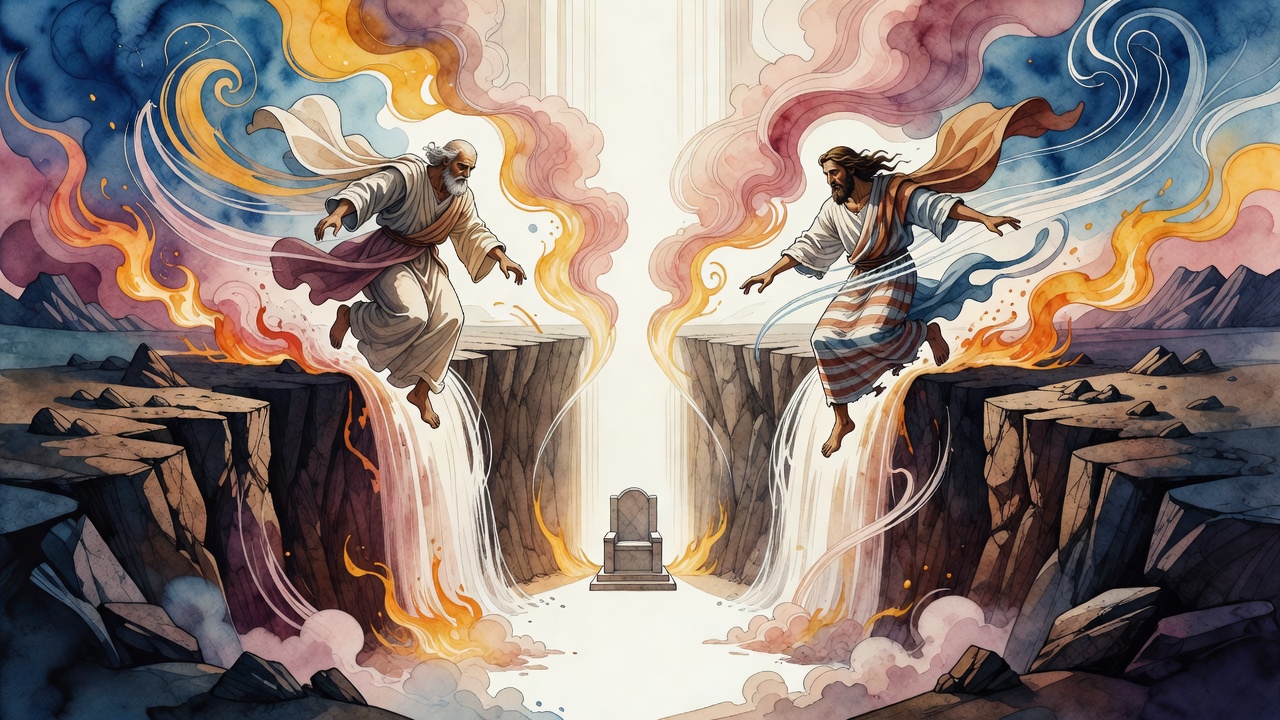
Lot looked at a valley that wore Eden's face and walked in. Years later a king in a cave asked God not to destroy him, because that walk had been paid.
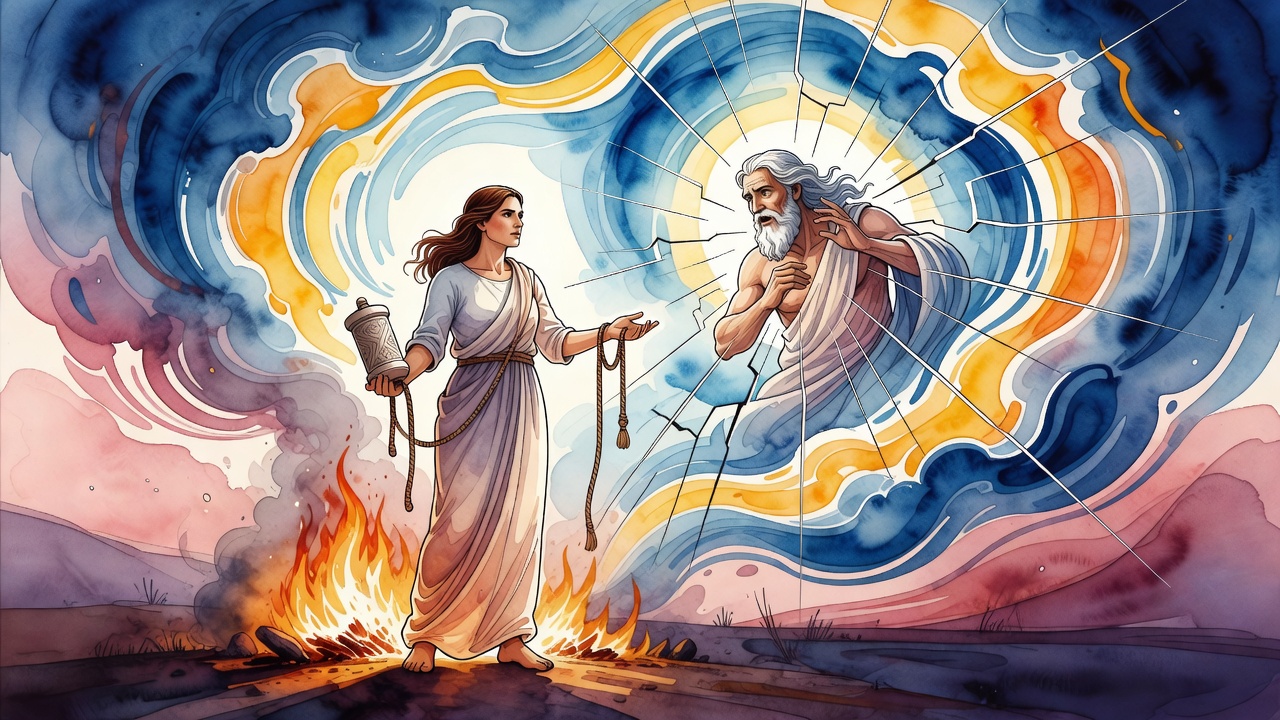
Tamar stood by the stacked wood with Judah's seal in her sleeve. She sent it privately. She did not shout his name into the fire.
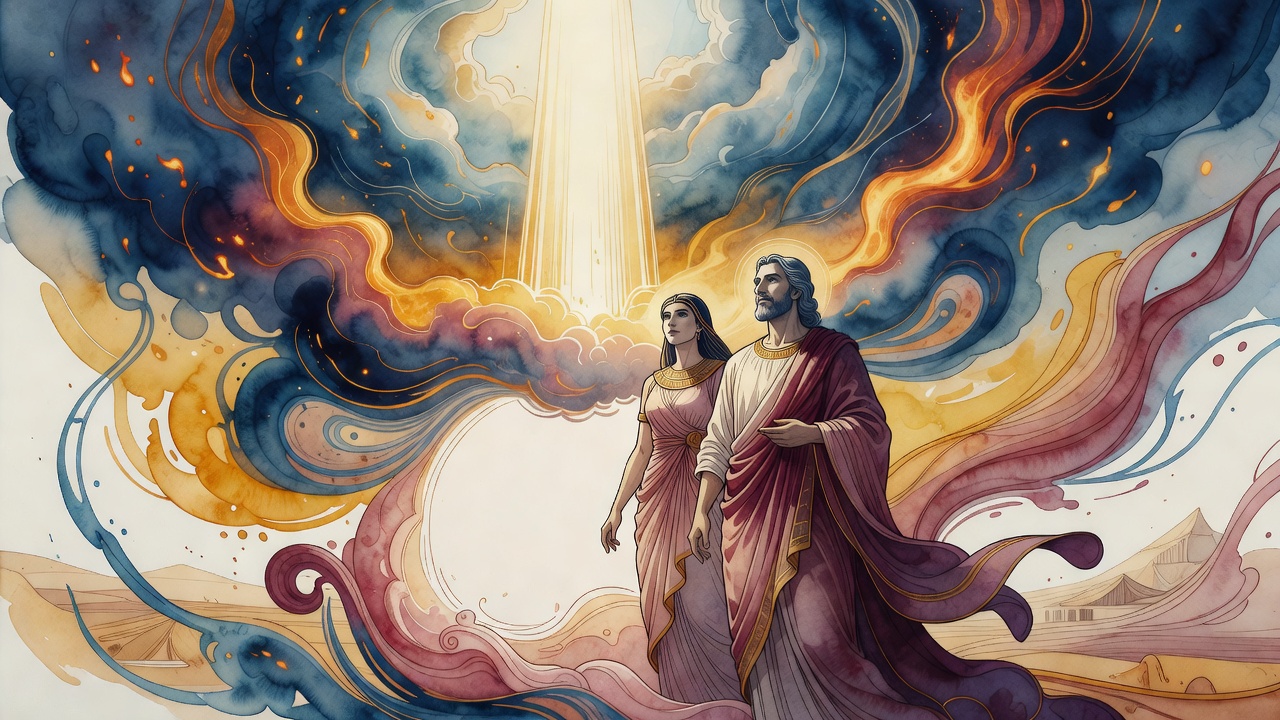
Jacob engraved the child's whole history on a gold plate and hung it around her neck. Then he left her at the border of Egypt for somebody else to find.
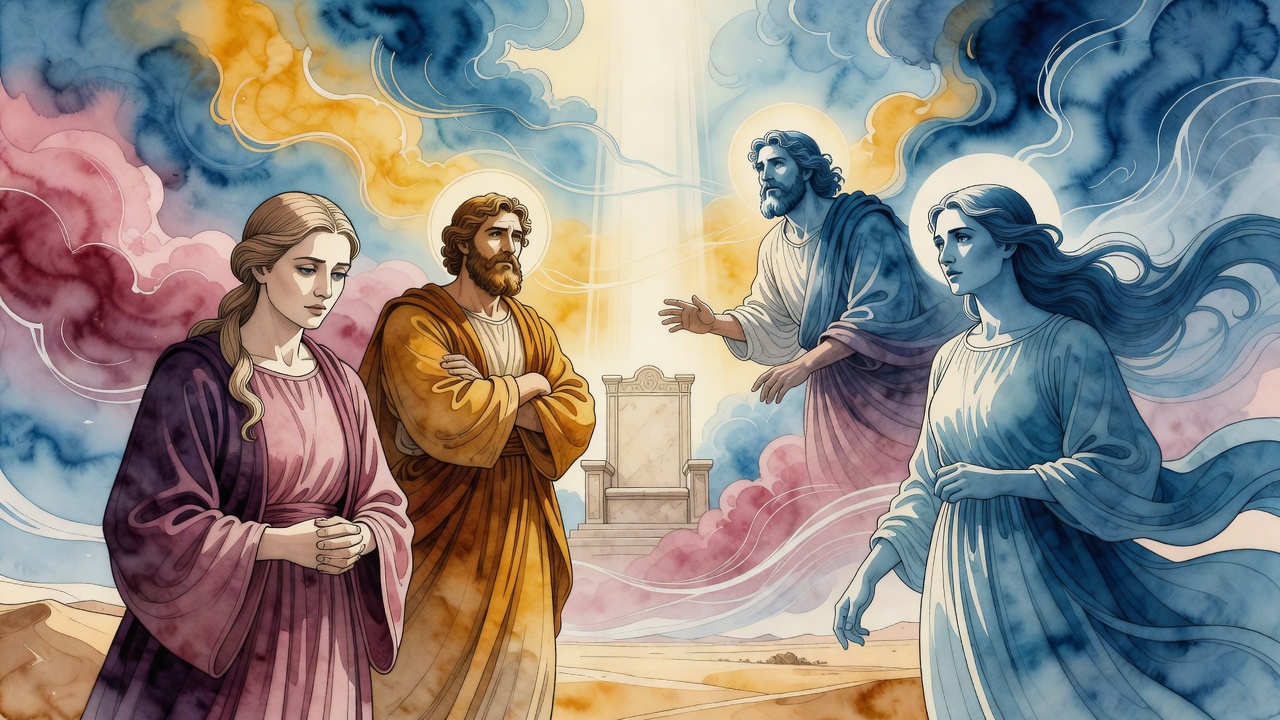
The conflict between Joseph and his brothers had nothing to do with a coat. It was about two mothers, two marriages, and which one Jacob loved.
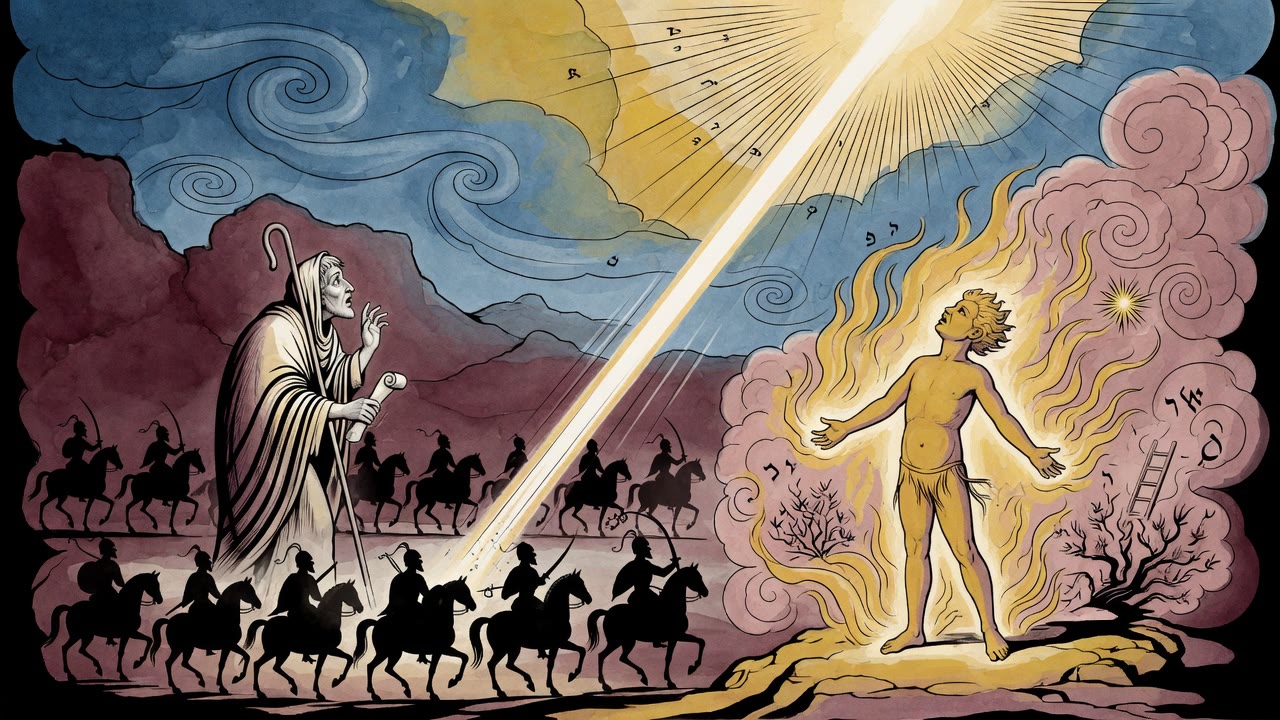
Jacob counted the warlords of Esau and went cold. God answered him with a single name, the boy who would burn them all to ash.
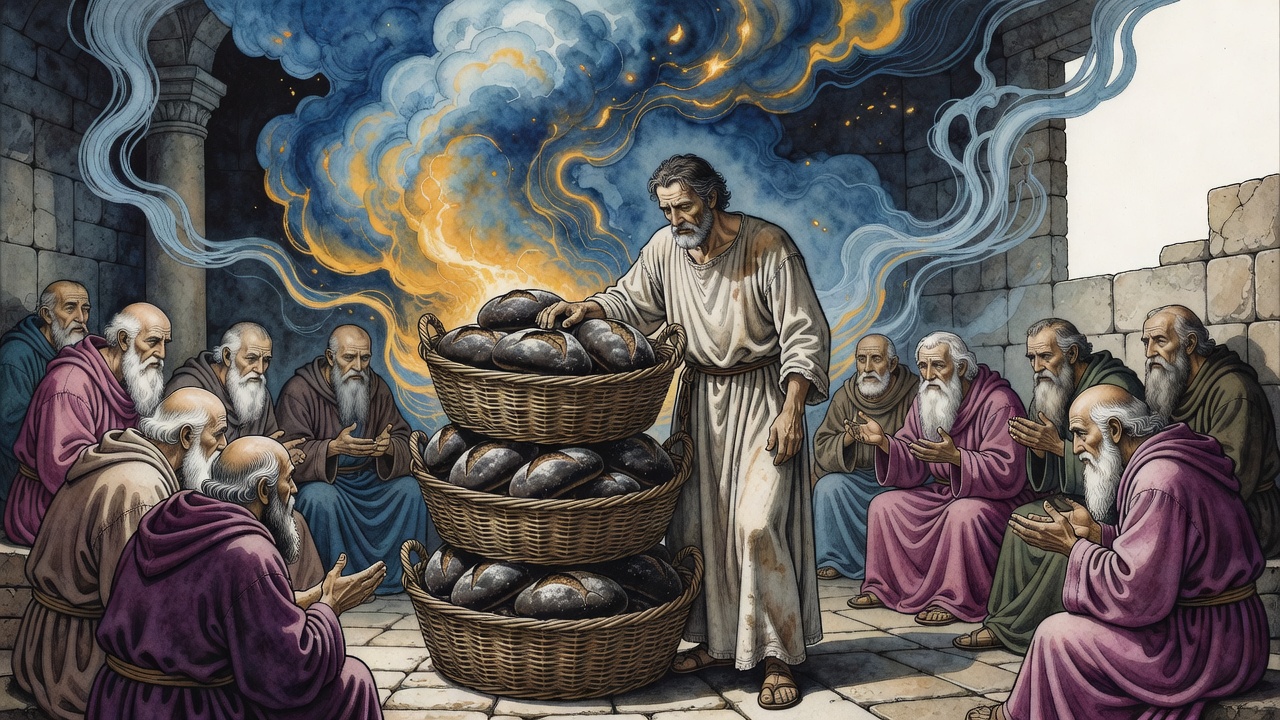
The cupbearer had just been promised Pharaoh's cup again in three days. So the baker told his own dream, certain three baskets meant three rungs up.
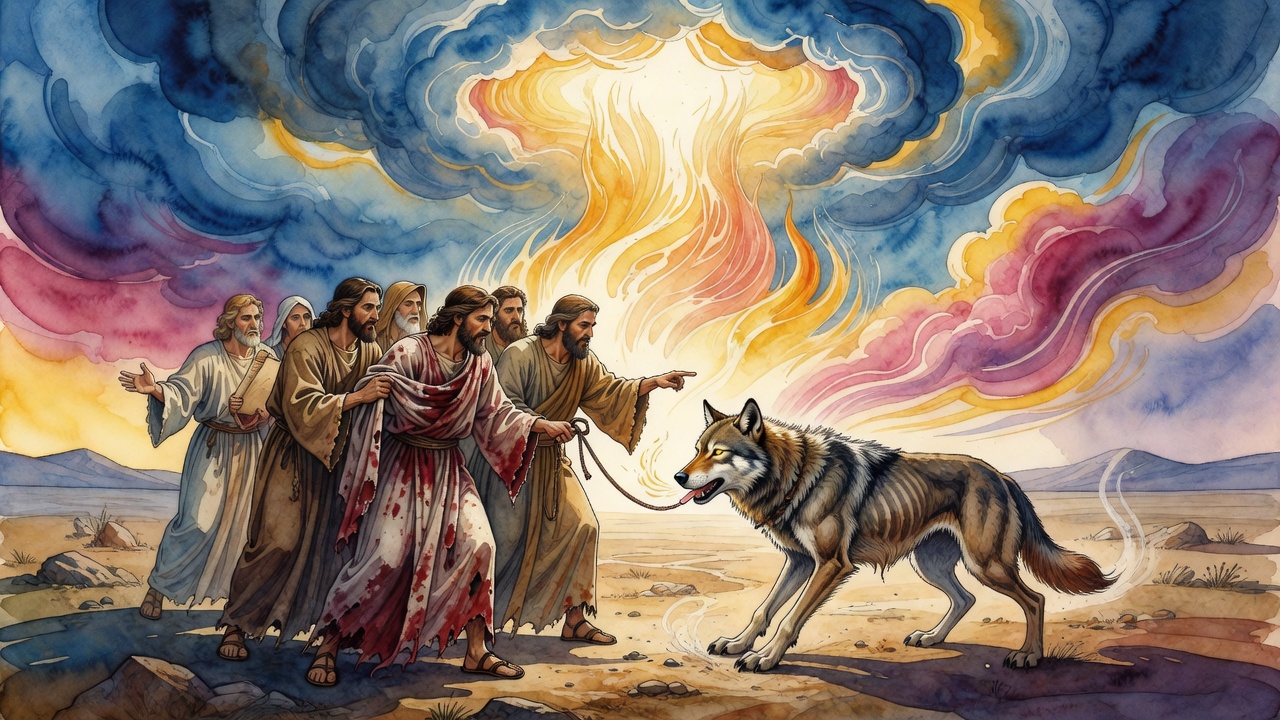
The brothers sold Joseph, bloodied his coat, and dragged home a live wolf as proof of the beast that ate him. Then God loosened its tongue.
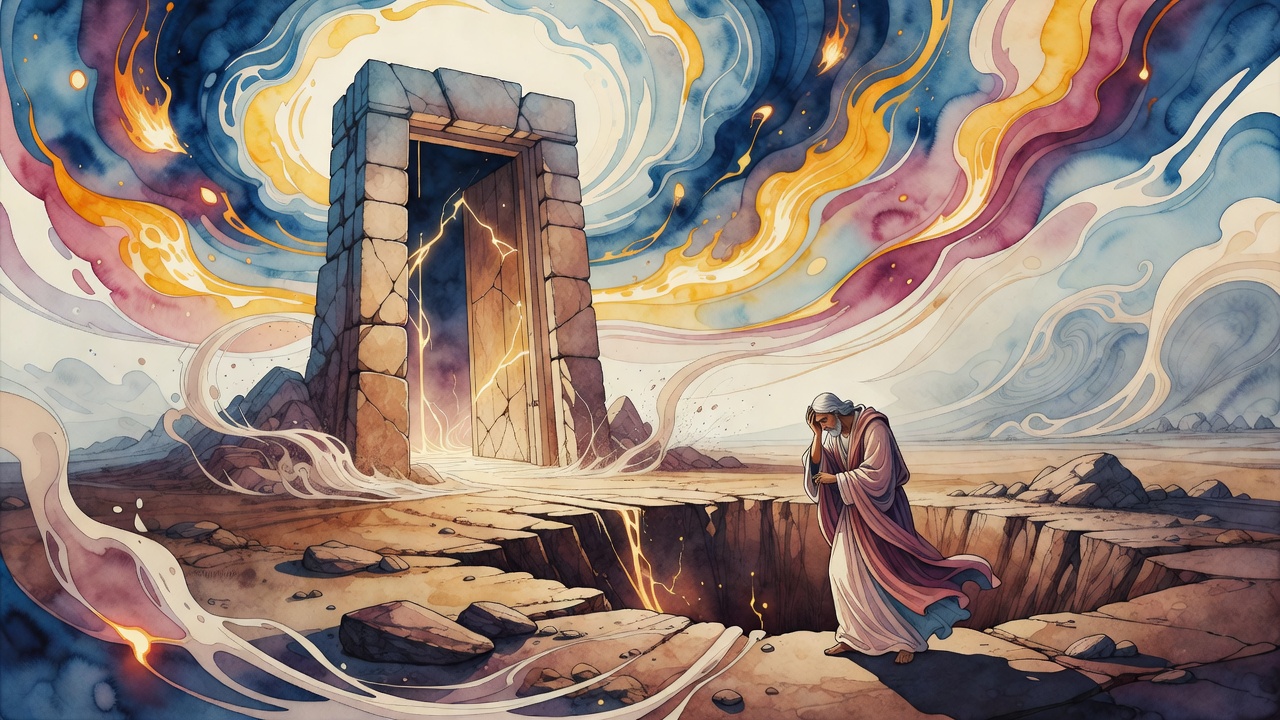
Between the garden and the fire the wall is three fingerbreadths thick. A door in that wall has a will, and it waits for a footstep the way a beast waits.
Ishmaelite caravans reeked of pitch and hides. The one carrying Joseph was packed with spices, and a trader beat him for crying father on every breath.
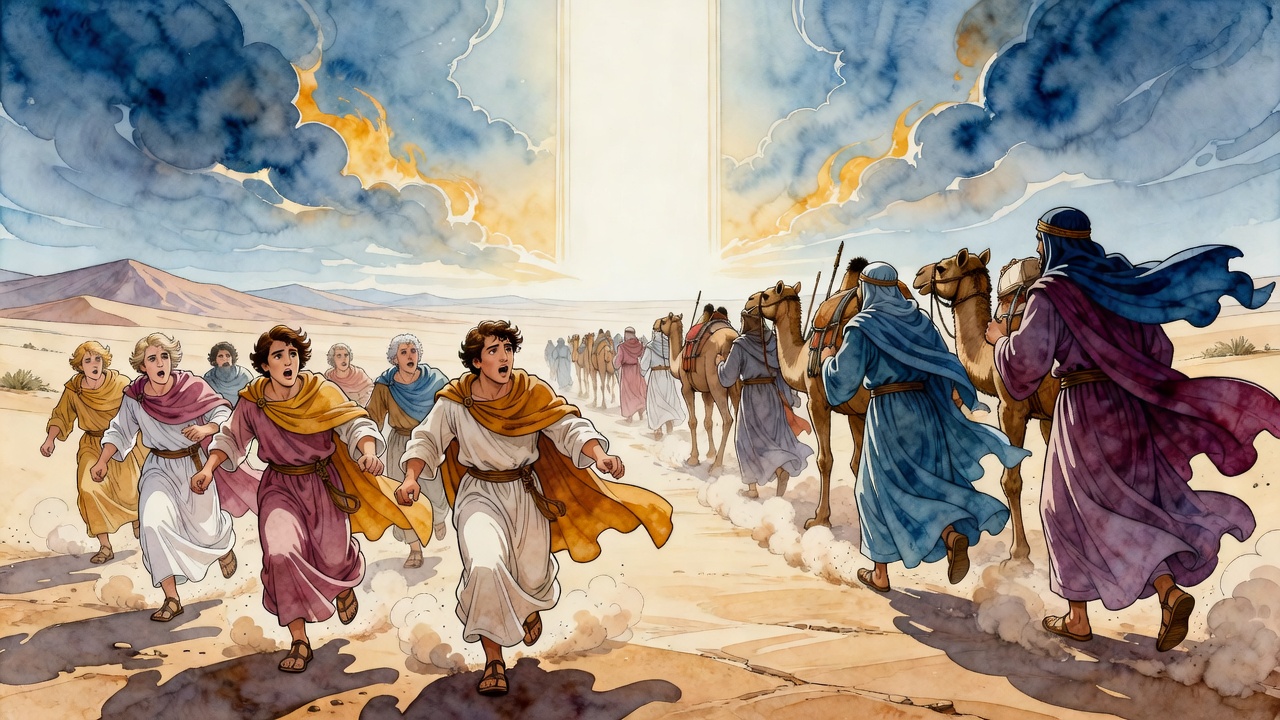
After twenty pounds of silver changed hands, Jacob's sons ran after the Midianites to reverse the sale. The caravan was faster than their regret.
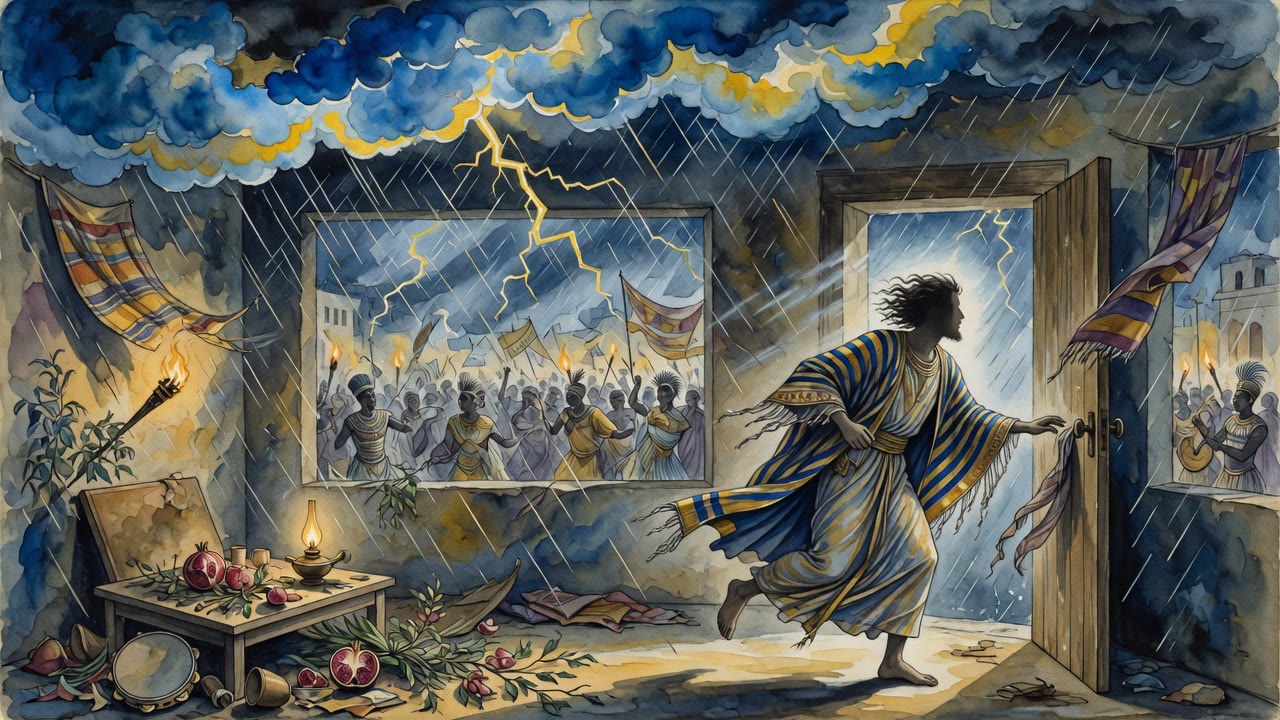
Potiphar's wife faked illness to empty the house. Joseph fled, left his garment, and kept the Name that never left his lips.
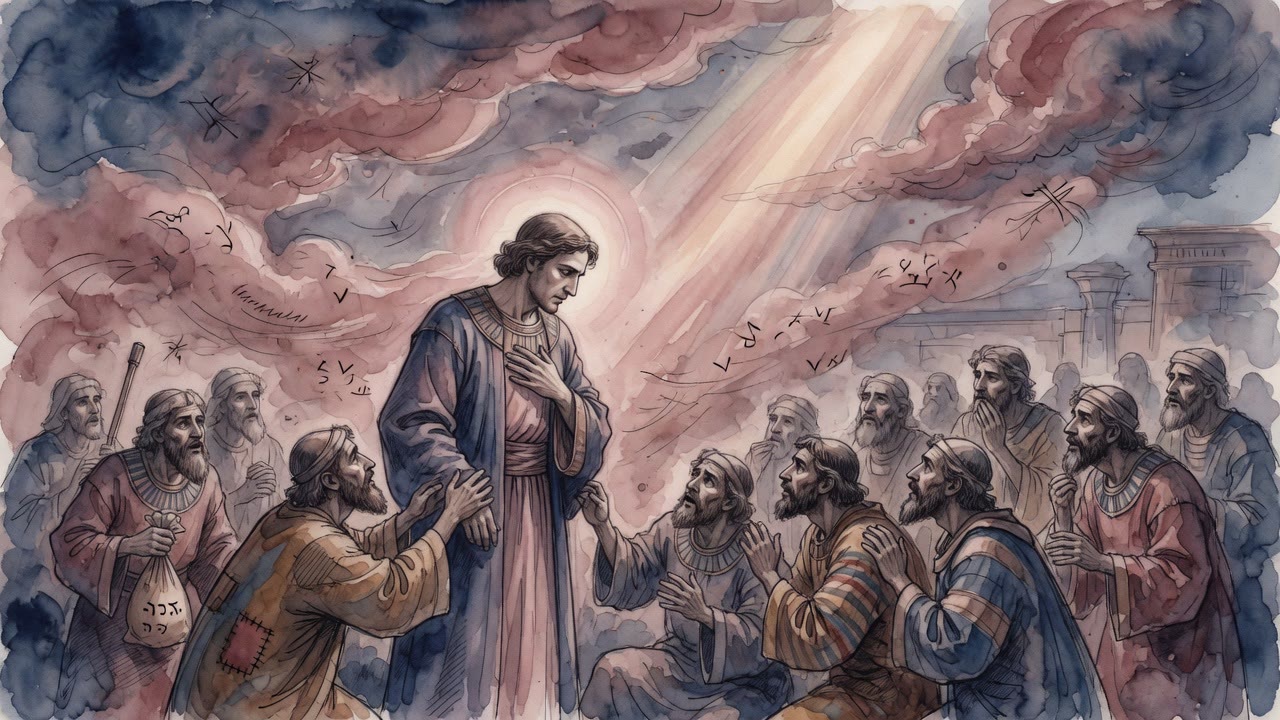
The Ishmaelites learned Joseph was Jacob's son and pressed him to confess. He kept the slave story so his brothers would not die for selling him.
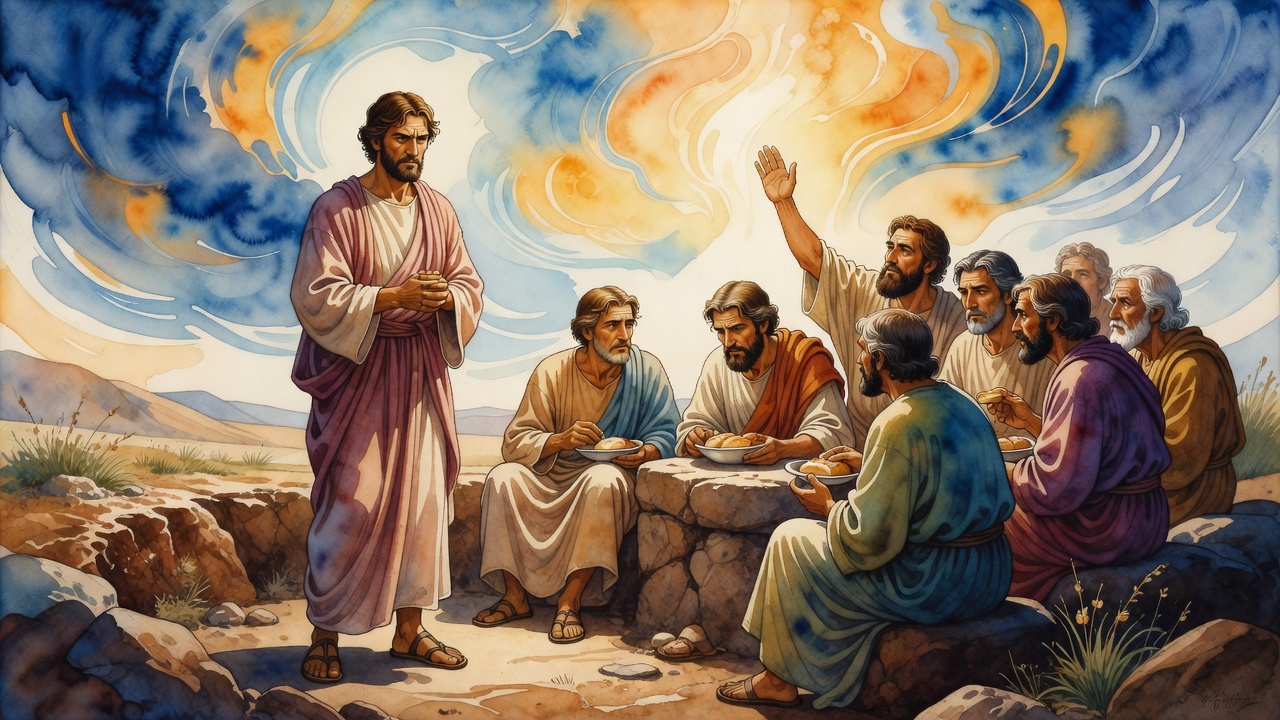
After they threw Joseph in the pit, the brothers sat down to eat. Only Zebulon refused food and kept watch, while Judah blocked a blessing over murder.
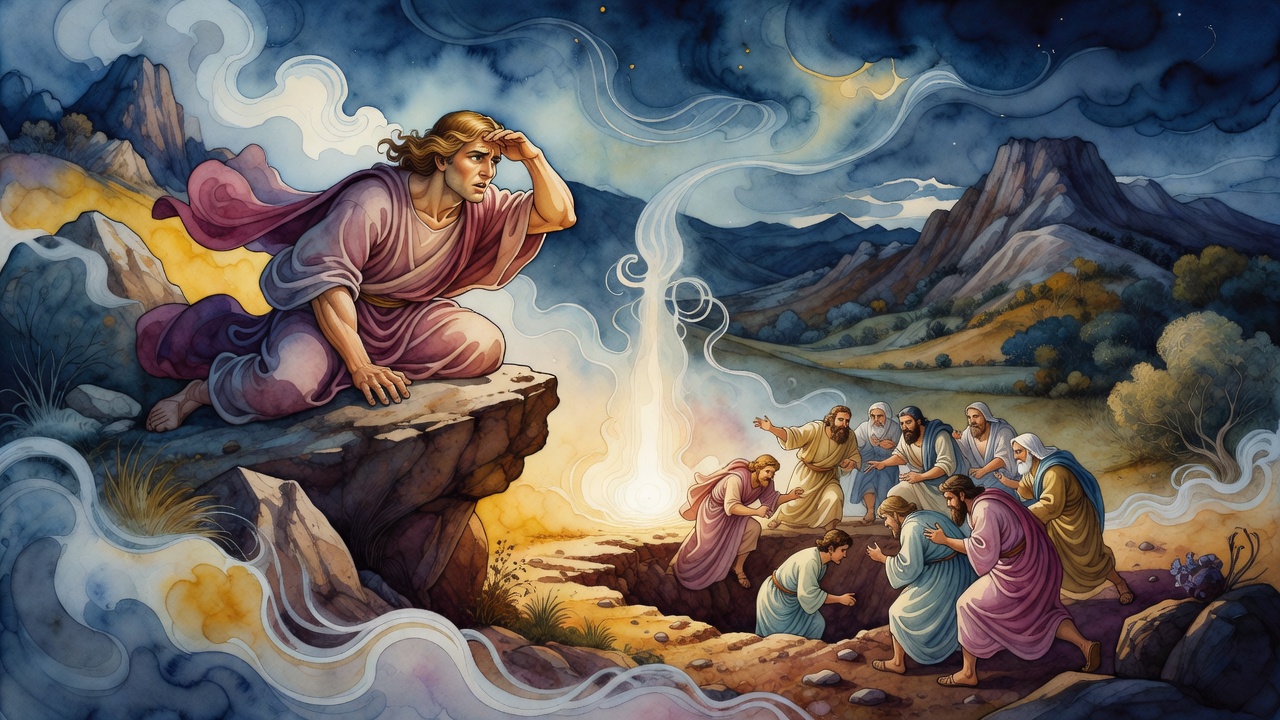
Reuben stalled murder with a pit and hid on a mountain to save Joseph by night, but nine brothers sold the boy while the eldest watched the wrong ridge.
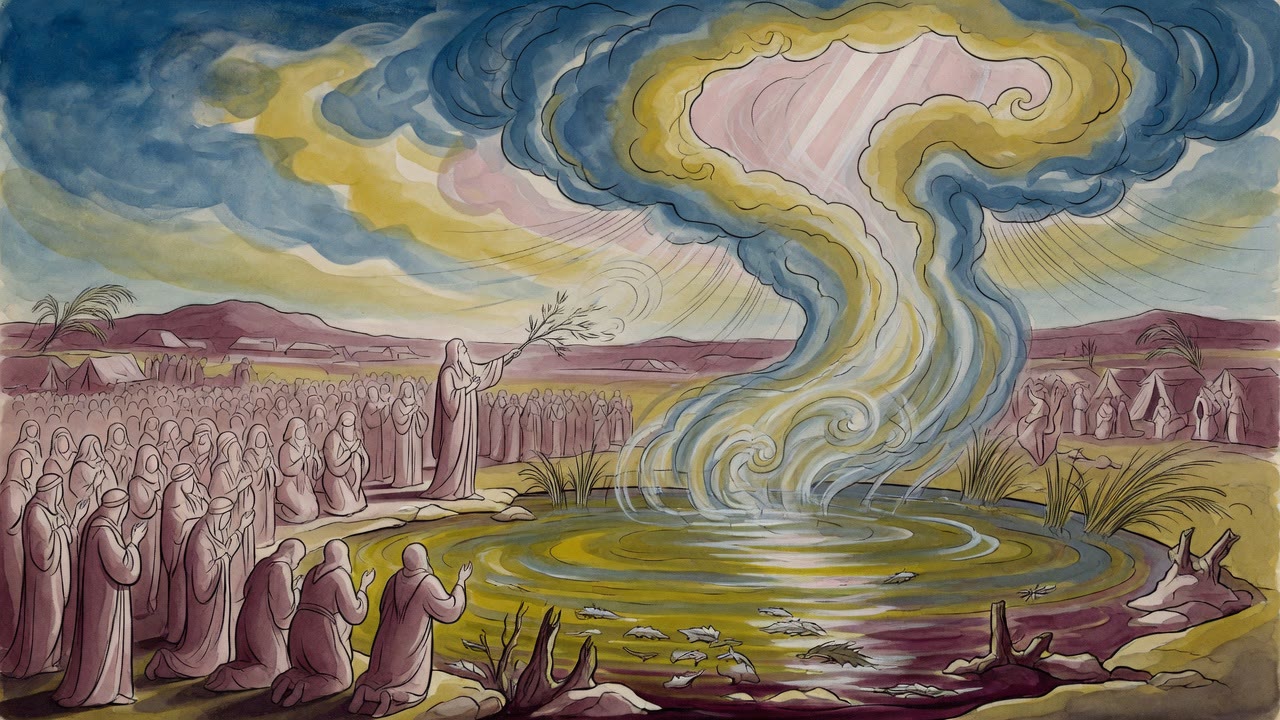
Ten years in prison, one for each brother Joseph had once carried reports about to Jacob. In the dark a letter of the divine Name was added to his: Jehoseph.
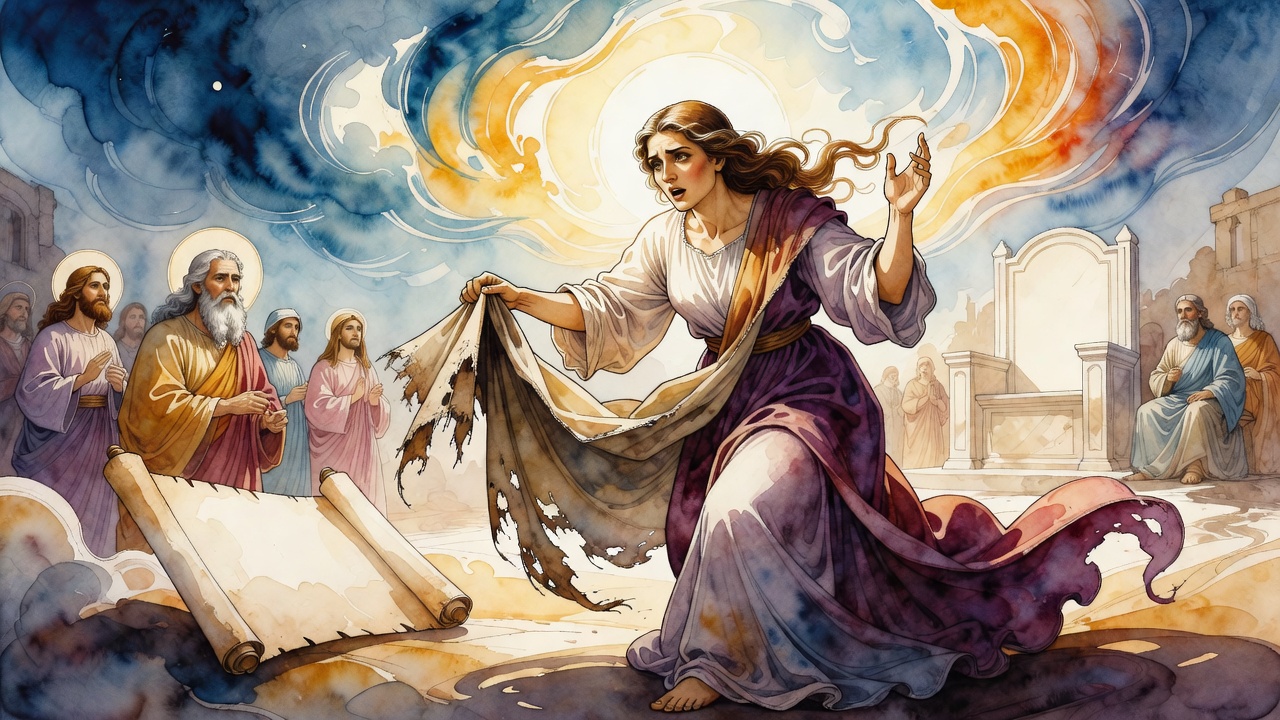
The cloth still held the shape of his shoulder. She kissed it. Then her friends came back from the river and told her how to use it.
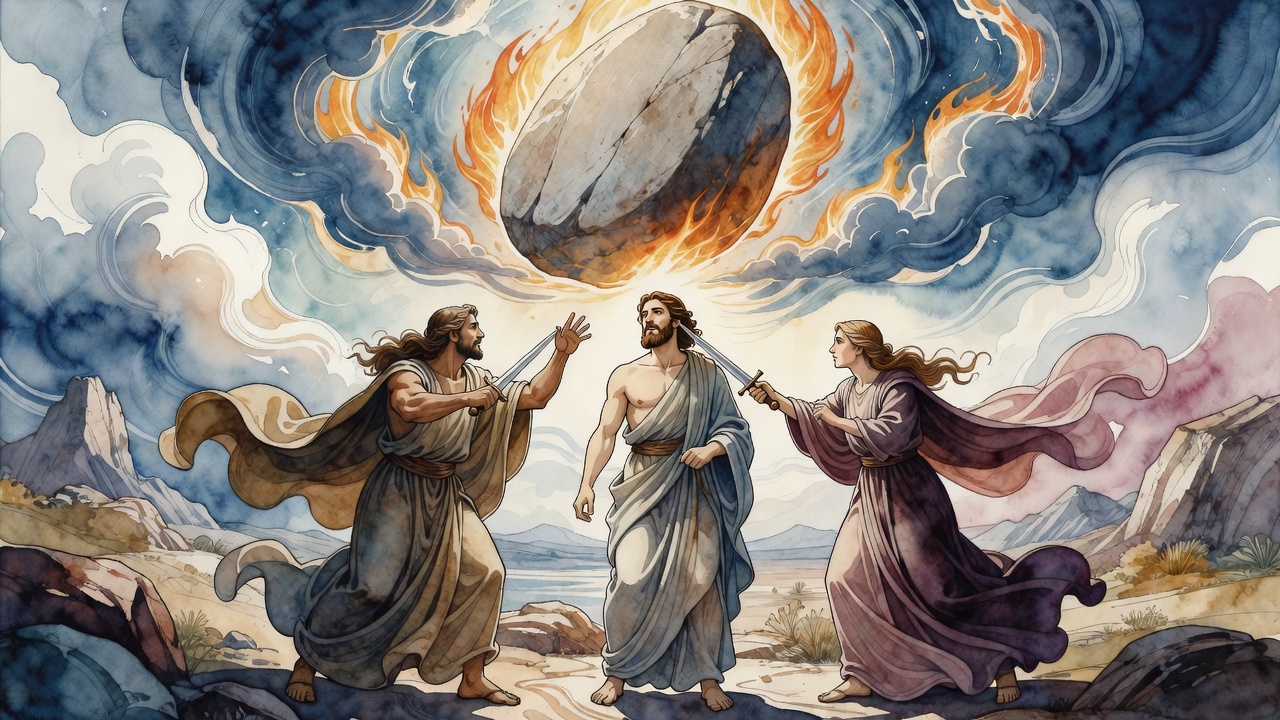
Simon and Gad lifted their hands. Joseph hid behind Zebulon. Years later a sword found his throat in an Egyptian doorway.
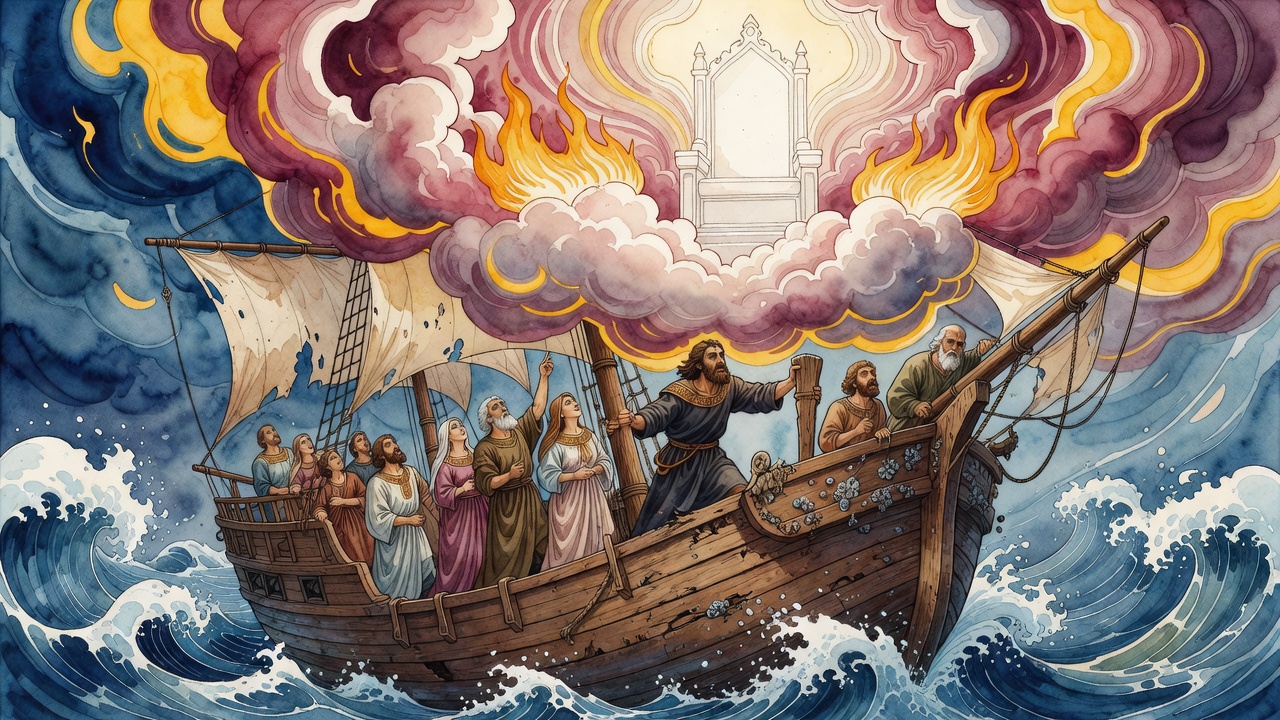
Joseph took both rudders after his father vanished. Judah named the course. After the wreck, only the masts showed above the water.
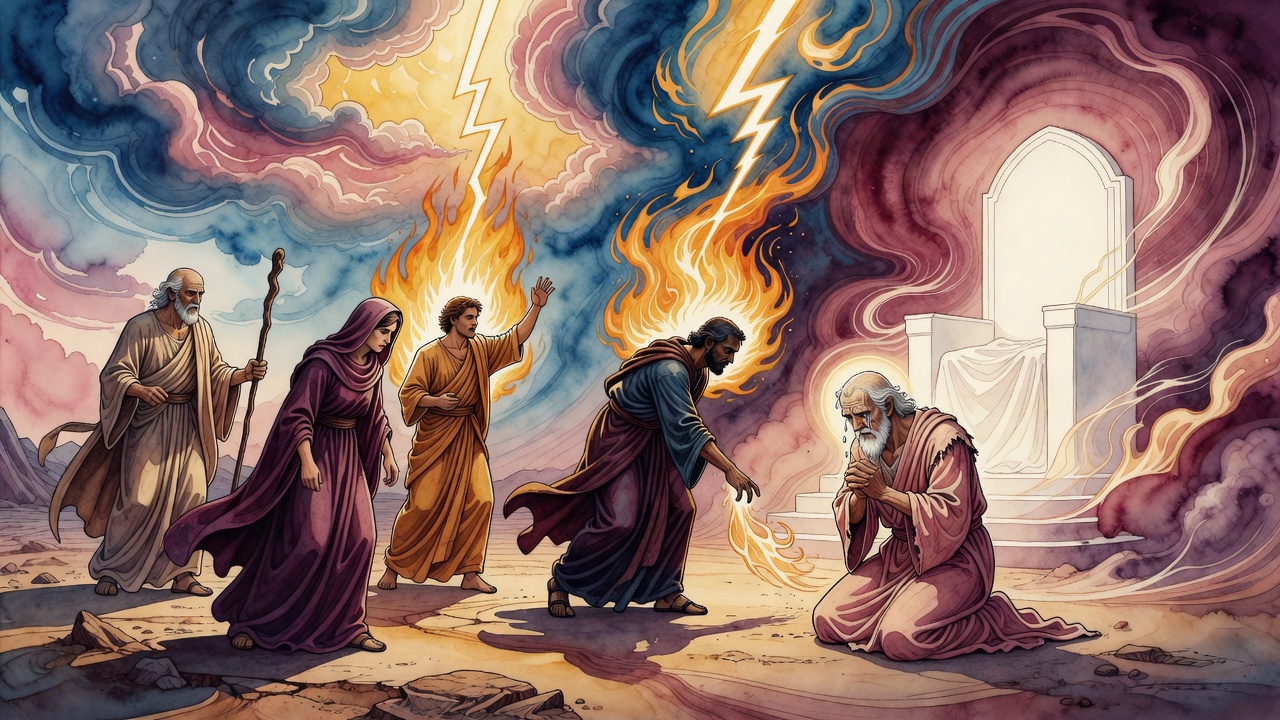
Judah gave Tamar to Er, then Onan. Heaven struck both sons, and later a dream told a broken man his earnest tears had been heard.
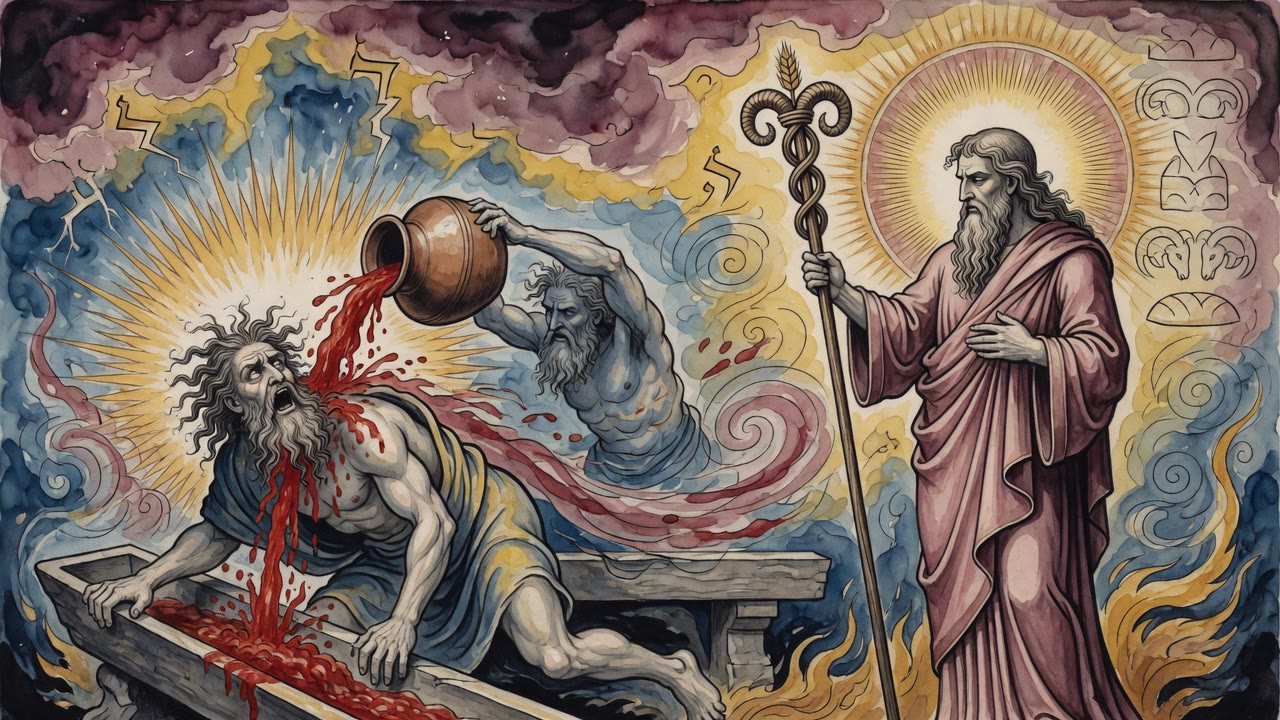
The pit had no water. It had snakes. When they hauled him up, the face Jacob loved had gone white, and the buyers paid shoe money.
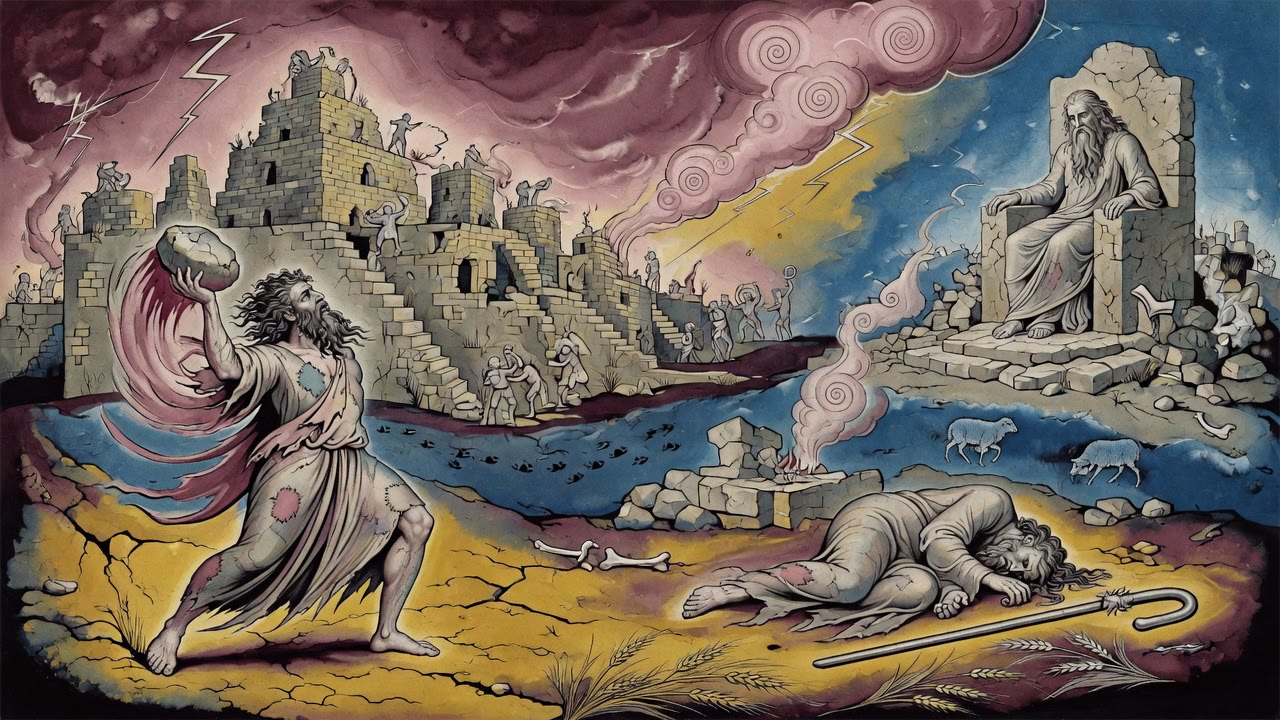
Herdsmen carried a calf into the slaughterhouse first. Joseph's cry from Egypt pulled Jacob and the stubborn cow of Israel across the threshold.
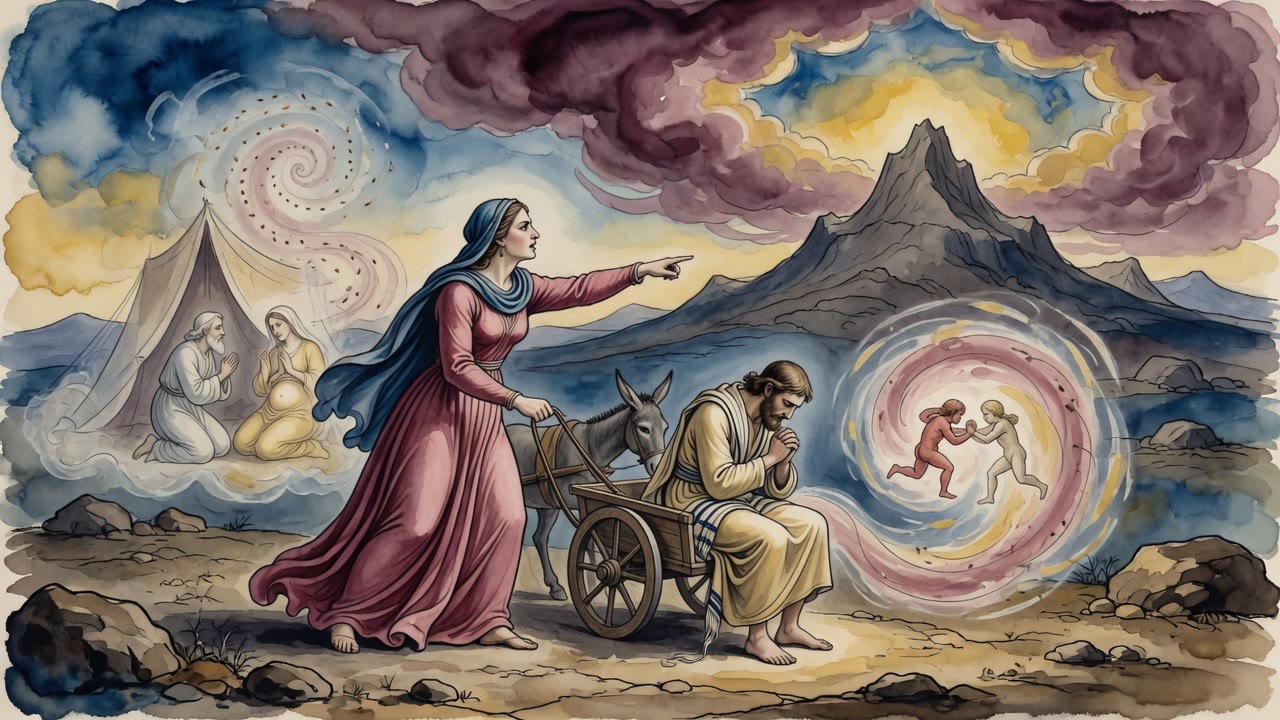
When Joseph vanished, Jacob would not be comforted. Twelve pillars held heaven and earth, and one missing tribe cracked the order of creation itself.
