The Brothers Debated How to Kill Joseph Before He Arrived
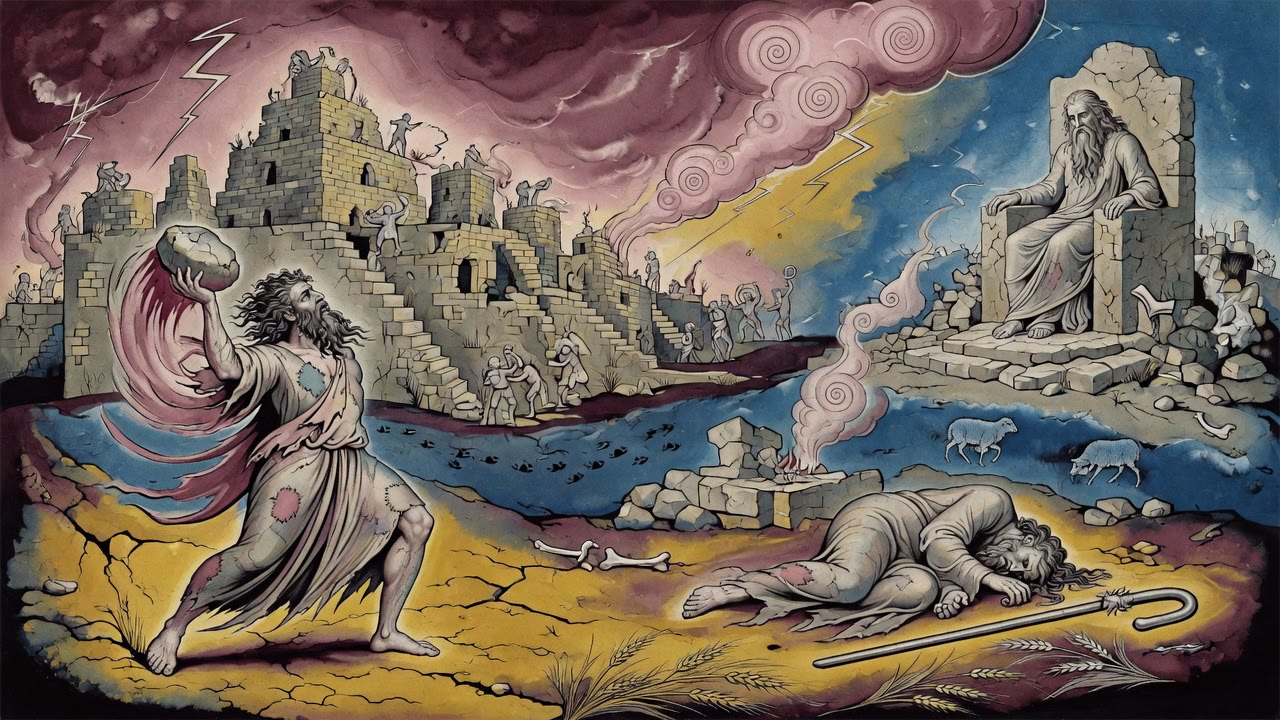
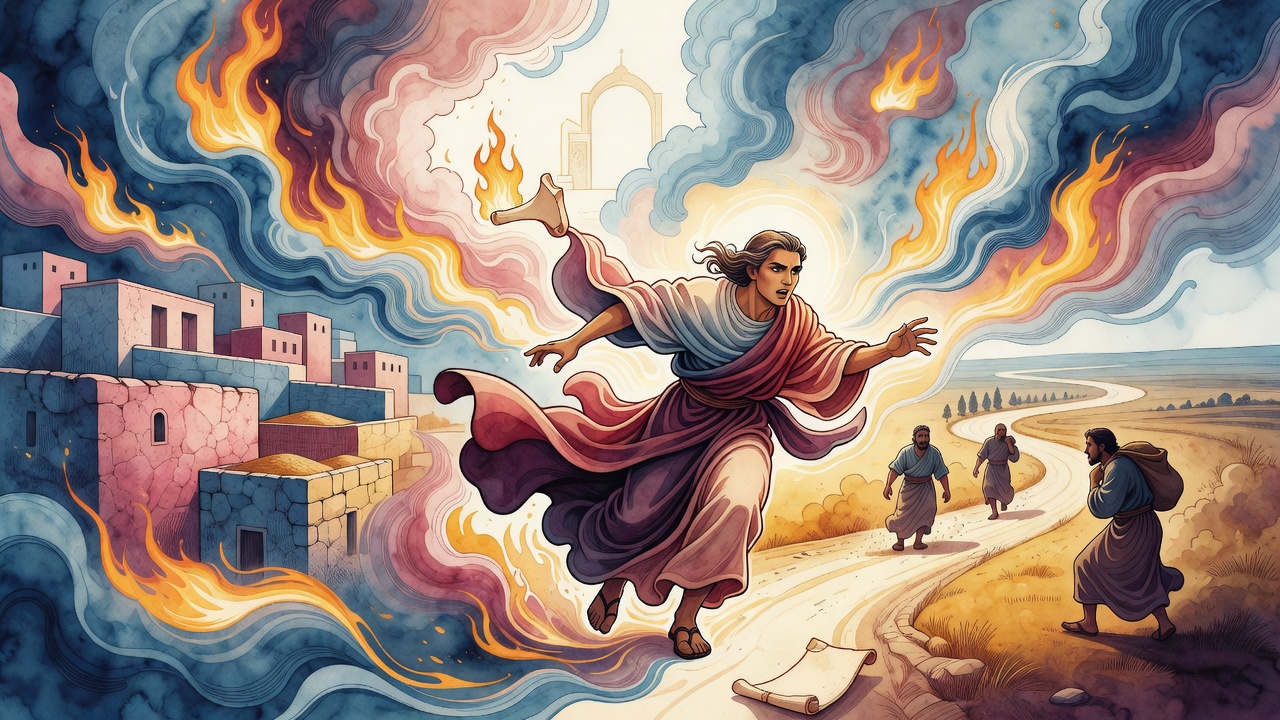
Before Joseph reached Dothan the brothers cycled through plans, including dogs. God heard every word and answered: we shall see whose word stands.
Table of Contents
 Click for full size
The Plans Made Before Joseph Arrived
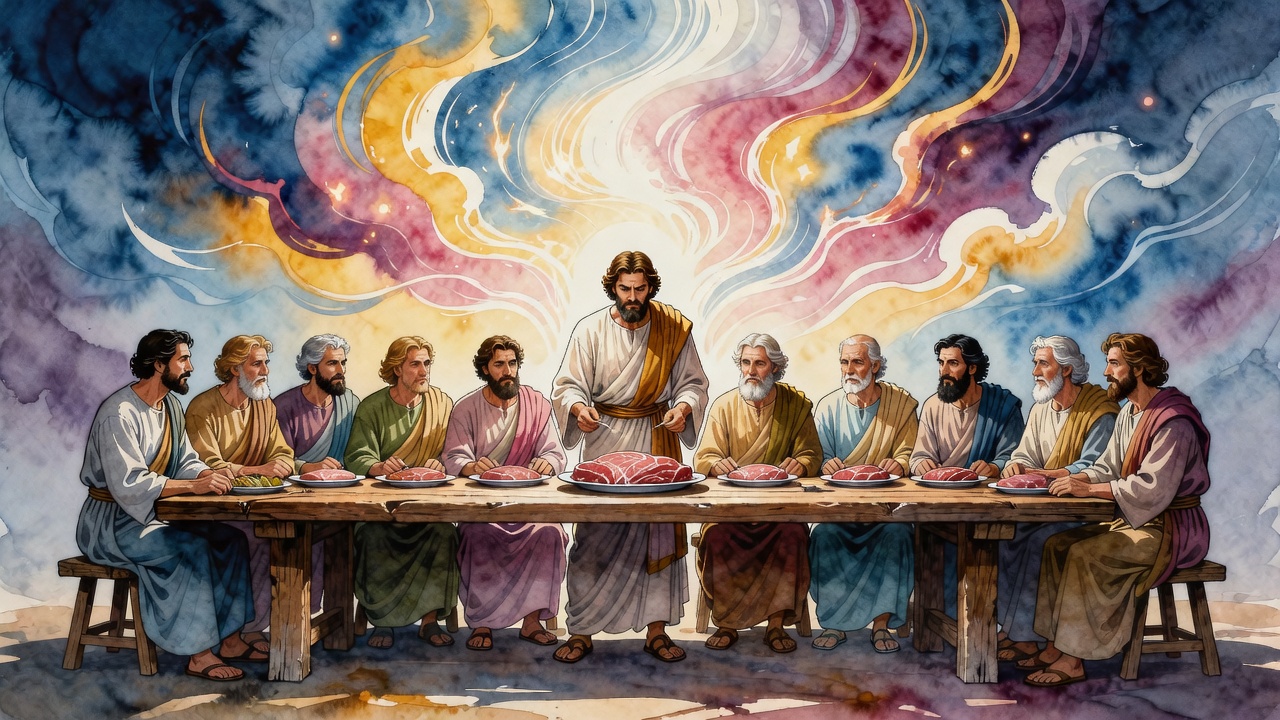
When Joseph's brothers saw him coming across the fields at Dothan, he was still far enough away that they had time to talk. They had already seen him from a distance, had recognized the coat their father had given him, had made a decision about what to do before he got close enough to hear them. Genesis 37 says they conspired to slay him. What it does not say is that they went through several plans first and that God was listening to every one.
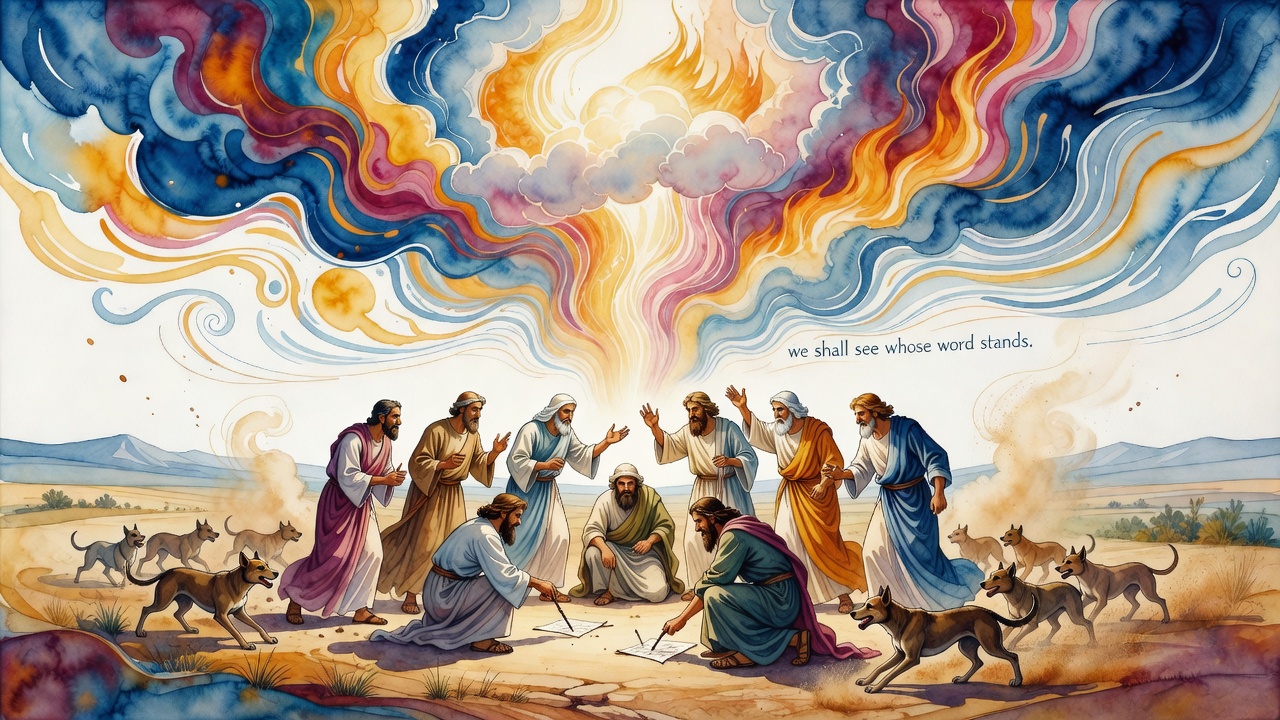
The first plan was to set the dogs on him. Not to kill Joseph themselves but to let the animals do it, keeping their hands technically clean of his blood. The tradition preserved in the Legends of the Jews records this plan as real, proposed and considered, then discarded. The text does not say why they rejected it. The tradition preserves the fact that they did.
What Simon Said About the Master of Dreams
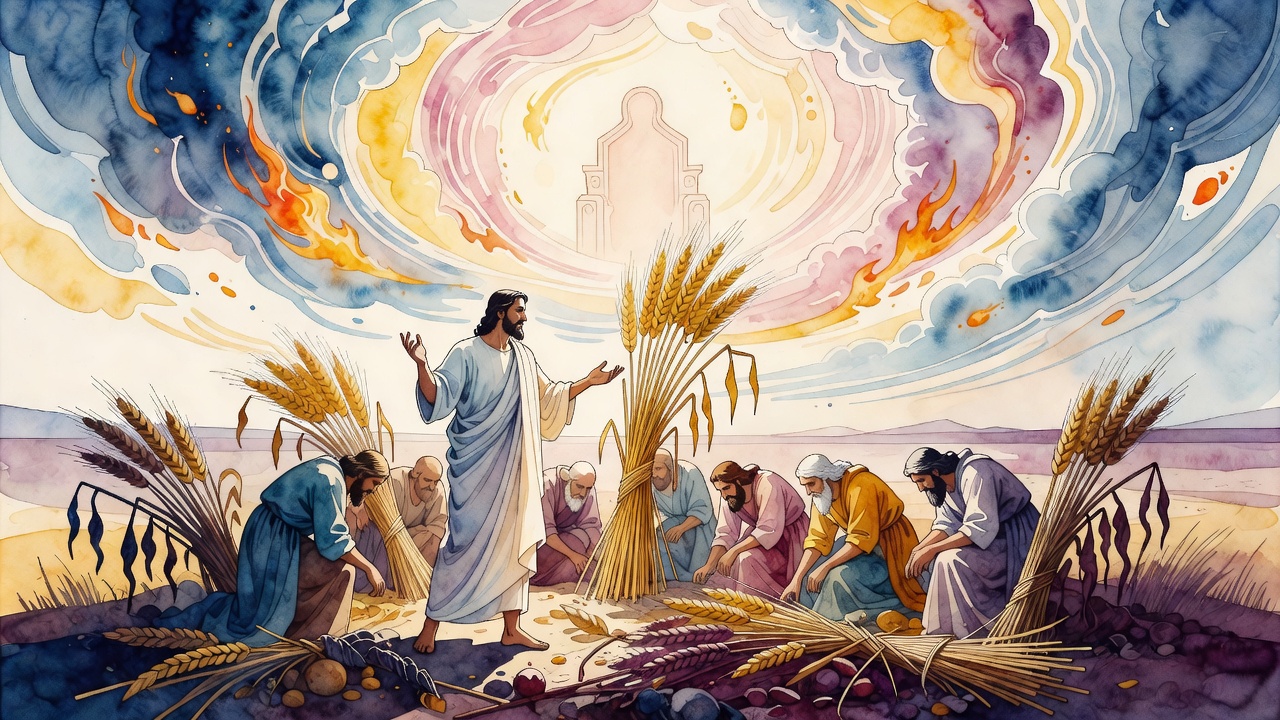
Simon then spoke directly to Levi. He named Joseph by his reputation rather than his name: the master of dreams, the one who had told them their sheaves would bow to his. He said that the master of dreams was coming, that this man's descendant would be the one to introduce the worship of Baal into Israel, naming a king who would not exist for centuries: Jeroboam, the first king of the northern tribes after the kingdom split, the man who installed golden calves at Bethel and Dan and led ten tribes into the syncretism the prophets called harlotry.
Simon could not have known this. He was not making a prophecy. He was insulting Joseph by associating his dreams with the worst possible future outcome his imagination could supply. But the tradition preserved the name Jeroboam, because the tradition recognized in Simon's careless contempt an accidental accuracy. Joseph's line did produce Jeroboam. The idolatry that Jeroboam introduced was real. The connection between a young man's dreams of future authority and the eventual abuse of that authority by a descendant was not something Simon understood. He was simply naming a future that the tradition knew had happened.
Come, Simon said to Levi. Let us kill him. Then we shall see what becomes of his dreams.
God's Answer to Every Word They Said
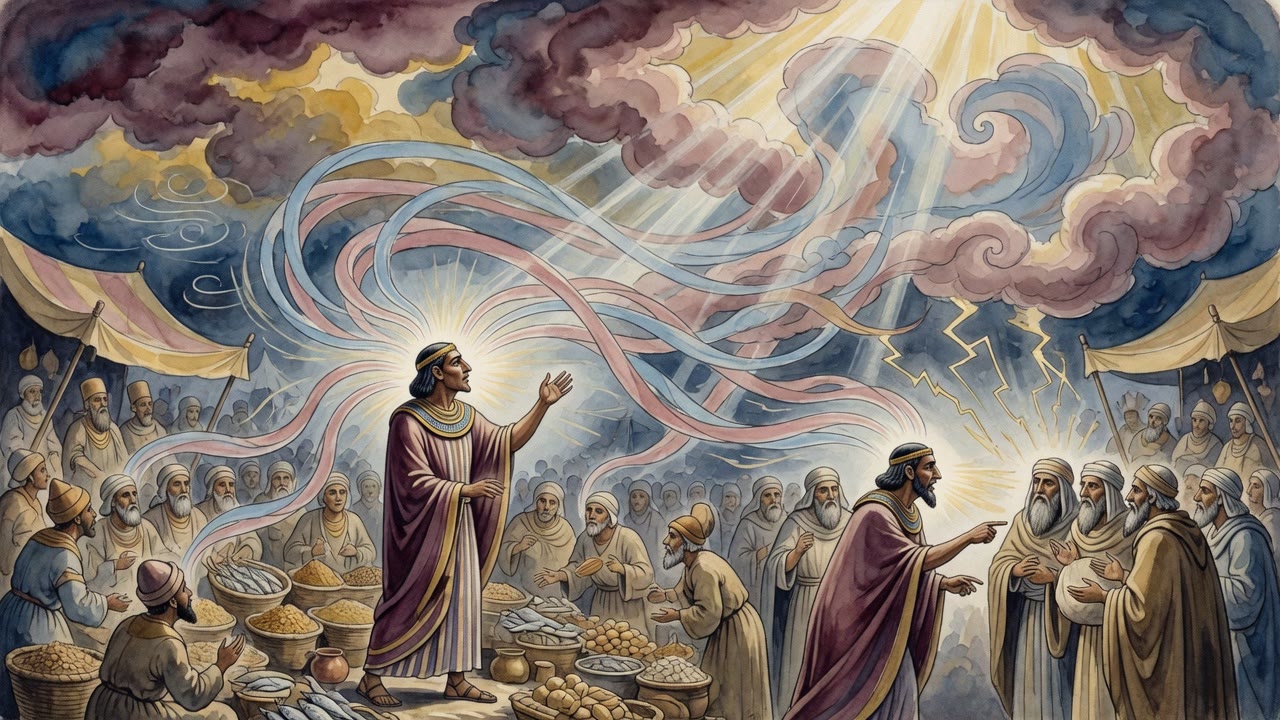
The tradition notes that God heard every plan they made. The dogs. Simon's speech to Levi. The various proposals and counter-proposals about the pit. And God's response to all of it was a single sentence that the tradition delivers without attribution to any particular source, as if it belongs to the air above Dothan itself: we shall see whose word stands, yours or Mine.
This is the statement that frames the entire pit episode in the midrashic reading. The brothers were not making plans in a vacuum. They were making plans in the presence of the God who had already told Abraham in Genesis 15 that his descendants would go down to Egypt and suffer there four hundred years and then come out. The pit at Dothan was not a deviation from that decree. It was the mechanism by which the decree would be fulfilled. The brothers who thought they were ending Joseph's story about sheaves and future authority were, in the precise logic of the tradition, setting it in motion.
The Plan That Held
Reuben interrupted before Simon's argument could conclude. Put him in this pit that is in the wilderness, he said, but lay no hand upon him. Reuben had his own plan: he would come back after the others had dispersed and pull Joseph out and return him to Jacob. The plan failed. By the time Reuben came back from wherever he had gone, the pit was empty. The caravan to Egypt had already passed through. But the pit was the plan that held longest, long enough for Joseph to go into it and the caravan to find him.
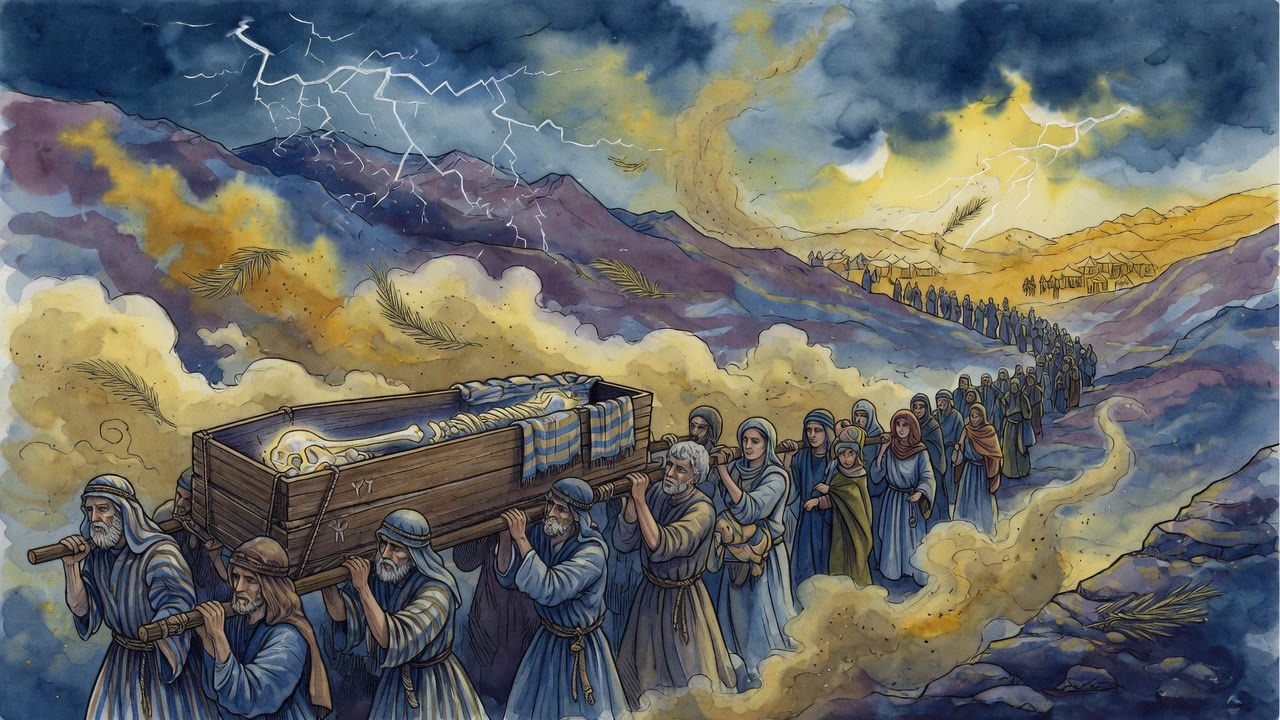
The tradition does not moralize extensively about the brothers here. It records what they said, notes that God heard it, and delivers God's reply. The brothers would spend decades in Egypt watching Joseph's word stand and theirs fail to. The bowing they had mocked would be real. The authority they had tried to prevent would be real. And their descendants would go down to Egypt as Jacob's prophecy said they would, not because of Joseph's crime but because of the decree the brothers were trying to overthrow when they set the dogs on him, which they then did not do, and then planned his murder, which they also did not do, settling finally for a pit and a caravan and a silence that lasted all the way to Goshen.
← All myths