485 myths · Page 1 of 17
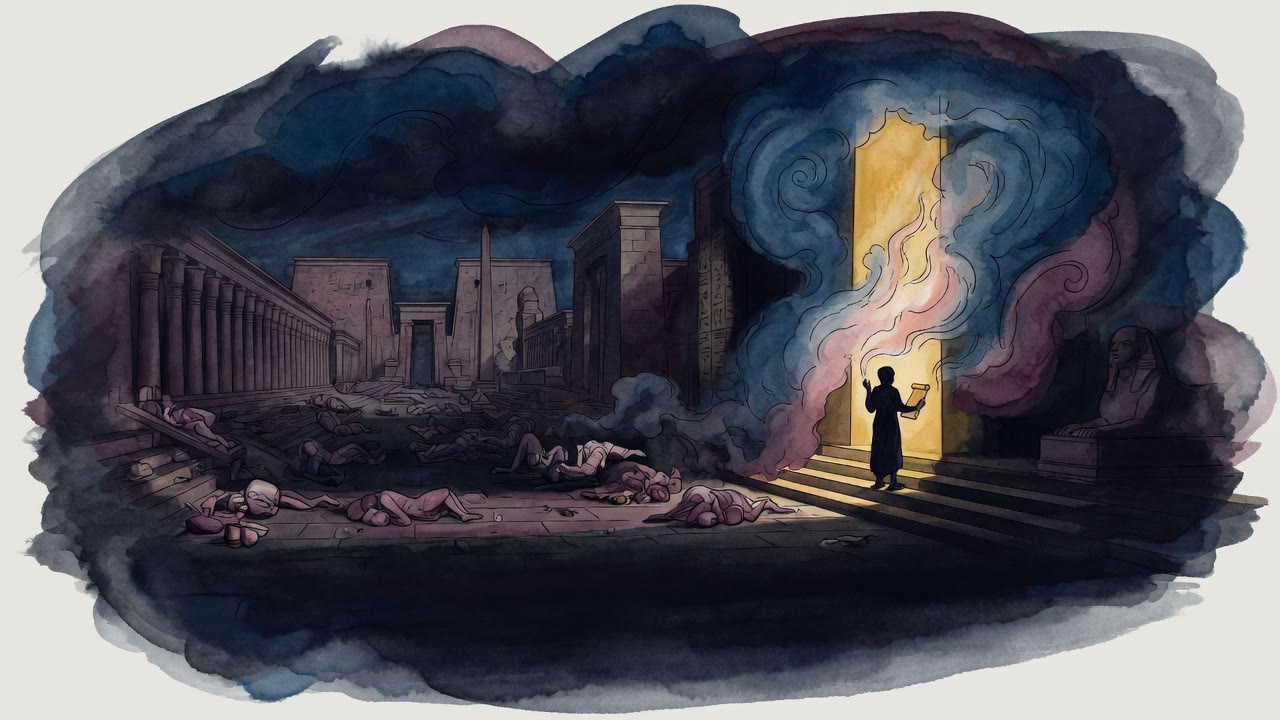
Not everyone wanted to leave Egypt. The midrash says four-fifths of Israel died during the plague of darkness, hidden so Egypt would not rejoice.
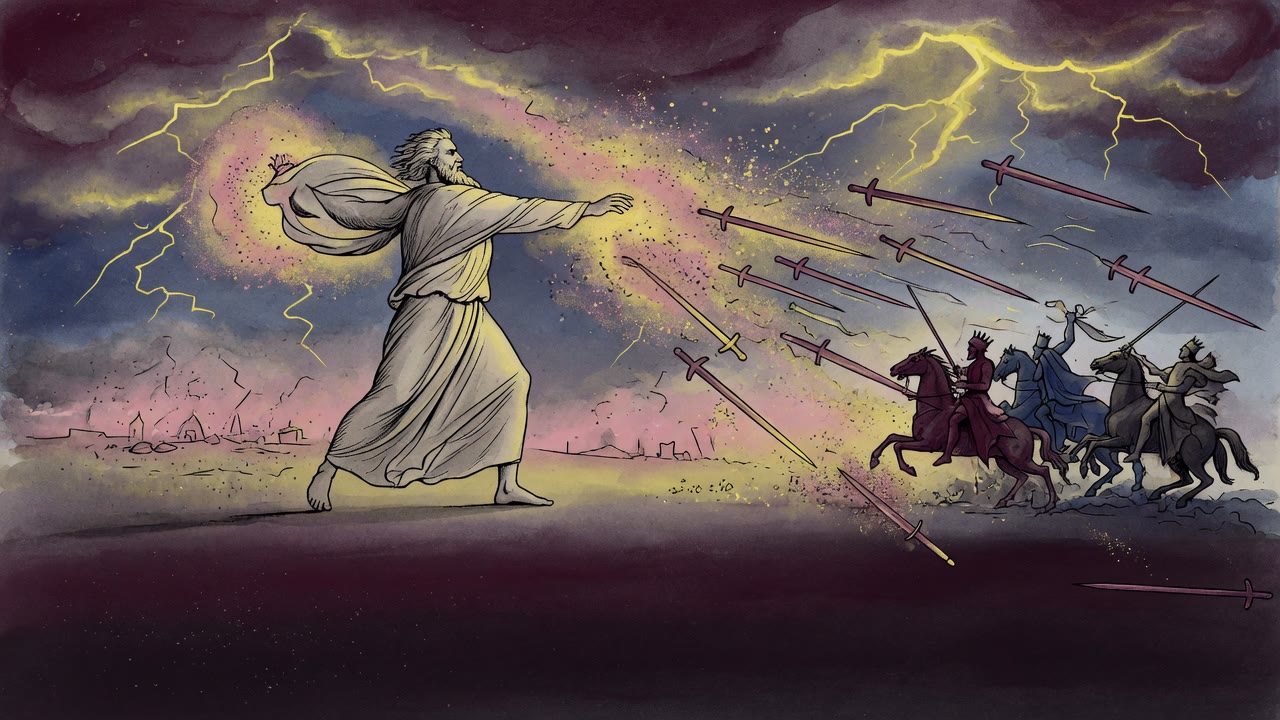
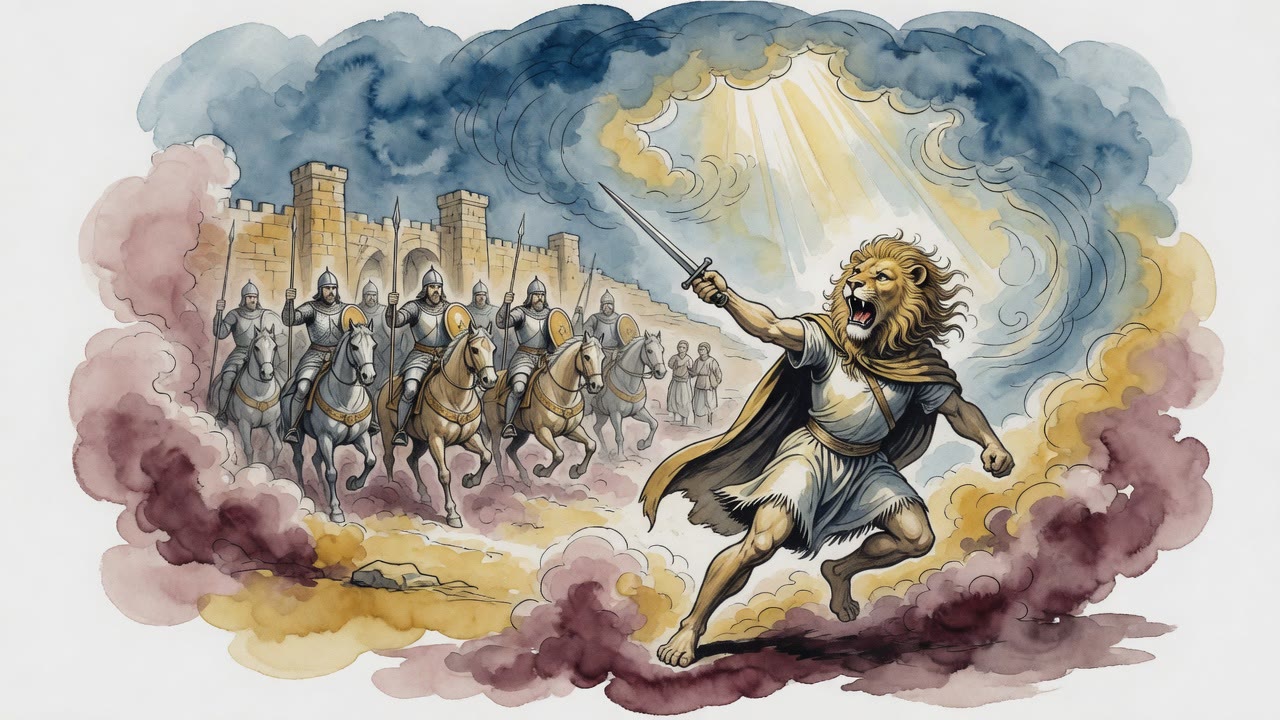
When raiders dragged Lot off, Abraham chased four kings into the dark, and the dust he hurled turned to swords on Passover night.
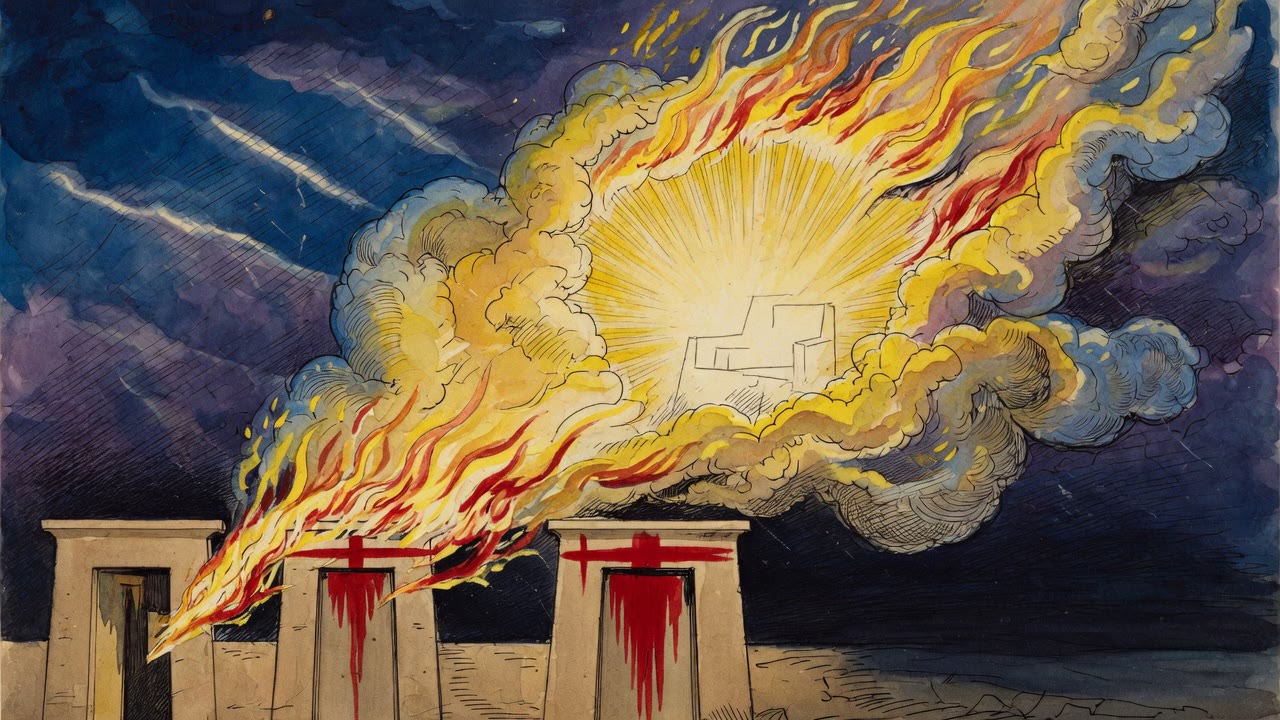
An Egyptian carried his firstborn to a Hebrew house and begged the family to keep him for the night. At dawn the boy lay dead between their sons.
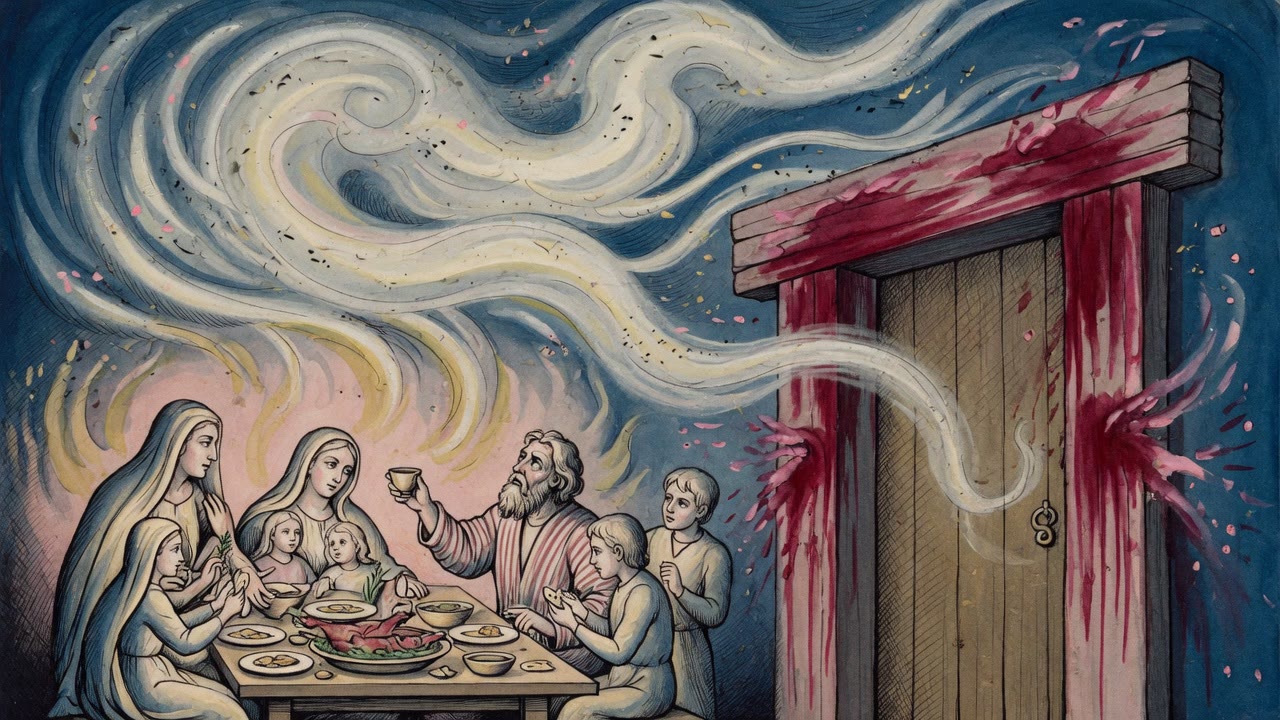
The lamb was gone and the staffs were in hand. Still the doors stayed shut, because Moses would not let Israel leave Egypt like thieves.
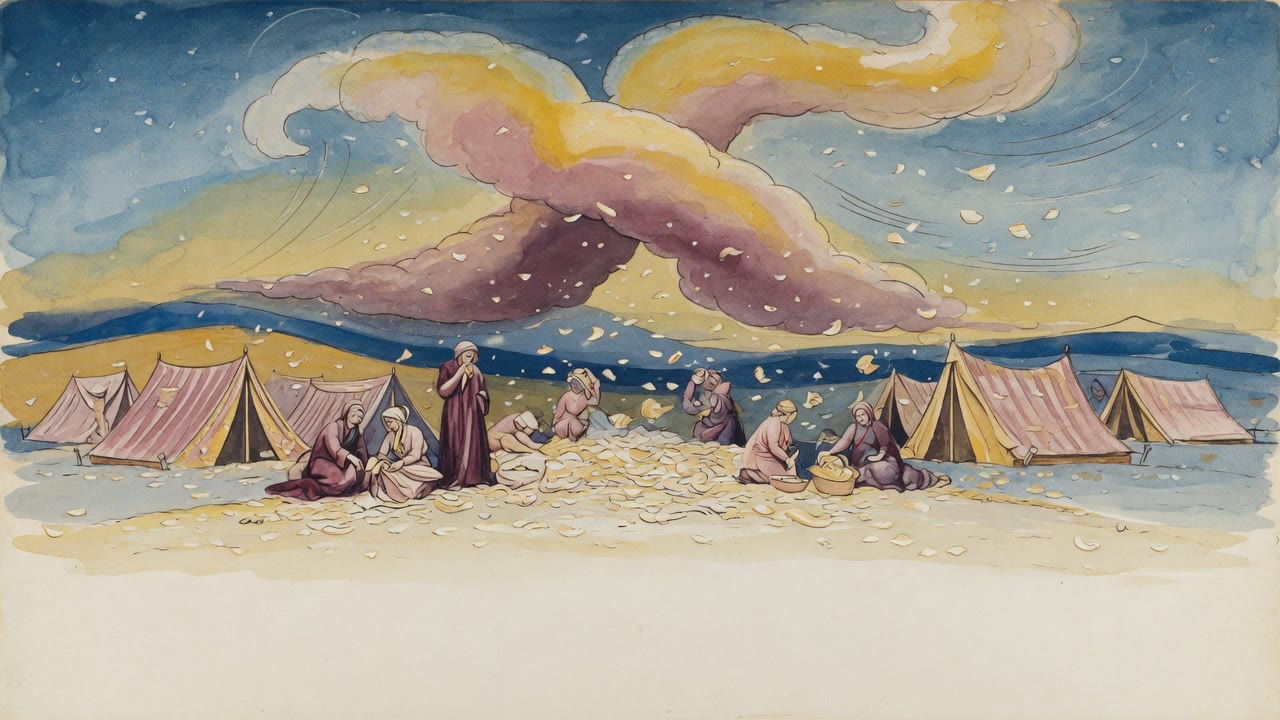
In the desert, manna appeared at every door each morning except Shabbat. The taste changed with each bite to match what you desired, unless you were wicked.
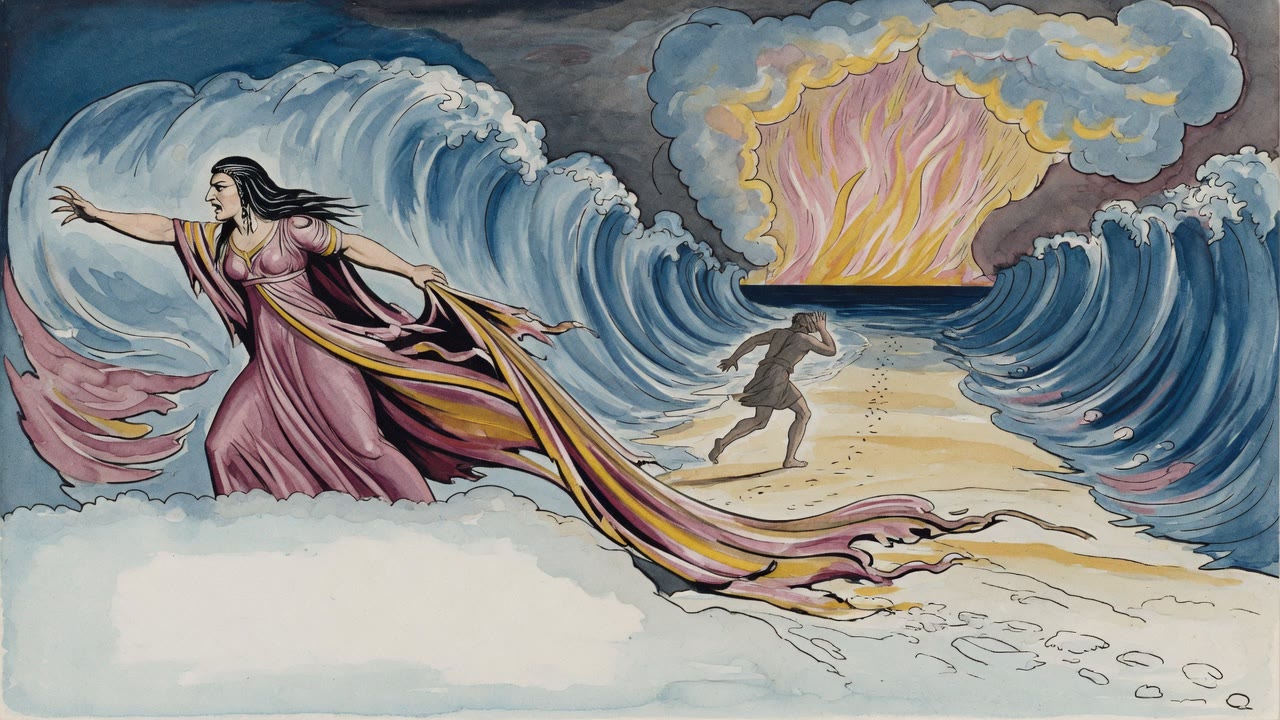
Joseph fled Zuleika's grasp and left his cloak behind. Her lie sent him to prison, but his flight later opened the sea for Israel.
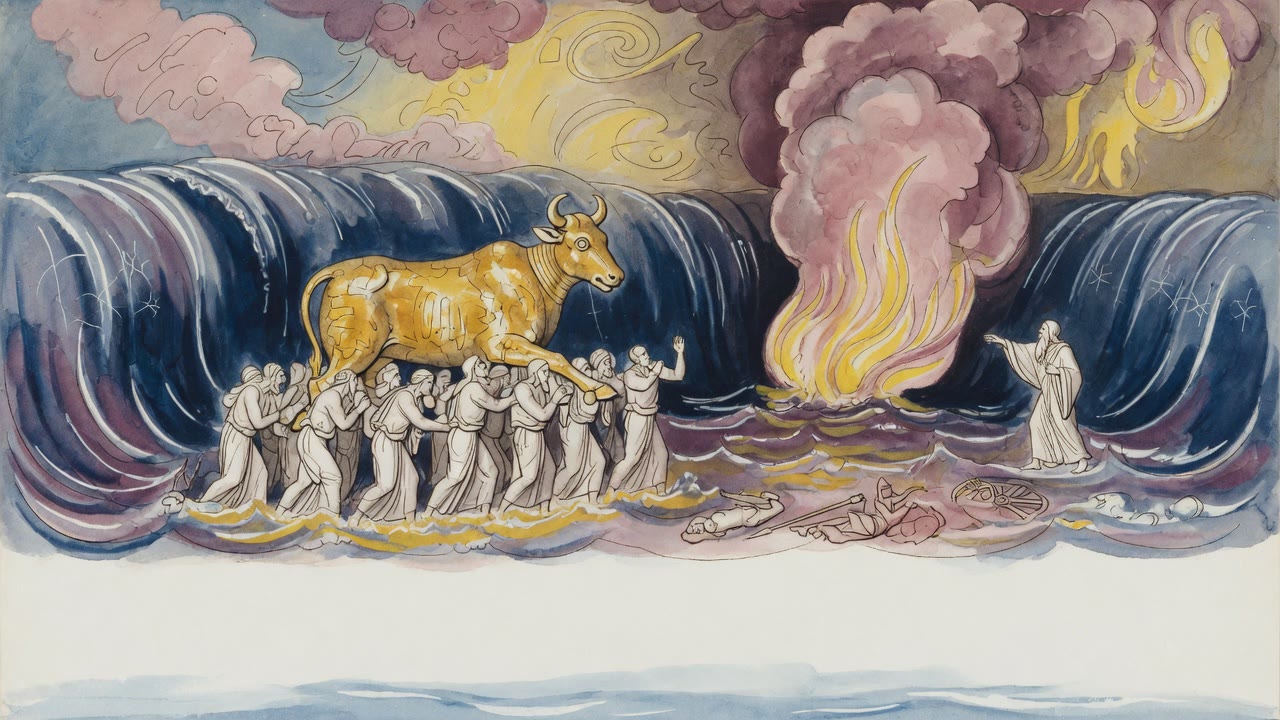
Most people think the Red Sea left Egypt behind. A second-century rabbi says Israel carried something through the water Moses had to strip away.
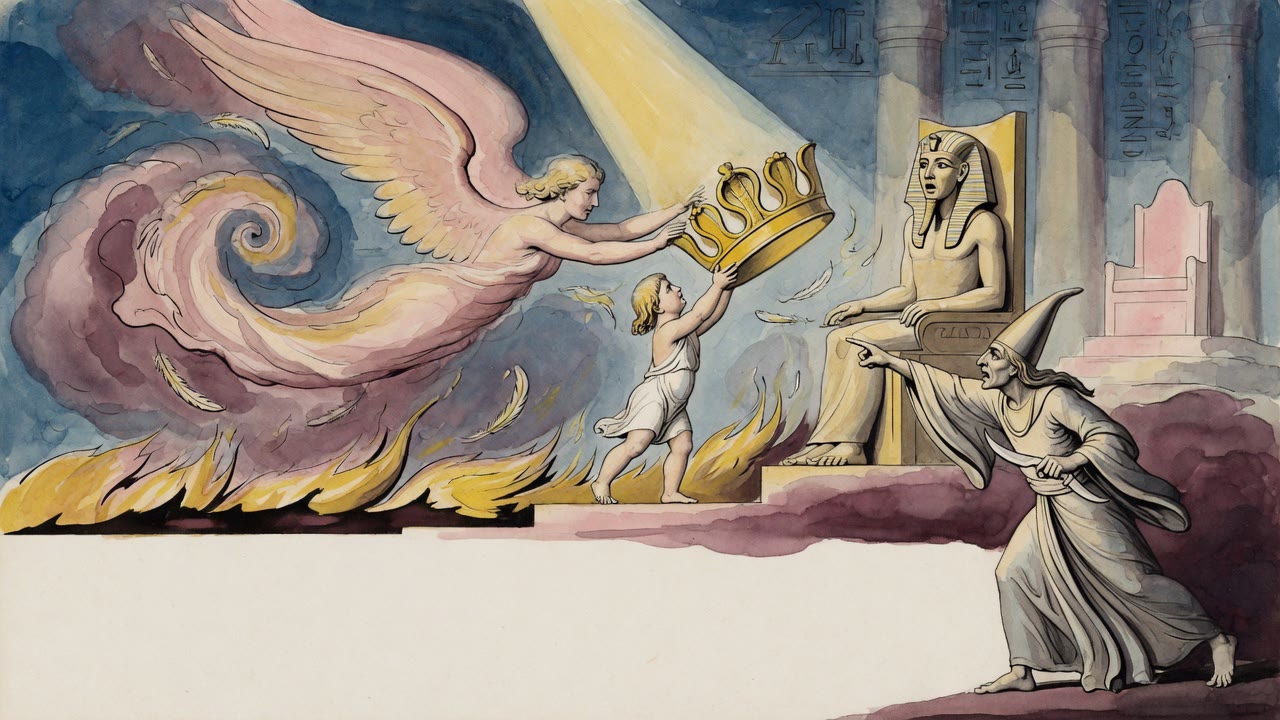
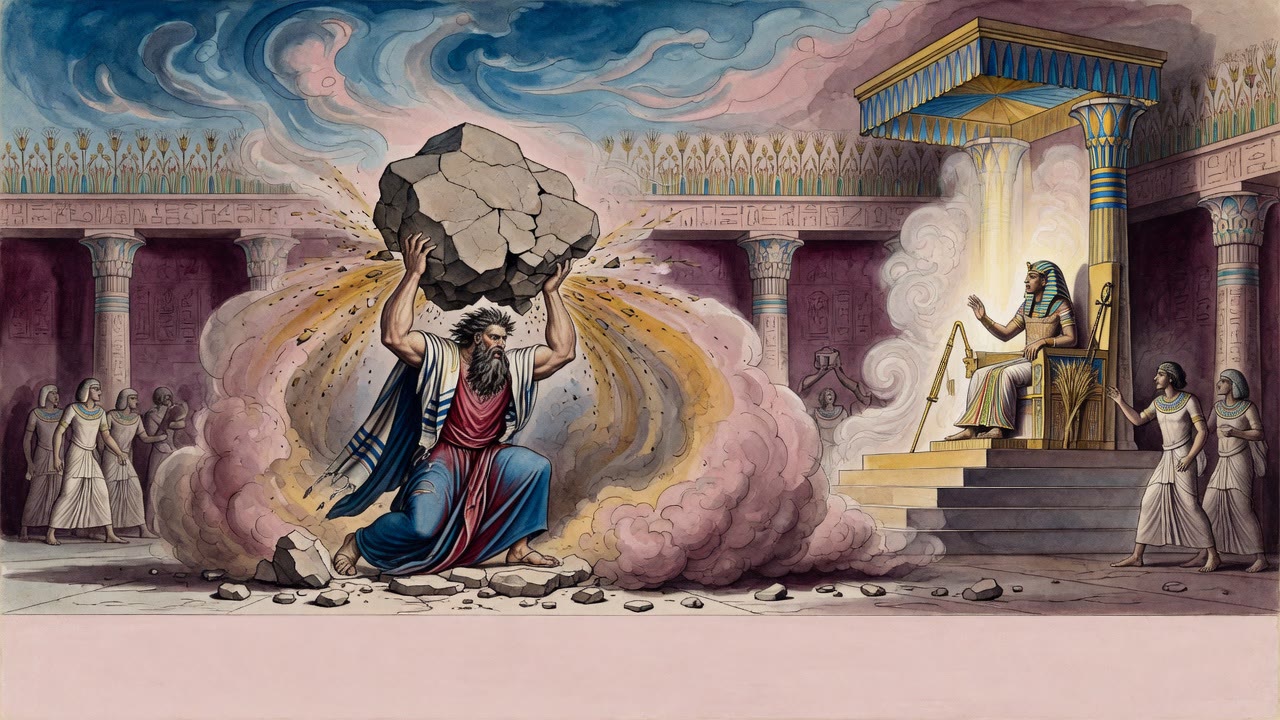
The child was three. He took the crown off Pharaoh's head and set it on his own. A sorcerer in the room called for his death.
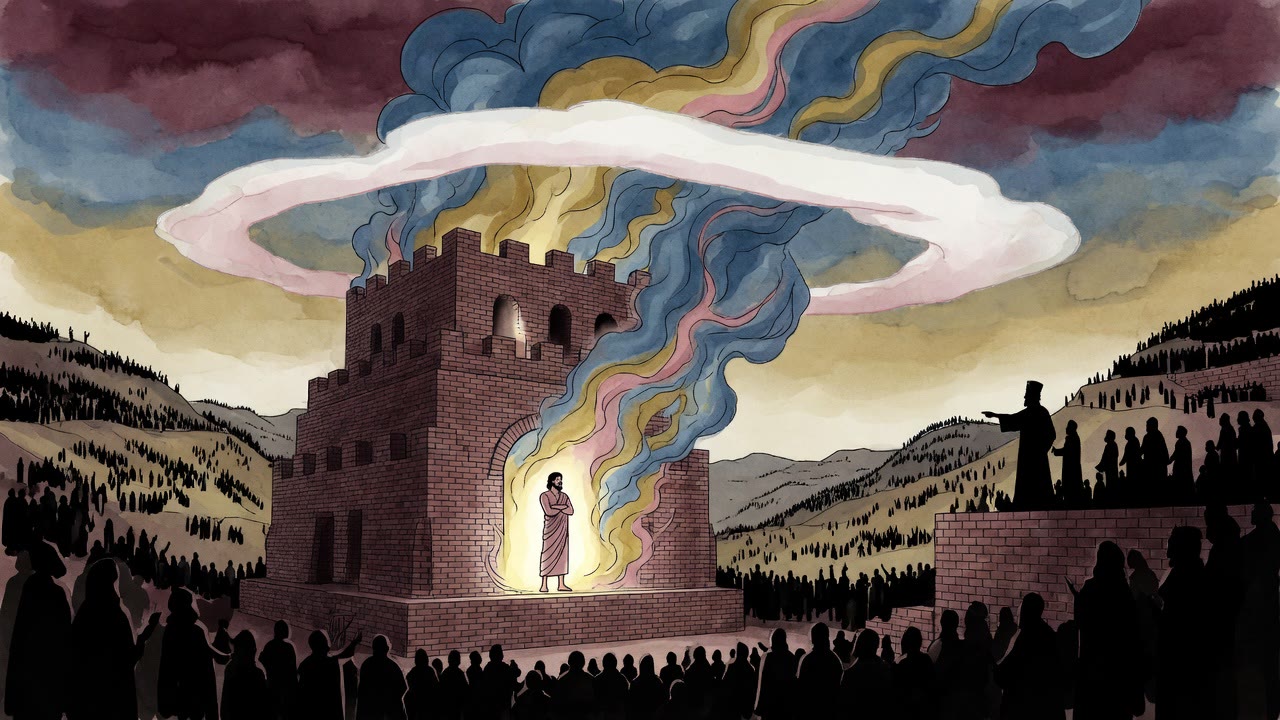
Terah told the king it was Haran who had advised the swap. It was a lie to save himself, and it put his own son in front of the fire.
The other brothers stood back and let the two of them go at it. Angels came down out of heaven to watch, and called it a bull against a lion.
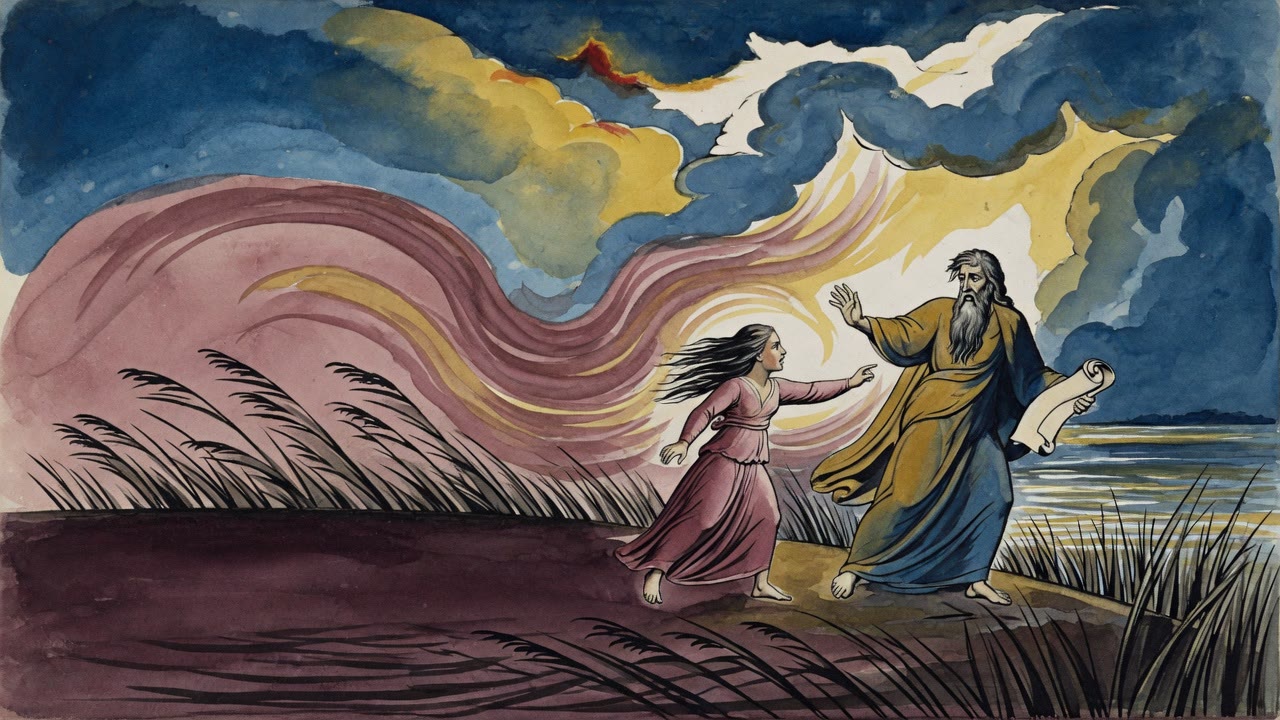
A six-year-old girl told her father his decree was worse than Pharaoh's. Then Miriam prophesied the child who would save Israel.
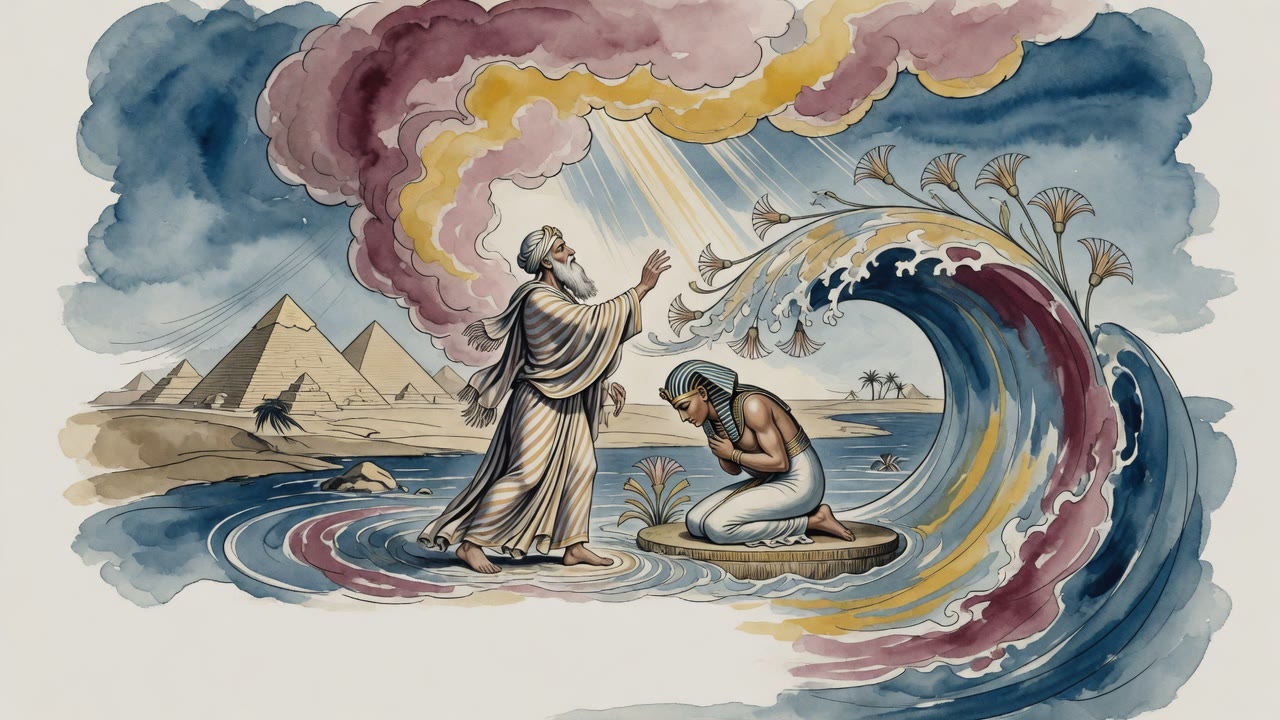
A hundred and thirty years old, leaning on a staff, Jacob walked into Pharaoh's throne room and blessed the most powerful man in the world. The Nile answered.
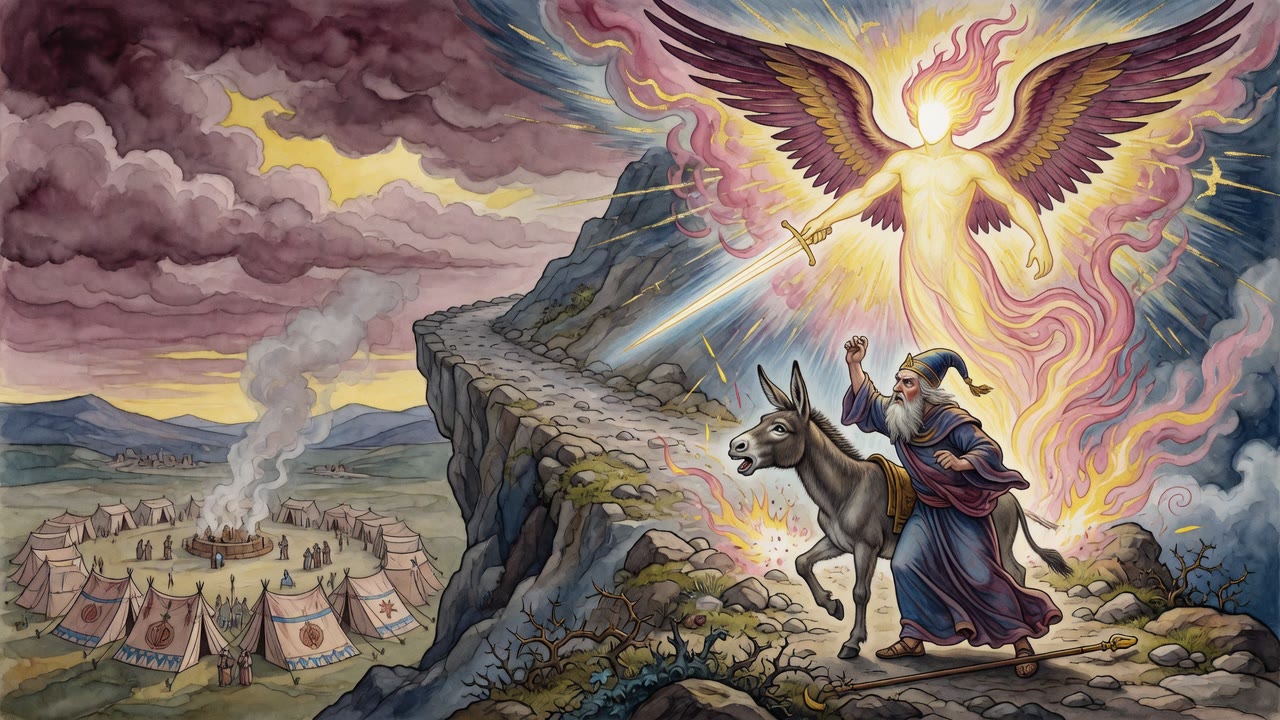
Balaam saddled his donkey before dawn, eager to curse Israel for Balak's money. The donkey saw the angel blocking the road. Balaam saw nothing.
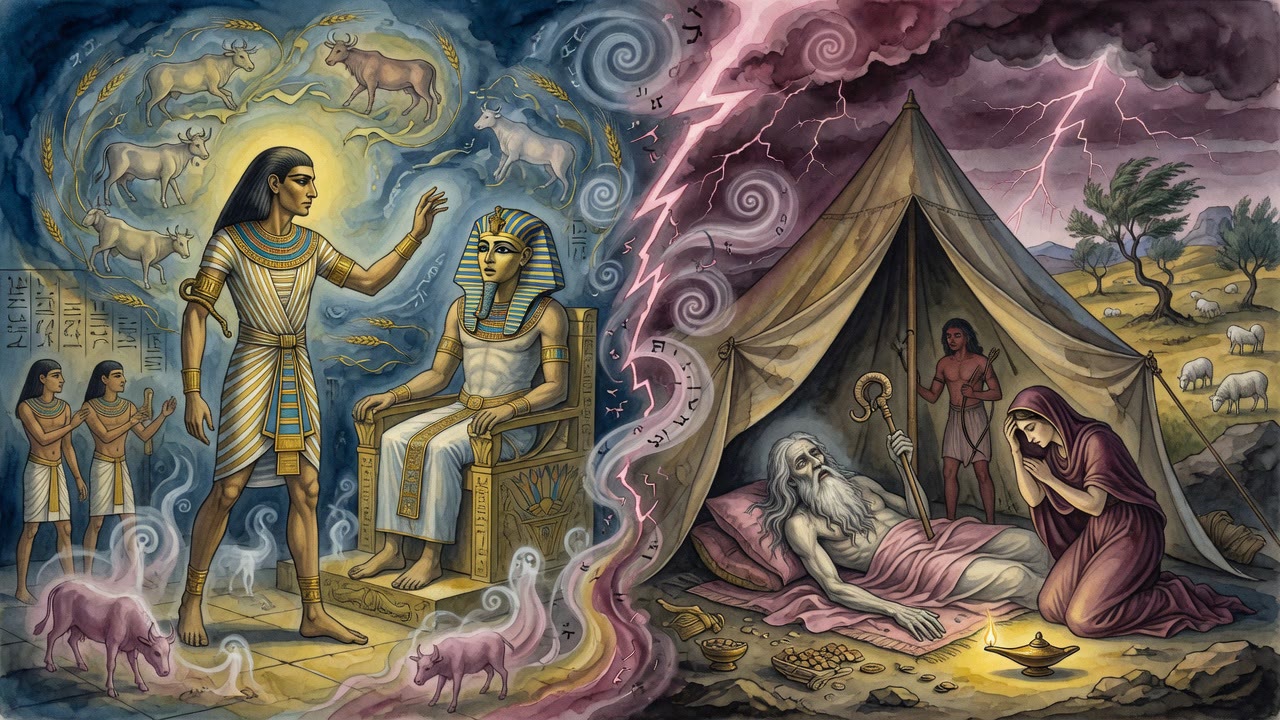
Joseph left the cell in borrowed clothes to stand before Pharaoh. In Hebron that same day, Isaac's eyes closed. The grandfather never saw the throne.
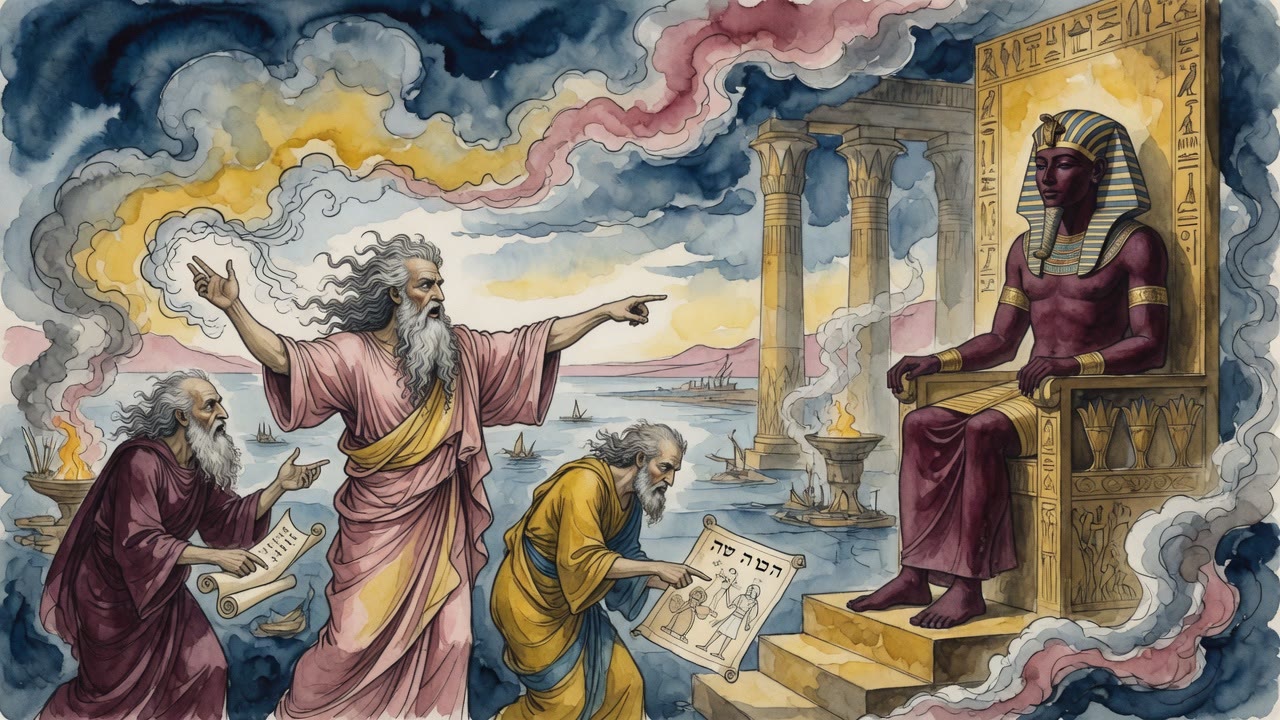
Three advisors stood before Pharaoh. One fled, one stayed silent, and Balaam found the loophole that drowned Hebrew babies in the Nile.
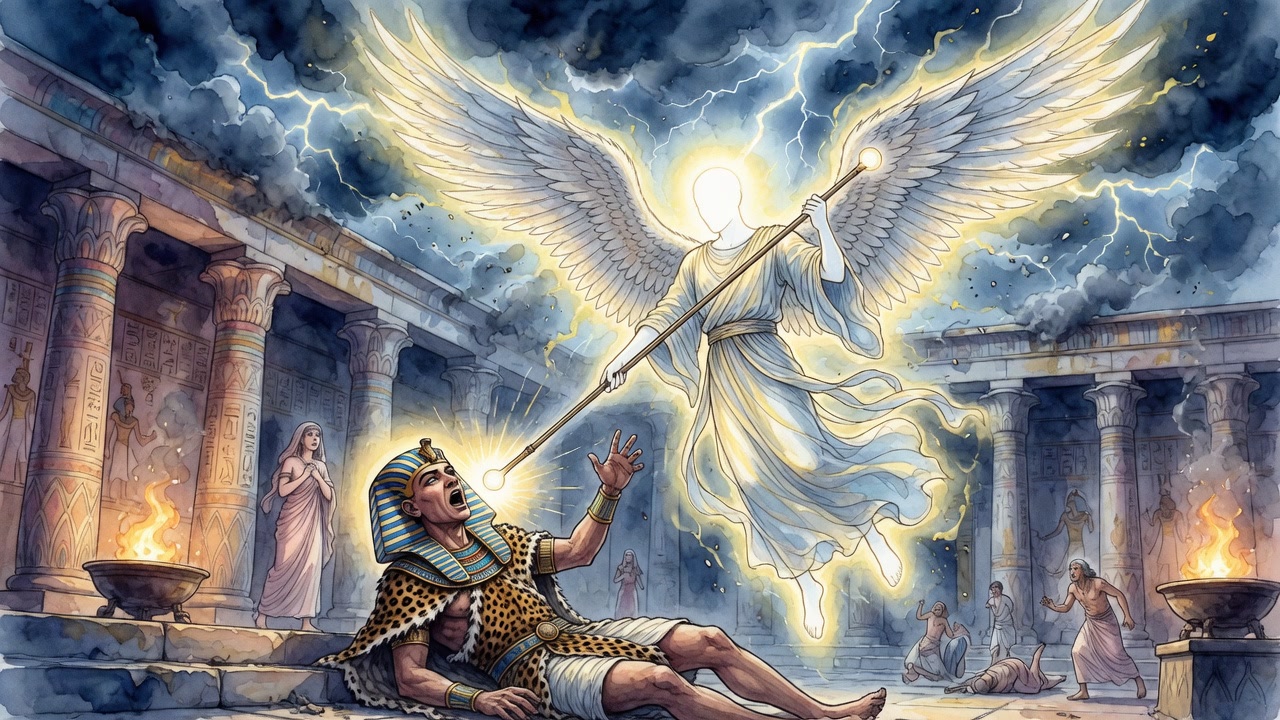
Pharaoh reached for Sarah's shoe in the palace dark. The angel raised the rod and waited for her to say whether it should fall.
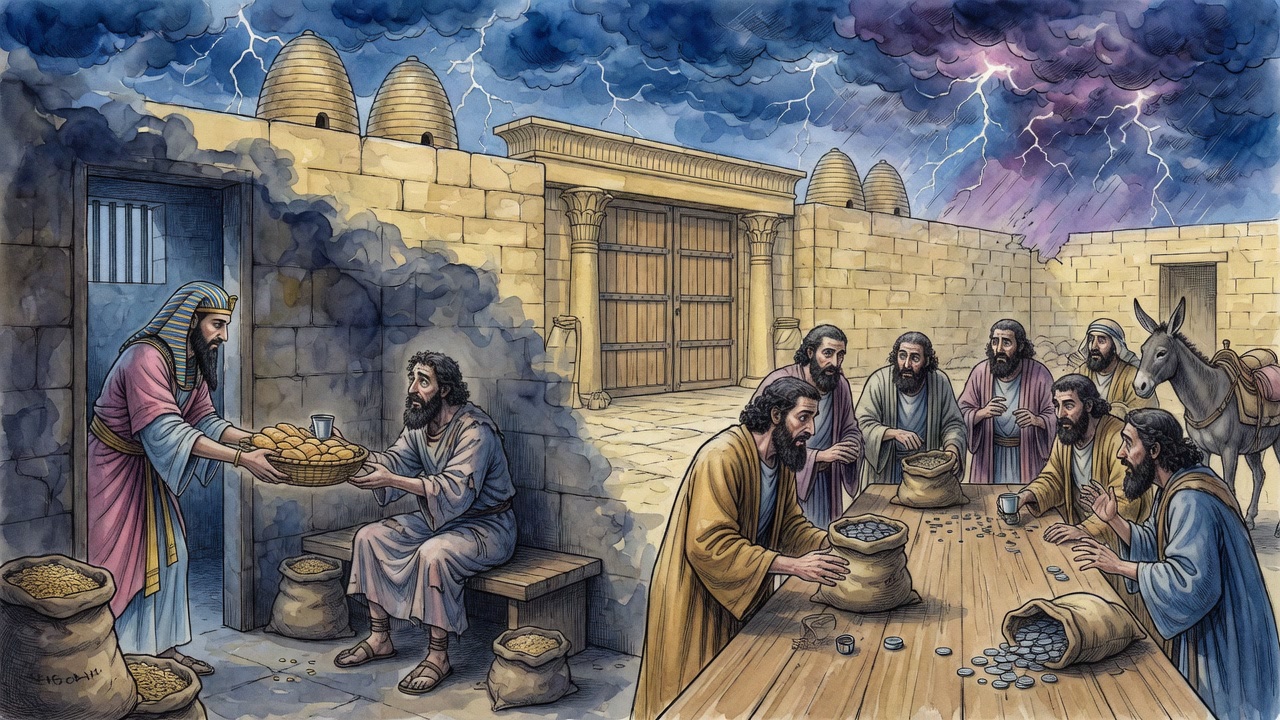
Joseph chained Simeon in front of his brothers, then ordered good food sent to the cell as soon as they left. The cruelty and the care were the same plan.
A storm drove Elchanan's spice ship onto a sandbank at the far end of the world. The men who came down to the beach were speaking Hebrew.
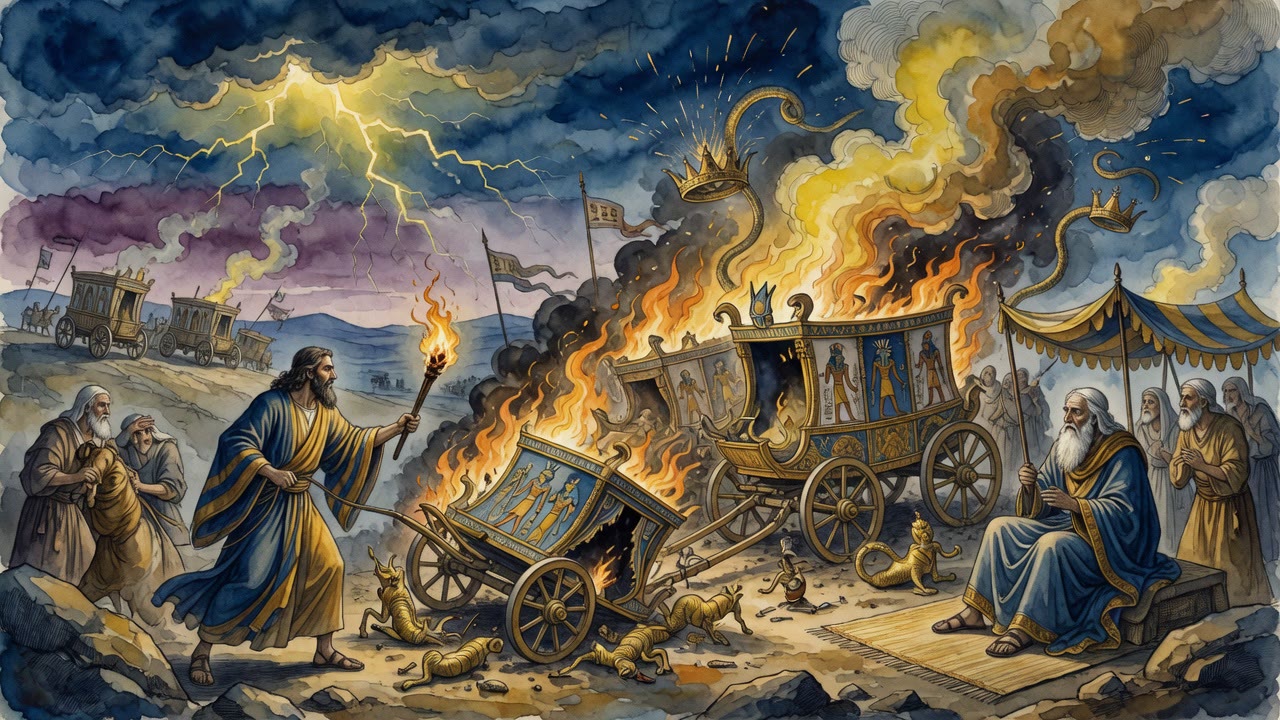
Pharaoh sent wagons painted with idols to carry old Jacob into Egypt. Judah saw the images first, and reached for fire.
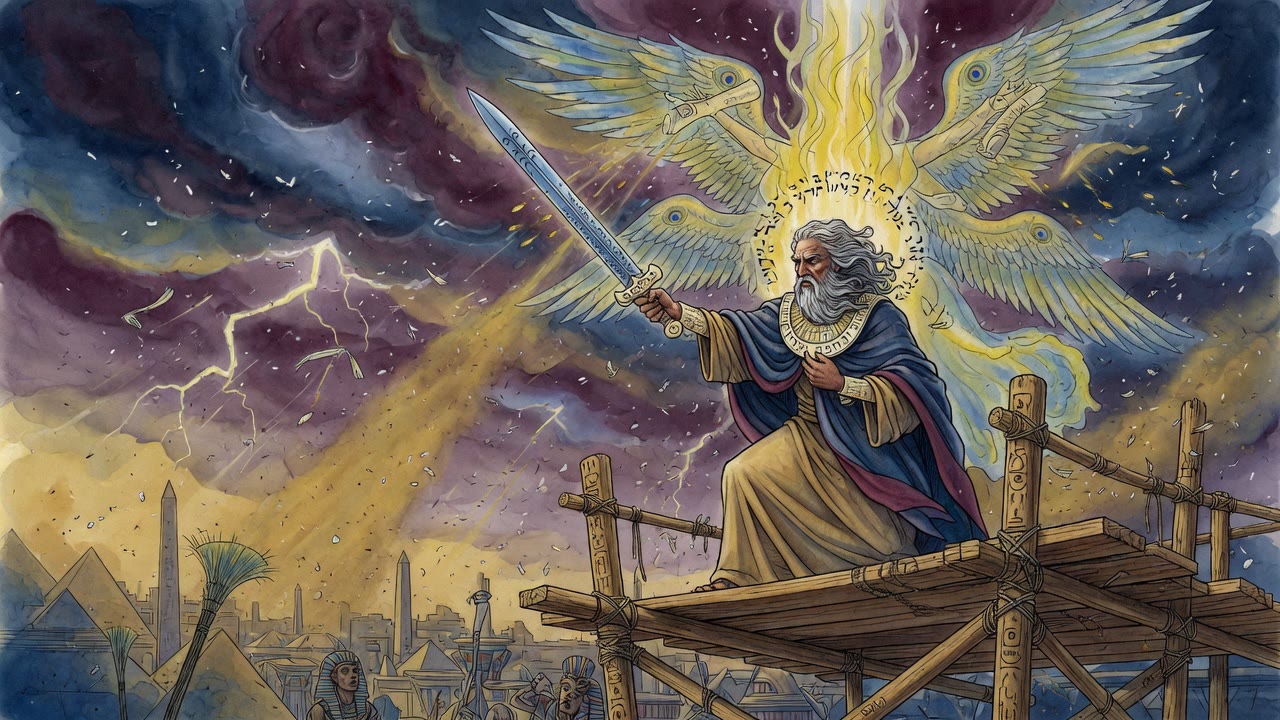
A sword sharp beyond compare came down on Moses's neck ten times and could not cut it. Then an angel climbed the scaffold dressed as the executioner.
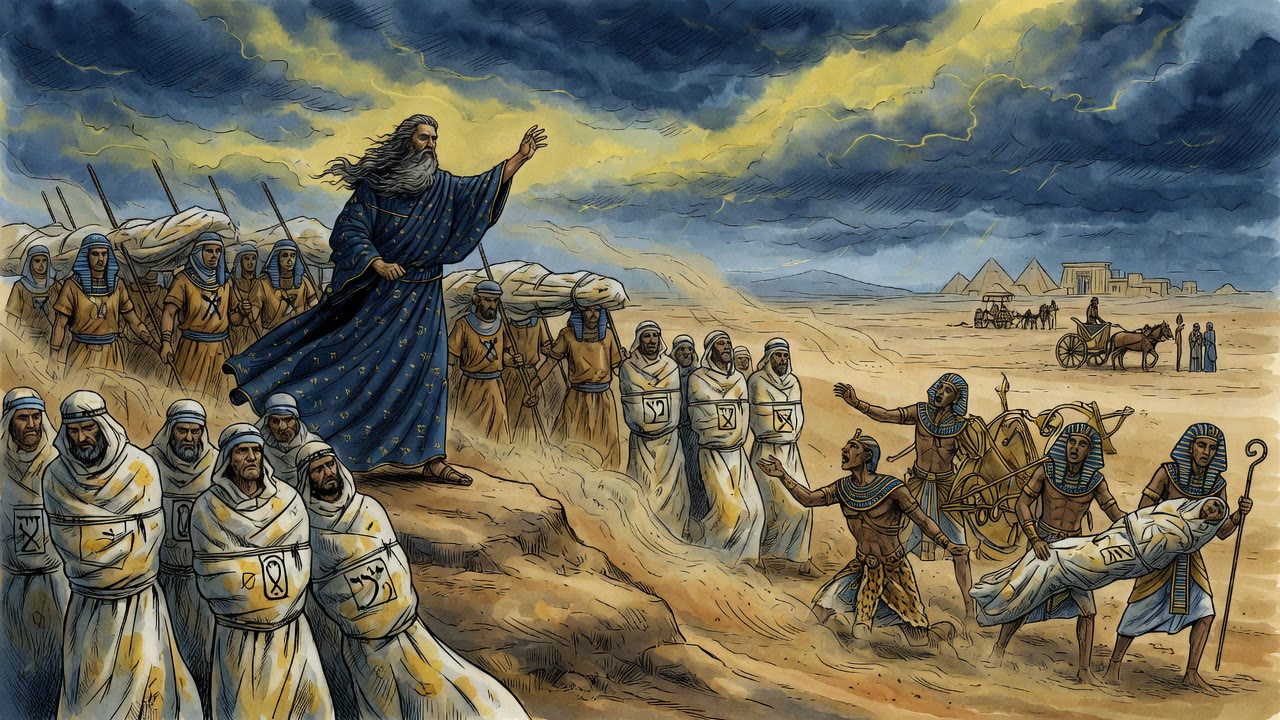
The men reached Jerusalem with their tools still rolled. Solomon did not set them to work. He handed each one a folded sheet of burial linen.
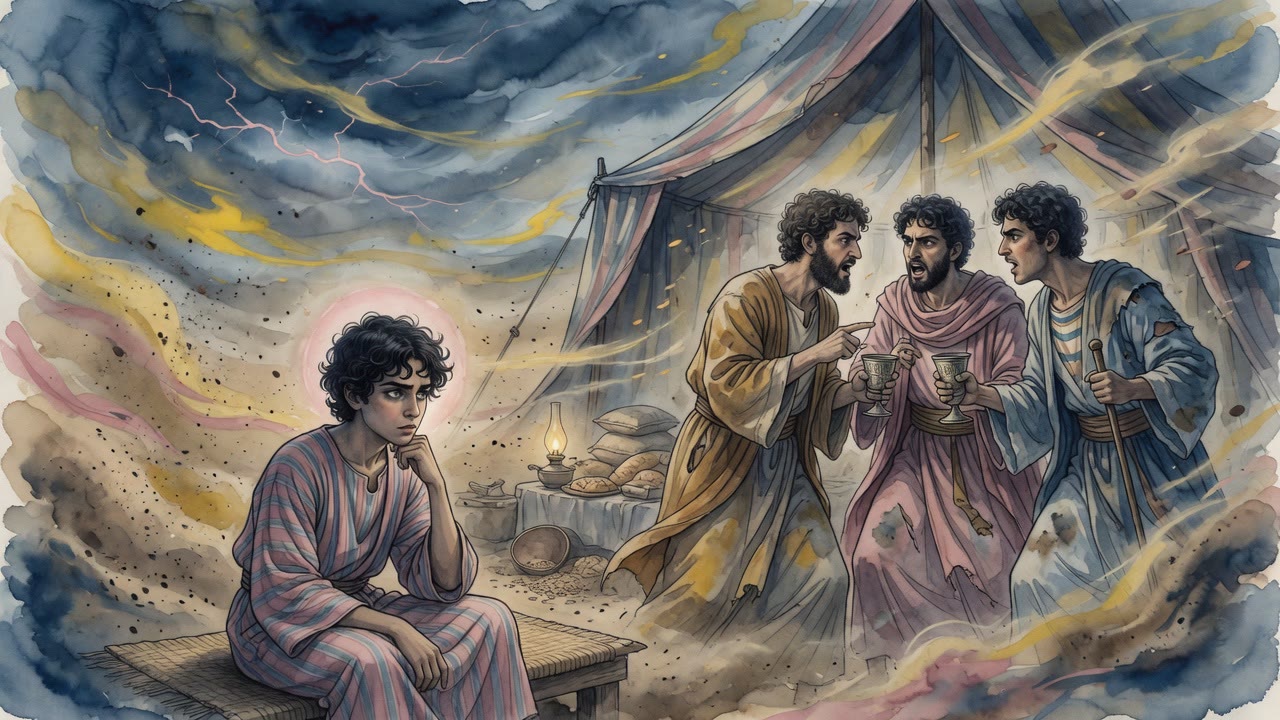
When Benjamin went to Egypt, Joseph pulled him aside and asked what their brothers had told Jacob. The answer revealed a mercy his brothers never knew about.
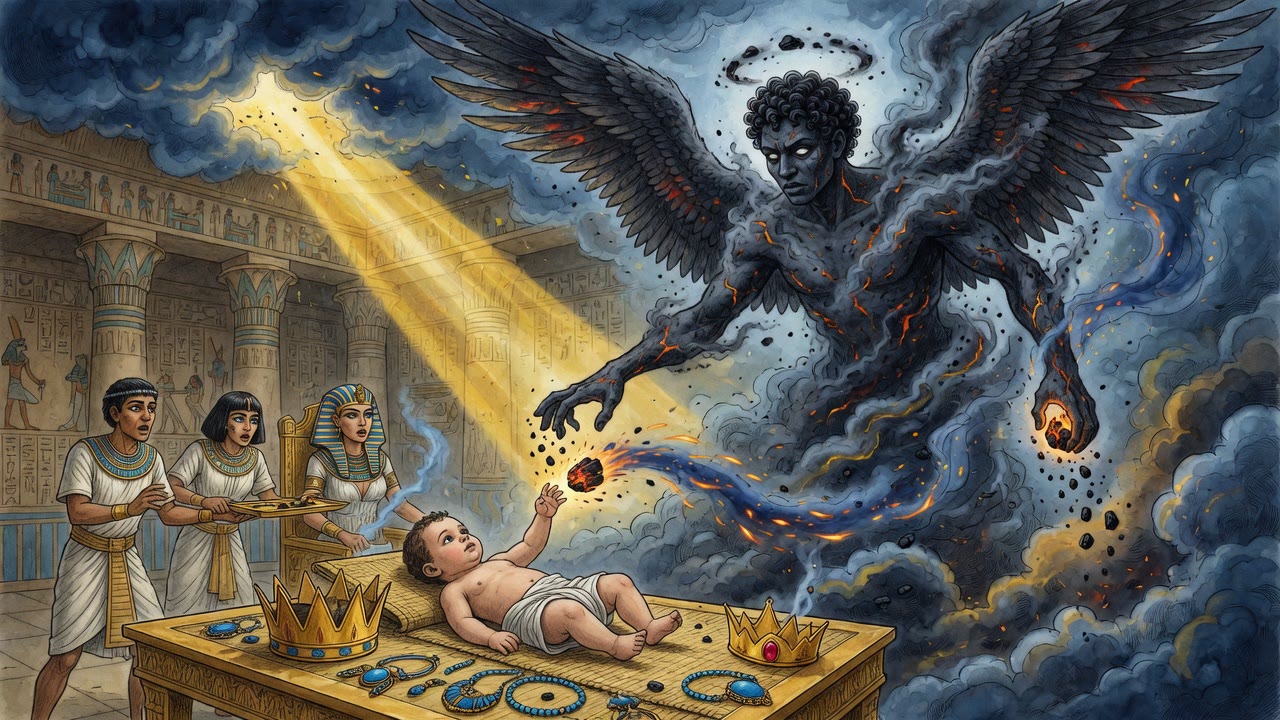
The crown slid down over the boy's ears. Cold air hit Pharaoh's scalp. Along the banquet table, nobody in the hall chewed.
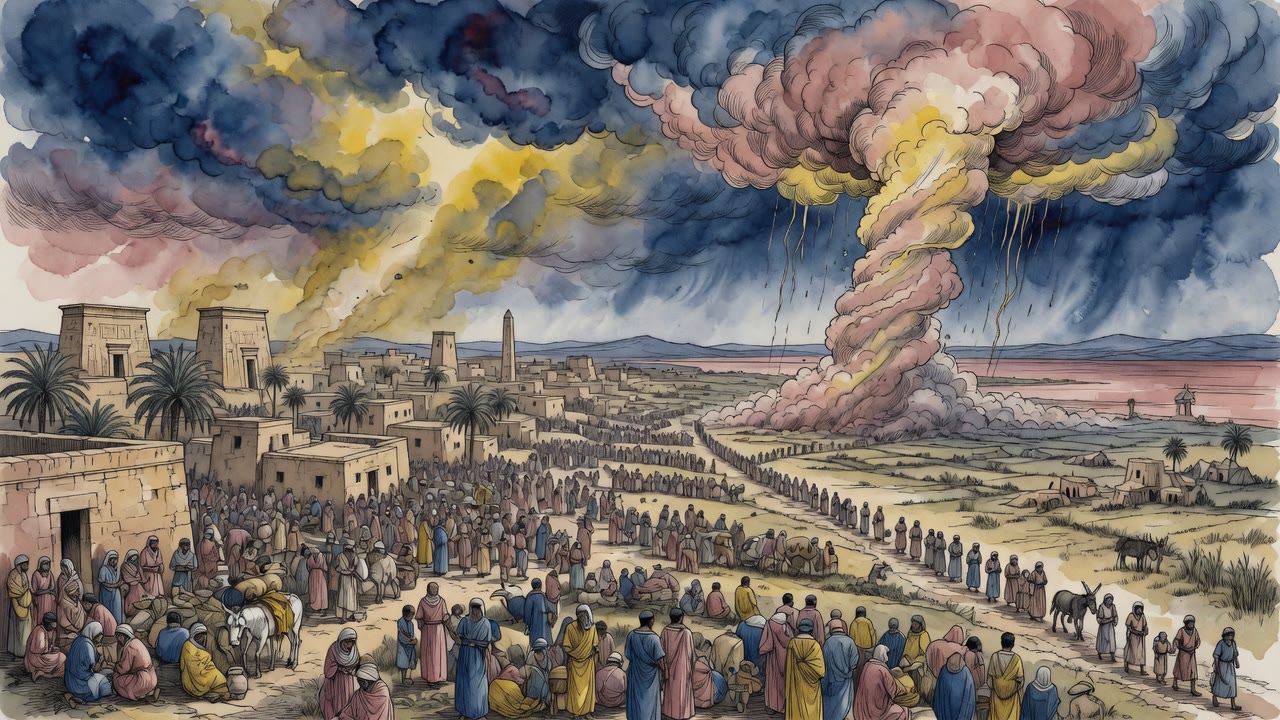
Israel marched out of Egypt armed and in ranks, but one small word counted the missing. Four of every five stayed behind.
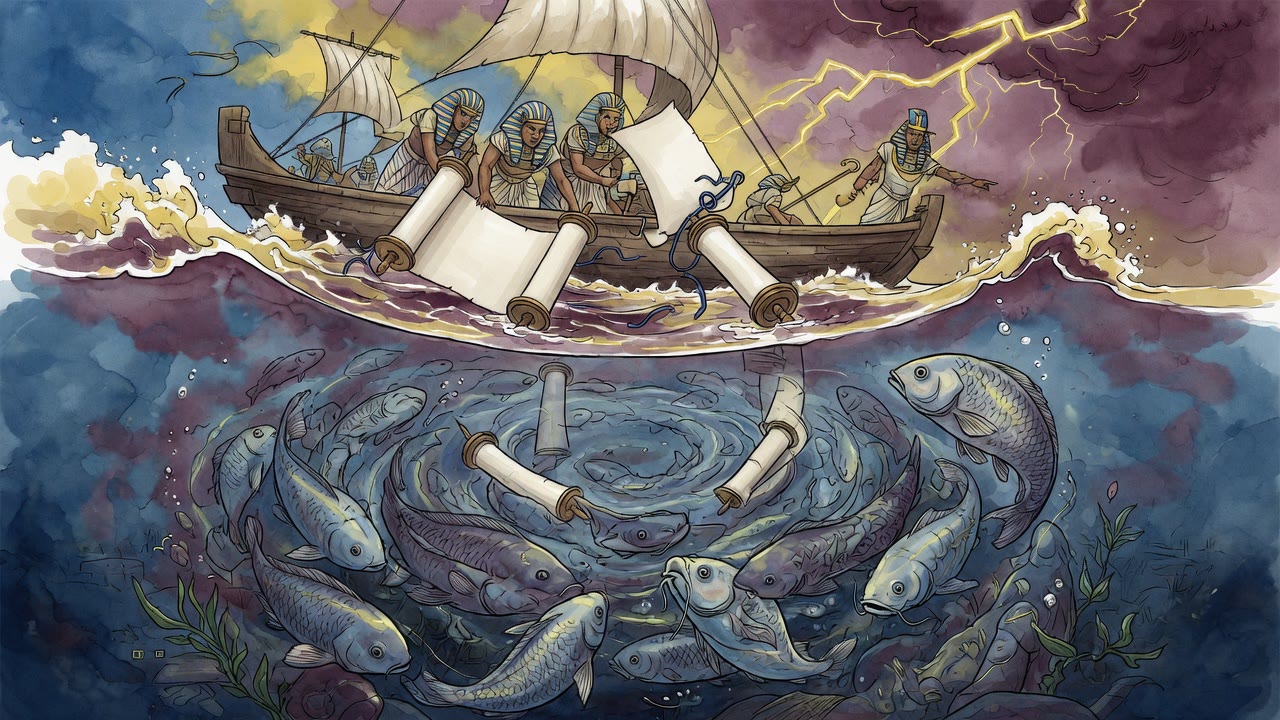
Pharaoh ordered every Hebrew boy thrown into the Nile. The Tikkunei Zohar connects that decree to the fish that swallowed Jonah. Both were the same act.
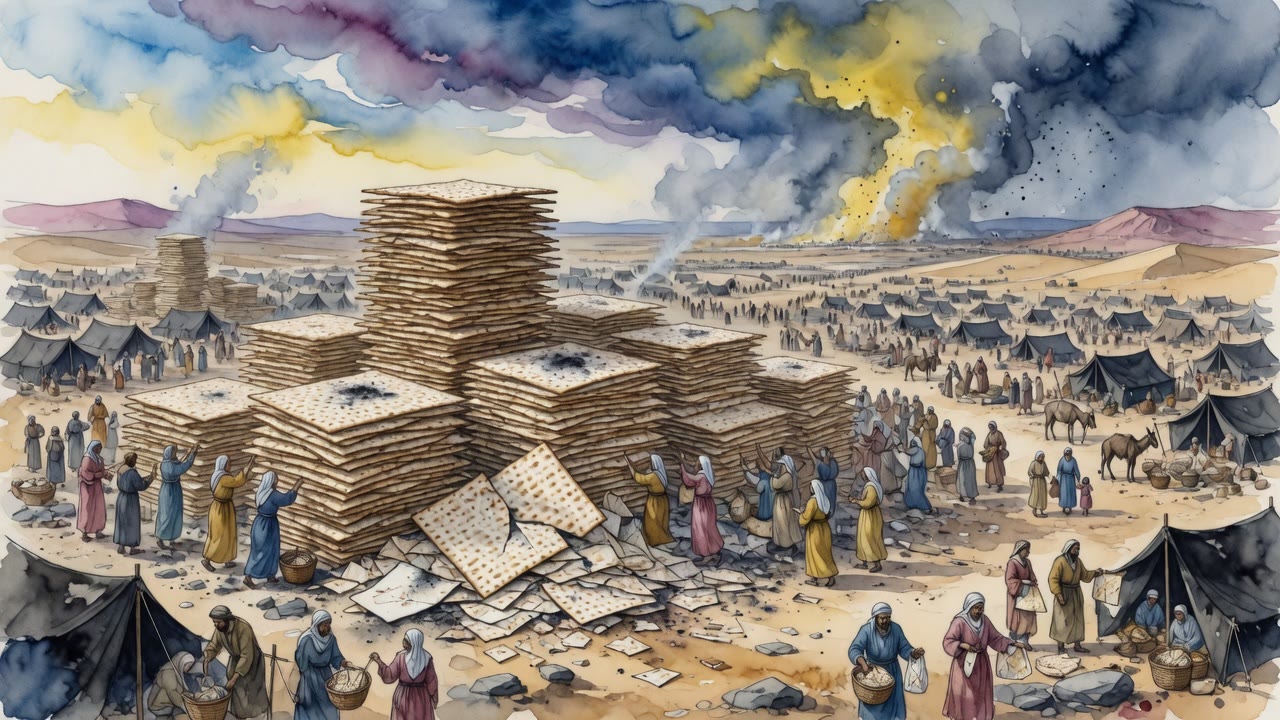
The manna did not fall the first day. Israel walked the wilderness for a full month on the bread they baked against their backs the night they fled.
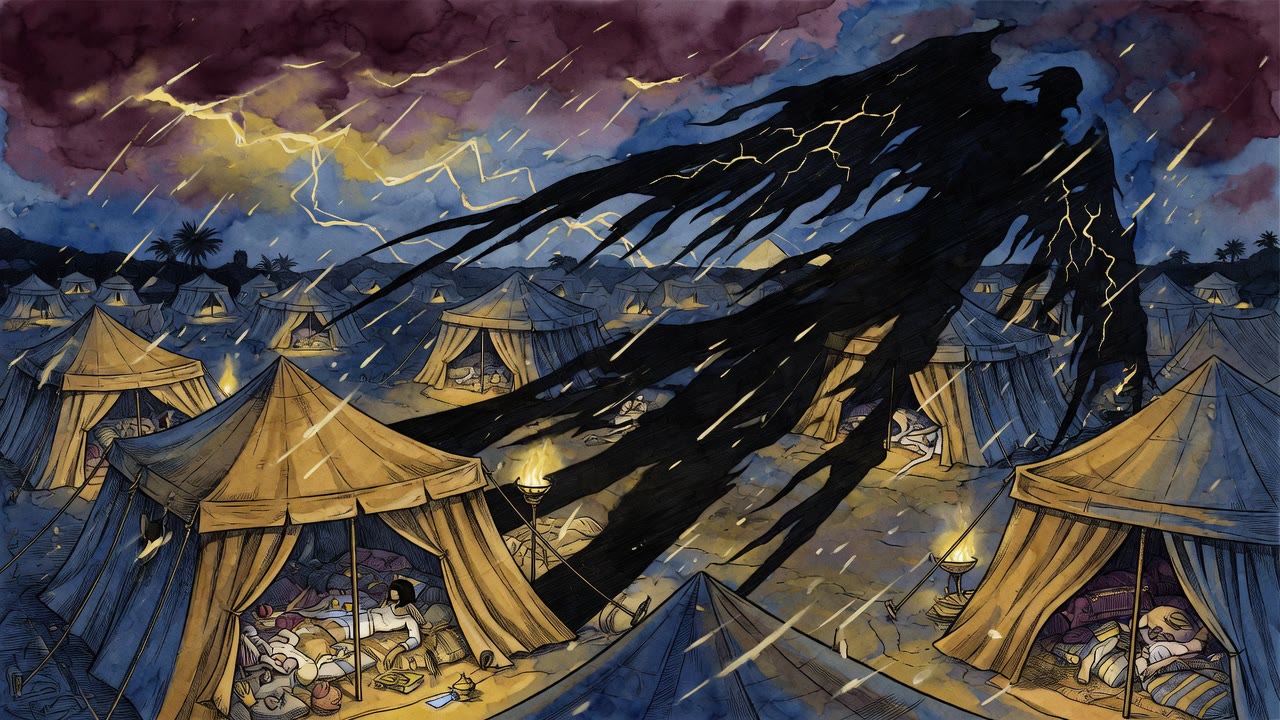
A Cushite trader sleeps under an Egyptian roof when the tenth plague comes. The firstborn of Ham dies in Egypt's tents, far from his own land.
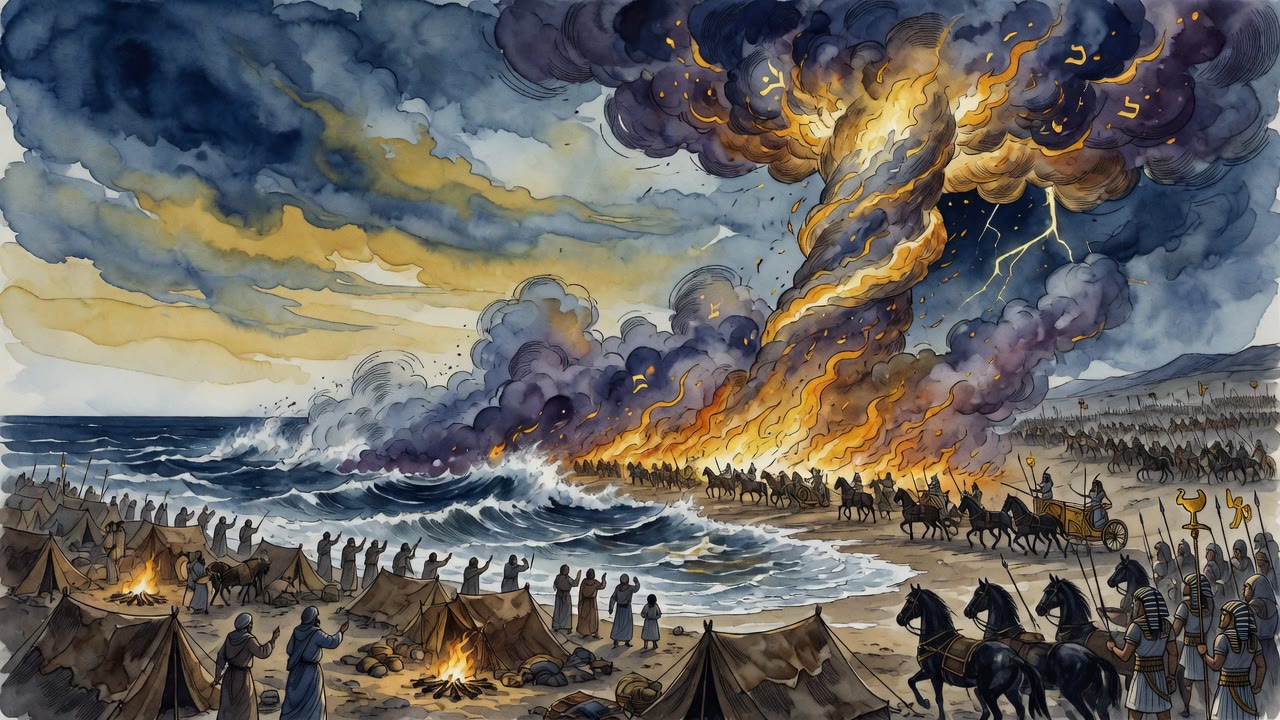
The angel moved from the front of the camp to the rear, set itself between Israel and Pharaoh's chariots, and a different Name rode with it.
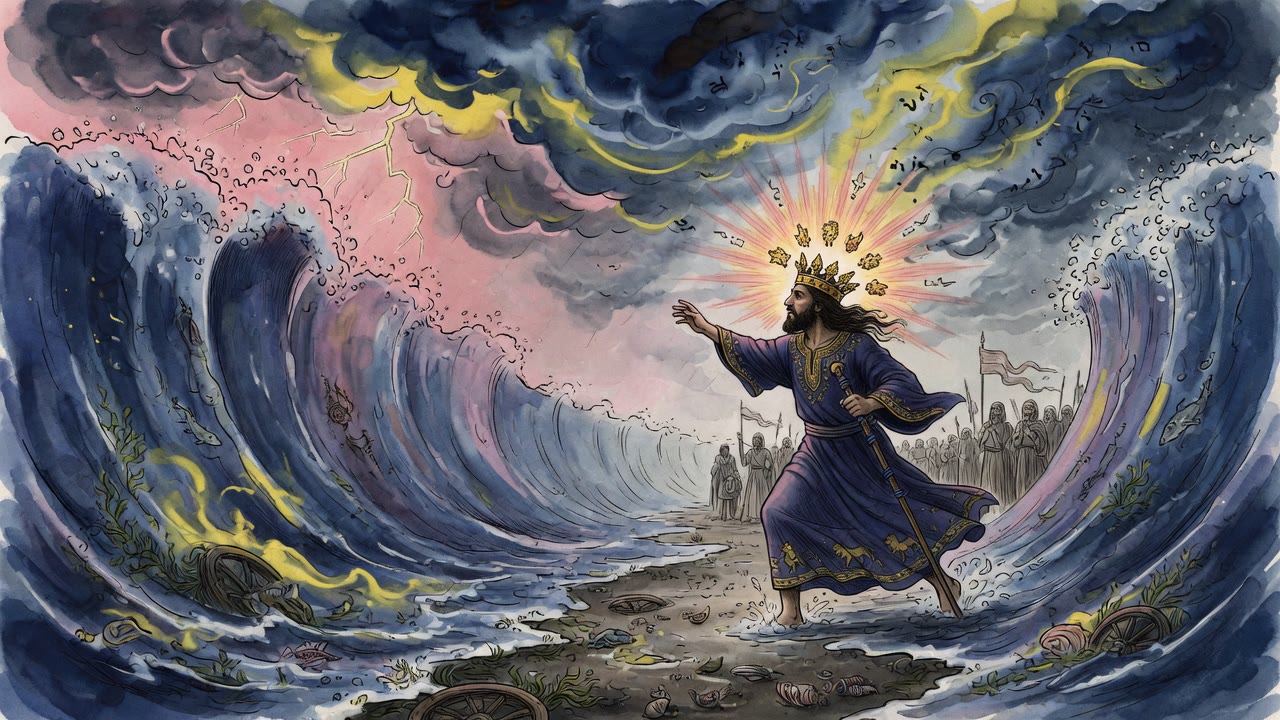
Before a single wave moved, one man waded into the crashing sea up to his throat, and that step decided who would rule Israel.
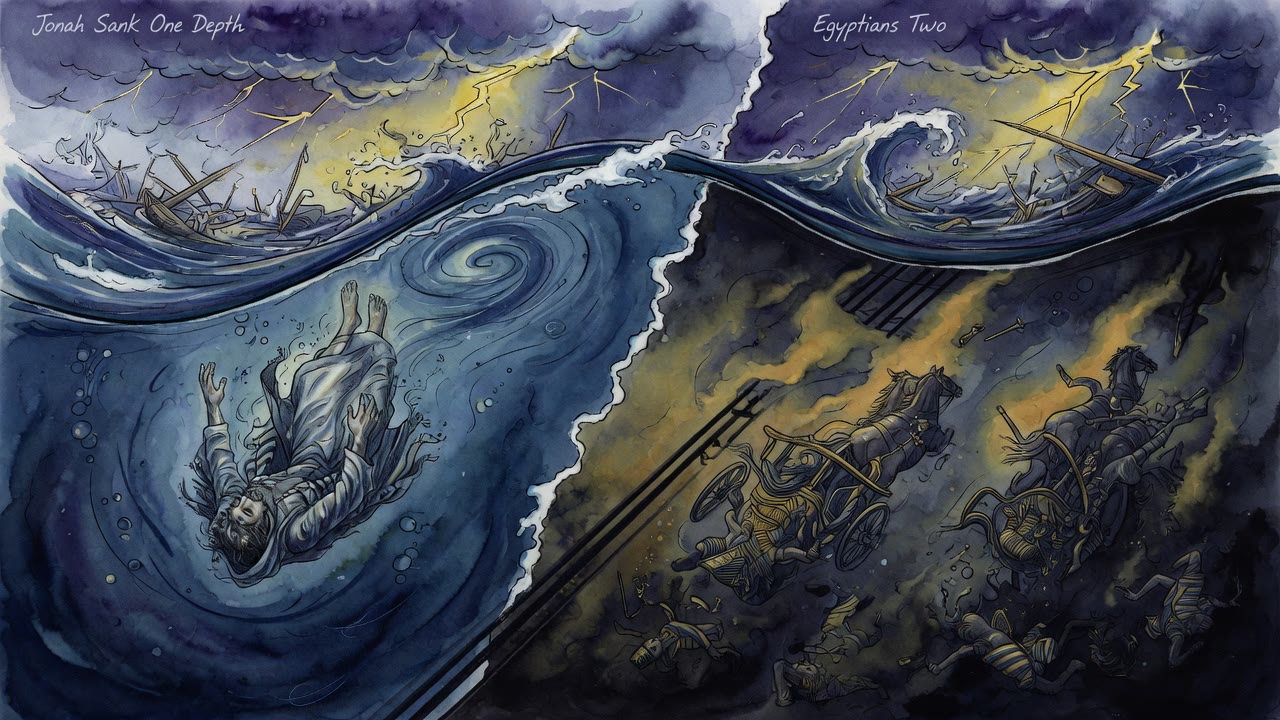
The army at the water could not agree. Some wanted the gold and no killing. Some wanted the killing and no gold. The third group wanted both at once.
