485 myths · Page 9 of 17
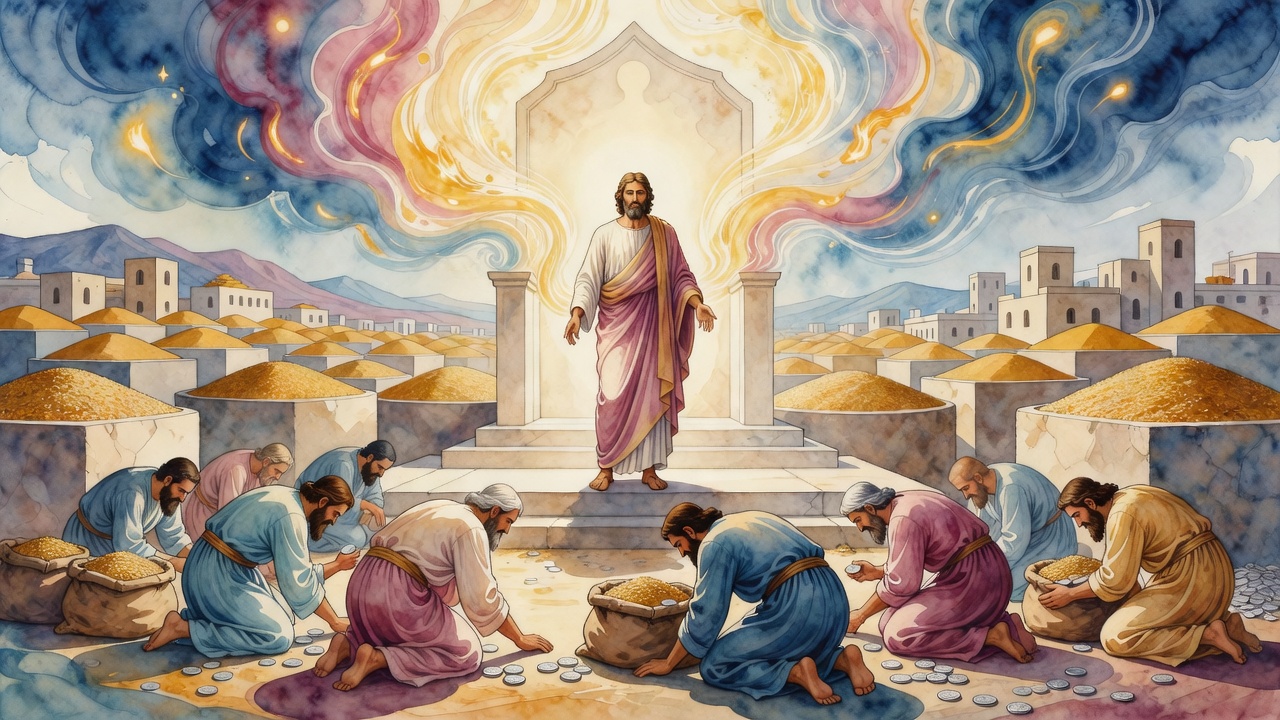
The famine grew sore in Canaan. Jacob saw silver back in every sack. He would not send Benjamin until the house had no bread left.
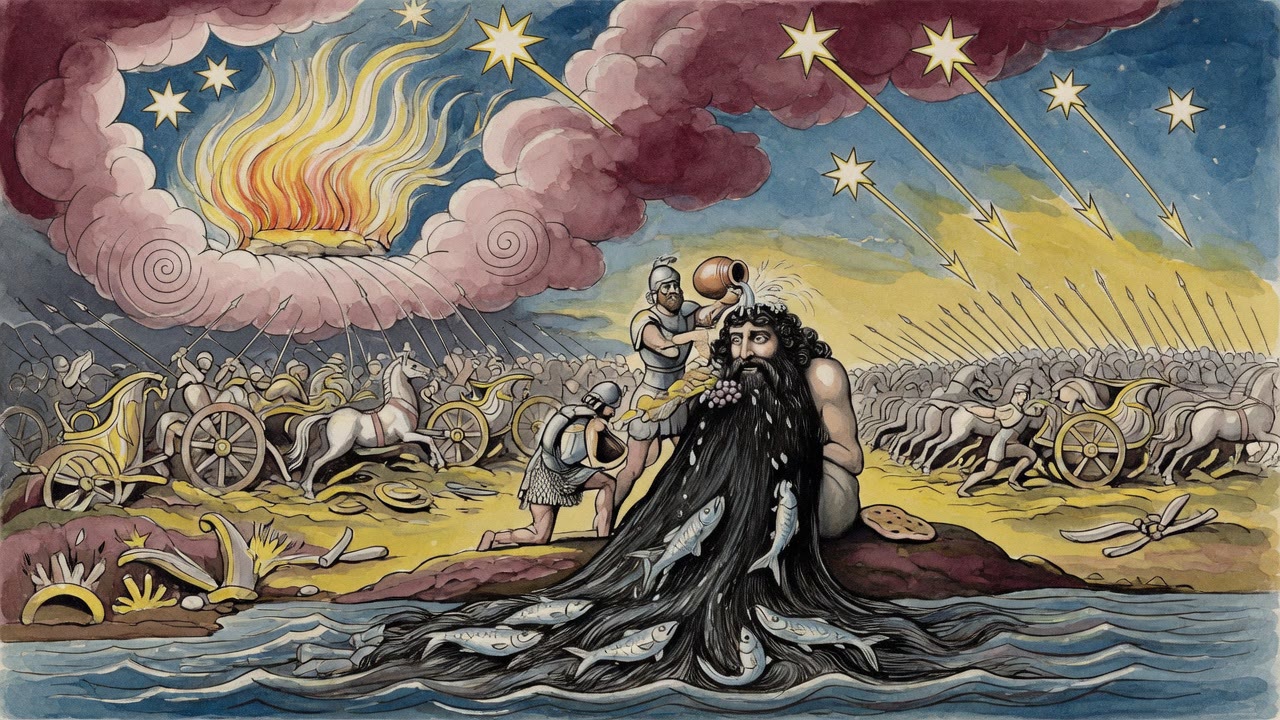
Egypt's cattle had died in the plague. Six hundred chariots still rolled, pulled by beasts that belonged to men who had feared God.
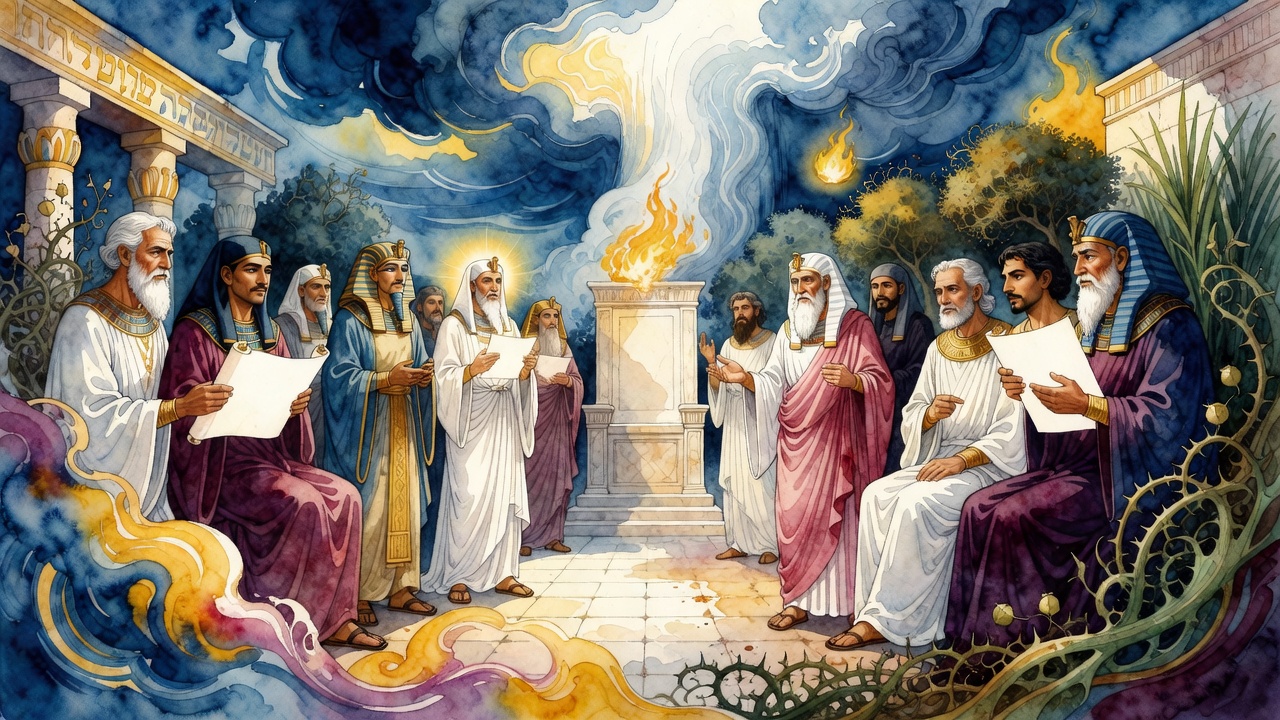
When Israel multiplied like underbrush, Pharaoh asked his counselors for a plan. Job of Uz stepped forward and proposed death for every newborn Hebrew son.
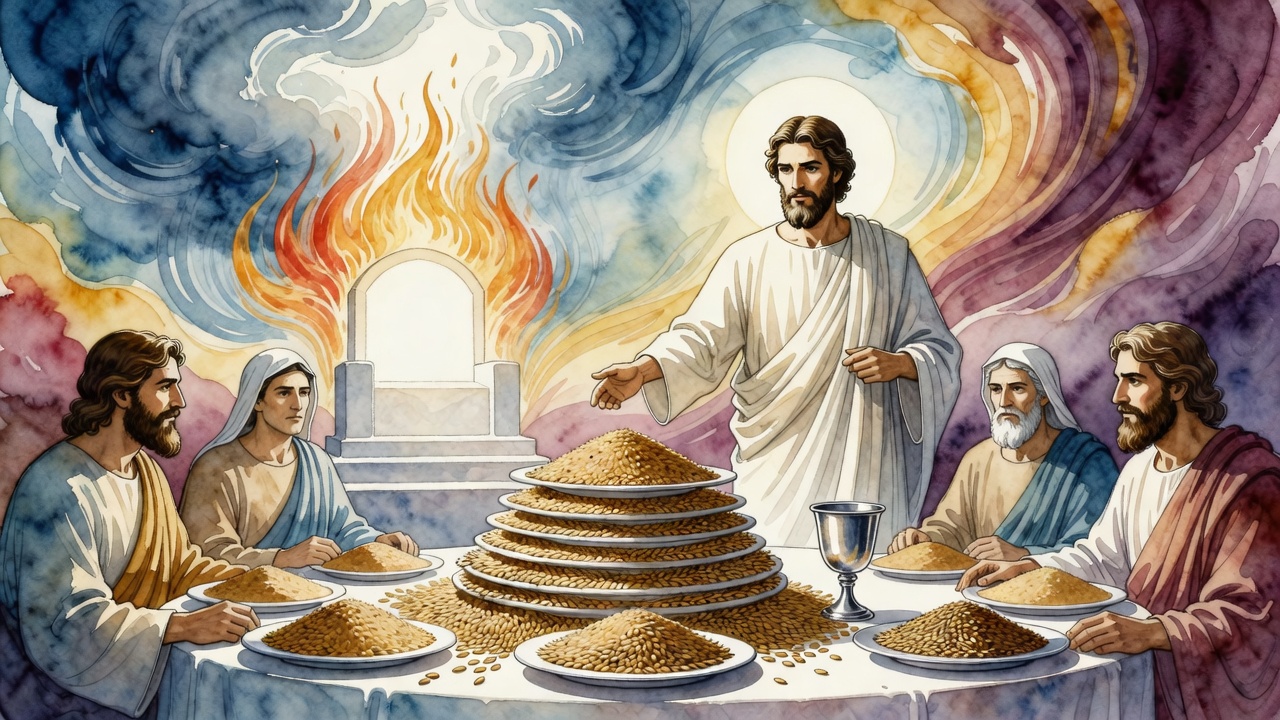
Jacob would not send Rachel's last boy down to Egypt. At the table a man they did not know piled Benjamin's plate seven times higher than theirs.
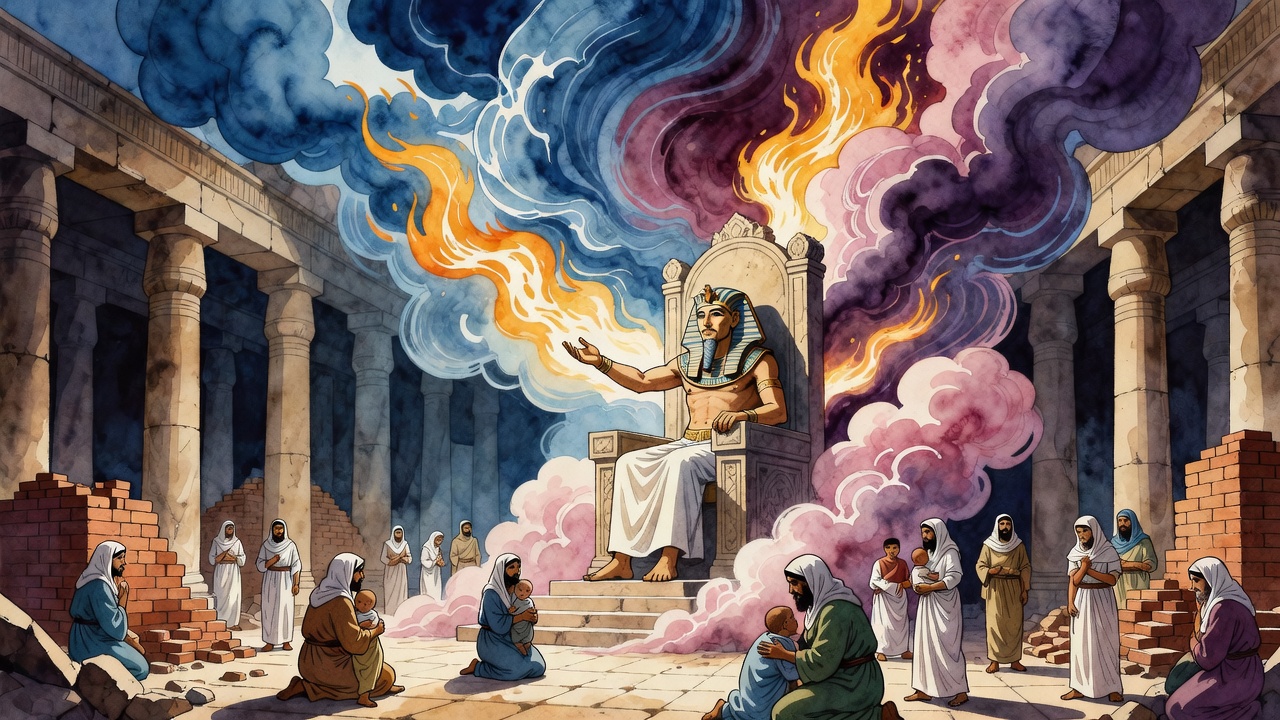
The midwives asked how to tell a boy from a girl while the child was still coming. Pharaoh answered with earth and rib, and a blade waiting for the face.
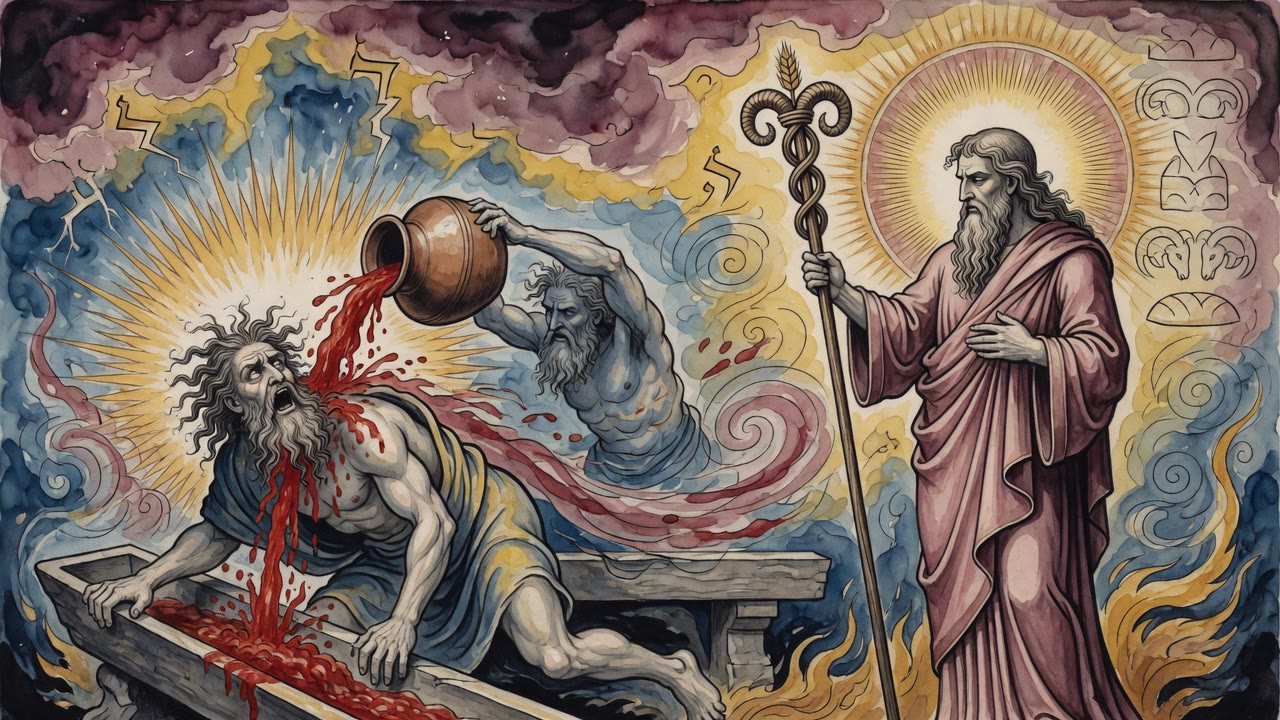
The pit had no water. It had snakes. When they hauled him up, the face Jacob loved had gone white, and the buyers paid shoe money.
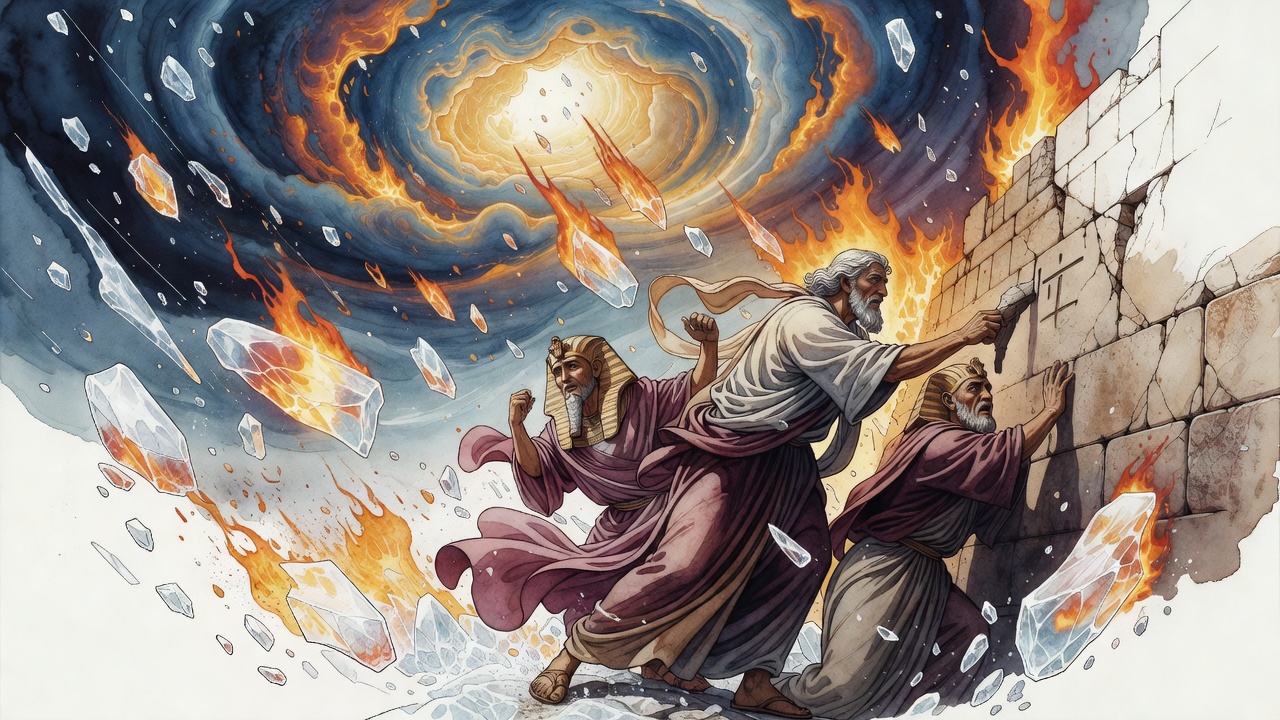
Moses scratched a line in Pharaoh's plaster and named the hour. When the sun reached it, ice fell with fire still burning inside.
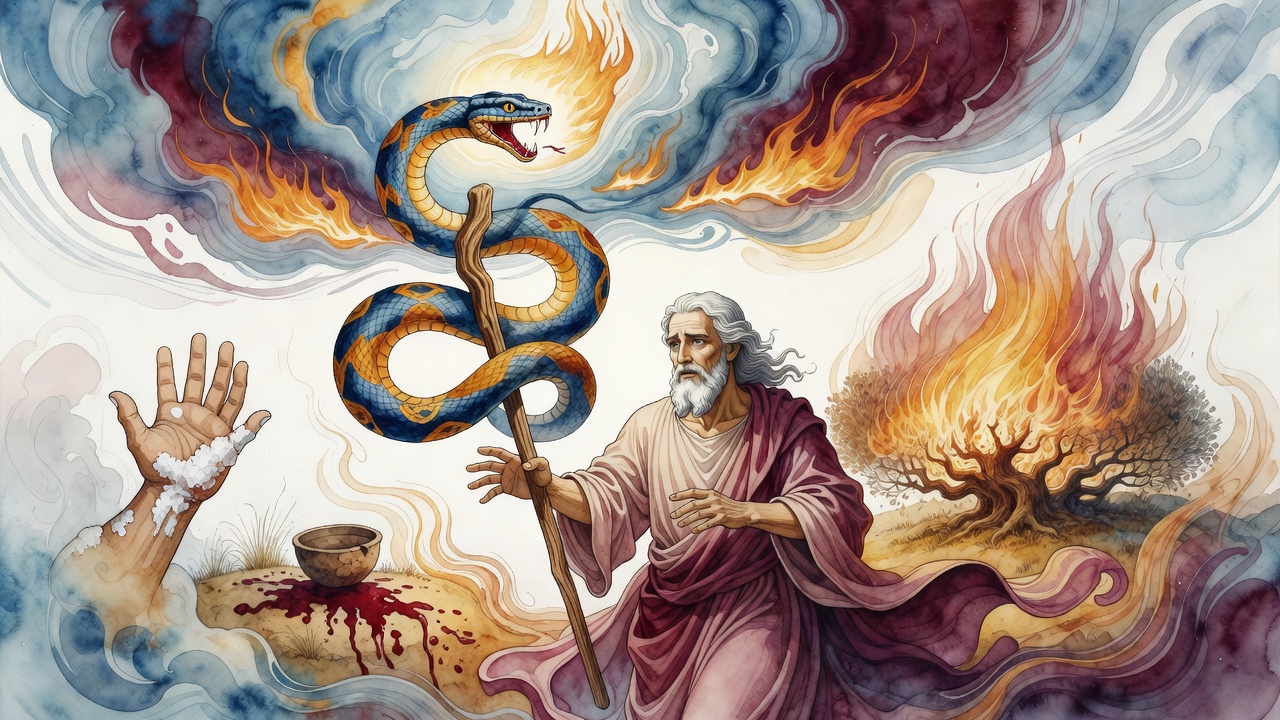
Moses told God that Israel would not believe him. Heaven dropped the staff at his feet. It grew scales and crawled like the serpent that slandered first.
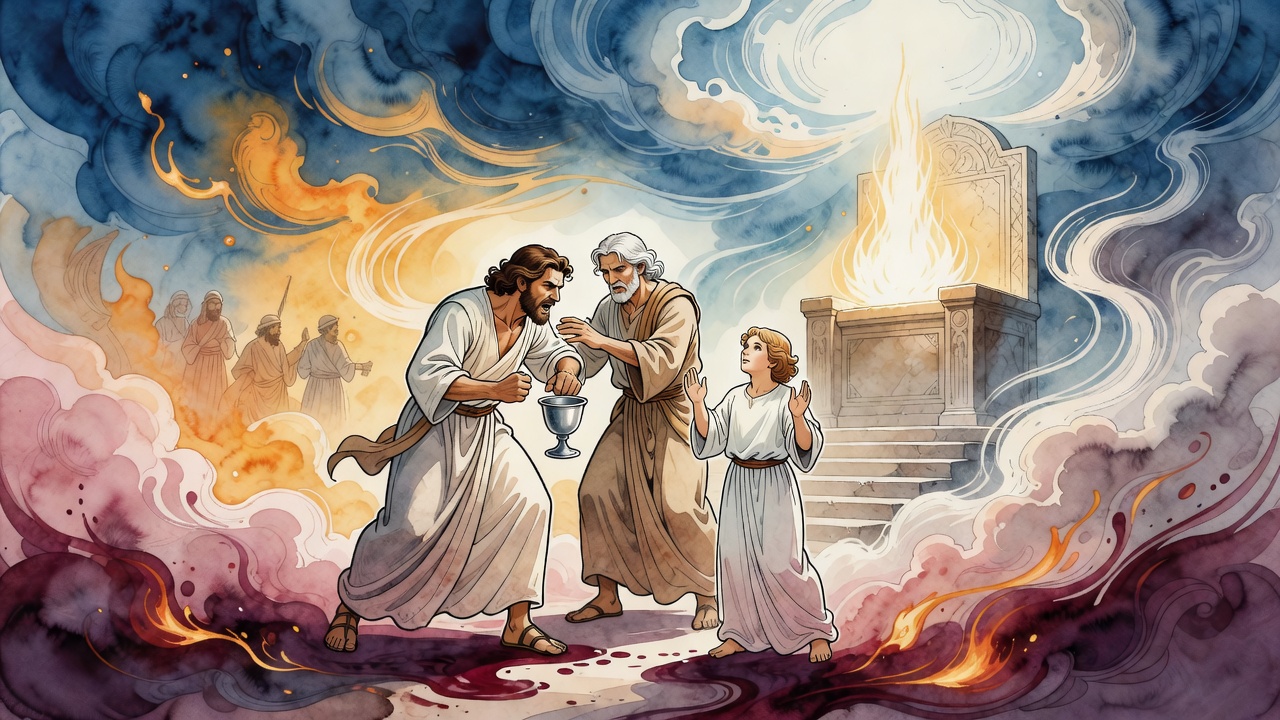
Judah's rage filled the hall until Manasseh's hand found his shoulder. Benjamin swore on the coat, the sale, and the blood in the pit.
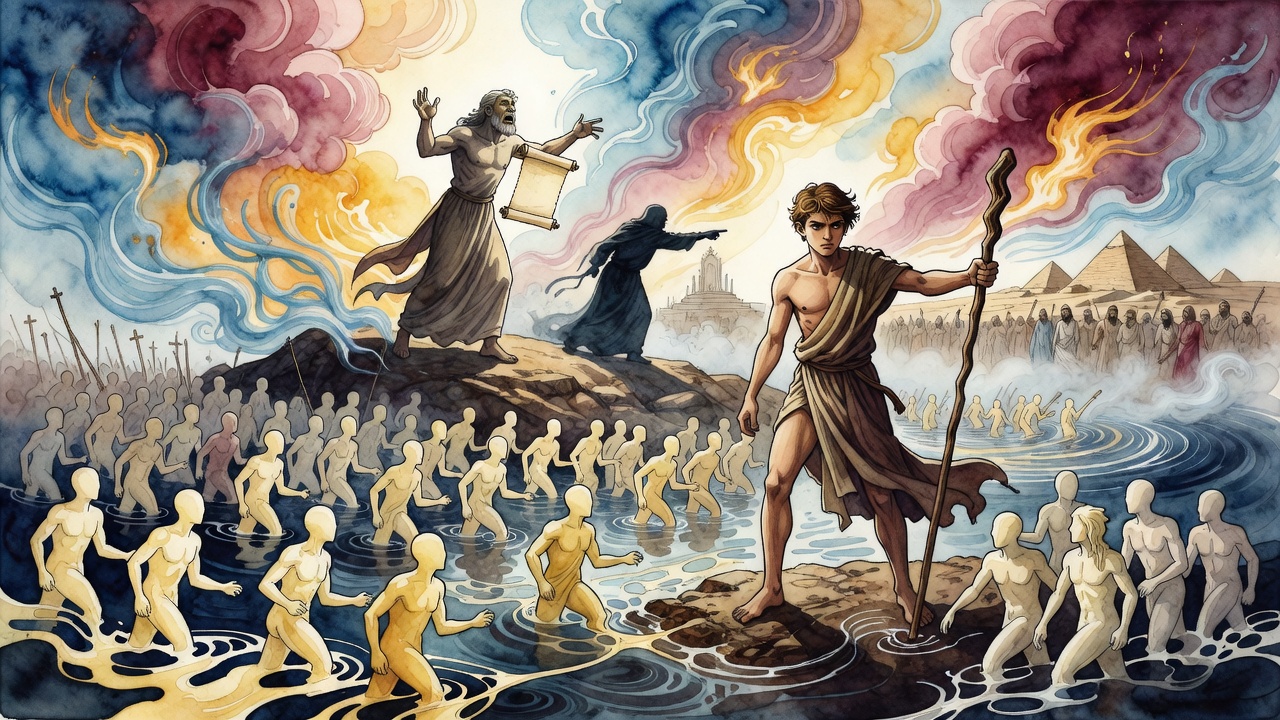
Zepho pushed Agnias to invade Egypt and crush Jacob's sons. A fifteen-year-old Balaam sank wax armies in water, and the king canceled war.
They strangled Israelites inside their own walls. A mother still named her boy Reuven, and would not teach him the overseer's speech.
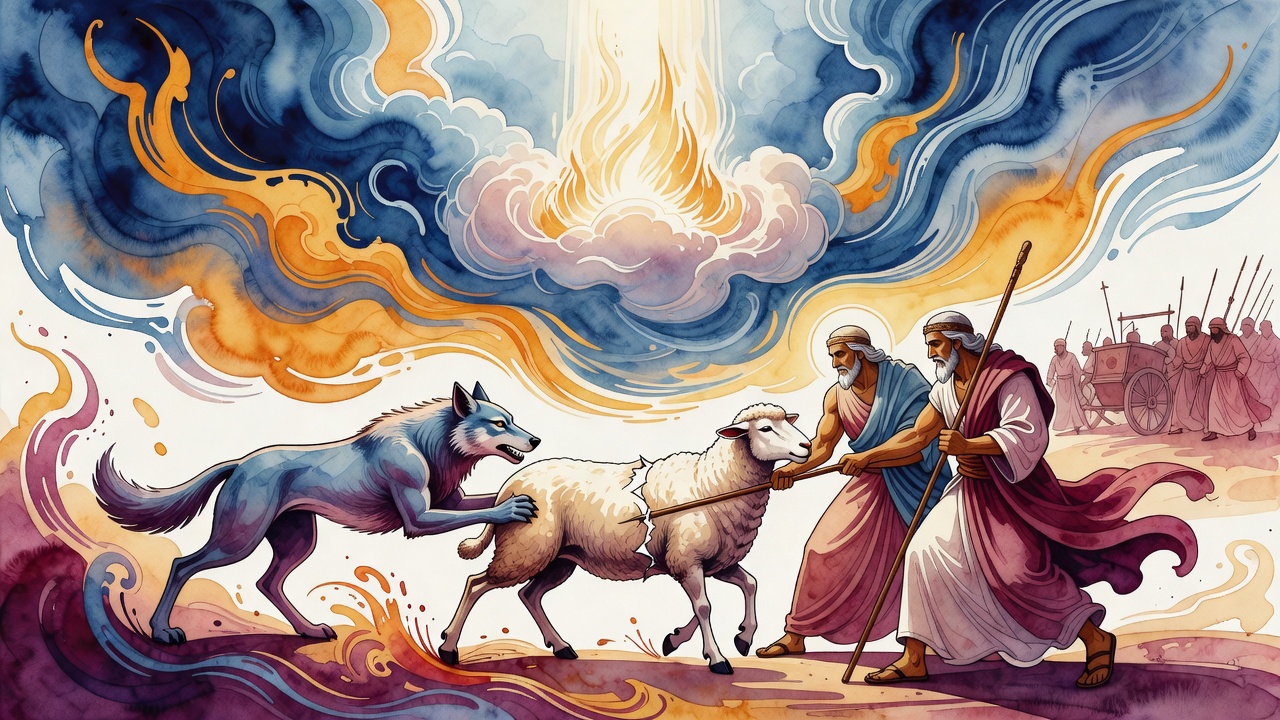
Officers told Moses that Israel was a sheep pulled by Pharaoh the wolf and by rescuers until the body tore, while Egypt planned total erasure.
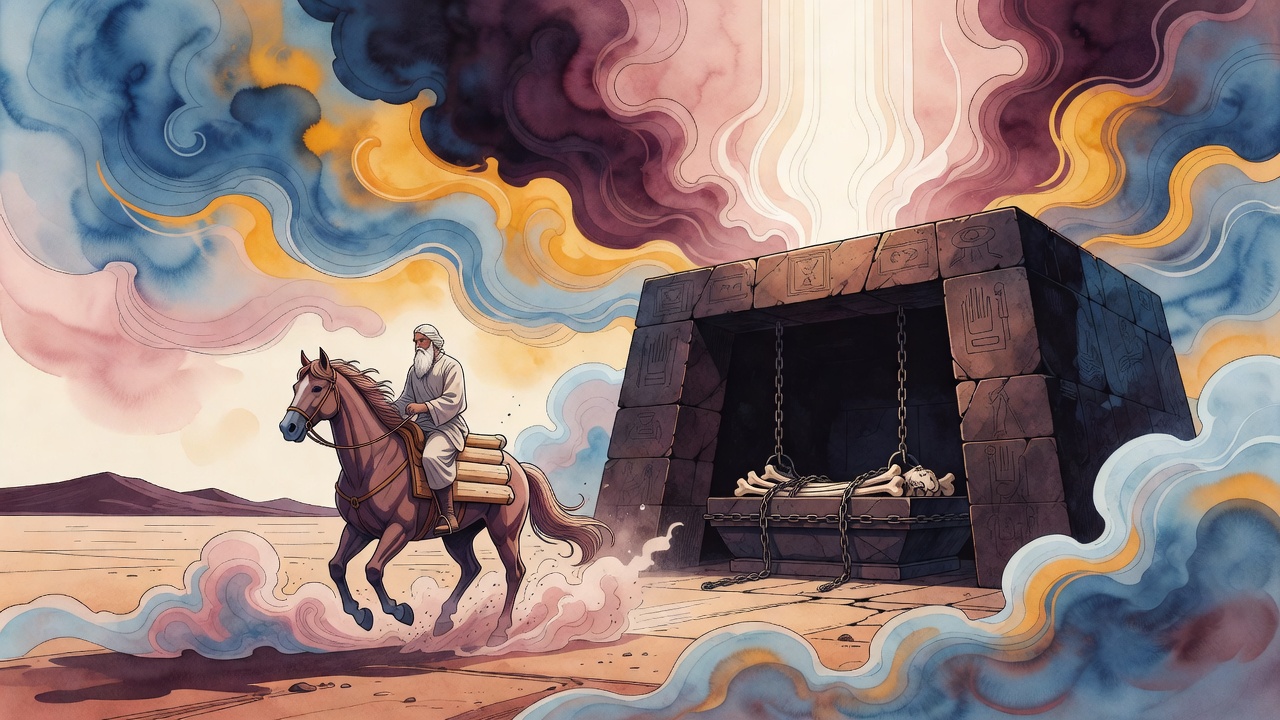
Every other patriarch left Egypt in a coffin bound for Hebron. Joseph's bones stayed behind under guard in the royal treasure rooms, stored with the gold.
At midnight God arrived with ninety million angels of destruction. He held them back and struck Egypt Himself, from firstborn sons to the oldest in each house.
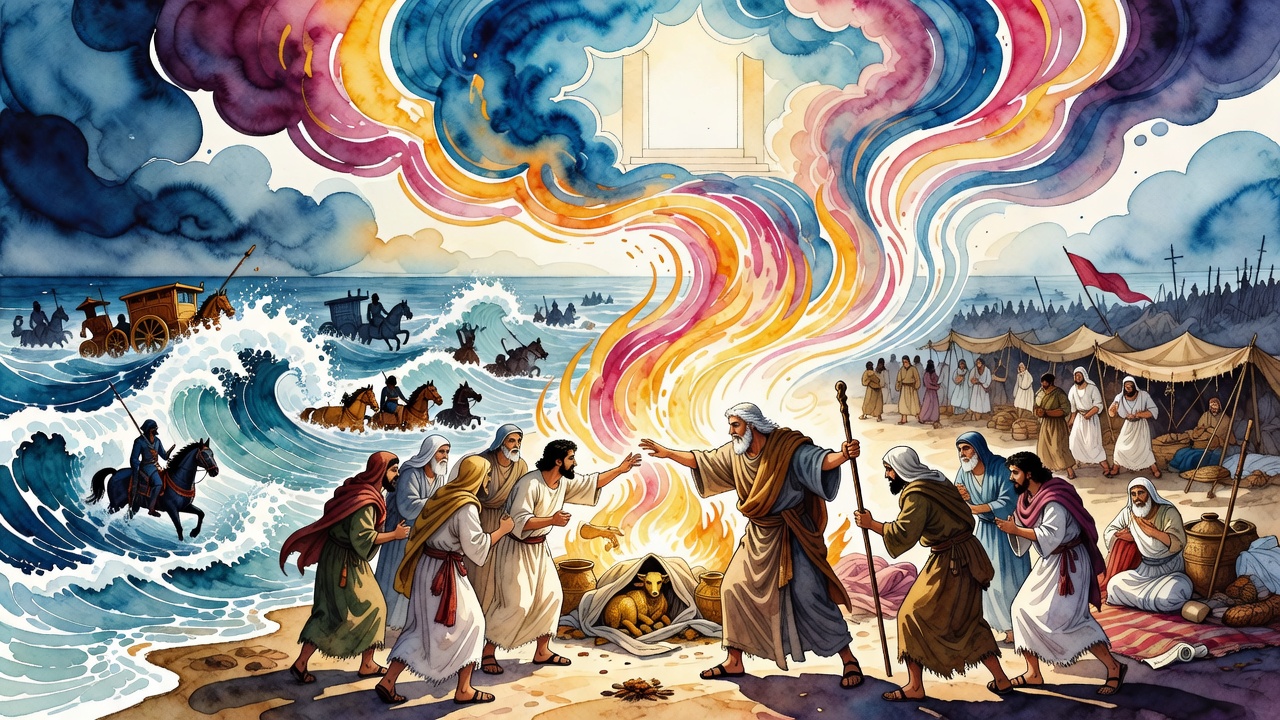
Egyptian corpses rocked in the surf. Then the camp listed five gifts and asked Moses for the road back to the bricks they knew.
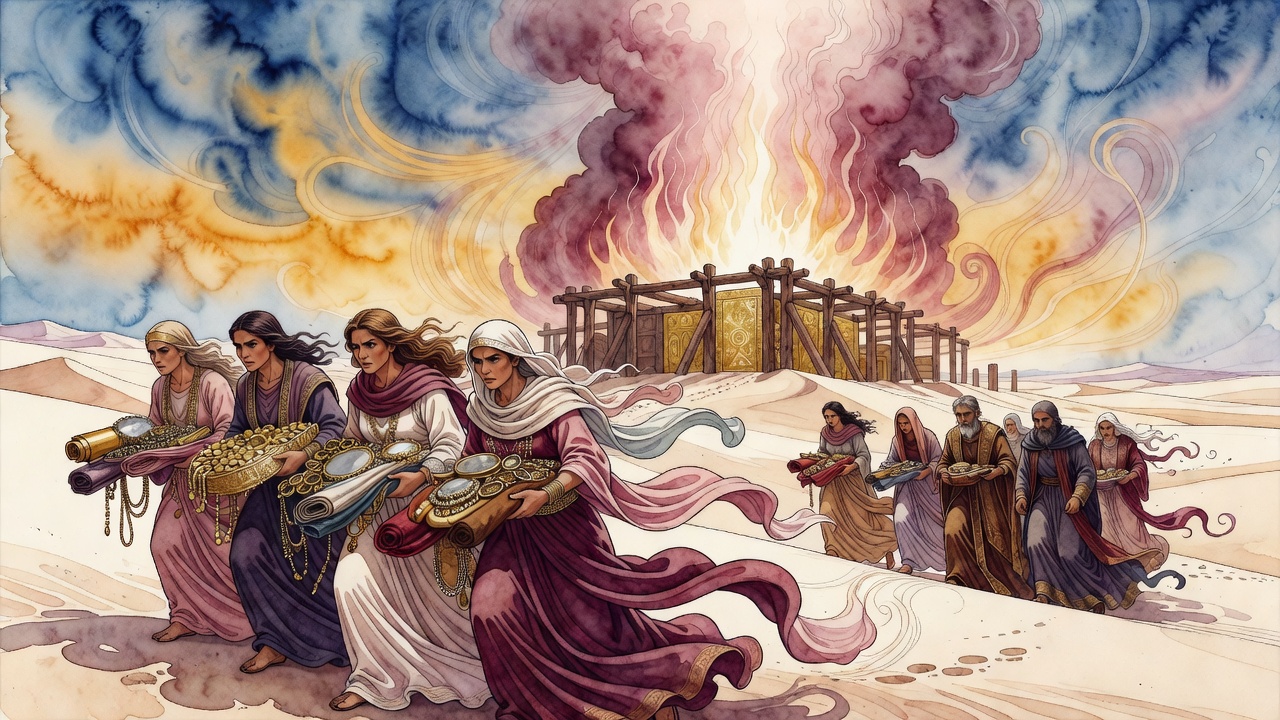
Moses asked for a willing heart. Earrings hit the pile before noon. The princes still held the stones meant for Aaron's breastplate.
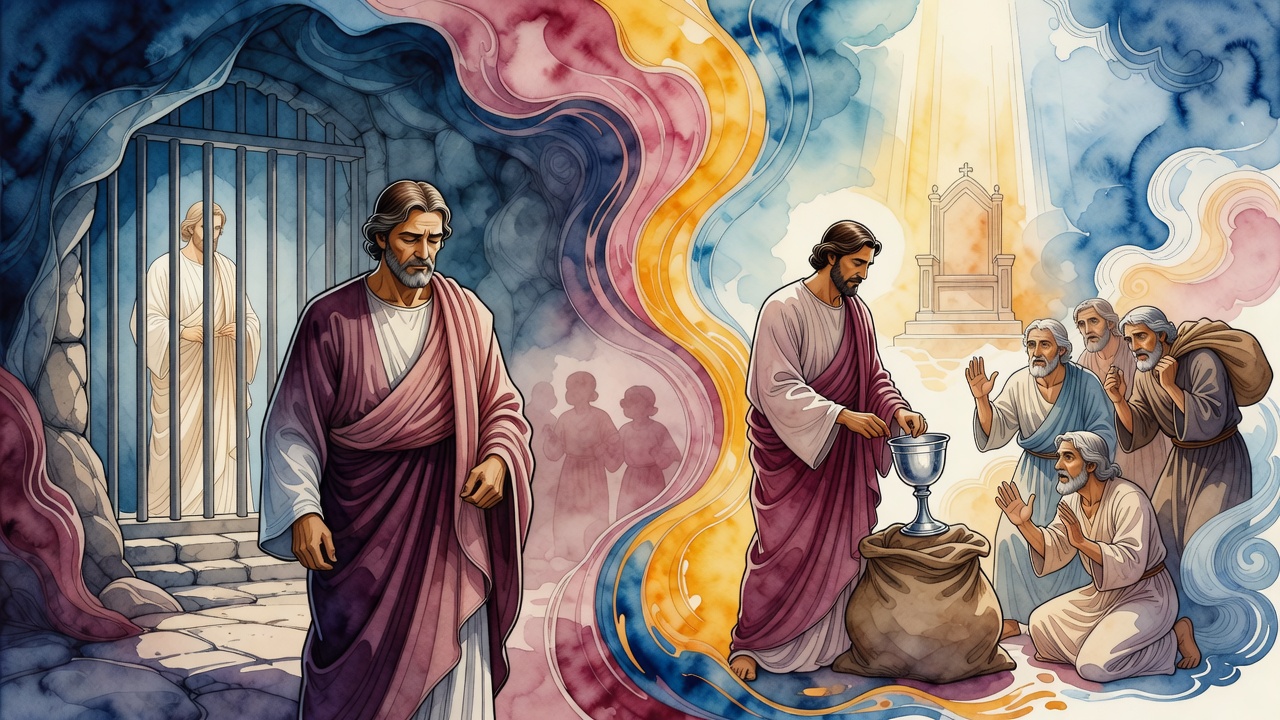
The traders were selling a free man, and Potiphar knew it. He still paid silver. He walked the boy home for himself.
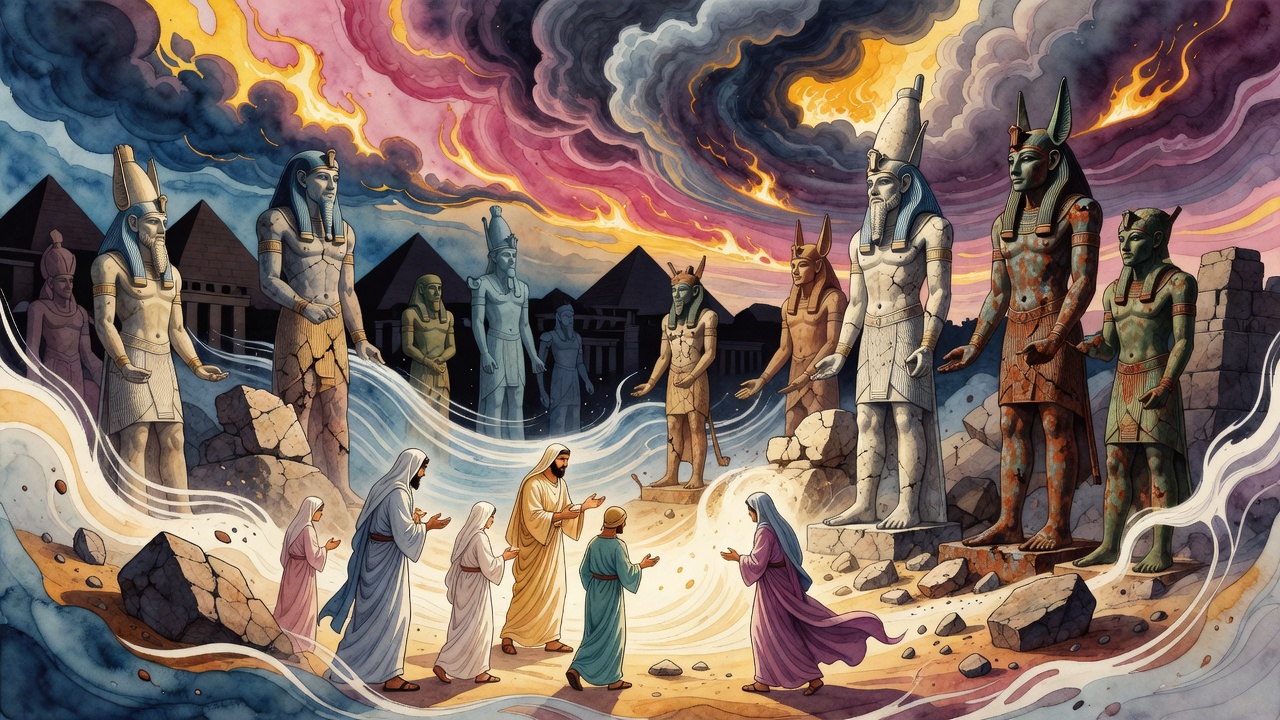
Priests put their hands on powder that had been a god. Houses next door were burying firstborn sons. One idol still stood by the sea.
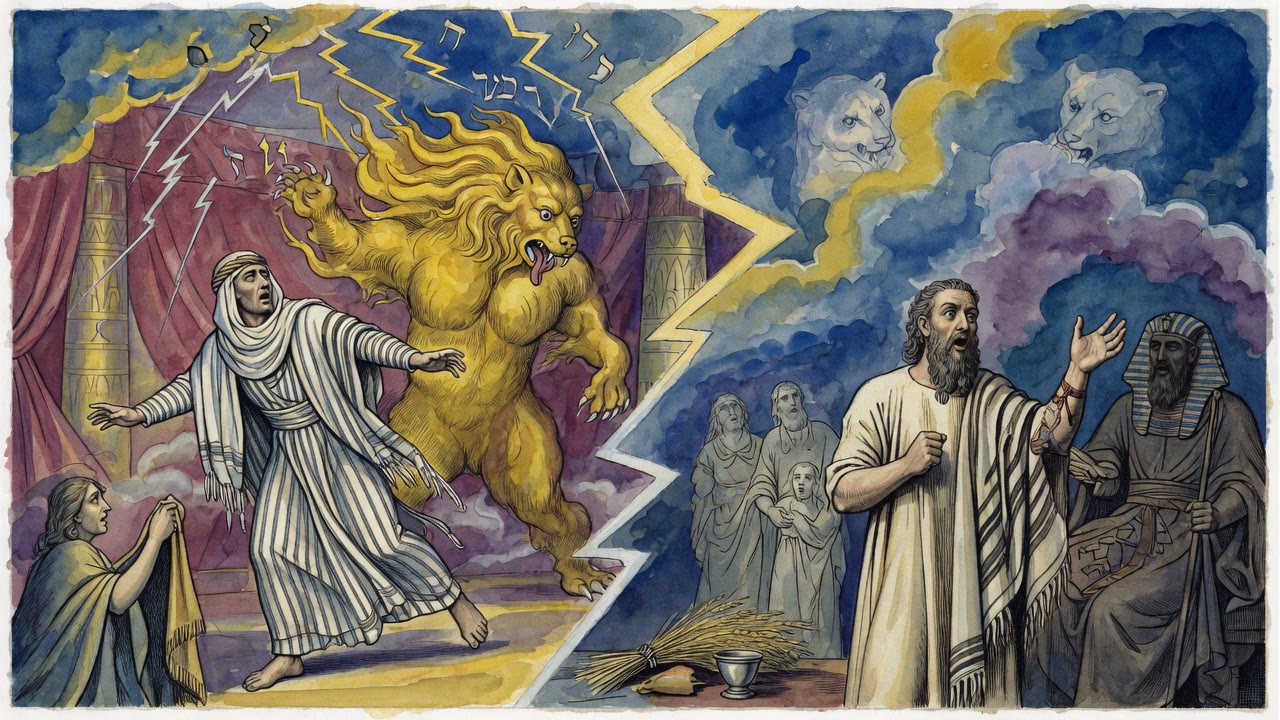
Joseph locked the storeroom, counted his comfort, and thanked God for the relief. Heaven answered that it was about to set a she-bear on him.
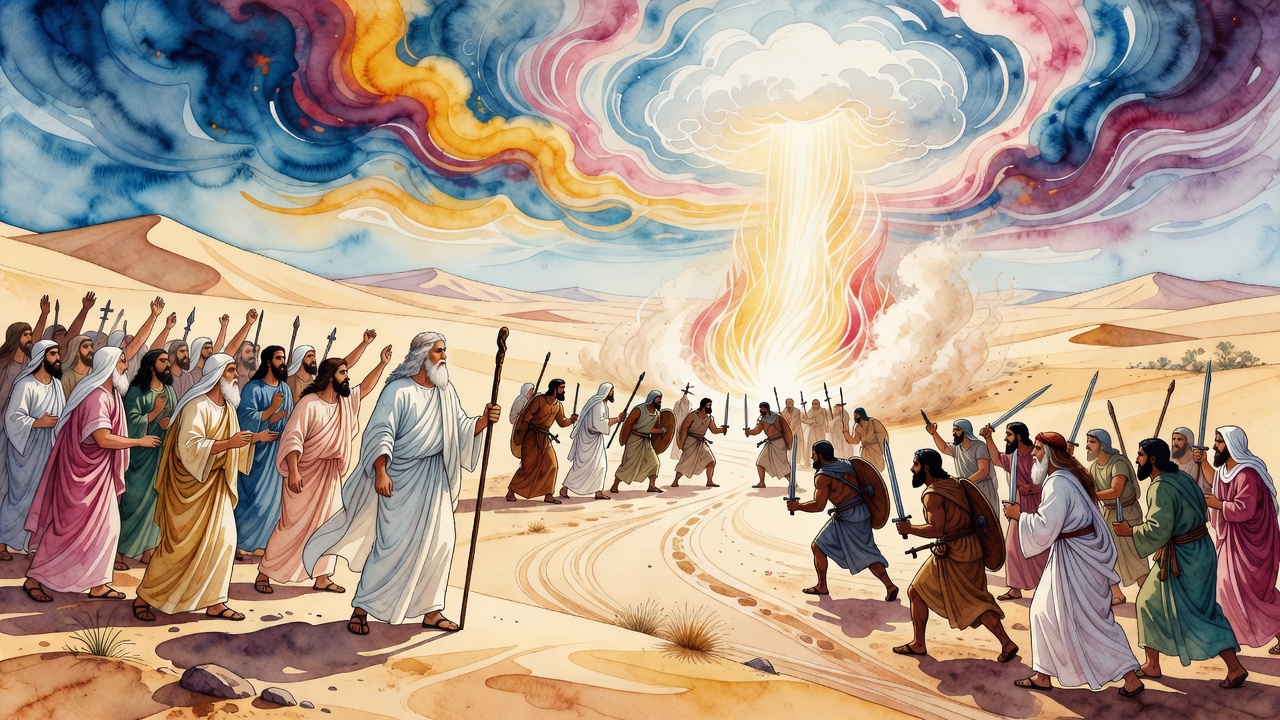
Families waited outside the house of study until Moses stepped out. They poured Egypt onto him, the life without law.
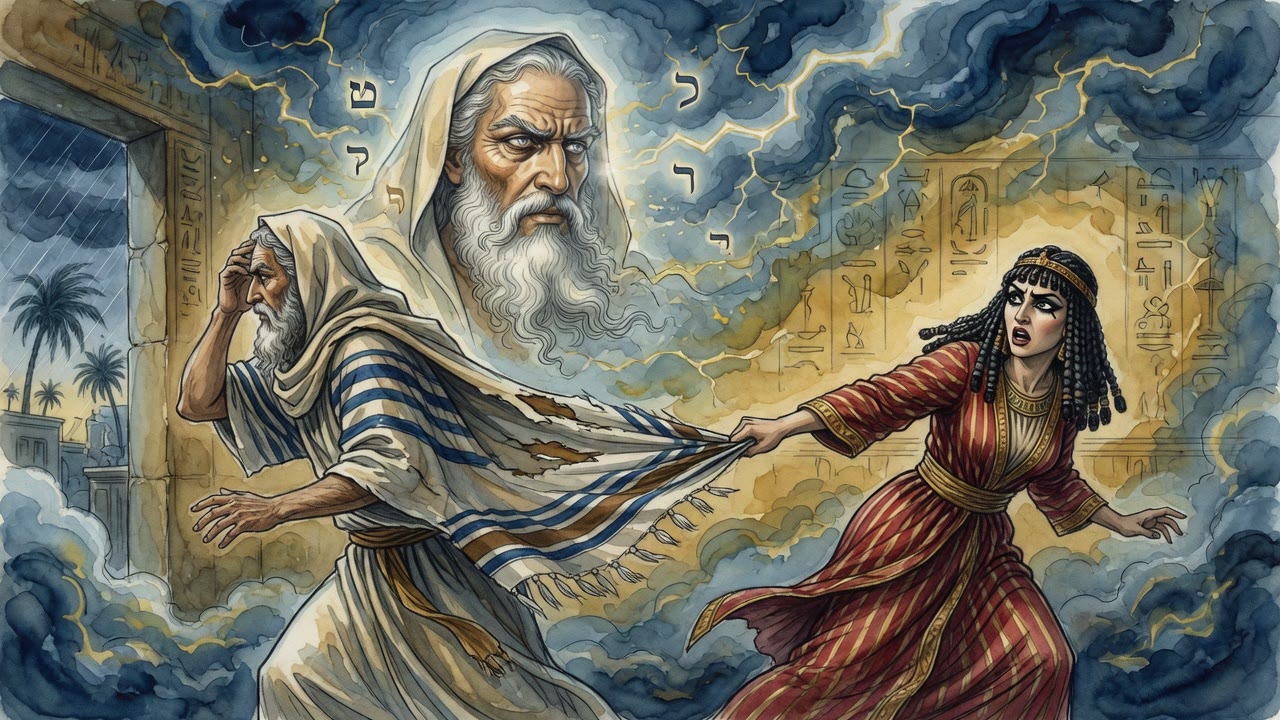
Joseph had thought Egypt would be easier than life under his brothers' eyes. Potiphar's wife came at him day after day, and he was seventeen.
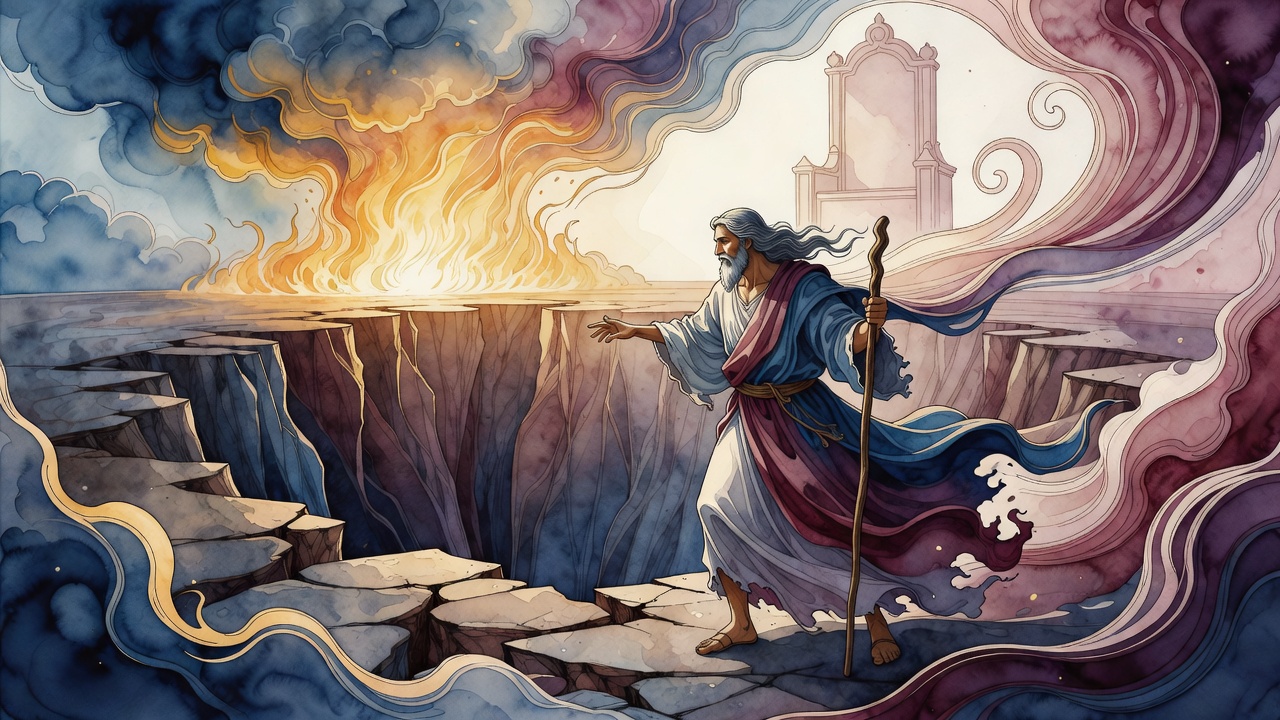
At the border of death Moses asked if one Egyptian he slew outweighed Egypt's firstborn. Afterward the abyss still heard Amram's son.
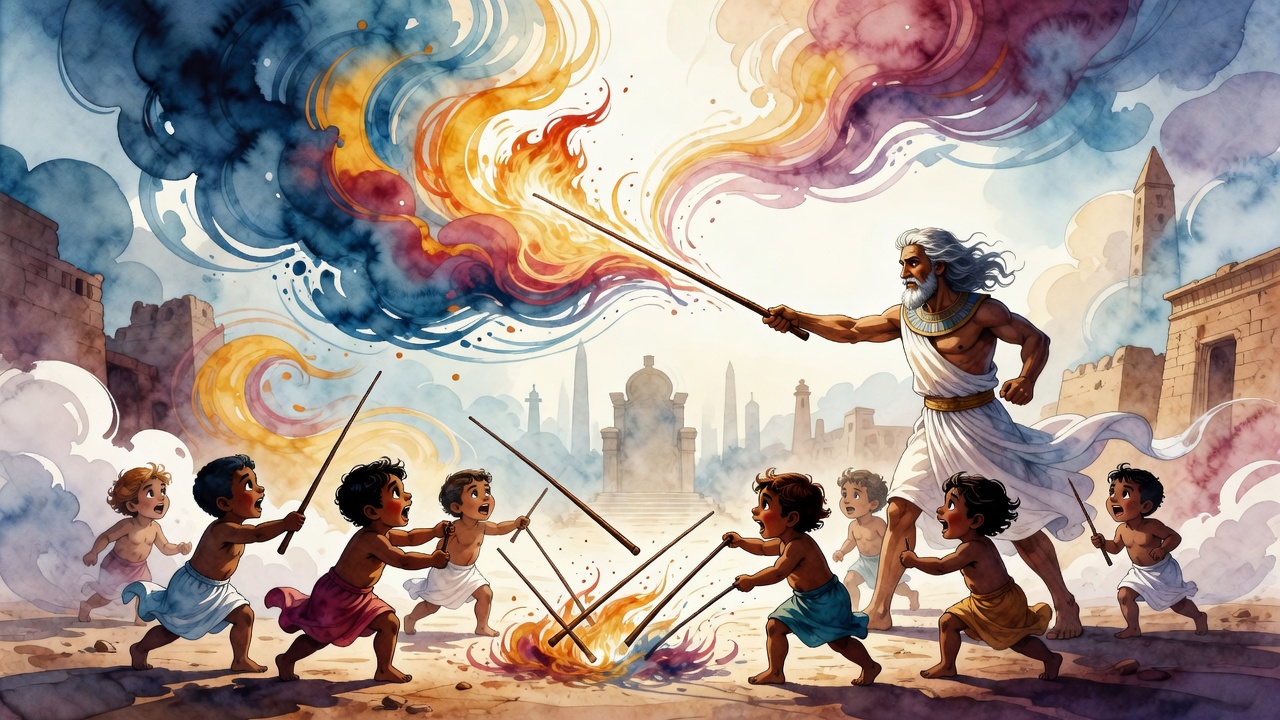
Pharaoh mocked God's wonder as street magic, then called toddlers to cast rods. Aaron's rod swallowed them all and stayed no thicker than before.
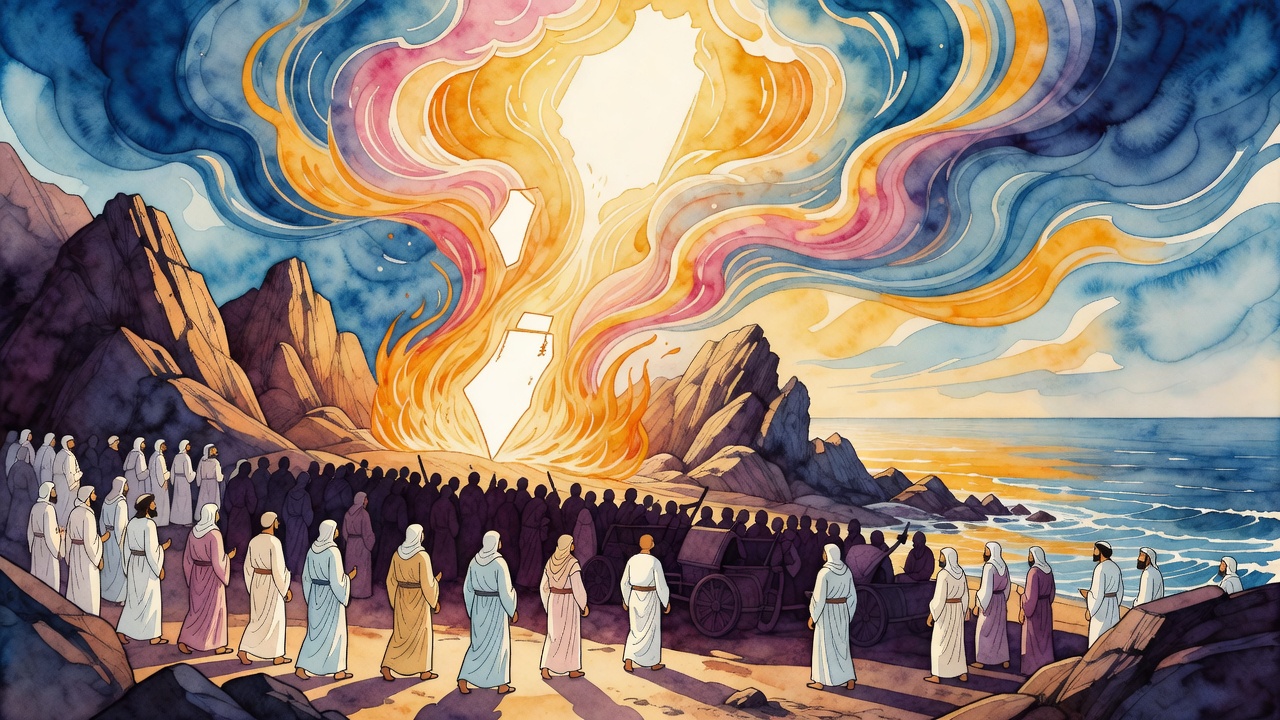
In three days of darkness Israel buried its dead where Egypt could not watch. One in five hundred walked out toward the sea.
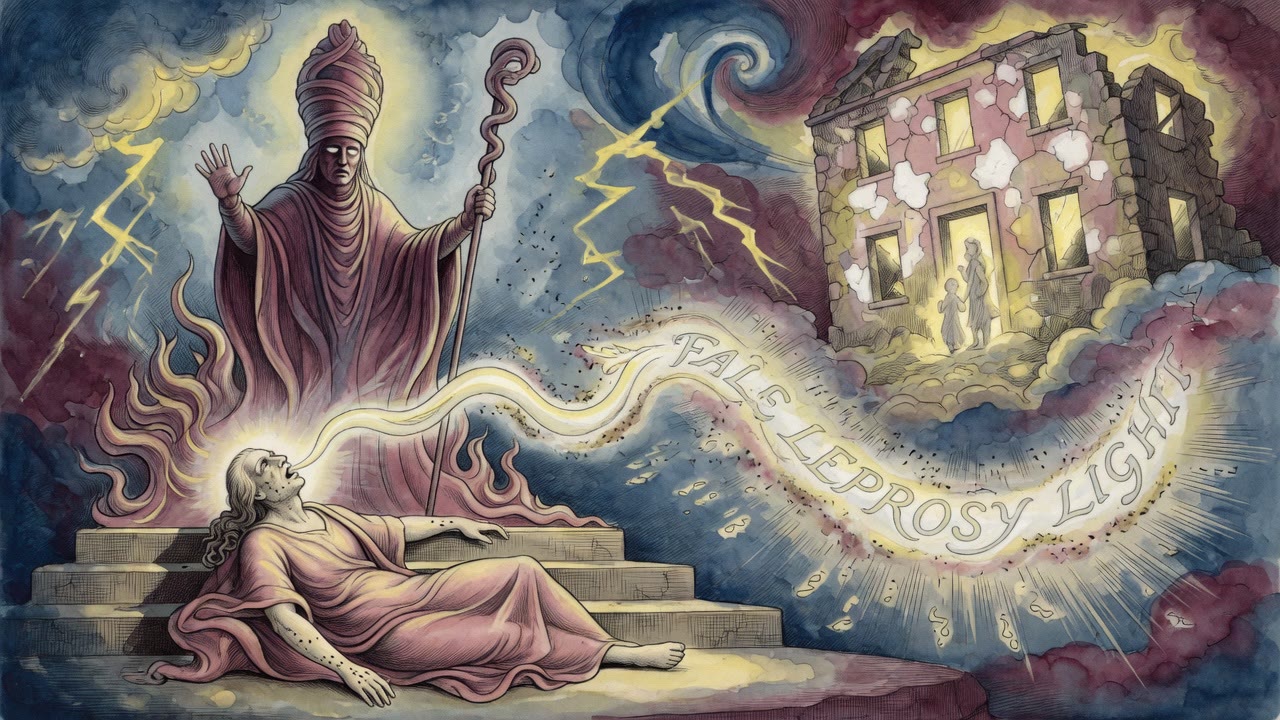
Queen Alfar'anit wept while princes named fools and dwarfs as heirs. Outside Egypt, Zepho begged Africa to strike the sons of Jacob.
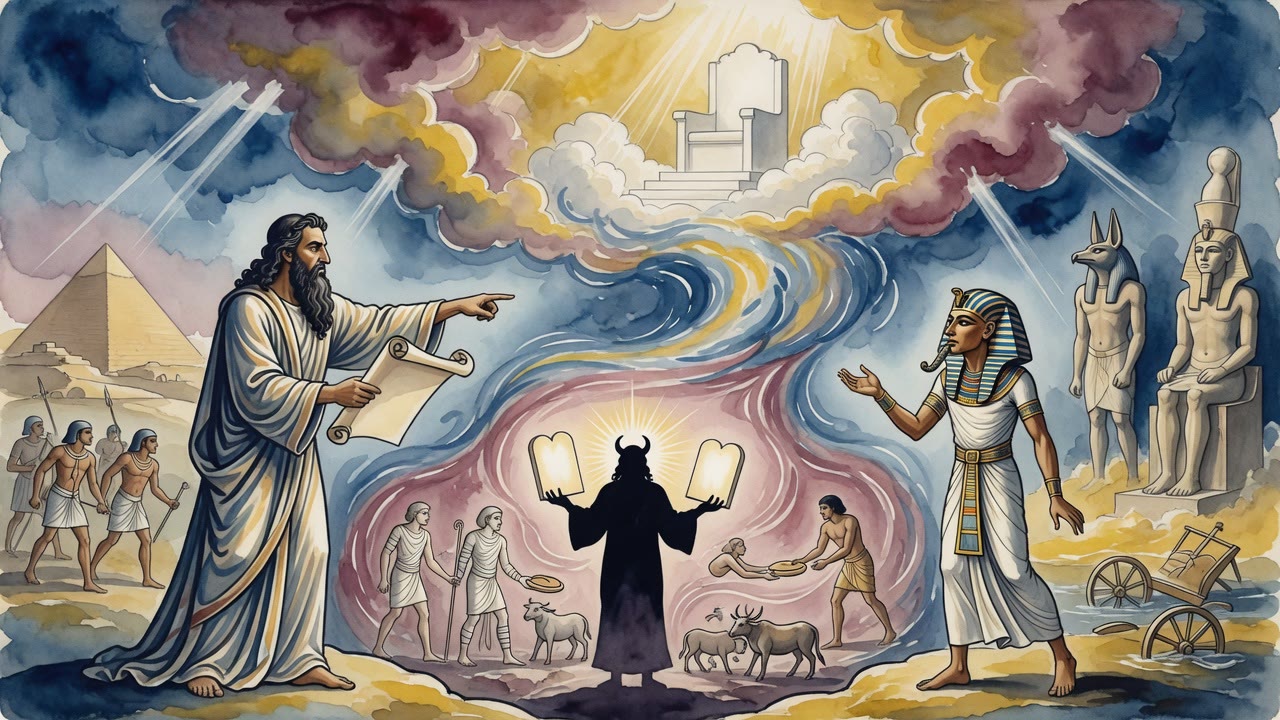
In Alexandria they repeated a short proof. If God loved the Jews, they would not keep losing. A forger added an oath no one had ever heard.
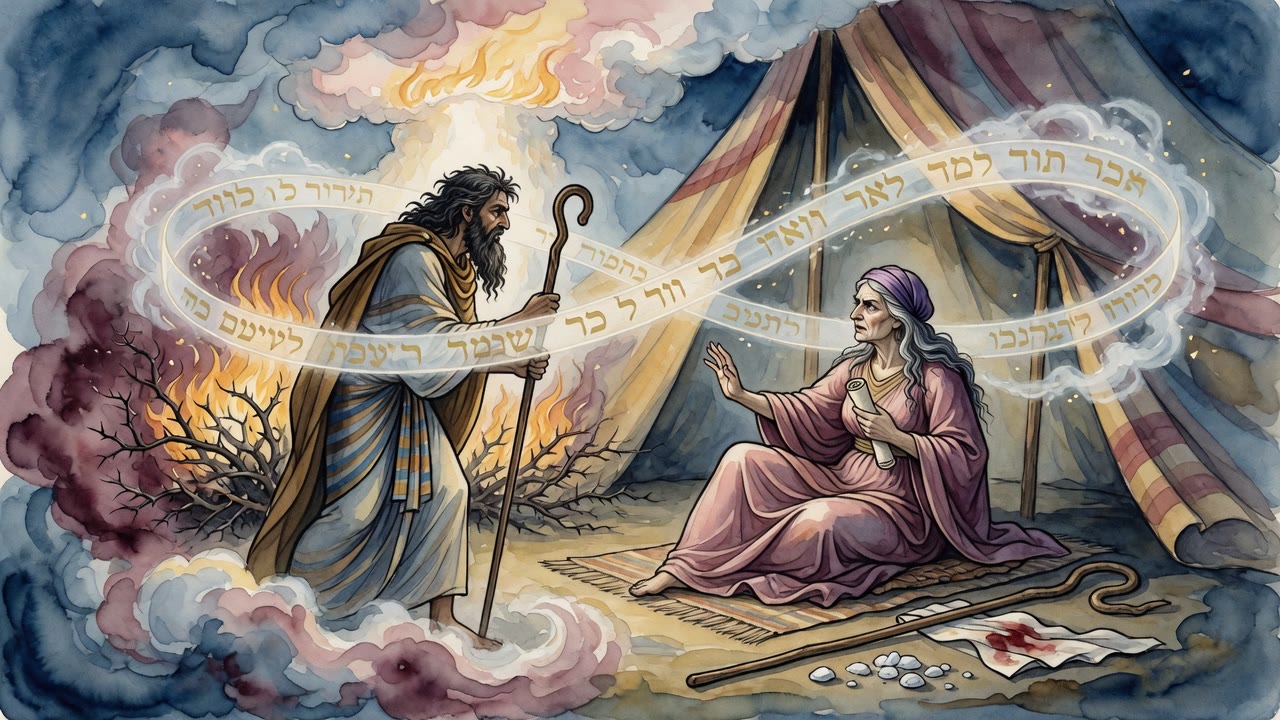
The elders wanted a verdict on a staff that had moved. Serach asked for a sentence Joseph spoke while dying. When she heard it, she named the man.
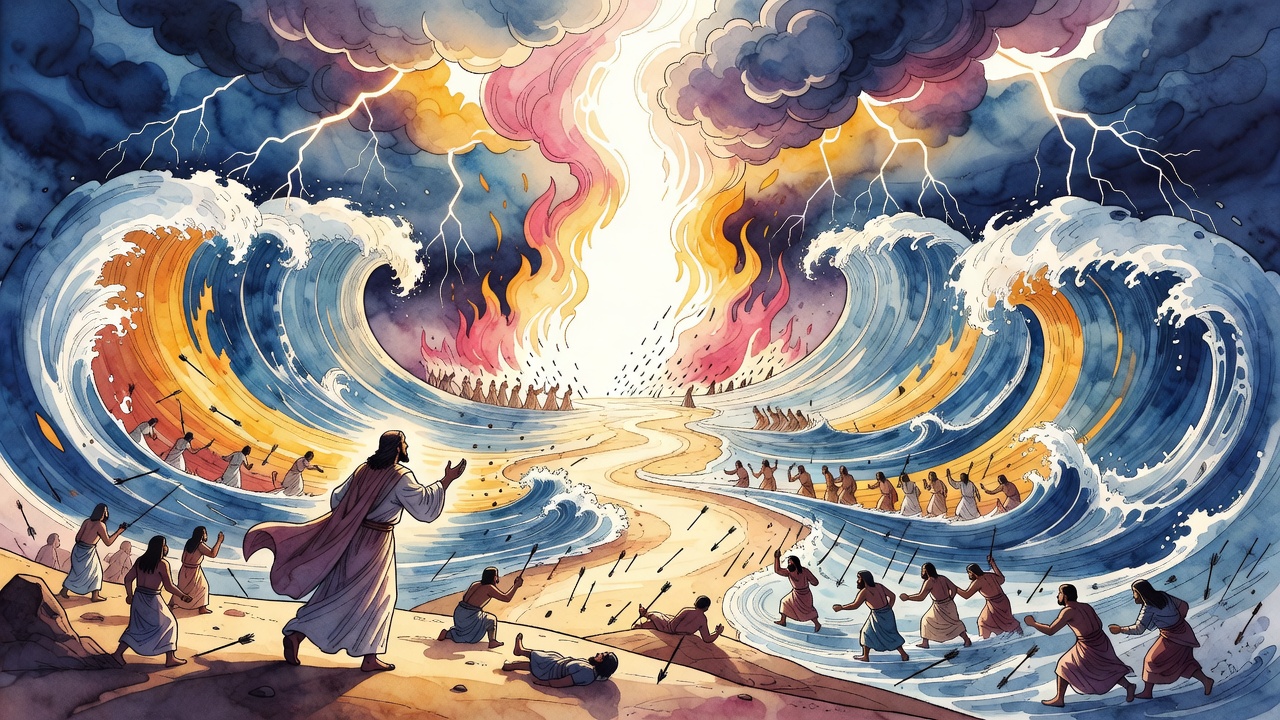
Moses shouted at the sky with the chariots already closing. The answer came back in family language, and then the lightning began herding Egypt.
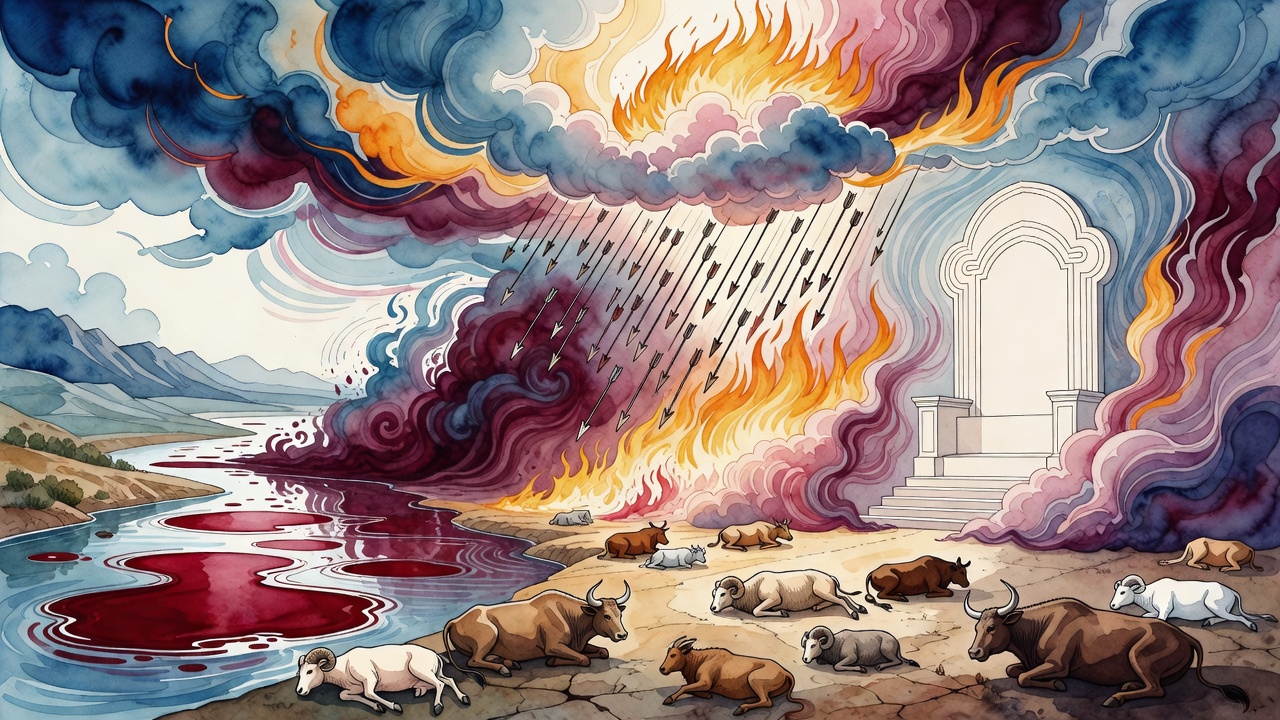
The Nile ran red first. Pharaoh did not bend. By midnight even the calves in the stalls were dead, and no idol could boast.
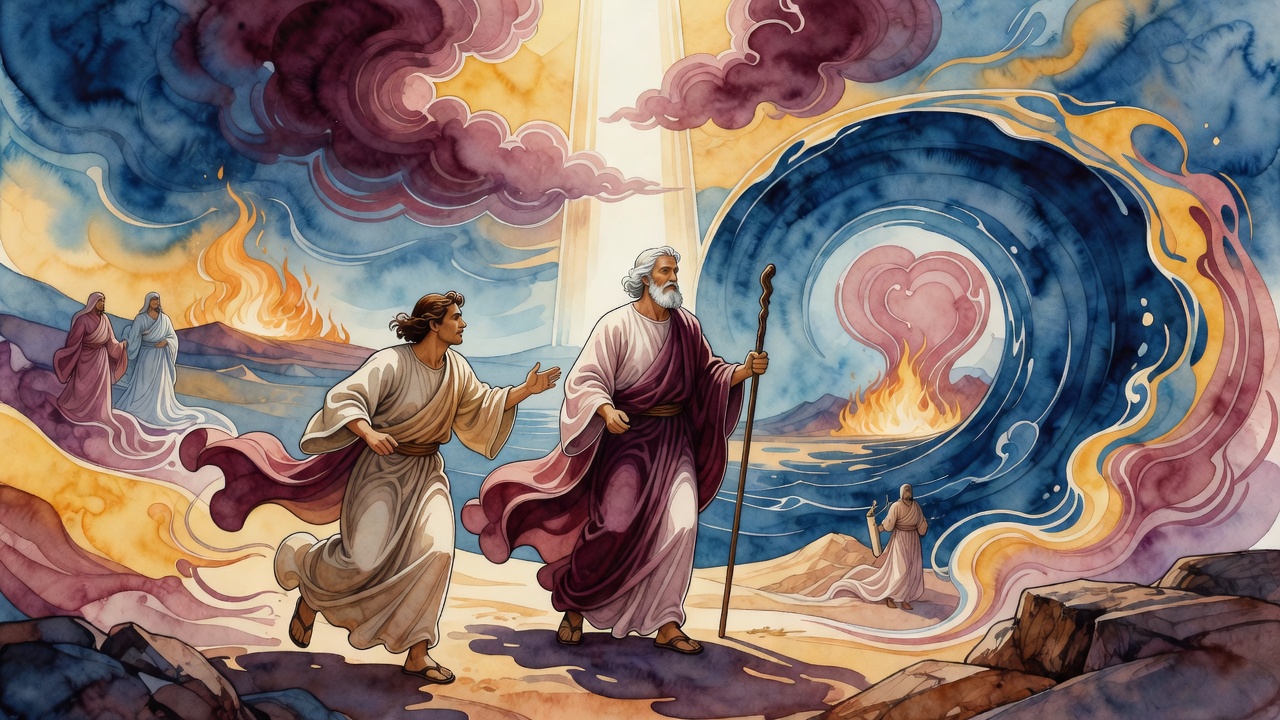
Moses tried to hand the mission back. Aaron had prophesied in Egypt for eighty years, and Moses feared taking his brother's place.
