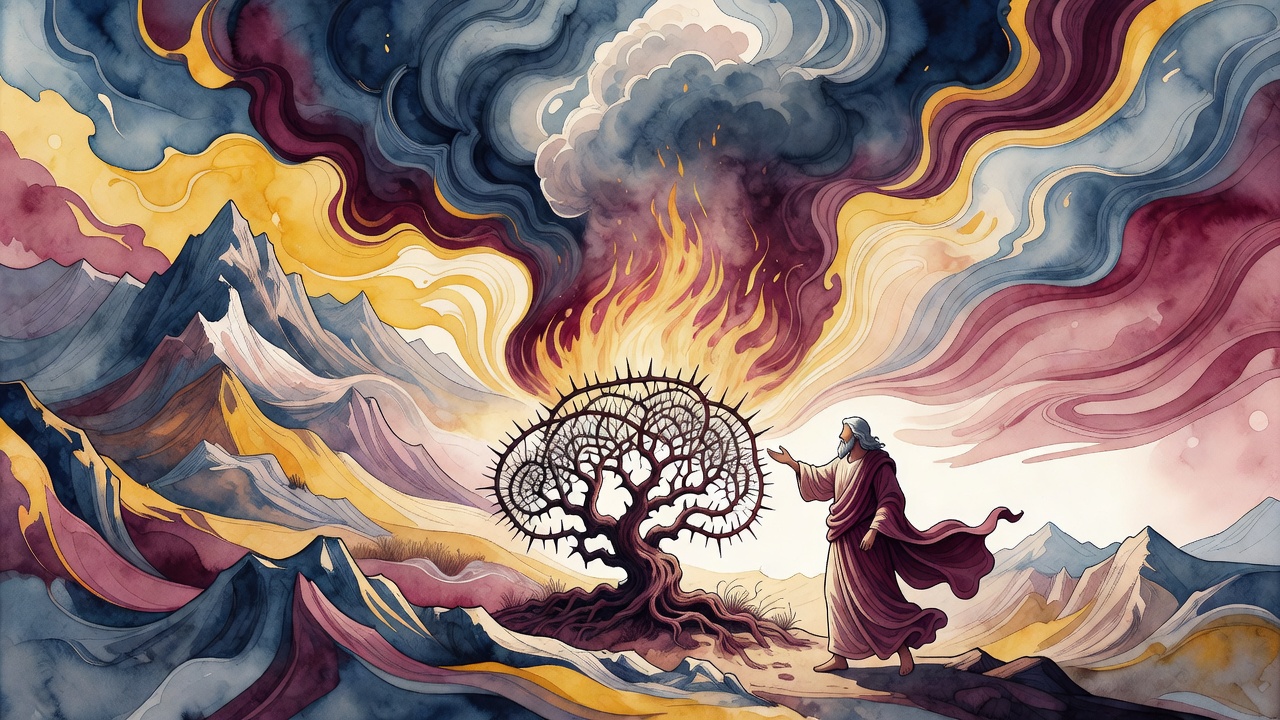
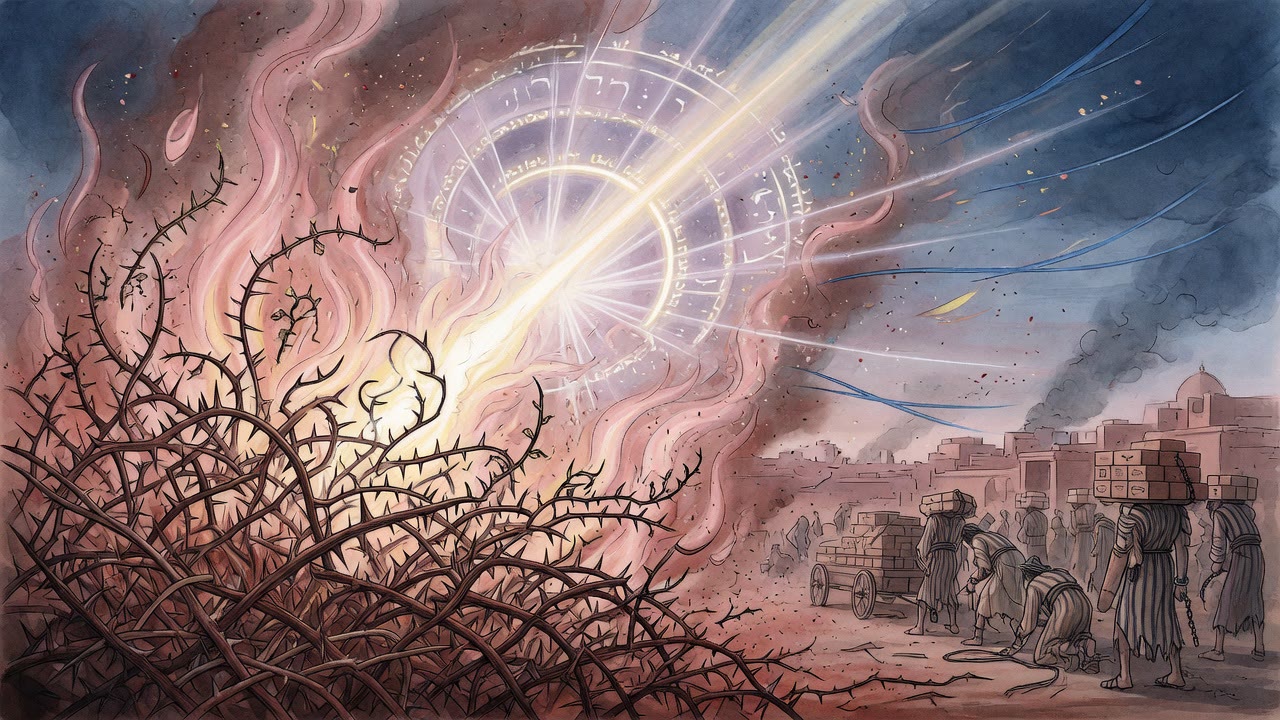
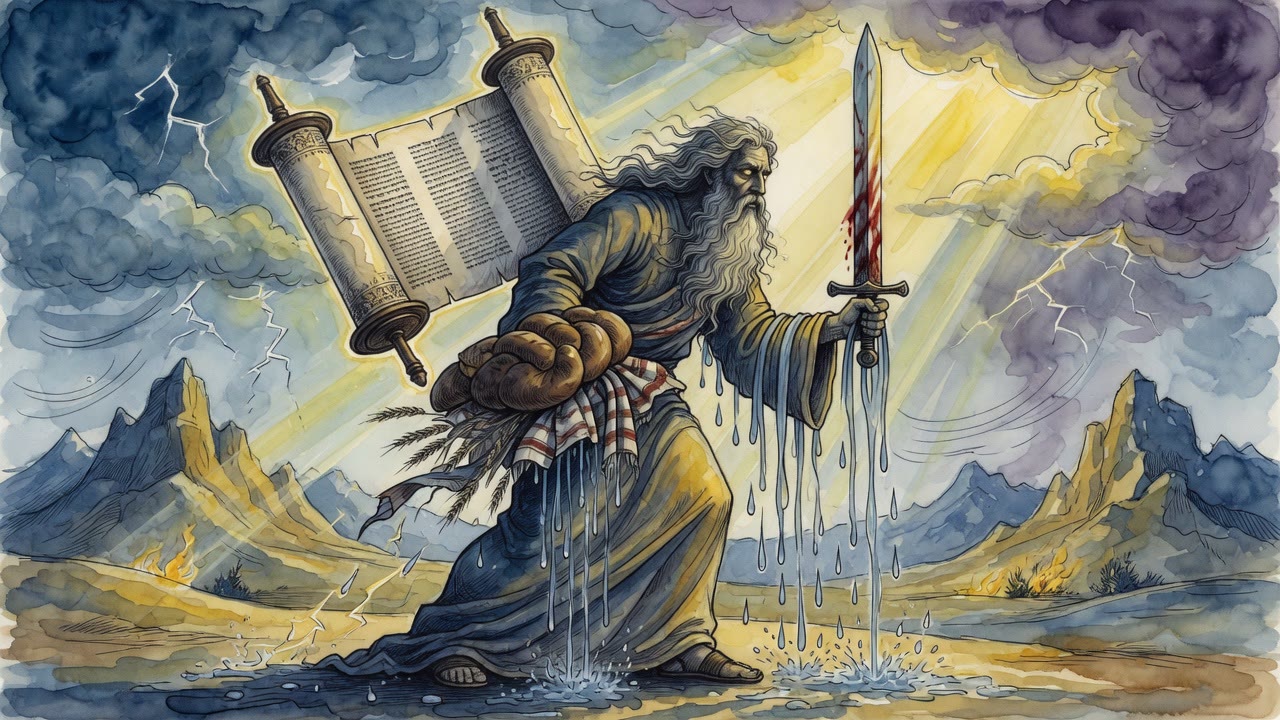
Moses Carried Tears, Torah, Bread, and a Sword
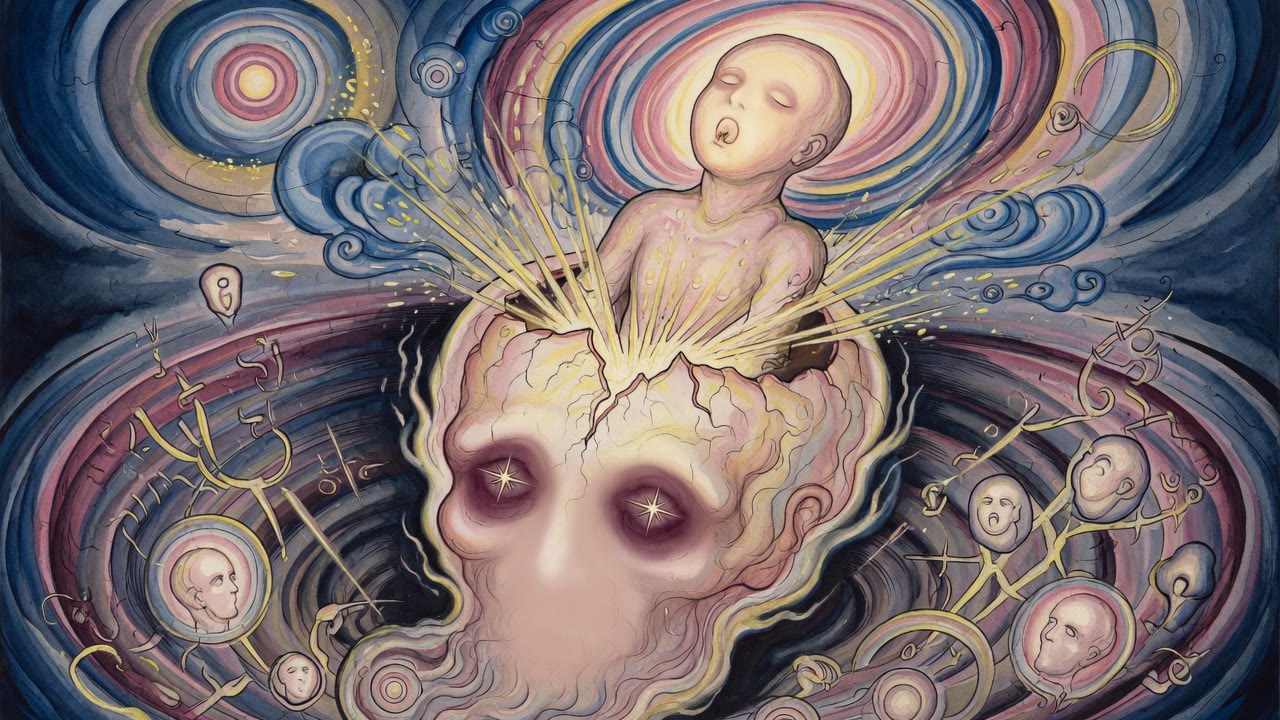
Pharaoh's daughter opened the basket and found a crying child. Compassion opened in her too. The Tikkunei Zohar calls that baby the Master of Tears.
Table of Contents
 Click for full size
The Hei at the End of Moses' Name Was Already Moving
Moses in Hebrew is Mosheh, spelled mem, shin, hei. The Tikkunei Zohar looked at that final letter, the hei, and saw the Shekhinah (God's indwelling presence) herself. She rose from the hei of his name, moved to the head of vav, became a crownlet on zayin, and returned to the place from which she had been cut. The name of the redeemer was a ladder with the Shekhinah (the Divine Presence) climbing it.
Before Moses said a word to Pharaoh. Before the first plague fell. Before he climbed the mountain or received the tablets. The structure of his name already contained the story of divine presence descending into exile and returning through the work of redemption. Moses was not only the man who would carry Israel through water. He was the name through which presence moved from concealment toward crown, from the hei at the edge of things toward the light above.
Pharaoh's Daughter Opened Because of Crying
She saw the basket among the reeds and opened it, and she saw the child, and she saw that he was crying. She said: this is one of the Hebrew children. Then compassion opened inside her, in the same way the basket had opened, in the same way her eyes had opened to see him. Three openings: basket, sight, heart. And then the verse: she had compassion on him.
The Tikkunei Zohar called the crying child the Master of Tears. The psalm said: Adonai, open my lips. Here the opening came through tears before speech. Moses survived his first hour as a human being not through strength or argument or divine intervention that bypassed Pharaoh's daughter. He survived because a baby's vulnerability unlocked pity in the house of Pharaoh itself. The future speaker, the man who would stand before Pharaoh and demand the release of six hundred thousand people, began as a crying child in a basket. His first power was weeping. His first victory was over the hardness of a princess's heart.
The Offering of Terumah Was the Face of Moses
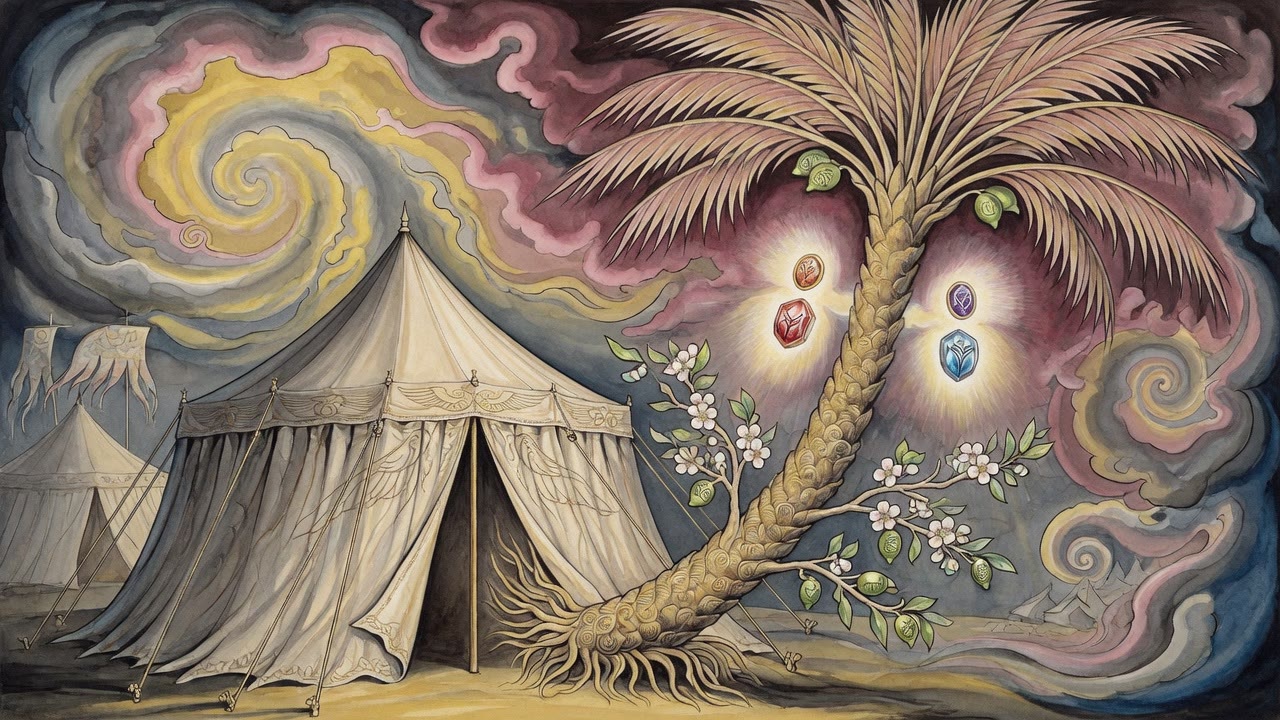
When the Torah described the offering of terumah, the special contribution for the Tabernacle's construction, the Tikkunei Zohar read the passage as a description of Moses himself. His face was the face that shone with light from Sinai. His presence among the people was the presence that made the offering possible. The people brought gold and silver and blue thread because Moses had come down from the mountain with his face still carrying the reflection of what he had seen up there.
The Tabernacle could not be built by the people alone. It required the person who had stood at the source of its design. Moses' face was the instrument through which the divine instruction became visible enough for craftsmen to work with. He was the terumah: the elevated offering, the thing set apart, the one whose separation from ordinary life made the sacred space possible for everyone else.
The Torah's Rock Released Only a Few Drops at a Time
The Tikkunei Zohar had an image for the transmission of mystical knowledge: a rock that releases only a few droplets rather than a flood. The Torah does not give everything at once. It portions itself. A student who strikes the rock correctly hears the drops fall, and each drop contains a world. A student who demands everything at once breaks the vessel he is trying to fill.
Moses received more than any other person, but he received it across time, in multiple ascents and descents, in forty days and forty nights repeated, in progressive revelations from the burning bush through Sinai through the Tent of Meeting. The rock of Torah was struck carefully by the one who knew how to receive what it offered. Moses did not flood himself with revelation. He approached the rock with the patience that the rock required.
Hebrew Letters Were Shaped Like Swords
The Tikkunei Zohar observed that certain Hebrew letters were shaped like weapons. The zayin looked like a sword. The spelling of zayin, zayin-yod-nun, added up through gematria (the numerical value of Hebrew letters) to a number that connected it to the divine name and to the action of cutting through what stood in the way of prayer's ascent. Letters were not symbols in the modern sense, signs standing for sounds. They were entities, forms with power, each one a different mode of the divine speech that had spoken creation into existence.
When Moses held the tablets, he was holding a weapon of a kind: not a military weapon but the kind of sword that cuts through the confusion of the world and makes a clear line between what is true and what is not. The letters shaped like swords were the portion of the Torah designed for that cutting work, and Moses carried them down the mountain and smashed them against the golden calf, which was a use of the sword-letters that the tradition found appropriate.
← All myths