Aaron Was Told to Guard the Living Torah Moses Set Down
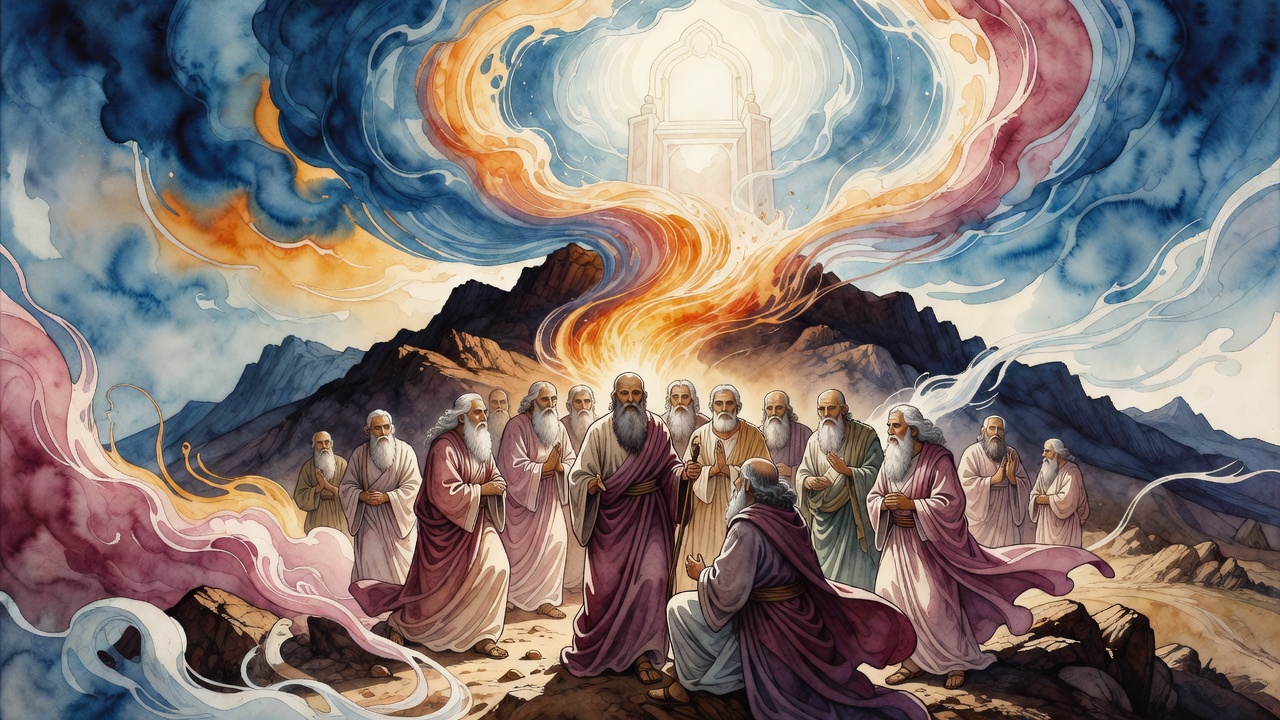
The letters fled the tablets when Moses came down and saw the calf, and the stone went heavy in his hands. Rise from your slumber, the Zohar calls to Aaron.
Table of Contents
 Click for full size
The Failure Everyone Remembers
At the golden calf, Aaron failed. Every Jew who has read the Torah knows this. He took the people's gold. He cast it into a mold and it came out in the shape of a calf, and he built an altar before it and announced a festival to God while the thing he had built stood there gleaming in the desert sun. His brother Moses was still on the mountain, receiving the stone tablets, and Aaron was below constructing the exact idol the tablets prohibited. That is the record. That is what happened.
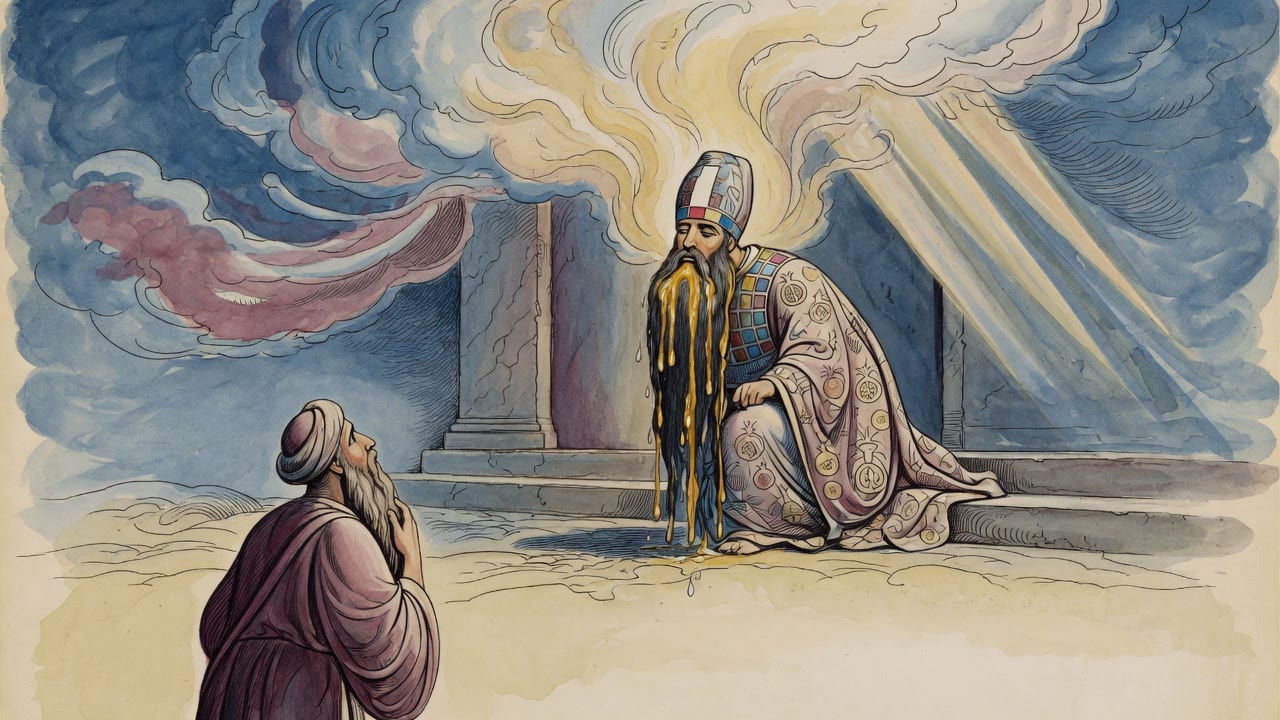
The Tikkunei Zohar, the thirteenth-century Kabbalistic expansion of the main Zohar, does not dispute the record. But it begins not with that failure, and not even with Aaron's life, but with his death, calling out to him: "O Aaron the Priest! Rise from your slumber! Guard your zot." The word zot means "this" in Hebrew, a pronoun pointing at something present and immediate. The Zohar's cry assumes that what Aaron was assigned to guard still exists, and that its survival still depends on someone watching it.
What Zot Actually Means
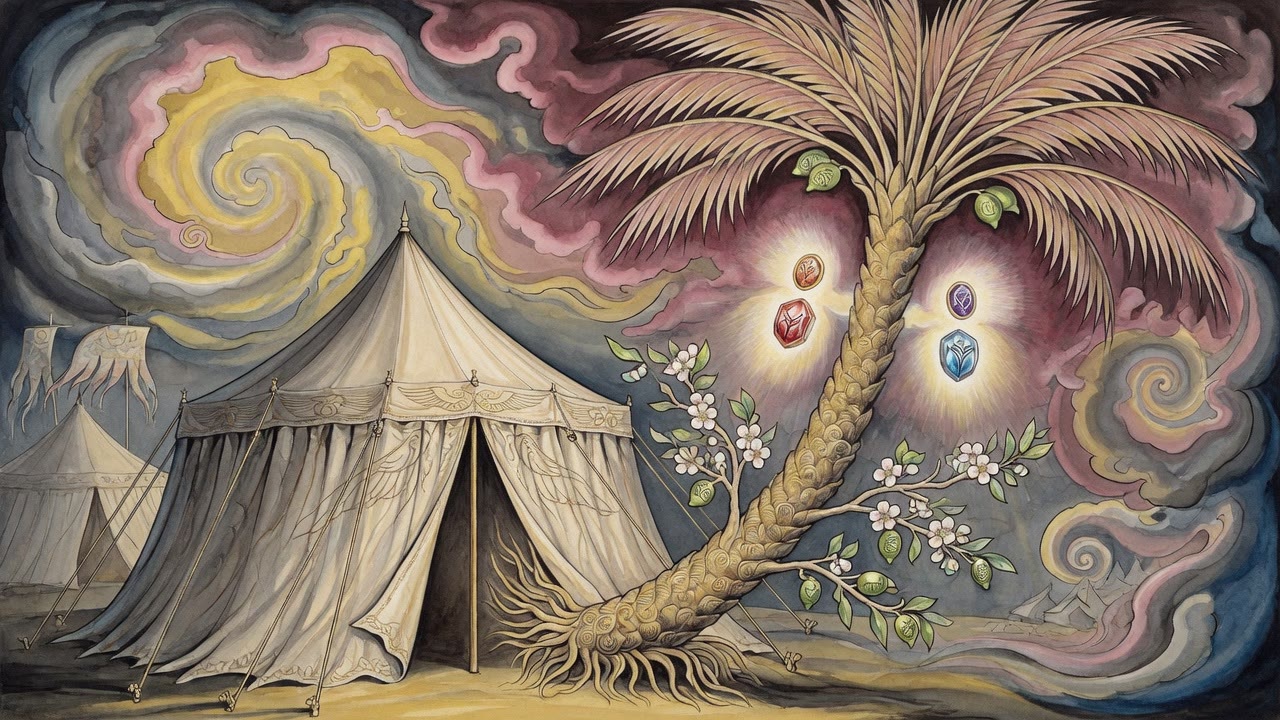
The Zohar traces the word to Leviticus 16:3: "With this shall Aaron come to the holy." On Yom Kippur, the holiest day, the High Priest entered the Holy of Holies carrying something the text calls zot, this. The word points at the ritual in its entirety, the truth being enacted rather than merely described. Tikkunei Zohar 121 identifies this zot with the Torah as a living presence, not just a text but the animating reality the text embodies, the thing that makes law binding rather than merely written. It is the living dimension of Torah, the part that dies if nobody is actively holding it.
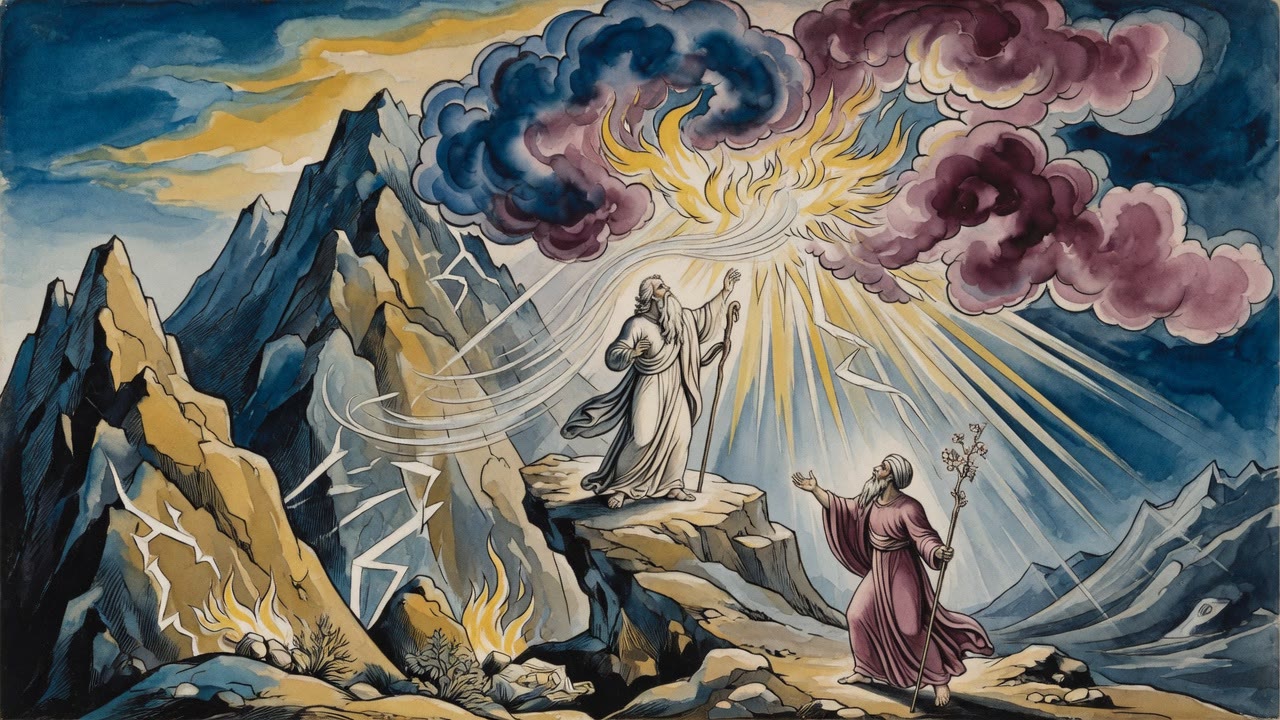
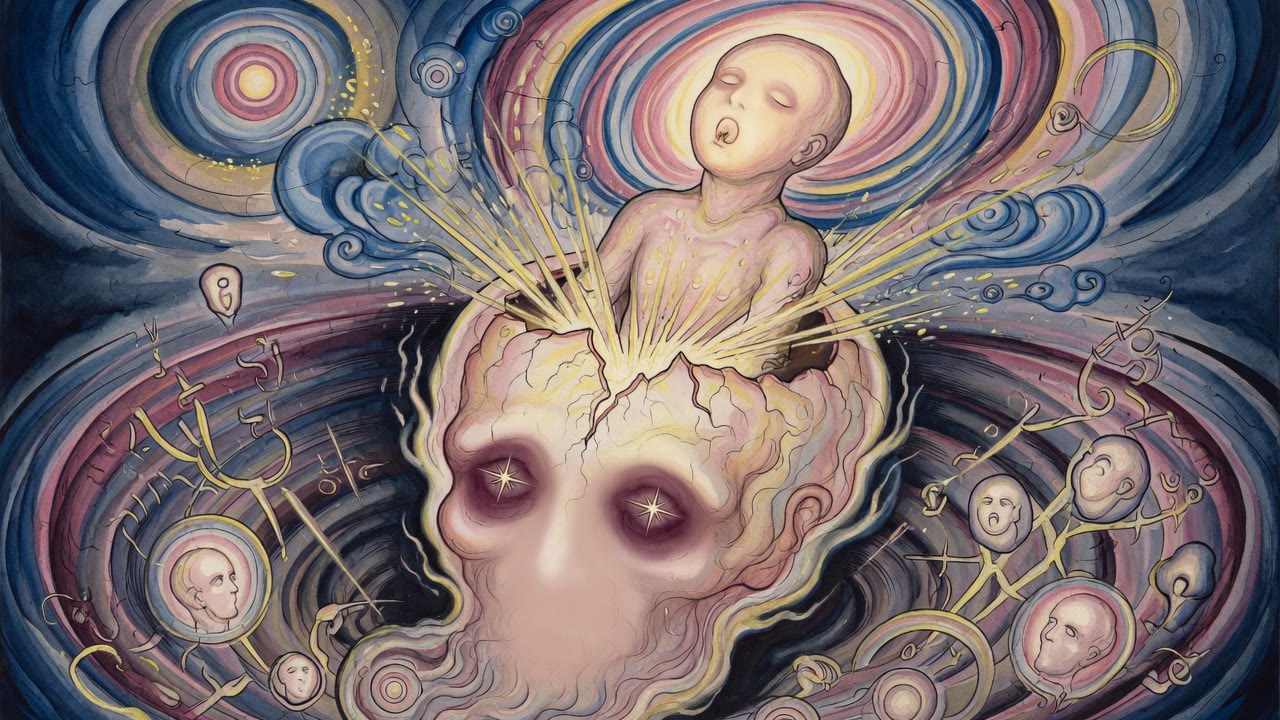
The Pirkei DeRabbi Eliezer, the early medieval midrash compiled in eighth or ninth-century Palestine, gives us a different glimpse of what that living dimension looked like before it was lost. When Moses descended the mountain carrying the tablets, the letters on them were divine inscription, not carved by human hands. They were written through the stone as if the stone were transparent. They carried their own weight and Moses with them. Then he saw the golden calf, and the writing fled. Not the stone, but the letters. The inscribed word vacated the tablets because what was below it had made the divine inscription untenable, and the tablets became heavy in his hands because they were now only stone.
The Two Brothers and the Flame Between Them
The Tikkunei Zohar's call extends immediately from Aaron to Moses: "Rise, O Faithful Shepherd, for your zot is the Torah which Moses set." The two brothers are given different relationships to the same thing. Moses wrote it down, received it, transmitted it, set it in its place. Aaron guarded what it was for: the living truth that needed active protection, not just preservation. Moses shaped the flame. Aaron held the vessel that kept it from going out. The two are not interchangeable, and the tradition's insistence on calling both of them by name suggests that one without the other is insufficient.
This reading reframes the catastrophe at the calf. Aaron's failure was not merely a political miscalculation or a failure of nerve. It was a failure of his specific function. He was the guardian of zot, the thing that lives when someone is watching it, and he stopped watching. He watched Israel dance instead. The golden calf was not primarily an idol. It was what happened to zot when Aaron's attention was elsewhere. The Zohar is not softening the guilt. It is making it precise.
Aaron the Unsung Restorer
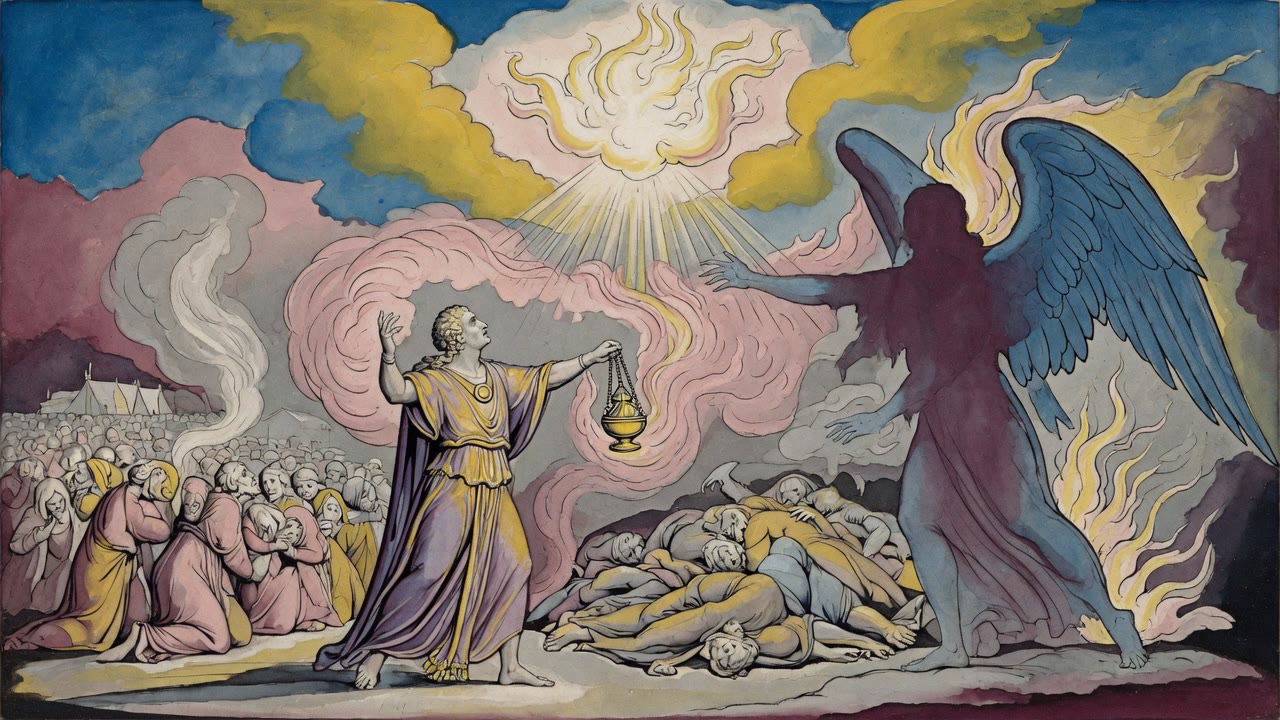
Midrash Tehillim, the ancient midrash on the Psalms compiled between the third and seventh centuries CE, approaches Aaron from the other direction, through his victories rather than his failure. Reading Psalm 118, the Midrash identifies voices that triumphed over their enemies through Aaron's priestly function. Korah challenged Aaron's authority over the priesthood and was swallowed by the earth. Uzziah the king attempted to perform the priestly duty of burning incense in the Temple and was struck with leprosy. In both cases, the guardianship of the sacred function was vindicated against those who attempted to collapse the boundary between king and priest, between political authority and divine service. Aaron's role was not administrative. It was cosmological. When that boundary held, the structure held. When it was violated, the consequences were immediate and physical.
The tradition's insistence on waking Aaron from his sleep carries this weight: the boundary he guarded is the one that keeps law from becoming merely rule, Torah from becoming merely text, sacred service from becoming merely ceremony. Zot is what you lose when you let the calf be built, and it is what you recover when the priest rises from his slumber and stands again before the Holy of Holies with the truth in his hands.
← All myths