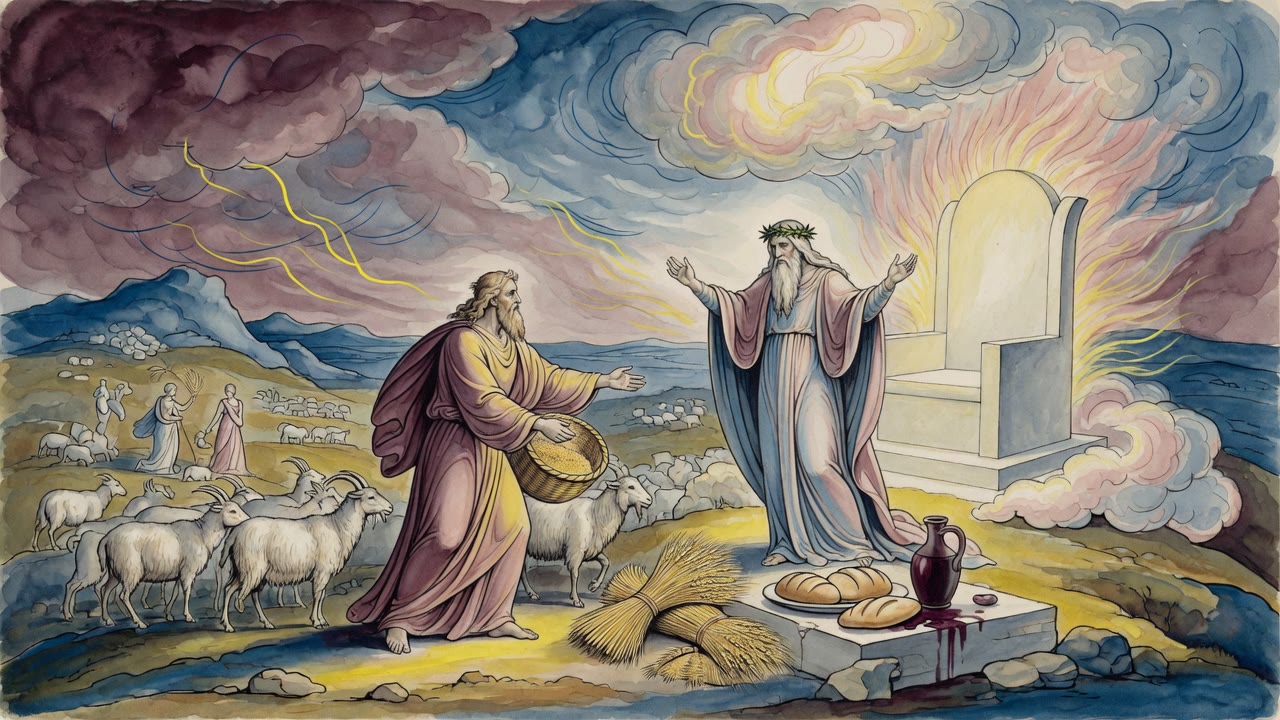
The Twelve Tribal Princes Refused to Compete — and God Rewarded Them
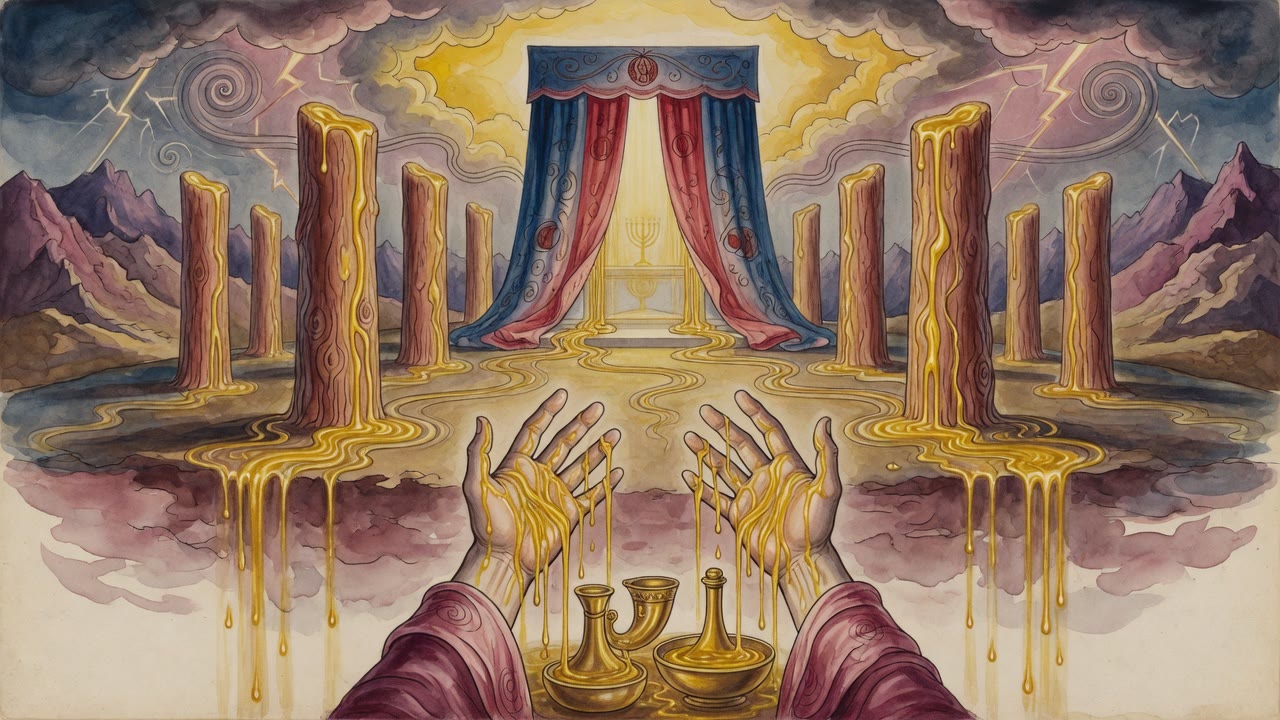
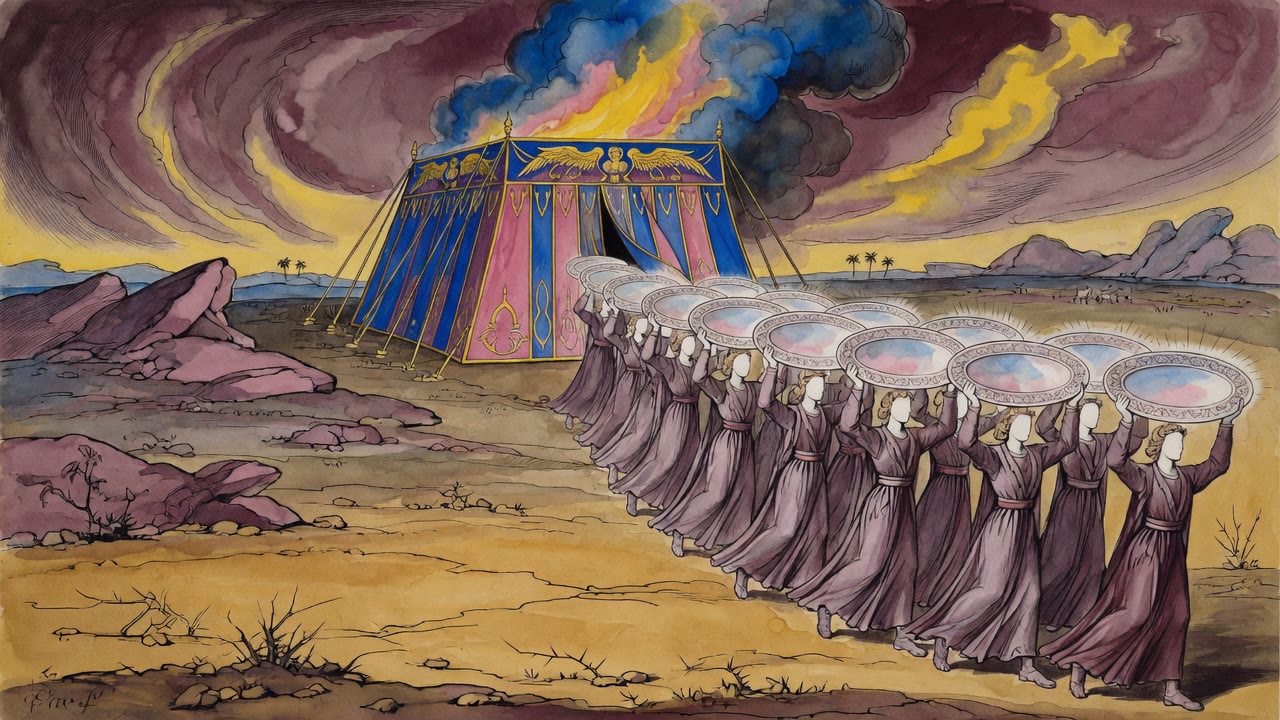
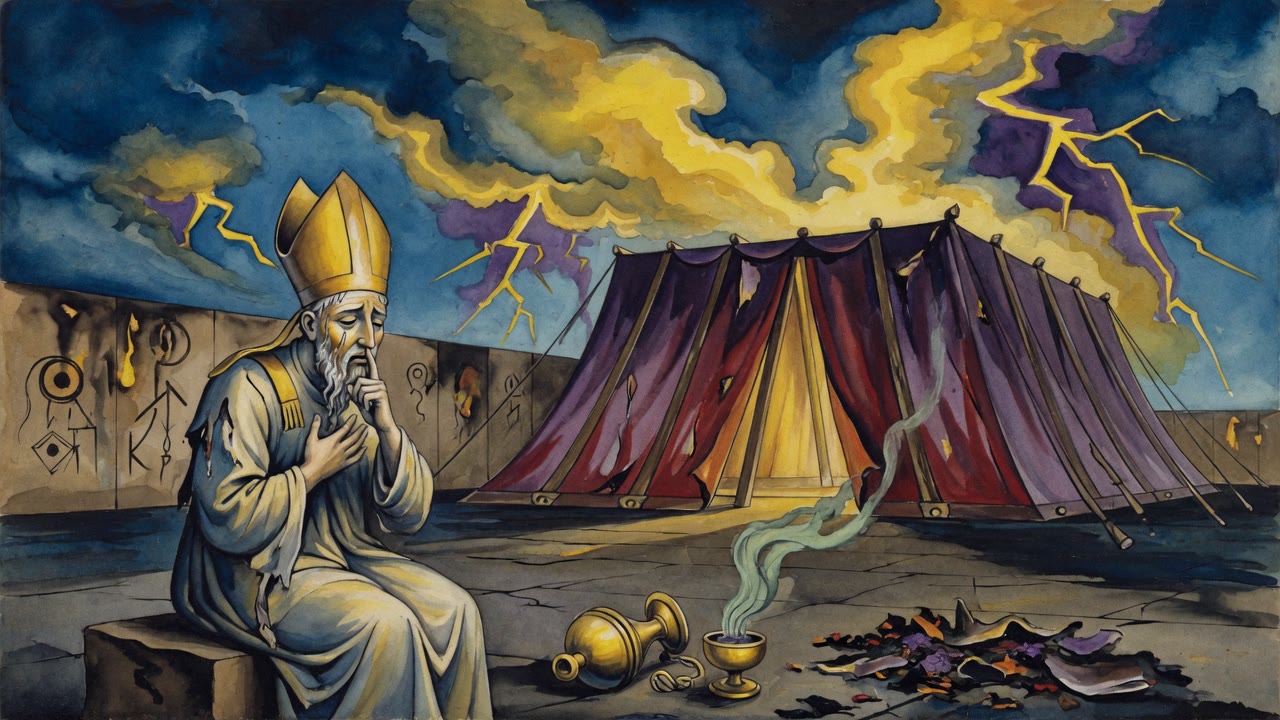
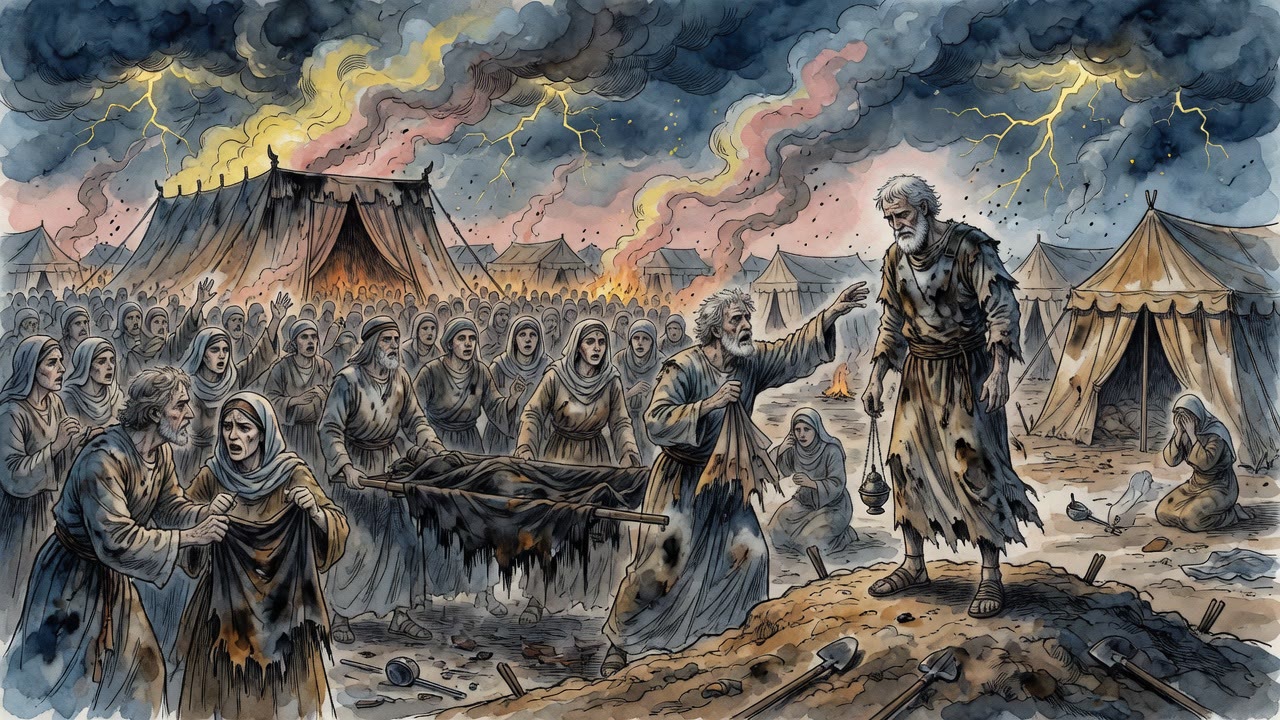
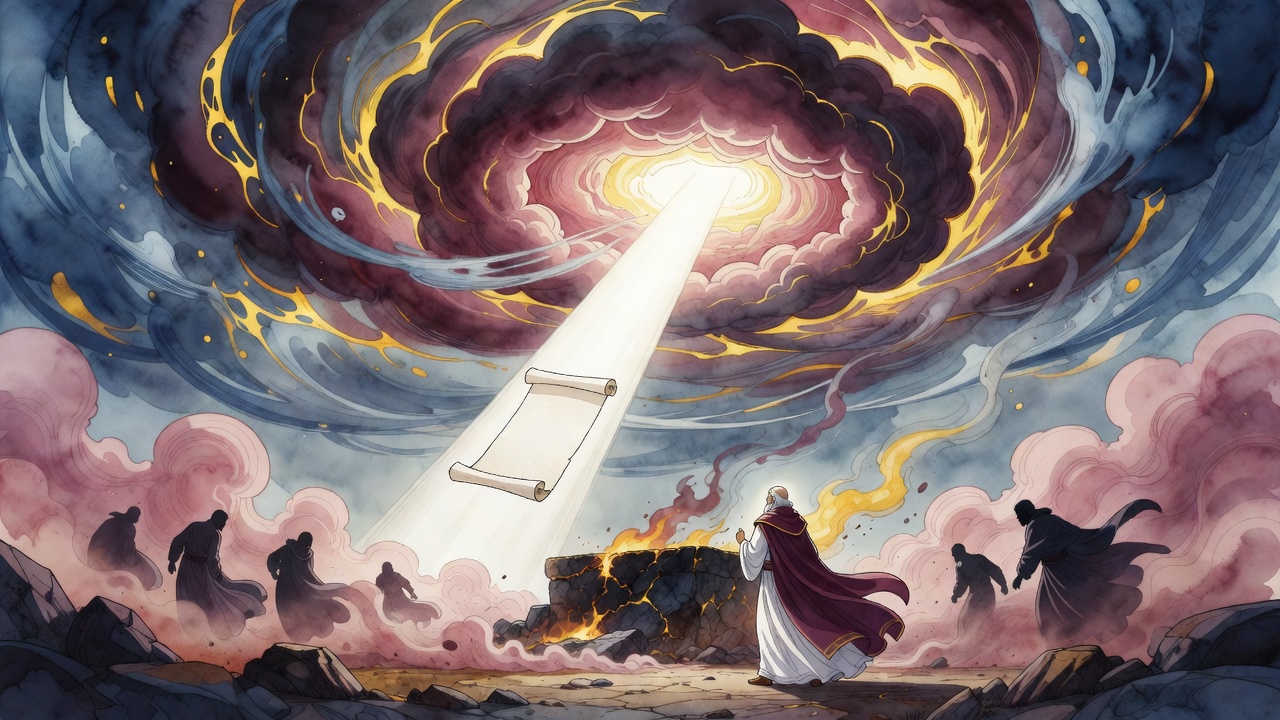
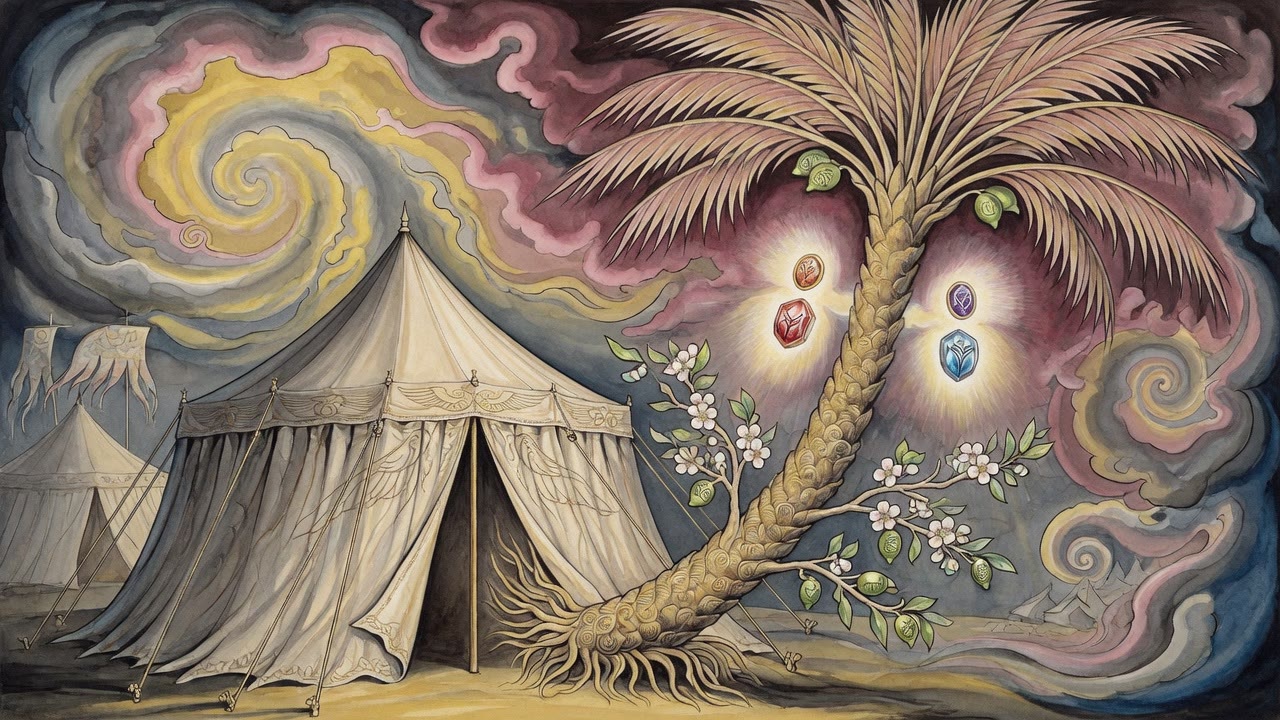
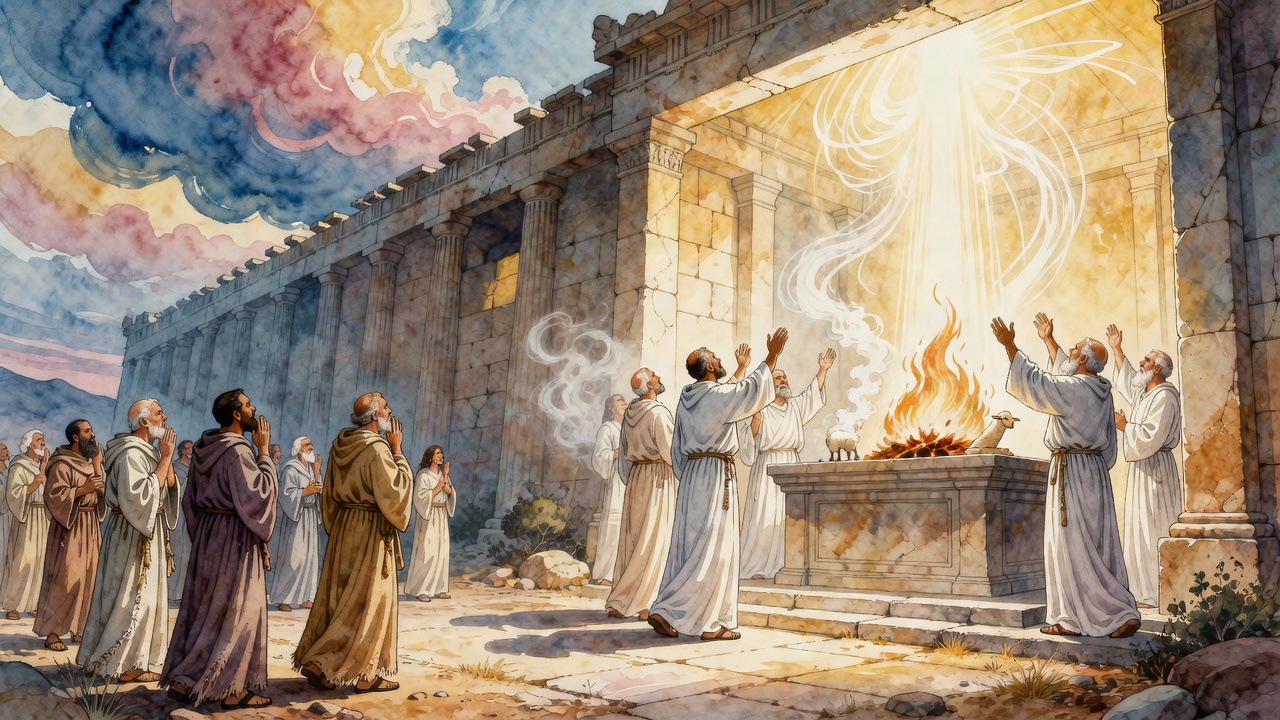
Twelve tribal princes brought identical offerings for the Tabernacle, same objects, same weight, same measurements. What they got in return changed the rules of Shabbat.
208 texts · Page 1 of 5
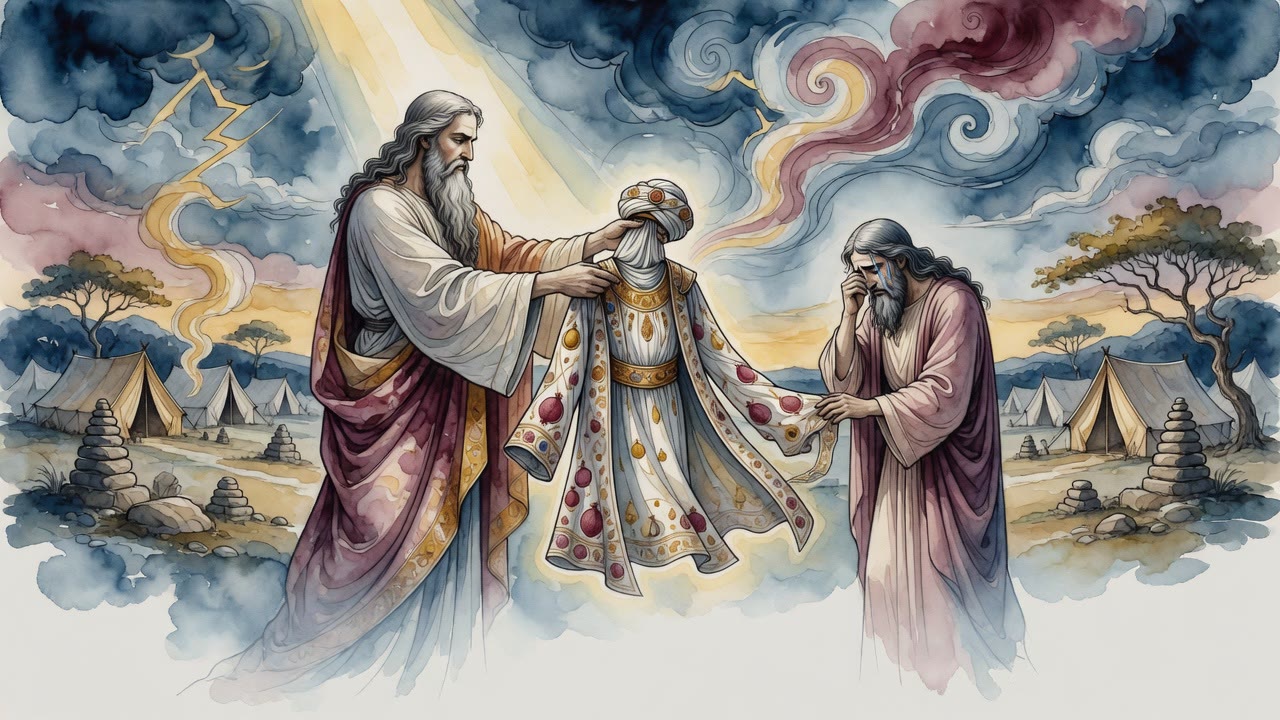
It wasn't just fabric and thread; it was a carefully constructed, divinely ordained manifestation of glory. Ben Sira, in his wisdom, gives us a glimpse into this splendor. He tells...
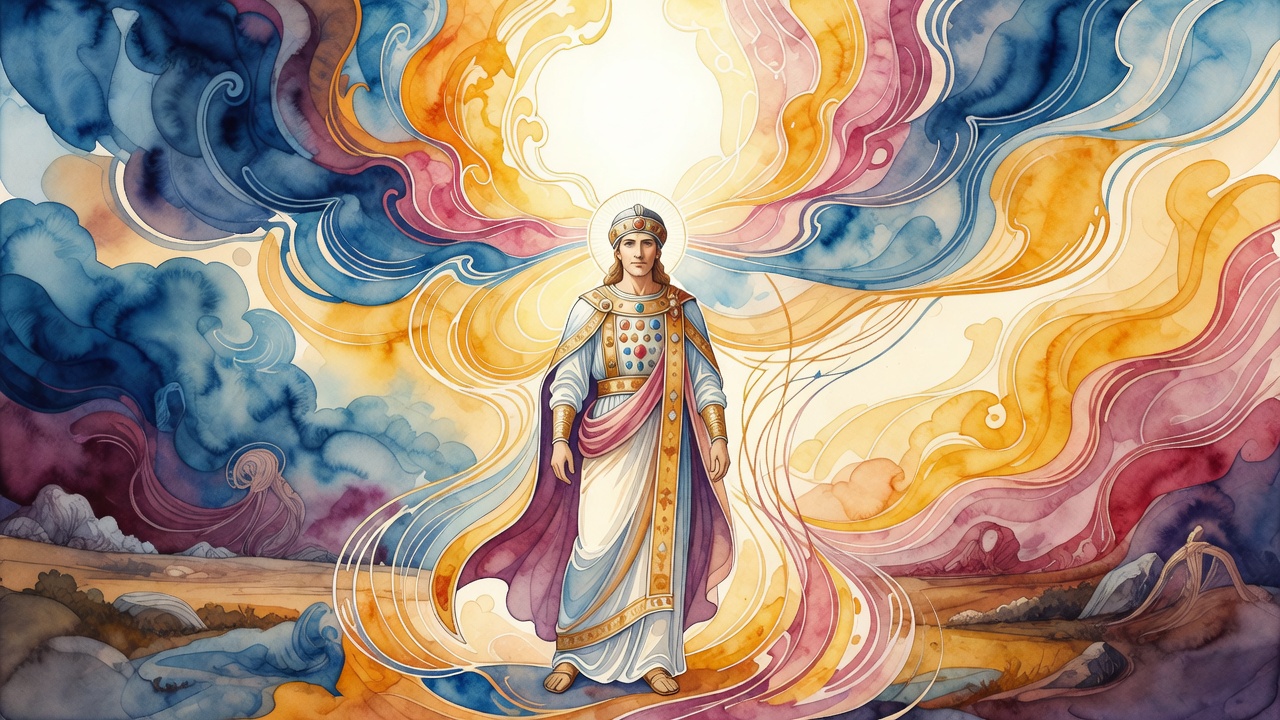
Ben Sira, in his wisdom, shines a spotlight on this remarkable individual. The text sings of him as "Great one of his brethren, and glory of his people." Not a bad title. But what ...
Forget the sterile descriptions in history books. Let's try to feel it, to breathe it in, to almost see it shimmering before us. Ben Sira, in chapter 50 of his wisdom book, gives u...
Specifically, the Letter of Aristeas. This isn't a letter in the Bible, but a letter about the Bible – or rather, about its translation into Greek, which became known as the Septua...
That’s precisely the scene that unfolds in the Letter of Aristeas. It’s not just any letter; it’s a record, a moment frozen in time, detailing a remarkable exchange between a Jewis...
We read about it, we imagine it, but sometimes it's the small, sensory details that truly bring history to life. One of the most fascinating accounts we have comes from the Letter ...
We get a glimpse, a vivid snapshot, from the Letter of Aristeas. This letter, a fascinating document from the Hellenistic period, purports to be written by a Greek official named A...
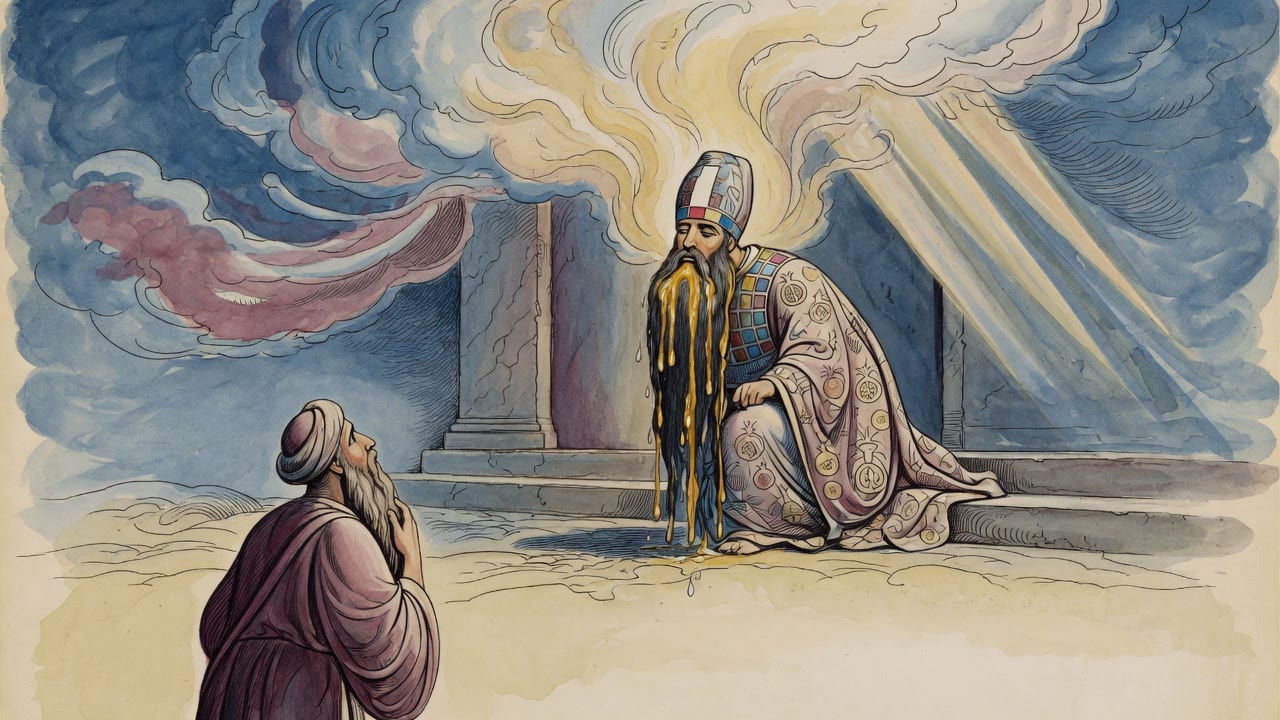
But before we even get to the translation, the letter gives us a glimpse into the awe-inspiring presence of the High Priest in Jerusalem. The author, supposedly a Greek courtier na...
The Letter of Aristeas, an ancient text that purports to describe the translation of the Hebrew Bible into Greek, touches on this very question. Imagine the scene: Egyptian priests...
The kind of betrayal that shakes your faith in humanity. That's the kind of situation we find ourselves in with a particular passage from the Book of Maccabees I. We're in the thic...
: Here's Jonathan, leading the Jewish people in revolt against the Seleucid Empire. A tough, courageous leader. And then, out of the blue, he gets a letter. Not just any letter, mi...
The kind of idea that fuels revolutions and inspires hope. That very concept is at the heart of a fascinating passage in the First Book of Maccabees. We're talking about a time of ...
Levi, third son of Jacob and Leah, called his sons together when he knew his death was near. It had been revealed to him that he would die. When they gathered, he told them everyth...
Overwhelming. Now, imagine that sibling returns not just as family, but as a leader, a figure of immense importance. How would you react? That's the scene we find ourselves in as A...
It's not just a story from a book; it was a moment of cosmic significance. Imagine the scene: Pharaoh's birthday. A huge deal. He's not just any king, remember – according to Legen...
The air is thick with the aroma of roasting meat, the sounds of laughter and song echoing through the desert. The Israelites, newly freed from slavery in Egypt, are gathered togeth...
More than just architecture and gold, we're talking about the very names etched onto the High Priest's garments—each letter, each stone, imbued with meaning. Take the ephod, for in...
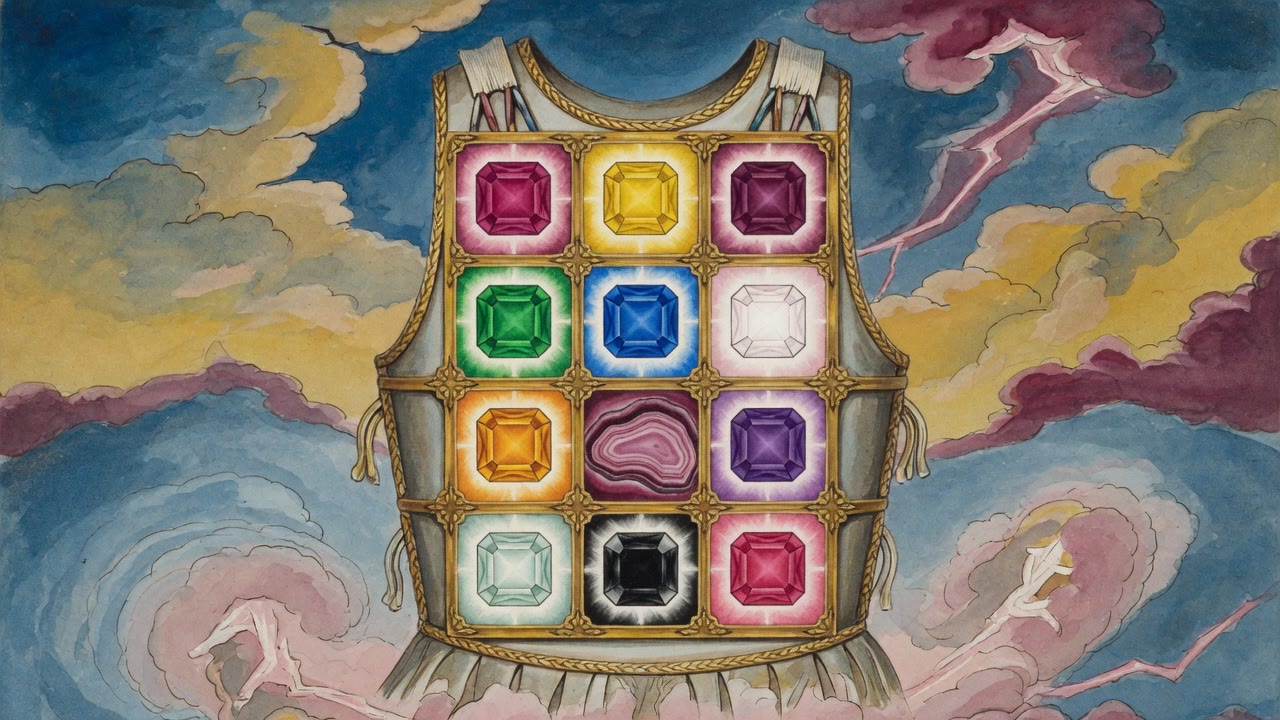
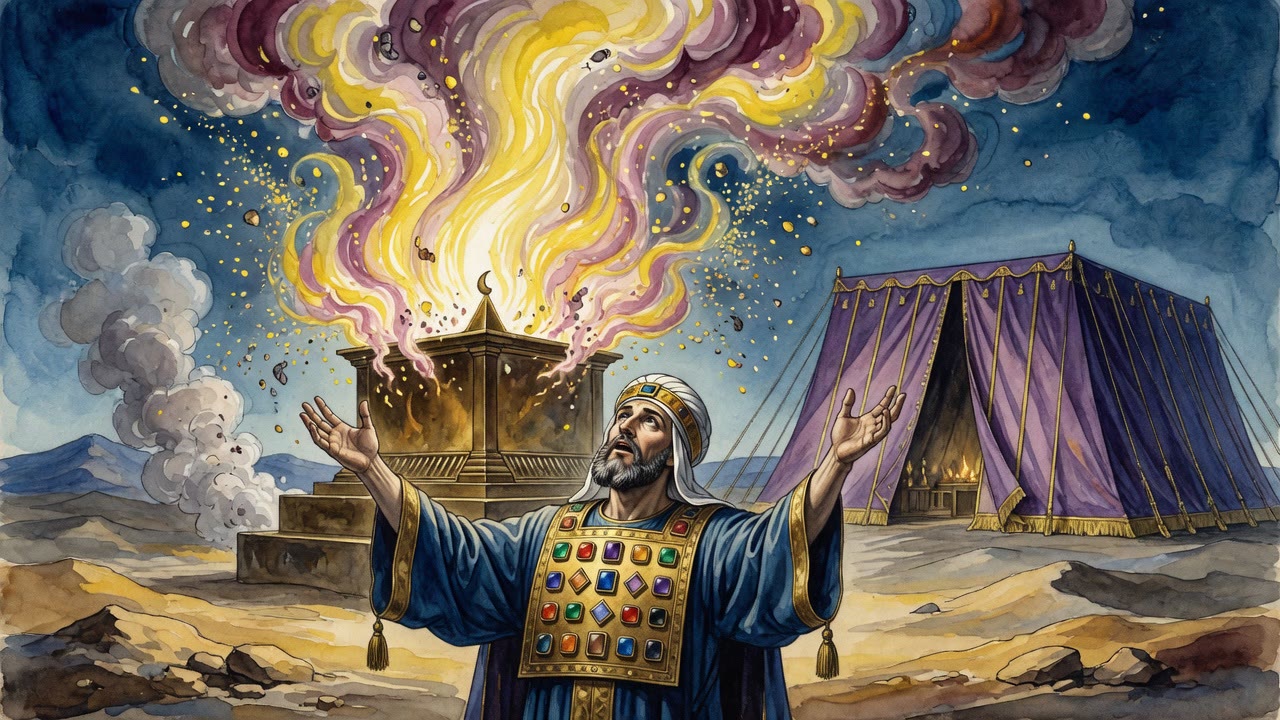
Forget polls and focus groups. In ancient Israel, sometimes the answer came from… a breastplate. Specifically, the breastplate of the Kohen Gadol, the High Priest. This wasn't just...
Sounds simple enough. But picture it: trekking from tent to tent, peering into every dwelling, trying to keep an accurate tally. A logistical nightmare! As Ginzberg recounts in Leg...
It wasn't just a chaotic mass of people wandering aimlessly. Oh no, there was structure, order, and vibrant banners flying high! According to Ginzberg's Legends of the Jews, each o...
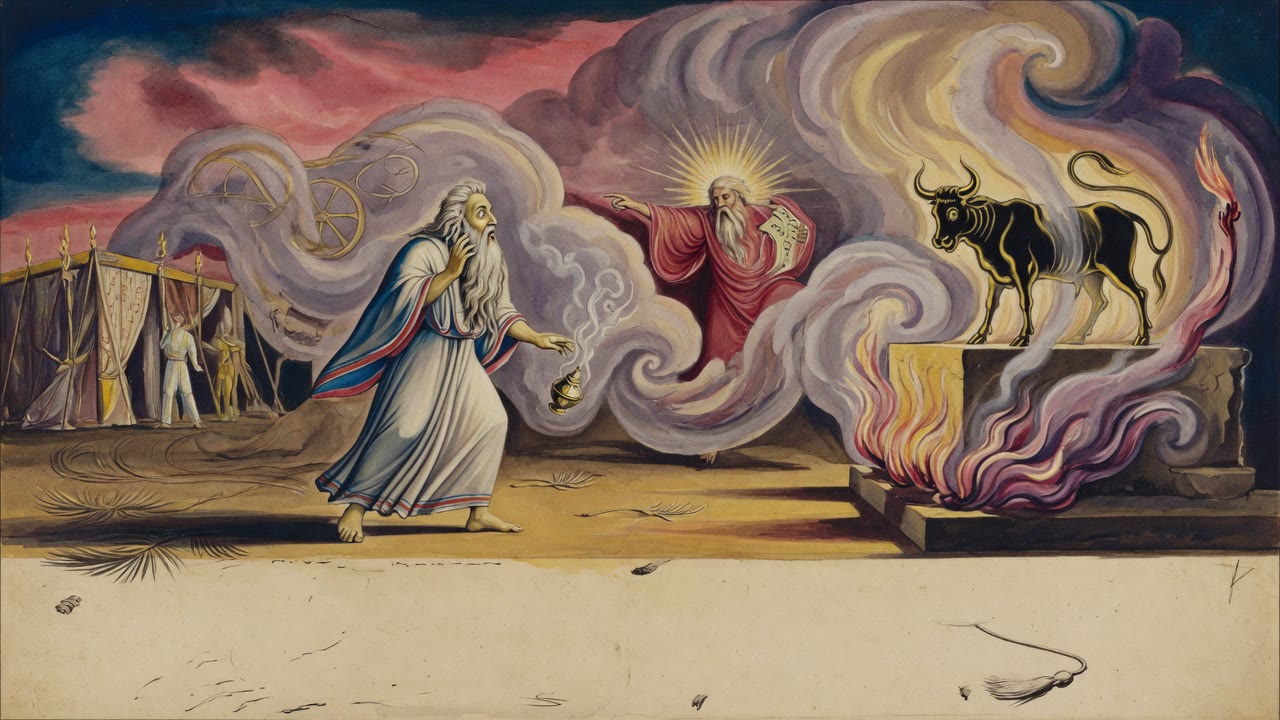
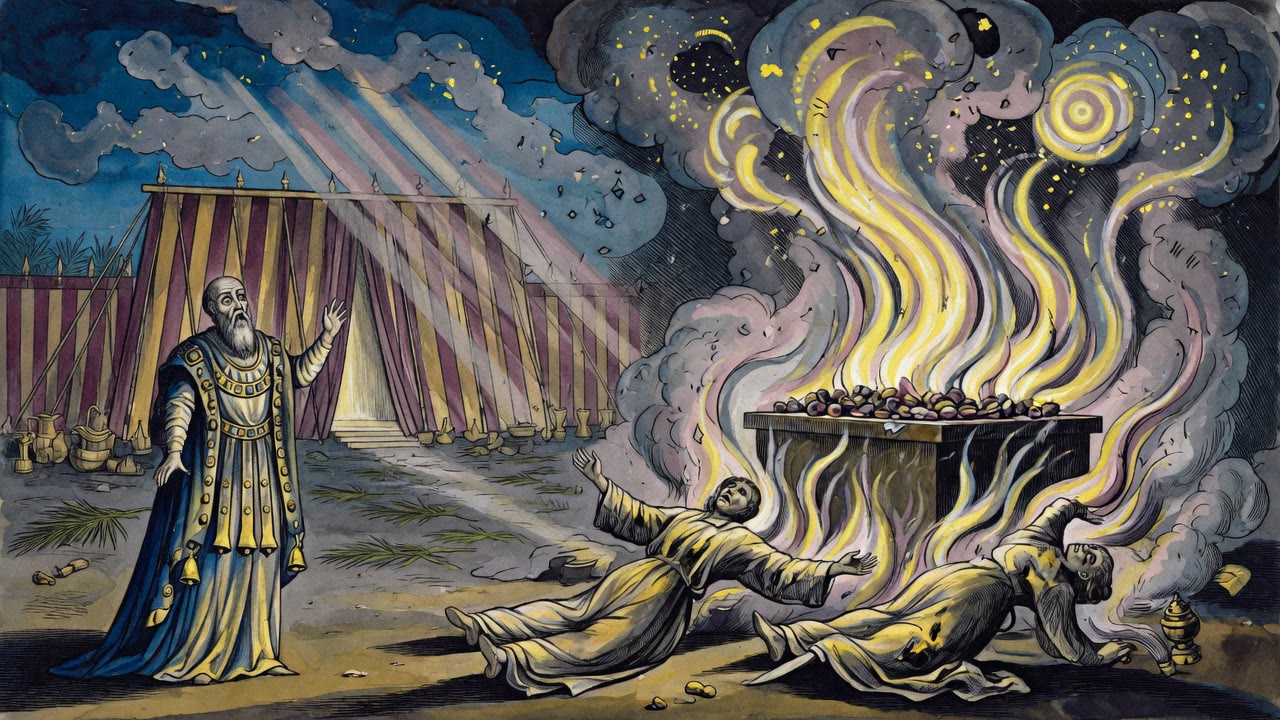
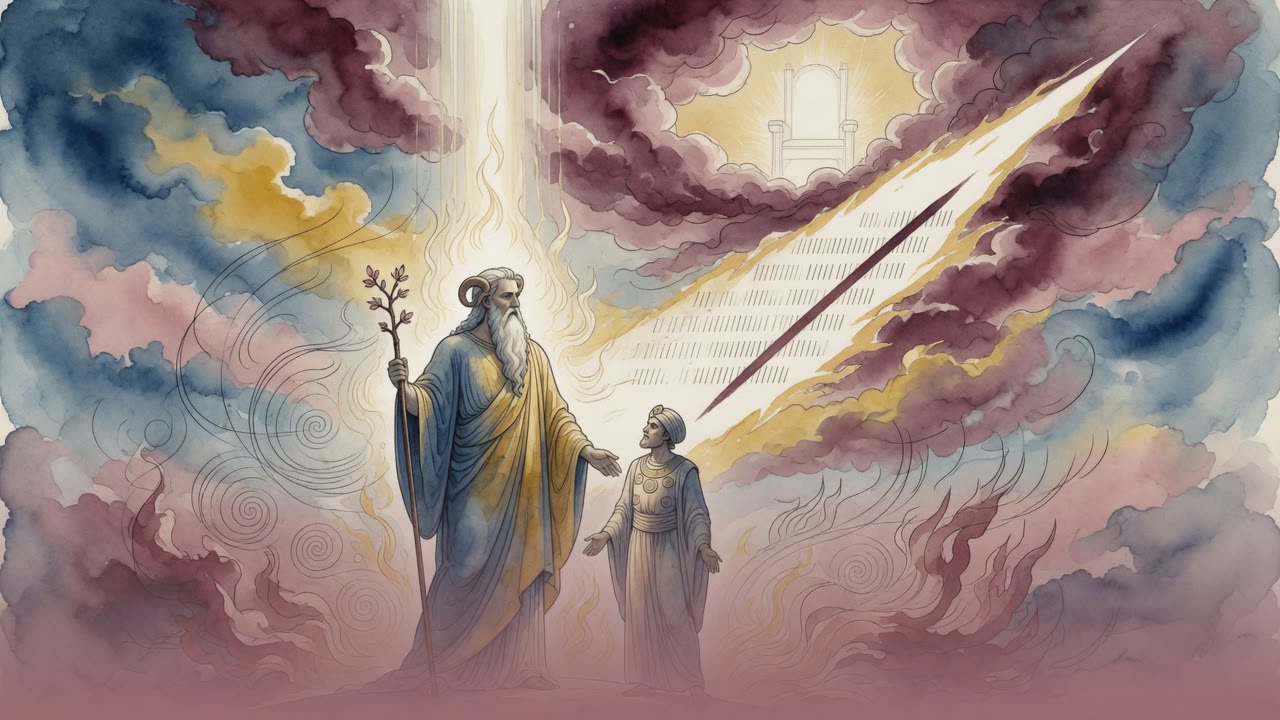
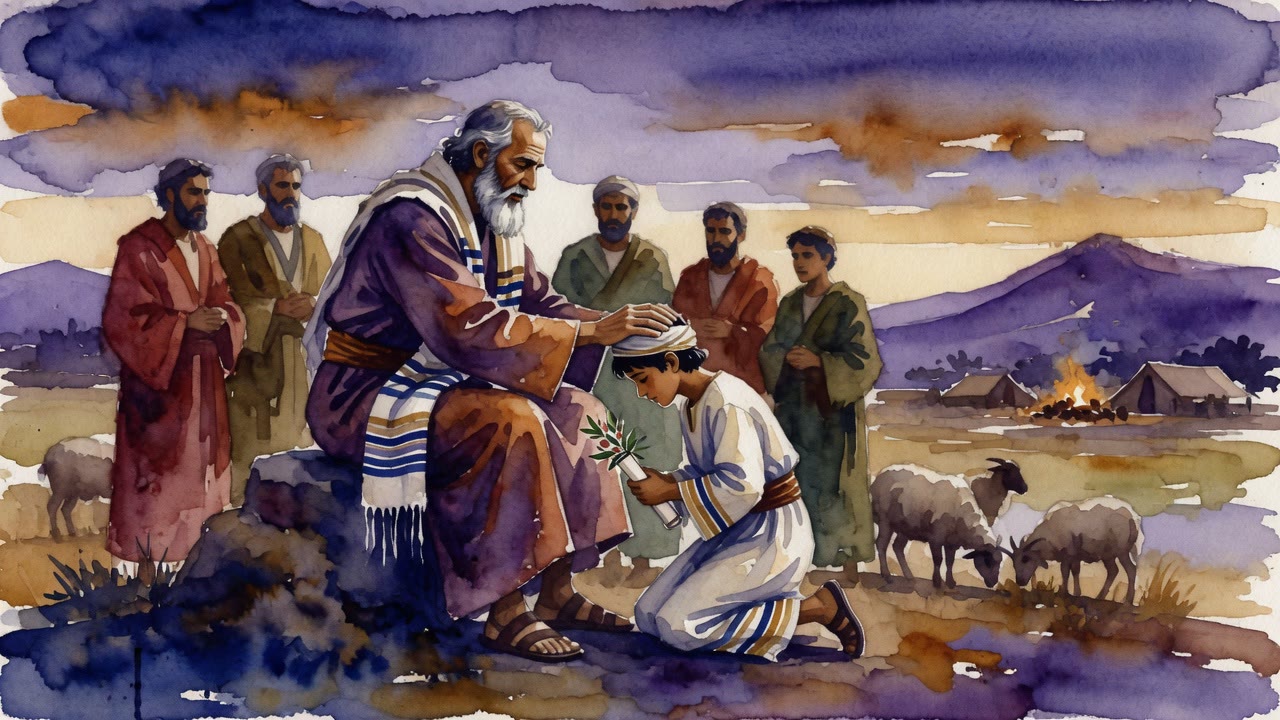
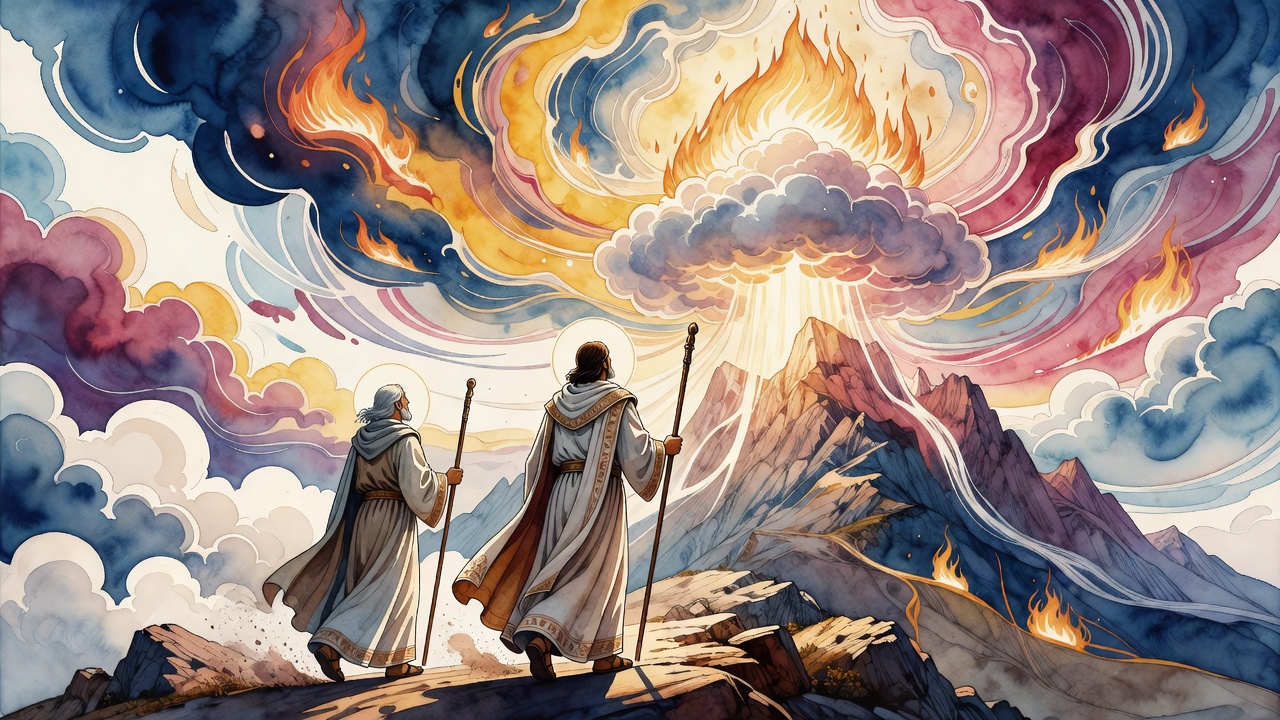
The Torah only gives us glimpses, but Jewish legend fills in the spaces with breathtaking detail. Imagine this: Eleazar, newly adorned in the garments of the Kohen Gadol, the High ...
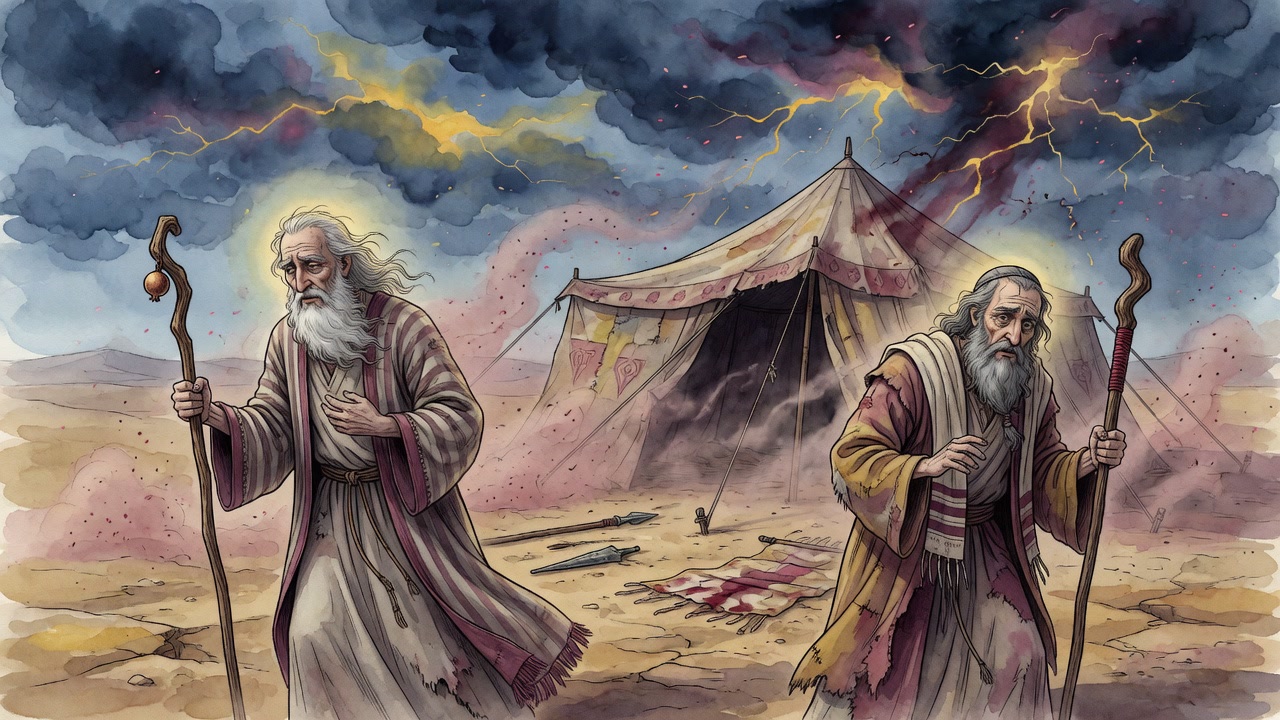
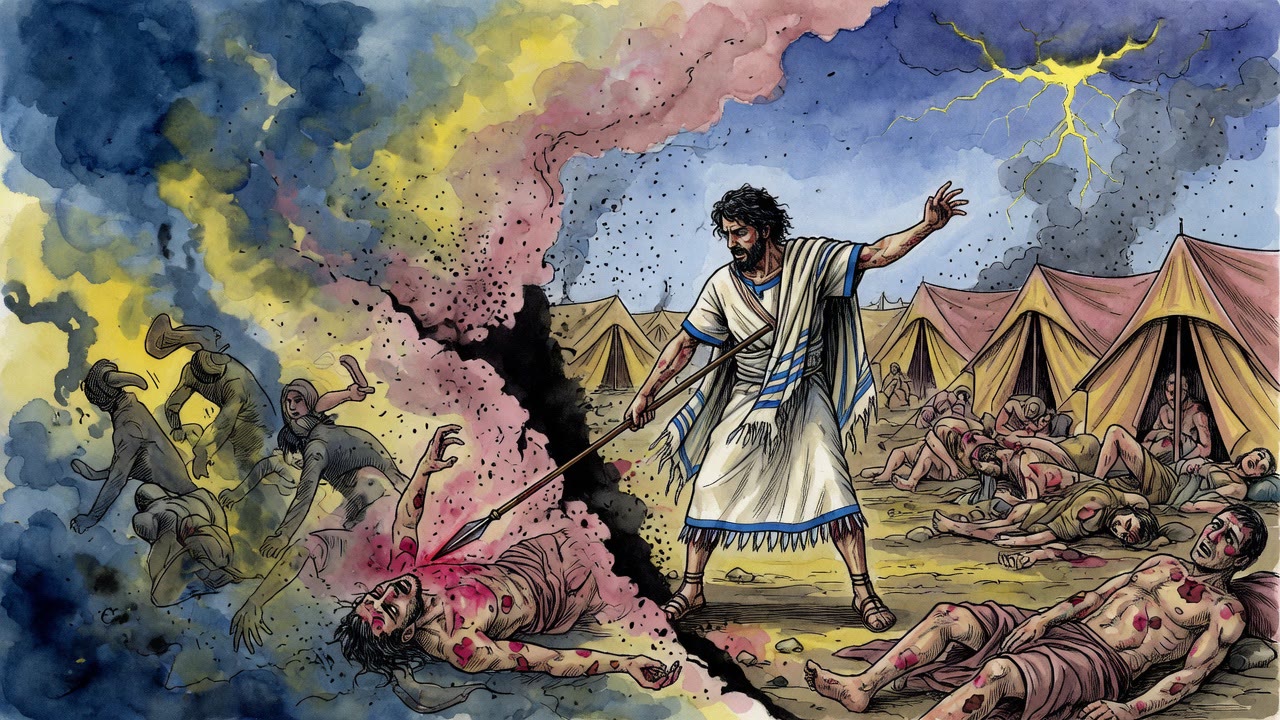
The ancient texts are filled with such accounts, stories that chill us to the bone and make us question the very nature of humanity. And when it comes to treachery, one group stand...
The High Priest's breastplate could predict the outcome of wars. Josephus states this not as legend but as historical fact—the twelve gemstones mounted on the breastplate of the Ko...
There was a goat that carried the sins of an entire nation into the wilderness and was never seen again. Every year on Yom Kippur—the tenth day of the seventh month—the Israelites ...
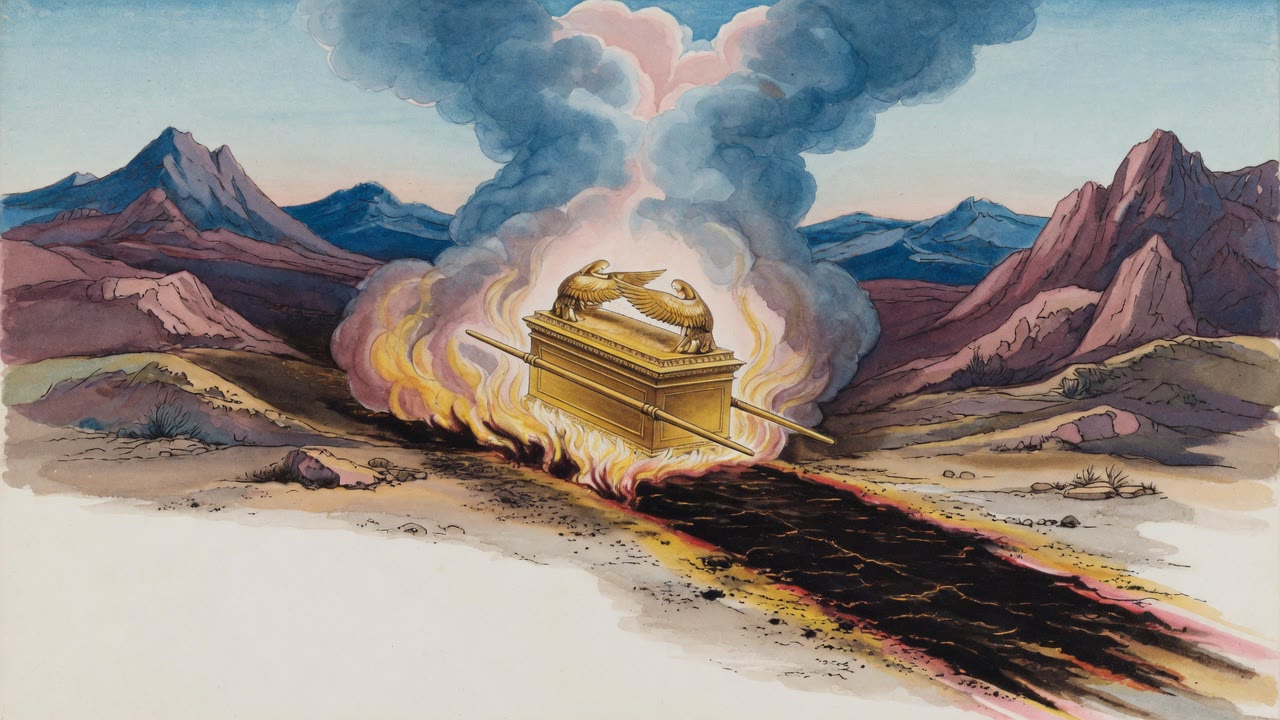
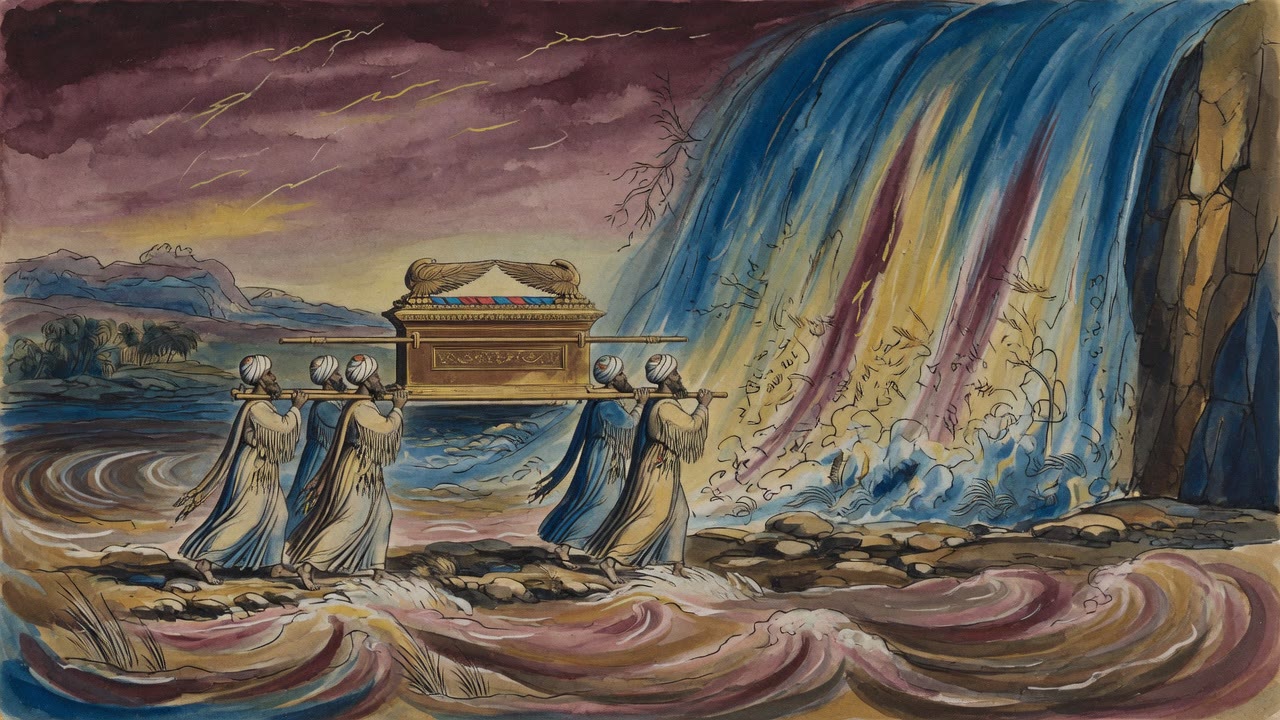
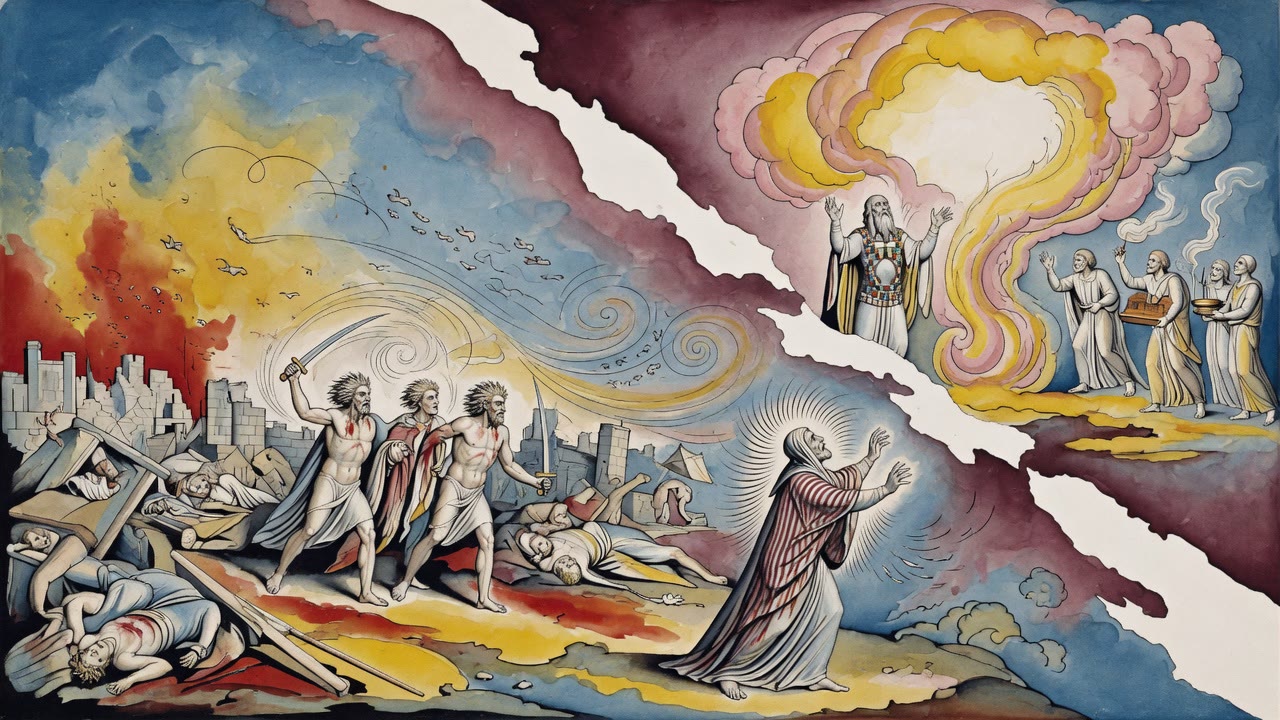
The Ark of the Covenant—the holiest object in Israel—fell into enemy hands. And the man responsible for guarding it died the moment he heard the news. The Philistines launched a ma...
The Seleucid Empire was tearing itself apart, and Jonathan knew exactly how to exploit it. Josephus records that after Alexander Balas overthrew Demetrius I and claimed the Syrian ...
When Aristobulus I died after just one year on the throne, his widow Salome Alexandra did something audacious. She released Aristobulus's brothers from prison, where he had kept th...
Herod had the throne, but the Hasmonean family still haunted him. His wife Mariamne was a Hasmonean princess. Her mother Alexandra was relentless in promoting Hasmonean claims. And...
Josephus ends his twenty-volume history of the Jewish people with a list, a boast, and a confession. The list is of every high priest from Aaron to the destruction of the Temple. T...
And it's one that the Tikkun (spiritual repair)ei Zohar uses to explore the nature of divine access and spiritual authority. The Tikkunei Zohar, a later and more esoteric section o...
Moses' name does not appear in Parshat Tetzaveh. Rabbi Levi Yitzchak of Berditchev uses this conspicuous absence to explore a question about wisdom, unity, and the priestly garment...
When God told Moses in (Exodus 7:1), "See, I have made you an overlord to Pharaoh," a question immediately arose in the minds of the ancient rabbis. The verse seems to single out M...
The Torah speaks "to Moses and to Aaron" — in that order. Moses first, Aaron second. A natural reading would assume this reflects a hierarchy: Moses is the greater, Aaron the lesse...
Before Aaron was chosen for the priesthood, every member of Israel was eligible to serve as a priest. The entire nation stood on equal footing when it came to approaching God throu...
The Mekhilta, the halakhic midrash on Exodus from the tannaitic period, examines a stunning prophecy from Isaiah about the final ingathering of exiles. Isaiah declares: "And they w...
Variantly: "And he called to Moses and to Aaron": What is the intent of this? Pharaoh had said to him (Ibid. 10:28) "Go from me." (29) "And Moses said: "True have you spoken" (and ...
What happens when a sheep that has never given birth delivers twin males at the exact same moment? Rabbi Yossi HaGlili tackled this unusual scenario head-on, and his ruling surpris...
(Exodus 15:20) introduces Miriam with a curious title: "the prophetess, the sister of Aaron." The Mekhilta immediately spots the problem. Miriam was the sister of both Aaron and Mo...
When the Israelites ran out of food in the desert, they did not handle it well. (Exodus 16:2) records that "the entire congregation of the children of Israel caviled against Moses ...
Moses and Aaron delivered a pointed warning to the Israelites who kept complaining about their food in the wilderness. The manna had been given with a "radiant countenance" because...
"and, behold, the glory of the L–rd appeared in the cloud": R. Yossi Haglili says: So long as Israel railed against Moses and Aaron, at once, "the glory of the L–rd appeared in the...
When God commanded that a jar of manna be preserved for future generations (Exodus 16:32), Moses relayed the instruction to his brother Aaron. But when exactly did Aaron carry it o...
Moses told Aaron to take a "tzintzeneth" and fill it with manna to preserve for future generations (Exodus 16:33). But what exactly was a tzintzeneth? The word appears nowhere else...
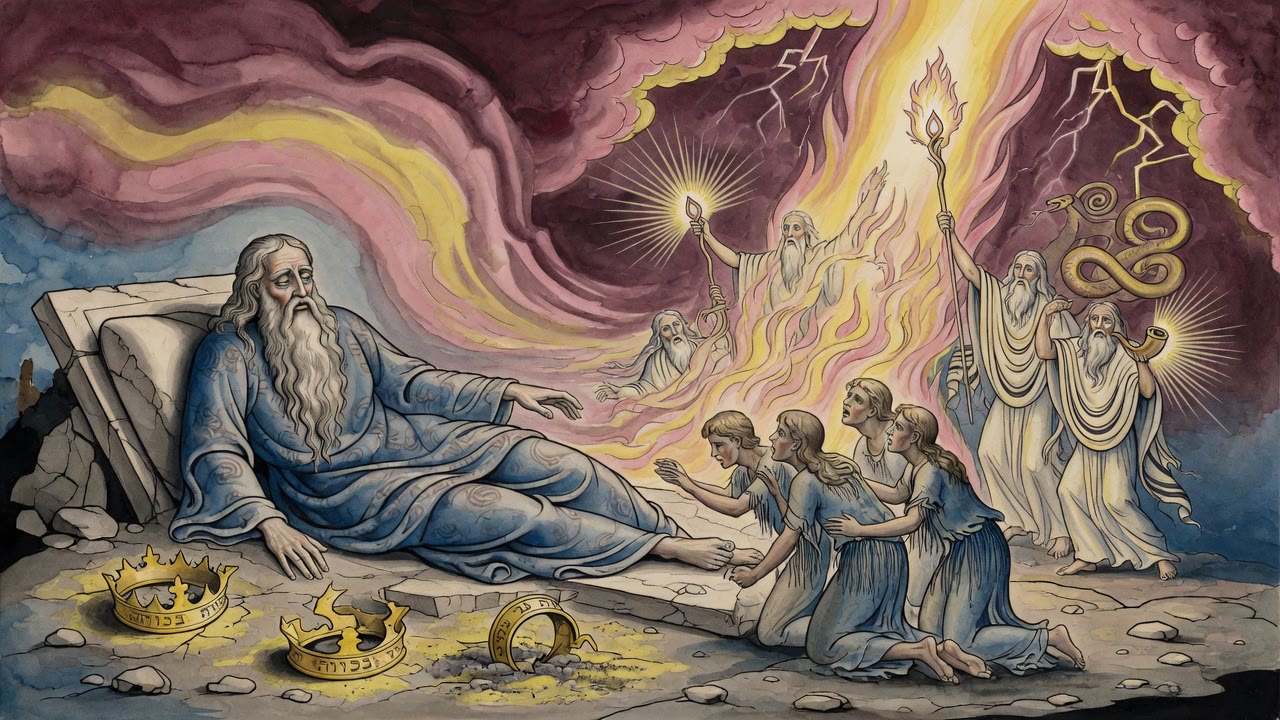
When the prophet Elijah returns at the end of days, he will not come empty-handed. According to the Mekhilta, he will bring three sacred objects that were hidden away centuries ago...
The Mekhilta poses a question about the hierarchy of respect: how much honor should a person show to a friend? The answer comes from one of the most revealing moments between Moses...
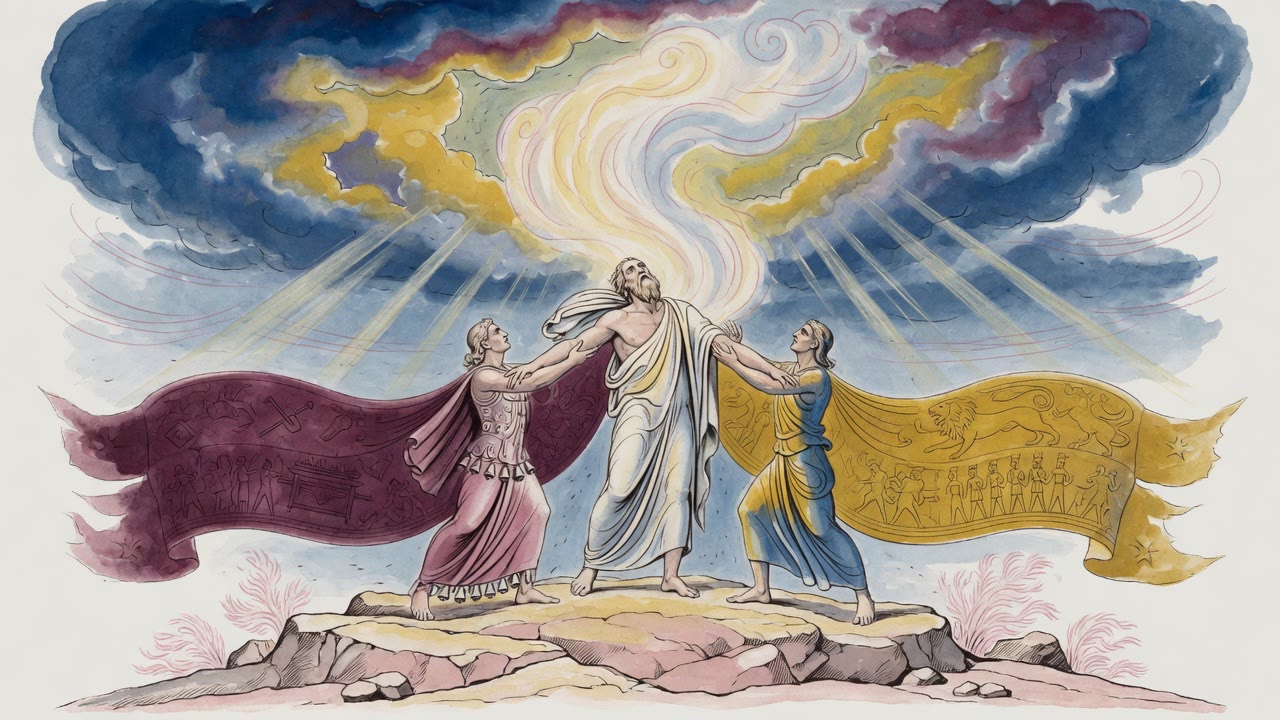
Three men climbed to the top of the hill before the battle against Amalek: Moses, Aaron, and Chur (Exodus 17:10). The Mekhilta explains that their ascent was not a military decisio...
During the battle against Amalek, Moses stood on a hilltop with his arms raised, channeling divine power to the Israelite warriors below. But holding your arms up for hours is grue...
After every other plea had been rejected, Moses turned to his nephew Elazar — the son of his brother Aaron — and threw himself at his feet. "Elazar, my brother's son," Moses said, ...