Abraham Gave a Tenth Before the Torah Required It
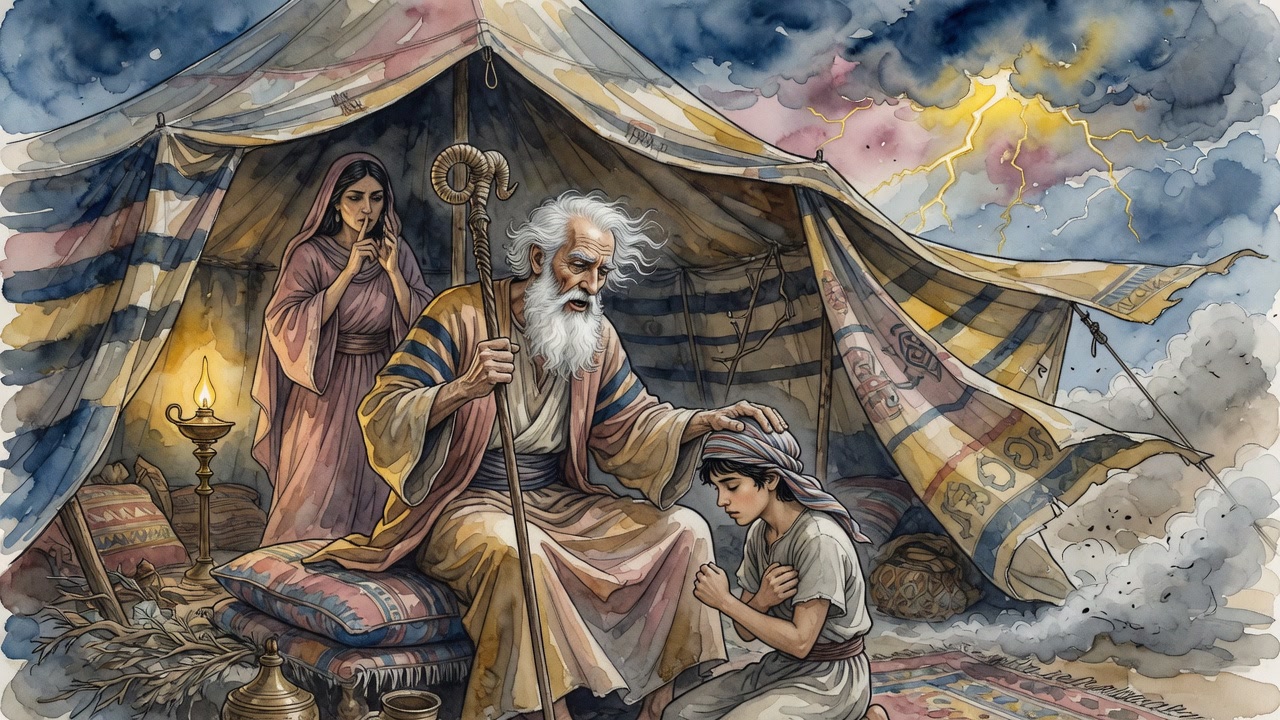
Long before Sinai, Abraham gave a tenth of everything he owned at the harvest feast. The Book of Jubilees says this quiet act was how the tithe began.
Table of Contents
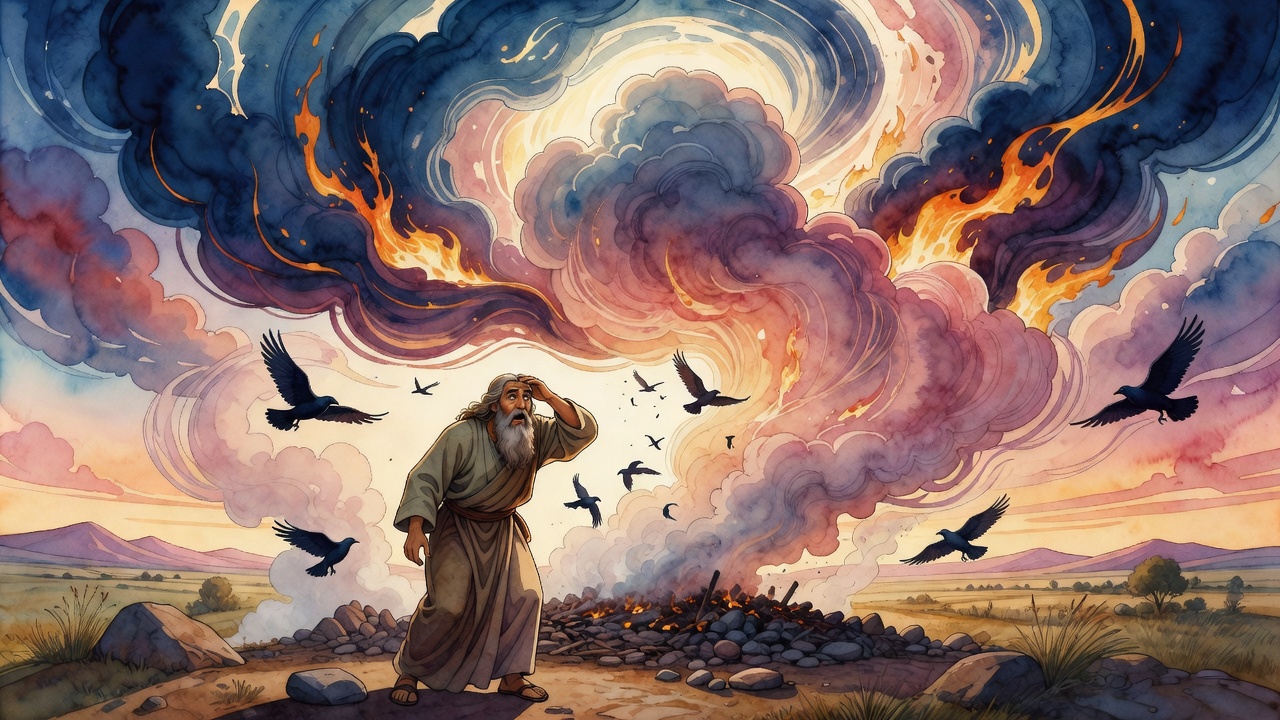
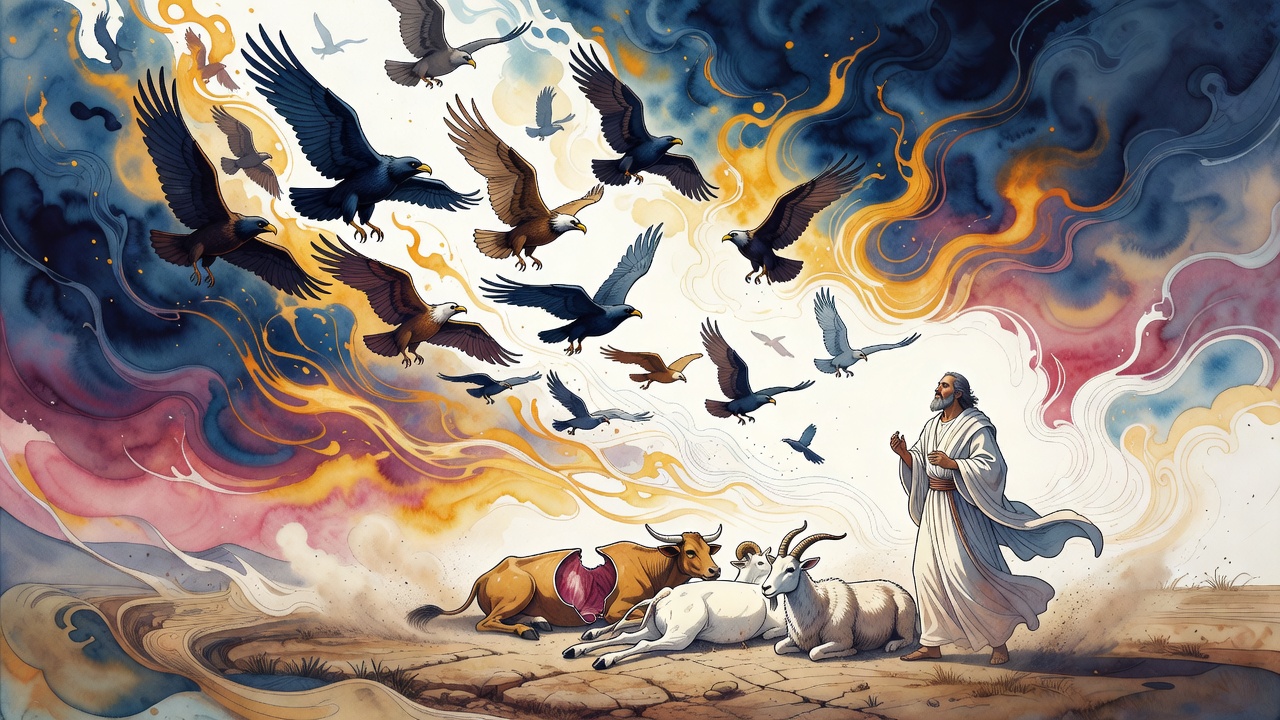
He did it at the feast of the first-fruits, in the fifth year of the fourth week, in the forty-first jubilee. He built an altar at the oak of Mamre and laid new offerings on it. First-fruits of grain and wine and oil and cattle and sheep. And then, from everything in the tent and everything in the field, he calculated a tenth, and gave it.
 Click for full size
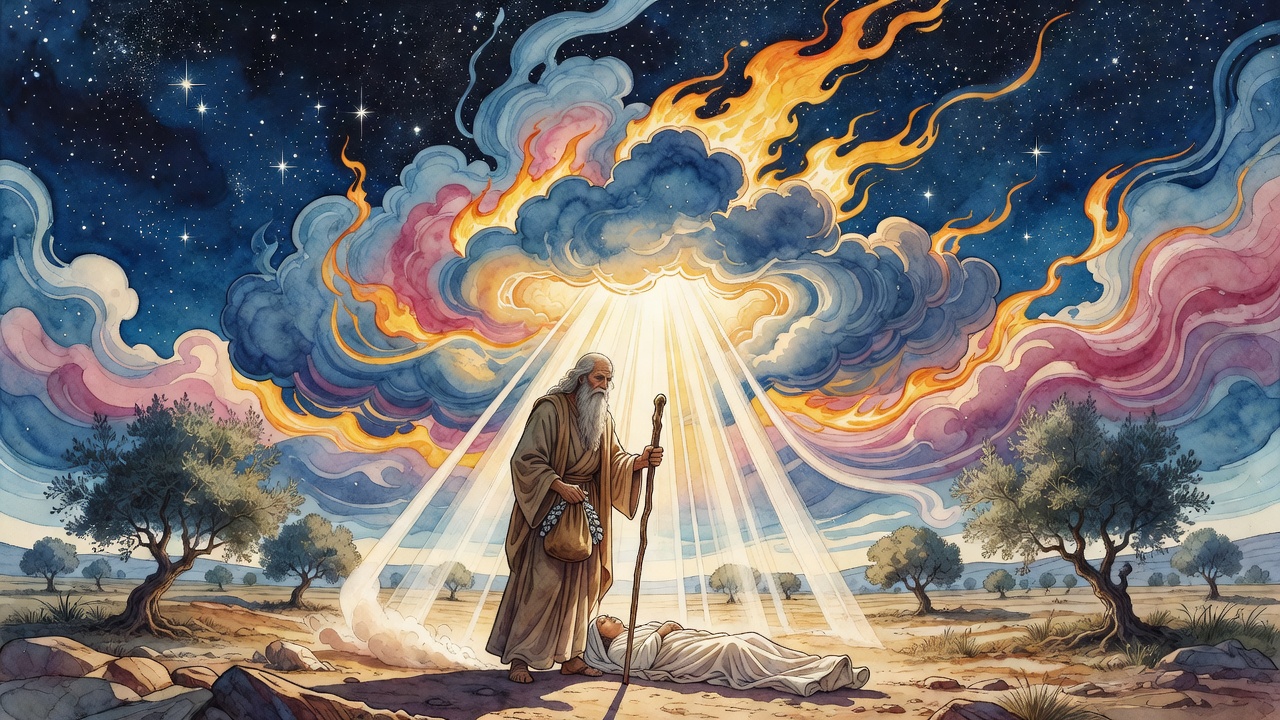
No one had told Abraham to do this. There was no Levitical code yet. The priests of the Most High had no official structure, no hereditary tribe assigned to receive offerings. The commandment at Sinai, the explicit law requiring a tenth of grain and wine and oil to be given to the priesthood, had not been delivered. It would not be delivered for centuries. Abraham gave his tenth anyway, the way a person keeps a law they understand before it is written down for them.
The Ordinance Written Before the Commandment Was Given
The Book of Jubilees, the second-century BCE text that traces every Jewish practice back to its pre-Sinai origin, preserves the founding claim with characteristic precision. The Lord ordained it as an ordinance forever: the first-fruits to the priests who serve before Him, that they should possess it forever, of the seed and the wine and the oil and the cattle and the sheep. No limit of days was specified. The ordinance was for every generation. What Abraham modeled at Mamre was not a personal devotion. It was the original act that made the ordinance real.
The Jubilees tradition is consistent on this point across multiple patriarchal scenes. It is not satisfied with the idea that the Torah descended fully formed at Sinai. For Jubilees, the Torah was always there, inscribed on the heavenly tablets, and the patriarchs discovered it through the logic of their own devotion, living it out before it was commanded because their hearts already understood it.
The Feast and the Altar
What the Jubilees account preserves is not just the tithe but the occasion. This was a harvest feast. There was joy in it. Abraham was not performing a formal duty. He was responding to abundance with an act of acknowledgment: here is the tenth of everything the earth gave, offered back to the One who gave it. The altar at Mamre was the place he chose. The oak was large and had been there before him and would be there after him. He burned incense and offered oblations and made his burnt offering. He blessed the Lord who had created all things.
Jubilees also records what Abraham said to his children at the feast, a speech that turns the tithe into a warning as well as a practice. He told them to keep themselves clean. To observe circumcision of the flesh. To not eat blood. To not touch anything wicked. He told them the commandments were written for them and for their children forever. The feast was not only celebration. It was transmission.
The Calendar That Made the Tenth Sacred
Jubilees is organized around a solar calendar of 364 days, divided into four seasons of 91 days each, and the placement of the first-fruits feast on the same day in every year was central to its argument about cosmic order. The feast Abraham celebrated was not an improvised gathering but a date fixed in the structure of the year, the same date the feast would fall on when Moses commanded it centuries later at Sinai. For Jubilees, this synchrony was not coincidence. It was evidence that the patriarchs and Sinai were not two separate systems. They were one system, and Abraham had been living inside it from the beginning.
Abram's Tithe to Melchizedek
The Genesis account places a tithe earlier still, after the battle of the four kings, when Abraham gave a tenth of everything to Melchizedek, priest of the Most High God in Salem. That tithe was an act of recognition: here is a man who serves the same God, and the tenth acknowledges it. Jubilees and the plain Genesis text together build a picture of Abraham as someone who tithed in multiple contexts, to multiple priests, from different motivations, gratitude after victory, devotion at the harvest, because the principle behind the tenth was clear to him even before the law made it obligatory.
The rabbinic tradition, drawing on the Jubilees claim, would later say that Abraham kept the entire Torah before it was given. The tithe was simply one of the clearest illustrations of that premise: the law was not news to him when it arrived at Sinai. He had been practicing it for generations.
← All myths