Aaron Waited Seven Days Before God Let Him Touch the Altar
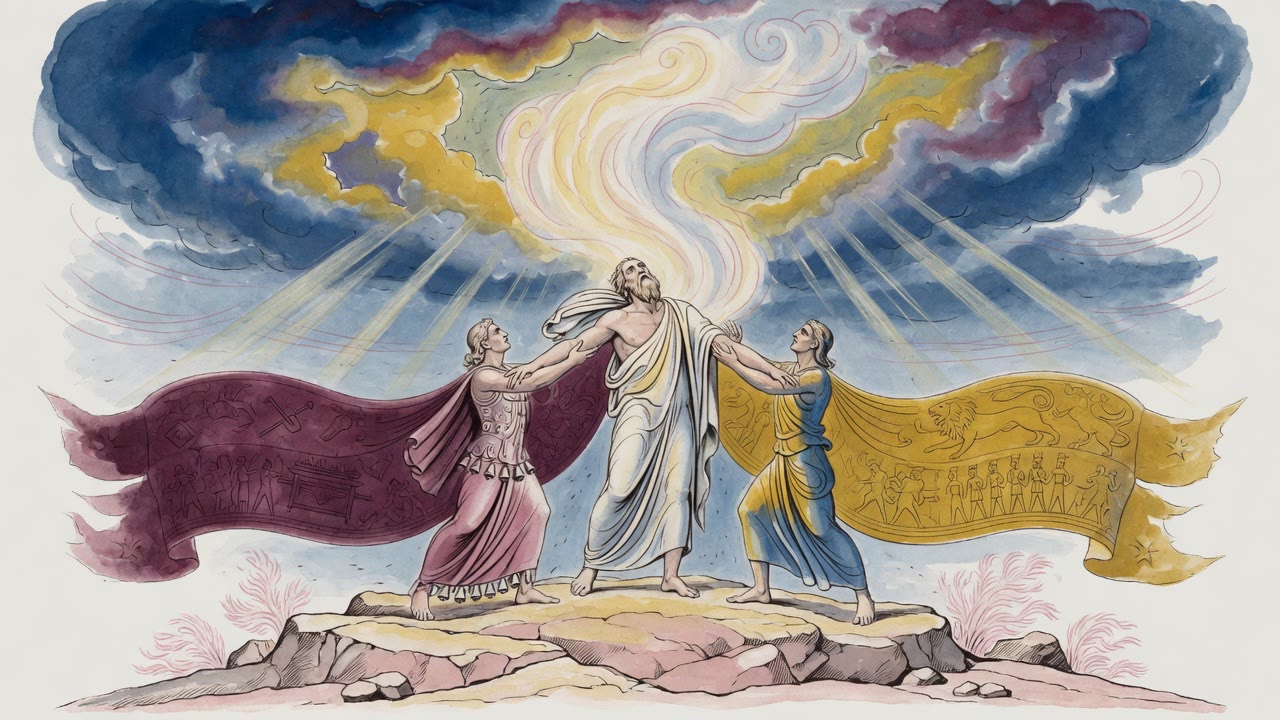
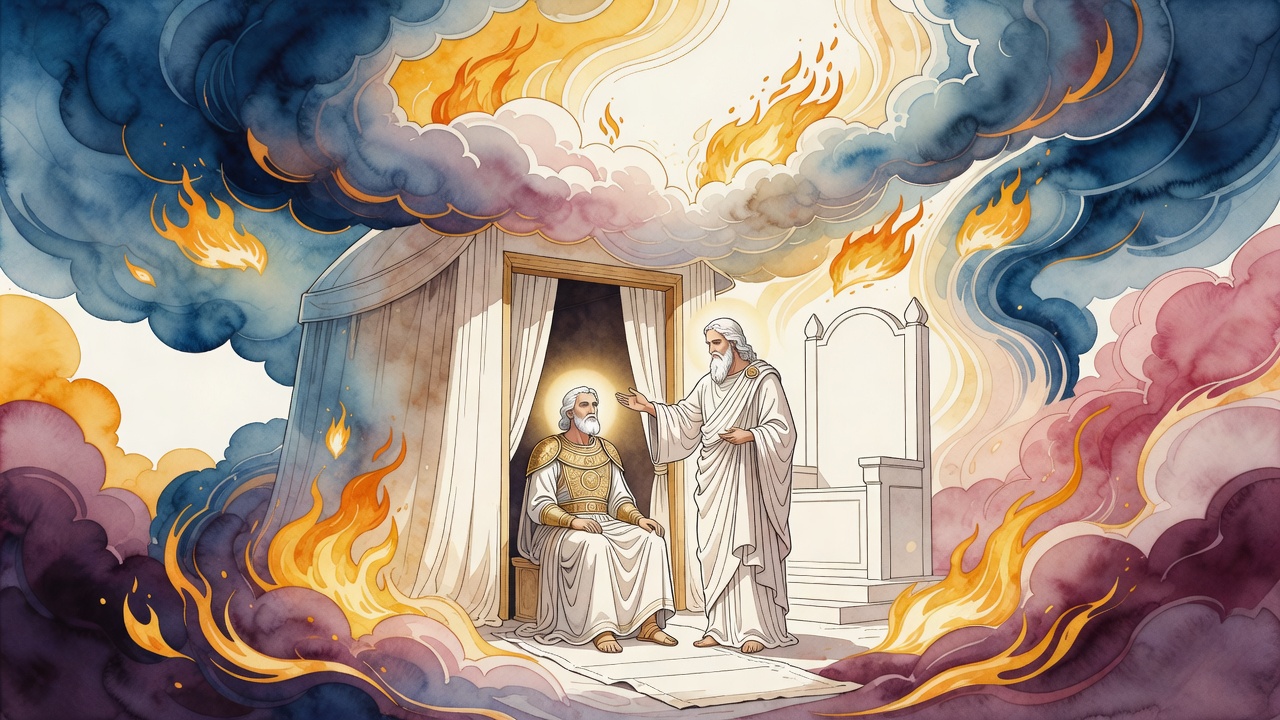
Moses anointed Aaron as High Priest and then told him he could not serve for seven days. He sat at the door of the Tabernacle and watched.
Table of Contents
 Click for full size
Dressed and Waiting
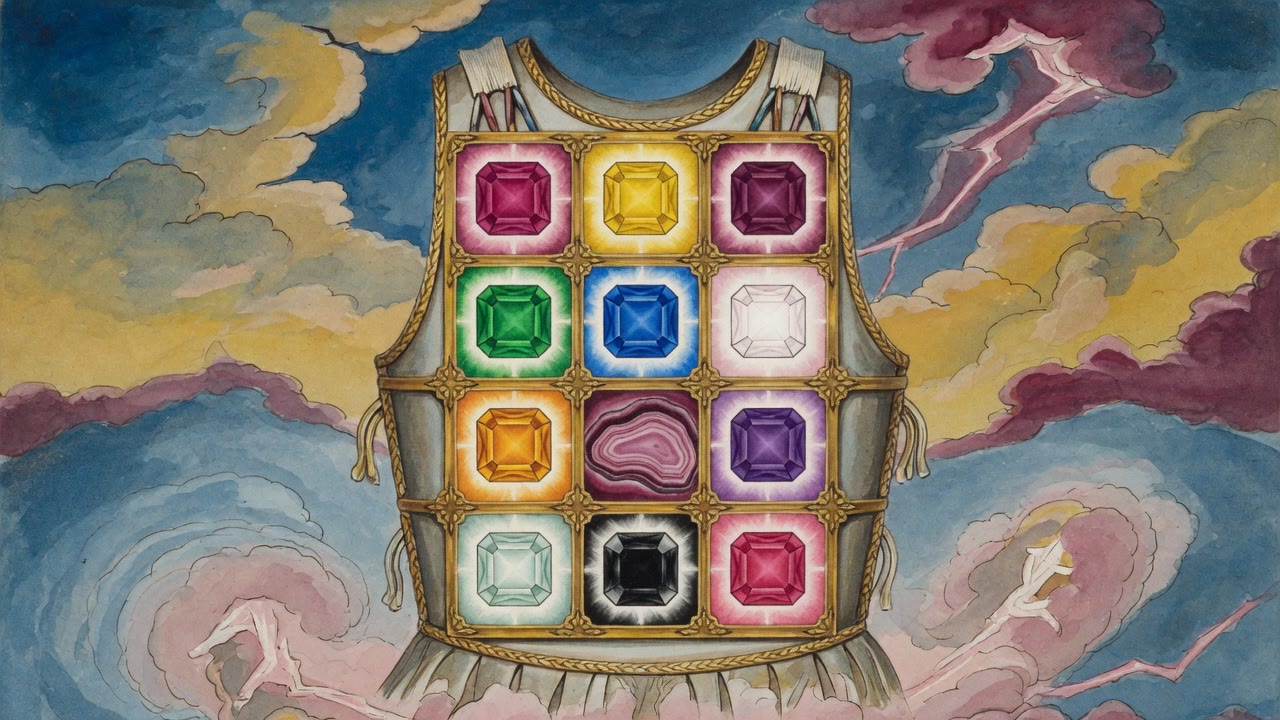
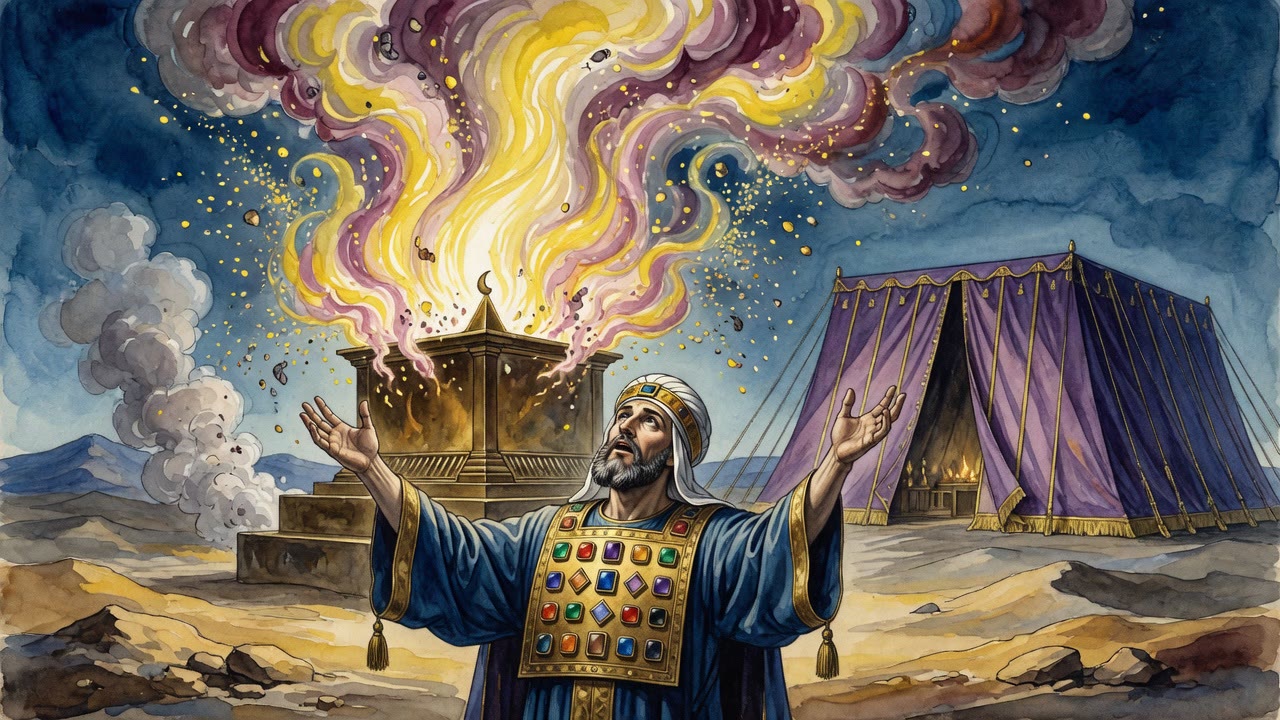
Aaron was dressed. Moses had done everything the Lord commanded: the sacred linen tunic, the ephod, the breastplate with its twelve stones, the turban, the golden plate on the forehead inscribed with Holy to the Lord. He had poured the anointing oil on Aaron's head. He had dressed Aaron's sons in their vestments. He had performed every preparation in front of the whole assembly of Israel. Aaron was the High Priest of the people. And then Moses told him: remain at the entrance of the Tent of Meeting for seven days. Do not leave. Do not touch the altar. Wait.
Seven days. A full week of sitting at the door of a sacred space he was not yet permitted to enter in his priestly capacity, watching Moses perform the functions that were about to become his.
What Moses Was Worried About
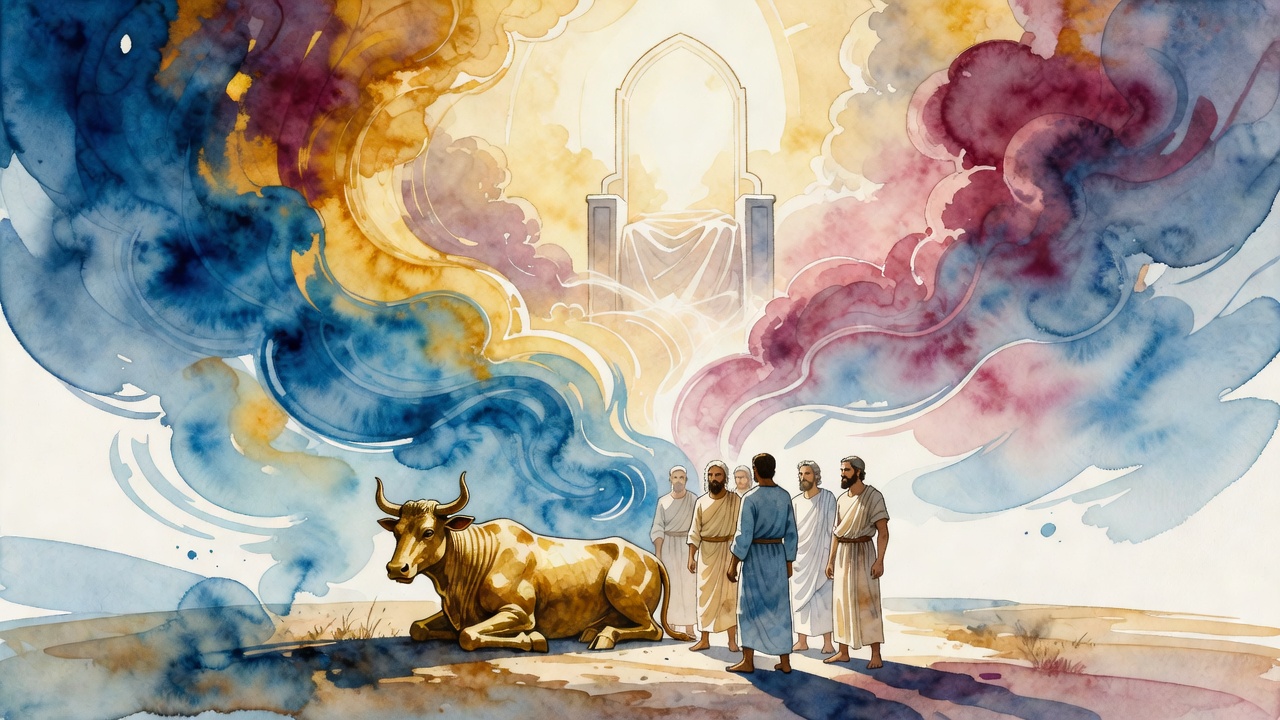
The waiting was not arbitrary. Moses was worried about the gifts. The Tabernacle had been built from donations - gold and silver and copper and fine linen and skins and oil and spices contributed by the whole Israelite community over the course of the construction campaign. Generous giving, freely offered. But Moses knew what human beings are like when a communal project is under way. Some of what had been donated might have been given under social pressure, brought in public and contributed because refusing in front of one's neighbors was impossible. Some might have been taken from others, redistributed through the economy of a wilderness camp in ways no one had tracked carefully. Some might be tainted in ways that left no visible mark.
A sin offering at the opening of the priestly service was not merely ritual piety. It was an act of moral accounting, a request to God to purify what the community had built from any contamination that had entered it without anyone's full awareness. The seven days of waiting were preparation for that accounting, a period in which the space was being made ready not just physically but in its standing before heaven.
The First Day Aaron Could Serve
On the eighth day, Moses called Aaron and his sons and the elders of Israel and said: this is the day the Lord will appear to you. Aaron came near the altar, offered his sin offering and his burnt offering, and the divine fire descended and consumed the offering on the altar. All the people saw it and shouted and fell on their faces.
The week of waiting had been the preparation for this moment. Aaron had been consecrated for seven days in a kind of suspended state, dressed for a role he could not yet perform, present at the Tabernacle in his full regalia but without the authority to act in it. When the eighth day came and the fire fell and the people shouted, the waiting was completed and the service had begun.
The Cost of Impatience
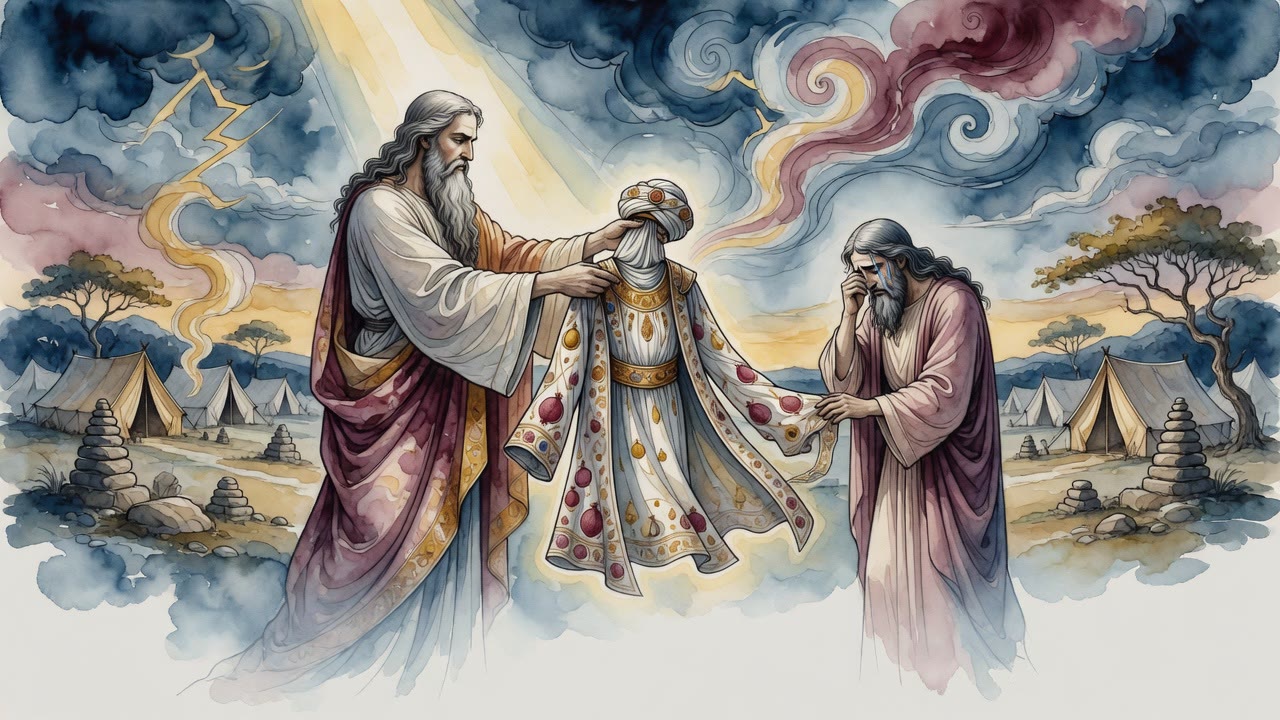
The tradition that preserved this account also preserved what came immediately after it. Aaron's sons Nadab and Abihu took fire pans and put strange fire in them - fire that had not been commanded, fire from a source other than the altar flame - and brought it before the Lord. The fire came out from before the Lord and consumed them and they died before the Lord.
Moses told Aaron: this is what the Lord meant when he said among those who are near to me I will be sanctified. Aaron held his peace. He did not weep, at least not in front of the camp. He had just watched his sons die for touching the sacred space in a way that had not been authorized. He had spent seven days being trained in the exactness of what that space required. He held his peace.
← All myths