Aaron Began the Priesthood With Flour and the Rabbis Asked Why
Aaron's first offering as High Priest was a tenth of an ephah of flour. Vayikra Rabbah found in that small measure the whole architecture of divine mercy.
Table of Contents
 Click for full size
The Priest Who Walked to the Altar With Flour
The sacrificial system of the Tabernacle was built around large, visible animals. Bulls. Rams. Goats with curled horns. The smoke rising from the altar was the smoke of significant creatures meeting fire, and the camp could see the column and smell the burning from wherever they stood.
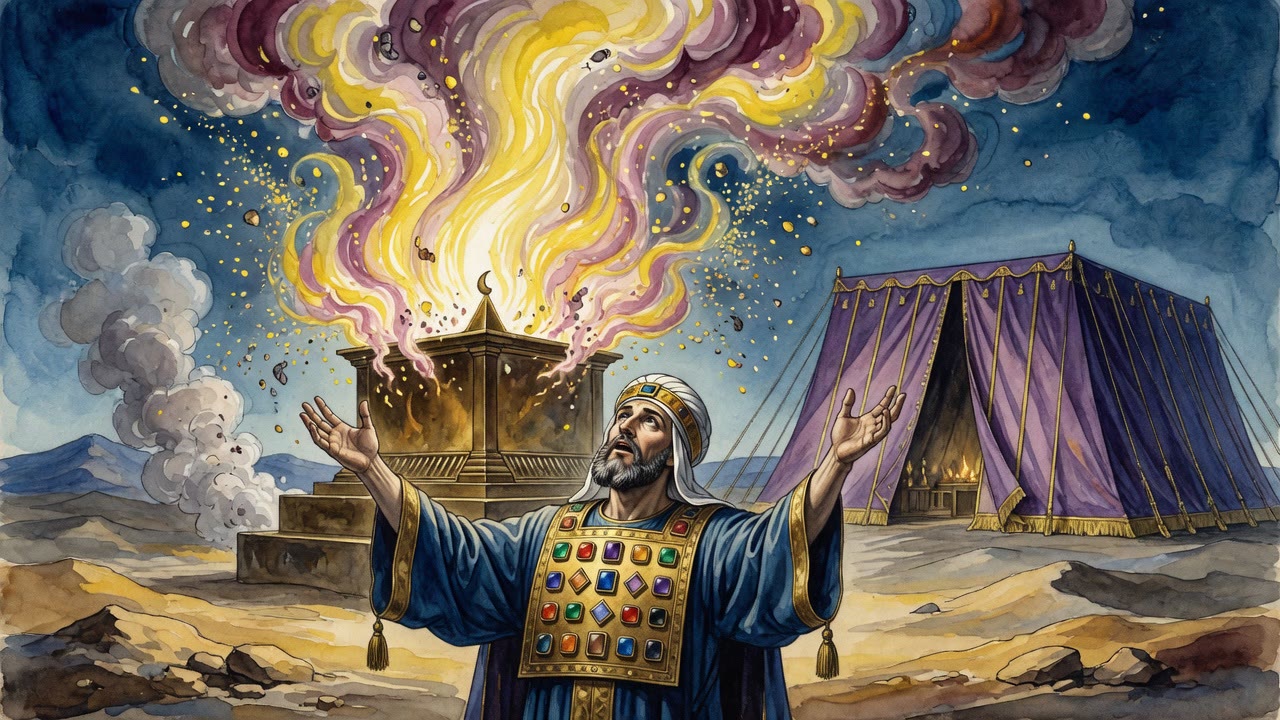
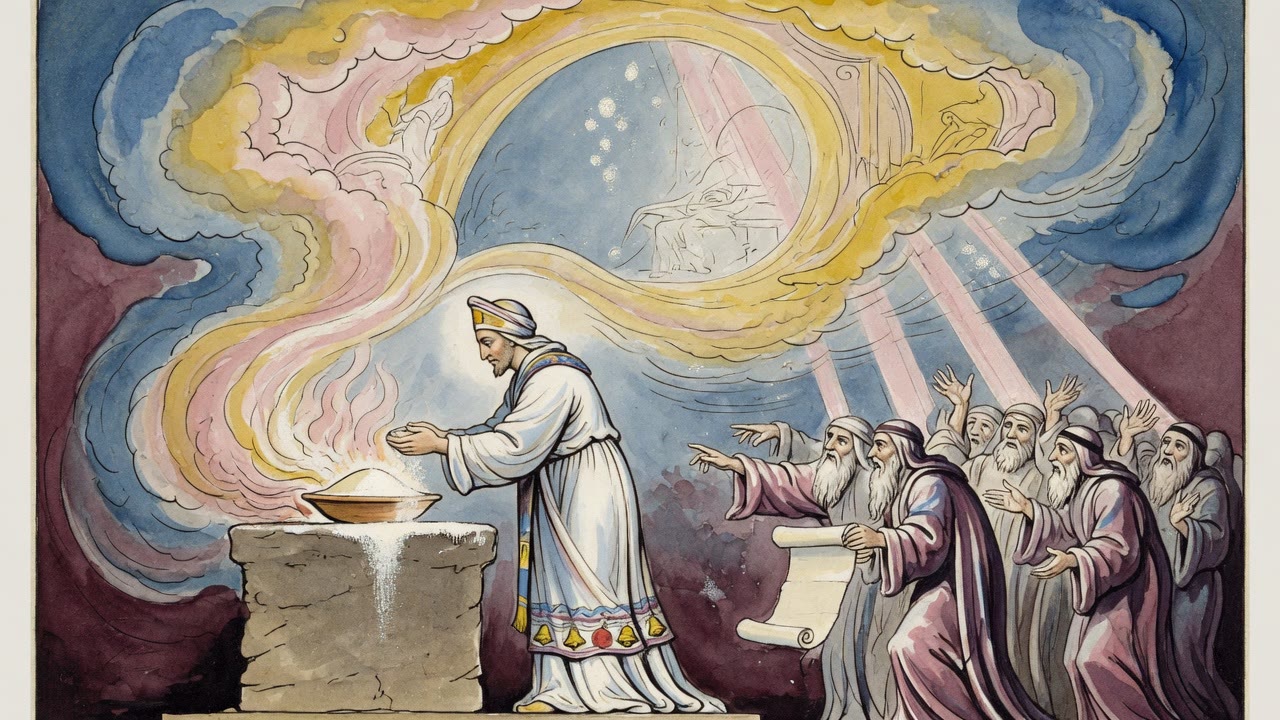
The High Priest's inaugural offering was a tenth of an ephah of fine flour. Split into two portions, morning and evening. A handful of grain meal brought to the altar by the man in the linen breastplate and the turban with the golden plate. From the back of the camp, it was invisible. The altar swallowed it without drama.
Aaron was the first High Priest in the history of Israel, and this was how he began.
The Ladder of Offerings
Vayikra Rabbah, the fifth-century Palestinian midrash on Leviticus, reads this opening differently from any liturgical handbook. The flour offering is not about Aaron being humble or the priesthood being modest. It is that God accommodated Israel's poverty by structuring the entire sacrificial system as a descent toward a floor that everyone could reach.
If you can bring cattle, bring cattle. If not, sheep. If not, goats. If not, birds. If not, flour. God did not fix the bar at cattle and tell the poor to find another religious system. God walked the requirement down rung by rung until it reached a place where no one was excluded.
Rabbi Yehoshua of Sikhnin, speaking in the name of Rabbi Levi, said it plainly: "God spared Israel's money." The mercy was built into the procedure. Leviticus is not only a book of demanding standards. It is a book of mercy structured as law.
The King Who Carried the Offering
The tradition in Vayikra Rabbah set against Aaron's offering the story of King Agrippa, who came to bring the firstfruits offering at the Temple during a pilgrimage feast and carried the basket on his own shoulder. He did not hand it to a servant. He did not arrive with an entourage moving the basket forward. He put it on his shoulder and walked to the altar himself, and the priests praised him for it.
The contrast is instructive. Agrippa was wealthy enough to offer anything. He chose to carry the basket himself, which was the action of someone bringing a small offering without pretense. The act that won the praise of the Temple court was not the size of the gift but the manner of the giving.
Aaron's flour and Agrippa's basket on his shoulder belong to the same tradition: what God values is not the scale of the offering but whether the person who brings it understands what they are doing.
The Ark That Carried Itself
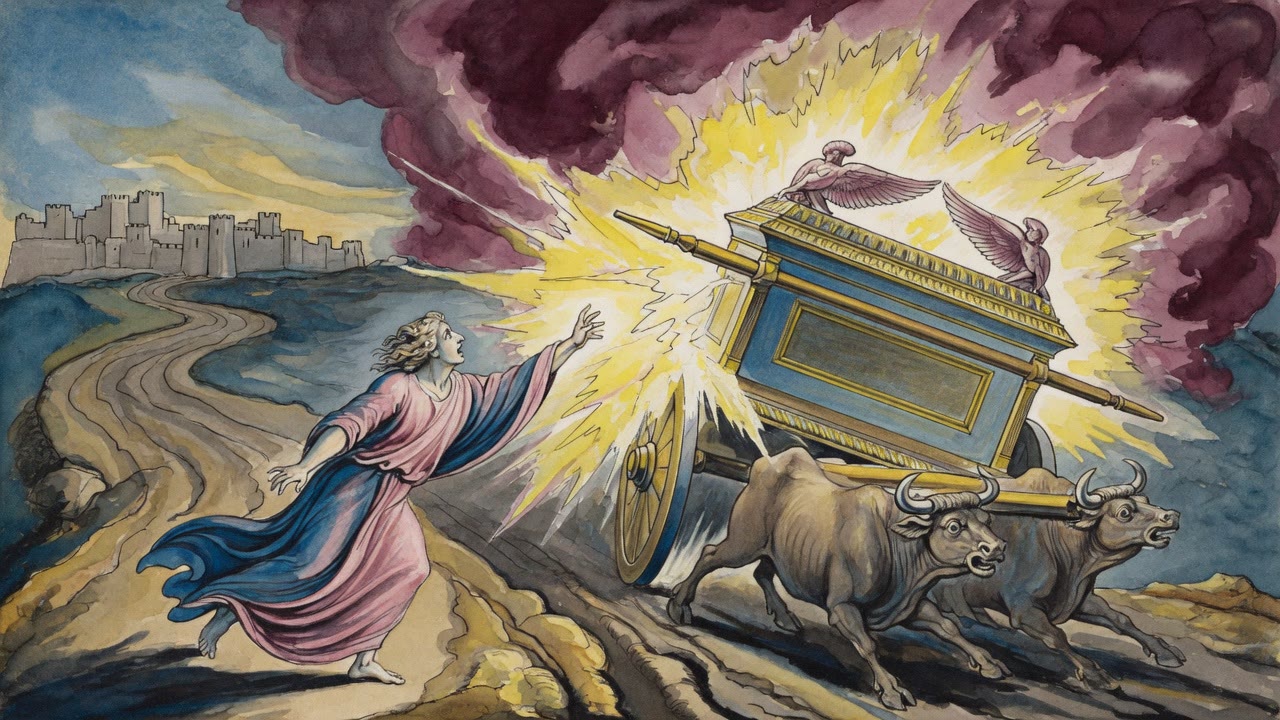
The third tradition the midrash draws into this chapter involves David and the Ark of the Covenant. When the Ark was being brought to Jerusalem and Uzzah reached out to steady it and fell dead, David stopped the procession and left the Ark where it stood. He did not force it forward. He let it stay.
After three months, God told him to bring it in, and the tradition says the Ark carried those who carried it. It lightened itself for them. The holy object was not a burden to be managed. It moved with those who moved it in the right spirit.
This is what Vayikra Rabbah is building toward. The flour offering that opens the priesthood, Agrippa's basket on his shoulder, the Ark that carries its carriers: all three are images of sacred weight that is not heavy when approached correctly. The smallest offering can fill the world not because the flour was extraordinary but because the act of bringing it, in full awareness of what it meant, was the entirety of what was being asked.
← All myths