92 myths · Page 1 of 4
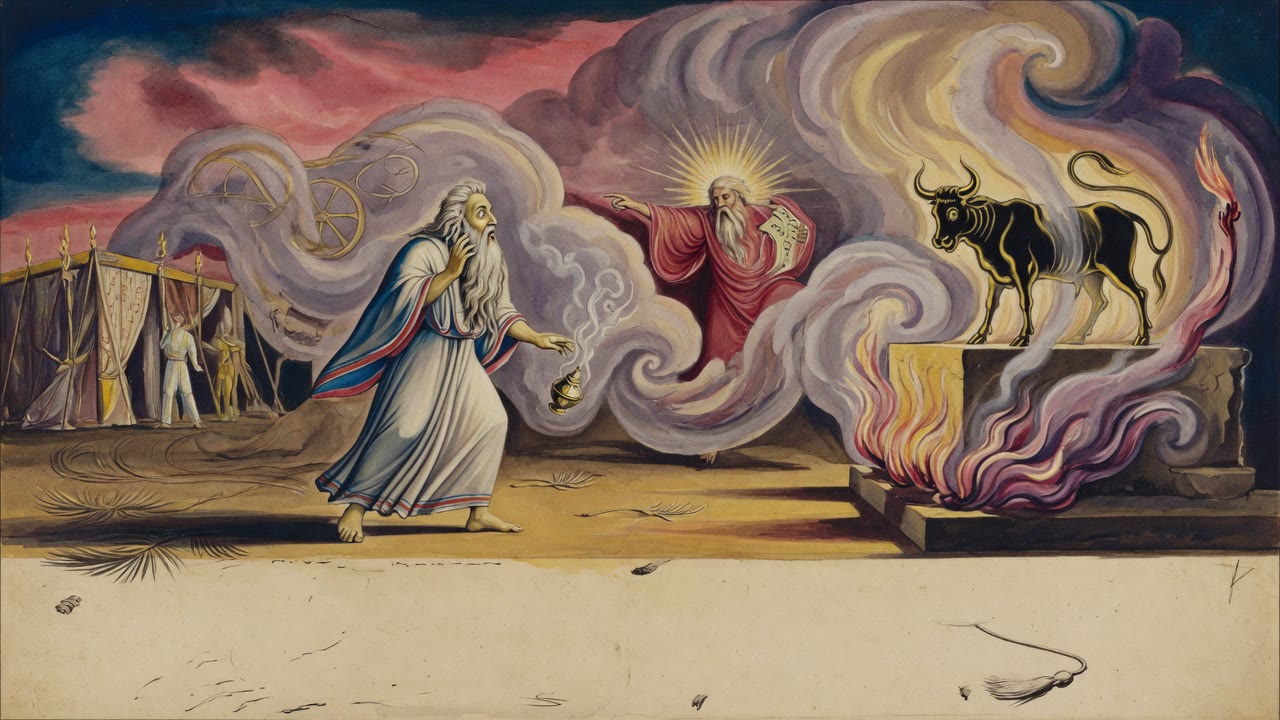
Every time Aaron approached the altar as high priest, the shape of the Golden Calf appeared at its corner. Moses had to talk him through it each time.
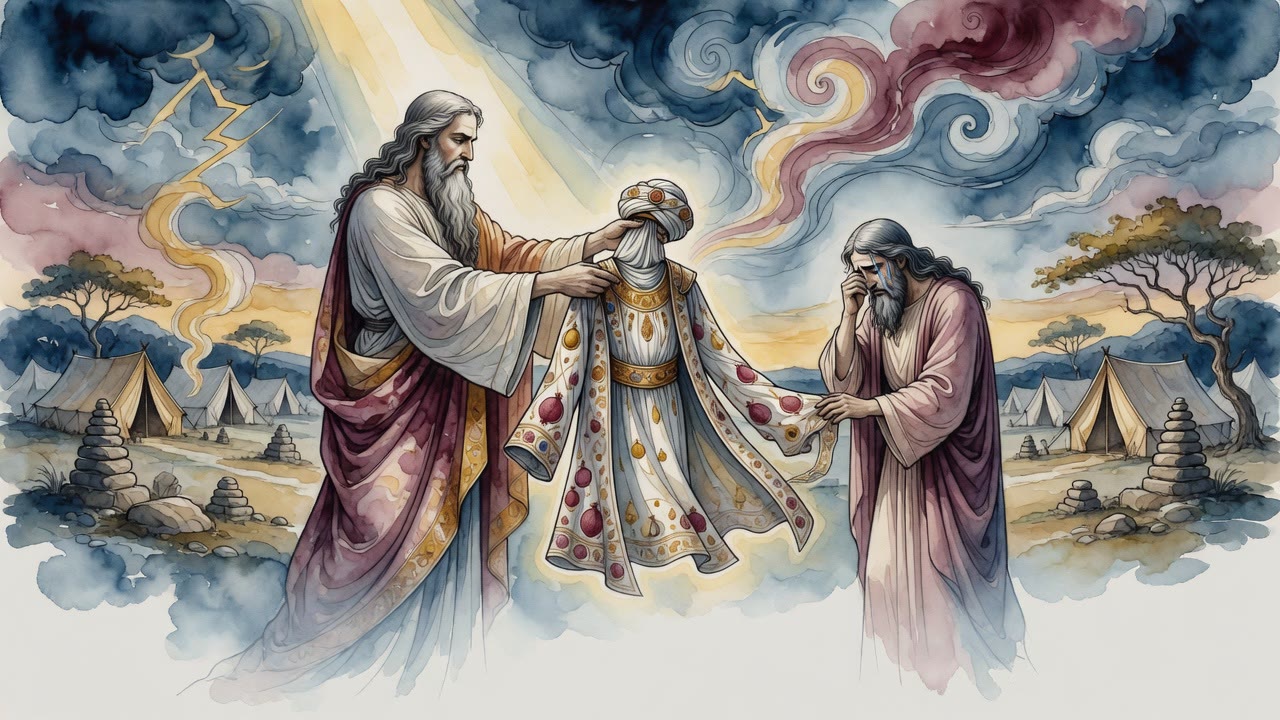
Moses crossed the camp to tell his brother Aaron he would wear the High Priest's robes, and Aaron, who shunned distinctions, wept and said no.
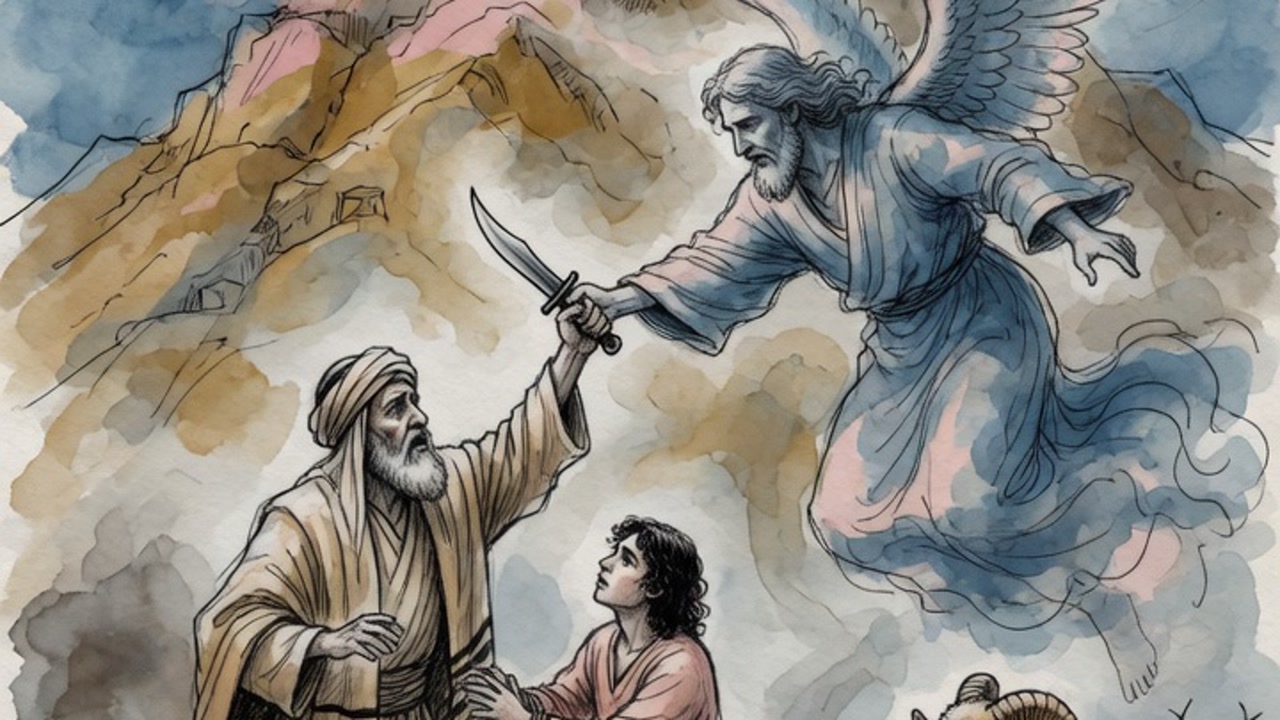
Isaac was thirty-seven and stronger than his father. He stacked the stones himself and asked for the rope, because he did not trust his own body.
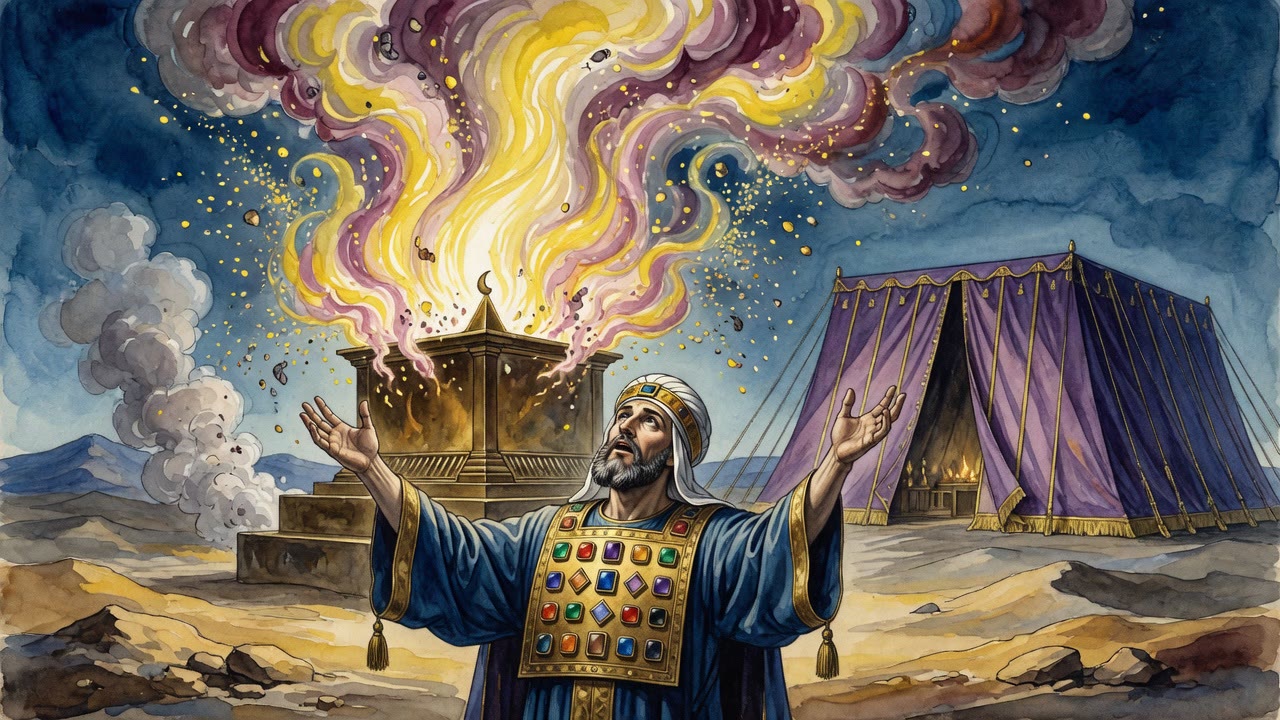
For seven days Moses put the Tent up and took it down. On the eighth, Aaron froze, because the calf was waiting at the altar's corner.
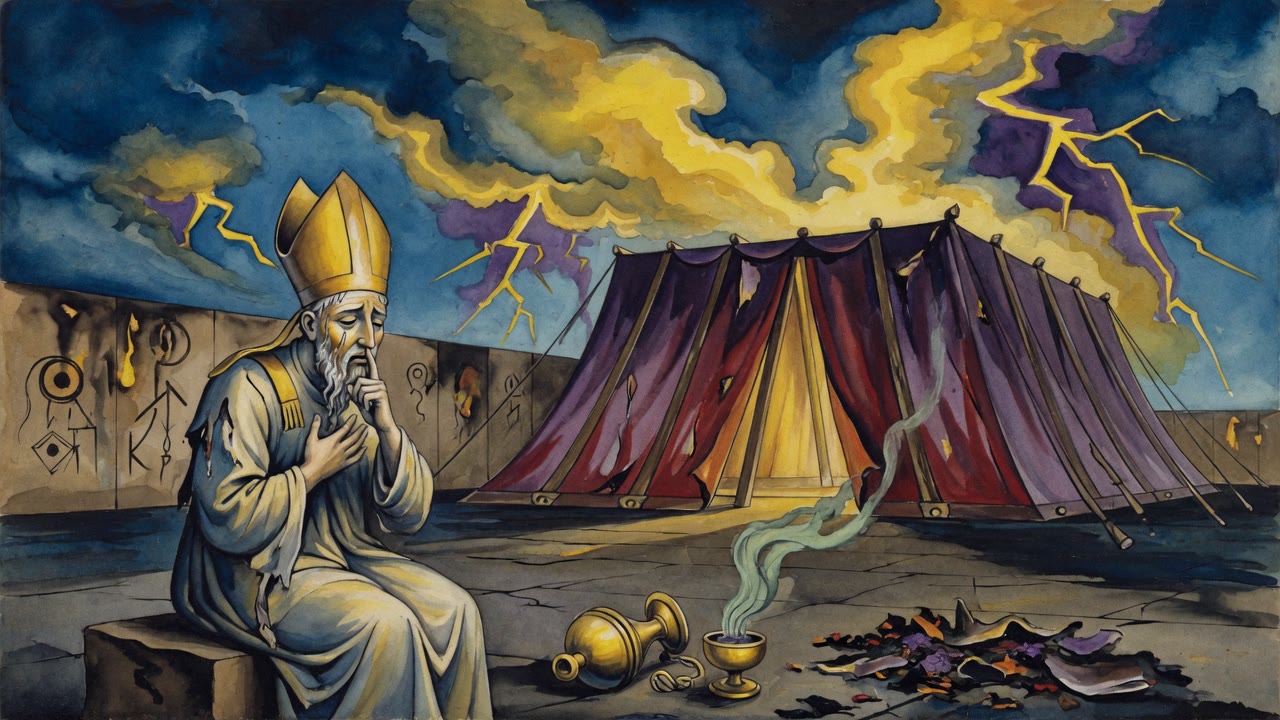
The flame did not burn cloth or blacken skin. It went in through the nostrils and took the soul, leaving two bodies dressed for service, garments whole.
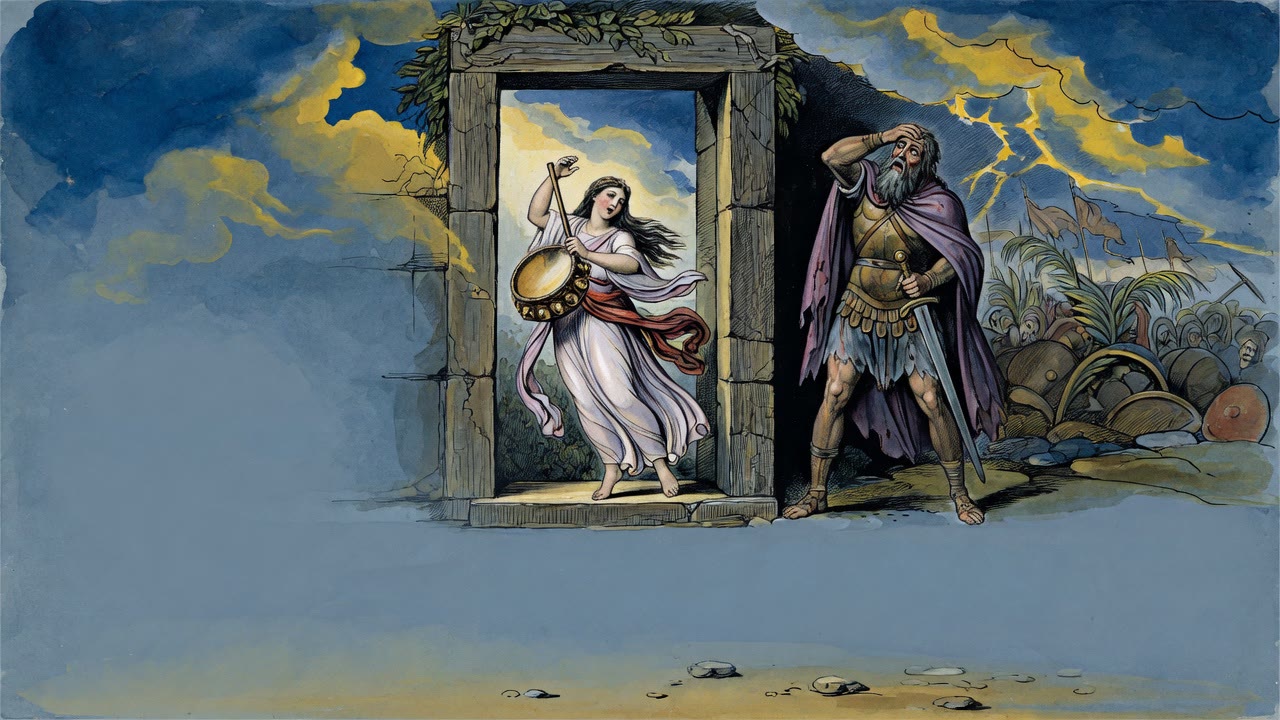
Sheilah put her case to every sage in Israel and not one could answer her. God said afterward that he had shut their mouths himself.
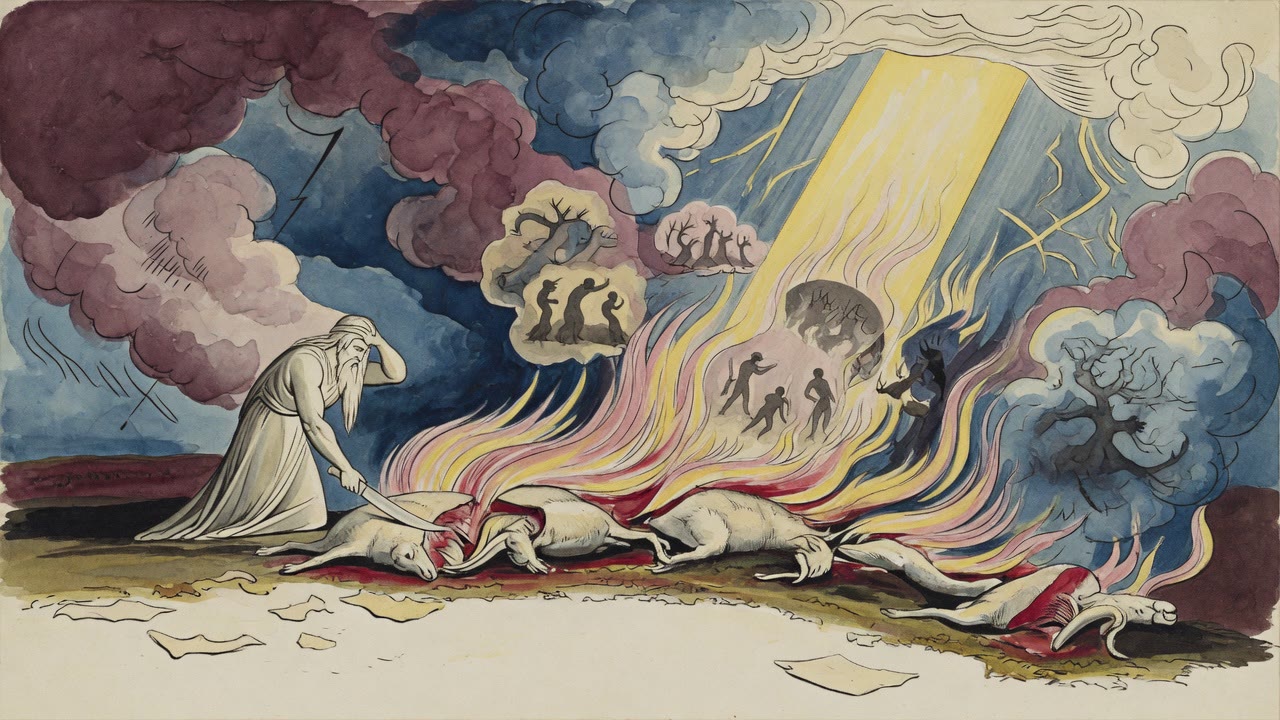
Abraham cuts the covenant animals at God's command. When darkness falls, fire passes through the pieces and shows him hell.
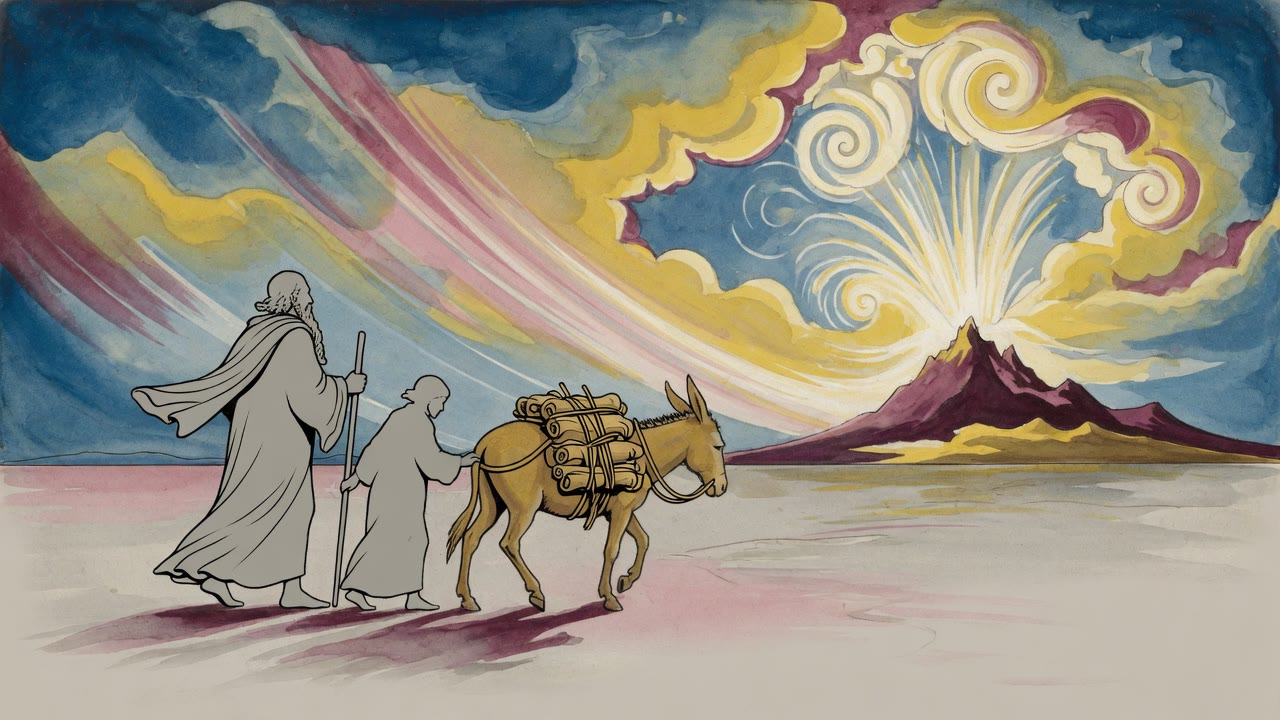
God tells Abraham to take his son to the mountain. Abraham rises early, saddles his donkey himself, and says nothing for three days.
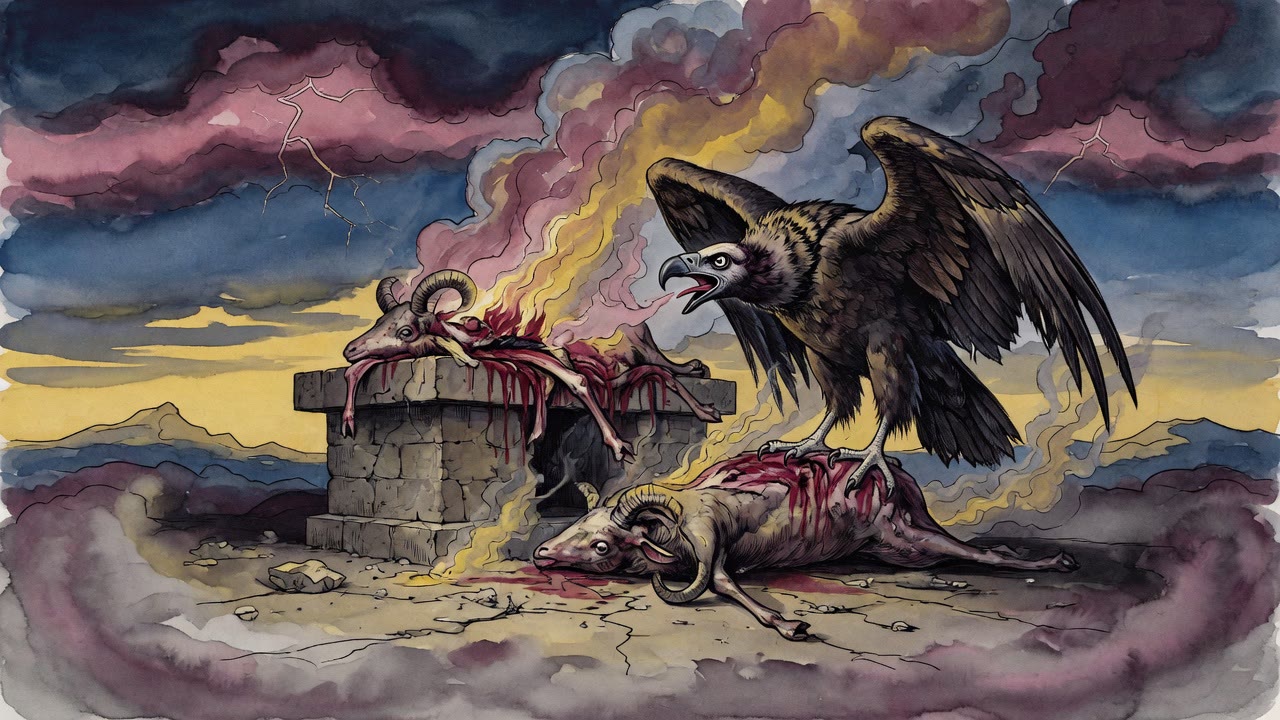
Abraham had already divided the animals. Evening had not yet come. The bird told him the fire on the heights would eat him too.
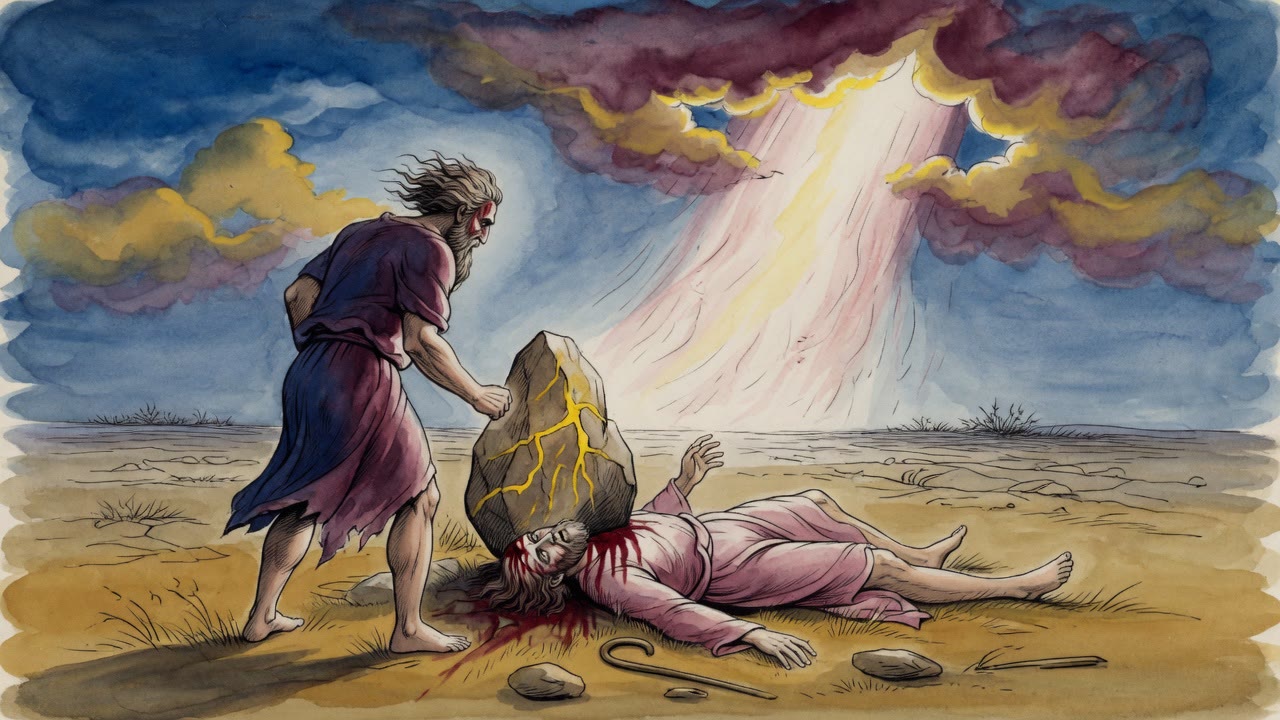
Two brothers stand in an open field arguing over a sister, a strip of land, and whether God judges anyone. One of them picks up a stone.
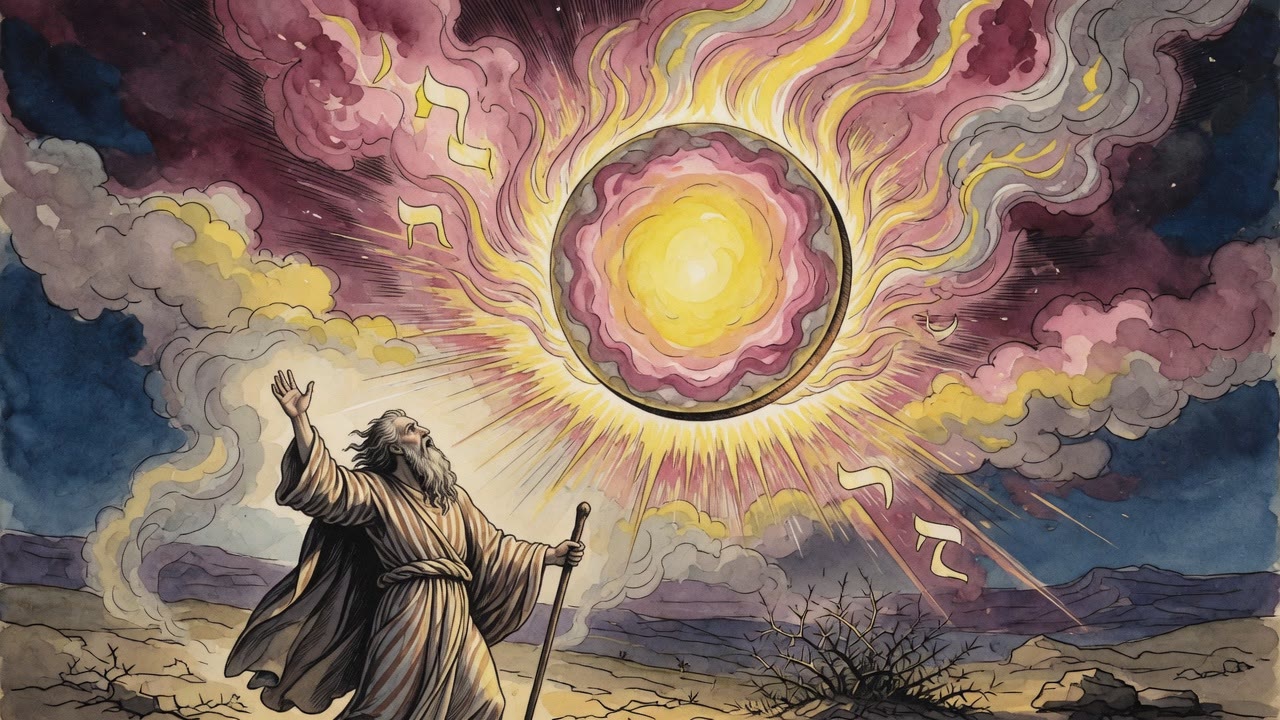
Israel had already done the sums. Fifty shekels for a seducer, thirty for a goring ox, a hundred for slander. Not one of those, God said, is the price here.
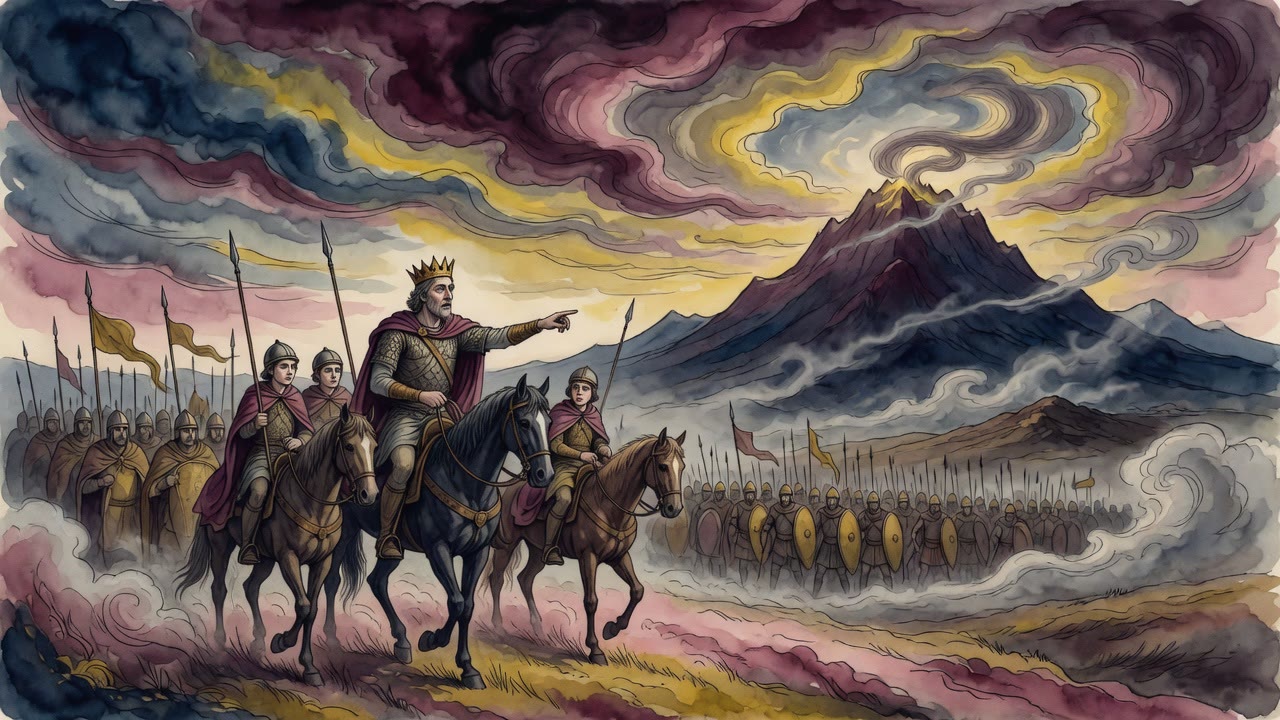
Samuel's ghost told Saul his sons would fall in battle. Saul took them anyway. God showed the angels what complete submission to heaven looks like.
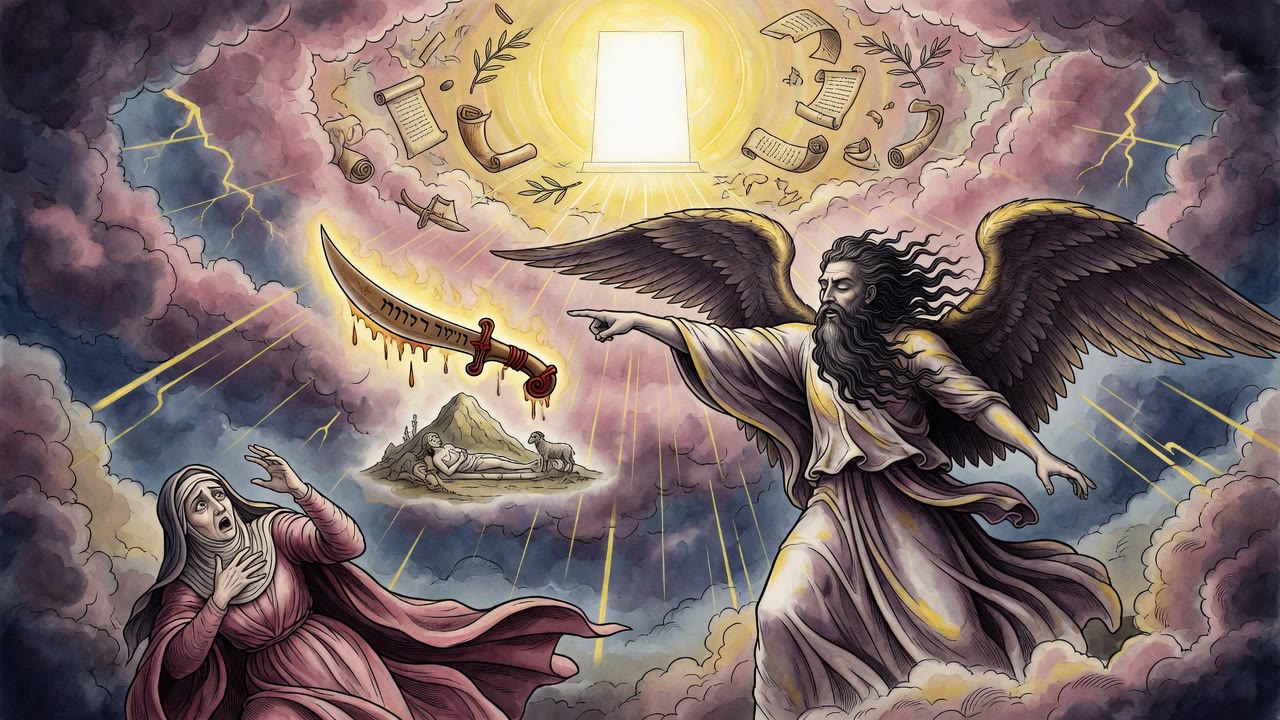
Abraham took Isaac up the mountain, and a stranger came to Sarah's tent with a vision of the raised knife. She screamed once, and her soul left.
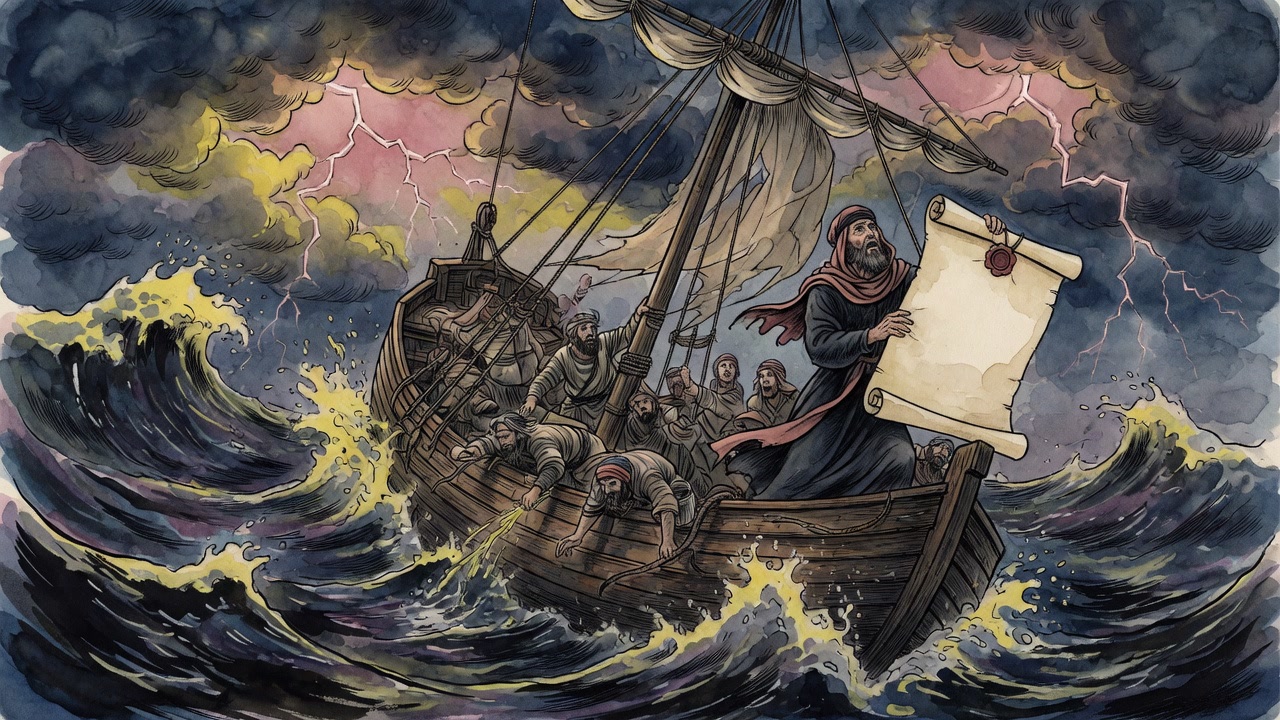
A prophet pays for passage in the wrong direction, planning to drown rather than let Nineveh's repentance shame Israel before God.
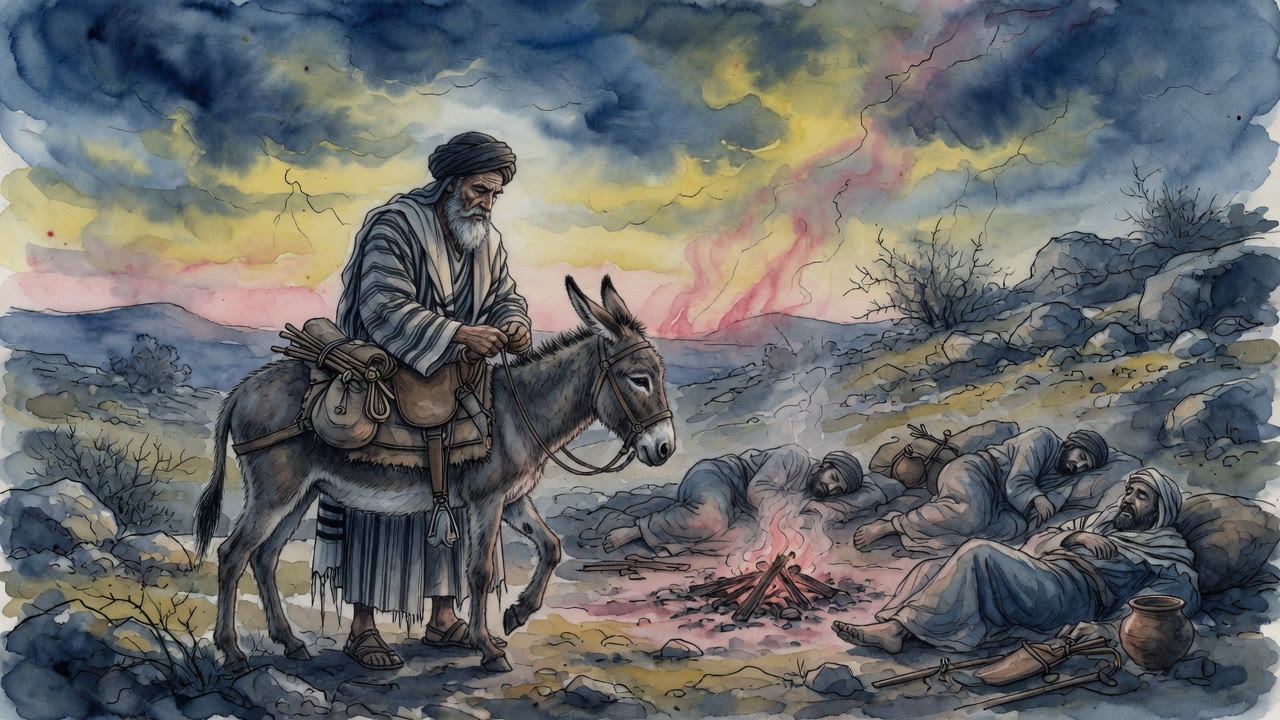
Servants slept in the tents. Abraham took the leather himself. Isaac was still breathing in the dark, and the road to Moriah would not wait.
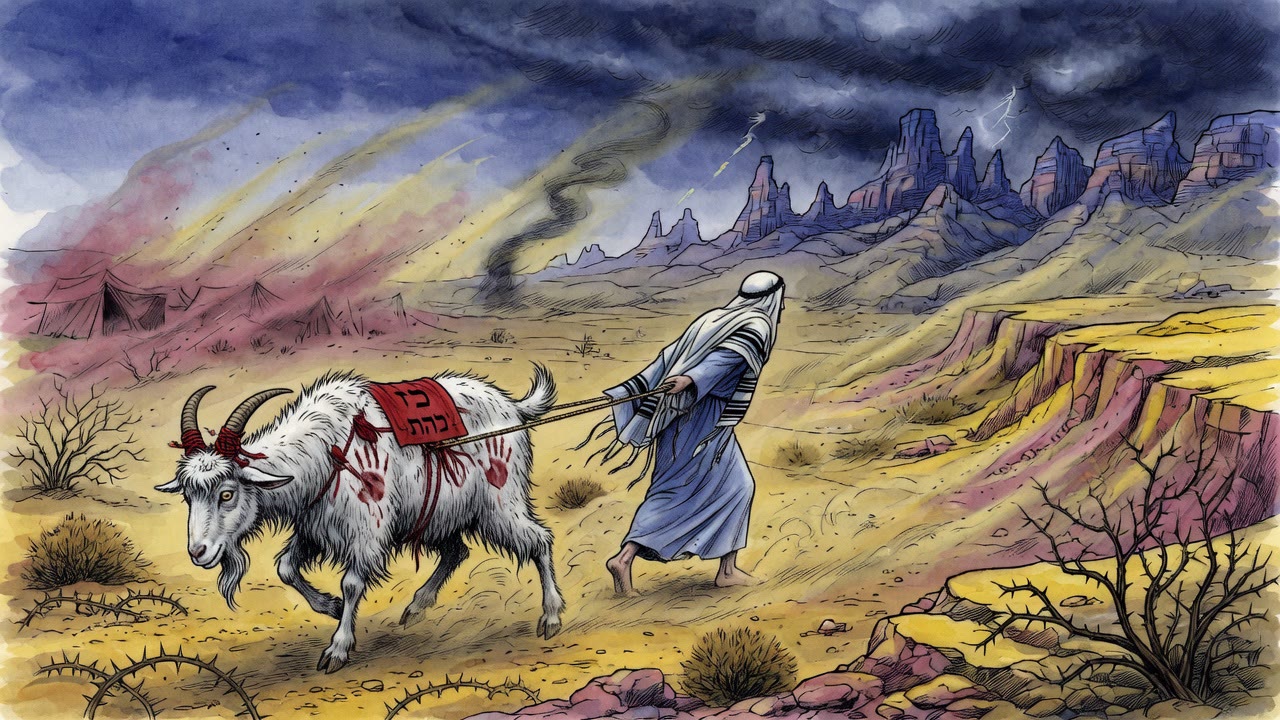
The High Priest drew lots over two identical goats. One went to God and one went to Azazel. The second goat went to the edge of the world and was destroyed.
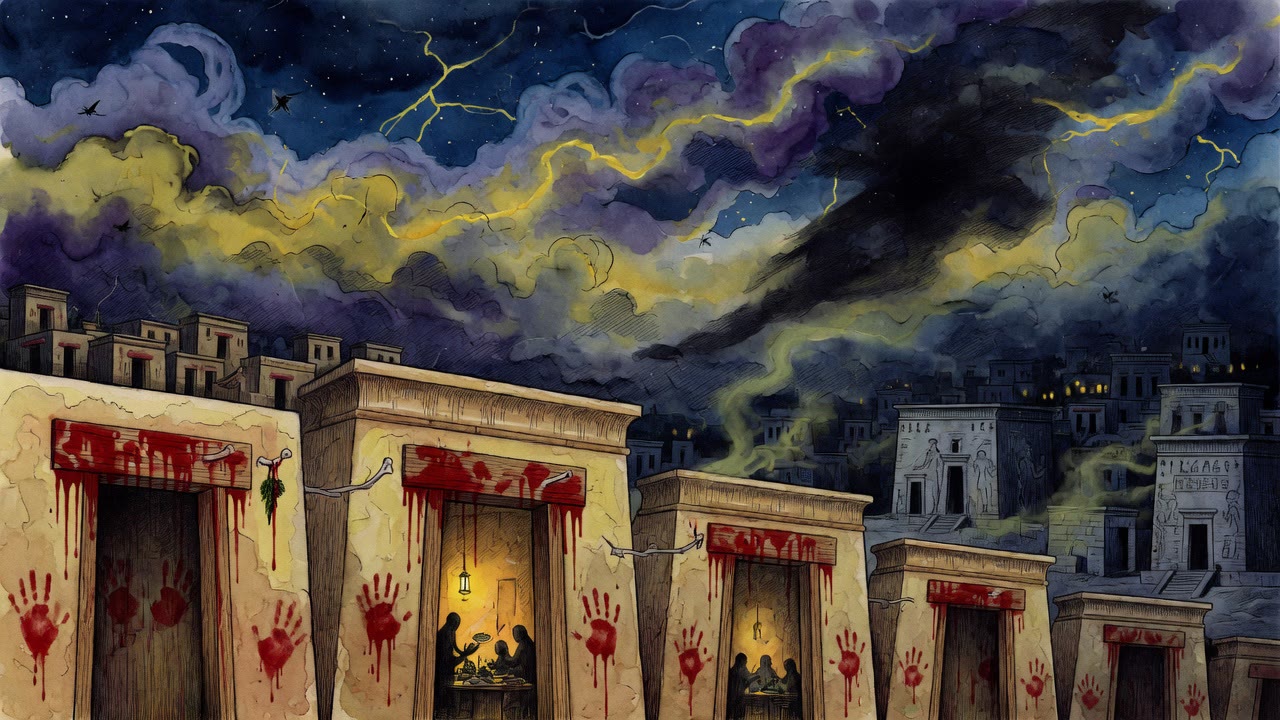
Israel watched another nation's lamps burn and told God it was jealous. God answered with one memory: a knife, shaking hands, blood on the doorposts.
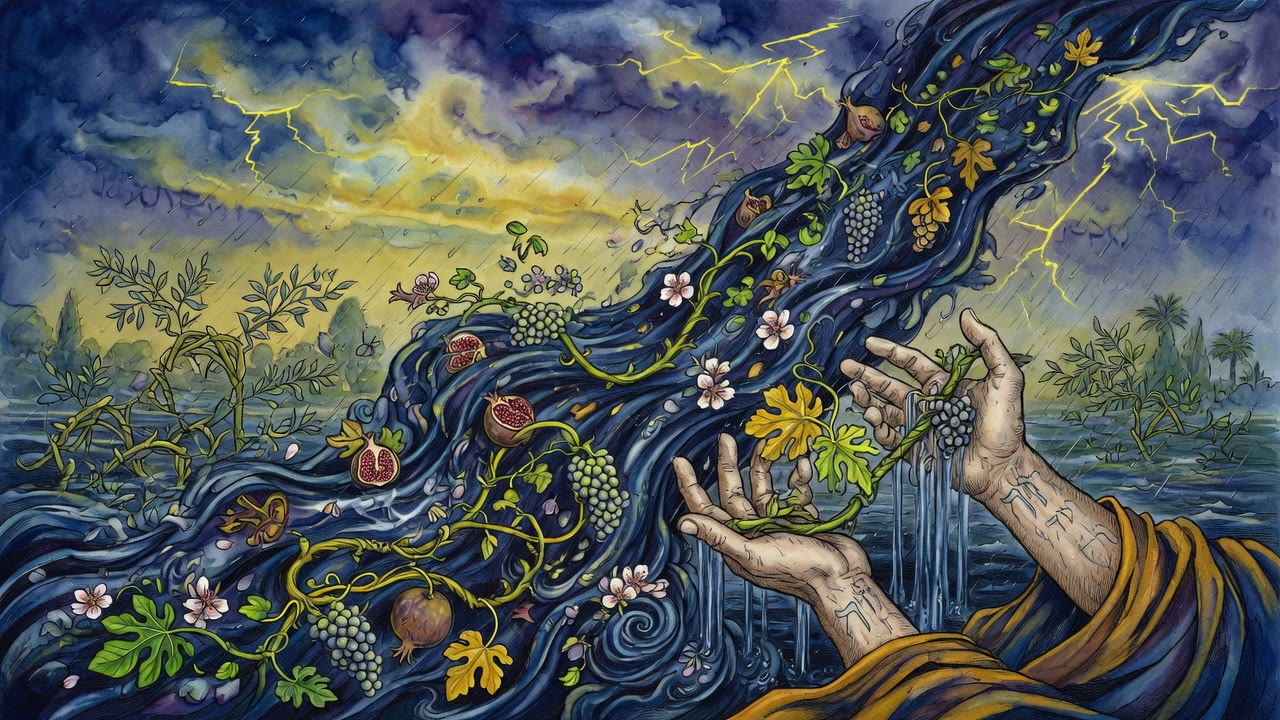
The flood that drowned the world tore a vine loose from the garden of Eden and carried it downstream, straight into Noah's waiting hands.
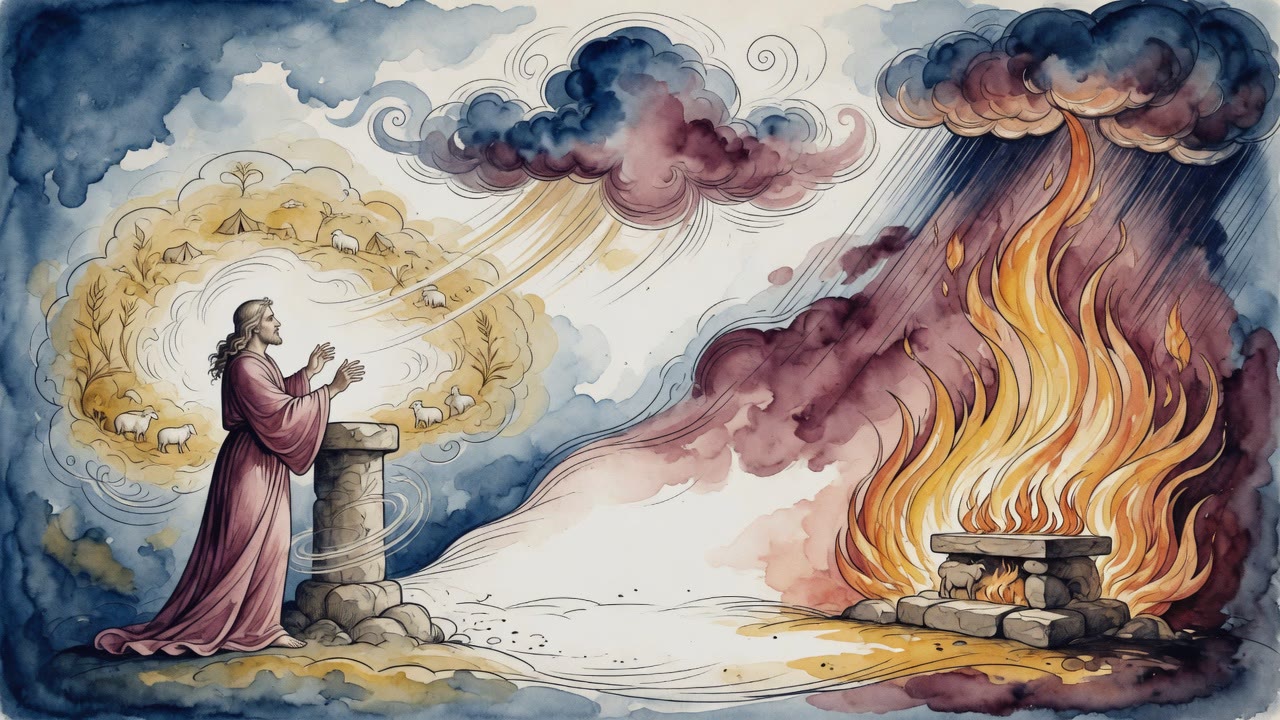
Benjamin was still unborn when God named a nation in Jacob. Centuries later Elijah stacked twelve stones on Carmel, and the fire found them.
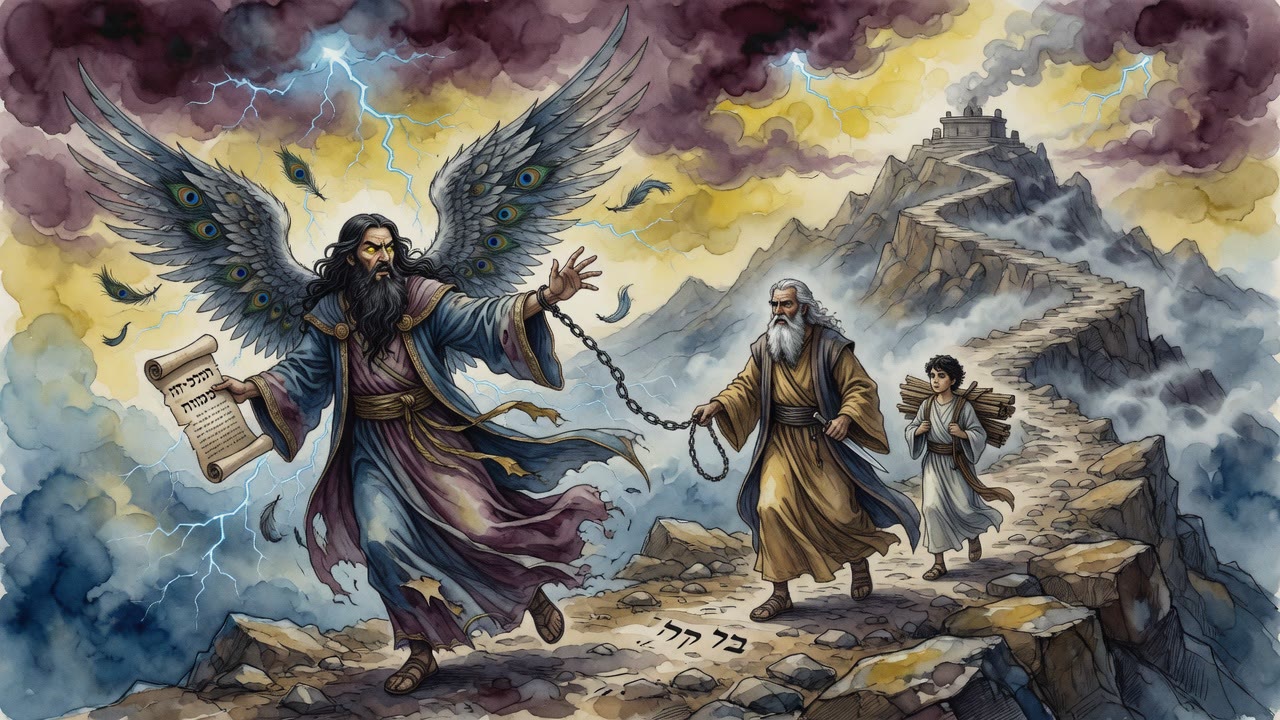
Old man, Samael said, will you slaughter the son you got at a hundred? Abraham kept walking. So the Accuser tried the boy instead.
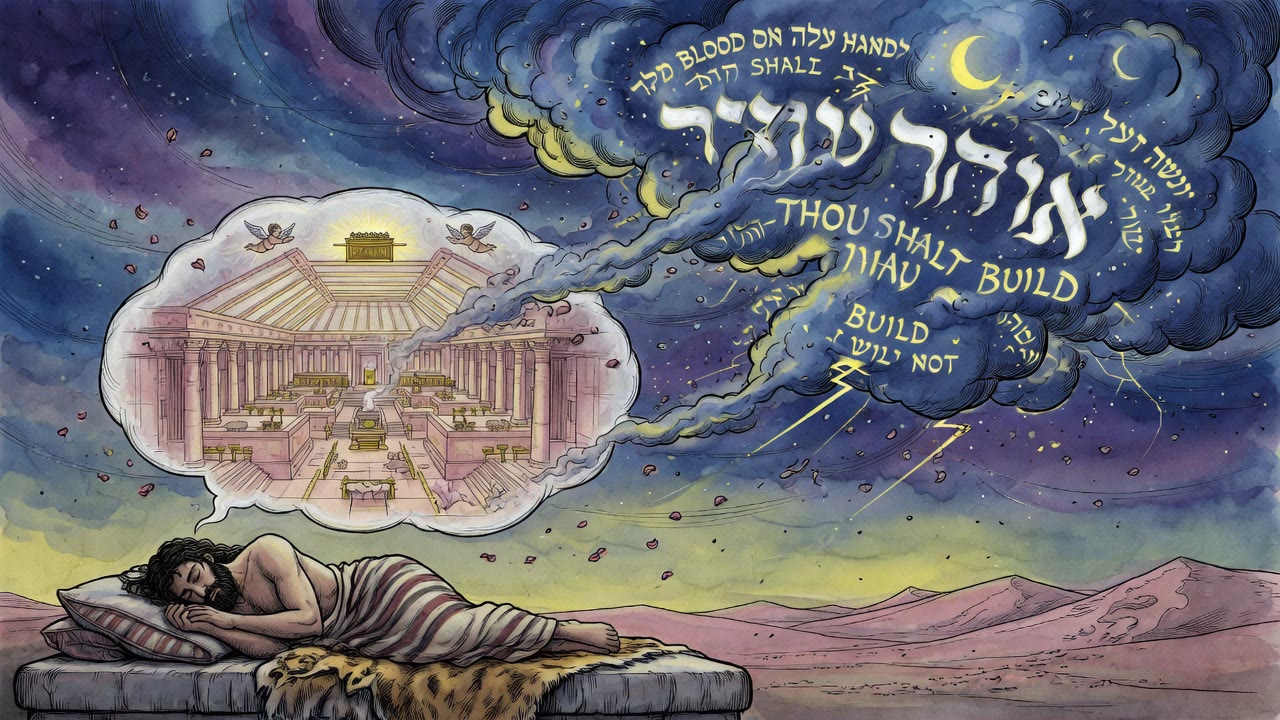
Nathan told him to do whatever was in his heart. God woke the prophet that night and sent him back with the opposite answer.
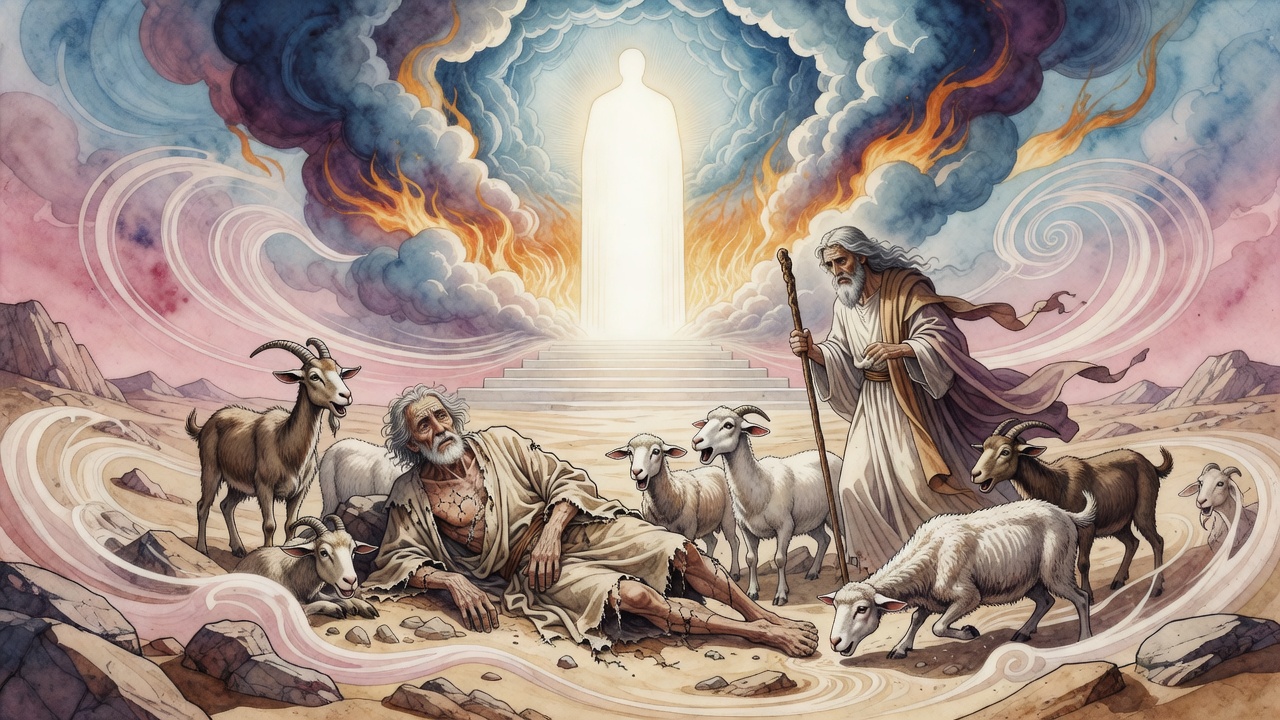
Sarah packed him a fine garment and a turban with a stone in it, and told Abraham not to let the boy walk or sit in the sun.
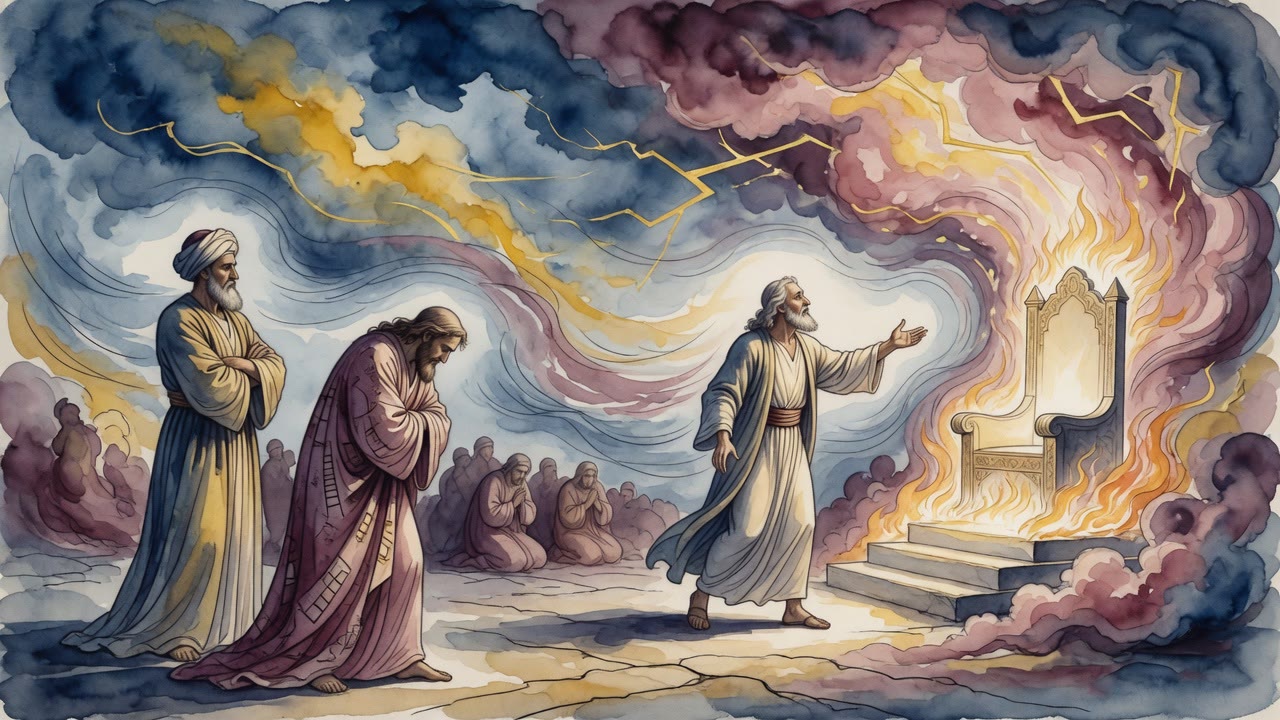
Moses and Aaron were sitting with their sister's body when God told them to get up. My children are dying of thirst, He said, and you mourn an old woman.
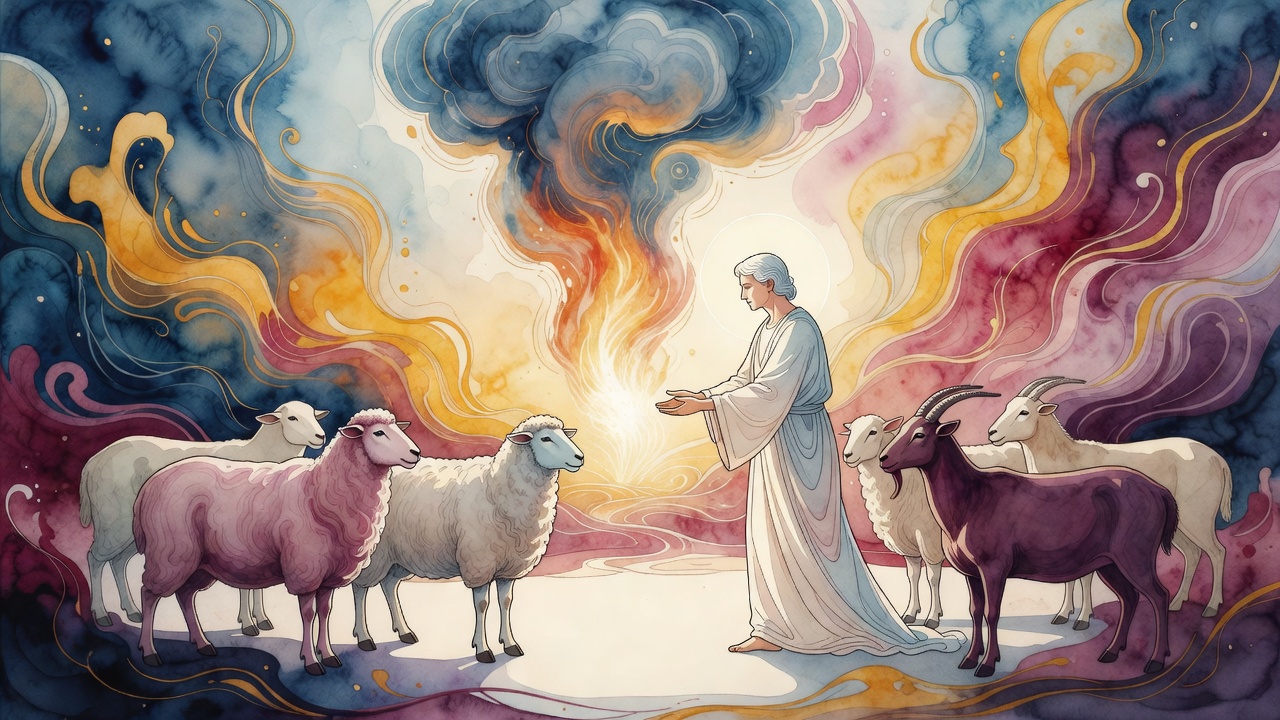
Did Abel bring a peace offering before the Torah was given? A Talmudic debate over one Hebrew word reshapes everything about sacrifice before Sinai.
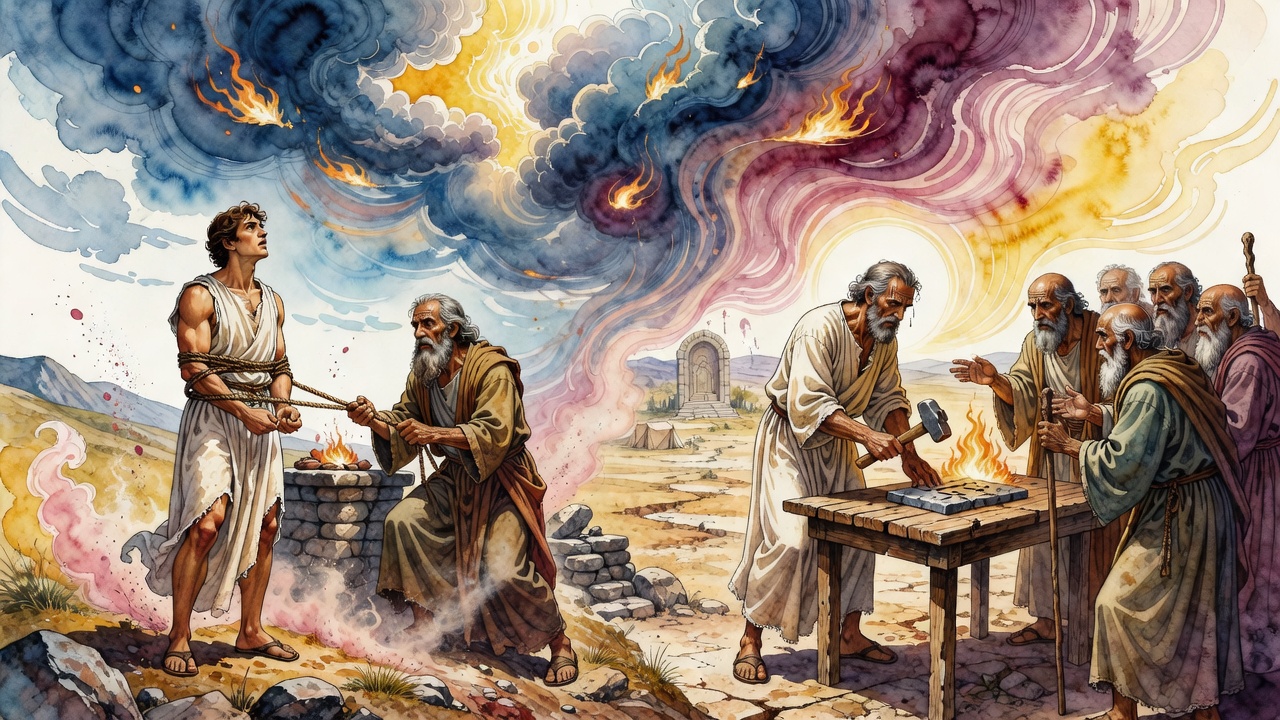
Isaac tells Abraham to bind him tightly so his fear won't ruin the offering. The same man later hammers out an imperfect peace with the Philistines.
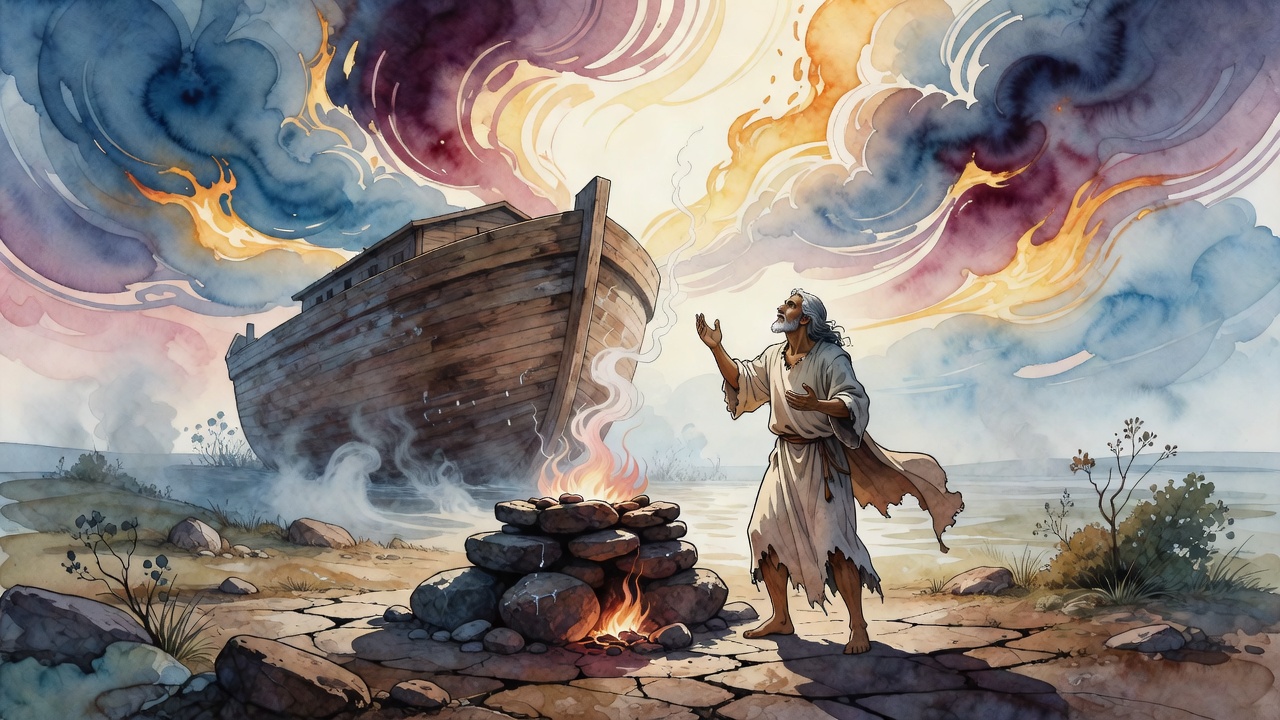
After a year on the water, Noah's first act on dry ground was to build an altar. Before shelter, before planting, before anything else, he made atonement.
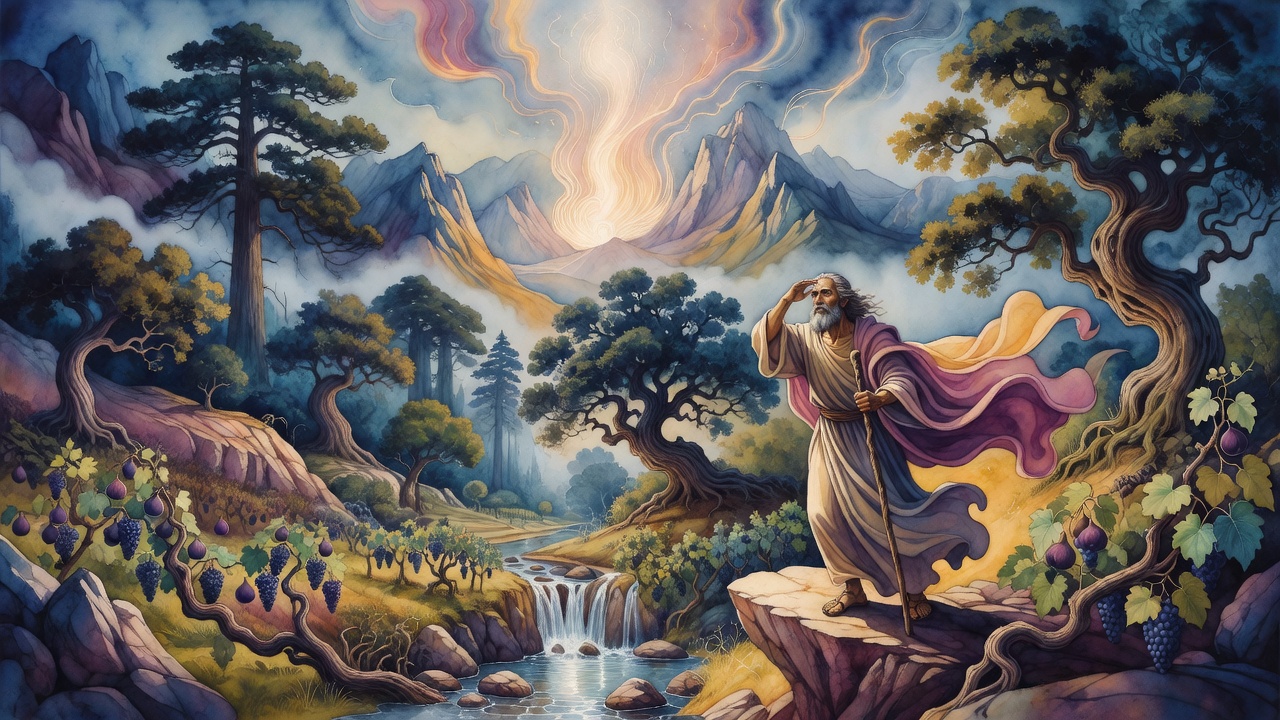
When Abram crossed into Canaan, he found vines, figs, oaks, cedars, and water in the mountains. His father had turned back before seeing any of it.
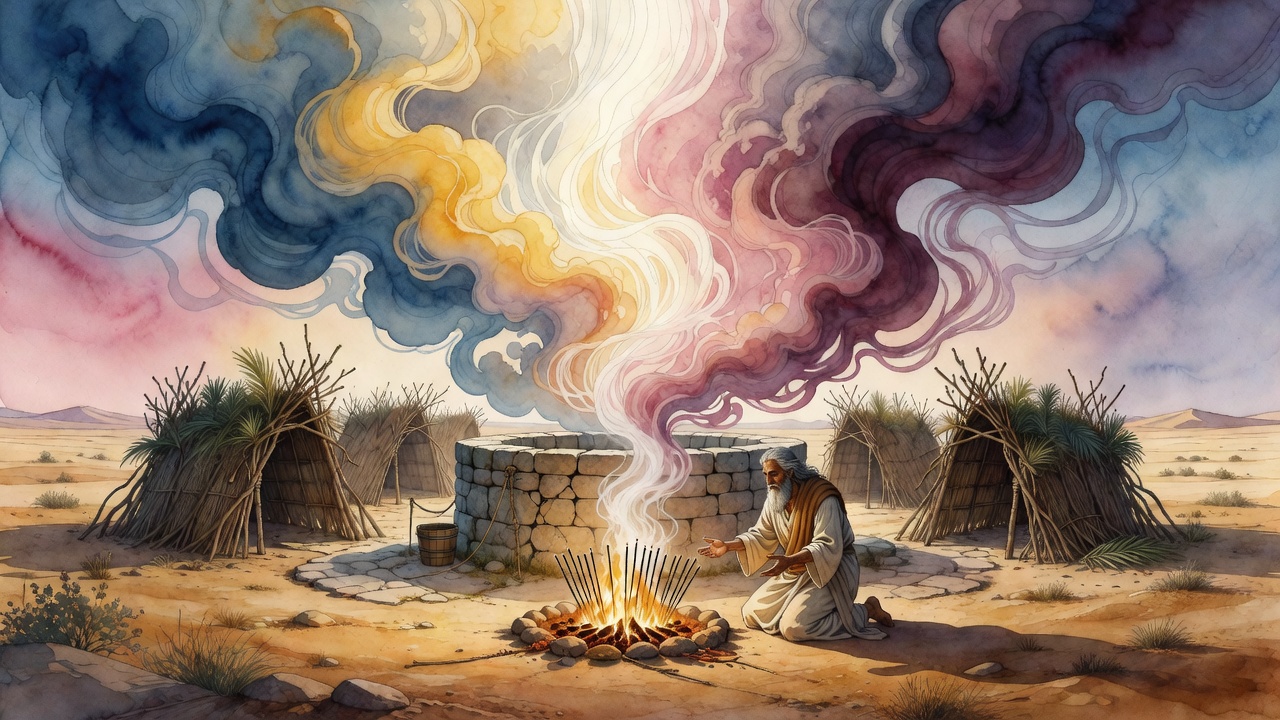
Long before Moses, Abraham built booths and burned seven incense species near Beersheba. Jubilees calls him the first to celebrate the feast.
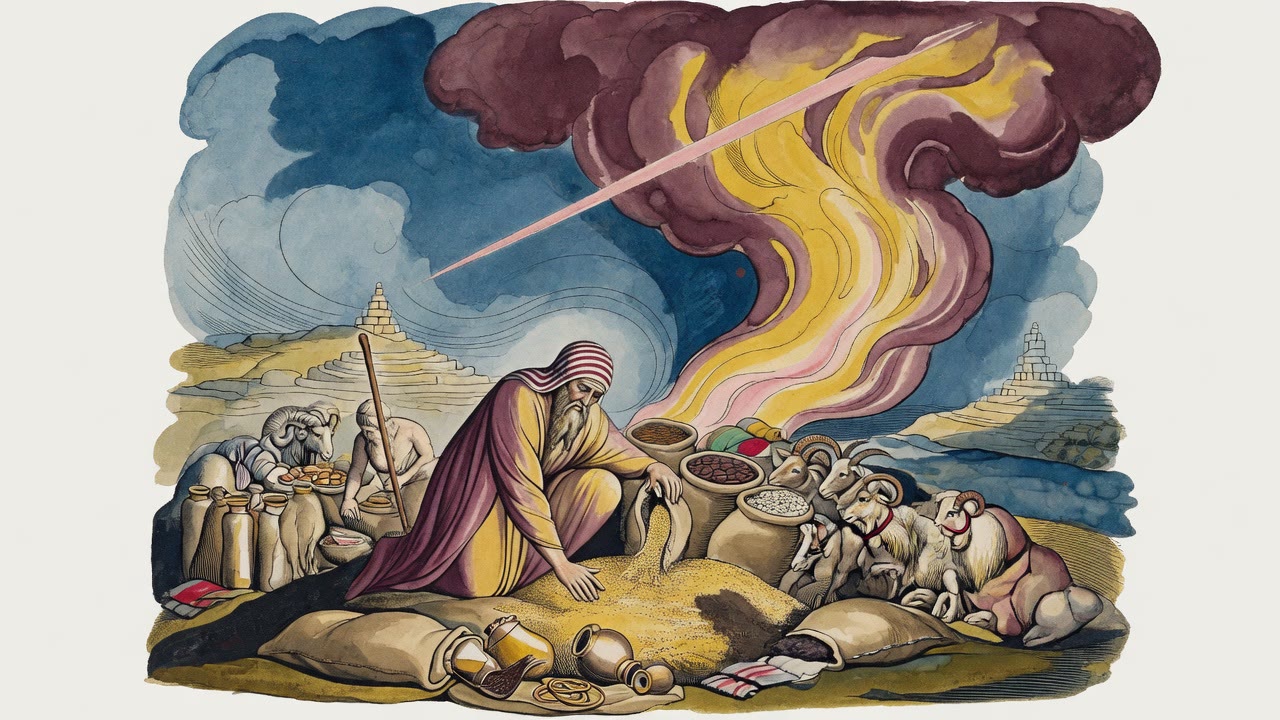
Levi stood at the altar while his father counted. Two oxen. Four rams. Four sheep. The vow from the stone at Bethel had come due.
The silver cup came out of Benjamin's grain in the Egyptian court. Judah did not offer his sons. He put his own life in the gap.
