92 myths · Page 2 of 4
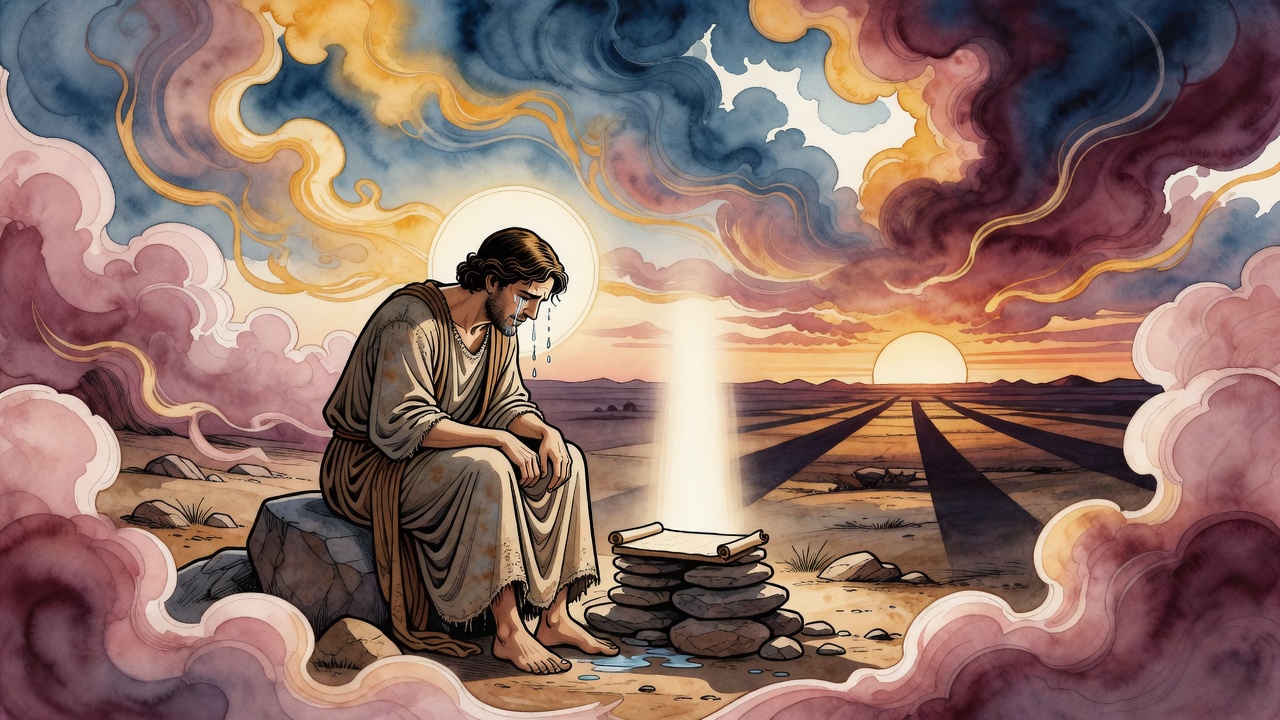
Eve sat facing him on the dark ground and wept because he was weeping. Neither of them knew that mornings existed until the hills went gray.
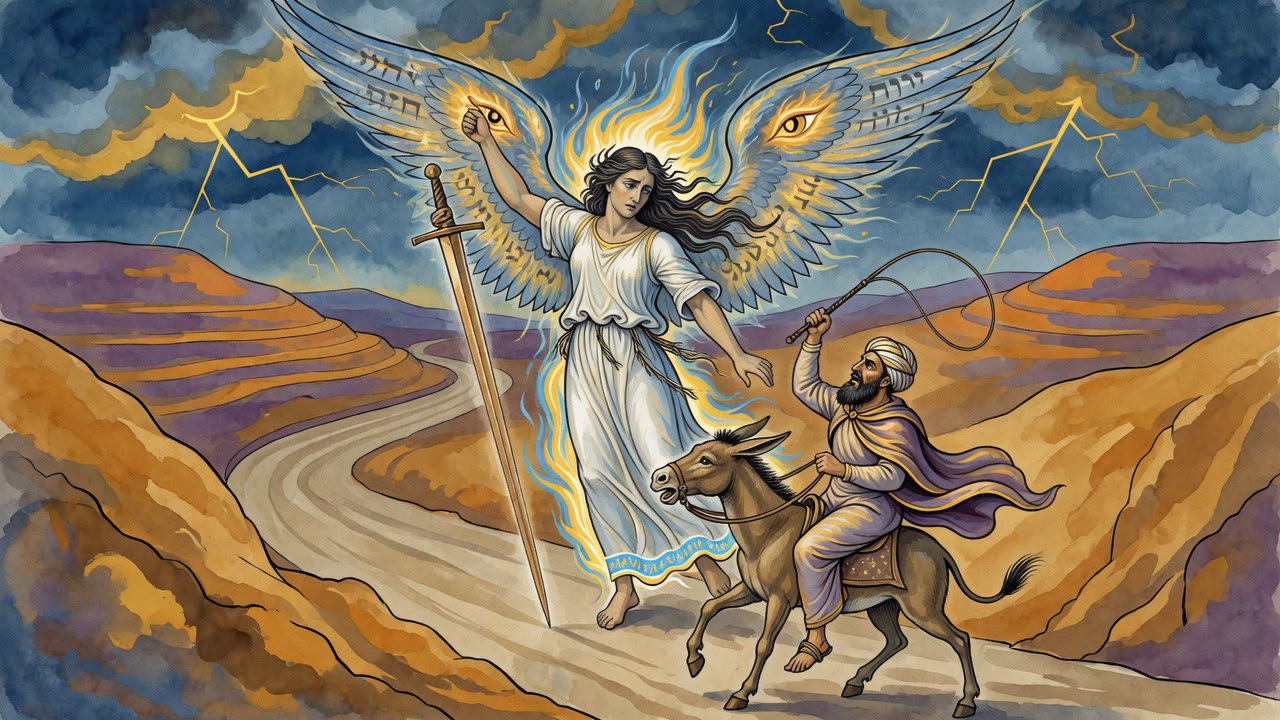
The angel blocking Balaam's road had not come to destroy him. It had come to protect him from himself. Then it said: go, if you must.
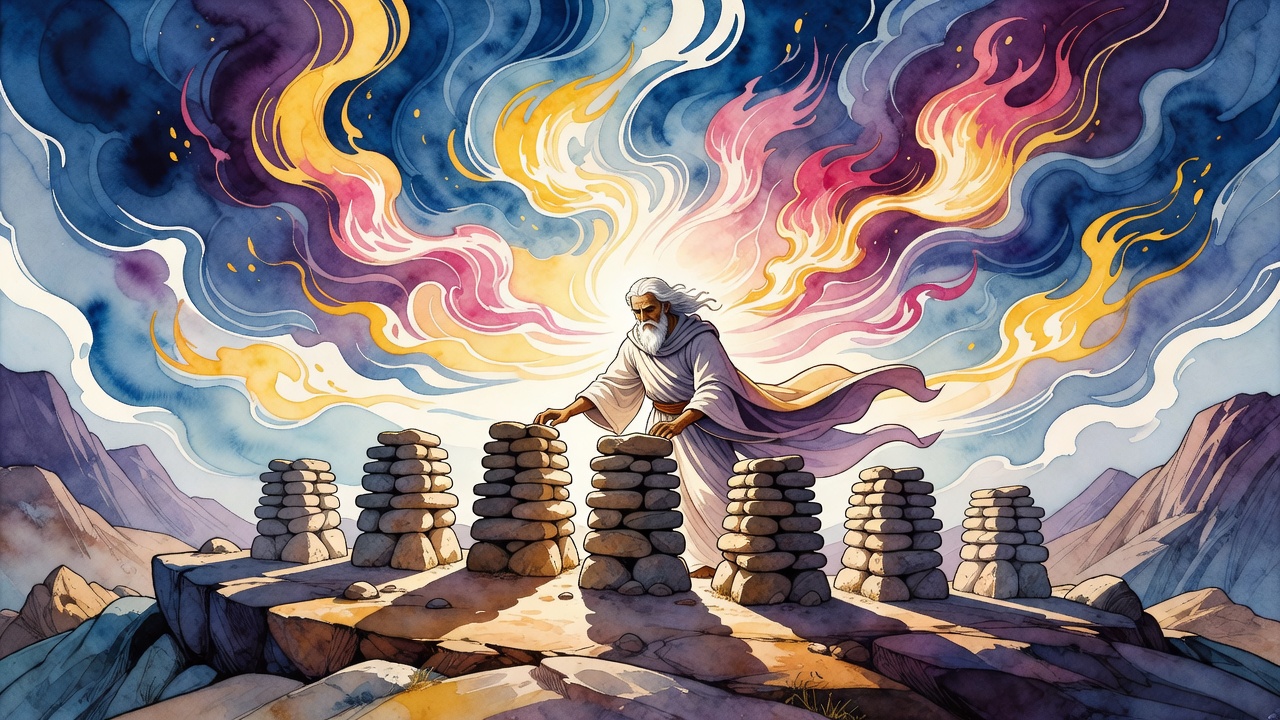
Balaam counted every altar the patriarchs had ever built, then built the same number to match their merit. God answered with a single verse about dry bread.
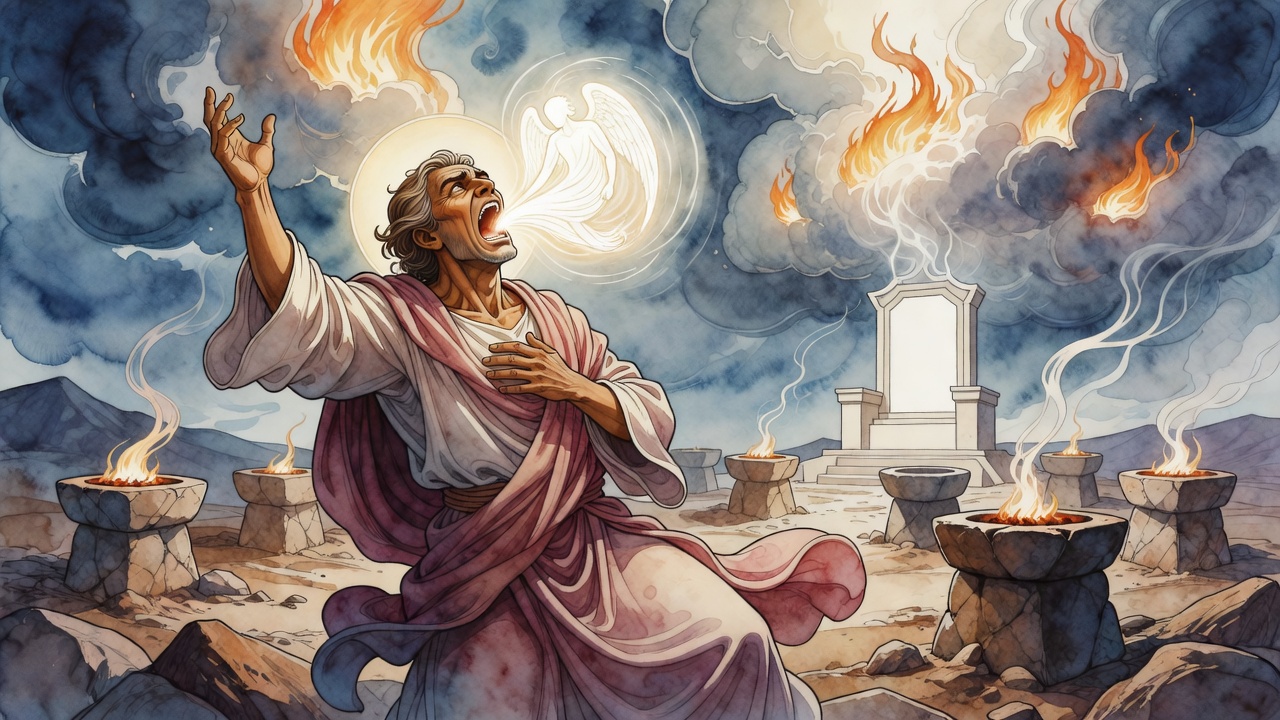
Balaam boasted before the heavenly host about his seven altars. God's response was to send an angel directly into his throat to seal his mouth from inside.
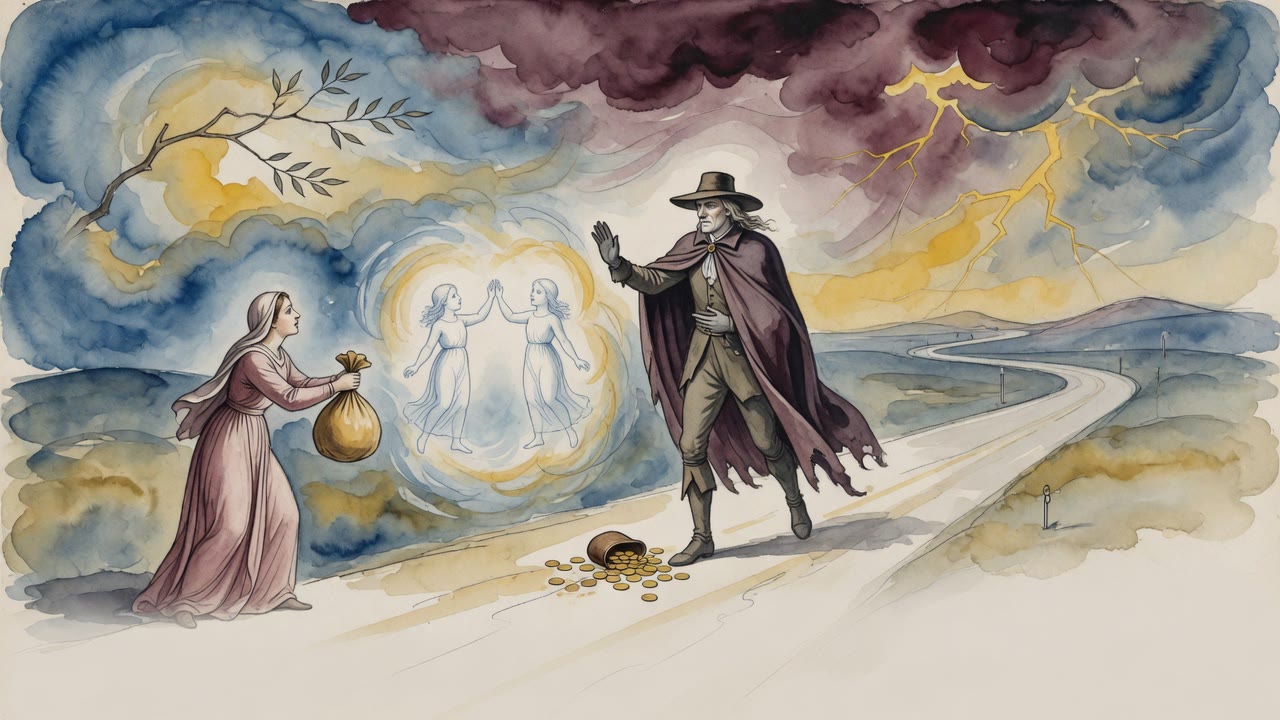
Two children swore they would never marry without each other's blessing. Years later, she came with gold to buy her release. He refused to take a coin.
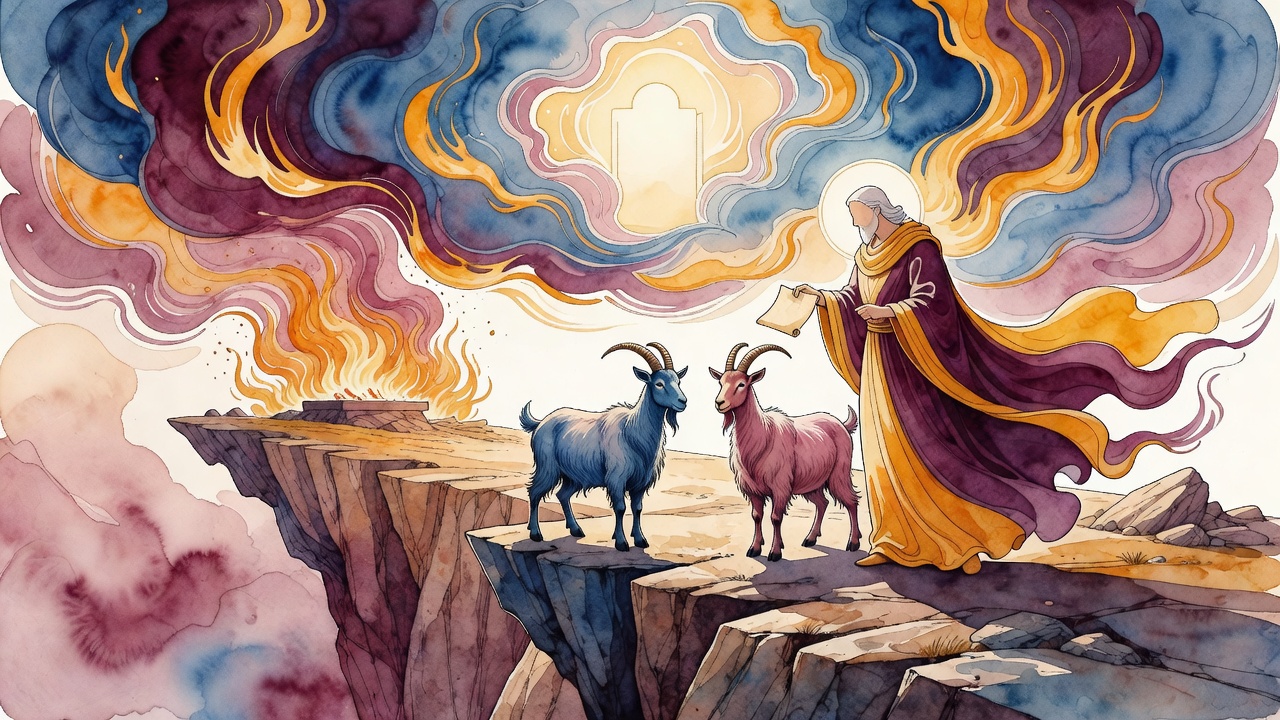
Two identical goats stood before the High Priest. A lot decided which burned on the altar and which walked alive into the wilderness carrying Israel's sins.
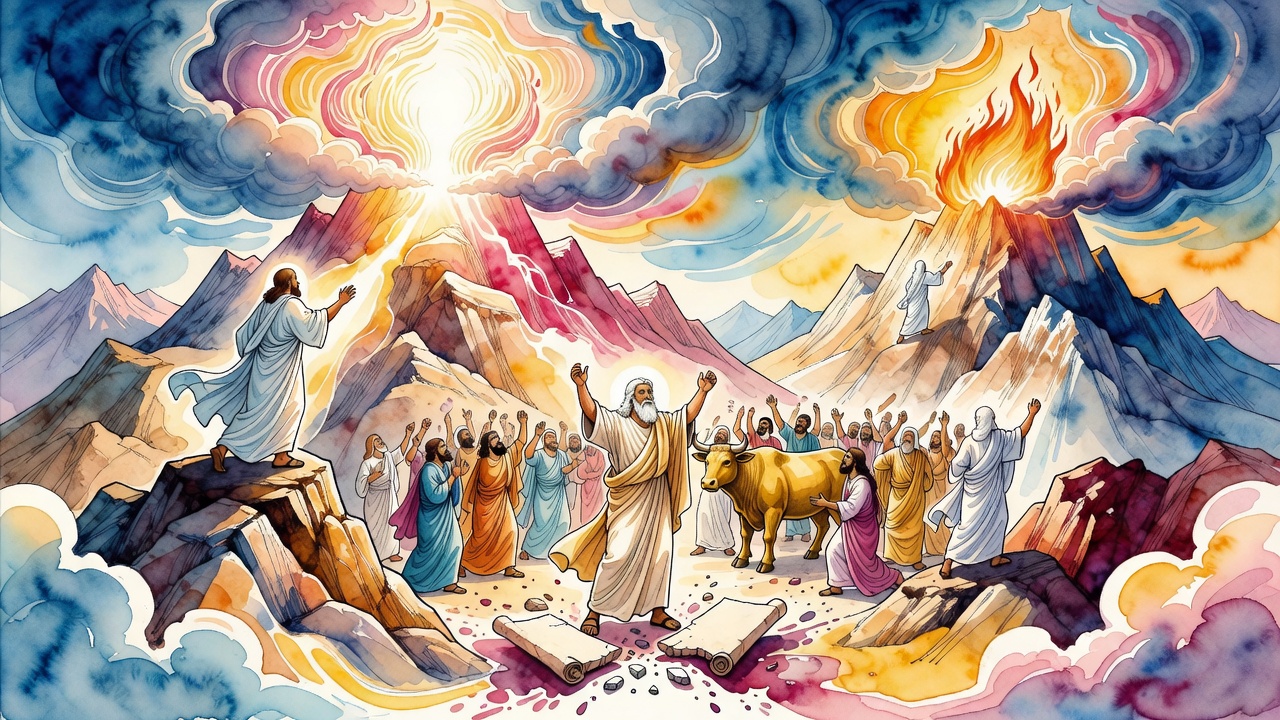
The ruling Moses carried down the second time was about blood from a household slaughter. Pour it on the ground like water from a jug. Cover it with earth.
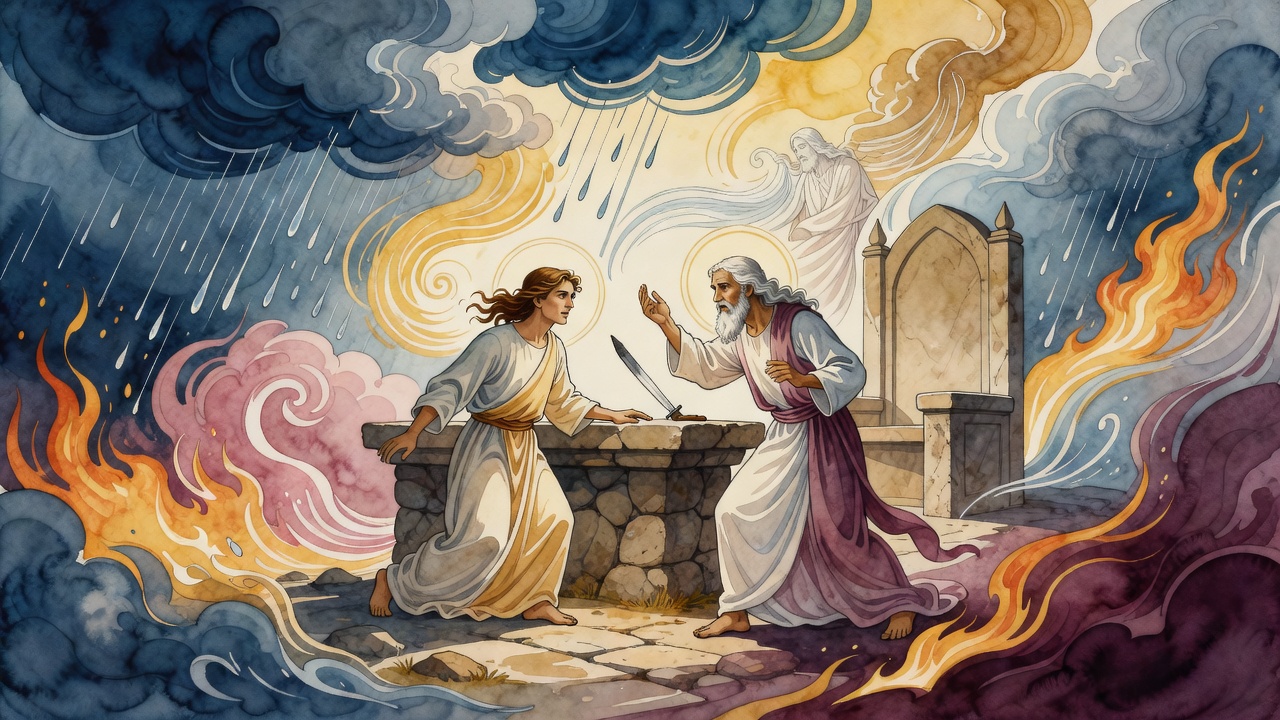
The Akedah was not only Abraham's test. In the Aramaic tradition, Isaac offered himself willingly, heaven wept, and the knife became useless.
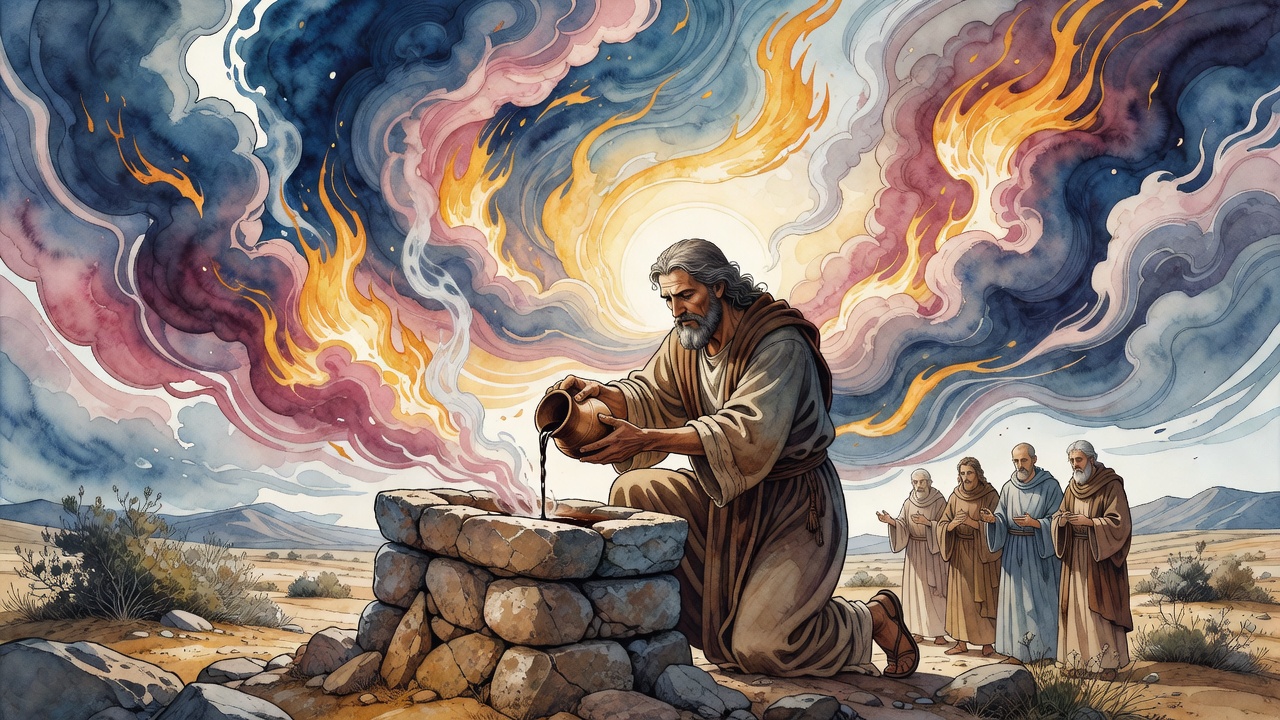
Every time Jacob arrived somewhere new, he built an altar and poured out what he had. The rabbis noticed the pattern and found a legal crisis hiding inside it.
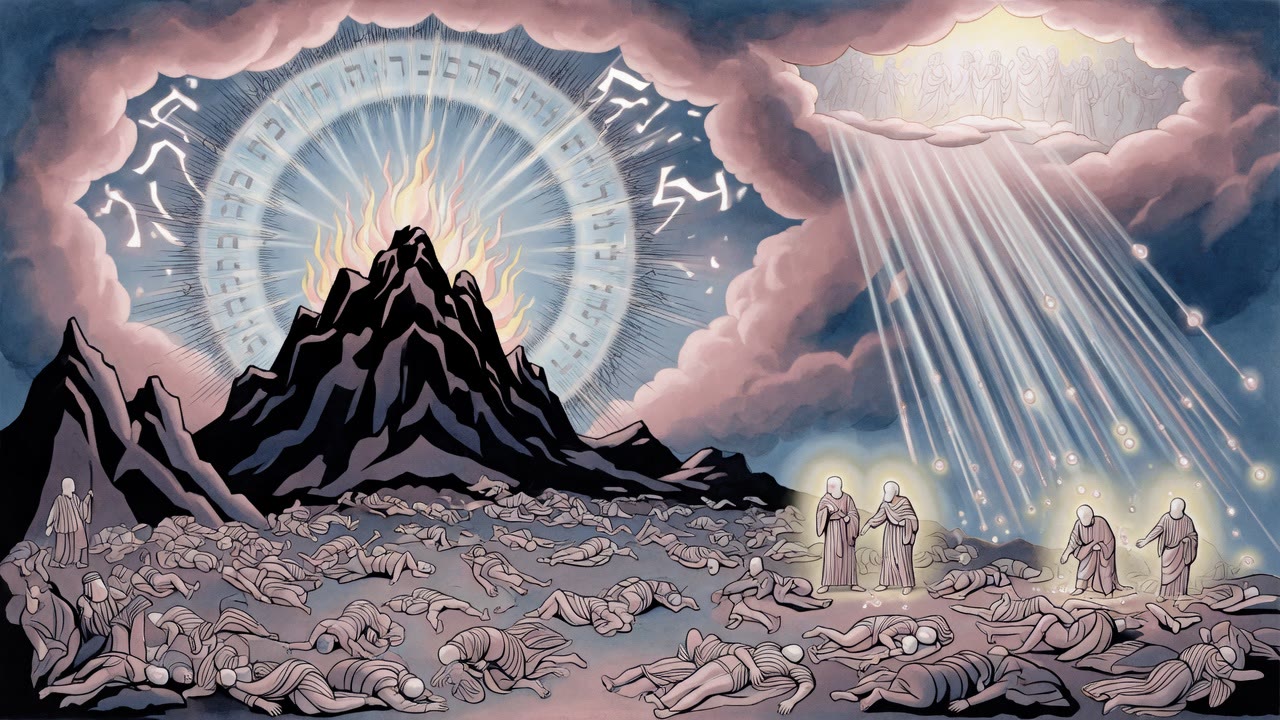
Moses threw the blood of bulls on the people. Then God's voice emptied every body in the camp. Dew saved for the last day woke them.
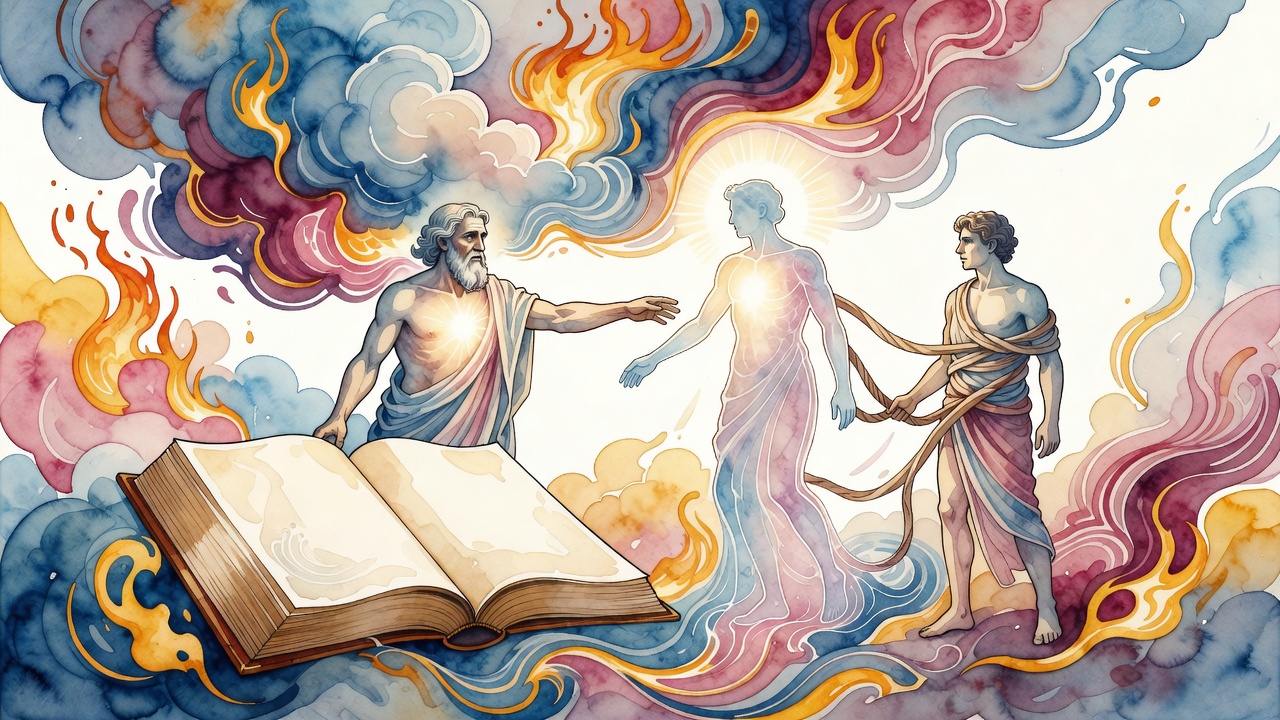
Adam found David's soul in the book of generations with almost no lifespan assigned to it and gave seventy of his own years away.
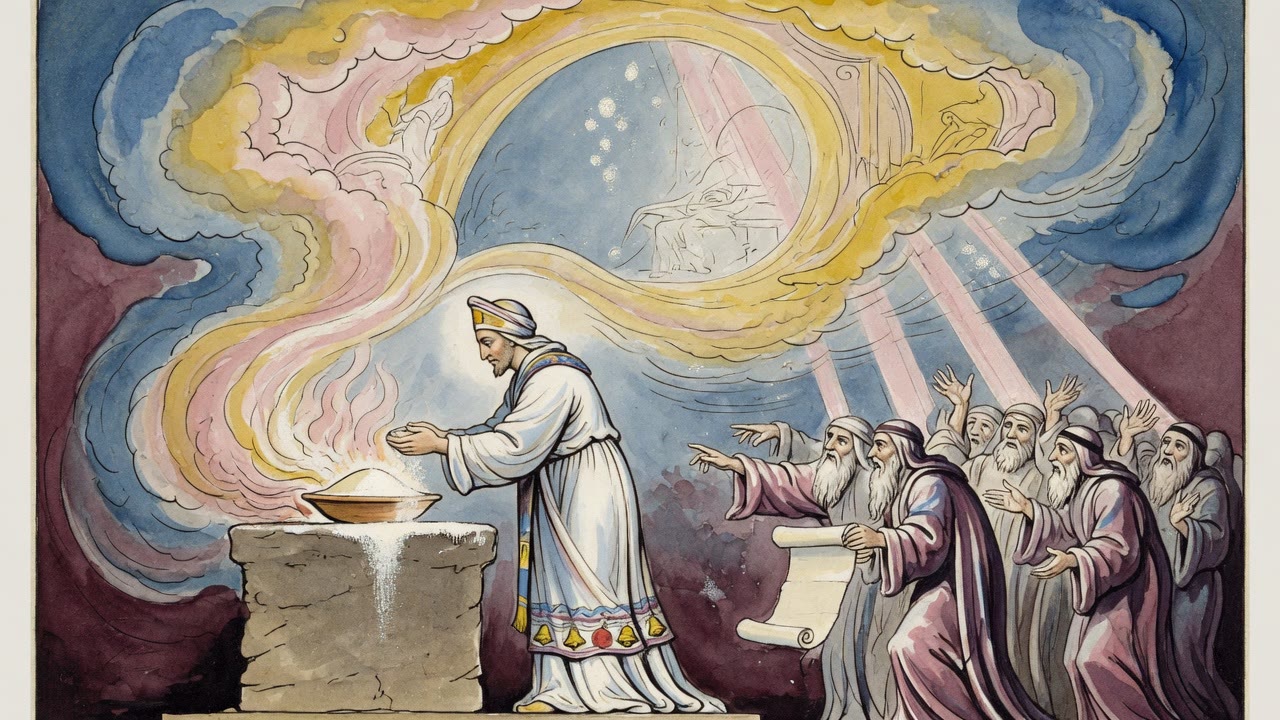
Aaron's first offering as High Priest was a tenth of an ephah of flour. Vayikra Rabbah found in that small measure the whole architecture of divine mercy.
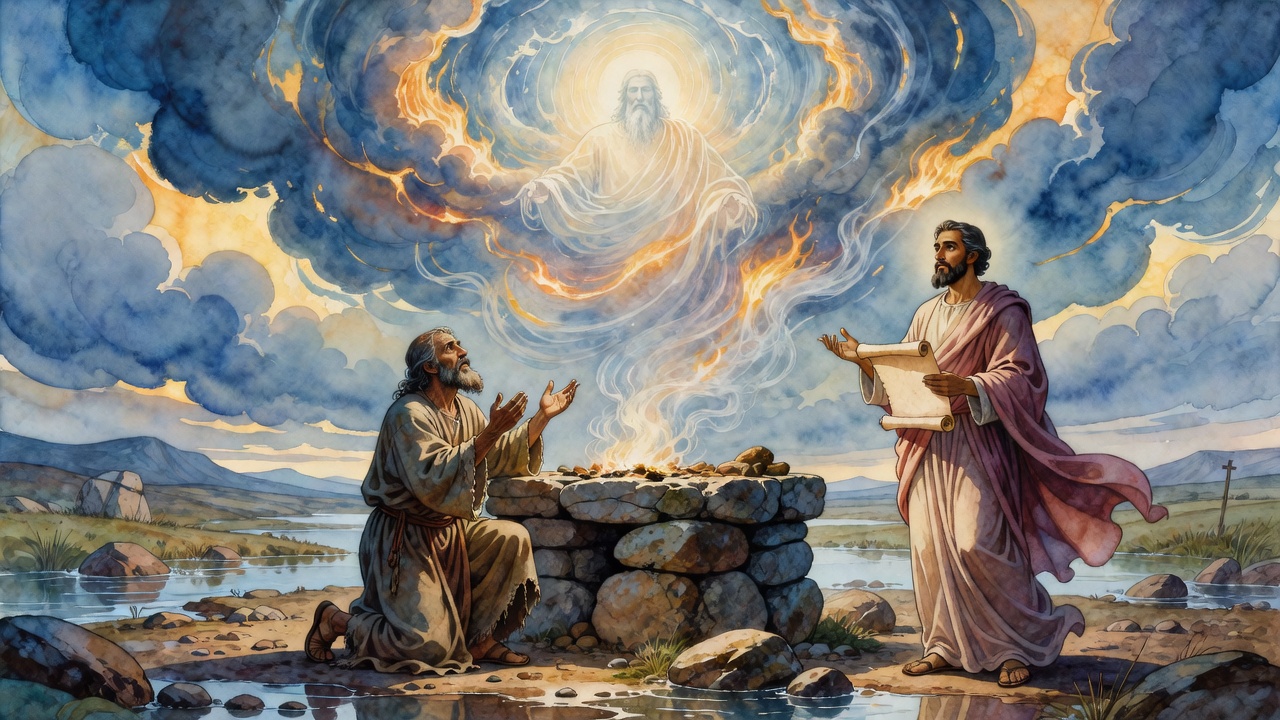
The ark door opened onto mud. Noah stacked stones before he pitched a tent. He burned clean birds, and the smell went up with no rainbow yet.
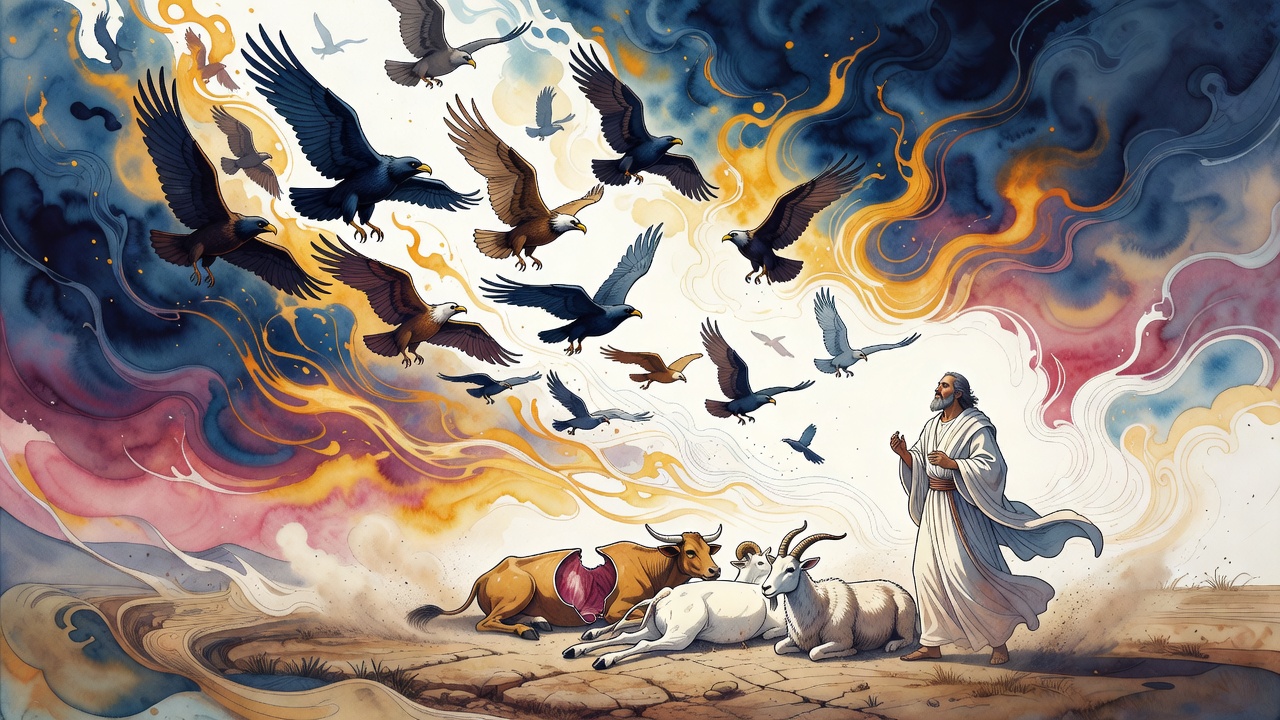
Abraham cut the heifer, the goat, and the ram and laid the halves facing each other. Then the birds came, and God had not yet passed.
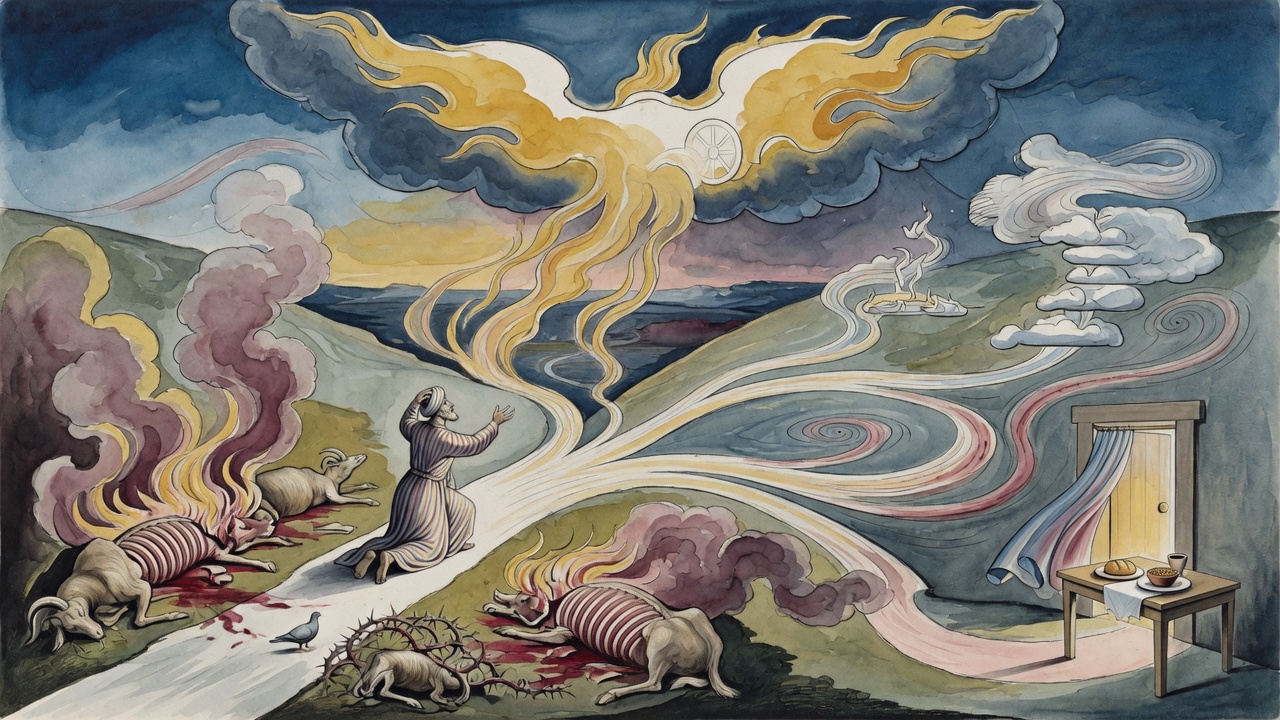
Abraham saw the covenant animals as a map of future sacrifice. Vayikra Rabbah opens a second gate, made of flour and confession, hidden from even Abraham.
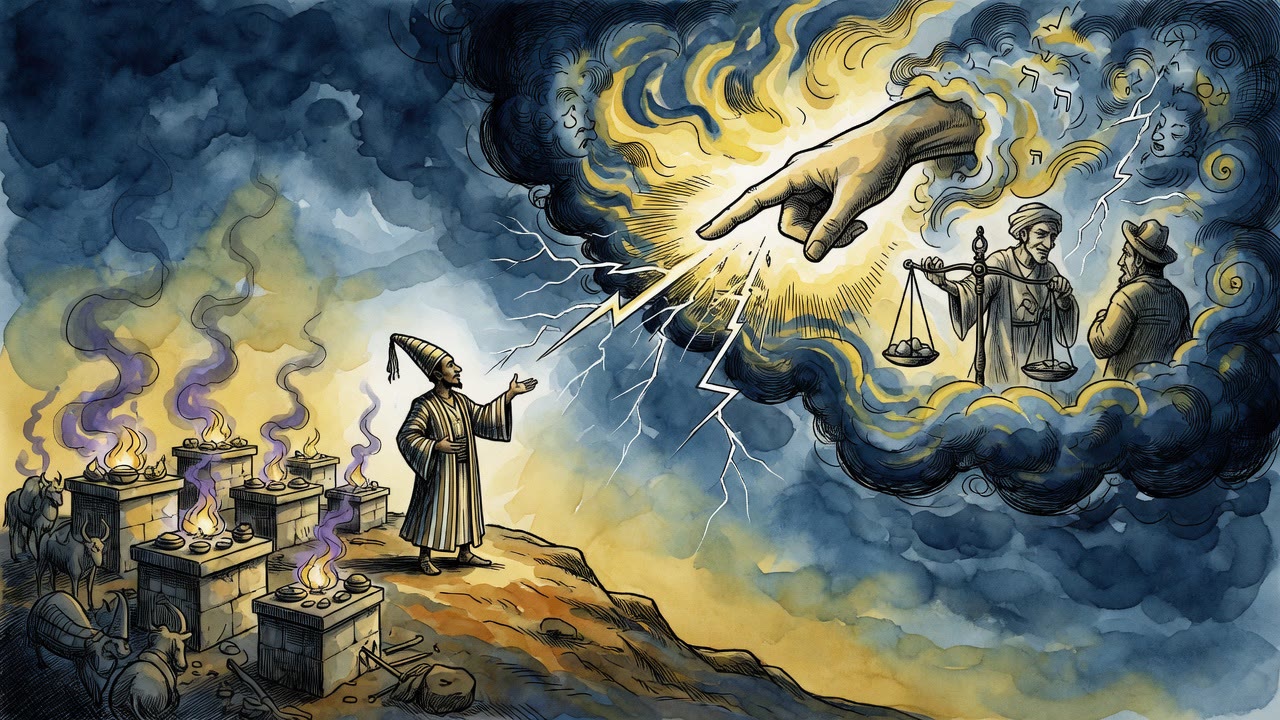
Balak's ministers waited beside the burning offerings while Balaam went off alone to meet God. What met him opened by calling him an evil man.
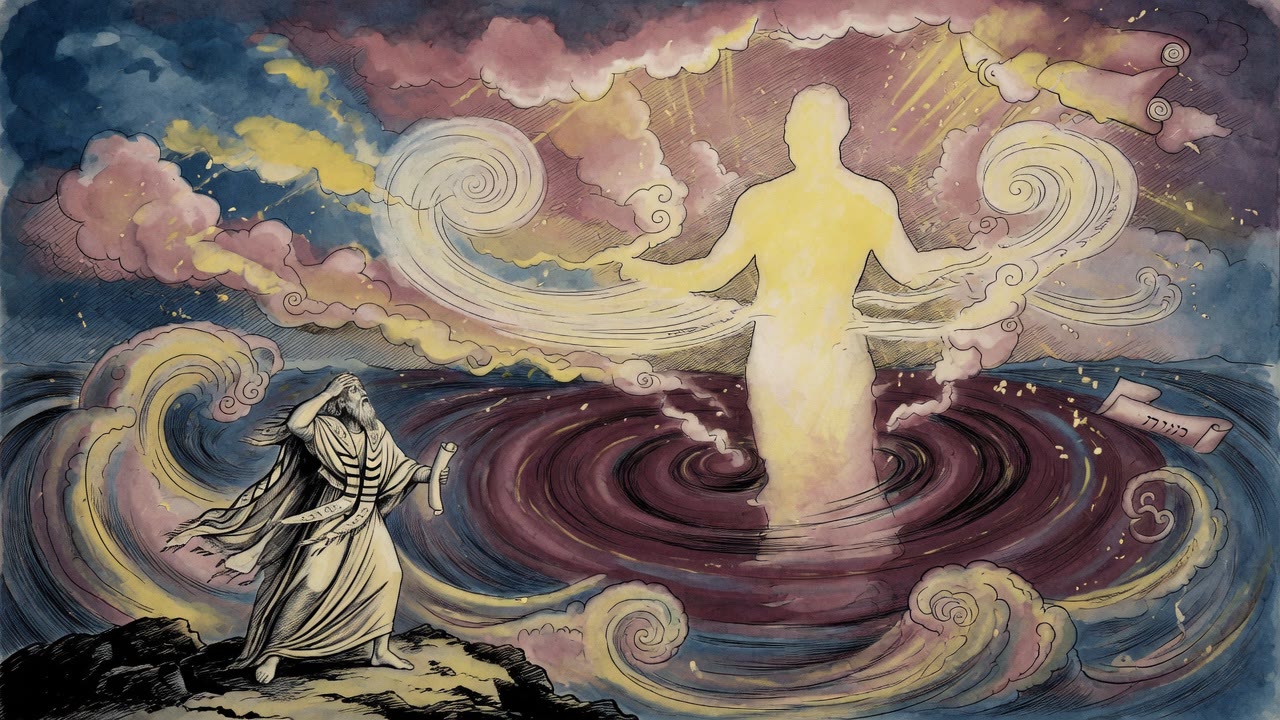
When the exiles returned, Nehemiah's priests dug for the sacred altar fire and found only thick water. He ordered them to pour it anyway.
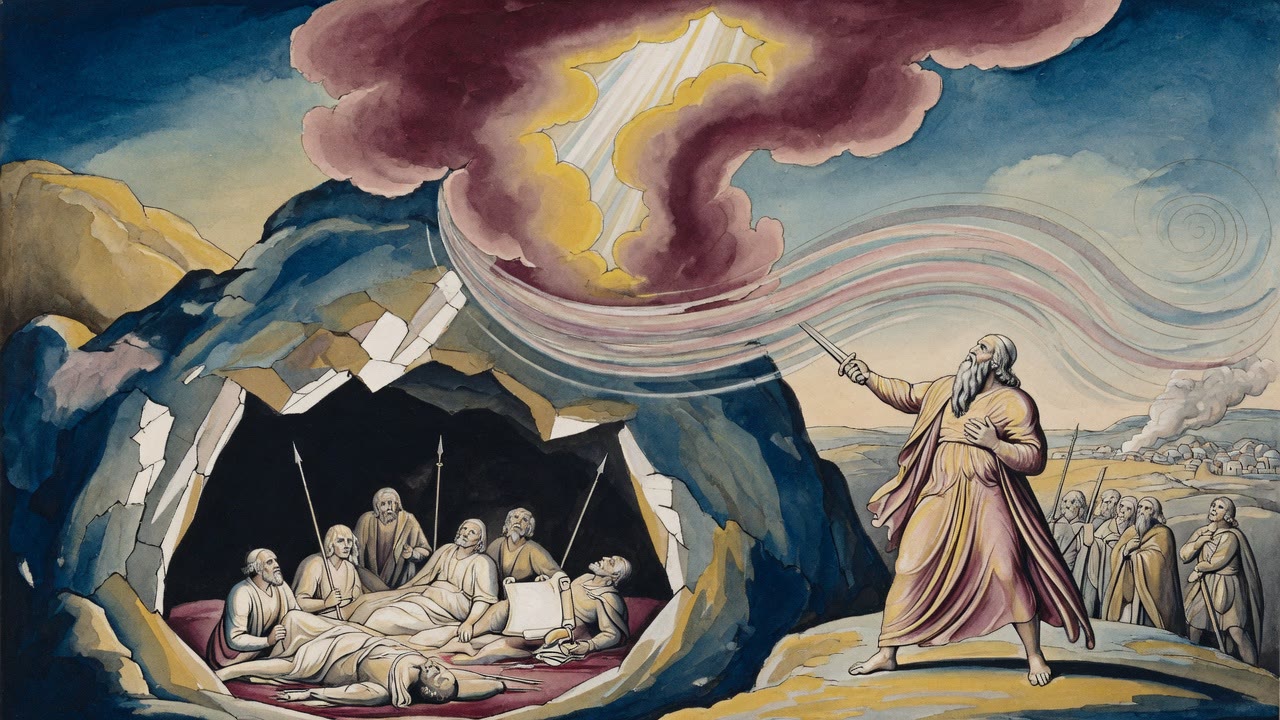
The officers offered Eleazar a way out. Bring your own food, they said, and only pretend to eat what the king requires. He was ninety, and he said no.
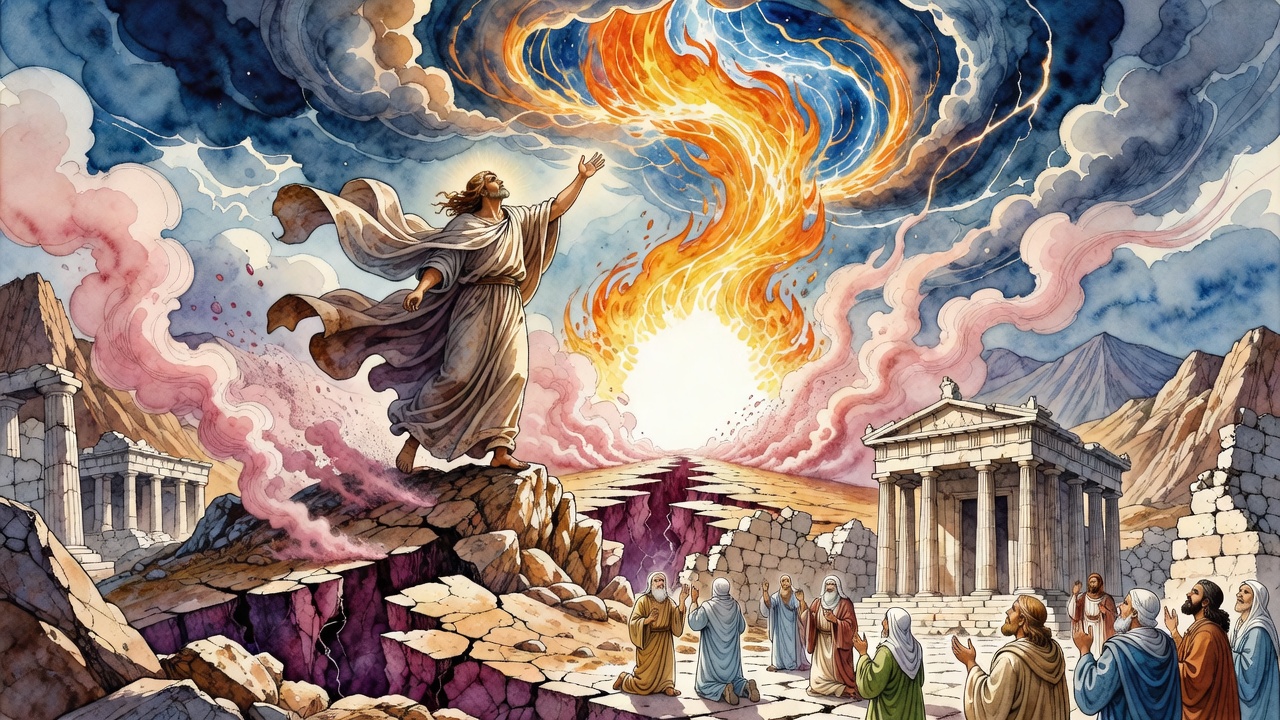
The floor moved under the study house. Rabbi Nehorai blamed unseparated tithes. Elijah told him the real reason, and the real reason was worse.
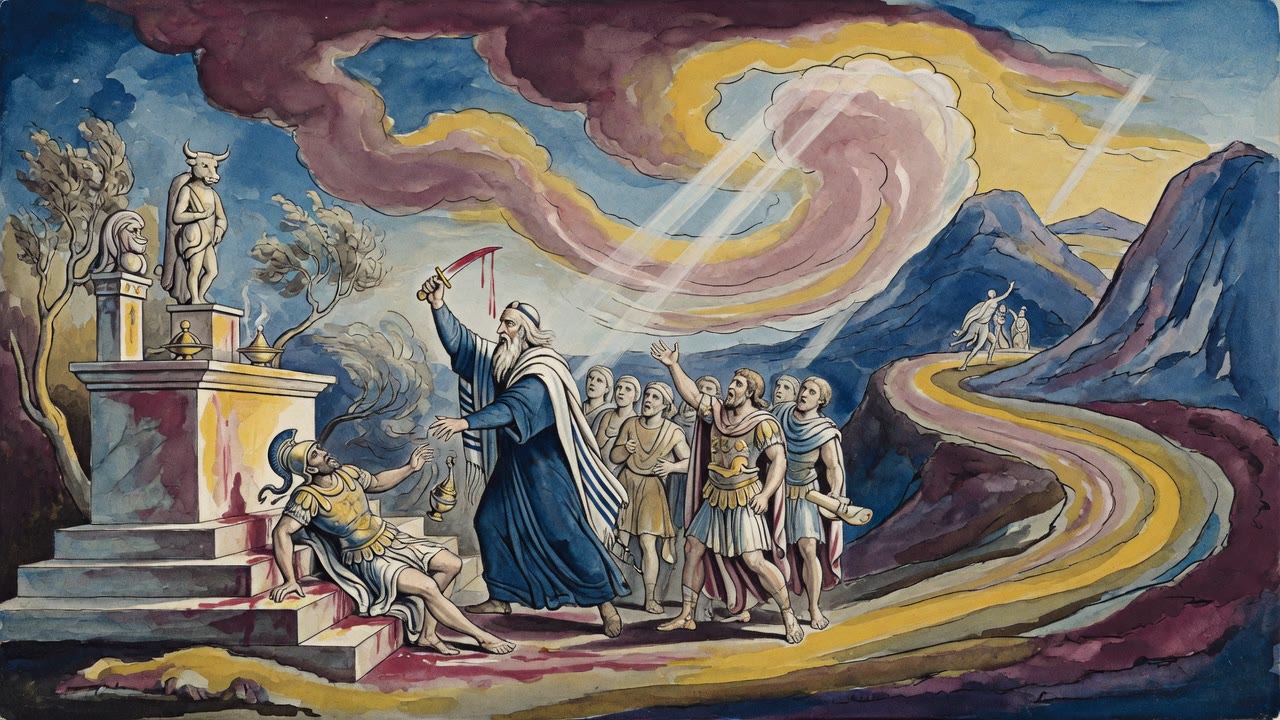
The king's officers praised Mattathias and offered his family safety. He refused, struck down the man who stepped forward to comply, and fled into the hills.
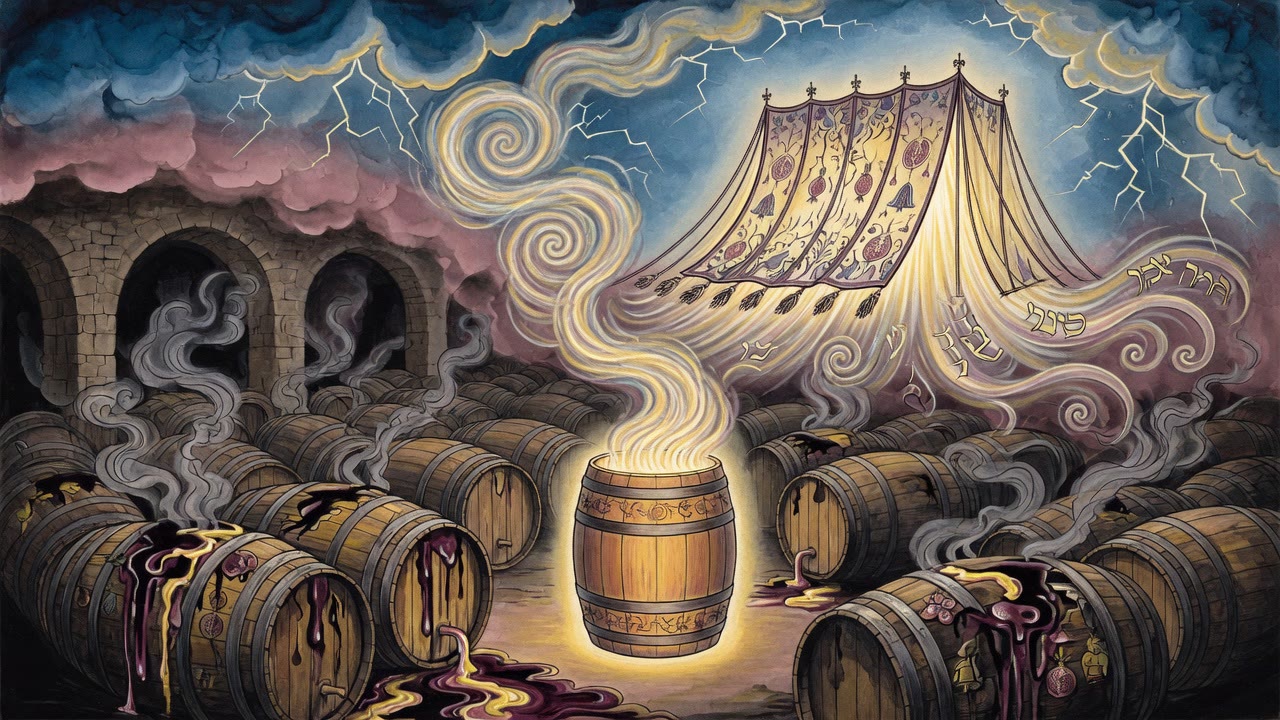
David looked down the line of kings coming out of him. When he reached the one who burned his own sons, he stopped calling himself a king.
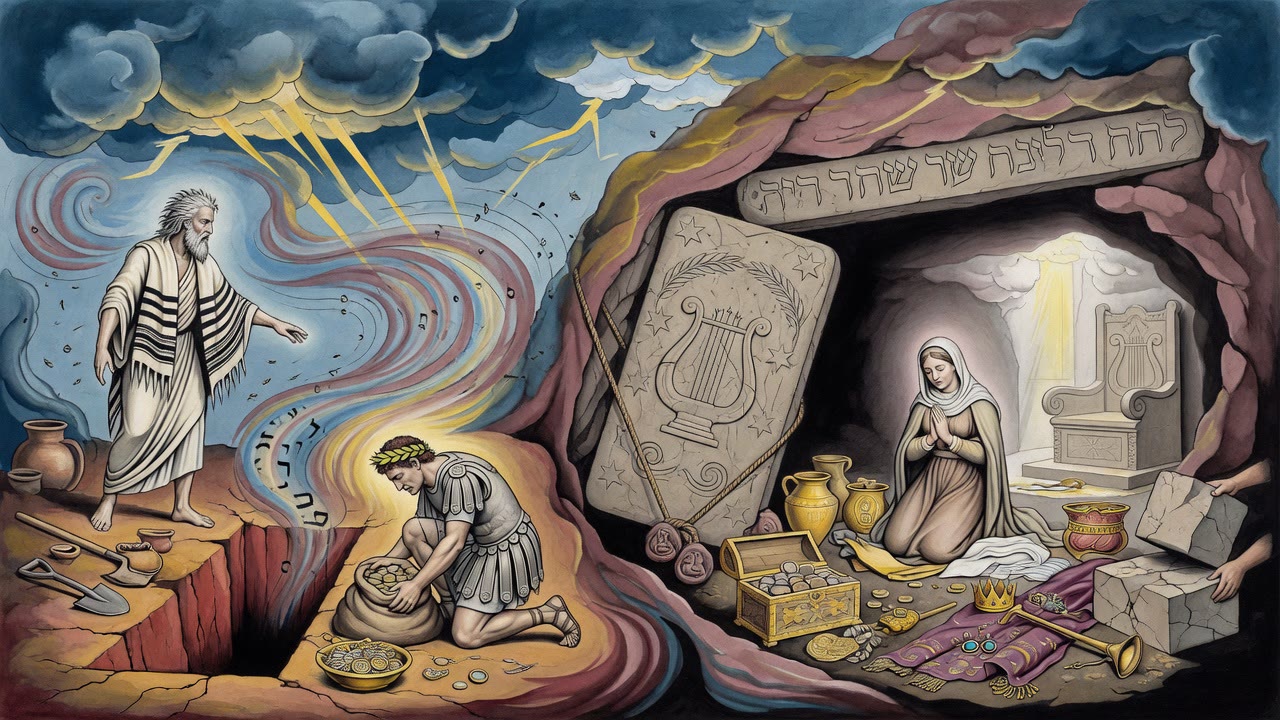
A woman drank dust and ink at the tent door to prove she was faithful. The same bitter water had already gone down the throat of a whole nation.
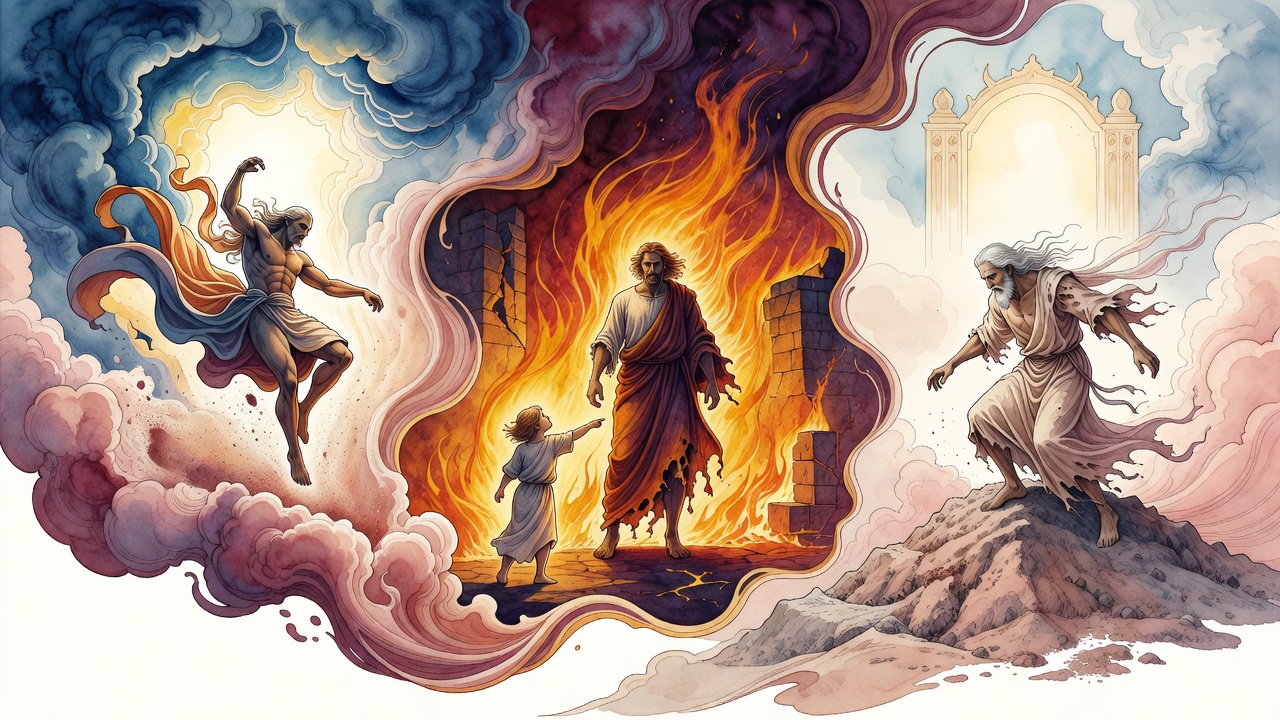
Abraham was twenty days old when he walked out of the cave, and his own mother did not know him. Nimrod heard about it and was afraid.
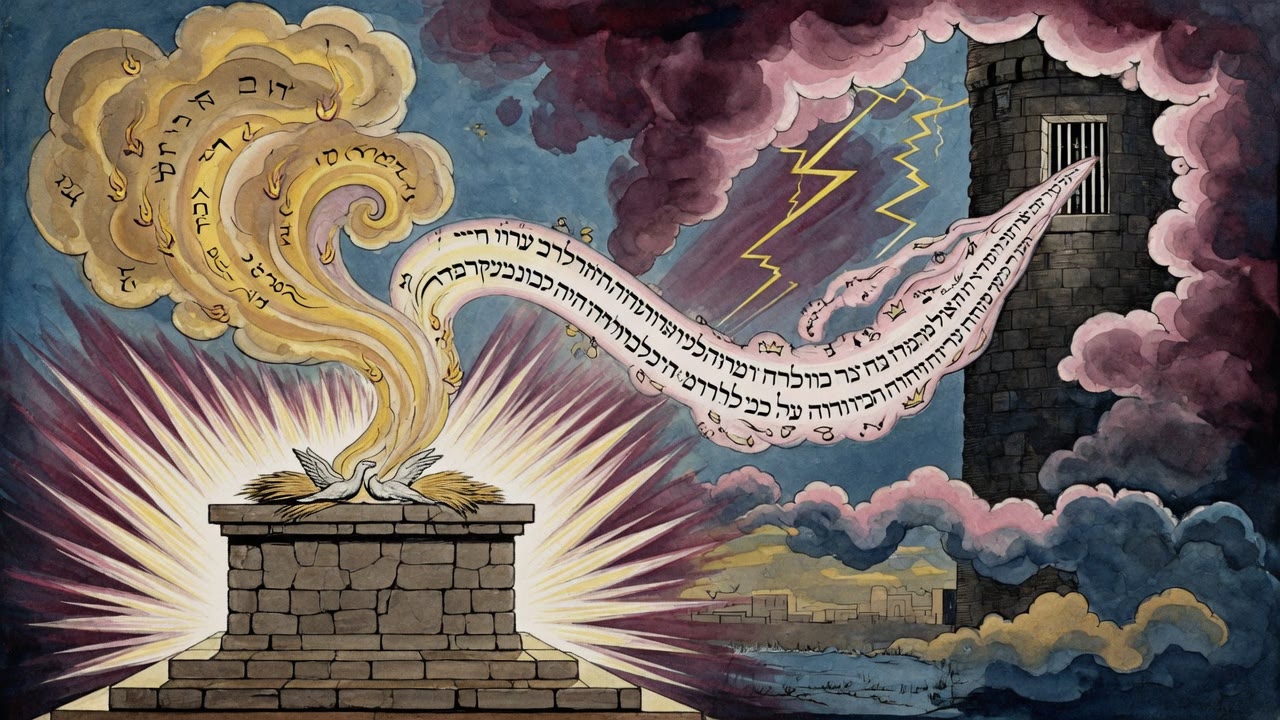
The angels came down in companies, each under its own cloth. Israel looked up from the dust and wanted the same flags.
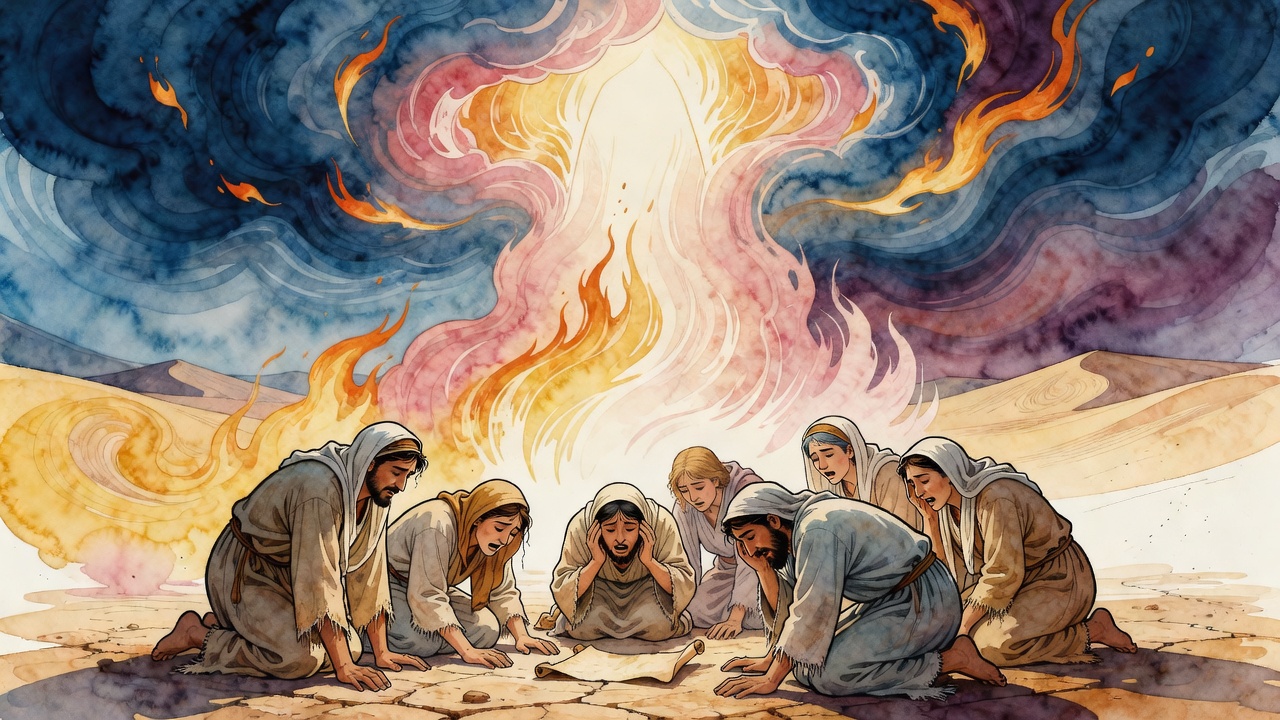
The scouts came back talking about giants, and six hundred thousand men cried all night over a land none of them had seen. That night was the ninth of Av.
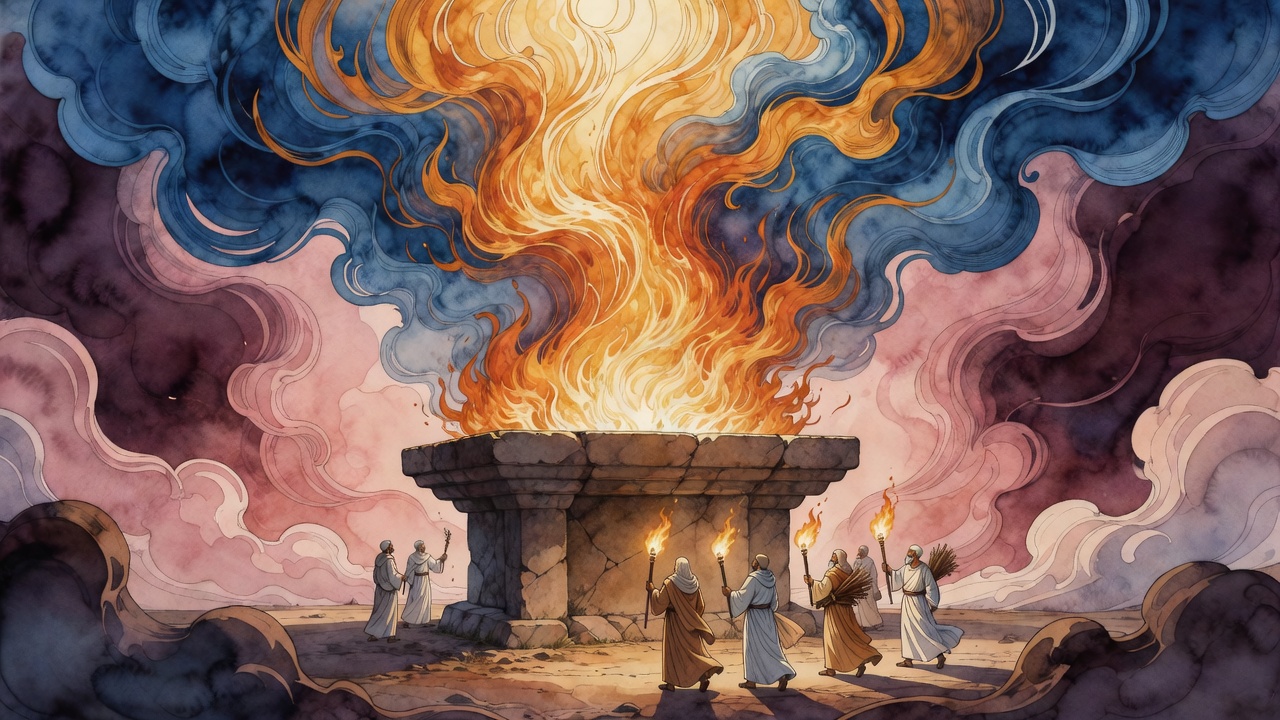
Fire descended from heaven onto the altar and stayed, yet the Torah still commanded priests to bring human fire, because the kindling itself was a commandment.
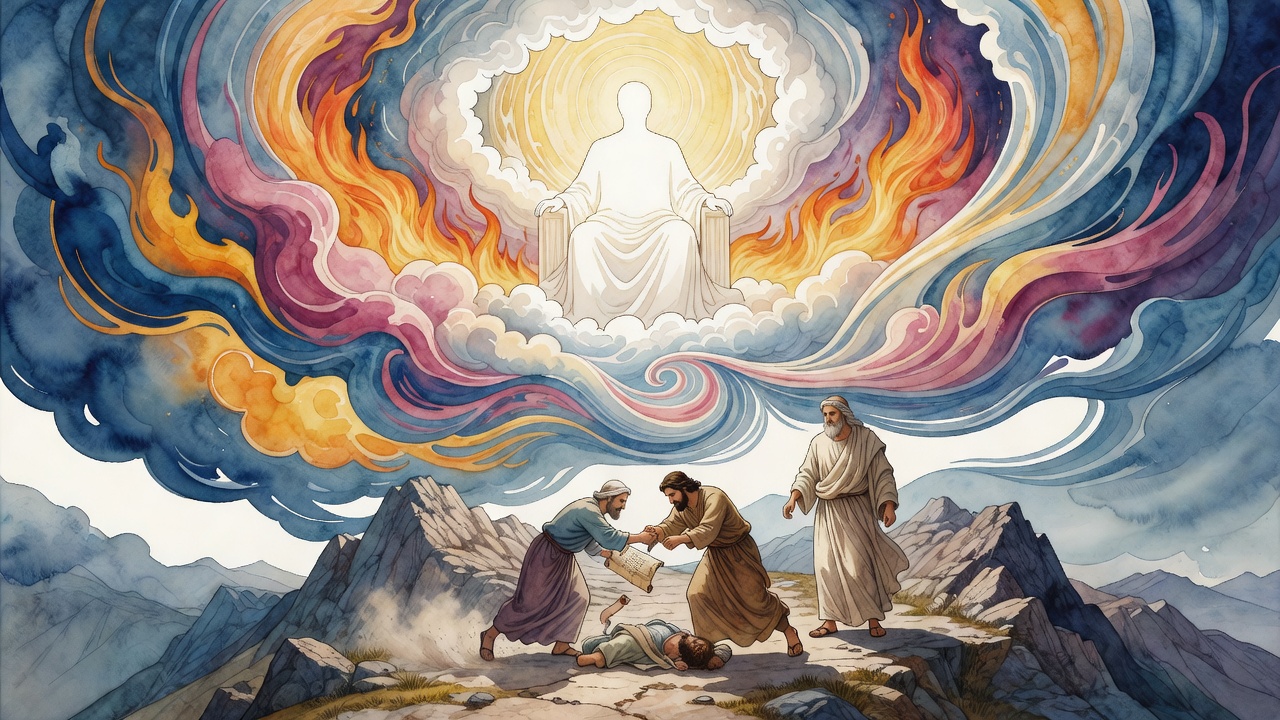
Ishmael had been telling his brother for years that he was the braver son. Isaac was thirty-seven when he finally answered him out loud.
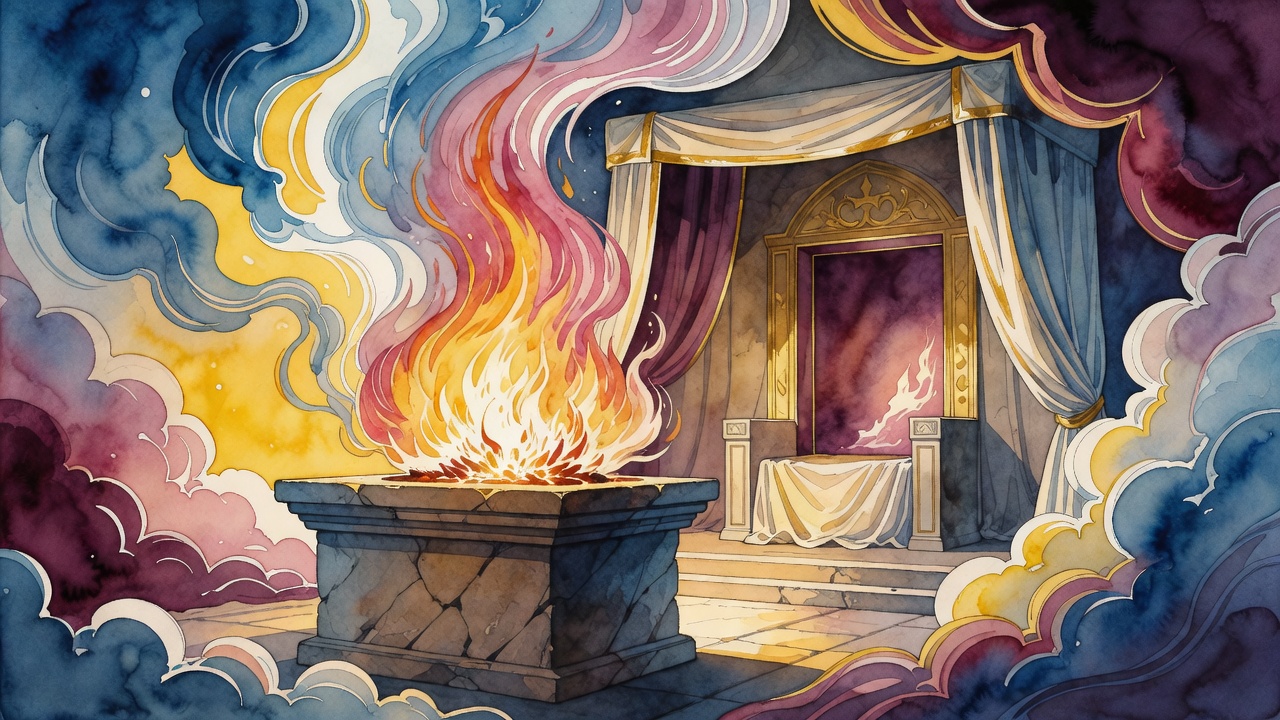
A flame from heaven lodged on Moses's altar and stayed four hundred years. In the same Tabernacle, gold was plated in one place no human eye would ever find it.
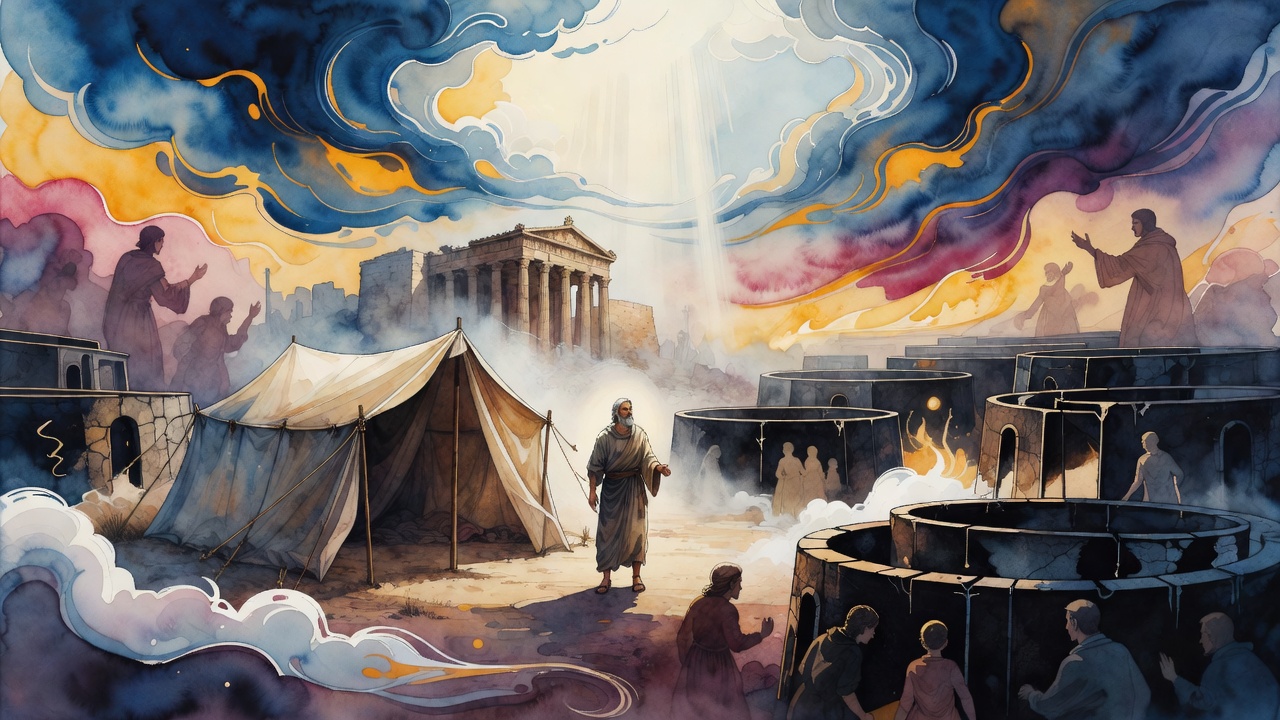
Hannah left her weaned son under curtains instead of a roof. South of the city, a father walked seven doors toward bronze hands.
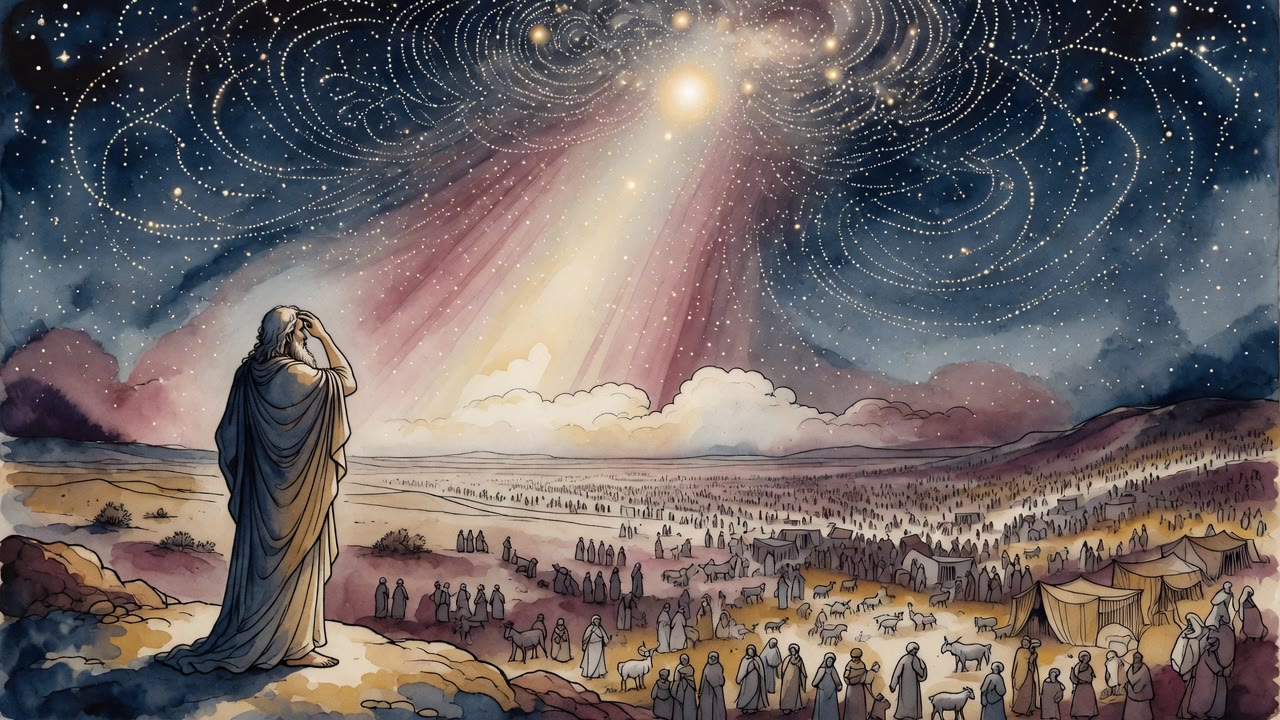
A judge swore away whatever met him first, and his daughter danced out the door. So she climbed a mountain to plead her own death before God.
