A Childhood Oath Stopped a Highwayman Cold
Two children swore they would never marry without each other's blessing. Years later, she came with gold to buy her release. He refused to take a coin.
Table of Contents
 Click for full size
The Oath Two Children Made
They were young when they made it, young enough that the oath felt like the most serious thing in the world, which is exactly how children make oaths because they do not yet know how to make them less seriously. Neither would marry without the other's agreement. It was the kind of promise that grows from the absolute trust of childhood friendships, the kind that seems unbreakable because the person making it cannot yet fully imagine the future that will test it.
Then the future arrived.
The girl's parents found her a match she loved. The wedding was being planned. The life she wanted was within reach. And the oath stood between her and all of it, as real and unmovable as it had ever been.
The Woman Who Tried to Buy Her Way Out
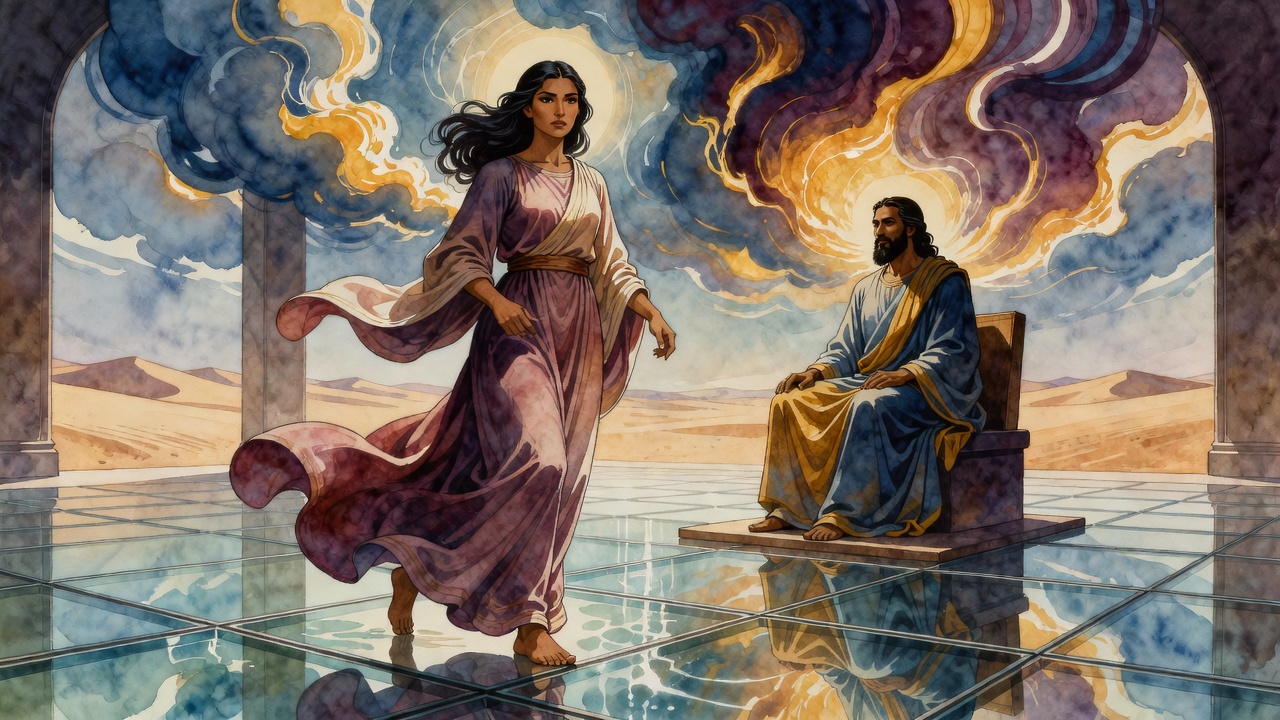
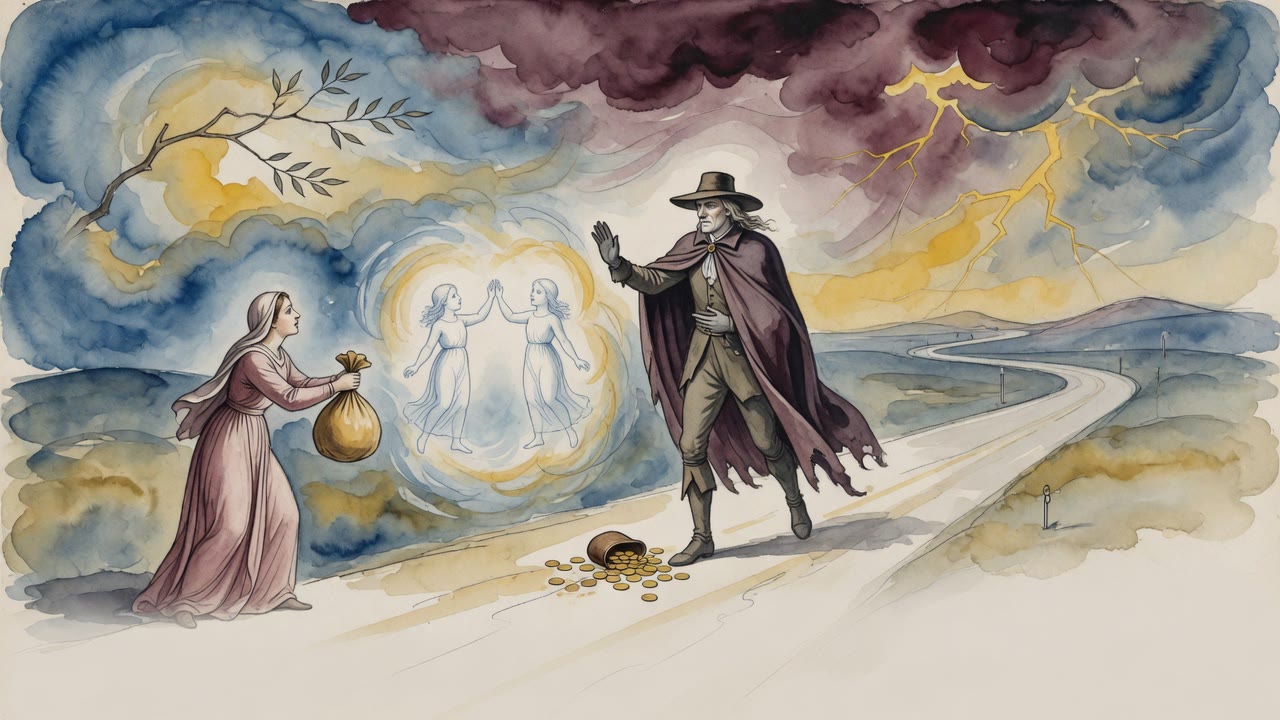
She did not pretend the oath had never happened. She did not ask a legal authority to dissolve it through a technicality, though that path was available. She gathered a large sum of gold and silver and went to find her childhood friend, not to negotiate, exactly, but to honor what they had promised each other by offering payment for her release. She wanted to buy his blessing because she thought that was the honest way to acknowledge that a promise had been made and a price was being asked to unmake it.
She found him. She explained what had happened, what she was asking, and what she was prepared to pay.
What He Did With the Money
He listened to all of it. The tradition does not hide that his feelings for her went beyond childhood friendship into something that had been waiting for a different outcome than the one that was now being announced to him. He held the gold in his hands for a moment. And then he gave it back. Every coin. Not as a gesture of wounded pride, not as a form of punishment disguised as generosity. He gave her his blessing freely. He wished her well. He sent her back with empty hands and a complete heart and asked for nothing.
The question of who among them had acted most virtuously was carried to King Solomon as a riddle from the king of Rome. The riddle was designed to force a genuine moral analysis rather than a quick instinctive answer. The obvious candidate is the young man. He gave up his feelings and his money both. Surely the answer is him.
Solomon's Answer and Why It Surprised Everyone
Solomon said it was the highwayman.
Here is what had happened on the woman's journey: she had been stopped by a robber who took the gold and silver she was carrying. She explained why she was carrying it and where she was going and what it had meant. The robber held the money, weighed it, and returned it. He would not profit from the gold of an oath-debt between two people who had kept faith with each other under the hardest possible circumstances. He let her go with the full sum intact.
Solomon's answer was not that the young man's sacrifice was small. It was that the young man acted from love, which is a motive that carries its own reward in the act. He had something to gain from generosity, even if it was only the feeling of his own rightness. The woman's husband acted correctly because the law required it of him. But the robber, the robber had nothing to gain and everything to gain by keeping the gold, and he returned it anyway, for no reason except that he recognized something in the account he could not bring himself to damage.
← All myths