Dying of Thirst, Israel Still Worried About Their Animals
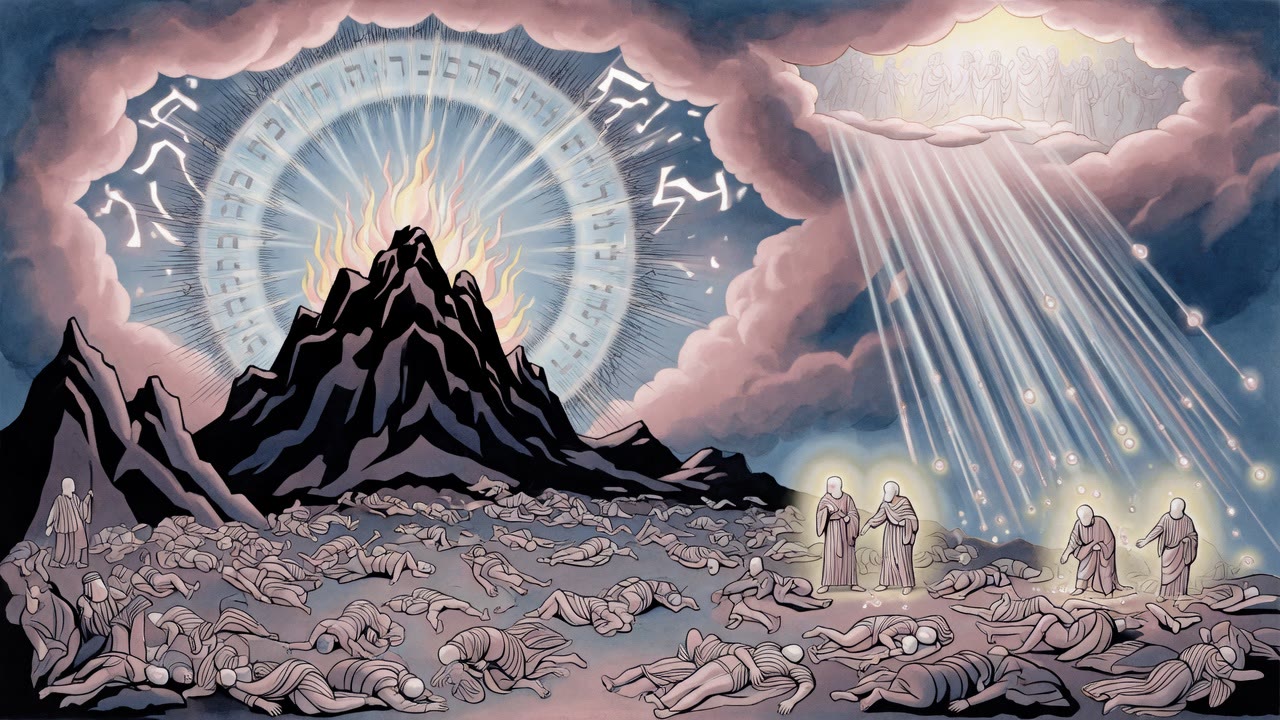
Moses and Aaron were sitting with their sister's body when God told them to get up. My children are dying of thirst, He said, and you mourn an old woman.
Table of Contents
 Click for full size
The Water Ran Out
Miriam died at Kadesh and they buried her there, and the water gave out right after.
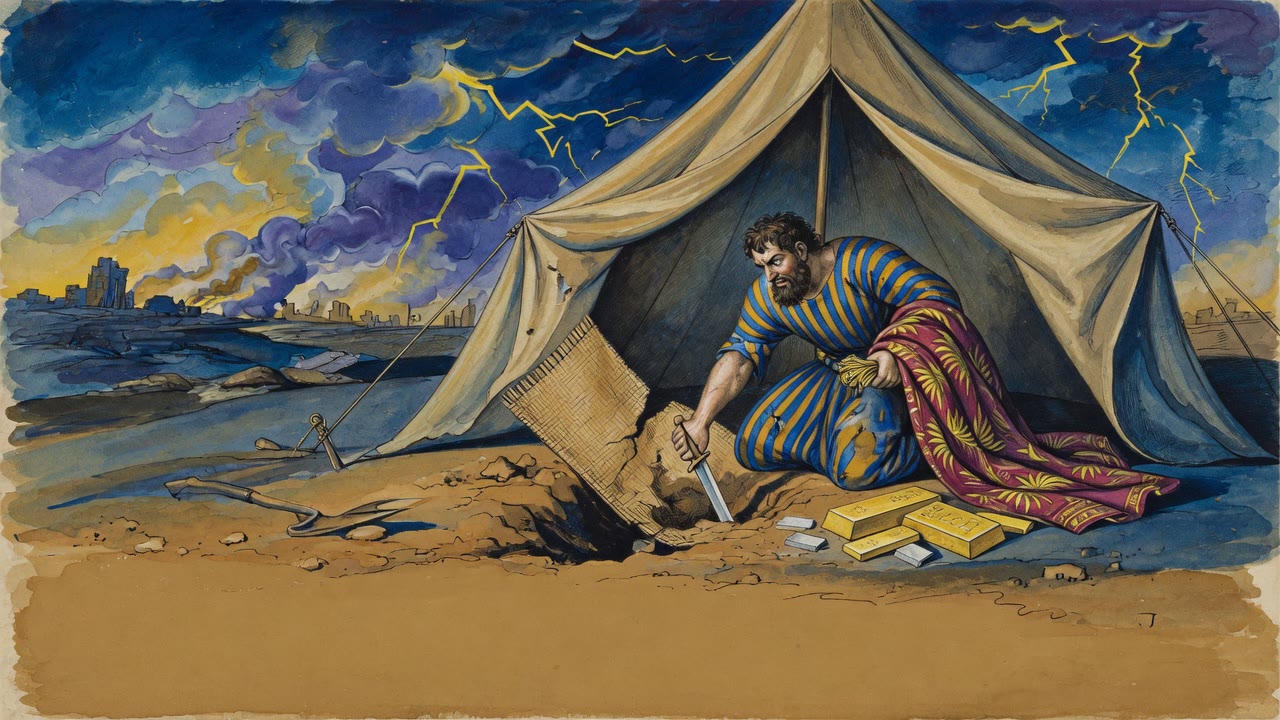
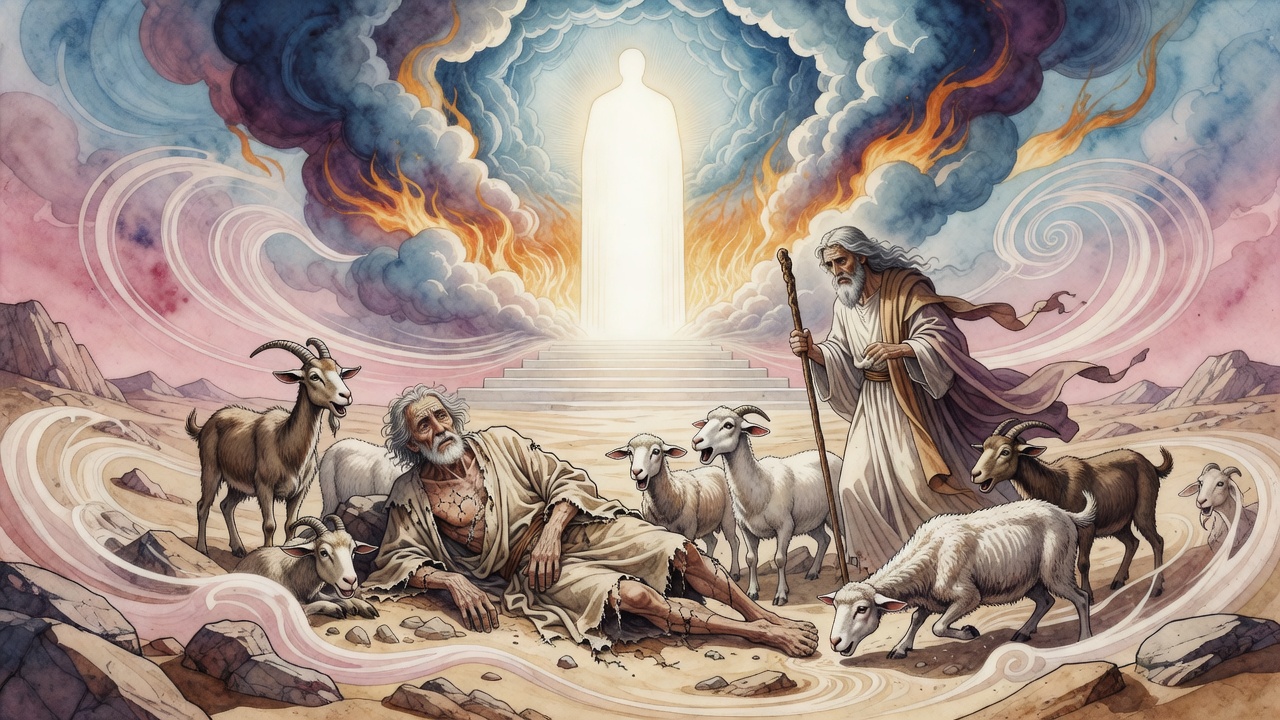
The camp came for her brothers. Not a delegation. A crowd, pressing up against the entrance of the Tent of Meeting with the noise a crowd makes when the children have stopped sweating and the goats have started going down at the knees. Why did you drag us out here. Why did you bring the assembly of the Lord into this desert. There is no grain, no figs, no vines, no pomegranates, and there is no water to drink, and we are going to die here, we and our animals with us.
Moses did not answer them. Neither did Aaron. The two of them turned and went for the sanctuary, partly to beg and partly because a man who has just been surrounded by a mob of that size takes shelter in the one place they will not follow him into.
Get Up, You Are Mourning an Old Woman
God met them at the door before they had finished falling on their faces.
"Get out of here," He said. "My children are dying of thirst and the two of you have nothing better to do than sit and mourn an old woman."
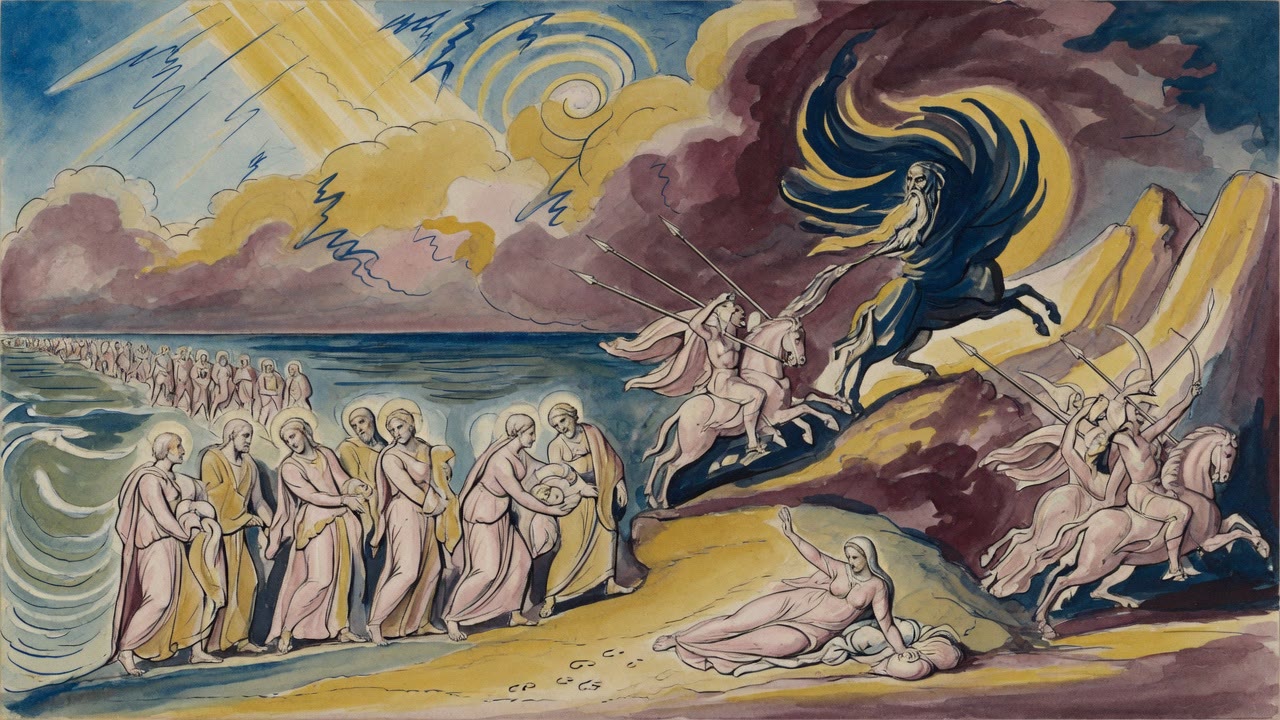
It was their sister they were mourning. She had watched the basket in the reeds when one of them was three months old. She had gone out in front of the women at the sea with a tambourine in her hand. She was newly dead, and heaven had already moved past the funeral to the six hundred thousand outside who had nothing to drink.
What Heaven Counted in the Shouting
Nobody upstairs was keeping a record of what the camp had screamed. A man is not held to account for what comes out of his mouth in extremity, and neither Moses nor Aaron had said a word back, and no charge was entered against anyone for the noise at the Tent door.
What was noticed was a phrase inside the complaint. They had not shouted that they were dying. They had shouted that they and their cattle were dying. Men that close to the end were still doing the arithmetic for the animals in their care, and a righteous man knows the life of his beast, and heaven made a note of who these people were.
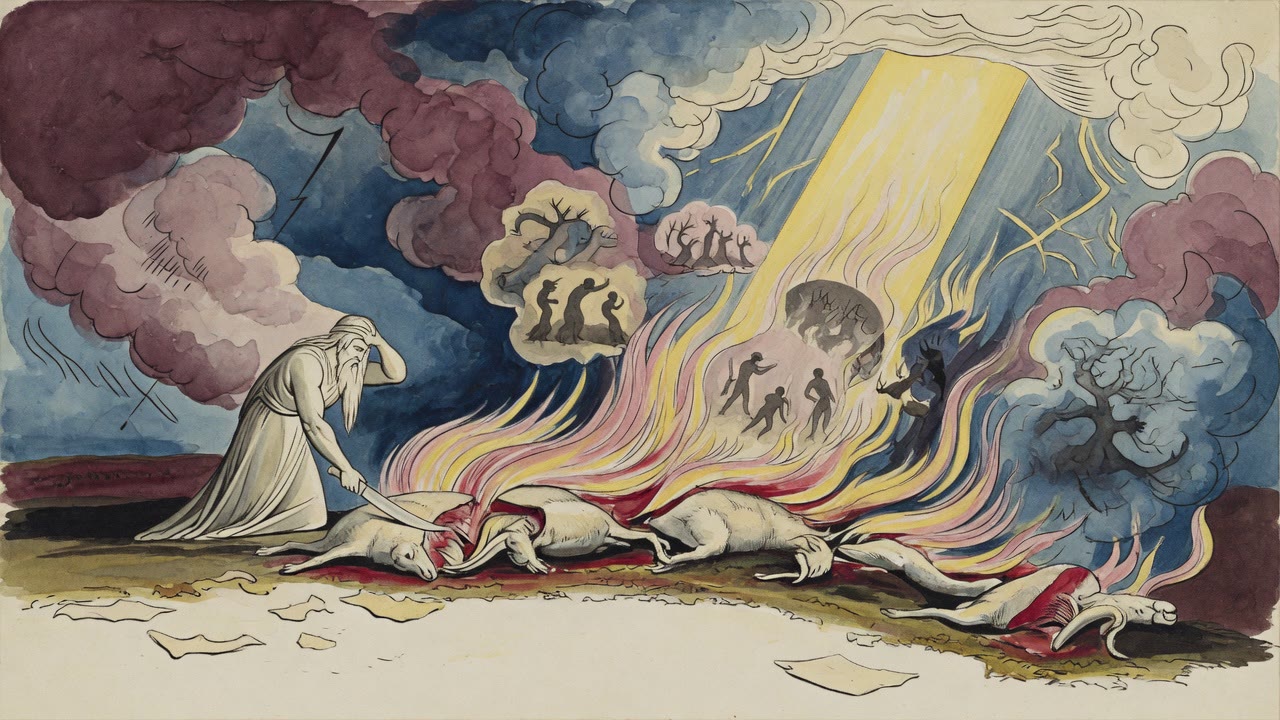
They were not easy to defend otherwise. All through those years they had gone on building private altars, each household's firstborn son slaughtering on his own stones out behind the tents, the way it had been done before the Tabernacle stood. It was forbidden by then. They kept doing it and they were struck for it, and the nations watching from the edges of the wilderness enjoyed themselves. Look, they said, they worship in His name and He kills them for it. So the order came down through Moses: any man of Israel who slaughters and does not bring it to the entrance of the Tent of Meeting, that man is cut off. Bring it here. Bring all of it here, where it can be done without getting you killed.
Of Seventy Nations, Only This One
Moses had asked about them once, and he had not asked politely.
"Master of the universe. You have seventy nations in Your world. Every order You give me is about this one. Command the children of Israel. Speak to the children of Israel. Say to the children of Israel."
The answer came back as a story about a king with a wardrobe. There was one undergarment he kept after his servant about. Fold it. Shake it out. Watch that one.
"My lord the king," the servant said, "you own a great many. You give me instructions about this one only."
"Because that is the one I wear against my skin."
Others told it differently. A king with one robe he keeps naming, because it is the robe he had on the day they crowned him, and Israel had crowned Him first, standing in the wet sand with the chariots gone under, singing that the Lord would reign forever. Or an elder with one kerchief he will not let the students handle carelessly, because it is the one he wore the day they made him an elder, and Israel had made Him theirs at Sinai, answering that everything the Lord had spoken they would do and they would hear.
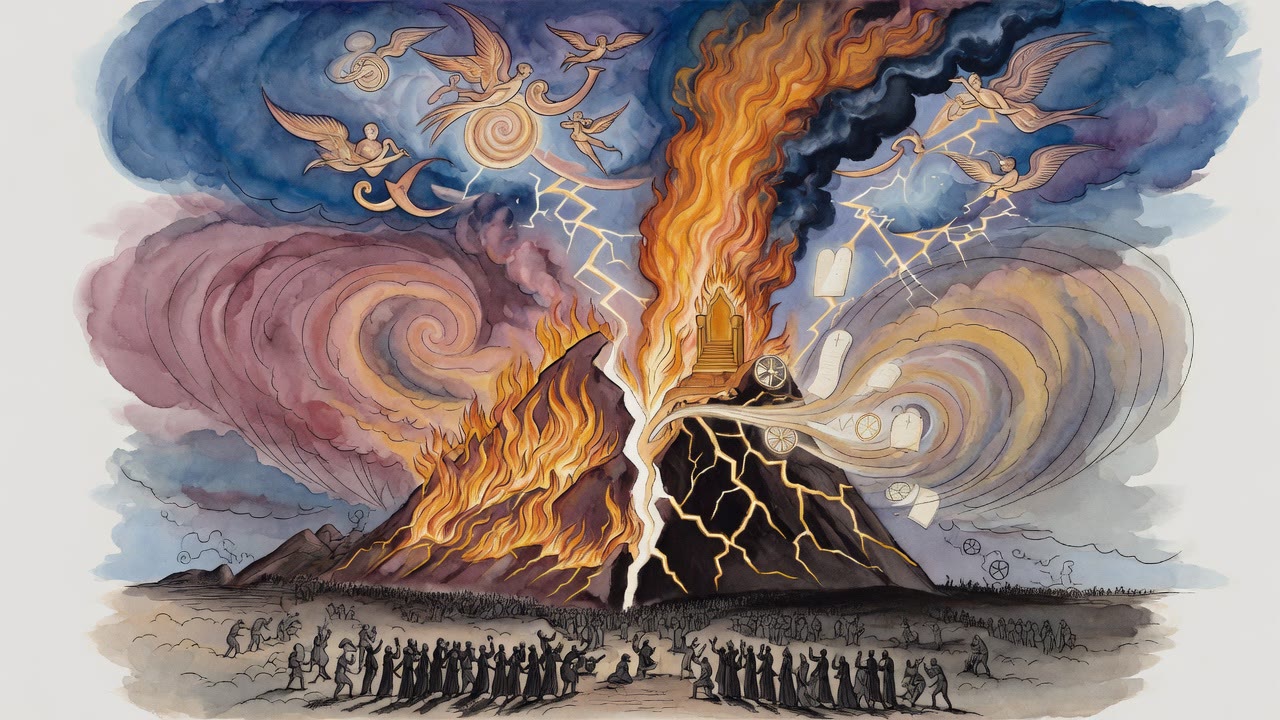
As a belt clings around a man's waist, He told the prophet, so I fastened the whole house of Israel to Myself.
Speak to the Rock
The instructions for the water were oddly specific.
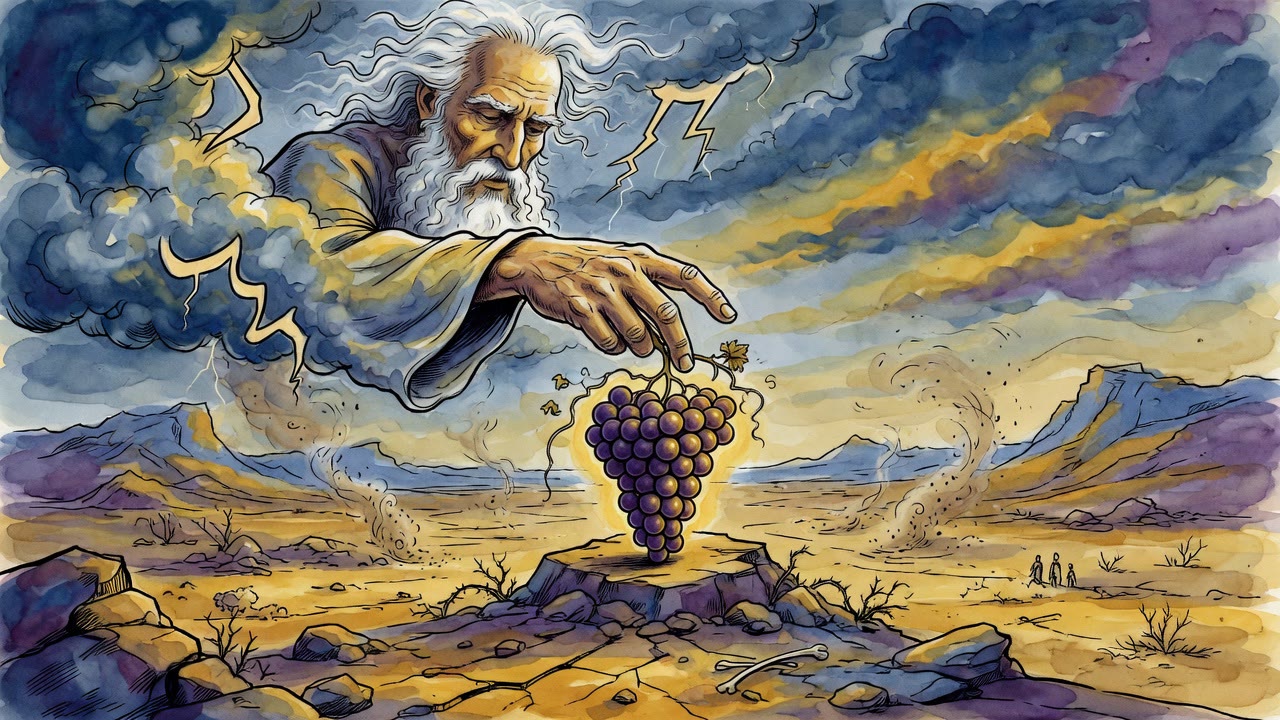
Speak to the rock. Do not strike it. Bring out water and only water, not oil, not honey, because anyone can argue that oil was already inside the stone, and no one can argue that about water that never was.
And the reason the stone would give at all had nothing to do with the men shouting outside. It was owed to the patriarchs asleep in the cave at Machpelah, whose merit was enough to put water in the mouths of their descendants in a desert generations down the road.
Moses came out of the Tent with his staff in his hand and the whole assembly waiting in the sun.
← All myths