Abraham Invented Sukkot by Accident Near the Well of the Oath
Long before Moses, Abraham built booths and burned seven incense species near Beersheba. Jubilees calls him the first to celebrate the feast.
Table of Contents
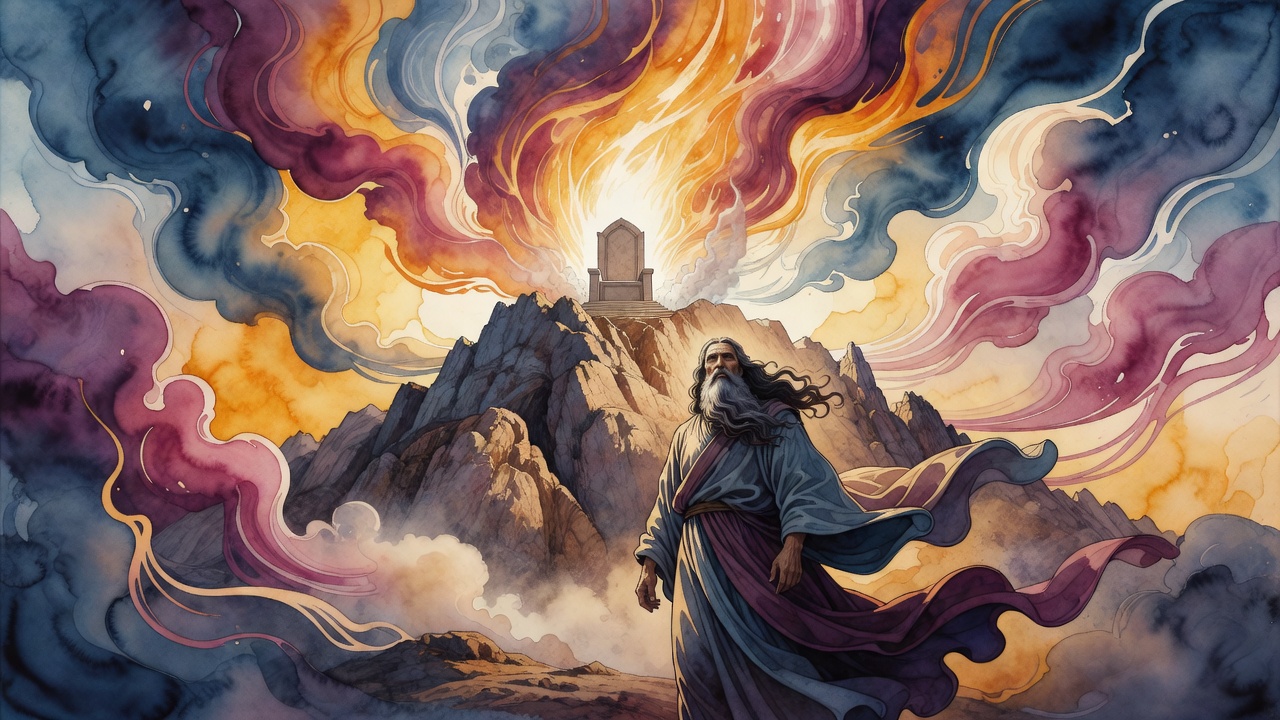
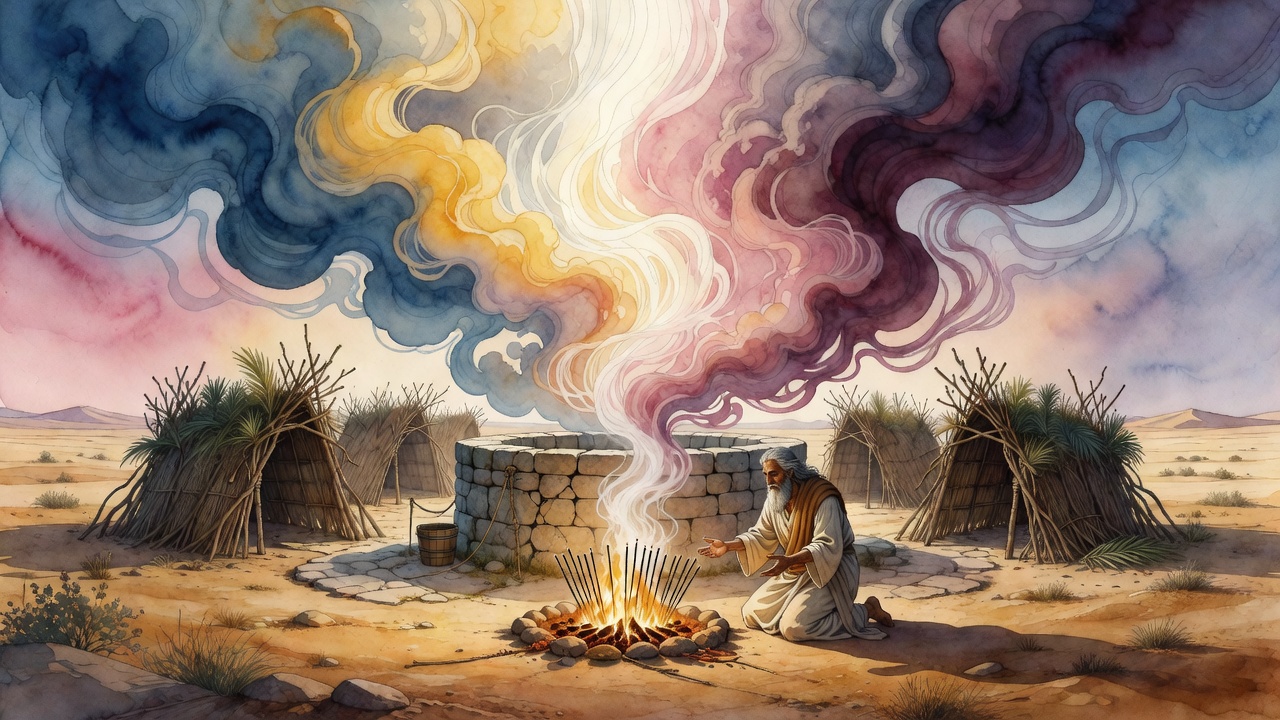
Near the Well of the Oath, long before any commandment had named the autumn festival, Abraham built booths for himself and his servants, gathered his household, and spent seven days rejoicing with all his heart and all his soul. He did not know he was inaugurating a feast that would be observed for thousands of years. He did what the moment asked, and the Book of Jubilees says that was how Sukkot began.
 Click for full size
The second-century BCE Jubilees, composed in Hebrew and preserved in Ethiopic translation, has a consistent argument to make about Jewish practice: the commandments were not invented at Sinai. They were discovered, one by one, by the patriarchs who lived them out before they were formalized. Abraham did not celebrate Sukkot because Moses told him to. He celebrated it because the harvest was in and the season called for acknowledgment and the pattern of seven days felt right. The law arrived later, to make official what had already been practiced.
The Seven Species of Incense
The celebration Jubilees records was meticulous. Abraham built an altar. He offered burnt offerings: seven rams, seven kids, seven sheep, seven he-goats, along with their meal offerings and drink offerings. He burned fragrant substances every morning and every evening for all seven days. The incense was not a single substance but a compound of seven species crushed together in equal proportions: frankincense, galbanum, stacte, nard, myrrh, spice, and costum. The precision suggests ritual knowledge that did not come from improvisation. Abraham knew what he was doing even if he did not yet know what the law would later call it.
He rejoiced. He built booths for himself and for his servants. He stood at the altar morning and evening. And Jubilees states plainly: he was the first to celebrate the feast of booths on earth.
The Altar on Moriah That Connected Them All
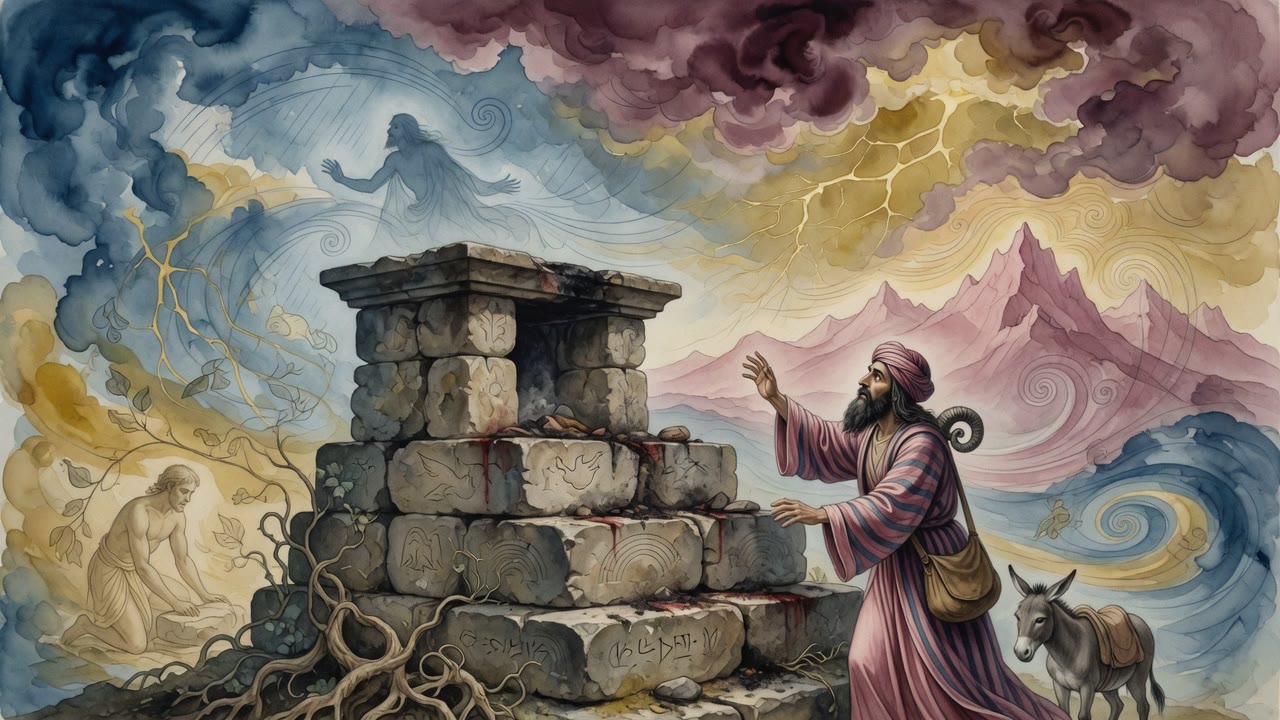
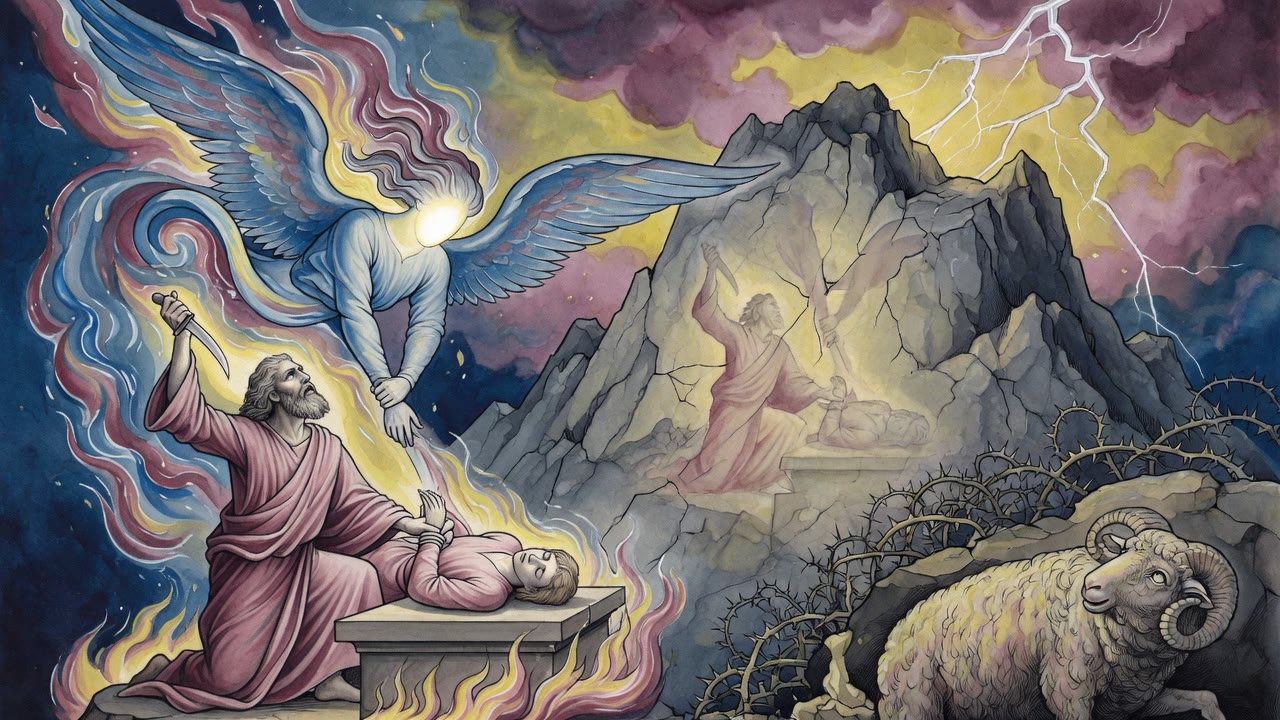
The tradition also records that the altar Abraham built on Mount Moriah for the binding of Isaac was not new ground. It was the same altar that Adam had built, and that Noah had rebuilt after the flood, and that Abraham's grandfather Shem had used. The mountain was already marked. The tradition of sacrifice on that spot was older than Abraham himself, reaching back to the first human being who had brought an offering to God. Abraham did not choose Moriah by accident. He recognized the place. The ground remembered what had been done on it.
When fire came down from heaven and consumed the burnt offering on Moriah, Abraham called the name of the Lord there and was told that the place would be called forever the mountain of the Lord's blessing. The connection between the altar on Moriah and the booths near the Well of the Oath is not incidental in the Jubilees chronology. Both are instances of Abraham practicing what will later be commanded: one becomes the Akeidah, the other becomes Sukkot.
The Seven Days and What They Cost
The Jubilees calendar is precise about duration: the feast of booths lasted exactly seven days, as the later Sinai commandment would also specify. Seven days of incense morning and evening. Seven kinds of animals offered. Seven species of fragrant substance burned together. The number seven in Jubilees is never accidental. It marks what is sacred. A week is a week because creation was a week. A feast that lasts seven days is drawing on the same structure that underlies all of time in Jubilees' cosmology. When Abraham spent seven days near Beersheba burning incense and living in booths, he was not performing a personal piety. He was enacting the pattern that God had built into the year from the beginning.
What the Feast Was For
The commandment for Sukkot in the Torah tells Israel to dwell in booths for seven days and remember that God made Israel dwell in booths when He brought them out of Egypt. The reason given is historical and memorial. But Jubilees offers an older reason, embedded in what Abraham did near Beersheba: the feast is for rejoicing. It is for sitting under the open sky with your household, with the harvest gathered and the hardest months of the year still ahead, and choosing to be glad in it.
Abraham did not choose to be glad because he was commanded to. He chose it because he had arrived near the Well of the Oath with everything that mattered to him intact, his God, his household, his faith, and the appropriate response was seven days of incense and fire and booths in the open air, morning and evening, rejoicing with all his heart and all his soul.
← All myths