What Kind of Offering Did Abel Bring Before the Torah Existed
Did Abel bring a peace offering before the Torah was given? A Talmudic debate over one Hebrew word reshapes everything about sacrifice before Sinai.
Table of Contents
 Click for full size
The Offering That Was Not From the Refuse
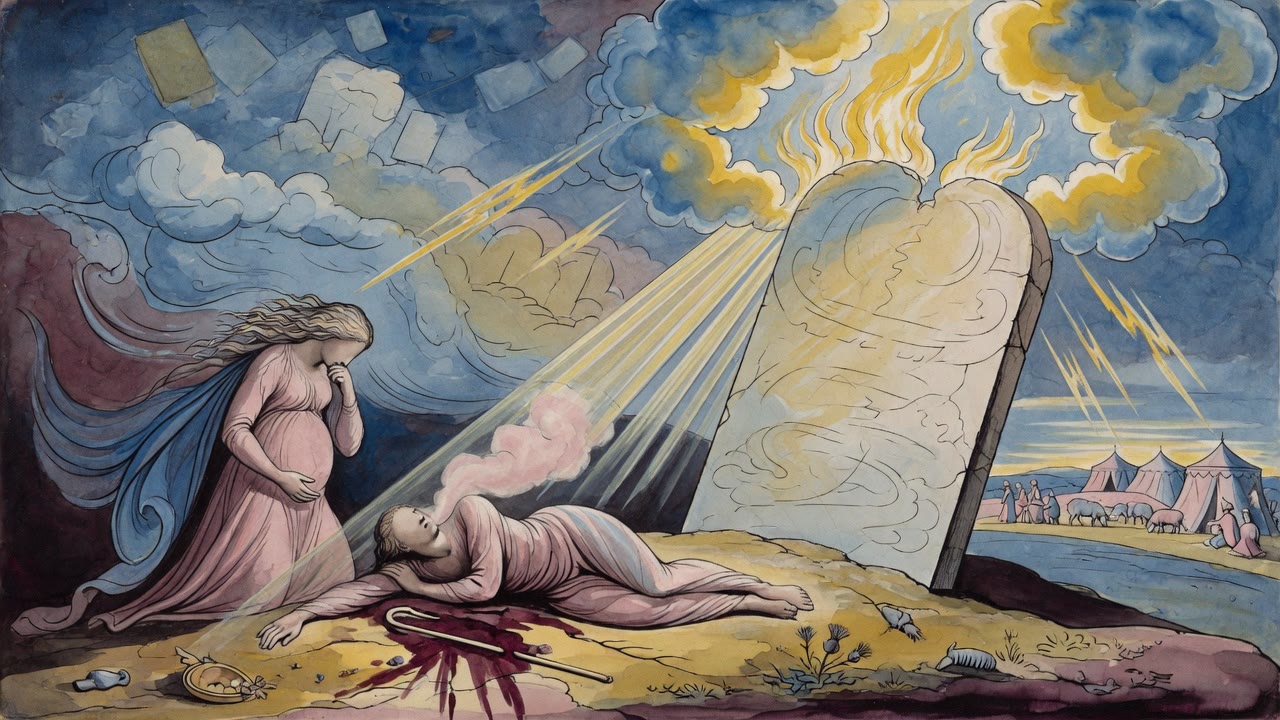
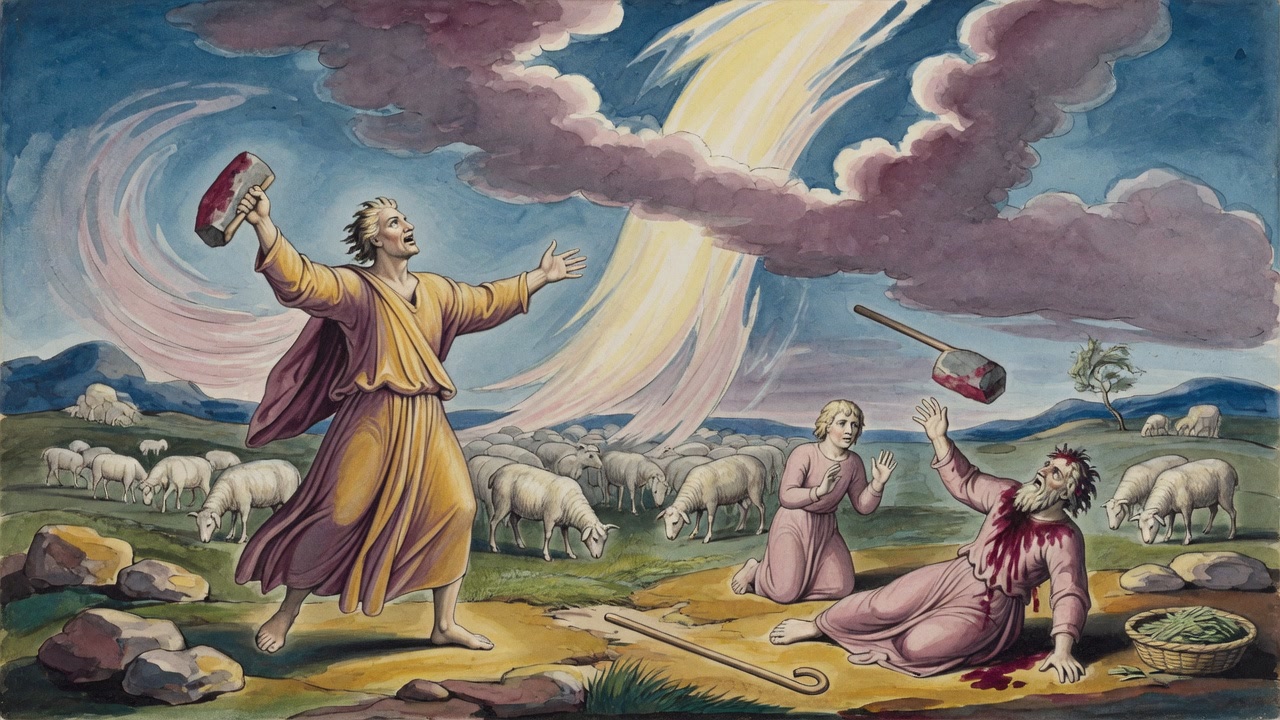
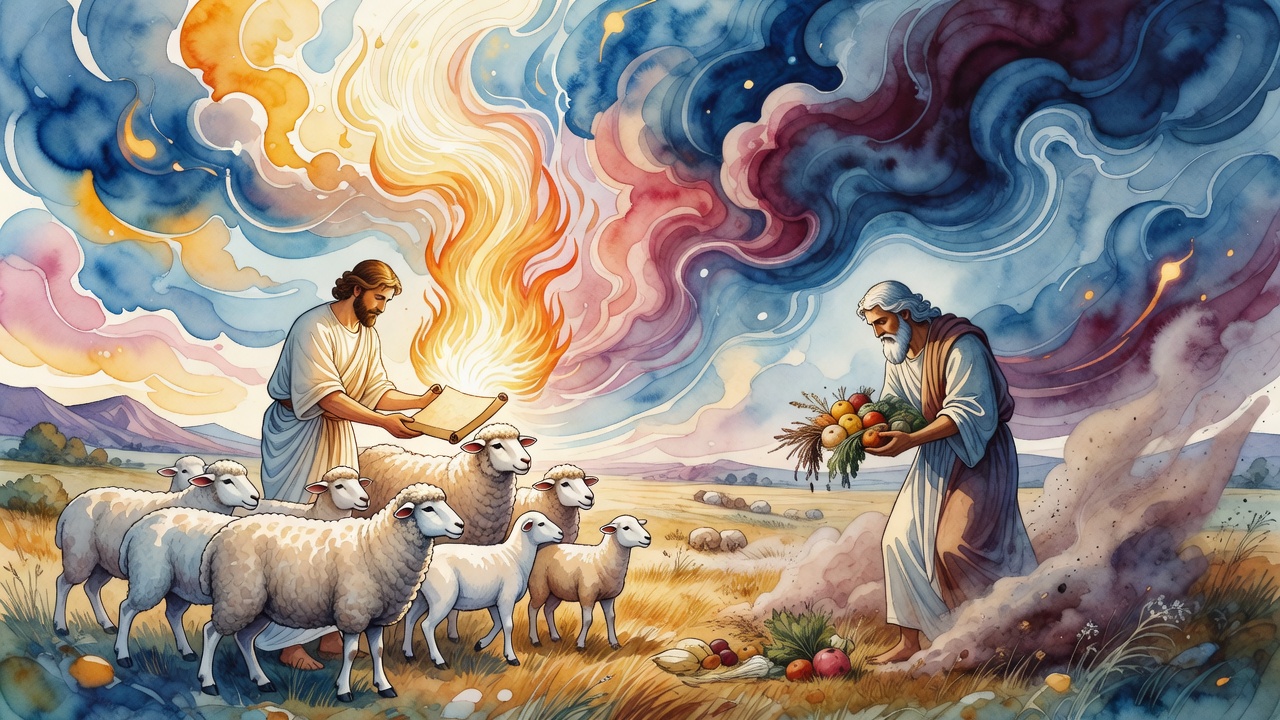
Cain brought an offering from the fruit of the ground. Bereshit Rabbah, the fifth-century CE Palestinian midrash on Genesis, is direct about what this meant: it was from the refuse. The image given is a malevolent sharecropper who eats the ripe fruit himself and hands the landlord the unripe remainder. Cain gave God the worst of what he had. The form of the offering was correct but the spirit was inverted.
Abel brought from the firstborn of his flock and from their fat portions. The contrast is built into the language: priority and quality against refusal and contempt. God turned to Abel's offering and away from Cain's. The rejection of Cain was not capricious. The text carried the reason inside itself for anyone who read carefully enough.
But the rabbis found something lodged in the phrase "fat portions" that opened a much larger question. The Hebrew word is mehelvehem, from the root helev, a specific kind of fat that Torah law requires to be separated out and burned on the altar as a sacred portion during a peace offering. That detail changed the whole legal dimension of what Abel had done.
The Debate Between Rabbi Elazar and Rabbi Yosei
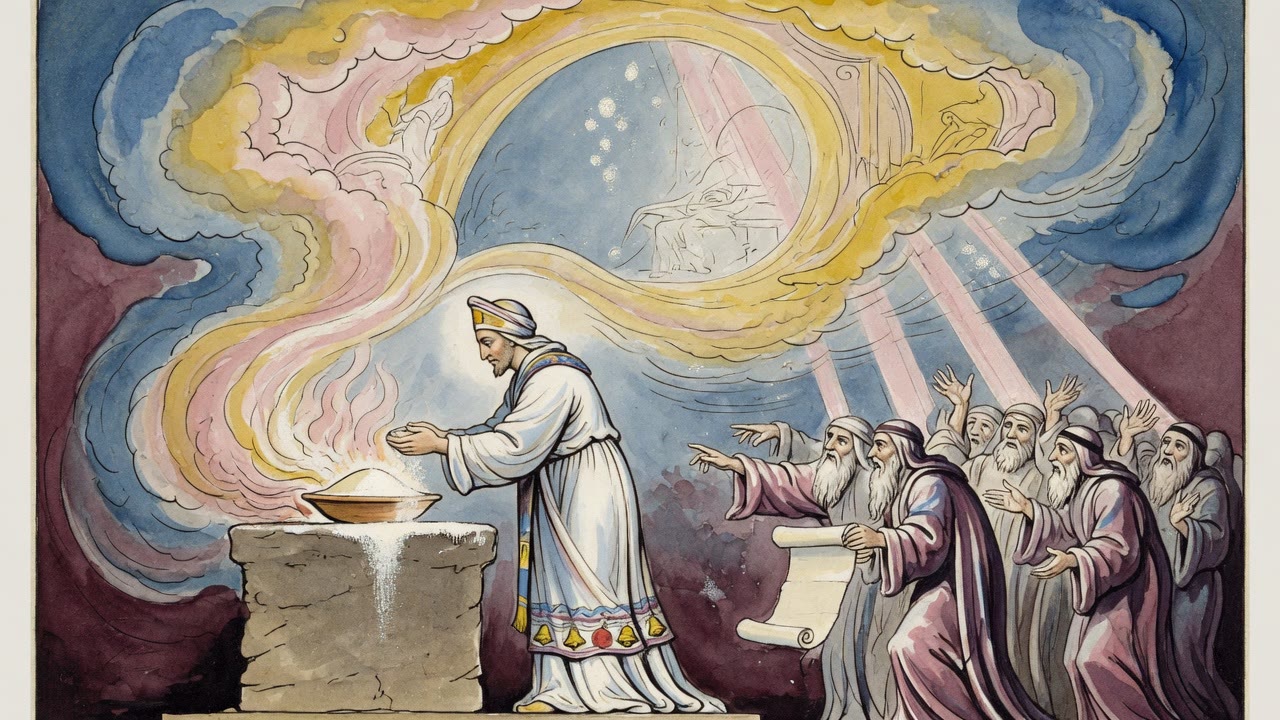
Vayikra Rabbah, the midrashic anthology on Leviticus shaped in the fifth century CE, records a dispute between Rabbi Elazar and Rabbi Yosei bar Hanina about the nature of sacrifice before Sinai. The question was technical and consequential: did the descendants of Noah, meaning all humanity before the giving of the Torah, offer only burnt offerings, or did they also offer peace offerings?
A burnt offering is consumed entirely by fire. Nothing is divided. Nothing is shared. The whole animal goes up in smoke to God. A peace offering is structured differently: the fat portions and certain organs go to the altar, the priest receives designated portions, and the remainder is returned to the one who brought the offering, to be eaten in a state of ritual purity. A peace offering is a shared meal. It assumes a relationship between the offerer and God that is not merely one of submission and holocaust.
Rabbi Elazar argued that Abel brought a peace offering, citing the word mehelvehem. If Abel separated the fat portions specifically to burn on the altar and kept the remainder, he was performing the structure of a peace offering before the Torah had been given and before any priest stood to receive his portion. Rabbi Yosei bar Hanina disagreed: before Sinai, only burnt offerings were permitted. The word mehelvehem means the choicest of the fat animals, not fat separated out according to later sacrificial law. Abel chose the best of his flock, the ones with the most fat, and burned the whole animal.
What Is at Stake in the Disagreement
The dispute is not merely taxonomic. The peace offering structure assumes that the offerer retains a share, that the relationship between a human being and God includes something the human being carries back. A world of burnt offerings only is a world where every encounter with the divine is total surrender. A world where peace offerings were offered before Sinai is a world where the relational structure of sacrifice, the shared meal, the portion held back in sanctity, predates the Torah's formal codification of it. It was already present in the first good offering ever brought.
Rabbi Elazar's reading of Abel is more generous to humanity before the covenant. It says that Abel already understood, without being taught, what kind of offering opens a real relationship. He separated the portions that would later be formalized at Sinai because he knew instinctively what the later law would articulate in writing. The first shepherd who ever brought an offering to God brought it in the right form.
Cain and the Question the Murder Could Not Answer
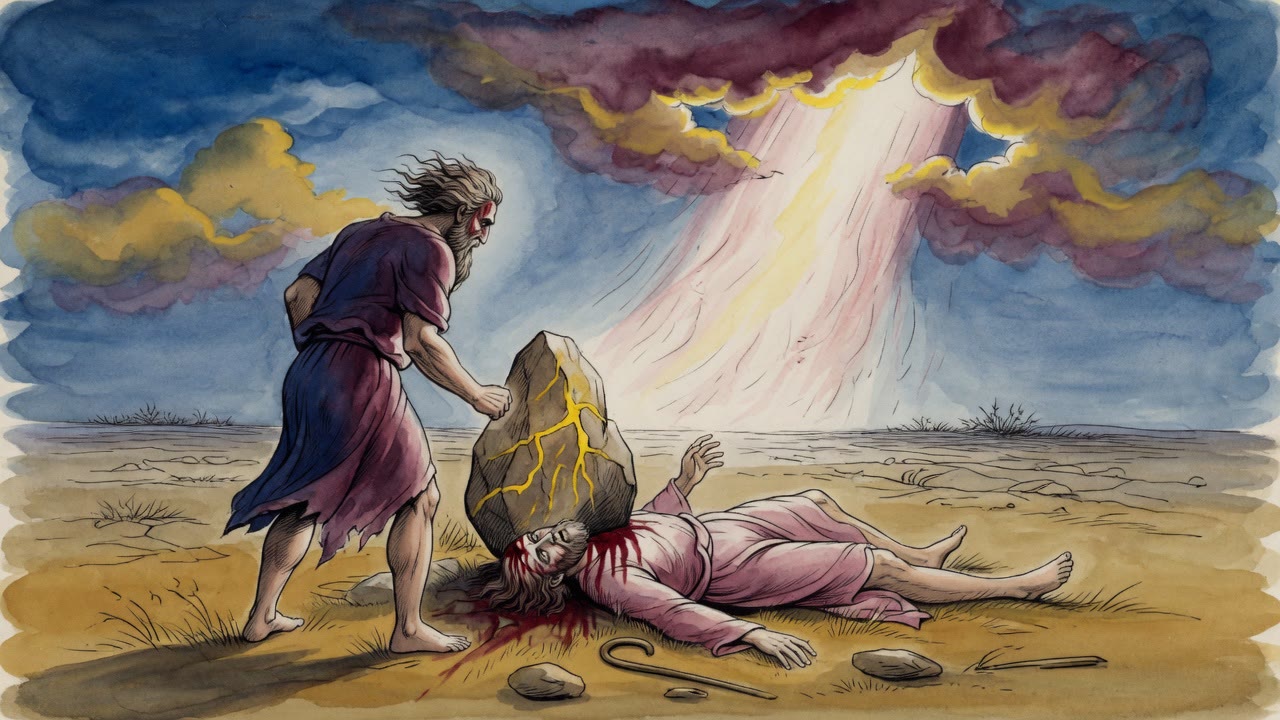
The debate about Abel's offering type sits inside the larger story of Cain's murder, and the contrast sharpens the killing. Cain brought the wrong kind of offering in the wrong spirit and it was rejected. He did not respond to rejection by examining what he had given. He responded by removing the one whose offering had been accepted. The murder is the ultimate version of Cain's original error: instead of giving better, he took away.
Whether Abel brought a burnt offering or a peace offering, the rabbis agreed on what distinguished it from Cain's. Abel gave from priority and quality. Cain gave from remainder and contempt. The legal argument about helev fat is a way of pressing into the exact texture of what "quality" meant in the first offering ever accepted, not just better cuts of meat, but the right structural relationship between the one bringing and the one receiving.
← All myths