Moses Climbed Sinai Twice and Both Times Learned the Blood Laws
The ruling Moses carried down the second time was about blood from a household slaughter. Pour it on the ground like water from a jug. Cover it with earth.
Table of Contents
 Click for full size
The Learning He Had to Do Twice
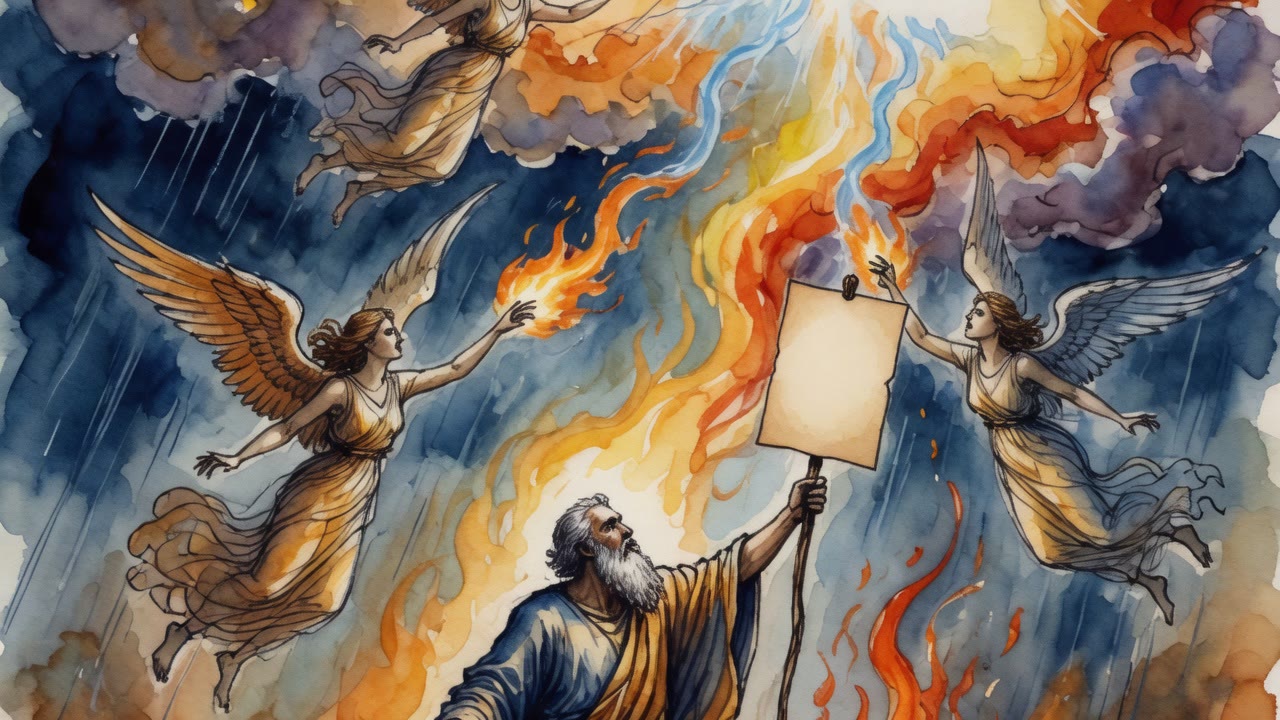
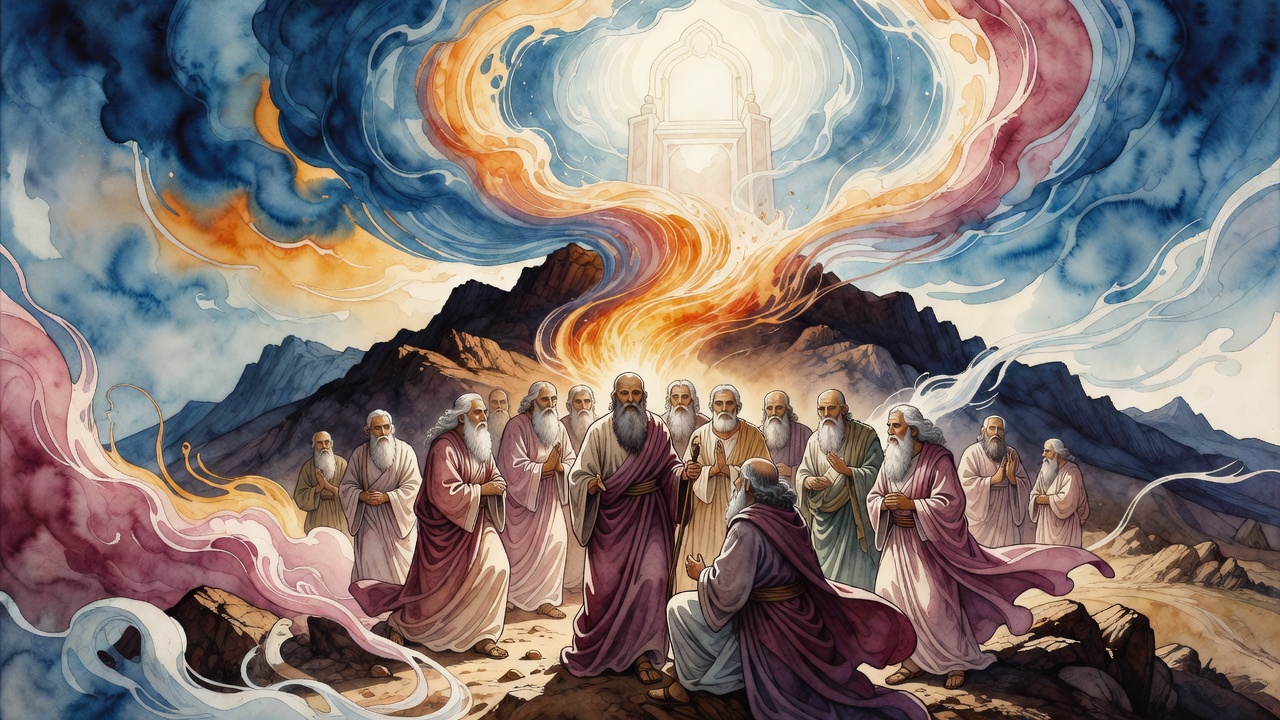
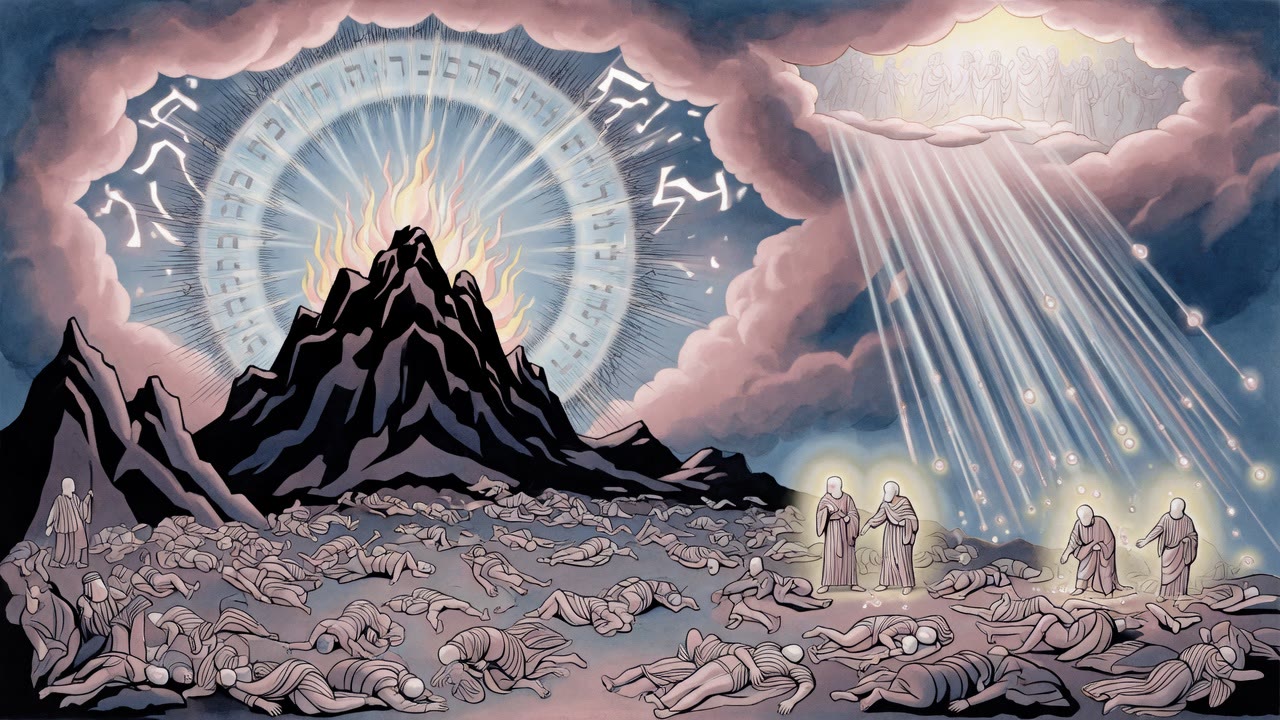
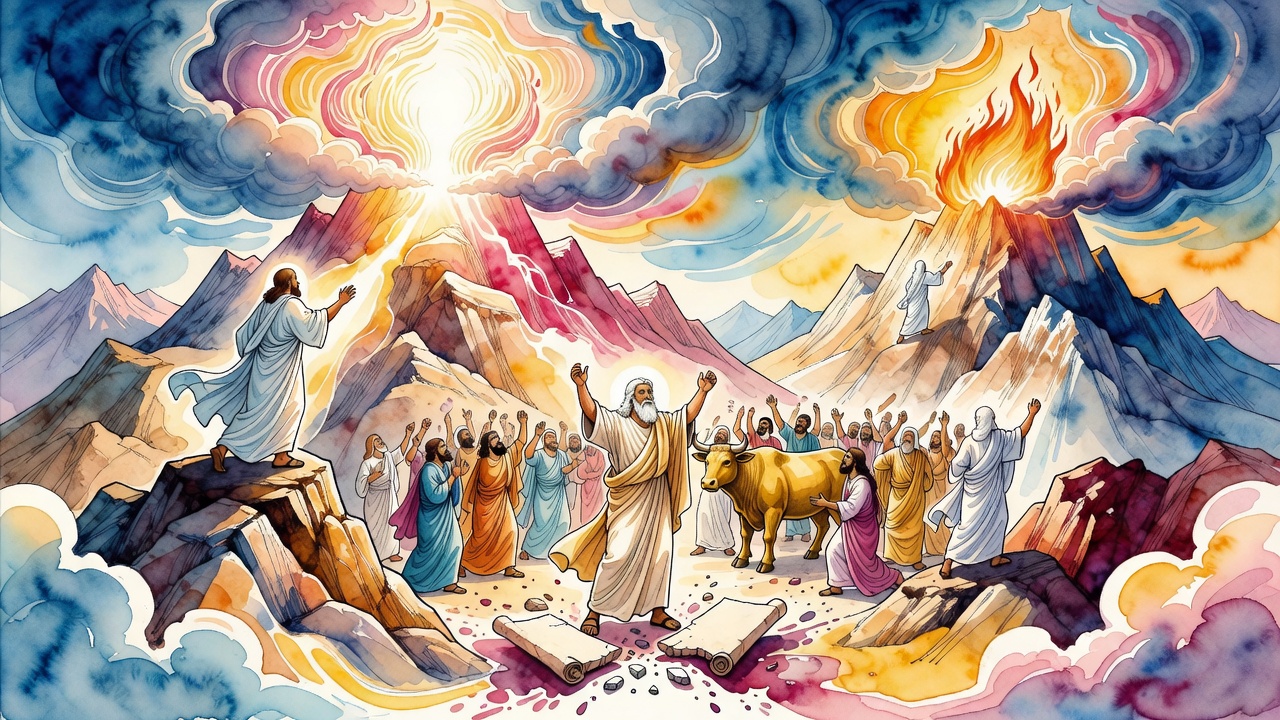
Moses spent forty days on Sinai the first time. He came down to find a calf made of gold and a people dancing before it. He shattered the tablets. He went back up and spent forty more days learning what he had already learned once, from the beginning.
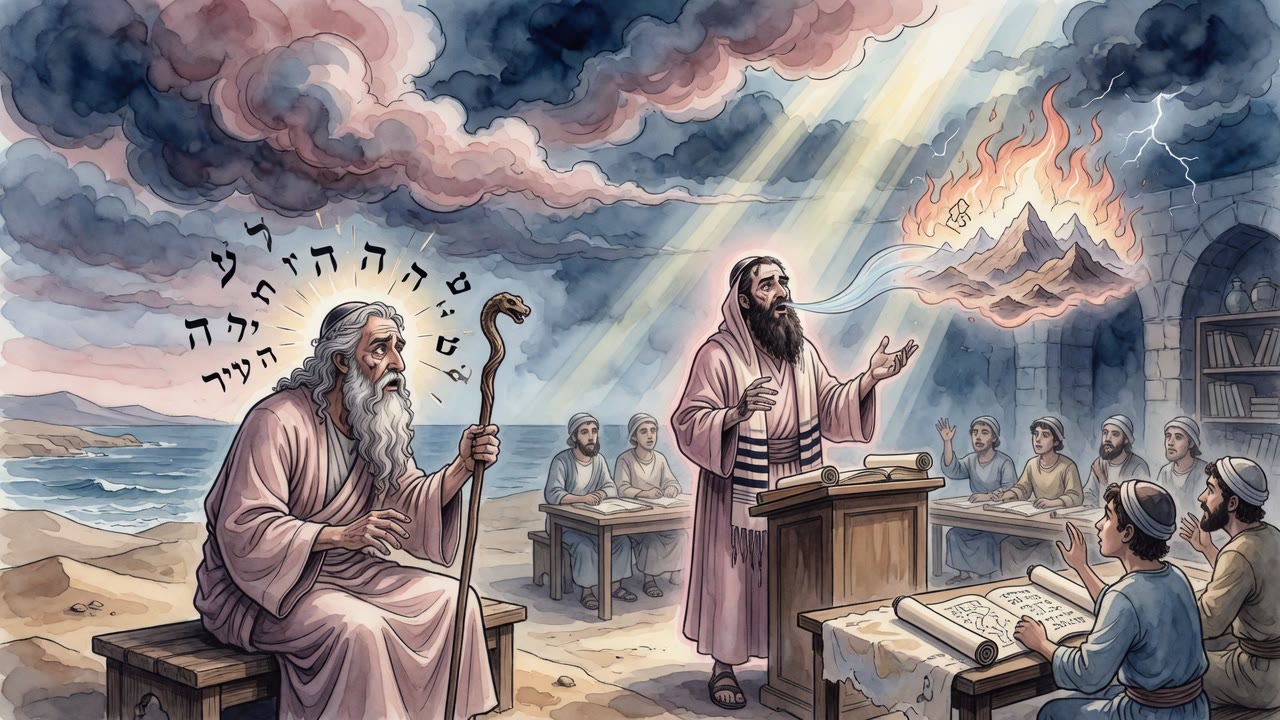
The teachers of Roman Palestine preserved one specific piece of what he carried down the second time: a legal ruling about blood. When an animal is slaughtered outside the sanctuary, in an ordinary household after Israel is settled in the land, the blood must be poured out on the earth like water. Not burned on the altar. Not sprinkled in a ritual. Poured, the way one pours water from a jug, casually and completely, letting it run into the ground and be done with it.
The comparison is not decoration. It is the ruling. Blood outside the sanctuary occupies the same legal position as water in ordinary life. Free to use for washing, to draw from wells, to let drain into the earth without ceremony. You may not drink blood. But you do not treat it as a sacred substance when the altar is not part of the transaction. Pour it out. Cover it with earth. Move on.
What the Water Analogy Actually Teaches
The teaching presses the comparison further. Just as water carries no inherent sanctity but can render seeds susceptible to ritual impurity when it falls on them, blood from a non-sacred slaughter has a similar capacity. It is not holy in the way altar-blood is holy, but it is not nothing either. It occupies a middle category: legally irrelevant for sacrifice, not legally inert in every other context.
This is the kind of precision that requires forty days to understand properly. Not because the words are complicated, but because the categories they describe cut across intuition. People tend to think of blood as either forbidden or sacred. The ruling says it can be neither, depending entirely on context.
Why the Shechinah Stays in the Land
The Sifrei teaches elsewhere that the divine presence does not reveal itself outside the land of Israel. Jonah understood this. When he fled toward Tarshish, he was not trying to outrun God's knowledge; he knew the psalms that say where can I flee from Your presence, if I ascend to heaven You are there. He was trying to remove himself from the arena in which prophecy was possible. Outside the land, the communication channel closes. He succeeded in stopping the prophecy, at least briefly, and failed at everything else.
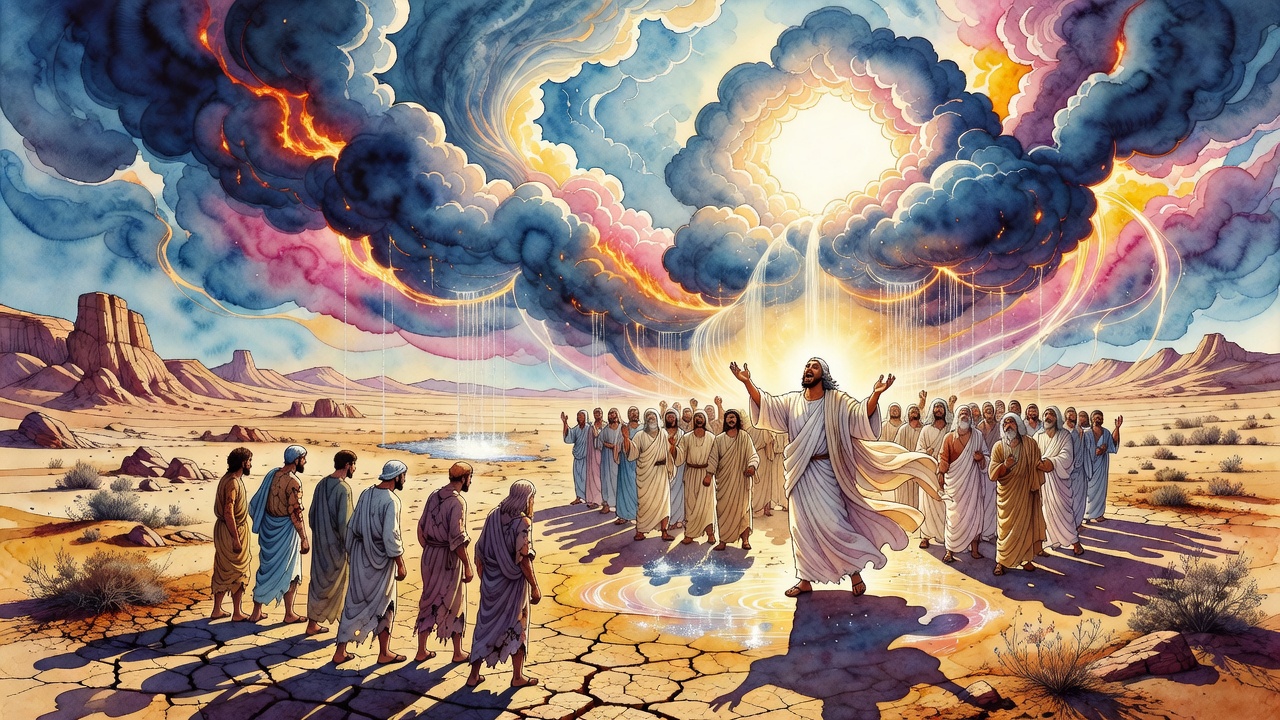
Moses received the blood laws on Sinai, inside the land's gravitational field, during one of the most intense periods of divine proximity in the Torah. The ruling he carried down was not abstract theology. It was a practical instruction about how ordinary people in an ordinary settlement would handle the blood of animals they killed for food. The gap between Sinai's fire and a household slaughter at the edge of a Canaanite town is enormous, and the law bridges it by treating the blood with neither reverence nor carelessness but with the matter-of-fact respect the category deserves.
Learning the Same Torah Twice
The fact that Moses had to learn it twice is not emphasized in the text. But it is there. The first tablets shattered at the foot of the mountain. The second tablets replaced them after another forty days. Every tradition, every ruling, every application that Moses received the first time he received again. The golden calf did not destroy the Torah. It only required the Torah to be re-given.
There is a kind of stubbornness in this arrangement that the sages admired. The covenant was not revoked by the people's failure. It was restarted. God told Moses to carve new tablets and come back up. The blood laws Moses taught Israel about household slaughter were laws he had learned twice, in the smoke and thunder of a mountain where a people was being made and remade in the same generation.
← All myths