255 myths · Page 1 of 9
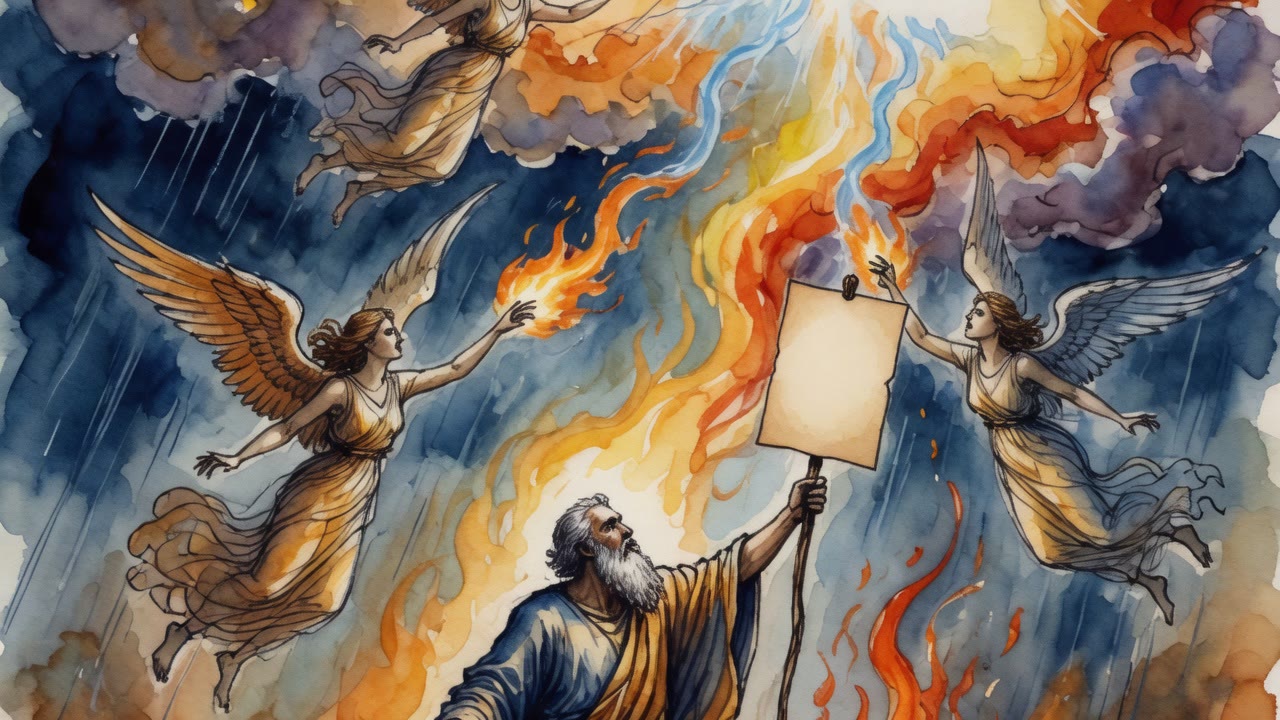
An angel named Hadarniel blocked the road, and Moses wept in the cloud like a lost child. Then he gripped the Throne of Glory with both shaking hands.
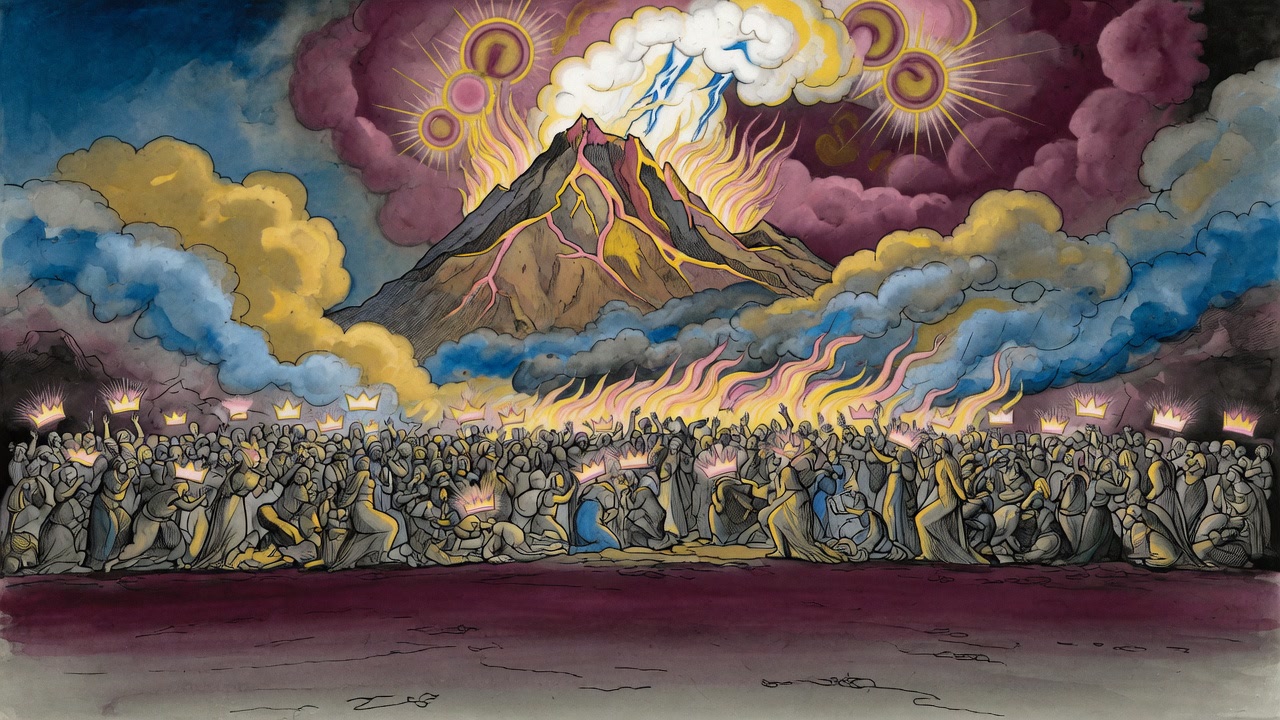
At Sinai, Israel said na'aseh v'nishma, doing before hearing, and heaven answered with crowns, terror, and a mountain overhead.
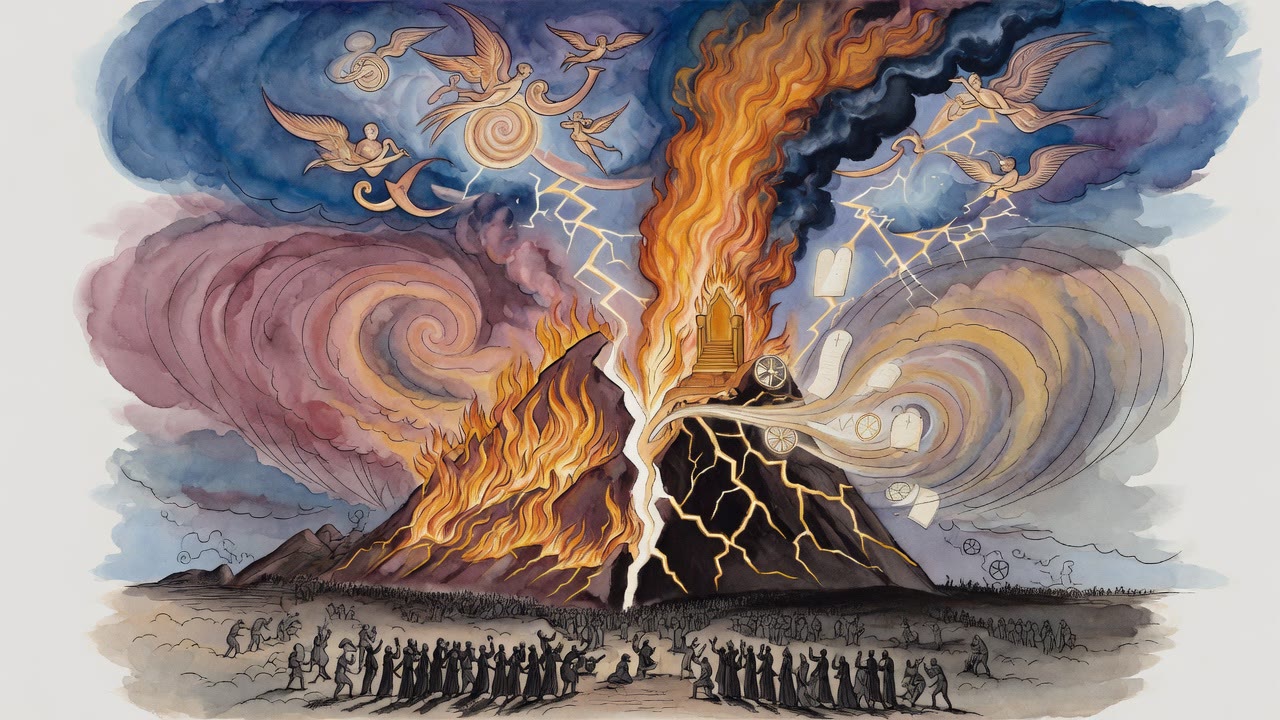
The first word emptied them. Angels pushed the bodies twelve mil back to the mountain. Dew had to fall before they could hear the second.
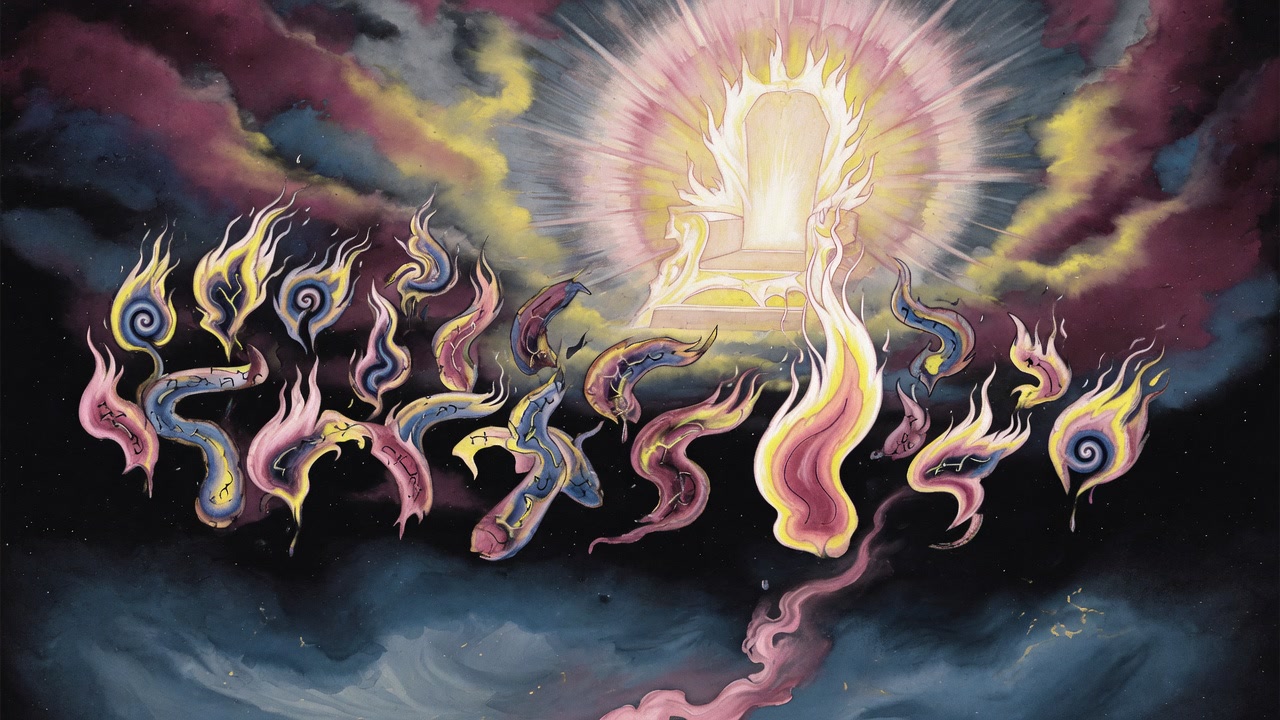
Tav claimed the first morning of the world. God sent it back. Death already sat in that letter, waiting to be pressed into a forehead.
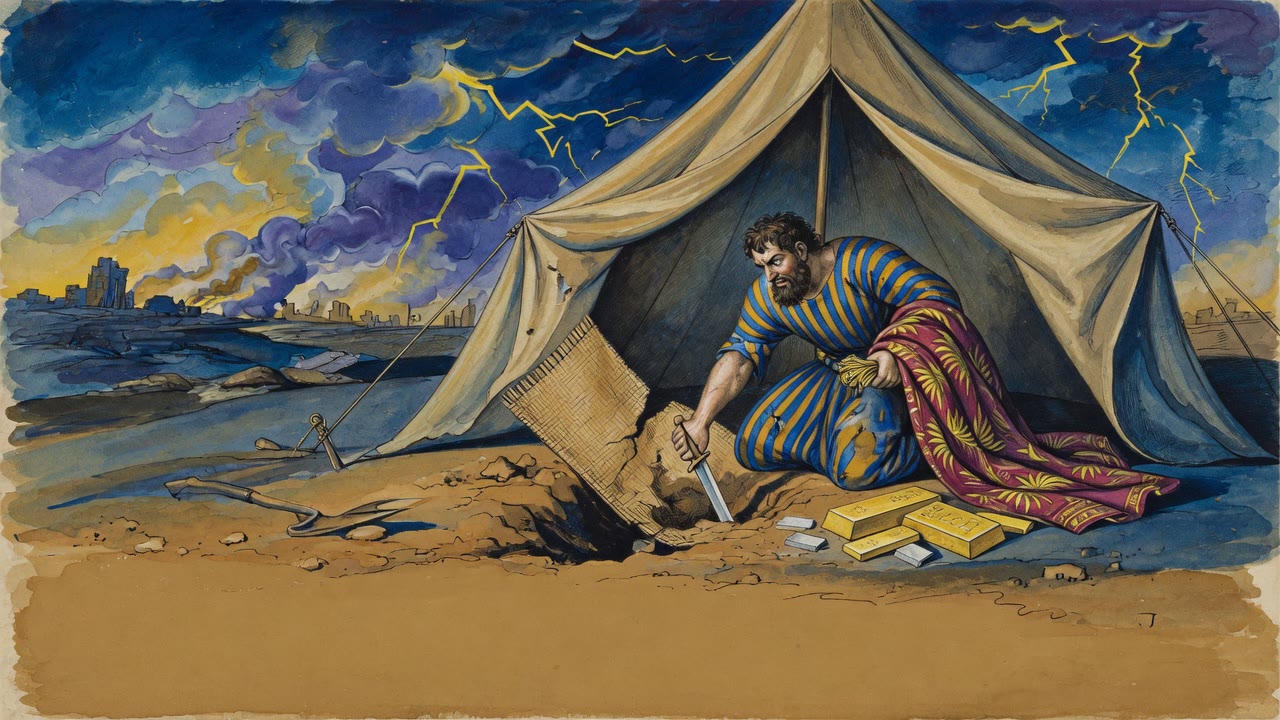
Jericho fell without a siege, so its spoils were sacred. One man decided otherwise, buried them in his tent floor, and thirty-six men died at Ai.
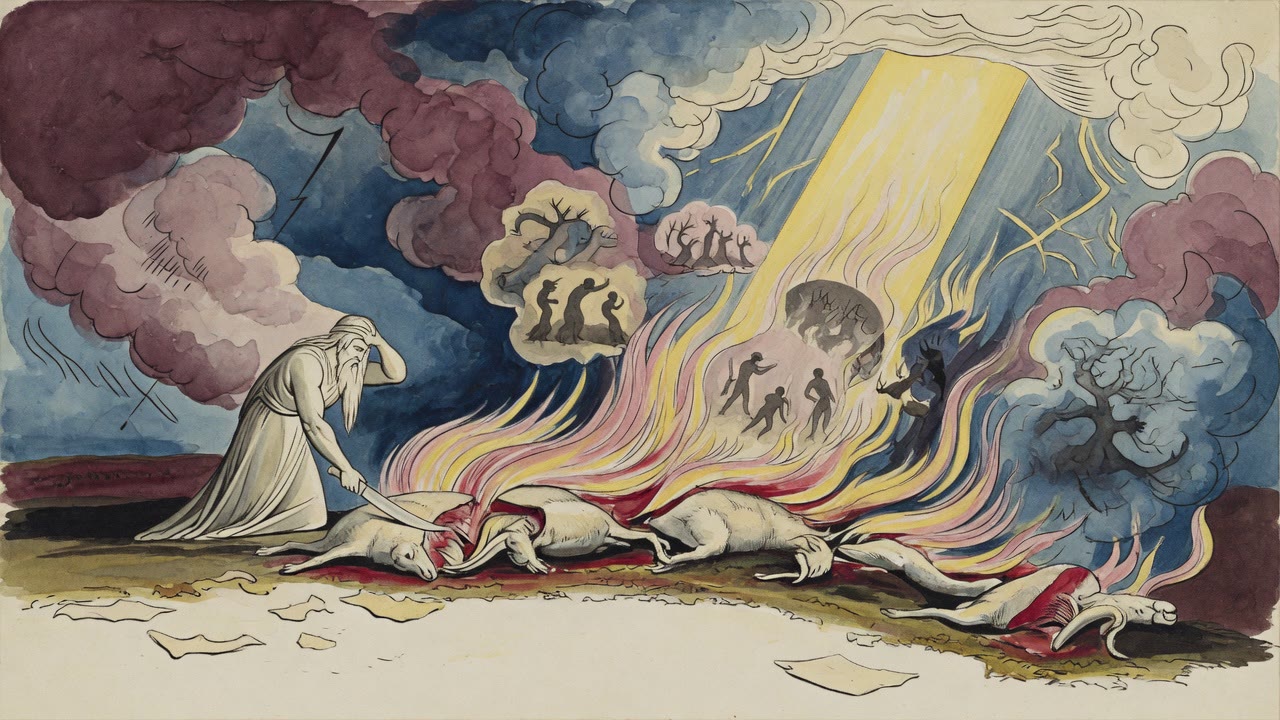
Abraham cuts the covenant animals at God's command. When darkness falls, fire passes through the pieces and shows him hell.
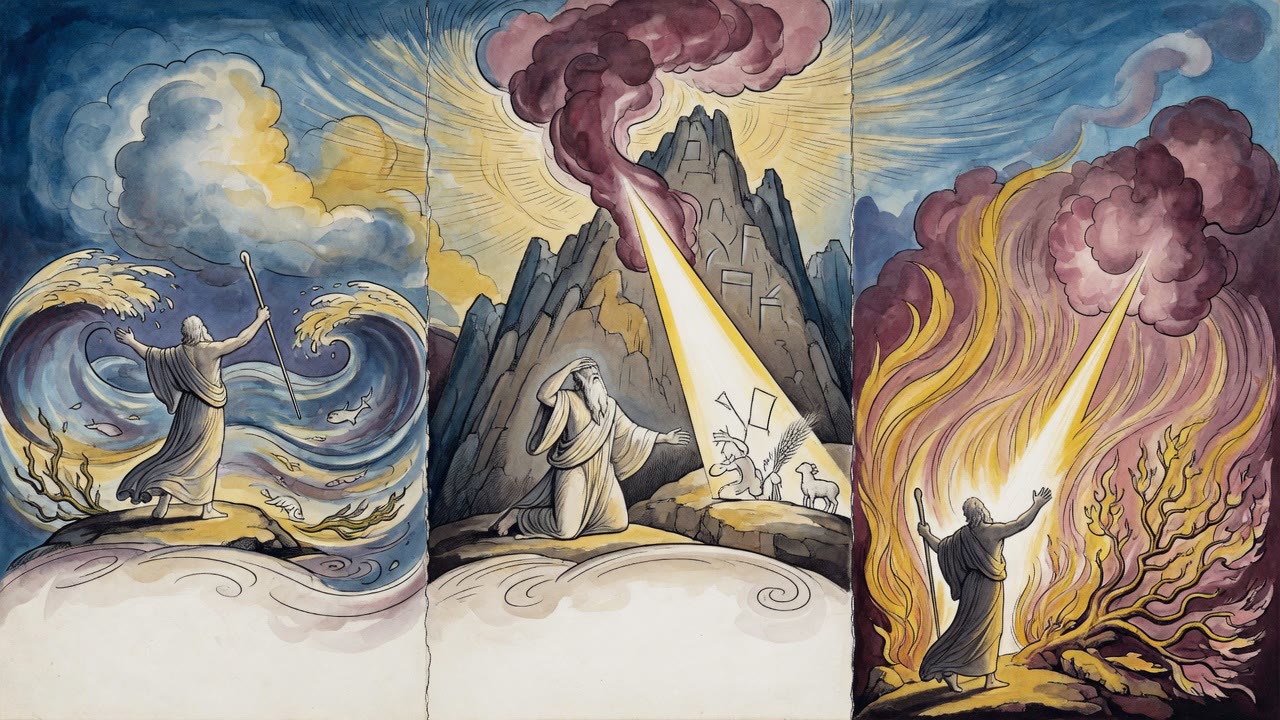
Moses split the sea and stood at Sinai, but three commands defeated his imagination. Each time, God pointed. The third time, he showed Moses fire.
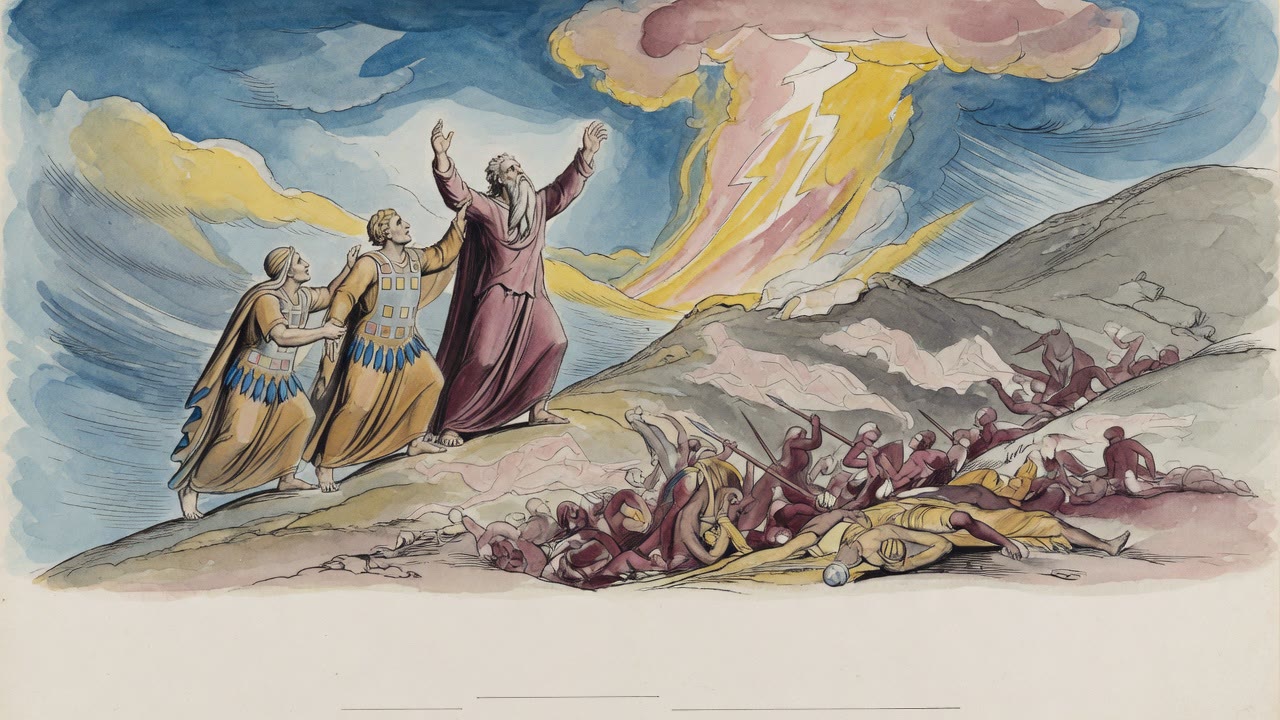
Moses, Aaron, and Hur climb a hill above the battle with Amalek, and the names they carry up are not the living but the dead.
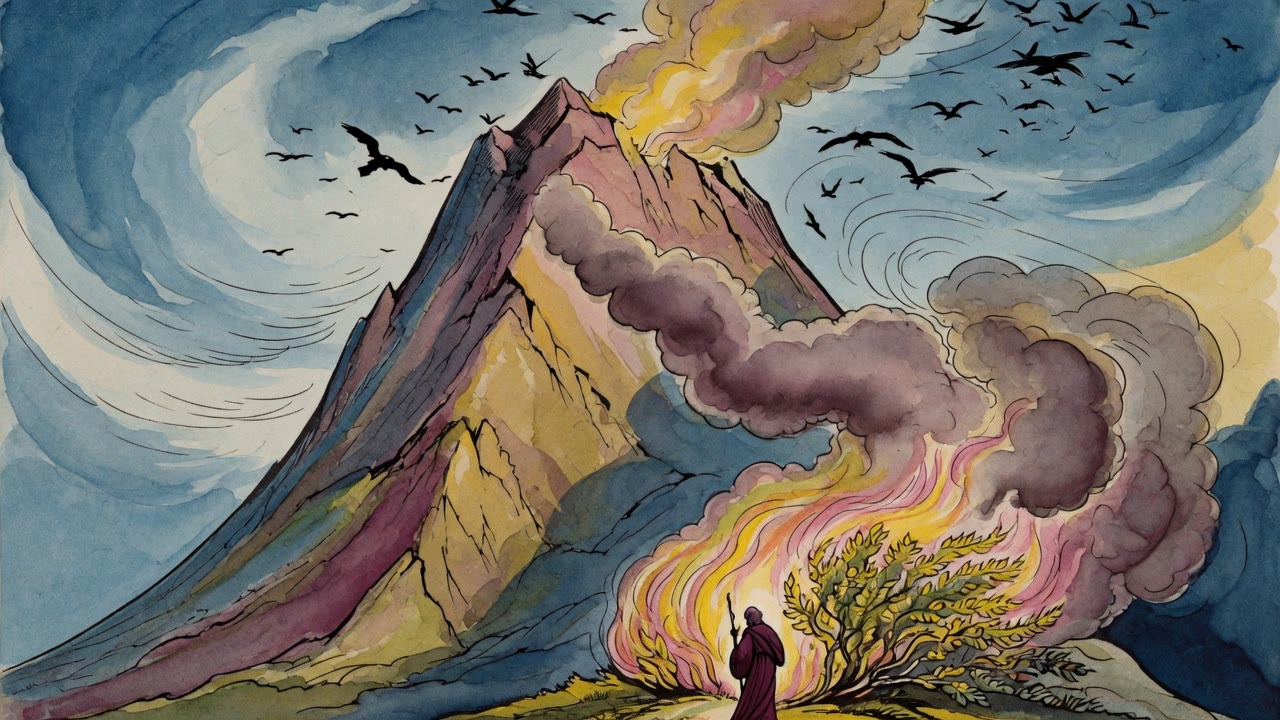
Birds banked away from the peak. The mountain leaned toward Moses like a man at a door, and the bush blossomed while it burned.
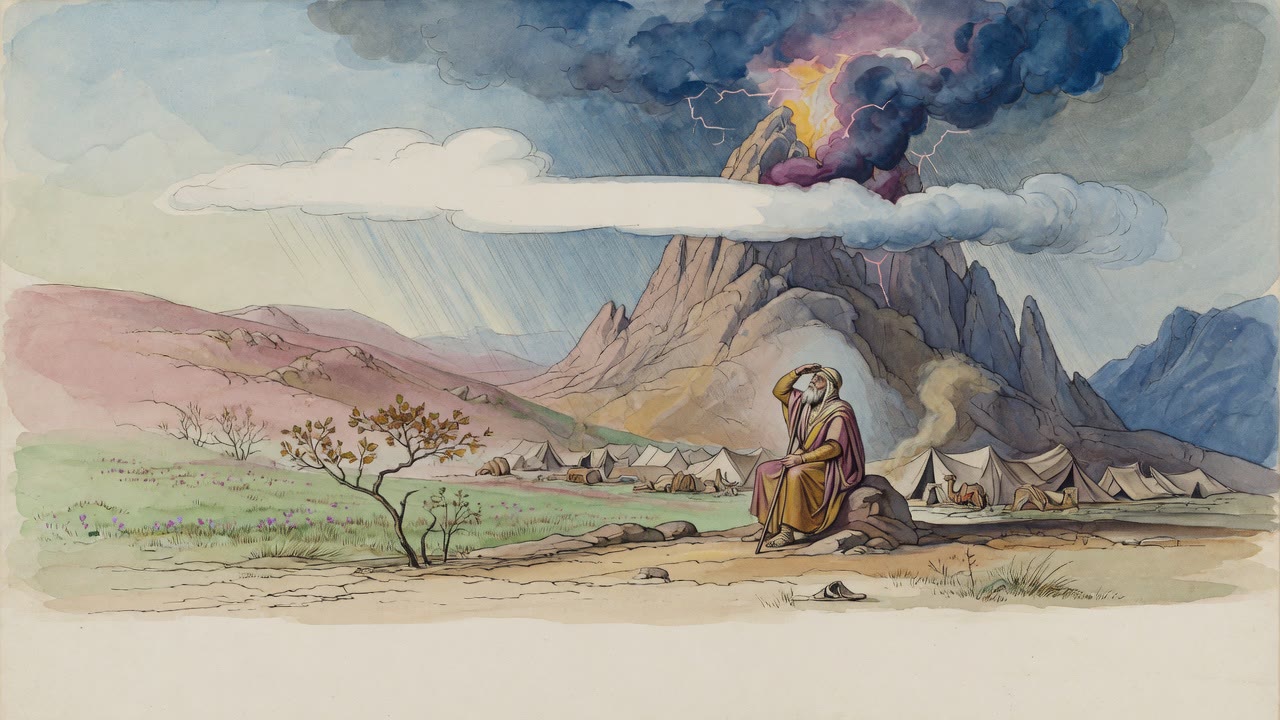
Moses vanished into the clouds of Sinai for the better part of a year. When he finally came back down, his father-in-law was still there waiting.
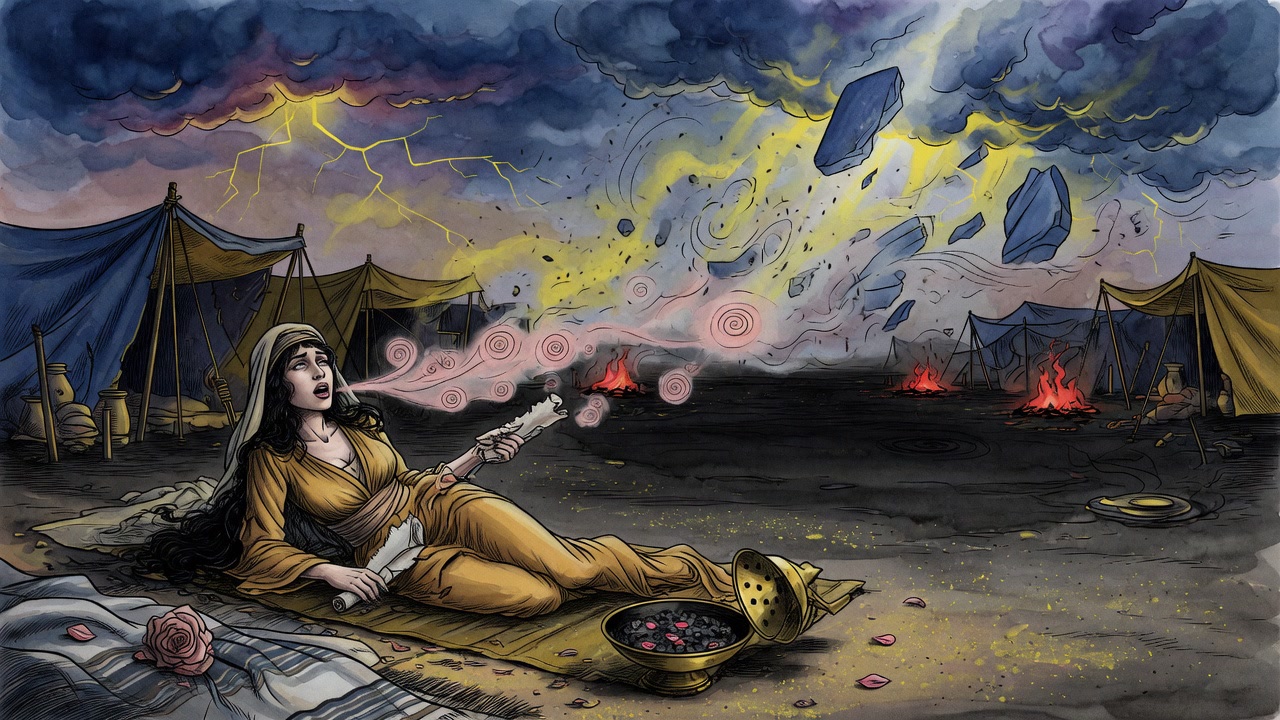
He dropped his voice so the camp would lean in. He told them about a widow and two daughters. The laws were real. The woman was not.
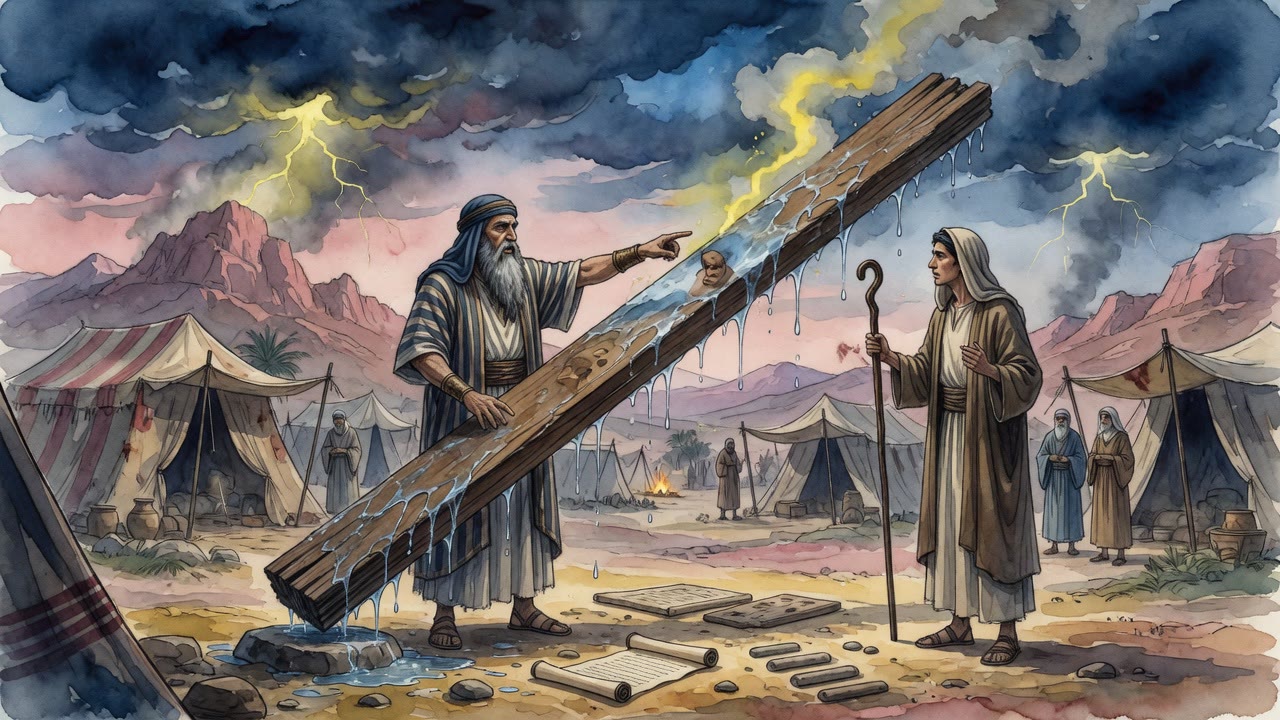
A Midianite priest reached the camp, watched Moses judge from dawn to dusk, then pointed at a waterlogged beam and said one man could not lift it.
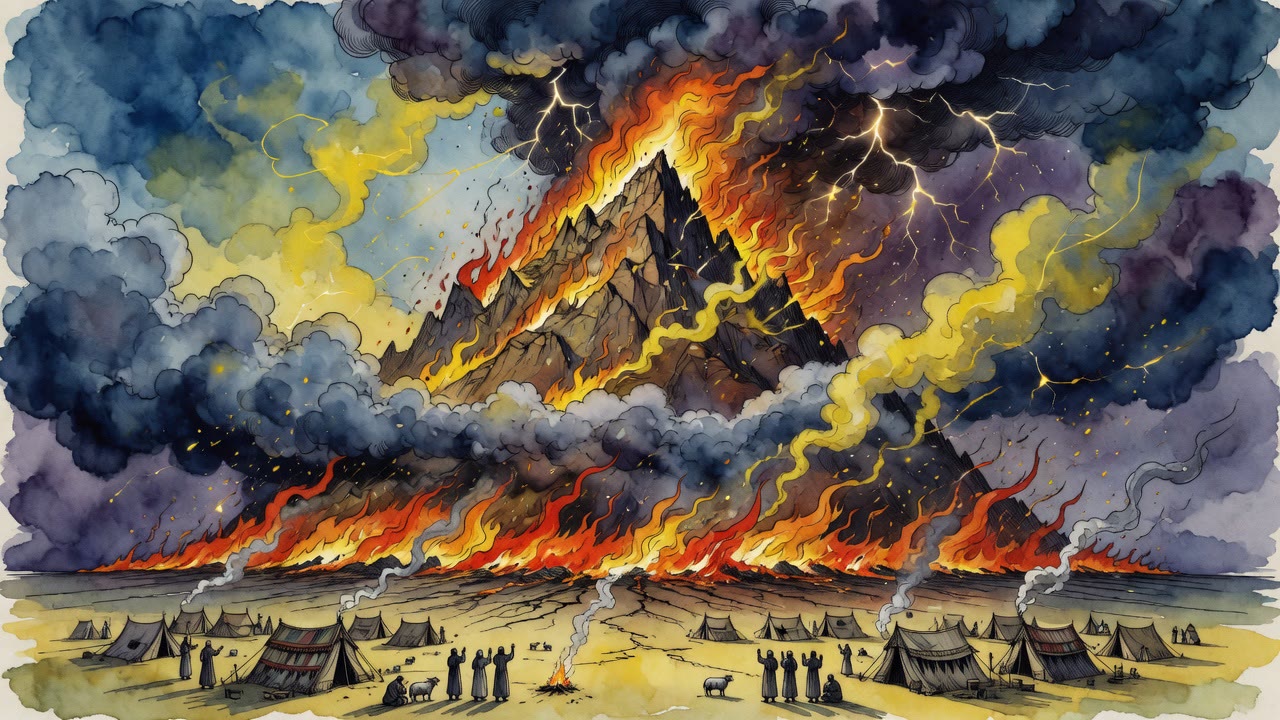
Israel had three days to wash their clothes and keep off the mountain. On the third morning the peak went up like a furnace and the horn would not stop.
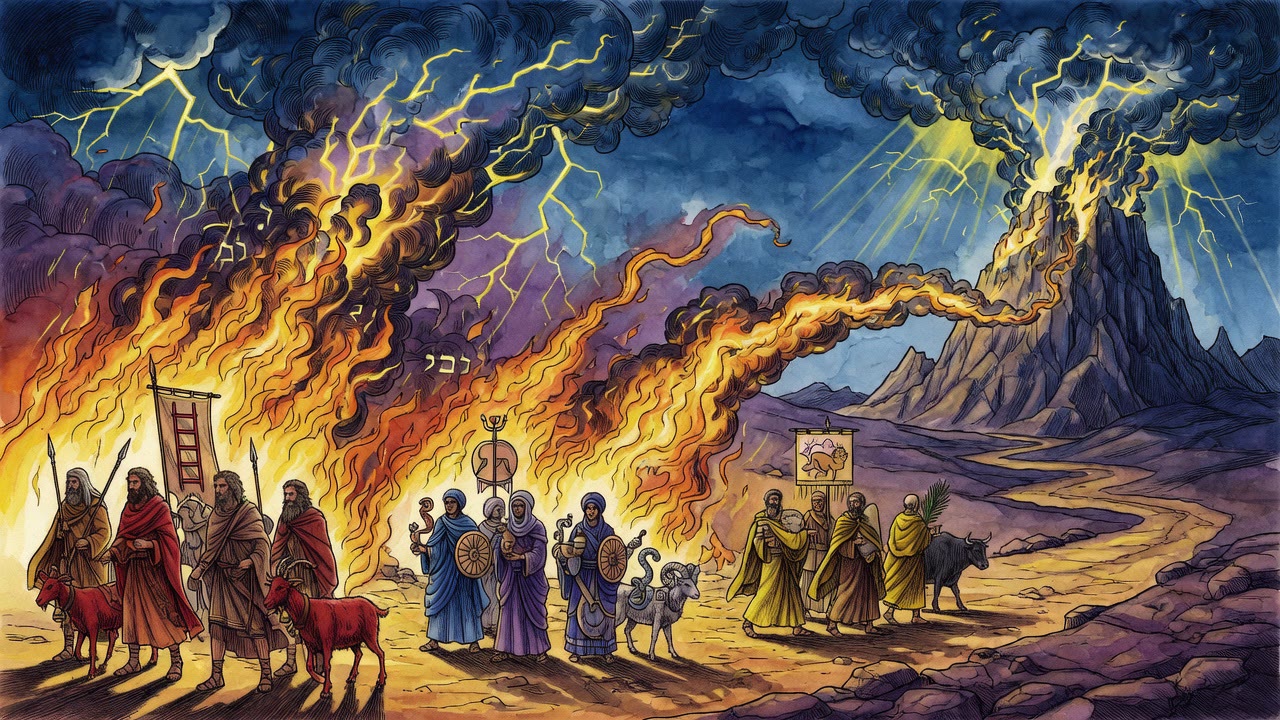
Before Israel ever said yes, God walked to Esau, then to Ammon and Moab, holding out the Torah. Each nation asked one question, then turned away.
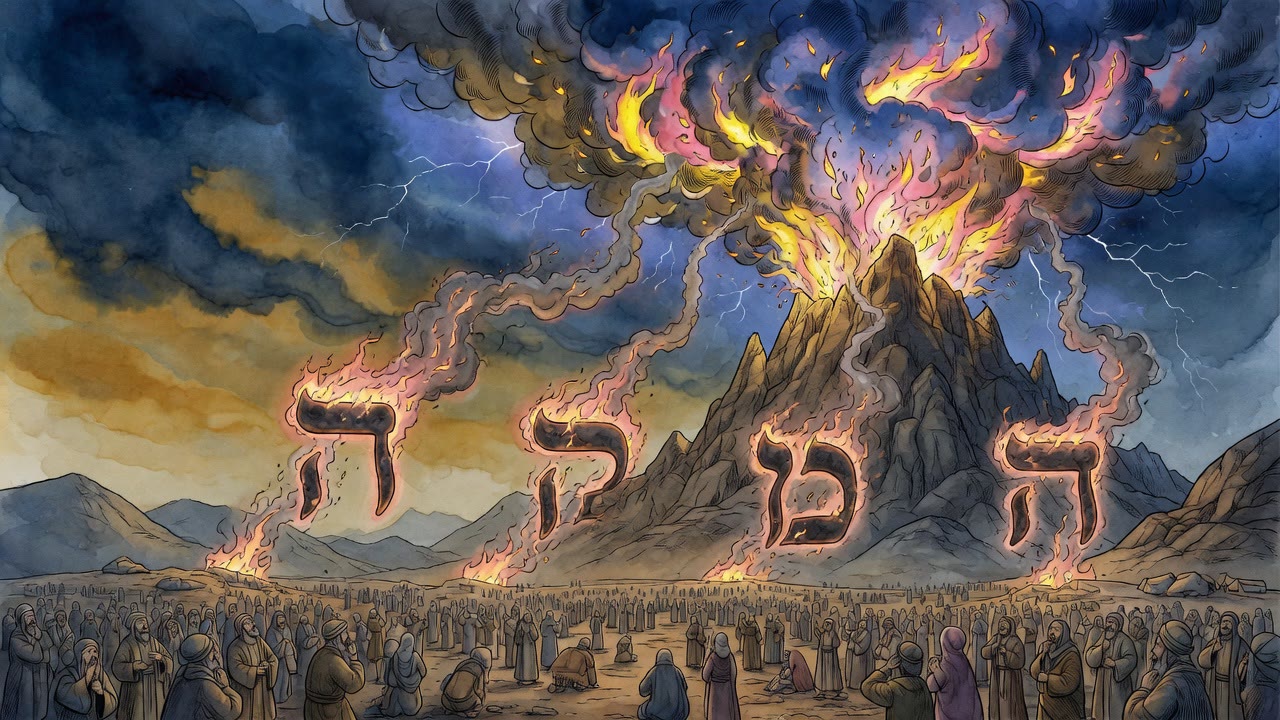
The mountain hung over the camp like an overturned barrel. God said the slope would be their grave. Then the first word struck and the nation fell still.
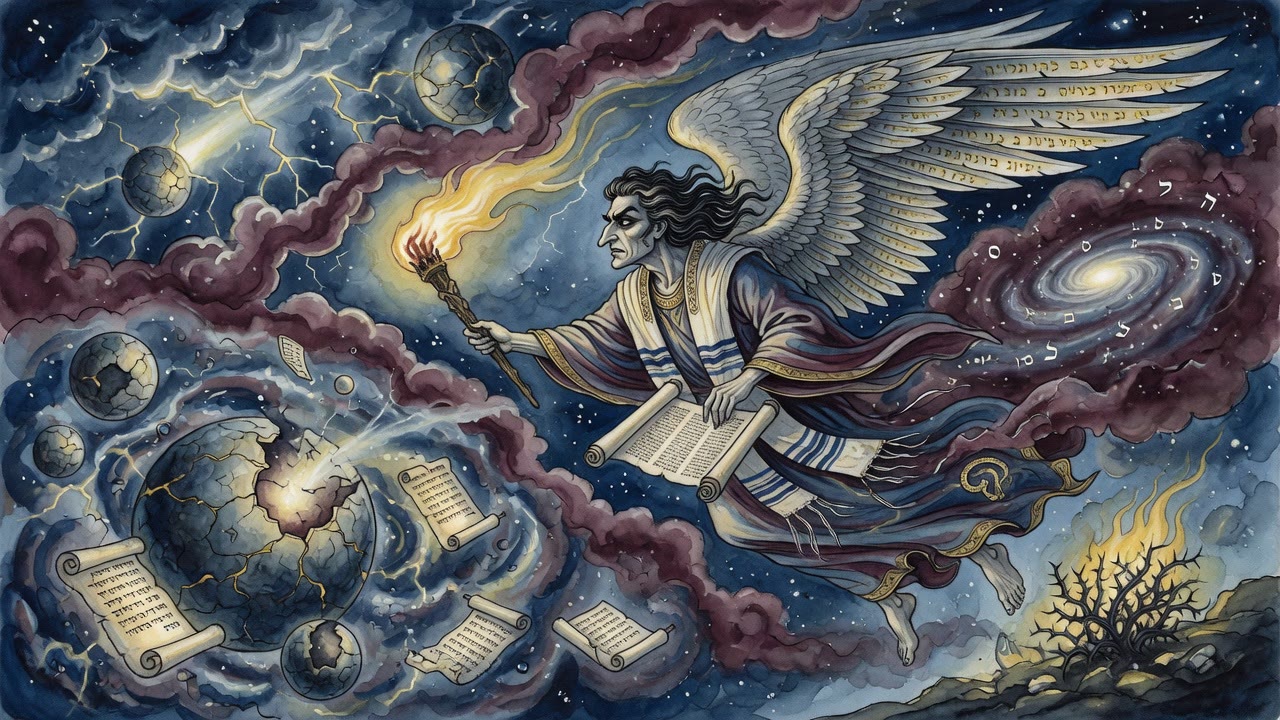
Moses came down from heaven with Torah, and Ha-Satan, the Accuser, could not find it. Earth, sea, depth, and death all denied him.
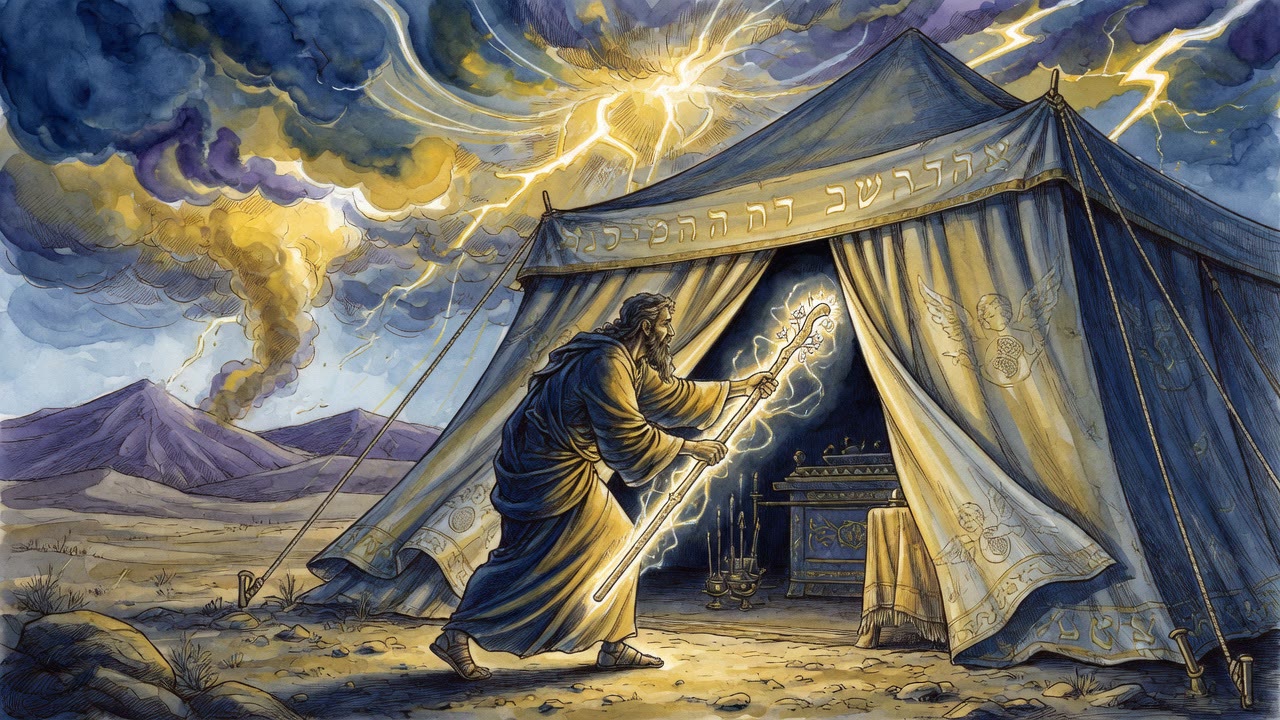
Two rabbis in the Sifrei Devarim saw something fall from the sky at Sinai. One saw a loaf and a rod. The other saw a scroll and a sword. Both were right.
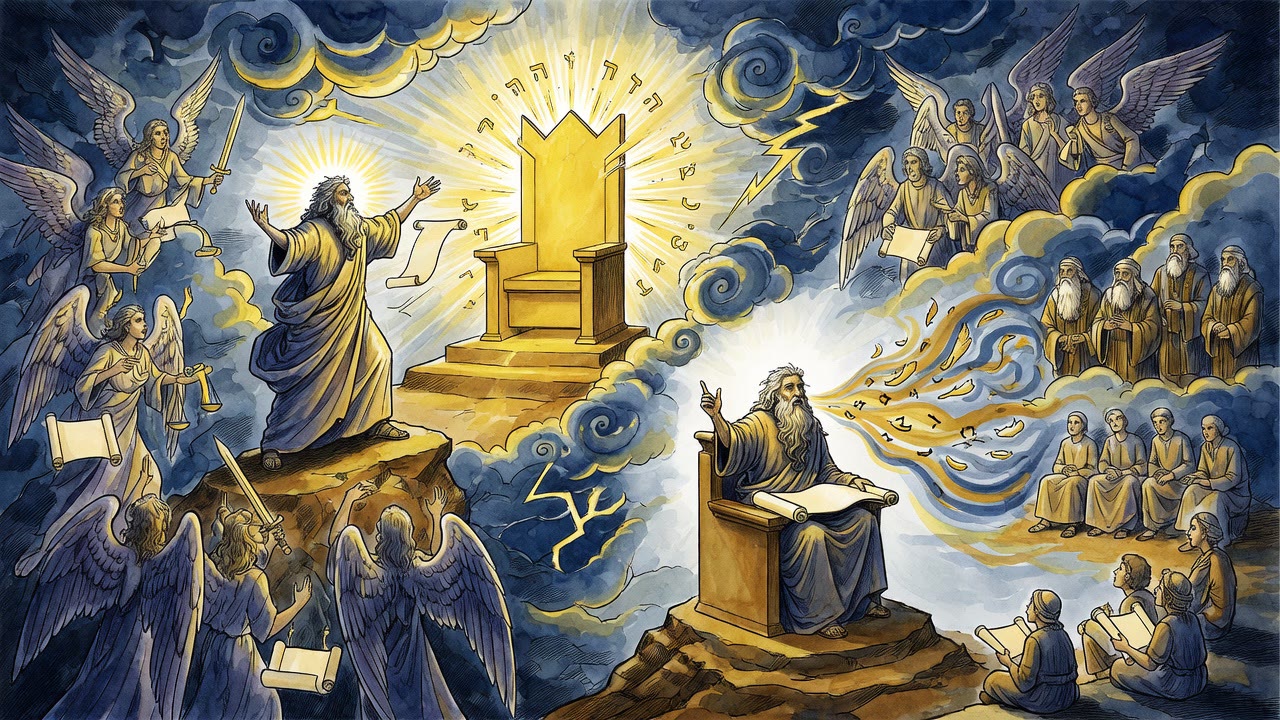
The angels closed on Moses at the Throne. He asked if their fathers had been slaves in Egypt. They had no reply, so they loaded him with gifts.
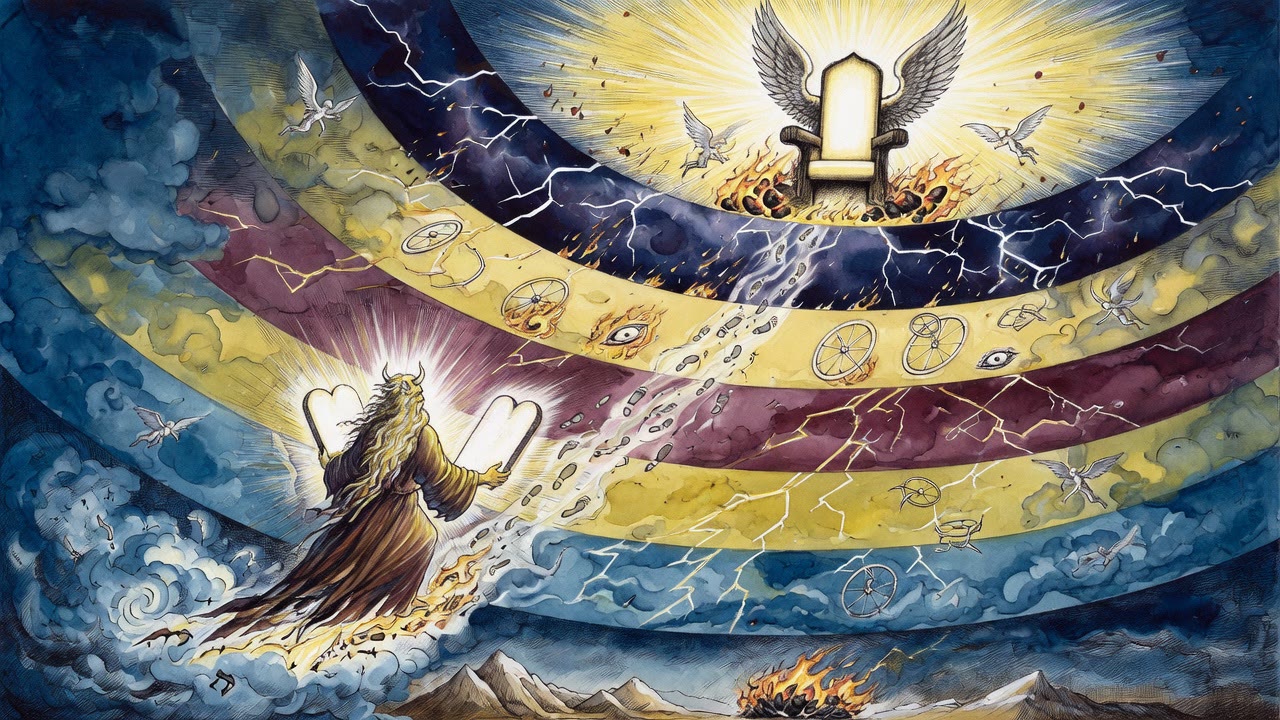
In the fifth heaven the angels were snow below and fire above, and the snow never melted. Higher up, Sandalfon was so vast that Moses lost his balance.
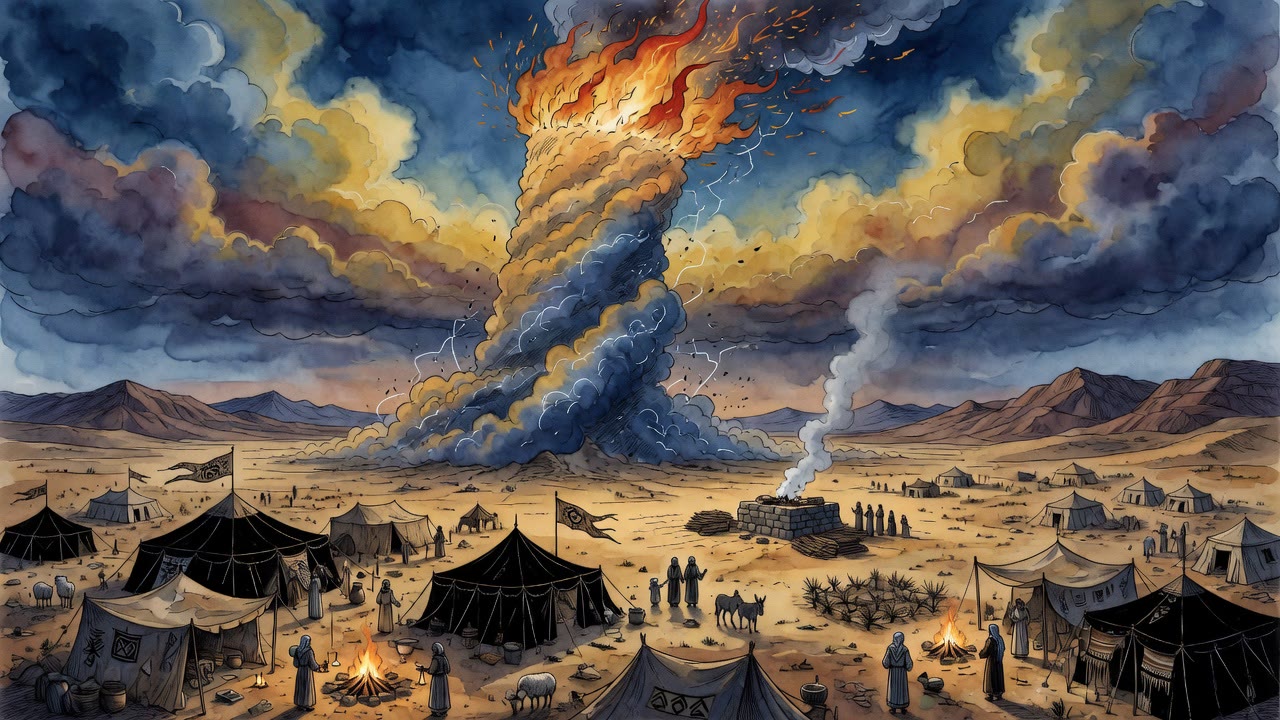
At Sinai every other Israelite fled from the thunder and lightning. Moses walked toward the thick darkness. The rabbis asked why God chose shadow.
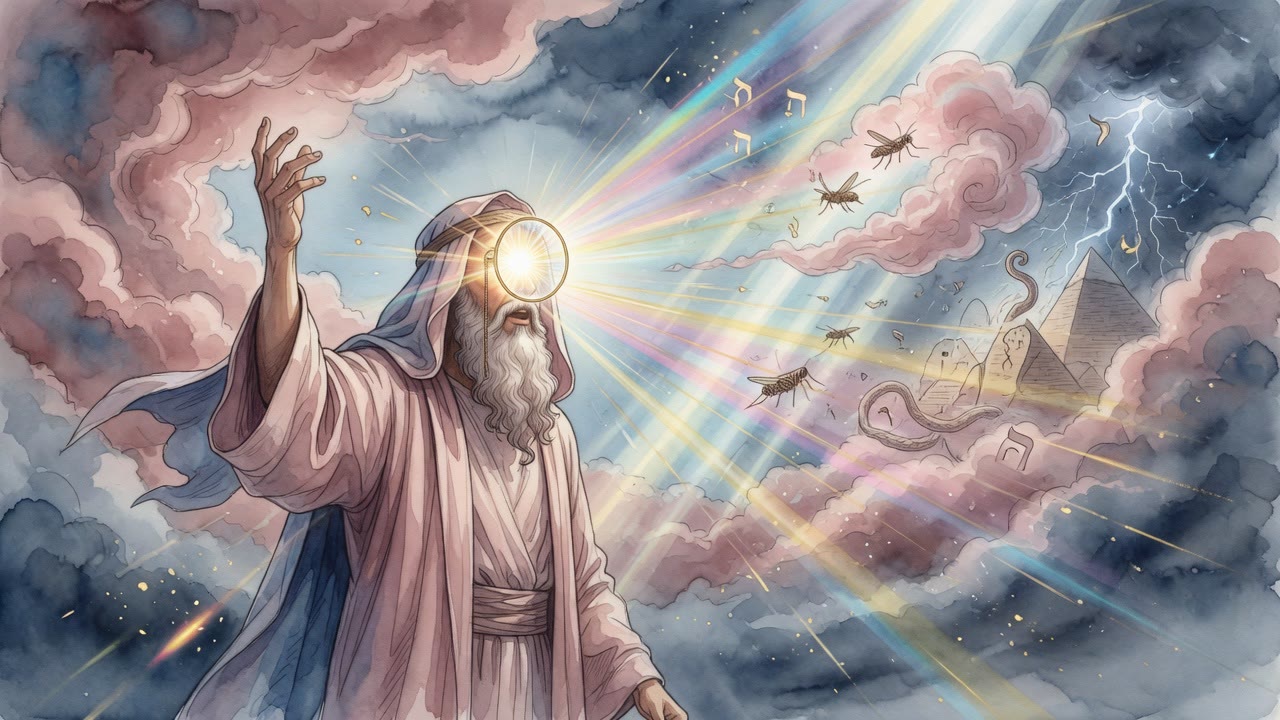
Moses did not speak like every other prophet. A basket, a palace, and a burning bush trained him for the clear bright lens.
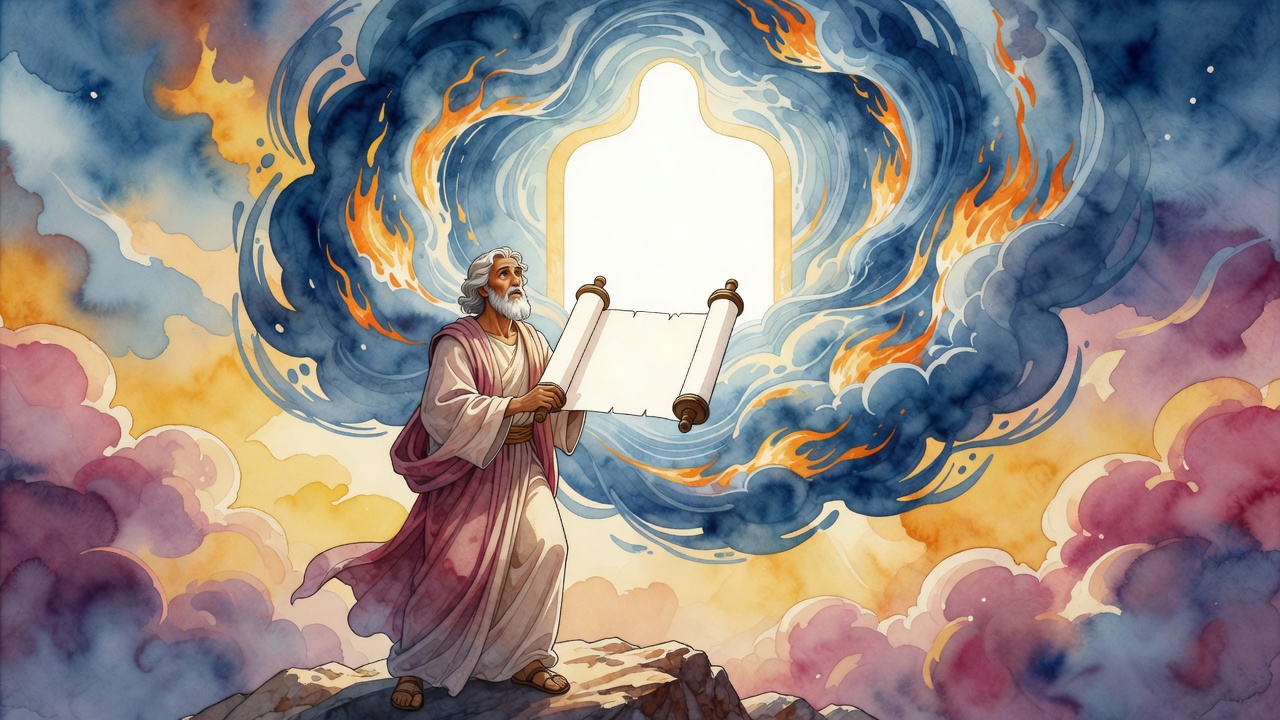
Moses sat eighteen rows back in a study house not yet built. He could not follow the lesson until a student named the law as his.
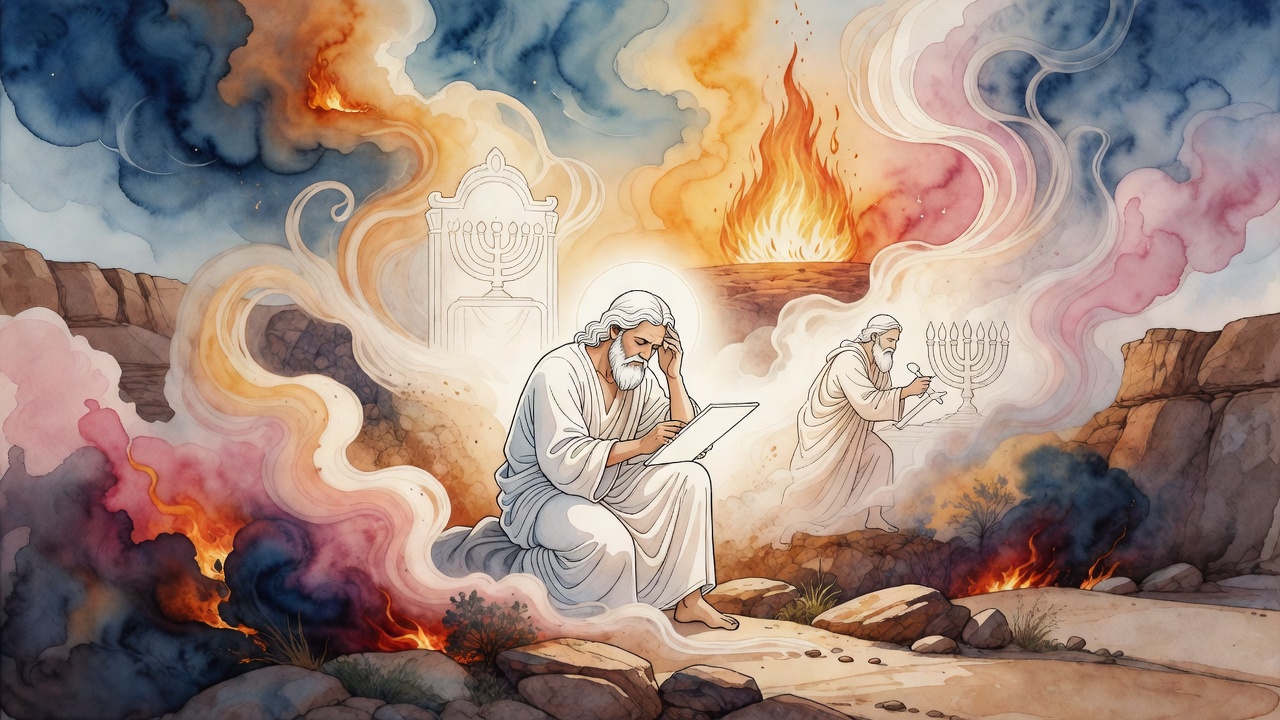
On Sinai Moses took in every future question. Then God described a lamp of hammered gold, and the shape would not stay in his mind long enough to make it.
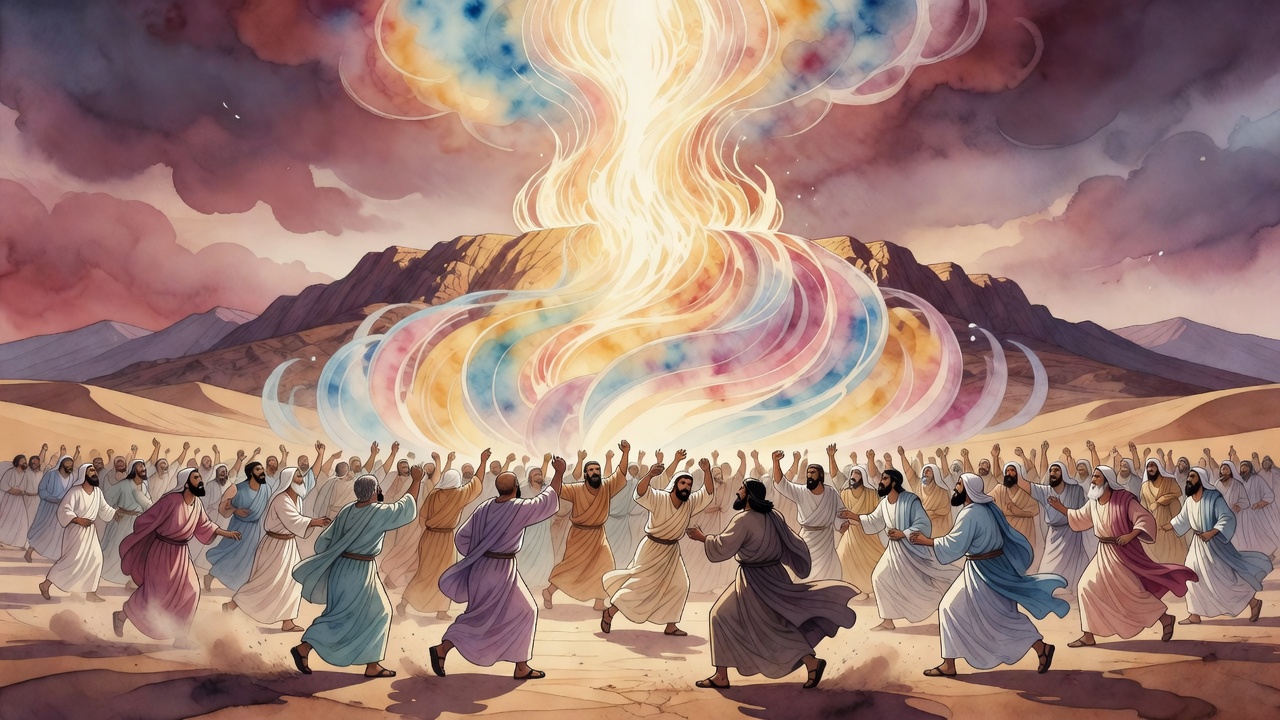
Each commandment at Sinai threw the entire nation backward twelve kilometers. Rabbi Akiva did the arithmetic: 240 kilometers walked in the body.
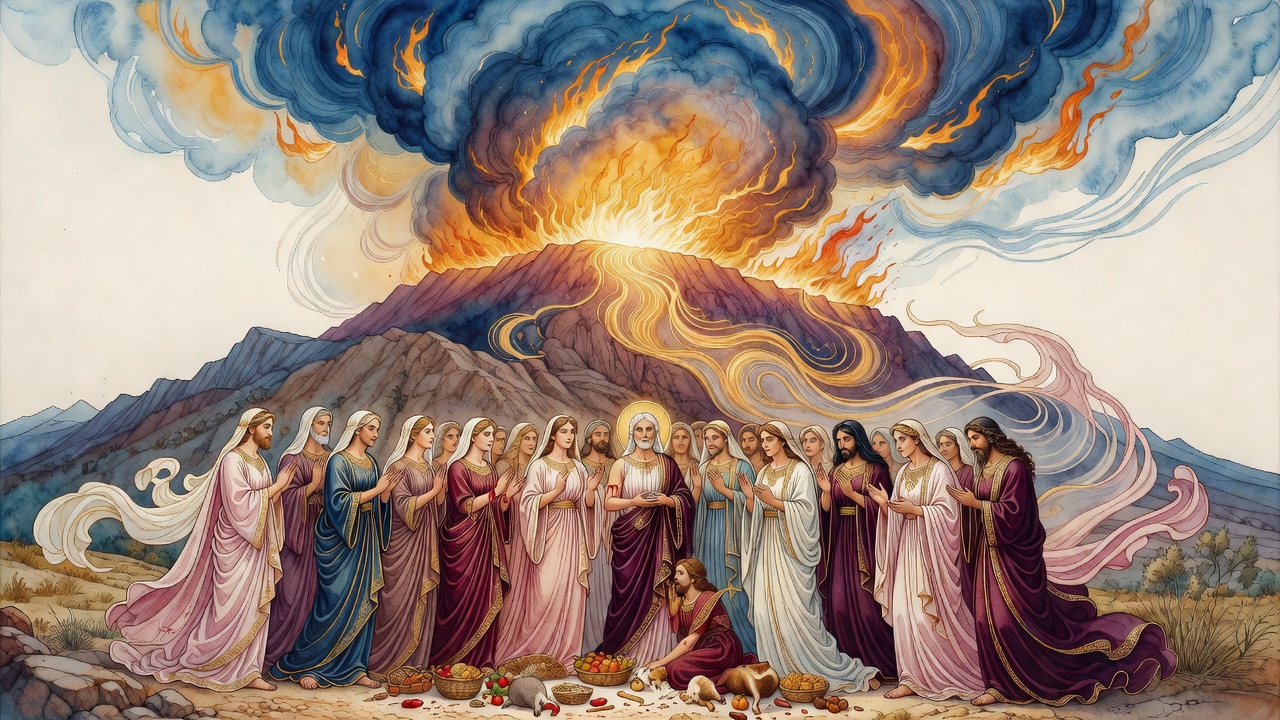
For two days the camp washed and beat its clothes clean. Some of the gold they wore came from Egypt, the rest from the sea after Pharaoh's army drowned.
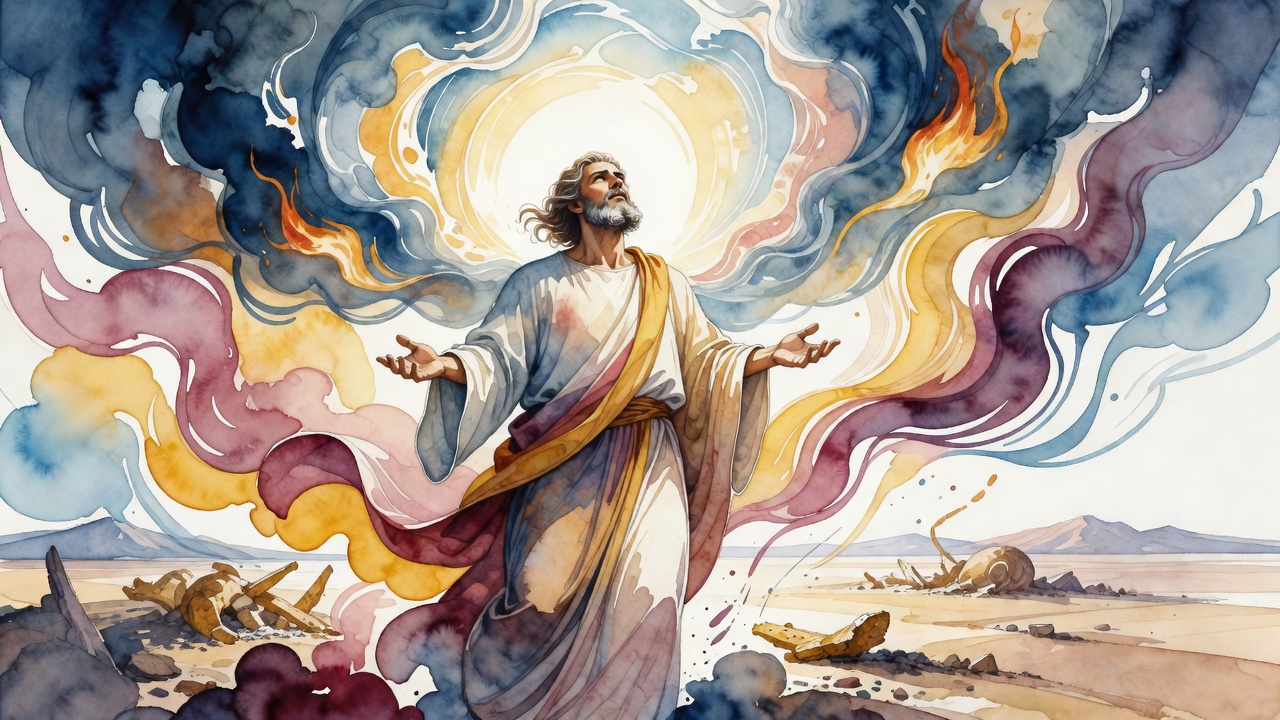
After the golden calf, Moses offered his own name to save Israel, asking God to erase him if the people could not be forgiven.
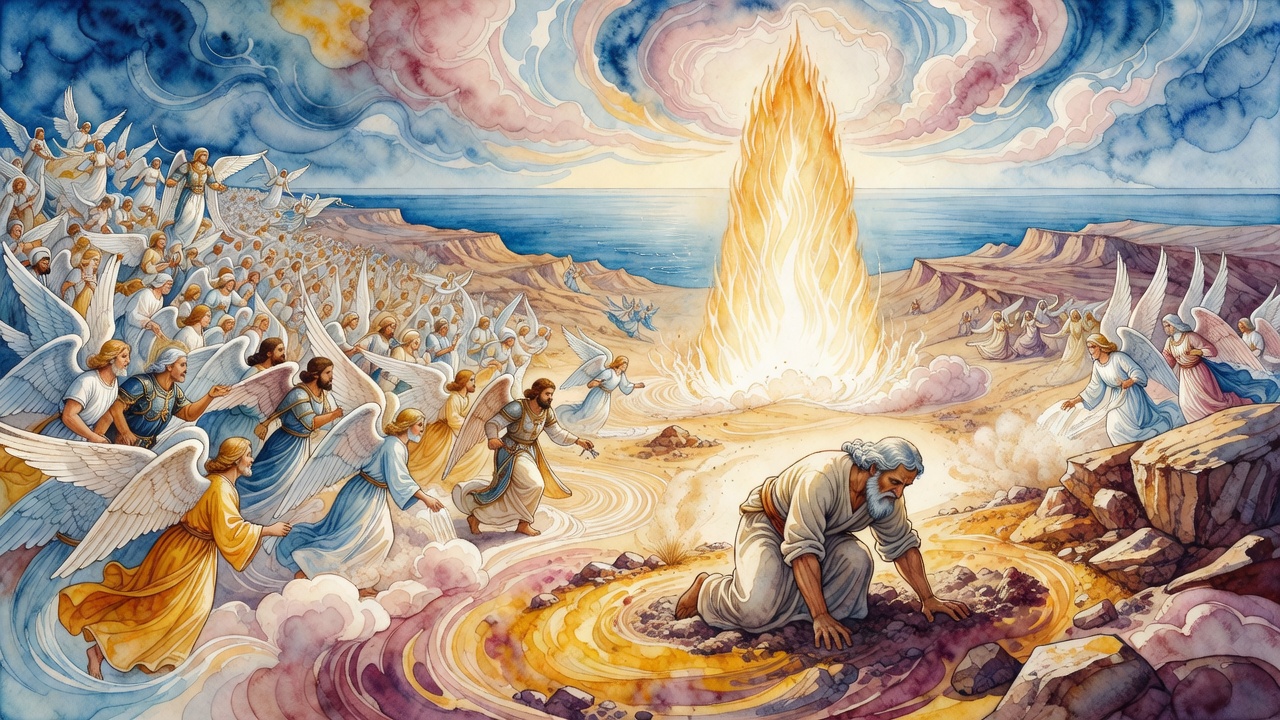
Angels rushed armed to the sea and crowded Sinai in myriads, but after the calf, Moses had to bury fierce anger in the earth.
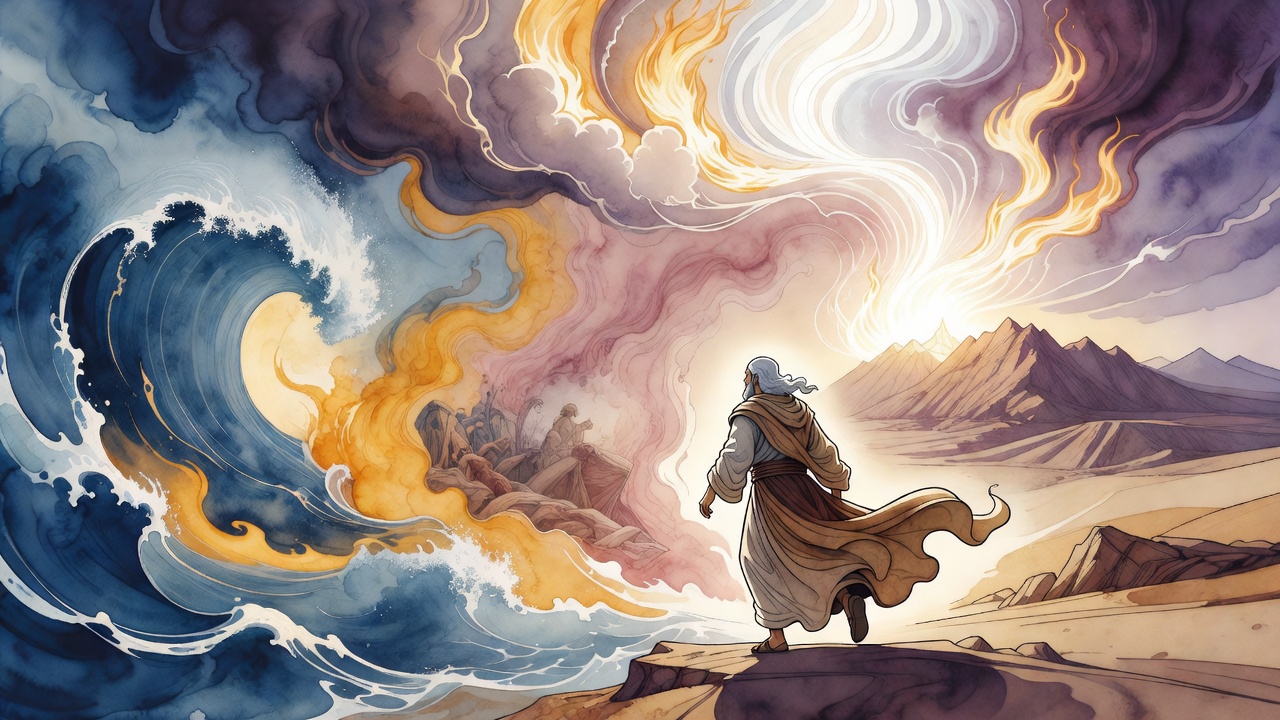
The kings of the earth asked Balaam whether another flood was coming. He told them no, and every one of them went home relieved.
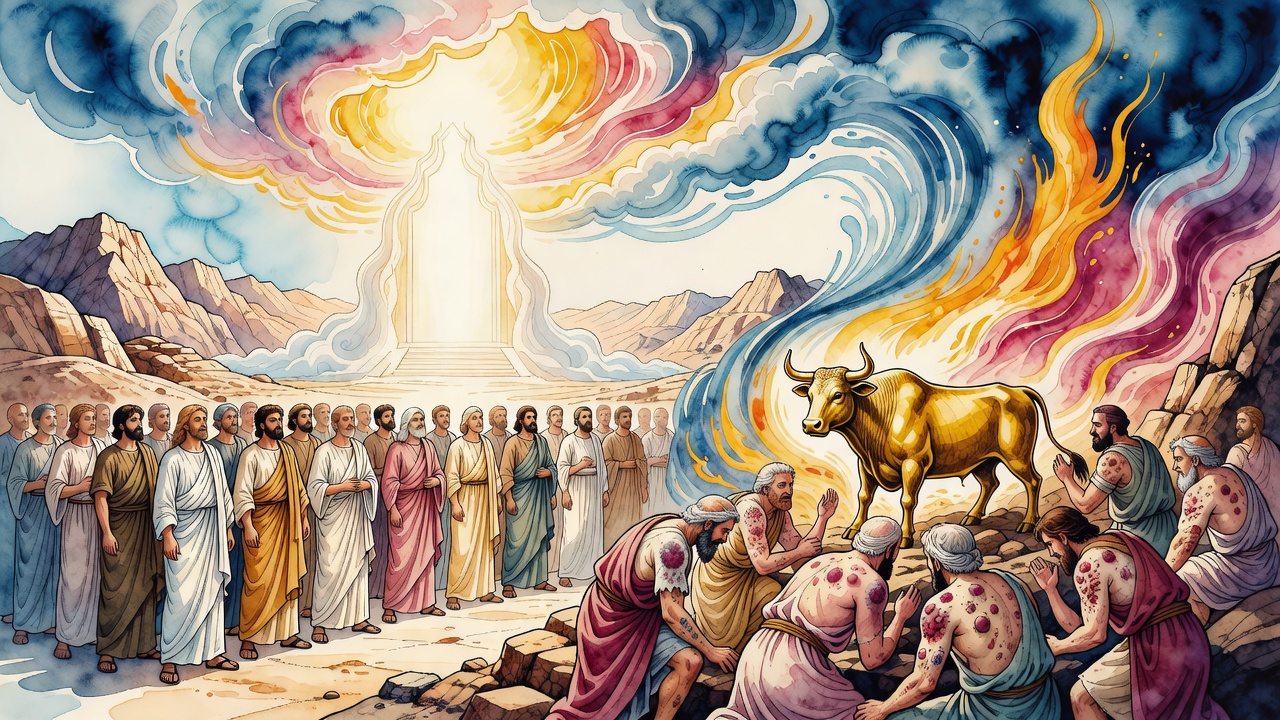
At Sinai, not one Israelite carried a wound or a blemish. For forty days it held. Then the golden calf broke the spell, and every illness returned at once.
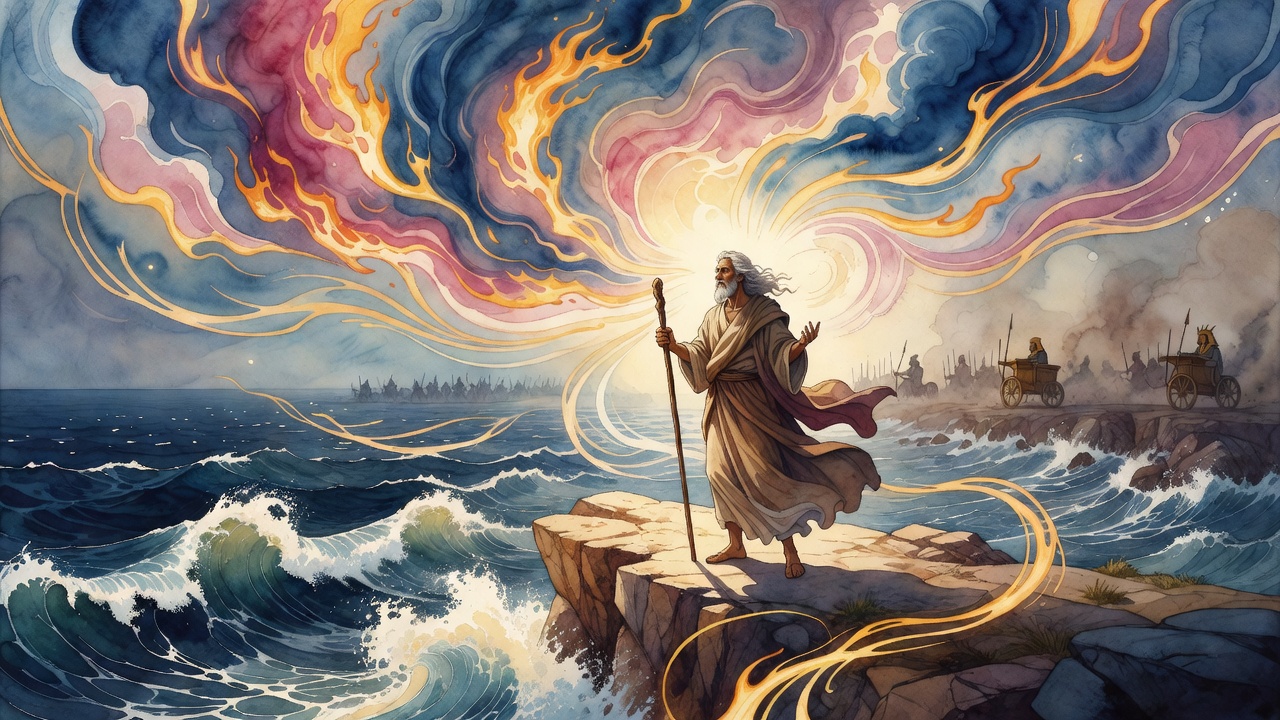
Trapped between Pharaoh and the sea, Moses confessed he had no plan. The same man had already written eleven psalms for Israel to pray.
