Sinai Was Perfect for Forty Days Before It Broke
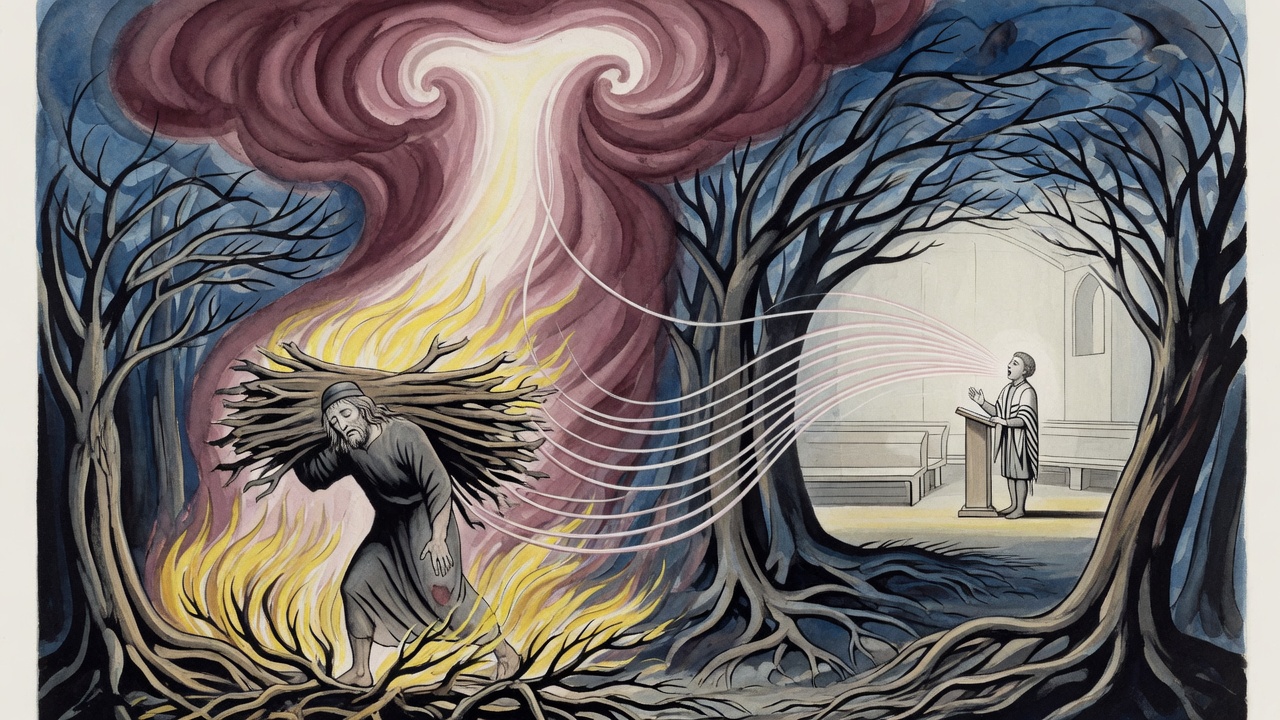
At Sinai, not one Israelite carried a wound or a blemish. For forty days it held. Then the golden calf broke the spell, and every illness returned at once.
Table of Contents
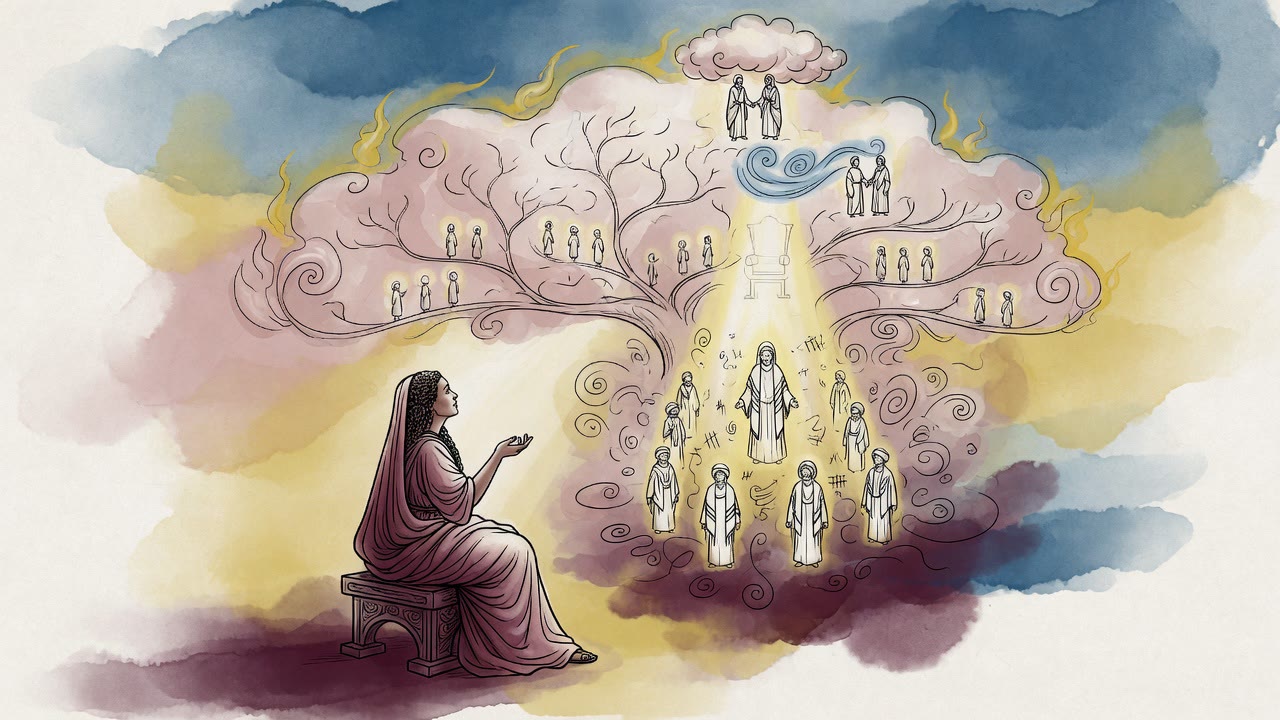
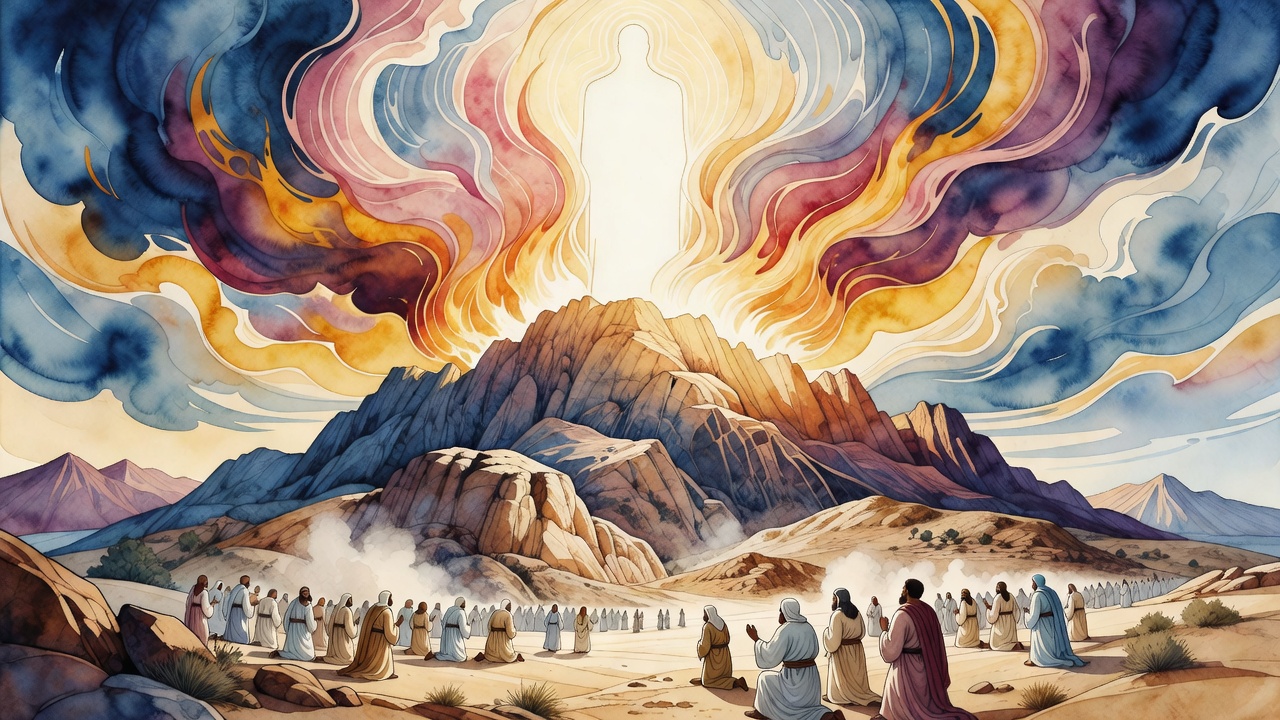
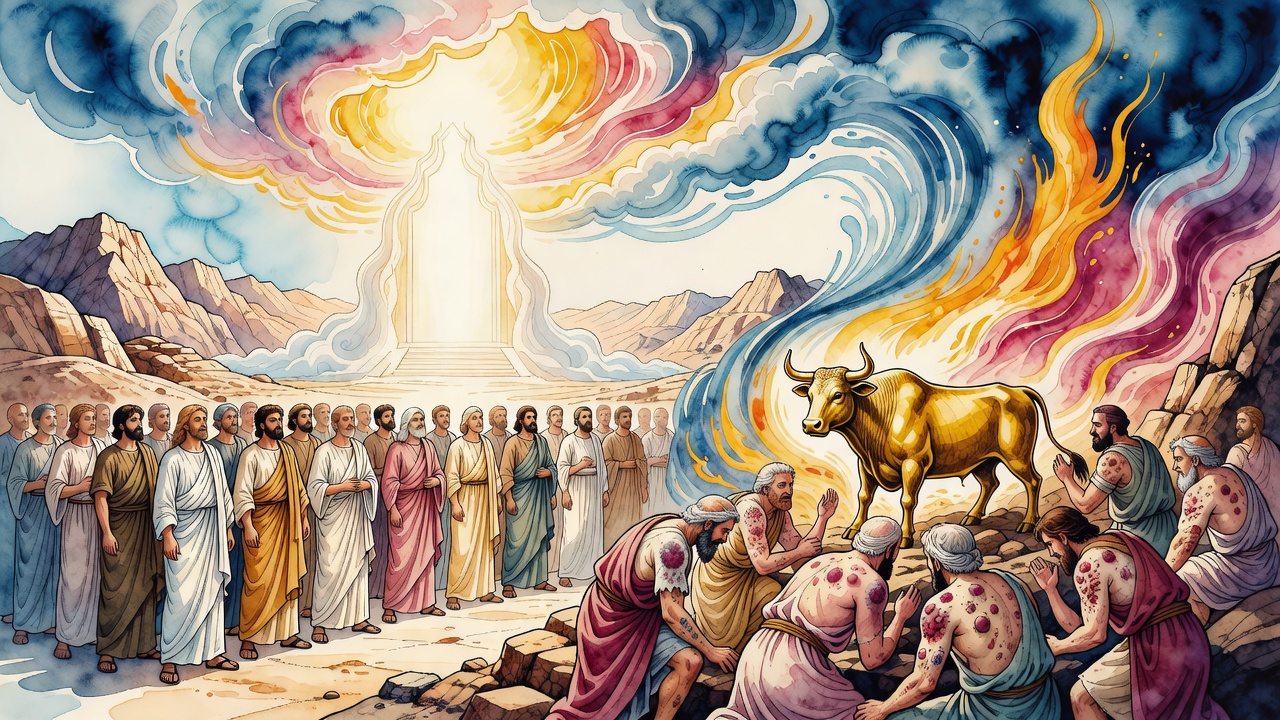
When Israel arrived at the foot of Sinai, something had already begun to change inside them. Every man, every woman, every child who had dragged stone in Egypt, who had bent under whips and woken in mud: not one of them carried a wound anymore. No eruption on the skin, no discharge, no lameness, no weeping sore. The former slaves stood at the mountain's base in a state the verse in (Song of Songs 4:7) names without hesitation: all of you is fair, my love, and there is no blemish in you.
 Click for full size
Then they opened their mouths and spoke: na'aseh v'nishma (נַעֲשֶׂה וְנִשְׁמָע), we will do and we will listen. Three Hebrew words, and for a moment something broke open in the ordinary order of things. To promise obedience before knowing the command required. To trust before understanding. The declaration rose off sixty thousand tongues and something in the bodies of the people changed with it, or perhaps it revealed what had already changed the instant they stood before the holy mountain, willing.
The Summit and the Fire
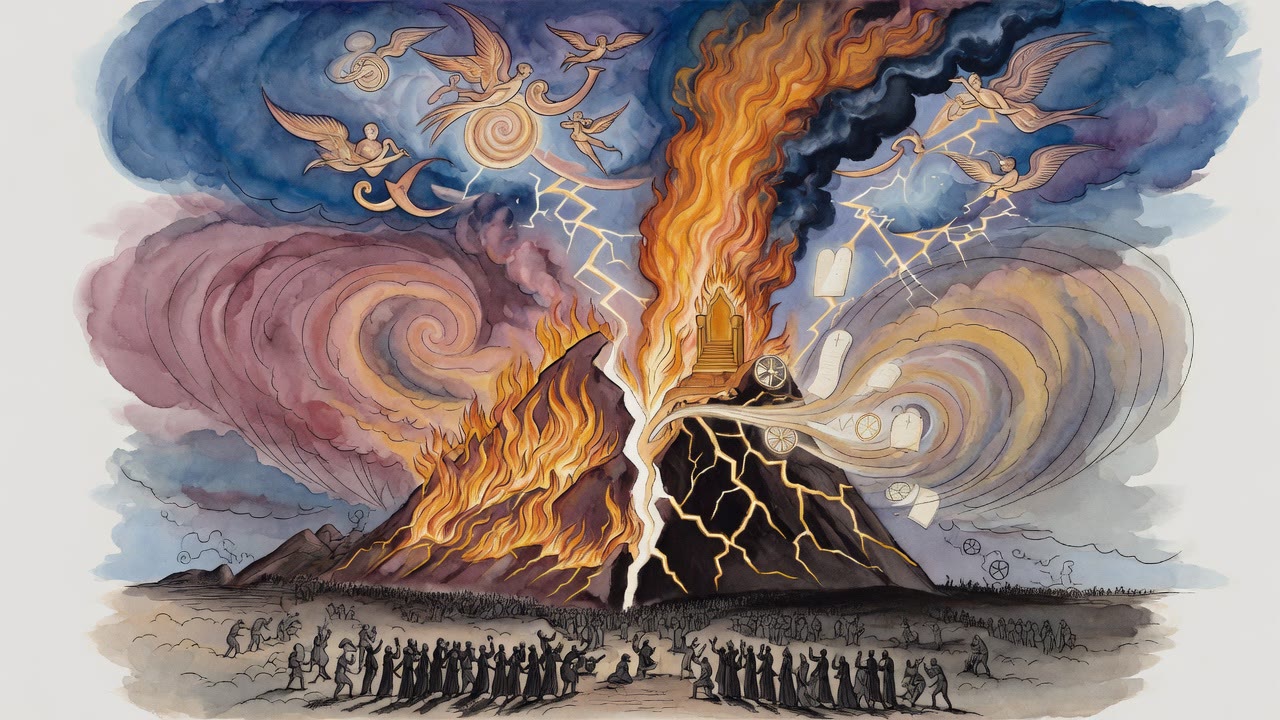
While the people waited below, Moses climbed. He did not come back for forty days and forty nights, and when he did not return, the mountain above them was on fire. Not metaphorically. God's glory rested on the peak like a flaming presence, visible, burning, absolute (Exodus 24:17). Moses had walked into it.
Inside that fire, God was not simply dictating. God was showing Moses all of time. The earlier history and the later history. The division of all the days. What Israel would do in every generation, how far they would fall, what the nations would do to them, what they would bring down on themselves. Moses stood inside the fire and saw the shape of every catastrophe that had not yet happened, including what was already beginning in the valley below.
Everything Written Down
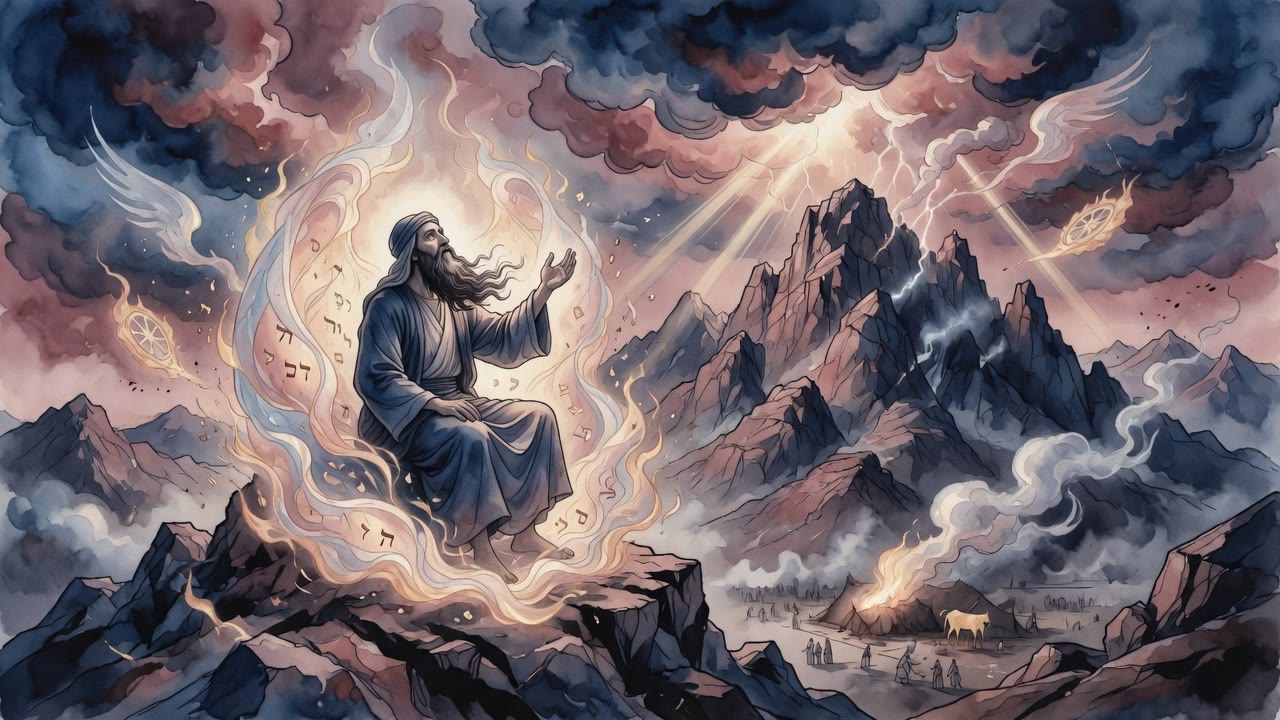
The giving was larger than Moses had expected. God was not handing him one text. God was handing him all of it: the written law and the spoken law, the legal debates that would not be settled for a thousand years, the stories the people would tell each other in exile, the interpretations of interpretations. All of it poured through Moses on the mountain, and God told him to write it down (Exodus 34:27). Not as a copy of what had been decided in heaven, but as a covenant between God and the people who had just agreed to receive it.
The instruction to write came with a shadow. Moses had already seen in the fire what would happen before he reached the bottom. The people had not waited. They had grown frightened by the silence and the smoke and the absence of the man who had led them out of Egypt, and they had made something out of gold.
The Calf and the Count
By the time Moses carried the tablets down the mountain, the damage was already finished. He could hear it before he could see it: the sound the text names as neither the sound of victory nor the sound of defeat, but the sound of singing in the valley (Exodus 32:18). He came around the last shelf of rock and saw them.
He broke the tablets at the mountain's foot. Not in anger alone, though the anger was real enough. He broke them because the people who had stood without blemish before God's mountain were not the same people anymore. The words on the stone had been written for a nation in a state of wholeness. What he was looking at in the valley was something else.
What Returned
When the celebration ended and the reckoning began, the ailments came back. The skin diseases. The discharges. The impairments. Everything that had quietly vanished when the people stood under the mountain and declared na'aseh v'nishma was back now, catalogued in the laws of purity and expulsion that would soon govern who could remain inside the camp and who had to wait outside it (Numbers 5:2). The community that had briefly stood as something perfect, every body whole, was now a community with the full human range of illness and impurity that required a law to manage it.
Rabbi Shimon ben Yohai taught this plainly: the laws of bodily impurity existed because the people had needed them. There had been one moment when those laws were unnecessary because there was nothing for them to govern. Then came the calf, and the laws became necessary, and the people began to need the precise and painful architecture of what the Torah had already prepared for them.
The Second Tablets
Moses went back up the mountain. God called him back, and he climbed again, and this time he carved the stone himself (Exodus 34:1). The second tablets were not the first tablets. The first had come down into a nation standing at its peak. The second came down into a nation that had already demonstrated exactly what it was, what it could do, what it would do again.
God gave Moses the second set of tablets anyway. The covenant held, even now. The words returned to the stone and Moses carried them back to the people, and the people who received them were the same people who had smashed the first set by their actions, and they received them, and the law settled back into the camp, and the laws of purity took their place alongside everything else, governing a people who were whole no longer but were still, somehow, the people who had once declared na'aseh v'nishma at the foot of the mountain, before they broke it.
← All myths