33 myths · Page 1 of 2
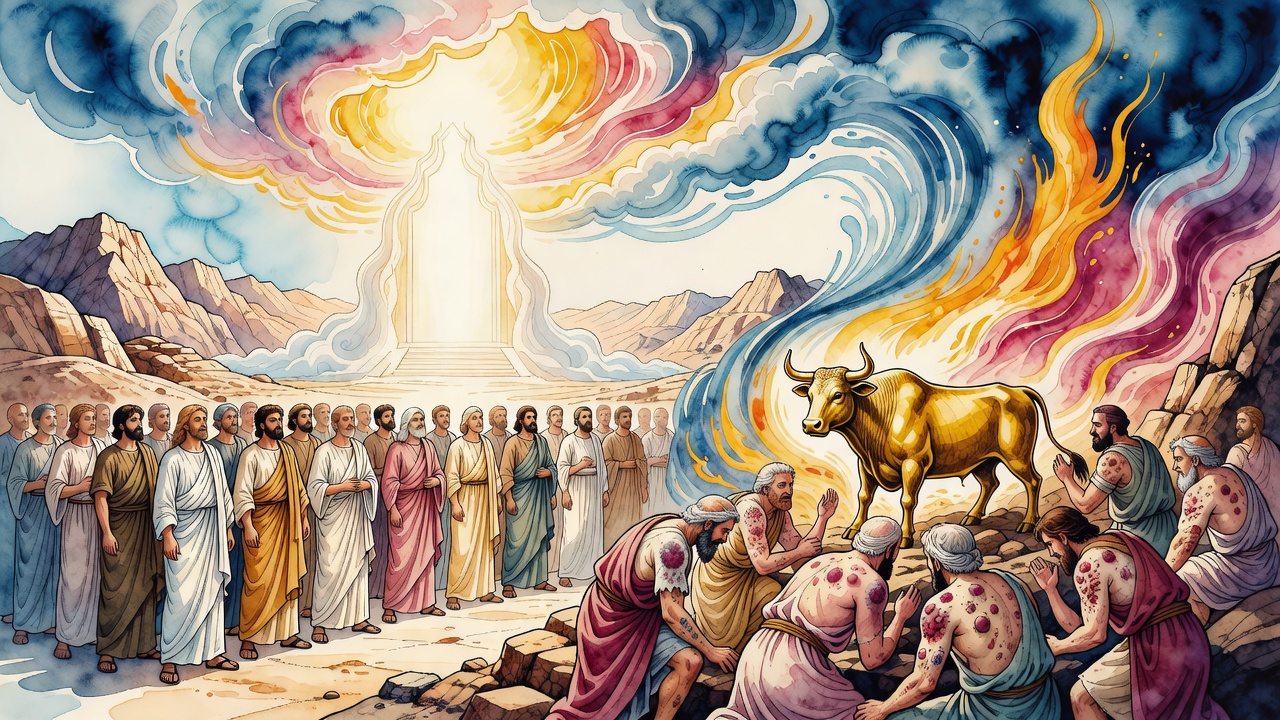
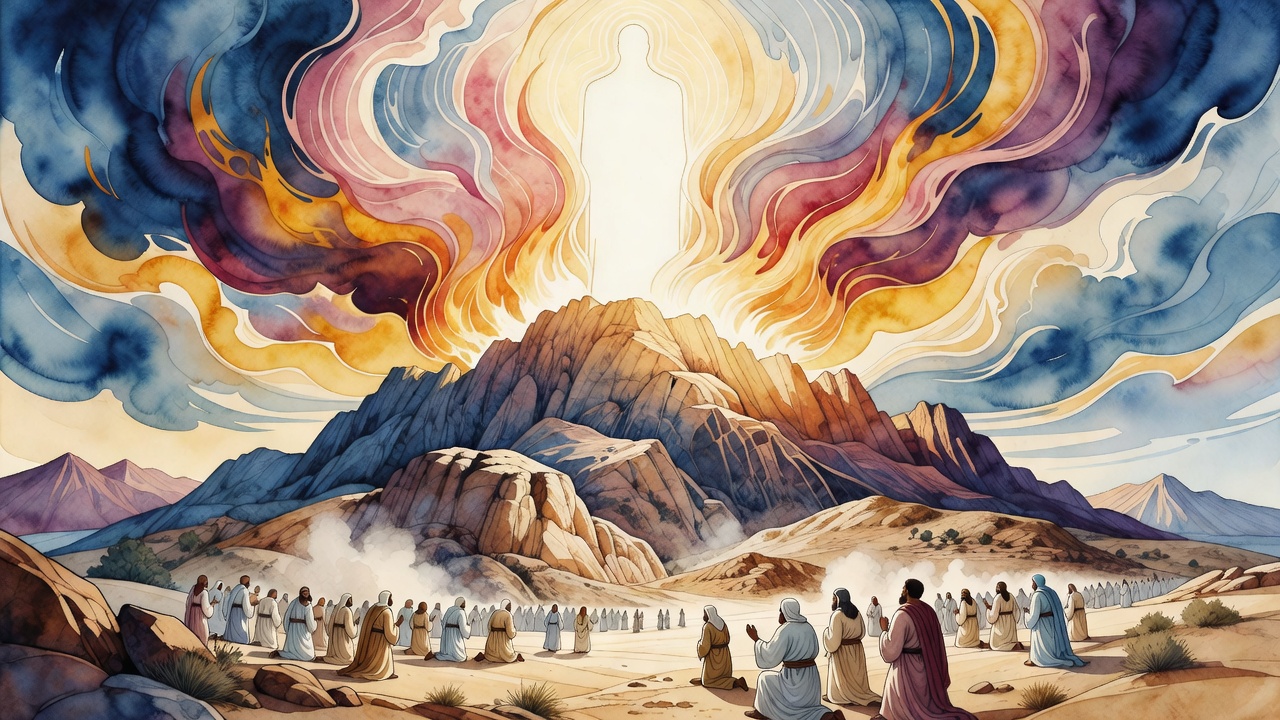
At Sinai, not one Israelite carried a wound or a blemish. For forty days it held. Then the golden calf broke the spell, and every illness returned at once.
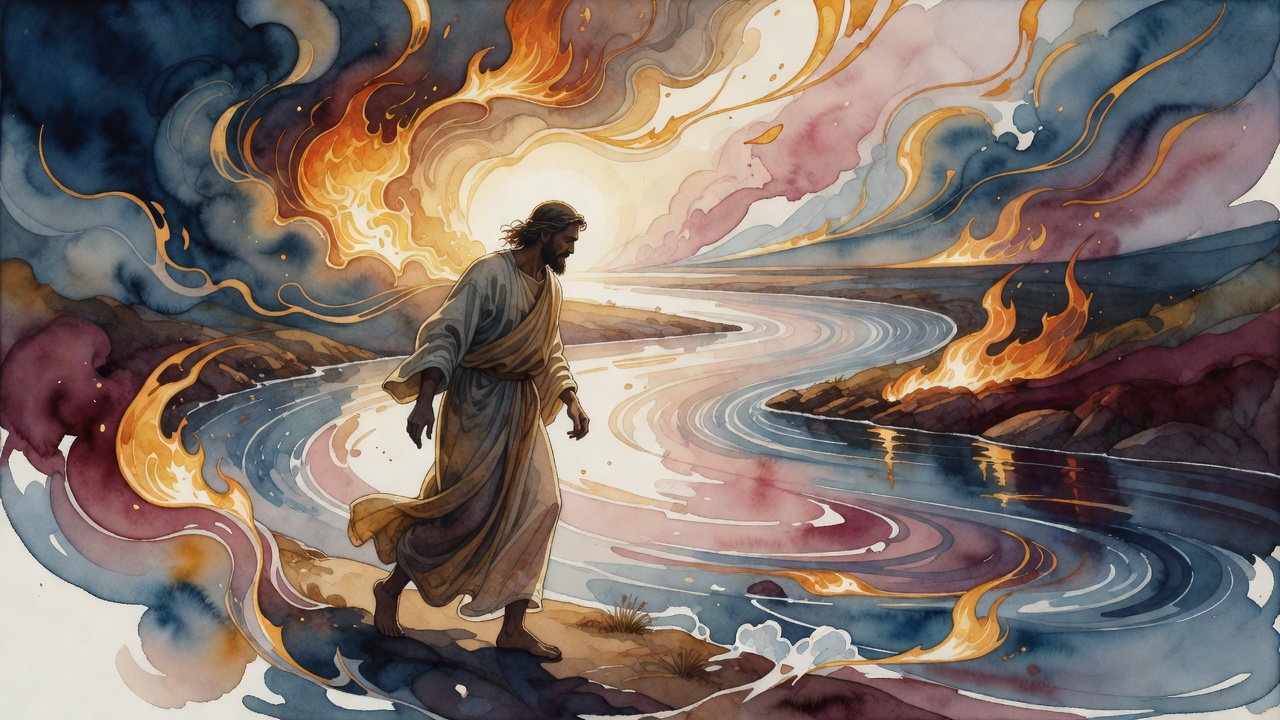
Jacob limped away from the ford of Jabbok, still called unblemished. The Zohar reads him against the red heifer: a wholeness that suffering cannot remove.
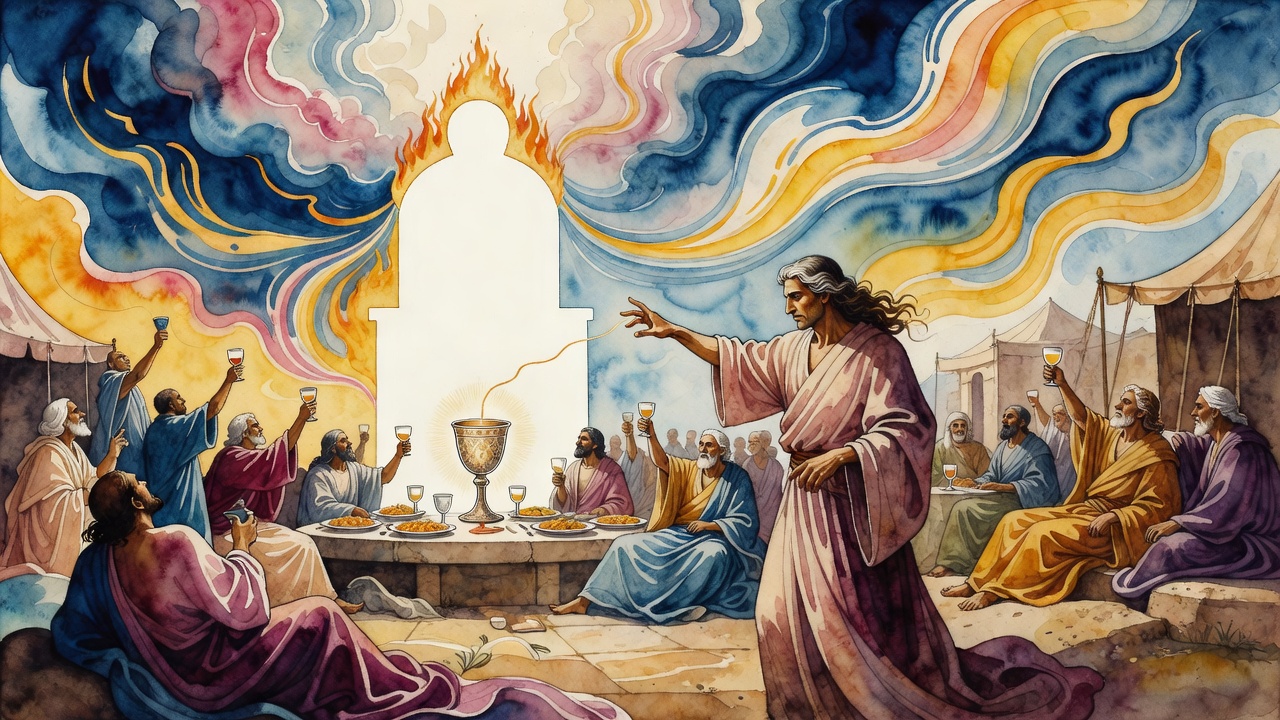
Cups went round at a Midianite table before anyone named an idol. The men drank. By morning the tents were already dying.
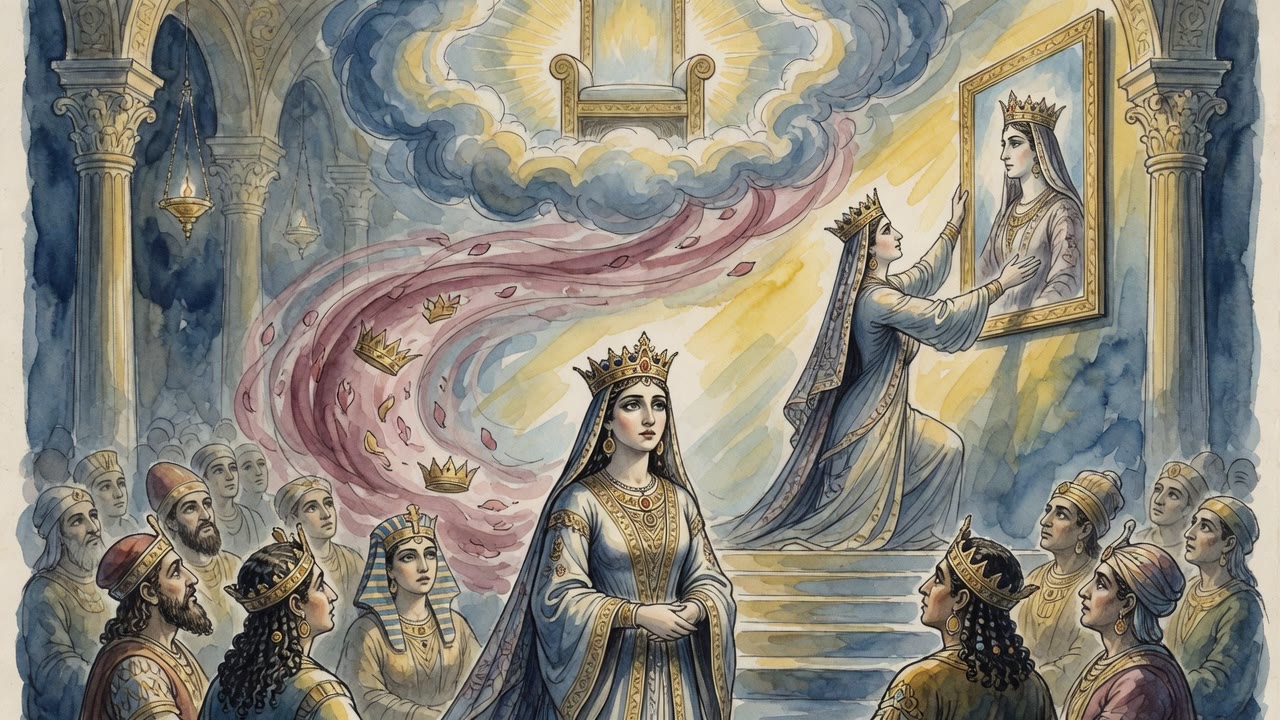
Hegai could hang if the king found the new girl unprepared. Esther would not touch the creams or the royal food, so he buried her in jewels.
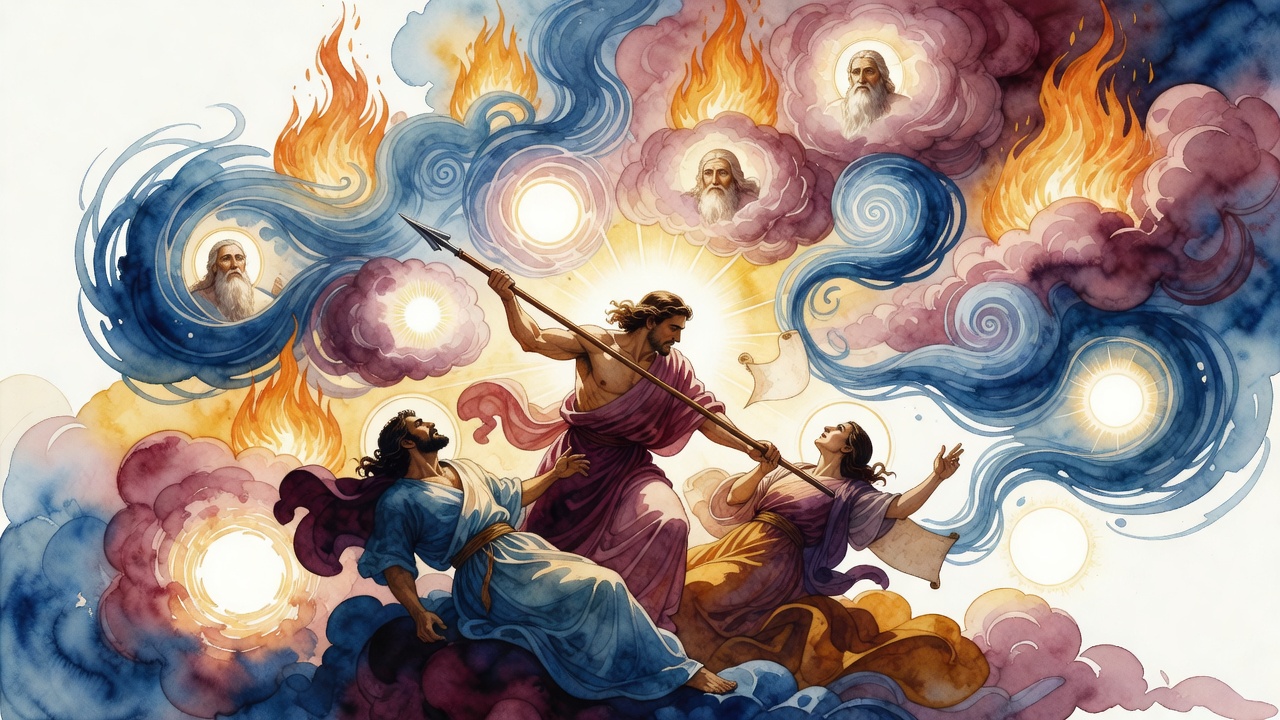
Zimri asked Moses what was wrong with a Midianite woman, since Moses had married one himself. Moses had no answer. A young priest stood up.
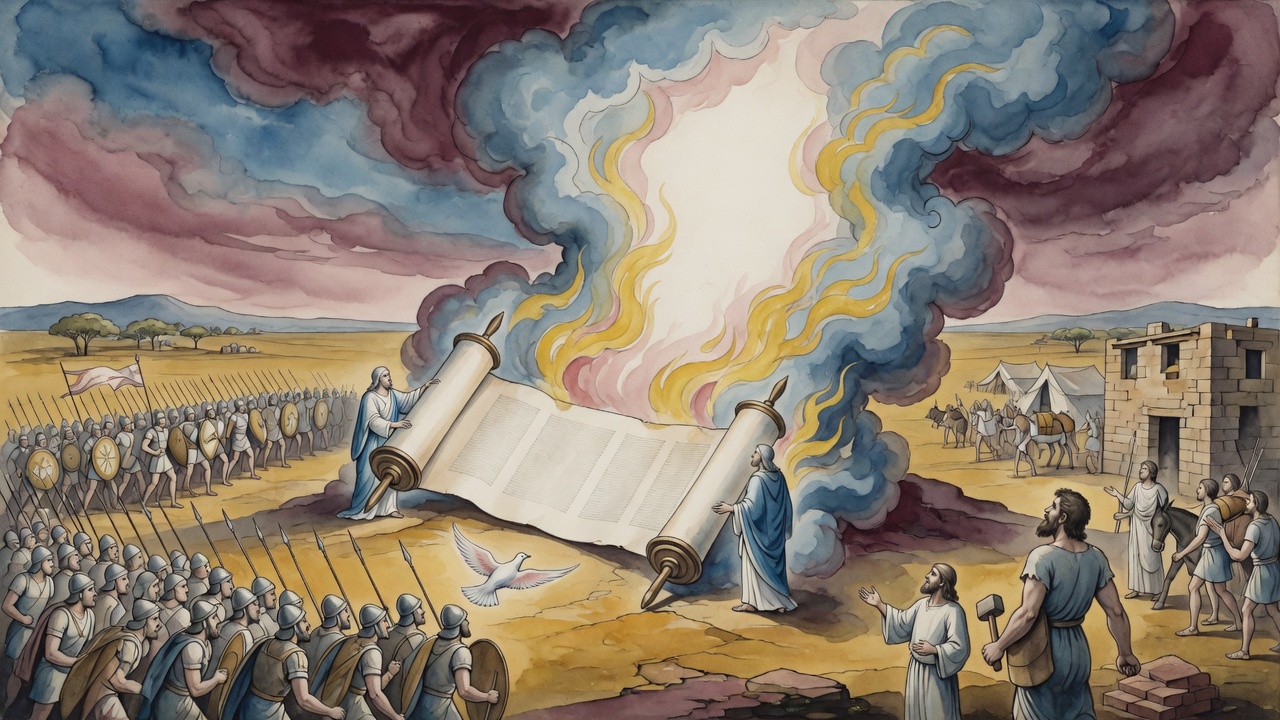
Israel marches to war and the Torah stops the column. Remember the desert, send home the man with an unfinished house, offer peace before drawing a sword.
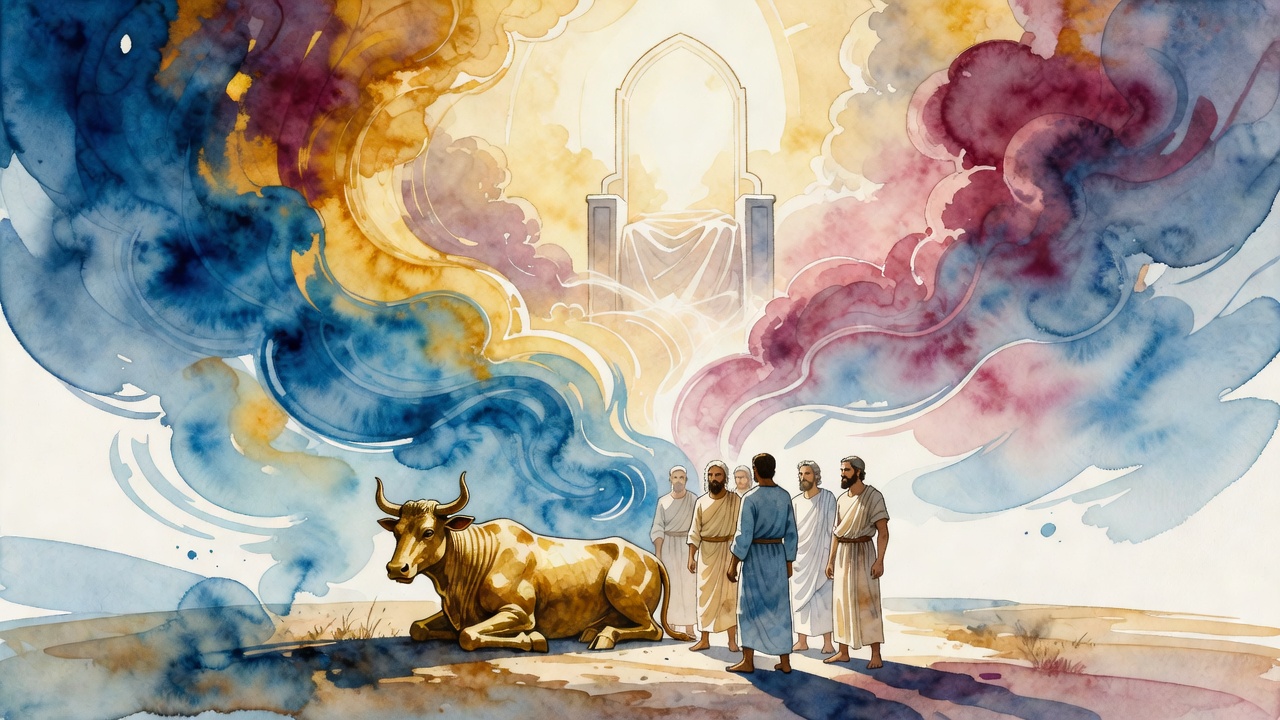
Everyone in the camp would have said they were loyal. Moses asked a narrower question, and only the men who had kept their gold could answer it.
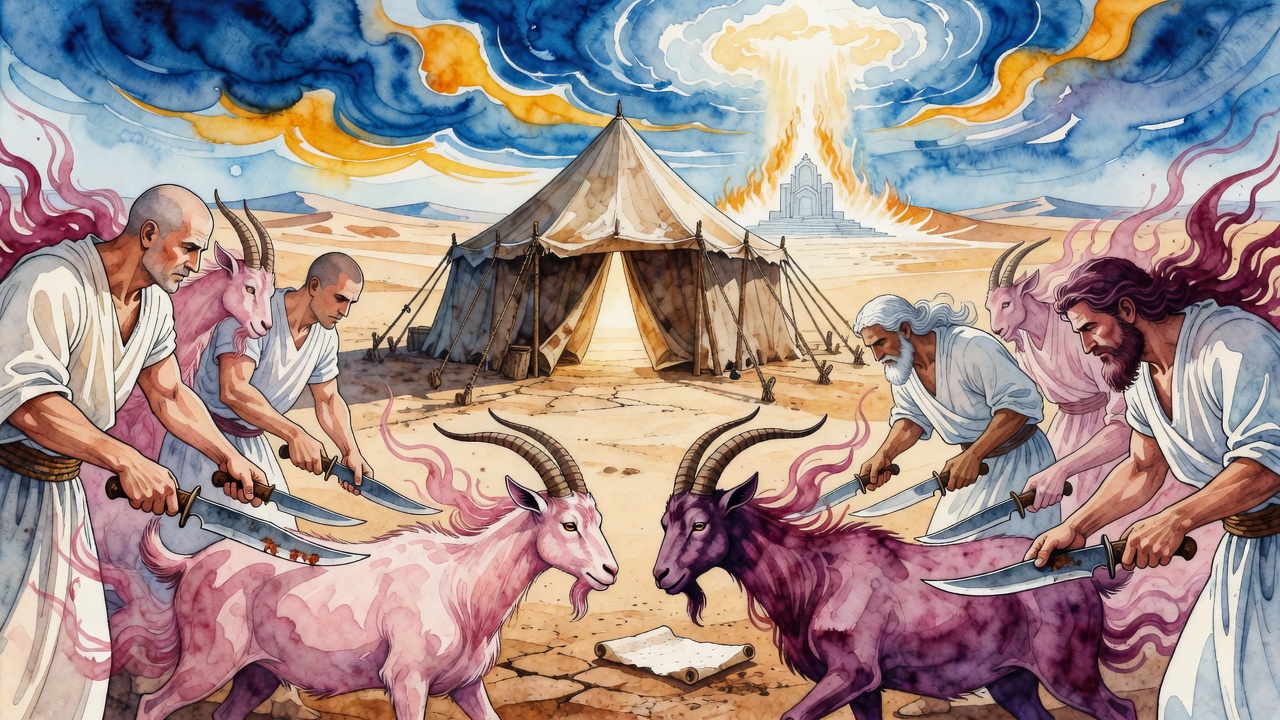
Desert knives fed private hunger and goat demons. Torah dragged every blade to the Tent, then taught fat and flock as care for Israel's living assets.
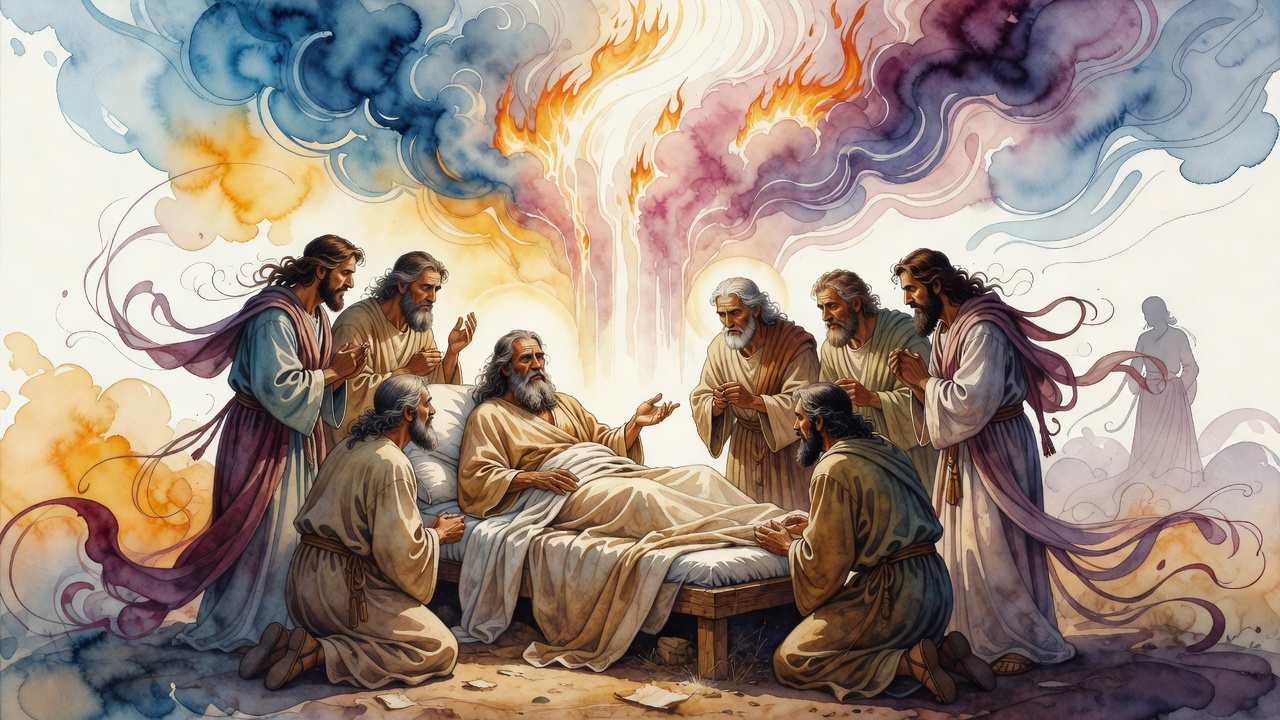
Twelve grown men leaned over a dying father waiting for their blessing. The first thing he gave them was an order to make themselves clean.
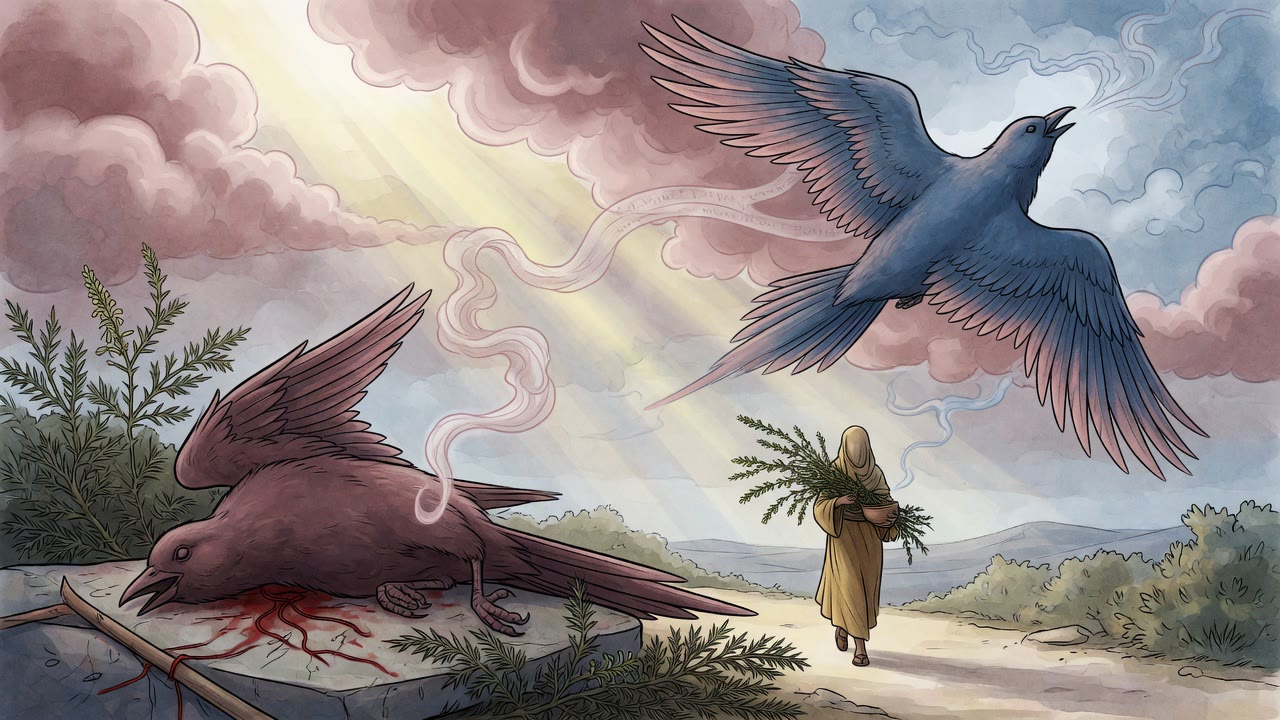
A metzora walks back from isolation with cedar, hyssop, and birds. One bird dies for the tongue. One flies free if the mouth has changed.
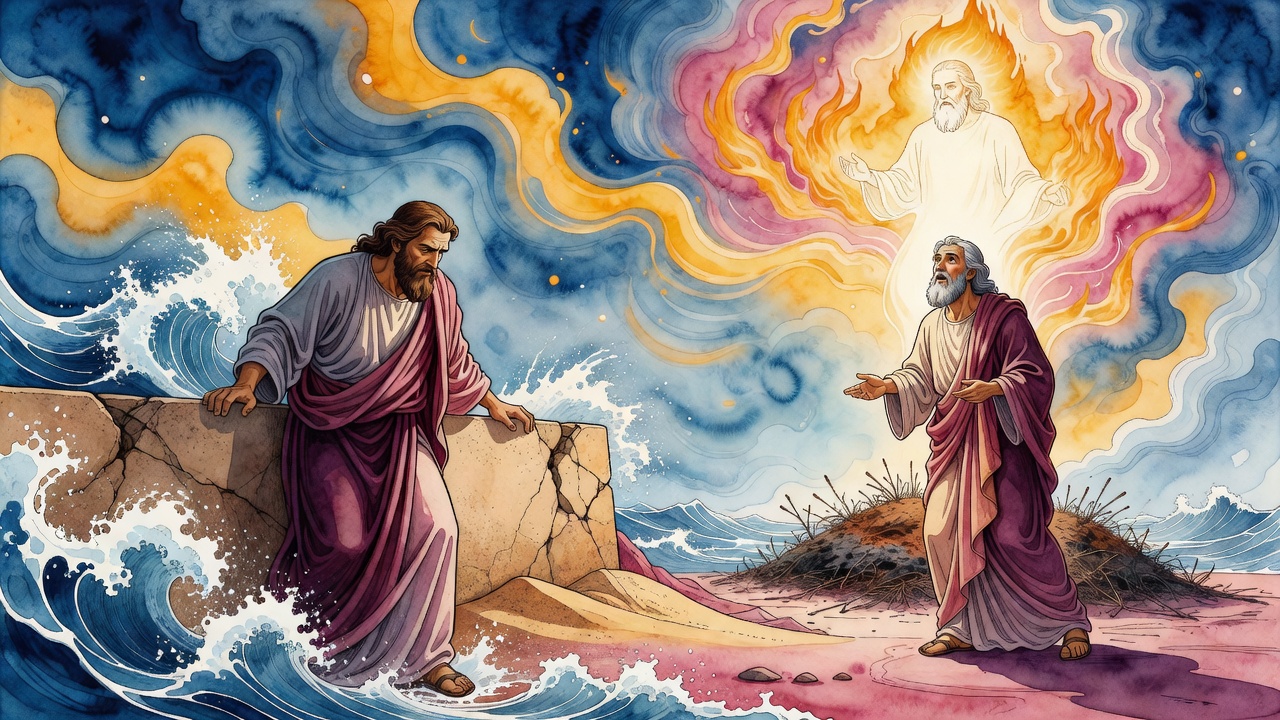
Pharaoh sent men whose year was already up. Solomon measured them for burial and sent them home carrying their own linen.
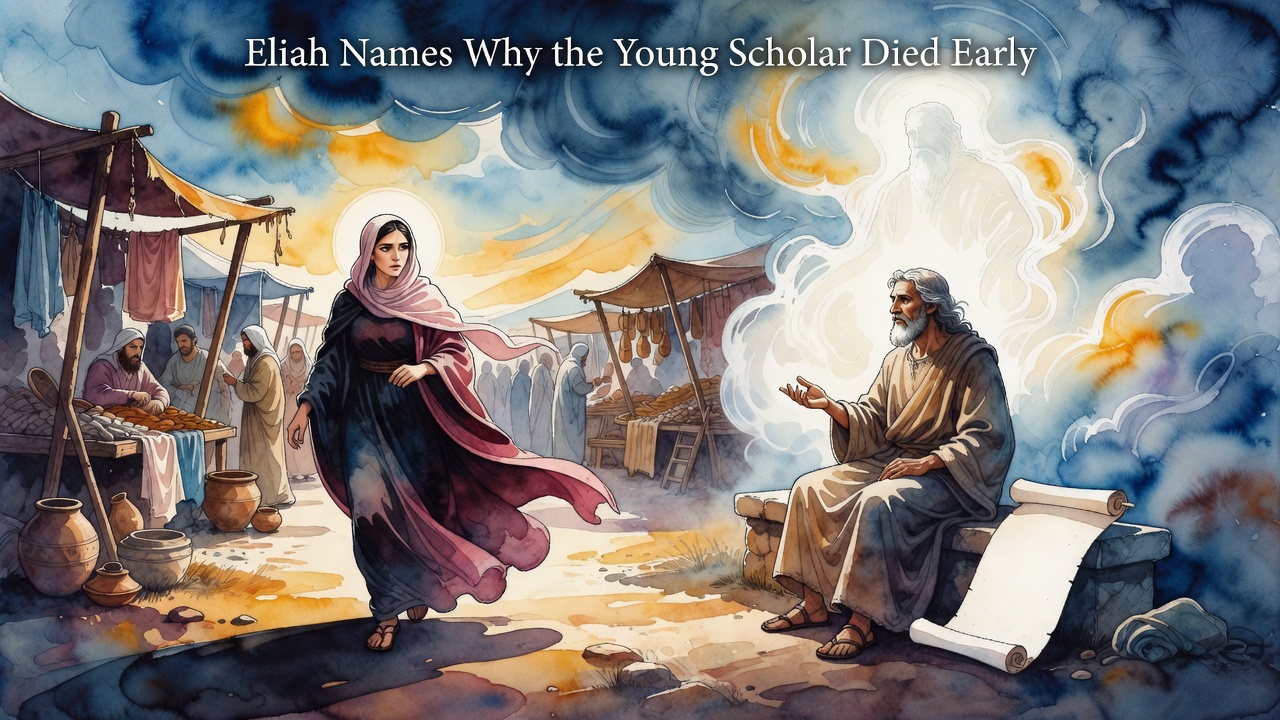
Not one of her husband's colleagues would answer her. Then a man sat down in her courtyard and asked two questions about her marriage bed.
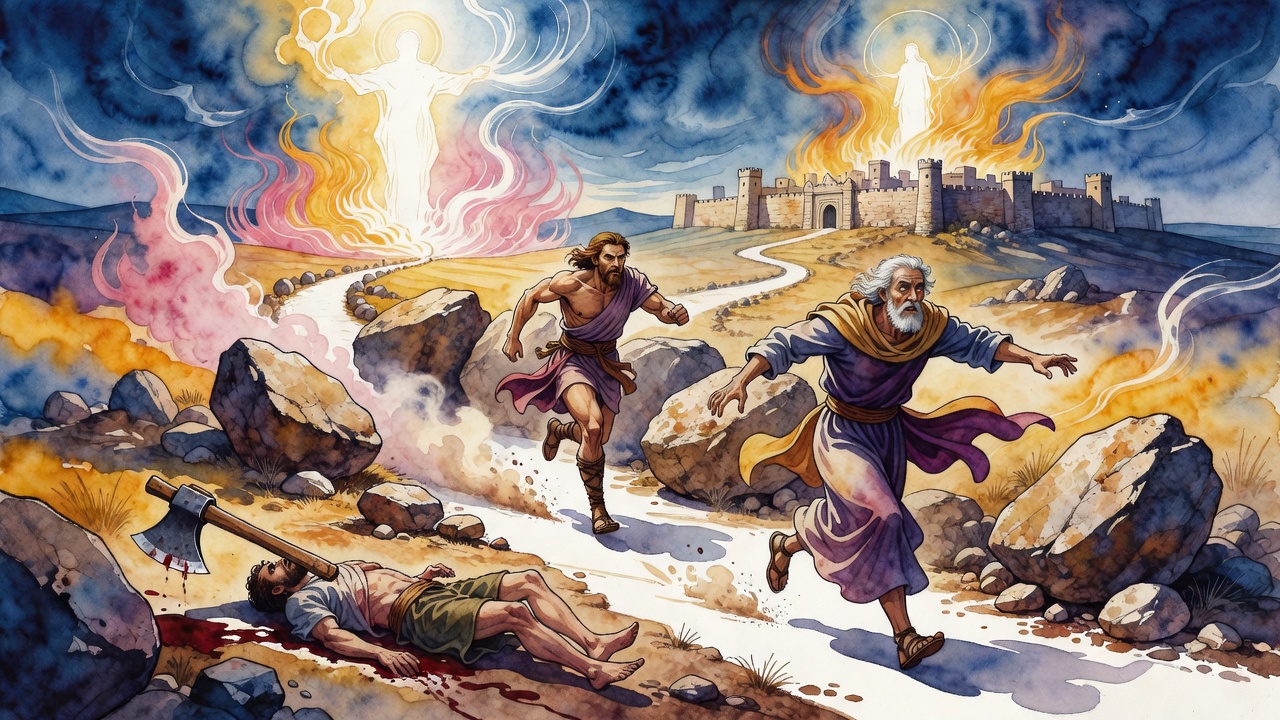
An axe head slipped and a man fell dead. The killer ran for a city of refuge while the goel hadam closed the road behind him.
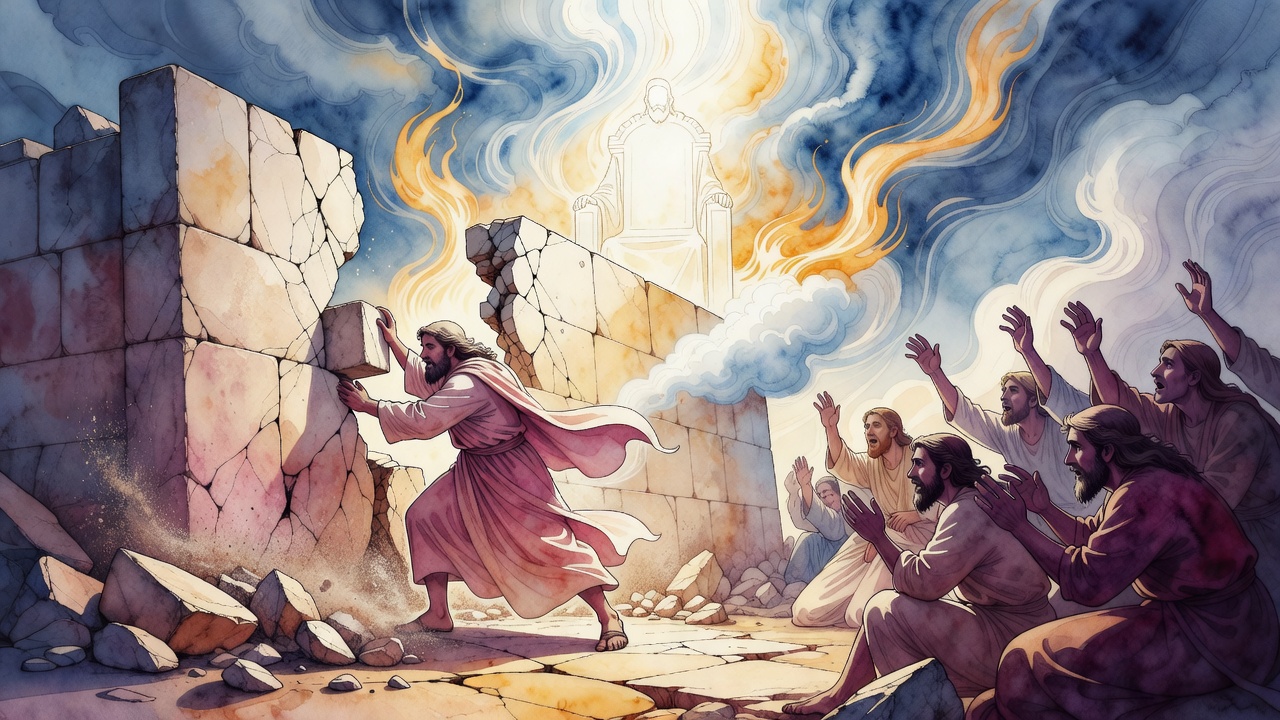
A student asked for hidden books after the last case. Meir pointed at the cracked doorway. Petitioners were still in the rain.
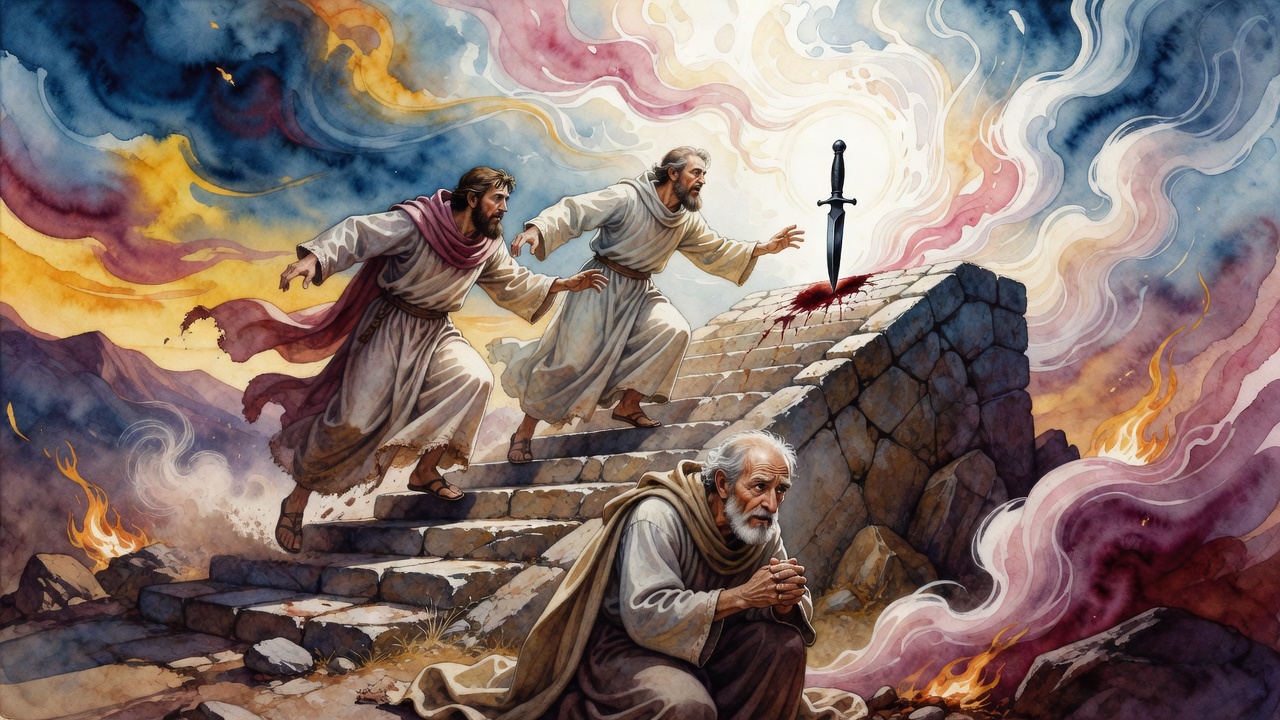
Two equal priests sprinted the altar ramp for one sacrifice; a knife found a heart, and a father begged only that the blade stay pure.
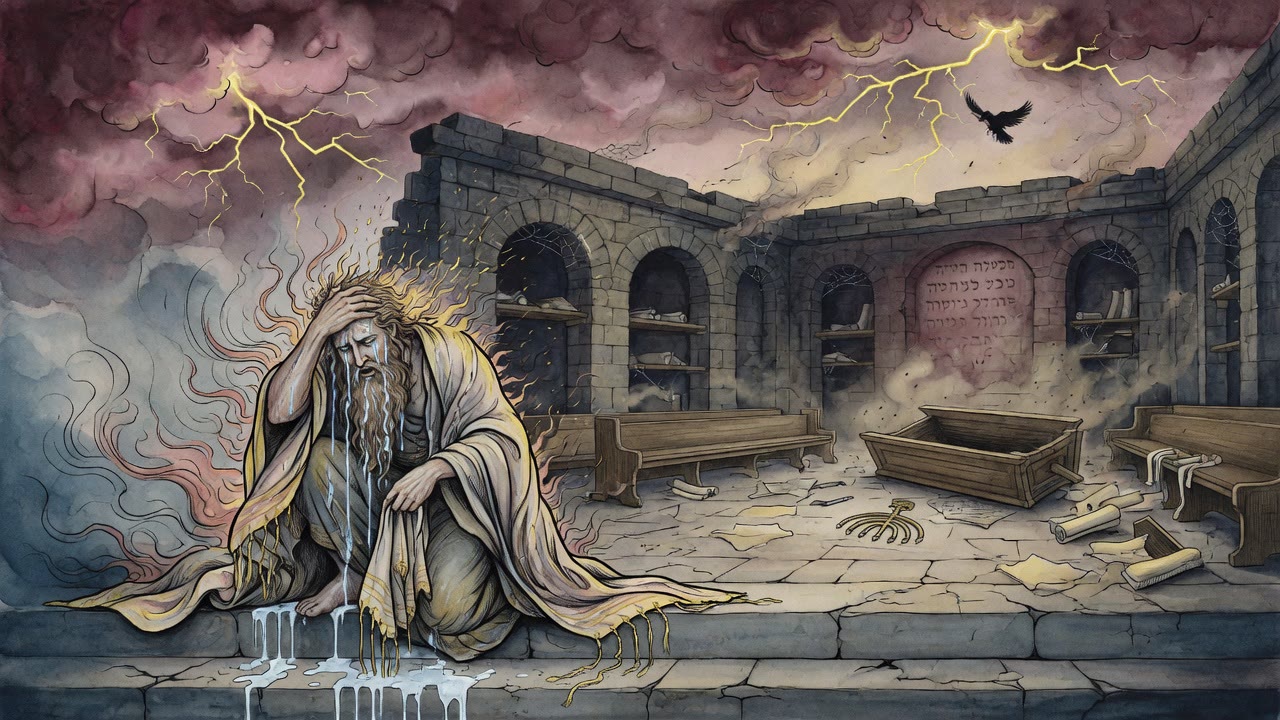
The courtyard still smelled of parchment. Two hundred seats sat empty. Eliyahu wept until an angel told him those students had ruined themselves.
Immersion would have been done by sundown. God still named tomorrow. In the tents that night a commandment lay between husband and wife.
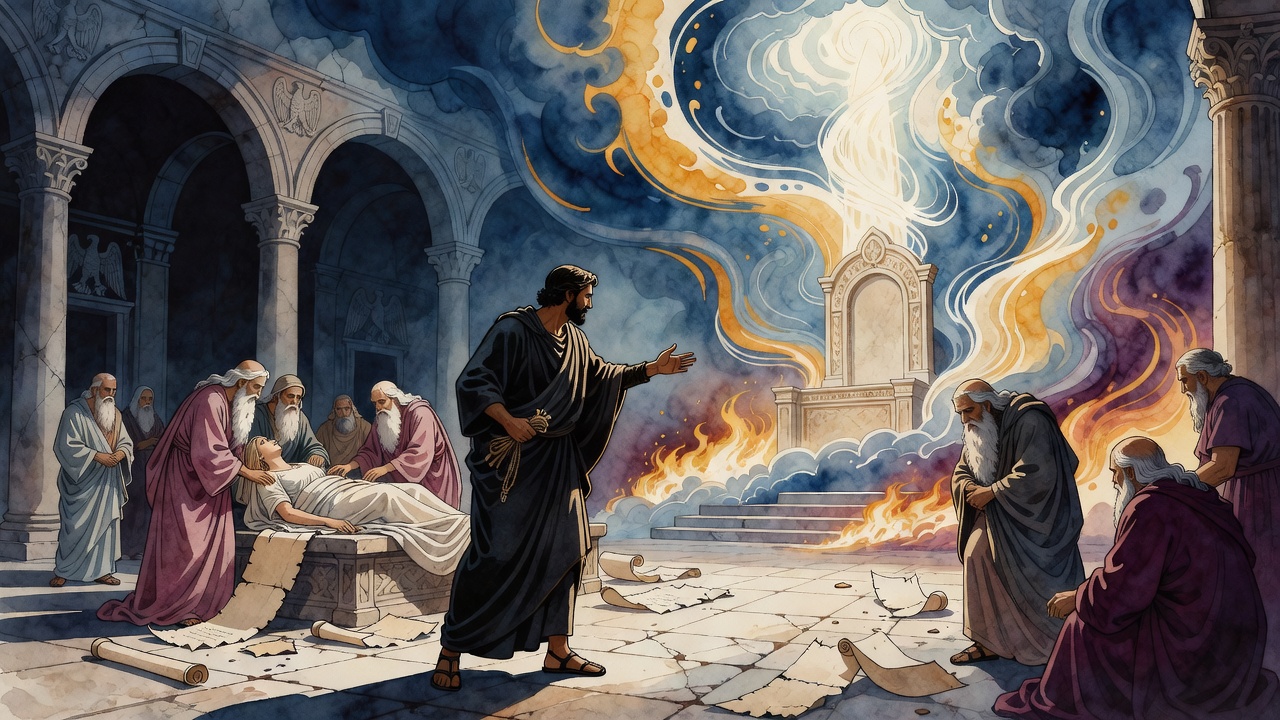
The counselor's robe was not his. Under it he argued that Sabbath, the knife, and purity were injuries Rome should keep.
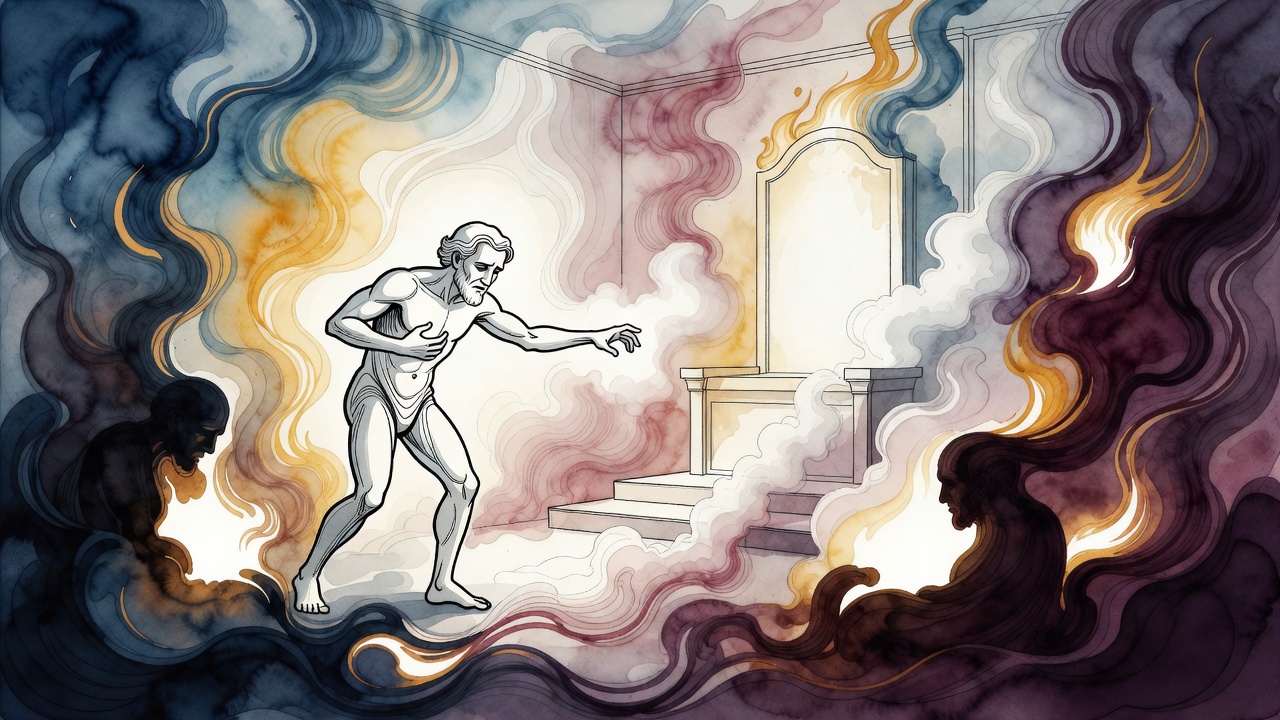
He reached for the meat before the blessing had left his mouth. In the corner the lamp failed, and a thickness sat down as if it had been invited.

A midnight candle showed white, red, and black while a two-color rose drank from both sides. Humility and holy fear dressed the soul.
Seekers paid three hundred coins for a pure red cow, the seller yoked her by night, and her eyes betrayed him until he hanged himself.
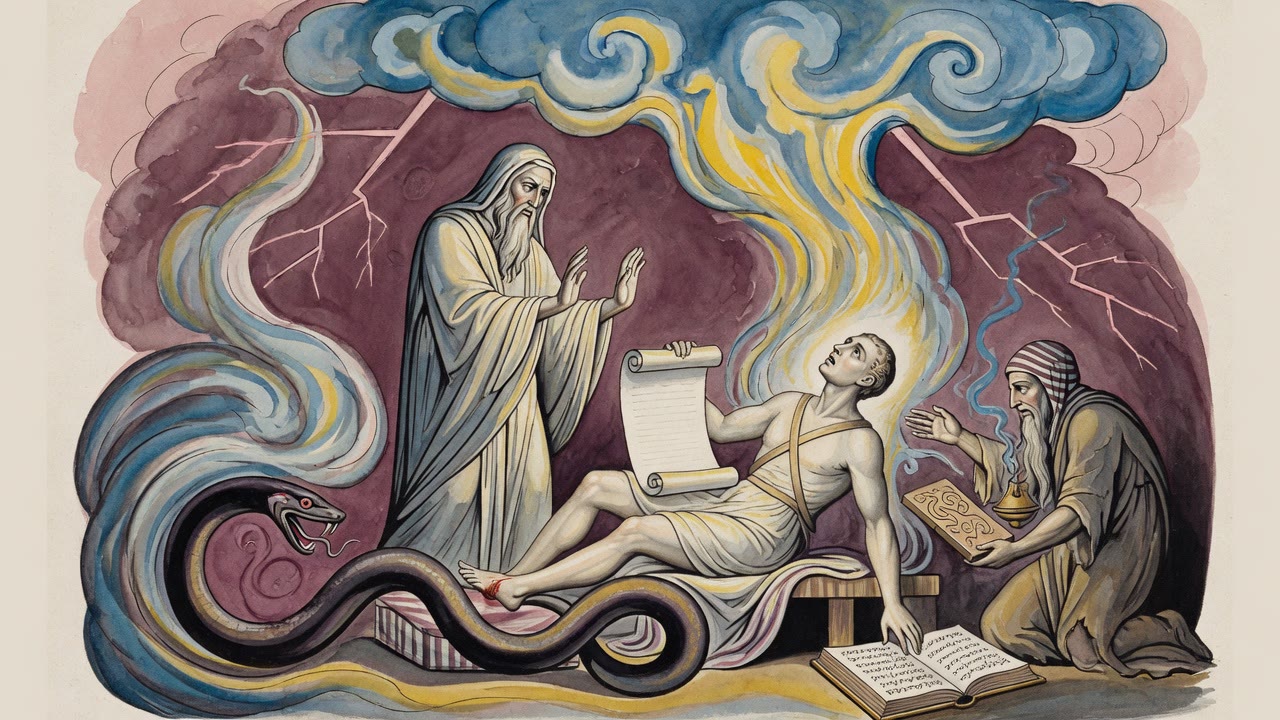
A serpent bit Rabbi Ishmael's nephew, a forbidden healer offered a spell, and the uncle refused while the young man still searched for a proof-text.
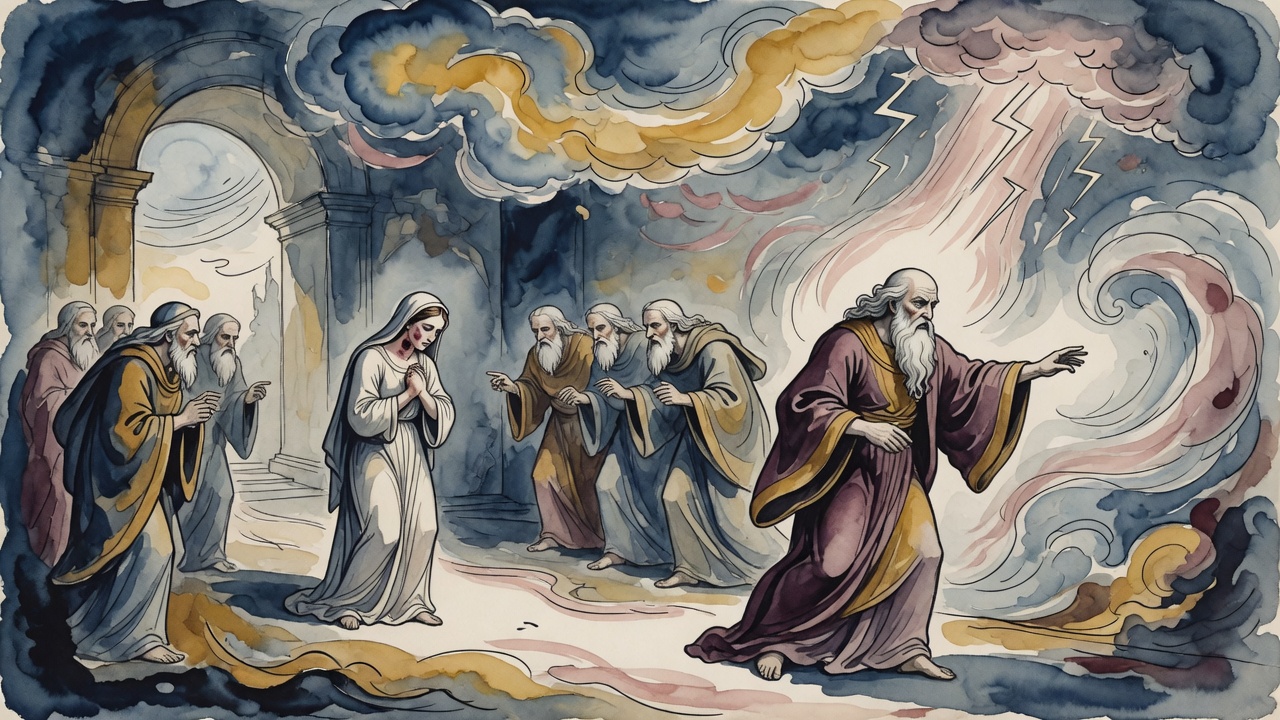
She walked into the study house holding a stained cloth. Rabbi Akiva asked her one question about an old wound and sent her home clean.
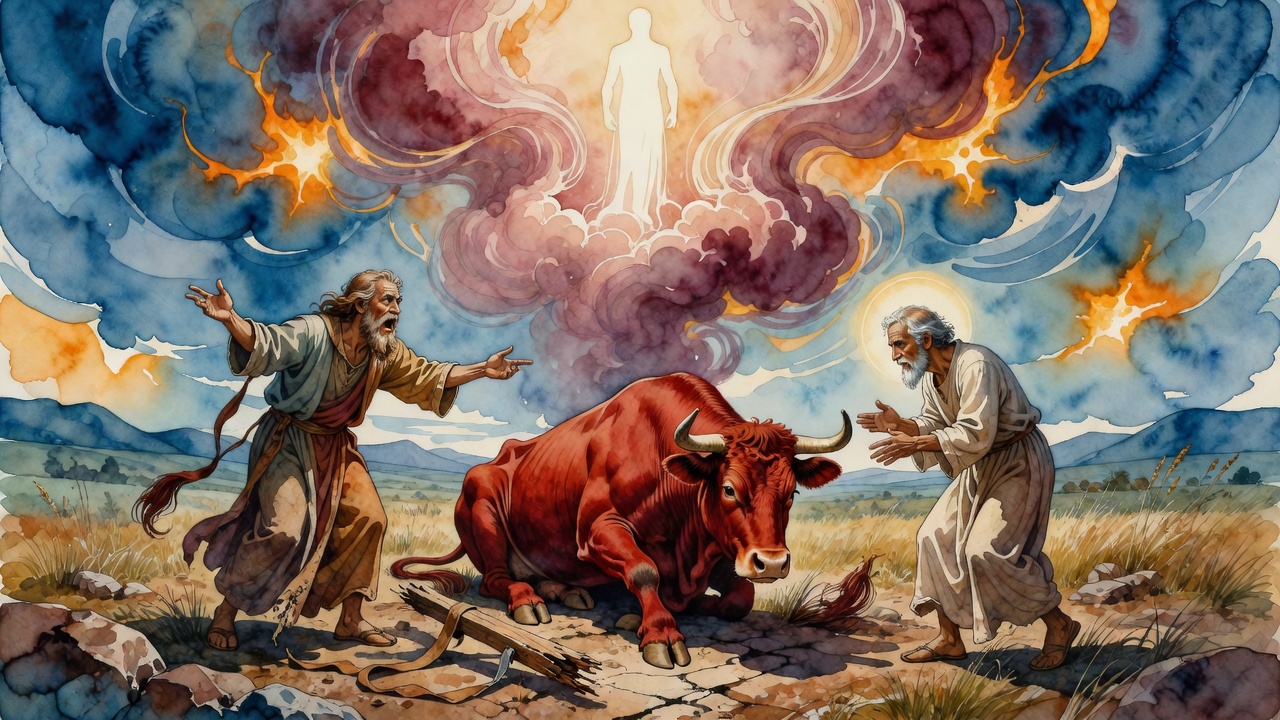
The buyer had watched the animal work six days without trouble. On the seventh it lay down under the yoke. Its old owner came and whispered in its ear.
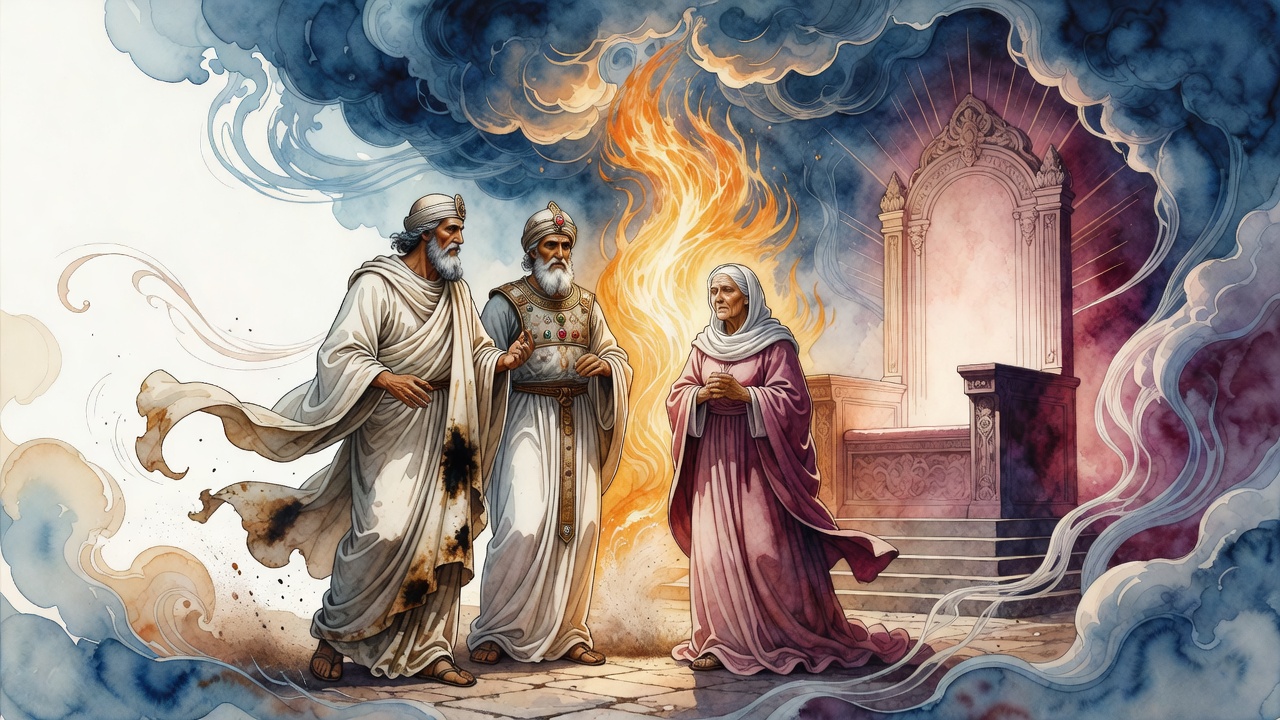
A king's spit landed on the high priest's cloth. By sunset his brother had worn the same office, and their mother had seen both.
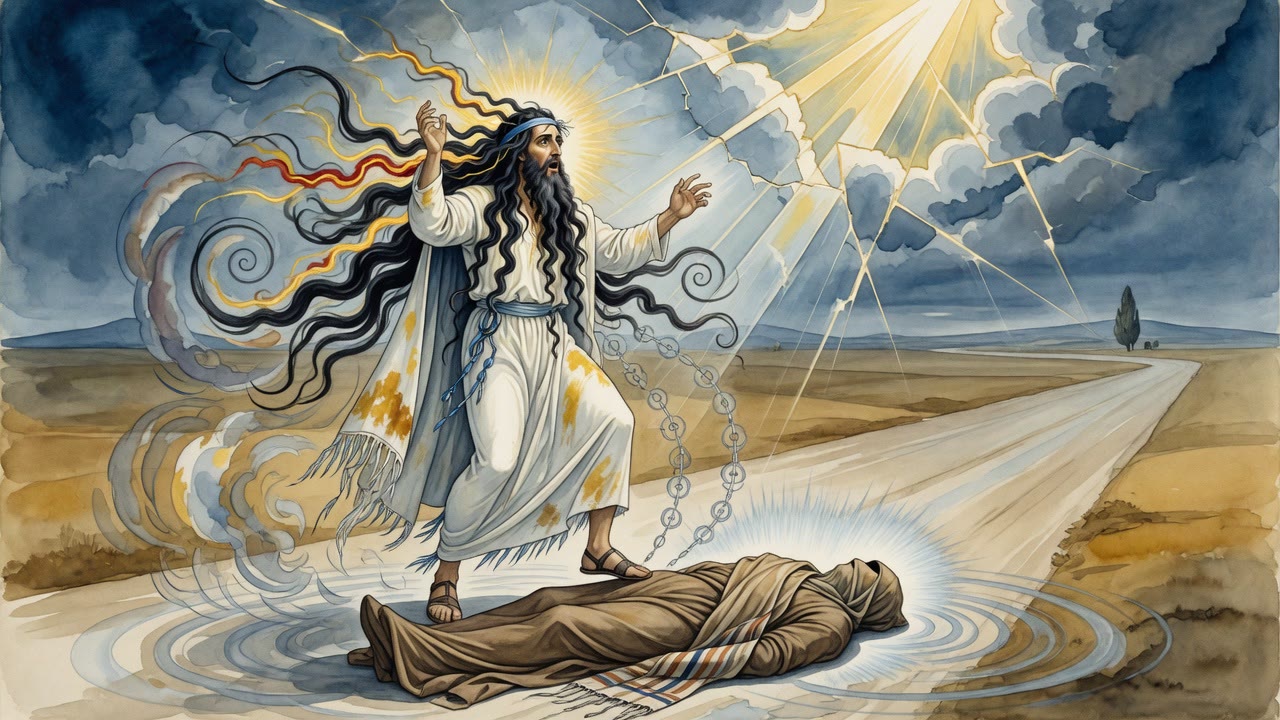
A nazir walked pure until his foot found a body no one owned. Consecrated hair became shame, and impurity traveled link by careful link.
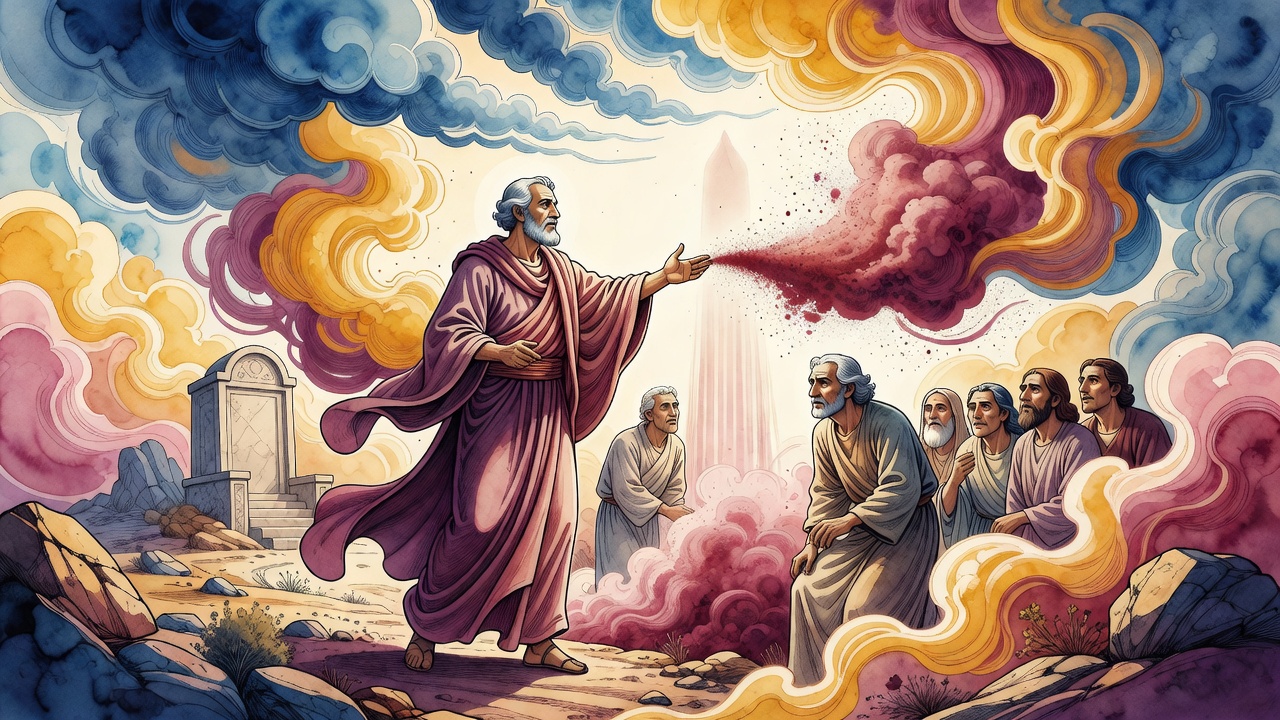
The idolater called the heifer a street trick. Yochanan matched him with smoke. His students got a different answer. The King does not explain Himself.
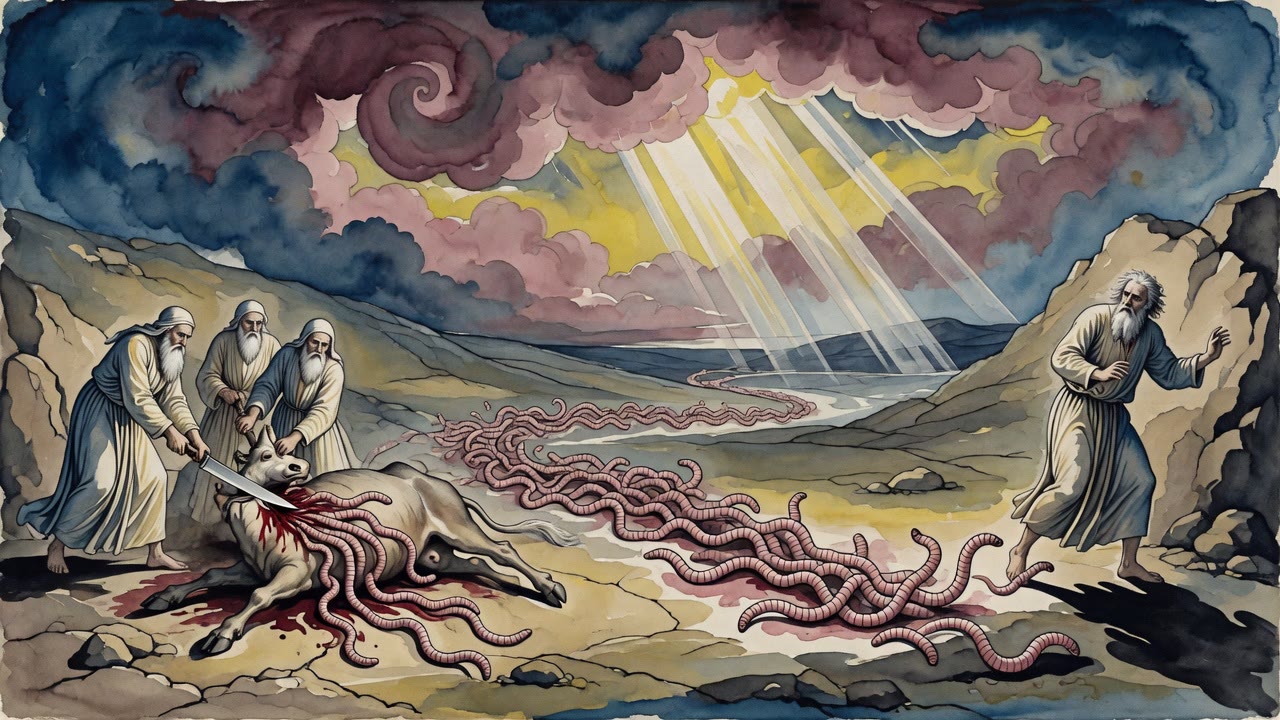
Elders break a heifer in a barren valley, and worms rise from the rite to crawl straight toward a living murderer.
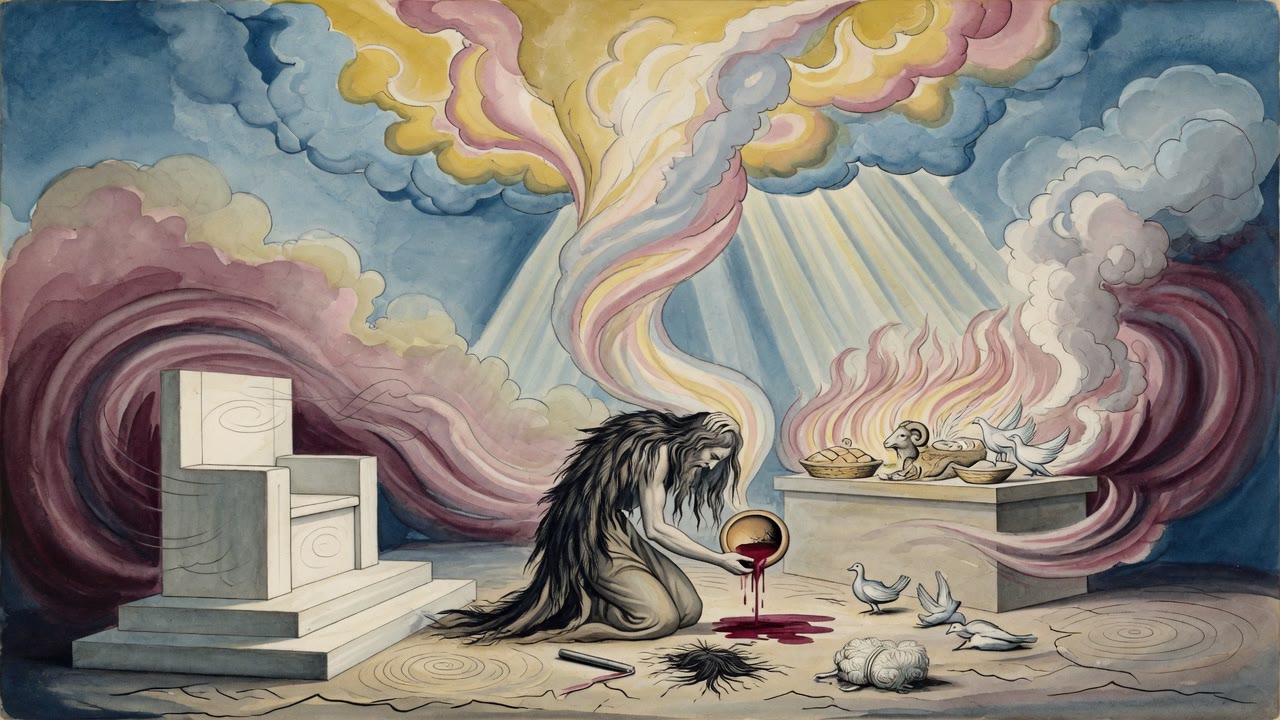
Death lay in the road and he could not step around it. His hair was still growing. The days he had counted would not follow him home.
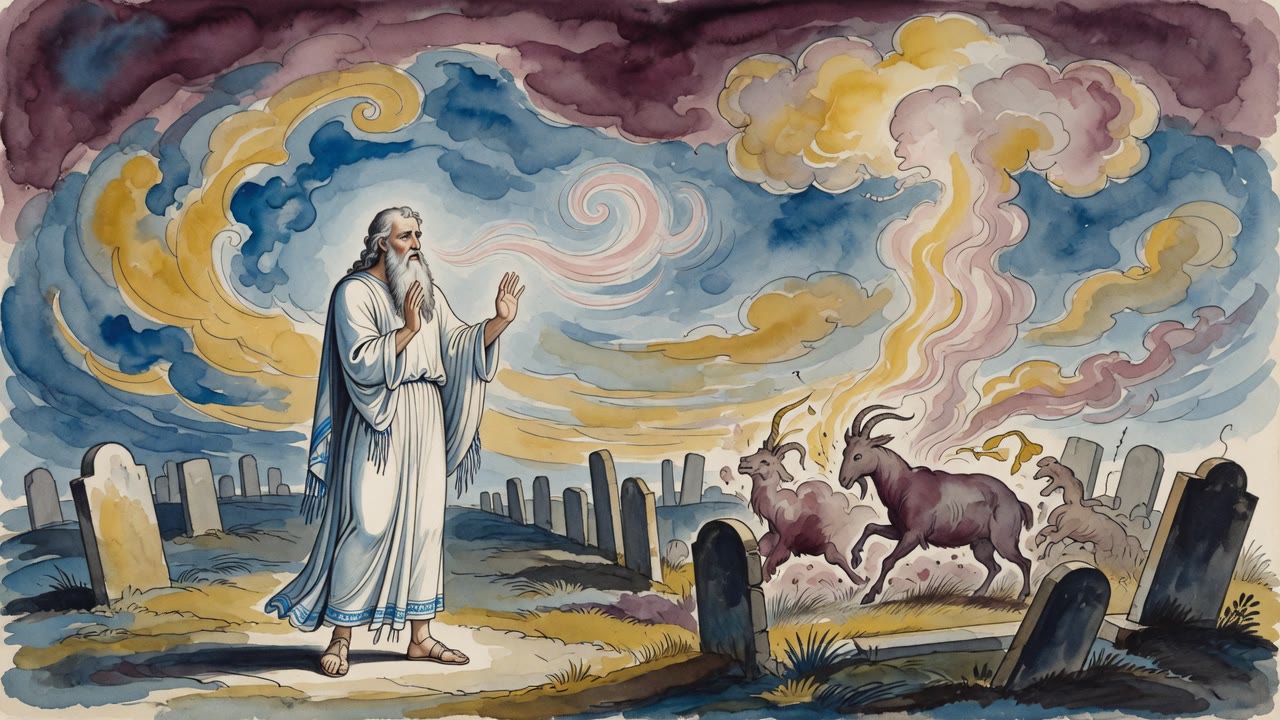
A kohen hears an animal thrash among graves, his father's voice orders him in, and the law tells him to forbear at the boundary of death.
