Phinehas Traced the Plague Back to the First Cup
Cups went round at a Midianite table before anyone named an idol. The men drank. By morning the tents were already dying.
Table of Contents
 Click for full size
The Cups Came First
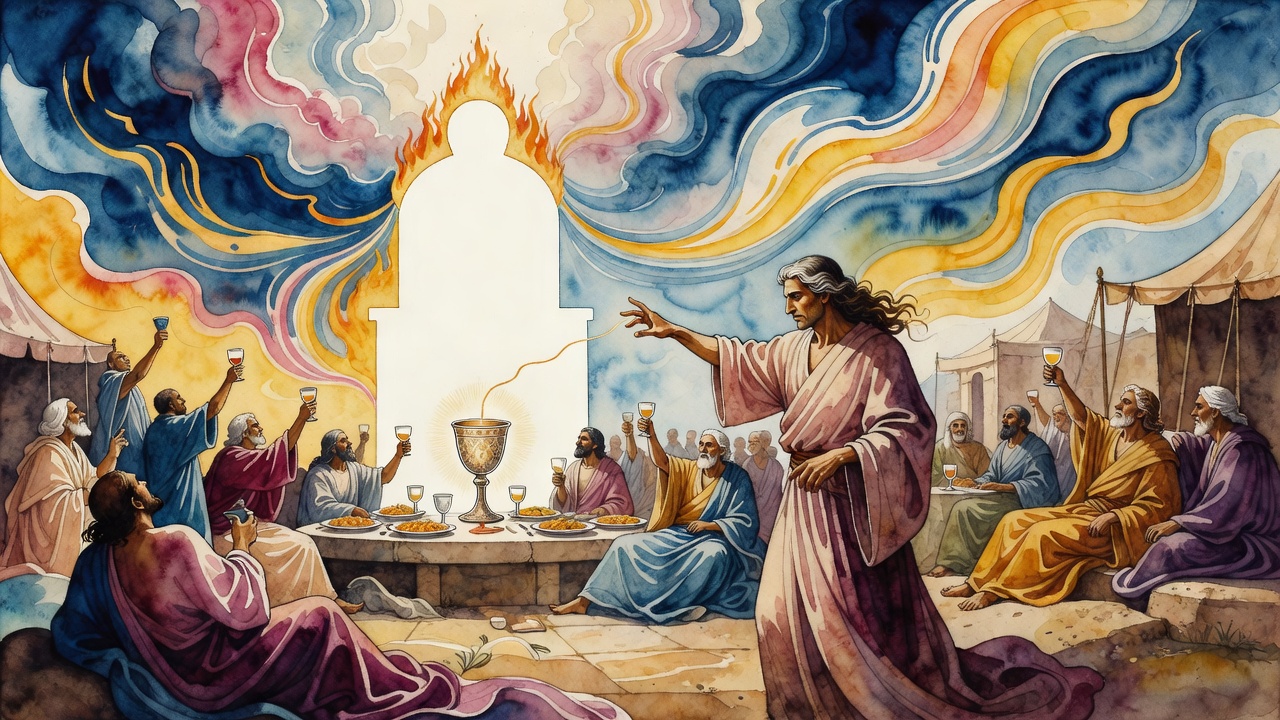
The women set the bowls down before they set out a shrine. That is how Shittim began. Not with a speech. Not with a statue in the open. With wine that had already been poured to gods that were not God.
Phinehas was not at that table. The men of Israel were. They sat. They drank. Nobody recanted a covenant. Nobody named Peor yet. They were guests, and the cups kept coming, cool against the heat of the plains of Moab.
A man who has drunk libation wine is already walking toward the tent where the rest of the worship happens. The heat in the blood arrived before any name of a god did. By the time anyone thought to ask whose feast this was, a generation had gone through the gate on full stomachs.
Balaam Drew the Map Curses Could Not
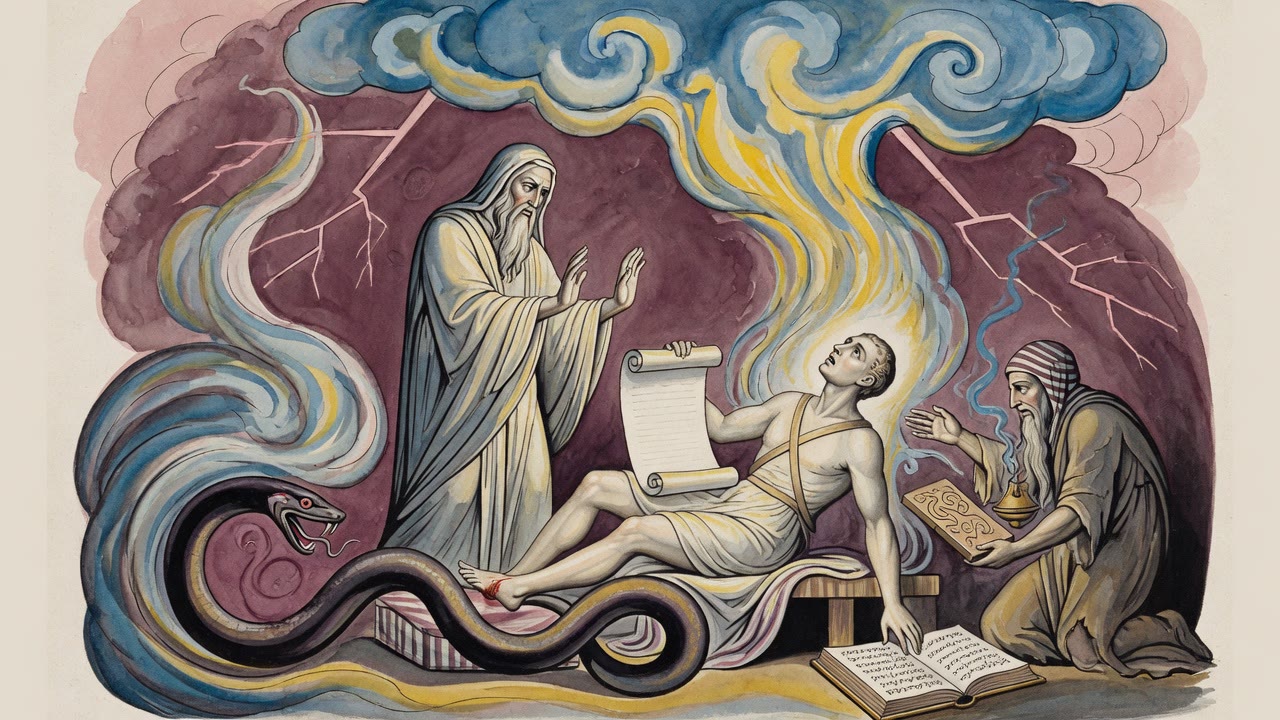
Balaam had already failed at the mountain. He had opened his mouth to curse Israel and blessing had come out instead. The God of Israel would not be knocked down from outside. He could be drawn into anger from inside, if Israel itself would step over the line.
So Balaam told the Midianites to lay a table. Send the daughters. Fill the cups with wine already offered to their gods, the first of the new vintage taken for worship and for the beds that followed the worship. "Whoredom and wine and new wine take away the heart" (Hosea 4:11).
The men of Israel sat down as if it were hospitality. It was a weapon. Balaam had found the one door God would not bolt from the outside.
The Spear Stopped the Dying
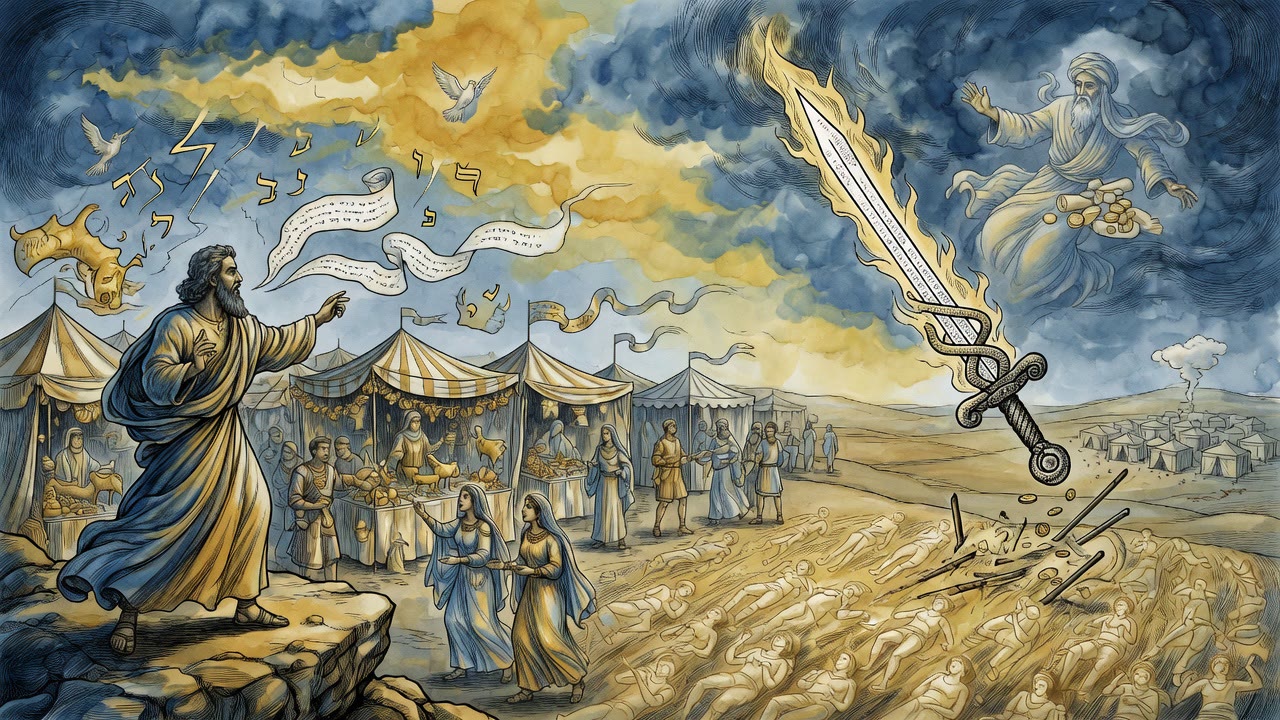
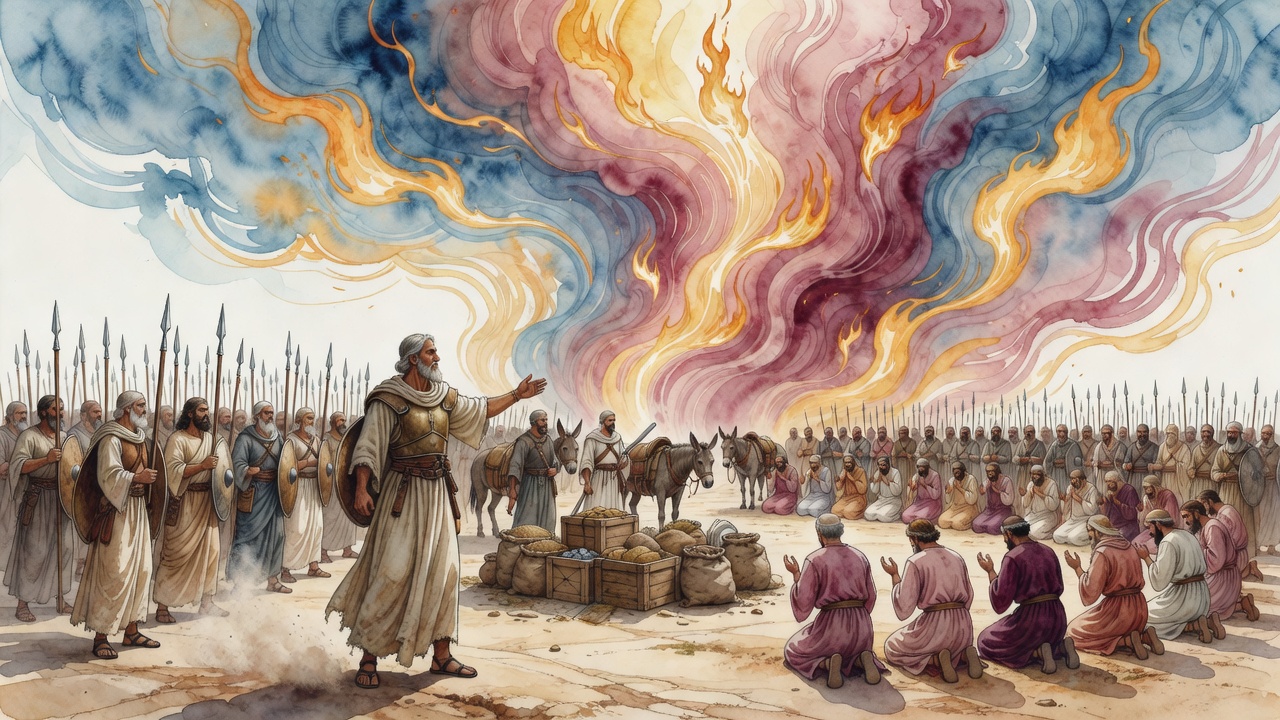
Zimri brought Cozbi into the camp in daylight, past the weeping, past the tent of meeting, as if the plague were weather. Twenty-four thousand were already dying when Phinehas took a lance and went in after them. He did not wait for a court. He pinned them together, man and woman, to the earth of the tent floor.
The plague halted. The count closed. Men who had been holding their breath started breathing again. A body that has been dying all morning does not argue with a stopped blow.
Phinehas looked back along the road that had led to that tent. The road did not begin at Zimri's flap. It began at a table. Cups were still being filled in Midian. Feasts were still being laid. Everything that had made Shittim possible was still in place, waiting for the next hungry hour.
Stopping a death is not the same as sealing a breach. He knew it in his hands before he put it into words.
He Banned the Wine by the Name
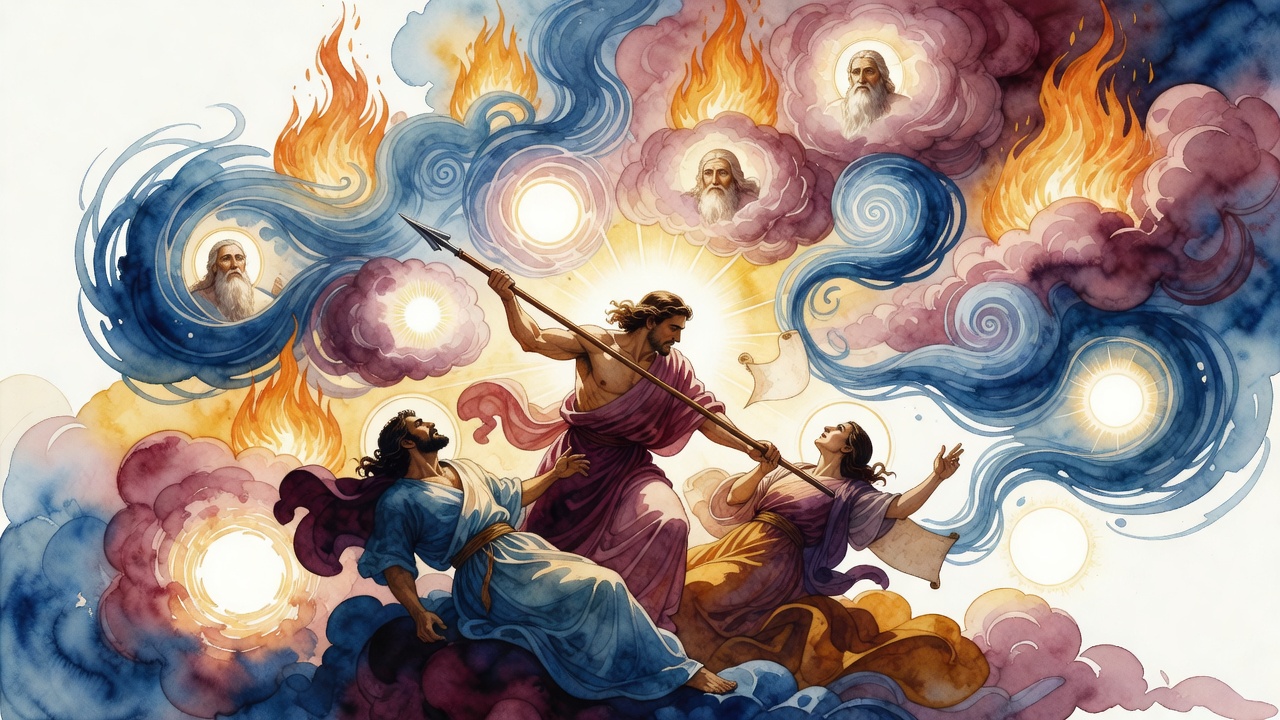
Phinehas stood and spoke the Name that is not spoken, and he called the writing on the two tablets as witness, and he called the court above and the court below. He placed a ban on the wine of the nations: yayin nesech (יין נסך), wine poured as a drink offering to an idol.
Not every vineyard. The wine set aside for other powers. An Israelite should not drink the wine of the nations unless it had been trodden by feet, fouled for common use, no longer a thing a man could lift toward a statue. "They drink that which ye have fouled with your feet" (Ezekiel 34:19).
Balaam's blueprint had used a feast as a blade. Phinehas shut it at the bung. The earthly ban and the heavenly ban sat on the same cup.
Moses Forgot the Laws in His Fury
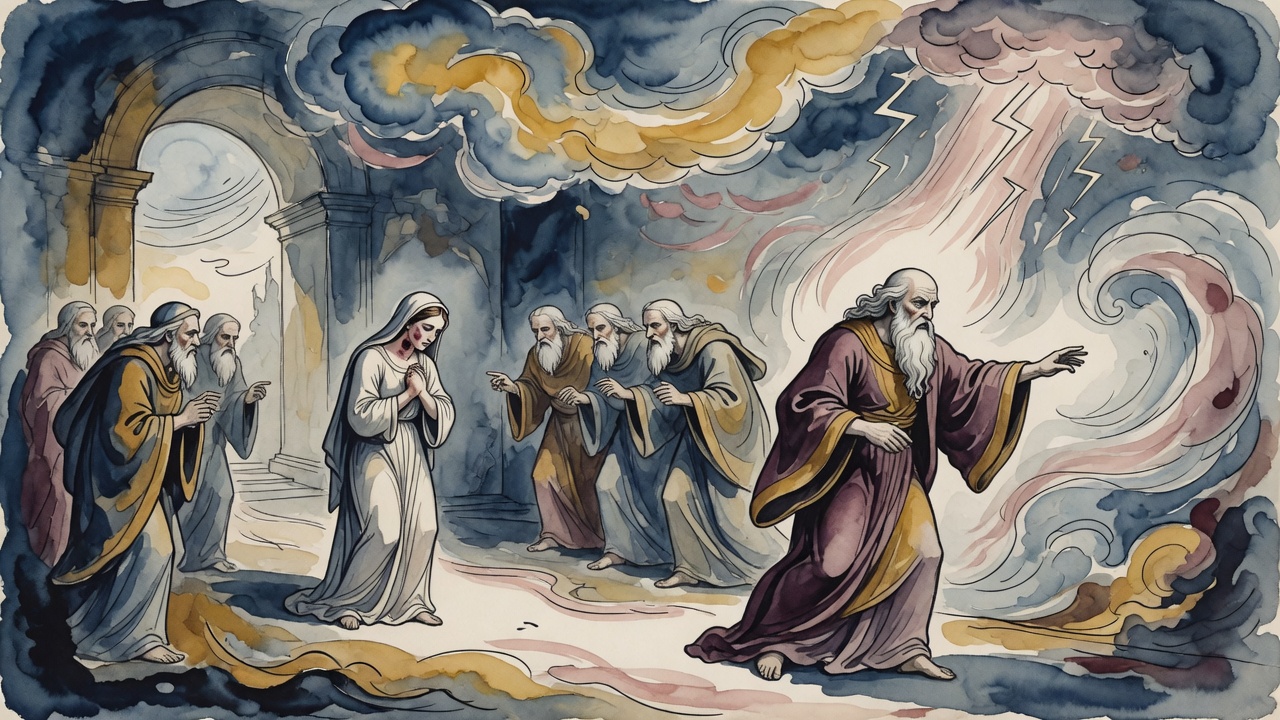
After the war against Midian, Moses came back to the camp and found the commanders had let the Midianite women live. He stood in front of them and the old fury rose in his throat. These were the women who had carried Balaam's plan, who had laid the feast and poured the cups at Shittim.
In that fury he forgot to tell the soldiers outside the camp the laws of purification. The words left him. The same temper that had once smashed tablets now scattered what he knew.
Eleazar, Aaron's son, announced the laws instead. He spoke them in Moses's hearing, which was not his to do. A student does not teach in front of his teacher. Heaven marked that too. The honor later set for Eleazar, that Joshua would stand before him and inquire by the Urim and Thummim, never arrived. Joshua never needed to ask. The honor sat unused.
Phinehas had closed the wine. Moses, in the same week of blood, had opened a gap in teaching by rage. The camp lived with both. The first cup was still the place the breach had opened, and the ban still stood on it.
← All myths