170 texts · Page 1 of 4
The Letter of Aristeas gives us a tantalizing glimpse. This ancient text, purporting to be a letter from an official named Aristeas to his brother Philocrates, describes the proces...
This letter, purportedly written by a Greek official named Aristeas, describes the process of creating the Septuagint, the Greek translation of the Hebrew Bible. But it's more than...
The Letter of Aristeas gives us a fascinating glimpse into this very issue, specifically concerning the Jewish people in the ancient world. The story goes that King Ptolemy II Phil...
The Letter of Aristeas, a fascinating text that purports to describe how the Septuagint – the Greek translation of the Hebrew Bible – came to be, gives us a glimpse into just such ...
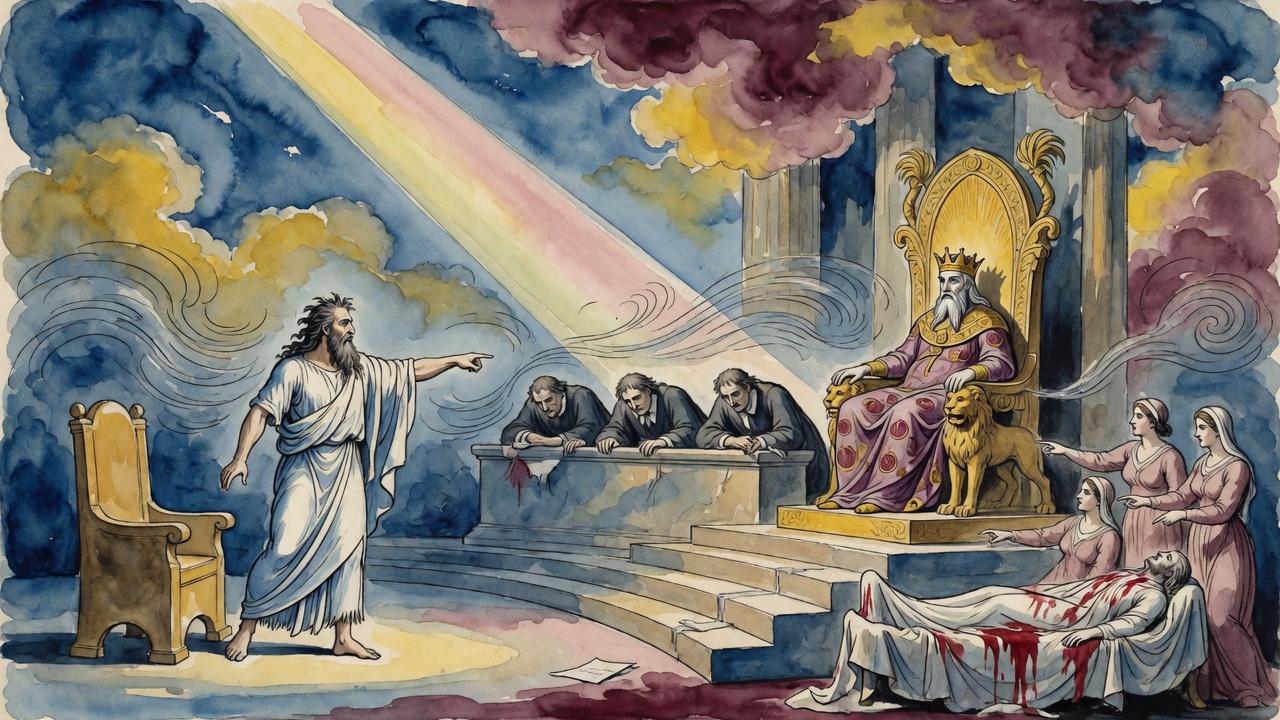
That’s the feeling coursing through the Seleucid court in the Book of Maccabees I. The situation in Judea? Not good. Antiochus, the king, is getting some very alarming advice. He’s...
The story of the Maccabees gives us a glimpse. Think back to a time of struggle, a time when the very identity of a people was threatened. The Book of Maccabees I recounts just suc...
Specifically, in the Book of Maccabees I, chapter 10, we find a decree that sounds almost too good to be true. Let’s set the stage a bit. The Maccabean Revolt was in full swing, a ...
That's the vibe in 1 Maccabees 15. We're talking about a moment so monumental, the decision was made to immortalize it. They commanded, with no small amount of gravitas, that the d...
The letter Zayin brings a proverb that circles back to the teacher's earlier obsession with beards: "Do not be thin-bearded or thick-bearded. Scorn these things, because you do not...
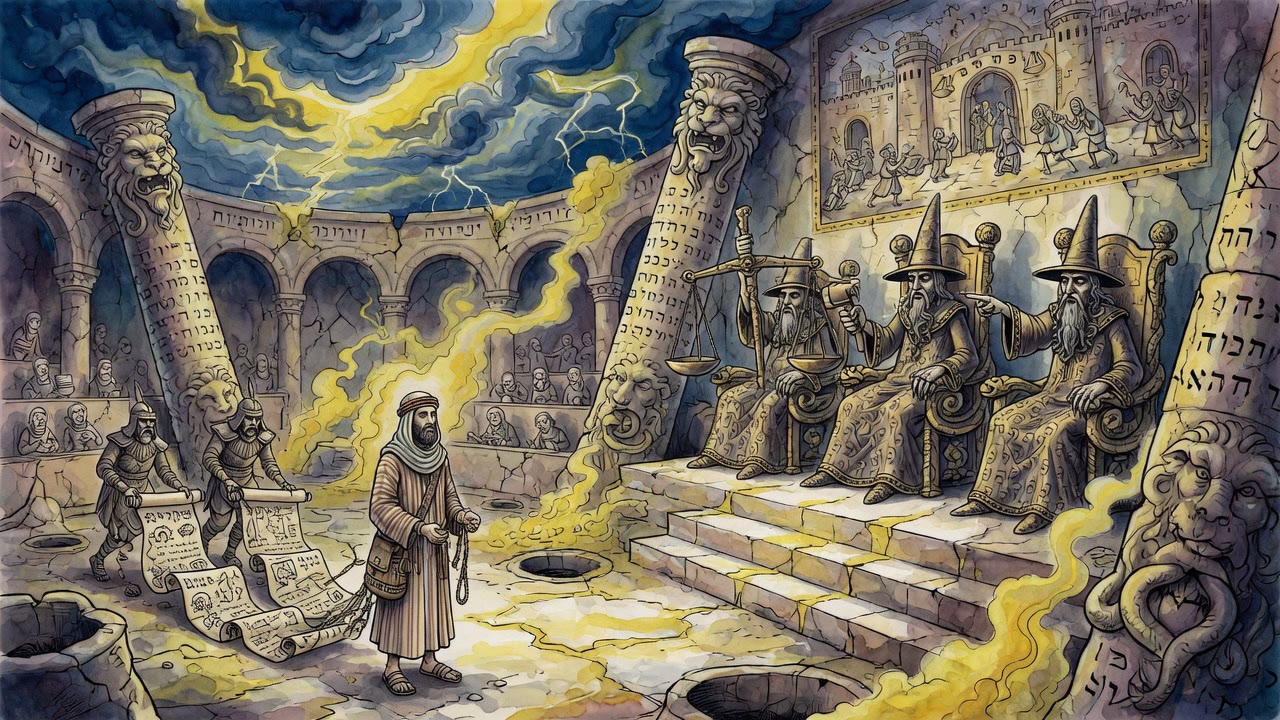
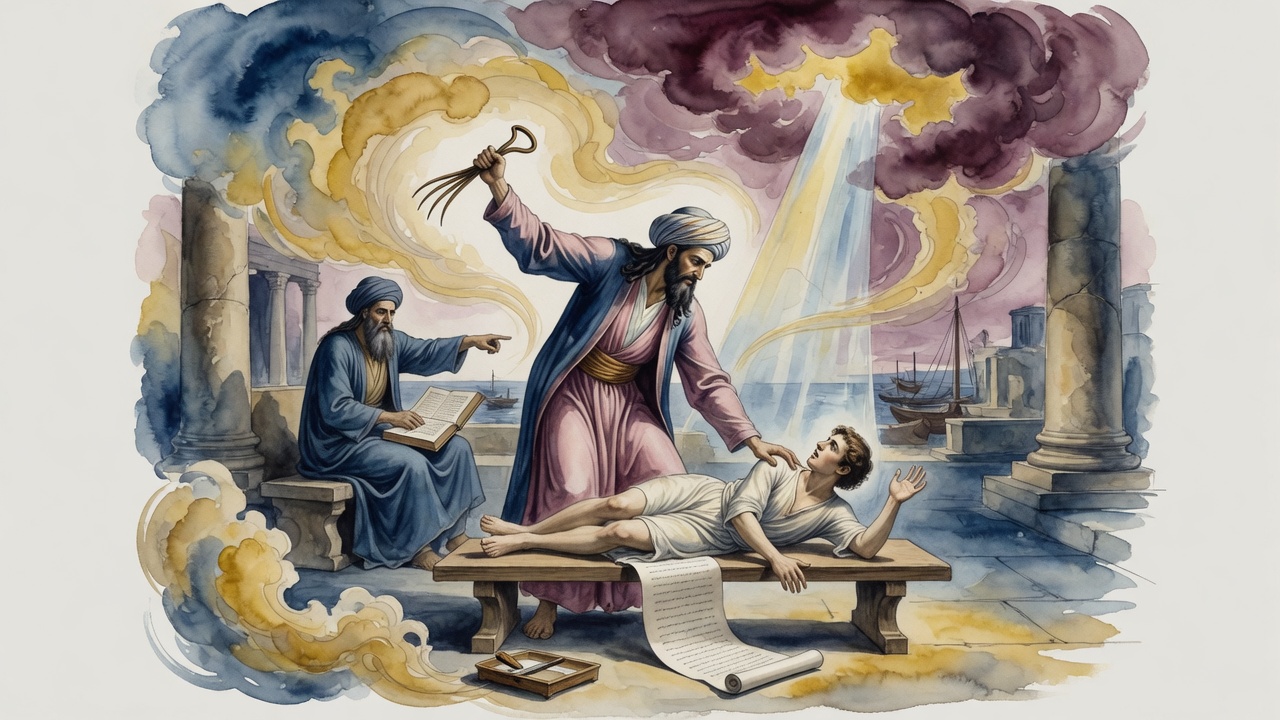
In Sodom, a stranger once found himself embroiled in a dispute. We don't know exactly what it was about, but it was serious enough to bring before the court. They wrangled and argu...
Forget your gavels and stern judges. Imagine something far more… theatrical. The image comes to us from Legends of the Jews, that incredible compilation of rabbinic lore put togeth...
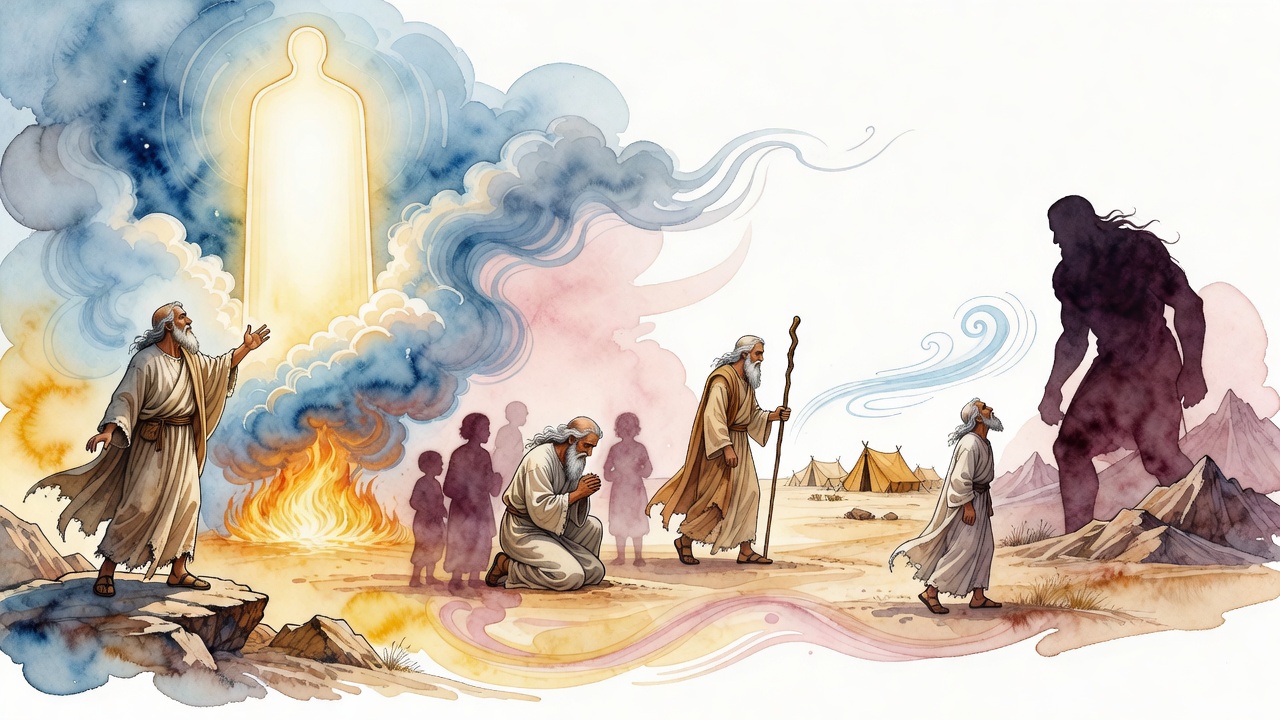
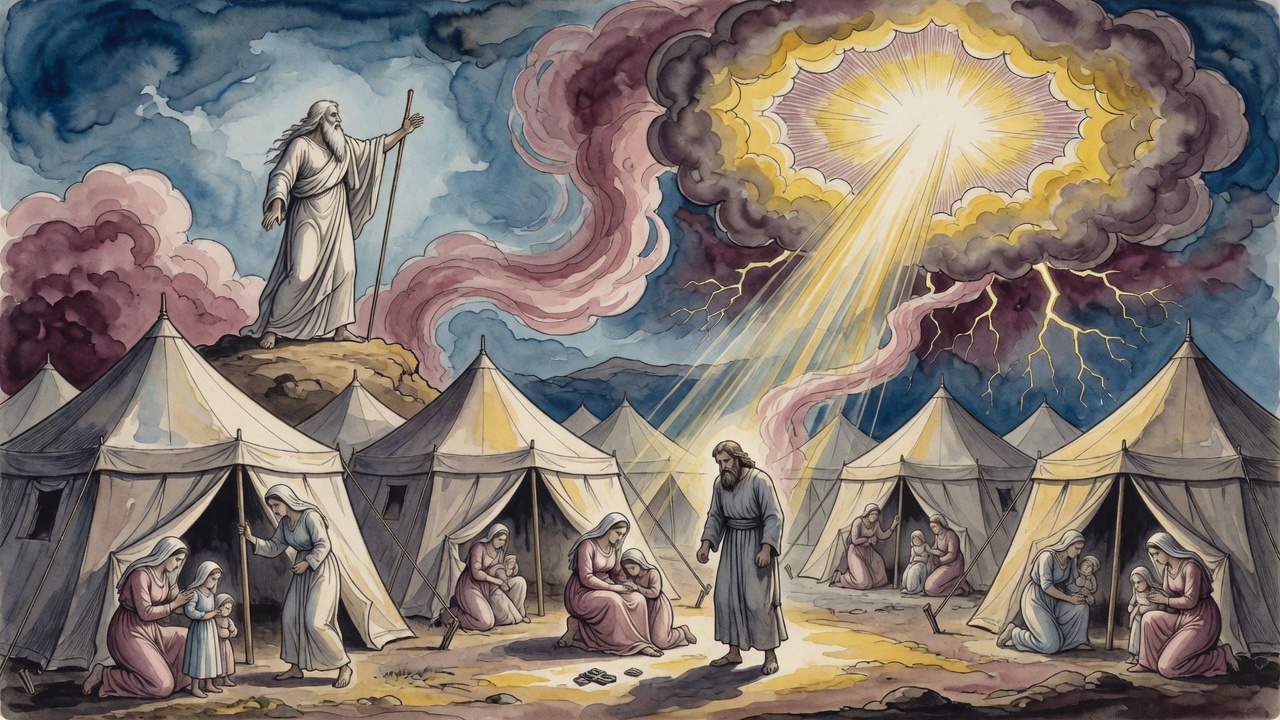
Moses spent his final days doing what he had done since Sinai: giving laws. But these were different. These were the laws of a man who knew he would never cross the Jordan. The mil...
The mystics of old grappled with this feeling on a cosmic scale. How did the universe, and everything within it, come into being? What allows it to continue existing, moment by mom...
The Idra Zuta, part of the Zohar, gets right into it. It poses the question: what exactly is a watcher? And then it answers it, drawing on the Book of Samuel. The explanation links...
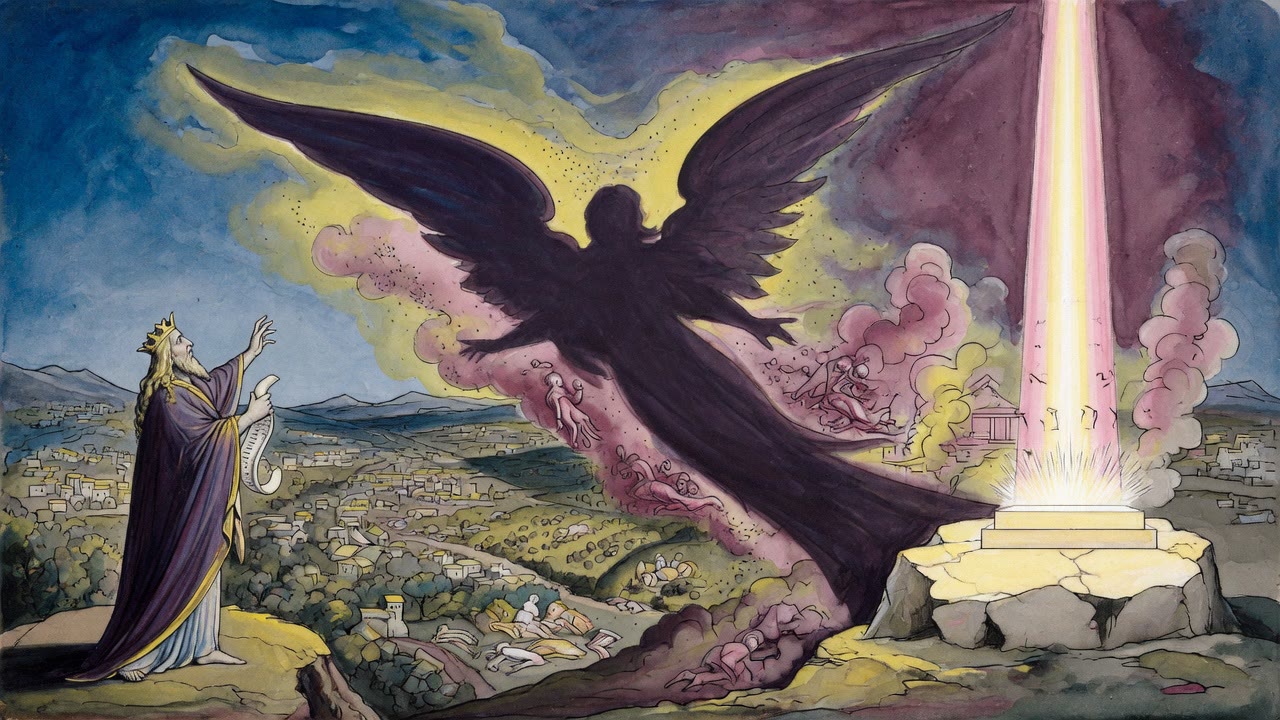
R. Oshiyah said: When the Holy One Blessed be He decrees good and bad decrees for Israel, a report is returned to Him for the good, but not for the bad, viz. (Ezekiel 9:2-11) "And,...
Rabbi Yoshiyah raised a question that touches the very structure of the Jewish calendar: who has the authority to add an extra month to the year? The Hebrew calendar is lunar, and ...
The rabbis of the Mekhilta press deeper into the logic of the festival offering, deploying one of the Talmud's most powerful reasoning tools: the kal va-chomer, the argument from l...
The Mekhilta, the tannaitic midrash on Exodus dating to the 2nd century CE, zeroes in on a single phrase from the Passover laws to clarify exactly who was obligated to perform the ...
"This is the statute of the Paschal offering." Scripture speaks of (both) the Pesach (Passover) of Egypt and the Pesach for all the generations. These are the words of R. Oshiyah. ...
Rabbi Nathan found a specific legal scenario embedded in the verse "let all of his males be circumcised." The phrase excludes a particular case from preventing a master's participa...
The verse (Exodus 13:9) states, "And it shall be to you as a sign upon your hand and as a memorial between your eyes." The Mekhilta derived from the sequence of this verse a precis...
The Mekhilta DeRabbi Yishmael derives a striking equivalence from the verse "and as a remembrance between your eyes, so that the Torah of the L-rd be in your mouth" (Exodus 13:9). ...
(Exodus 13:10) commands, "And you shall keep this statute at its appointed time." The word "statute" — chukkah — could theoretically refer to any number of commandments. Perhaps it...
What happens when a sheep that has never given birth delivers twin males at the exact same moment? Rabbi Yossi HaGlili tackled this unusual scenario head-on, and his ruling surpris...
Rabbi Eliezer posed a question that shaped Passover observance for all generations: How do we know that a gathering of sages or students must occupy themselves with the laws of Pes...
The Mekhilta interprets the verse "There He made for them statute and judgment" by asking what these two terms — statute and judgment — actually refer to. The first opinion identif...
and, in the end, Moses arose and implored (that he be permitted to enter the land, etc.), viz. (Devarim 3:24) "And I entreated the L–rd at that time, saying, etc." An analogy: A ki...
at which he said to the Holy One Blessed be He: Can it be that Your ways are like those of flesh and blood? The apitoropos makes a decree and the kalidikos abrogates it; the kalidi...
Moses refused to accept the verdict. After God told him he could not enter the Promised Land as a king or as a commoner, he came back with yet another proposal — each one more desp...
Moses stood before God and made one final, desperate plea. The decree had been issued — Moses would not enter the Promised Land. But Moses, ever persistent in prayer, tried to nego...
Rabbi Elazar Hamodai offers a striking interpretation of the word "statutes" as it appears in the Torah's legislation. Where one might expect this term to refer to ritual laws or c...
The Mekhilta DeRabbi Yishmael draws a legal ruling from God's command to the Israelites before the revelation at Sinai: "Do not draw near to a woman" (Exodus 19:15). Moses delivere...
The Mekhilta offers a parable that illuminates the logic behind the order of events at Sinai. A king of flesh and blood enters a new province. His servants immediately urge him: "M...
The fifth commandment — "Honor your father and your mother" — comes with a promise attached: "so that your days be prolonged upon the earth" (Exodus 20:12). Most commandments in th...
When a Hebrew bondsman is released after six years, the Torah says "he shall go out to freedom." The Mekhilta asks: what does this phrase add? If the bondsman's term is over, he is...
The Torah specifies that a Hebrew maidservant does not go free through the loss of "organ prominences" — external body parts like teeth or eyes that, if knocked out by the master, ...
The Mekhilta DeRabbi Yishmael addresses a legal question about the identity of a wife given to a Hebrew servant by his master. The Torah states that if a master gives his servant "...
The Torah states: "And if a man sells his daughter" (Exodus 21:7). The Mekhilta immediately draws attention to a legal distinction embedded in this verse that might otherwise go un...
The Torah states that a father may sell his daughter into servitude (Exodus 21:7). The Mekhilta asks the next logical question: if a father can sell his daughter, can a daughter se...
The Mekhilta continues its rigorous legal analysis of who can be sold into servitude. Having established that a daughter cannot sell herself, a new question arises. Should a daught...
The Mekhilta examines how the Torah's laws governing Hebrew servants apply equally to men and women. The verse states "the Hebrew man or the Hebrew woman" (Deuteronomy 15:12), and ...
The Torah states that a master who takes a Hebrew maid-servant as his wife must provide for her "according to the ordinance of the daughters" (Exodus 21:9). The Mekhilta asks what ...
R. Yonathan says: It ("according to the ordinance, etc.") speaks of a Hebrew (maid-servant, i.e., that he is to do with his maid-servant according to the ordinance of the Jewish da...
The Torah says the Hebrew maid-servant "shall go out free" if her master fails to fulfill his obligations (Exodus 21:11). The Mekhilta probes the meaning of the word "free" with a ...
The Torah describes a young woman sold into servitude by her father and establishes the conditions under which she goes free. Rabbi Eliezer interprets the verse "Then she shall go ...
The Torah states plainly: "He shall be put to death." But where? Under whose authority? Left unqualified, these words might mean that anyone could carry out the execution — a mob, ...
The Mekhilta examines one of the most consequential legal distinctions in the Torah: the difference between intentional killing and accidental death. The text lays out three vivid ...
The Torah says a person who strikes his father or mother "shall be put to death" (Exodus 21:15), but it does not specify the method of execution. The Mekhilta identifies this silen...