Joseph Covered the Idol but God Was Already Watching
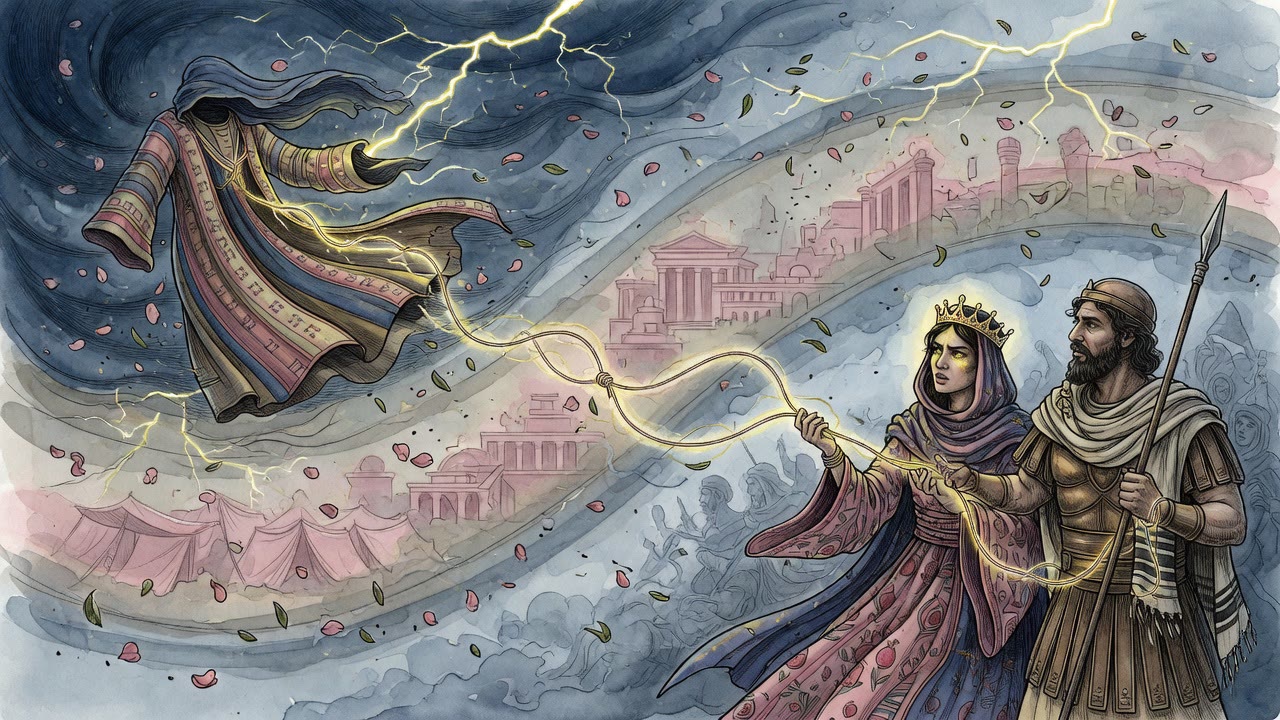
Zuleika covered her idol before approaching Joseph. He answered with five refusals, each one built for a room where power had closed the door.
Table of Contents
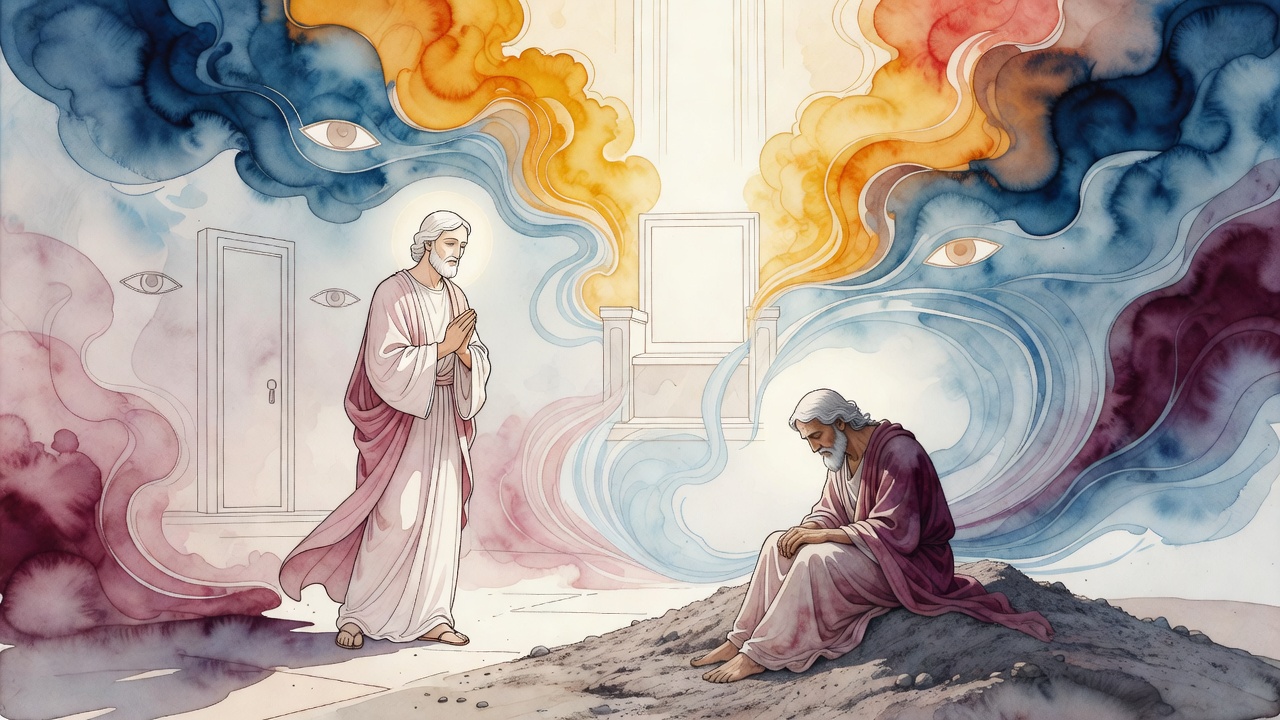
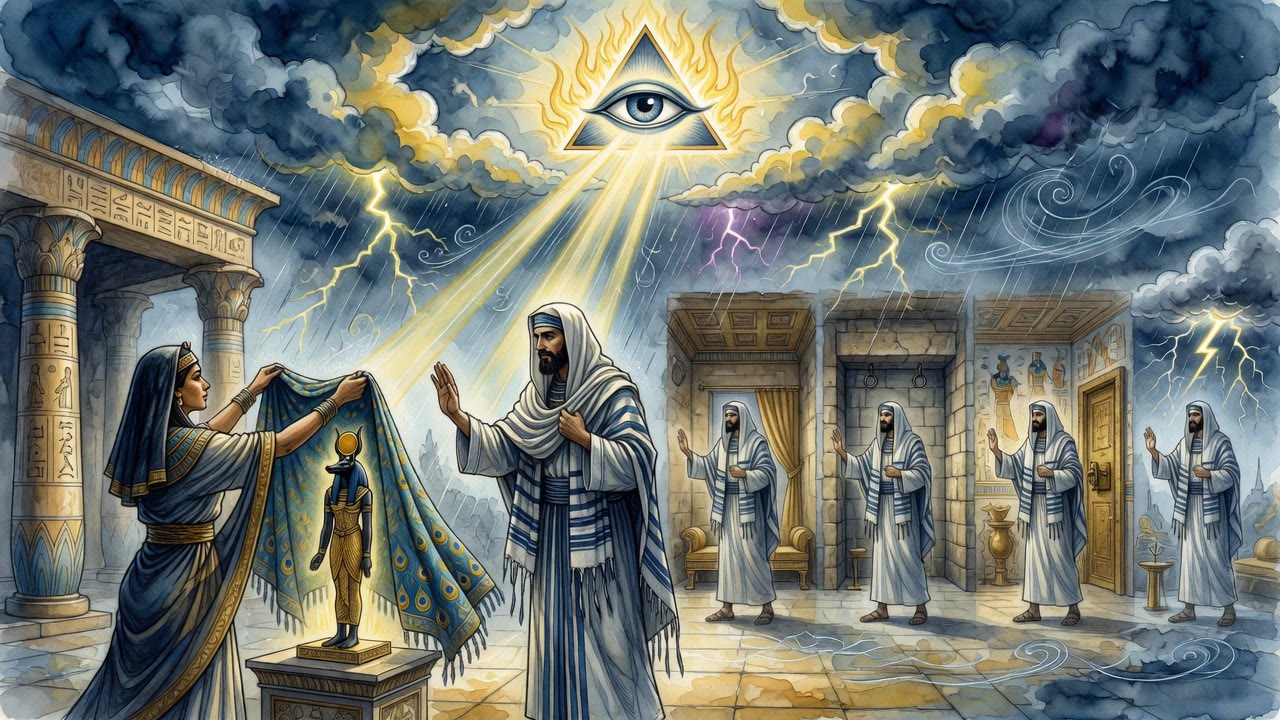
Zuleika reached above the bed and covered the idol's eyes.
 Click for full size
The room grew smaller after that. The servant was alone with the wife of his master, and she had already tested one line of defense. Joseph had said he feared his master. She answered by threatening to kill Potiphar. He would not move. Not enough, he said, that she wanted to make him an adulterer. She wanted to make him a murderer too.
The Cloth Over the Idol
The idol hung over the bed like a witness waiting to speak. Zuleika did not smash it, curse it, or remove it from the room. She only covered its eyes, as if shame could be handled with cloth and silence. Her hands did the theology for her: if a thing could not see, perhaps it could not accuse.
Joseph watched the cloth fall. He had been carried into Egypt as merchandise, stripped of family and status, but not of the God who had followed him across the desert and into Potiphar's house. A covered idol was almost too small a thing to answer. He answered it anyway.
The First Refusal Hardened
"I fear my master," he had told her first. That was the answer of a loyal servant. It was also the answer that left room for threats, and Zuleika filled that room at once. Kill Potiphar. Remove the husband. Remove the obstacle.
Joseph's reply cut the air. He would not let her turn one sin into two and call it freedom. A forbidden bed did not become clean because a grave had been dug beside it. He named the second crime before it could dress itself as necessity, then reached for the only fear larger than hers.
"I fear the Lord my God." The sentence stood in the room after he said it. Zuleika had power over Joseph's body, reputation, and daily bread. She did not have power over the One whose greatness was unsearchable.
Five Reasons in a Locked Room
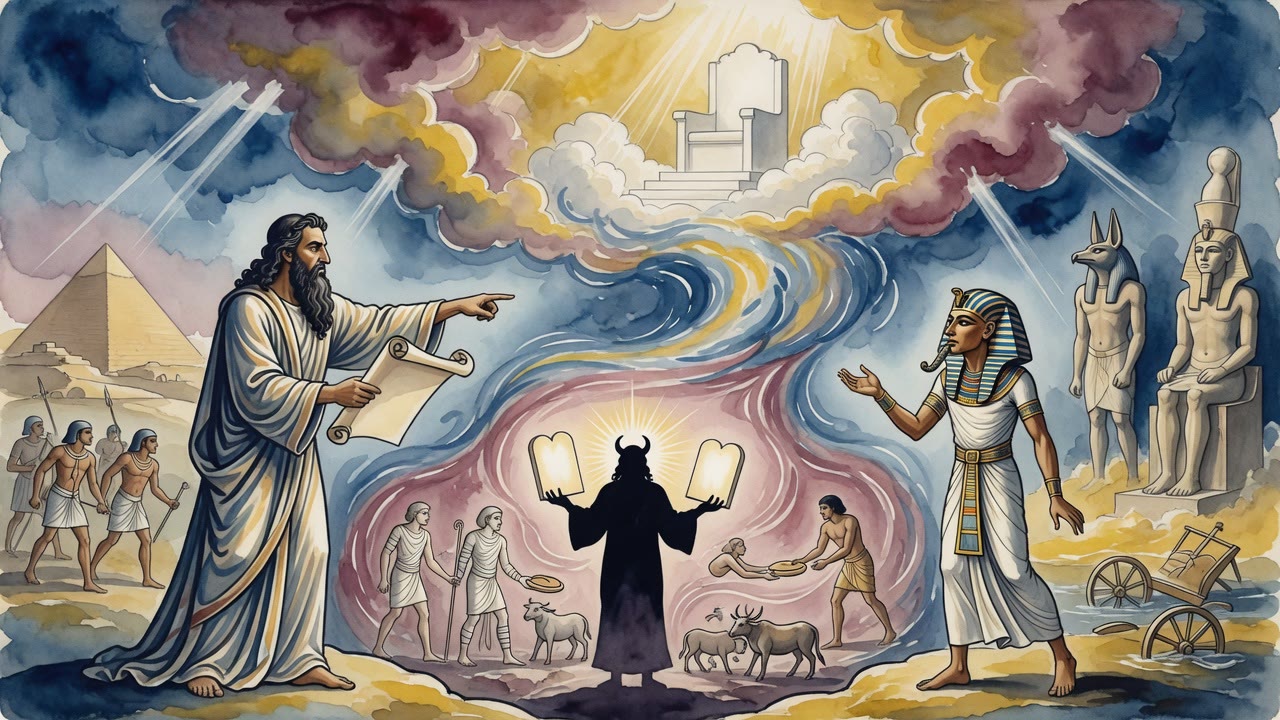
Joseph did not stop with refusal. He argued like a man who had prepared for this before the door closed. Covering the idol did nothing, he said, because the eyes of God run through the whole earth. A god that needed its eyes uncovered could be fooled by linen. The God of Abraham could not be blocked from a room by a woman's hand.
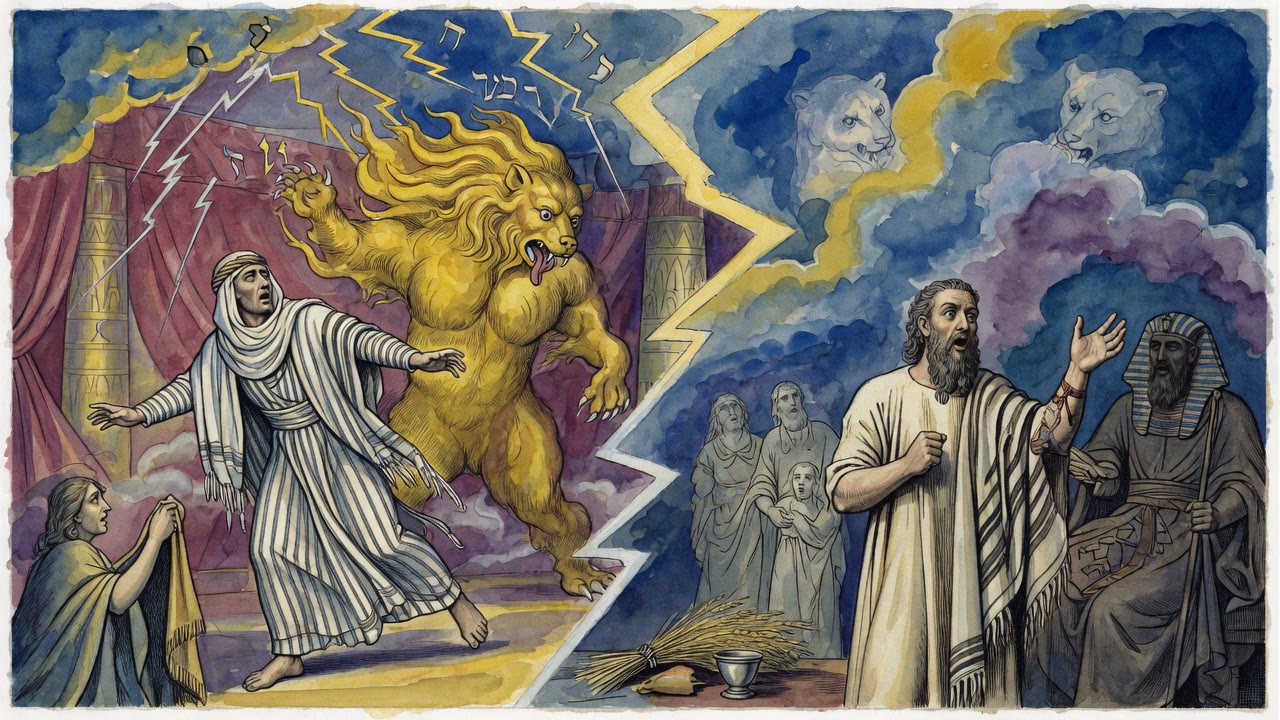
Then Adam entered the argument. Adam had lost Paradise over a lighter command. If a single violation could drive the first man from the garden, Joseph would not gamble with adultery in a foreign house. The air around him carried more than desire. It carried exile, garden dust, and the memory of a door that once shut behind humanity.
His third reason was stranger. God, Joseph said, had a way of choosing one beloved member of the patriarchal family as a set-apart offering to Himself. Perhaps Joseph would be chosen. Perhaps the son sold for silver still had a hidden holiness ahead of him. If he yielded now, he would make himself unfit before he ever learned what God wanted from him.
The Night Vision He Feared
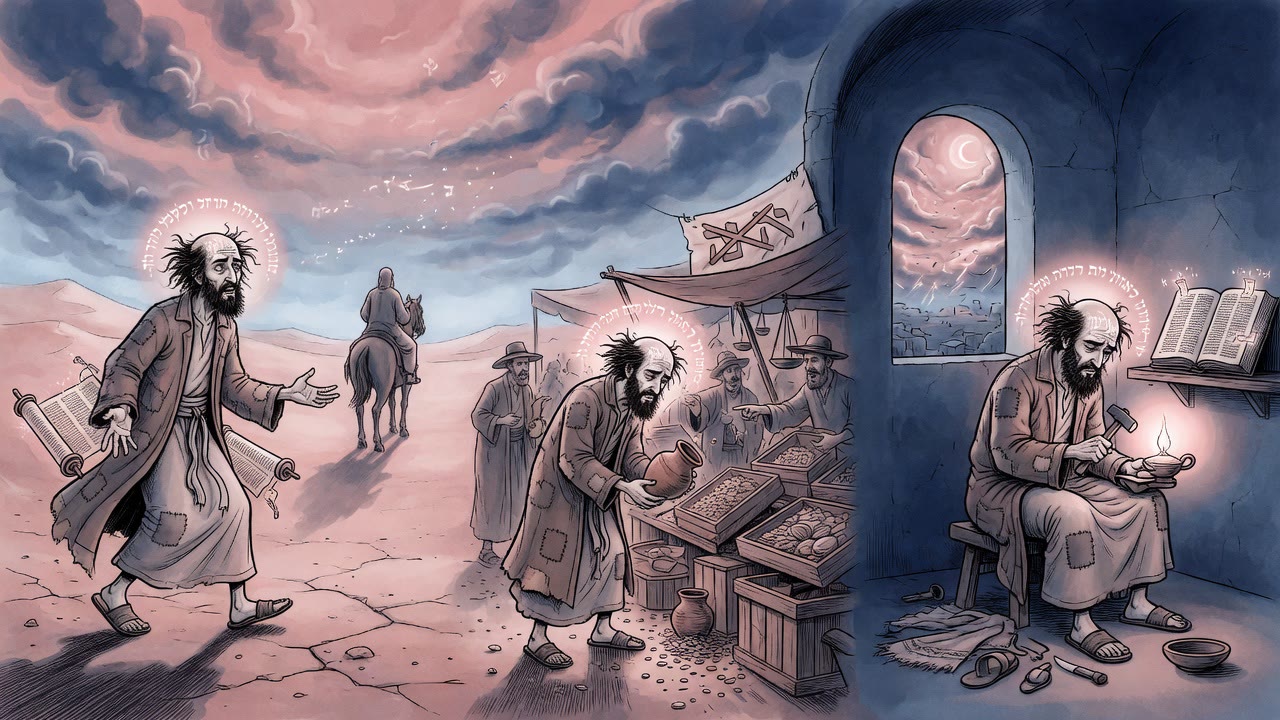
The fourth reason belonged to the dark. God had appeared suddenly to Abraham, Isaac, and Jacob in visions of the night. Joseph feared that God might come to him the same way, without warning, at the very moment he was defiling himself. That fear was not merely fear of punishment. It was fear of being unavailable when heaven knocked.
He wanted his sleep clean. He wanted the threshold of his dreams kept open. A person never knows when a night will become a meeting place, when a bed will become a test, when a room in Egypt will become the edge of a vision. Zuleika wanted secrecy. Joseph feared visitation.
The Birthright in His Hands
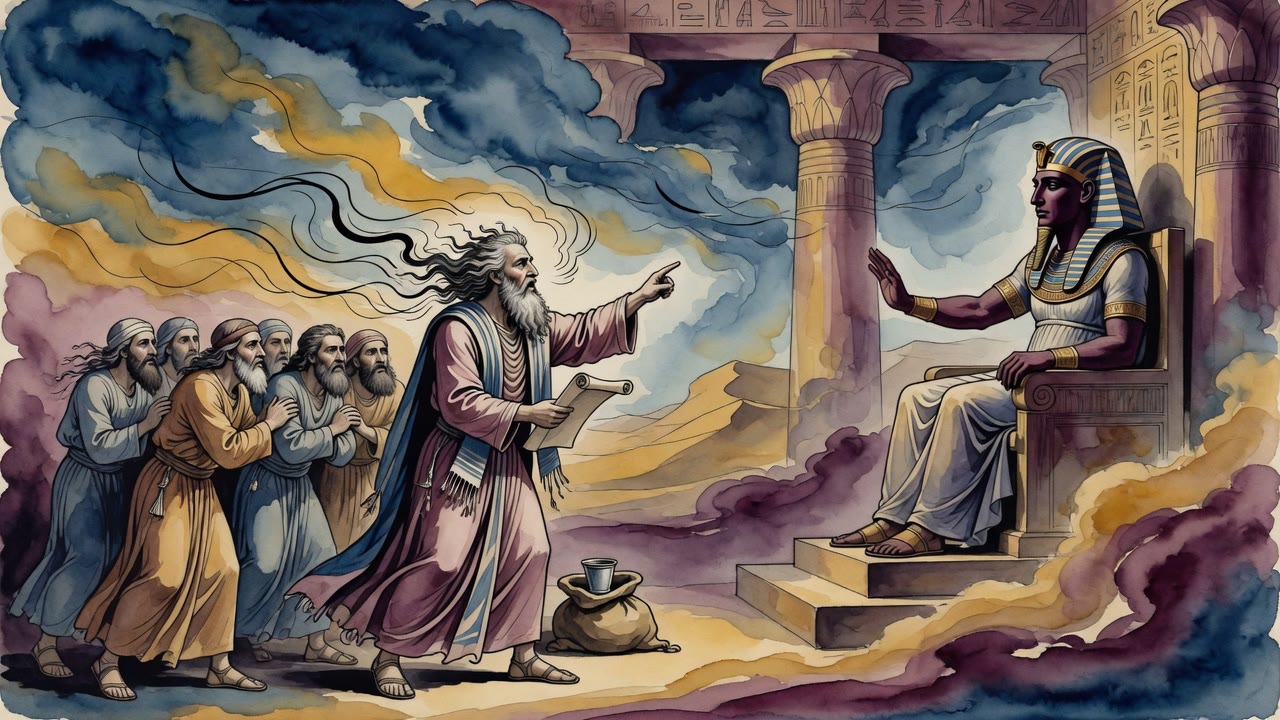
Last came his father. Jacob had removed the birthright from Reuben because of an immoral act and had placed that standing on Joseph. The birthright was not a jewel to wear. It was a weight in the hands. Reuben had lost it once. Joseph would not lose it again by repeating the same kind of failure under another roof.
Small disciplines had trained him for this. Eating with restraint. Lying with restraint. Resting when commanded. Laboring when required. Keeping law in ordinary things until the body learned the shape of refusal. Men who cannot bear small limits often break when the large one arrives. Joseph had practiced limits before Zuleika ever reached for the idol.
The cloth still hung over the household god. The door was still closed. Zuleika still had her threat, her beauty, her command of the house. Joseph had five reasons and a God whose eyes had never been covered.
← All myths