30 myths
Each story names the sources it was written from.
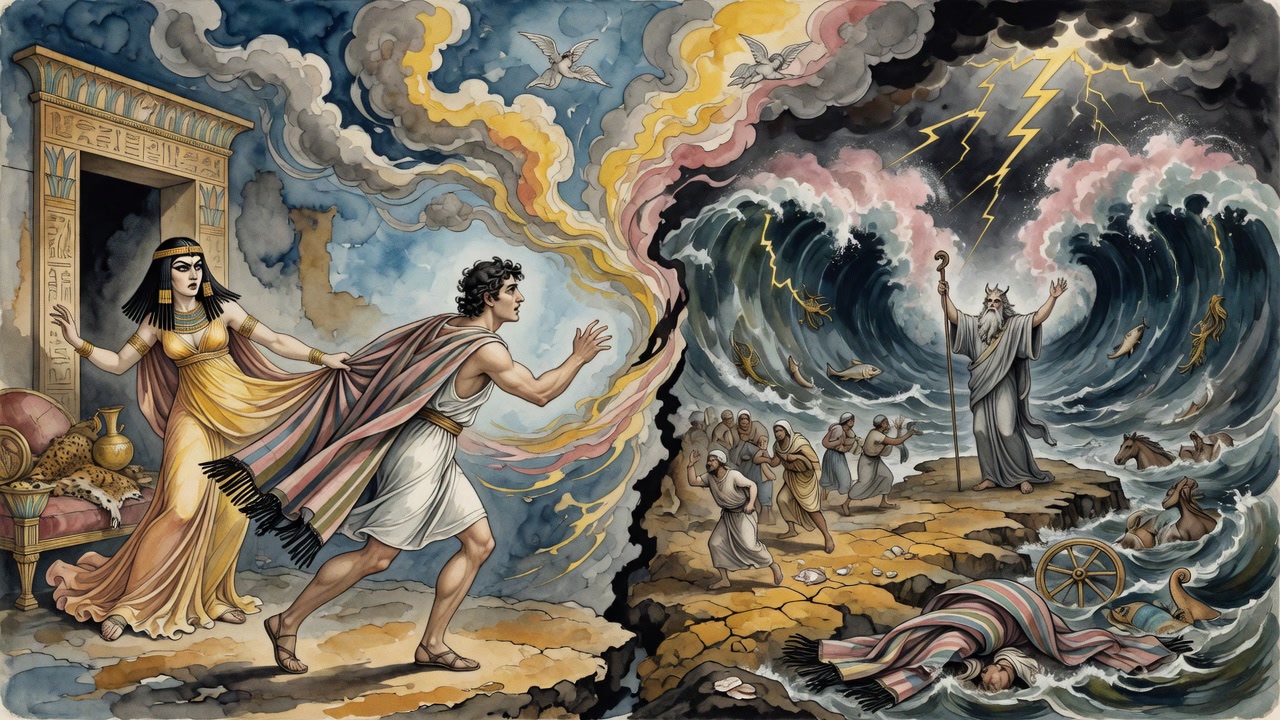
The Red Sea did not split because Moses raised his staff. One rabbi traced it to a single act of moral courage Joseph made in a private room centuries before.
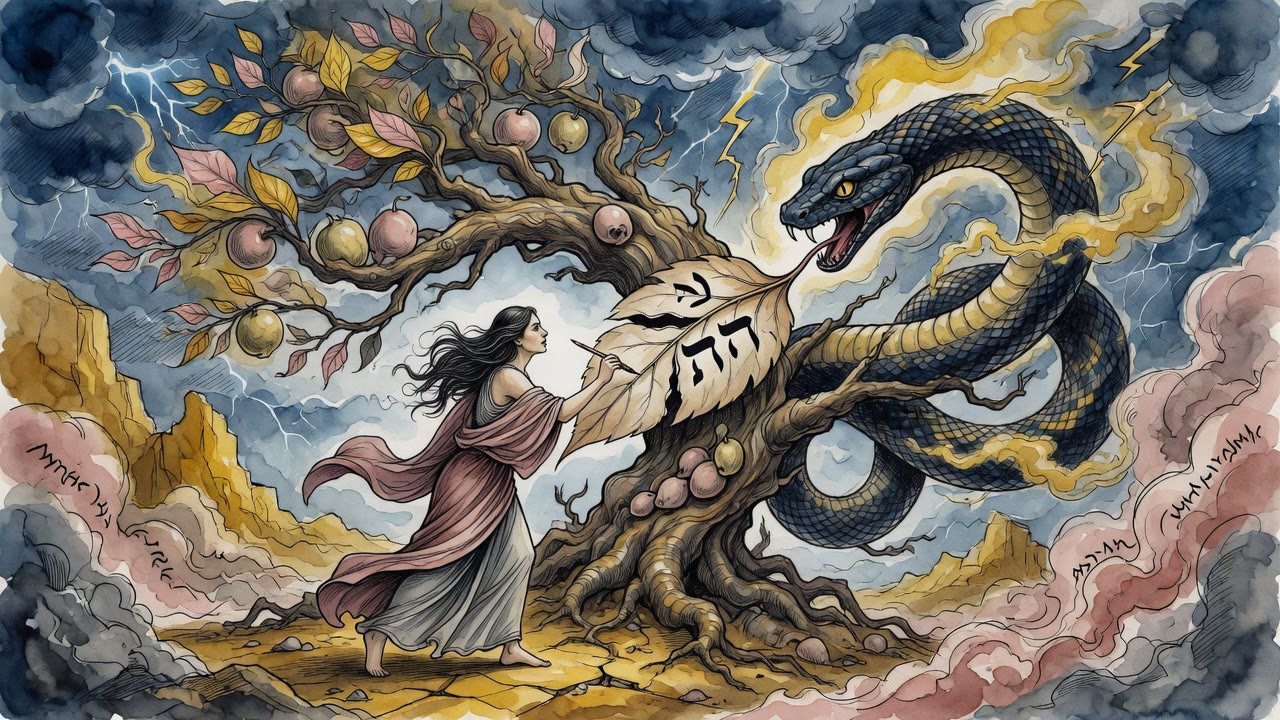
God said do not eat. Eve told the serpent do not touch. The rabbis traced Eden's fall to that single addition and were not unsympathetic about it.
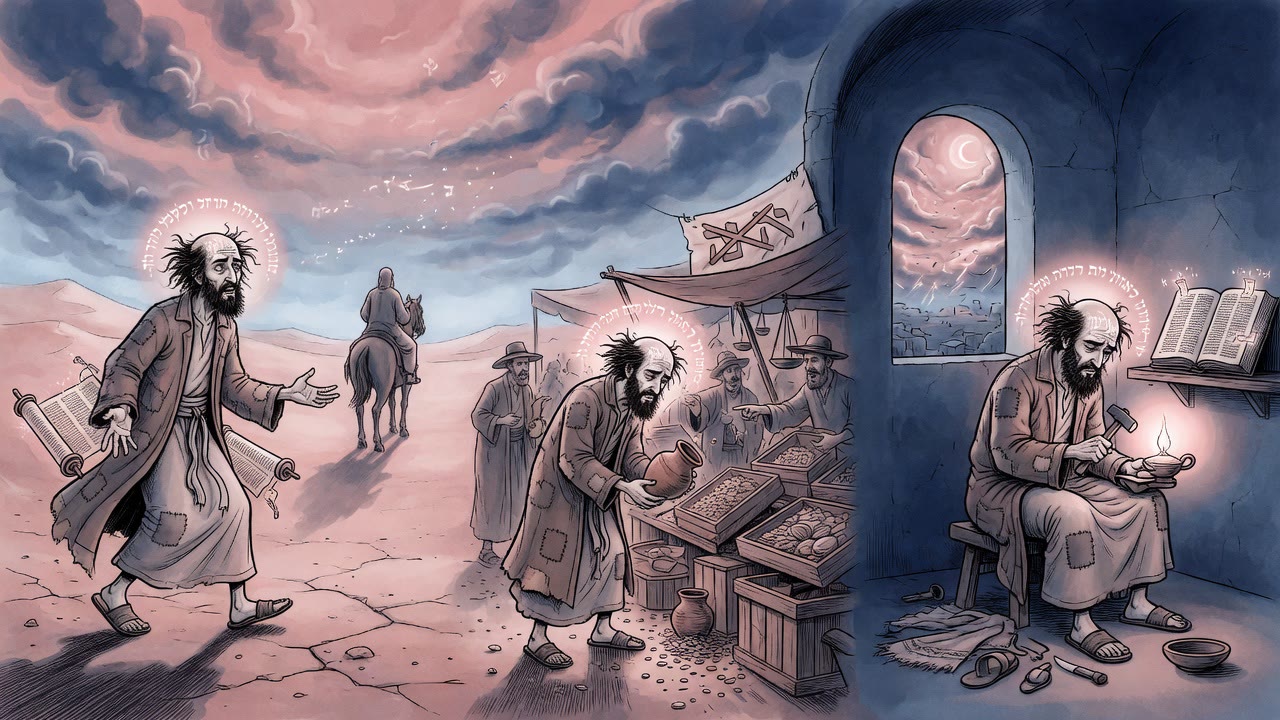
Zuleika tried to possess Joseph by force. Asenath fasted, cast off her idols, and waited until heaven remade her soul for covenant.
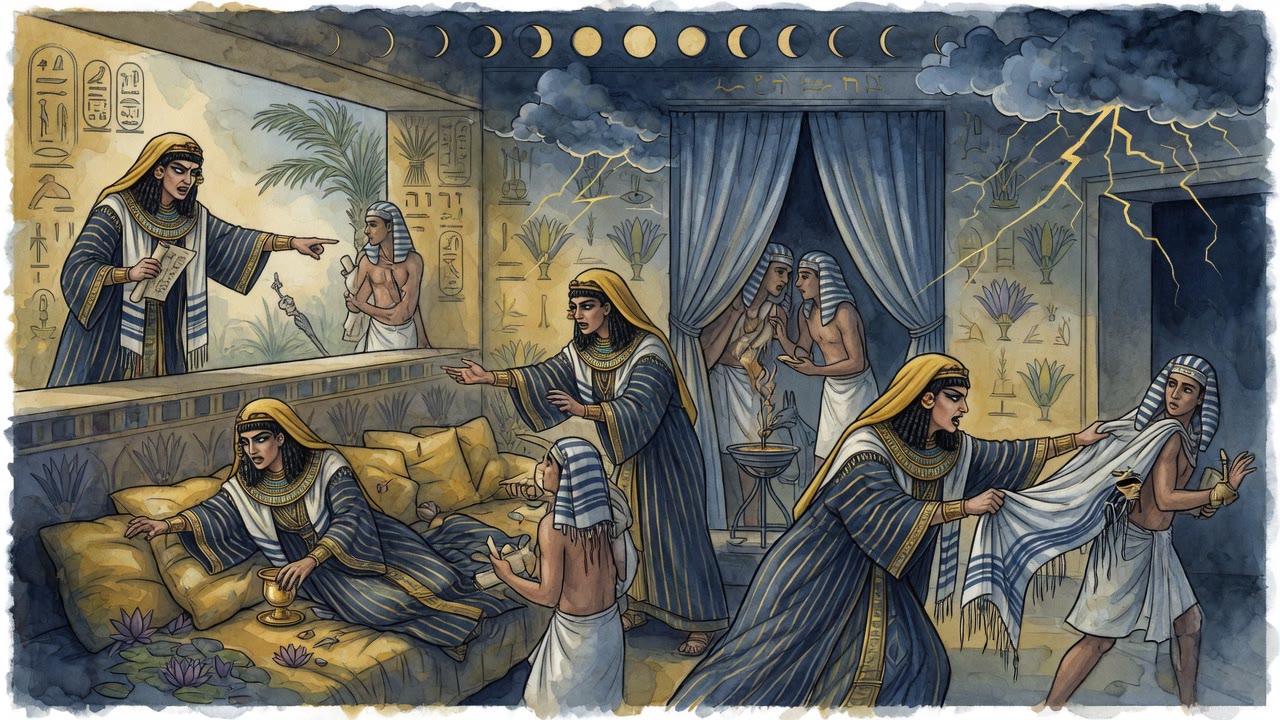
The second eunuch paid eighty gold pieces and lied that it had been a hundred. Joseph saw the cheat and kept his mouth shut.
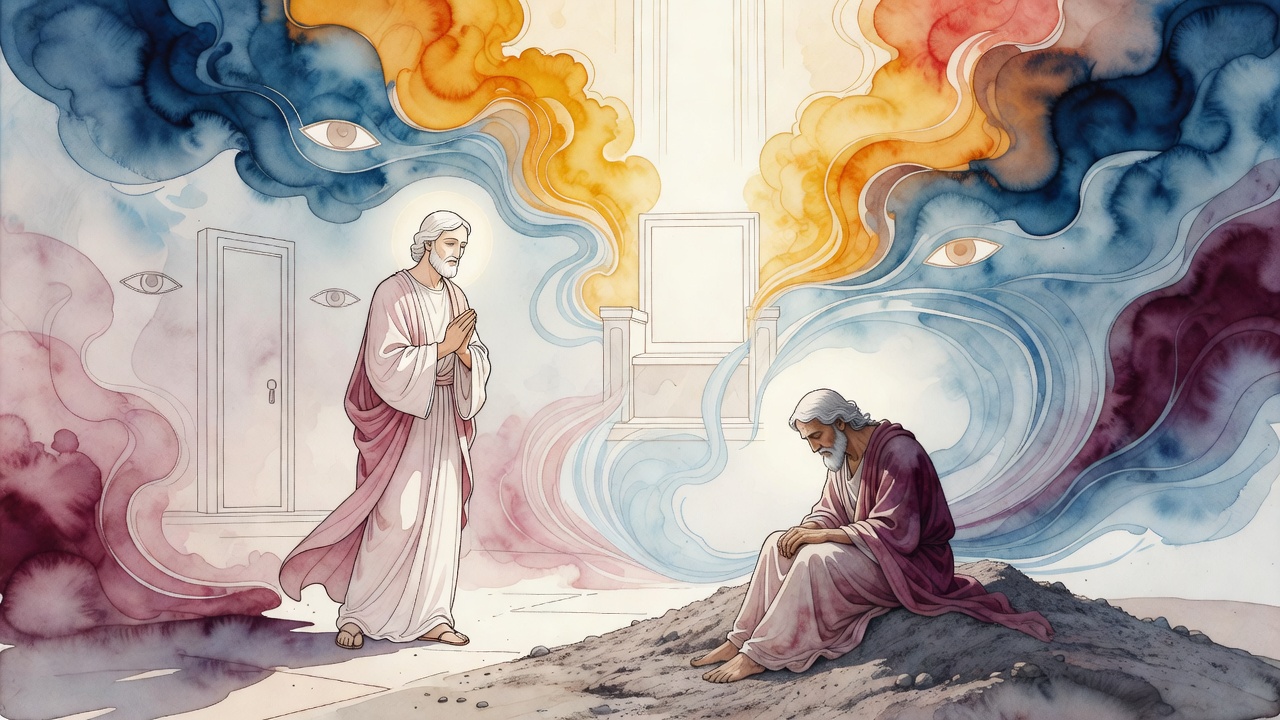
Joseph thanked God for a soft life in Egypt, but Jacob still sat in ashes. Heaven answered comfort with Zuleika's locked room and royal eyes.
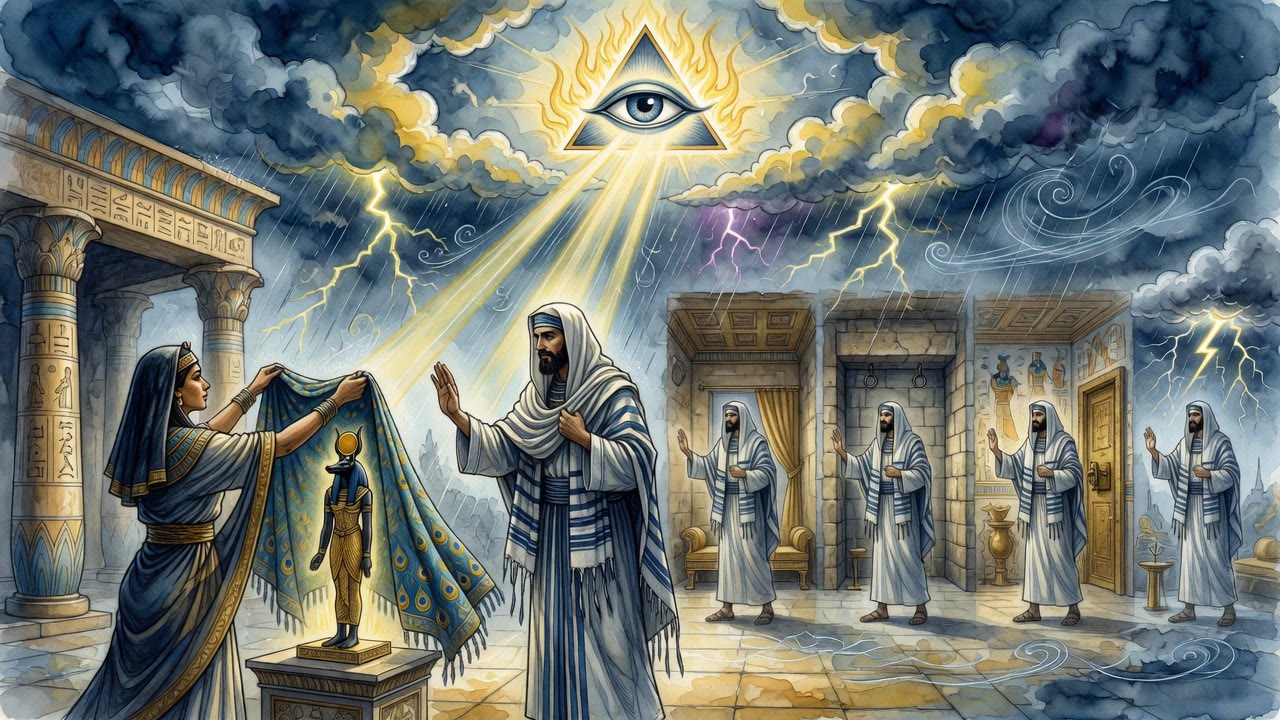
Zuleika covered her idol before approaching Joseph. He answered with five refusals, each one built for a room where power had closed the door.
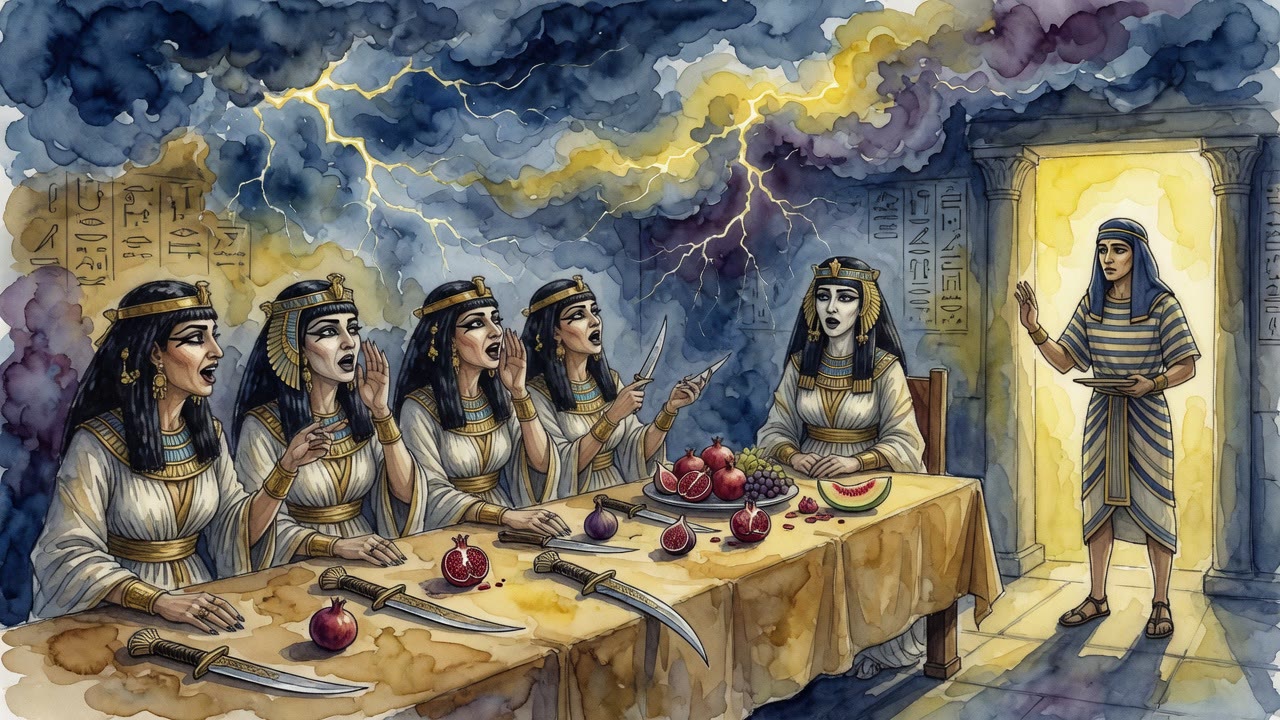
Egyptian noblewomen mocked Potiphar's wife for obsessing over a slave. She gave each guest a knife and an apple. Then Joseph walked in.
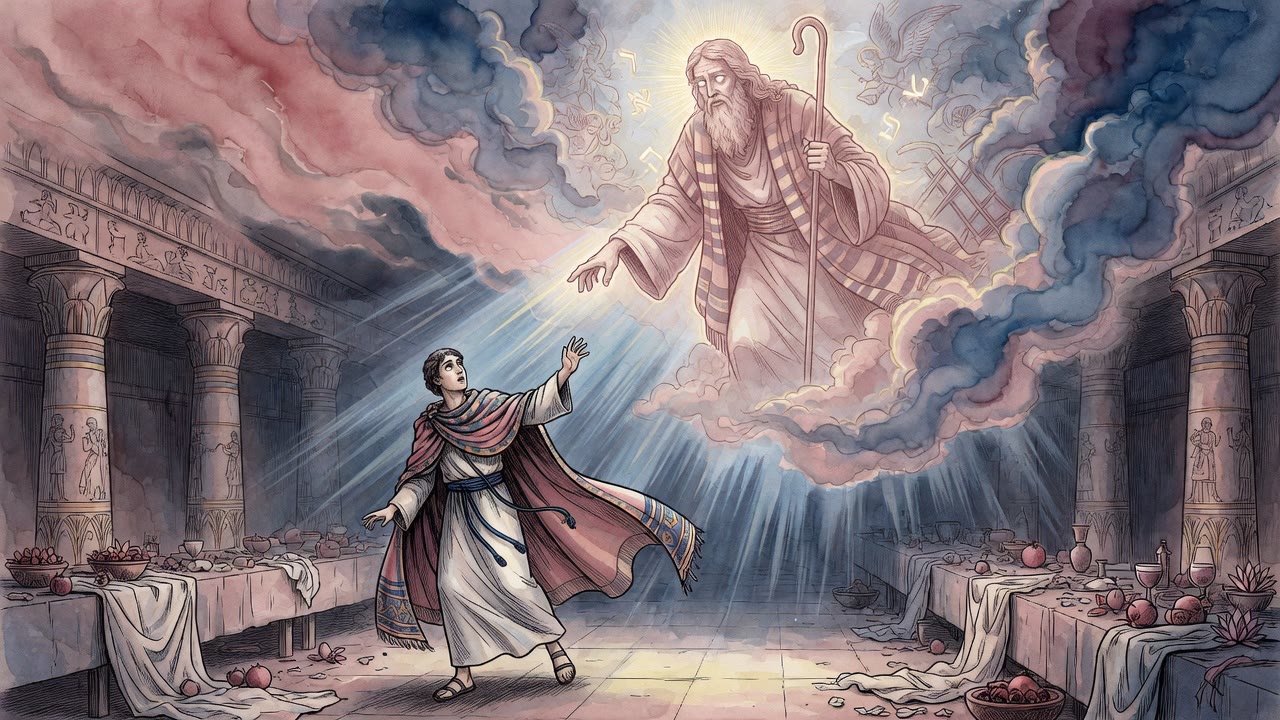
She praised his eyes in the Egyptian house. He told her they would look ghastly in the grave, and she came back the next morning anyway.
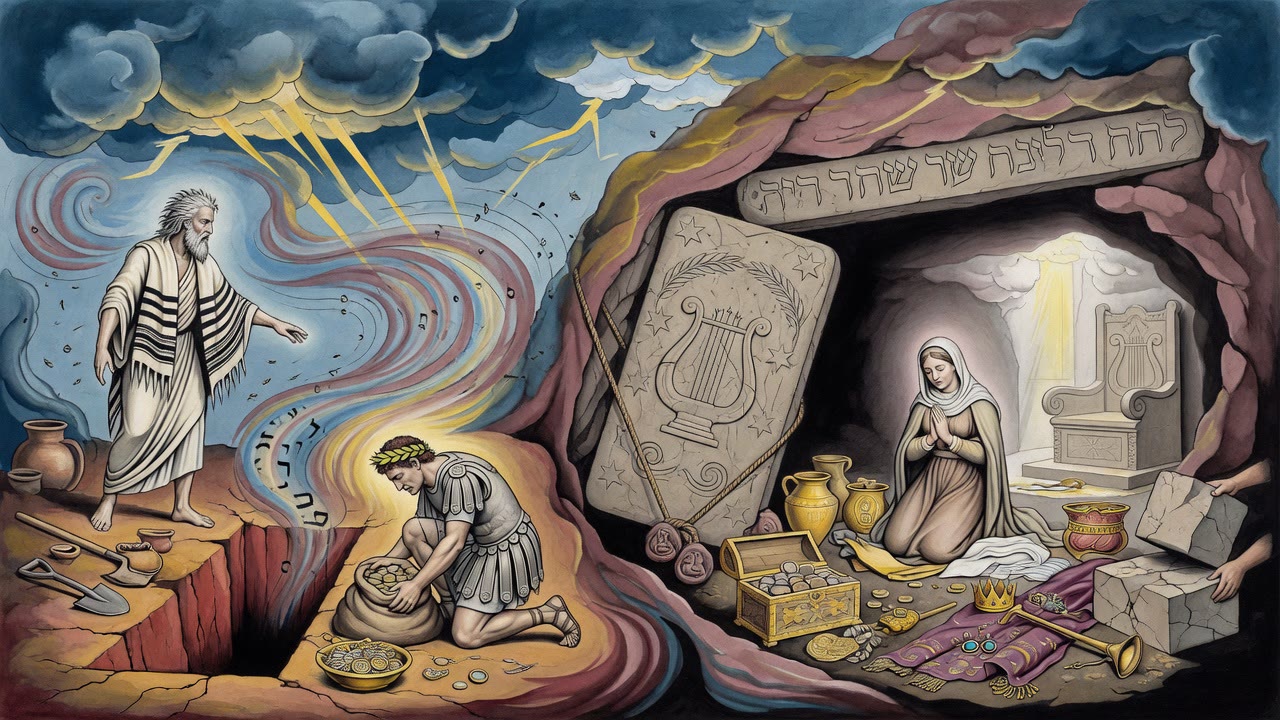
A woman drank dust and ink at the tent door to prove she was faithful. The same bitter water had already gone down the throat of a whole nation.
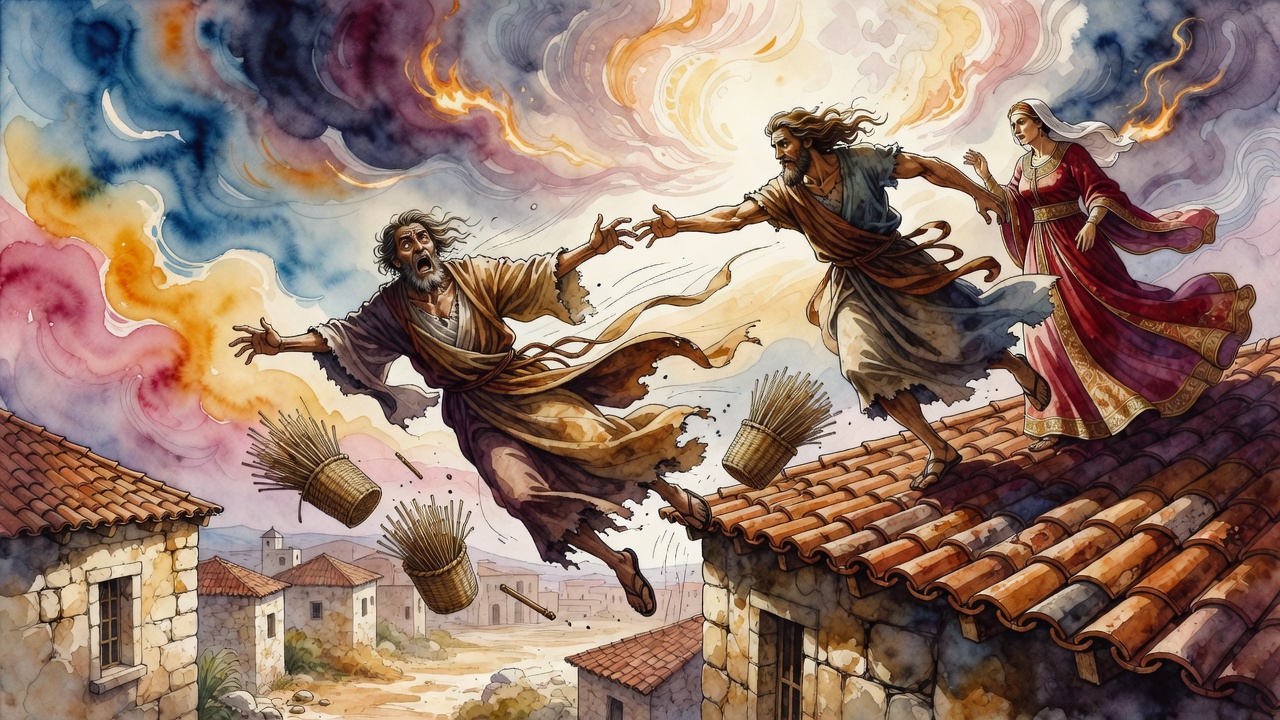
The noblewoman wanted more than baskets. Rav Kahana asked for a moment to prepare himself, then climbed the stairs she had not meant him to use.
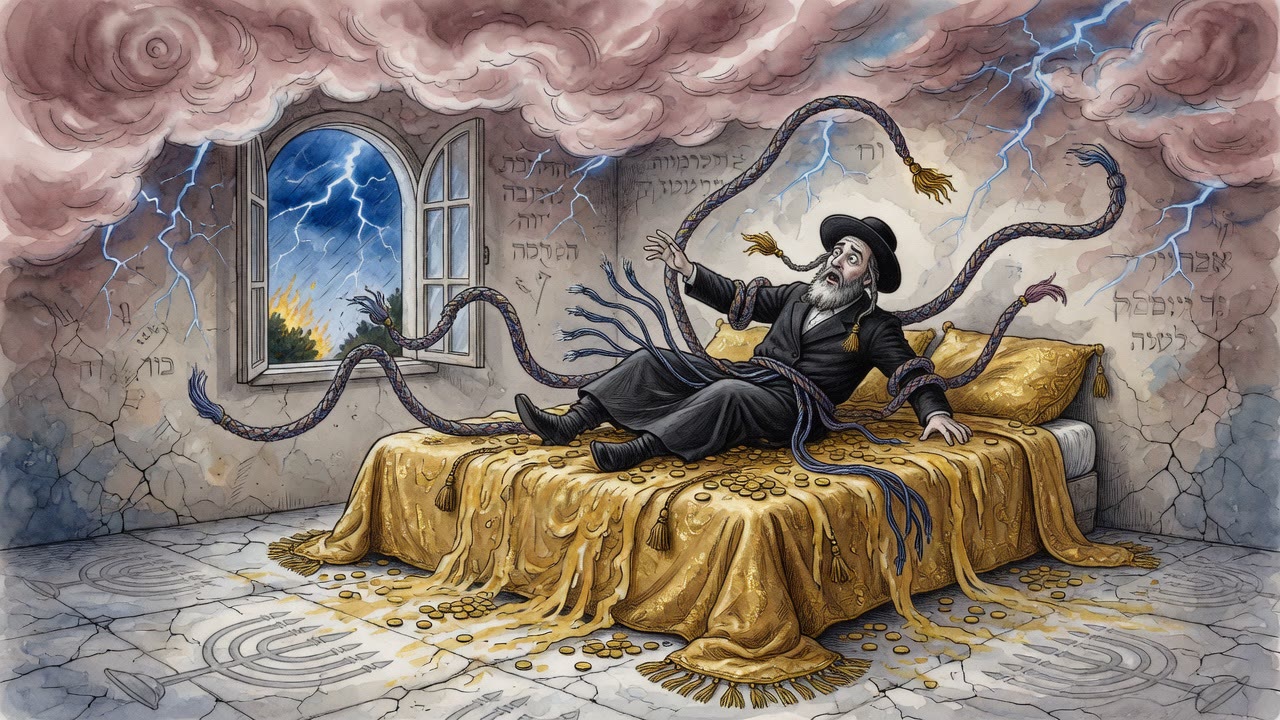
He paid four hundred coins and crossed the sea for one forbidden night, then his own fringes rose up and slapped him off the bed.
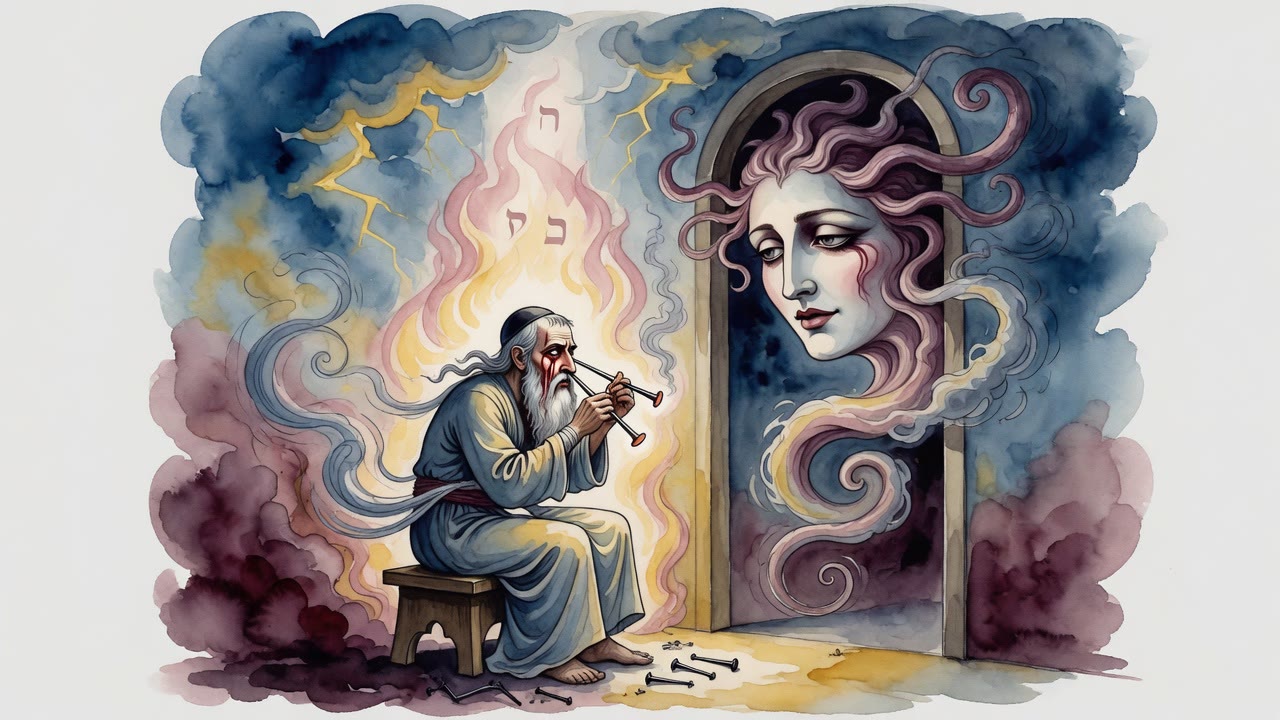
Satan built a face no man could resist and set it in the rabbi's doorway, so Matya took white-hot nails and burned out his own eyes.
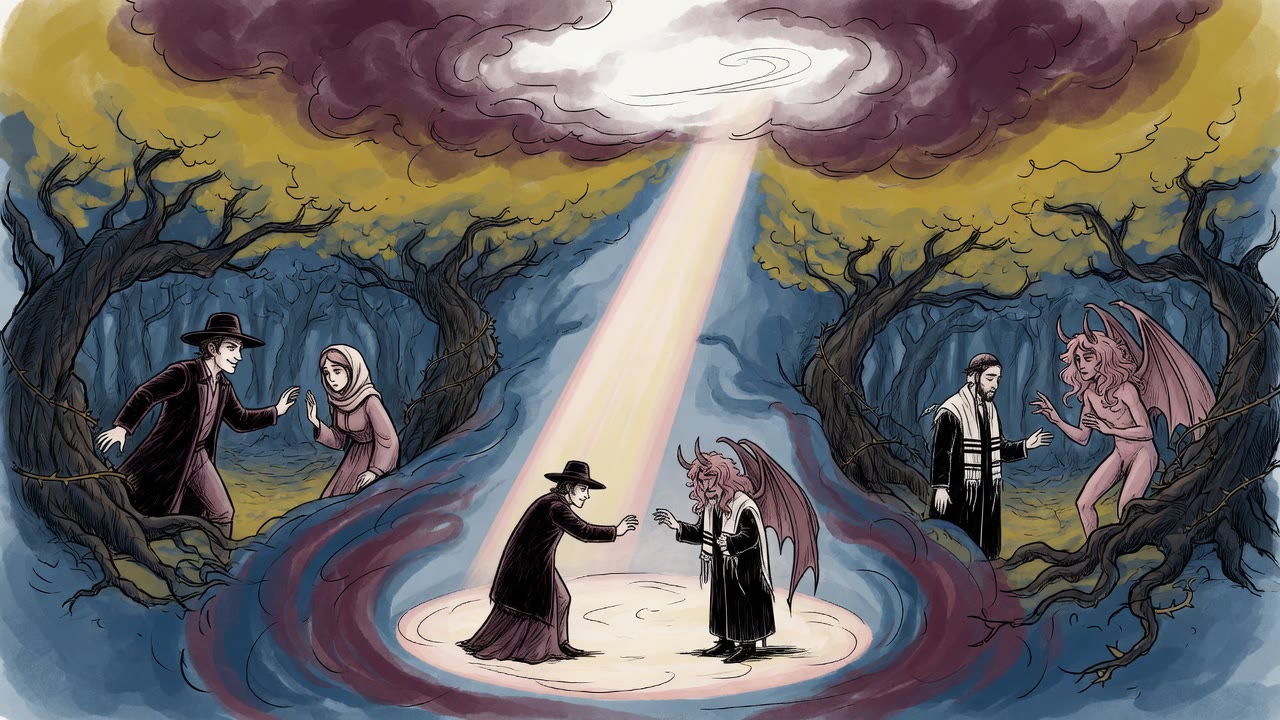
He named a room and an hour as if she had already said yes. She went to his wife instead. The lamp came up on a face he already knew.
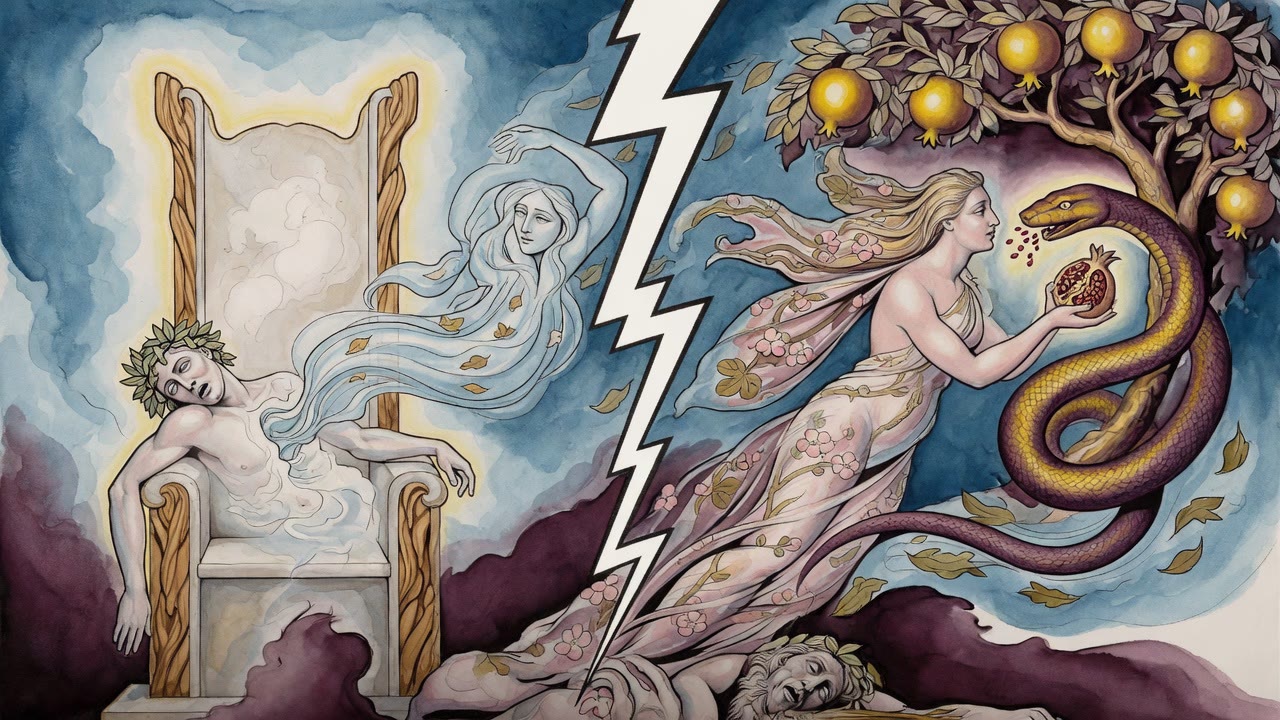
A trance splits the first man, sense-perception rises from his side, and a serpent sells her the wisdom that empties the mind's throne.
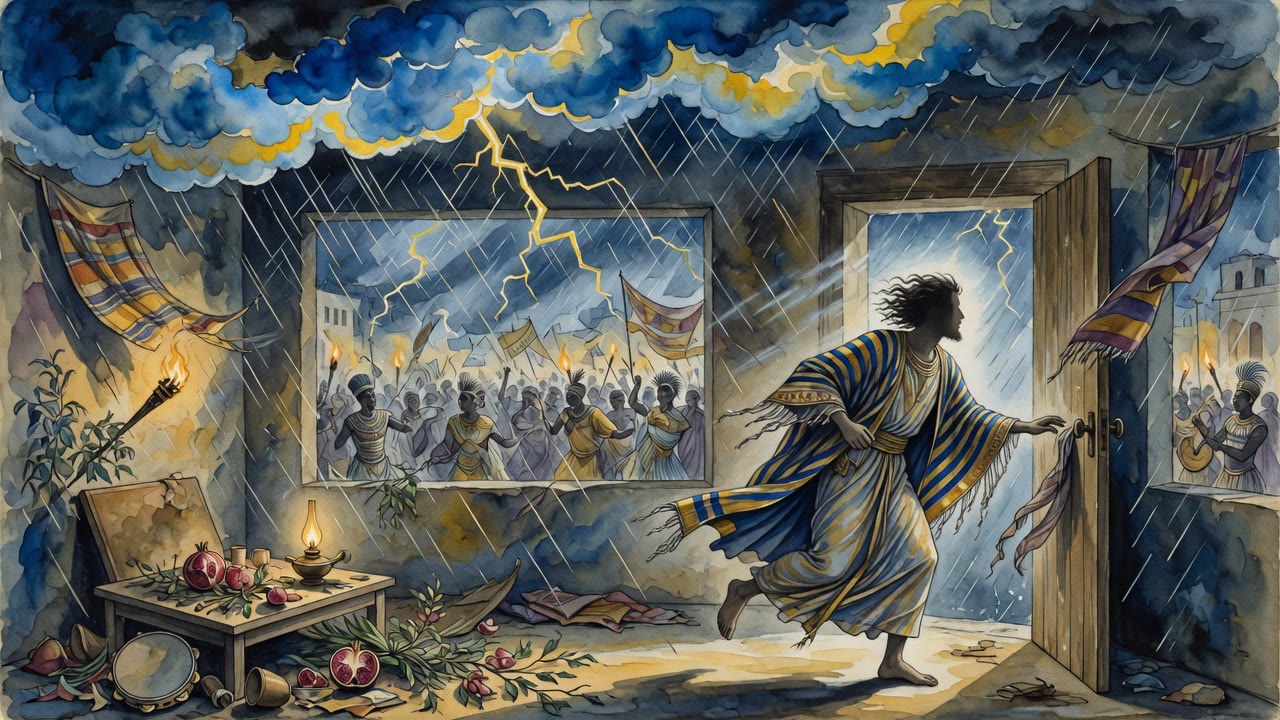
Potiphar's wife faked illness to empty the house. Joseph fled, left his garment, and kept the Name that never left his lips.
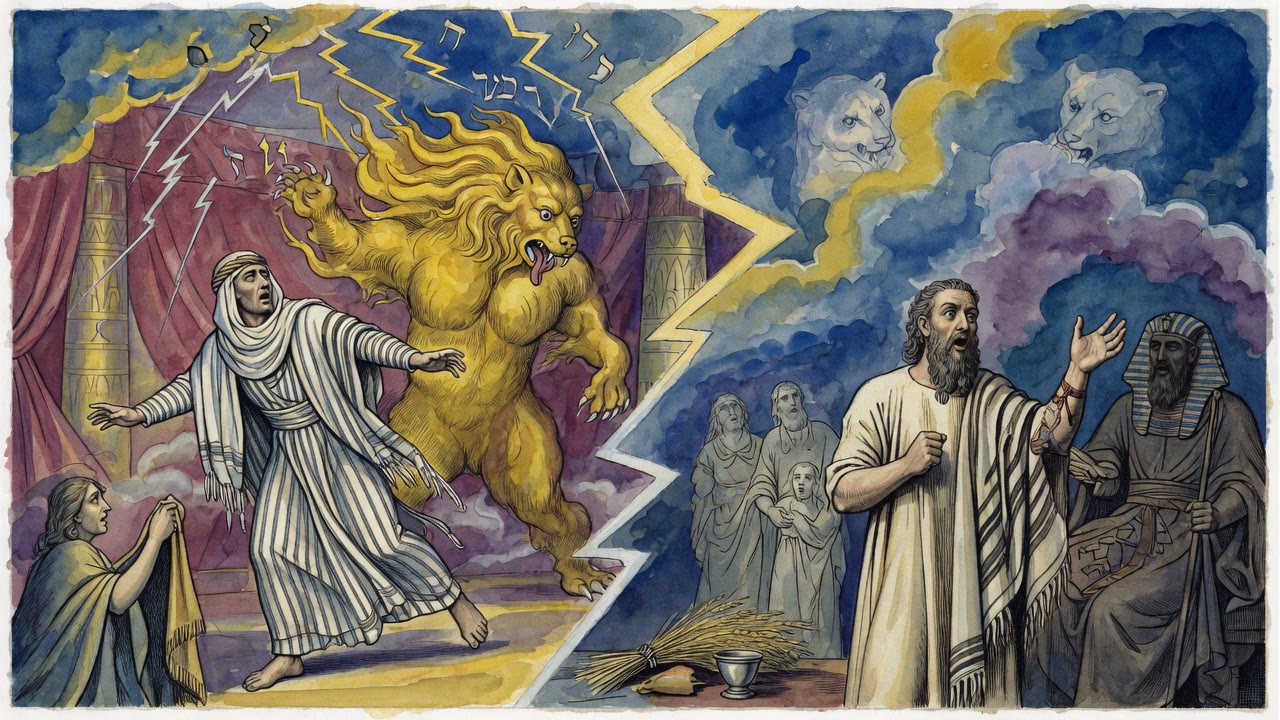
Joseph locked the storeroom, counted his comfort, and thanked God for the relief. Heaven answered that it was about to set a she-bear on him.
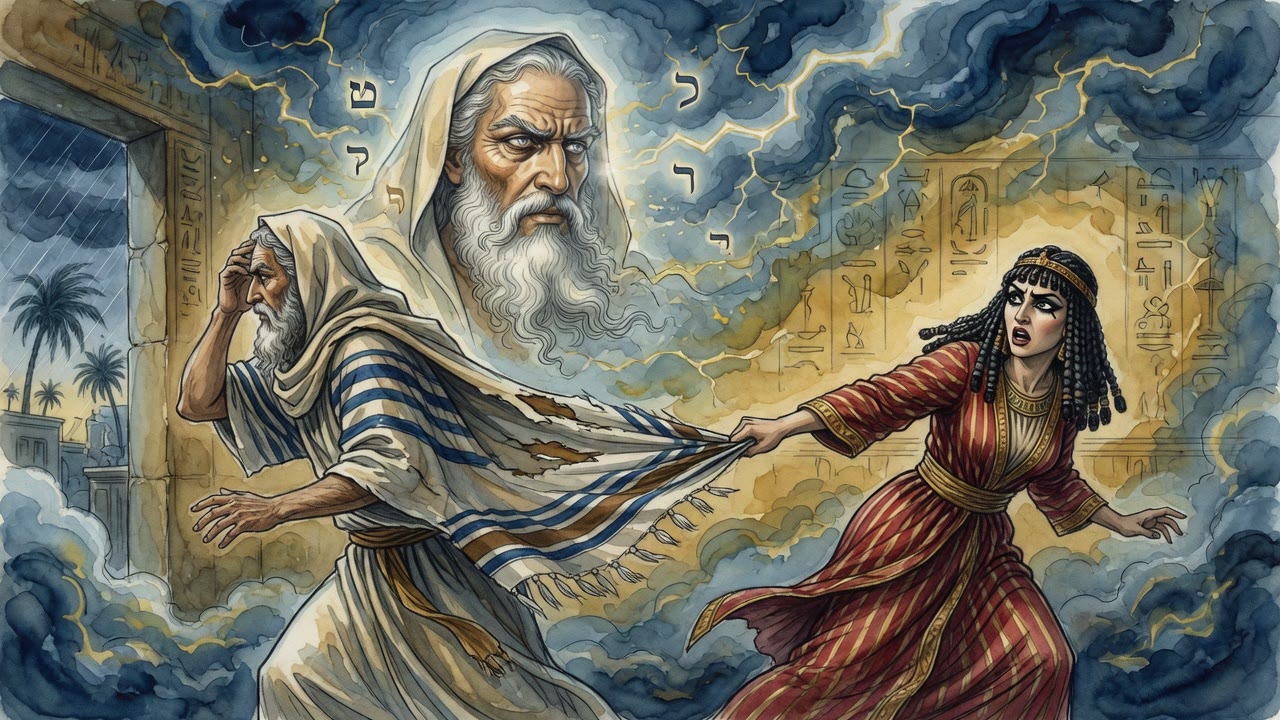
Joseph had thought Egypt would be easier than life under his brothers' eyes. Potiphar's wife came at him day after day, and he was seventeen.
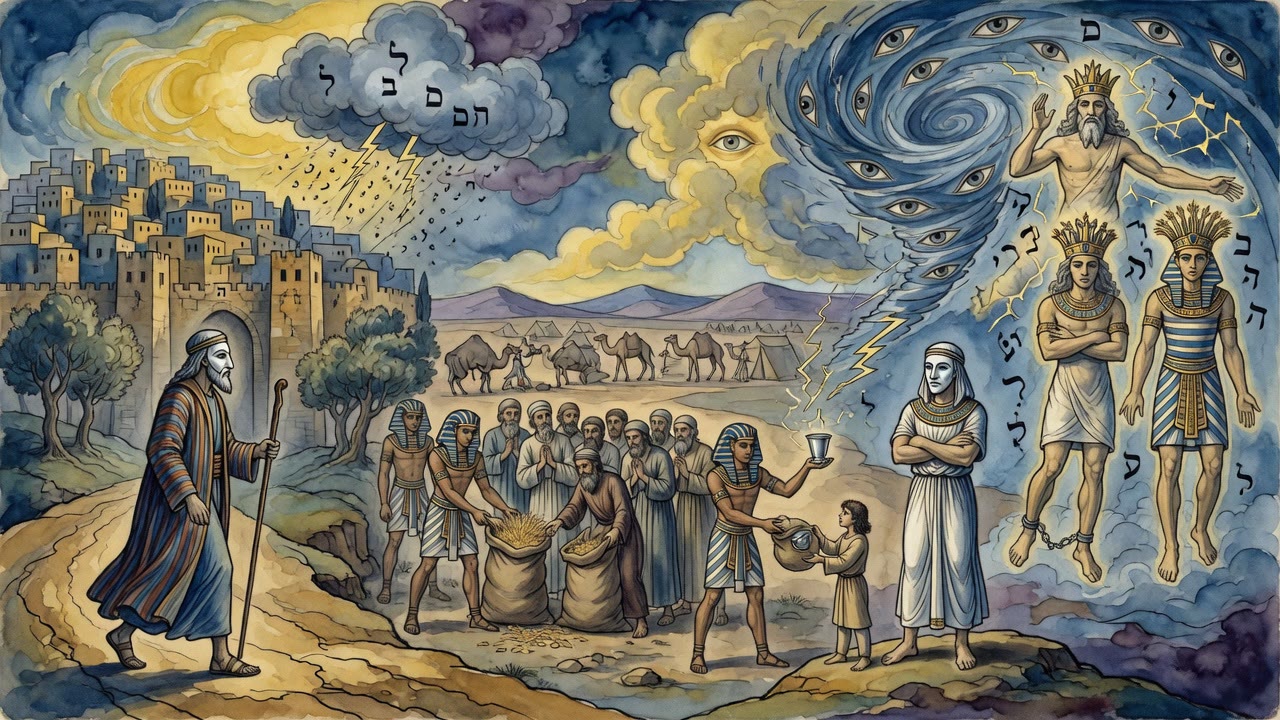
Jacob blesses Joseph's firm bow after Potiphar's house, and Egypt stays soft only while Joseph lives, then hardens into slavery.
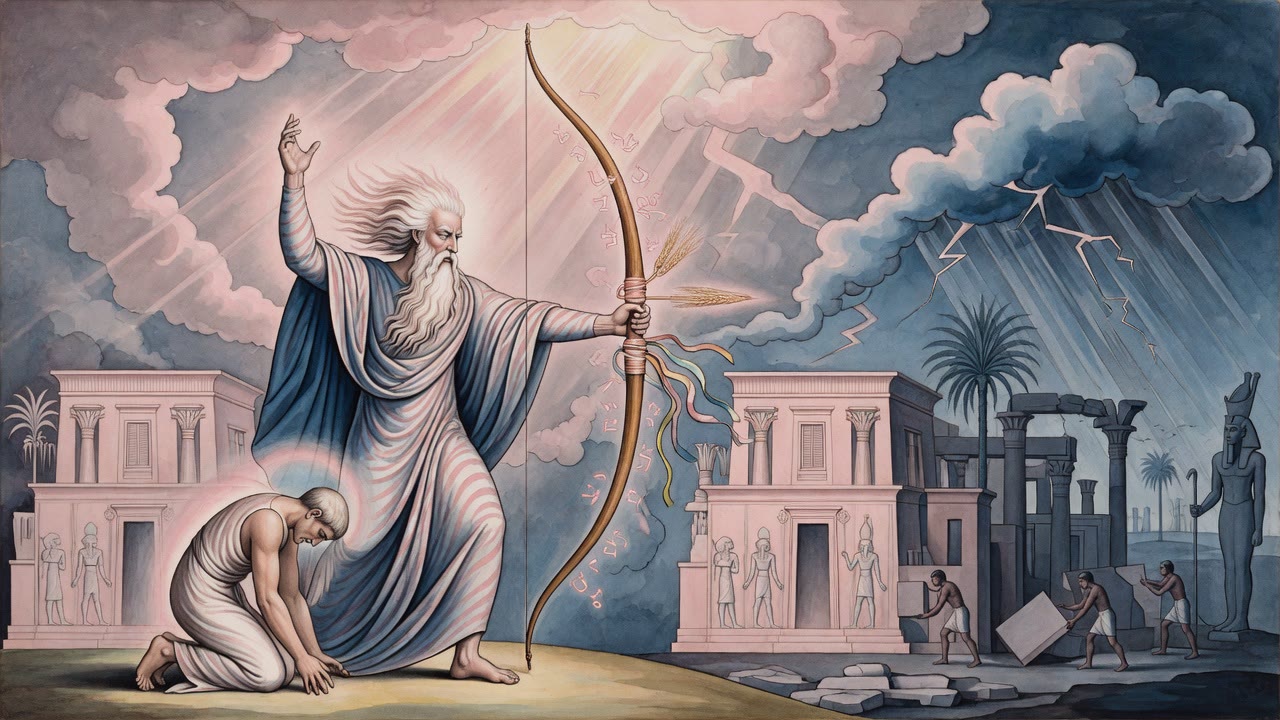
The steward opened the sacks from the eldest down. When the cup came up in Benjamin's sack, the brothers struck him and called him a thief.
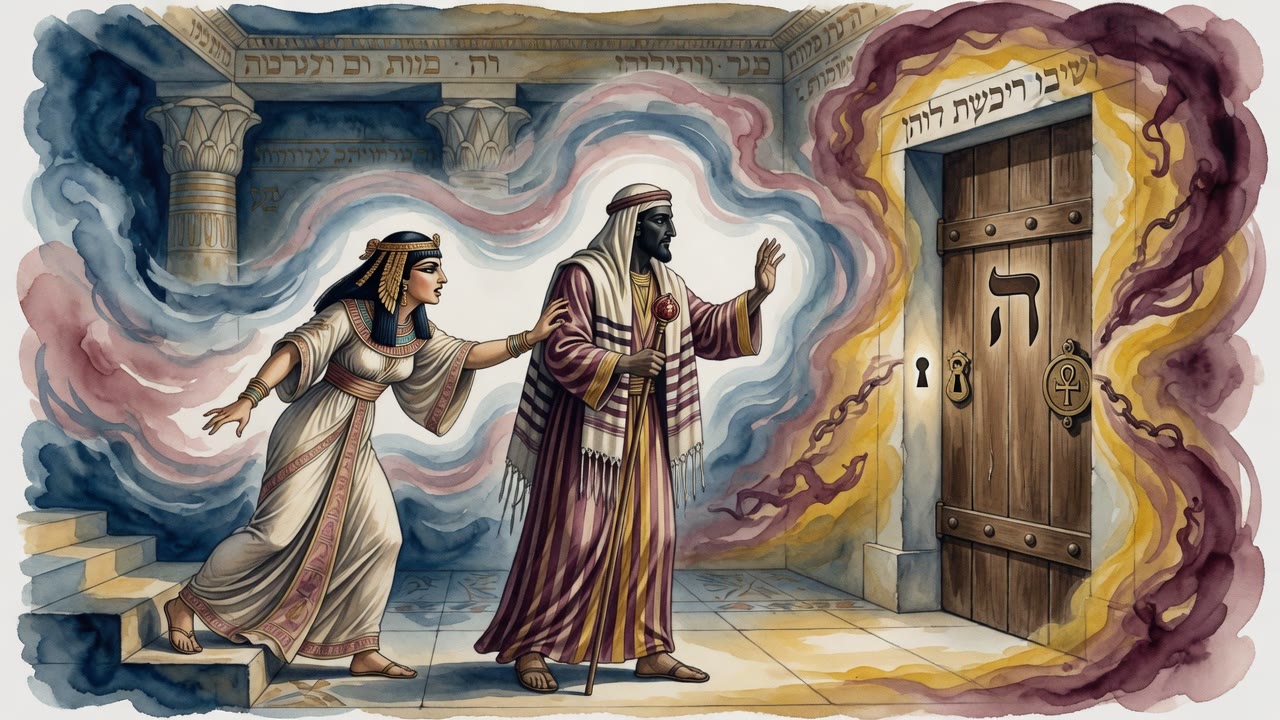
She got a fist into his linen at the shoulder. He twisted. The garment stayed in her hand. He went out with his back bare.
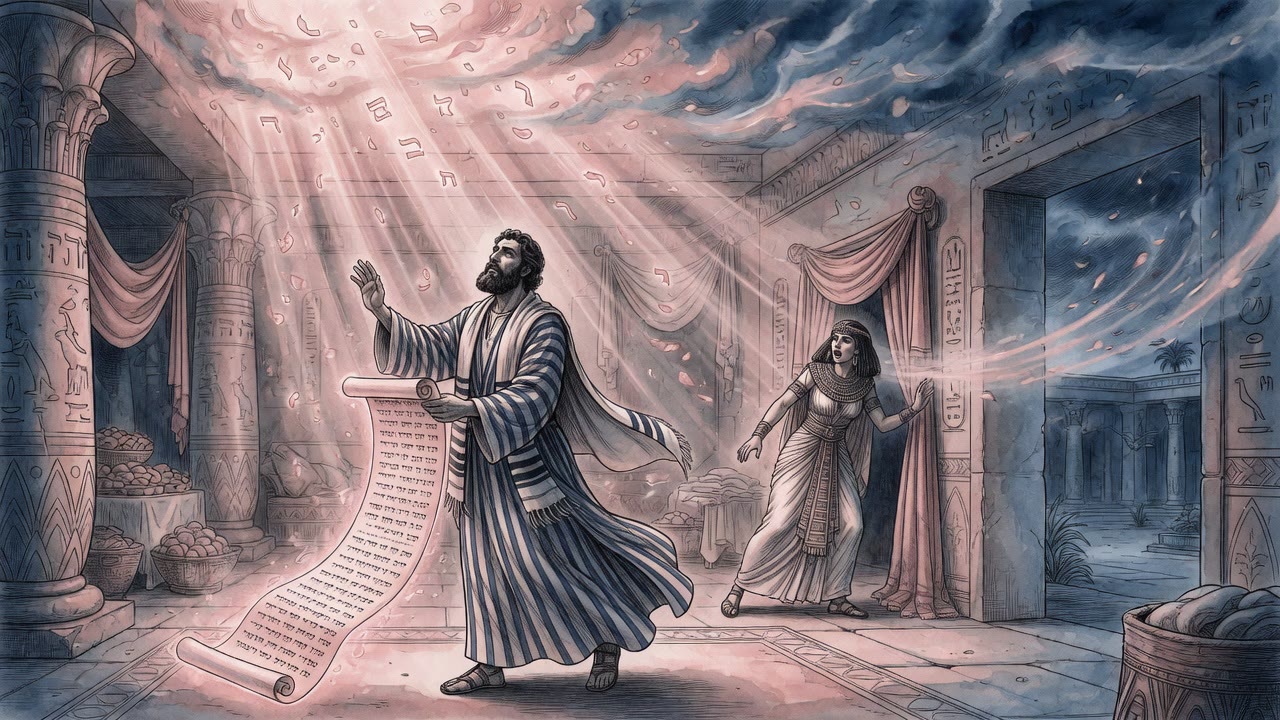
Grain jars, door bolts, accounts, the order of the servants: an Egyptian officer's whole house hung on a slave his brothers had sold.
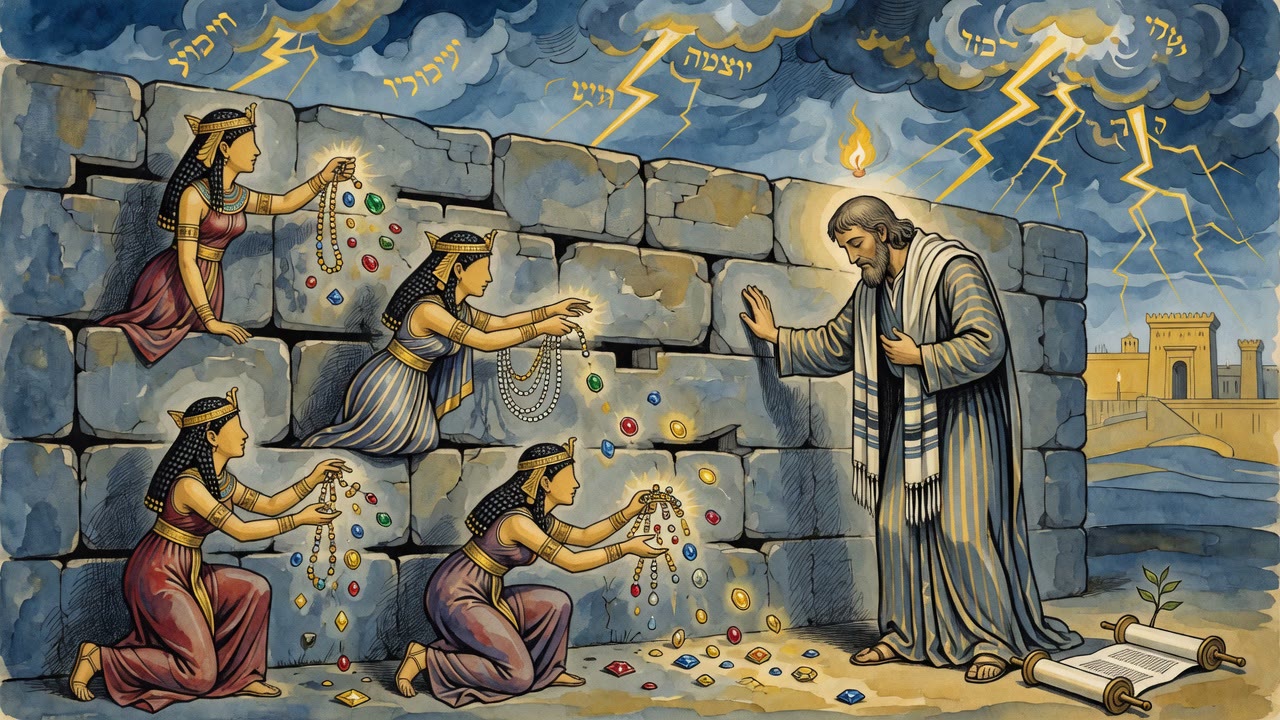
Royal daughters press jewels through wall slits to catch Josephs eye. He keeps his gaze down, and a later Torah law becomes his reward.
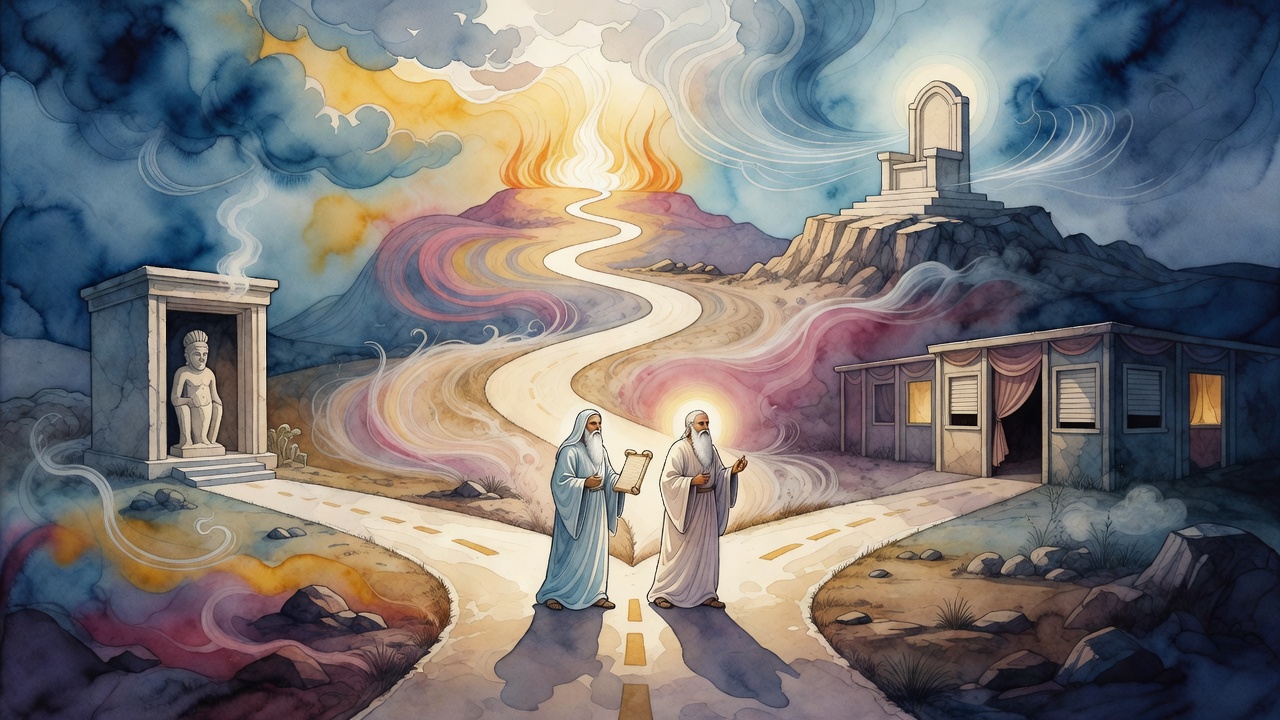
Two sages split a road between an idol shrine and a brothel, took the harder path, and found even the windows close when Torah walks past temptation.
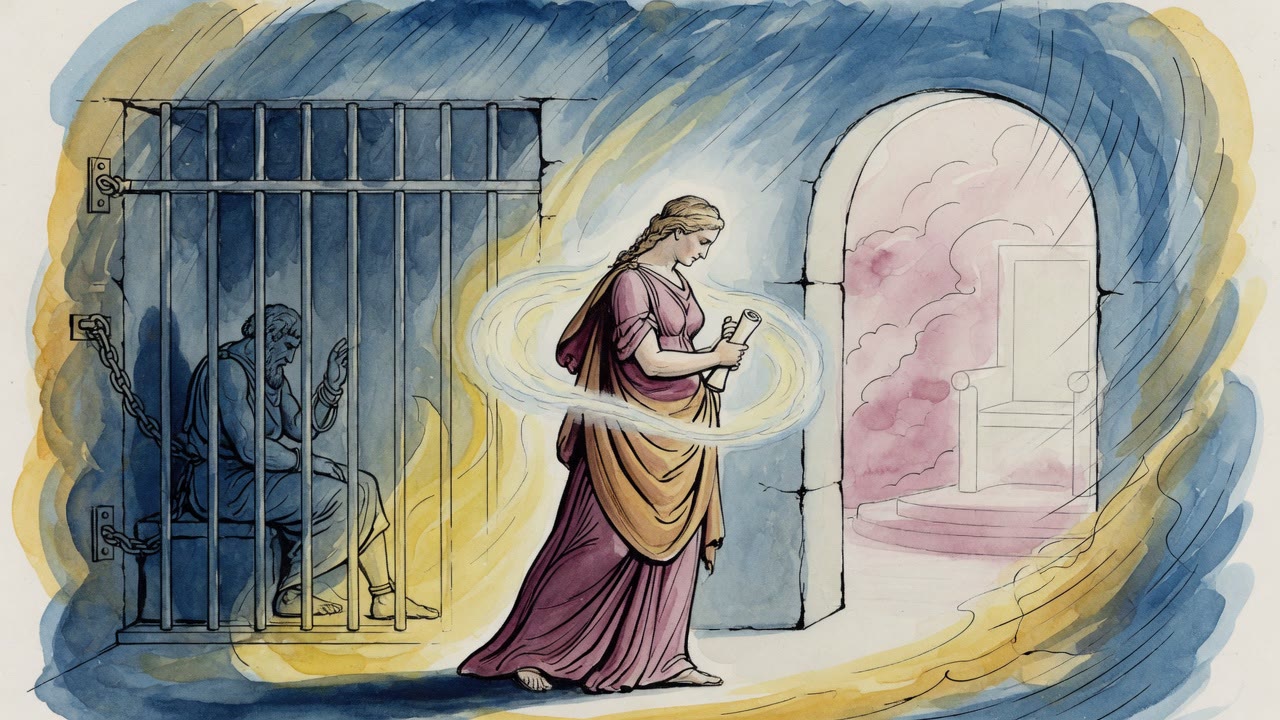
She set a knife and a citron at each place. The women cut their hands and did not feel it until the blood ran into the fruit.
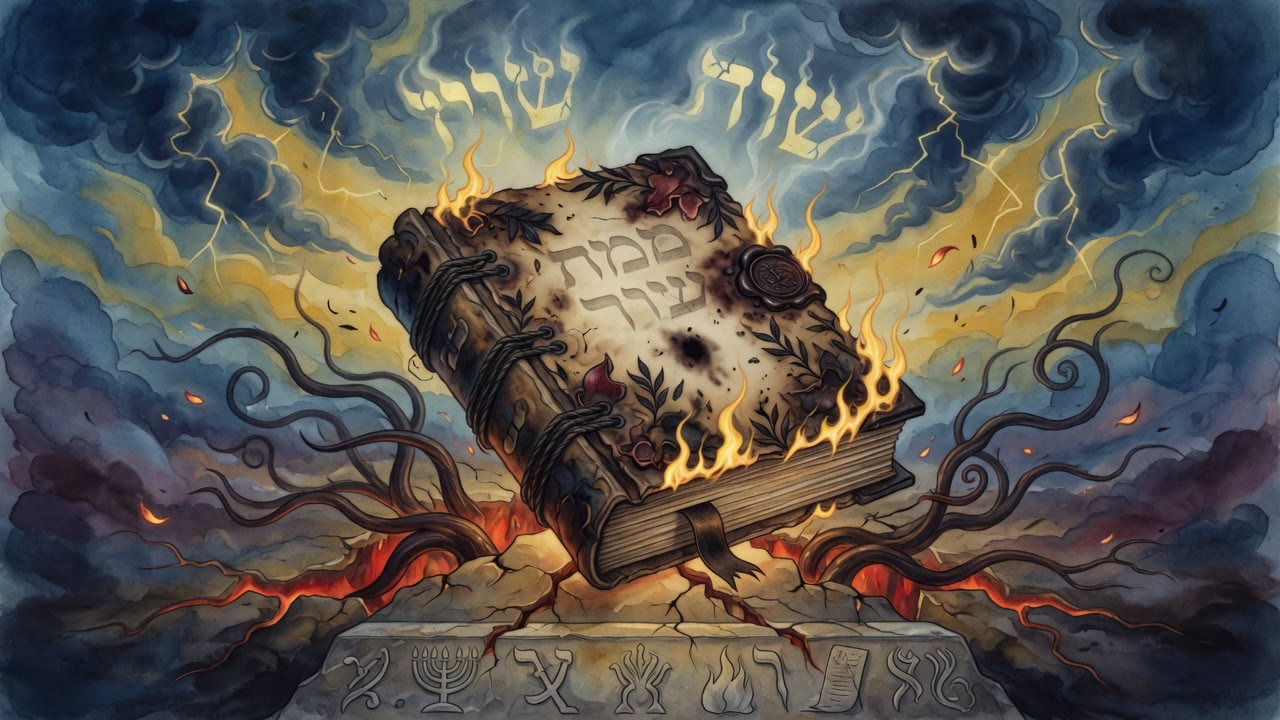
A closed booklet held names no one should speak. Ninety-seven forces of impurity hid in two Torah words, and Gehenna (afterlife of judgment) shook for the.
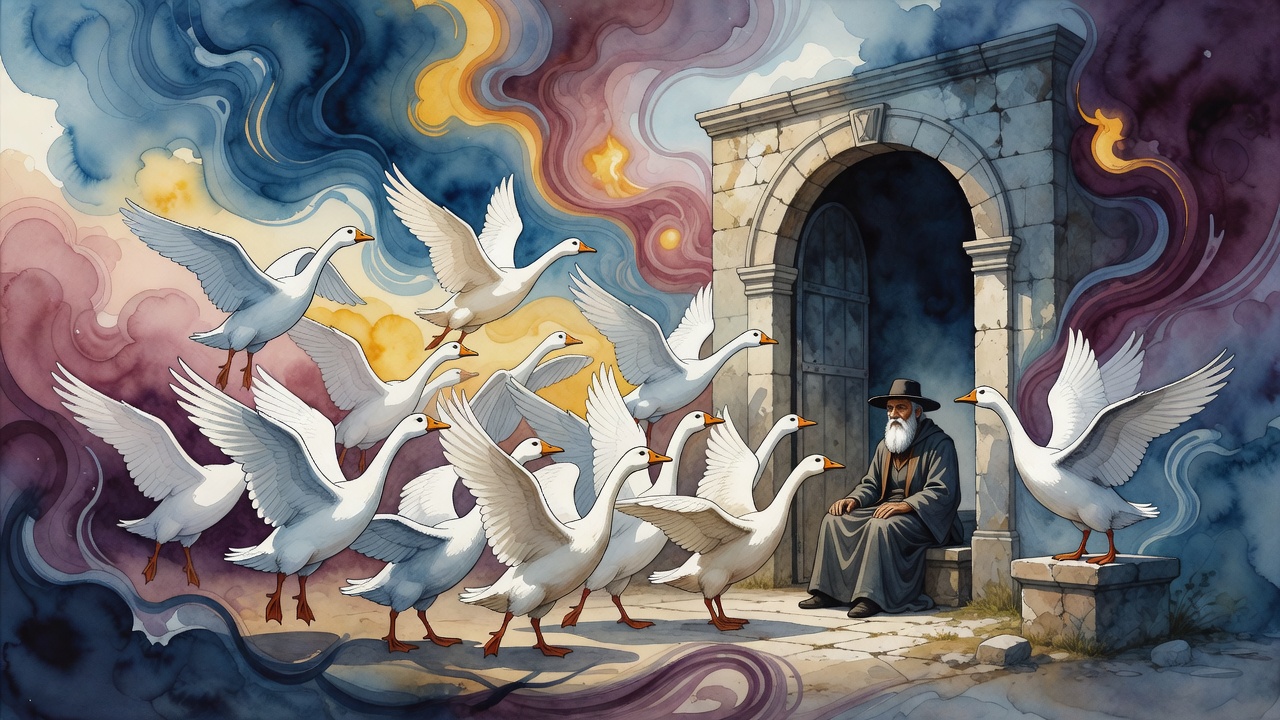
Day after day Rabbi Gidal sat at the bathhouse gate while women passed. Tabillat asked if he was tempted. He answered that they looked like white geese.
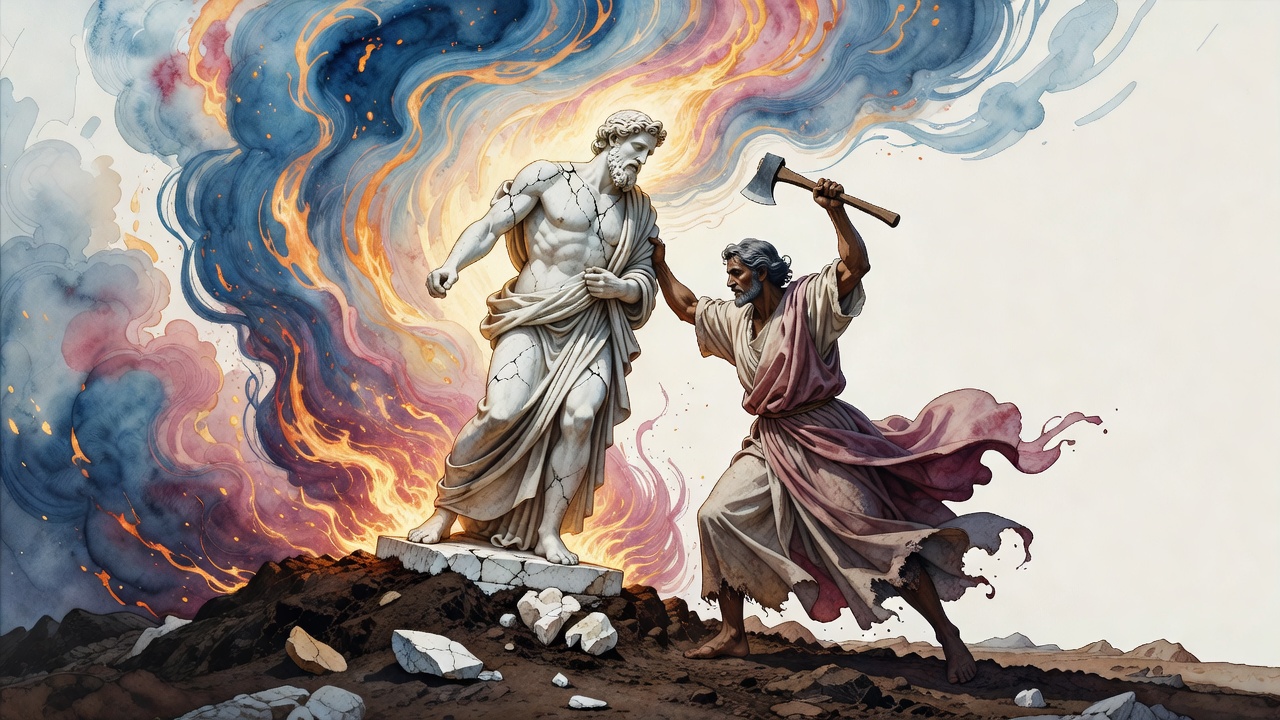
The statue asked for a lamp. The pious man understood the courtesy at last, and the demon inside the marble began to bargain.
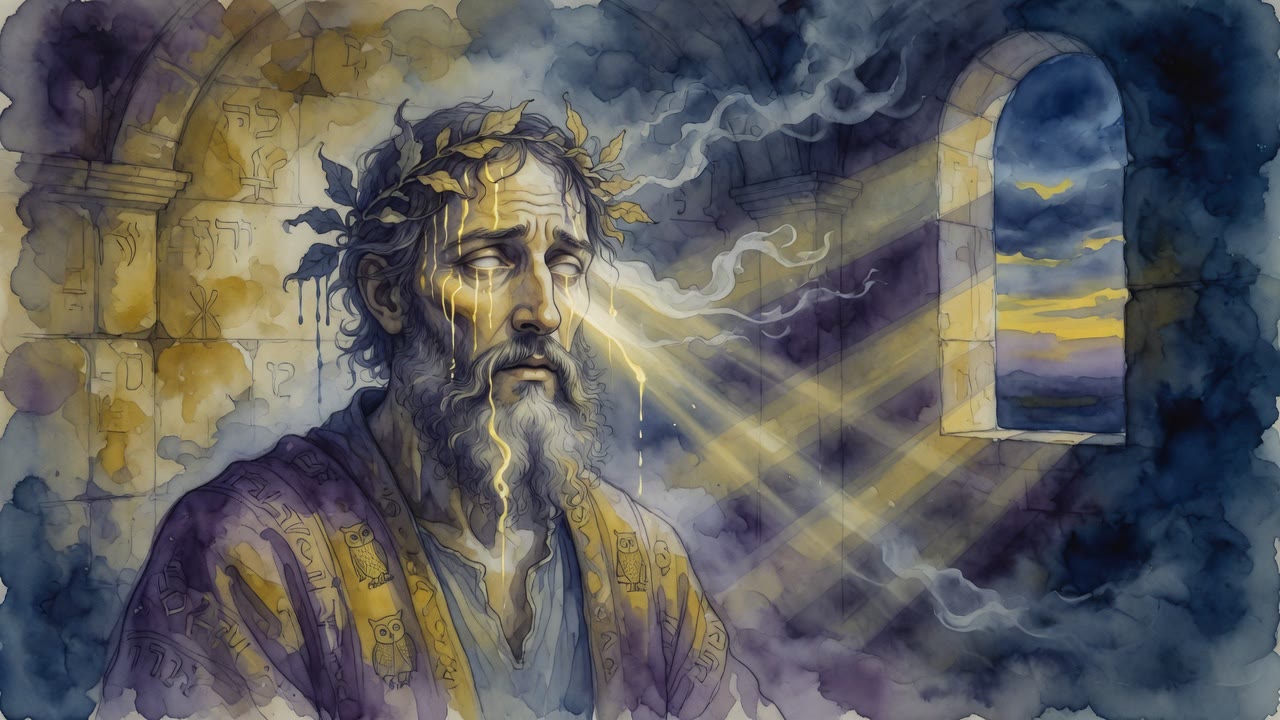
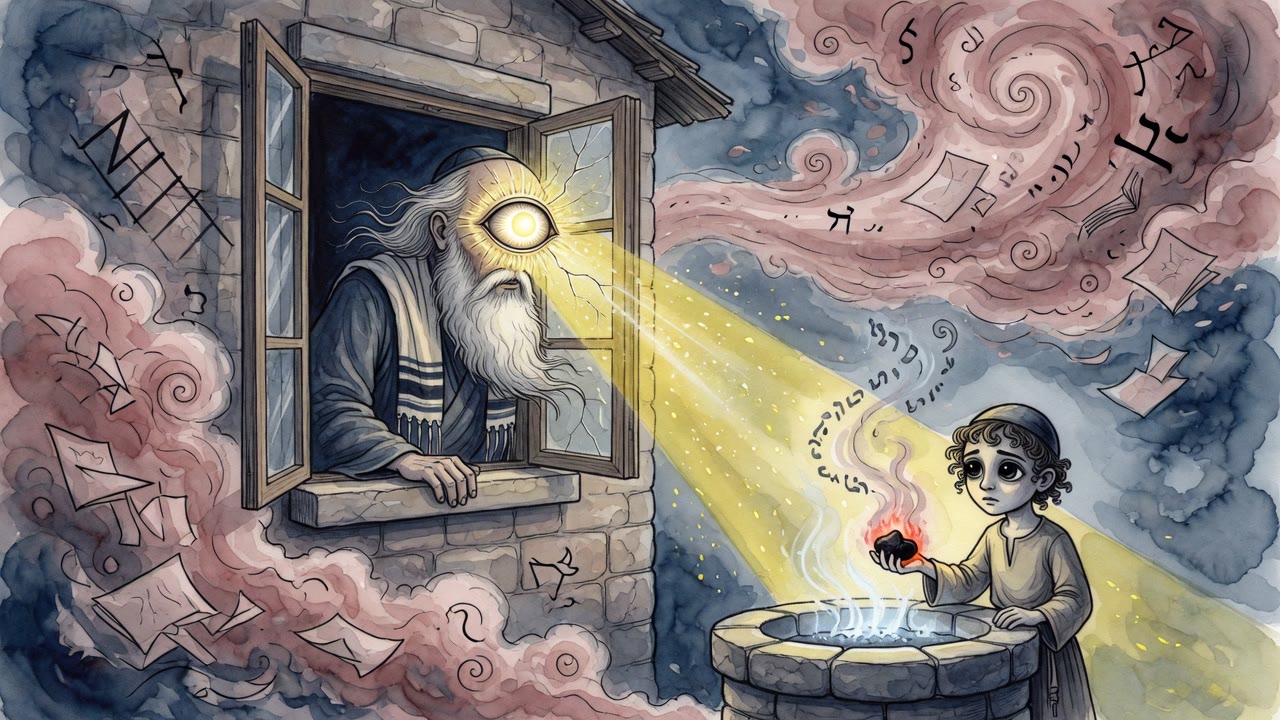
A grown educator confesses he cannot stop staring at the woman next door. The infant Ben Sira answers with a coal, a well, and a chase for wisdom.
Solomon named the adulterer a man without a heart, and the sages watched wisdom leave his face the way light leaves a room.
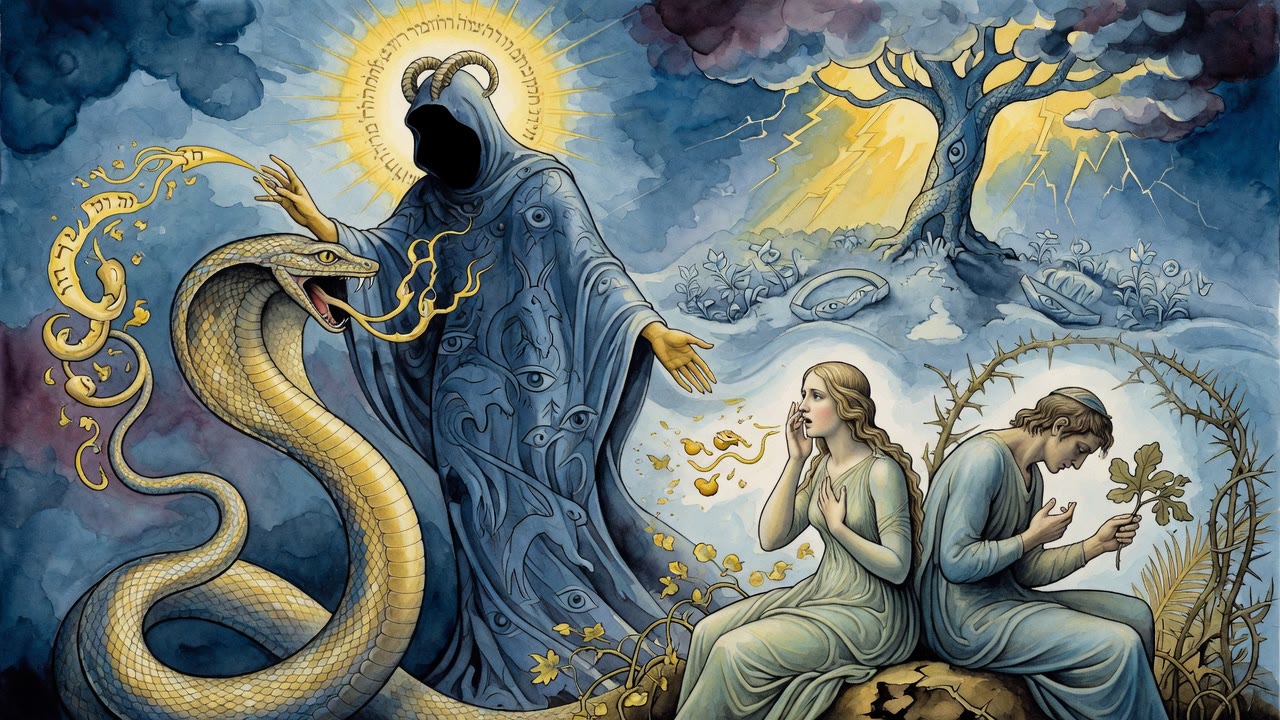
Every morning the beasts bowed to Adam in the garden. The Accuser could not stand it. He went looking for a mouth that was not his own.
