33 myths · Page 1 of 2
Each story names the sources it was written from.
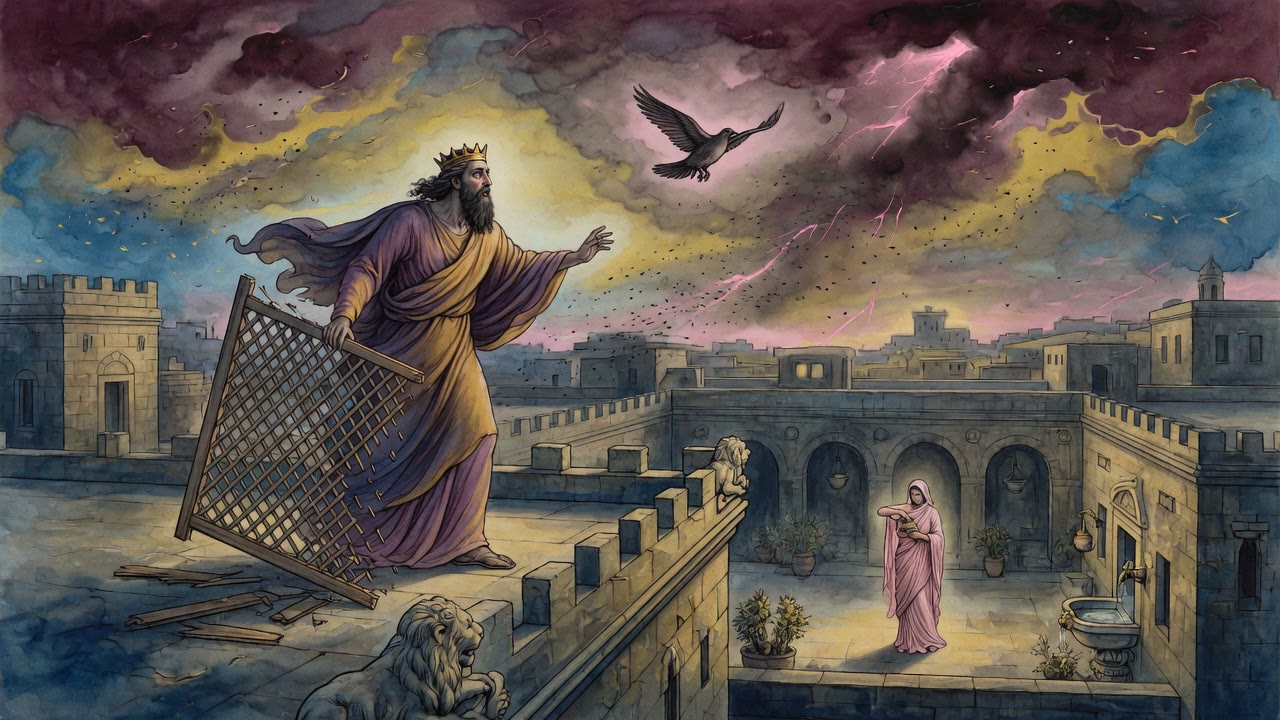
God warned him first. You will be tested, and you will fall, and it will be through a woman. David wanted the test anyway.
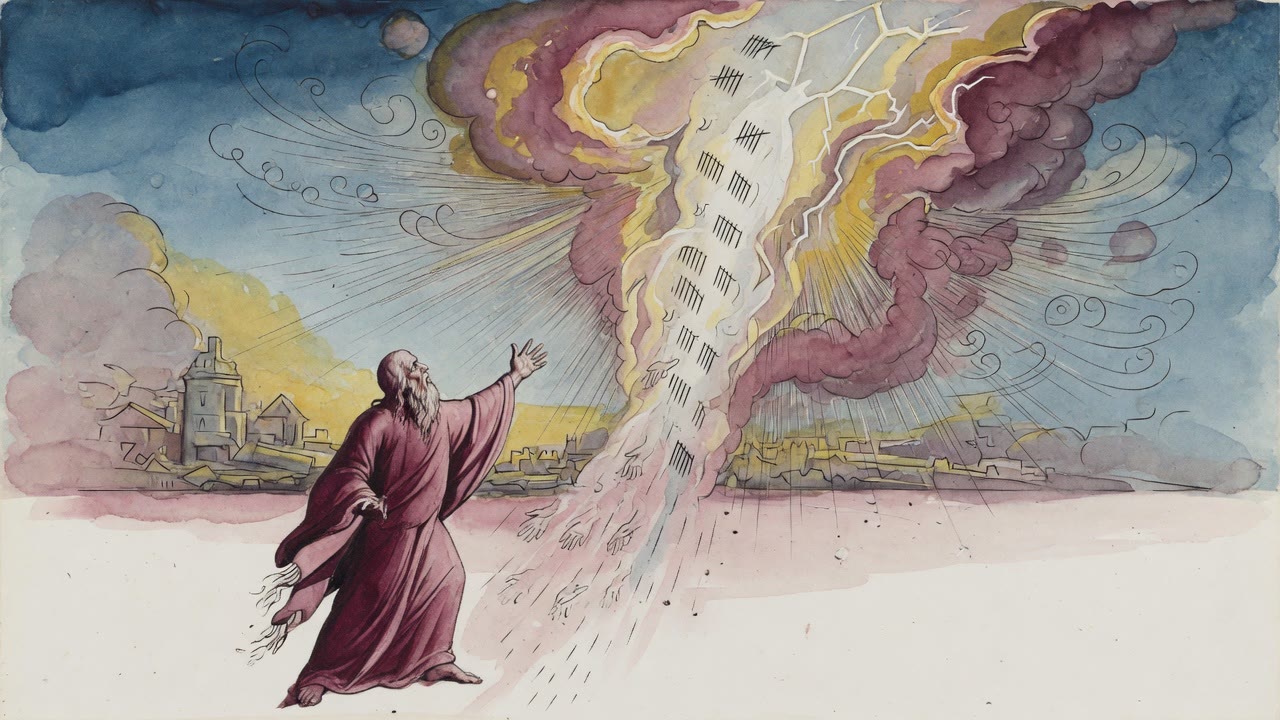
God decides to tell Abraham what he is about to do to Sodom. Abraham recognizes an opening and presses it, bargaining God down from fifty righteous to ten.
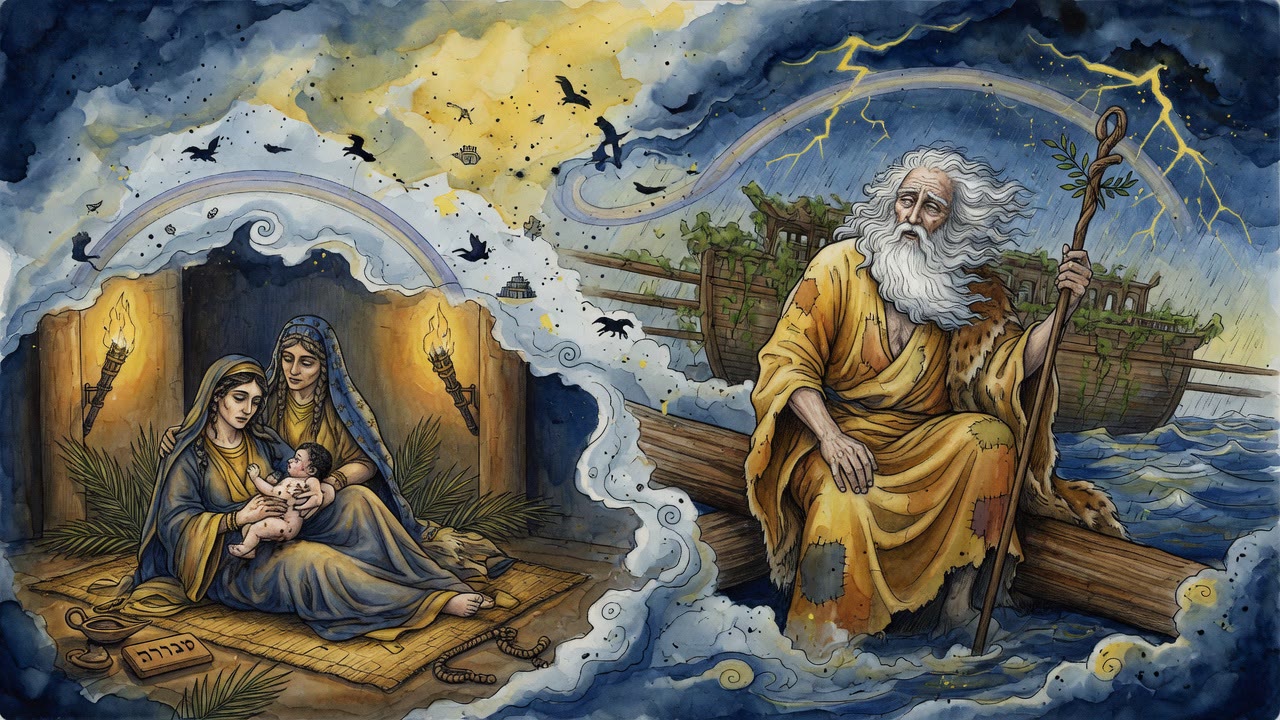
The chronologies of Jubilees place Abraham and Noah in overlapping lifetimes. The man of the flood and the father of the nation shared the same world.
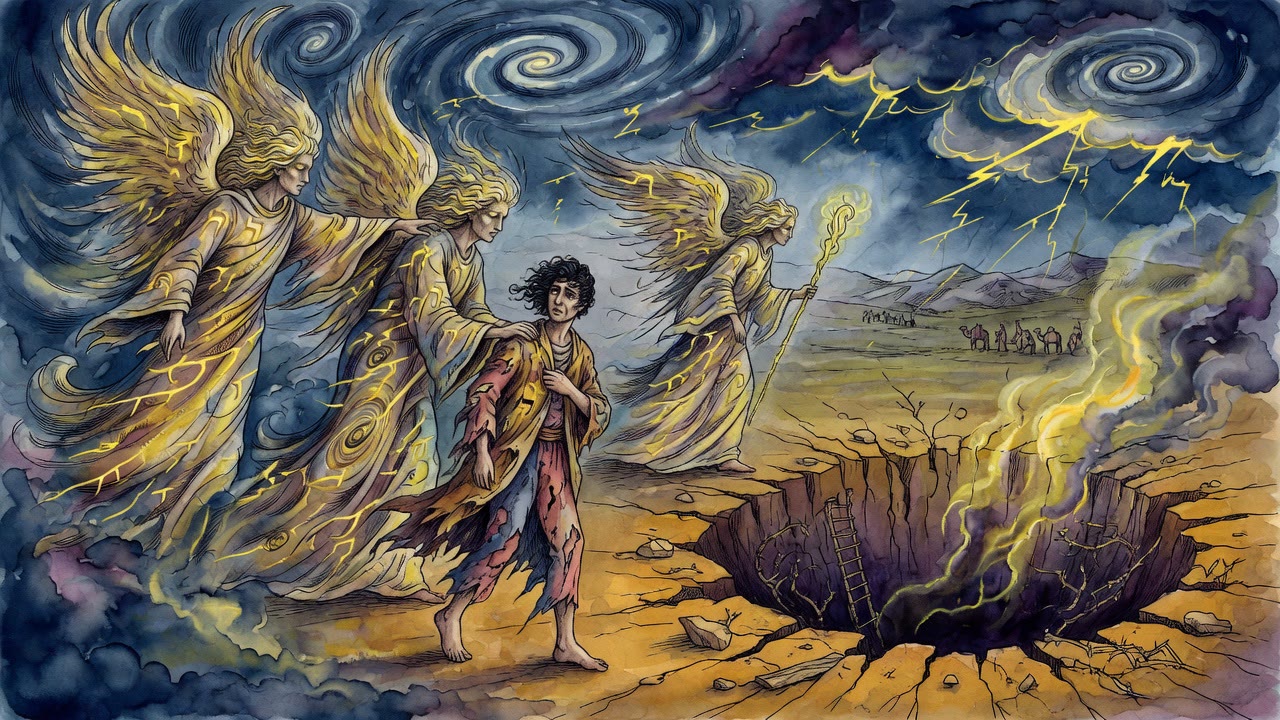
Joseph asked a stranger in an empty field where his brothers had gone. The man pointed him toward Dotan. The pit there was already waiting.
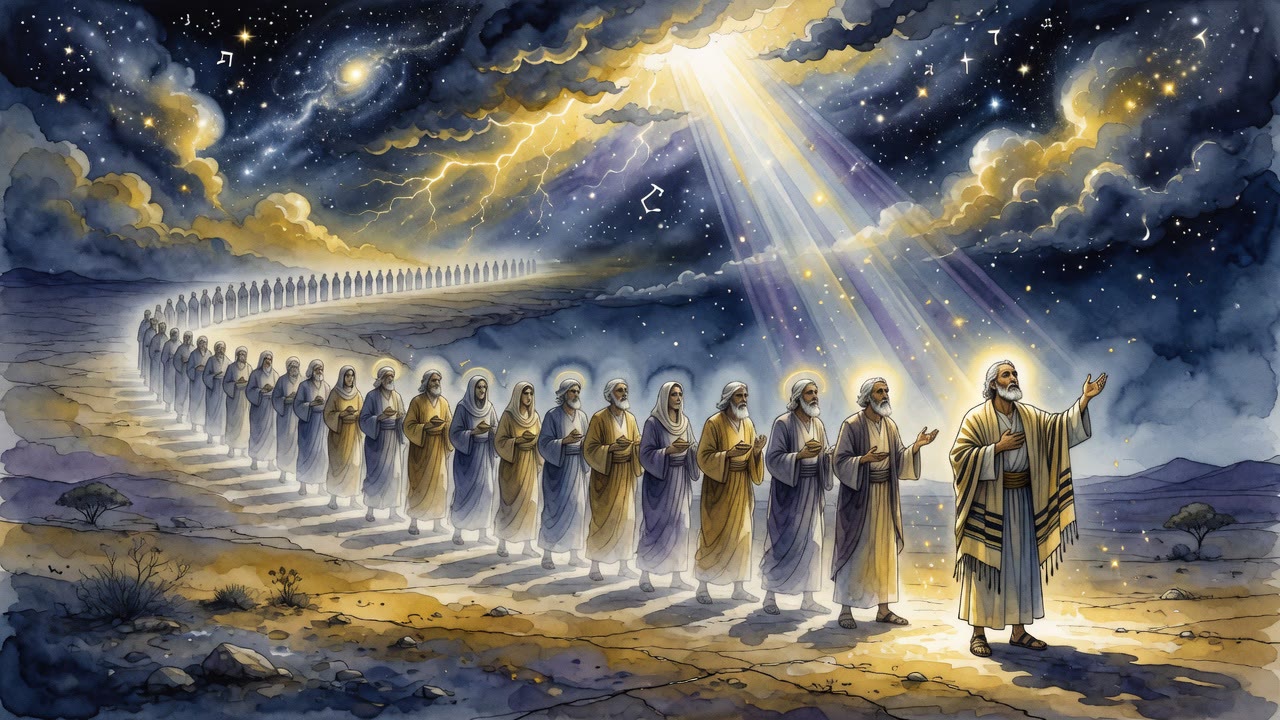
Abraham had no teacher. He worked the law out at night with nothing to consult but his own body, and then he argued with God about Sodom.
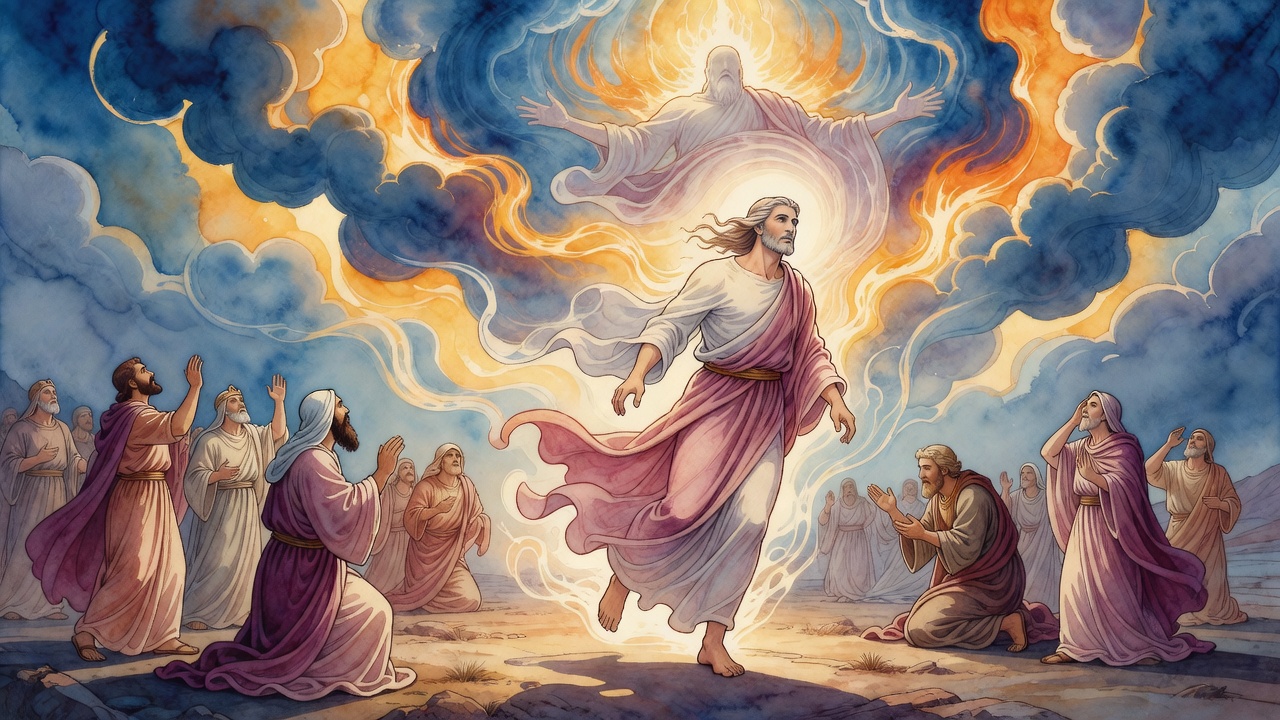
Enoch turned in the saddle six mornings and told them to go home. On the eighth day the kings sent riders to count who had stayed.
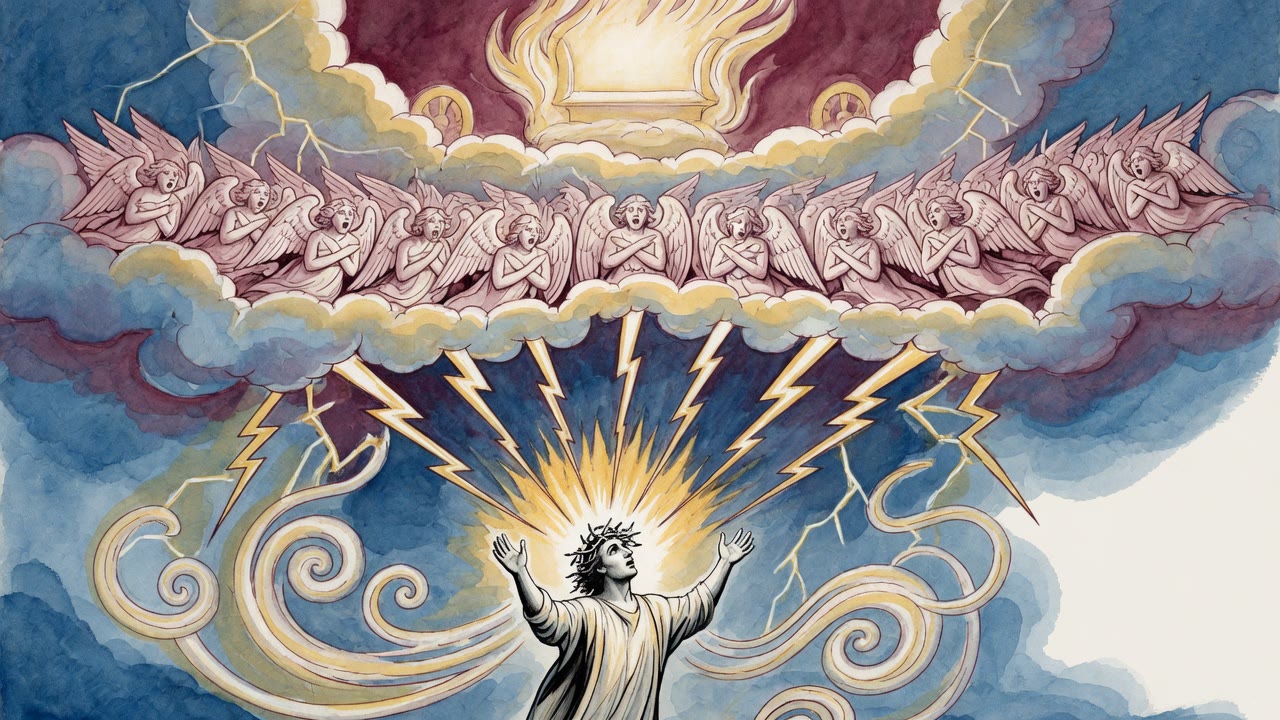
In the cave he said the same words twice. First, that he not fall into the enemy's hand. Then, that the enemy not fall into his.
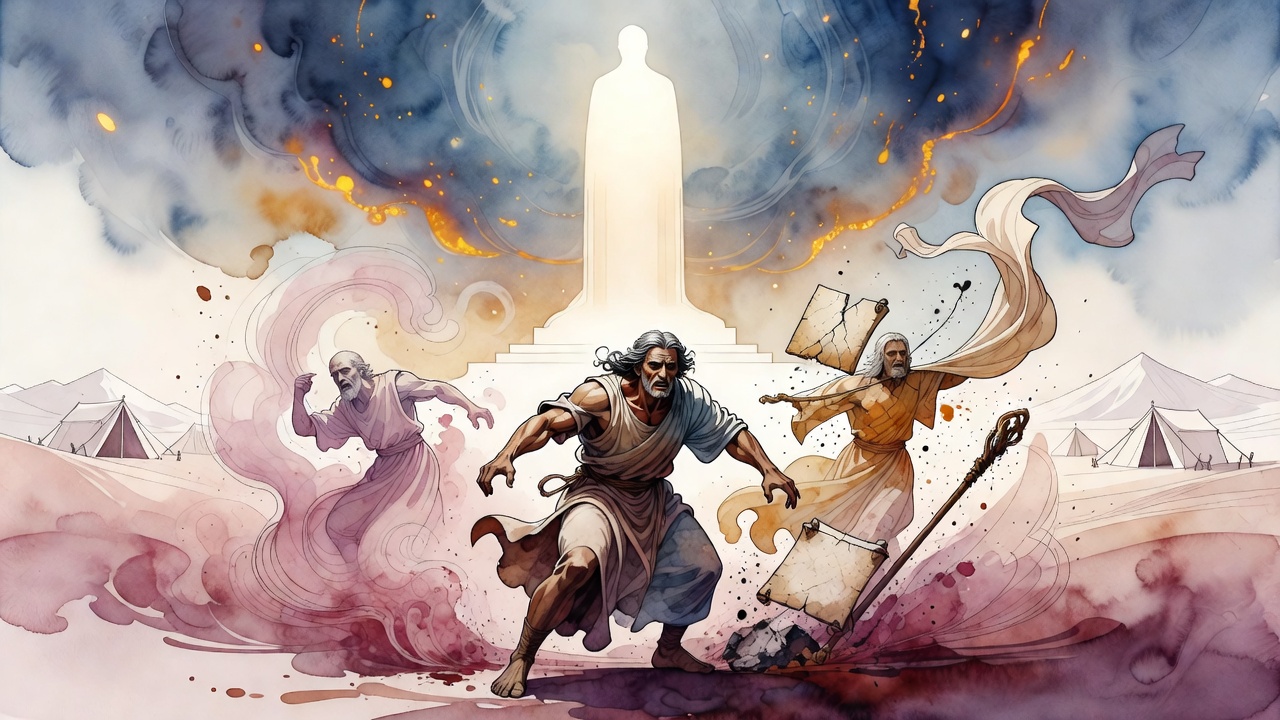
Lentils sat on the fire the day Abraham was buried. Esau did not ask what the pot meant. He opened his mouth and told Jacob to pour.
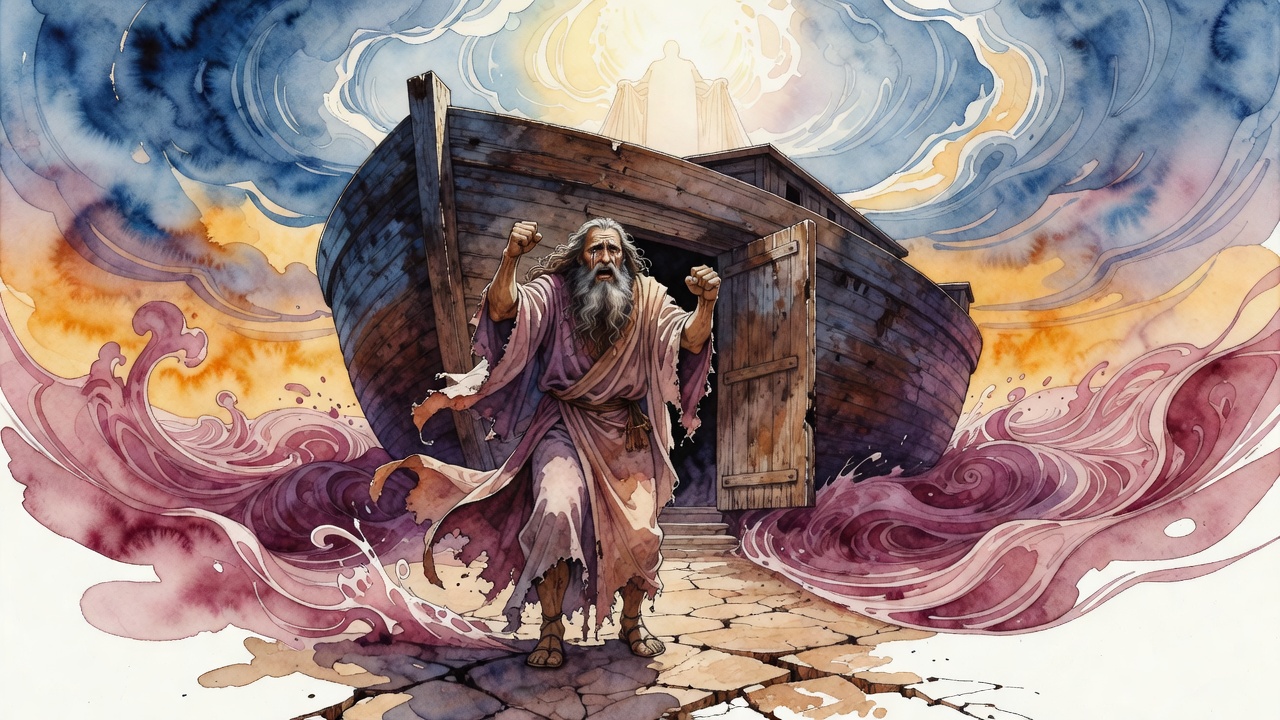
The flood ended, but Noah would not open the ark until God swore. On dry ground, his grief turned into an accusation against heaven.
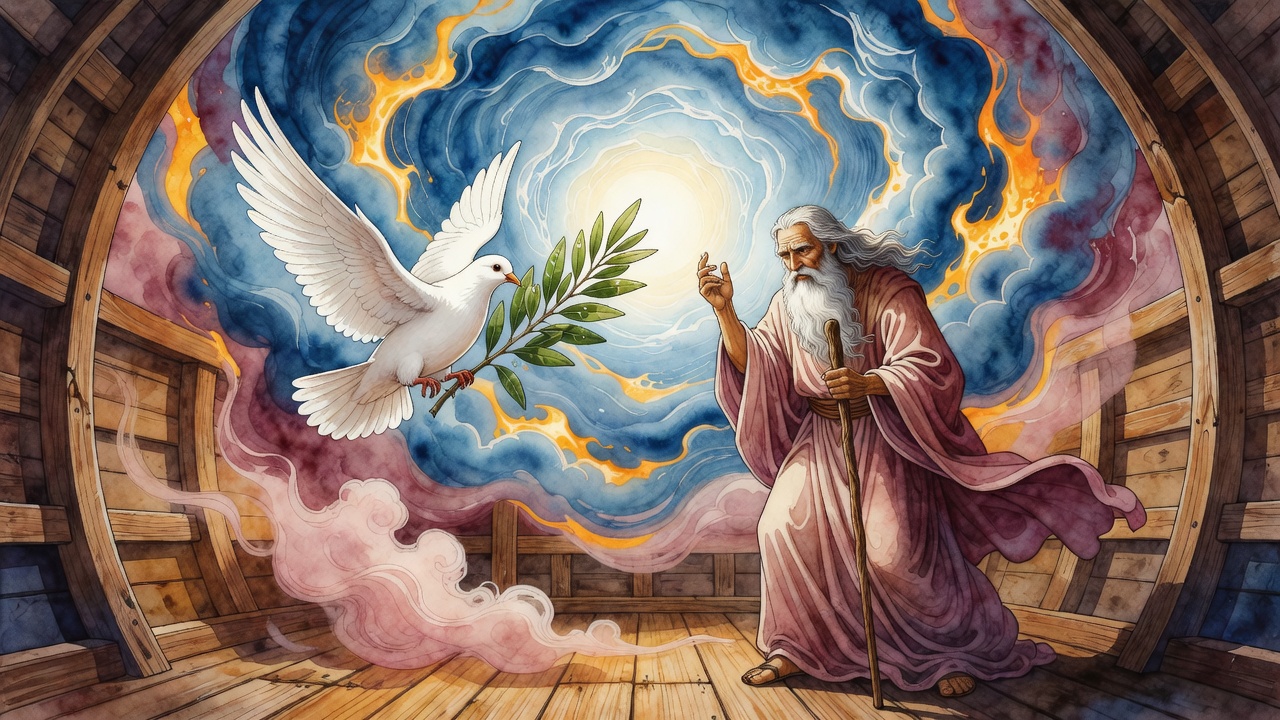
The ground was dry. The dove had not come back. His sons stood at the door with their packs, and he still would not put a foot on the mud.
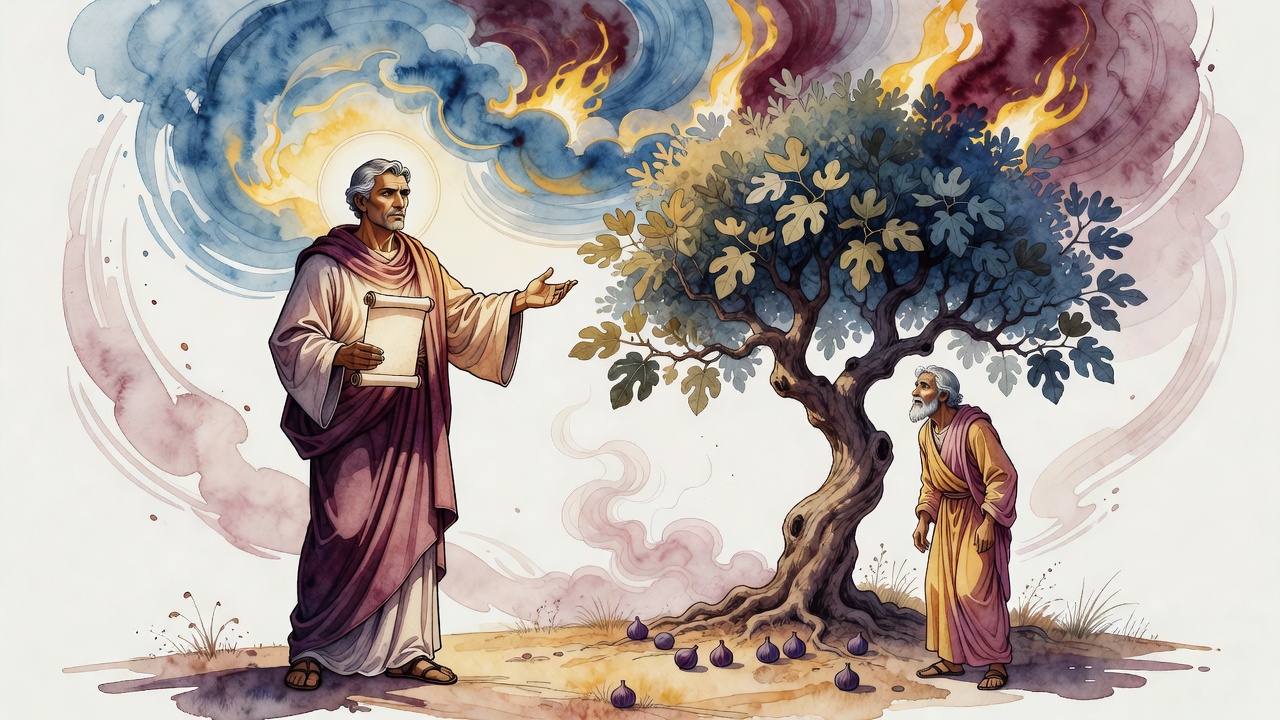
He was out picking before they arrived every single morning. The students decided he suspected them of stealing his fruit, and quietly moved to another tree.
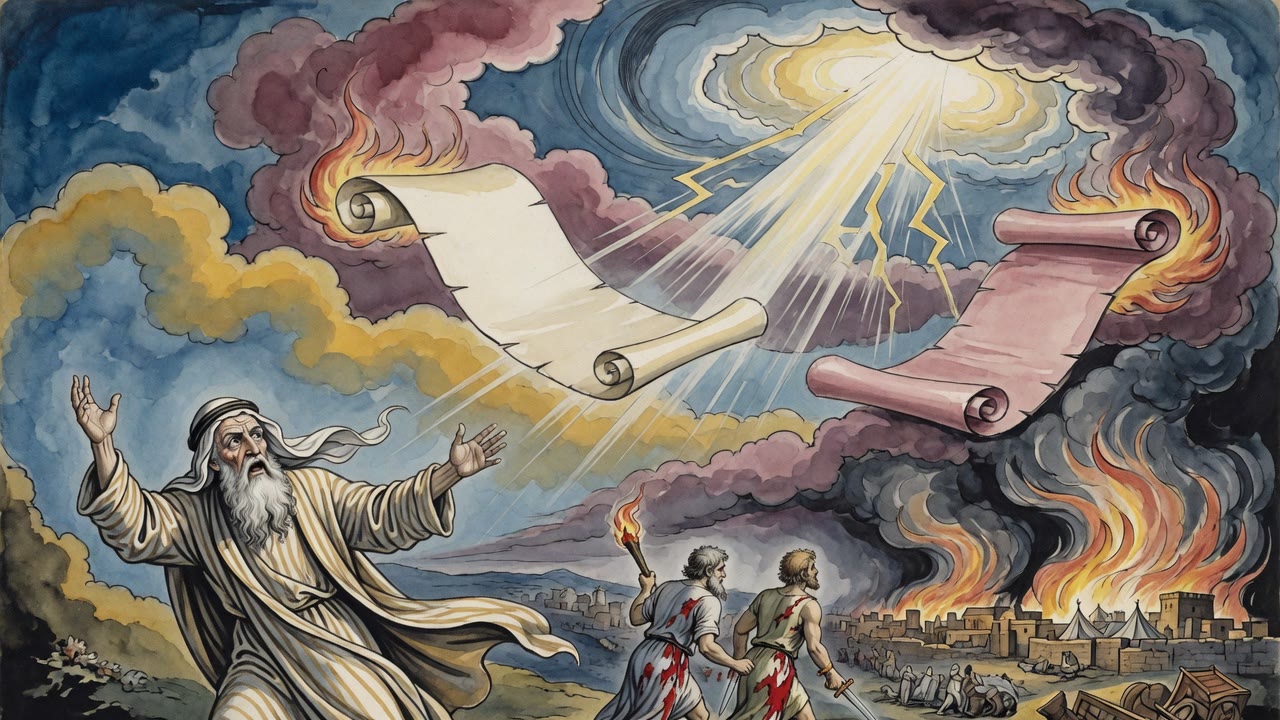
Jacob rebuked his sons for the slaughter at Shechem. A heavenly record reached a different verdict. Both accounts survived.
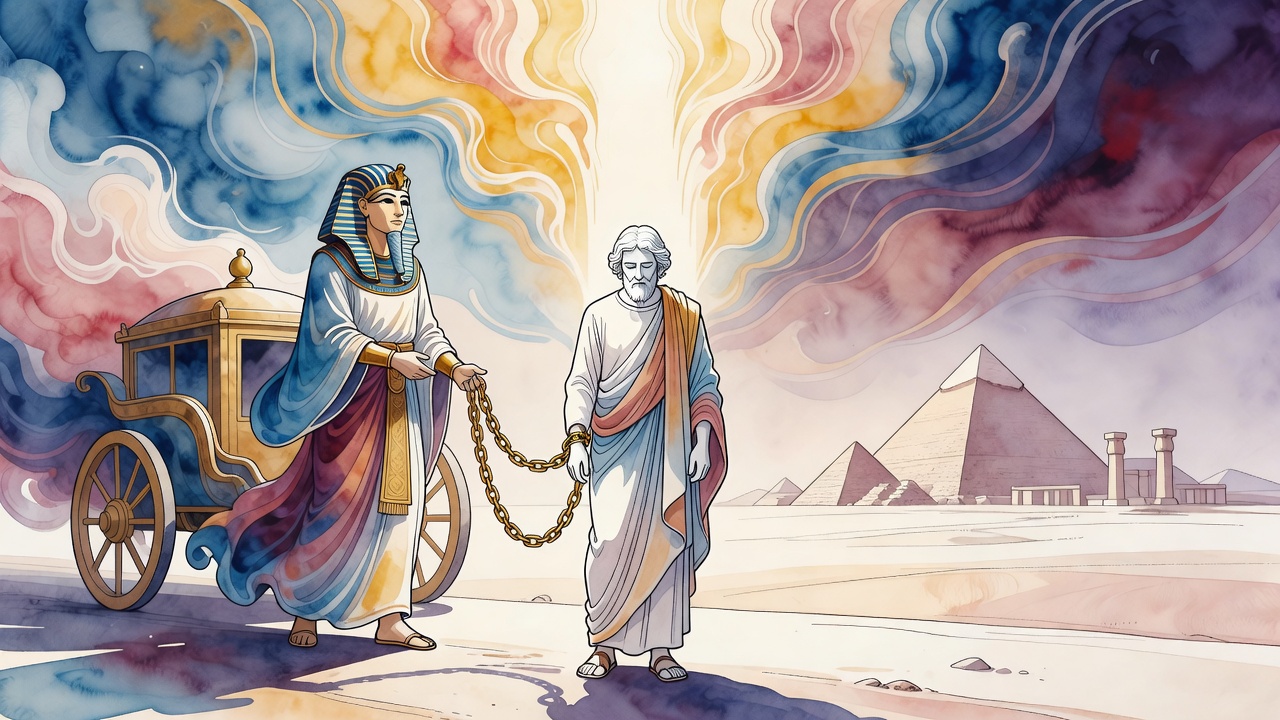
Pharaoh gave Joseph a gold chain, a chariot, and a new name. Joseph took none of it into himself. Egypt was at peace because of it.
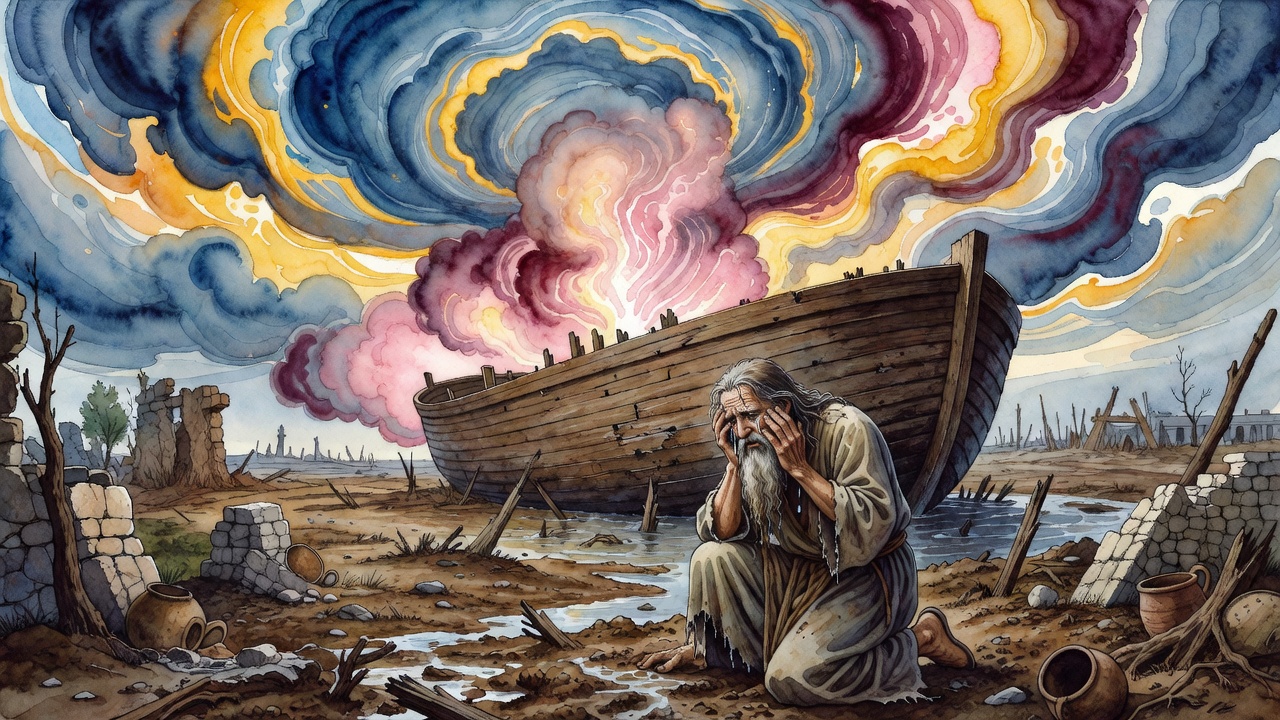
Noah built the ark, survived the flood, and wept at the ruins. Then God rebuked him for never praying for anyone outside the ark before it was too late.
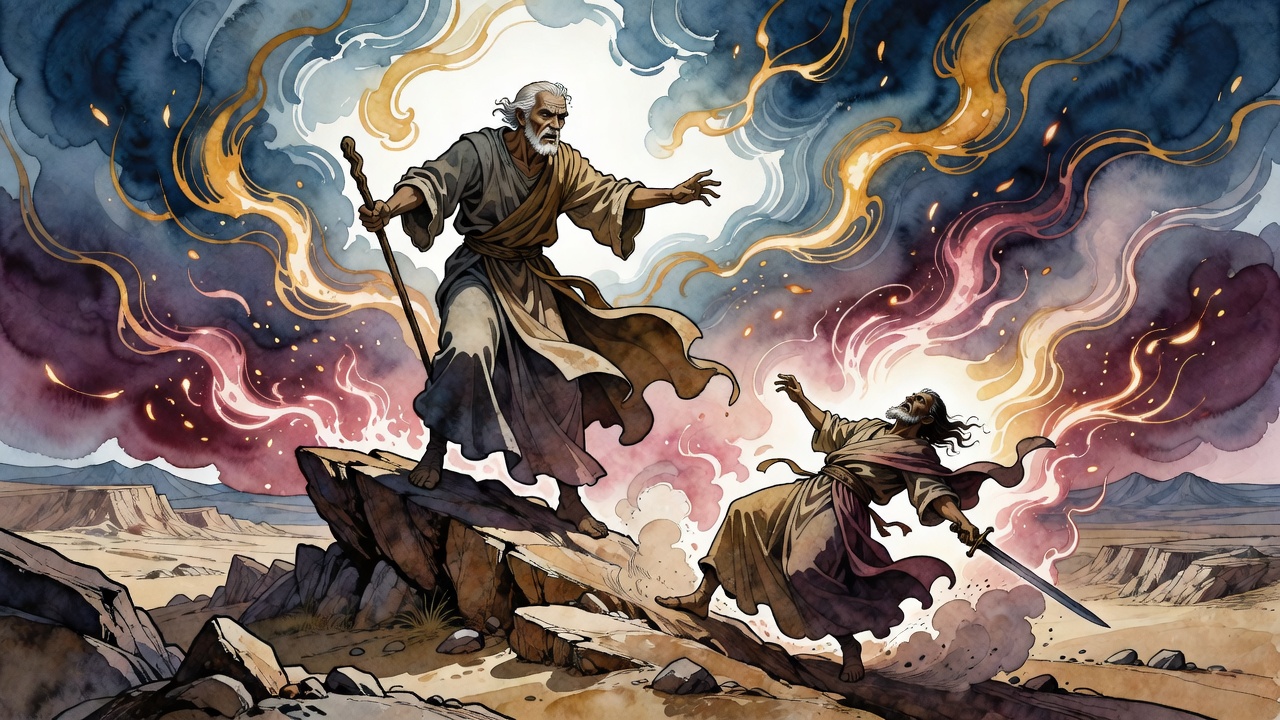
Balaam stood on Moab heights and wished aloud for the death of the righteous. He understood exactly what that meant. Then he died by the sword in Midian.
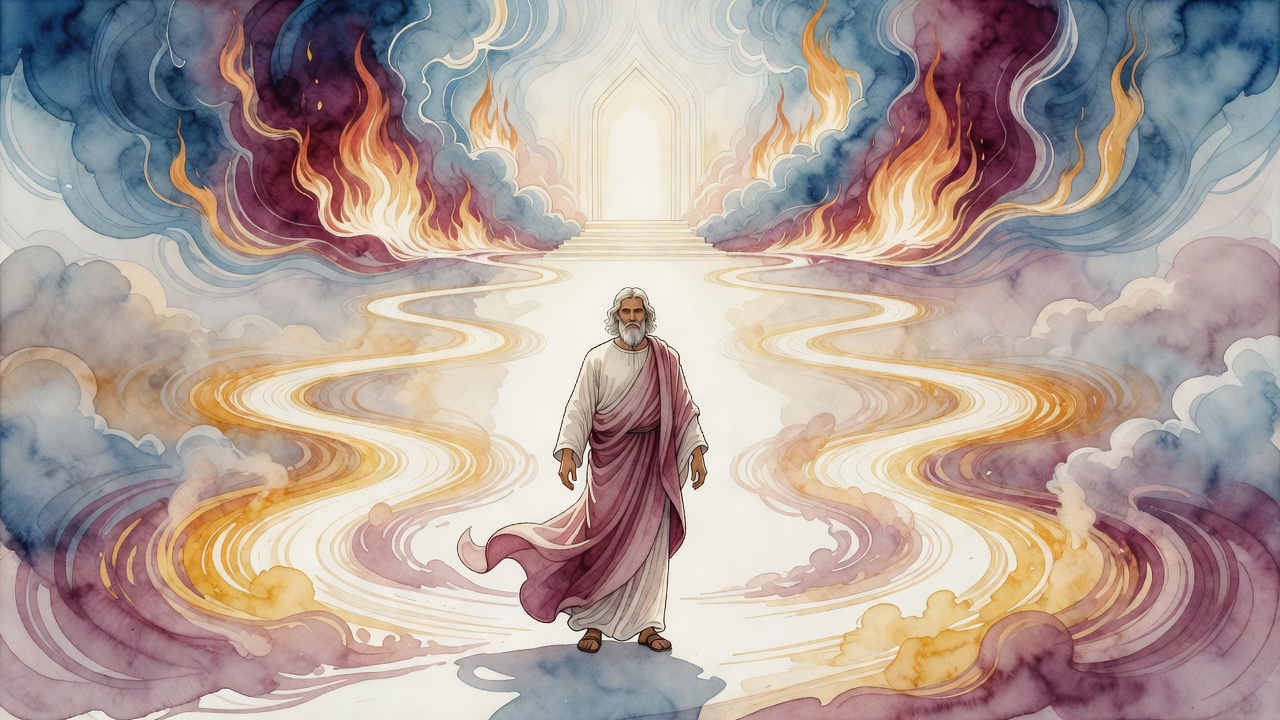
Samuel poured water at Mizpah while the Philistines came up the road. Later God named the place he had stood, between two goods.
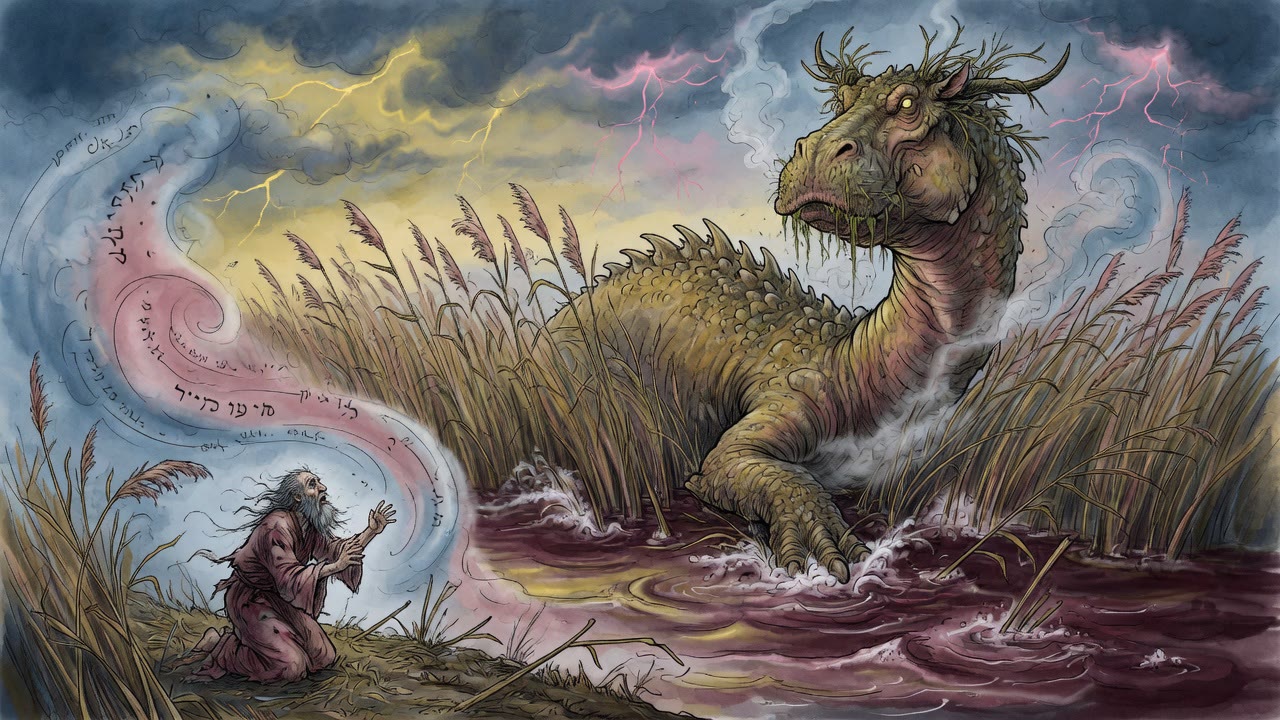
Noah wept over the ruin he had survived. God rebuked him for not praying before it happened. Job suffered while still called God's servant.
He washed his parents' faces before he opened the shop. Joshua ben Levi had asked Elijah for a name. The name was a butcher.
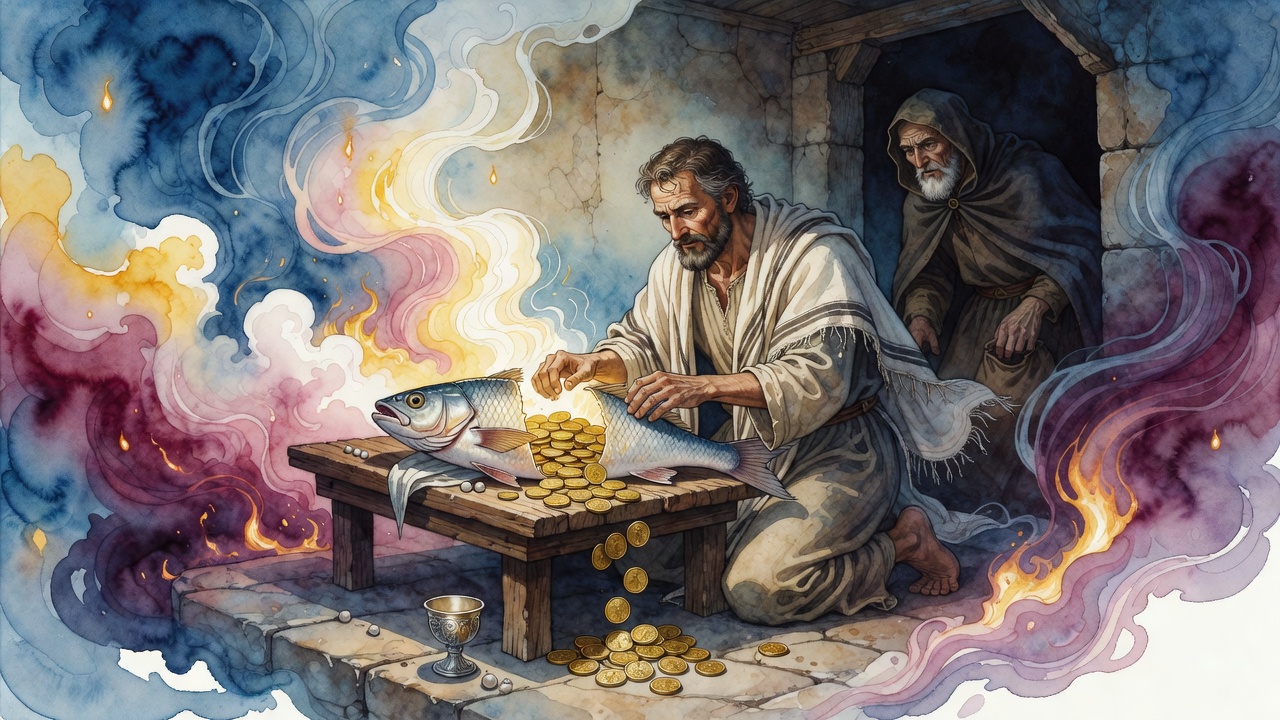
Joseph spent every coin he had on Shabbat food, and a Gentile neighbor tried to cheat the prophecy that Joseph would inherit his wealth.
He rode for the king with a good horse under him and taunted his uncle about it. The answer that came back killed him before the day was out.
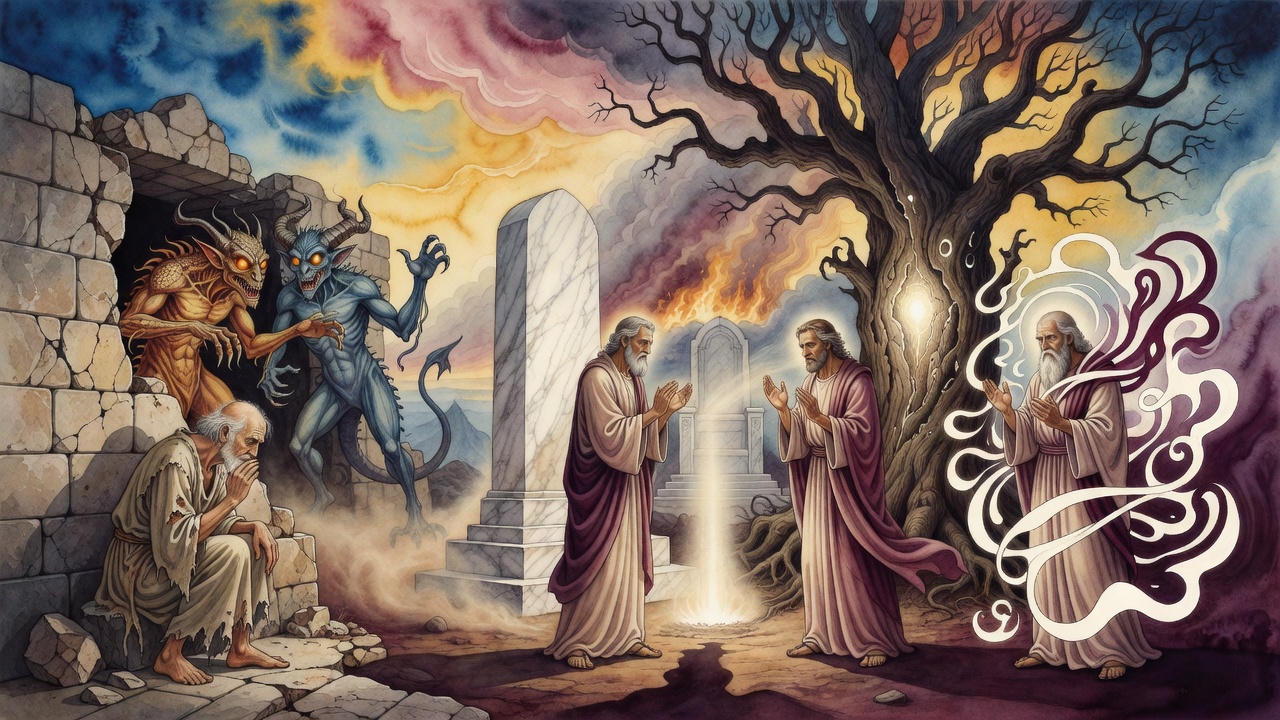
A ruined believer overhears demons boasting their secrets, while three other men face marble, a haunted tree, and a Shabbat spell.
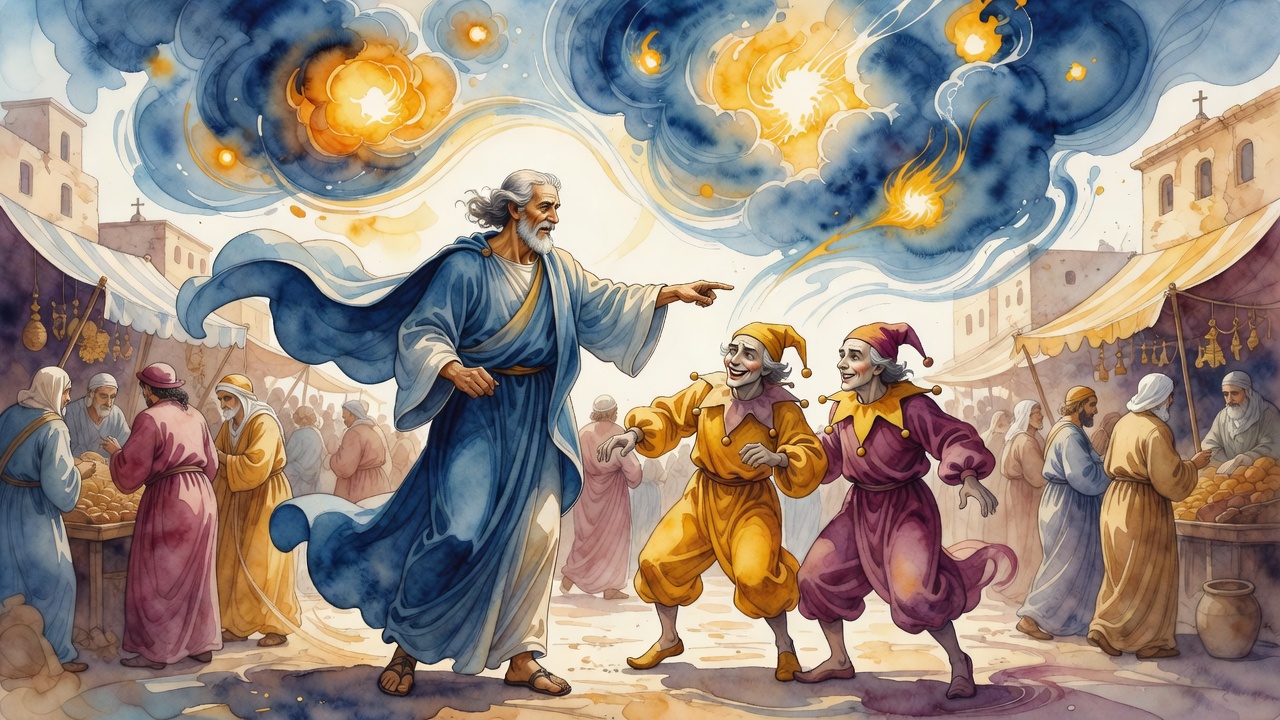
A rabbi begged Elijah to show him who in the loud market had earned Paradise. The prophet pointed at two clowns, and holiness turned over.
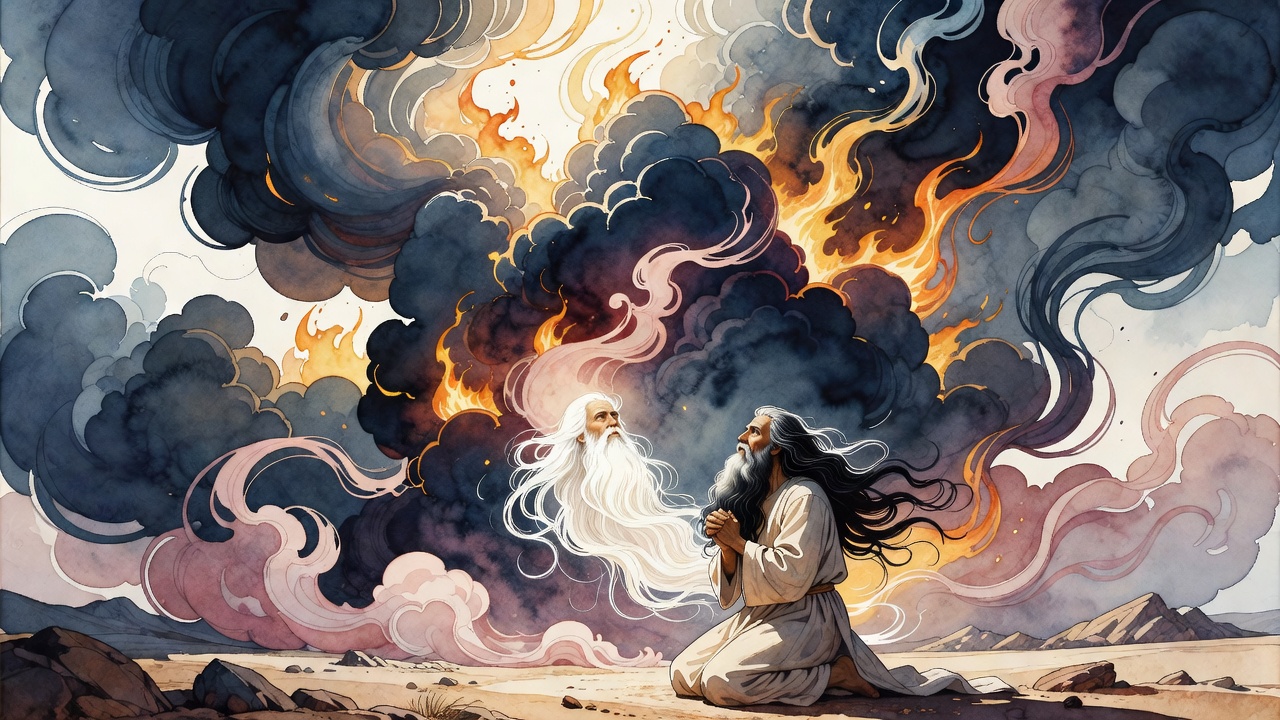
Before Abraham, no man's hair ever turned white and no elder was honored for his years, so he prayed to be marked by age, and heaven answered.
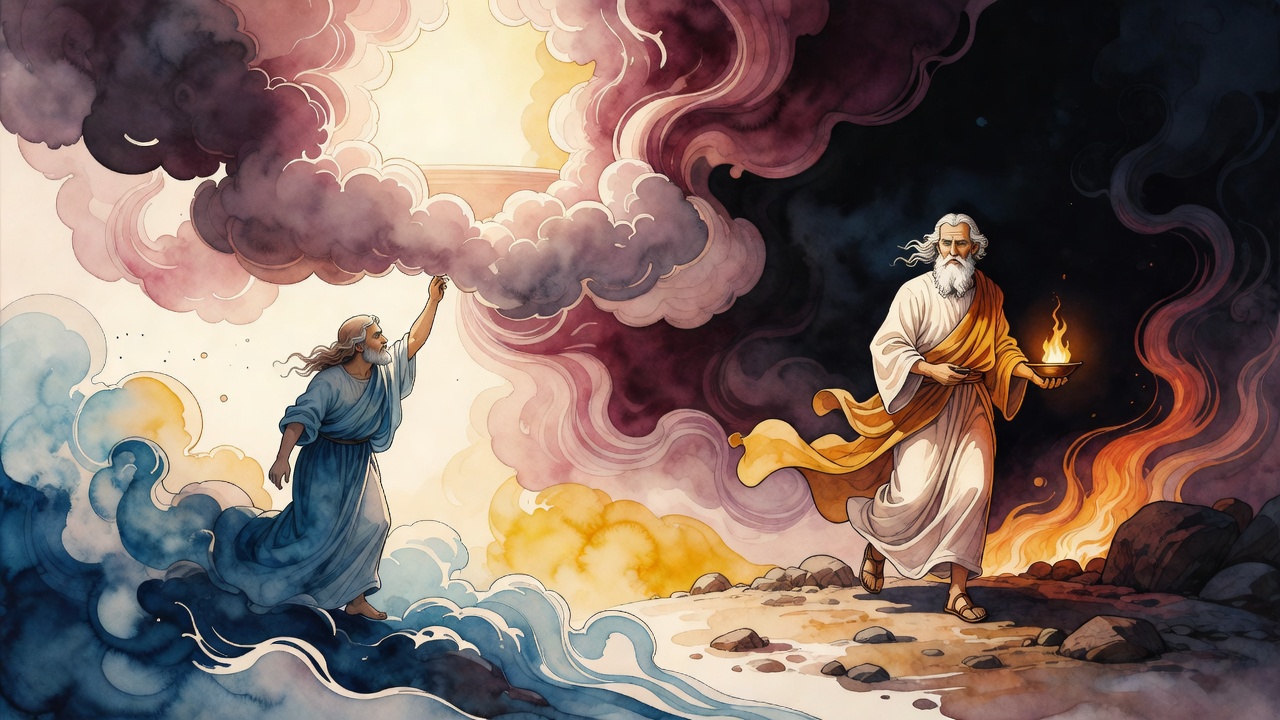
Noah walked with God like a child holding a father's hand. Abraham was told to walk before God, a lamp bearer sent ahead into darkness.
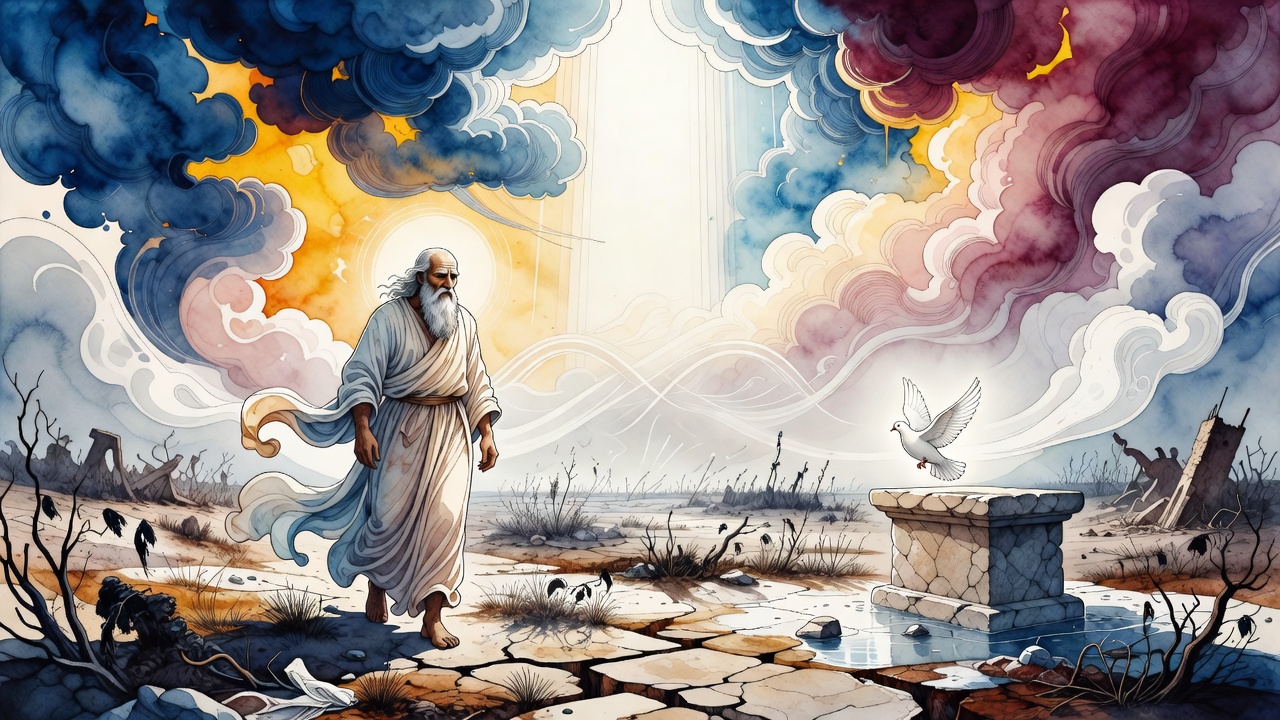
The neighbors laughed while he measured beams, and their children threw stones at the hull. The sky stayed blue long enough to make him look foolish.
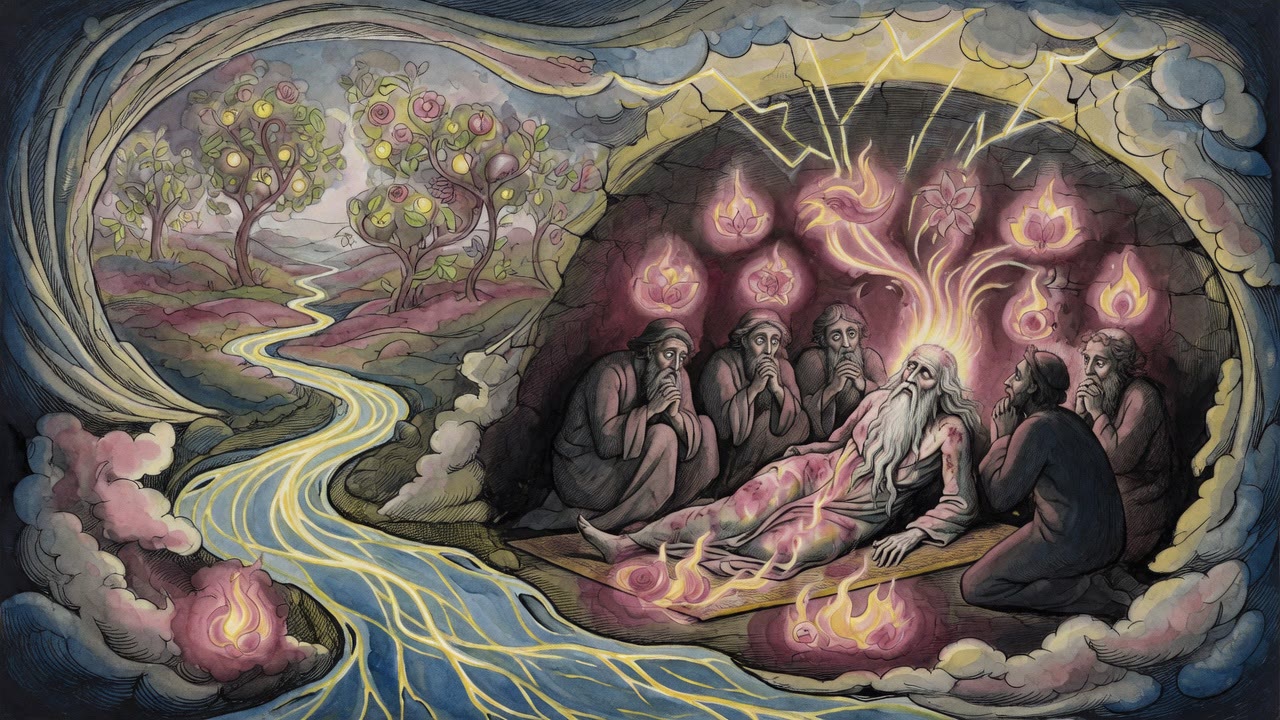
Rabbi Shimon bar Yochai was dying. He told a handful of students what he had never said out loud, and souls came up from Eden to listen.
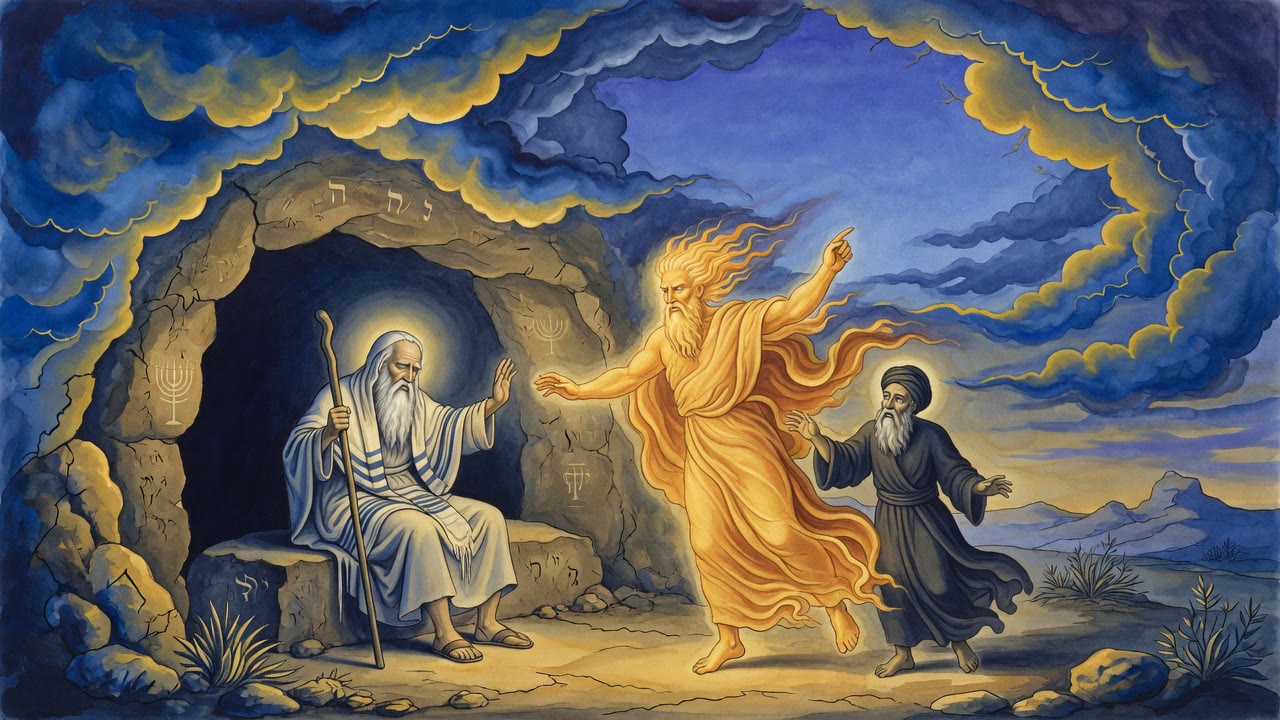
Elijah brings a great sage to Rabbi Shimon, who asks only whether the rainbow has appeared, then refuses a face heaven still needs to warn.
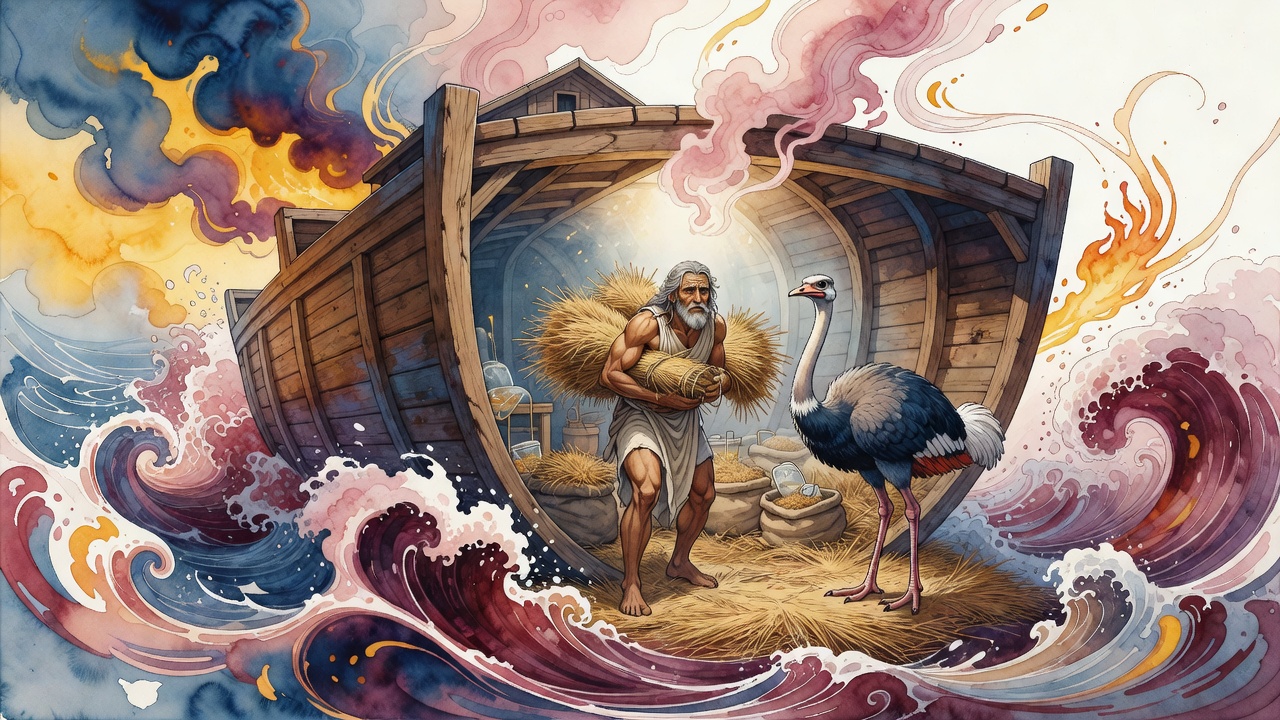
Pitch still stuck to Noah's palms. Below decks a lion coughed in the dark. The first bin was already empty, and the rain had only begun.
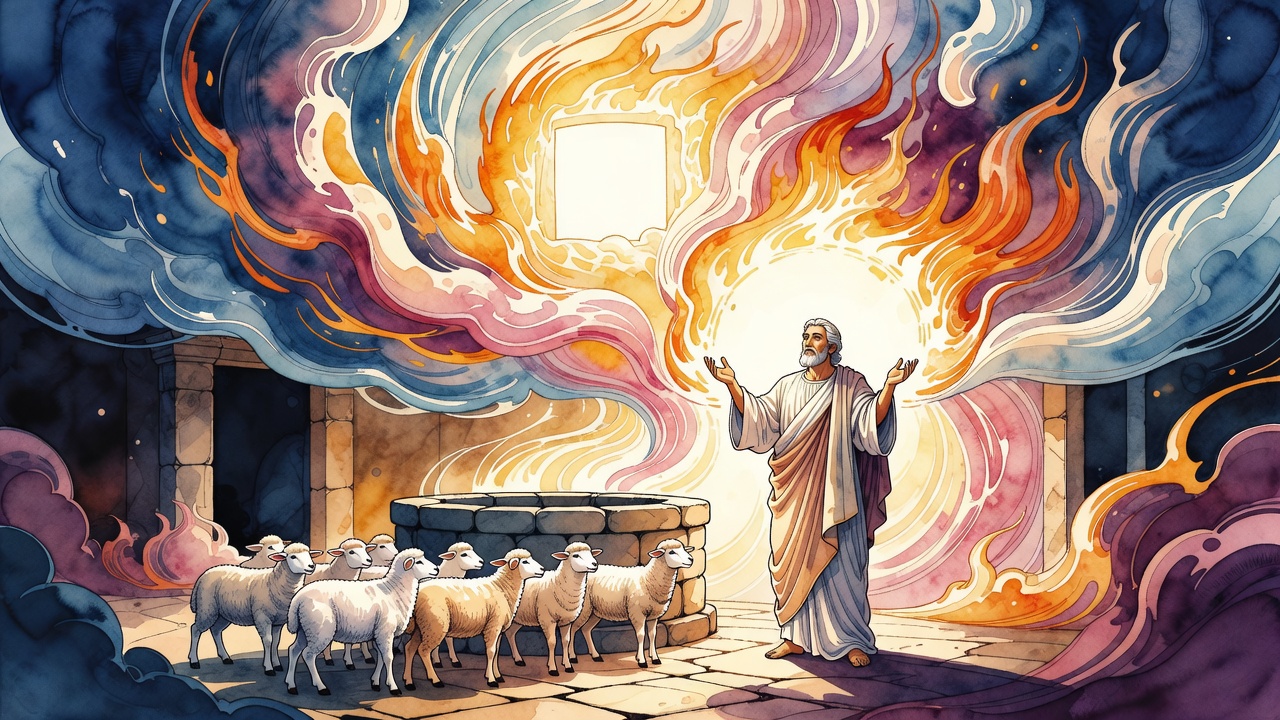
A dream told the king of Gerar he was already a dead man. He had never touched the woman. What he argued for first was the kingdom that had no part in it.
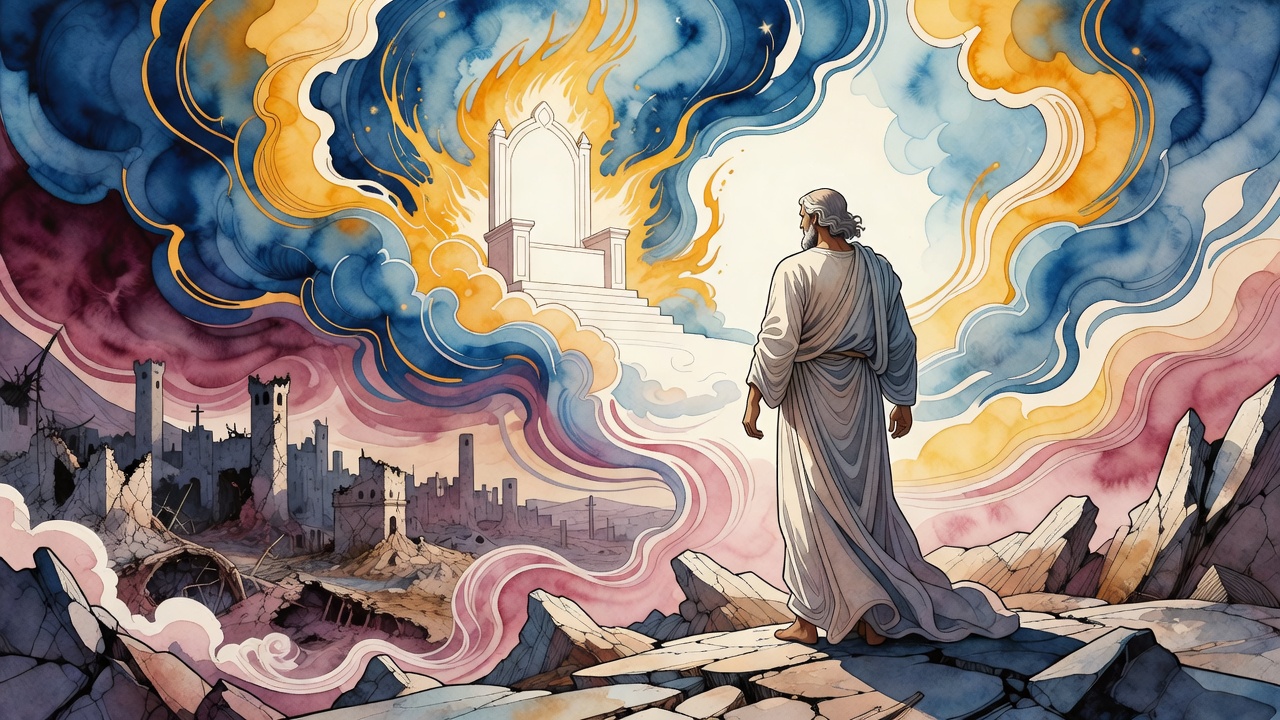
A traveler's welcome in Sodom was measured by his purse. Abraham would not sit at that table. He drove the tent pegs into harder ground.
