Joseph Ruled Egypt and Left No Footprint of Pride
Pharaoh gave Joseph a gold chain, a chariot, and a new name. Joseph took none of it into himself. Egypt was at peace because of it.
Table of Contents
 Click for full size
The Elevation That Swallows Men
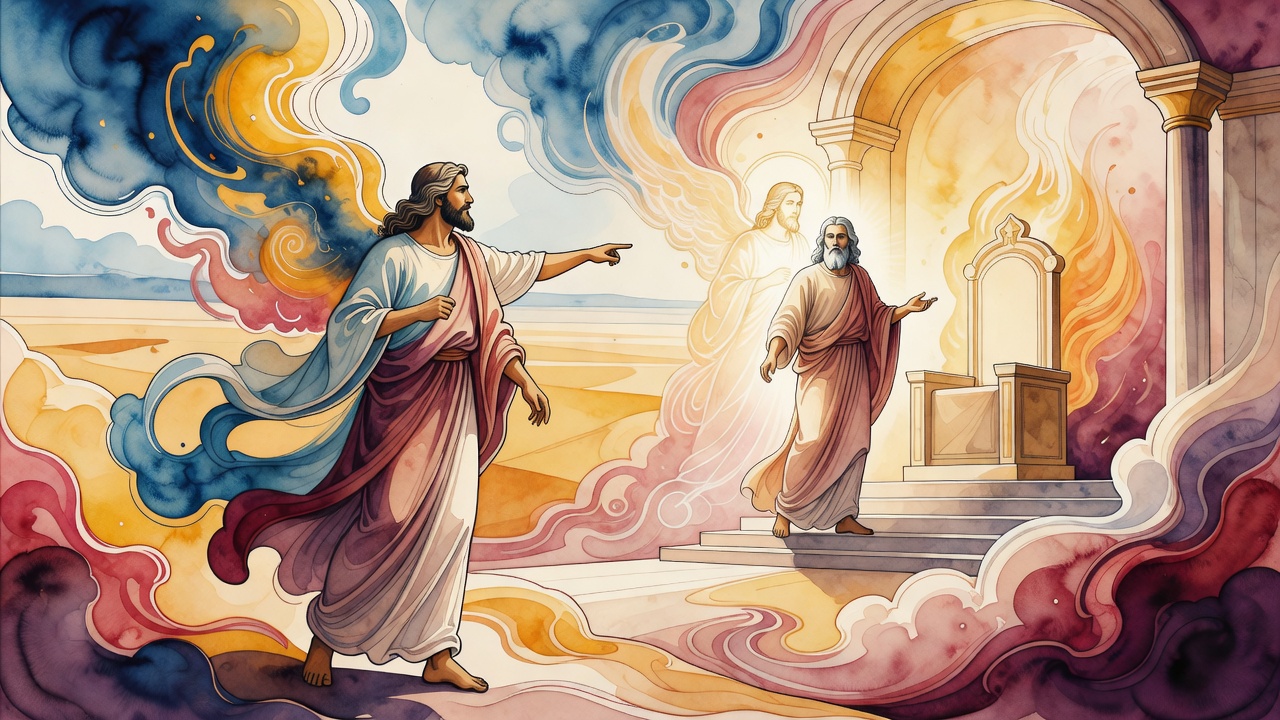
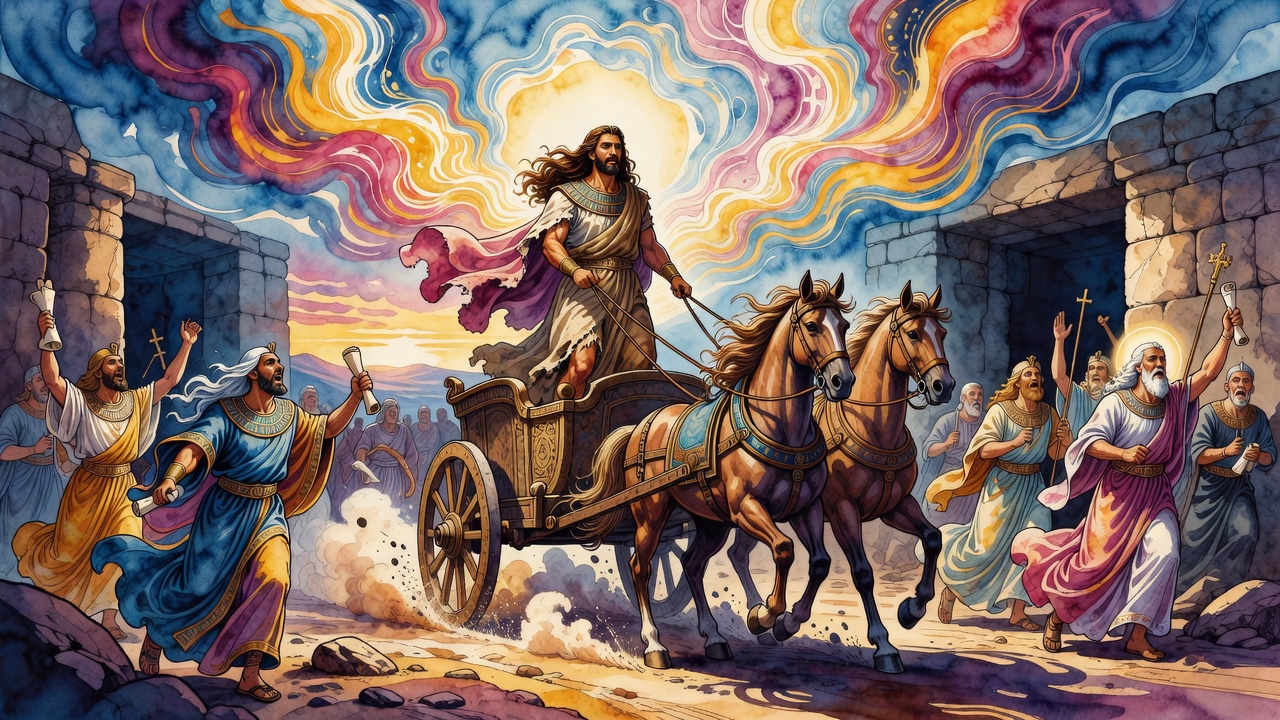
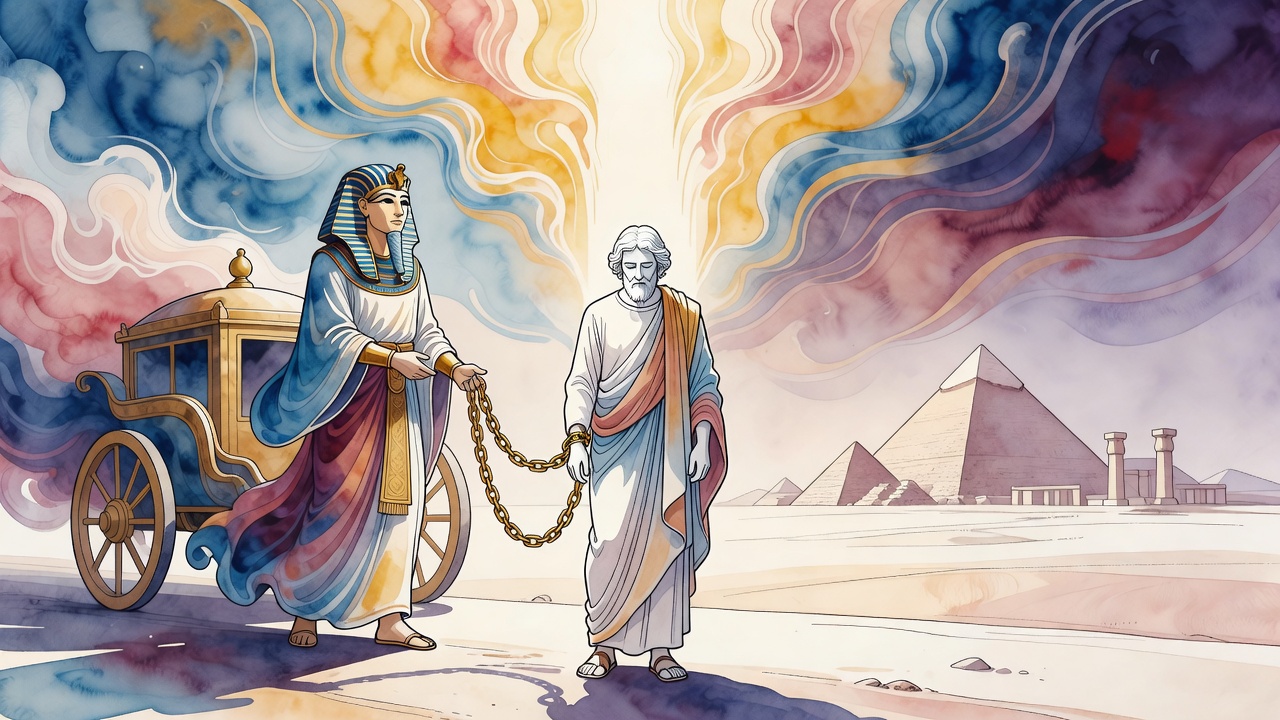
Pharaoh placed a gold chain around Joseph's neck and gave him the name Sephantiphans, the revealer of mysteries, and made him ruler over the entire land of Egypt, second only to the throne itself. He rode in the second chariot. A herald ran before him shouting his name through the streets. Every official in the land bent the knee as he passed.
The palace does something to most men who reach the height Joseph reached. The titles accumulate and the man inside them shifts, adjusts, begins to occupy a larger space because the space is available and no one is stopping him. Egypt had seen this before. Power, acquired through crisis and consolidated through competence, tends to grow.
Joseph did not change.
No Satan and No Evil Person
He walked in uprightness. He had no pride and no arrogance. He had no respect of persons, which in the idiom of ancient Jewish tradition means he did not treat the powerful differently from the powerless. He did not accept gifts. He judged all the people of the land in uprightness. And because of this, the text says, Pharaoh's kingdom was well ordered, and there was no Satan and no evil person within it.
What stood out was not that evil was suppressed or punished. Not that crime declined under stricter administration. There was no evil person within it. The presence of a righteous ruler created conditions in which corruption had nowhere to take root. Joseph did not just govern well. He changed the moral climate of the country he was administering.
The Seven Years and What Followed
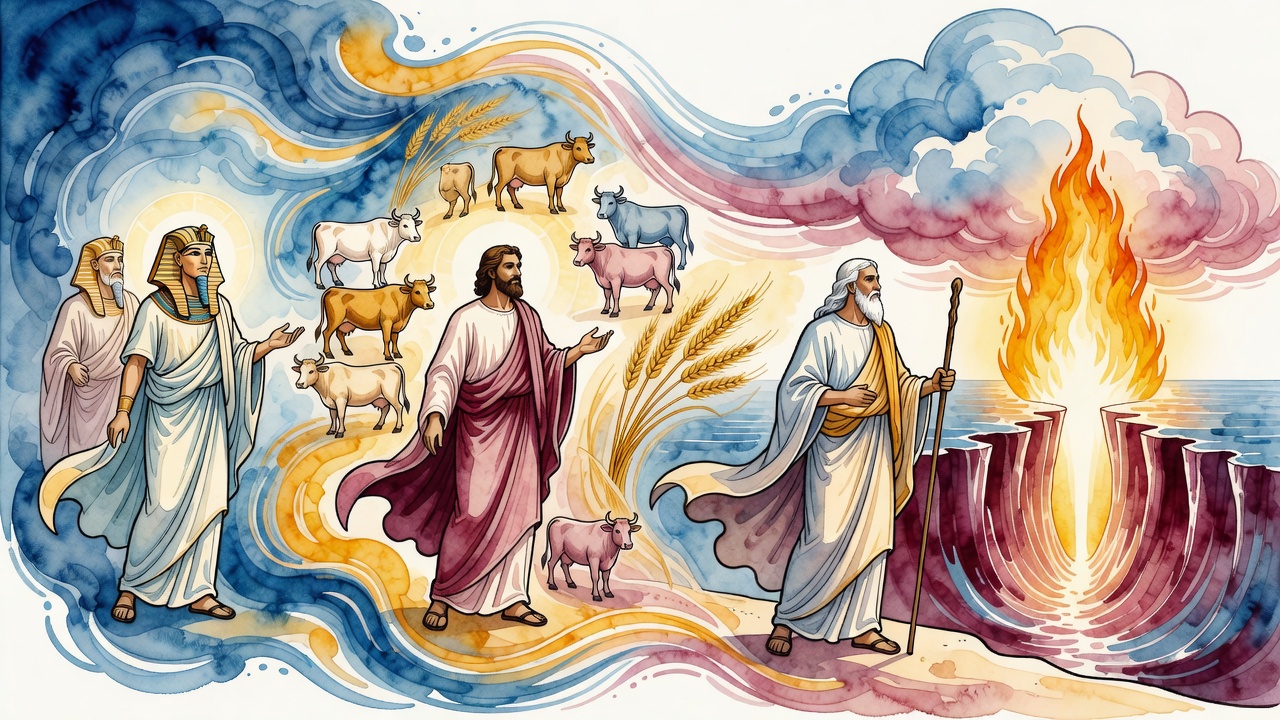
He managed the seven years of abundance and the seven years of famine with the same uprightness. He stored grain in quantities too large to measure, in every city, and when the famine came he opened the storehouses for Egypt first, then for the whole world. He did not use the crisis to enrich himself or to build a private reserve. He distributed what needed to be distributed and kept what needed to be kept and did not confuse the two.
Pharaoh trusted him with everything. He had told Joseph when he elevated him: there is no one as discerning and wise as you. He had given Joseph authority over his own household and his own people. He had kept back only the throne itself. The trust held across the years of plenty and the years of famine because Joseph gave Pharaoh no reason to revise it.
What Power Looks Like Without Appetite
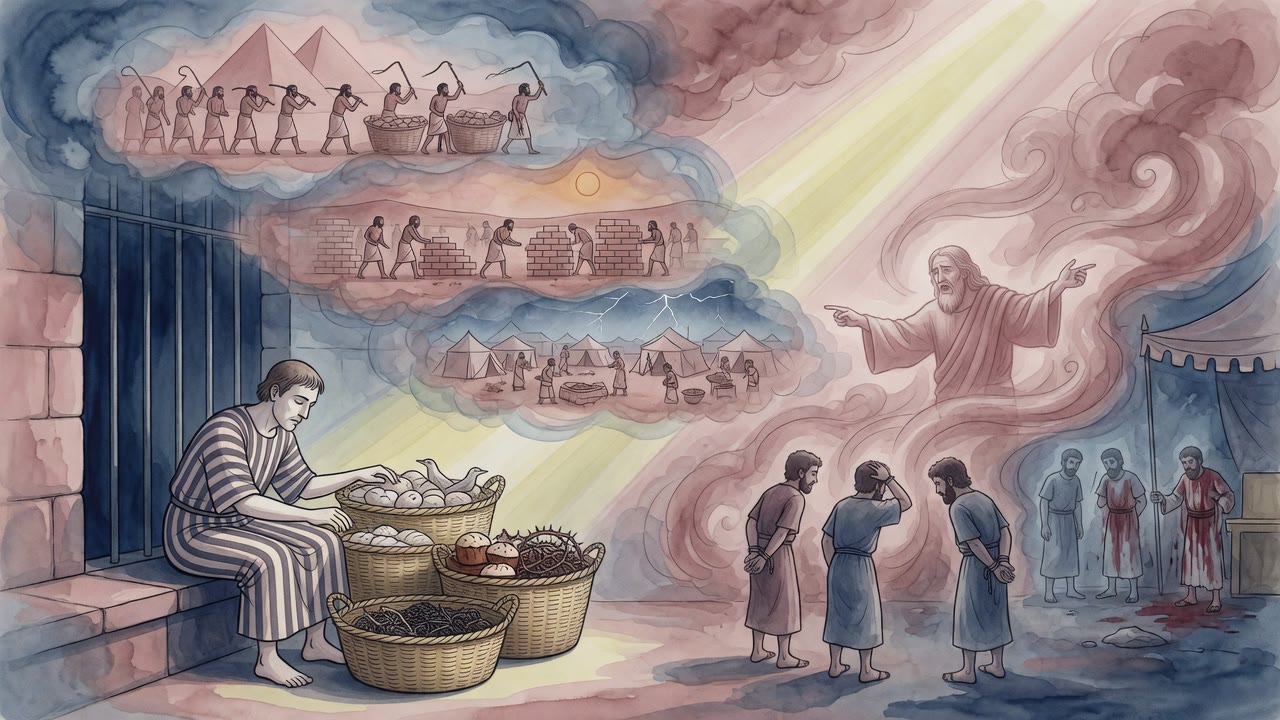
Joseph's brothers sold him at seventeen, and he was thirty before Pharaoh elevated him. In the years between, he had been a slave in Potiphar's house, a prisoner in the royal jail, a man waiting for an interpretation of a dream to be remembered and reported to someone who could act on it. He had not spent those years becoming bitter. He had spent them being useful wherever he found himself. The prison warden gave him responsibility because Joseph was trustworthy with small things. Pharaoh gave him the second chariot because he had been trustworthy with small things.
The gold chain and the chariot and the name Sephantiphans did not change the man who had managed Potiphar's accounts while enslaved. The scale changed. The man did not.
← All myths