83 myths · Page 1 of 3
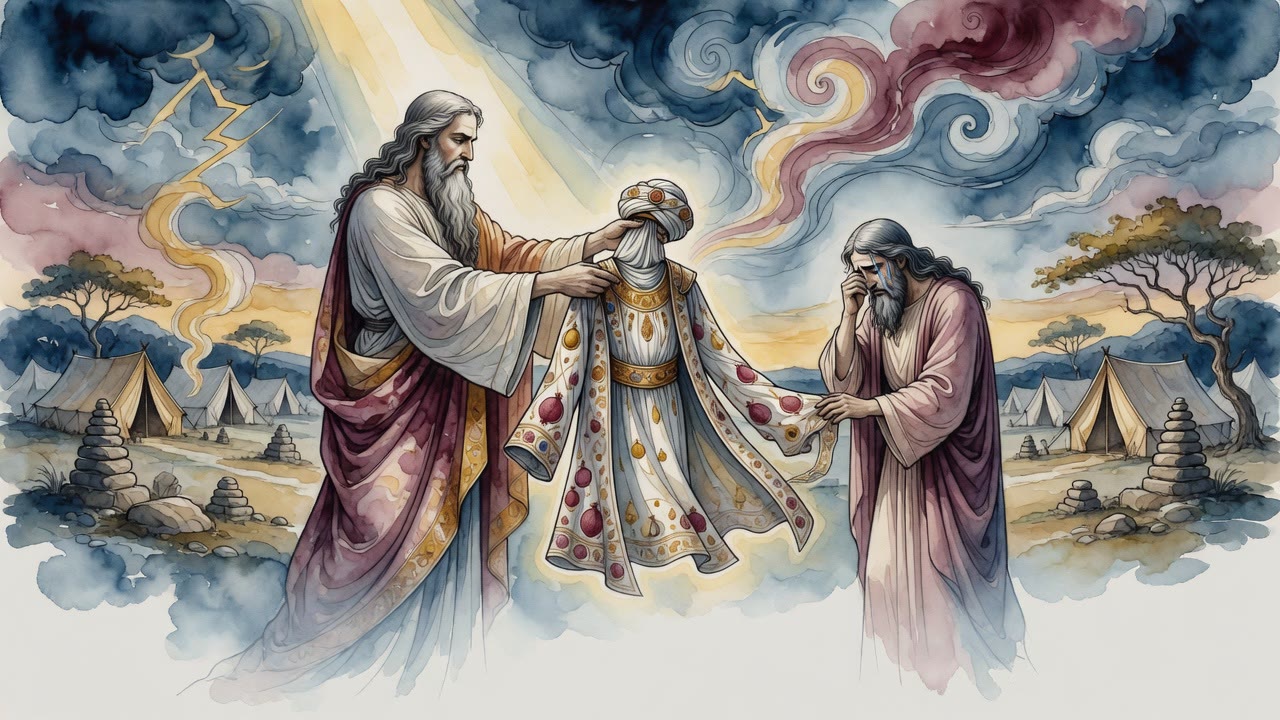
Moses crossed the camp to tell his brother Aaron he would wear the High Priest's robes, and Aaron, who shunned distinctions, wept and said no.
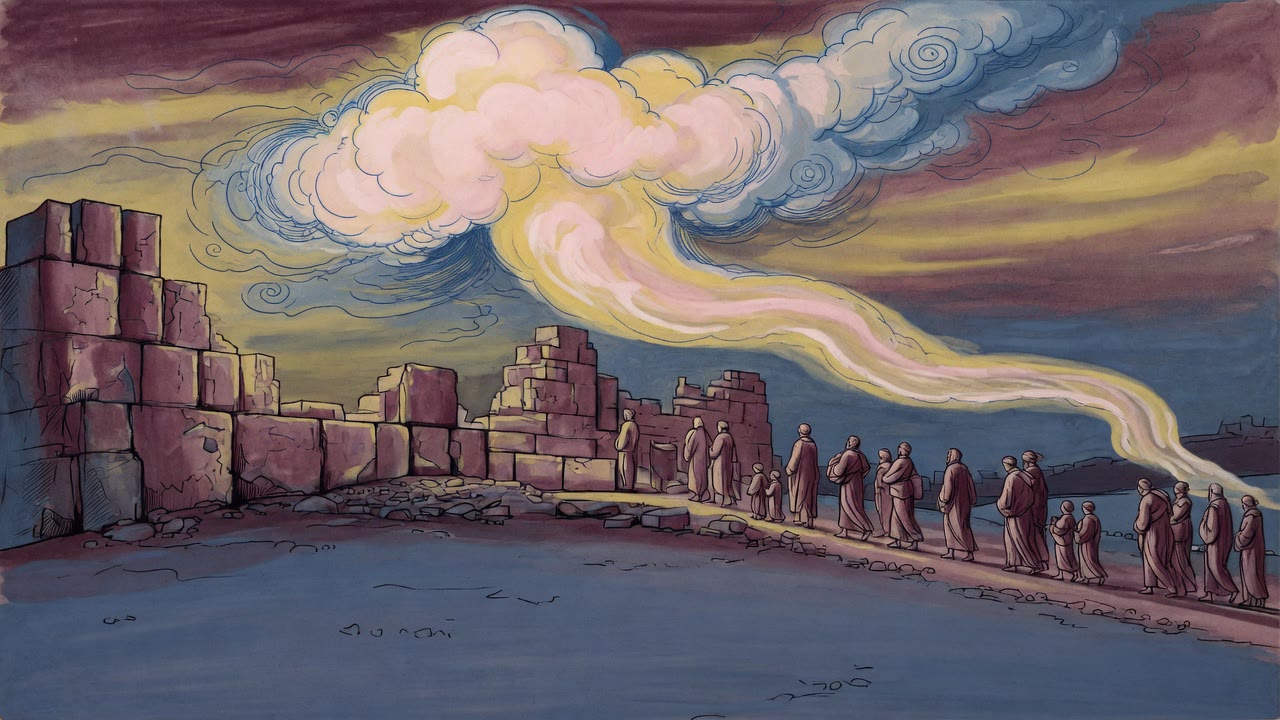
When the Temple burned the Presence wept at the last wall and walked out with Israel, as she had walked into Egypt, Babylon, Eilam, and Edom.
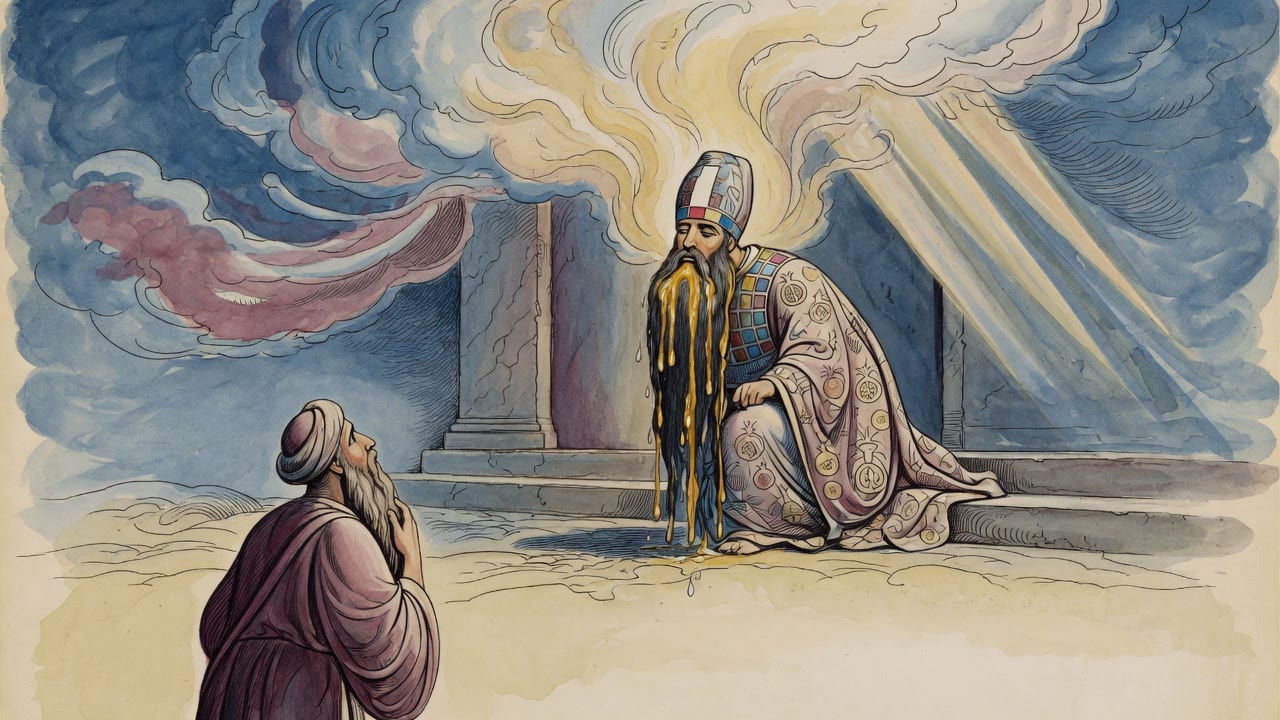
Moses tipped the holy oil over Aaron's head and felt it slide onto his own beard. One wet drop nearly broke him with fear.
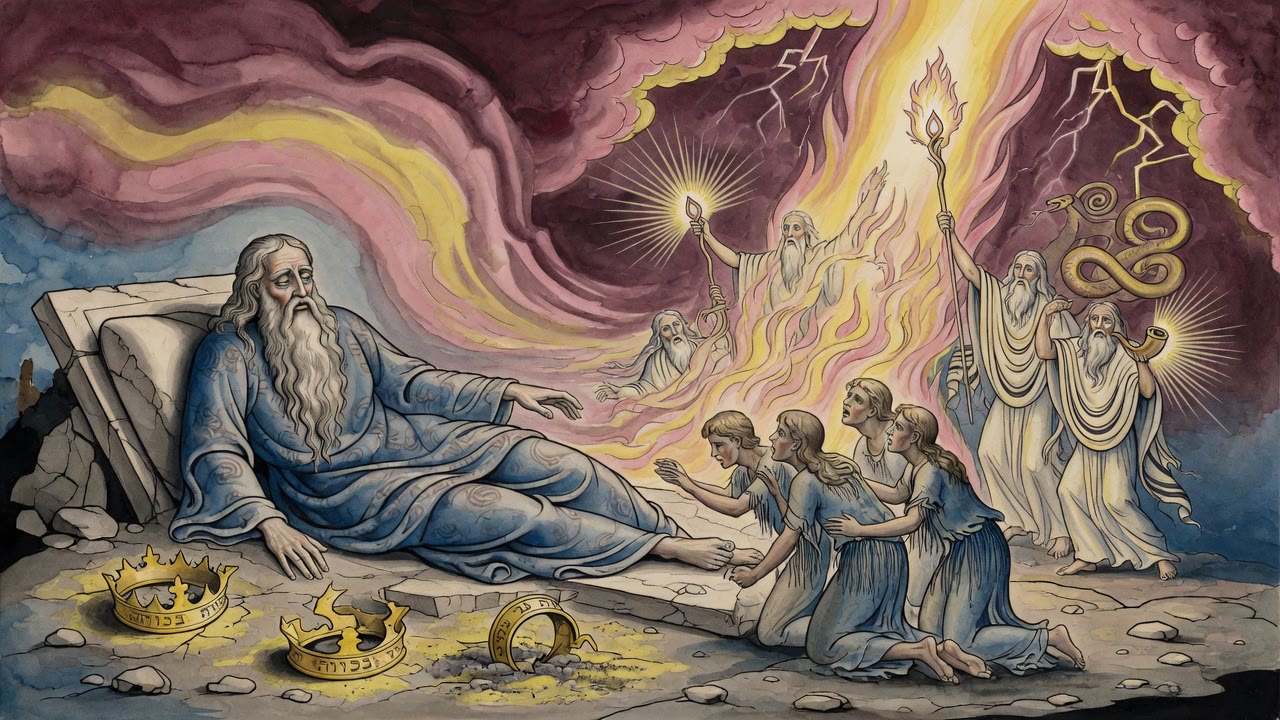
Reuben was born first and lost three crowns. Dying, he gathered his sons and told them to cleave to Levi, who would carry the priesthood.
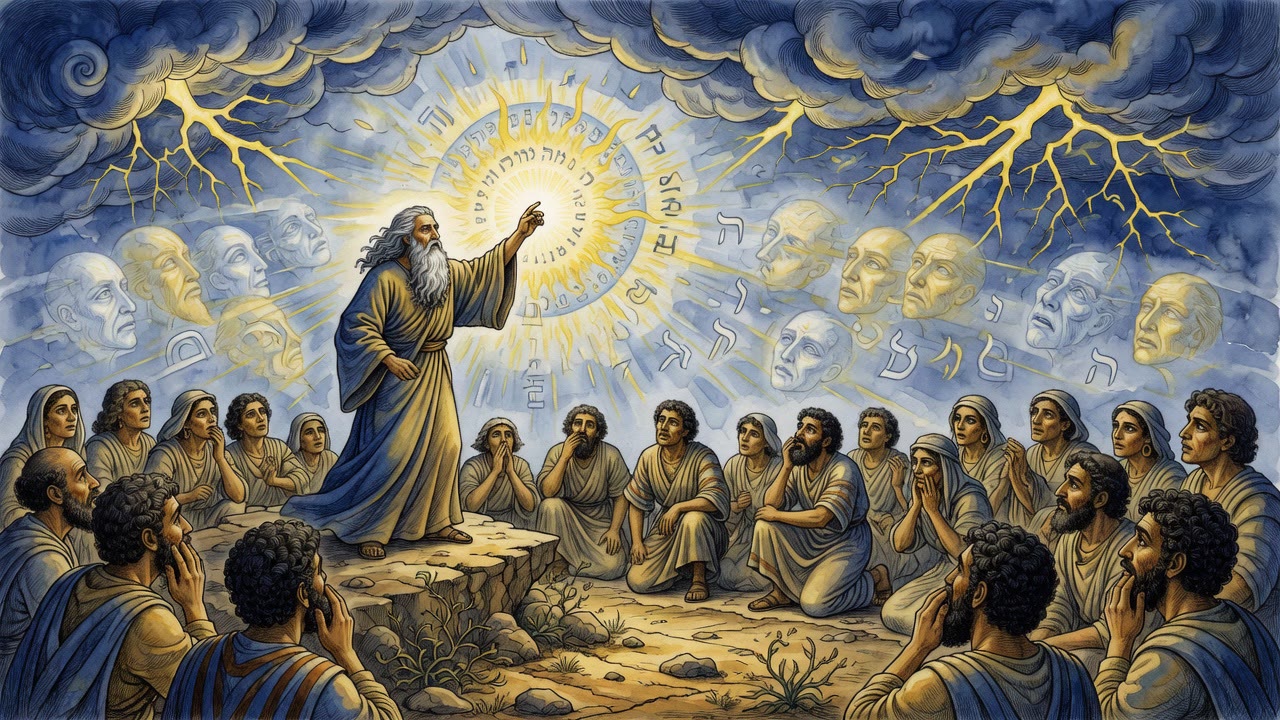
Enoch had thirty days left on earth. He told his children that God made every human face like his own, so to spit on a man is to spit on God.
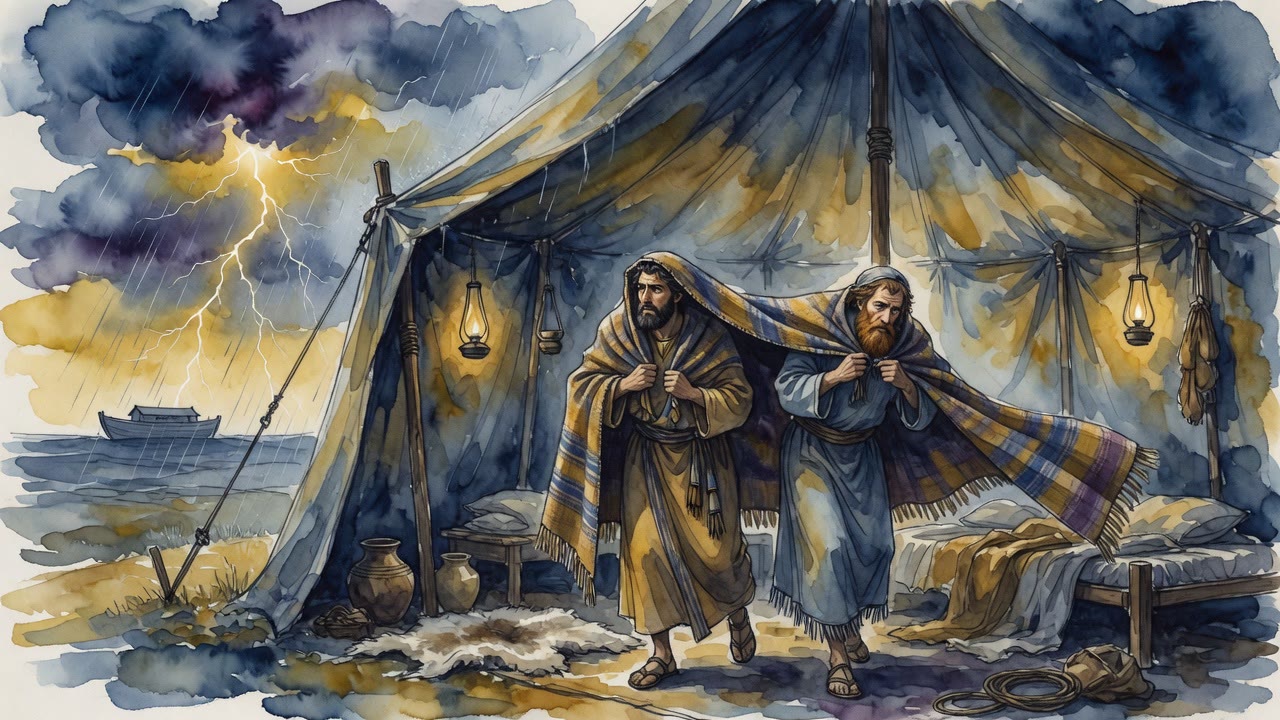
Noah lay uncovered in his tent. Ham laughed and called his brothers. Shem lifted a cloak and walked in backward, his face turned away.
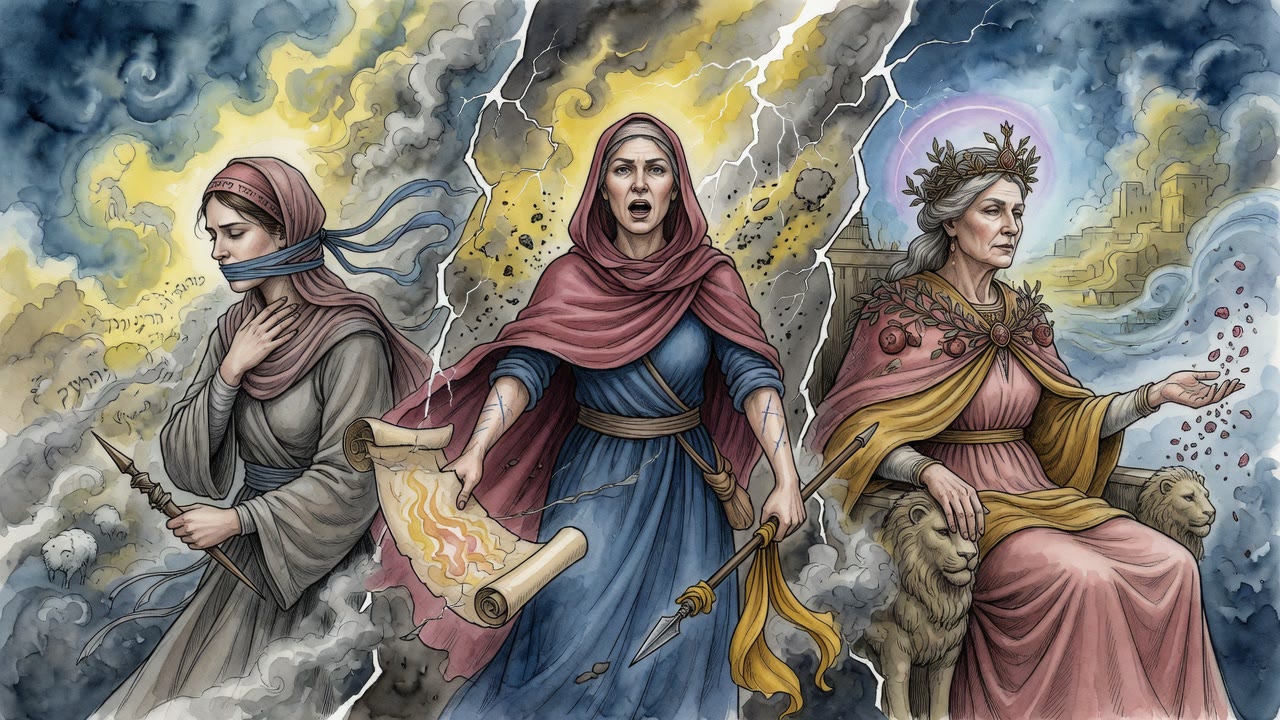
Rachel said nothing on her wedding night, Saul said nothing to his uncle, and a thousand years later Esther found the silence she needed.
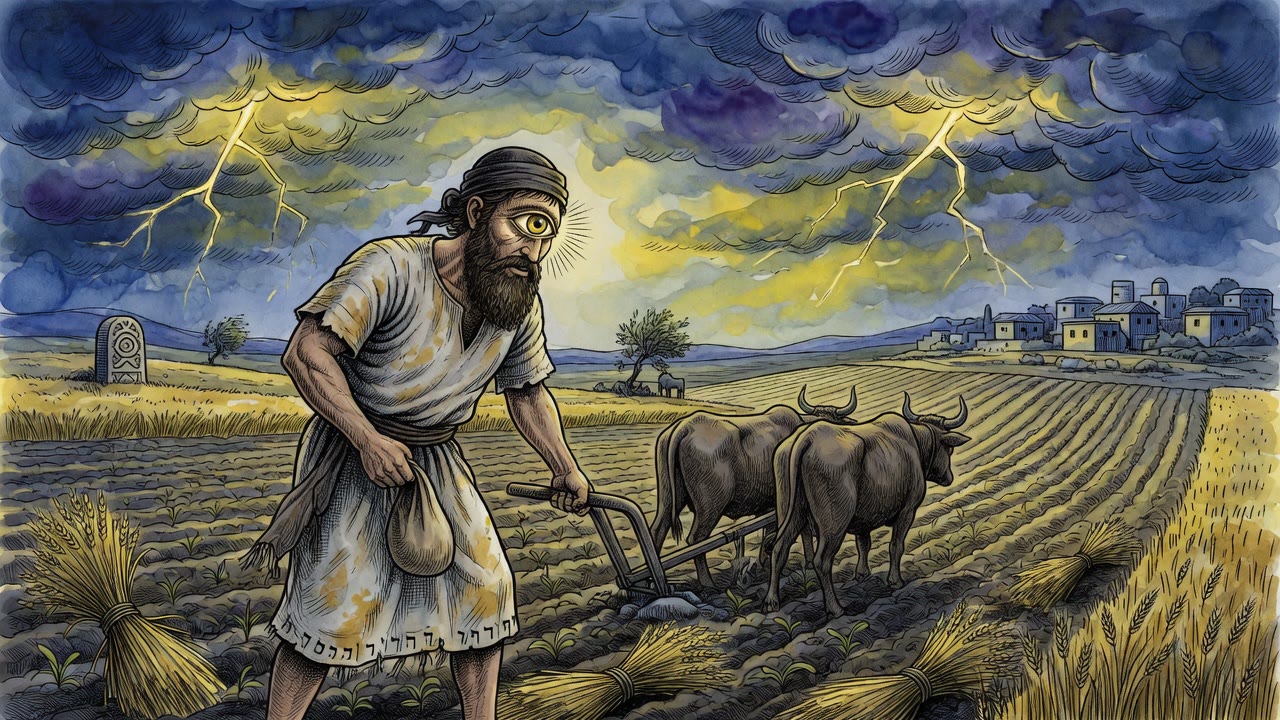
Two sisters argued in a field in Haran over a handful of apples. The price they settled on was one night with their husband, and the child was Issachar.
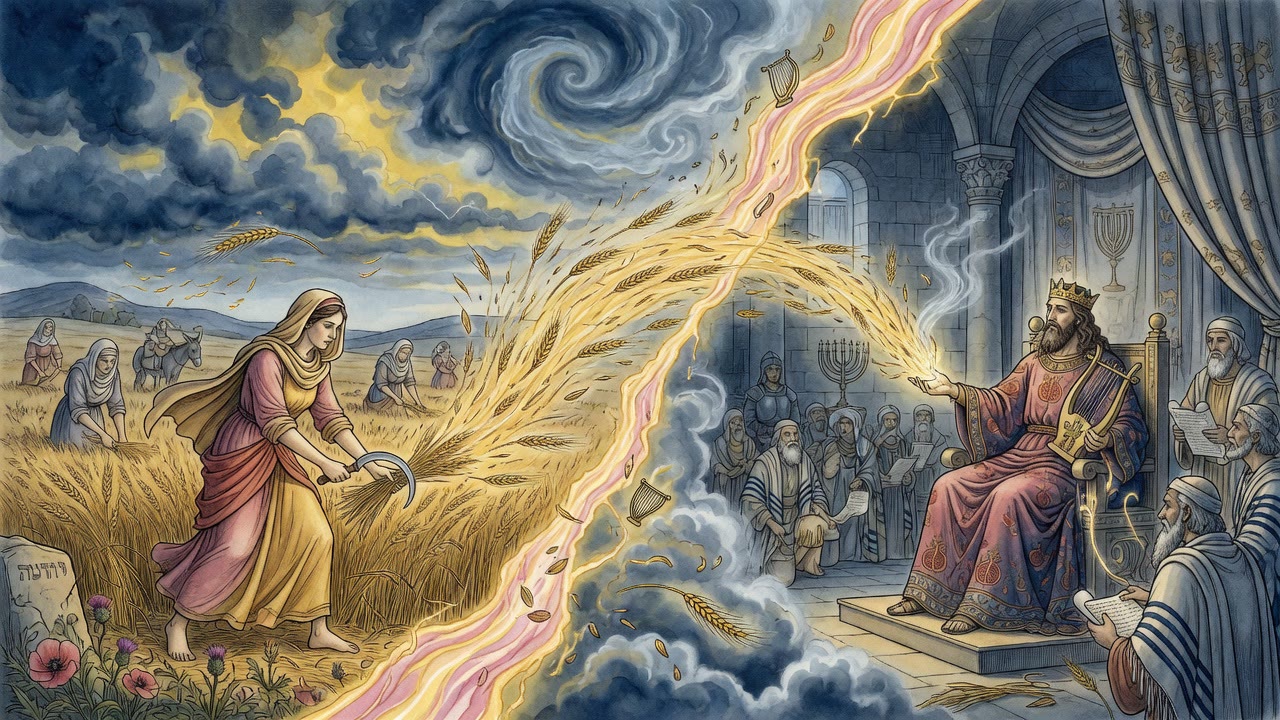
King David had every reason to claim noble blood. Instead he traced his lineage to Ruth the convert and called himself a slave purchased from outside the house.
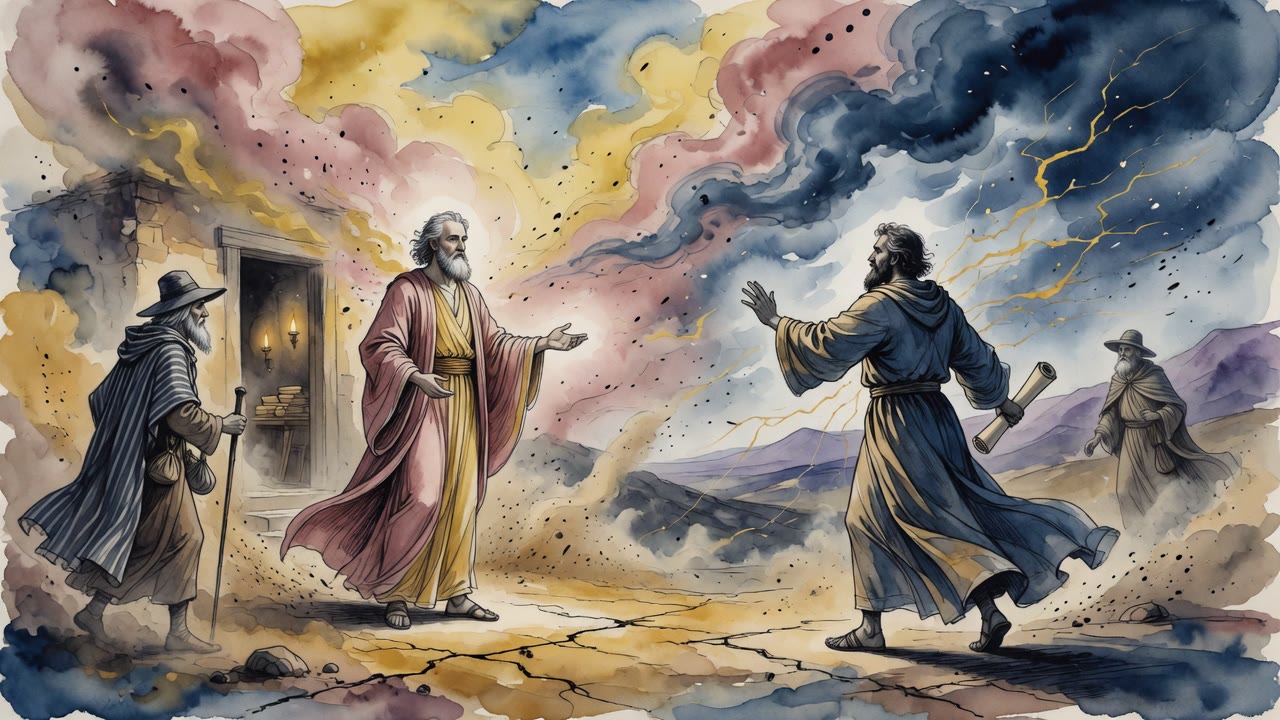
A man bet four hundred zuz he could make Hillel angry. On Shabbat eve Hillel wrapped his cloak and still called him my son.
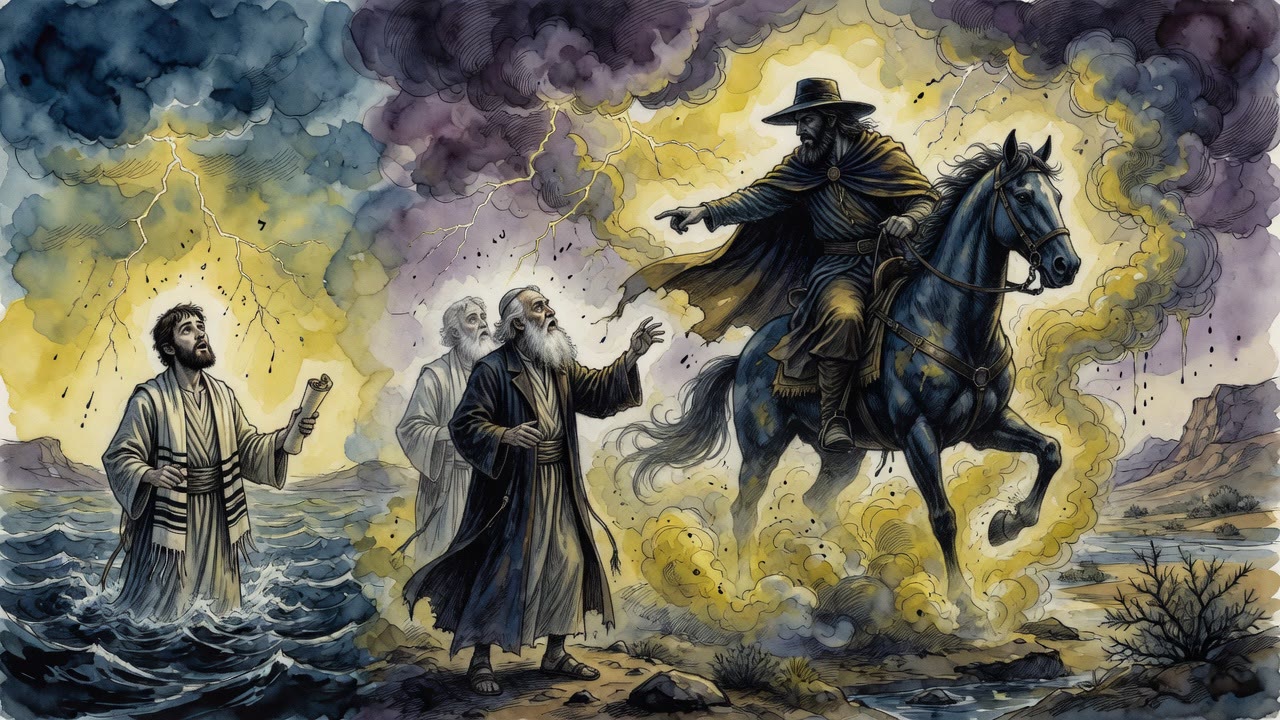
A Roman eunuch mocked Rabbi Akiva walking barefoot. Akiva replied and the man died. Kohelet Rabbah traces the same pattern to Joseph sold to Ishmaelites.
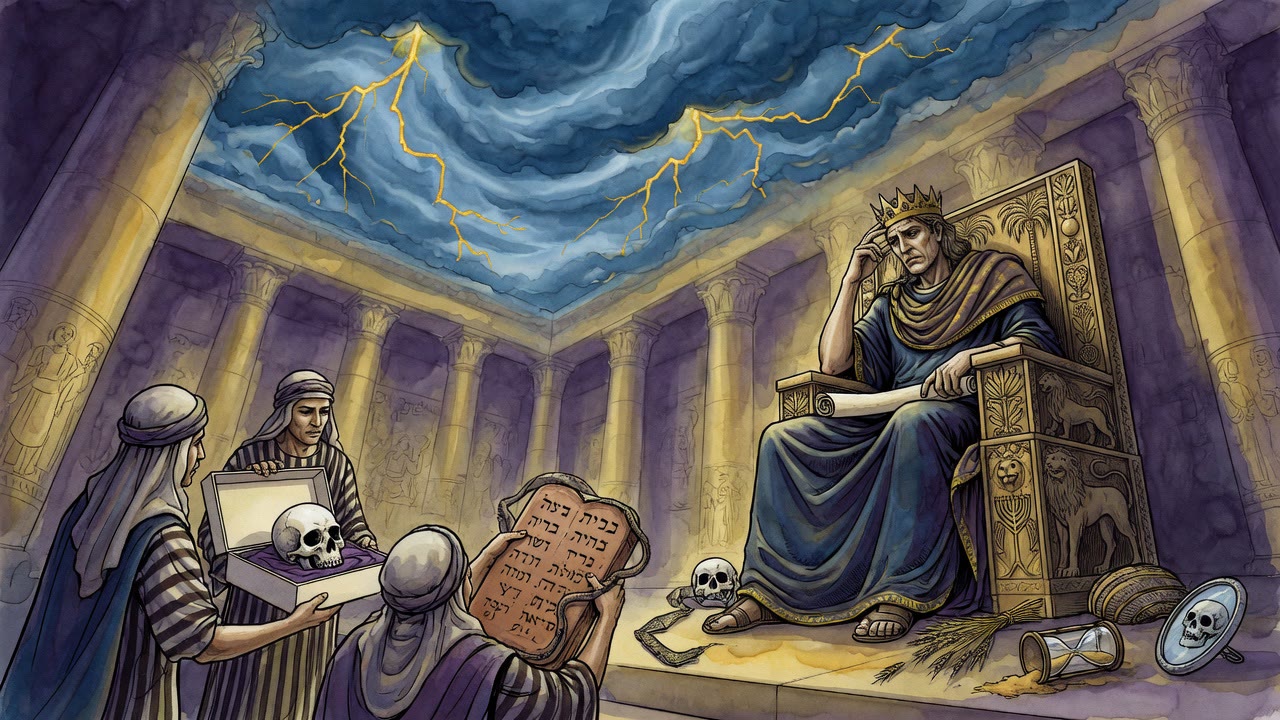
The first herald waited at the lowest step. Before Solomon's sandal landed, the man opened the king's law and spoke it into the air.
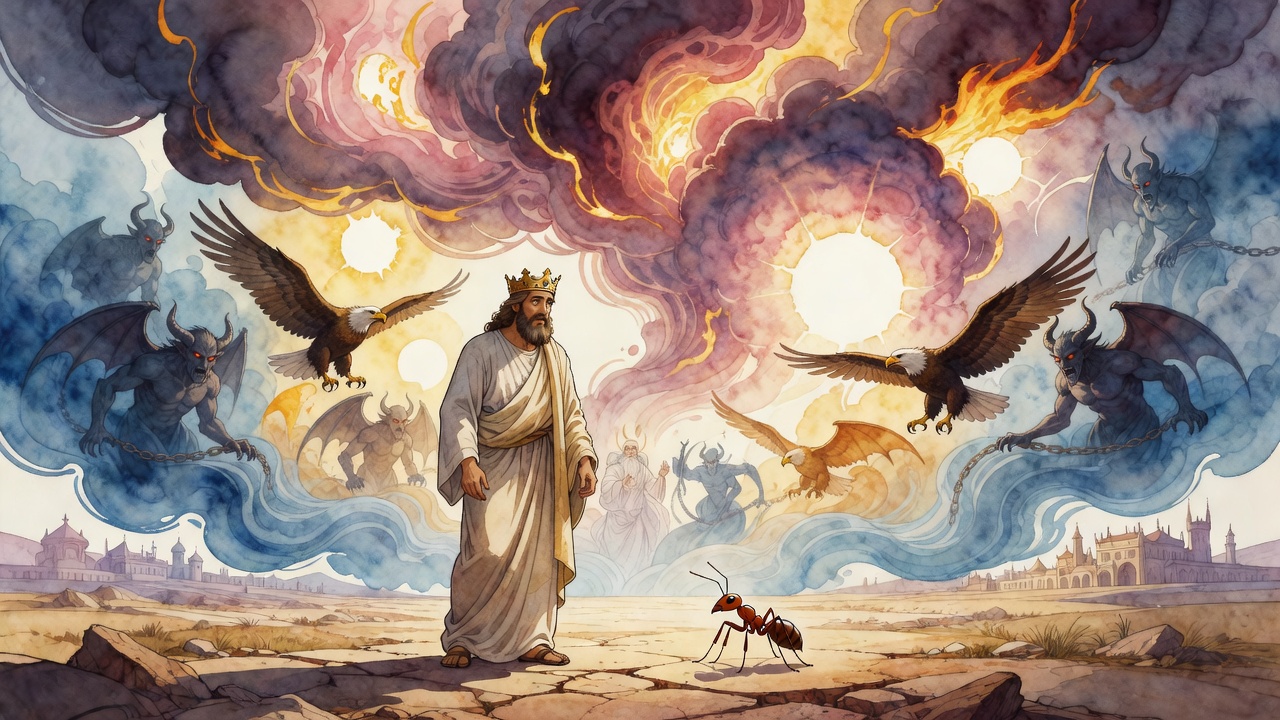
Solomon closed his fist around a live ant and asked who in the world was greater. She answered that God had led the king to her hand.
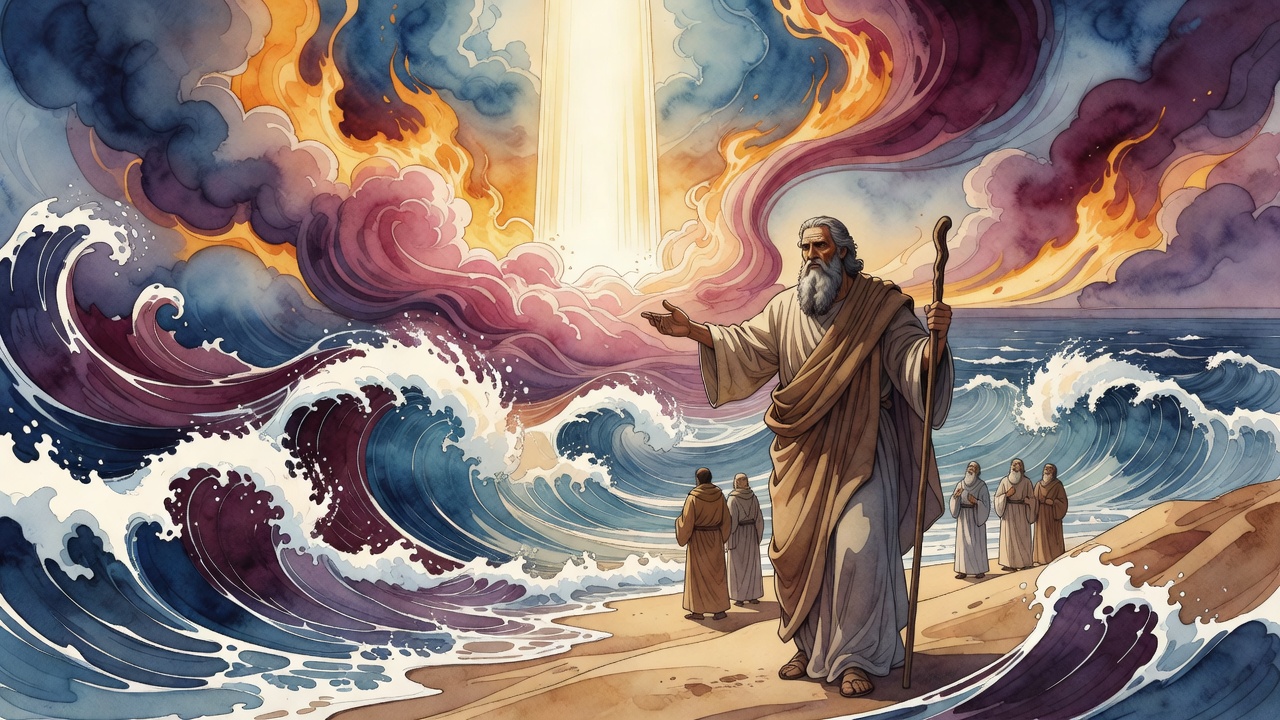
The water said it was three days older than Moses. He did not argue. He walked back to God with a complaint from the sea.
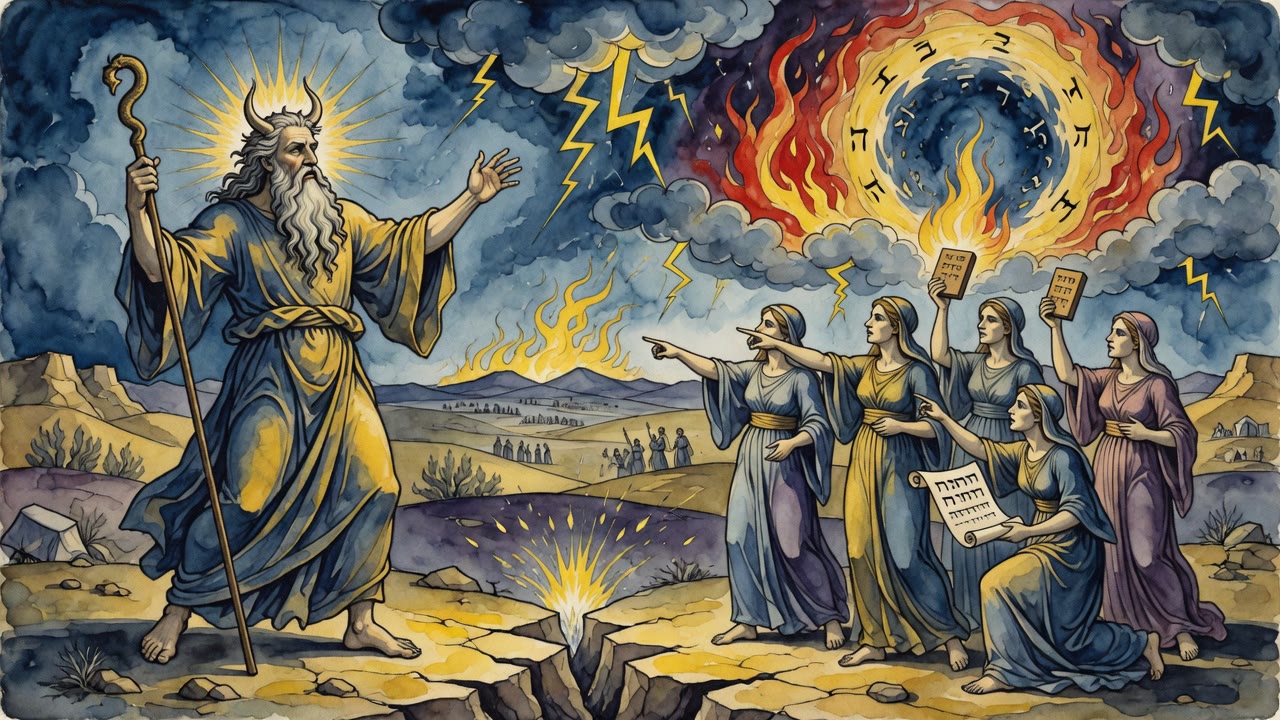
Before God chose the wilderness generation above all nations, five daughters of Zelophehad taught Moses a law he had never heard.
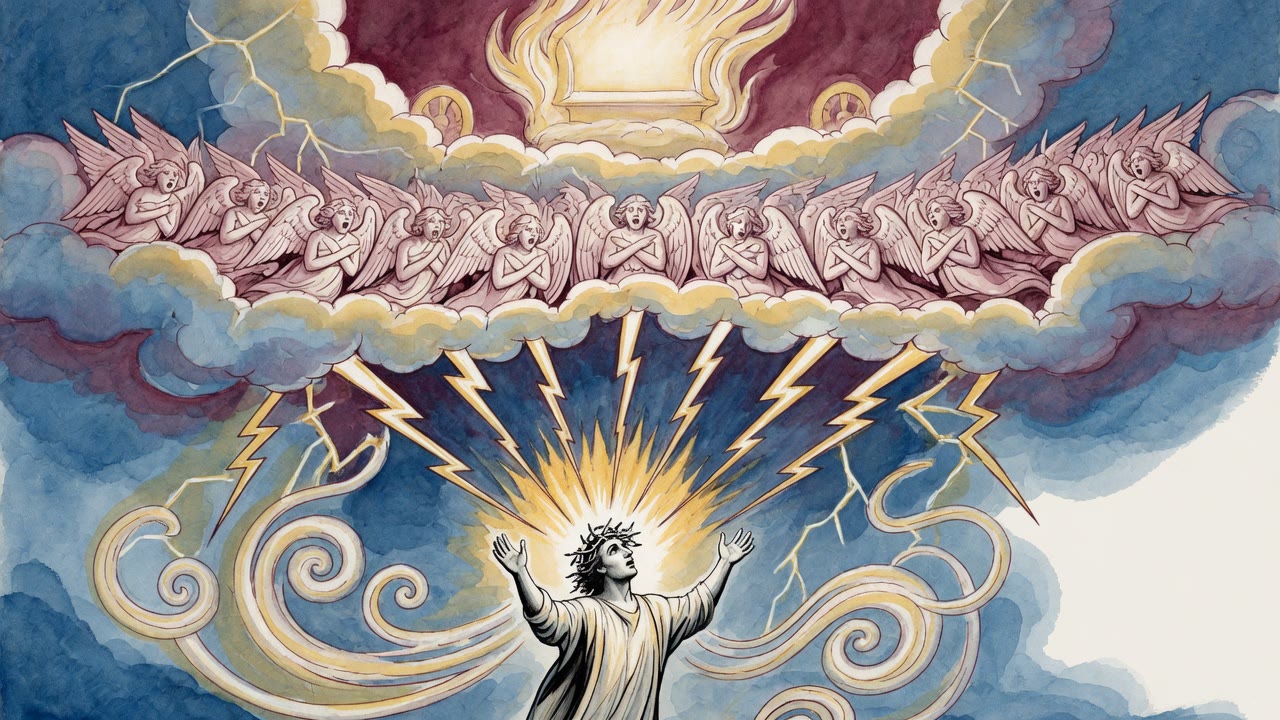
In the cave he said the same words twice. First, that he not fall into the enemy's hand. Then, that the enemy not fall into his.
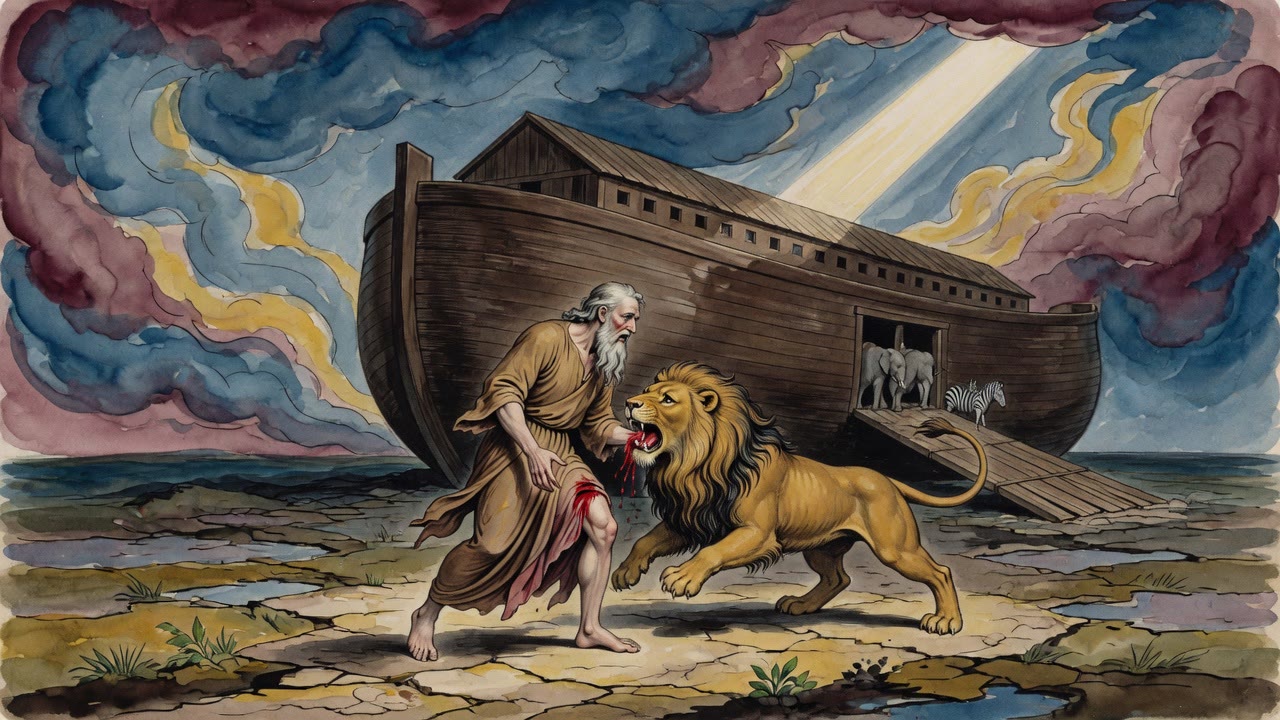
Forty thousand men left the carpet when the king said there was none like him. The wind would not lift them until he used the word on himself.
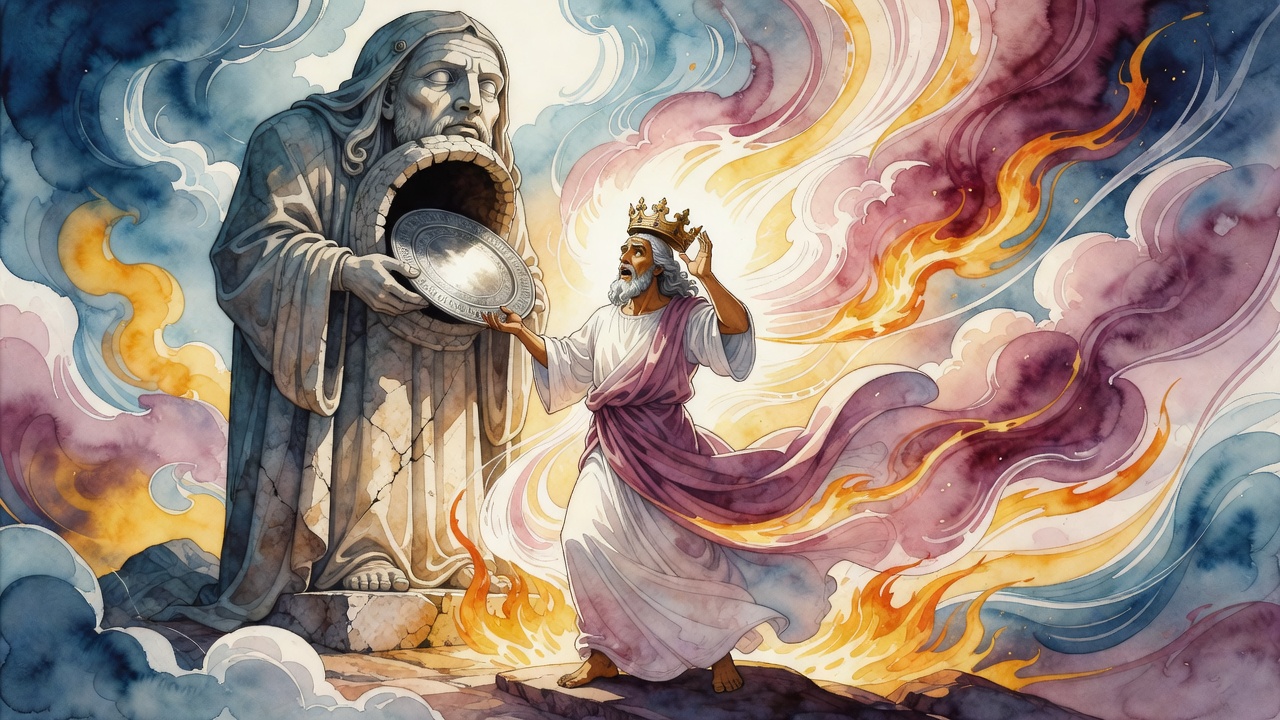
Solomon found a silver plate in a statue's throat, but its dead king's warning only made sense after his own crown was taken away.
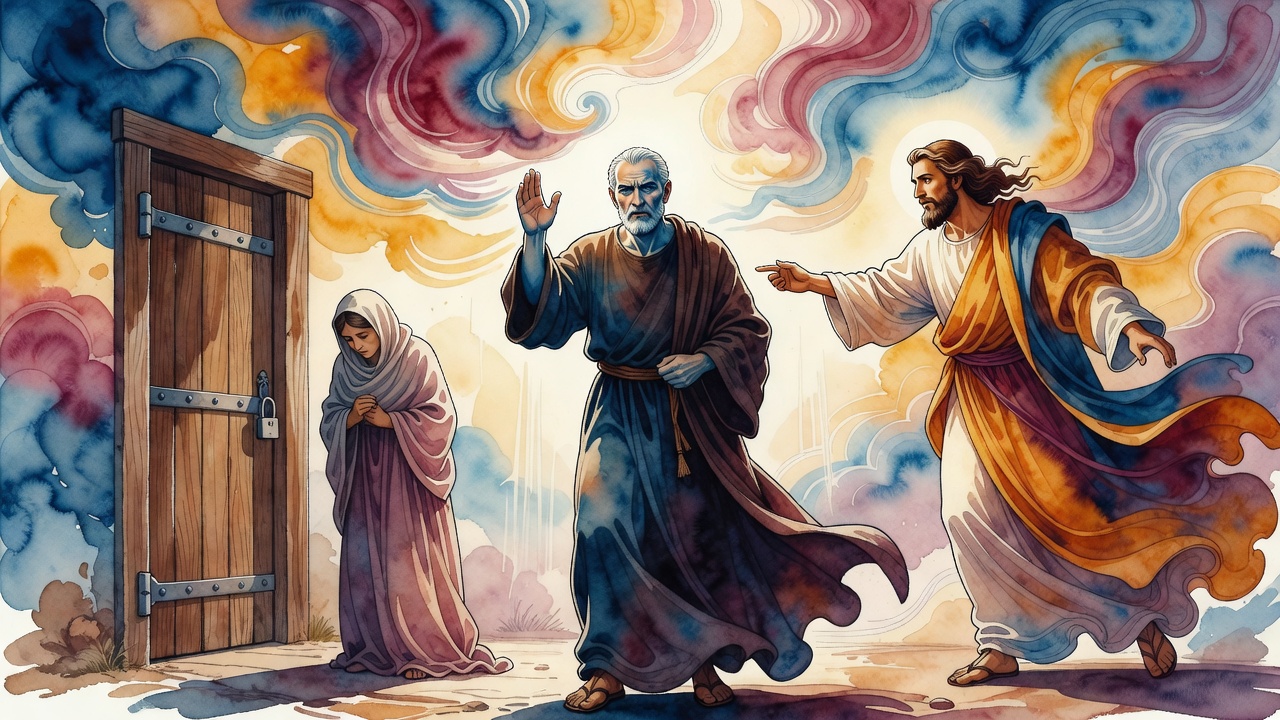
Inside, the bread sat covered and the cups waited. He swore she would not cross the threshold until she spat in Rabbi Meir's face.
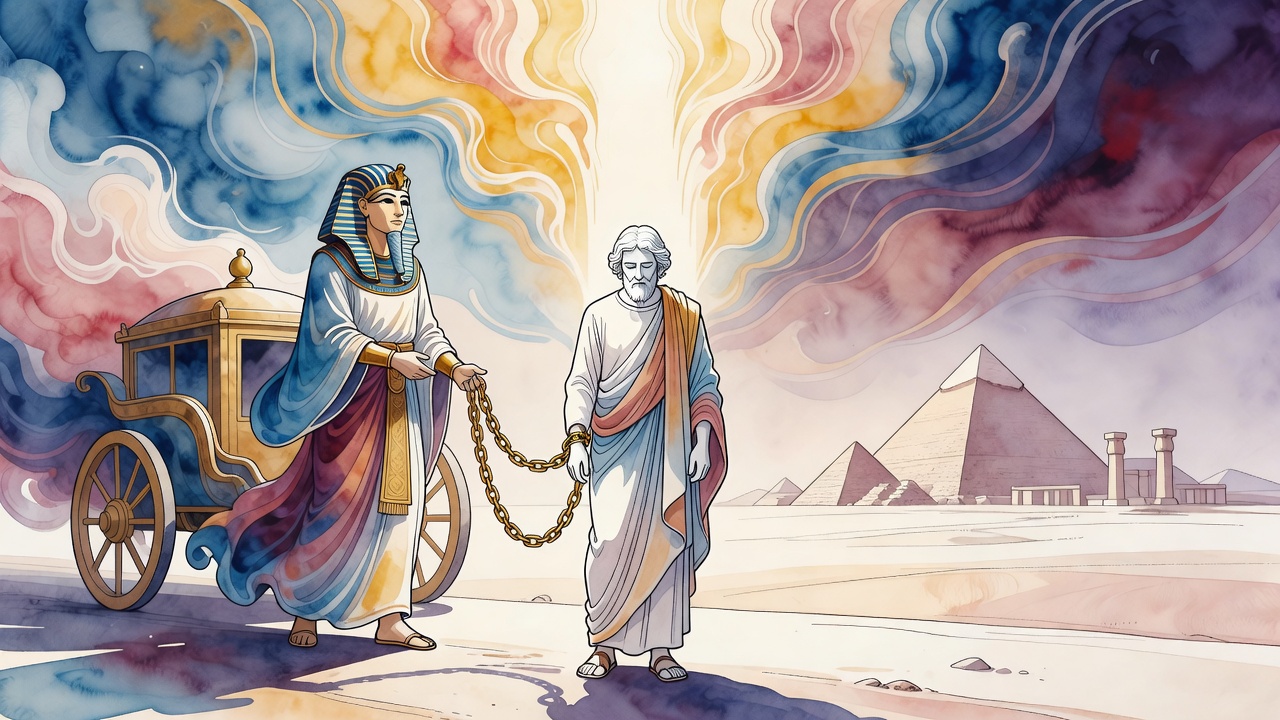
Pharaoh gave Joseph a gold chain, a chariot, and a new name. Joseph took none of it into himself. Egypt was at peace because of it.
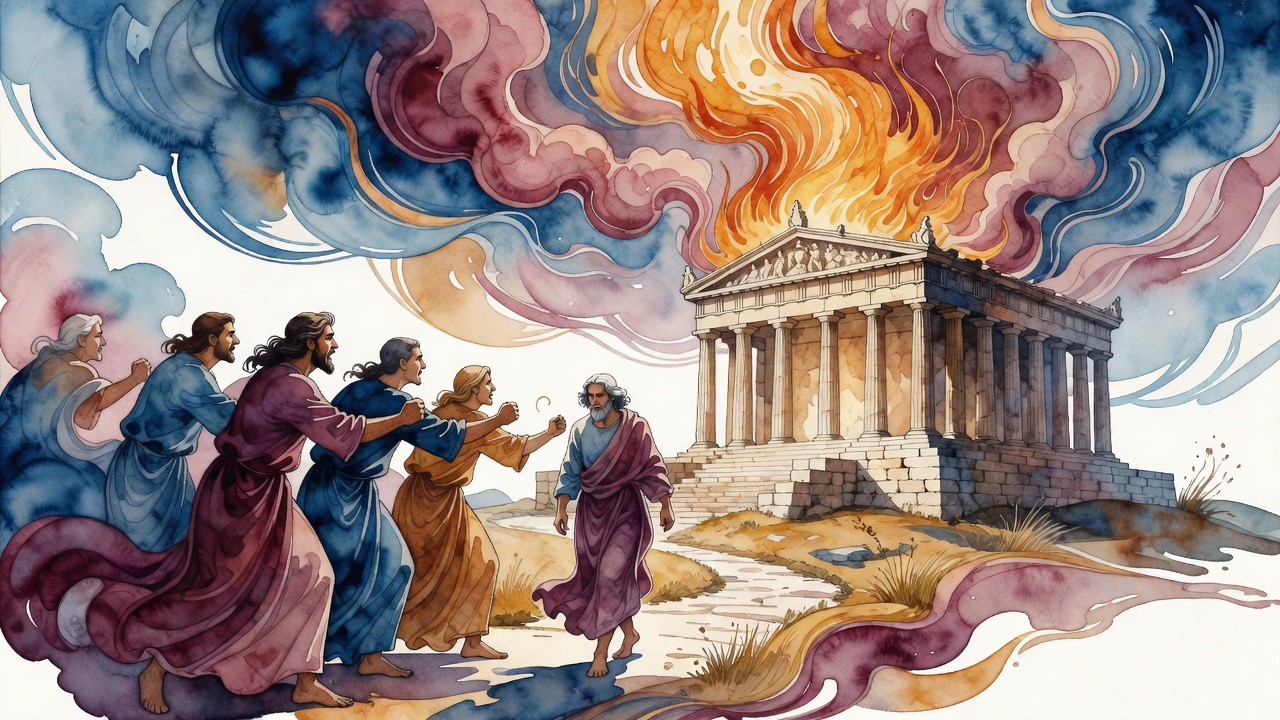
They struck him on the shoulder all the way back to the city. He had already named their crime once. He did not name it again.
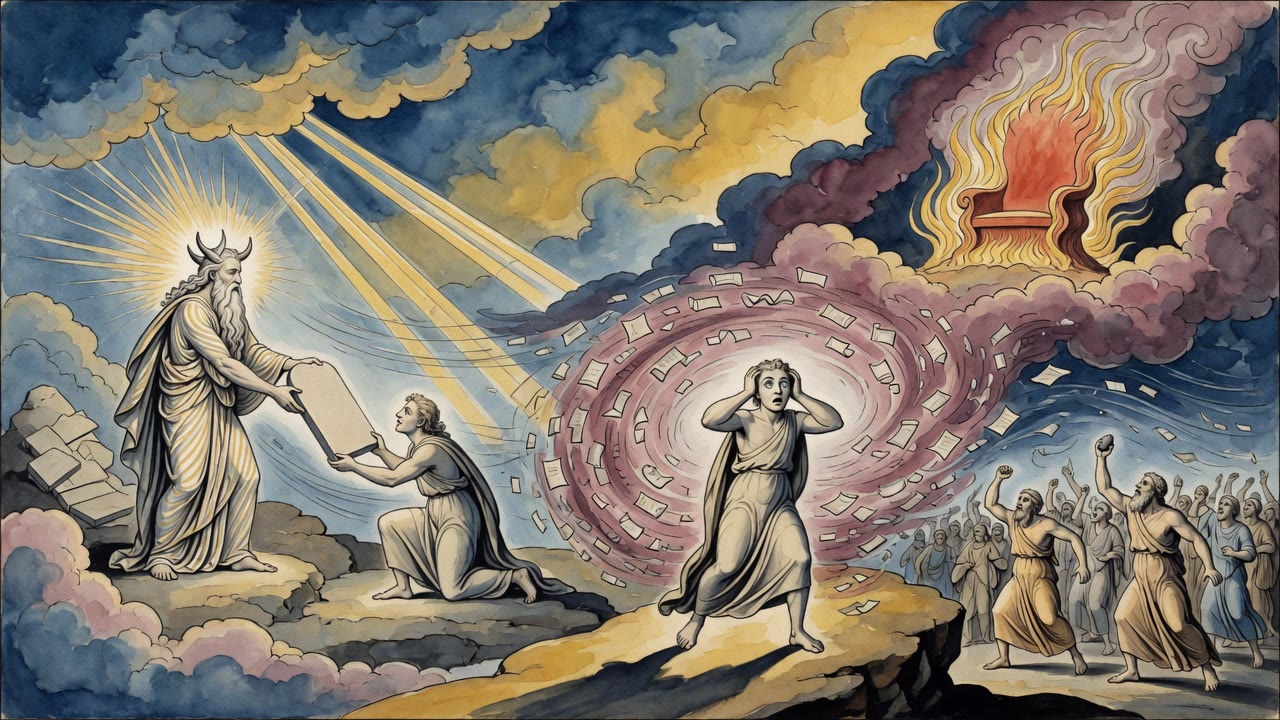
Moses named Joshua his successor. Joshua declared he had no questions. Within moments he had forgotten hundreds of laws and nearly been killed for it.
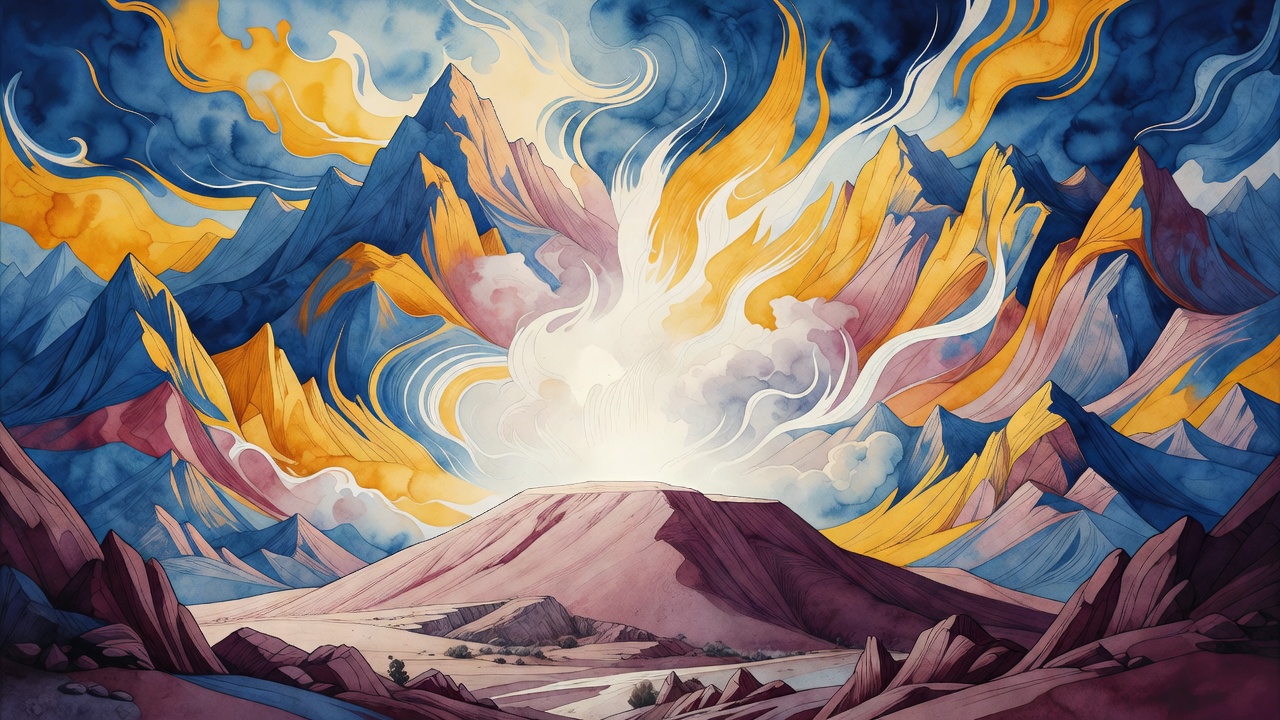
Tabor still had dry shoulders from the Flood. God sent the tall peaks home and chose the small one that had torn itself from Moriah.
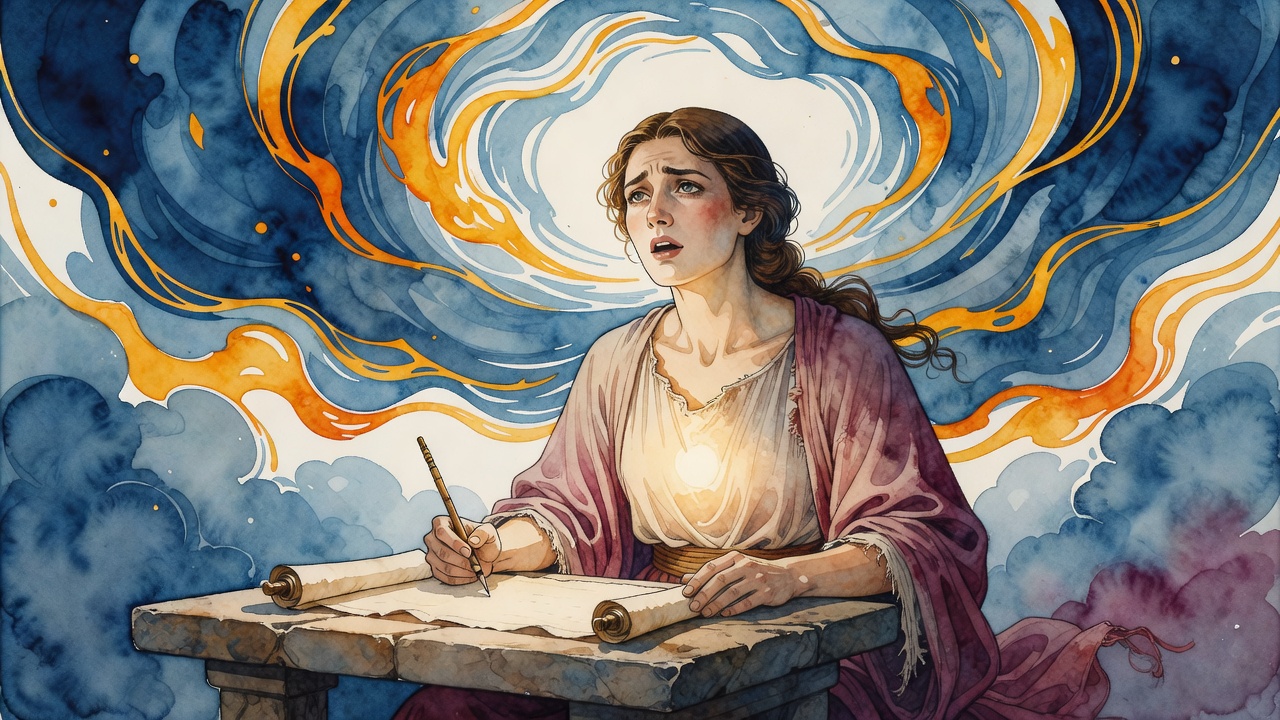
Israel fasted seven days before heaven moved, and heaven did not move for their sake. Deborah won the war. Then the gift went out of her mid-verse.
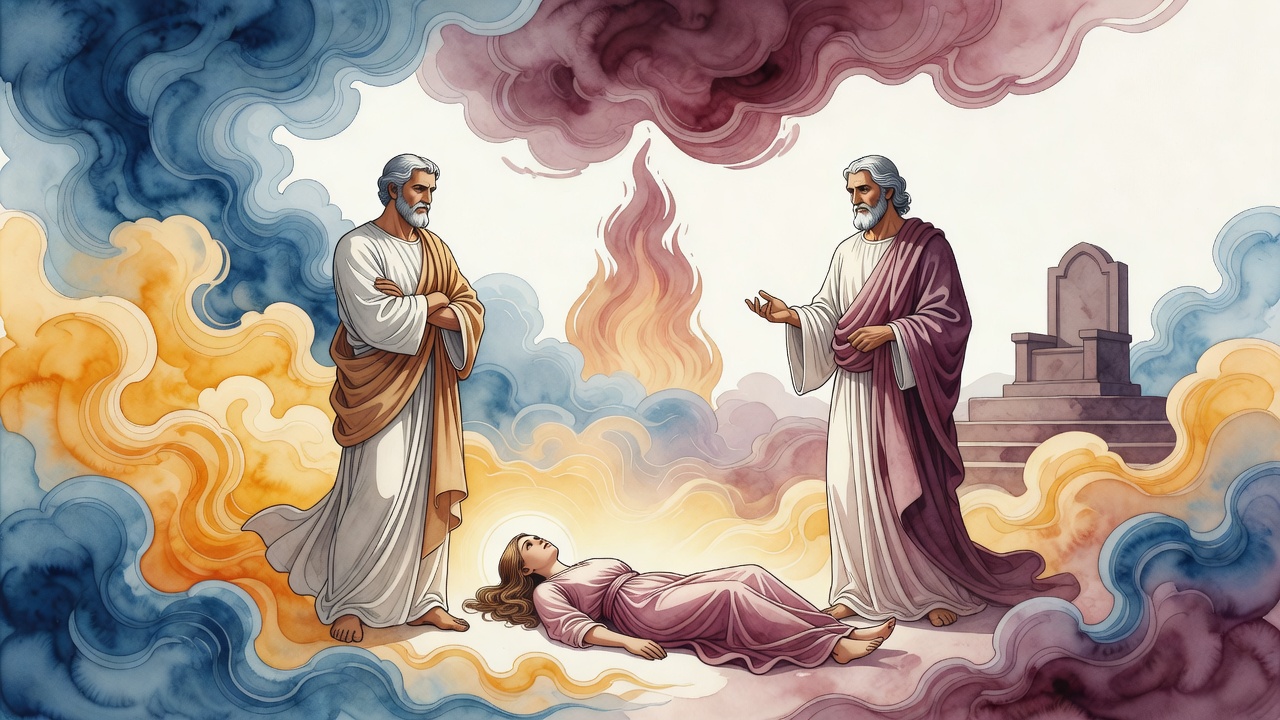
She came out with tambourines to meet her father. The high priest could have undone the vow. Neither man would walk first.
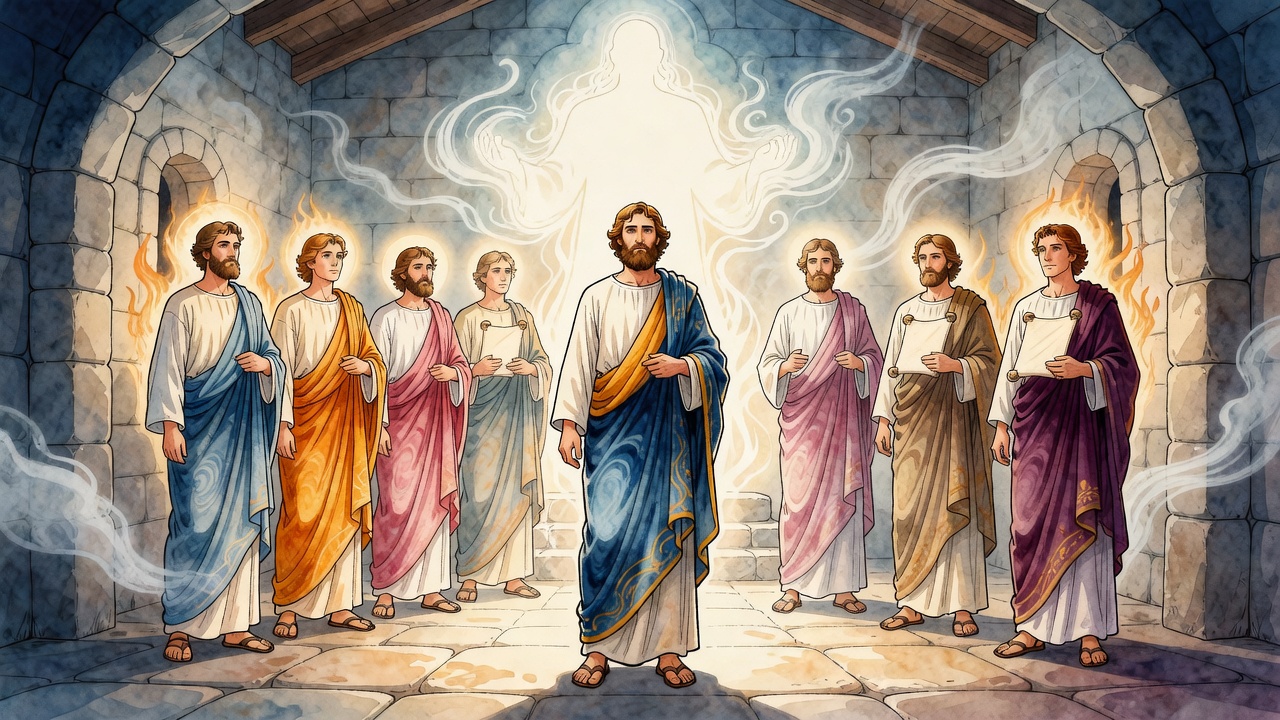
Samuel lifted the horn for Jesse's eldest. God said no. Seven sons later the oil still sat in the horn, and the shepherd had not been called.
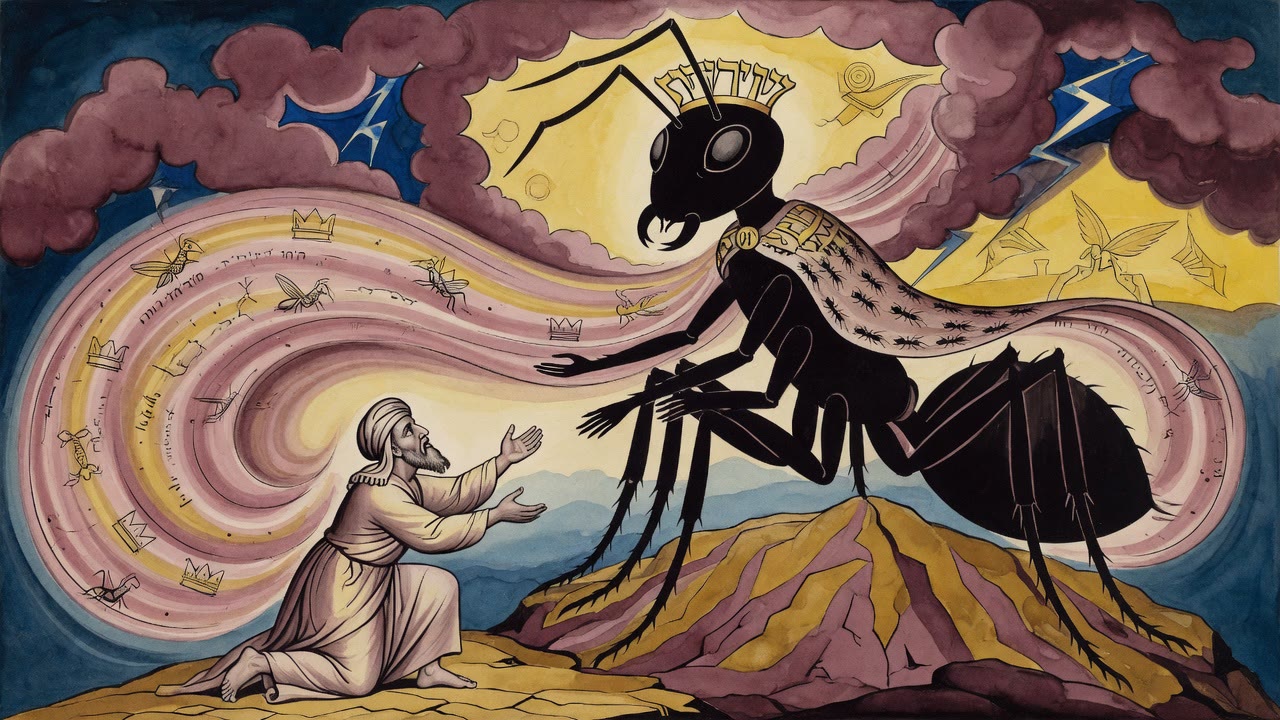
The army filled the valley of the ants. One queen ordered her colony to run, and Solomon halted every horse under him to listen.
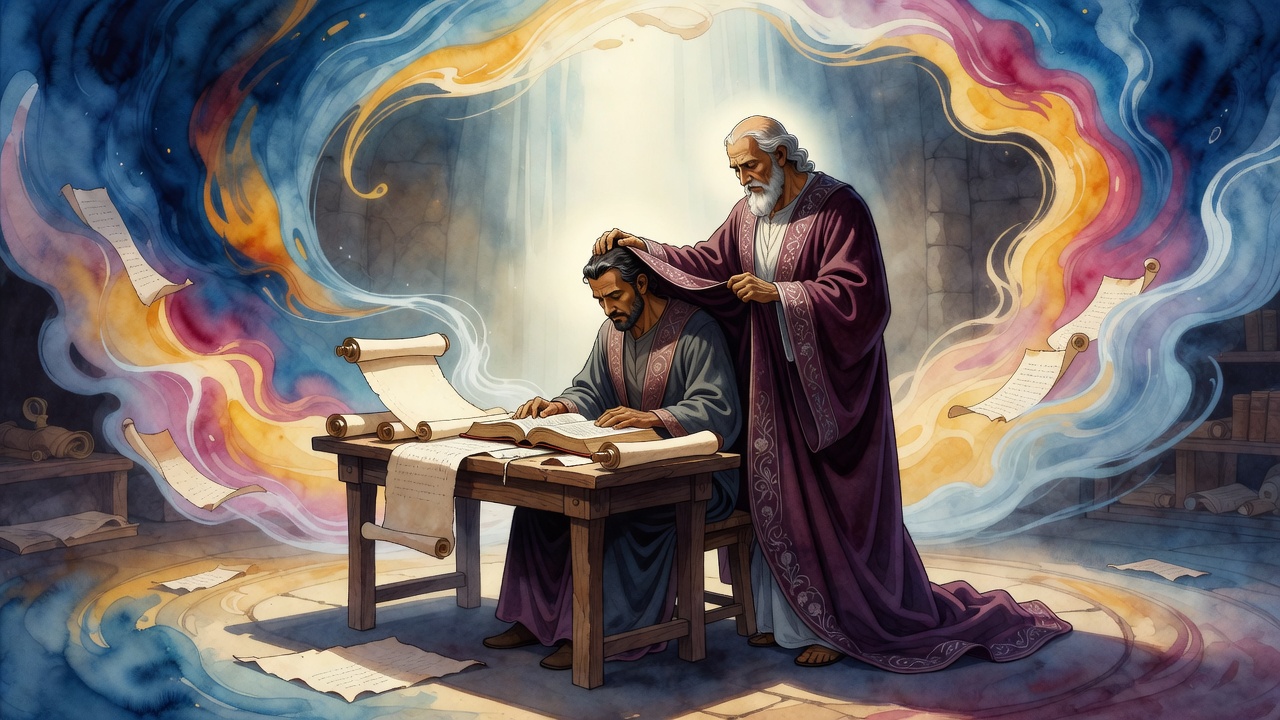
Mordecai still wore sackcloth and asked for a last meal. Haman had come to wash him, because every bathhouse in Shushan was shut.
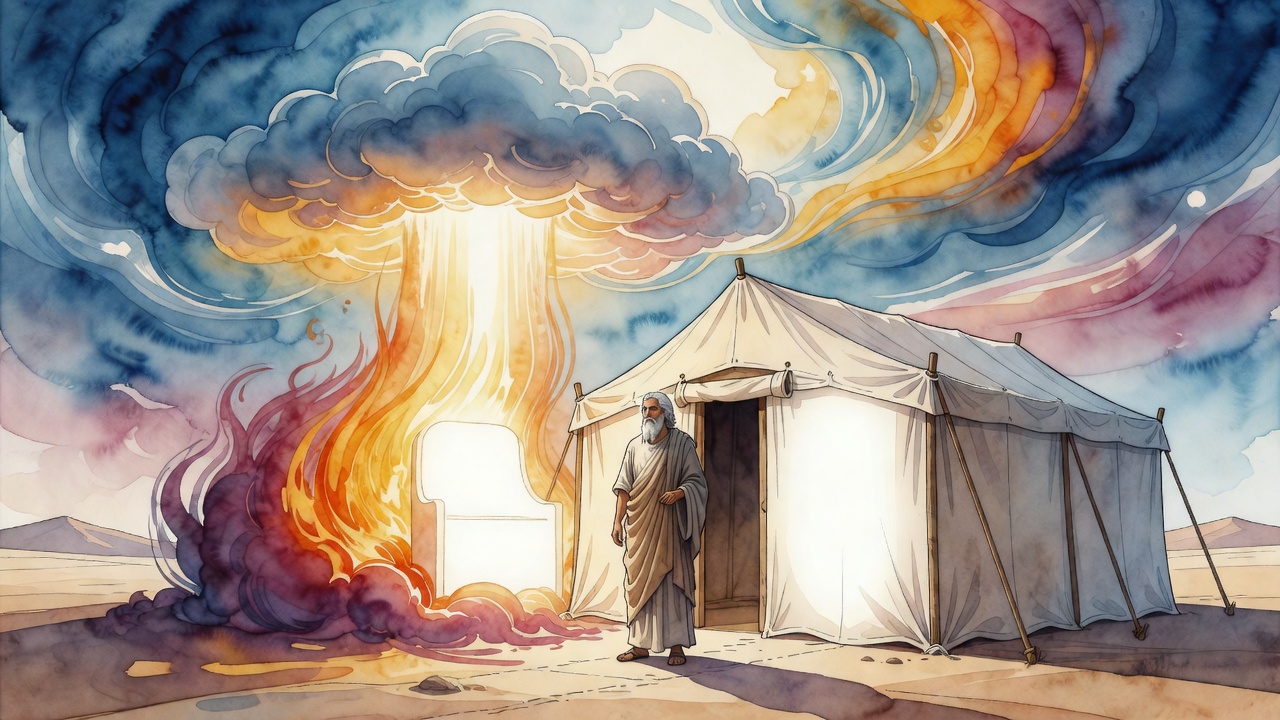
Moses built the Tabernacle and would not enter. He stood at the door until God called, because completing a sacred space does not grant ownership.
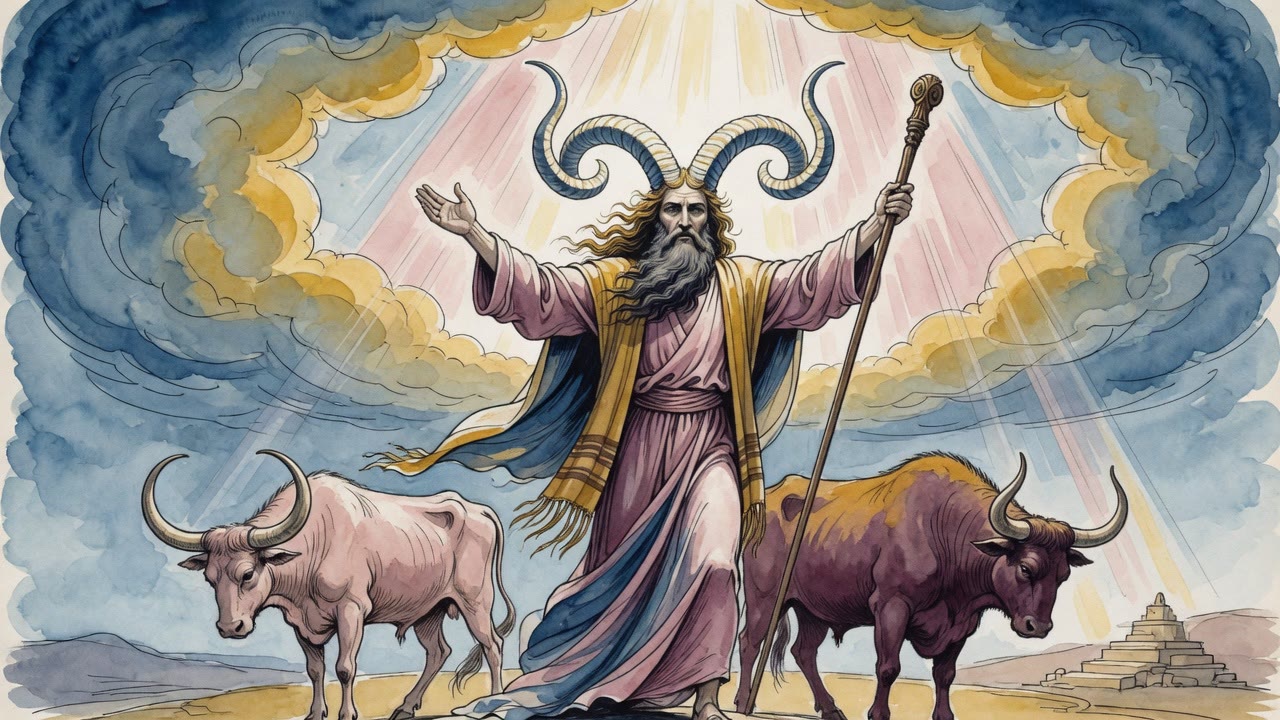
Moses argued at the bush until God's anger flared. Joseph sat in a dry pit while his brothers settled on twenty pieces of silver. Saul hid in the baggage.
