Saul, Joseph, and Moses Were Three Leaders Chosen Against Their Will
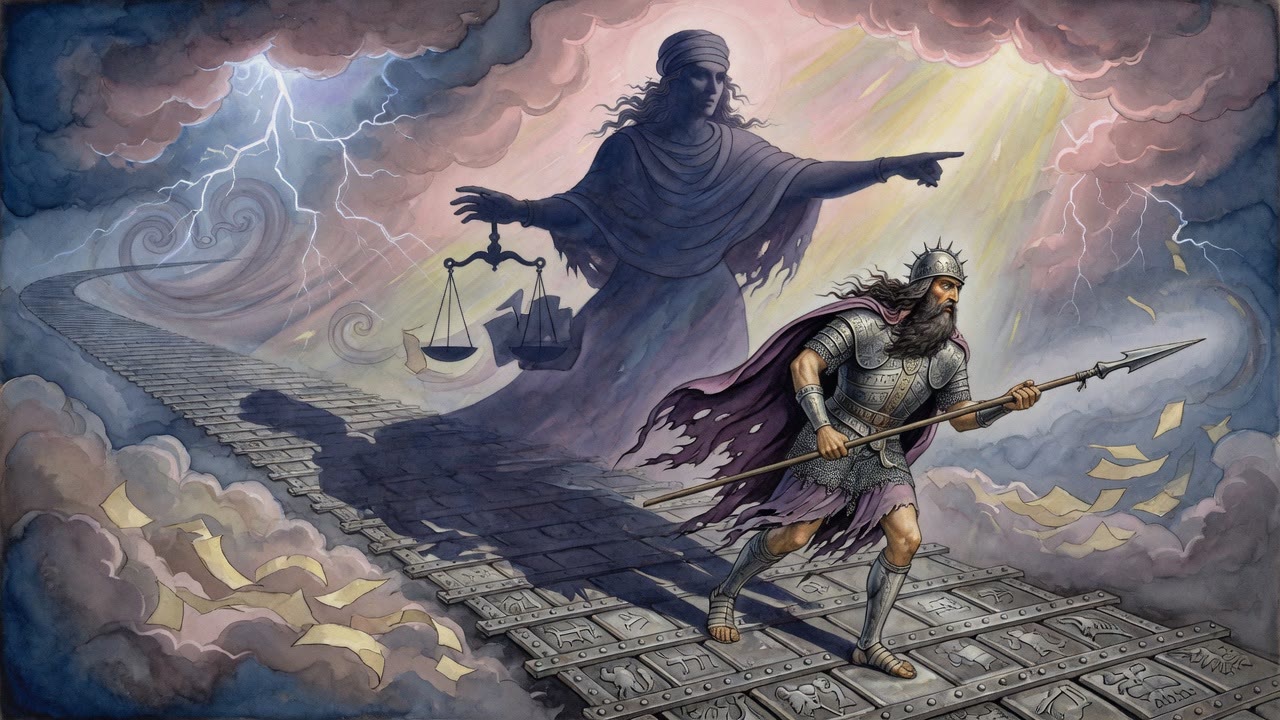
Moses argued at the bush until God's anger flared. Joseph sat in a dry pit while his brothers settled on twenty pieces of silver. Saul hid in the baggage.
Table of Contents
 Click for full size
The Burning Bush and the Man Who Would Not Go
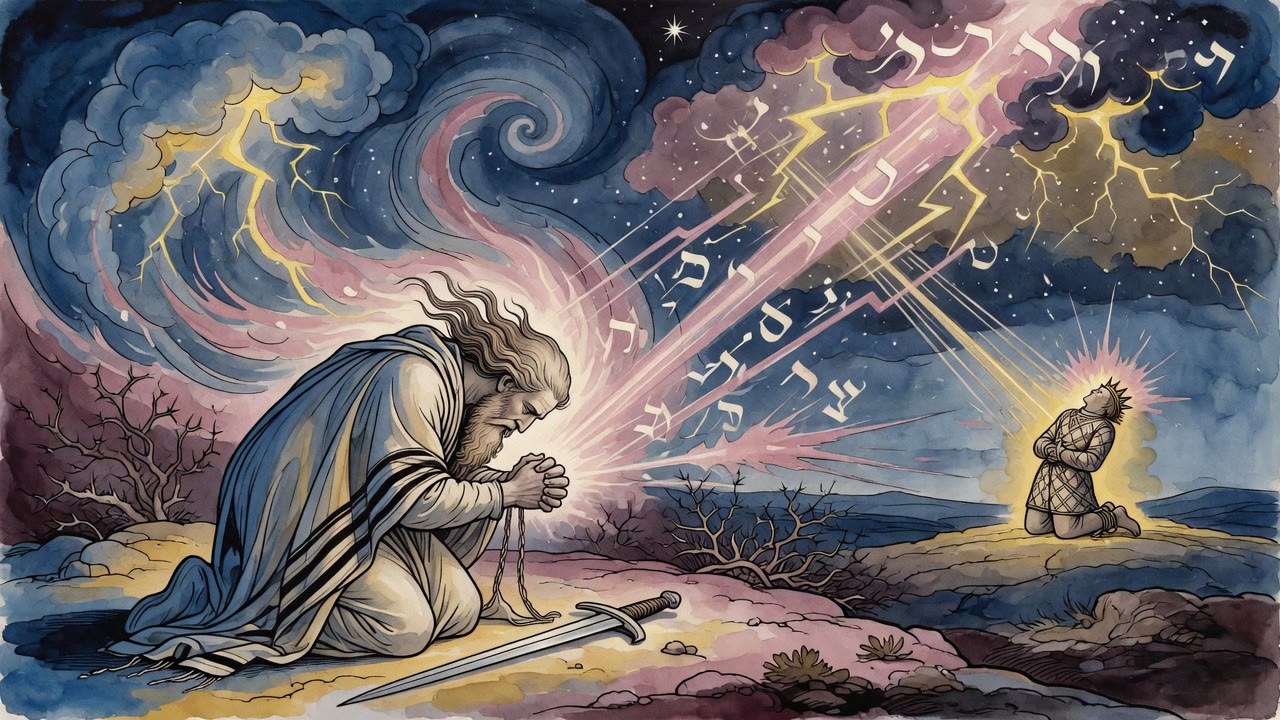
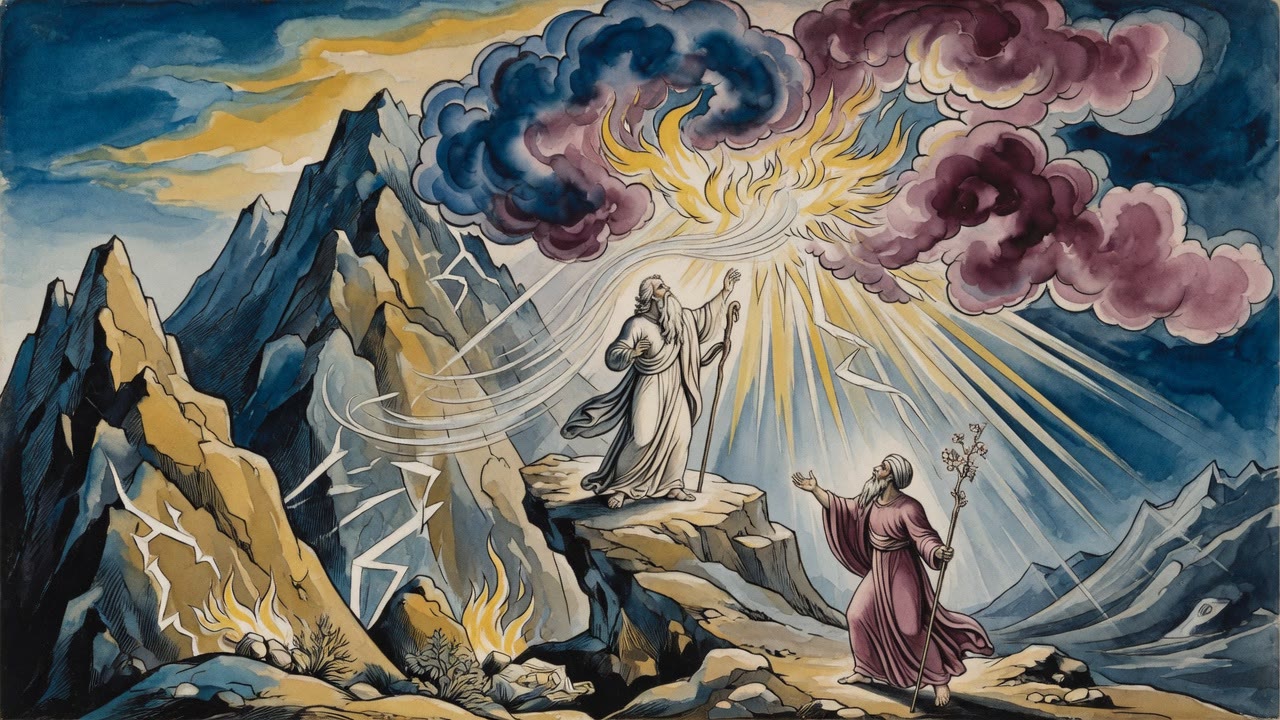
Moses was in the middle of Midian, herding sheep that were not his, when the bush appeared. He had been in Midian for forty years. He had fled Egypt as a fugitive after killing an Egyptian taskmaster, had married Zipporah, had a son, had settled into the rhythms of someone who intended to stay settled. He was eighty years old. The bush caught fire and did not burn, and God spoke from the fire, and what God said was: go back to Egypt.
Moses proposed every alternative he could think of. He said: who am I to go to Pharaoh? He said: what is Your name, so I can tell the people who sent me? He said: they will not believe me. He said: I am not a man of words, I am heavy of mouth and heavy of tongue. He said: please send the message by the hand of whomever You will send.
That last one drew a rebuke. God told Moses that his brother Aaron would speak for him, that the words would be provided, that the signs would be given. But Moses had to go. The tradition notes that God's patience with these objections was not unlimited. At one point, the text says, God's anger burned against Moses. Not enough to change the decision. Enough to let Moses know he had pressed his case as far as it could be pressed.
The Man Who Did Not Volunteer for Egypt
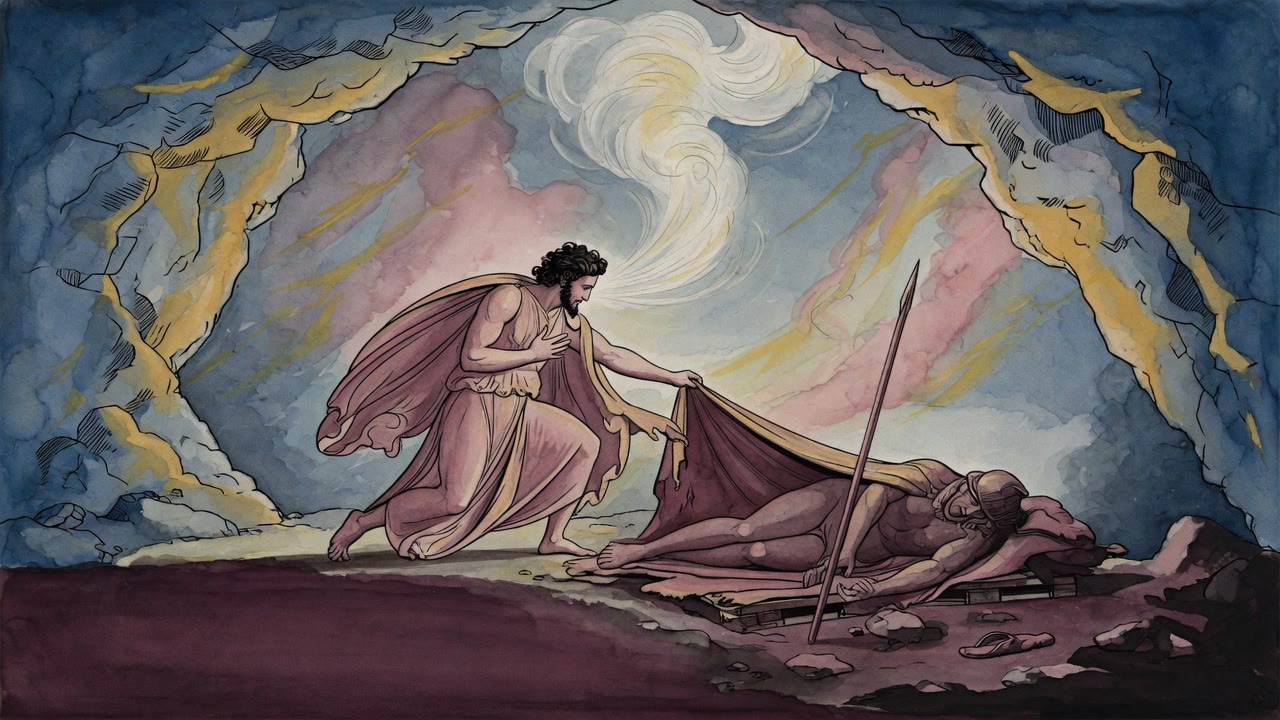
Joseph did not choose Egypt. His brothers threw him into a pit. The pit was dry, the tradition notes: no water, but the snakes and scorpions he might have expected were absent because God had cleared them out. He was seventeen, sitting in a dry pit in Dothan, listening to his brothers negotiate over his sale price. Twenty pieces of silver. He was taken out of the pit and handed over to Ishmaelite traders and walked to Egypt in chains.
Everything that followed, the years in Potiphar's house, the false accusation, the years in prison, the interpretation of Pharaoh's dreams, the administration of the entire Egyptian food supply during seven years of famine, all of it traces back to a sale that Joseph did not consent to and a decision his brothers made without him. The most powerful Israelite who ever held a position in the courts of Egypt arrived there as cargo.
The tradition observes that Joseph resisted every subsequent temptation with the same consistency. Potiphar's wife offered him status and safety and pleasure. He ran from her so fast he left his garment in her hands. The man who had every reason to take what the moment offered, who had been cheated of his inheritance by his brothers, kept refusing to take what he had not been given. The pattern of his entire life was refusal: of the pit, of the wrong offer, of the shortcuts to power. What came to him came because he would not reach for it.
The King Found Among the Baggage
When the prophet Samuel announced Saul as king before the entire assembly of Israel at Mizpah, Saul was not there. Samuel had the lot cast, and it came up with the tribe of Benjamin, and then the family of Kish, and then the specific individual: Saul son of Kish. And when they looked for Saul, he was hiding among the baggage.
This is the tradition's portrait of the first king of Israel: not standing forward, not presenting himself, not seizing the moment of his elevation. He was hiding. The text says he was a head taller than any other man in Israel, the most physically impressive person in the nation, and on the day he was called to lead them, he was crouching behind the equipment.
The tradition takes this seriously as more than an accident of character. Saul's hiding was read as modesty appropriate to leadership. The man who hides from his own coronation is not, at that moment, the man who will later misuse his crown. Saul's beginning was correct. His humility at the moment of selection was exactly the quality the role required. The tragedy of his kingship was not in how it started but in how it was sustained, in the later decisions where the king who had hidden from the role began to cling to it instead.
Samuel's Ghost and the Shape of Saul's End
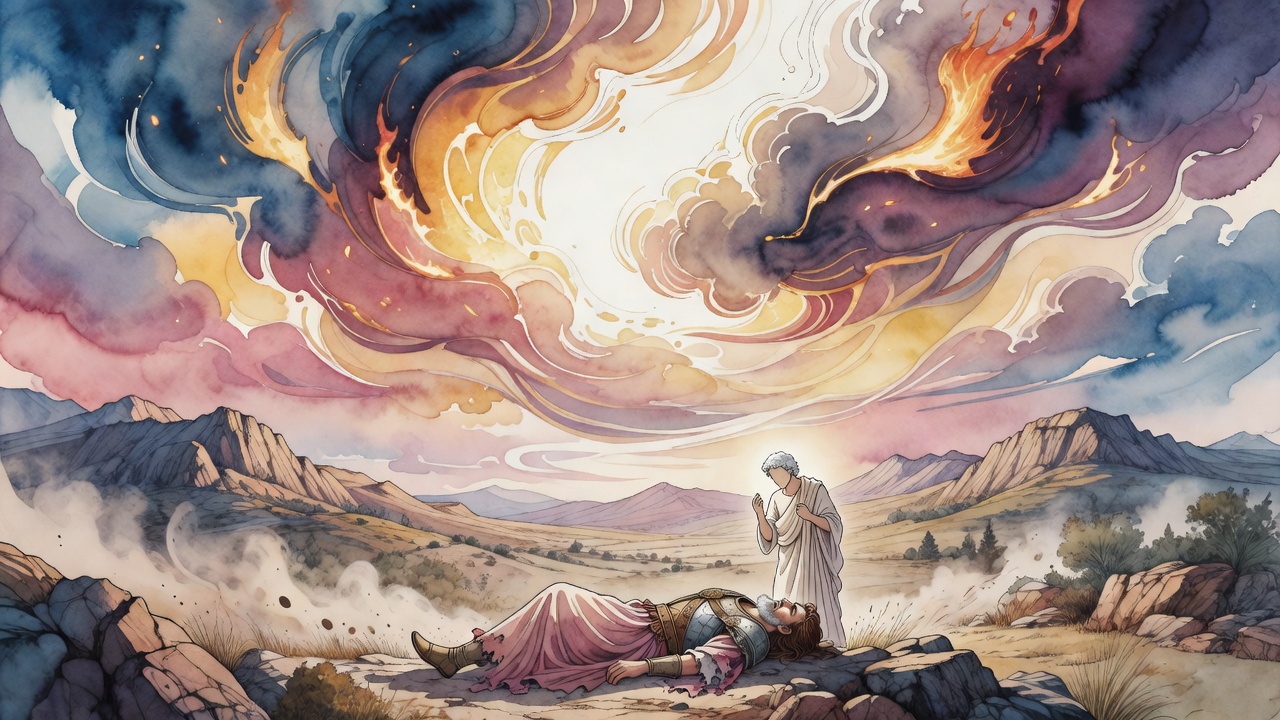
The night before the battle of Gilboa, when the Philistine army was arrayed against him and God had fallen silent, Saul went to the medium at Endor and asked her to raise Samuel. Samuel came up. He was not pleased to be disturbed. His first words to Saul were: why have you disturbed me by bringing me up?
But he answered the question Saul had come to ask. God has torn the kingdom from you. Tomorrow you and your sons will be with me here. The battle of Gilboa will kill the house of Saul. The ghost of the man who had anointed Saul king pronounced the verdict from the underworld, and Saul fell on his face and could not rise.
The tradition, even knowing this end, does not abandon Saul. He died on the battlefield, fighting when he could not win, falling on his sword rather than being captured. The same sources that record his failure record his courage at the end. He had been chosen correctly. He had hidden from his coronation out of genuine humility. The man who was found among the baggage fought to the last on Gilboa, and the tradition called him a hero worthy of honor despite everything.
← All myths