Jephthah Refused to Walk to Phinehas and Lost His Daughter
She came out with tambourines to meet her father. The high priest could have undone the vow. Neither man would walk first.
Table of Contents
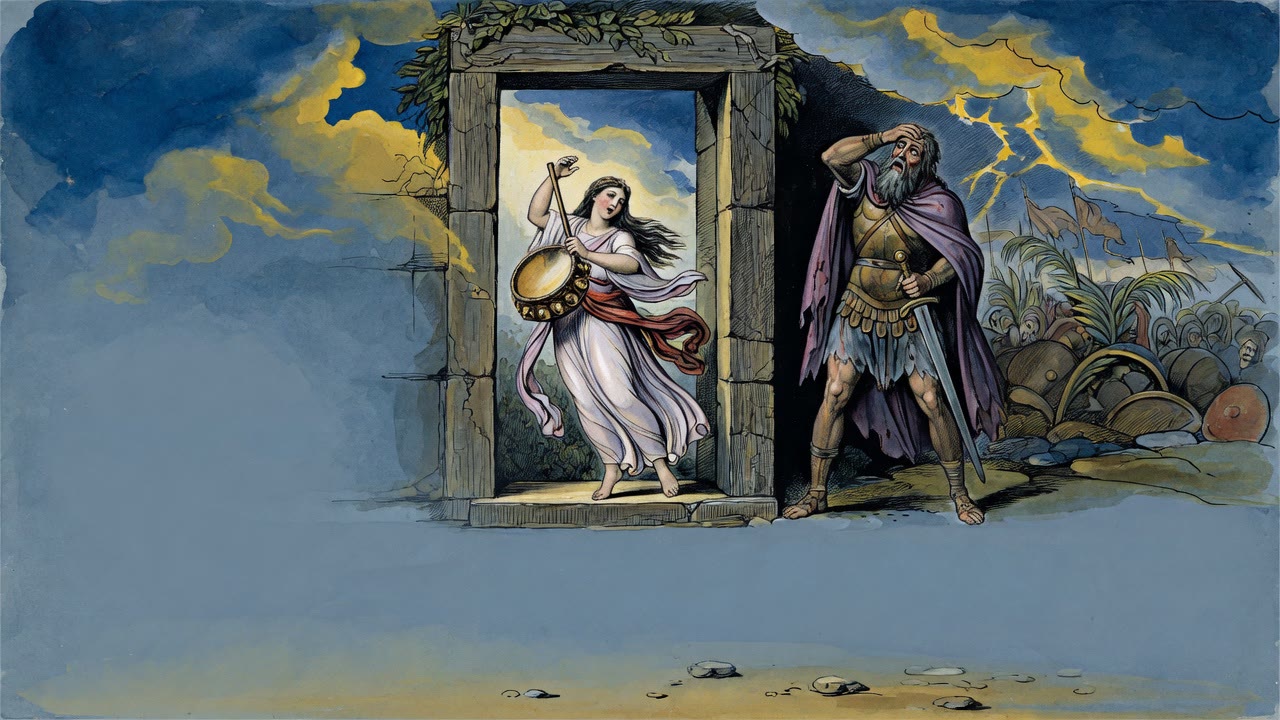
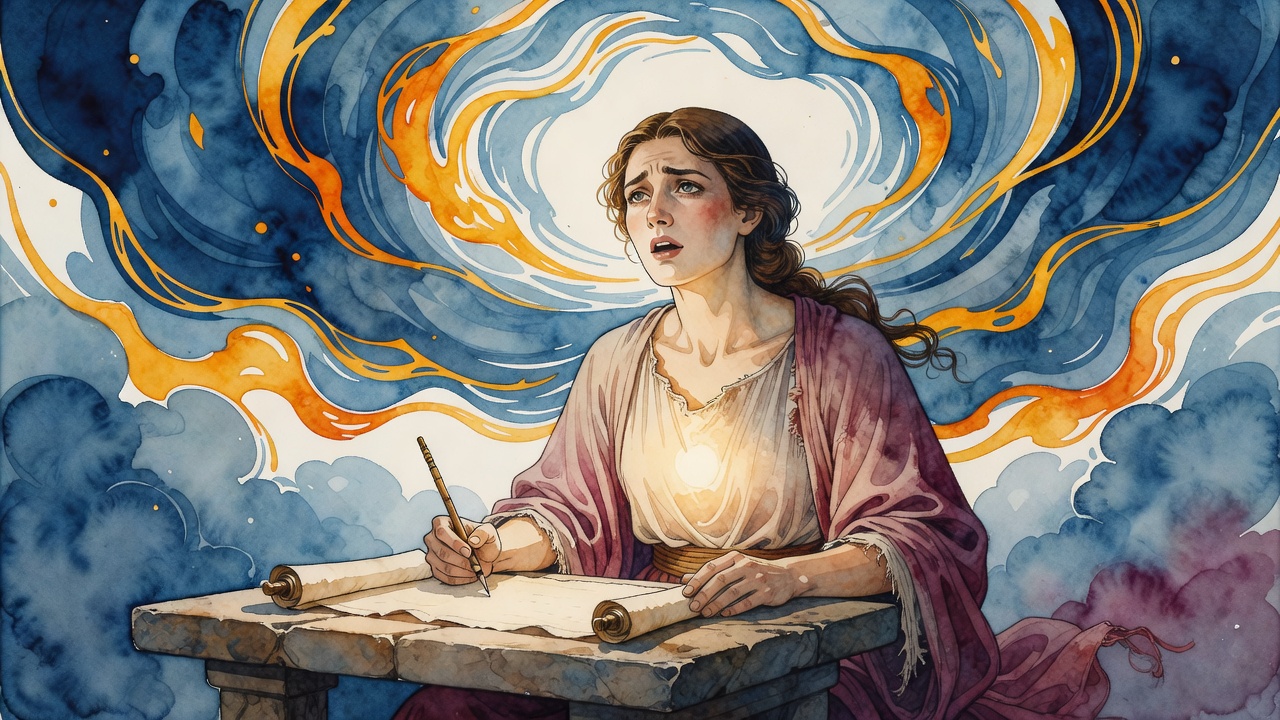
She came out of the house first, tambourines in her hands, dancing, the only child of Jephthah. He had just come home from Ammon. He tore his clothes.
 Click for full size
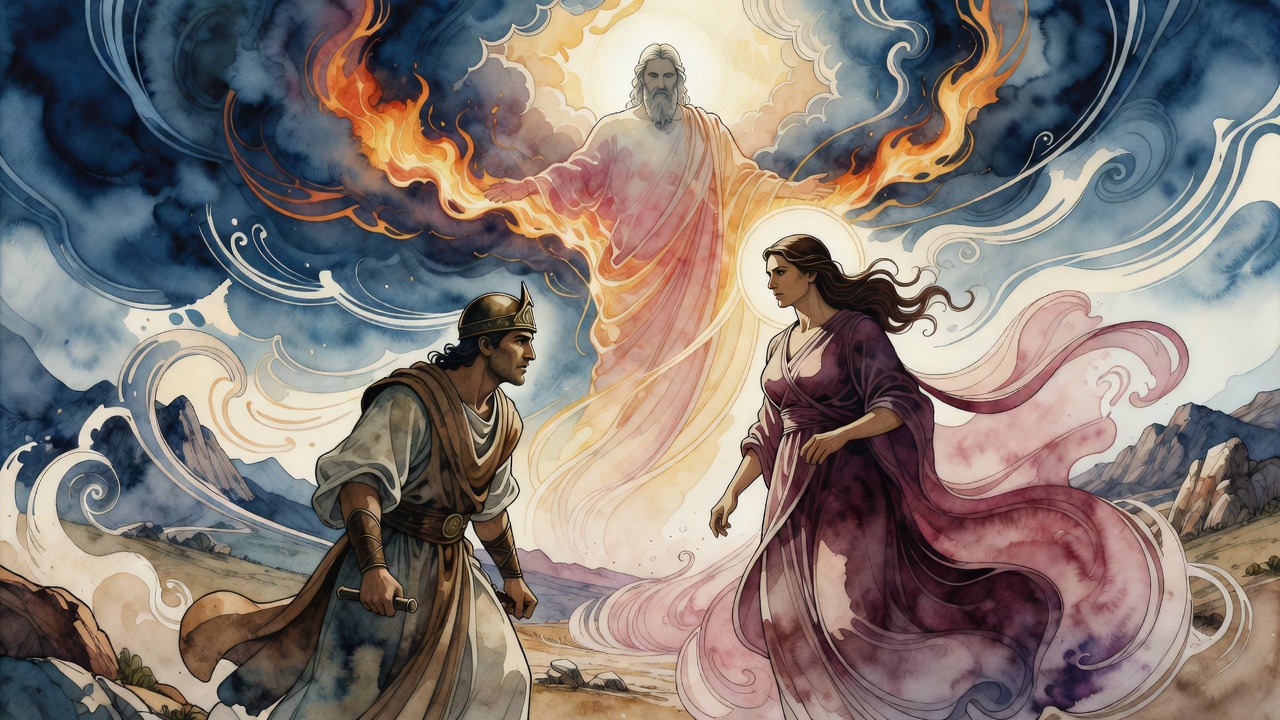
Before the battle he had vowed: if God gave him victory, whatever living thing first came out of his house to meet him would be a burnt offering. The Ammonites had pressed Israel eighteen years. He had slaughtered them from Aroer to Minnith. Then this girl, with music, on the threshold.
He blamed her for being first. She did not flinch. She told him to do what he had said. She asked for two months in the mountains with her companions, to mourn the life she would not live. He gave her the months. He did not give her a priest.
She Opened the Torah Against Him
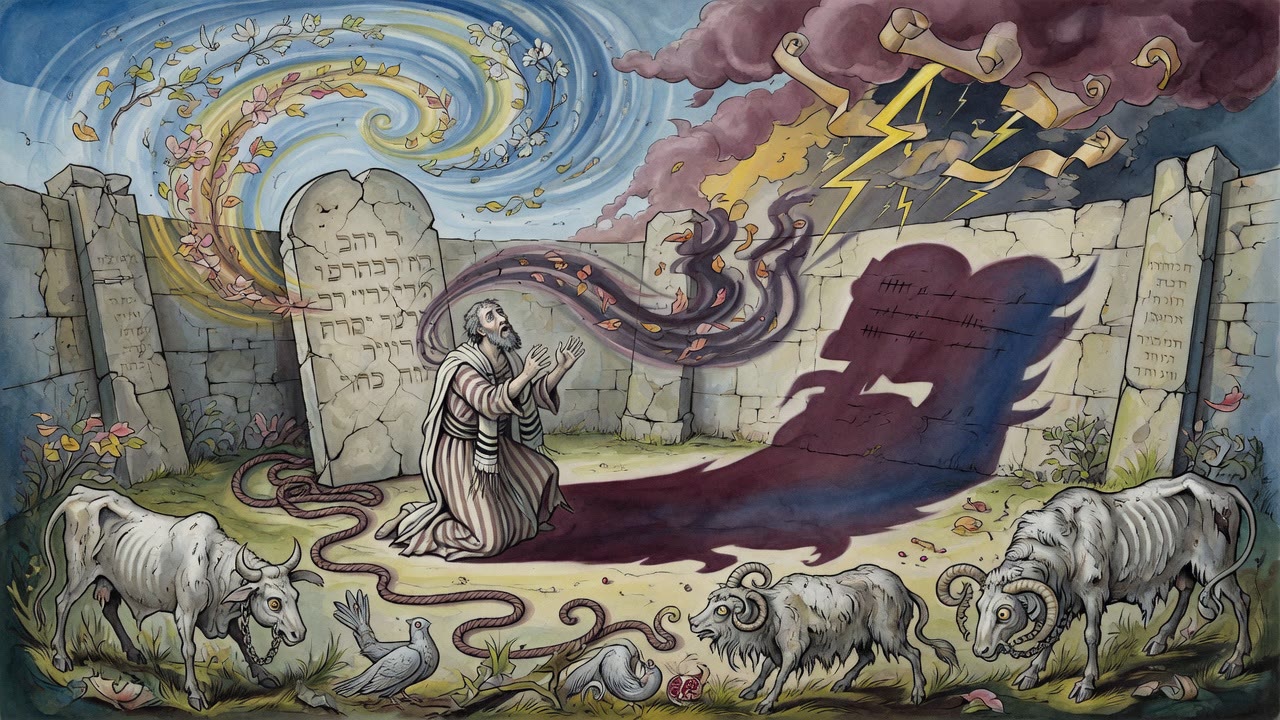
On those ridges she did not only weep. She argued. The law spoke of animals on the altar, not daughters. Jacob had vowed a tenth of all he owned and had not counted a son as a tithe. She named that. She told her father a rash promise could be examined and released.
He sent her to the scholars. She traveled. She asked them to find the opening. They sat over the case and forgot the ruling that would have saved her. The vow was invalid. He was not even bound to pay her value in money. The forgetfulness, the old telling says, was from God, a closing of memory after Jephthah had already cut down forty-two thousand of Ephraim at the fords of the Jordan (Judges 12:6).
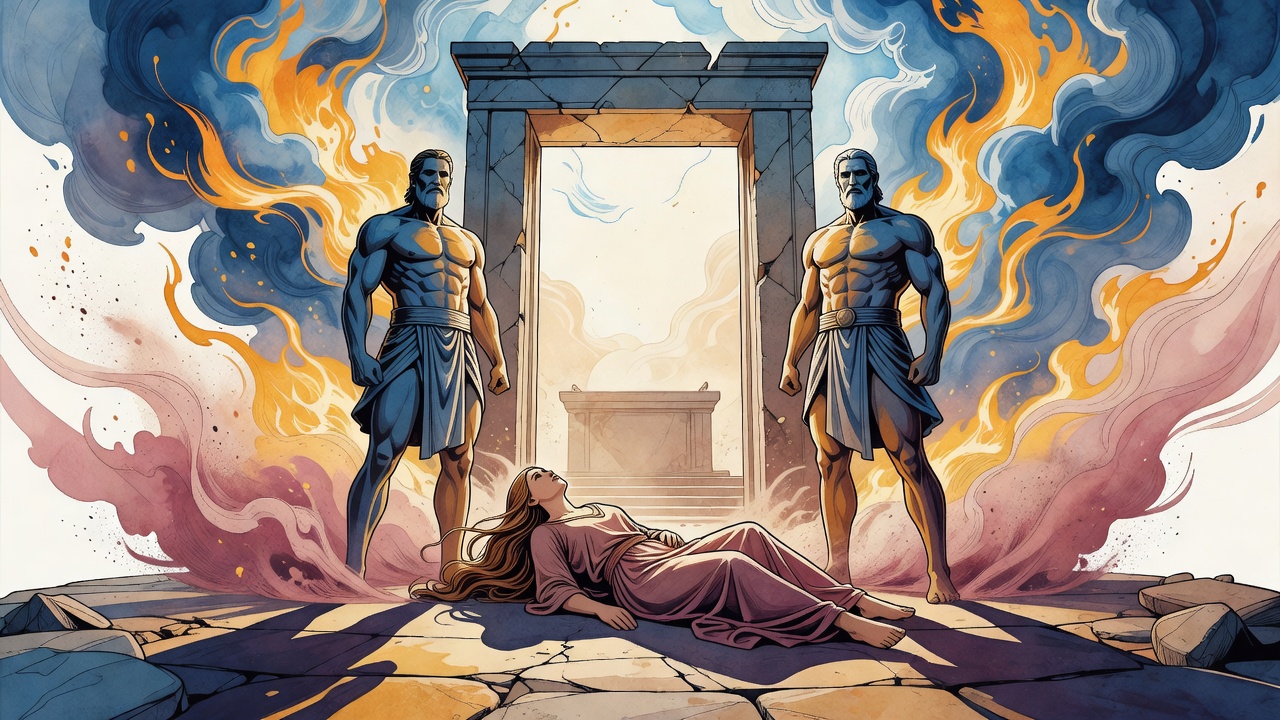
The two months ended. He did what he had said. The law had not asked for her. The house was quiet after the tambourines.
Neither Man Would Take the Road
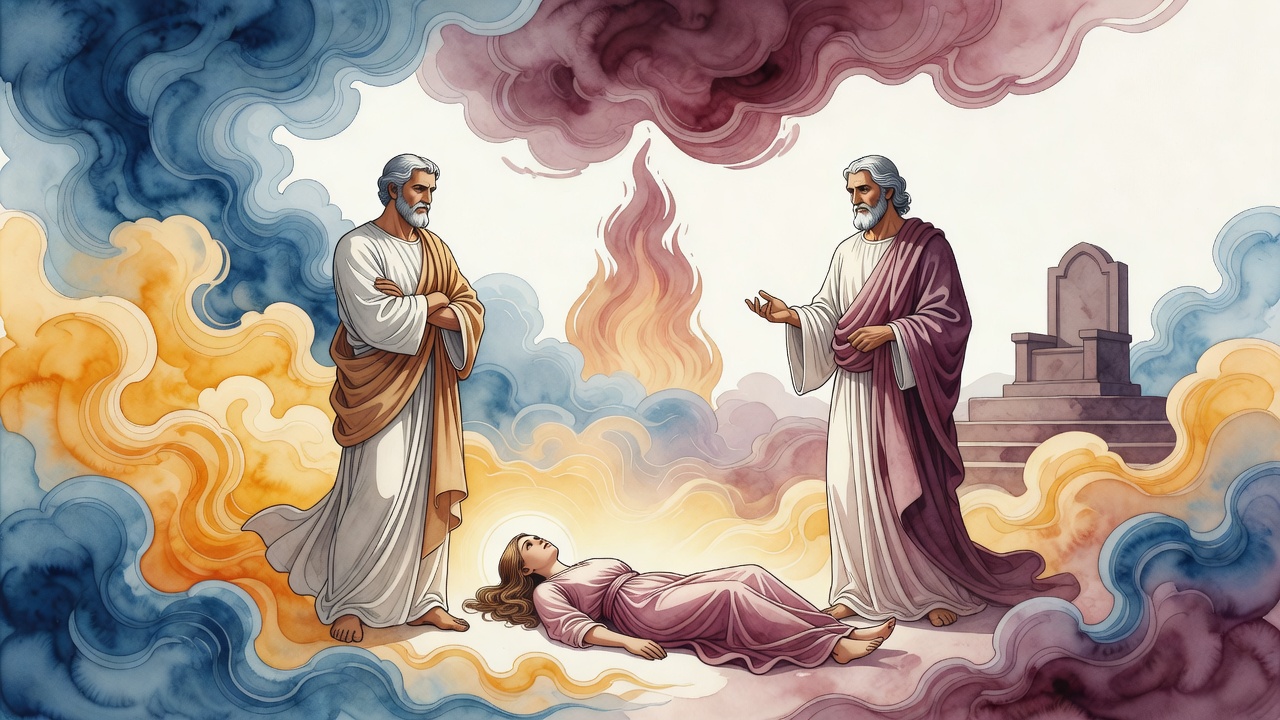
Phinehas the high priest, a kohen gadol (כהן גדול), high priest and son of a high priest, was not far. He had the standing to look at a vow and dissolve it. Jephthah knew where he sat. The girl had already walked to the scholars. The two men with the power to stop the knife would not walk toward each other.
Jephthah would not go. "What! I, the chief of the tribes of Israel, the first prince of the land, should humiliate myself and go to one of the rank and file?"
Phinehas would not come. "What! I, a high priest, the son of a high priest, should humiliate myself and go to an ignoramus?"
Pride held the road between them. She walked it alone. Two proud men, a short ride apart, each waiting for the other to move first, and a girl counting days on a mountain.
The Sacrifice the Law Did Not Want
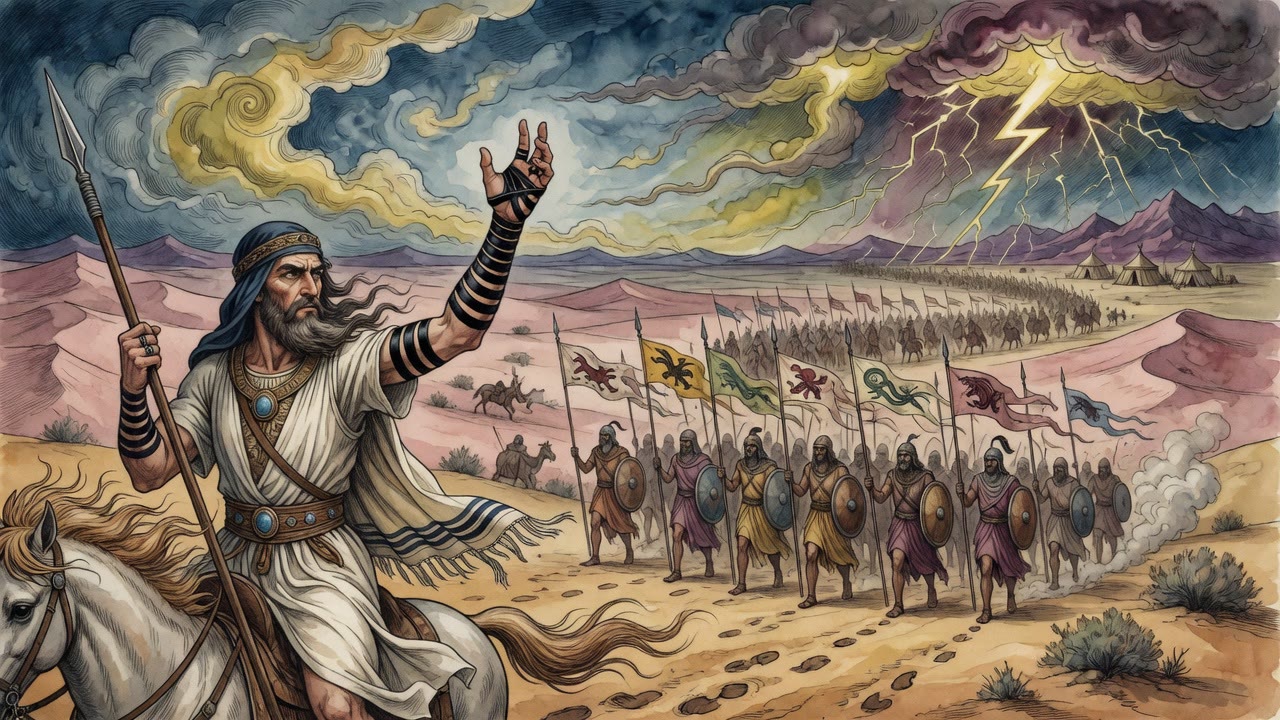
He had been thrown out of Gilead as a boy, the son of a foreign woman. His half-brothers drove him out. He gathered outcasts and lived as a captain of mercenaries until the same elders who had despised him came begging. Ammon had crushed them for eighteen years. He made them swear he would rule after the war. They swore. He tried messengers first. He told the Ammonite king that God had given Israel this land three hundred years earlier (Judges 11:26). If Ammon had a claim, they should have pressed it then. The king ignored him. Then came the vow, the victory, the threshold, the girl.
After her death the tribe of Ephraim turned on him, furious they had been left out of the spoils. He slaughtered them at the fords. He ruled six years. The war was real. The courage was real. None of it brought her back, and none of it made the vow clean.
Limbs in Separate Towns
Then his body came apart. A limb fell, and they buried it where it fell. Another limb, another town. There was no single grave for the man who would not move toward the priest. The tragedy sat in those scattered graves: a commander who could take a city and could not take a step.
The ruach hakodesh (רוח הקודש), the holy spirit that had rested on Phinehas, departed. He lost the priestly dignity he had refused to risk. The spirit left the man who would not leave his chair.
She had asked for two months. They had given her the mountains. They had not given her the one visit that would have undone the words.
← All myths