59 myths · Page 1 of 2
Sheilah put her case to every sage in Israel and not one could answer her. God said afterward that he had shut their mouths himself.
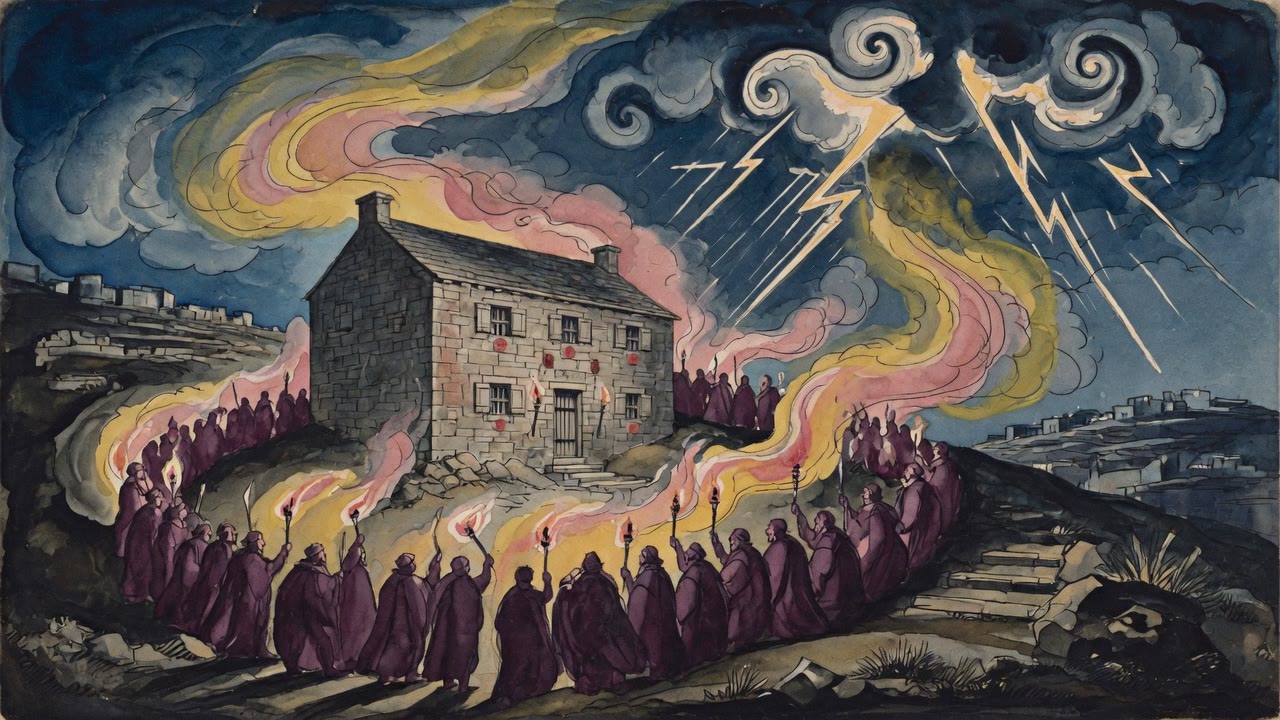
The Levite refused to stop for the night in a foreign town. He pushed on twenty furlongs to sleep among his own people, and that is where it happened.
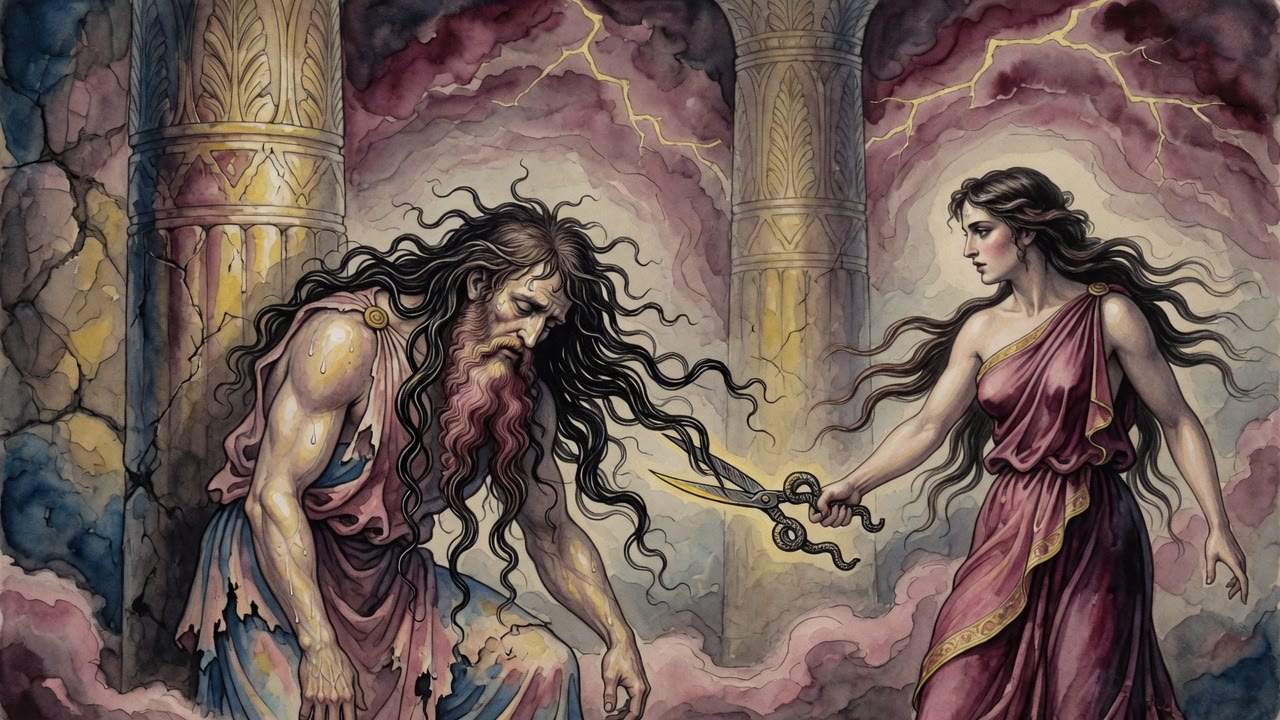
Three times she bound him with the lie he gave her. On the fourth night he named the seven locks, and he woke to find God gone.
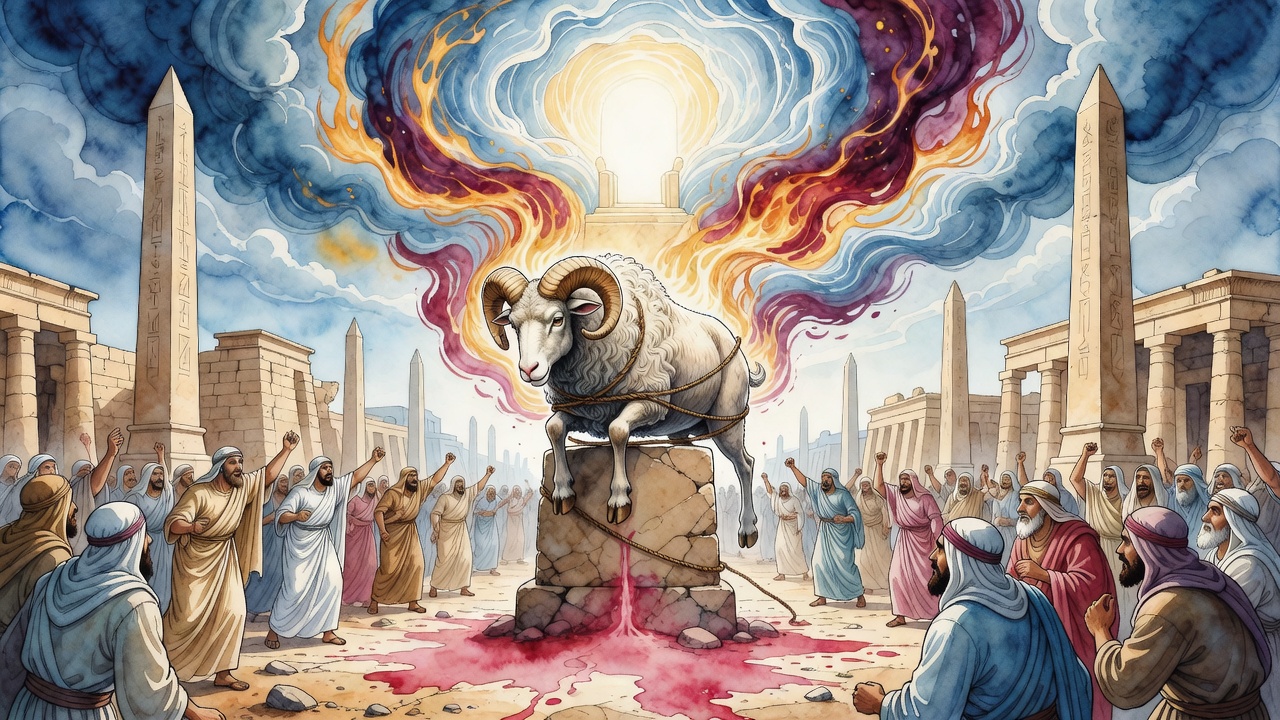
Egypt's ram stood tied at an Israelite door for four days, where every neighbor could count it. The knife came on the fourteenth.
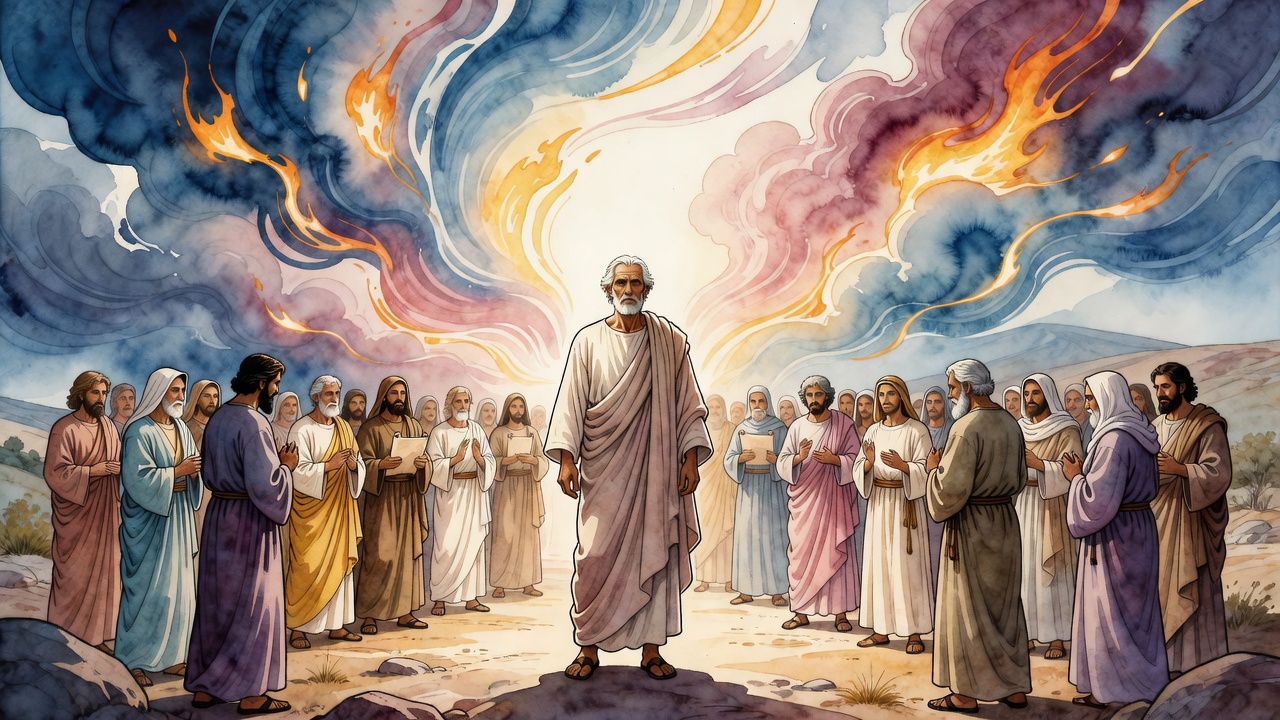
Samuel was old when he stood before Israel and asked whose ox he had taken. No one answered. Years later a dead man still told Saul the truth.
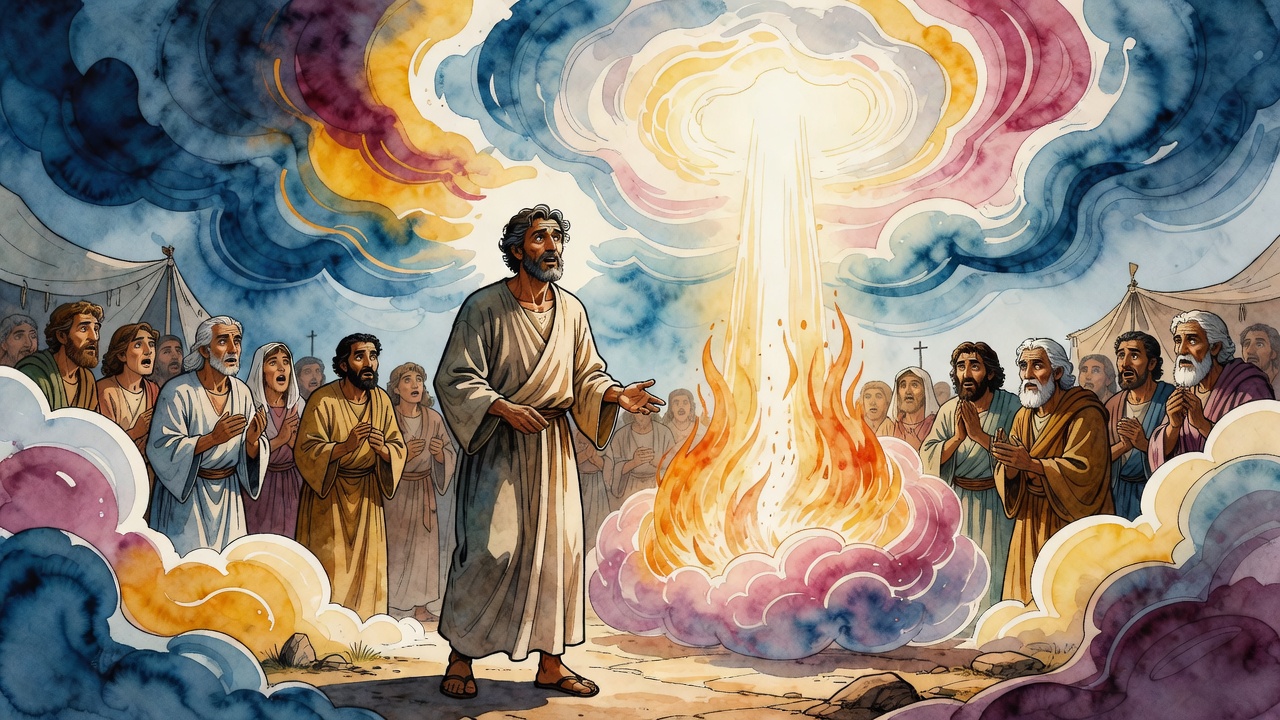
After Joshua died, Israel needed a leader. God's method was a purity test followed by lots, and the man selected was almost nobody's first guess.

Israel fasted seven days before heaven moved, and heaven did not move for their sake. Deborah won the war. Then the gift went out of her mid-verse.
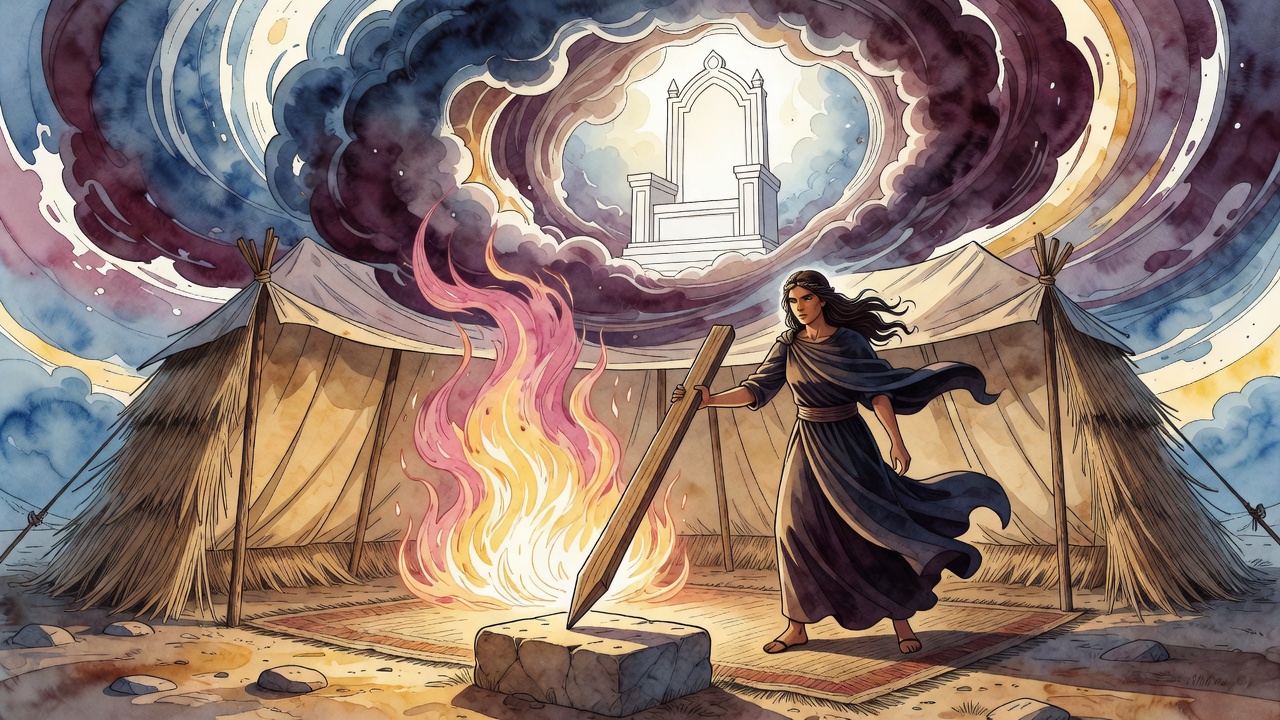
Sisera fled the battlefield and entered Jael's tent. Before she picked up the tent peg, she prayed three times and each prayer was answered before she finished.
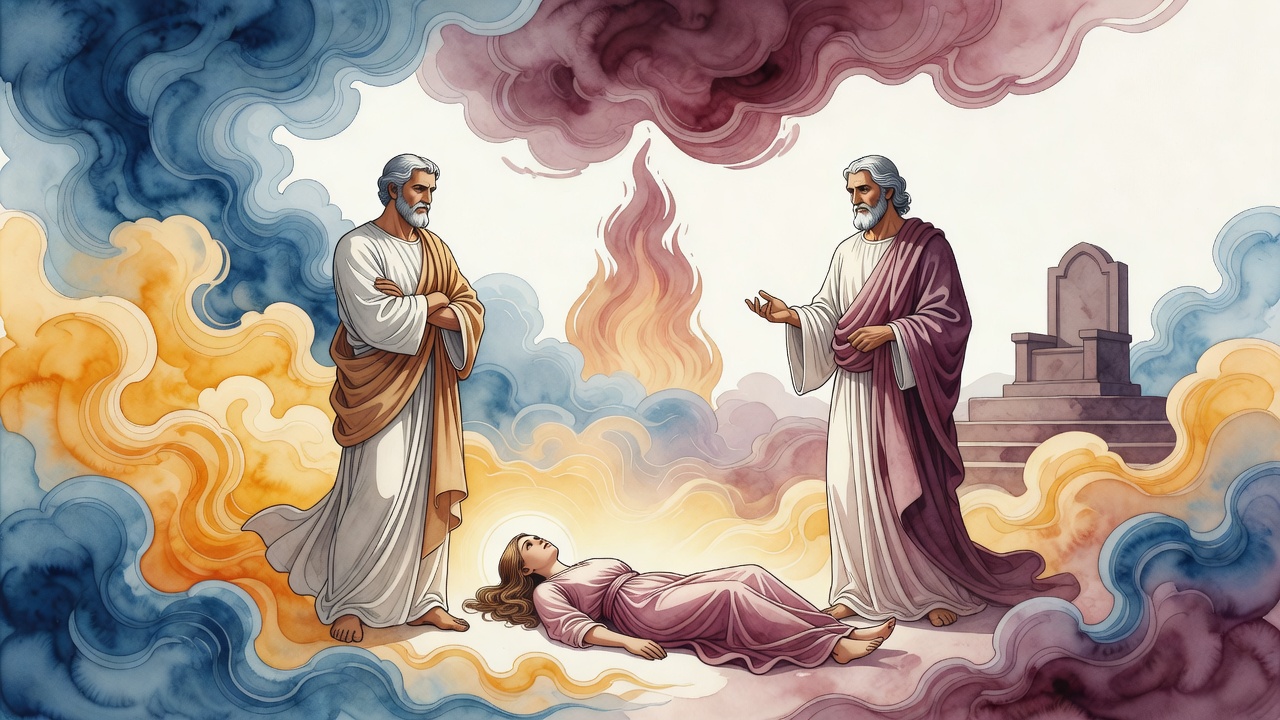
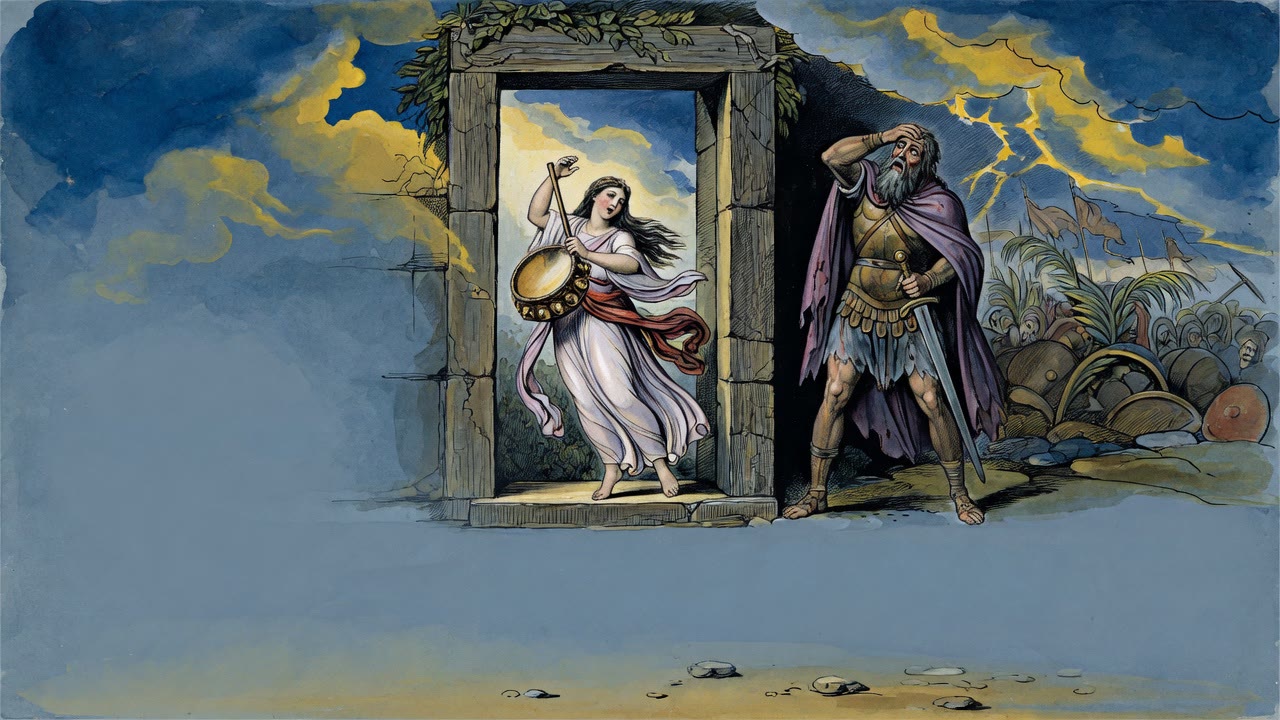
She came out with tambourines to meet her father. The high priest could have undone the vow. Neither man would walk first.
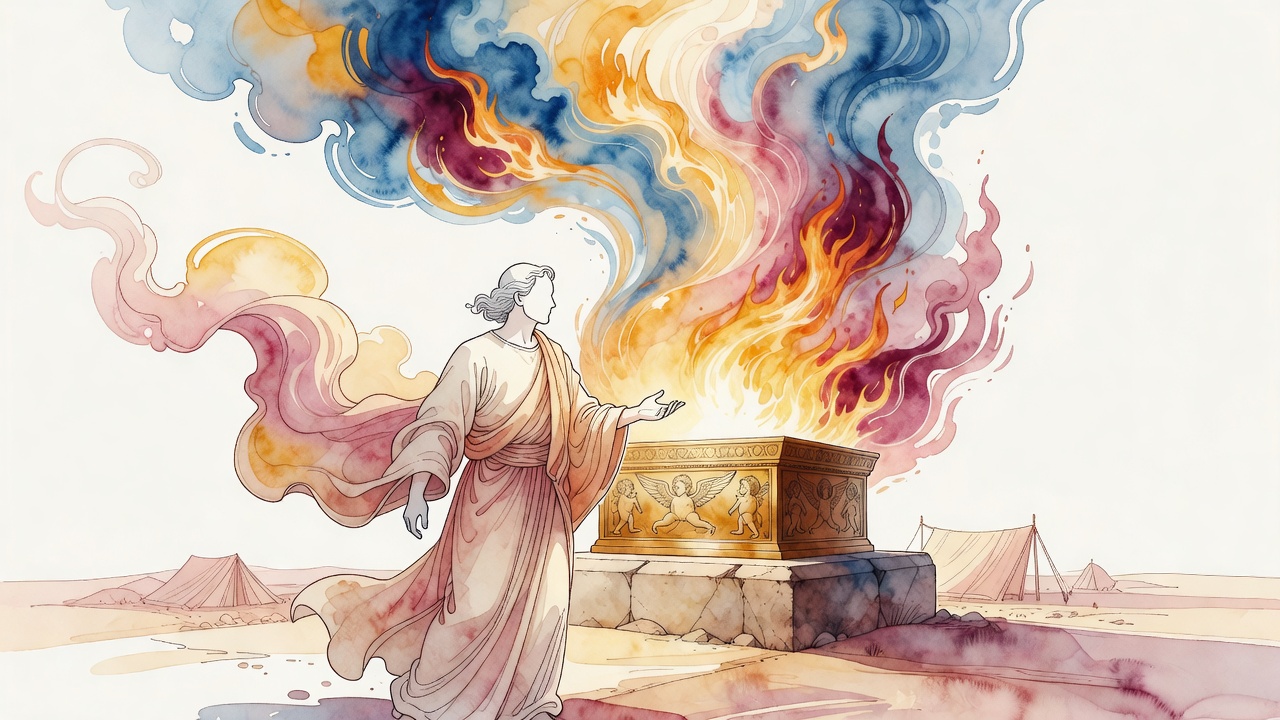
The oracle had said go forward. Two campaigns later the dead were stacked, and Phinehas stood at the Ark and asked why God had sent them.
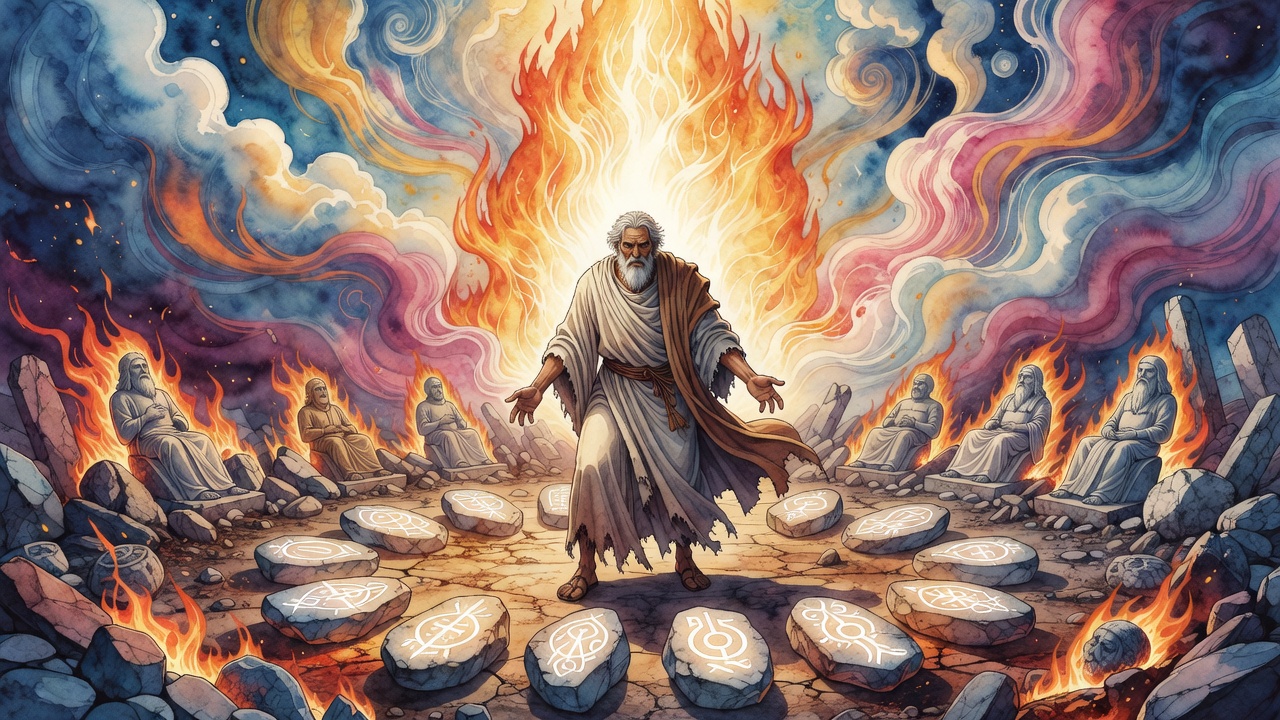
A guilty man told Kenaz to question the tribes one at a time so the confessions would be honest. The Amorite books turned up in his own tent.
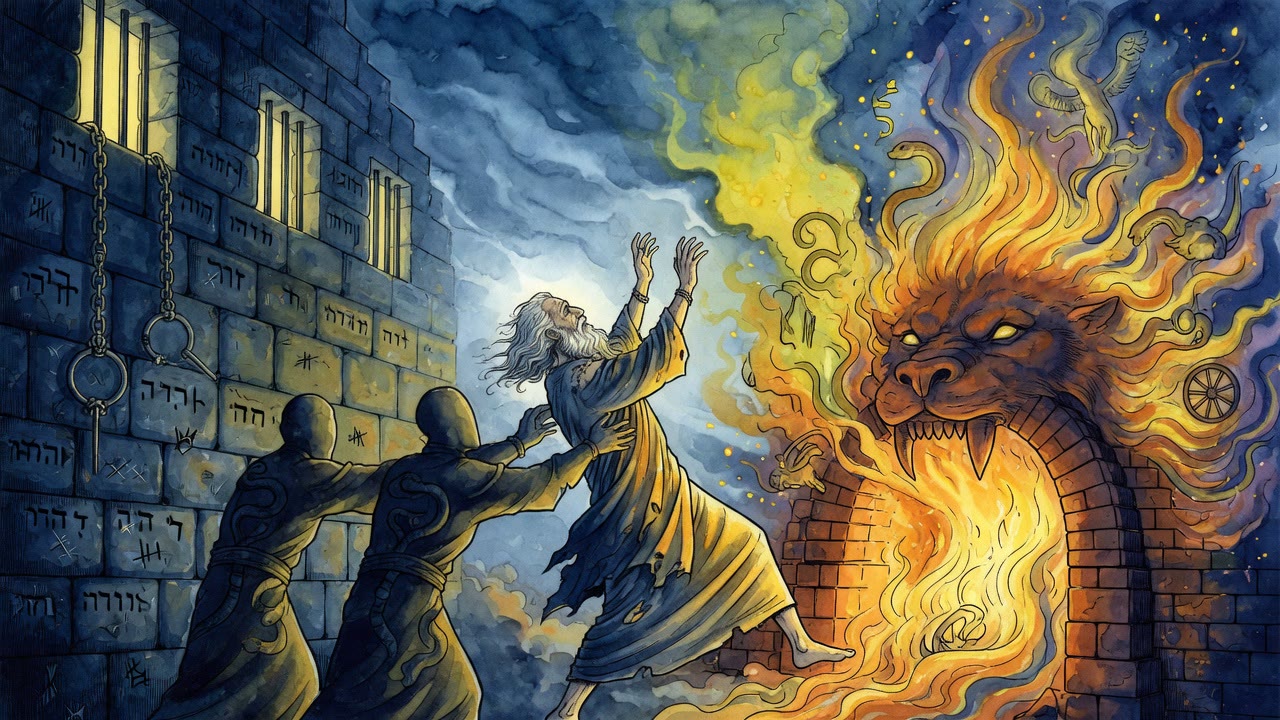
They took his thumbs and his big toes. He did not curse Judah. He said God had paid him in the same coin he had used on seventy kings.
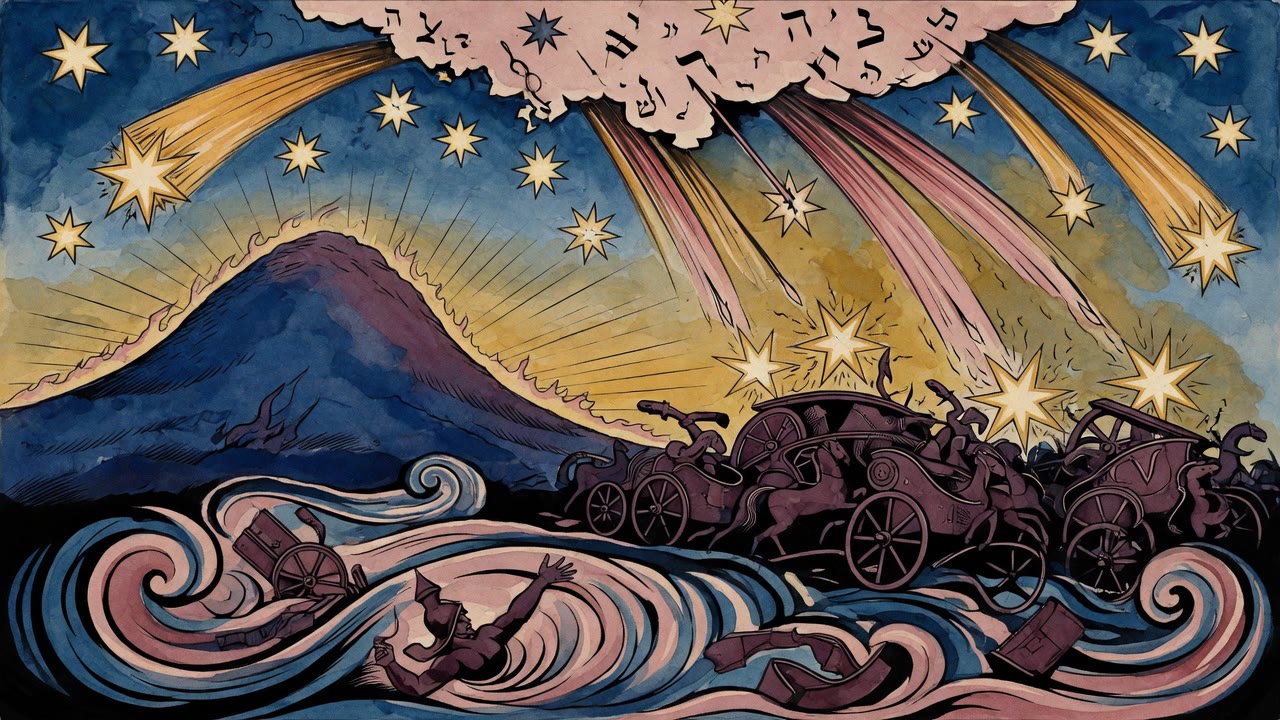
Nine hundred iron chariots rolled against Israel, and the constellations climbed down from heaven to drown a general in his own flood.
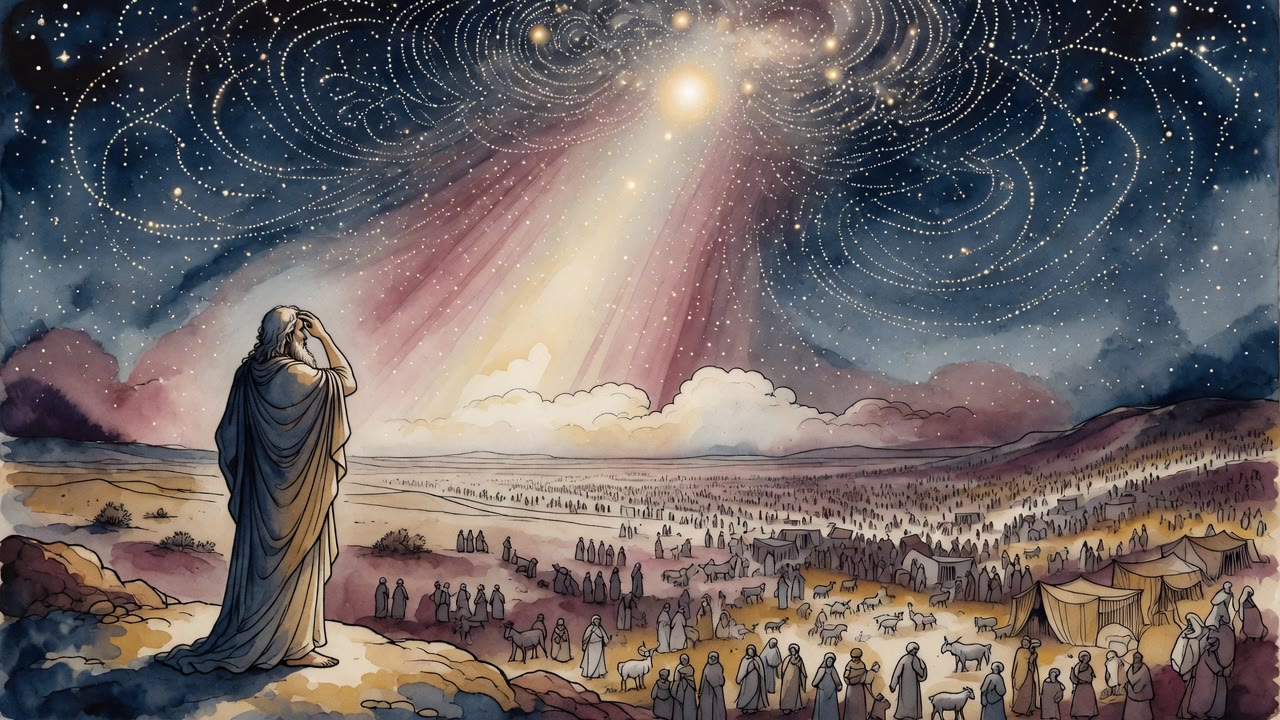
A judge swore away whatever met him first, and his daughter danced out the door. So she climbed a mountain to plead her own death before God.
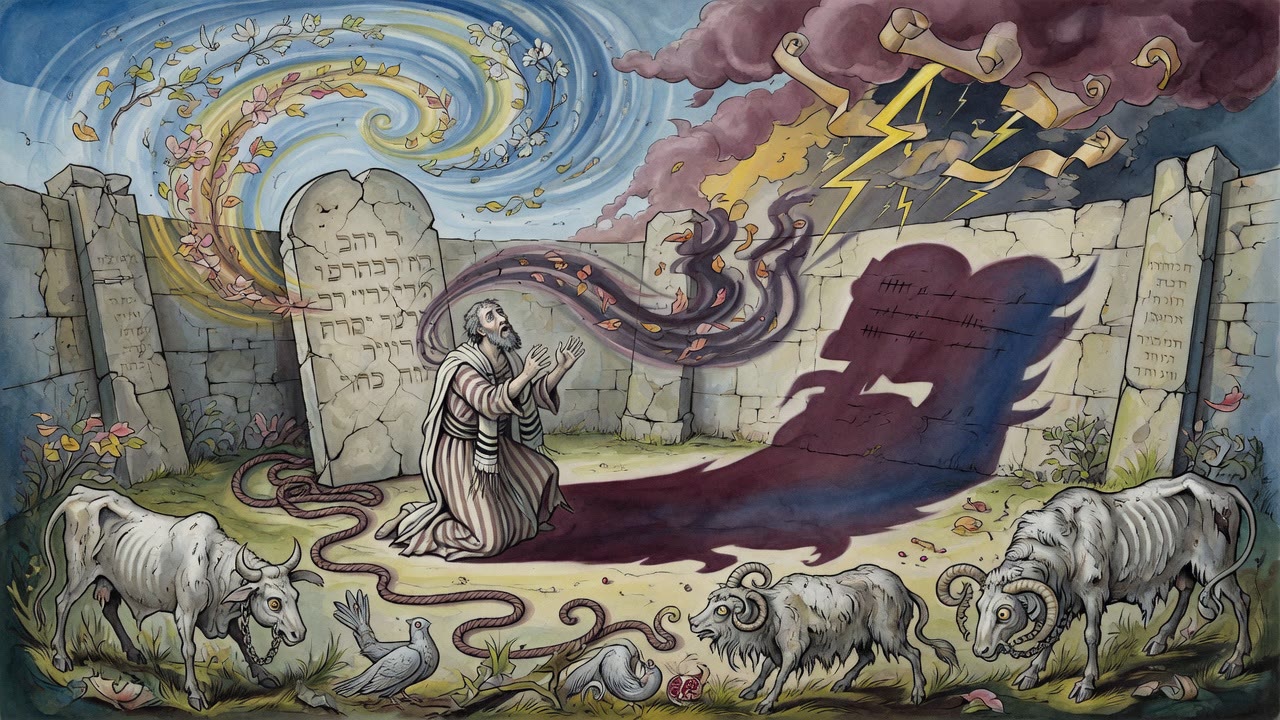
The elders who had thrown him out came back begging for a chief. He went. He died in pieces, a limb dropping as he walked, buried across the cities of Gilead.
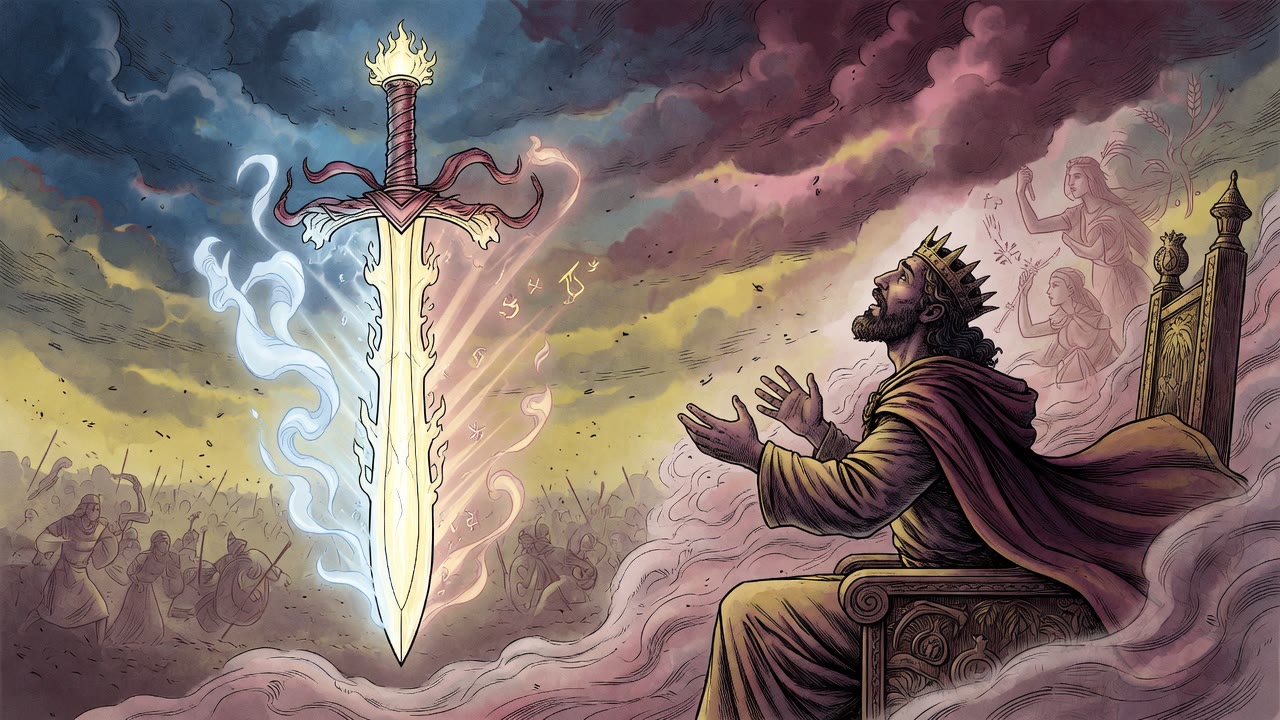
The fat king of Moab stood when Ehud spoke God's name. The two-mouthed blade was already waiting on his right thigh.
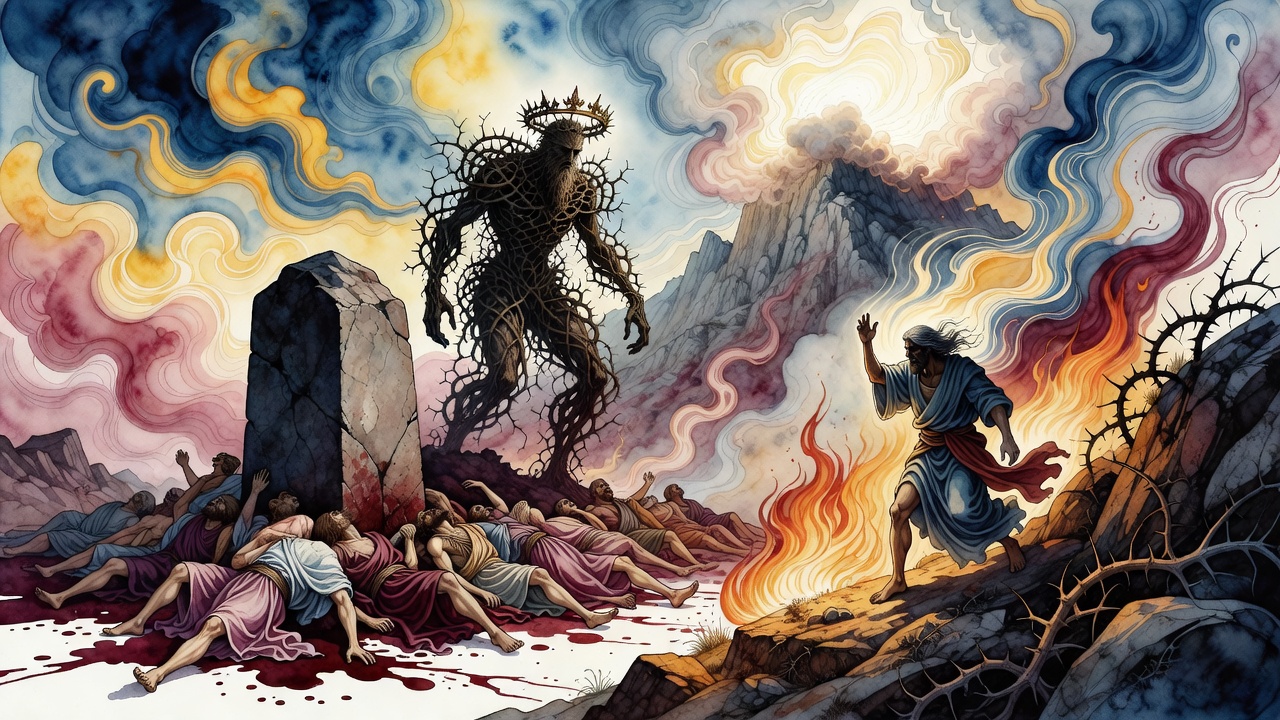
Abimelech butchered seventy brothers on one stone for a crown, so the last survivor climbed Gerizim and cursed the bramble king with fire.
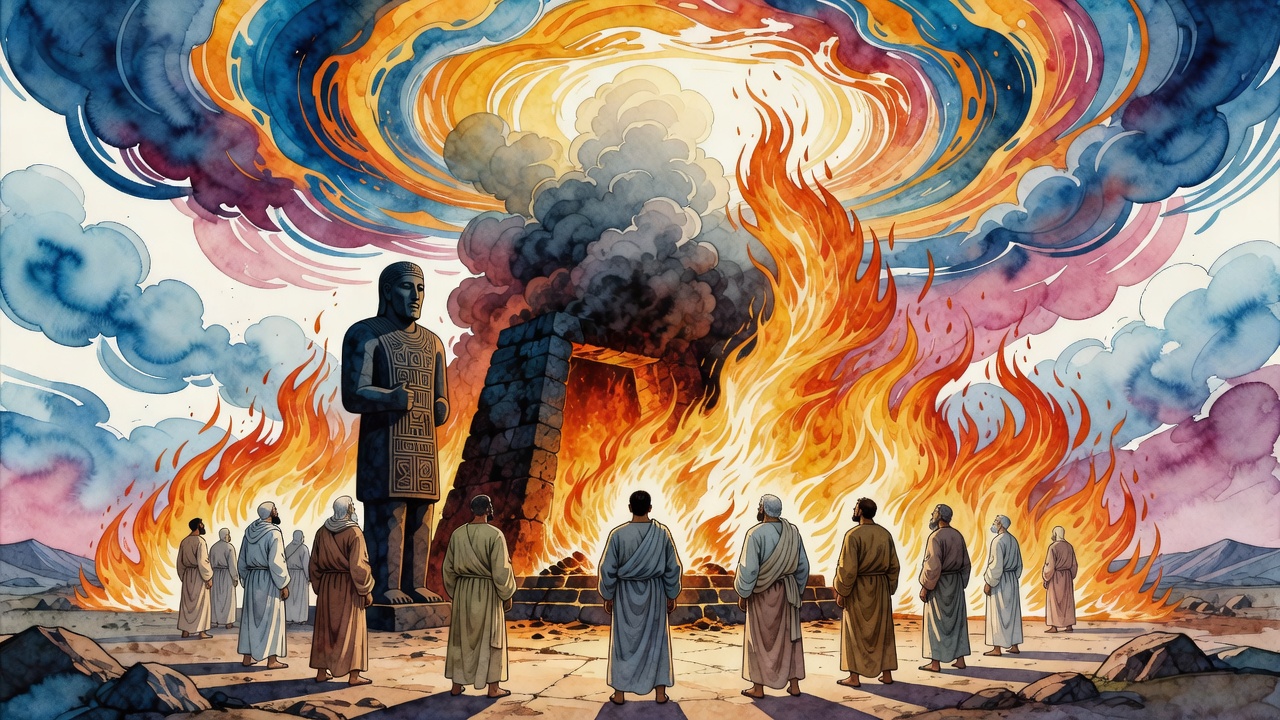
An idol, a furnace, and seven men who would not bow, until heaven sent the lord over fire to turn the tyrant's flames back on his own servants.
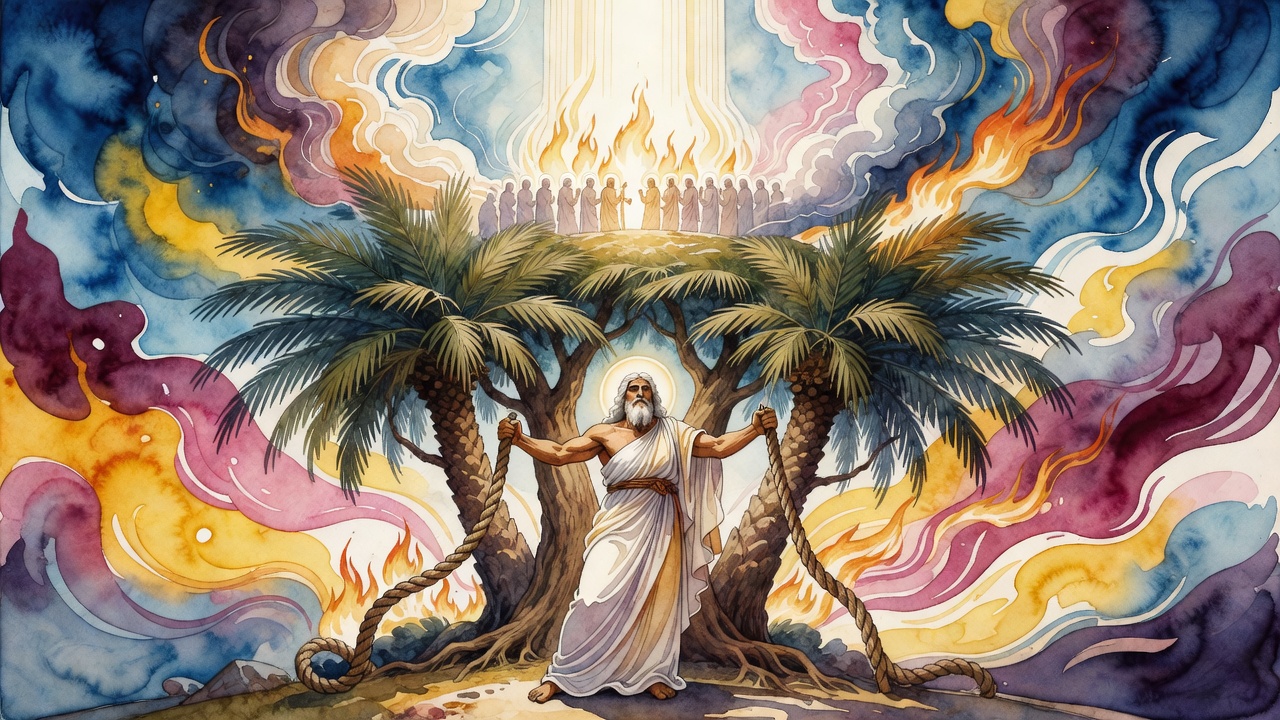
Her husband could not sit in the study house. She twisted flax for the lamps at Shiloh. Heaven named her judge over the tribes.
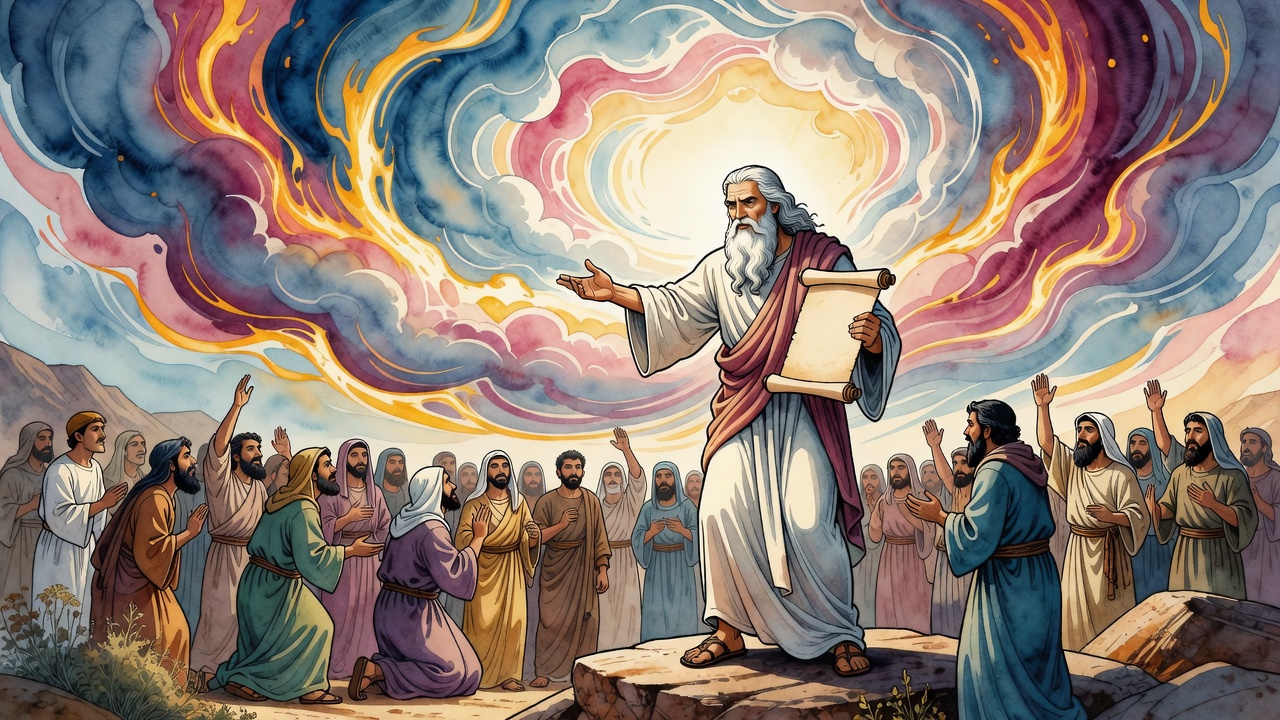
The last blessing left his mouth. Moses asked the tents for names. He took the list and did not promise to use it.
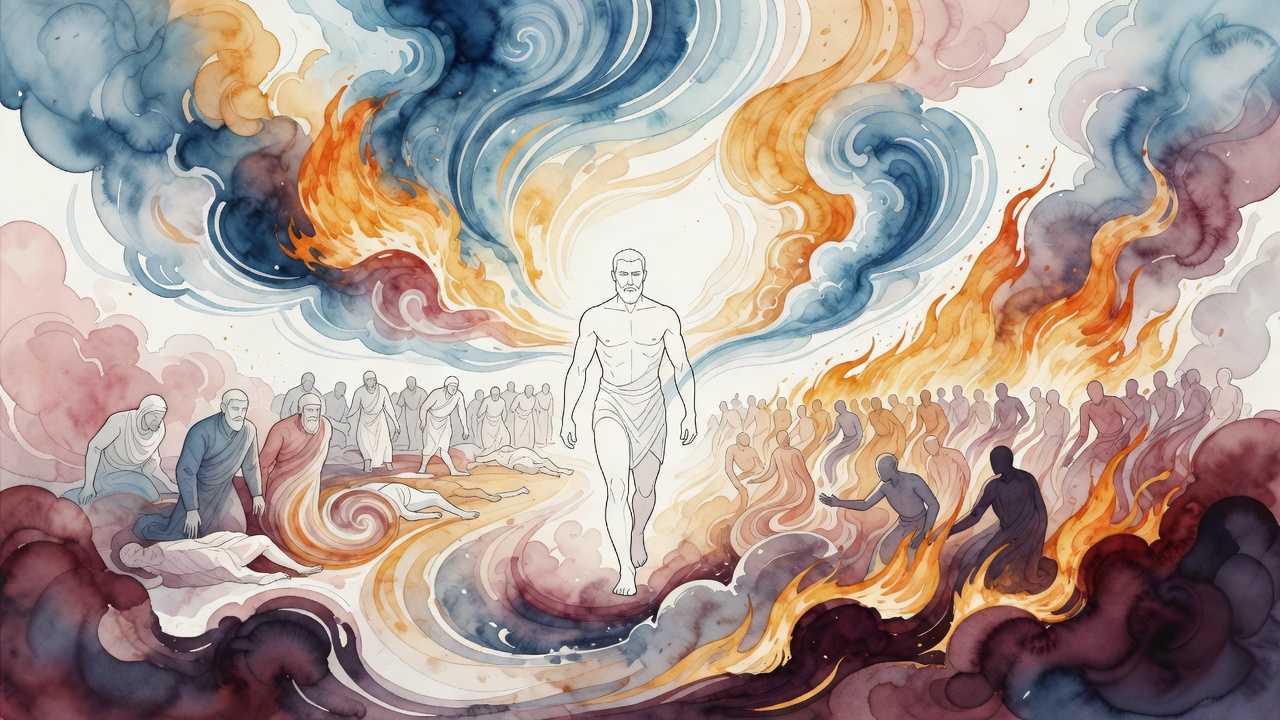
Kenaz sent the crowd to his own soldiers. They remembered marching out. They woke among corpses. The hours between those facts were gone.
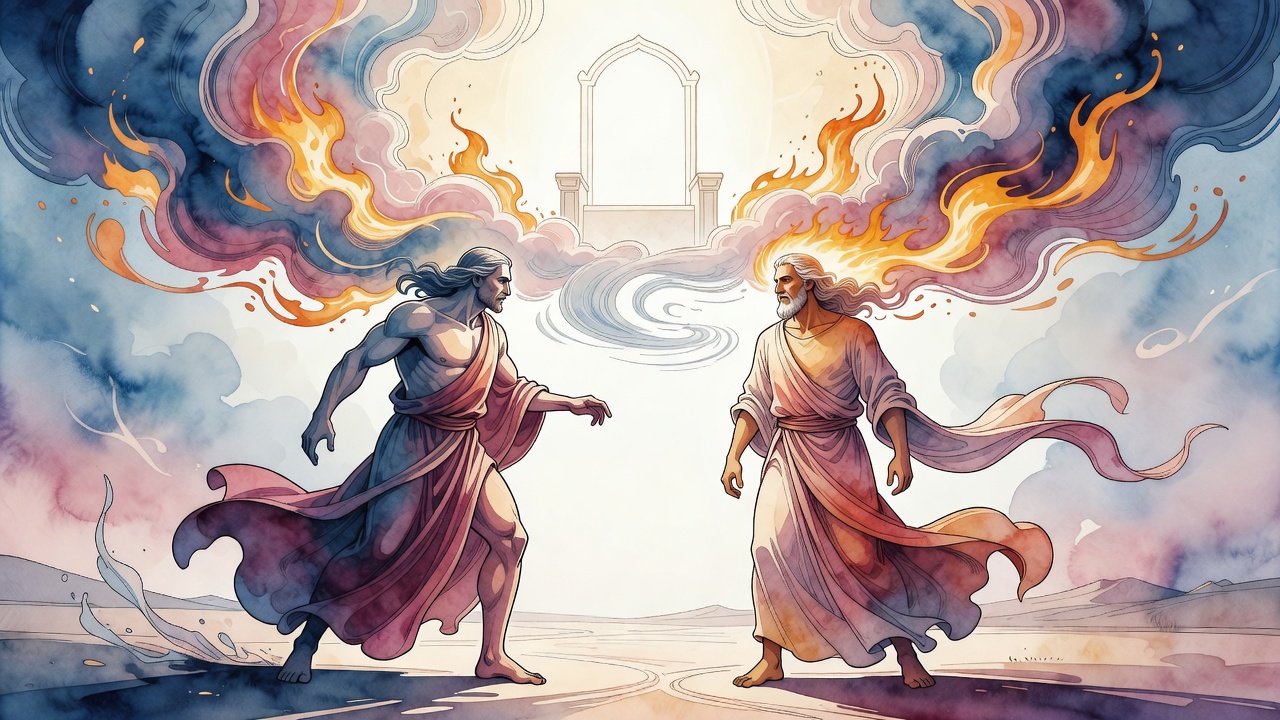
For eight years Cushan pressed the land. They said he was Laban returned. Othniel kept the law, then entered Paradise alive.
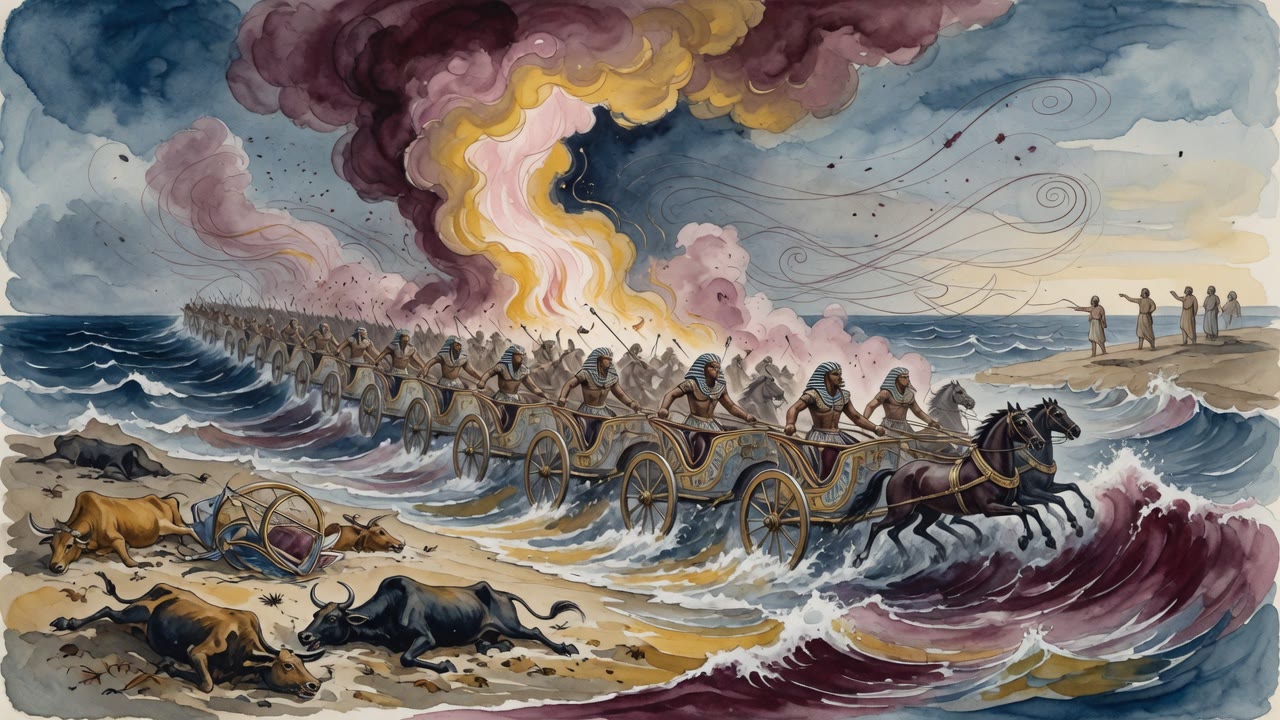
By thirty Sisera had conquered the world in legend, with nine hundred chariots and a beard that trapped fish. The stars fought him into the mud.
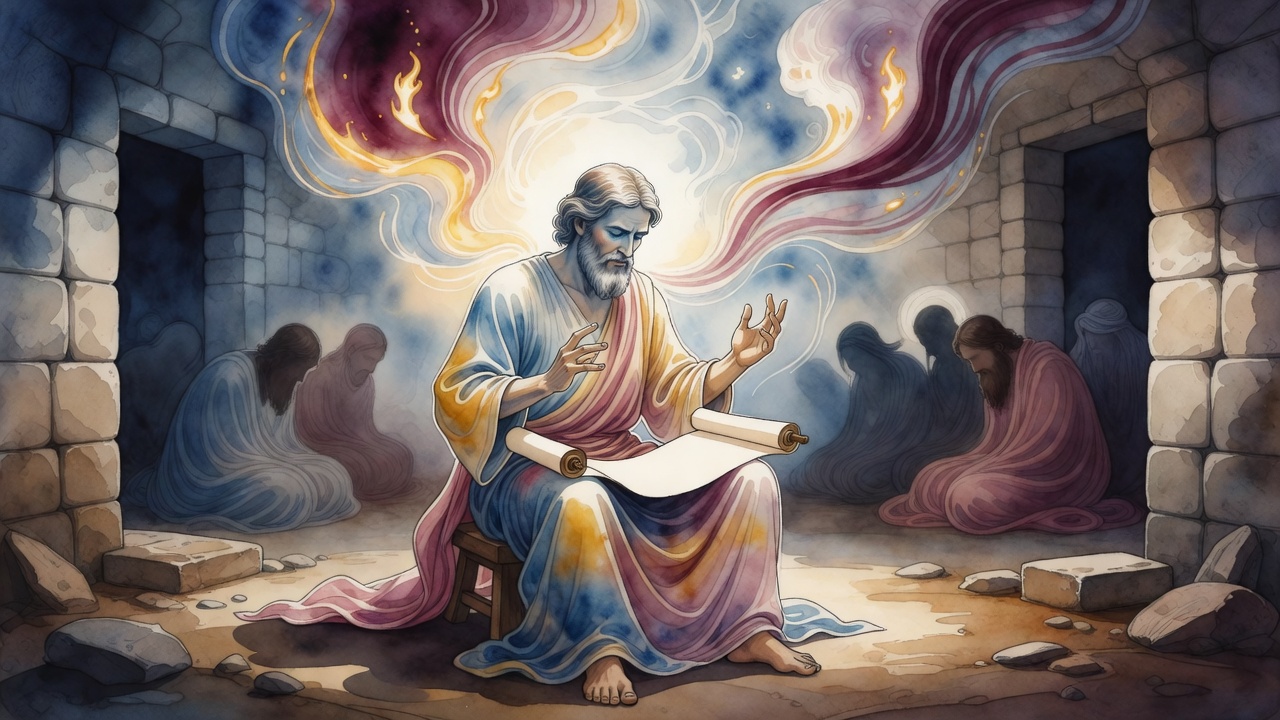
While Israel mourned Moses, seventeen hundred traditions fell from memory. Othniel restored them by sharp reasoning and taught Torah in a bare house.
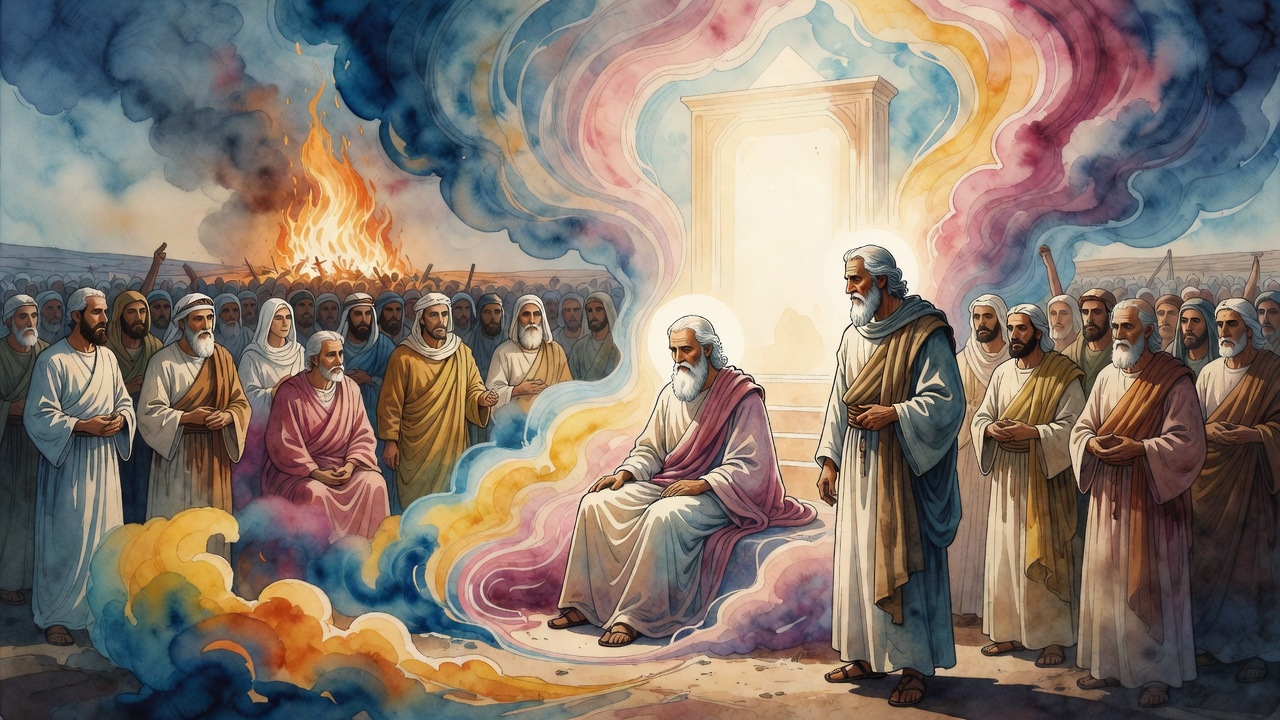
Jethro watched Moses judge alone from morning until night, then forced a new bench chosen by prophetic sight, wealth that cannot be bought, and fear of God.
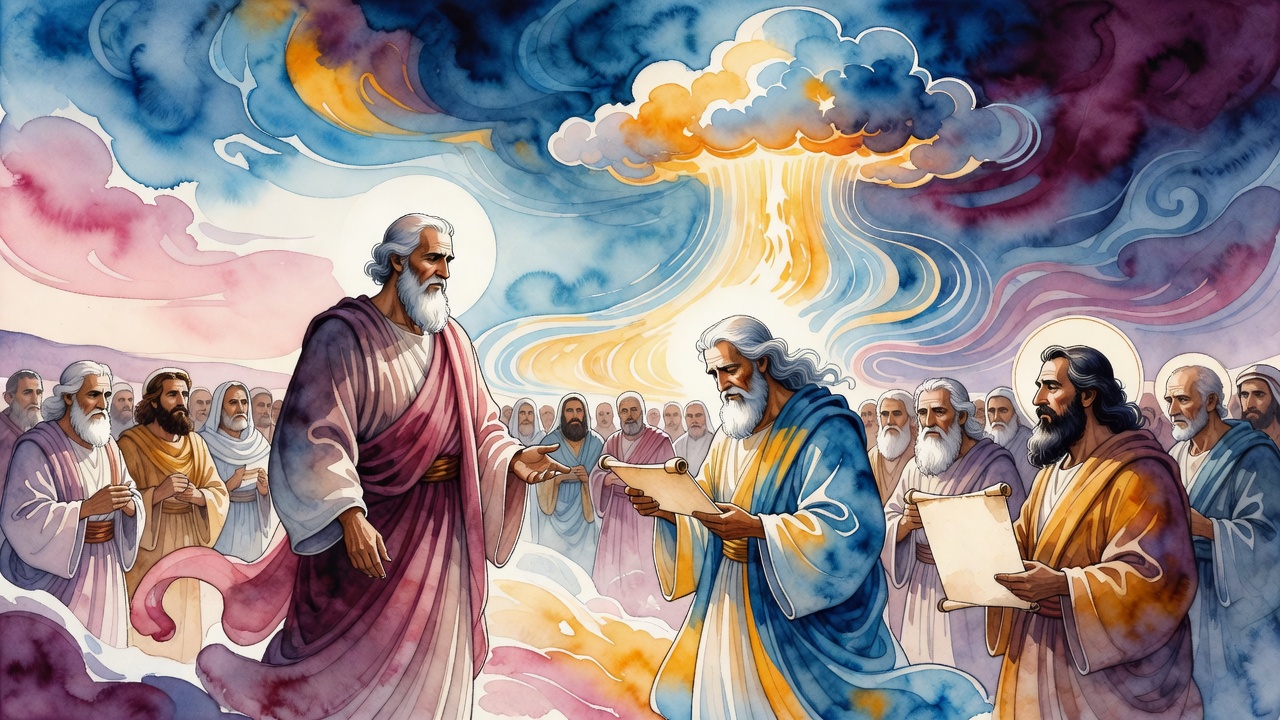
Jethro watched Moses judge from dawn to dark, then demanded a system of officers and God's consent before any reform.
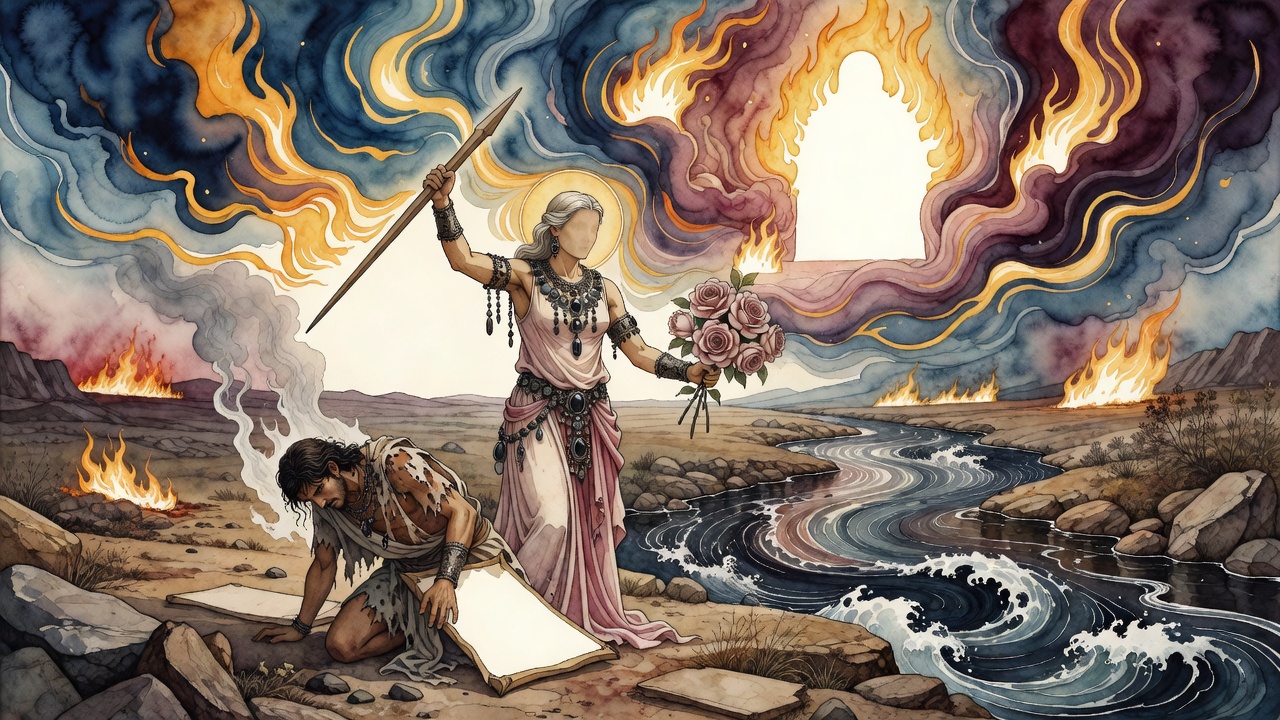
Sisera fled fire and a river that kept an old vow. Jael met him in jewels, offered roses and rest, and finished the war with a tent peg.
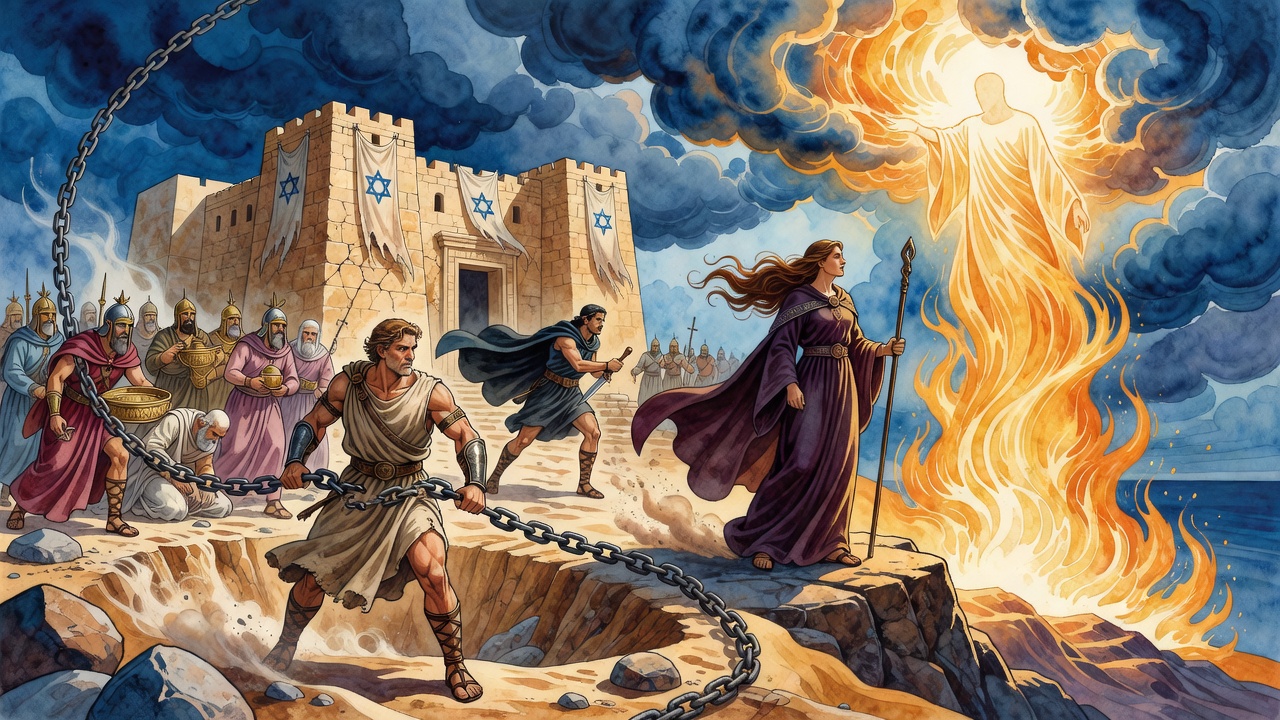
From Assyrian tribute to Moab's palace at Jericho to an angel's rebuke, three deliverers rise as Israel slides back into the same pit.
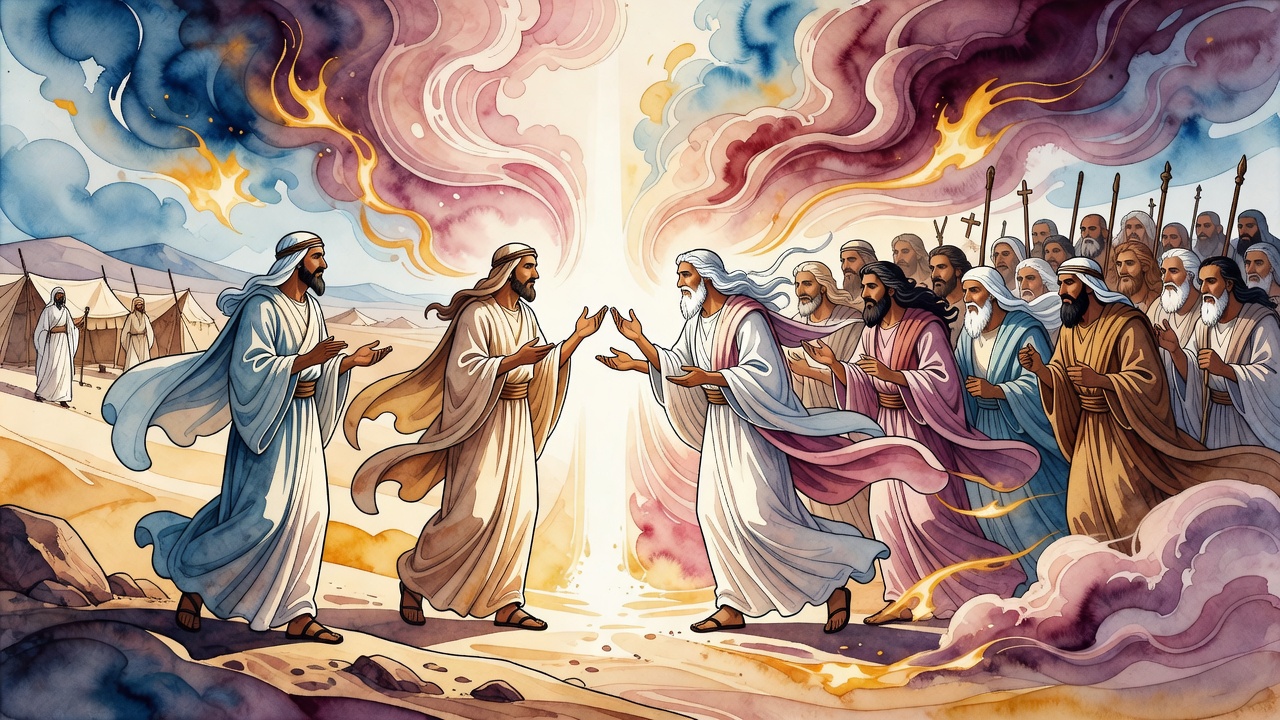
A Midianite priest nears the camp. Moses, Aaron, and seventy elders stream out. Before any miracle is told, two men ask after each other's peace.
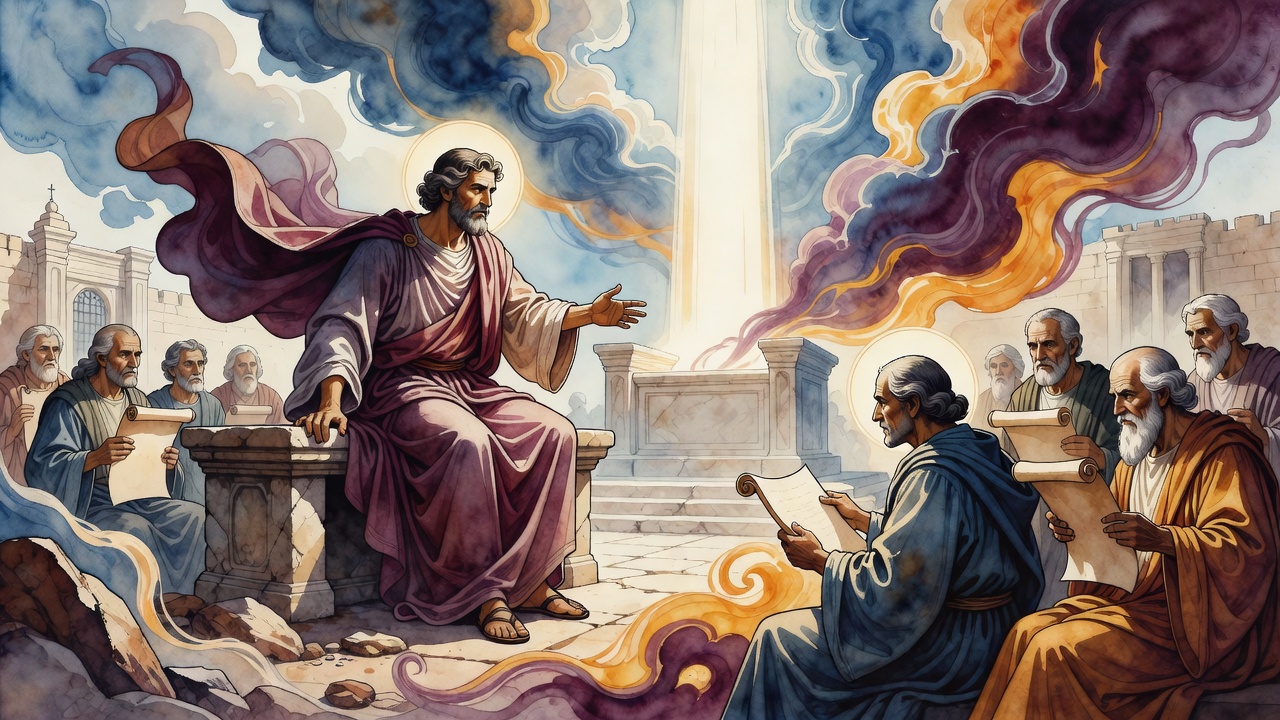
The new king ignored the pomp and hunted for judges. Jerusalem's beauty, he knew, was not marble. It was a clean court.
