Samuel Judged All Israel and Took Nothing for Himself
Samuel was old when he stood before Israel and asked whose ox he had taken. No one answered. Years later a dead man still told Saul the truth.
Table of Contents
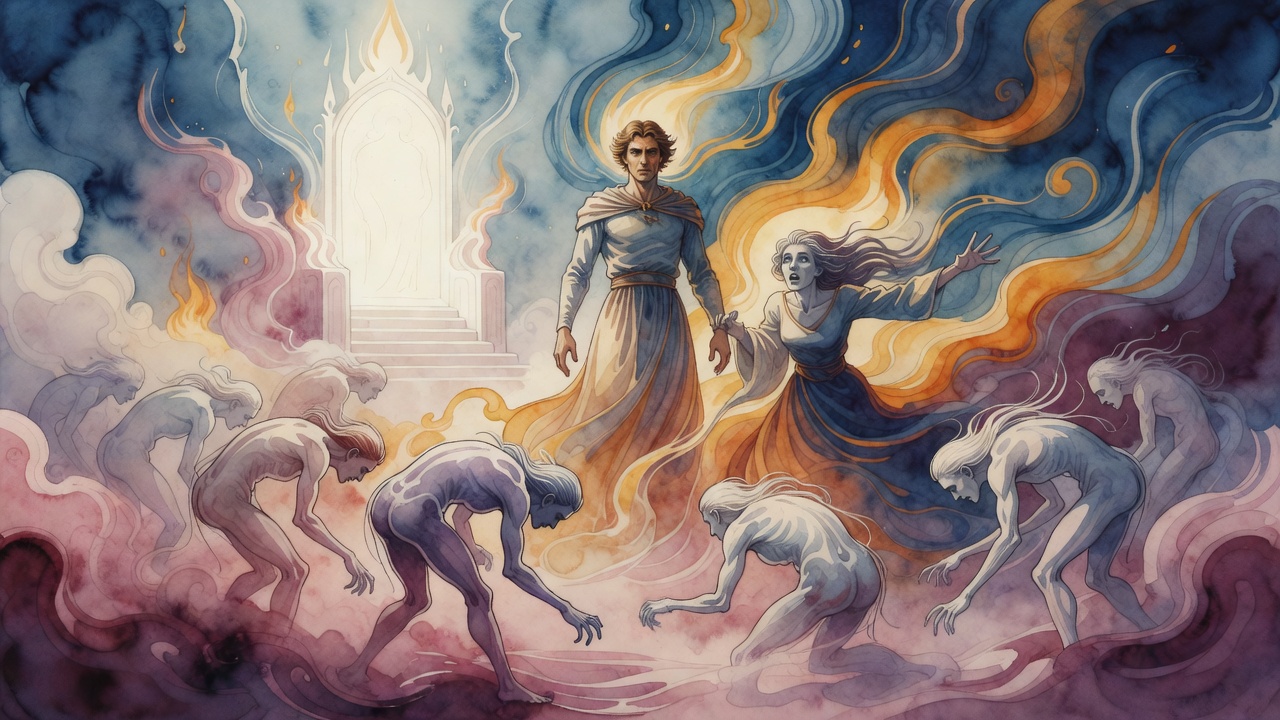
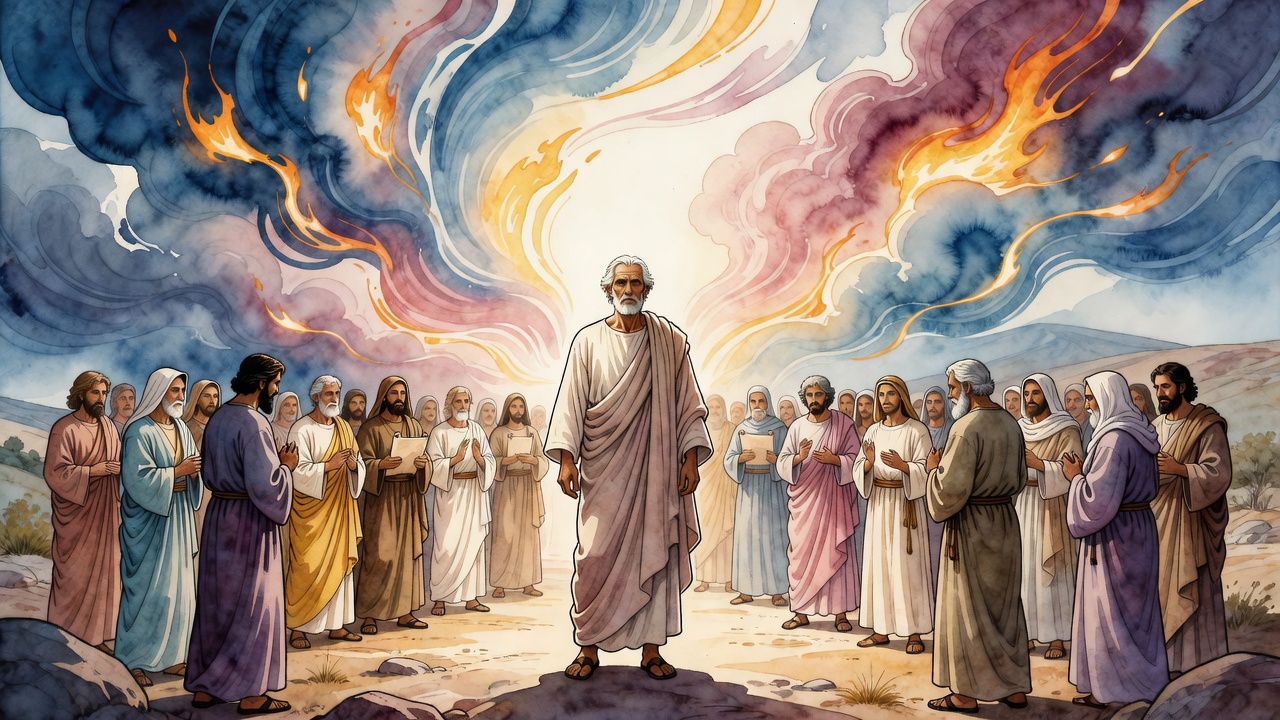
Samuel was old enough that his sons judged in his place, and the people had already asked for a king. He stood in front of them anyway and asked a question that could ruin him.
 Click for full size
"Whose ox have I taken? Whose donkey have I taken? Whom have I defrauded? Whom have I oppressed? From whose hand have I taken a bribe? Name the person. Tell me now and I will make it right."
He was not summarizing a career. He was daring the entire nation to indict him. There was a pause. Dust. Someone's cough. No one spoke.
The Boy Given Back Before He Was Weaned
His mother had prayed him into existence with such force that the priest watching her thought she was drunk. The child born from that prayer had been given back to the sanctuary before he was weaned. He grew up serving Eli. He heard the voice of God when he was still a boy and did not know what it was until Eli told him to go back and lie down and listen again. He had been listening ever since.
He was chosen from the womb, a nazirite of God in prophecy, beloved of his people, desired for his deeds. Desired, not only looked up to. The kind of attachment a people develops for someone who has used his office only in their service and never against them. He judged without taking. That was the whole method.
Moses Had Asked the Same Dangerous Question
Moses had stood in front of Israel too, once, and said he had not taken one donkey of theirs. When the camp broke and moved from station to station, Moses never told a man, "Load this vessel on your donkey." He carried his own burden. He put his wife and sons on his own animal. A leader who goes to do the public's work is expected to take a donkey from the public. Moses did not.
Samuel asked the same question in his old age. Theft was heavy enough that the two greatest men ever to lead Israel had to stand and clear their own names of it. After the people answered Samuel, "You have not defrauded us," God added a second witness. "You testify to what is in the open," God said. "I testify to what is in secret." Samuel was rich enough that if they had named a theft, he could have paid it back. They named nothing. Heaven named nothing either.
Two Kings in One Lifetime
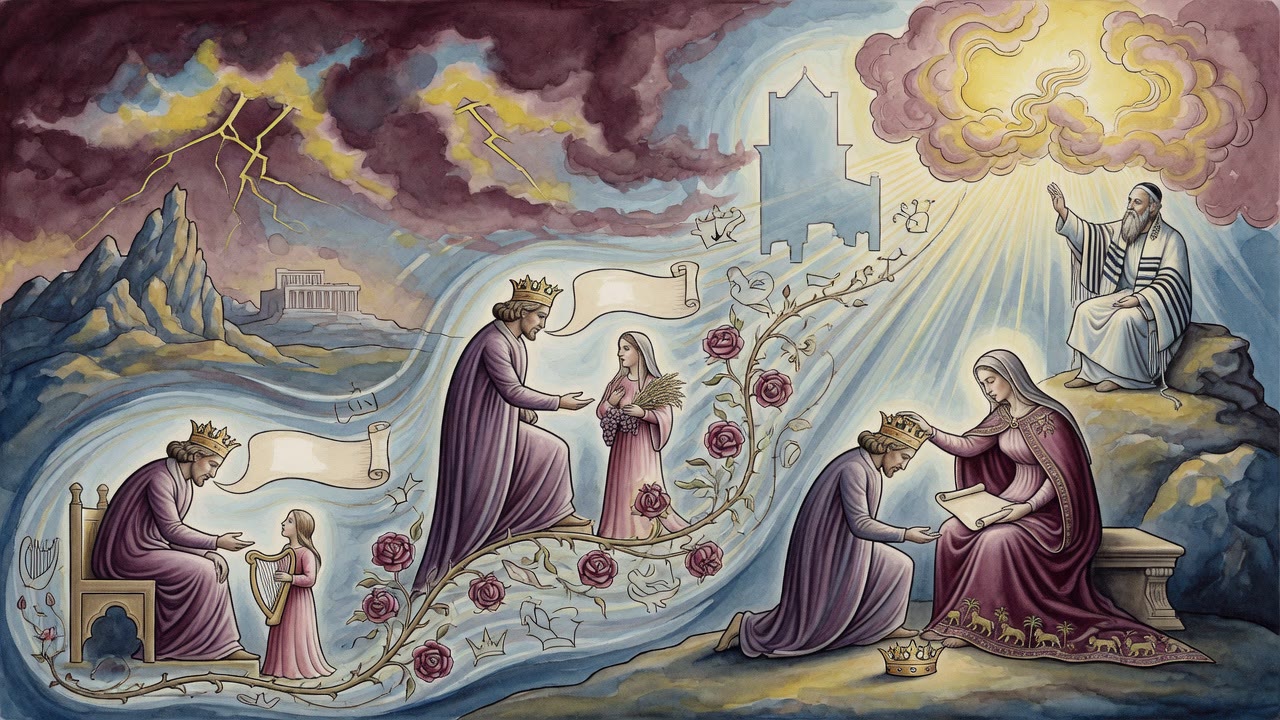
What made Samuel unrepeatable was not prophecy alone. Prophets spoke. He was prophet, judge, priest, and the man who made kings. He anointed Saul. When Saul failed, Samuel wept for him, privately, a grief that cost him something personal, and then he went and anointed David. Two kings in a single lifetime, each one an act of obedience that overrode his own preferences.
The second anointing was harder. Samuel knew what it meant for Saul. He knew the height and the bearing and the fear underneath. He had loved him in his way and watched him fail. Going to Bethlehem to anoint one of Jesse's sons while Saul was still on the throne was dangerous. Samuel said so. God said, "Take a heifer and say you have come to make an offering. Go." Samuel took the heifer. He walked the road. He did not turn back.
The Voice That Rose at En Dor
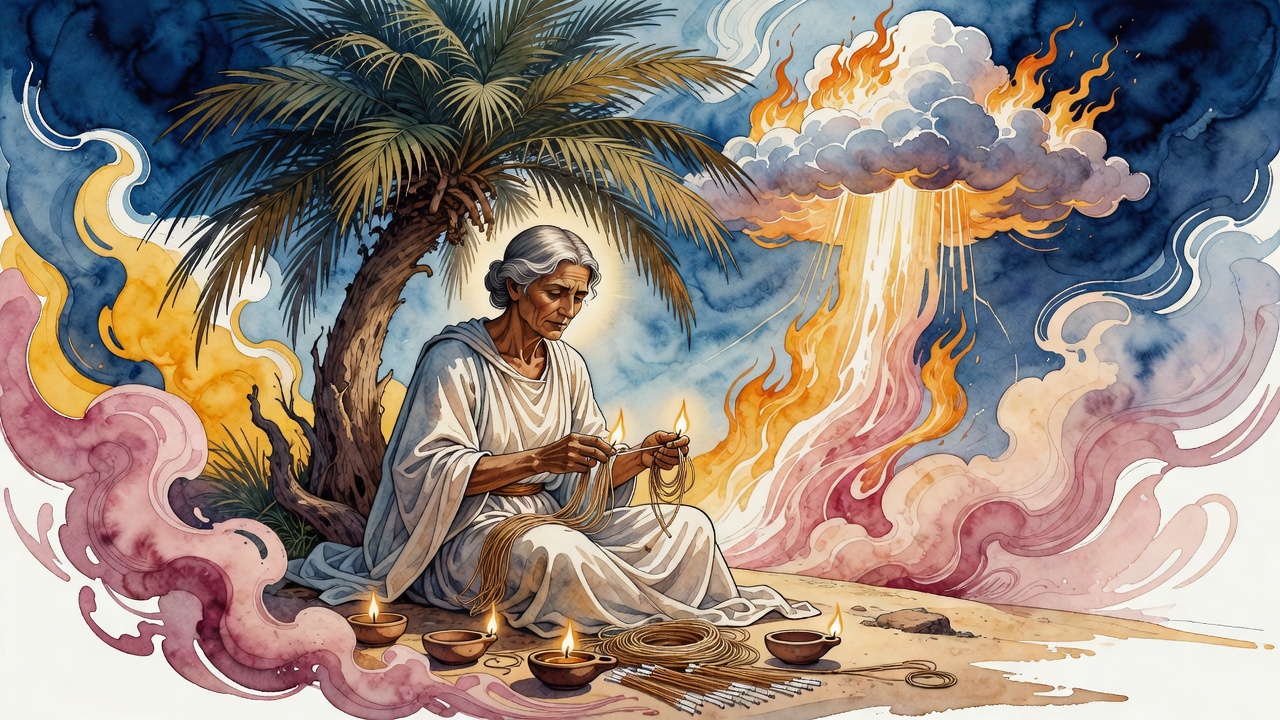
Even his death did not end Samuel's usefulness to Israel. Saul was desperate before the battle at Gilboa. He had inquired of God and gotten no answer, by dreams or by Urim or by prophets. So he put on other clothes and walked at night to the medium at En Dor and demanded she bring up Samuel. The woman cried out when she saw him. Samuel came up wrapped in a robe. His first words were, "Why have you disturbed me by bringing me up?" His last words, delivered from beyond the grave, were the final verdict on Saul's kingship: tomorrow you and your sons will be with me.
He had spoken the truth when Saul could still act on it and did not. He spoke the truth when Saul could no longer act on it at all. The truth did not change based on who was listening or what they could do about it. That is what desired for his deeds meant. Not pleasant. The same in the light and in the dark, before power and before death.
The hall that had gone silent when he asked about the ox was of a piece with the night at En Dor. No one could name a theft. Saul could not name a future. Samuel stood in both rooms and took nothing for himself except the word he had been given to say.
← All myths