94 texts · Page 1 of 2
Sometimes, the reasons are deeper than just military might or political maneuvering. Sometimes, they're… well, let’s just say, divinely orchestrated. For a long time, the leadershi...
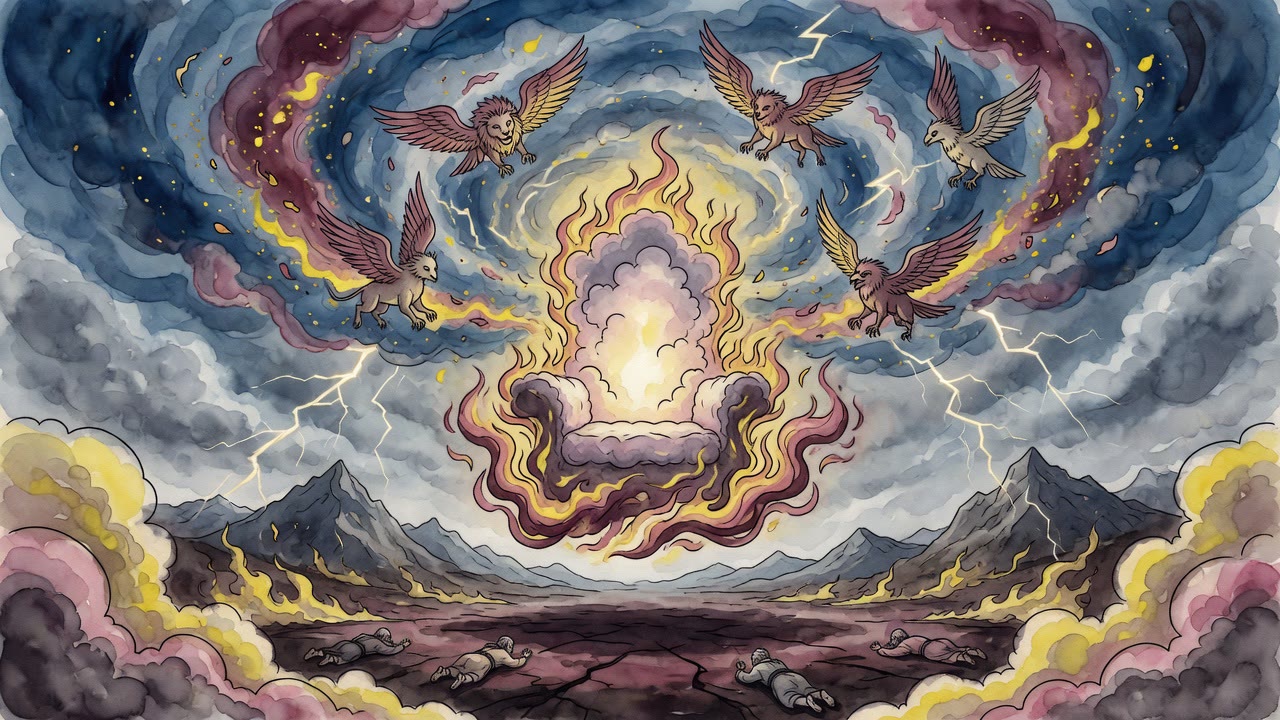
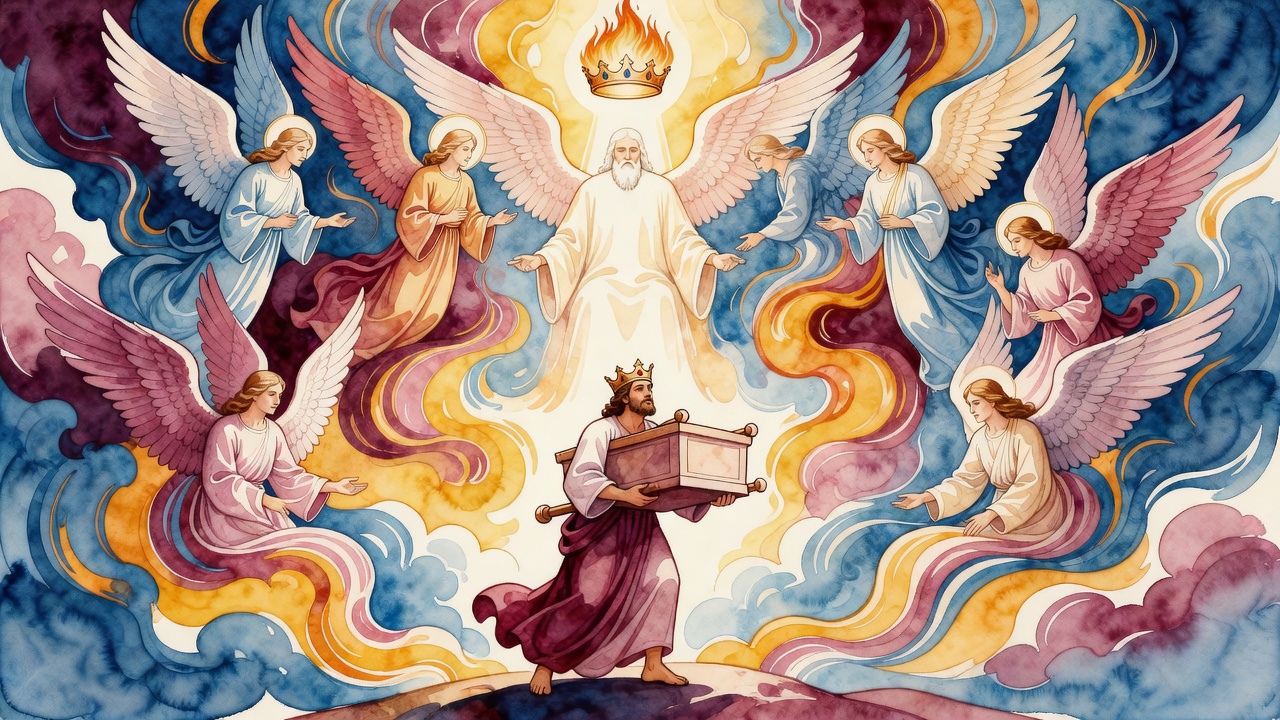
The Philistines captured the Ark of God and dragged it into the temple of their idol Dagon at Ashdod. They set it beside their god like a trophy. But the next morning, they found D...
Samuel had judged Israel faithfully for decades, traveling a circuit twice a year to settle disputes. But age caught up with him, and he handed authority to his sons—Joel in Bethel...
Goliath of Gath stood between the two armies for forty straight days, bellowing the same challenge. He was over nine feet tall. His bronze armor weighed five thousand shekels. His ...
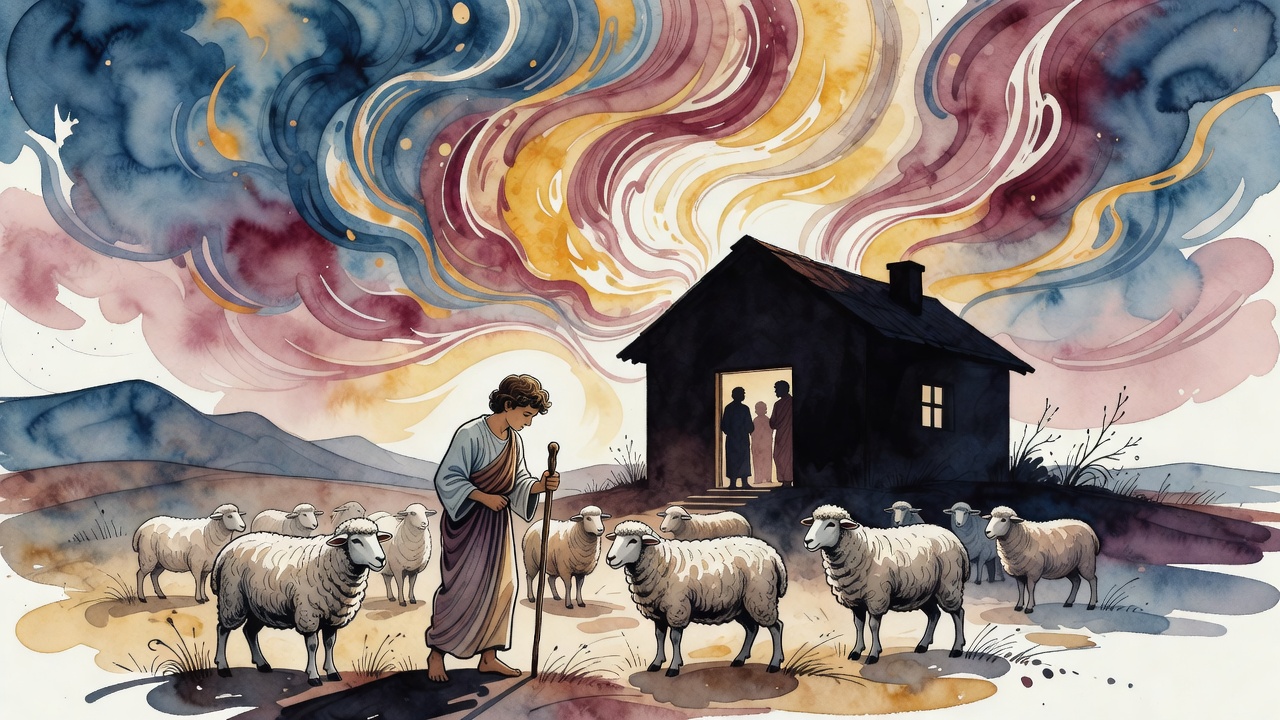
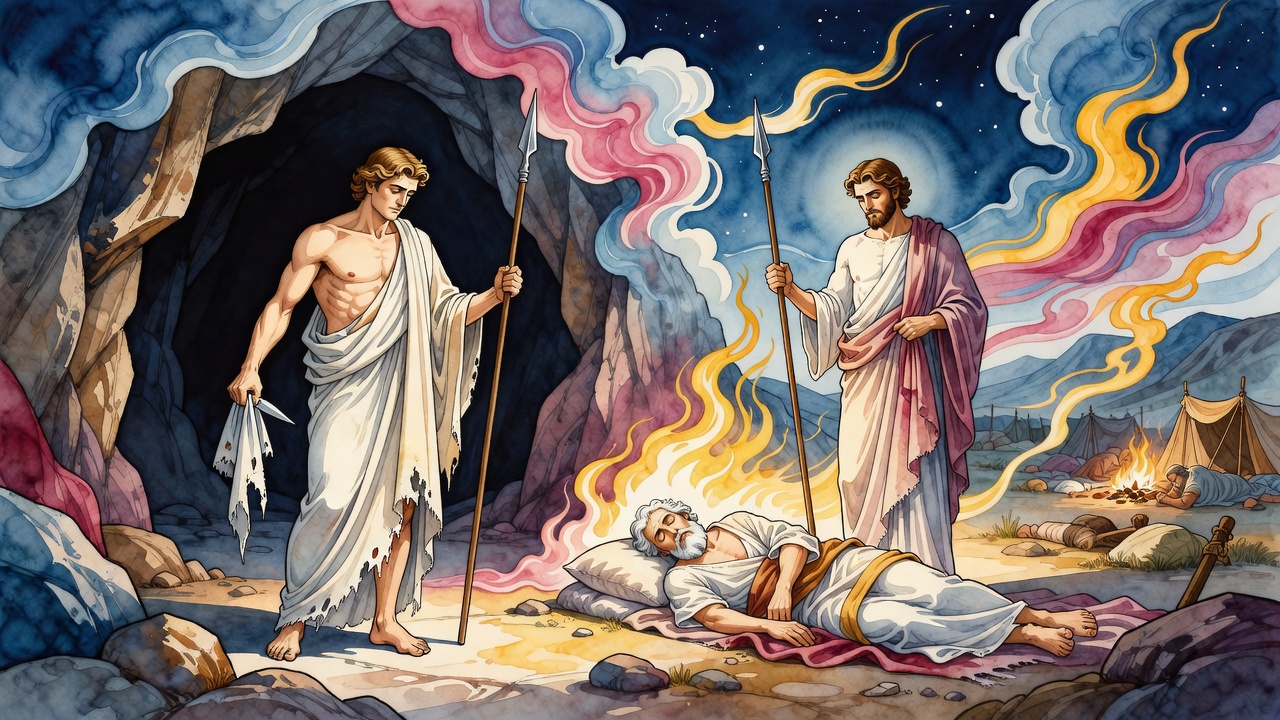
David was running for his life. King Saul wanted him dead, and the future king of Israel had nothing to his name but a borrowed sword—the very blade he had once taken from the gian...
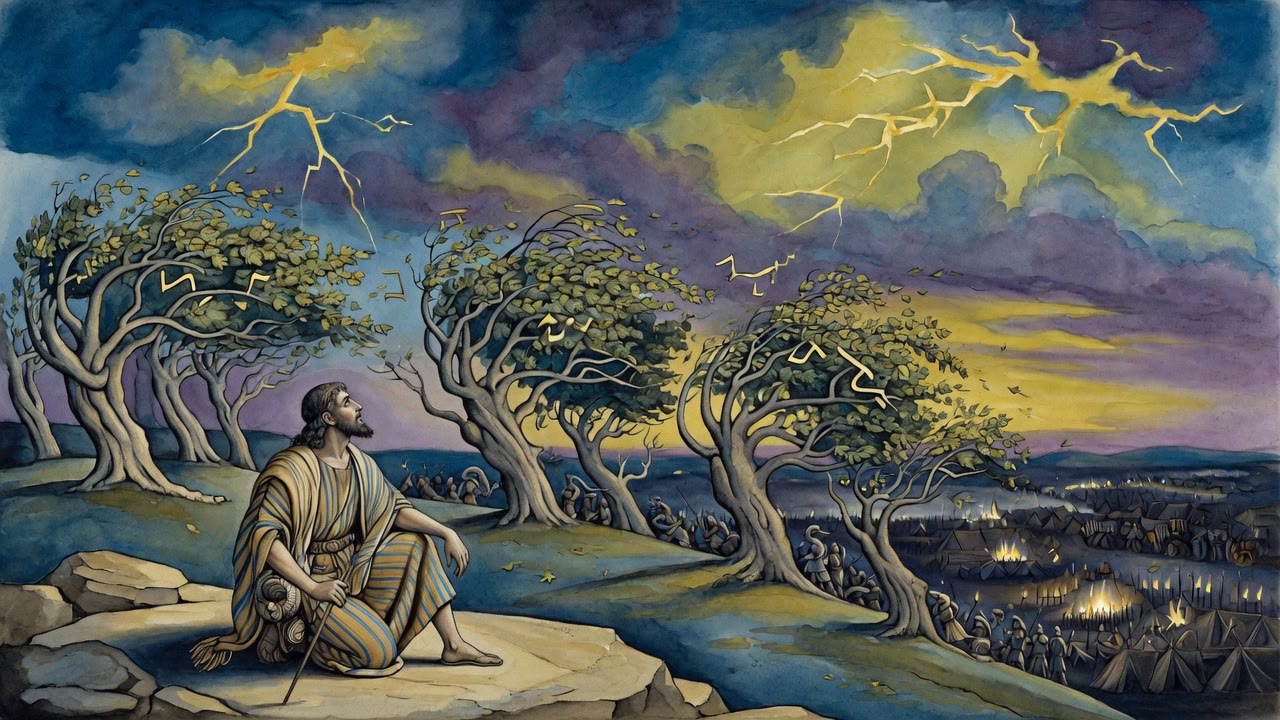
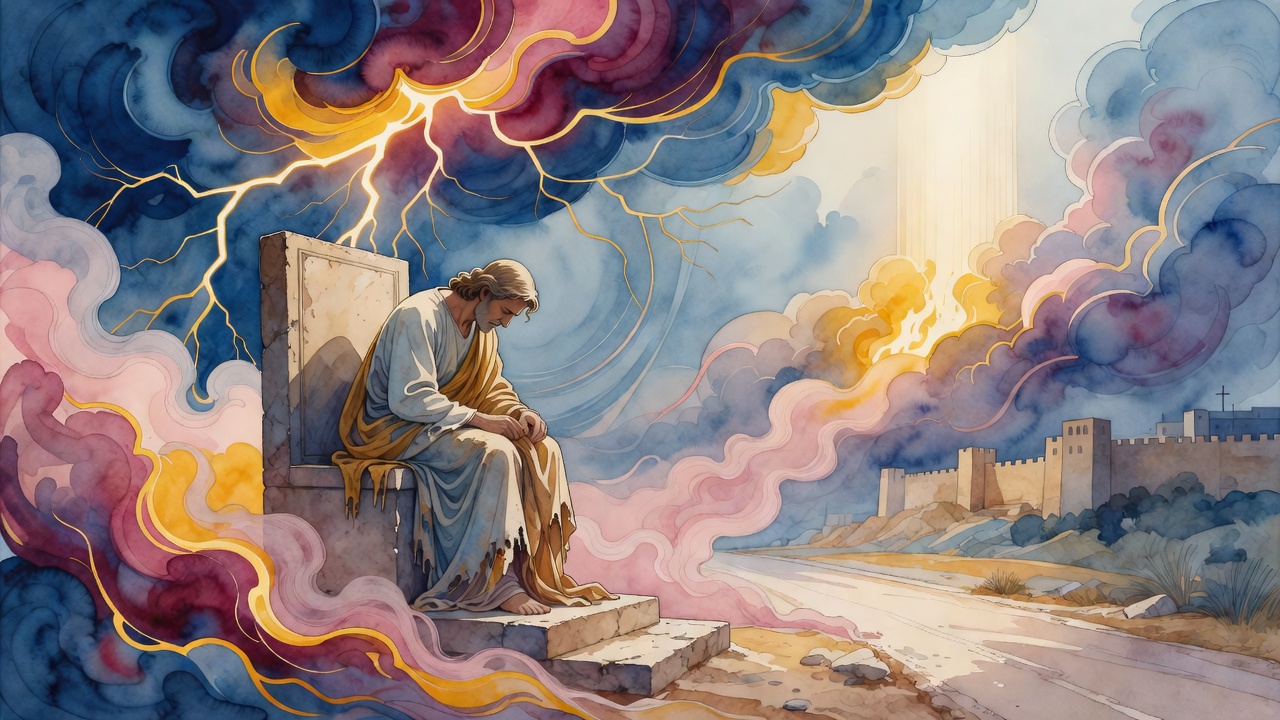
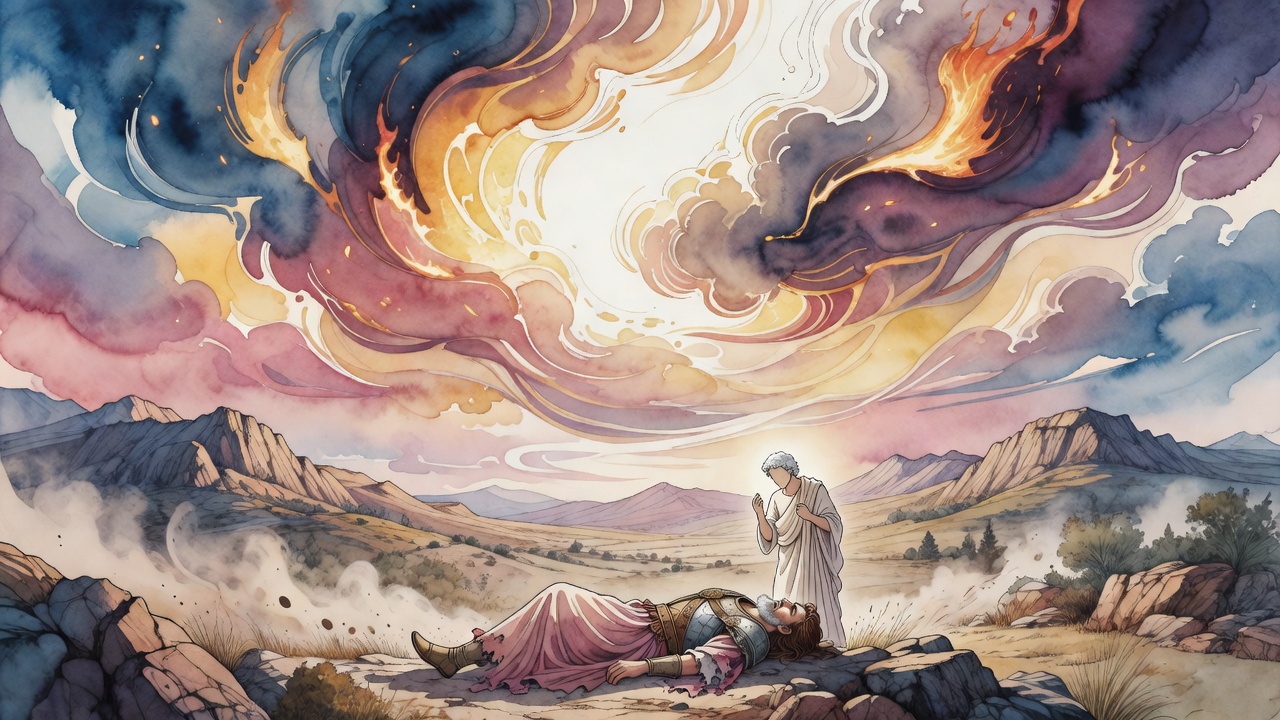
Saul was desperate. The Philistine army had gathered at Shunem in overwhelming numbers, and for the first time in his reign, God refused to answer him—not through prophets, not thr...
The Amalekite thought he was delivering good news. He arrived at David's camp in Ziklag carrying Saul's golden bracelet and royal crown, claiming he had personally killed the wound...
The house of David tore itself apart from the inside. It started with a crime so vile that Josephus, writing in the first century CE, could barely contain his disgust—and it ended ...
Winning the war was the easy part. David's real challenge began the moment Absalom was dead—because a kingdom that had just rebelled against its king does not simply welcome him ho...
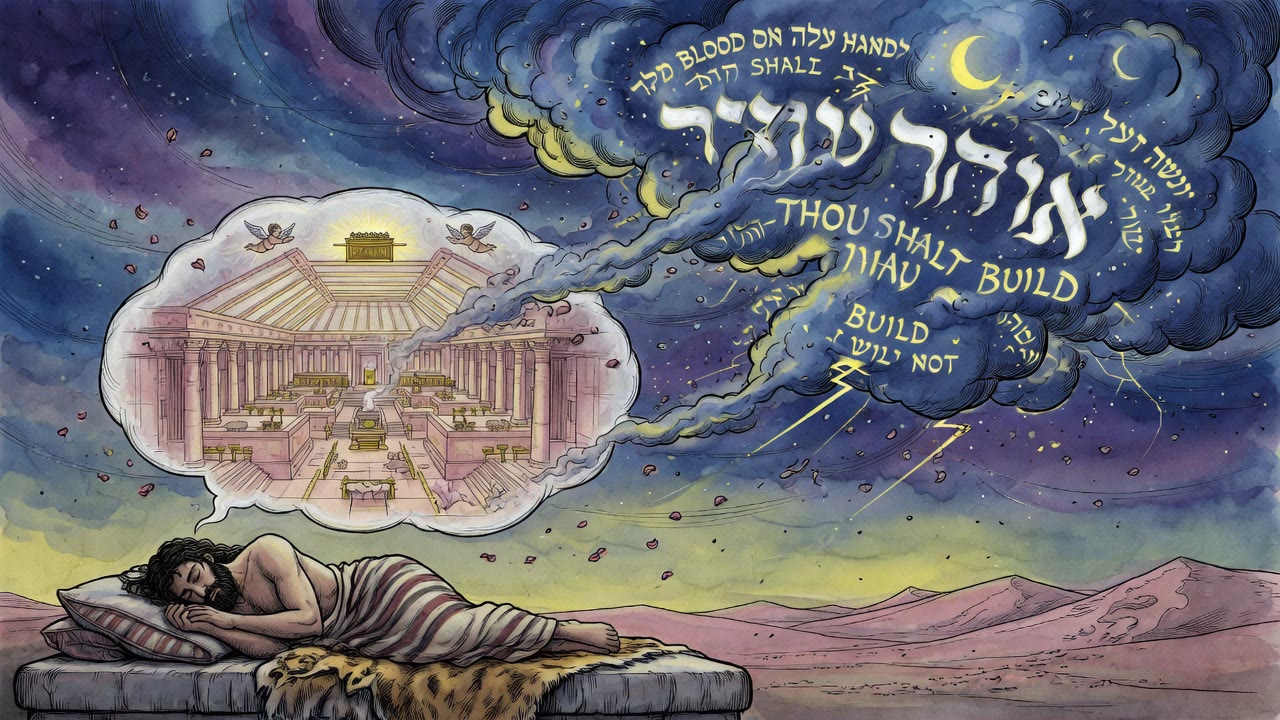
Solomon began his reign by cleaning house—and he did it with terrifying efficiency. His half-brother Adonijah, who had already tried to seize the throne once, made the fatal mistak...
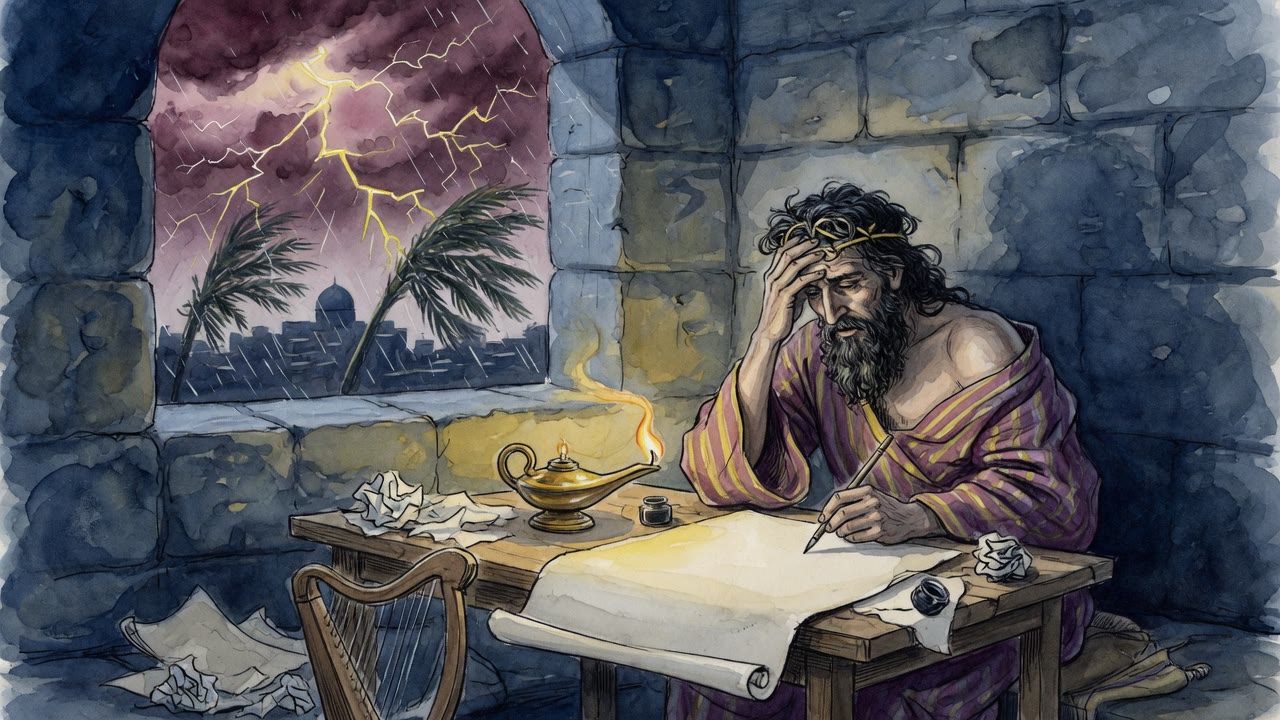
Solomon had seven hundred wives and three hundred concubines. And they destroyed him. That is the blunt verdict of Josephus, who watched the wisest king in Israel's history slide i...
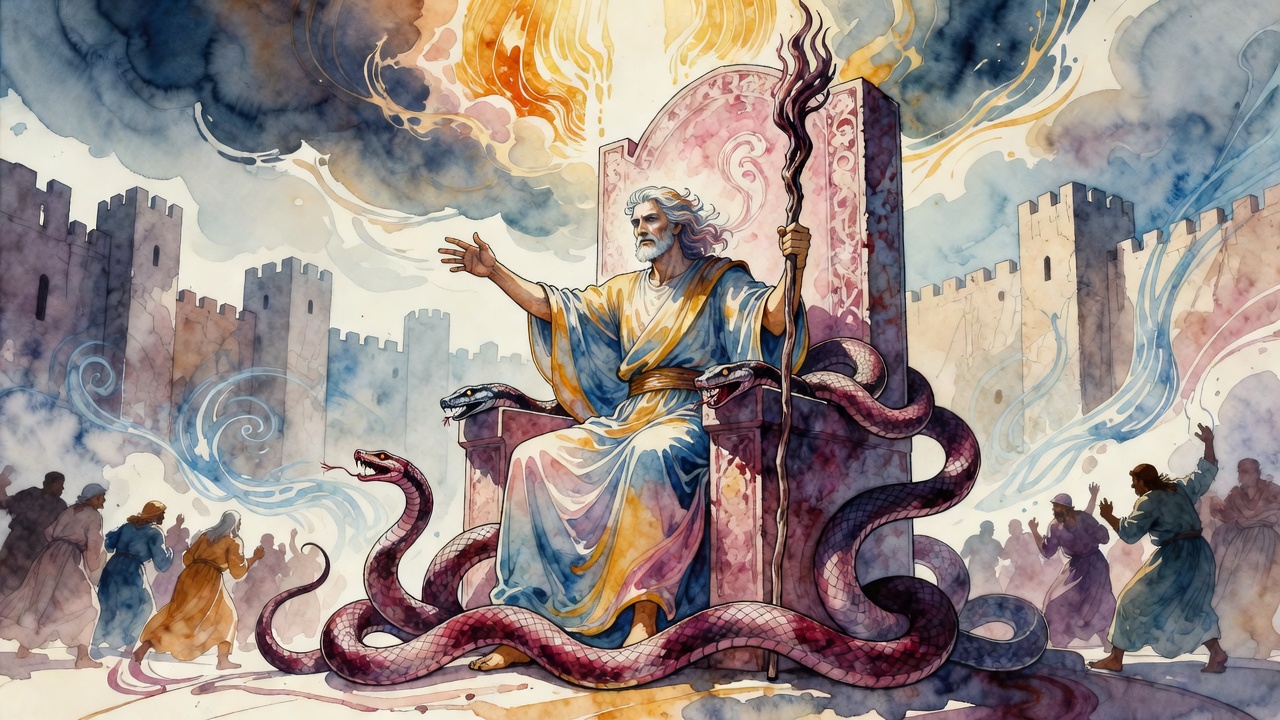
A prophet named Jadon traveled from Jerusalem to Bethel to deliver one of the most dramatic prophecies in Israelite history—and was killed on the way home because he stopped for di...
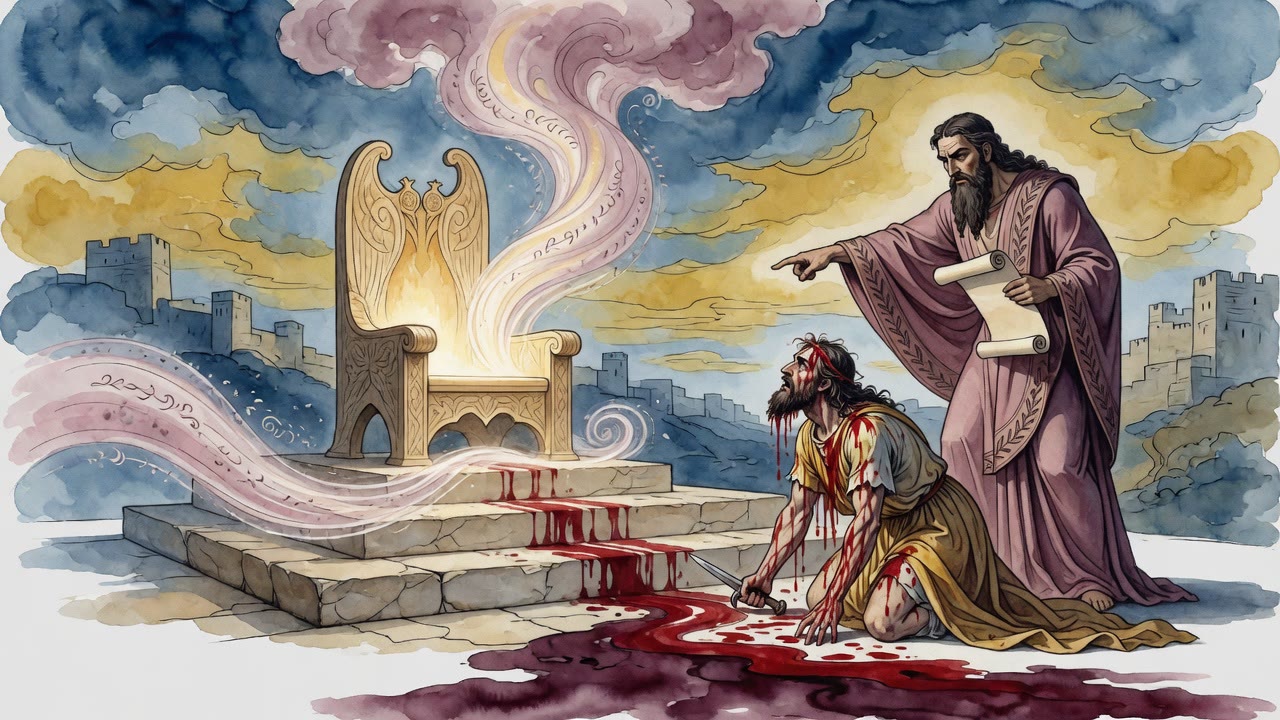
King Ahab wanted a vineyard. Its owner, Naboth, said no. That refusal ended with Ahab dead in his chariot, his blood licked by dogs exactly where the prophet said it would happen. ...
Hazael, king of Syria, tore through the eastern territories of Israel like a brushfire. The lands of Reuben, Gad, and the half-tribe of Manasseh fell. Gilead and Bashan burned. And...
One hundred and eighty-five thousand soldiers died in a single night. That is how God answered Sennacherib, king of Assyria, when he broke his word to Hezekiah and sent an army to ...
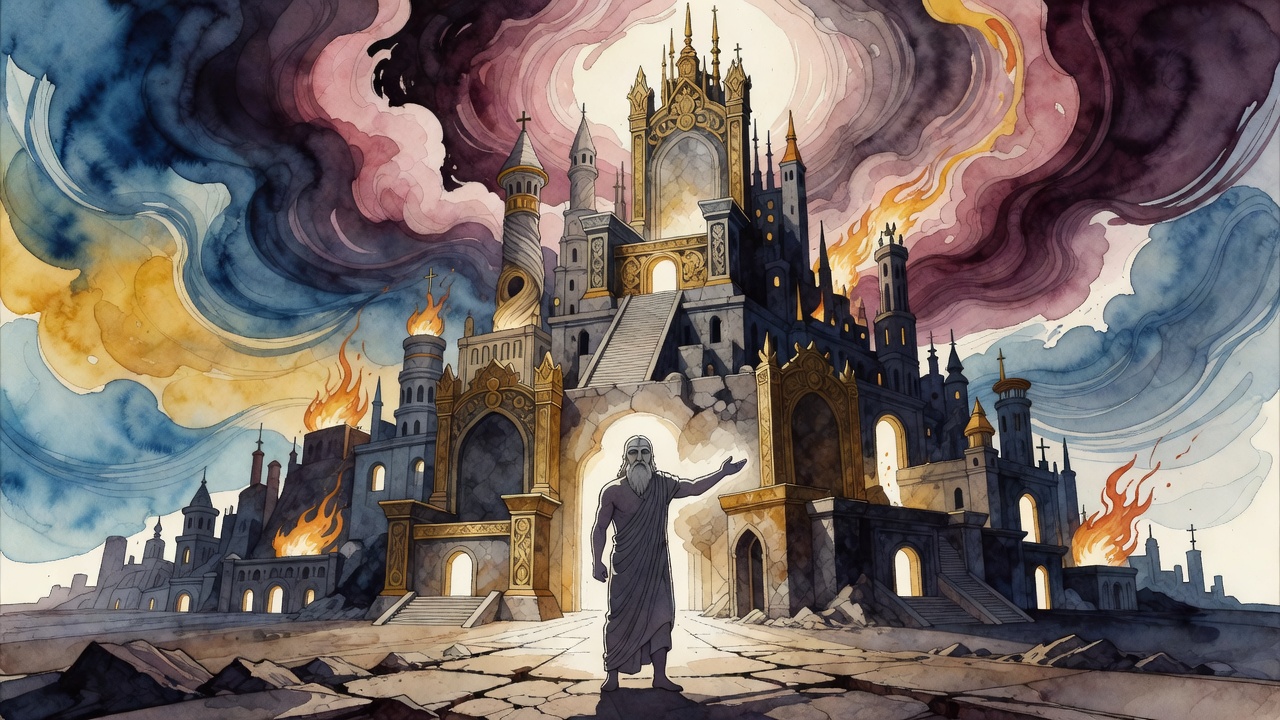
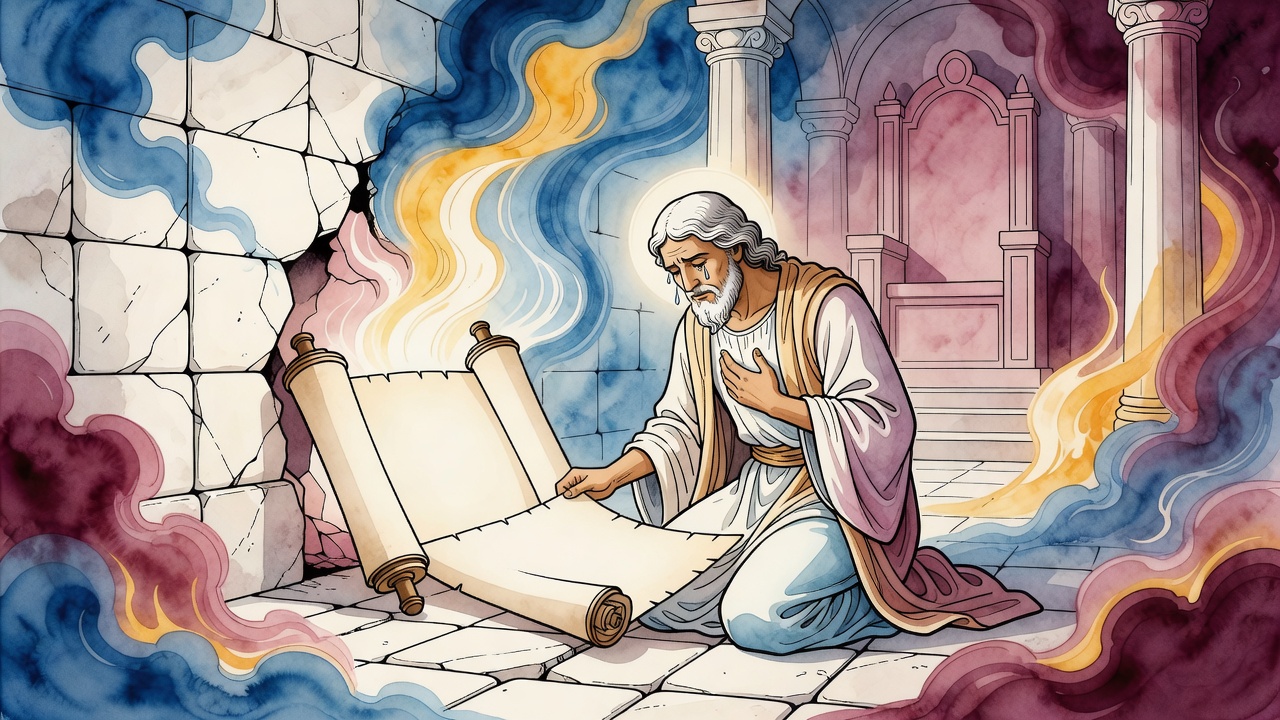
King Josiah was eight years old when he inherited the throne of Judah. His grandfather Manasseh had been the worst king in the nation's history—a man who slaughtered prophets until...
Daniel was still a teenager when Nebuchadnezzar brought him to Babylon in chains. He and three companions from the royal family of Judah—Hananiah, Mishael, and Azariah—were given B...
Three bodyguards of King Darius entered a contest that would decide the fate of the Jewish Temple. The king had fallen asleep after a great feast and woke unable to sleep again. He...
When Trypho murdered his brother Jonathan, Simon, the last surviving son of Mattathias, took command. He was the eldest of the five brothers and the only one still alive. Josephus ...
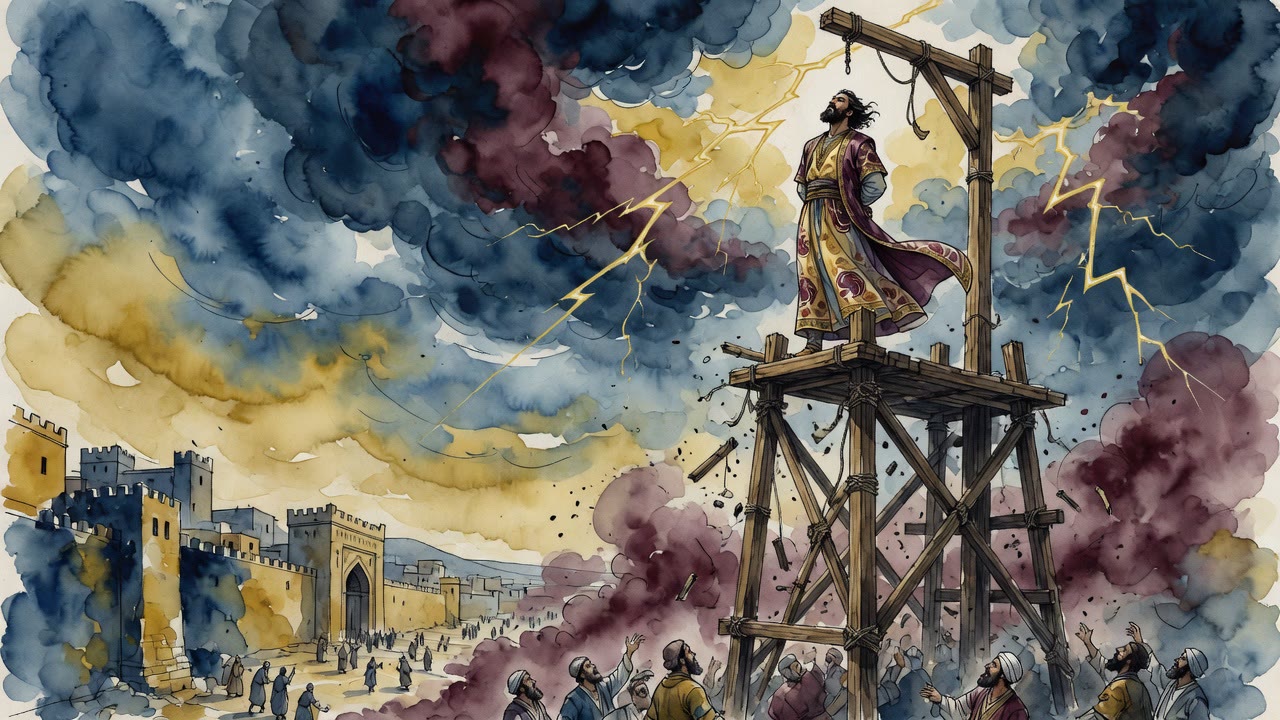
After defeating the rebellion, Alexander Jannaeus returned to Jerusalem and made his enemies pay in the most horrifying way possible. Josephus records the scene: Alexander captured...
The real power behind the Jewish throne in the first century BCE was not a Jew at all. Antipater, an Idumean whose family had converted to Judaism only a generation or two earlier,...
Julius Caesar did something remarkable for the Jews. In a series of decrees preserved by Josephus in his Antiquities (written c. 93 CE), the Roman dictator formally guaranteed Jewi...
Herod was twenty-five years old when his father Antipater handed him the governorship of Galilee. His first act was to hunt down a band of raiders led by a man named Hezekiah who h...
In 40 BCE, the Parthian Empire invaded the Roman East and everything Herod had built nearly collapsed overnight. Antigonus, the last surviving son of Aristobulus, allied with the P...
Herod returned from Rome with a crown but no kingdom. Antigonus, backed by the Parthians, controlled Jerusalem. It took Herod three years of brutal campaigning to claim what the Ro...
Herod had the throne, but the Hasmonean family still haunted him. His wife Mariamne was a Hasmonean princess. Her mother Alexandra was relentless in promoting Hasmonean claims. And...
Mariamne was everything Herod wanted and everything he feared. A Hasmonean princess of extraordinary beauty, she gave him legitimate connection to the dynasty he had overthrown. Jo...
Herod tore down the Second Temple and rebuilt it from scratch. Not because it was falling apart. Because it wasn't grand enough for him. According to Josephus in Antiquities XV, He...
Herod sent his sons to Rome for an education. They came home polished, handsome, and walking straight into the deadliest family feud in Jewish royal history. Alexander and Aristobu...
Antipater wanted the throne so badly he was willing to destroy every member of his own family to get it. And for a while, it worked. According to Josephus in Antiquities XVI, Antip...
Herod strangled his own sons. Both of them. On the same day. At Sebaste, the city where he had married their mother Mariamne twenty years earlier. According to Josephus in Antiquit...
Two Torah scholars convinced their students to tear a golden eagle off the Temple gate in broad daylight. Herod burned them alive for it. According to Josephus in Antiquities XVII,...
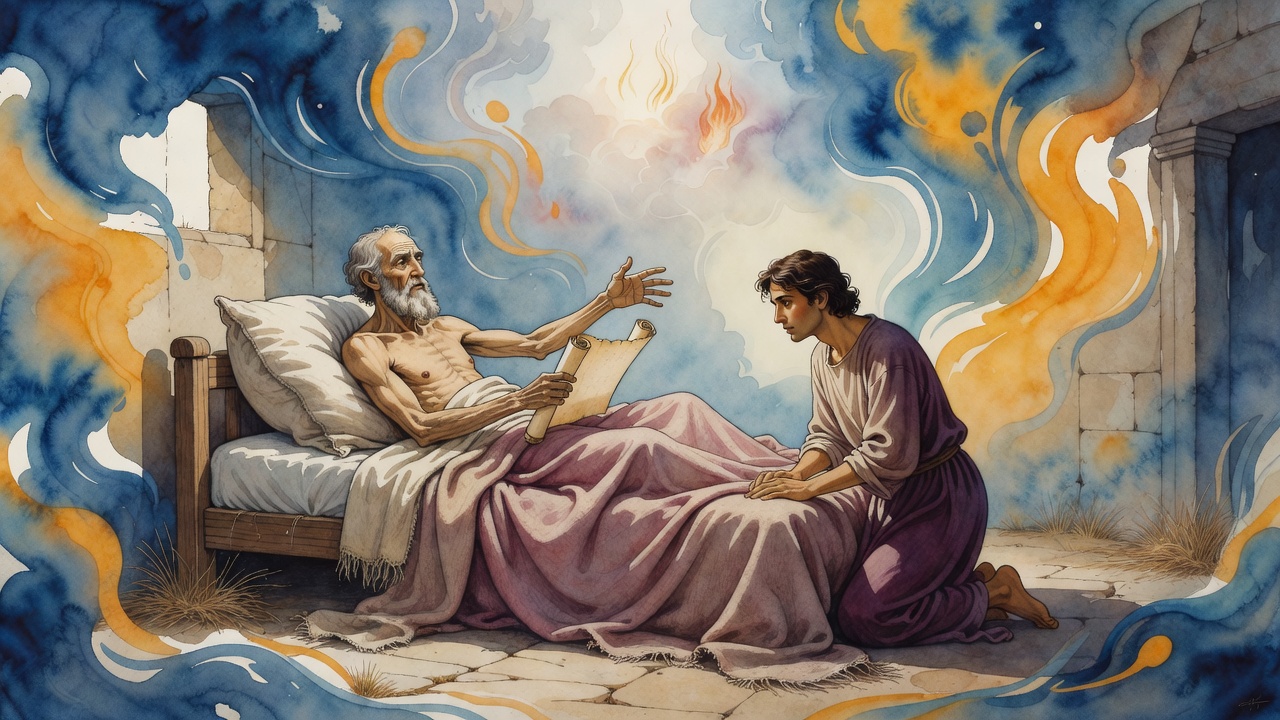
Herod died the way he lived: in agony, surrounded by plots, and trying to control what happened after he was gone. His body was rotting while he was still inside it. According to J...
Agrippa went from debtor, to exile, to suicidal fugitive, to prisoner in chains, to king of all Judea. His life reads like the plot of a novel that an editor would reject as too im...
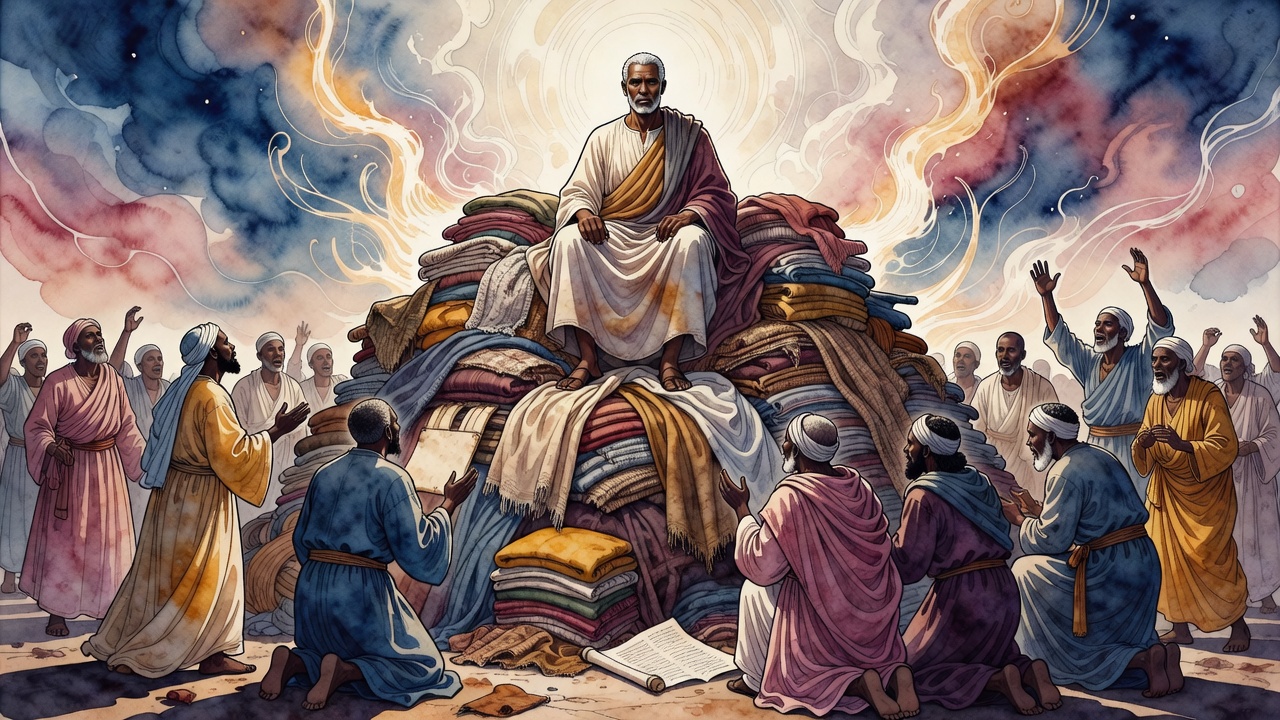
Agrippa did something no Jewish king had done in a generation: he made the people feel like they had a ruler who was actually one of them. According to Josephus in Antiquities XIX,...
What if our perception is just... a cosmic illusion? In Kabbalah, this idea gets even more mind-bending, especially when we start talking about the sefirot (the divine emanations),...
It’s a question that has plagued philosophers and mystics for centuries. And it's a question that gets to the heart of a fascinating conundrum in the Zohar, the central text of Kab...
And the answer, according to Kabbalah, might surprise you. Baal HaSulam, in his profound "Preface to the Zohar," gives us a clue. He suggests that form and similitude – the very es...
It can feel like trying to follow a conversation where everyone's speaking a slightly different language! But there's a reason for it, a beautiful and intricate reason rooted in th...
It’s a question that lies at the heart of much Kabbalistic thought. And it all starts with light and vessels. Kabbalah teaches us that light, or Ohr in Hebrew, can't exist in the v...
It’s a question that Kabbalists have wrestled with for centuries. And the answer, perhaps surprisingly, involves a mouth. Not just any mouth, mind you, but the mouth of a partzuf (...
It’s a question that’s haunted mystics for centuries. And one of the key concepts in the Kabbalah, Jewish mysticism, to understanding that process, involves something called the se...
And today, we're going to peek into one specific corner of that journey: the Malkhut (Sovereignty) of the head. Now, Malkhut (מלכות) itself means "kingdom" or "kingship." In the Ka...
It’s a question that sits at the heart of Kabbalah, and to even begin to understand it, we need to talk about Malkhut (Sovereignty) – often translated as "Kingdom," but it’s so muc...
Kabbalah offers a fascinating, complex model to explain just that. We often talk about Malkhut, the final sefira (emanation) on the Kabbalistic Tree of Life, as the "kingdom" or th...
We've been exploring the partzuf (a divine configuration)im, the divine countenances, of Adam Kadmon, the Primordial Man. But now, as we move into the world of Atzilut, the realm o...
One of the core concepts in Kabbalah is the idea of partzuf (a divine configuration)im (singular: partzuf) – divine personas, or faces of God, if you will. Think of them as archety...
It's like a cosmic dance, a constant flow of energy and influence. A key concept to understanding this is the idea of Malkhut (Sovereignty) ascending to Bina. Now, what does that e...