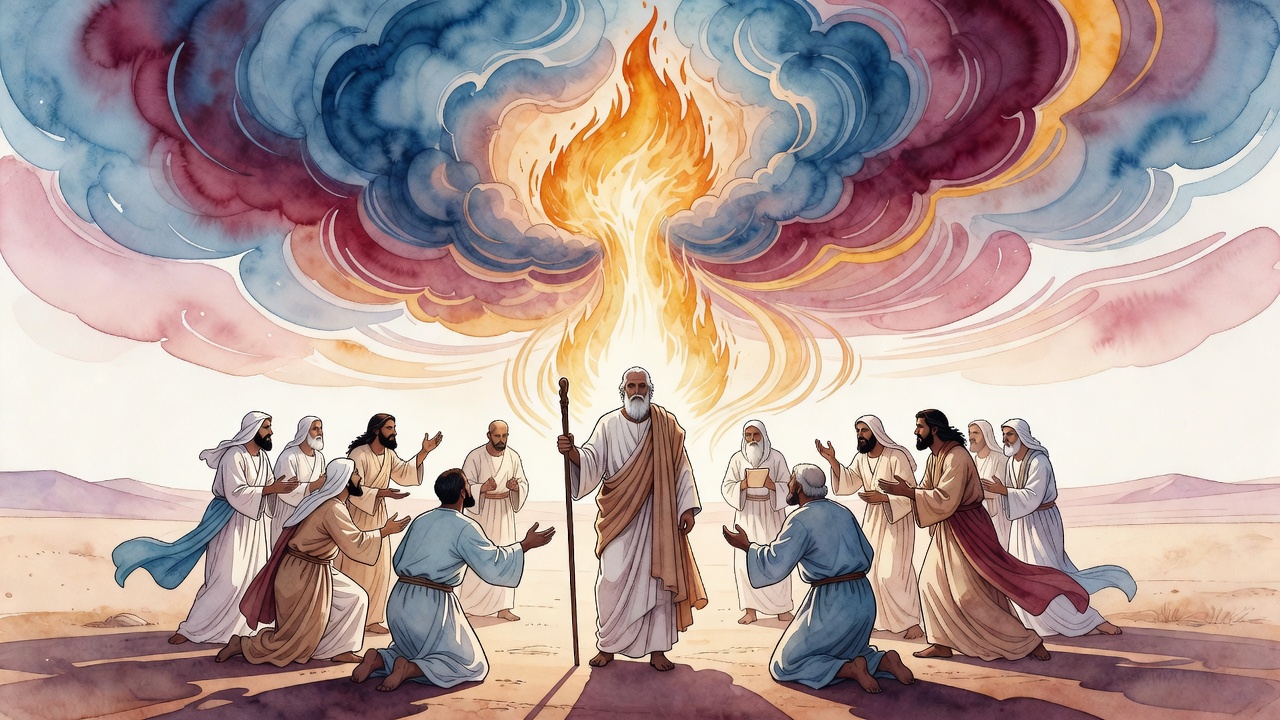
Moses Was King of Ethiopia Before He Led Israel
At twenty-seven they put a crown on him he had not asked for. He kept Shabbat in that court for forty years, and he would not take the queen.
Table of Contents
 Click for full size
The Crown He Did Not Want
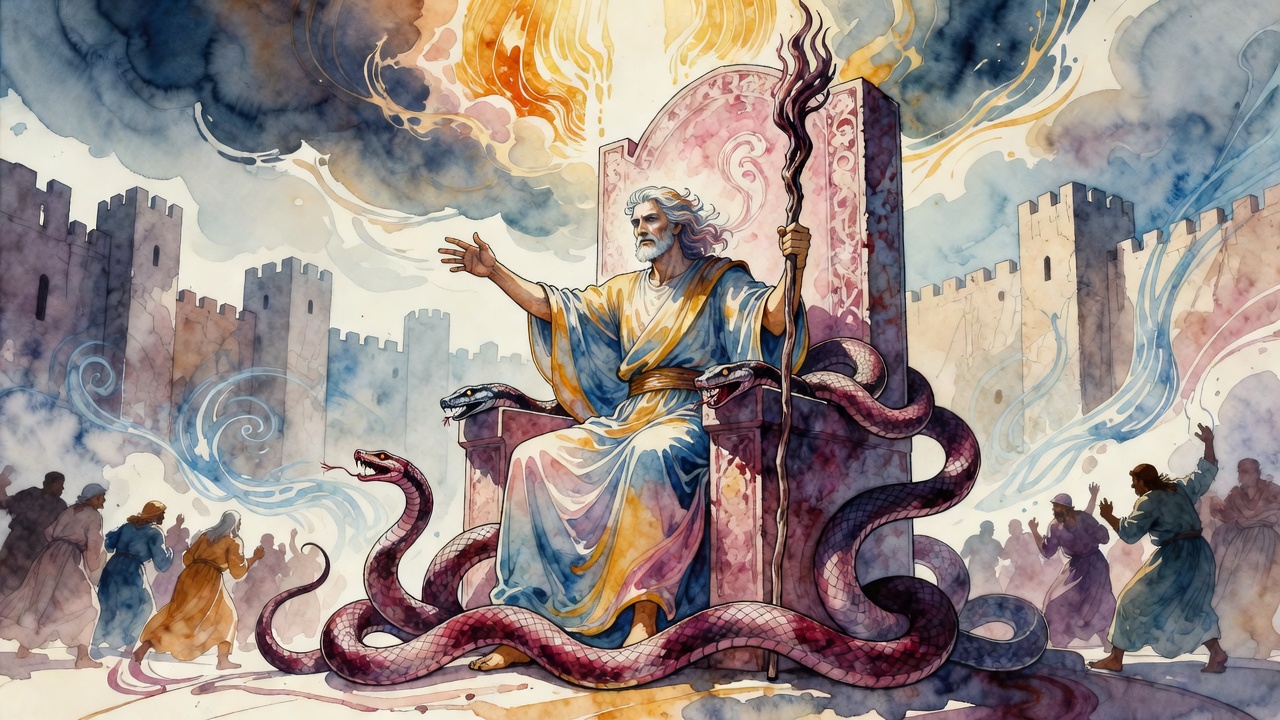
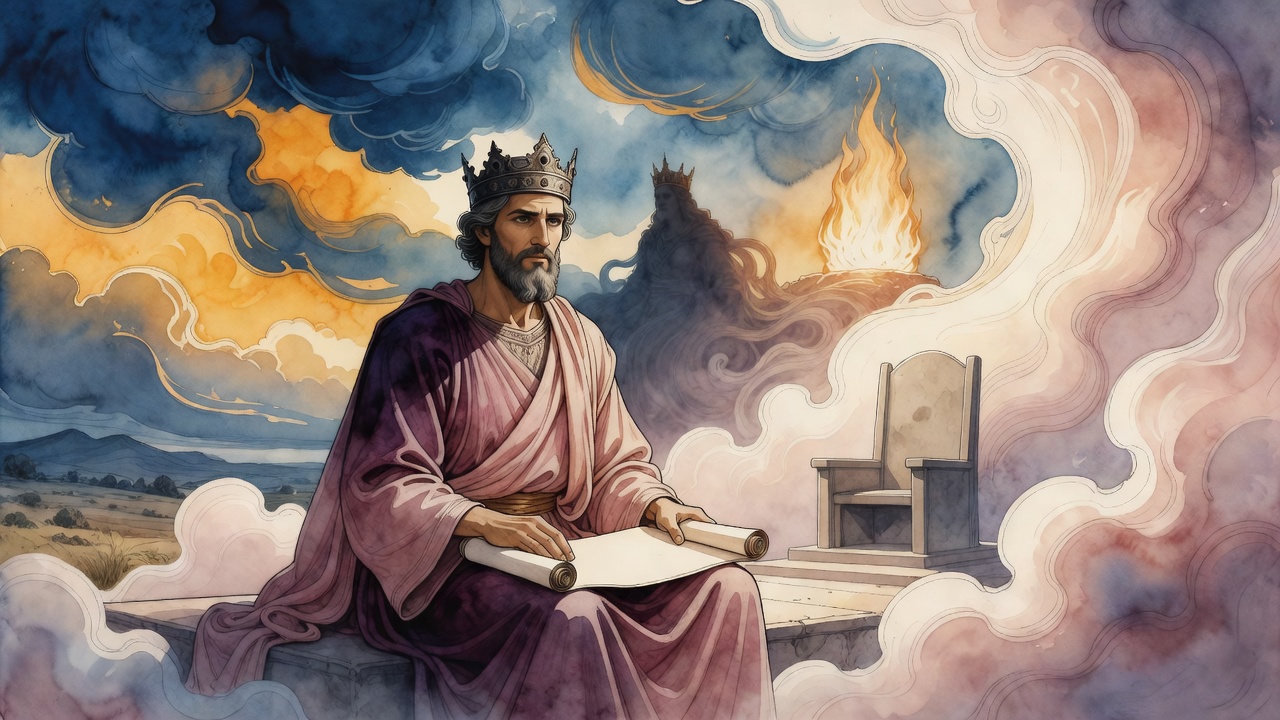
Moses was twenty-seven when they set a crown on him in Ethiopia. He had not come looking for a throne. He had come fleeing Egypt after he killed the taskmaster, a man moving away from one kind of trouble into another. King Kikanos was dead. Aram and the children of the East rose against the Ethiopians as soon as they heard. The army that found Moses was already losing a war, camped under a city that would not fall.
They made him commander first. Then they made him king. He did not seize the chair. Soldiers who had no other answer put him in it.
On the seventh day of his reign the people gathered and asked what to do about the city they could not take. Moses stood and spoke as if the problem were ordinary. "If you will hearken to my words, the city will be delivered into our hands."
Each Man Brought a Bird
He sent a cry through the camp. Go to the forest. Fetch the young of the stork, each man one fledgling in his hand. Any man who refused would die, and the king would take all that belonged to him.
They went. They came back with small birds that did not yet know the air. Moses told them to rear the fledglings until they grew, and to teach them to fly as the hawk flies. Soldiers who had spent years under walls now spent months with birds on their wrists.
When the storks were grown, Moses led the army back to the city. The birds went first. The walls that had held against rams and towers had no answer for creatures coming from the air. The city that had laughed at siege engines opened because a foreign king had counted what lived in the forest.
He took that method into the field. He marched against the children of the East and subdued them. Then he turned on Aram and subdued them too. He governed with a hard fairness. The people loved him and feared him. He ate what he could eat. On the seventh day he stopped, even in a court that did not stop with him. He kept Shabbat in private while he wore a crown that was not Israel's.
The Queen Stood Up in Court
Forty years. Adoniah the queen sat before him on the day she had chosen, with the nobles around the throne, and rose to her feet.
"What is this thing which you, the people of Ethiopia, have done these many days?" she said. "Surely you know that during the forty years this man hath reigned over you, he hath not approached me, nor hath he worshipped the gods of Ethiopia. Now, therefore, let this man reign over you no more, for he is not of our flesh. Behold, Monarchos my son is grown up, let him reign over you. It is better for you to serve the son of your lord than a stranger, a slave of the king of Egypt."
The hall waited. Moses did not argue. He had not taken the queen. He had not bowed to their gods. He had not filled his mouth with their feasts on the day he kept shut. He left the throne the way he had accepted it, without stealing what did not belong to him. Adoniah's son took the seat. Moses walked out of Ethiopia toward Midian, and toward a bush that had not yet burned.
Eat It Today
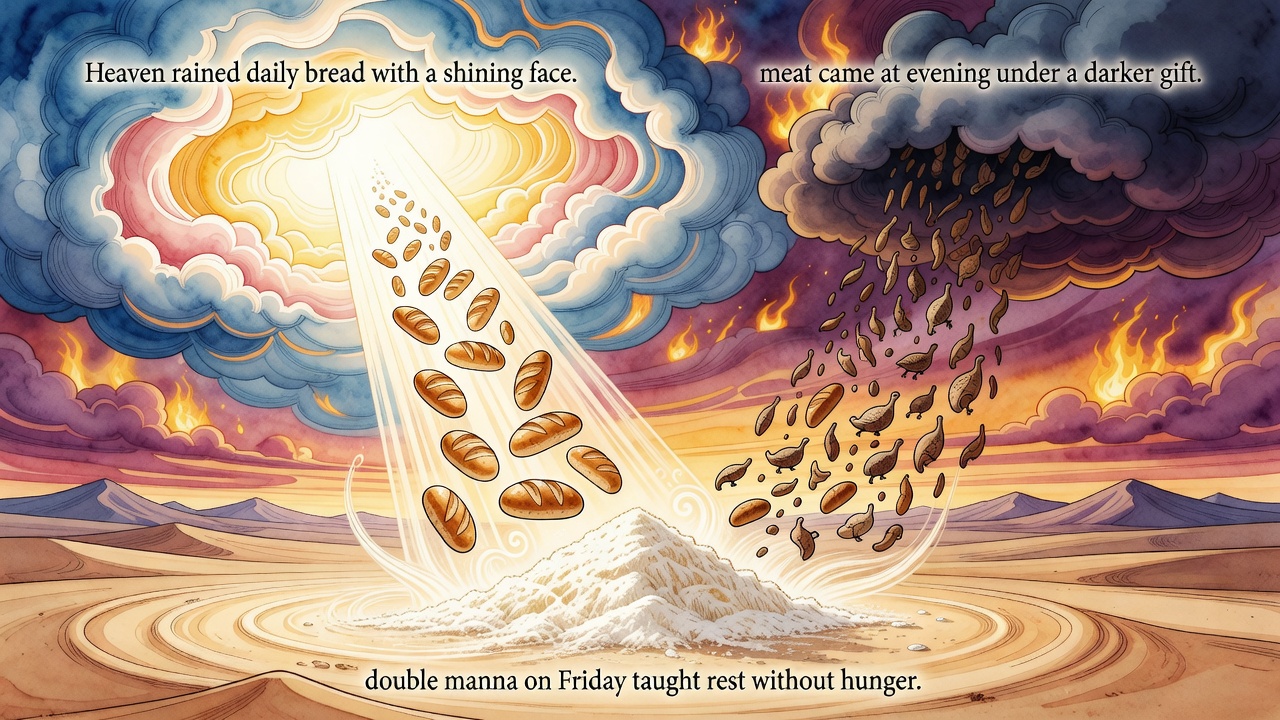
Years later the wilderness floor was white. Manna (מן, the day's bread) lay on the ground, and the people did not know whether they could gather for tomorrow. Hands hovered over the portion. Some already thought of jars.
God had given a food that spoiled if you stored it past the day, except on the sixth day, when two portions kept. Moses looked at the camp the way he had once looked at a hungry court. He knew what a people do when they fear the next morning.
"Eat it today," he said. "For it is Sabbath today. Today you shall not find it in the field" (Exodus 16:25).
He said today three times. The camp ate. Morning. Afternoon. Evening. No jar for a fourth meal that was not there. The man who had told a foreign army when to fetch a bird and when to wait now told two million people when to close their hands.
He had kept one seventh day for forty years among people who did not keep it. In the wilderness he could stand over the manna and refuse the hoard because he had already practiced the stop. Eat it today. Not tomorrow. Not for a fear that had not yet arrived.
← All myths