David, Rain, and the Debt Israel Owed to Saul
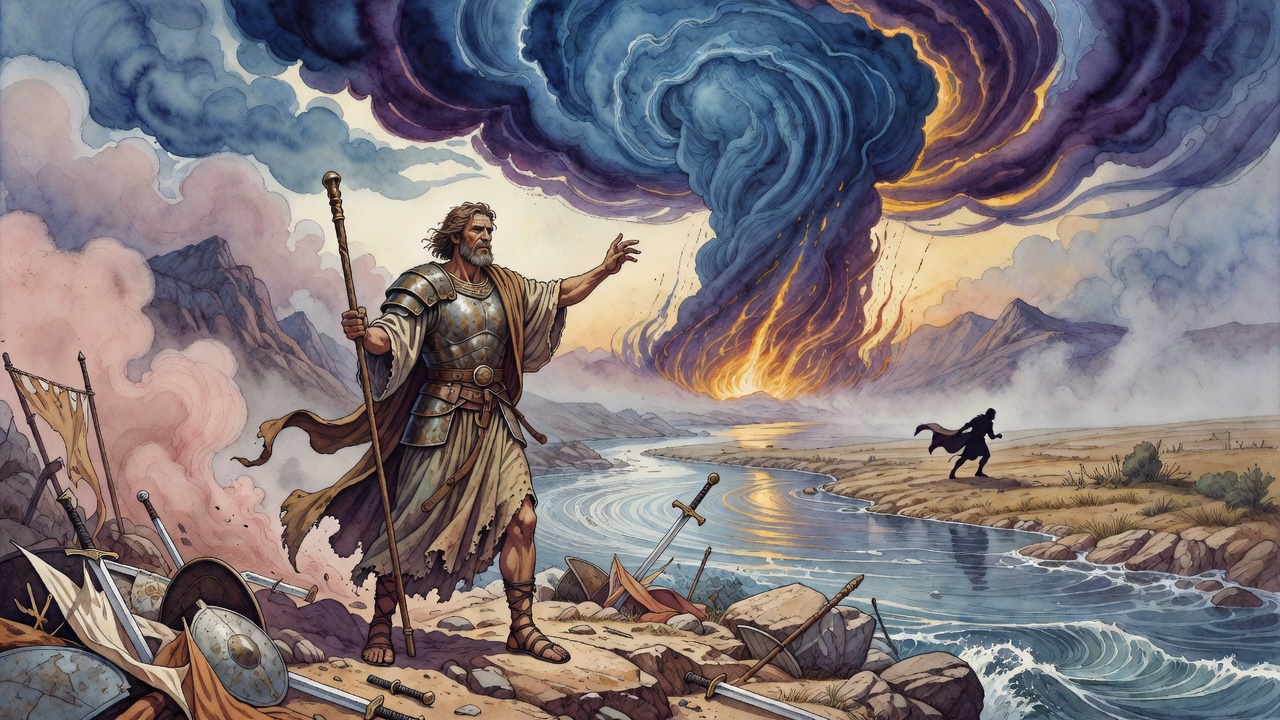
Searchers walked Israel for three dry years and brought David nothing. Then heaven named Saul, whose bones still lay outside the land.
Table of Contents
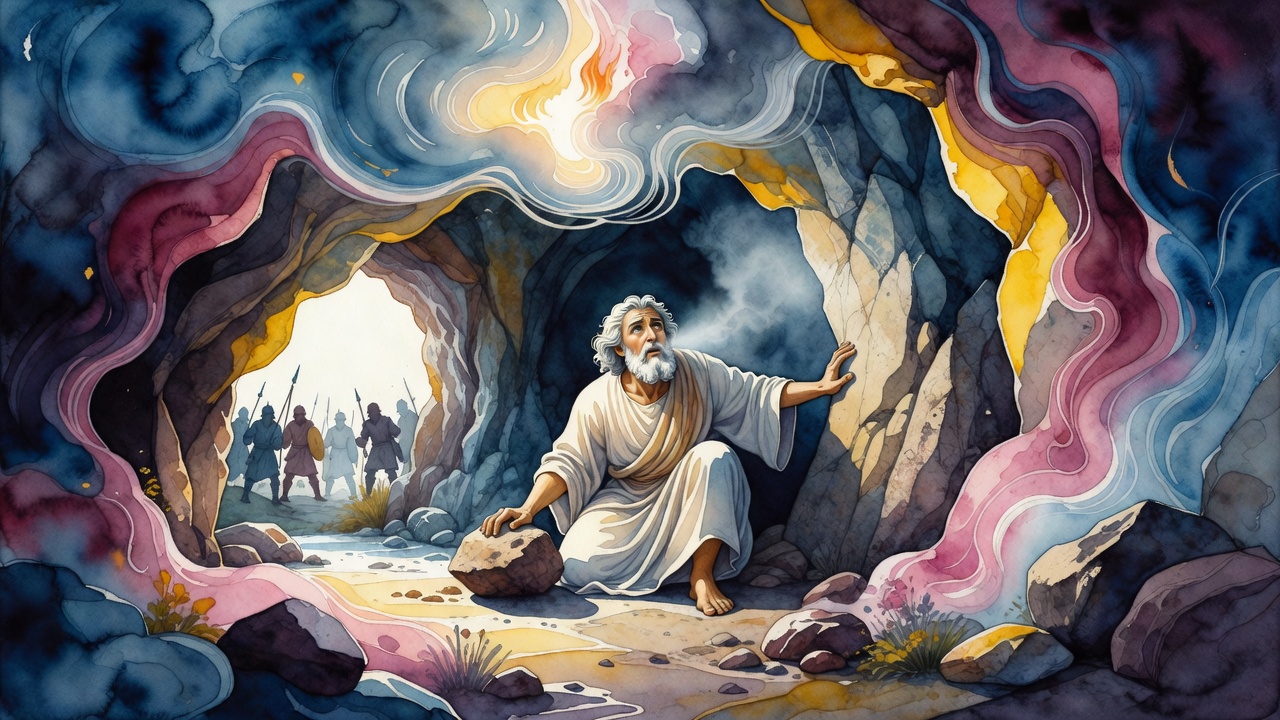
By the third year the jars were empty and the ground had opened thin mouths. The first dry year frightened the farmers. The second stripped the storehouses. Now David could hear the whole land asking what debt had climbed into the sky and locked it shut.
 Click for full size
Jerusalem still had a king. The festivals still pulled pilgrims up the roads. Songs still knew their words. Fields do not live on songs. Children cannot eat last year's grain. Seeds waited in dust and did nothing.
Searchers Came Back Empty
David did not begin by blaming heaven. A king in Israel was not allowed that luxury. If the rain stopped, something below had broken. The land heard blood. It smelled corruption. It carried vows, graves, and unpaid wrongs in its body.
So David called the people and sent them out.
"Find the hidden immorality," he told them. "Look in the houses, the markets, the doorways where secrets usually think they are safe. A generation that pollutes itself can close its own sky."
The searchers went out. They came back empty.
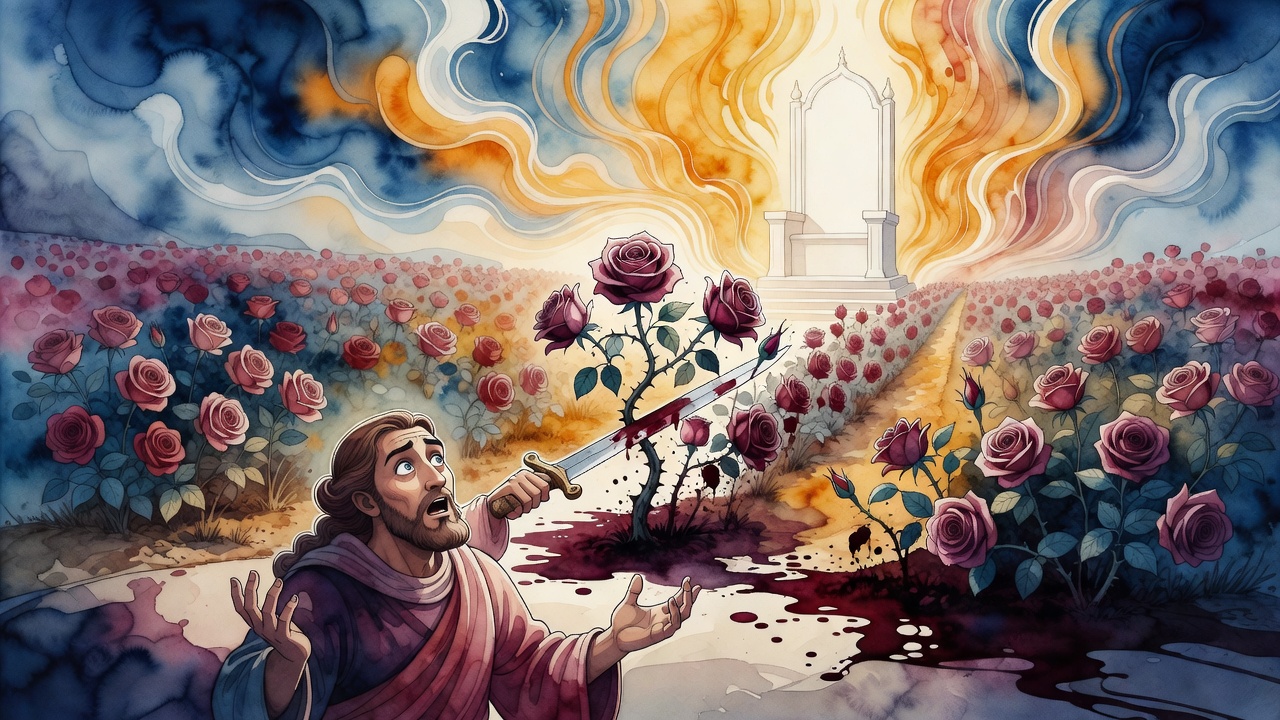
"Then find the murderers," David said. "Blood buried without justice can poison the soil. A field can drink rain, but it cannot bless bloodshed hidden under its furrows."
Again they searched. Again they returned with nothing. No scandal large enough to explain the drought. No killer whose guilt matched three dead years. David widened the circle. Broken vows. Withheld tithes. Public rot. Private fraud. Every path returned to the king without an answer.
At last David stood with the failure in his hands and turned the search on himself. "If the matter is not among them," he said, "then it rests on me."
He poured his words before God as a man emptying a vessel. Every failed search. Every dry field. Every hungry household set down in the open.
Heaven Named Saul
God answered from beyond David's guesses. The drought did not begin with David's bed, David's sword, or David's treasury. It began with Saul.
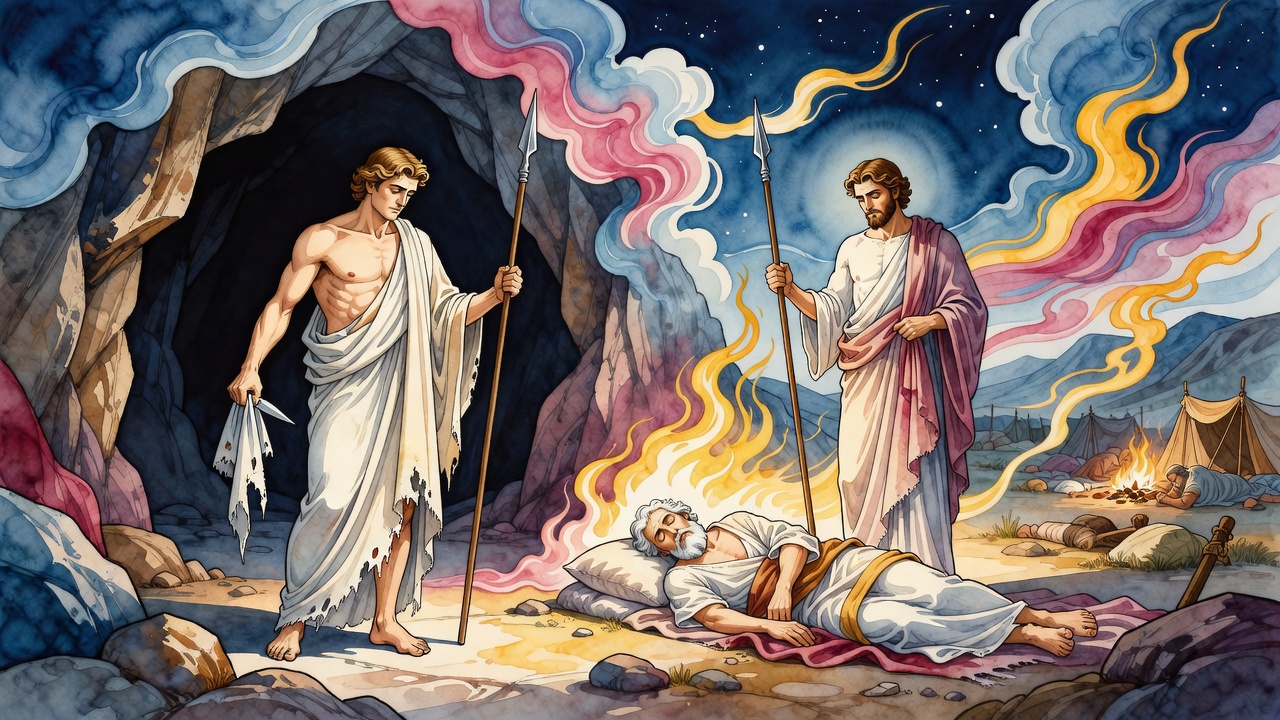
That name struck like a cold cup against the teeth. Saul had hunted David. Saul had thrown the spear. Saul's house and David's house had stood across from each other in years of fear and blood. Heaven did not let David settle history by remembering only the wound.
Saul had been anointed. Oil had touched his head. In his reign, Israel had been pulled away from idol worship and steadied against enemies. He had carried the burden of kingship before David ever wore the crown. He had sat with Samuel. His body and the body of Jonathan still lay outside the land of their fathers, at Jabesh-gilead, like an unpaid note in Israel's account.
The rain knew it.
The Gibeonites at the Edge
The debt had another edge, sharper and harder. Saul's house had shed the blood of the Gibeonites, people bound to Israel by an old covenant from the days of Joshua. They were not the center of the tribes. They stood near the edge, easy to dismiss, easy to call someone else's problem.
David felt the pressure of that. For the sake of these far ones, must all Israel suffer?
The answer came back with no softness. Push away the far, and the near will be pushed away after them. A covenant does not become cheap because the people under it are weak.
Joshua had once heard the same rebuke when the Gibeonites cried out for rescue. A promise given under awkward circumstances still remained a promise. Israel could not keep the land while treating covenant as a thing that mattered only when convenient.
The Gibeonites asked for seven men from Saul's house. David handed them over. He held back Mephibosheth, Jonathan's son, because the boy was a man of Torah. They walked him past the altar and the altar did not take him.
Bones Carried Through the Land
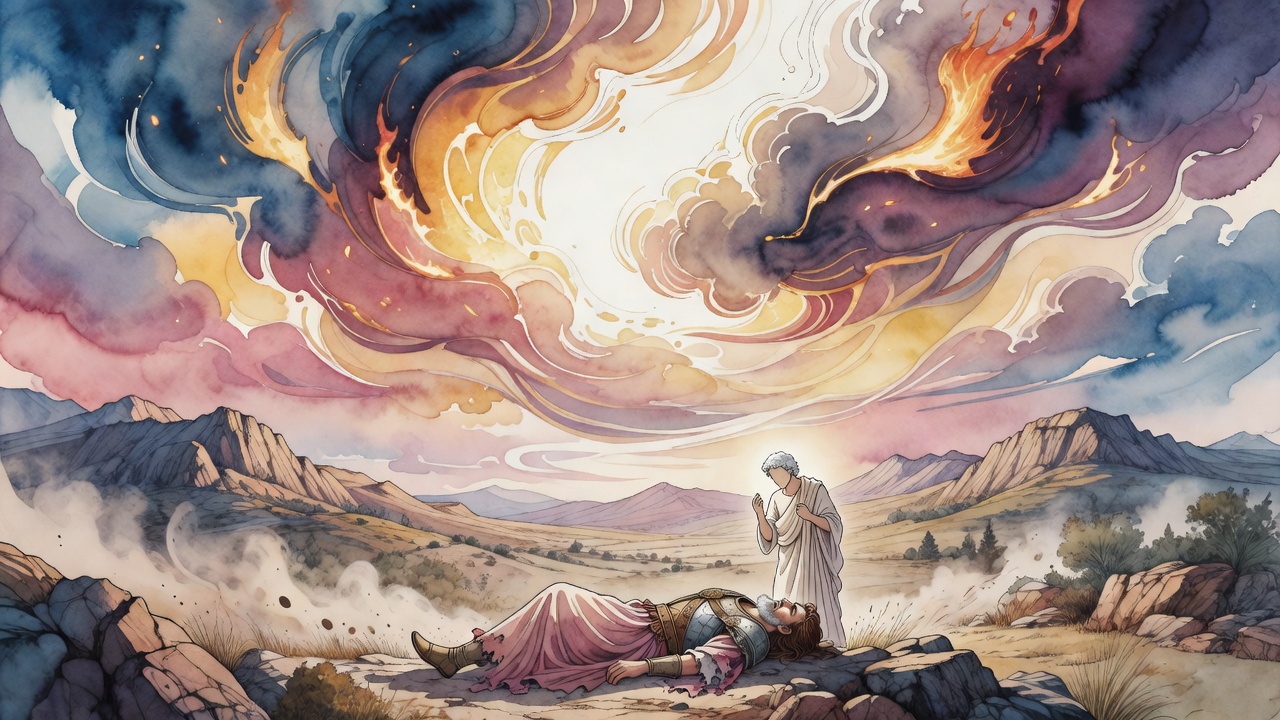
David moved first toward the dead. He went down to Jabesh-gilead with scholars and nobles. They lifted Saul and Jonathan from the wrong ground and carried them, in a long procession, through the whole land of Israel to the inheritance of Benjamin, to the burial place of Kish.
People came out to the roads. They walked beside the bones of a king who had been flawed and dangerous and anointed, and they did not leave him to lie as if his service had vanished with his failures.
Only after that did the sky change.
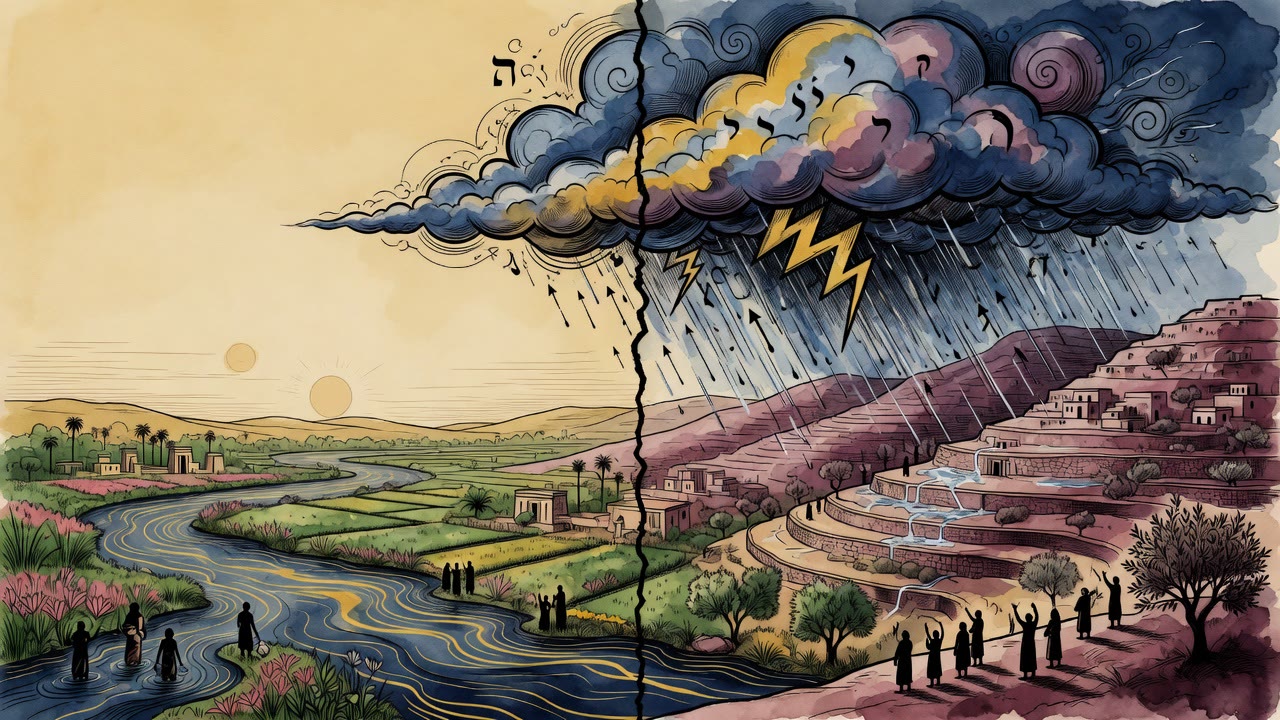
Rain returned not because drought had become boring, and not because time had softened the debt. It returned when honor found the bones, when the far ones were no longer pushed away, when the king stopped searching for a convenient sinner and accepted the older wound heaven had placed in front of him.
The land drank. The roads darkened. The seeds that had waited in silence broke open under water. David's prayer had become action, and action had become rain.
← All myths