71 texts · Page 1 of 2
Moments when we desperately need a little rahamim, mercy. Ben Sira, that wise sage whose words are treasured in Jewish tradition, offers us a powerful image in his book, Ben Sira. ...
This ancient text, considered apocryphal by some but deeply revered in others, offers a unique perspective on biblical narratives. Picture this: it’s the new moon of the seventh mo...
Nebuchadnezzar noticed something odd about the human body and asked Ben Sira to explain it. Everywhere on the body, each hair follicle holds two hairs. But on the head, each follic...
That’s kind of what happened in Egypt, according to the legends surrounding Joseph, the dreamer who rose to power. Remember Joseph? Sold into slavery by his brothers, he ended up i...
In Kabbalah, the Jewish mystical tradition, we find intricate descriptions of the subtle architecture of consciousness. Today, we're going to delve into one fascinating corner of t...
But Jewish mystical tradition, particularly the Kabbalah, doesn’t shy away from exploring the complexities of creation.It comes to us from the Introduction to the Sulam Commentary,...
Jewish mystical thought sees echoes of that very struggle in the cosmos itself. We’re diving into a concept from the Sulam Commentary, a key text in Kabbalah (Jewish mysticism), sp...
In Kabbalah, the idea of reaching completion is a central theme, and it's rarely a straightforward journey. It's a process of growth, loss, and renewal. We see this beautifully ill...
Kabbalah, the Jewish mystical tradition, explores this very dynamic, but on a cosmic scale. We're going to dive into a concept called "face and back," and how it relates to the flo...
According to some fascinating corners of Jewish mystical thought, it's a layered process, a divine bureaucracy if you will, involving the Sefirot, angels, and even… well, we'll get...
The Intellect, as the text refers to it, poses a compelling idea: God, blessed be He, could have created everything and everyone in utter, absolute completeness. Not only could He ...
In Da'at (Knowledge) Tevunot, a profound exploration of Jewish thought, we find a fascinating answer. The Intellect, a figure in this text, explains a crucial concept: that God's v...
That’s kind of what we're diving into today, inspired by a fascinating, and somewhat heady, text called Kalach Pitchei Chokhmah, or "27 Openings of Wisdom." The central idea revolv...
That, my friends, brings us to the heart of a fascinating concept in Jewish mysticism: The Unknown Head. The Kalach Pitchei Chokhmah, a Kabbalistic text, grapples with this very id...
Jewish mystical tradition grapples with concepts like that all the time. Today, we're diving into a particularly elusive one, described in the Kalach Pitchei Chokhmah, an ancient t...
Jewish mystical tradition, specifically the Kabbalah, offers a mind-bending map of sorts, attempting to describe the indescribable. And sometimes, it does this using… well, let’s j...
We often hear whispers of hidden wisdom, esoteric secrets... but where do we even begin to unlock them? to something profound today: the Kalach Pitchei Chokhmah, a text revered for...
It touches on something we all experience: the interplay between expansion and limitation, light and...well, not-so-light. The text states that "Expanding Judgment causes darkness…...
And within the intricate tapestry of Kabbalah, the Idra Zuta offers a glimpse into that very process – a kind of cosmic plumbing, if you will. Think of it like this: Zeir Anpin, of...
R. Yirmiyah says: Just as uncleanliness constrains (the offering of the Pesach (Passover) [viz. (Numbers 9:10)] and (the advent of) spring constrains, then just as the (constraint ...
Variantly: "Who is like You bailmim" ("among the mute"). You hear the defamation of Your children and You remain silent, viz. (Isaiah 42:14) "I have ever been silent; I have been s...
"from the heavens": from the goodly treasure trove of the heavens, viz. (Devarim 28:12) "The L–rd will open for you His goodly treasure trove, the heavens, etc." R. Shimon b. Gamli...
When God sent quail to feed the Israelites in the wilderness, the Mekhilta raises a practical question that reveals something remarkable about divine generosity. One might assume t...
Rabbi Eliezer described one of the most vivid and beautiful scenes in all of rabbinic literature: the step-by-step process by which the manna descended from heaven each morning. Be...
(Exodus 16:13) says simply that "in the morning there was a layer of dew." But the Mekhilta DeRabbi Yishmael saw in this plain statement a description of one of the most elaborate ...
R. Eliezer Hamodai says: "And the dew layer ascended": (homiletically) there arose the prayers of our forefathers who were buried in the earth, on the face of the ground. "and, beh...
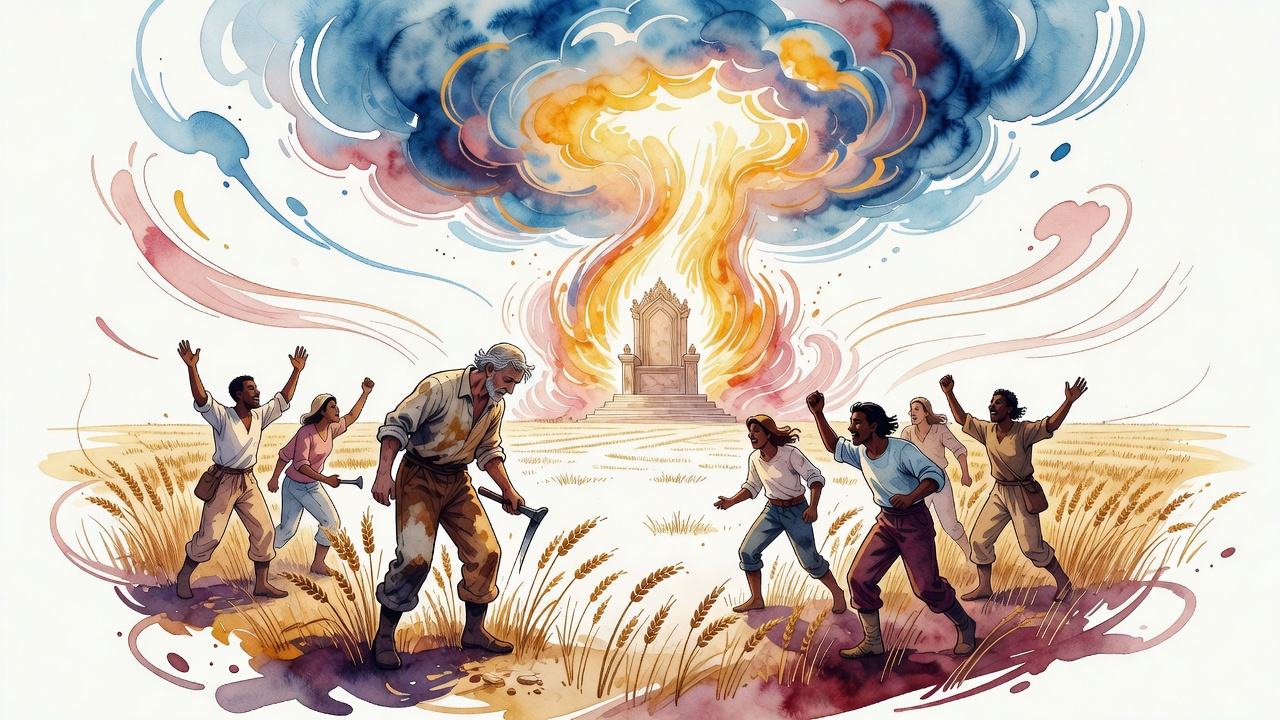
"And it eat in another's field" — Rabbi Nathan addressed a scenario where someone stacked grain in another person's field without permission. If the field owner's beast then came o...
The ancient Rabbis did. They saw in every raindrop a universe of wonder, a testament to the divine. to a fascinating passage from Midrash Tehillim, a collection of homiletic interp...
Pirkei DeRabbi Eliezer, a collection of stories and interpretations from the early medieval period, paints a vivid picture of the future, a time when the Holy One, blessed be He, w...
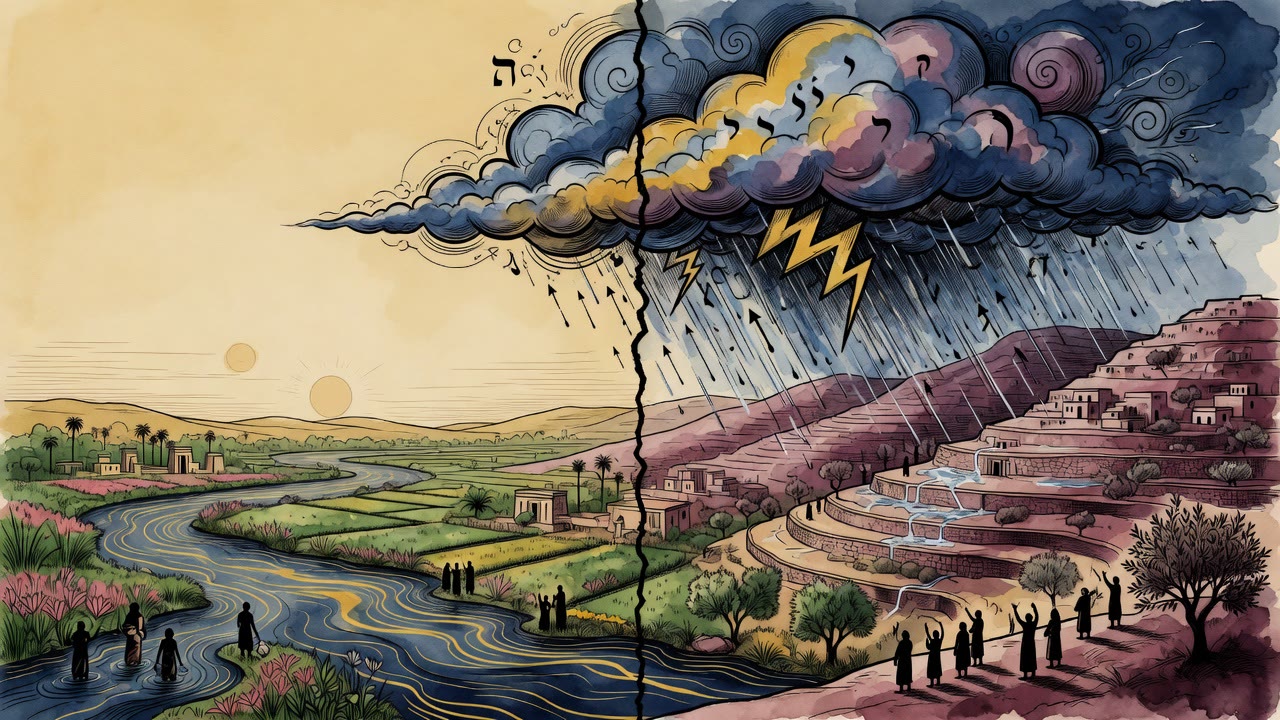
And it's all about… water. Think about Egypt. Specifically, the Nile. Egypt is basically a flat plain. Sifrei Devarim, commenting on (Deuteronomy 11:10), points out that in Egypt, ...
The Sifrei Devarim, a collection of legal interpretations on the Book of Deuteronomy, wrestles with this very idea. We’re talking about a land of contrasts – mountains soaring high...
Our tradition has a powerful image for that feeling, and it all revolves around… rain. Specifically, rain in its proper time. (Deuteronomy 11:14)." The yoreh, the early rain, and t...
Rabbi Akiva, a towering figure of Jewish law and thought, brings up a really interesting point about how we determine the order of tithing. He uses the example of the threshing flo...
It’s not just about what we owe to God, but what we owe to each other. Today, let’s delve into a fascinating passage from Sifrei Devarim, a commentary on the Book of Deuteronomy, c...
It might seem insignificant, but in Jewish law, even the smallest forgotten thing holds immense value. We're delving into a fascinating area of Jewish agricultural law today, speci...
Today, let's talk about forgotten harvests, generosity, and oddly specific measurements. We're diving into Sifrei Devarim, a collection of legal interpretations tied to the Book of...
Jewish tradition does, and sometimes, it's in those forgotten places that we find profound meaning. We're going to dive into a tiny corner of Jewish law, agricultural law to be exa...
It’s human nature. But what if there was a way to keep those vital lessons alive, vibrant, and growing within us? The ancient text Sifrei Devarim offers us a beautiful metaphor to ...
That feeling, that initial disorientation, that's something many of us experience when we first approach the vast ocean of Torah. But what if I told you that feeling is perfectly n...
It uses imagery that is both earthy and profound. One passage presents a striking analogy: "As se'irim upon the herbage." Now, se'irim literally translates to "he-goats," but in th...
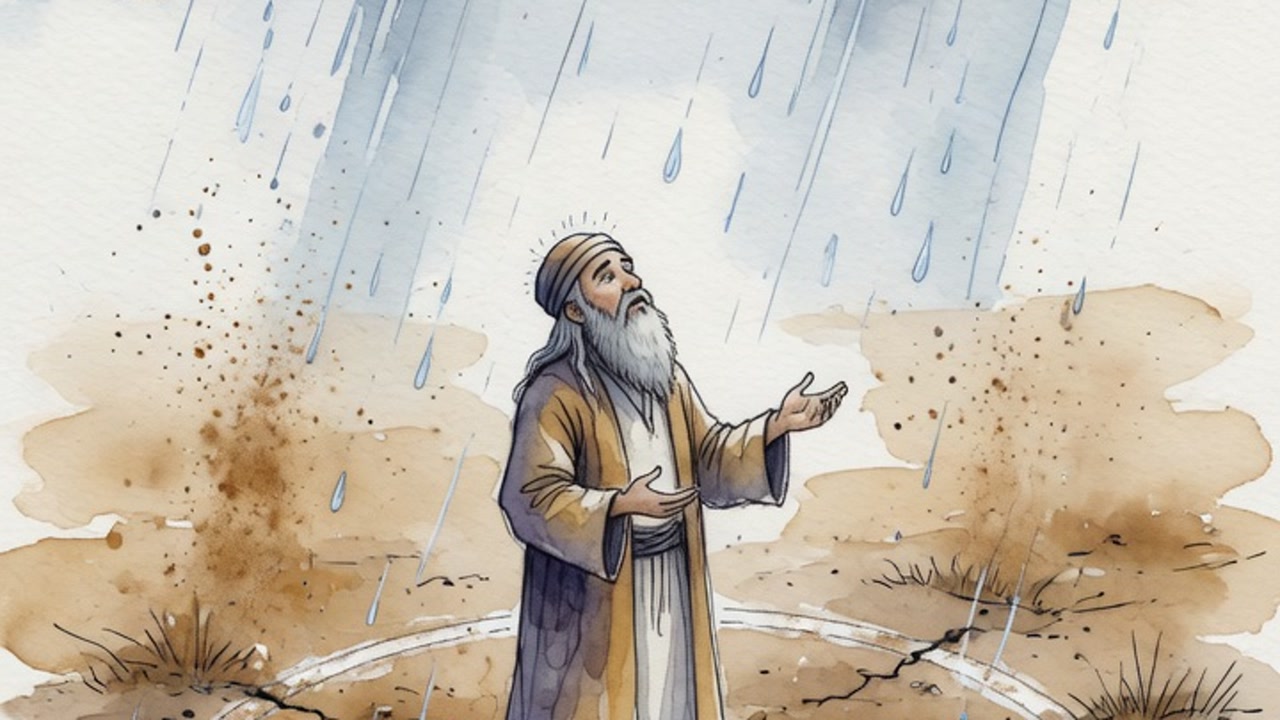
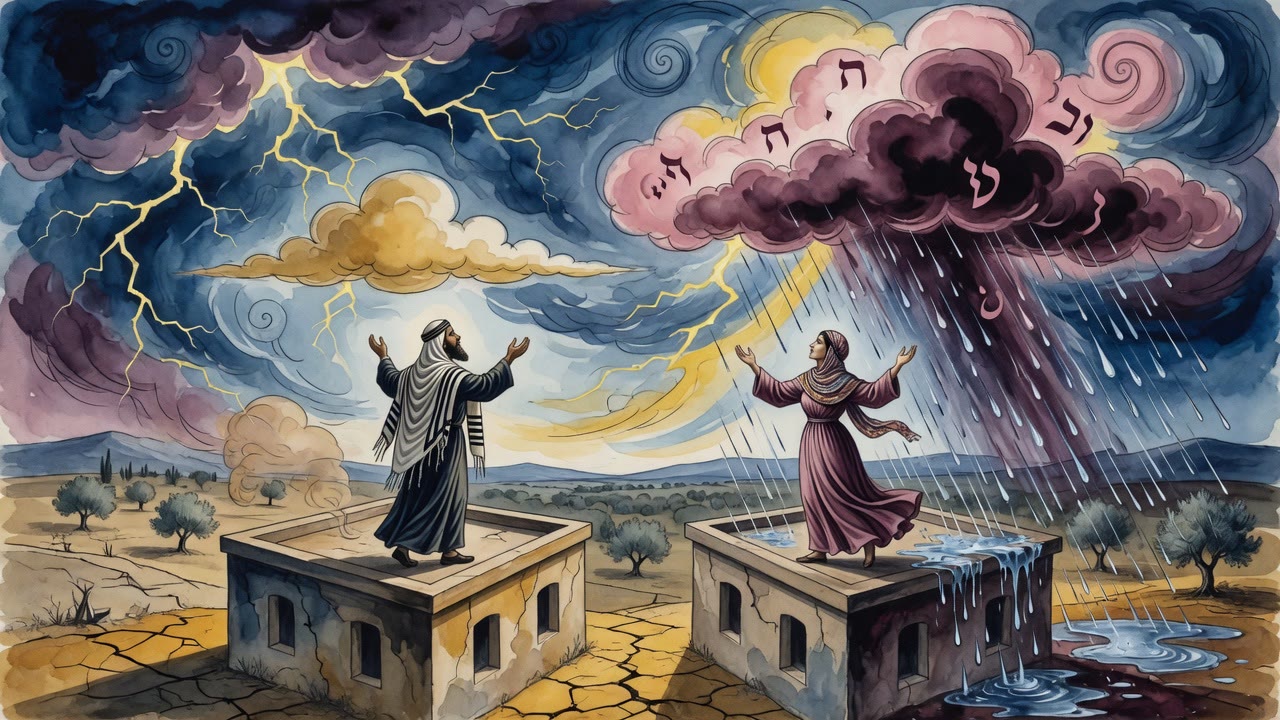
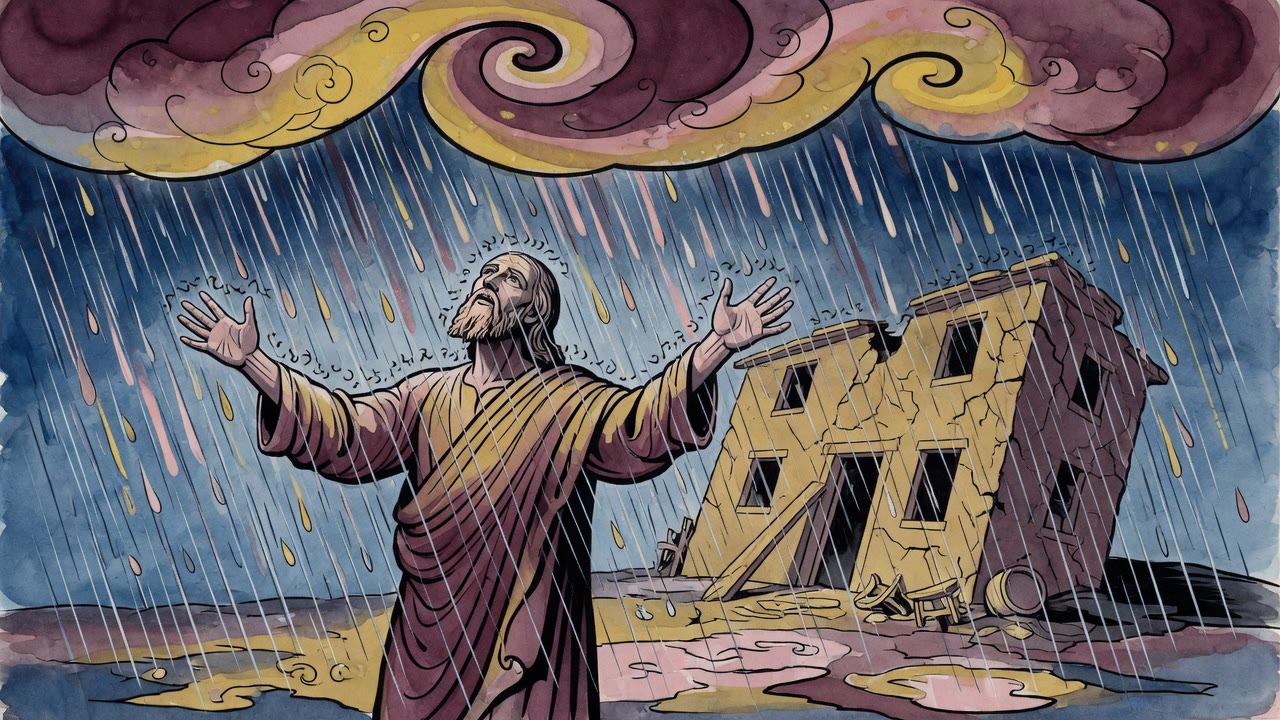
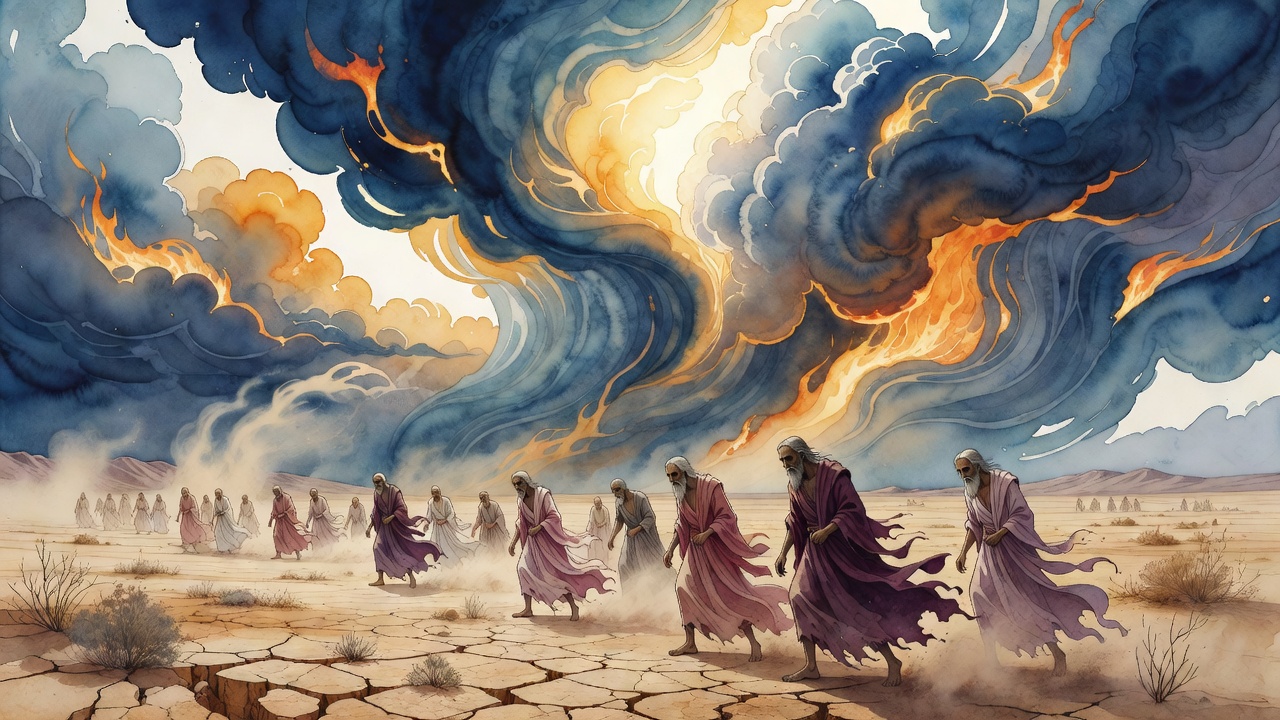
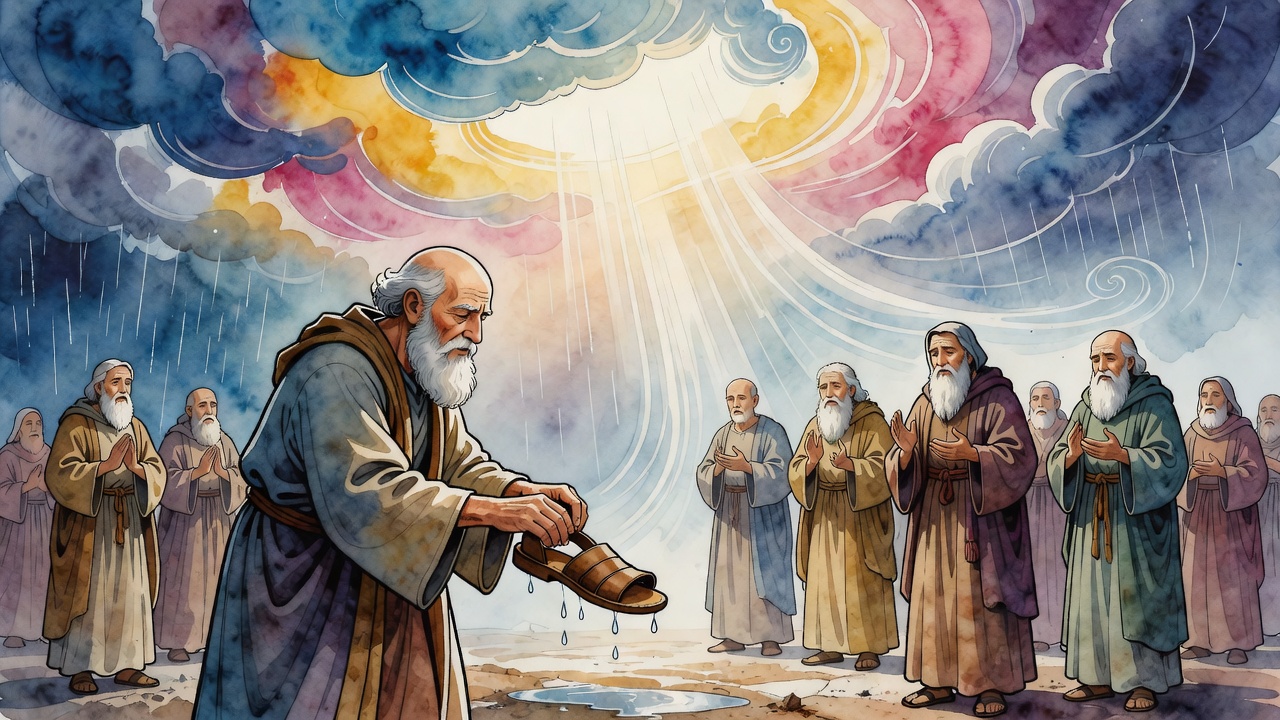
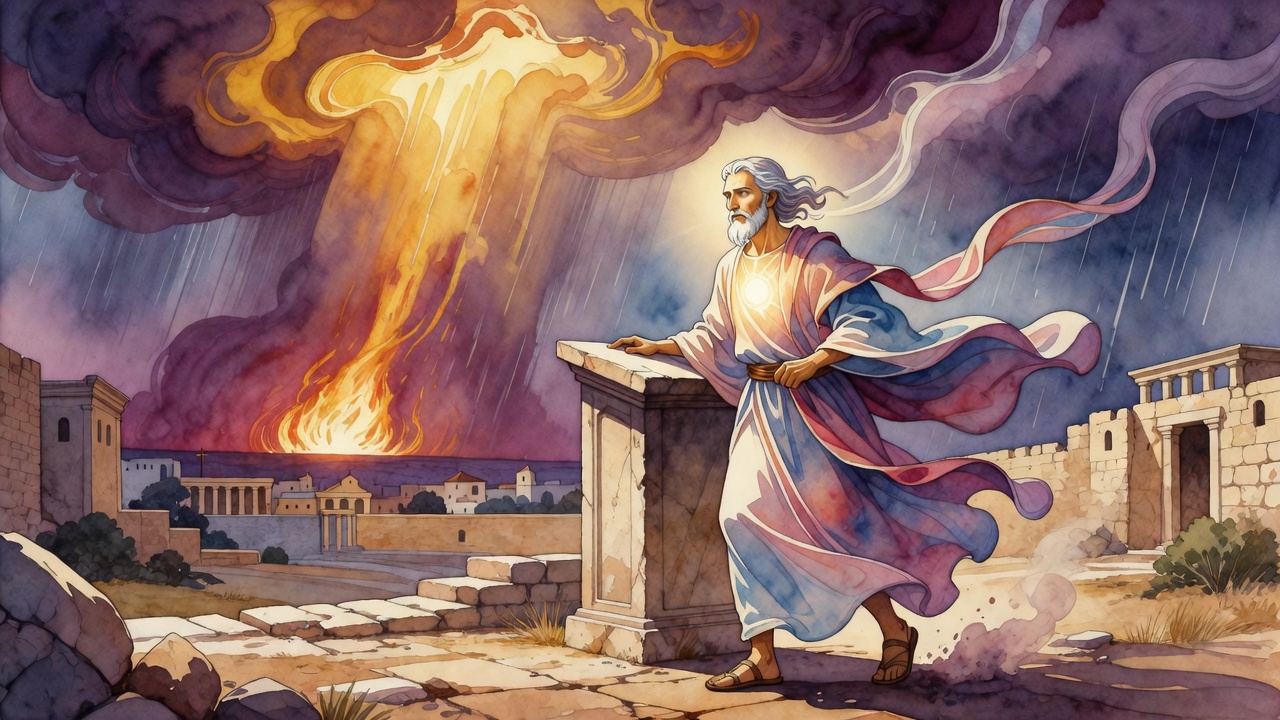
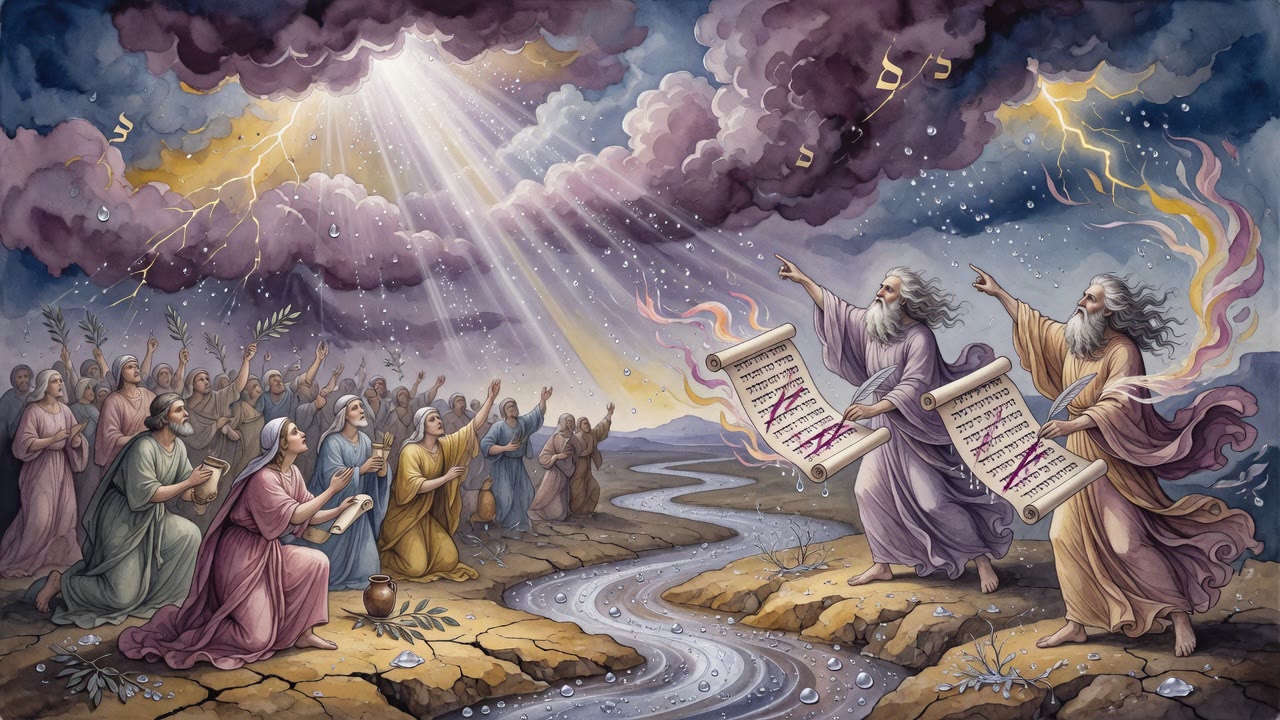
Most of the month of Adar had passed, and still no rain. The fields were cracking. The people of Israel sent a desperate message to Choni HaMe'aggel—Choni the Circle-Drawer: pray f...
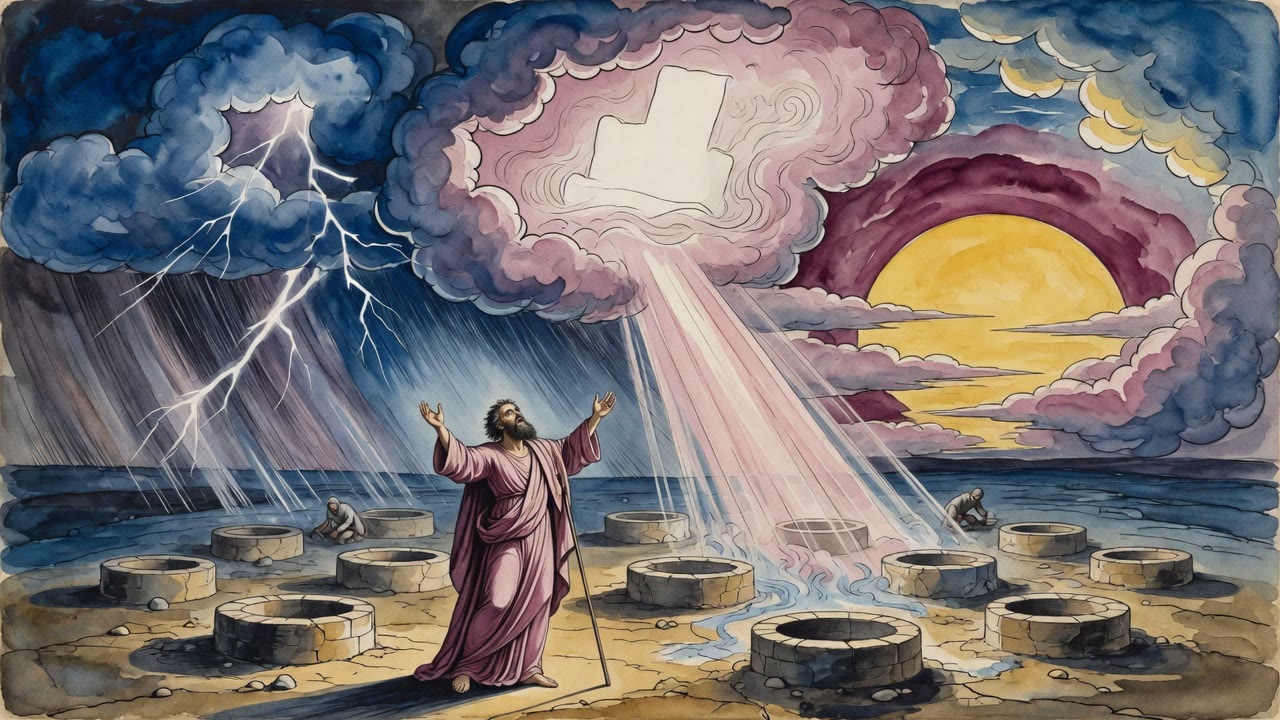
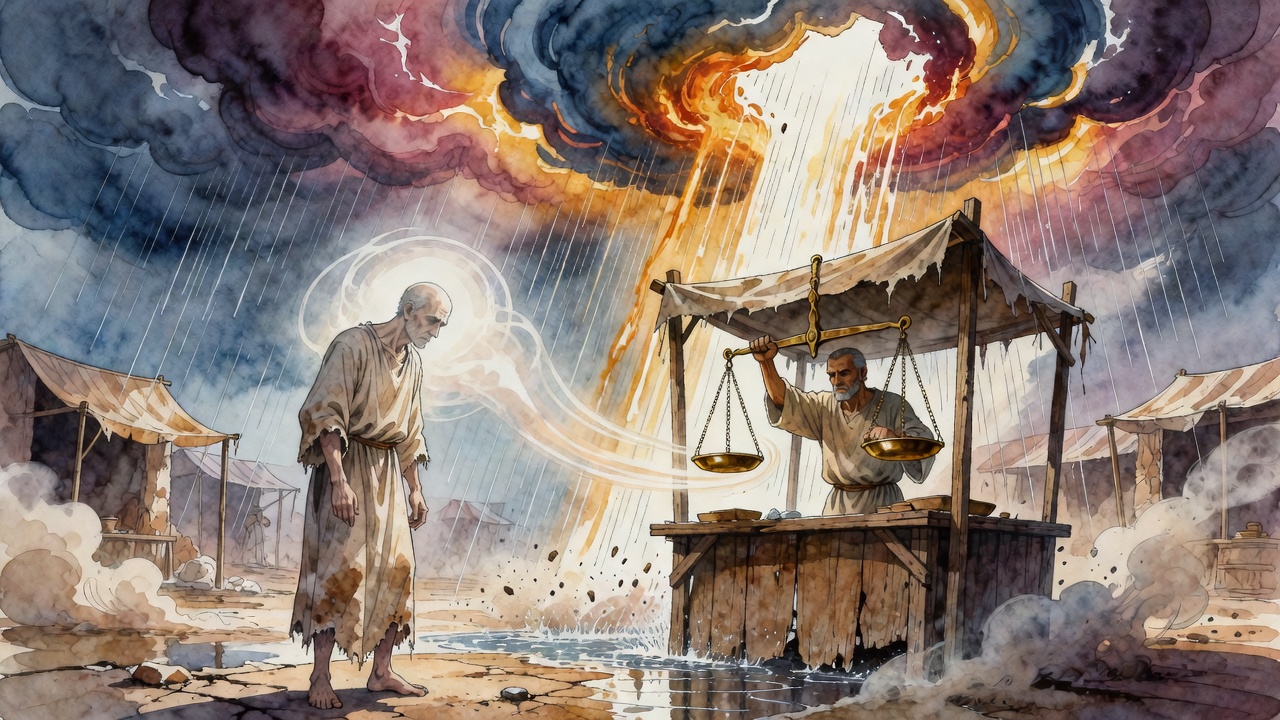
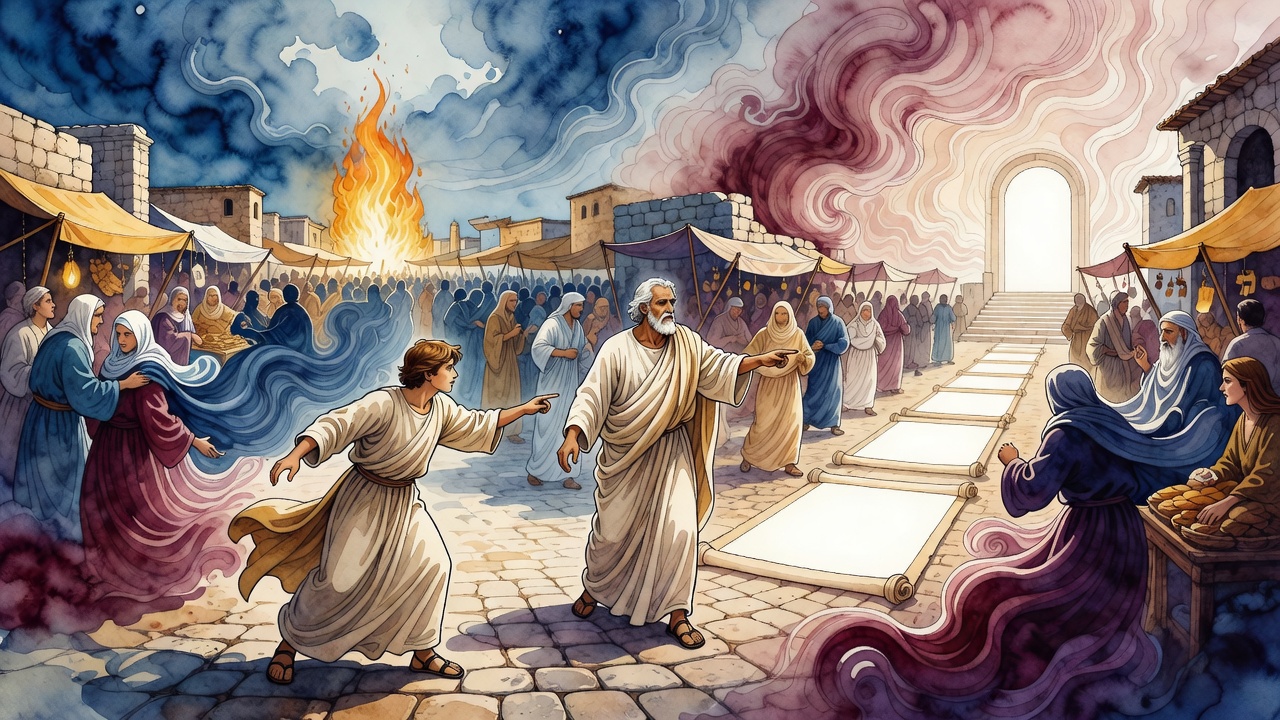
Nakdimon ben Gorion was one of the wealthiest men in Jerusalem, and he had made a dangerous bargain. He borrowed twelve wells of water from a Roman nobleman — the Hegemon — promisi...
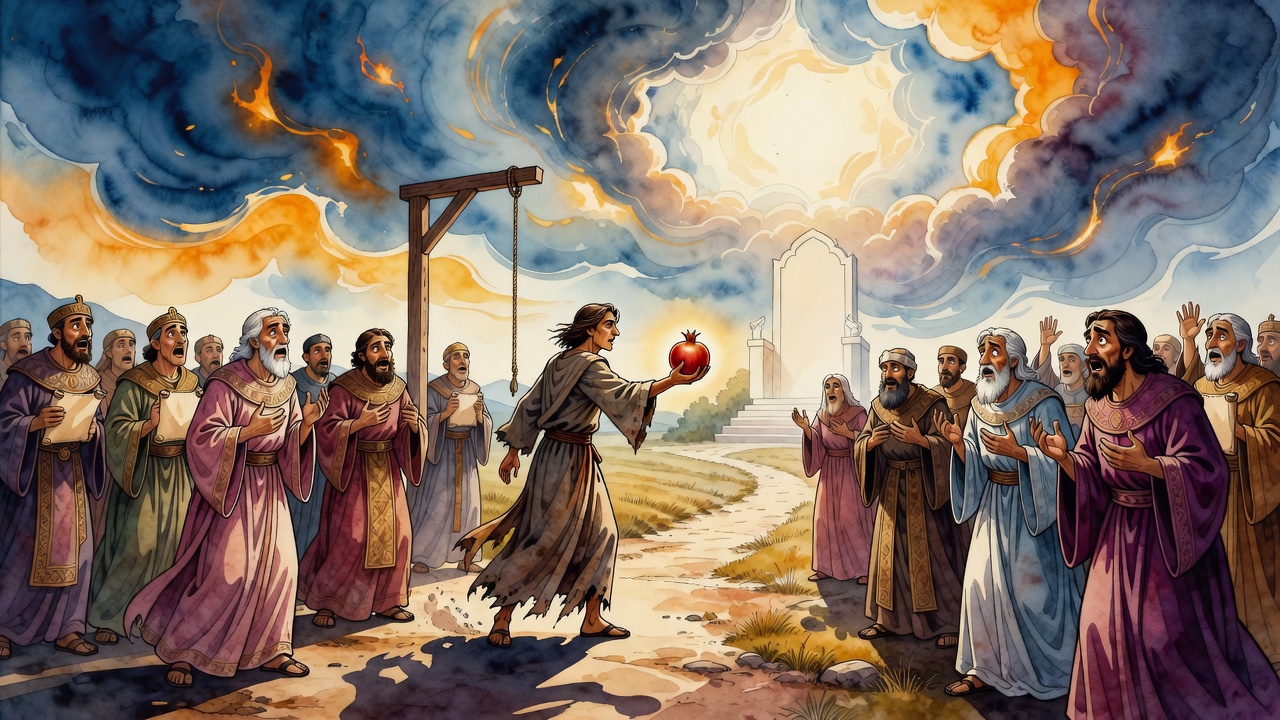
There was a man who paid his tithes faithfully every single year without exception. Rain or drought, abundance or scarcity, he set aside exactly one-tenth of everything he harveste...
In time of drought the Rabbi was informed from Heaven to appeal to a merchant for intercession. He was 166— ashamed to call upon an apparently ignorant man but none the less did so...
In a year of terrible drought, Nakdimon ben Gorion — one of the three wealthiest men in Jerusalem — approached a Roman official and made a desperate bargain. He borrowed twelve wel...
Eleazar, the son of Rabbi Shimon ben Yohai, inherited more than his father's brilliance in Torah. He was endowed with staggering physical strength — the kind of strength that seeme...
The sages of the Midrash (rabbinic interpretive commentary) asked a question that seems simple but opens onto infinity: where does all the water in the rivers go? Every river on ea...
The donkey of Rabbi Pinehas ben Yair was as righteous as its master — or so the Talmud (Jerusalem Talmud Demai 1:3, Hullin 7a-b) suggests through a story that became one of the mos...