God Called Saul the Elect of God After He Was Dead
Years after Saul fell at Gilboa, a heavenly voice rang out over Israel and named the dead king God's chosen. Even David was rebuked.
Table of Contents
 Click for full size
The Famine That Had a Name
The drought had been going on for three years. David had inquired, as kings must, and the answer came back with a specificity that shamed him. The famine was not a punishment for anything David's generation had done in the field or the marketplace. It was a debt to the dead. Specifically, to one dead man: Saul, the first king of Israel, whose bones had not been given proper burial, and whose household had been dishonored by the people.
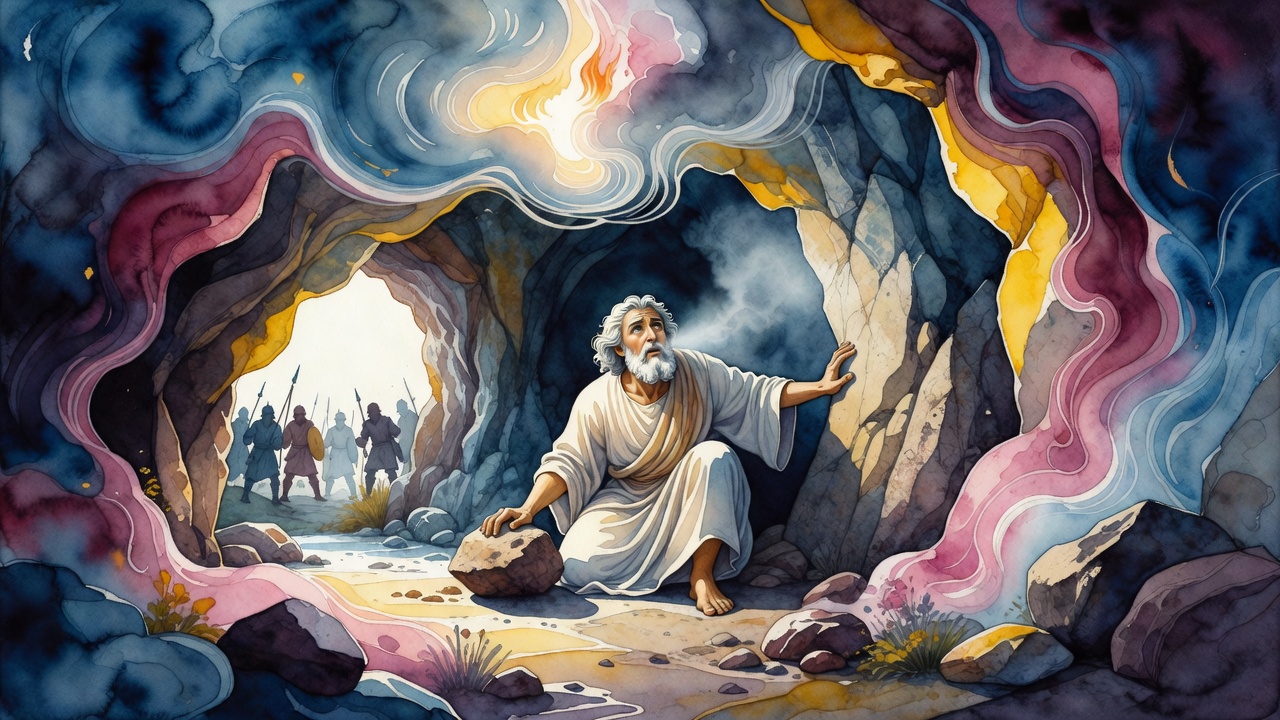
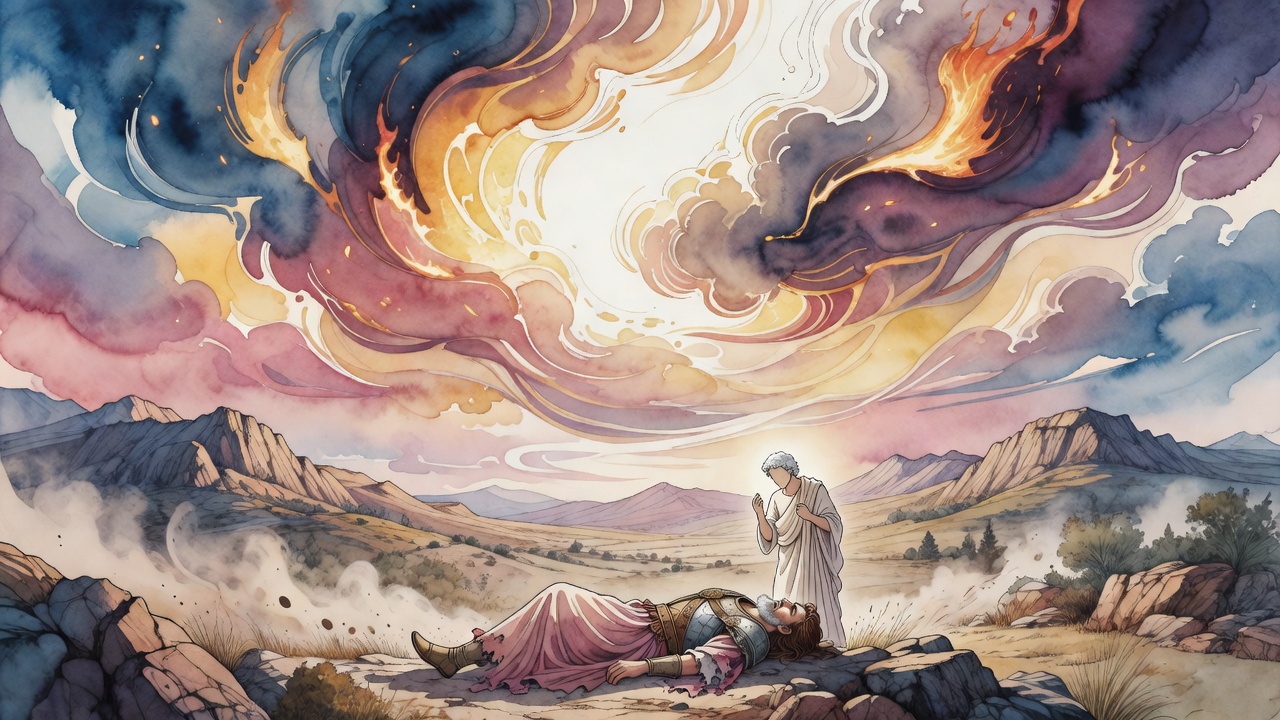
So David went out. He gathered the remains of Saul and his son Jonathan from Jabesh-gilead and arranged a burial with full royal dignity. And then, over that grave, something happened that no one in Israel expected.
A bat kol, a heavenly voice, rang out across the land and named Saul bechir ha-Shem, the elect of God. Not rejected. Not abandoned. Not the failure the political history had made him seem. Chosen.
What Made Saul Holier Than David
The comparison the rabbinic tradition draws is exact and not flattering to David. Saul had one wife and one concubine, and kept himself in a state of ritual purity, taharah, within his household that the tradition associates with priestly discipline. He was anointed with oil and lived as if the anointing had remade him entirely. David, by contrast, had many wives and many concubines. His household was larger, his appetites larger, and the tradition does not pretend otherwise.
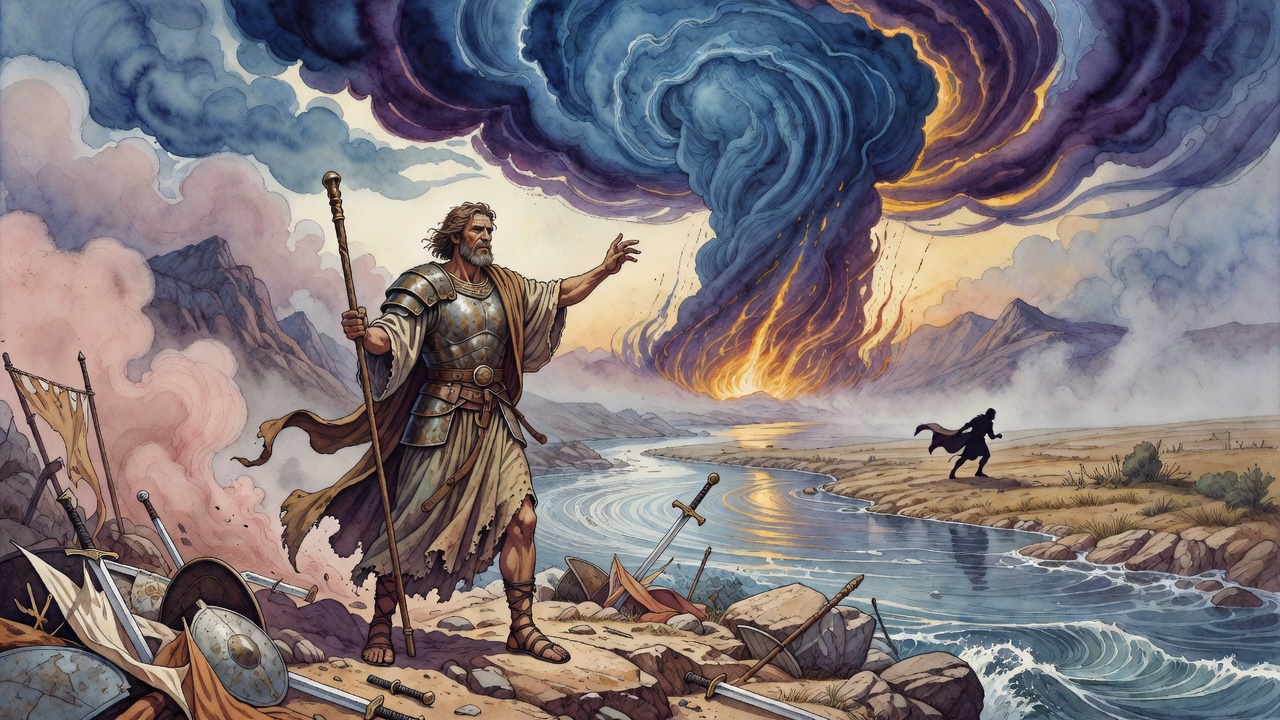
When Absalom rose against David in revolt, David ran from Jerusalem. He calculated his odds and chose survival. When the Philistines advanced against Saul's line at Gilboa, Saul stood and fought until there was nothing left of him to fight with. He did not save himself. He gave his body so that the sacred objects of his office would not fall into enemy hands, and he died as a king who understood what the crown required of him even when God had already taken it away.
David Speaks Out of Turn
When David heard the heavenly voice vindicate Saul, his reaction was, by his own standards, small. He said something dismissive. Some version of: it is well that I married his daughter and that Jonathan was my dearest friend, but Saul himself, was he really worthy of this?
The tradition says God rebuked him for it. Do not speak against the dead, the rebuke went. Especially not against the dead who were better than you thought, and perhaps better than you.
David was silenced. There are moments in the Davidic cycle where God steps back and lets David's character show itself without commentary. This was not one of them. This time, God corrected him out loud.
Why the Voice Waited Until After Everything
The timing is the strangest part of the story. Saul had been dead for years when the vindication came. The kingdom had passed, the dynasty had been settled, the wars had been fought. Why issue the verdict then?
One reading is that vindication after death is the only vindication that cannot be misunderstood as political. When Saul was alive, any praise of him was a threat to David. Any acknowledgment of his piety could have been read as a call to restore him. But once the ground had swallowed him and the dynasty was secure, the bat kol (a heavenly voice) could say what was true without anyone being able to act on it. The verdict was clean. It belonged to no faction. It served no living person's interest. It was simply true.
And it rang out over Israel like a bell that had waited a long time to strike.
← All myths