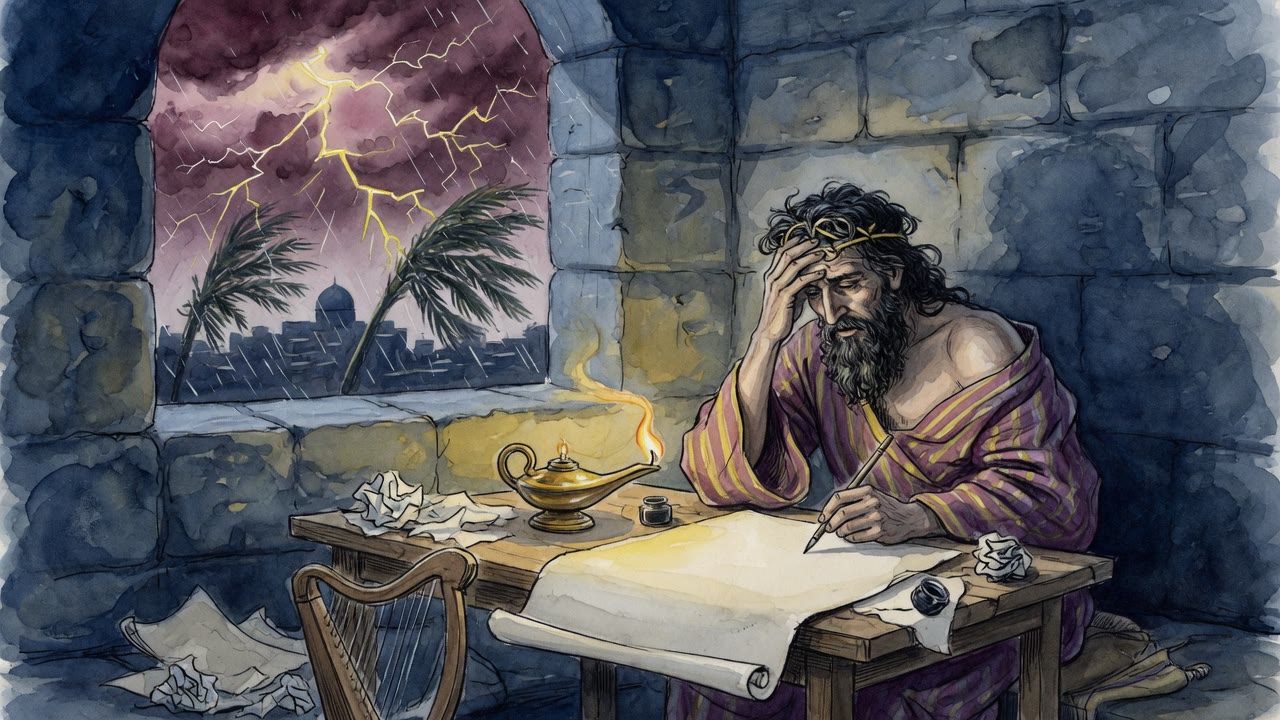
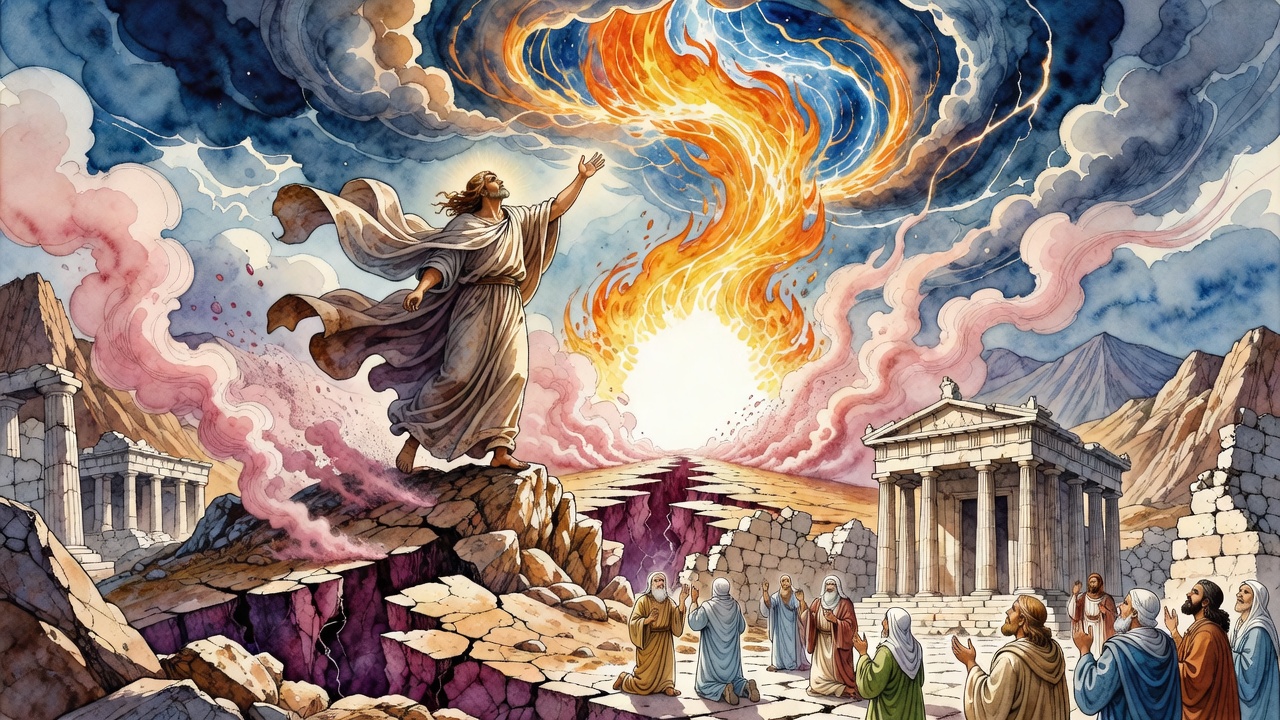
Josiah Found the Lost Torah in the Temple and Wept at What He Heard
The Torah of Moses had been lost in the Temple so long no one searched for it. When it turned up in the walls, the king who heard it wept.
Table of Contents
 Click for full size
What Two Generations of Catastrophe Left Behind
When Josiah became king of Judah, he was eight years old and he had inherited a disaster. His grandfather Manasseh had ruled for fifty-five years and had spent most of them dismantling everything the Temple stood for. He installed idols inside the sanctuary itself. He set up altars to foreign gods in the courts of the Temple. He burned his own children as offerings. He killed so many prophets that Jerusalem's channels ran with innocent blood. The man who received the covenant of David had used it to build the most thorough apostasy in the nation's history.
Near the end of his life, the Babylonians dragged Manasseh to Babylon in chains. In captivity he repented, genuinely and completely, and God accepted it and brought him home. He spent his final years trying to dismantle what he had built. He died having done both enormous damage and real repair, and the net effect was still catastrophic. His son Amon inherited the throne, learned nothing from his father's suffering, and reverted immediately to the worst of what Manasseh had done. Amon ruled for two years. His own servants killed him in his palace.
Josiah took the throne at eight. He had no memory of what Israel was supposed to be. The nation around him had no institutional memory of the Torah. The Temple had been built by Solomon and corrupted so thoroughly in the generations since that its original purpose was buried under layers of idolatry. There was no one alive who could remember a Temple that functioned as God had intended.
The Scroll Found in the Walls
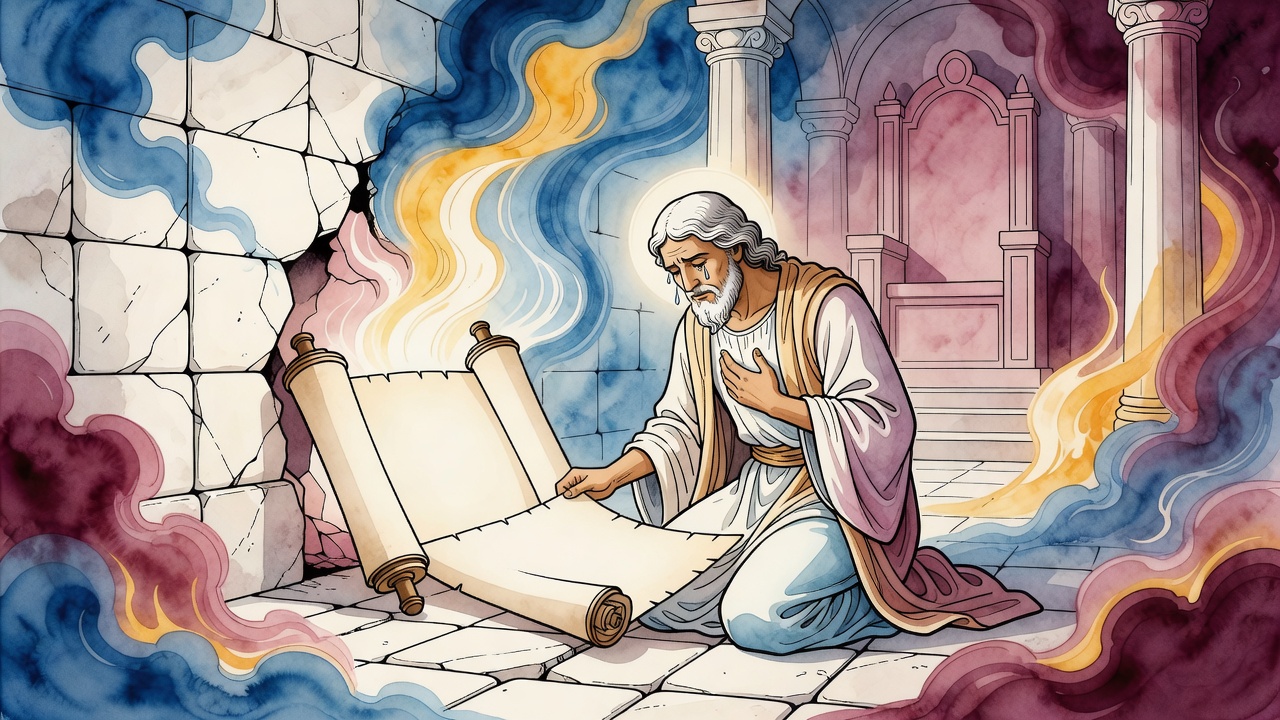
In the eighteenth year of Josiah's reign, when he was twenty-six, he ordered the Temple repaired. The high priest Hilkiah was overseeing the work. The repair was no small undertaking, and the structure had absorbed two generations of neglect and deliberate defilement. As the workers cleared the old stonework and reached the buried places where nothing had been disturbed in living memory, a very old scroll turned up. Hilkiah brought it to the scribe Shaphan. Shaphan read it himself, and then carried it to the king and read it to him. The king ordered it read aloud before him in full.
As the words came out of the scroll, Josiah tore his clothes. The scroll contained the curses of the Torah, the passages in Deuteronomy that described with precision what would happen to a nation that abandoned its covenant with God. Every curse described, point by point, what had happened or was happening to Judah. The king did not hear distant warnings. He heard his own grandfather's reign read back to him as a sentence already passed. He sent a delegation immediately to the prophetess Huldah to inquire of God. She confirmed what the scroll said. The disaster coming was unavoidable. But because Josiah's heart was tender and he had humbled himself when he heard the words, it would not come in his lifetime.
The Covenant Made Before the People
Josiah called an assembly. He read the scroll to the entire people, every word of it, standing where all of them could hear. He made a covenant before God to walk after God and keep the commandments with all his heart and all his soul. The people joined the covenant. Then he turned the words into action. He destroyed every idol in Jerusalem and in the surrounding territories. He pulled down the altars Manasseh had built in the Temple courts. He burned the vessels made for foreign worship and carried the ashes out of the city. He executed the priests who had served the high places and burned their bones on the altars where they had officiated, fouling the sites so they could never be used for that worship again.
The Passover No One Had Kept
Then he kept the Passover. The record in 2 Kings states plainly that no Passover like this had been kept since the days of the judges, not in the days of any of the kings of Israel or the kings of Judah. The founding ceremony of the nation, the meal that marked Israel's deliverance from Egypt, had not been observed properly in living memory. Generations of priests and kings had let it lapse until the form of it was forgotten. Josiah reinstated it in the eighteenth year of his reign, the same year the scroll had been found, gathering the people to keep it according to the words that had just been read back into the open after lying lost in the walls.
← All myths