Judah Pledged Himself for Benjamin and Became a King
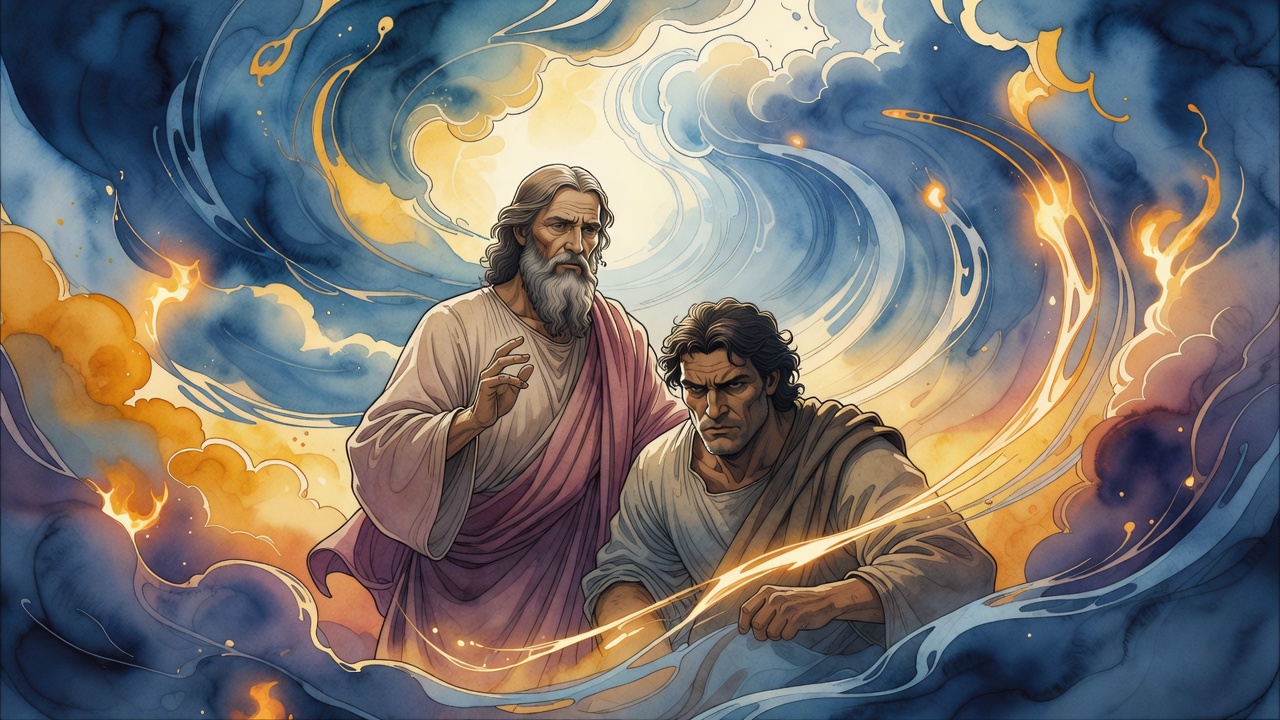
The silver cup came out of Benjamin's grain in the Egyptian court. Judah did not offer his sons. He put his own life in the gap.
Table of Contents
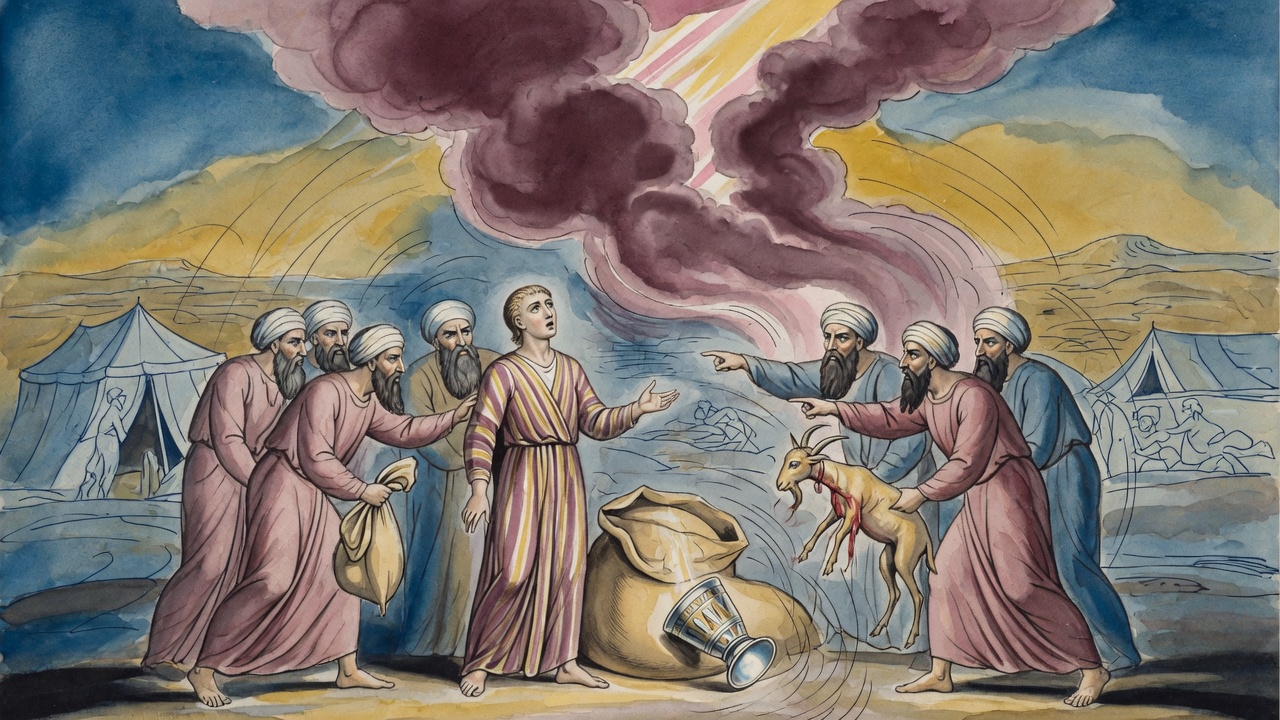
The sack was opened in the court. The silver cup flashed in the grain, and every brother in the room knew the youngest was finished.
 Click for full size
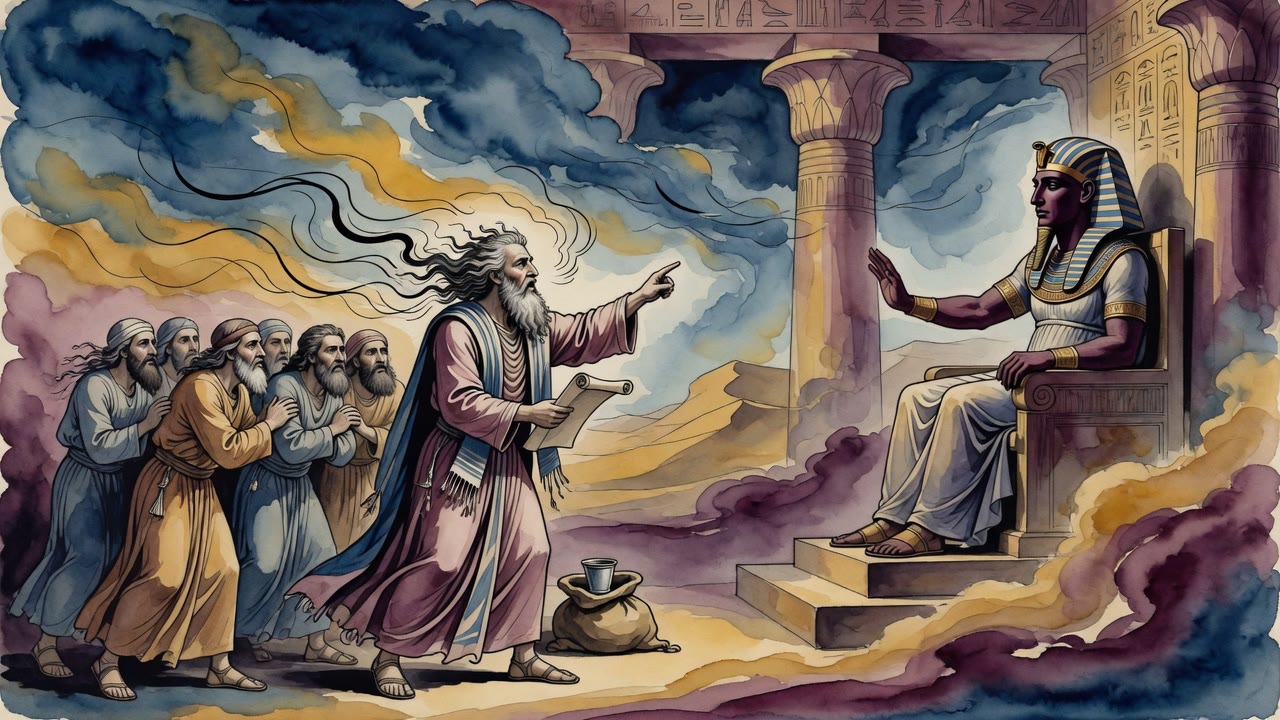
The viceroy of Egypt did not raise his voice. Benjamin would stay as a slave. The nine older brothers were free to go home to Canaan, to the father who had already lost one son of Rachel and would not survive the loss of the other.
Judah stepped forward.
The Cup in Benjamin's Sack
They had come down to Egypt with presents in their hands, stacte and almonds and terebinth nuts and pure honey, on the first day of the month in the second year of that week. They had stood before the man who sold the grain. He had looked at Benjamin and asked if this was the youngest. He had known the face. They had not known his.
The cup was his doing. He had put it in the sack himself. The verdict was a trap sprung at the exact hour it would force a choice. Nine men who had sold one brother could walk out and leave another. Egypt would not reverse itself. The court waited.
Judah came near.
Judah Offered His Own Life
Months before, in Hebron, the same choice had sat in a tent. Jacob would not send Benjamin to Egypt at all. Reuben had offered two of his own sons as collateral. Kill them if I do not bring the boy back. Jacob had not been moved. A man who offers his children is still standing outside the harm.
Judah had said something else. "Send him with me, and if I do not bring him back to thee, let me bear the blame before thee all the days of my life."
Not his sons. Not a promise about the future. Him. Every day that remained would be lived as a man who had failed at this one thing if Benjamin did not return alive. Jacob had put the boy in his hand and let the caravan go.
Now the cup was out of the sack, and the days of his life were in the room with him.
Sackcloth Before Any Crown
Years earlier, when Joseph's coat came home stiff with goat blood, Jacob had put sackcloth on his loins and refused to be comforted. The brothers went to Judah. This great misfortune is your fault, they said. You asked what profit there was in killing him. You said, come, let us sell him to the Ishmaelites, and we followed you. Had you said, let us take him back to his father, we would have followed that too.
Judah did not deny it. He put on sackcloth himself. The cloth sat on the man who had named the sale, and the kings who came after him wore it the same way when a nation broke. David put it on. Ahab put it on. Joram put it on. Mordecai put it on. The first of them was Judah in a tent, blamed, not arguing, dressing as his father dressed.
He had learned the shape of the offer then. A king does not send his sons into the gap. He goes.
Let Me Stay in His Place
In the Egyptian court Judah did not talk about the coat. He talked about the old man. The boy's brother is dead, he said. The father loves this one. If I go back without him, you will see the death of our father. Let your servant remain instead of the lad, a slave to my lord. Let the boy go up with his brothers.
He put his body where Benjamin's had been sentenced to stand. The viceroy looked at him. The nine others stood behind, free to leave, not leaving. The cup still lay in the grain at their feet.
Judah waited. He had already spent the pledge once, in Hebron, to get the boy onto the road. He spent it again, in Egypt, to get the boy off it.
Joseph Cleared the Court
Joseph could not hold himself together. He sent every Egyptian attendant out of the room. Then he wept, loud enough to be heard in the house beyond the door. He said, "I am Joseph."
Benjamin saw the face he had not seen since he was learning to walk, the brother who had disappeared into a coat of blood. The others saw the viceroy and the pit at the same time. Joseph told them not to waste the hour on tears. "Weep not over me, but hasten and bring my father to me. Ye see that it is my mouth that speaketh, and the eyes of my brother Benjamin see."
Five years of famine were still ahead. No harvest, no fruit, no ploughing. Come down quickly, he said, you and your households, so that you do not perish. Do not grieve for your possessions. The Lord sent me before you to set things in order, that many people might live.
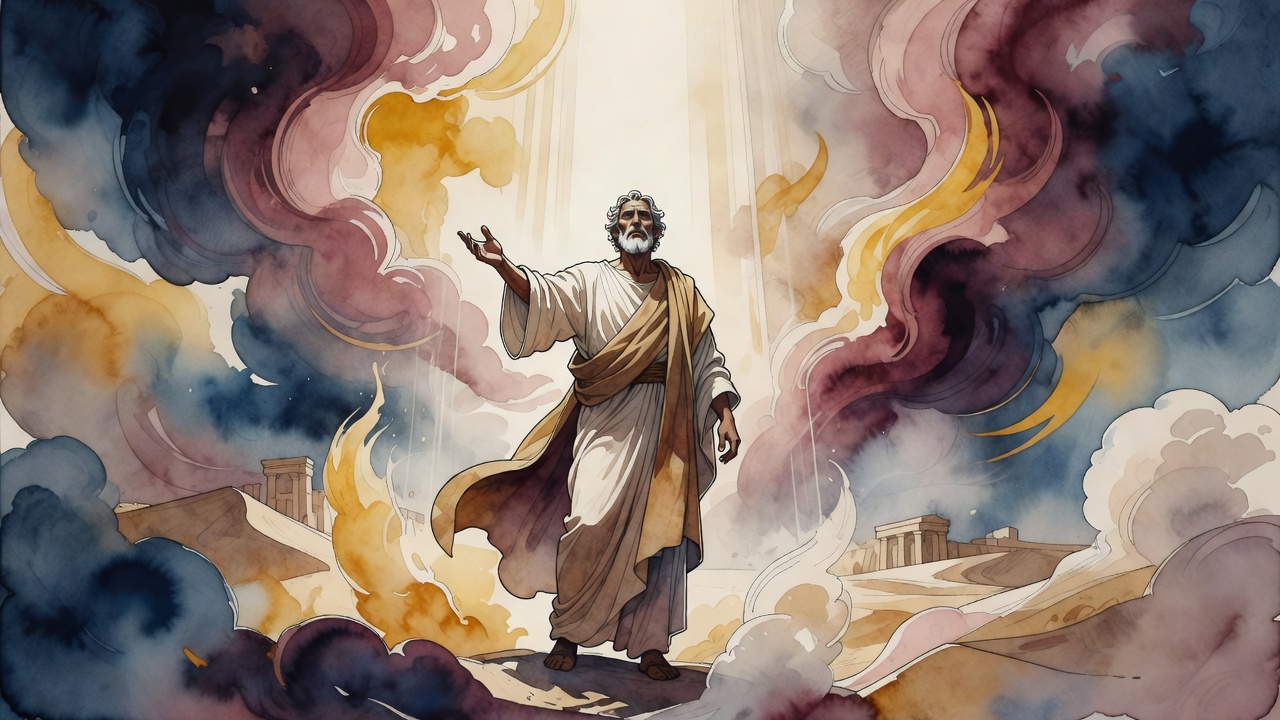
Judah stood in the emptied court with the pledge still in his mouth and the boy still alive beside him. The crown that would sit on his line later had already been decided in that room, in the two times he offered himself and did not take it back. He had worn sackcloth first. The throne came after.
← All myths