1 texts
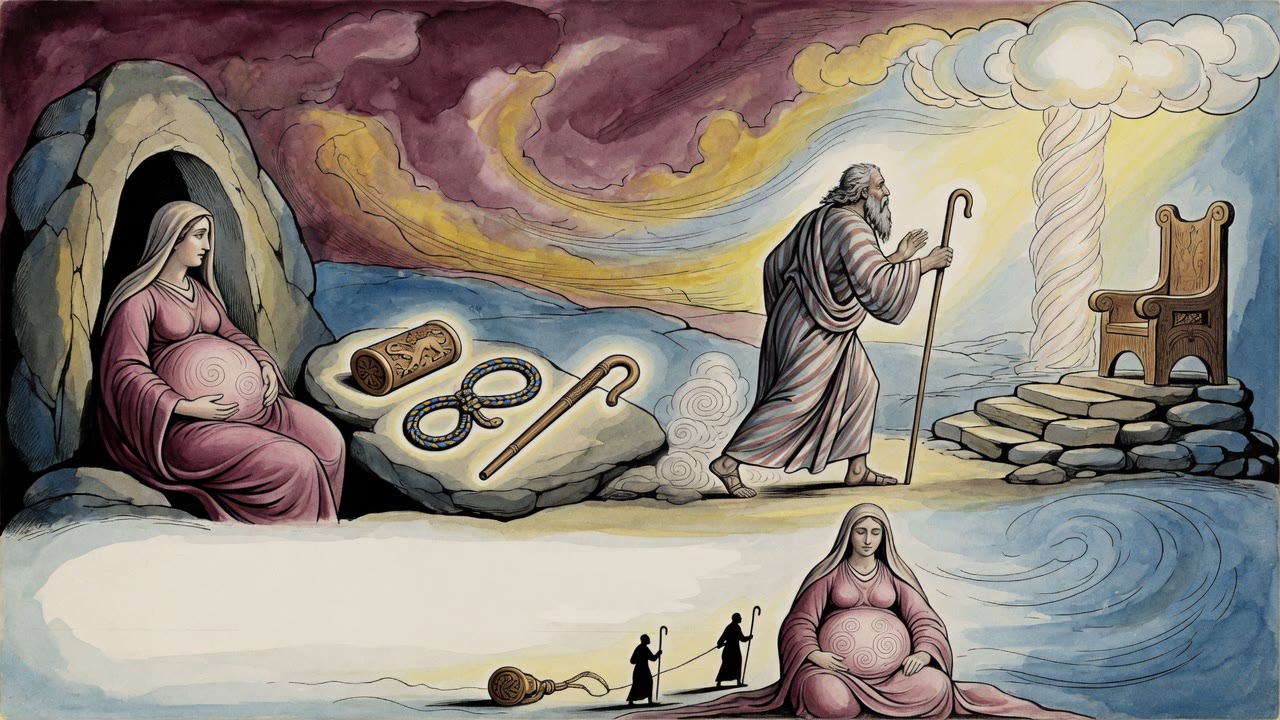
The rabbis traced one walking stick from Jacob to Judah to Moses to Aaron to David, and said the Messiah will one day hold it too.
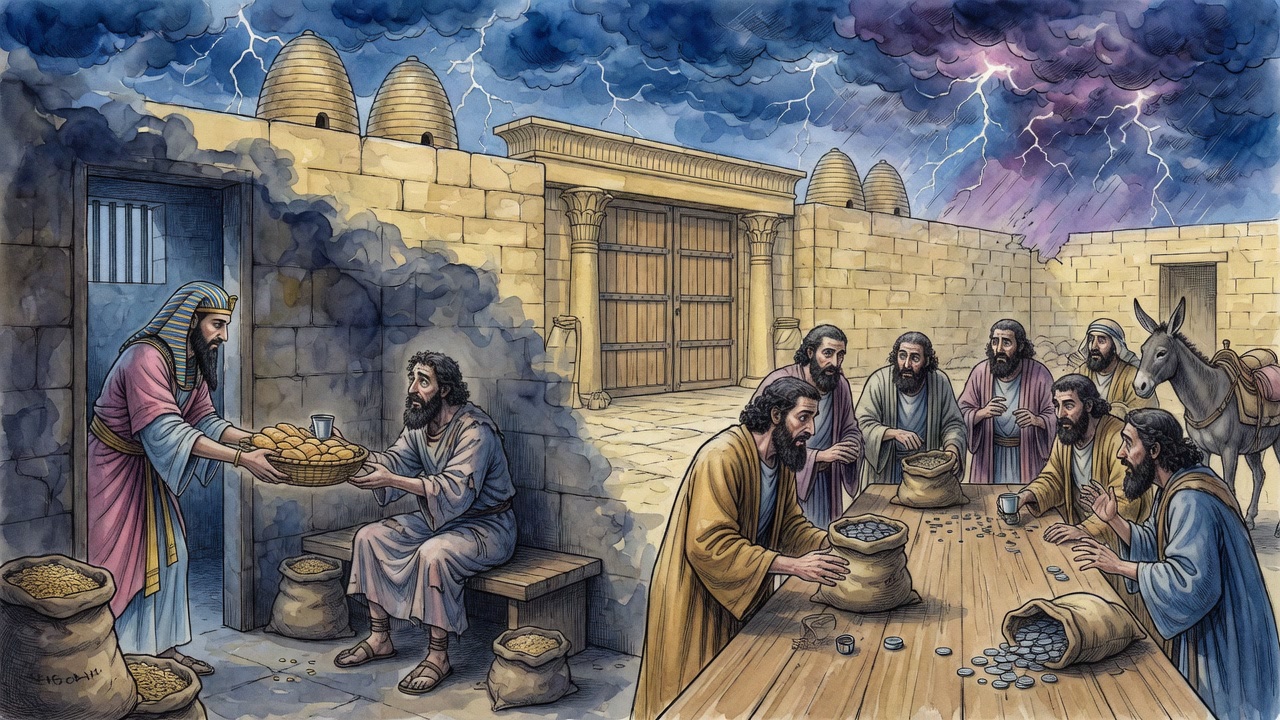
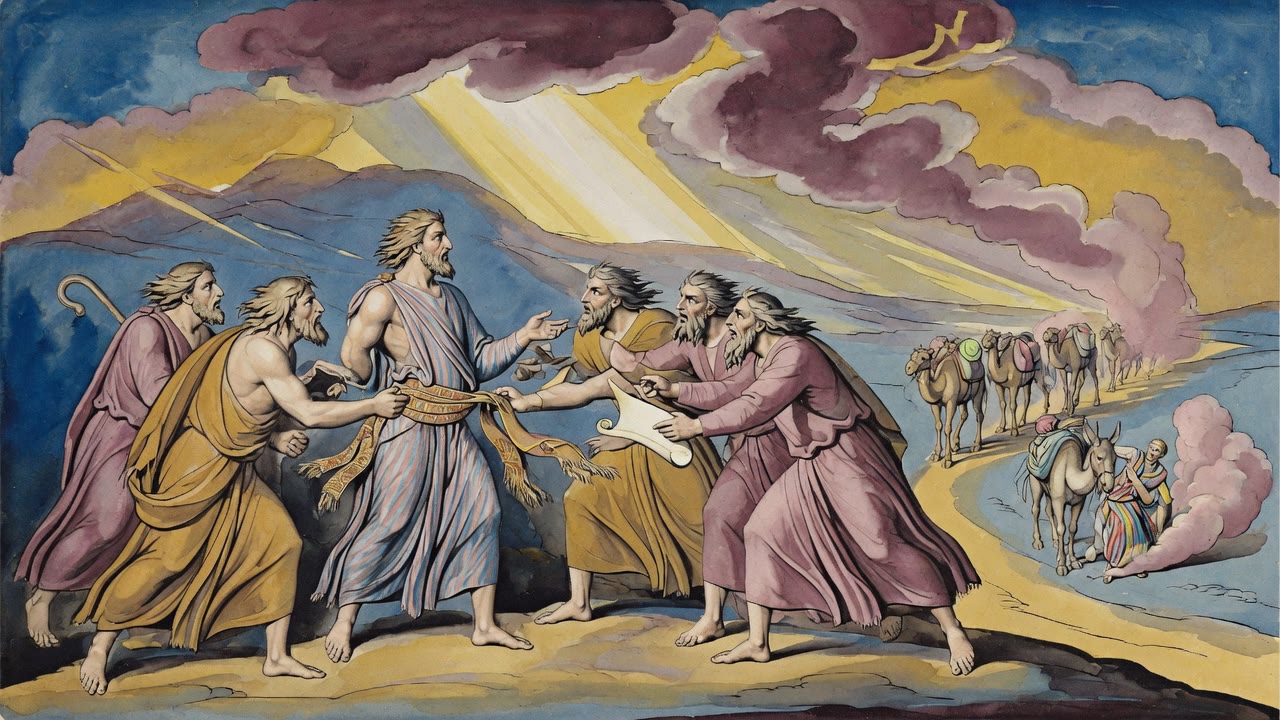
A planted goblet, a pursued caravan, and a viceroy who claimed to read secrets from silver. Targum Pseudo-Jonathan insists Joseph actually used the cup.
For years Jacob secretly blamed Judah for selling Joseph into slavery. Then one day he handed Judah the keys to the family's future.
The twelve gems on the High Priest's breastplate each carried a tribal secret. Two stones told stories of faith and shame.
An ancient apocryphal text says Naphtali had a vision on the Mount of Olives that predicted which two tribes would rule Israel forever.
In a country full of idols, Joseph's brothers identified themselves by a single sentence. The rabbis said the sentence was the covenant itself.
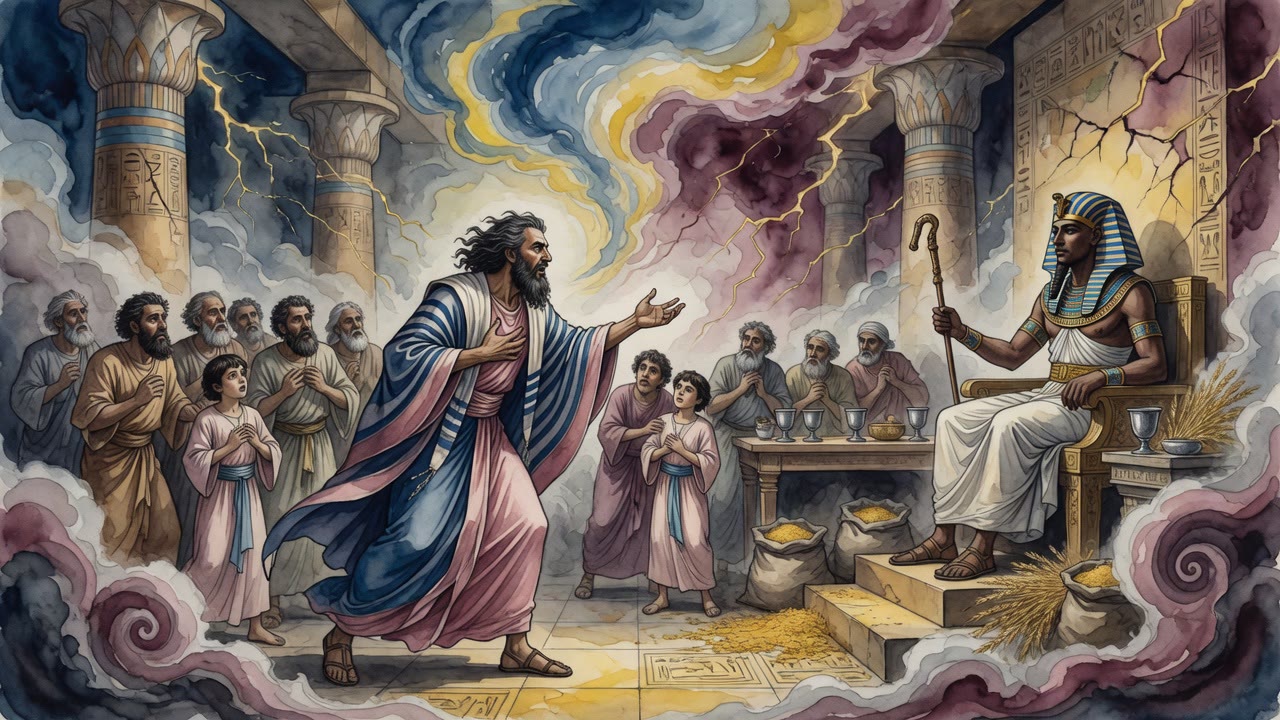
The Torah says Judah made a speech. The old midrash says Judah nearly leveled Egypt. The showdown between the two brothers almost ended everything.
The Book of Jubilees preserves Judah's full confession — how pride led him to sin with his daughter-in-law and how her courage forced him to speak the truth that saved his own lineage.
When Joseph accused Benjamin of theft and threatened to make him a slave, Judah erupted into a rage that shook the palace — and the rabbis say that single act of loyalty earned his tribe the kingship forever.
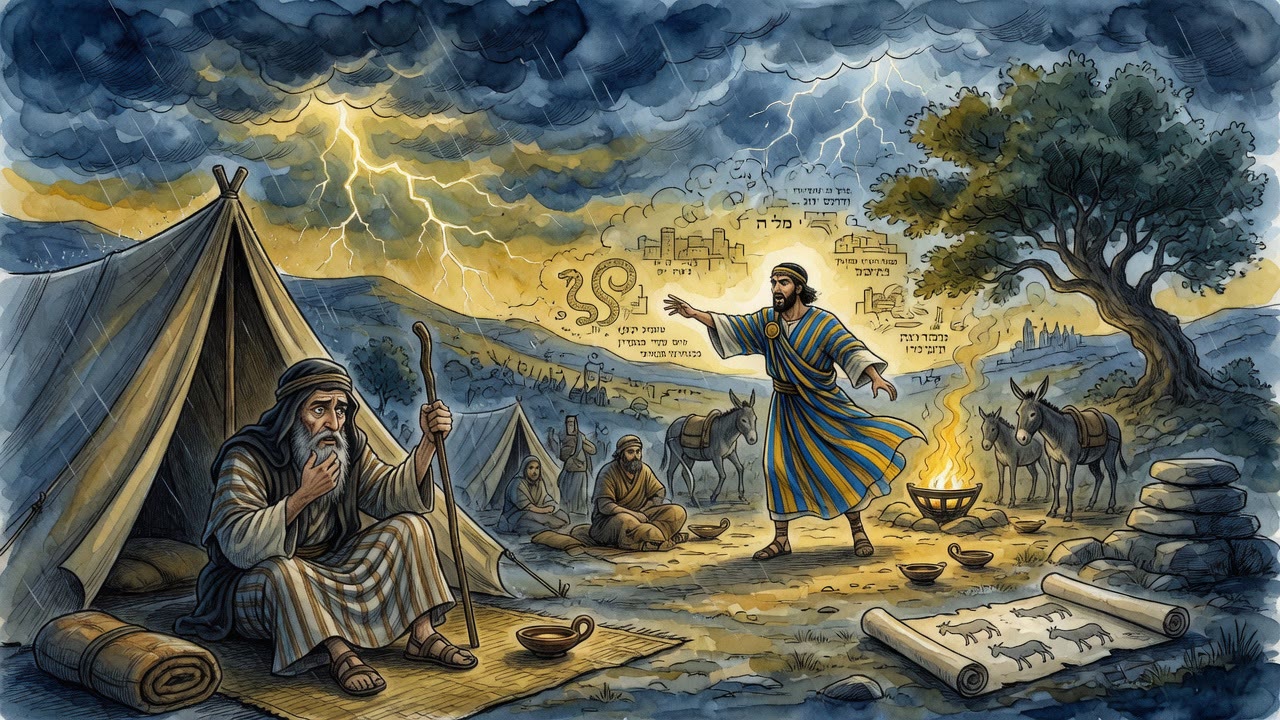
After the destruction of Shechem, seven Amorite kings march on Jacob's camp. It is Judah who finds the words his terrified father cannot.
Joseph imprisoned Simeon to force his brothers back. Then he secretly ordered good food for his hostage. The cruelty and the kindness were the same move.
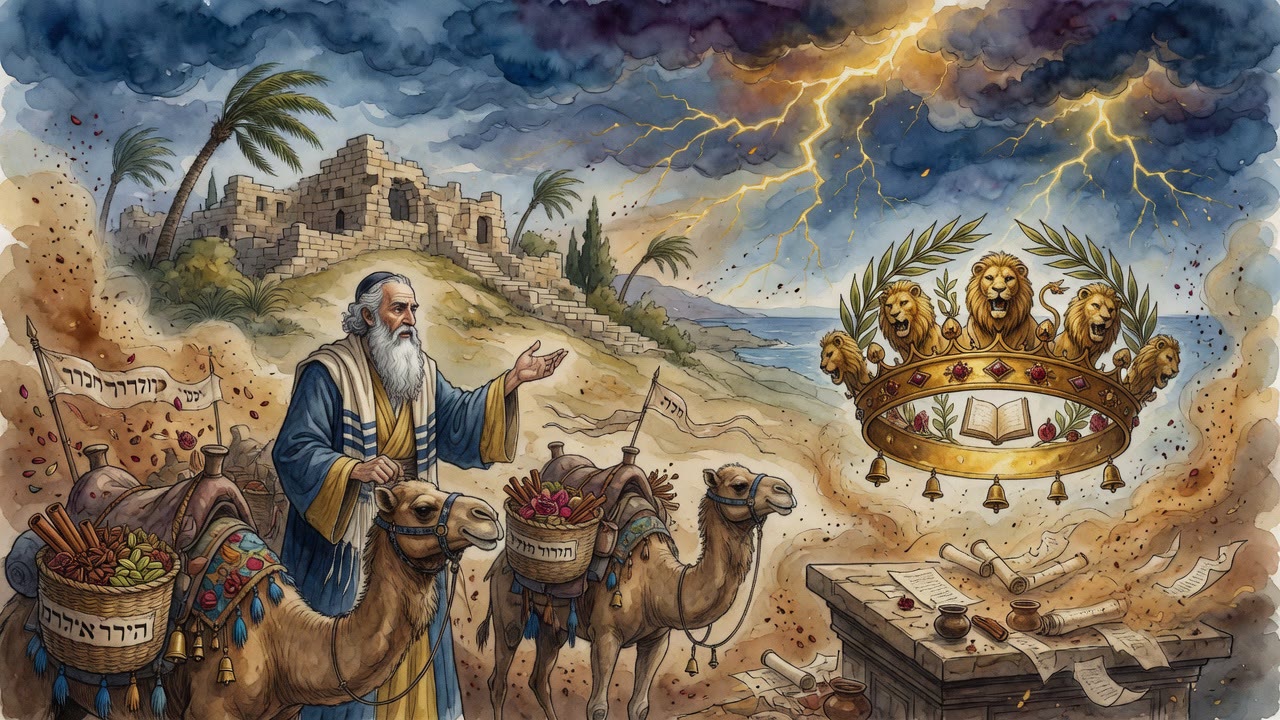
In the shade of the grove of Yavneh, Rabbi Tarfon unravels two puzzles hidden in the Joseph story: the strange cargo of his kidnappers, and how Judah earned the throne.
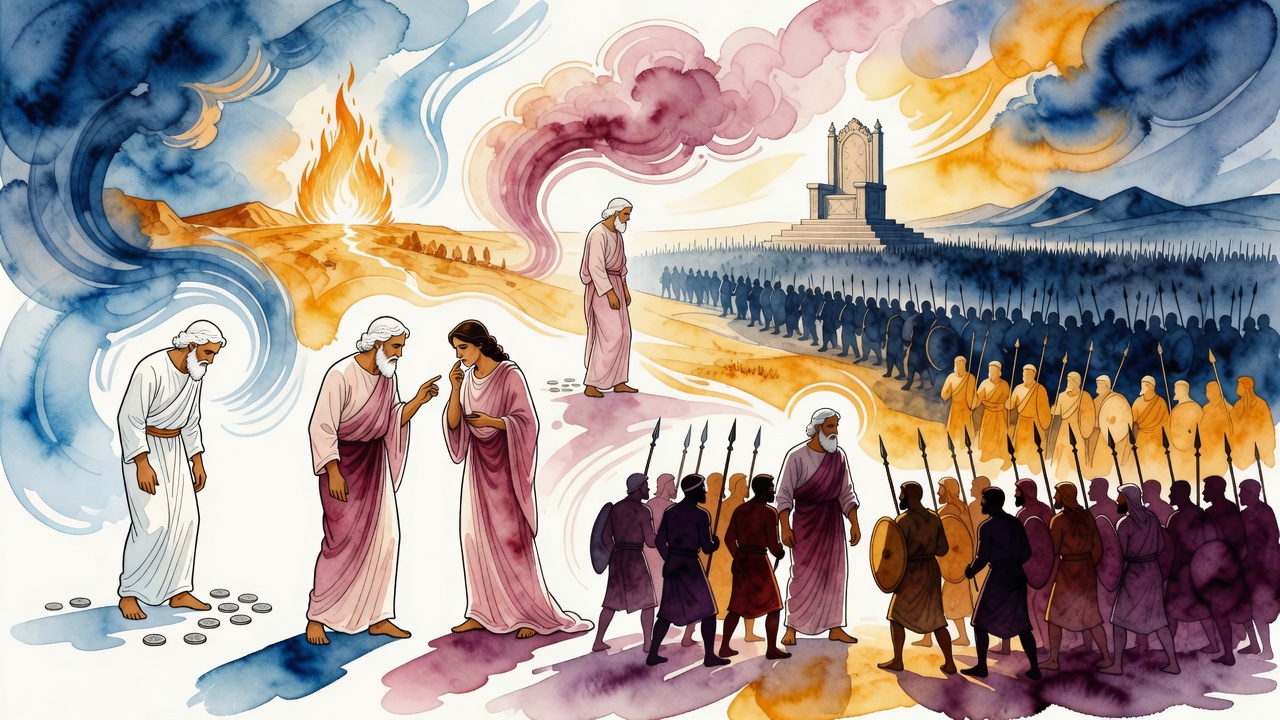
Judah sentenced Tamar to death by fire. What he didn't know was who her father was, and why that made his sentence the only legally correct one.
The Midrash finds three meanings in two Hebrew words and each one explains why Judah, not Joseph, becomes the ancestor of every Jewish king.
Judah sold his own brother, was seduced by his daughter-in-law, and died outnumbered 30,000 to 800. The tradition never stopped watching him.
Judah's plea for Benjamin before the viceroy of Egypt was also a warning backed by family history. Benjamin remembered it until his dying day.
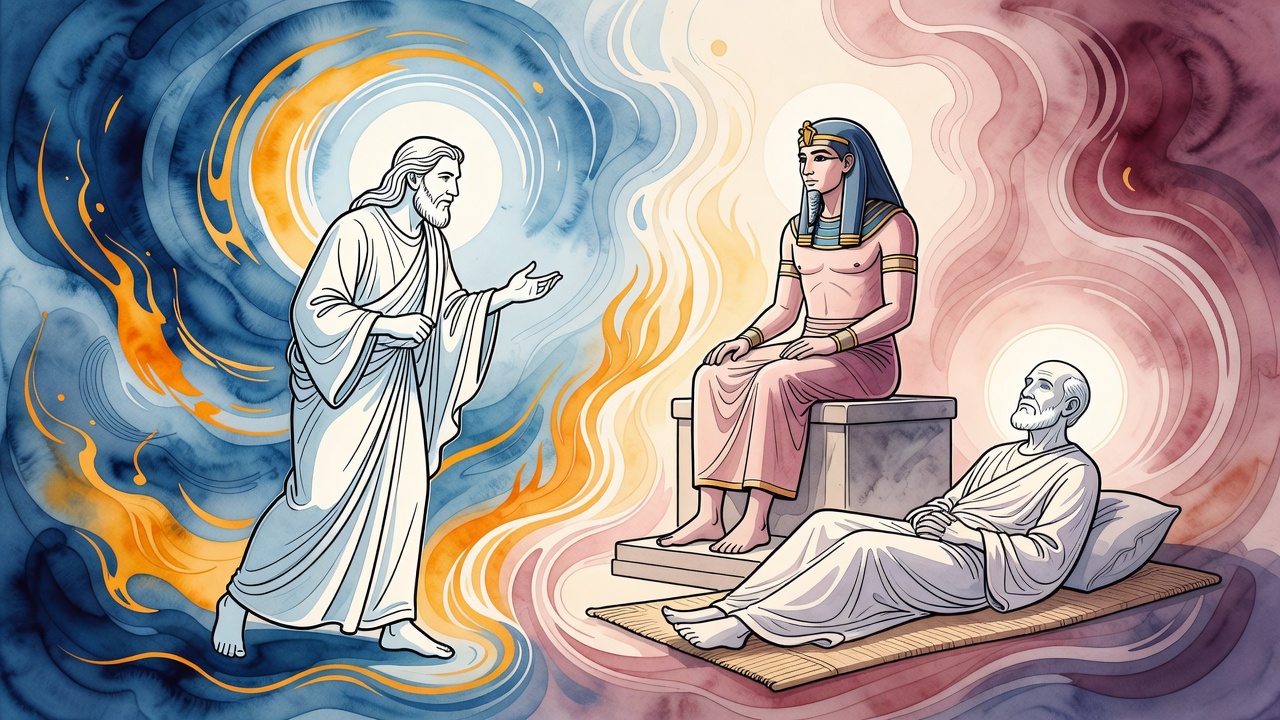
When Judah made his plea for Benjamin before the Egyptian viceroy, two traditions reveal what was truly at stake in that throne room.
Before Jacob's family entered Egypt, he sent Judah ahead. Not to scout the territory. Not to prepare a camp. To build a house of study.
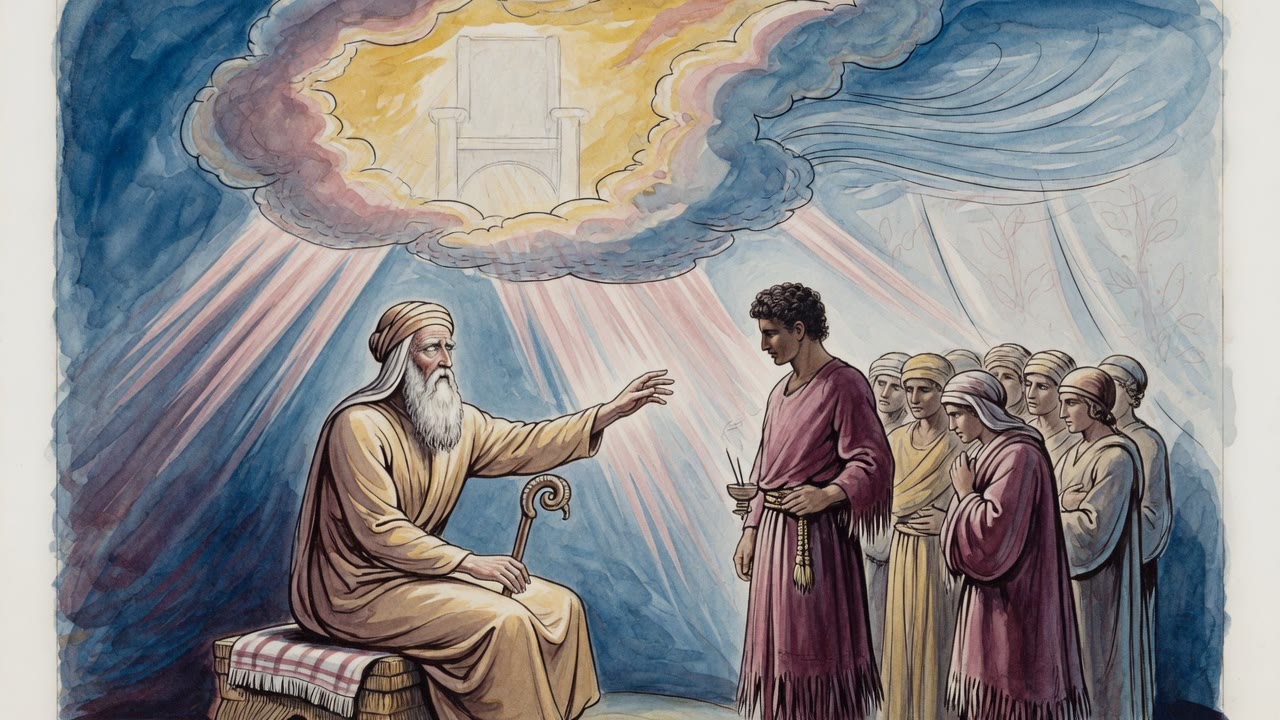
When Isaac's sight returned long enough to see Jacob's sons, he wept and prophesied. He put Levi on his right and saw the priesthood in his face.
Jacob's dying prophecy gave Judah a crown no one expected. The tribe that stumbled through scandal became the one Israel would follow.
Jubilees records how Jacob's sons held the tower against four thousand men. Judah led from the south, and what he did there is why the crown landed on his line.
When Judah stepped forward in Egypt and pledged himself for his youngest brother, he was not just saving Benjamin. He was earning the kingship of Israel.
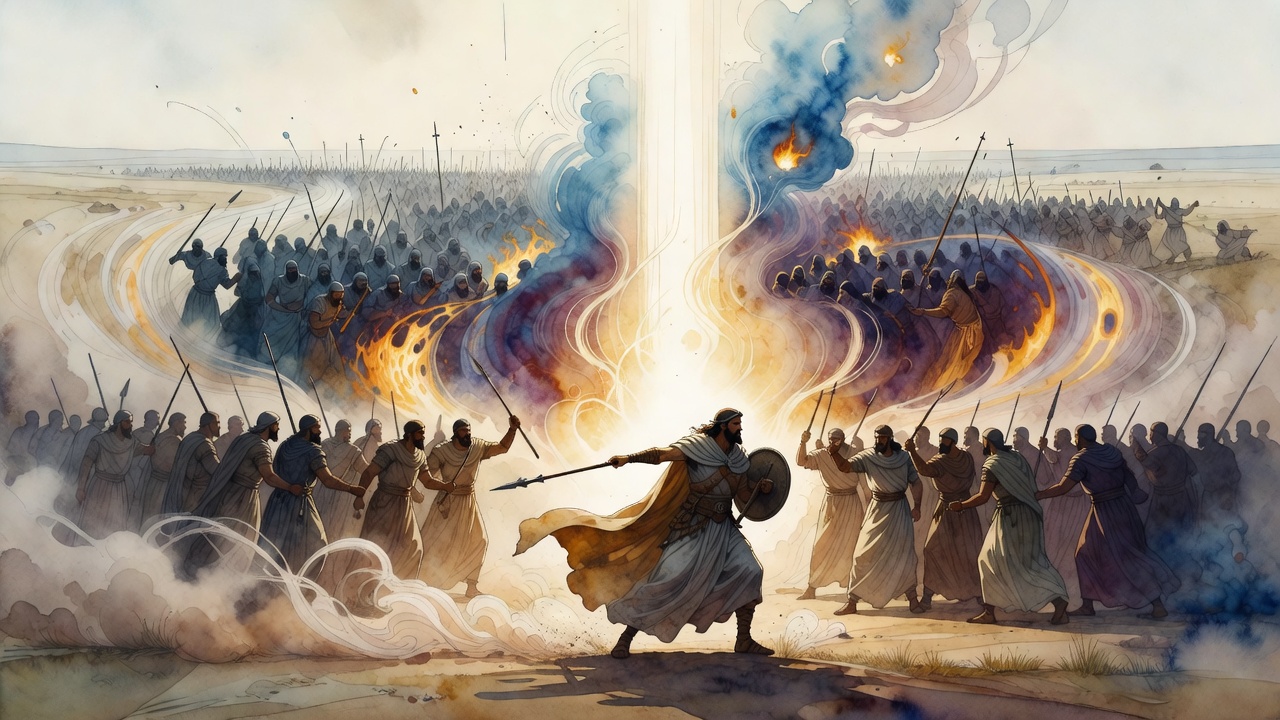
The Amorite kings assembled to destroy Jacob's family after their return to Shechem. Judah fought seven battles in six days until they came without weapons.
Judah Maccabee defeated four enemy generals, each time outnumbered. After the first battle he took Apollonius's sword and never put it down.
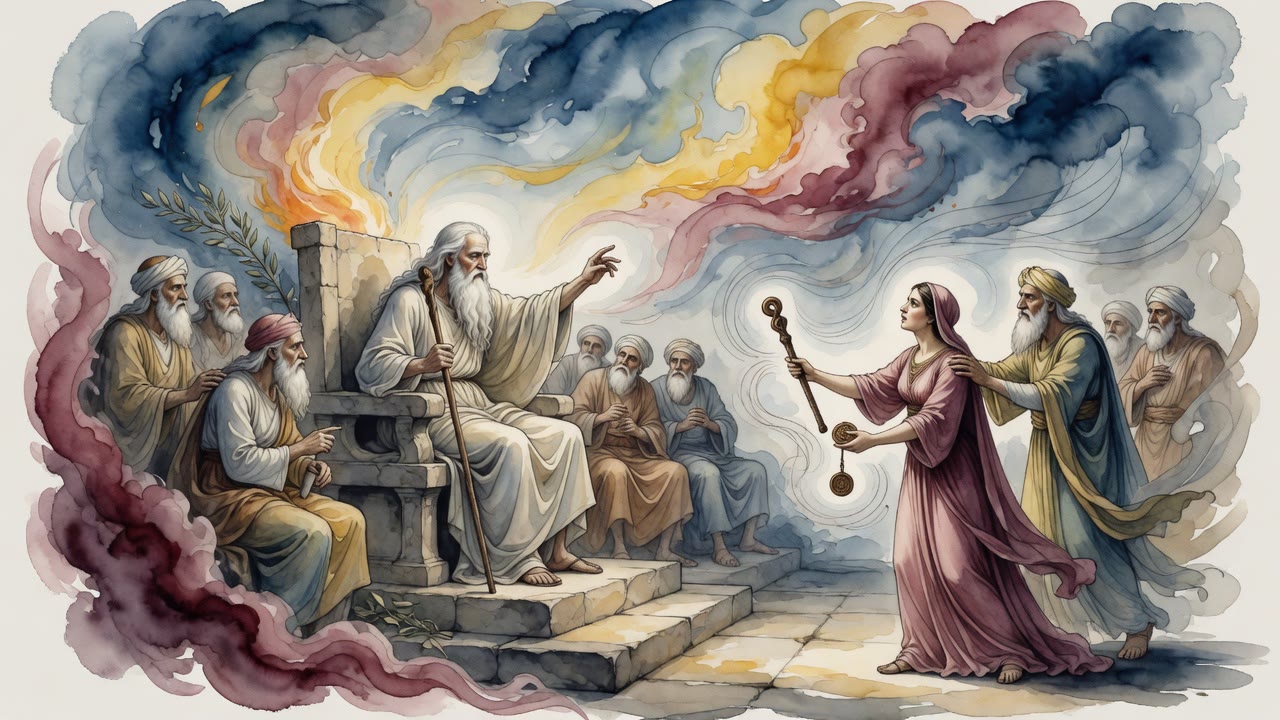
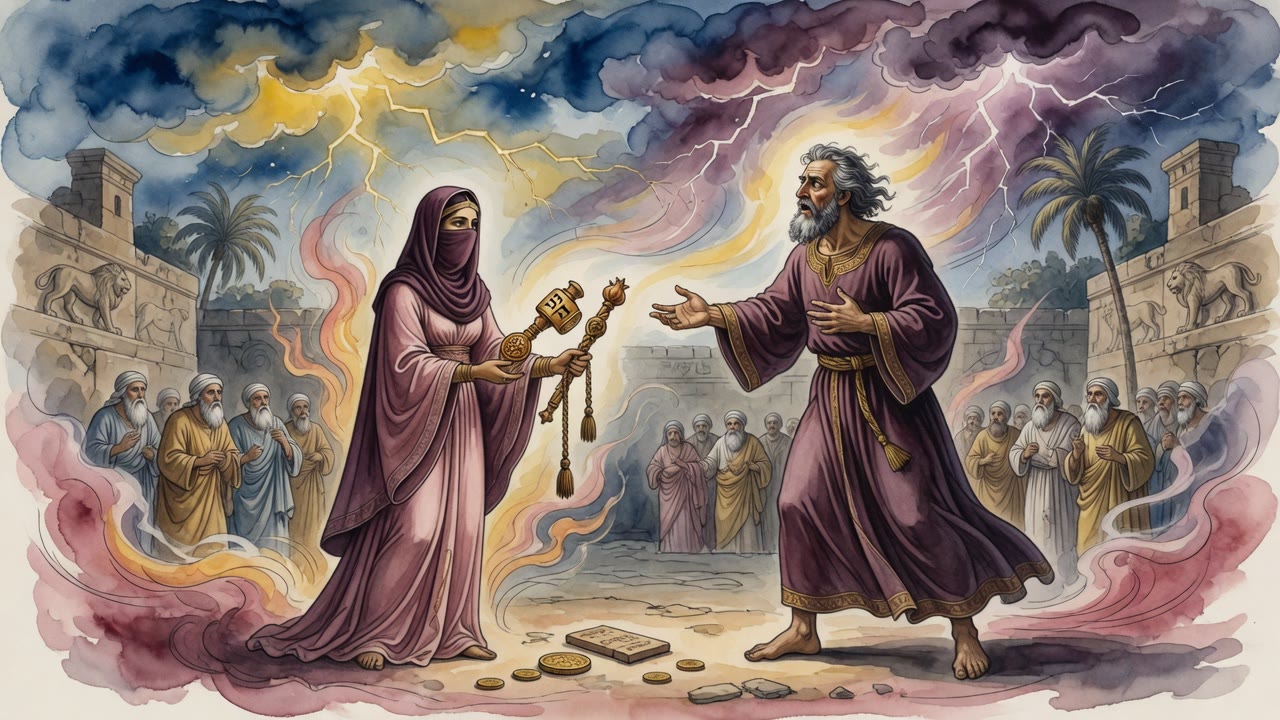
Judah's sons died when they married Tamar. When he withheld his third son, she went to the crossroads in disguise. She knew the pledges would seal a royal line.
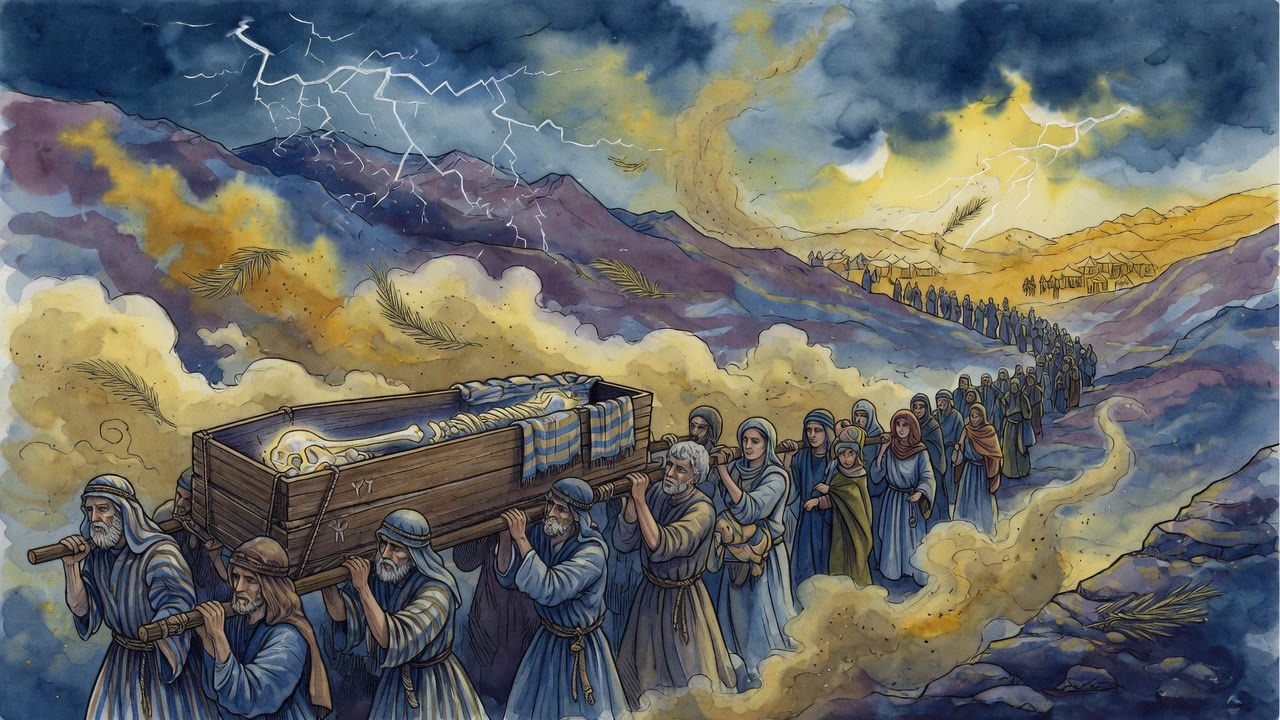
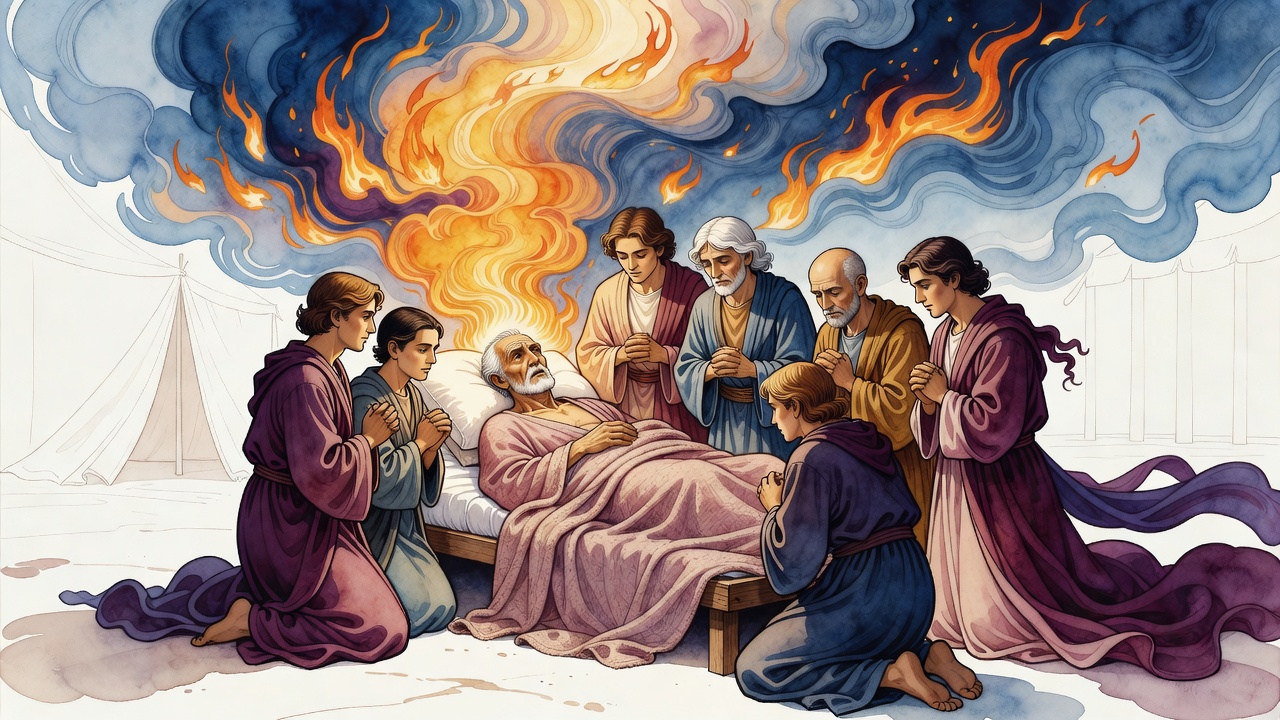
On his deathbed, Judah confessed what wine and pride had cost him, then named the Messiah who would come from his line despite all of it.
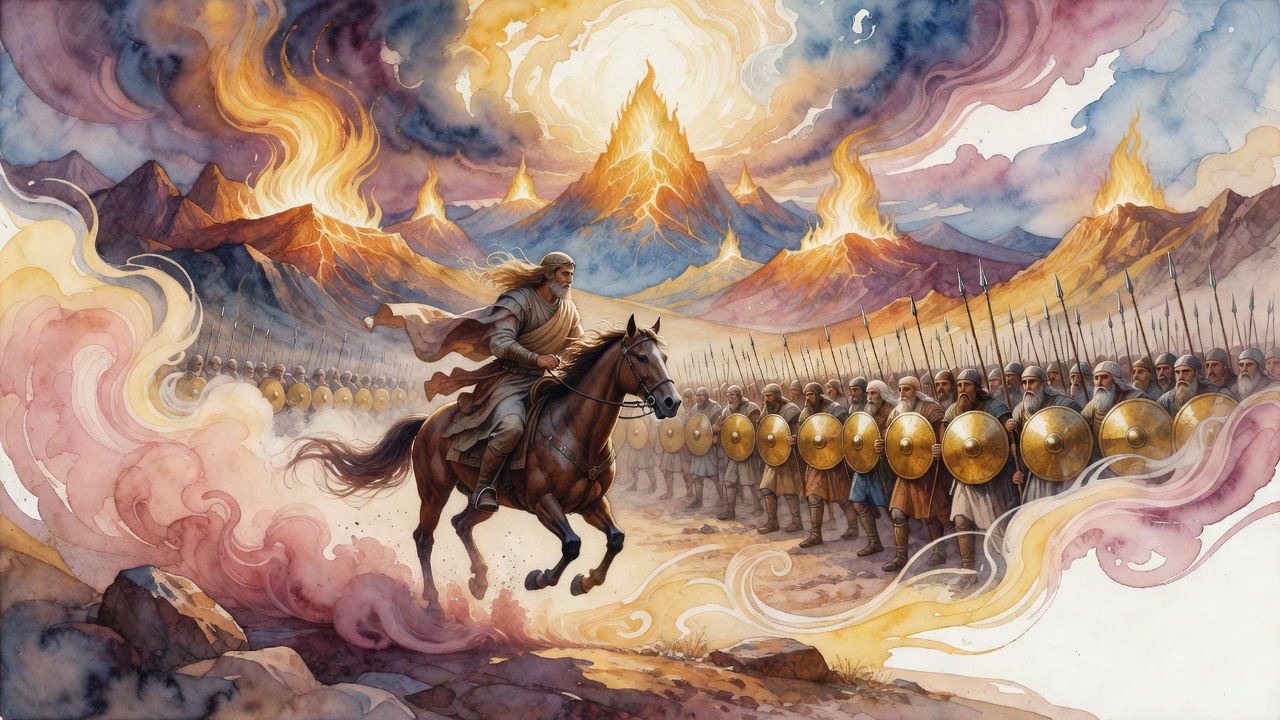
Seven Amorite kings marched against Jacob's sons with ten thousand soldiers. Before any arrow flew, Judah spoke. What he said determined everything.
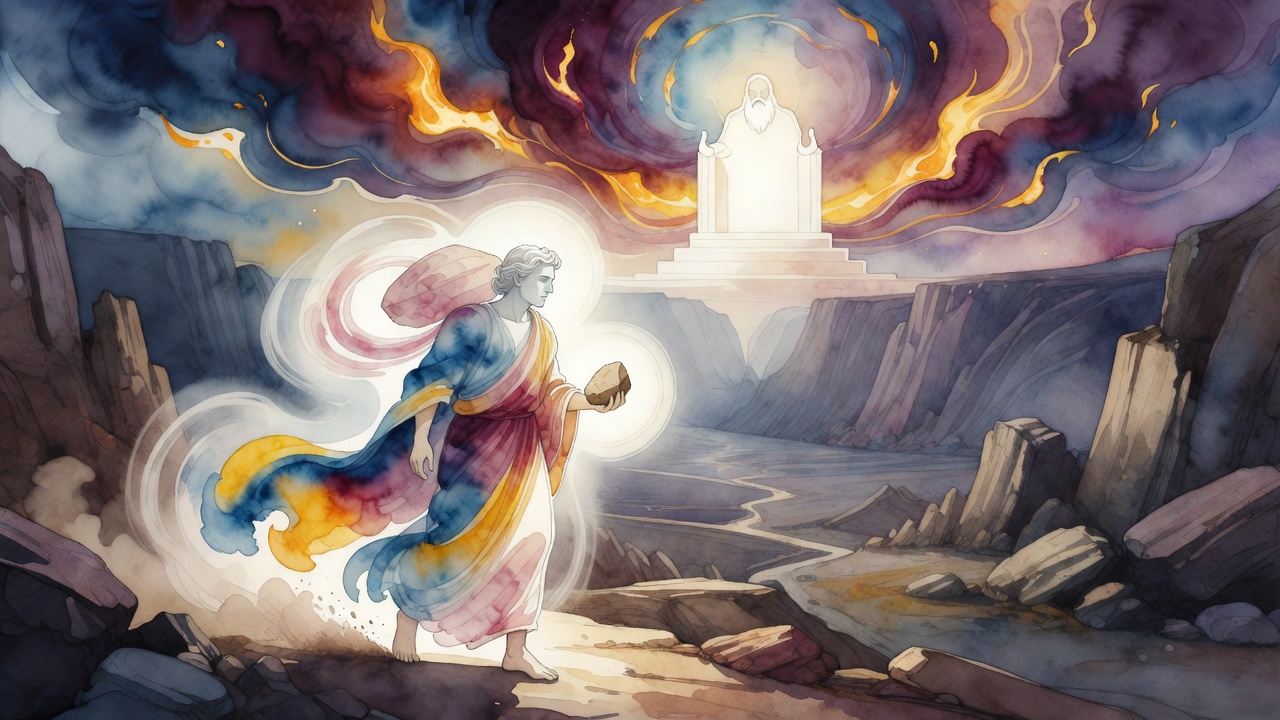
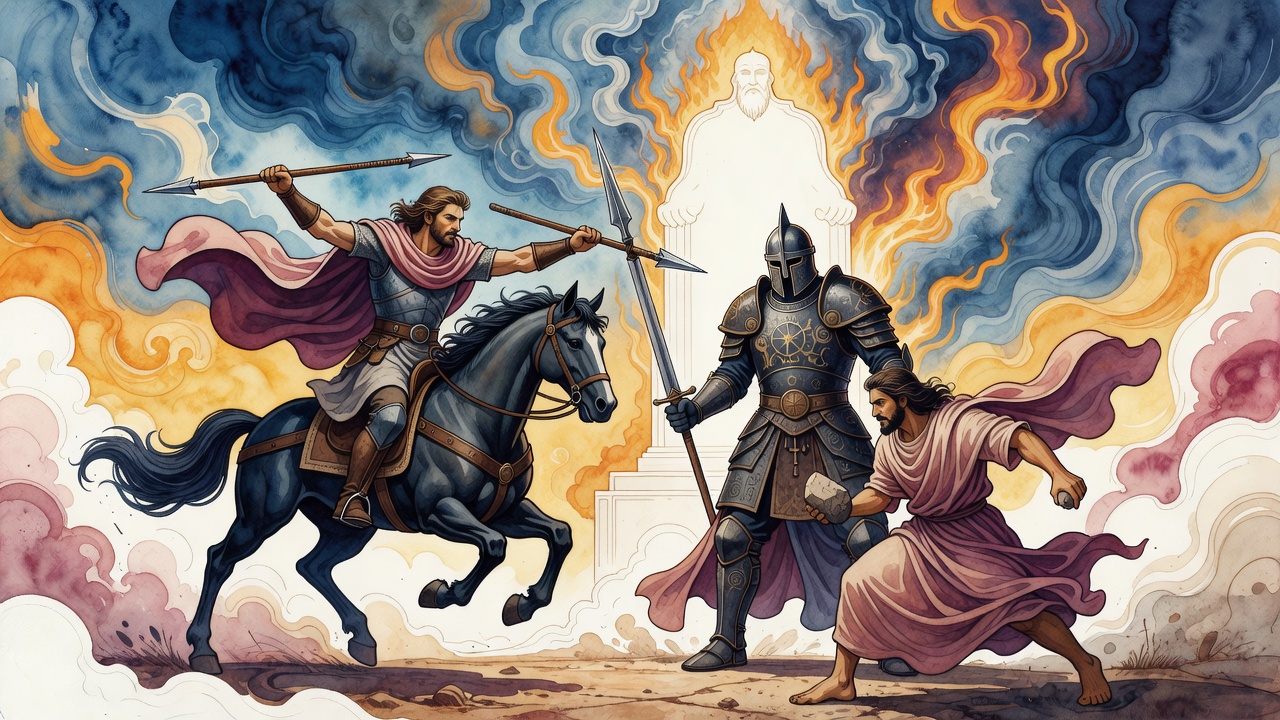
The king of Tapnach could throw javelins with both hands from horseback without missing. Judah had no spear, no mount, and no armor. He had a stone.
The moment Joseph disappeared into the caravan, Judah's brothers stripped him of leadership. His road back would take years and cost everything.
When Leah named her fourth son Judah, she gave thanks for something that went beyond motherhood. The rabbis say the land itself was waiting for his birth.
Judah walked right past Tamar without stopping. It took divine intervention -- a specific angel appointed over passion -- to turn him back. The rabbis ask why.
When Tamar was dragged before the judges, her father-in-law Isaac sat on the bench. So did Jacob. So did Judah, who had to condemn or confess.
With the fire already prepared, Tamar could have named Judah and saved herself. She refused. She put her trust in God to turn his heart -- and God did.
Reuben had carried his secret sin for years. When he watched Judah stand up in court and tell the truth at mortal risk, something in Reuben finally broke open.
Judah saved Joseph from death but would not finish the rescue. The rabbis say his years in Adullam -- dead sons, dead wife -- were the cost.
Standing before Egypt's Viceroy, Judah argued a thief and his companions are taken together. Joseph answered that only the guilty one should stay.
Judah's cry in Egypt's court traveled four hundred parasangs. Hushim the son of Dan heard it in Canaan and leaped to Egypt in a single bound.
Reuben was born to receive the birthright, the priesthood, and the kingship. One night beside Bilhah's tent cost him all three, and he spent a century in shame.
Naphtali was 132 when he told his children he was dying. His warning was simple: fear God. His visions of ships and stars explained everything else.
Levi outlived every one of Jacob's sons. His final words alongside Judah's deathbed speech reveal what the two pillars of Israel each carried to their graves.
Judah killed lions bare-handed. Wine and beauty brought him low twice. On his deathbed he named both failures so his children could see the terrain.
After Jerusalem fell, some argued the sin was too great for return. The Kabbalists answered them directly, and the answer was not simple comfort.
The Tikkunei Zohar reveals that reciting the Shema morning and evening is not simply a declaration of divine unity. It is an act of testimony, a twice-daily vow of loyalty by Israel on behalf of the Shekhinah, swearing that she has not exchanged her husband for another.
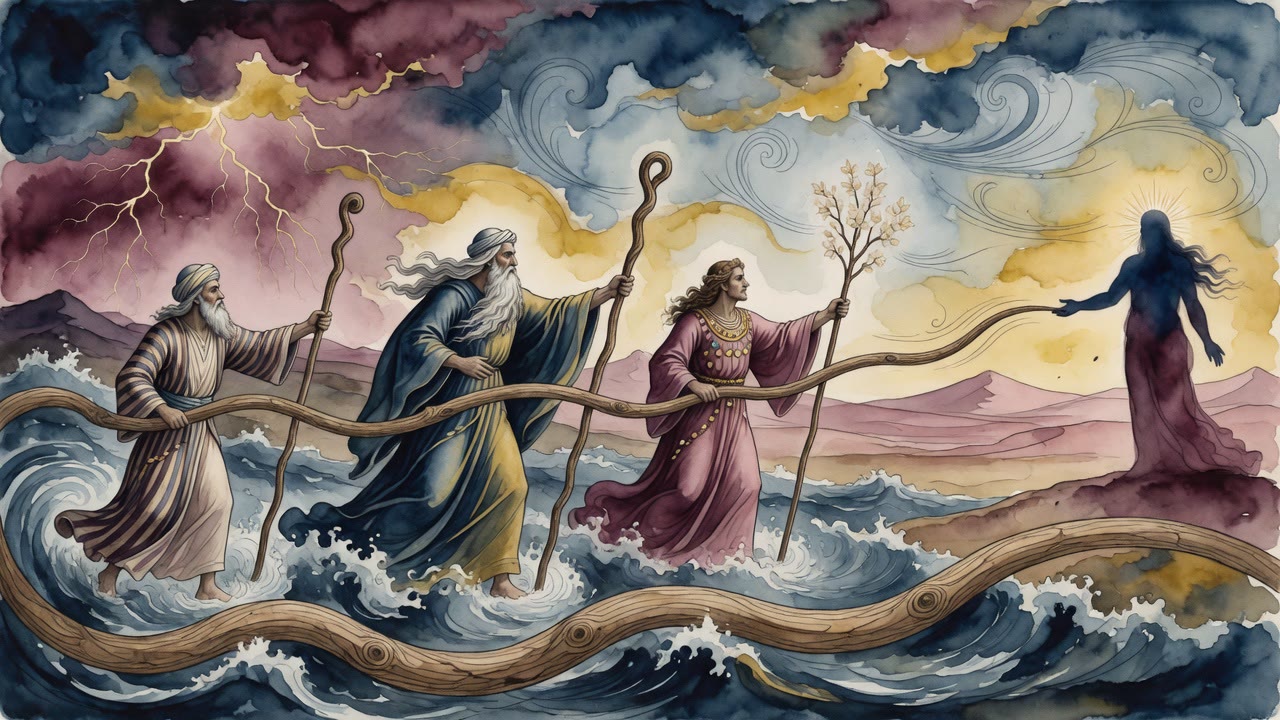
When Aaron and Chur positioned themselves on either side of Moses during the battle against Amalek, the Mekhilta says they were not randomly chosen supports. Aaron represented Levi's faithfulness at the golden calf; Chur represented Judah's willingness to enter the sea before it parted.
The rabbis read Psalm 118 as a prophecy of Israel's final hour, when the nations encircle her and God whispers: do not be afraid, you worm Jacob. That whisper turns out to be the most powerful reassurance in all of scripture.
The Jerusalem Temple did not belong entirely to either Benjamin or Judah. The border between the two tribes ran through the sacred complex itself, and the sages find in that shared boundary a teaching about why both tribes received royal gifts that the others never did.
Genesis 38 already contains one of the Torah's most stunning reversals. Targum Jonathan makes it more stunning still, identifying Tamar as a descendant of Noah's righteous son Shem, explaining why Judah's sons died, and describing how God intervened to save the lost evidence that proved her innocence.
When Jacob sent Judah ahead to Egypt, the rabbis asked why. Their answer reveals an entire philosophy: before you settle a new place, you establish a place to study Torah.
Jacob called Judah a lion's whelp on his deathbed. But the tribe of Judah earned that name through something stranger than courage: it was Judah's willingness to confess that made his descendants unbreakable.
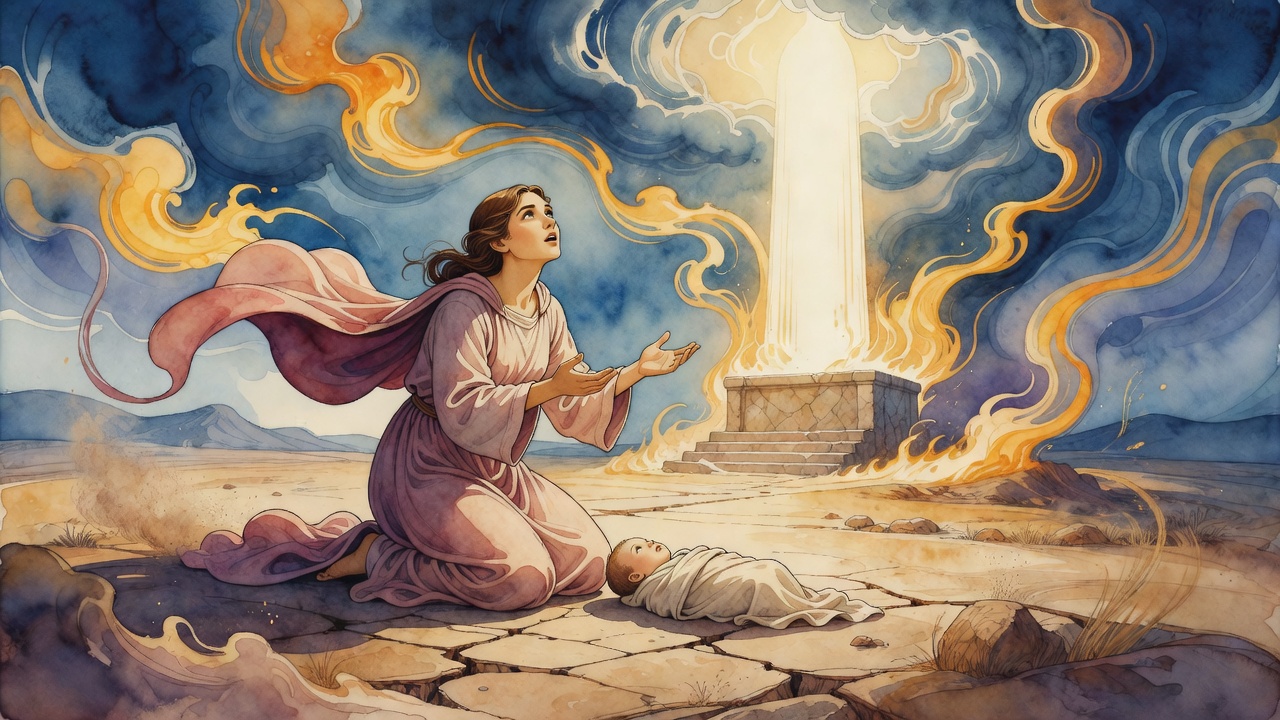
When Judah condemned Tamar to burn, she refused to humiliate him publicly. Instead she prayed. What happened next — Judah's confession, the fire's retreat — became the model for how honest prayer changes the course of judgment.
The conflict between Joseph and his brothers was never really about a coat of many colors. It was about two mothers, two marriages, and what each son was told from birth about his place in the world.
When Adam looked into the Book of Generations and saw that the greatest king in Israel's history had been allotted only one minute of life, he made a decision that changed the course of history.
On the Mount of Olives, Naphtali watched his brothers race to claim the sun and moon. What he saw in that vision laid out the entire future of Israel in the language of celestial bodies.
Of all twelve sons of Jacob, only Judah received a blessing that sounded like a war cry and a royal decree combined. The Book of Jubilees explains why the line of kings and the hope of redemption both run through the son who once sold his brother.
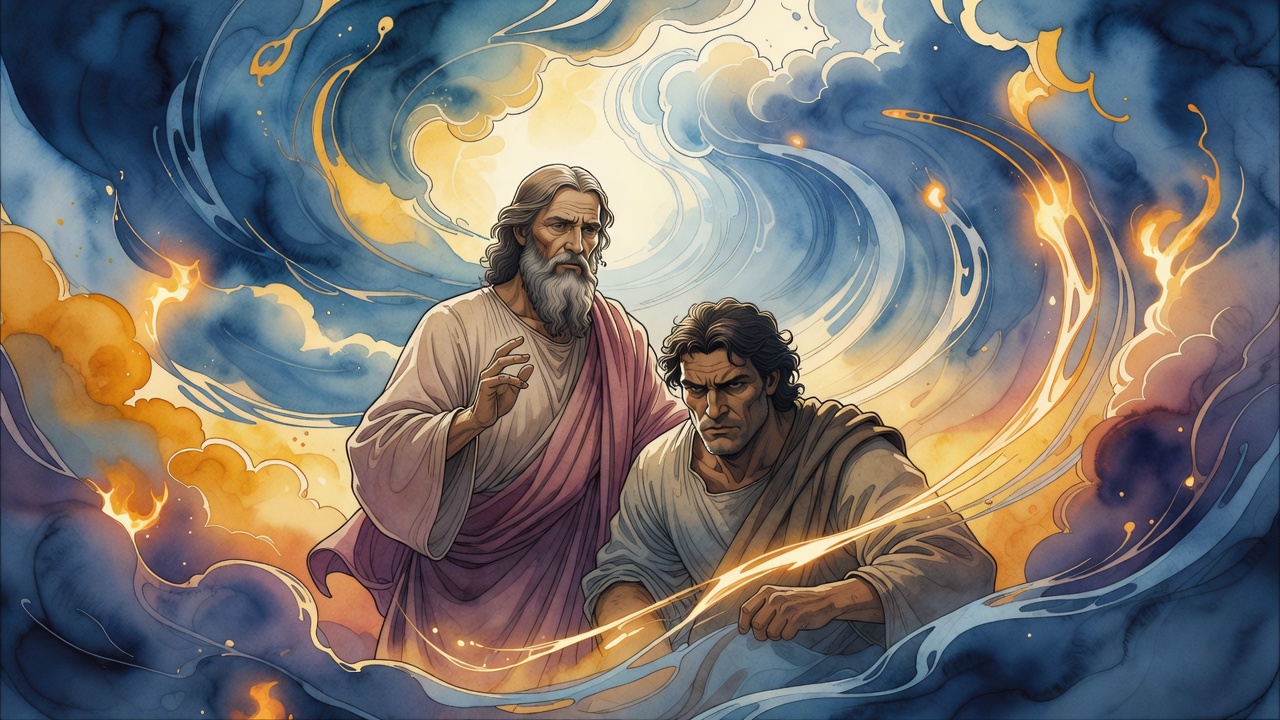
When Judah threatened Joseph in Egypt and demanded Benjamin's release, the rabbis said his voice was so powerful it shook the foundations of creation. The Midrash Tehillim traces that voice back to his confrontation with Esau, where Judah first discovered what he was capable of.
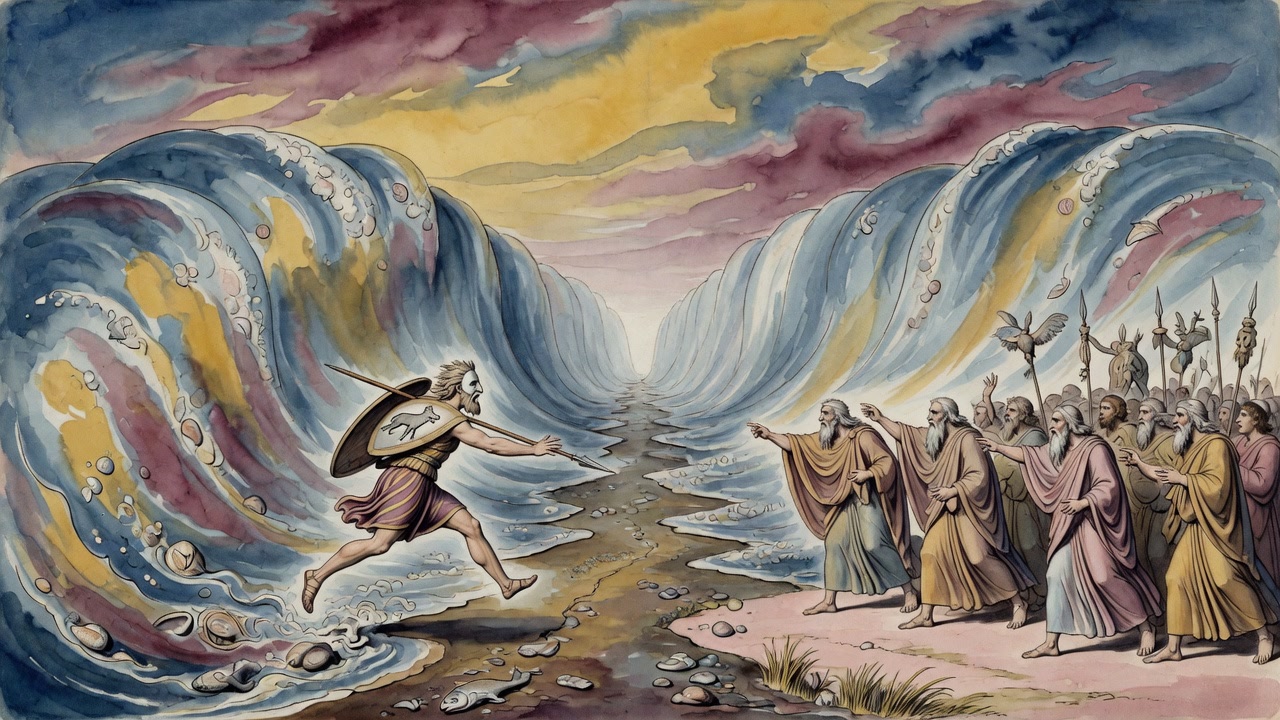
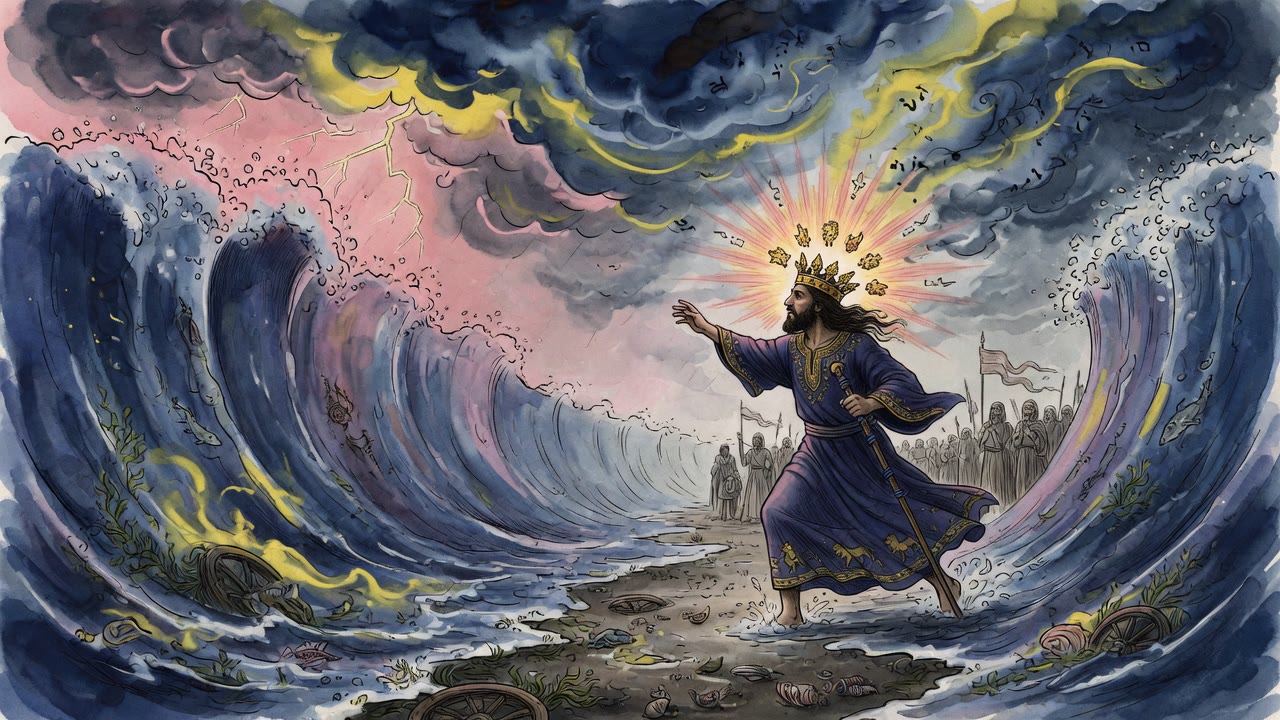
The tribe of Judah earned the kingship of Israel not through conquest or lineage but by being the first to leap into the crashing sea before a single wave had moved.
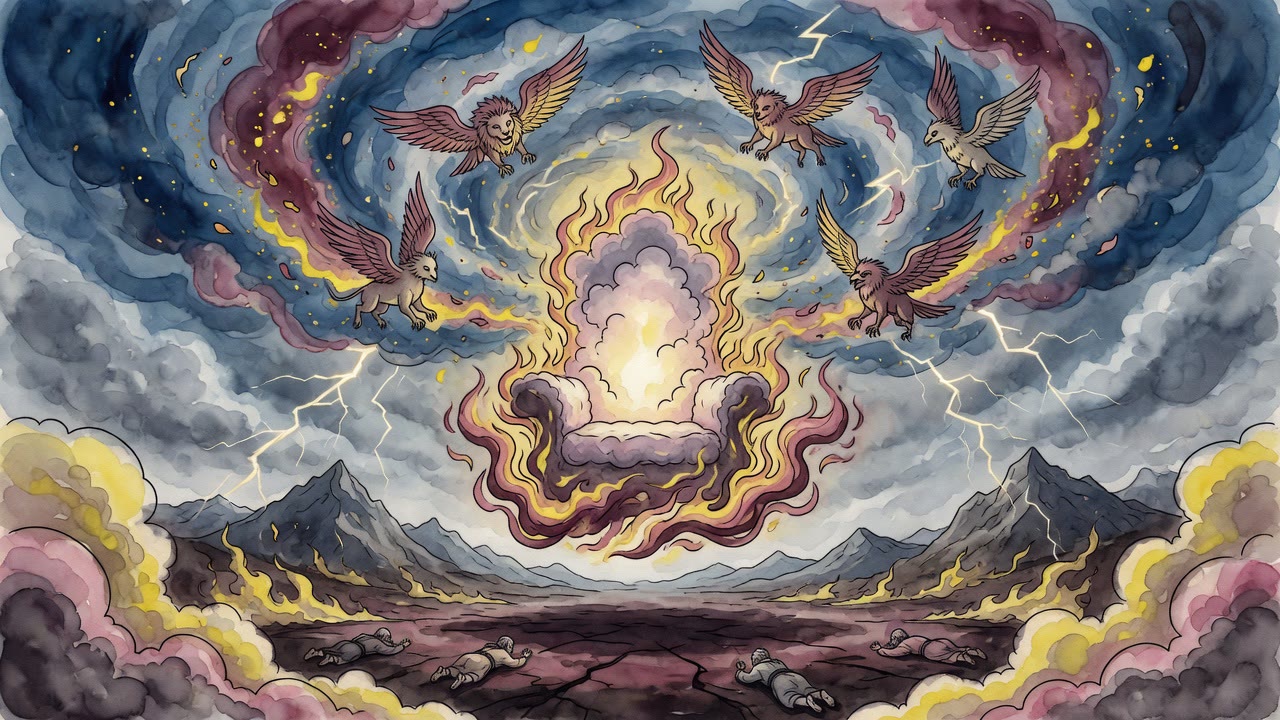
When Moses climbed Sinai to seize the Torah, the angels insisted no human was worthy. The answer lay in what had already been decided before the world was made.
The Torah existed two thousand years before the world began. The tribe that would carry it through history was already being shaped to receive it before the mountain was chosen.
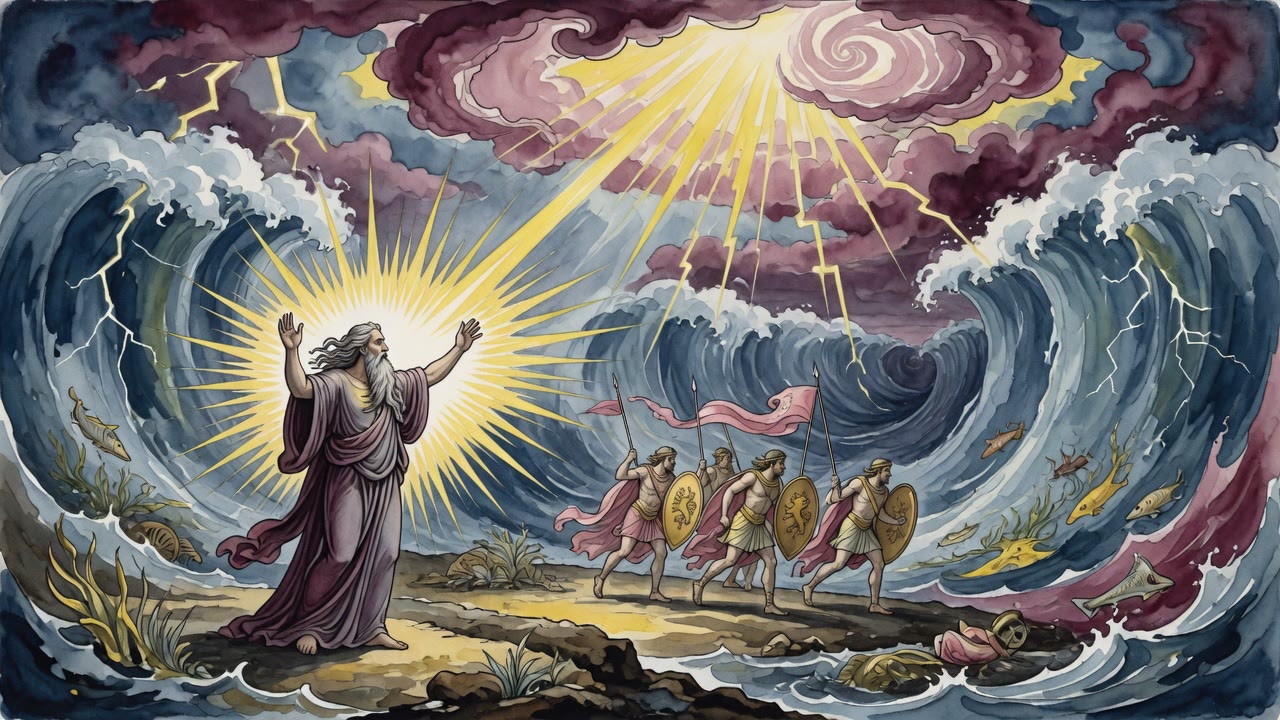
Moses's dying blessing for Judah seemed to address a danger not yet come. The rabbis traced it to one terrifying moment at the Red Sea.
The twelve tribal princes brought identical offerings at the Tabernacle's dedication. Each was secretly a prophecy about the tribe's whole future.
David's confrontation with Goliath fulfilled an oath Judah made to protect Benjamin, an obligation passed through every generation to a shepherd boy.
Tamar waited years for Judah to fulfill his promise. When he would not, she acted -- not out of desire but out of prophecy. The Messiah's line ran through her.
At the Red Sea, the tribes argued over who would jump in first. Benjamin didn't wait. Judah pelted them with stones. God rewarded both.
A single verse in Genesis about the tribe of Judah generated centuries of debate: who is the lawgiver, and how does the same prophecy apply simultaneously to Moses, David, and the coming king? Midrash Tehillim finds them all speaking from the same mouth.
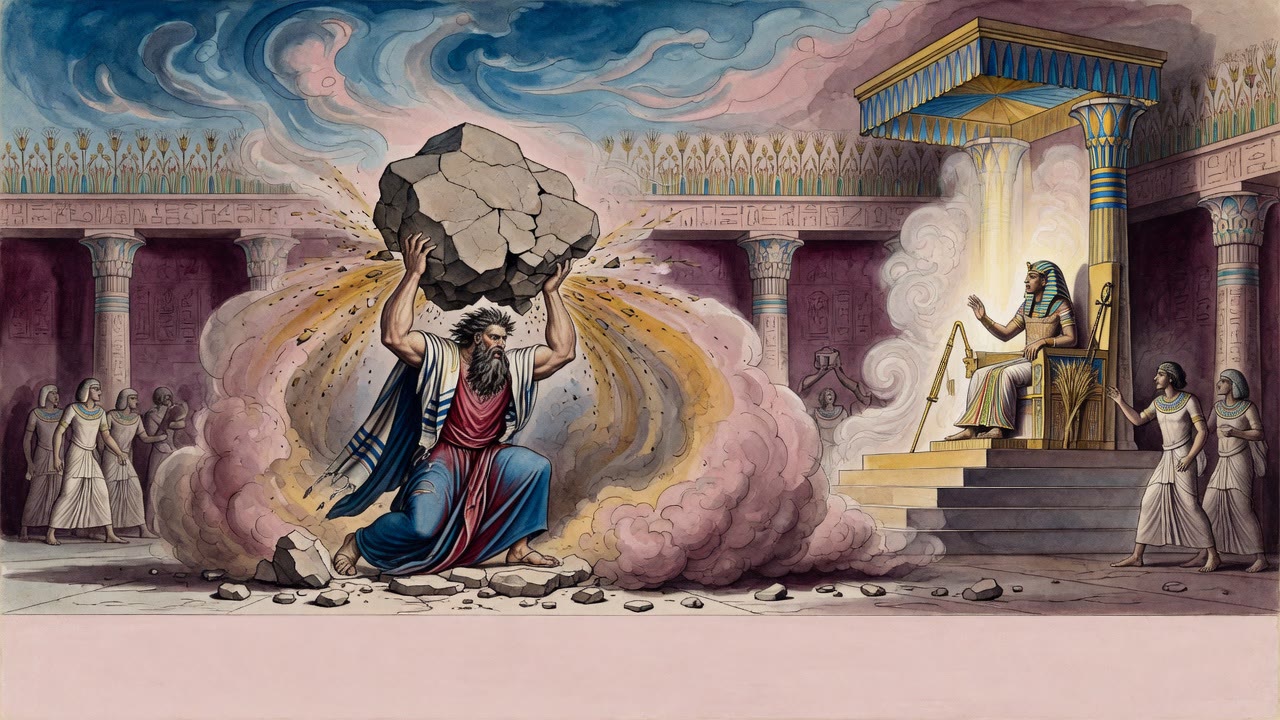
Judah hurled a four-hundred-shekel stone skyward and caught it with his left hand. Joseph had Manasseh do the same, to show Judah what he was facing.
Solomon's golden throne dazzled every nation that saw it. But the rabbis taught that its true origin was not in the cedar of Lebanon or the gold of Ophir. It was prepared at the foundation of the world.
Israel sang that Judah became God's sanctuary. Centuries later, strangers shouted Unclean at the same Judeans in the ruins of their own city.
Jacob's blessing to Judah contained a hidden transmission that made one man's tribal name the identity of every Jew who ever lived.
Other nations are exiled and assimilate. They eat the local bread, wear the local clothes, and forget they were ever somewhere else. The Rabbis of Eikhah Rabbah argued that only Israel truly experiences exile, and they explained why.
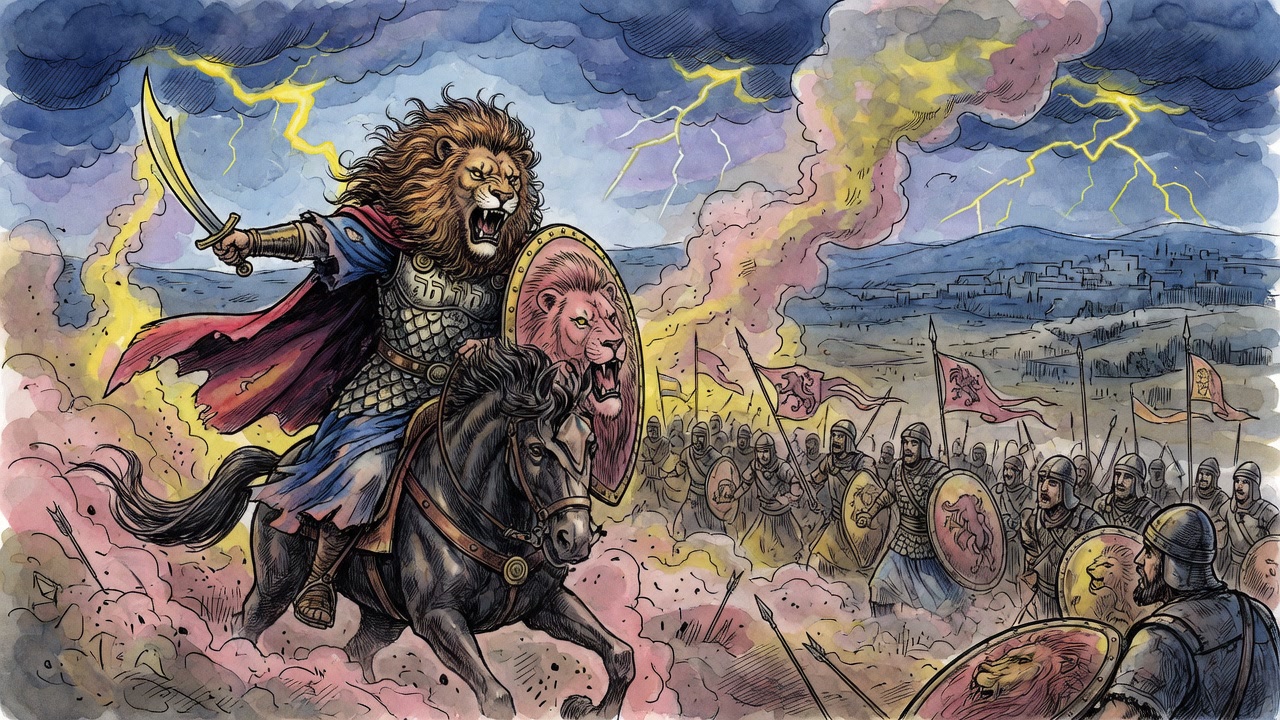
When seven armies surrounded Jacob's sons at Shechem, Judah ran toward the spears first. The Chronicles of Jerahmeel remembers what he looked like.