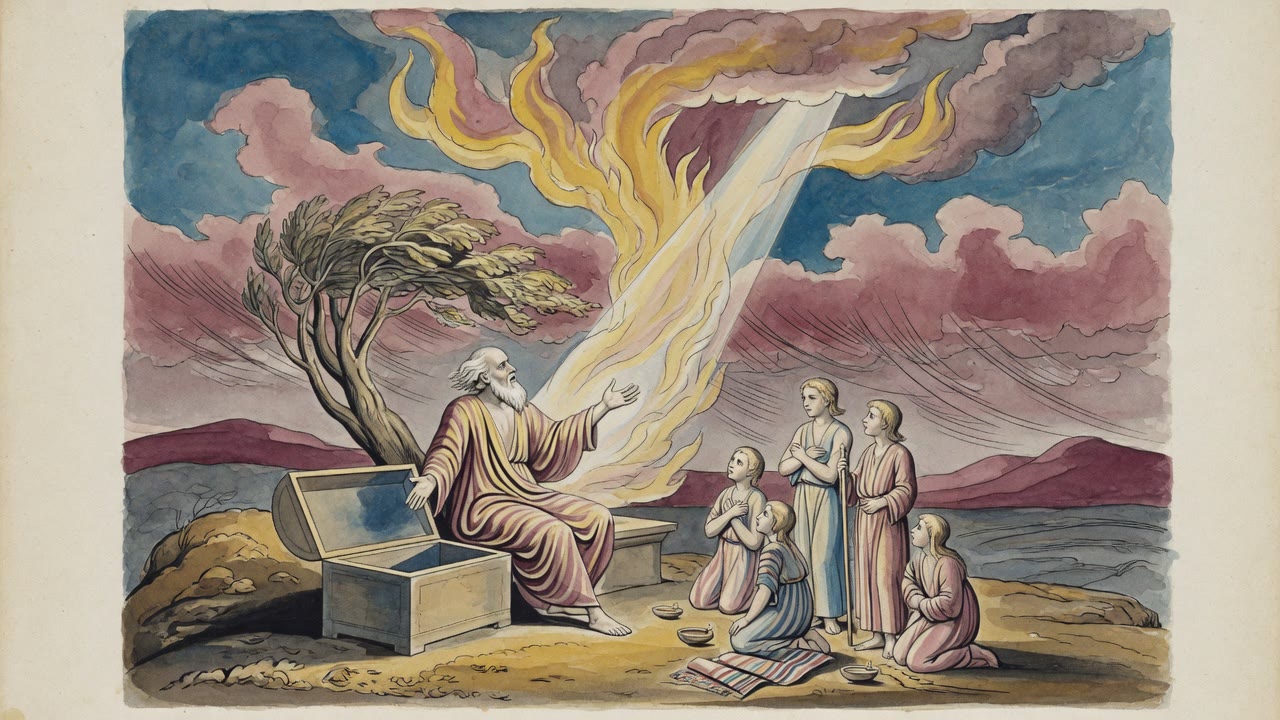
Judah's Voice Shook Creation When He Confronted Joseph in Egypt
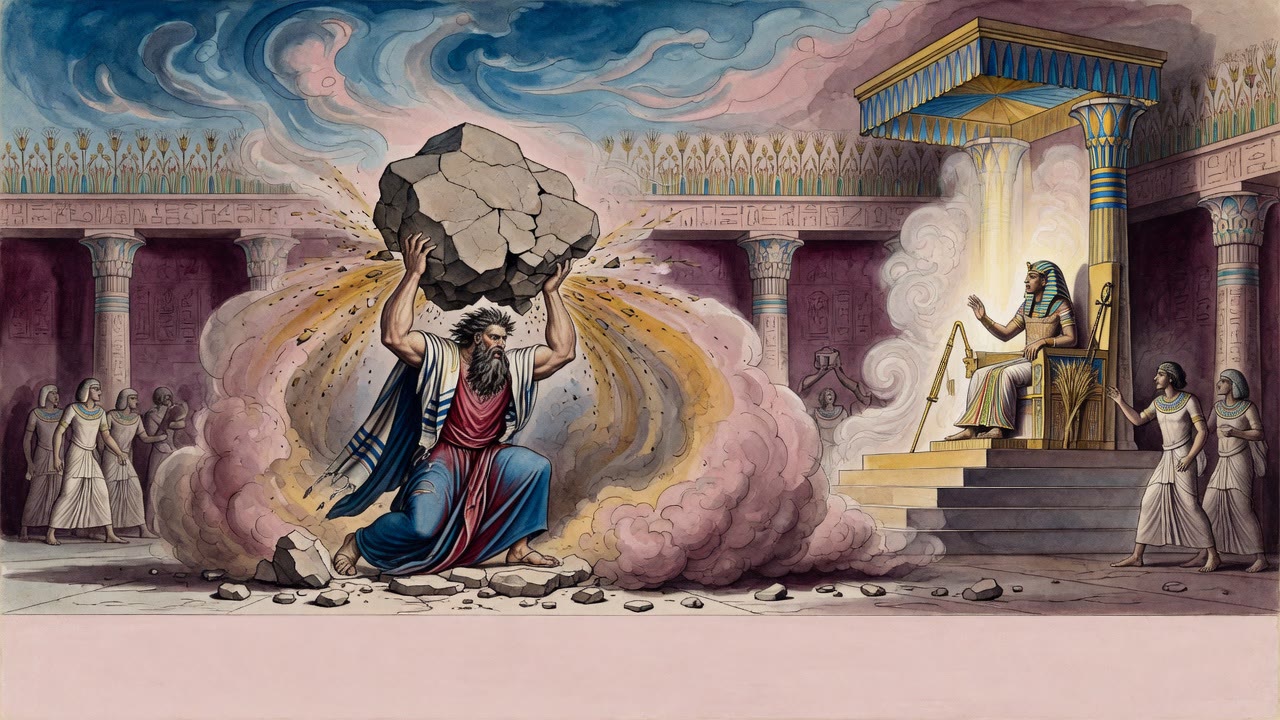
When Judah raised his voice in Egypt demanding Benjamin's release, the rabbis said his cry shook the earth and made the angels tremble in heaven.
Table of Contents
 Click for full size
The Voice That Angels Heard
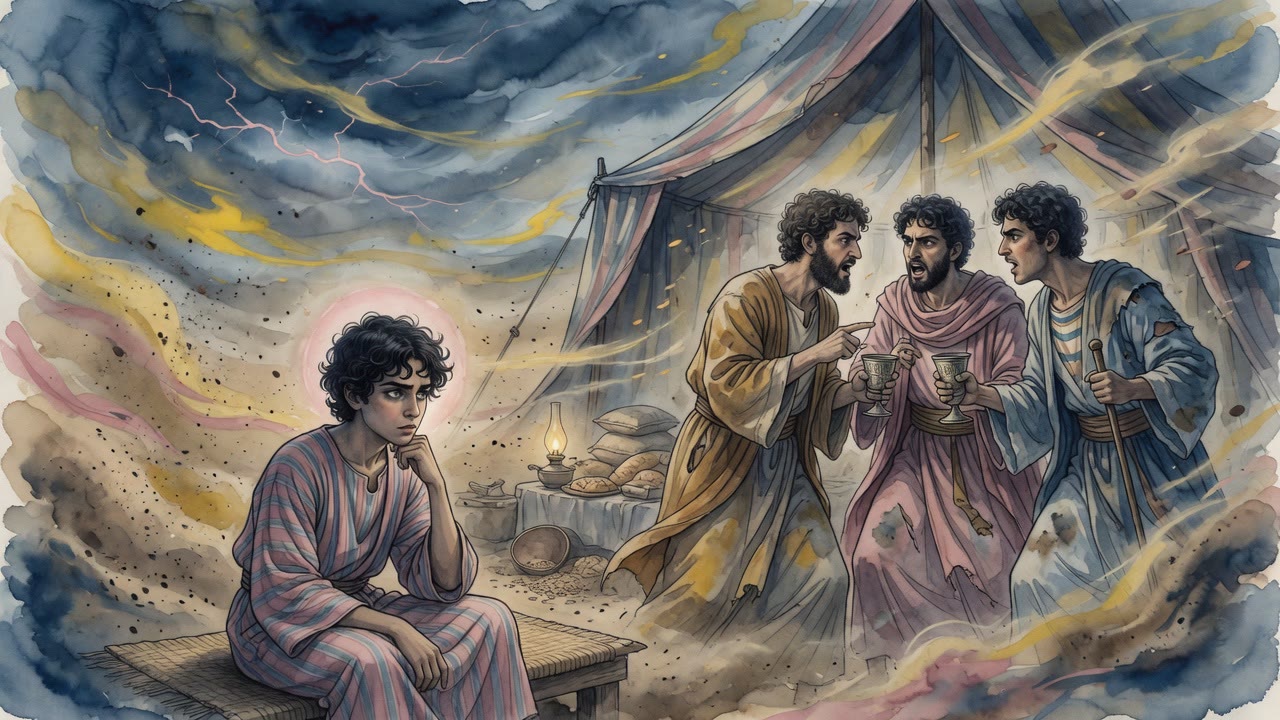
The confrontation between Judah and the viceroy of Egypt looks, on the surface, like a family argument. A man demanding the release of his youngest brother from a foreign official who had accused him of theft. But Midrash Tehillim, the collection of rabbinic interpretations on the Book of Psalms compiled in the Land of Israel across the fifth through eleventh centuries CE, says something happened in the spiritual architecture of the world when Judah opened his mouth.
Rabbi Joshua ben Levi, citing Rabbi Judah bar Elai, traces the verse and you have given me the back of my enemies (Psalm 18:41) directly to Judah. The enemies did not flee because of military force or numerical advantage. They fled because of a voice. When Judah raised his voice in confrontation, something happened in the order above the physical one: the very angels trembled. The text says the cry shook heaven and earth simultaneously. Enemies, wherever they were stationed, turned and ran before him.
This is not military biography. It is theology about what a voice forged in a particular way can do when it operates at full force.
What Forged the Voice
The rabbis rooted this power in the specific reckonings of Judah's life. He had not been born with a voice that shook heaven. He had earned it through a series of experiences that most men would have survived by keeping silent.
The worst of them involved Tamar. Judah had wronged her. He had failed to give her his son Shelah in levirate marriage after her first two husbands died. She had dressed as a temple prostitute on the road, and Judah had not recognized her, and she had conceived by him. When she was brought out to be burned for harlotry, she sent Judah the personal seal and cord and staff she had taken from him as a pledge. She said: the man who owns these is the father of my child. Judah could have let the identification process fail. He could have stayed silent. He said instead: she is more righteous than I. He said it in public, in front of witnesses, when silence would have protected him completely.
That act, the willingness to announce one's own guilt in public when silence would have cost nothing, changes a person. The voice that can admit its own failure at full volume in front of witnesses is not the same voice it was before. Something is stripped from it and something else is added. It becomes capable of force at a different register because it no longer has anything to protect.
The Power That Jacob's Blessing Named
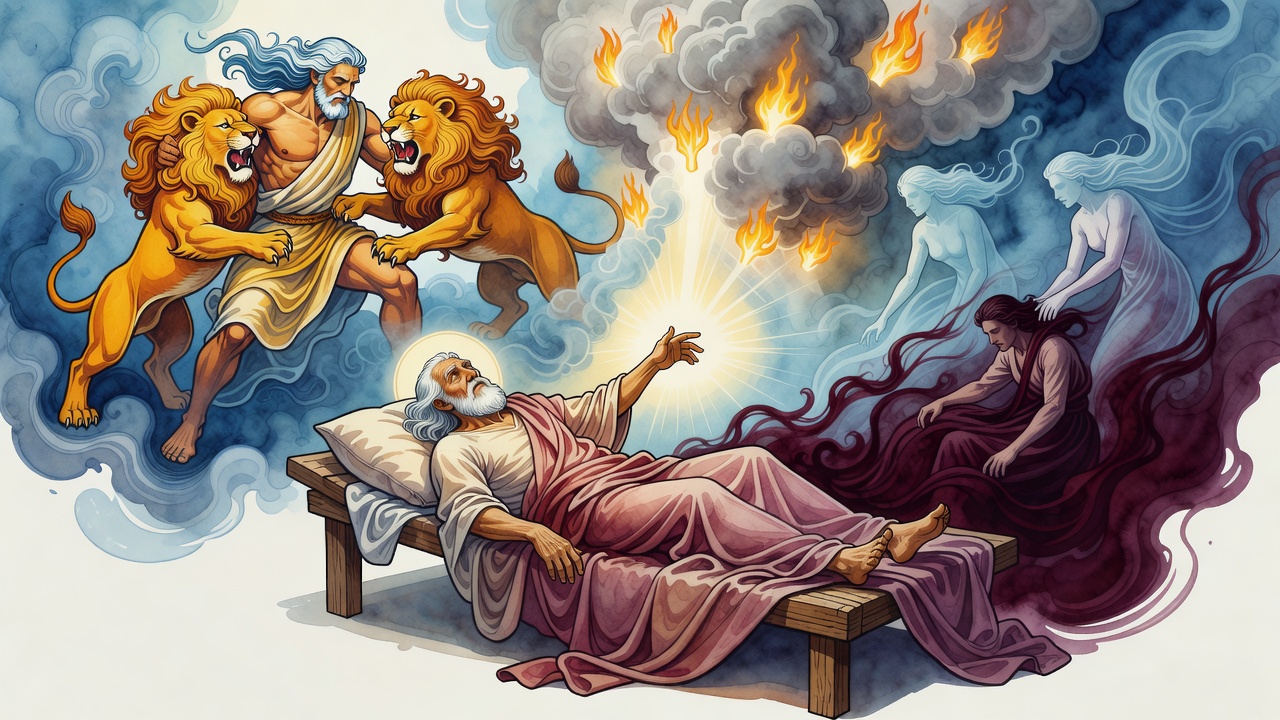
The Book of Jubilees records Jacob's deathbed blessing of Judah with language that is unusually military in its directness. Let all who hate you fall before you. Let all your adversaries be rooted out and perish. Blessed be he who blesses you, cursed be every nation that curses you. May the Lord give you strength and power to tread down all that hate you.
This is not the gentle blessing of a dying man wishing his son well. It is the transmission of a power that the tradition understood as real and operative. Jacob had watched Judah live. He had watched the reckoning with Tamar. He had watched Judah pledge his own life for Benjamin's safety in Egypt. He had watched the speech that broke Joseph open and ended the twenty-two years of separation. He knew what his son had become through the specific furnace of his particular failures and recoveries.
The blessing confirmed what was already present. It named the power that the confrontations had developed. Judah was going to produce a line of kings. From that line, the tradition consistently says, the Messiah would come. The power of the voice that shook heaven and earth in Egypt was the same power that would eventually, at the end of history, complete what it had begun.
Judah's Confrontation at Isaac's Funeral
Midrash Tehillim preserves a tradition that at Isaac's funeral, when Jacob and Esau and all the tribes gathered to mourn, a confrontation occurred between Judah and Esau. Ginzberg's synthesis of these midrashic sources places Judah at the center of the battle, with his voice operating as the decisive weapon. Esau had brought allies. He intended to contest the burial rights to the cave of Machpelah. Judah's voice ended the contest before it became a military one.
The tradition places this scene chronologically after the Egypt episodes and after Judah's public acknowledgment of guilt with Tamar. The voice that shook heaven in front of Joseph in Egypt was the same voice that ended Esau's challenge at Isaac's grave. The power had been there since the reckoning with Tamar. It operated in every confrontation afterward where the cause was just and Judah was fully committed to saying what needed to be said regardless of the cost to himself.
← All myths