Jacob Sent Judah Ahead to Build a House of Torah in Goshen
For twenty-two years Jacob secretly blamed Judah for selling Joseph. Then on the road down to Egypt, he handed Judah the keys to the family's future.
Table of Contents
 Click for full size
Twenty-Two Years of Unspoken Blame
It had never been said out loud. But Jacob had carried the suspicion since the day they brought him the coat. He had looked at the blood and looked at his sons, and somewhere in the arithmetic of who had been where, of who had proposed the sale and who had been willing, he had landed on Judah. He never confronted him. He never named it. He kept feeding the sons of Leah at his table and giving them work and watching them for the rest of the years as a man watches the walls of his house, checking for the crack that will finally tell him where the damage started.
And then Benjamin came back from Egypt.
Benjamin came back not just alive but honored, with silver and donkeys and the blessing of the Egyptian governor on his head. And it was Judah who had brought him back, Judah who had put himself up as collateral, Judah who had stood in front of the viceroy and said: take me instead. The man Jacob had suspected for two decades had just done the thing Jacob had feared he would never do.
The Road Down to Goshen
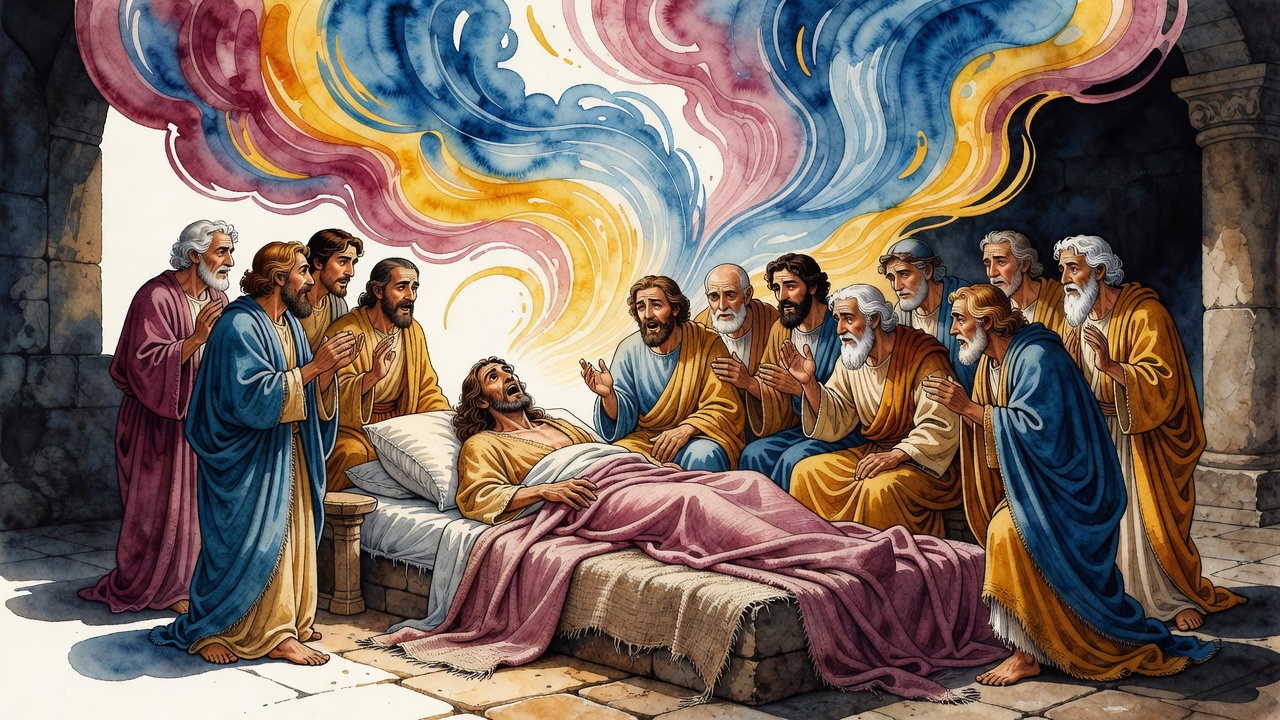
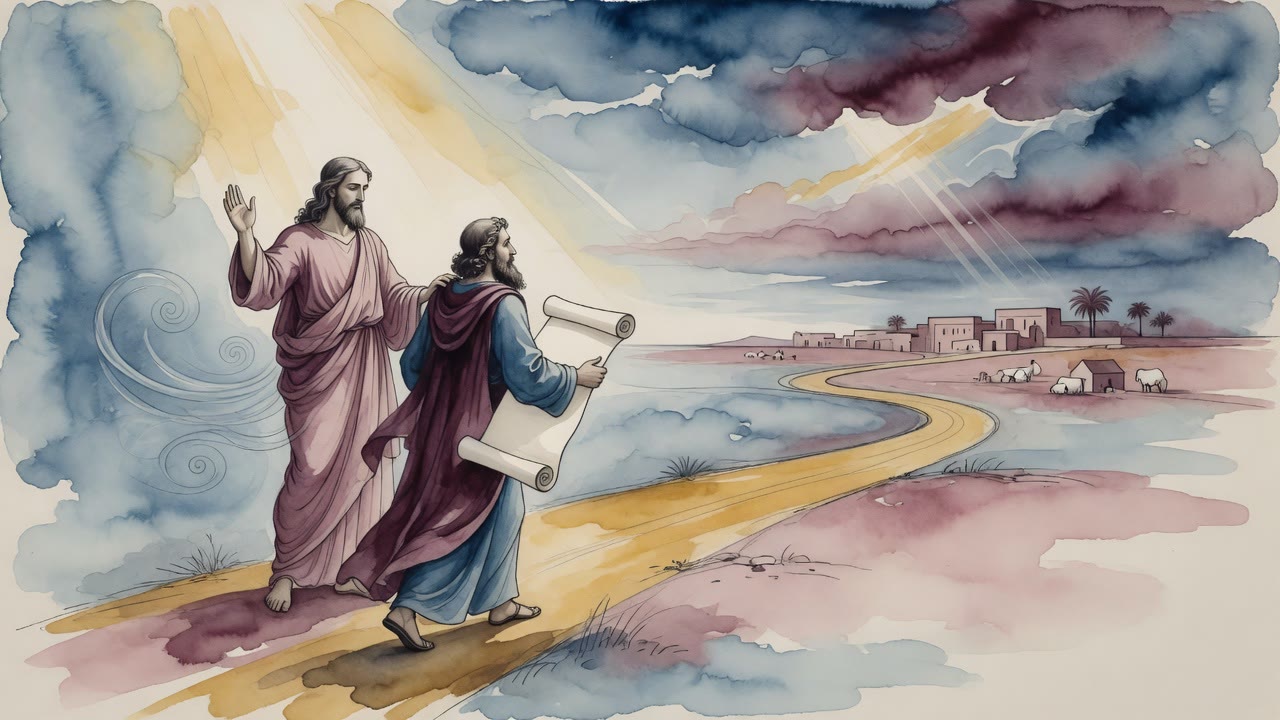
Genesis 46:28 gives us the instruction in one verse: Jacob sent Judah ahead to Joseph, to direct the way to Goshen. That is all the Torah says. The rabbis could not leave that alone.
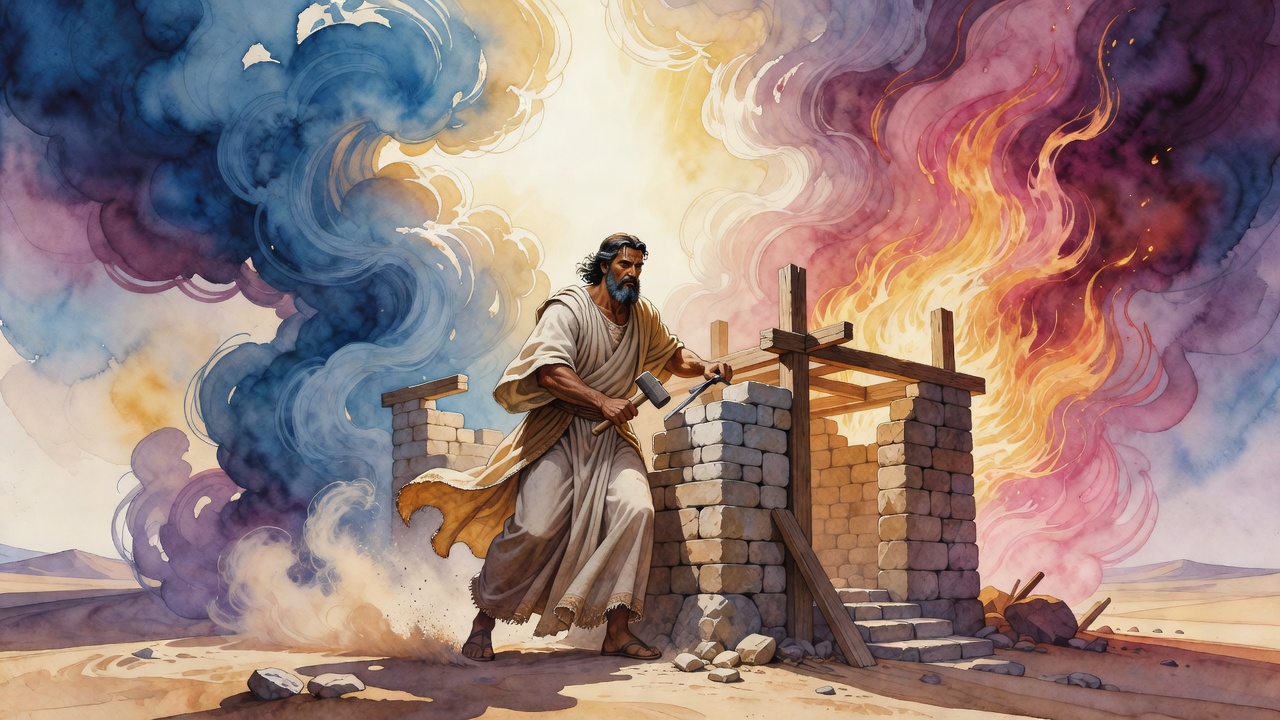
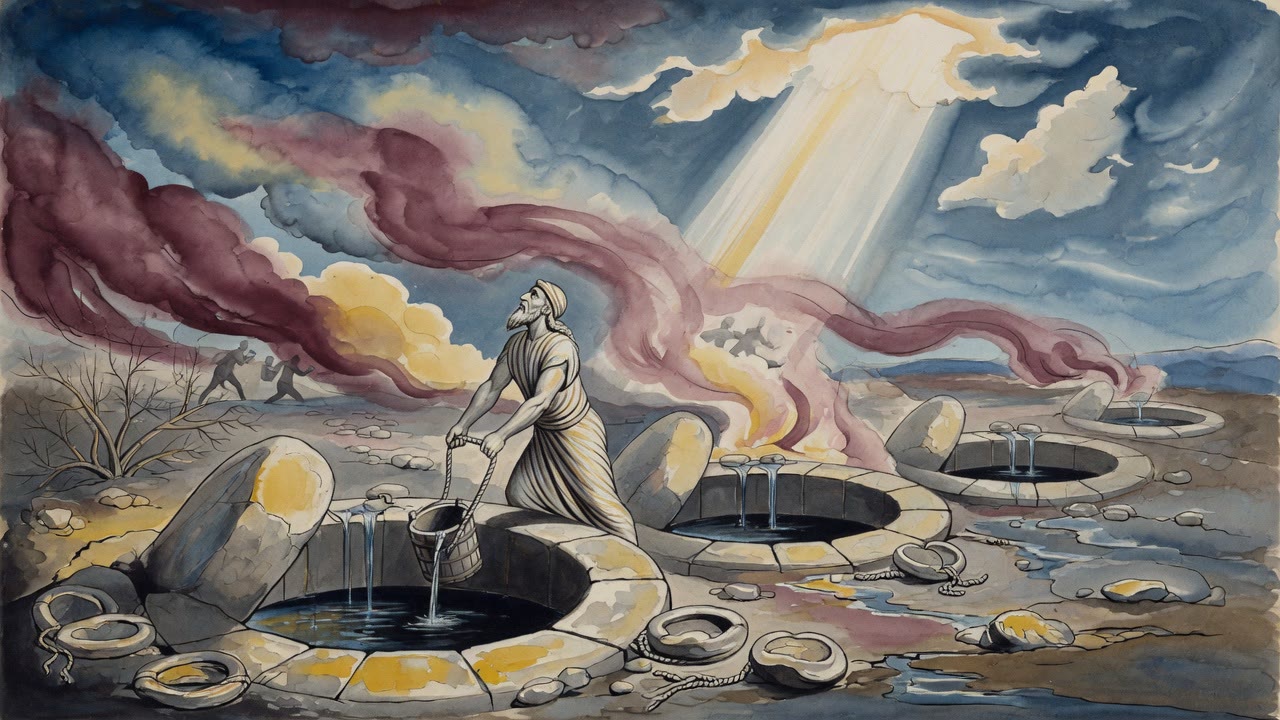
Bereshit Rabbah, the fifth-century Palestinian midrash on Genesis, and the traditions Ginzberg assembled, land on the same answer: Jacob was not sending Judah ahead to find a field or sign a lease. He was sending him to build a Bet ha-Midrash, a house of Torah study, in the land of Goshen, before the family had even arrived on Egyptian soil.
This was the first building the family of Israel would raise in exile. Not a granary. Not a stable. A place to learn.
A Classroom Before a Roof
The rabbis read this detail as an act of enormous forethought. Jacob was going down to Egypt with a family of seventy, into a country that had just survived seven years of famine and was about to experience the long slide into oppression. He was going as a refugee. He had nothing to negotiate with except the reputation of his son the governor and the memory of what his grandfather had been.
But he understood, the tradition says, that the danger in Egypt was not hunger. Hunger had been managed. The danger was what happens to a people over generations without a place where the memory lives. A house of Torah study in Goshen meant that when the oppression came, and Jacob had enough prophetic instinct to know the oppression would come, his grandchildren and their grandchildren would have somewhere to go that was not the brickyard.
He sent Judah to build it because Judah had just proven something in Egypt that outweighed twenty-two years of suspicion. A man who will put himself on the line for a brother he did not particularly like is the right man to build the room where the next four hundred years of memory will be kept.
The Prophecy Jacob Laid on Judah at the End
Years later, on his deathbed, Jacob called his sons together and spoke over each one. When he came to Judah, the words were not a rebuke. They were a crown. The scepter shall not depart from Judah. From him, the tradition would say for the next three thousand years, the line of kingship descended. From him, the Messiah would come.
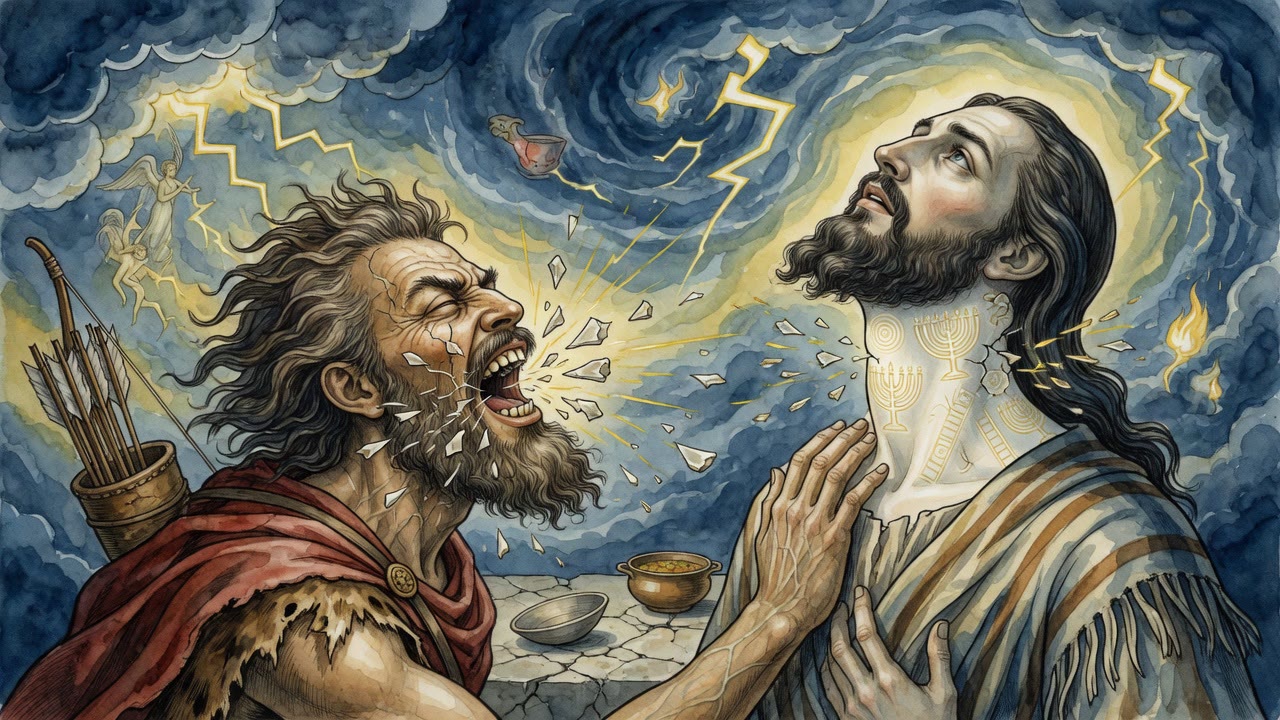
The Sefer HaYashar, the medieval text preserving earlier Second Temple material, records Judah in battle as a man of supernatural force, throwing stones with enough power to shatter shields, turning whole engagements by the force of a single charge. Jacob's eyes had not missed this. He had watched all his sons and known what each of them was. The suspicion and the trust had always been about the same man, the one fierce enough to destroy and fierce enough to protect.
He sent that man ahead to build the first classroom in exile. It was the trust that had been a long time coming.
← All myths